Patera
A patera was a shallow bowl or pan, sometimes with a long handle. Roman images often show one held by a person pouring a libation to the gods. Archaeologists, however, also call similar vessels paterae when they come from domestic or burial contexts. Shape alone does not prove that a particular example was used only in worship.
Examples survive in copper alloy, silver and pottery. Their size and finish range from plain utensils to richly decorated objects. In describing a find, material, dimensions, date and findspot are more informative than assigning every patera one function.
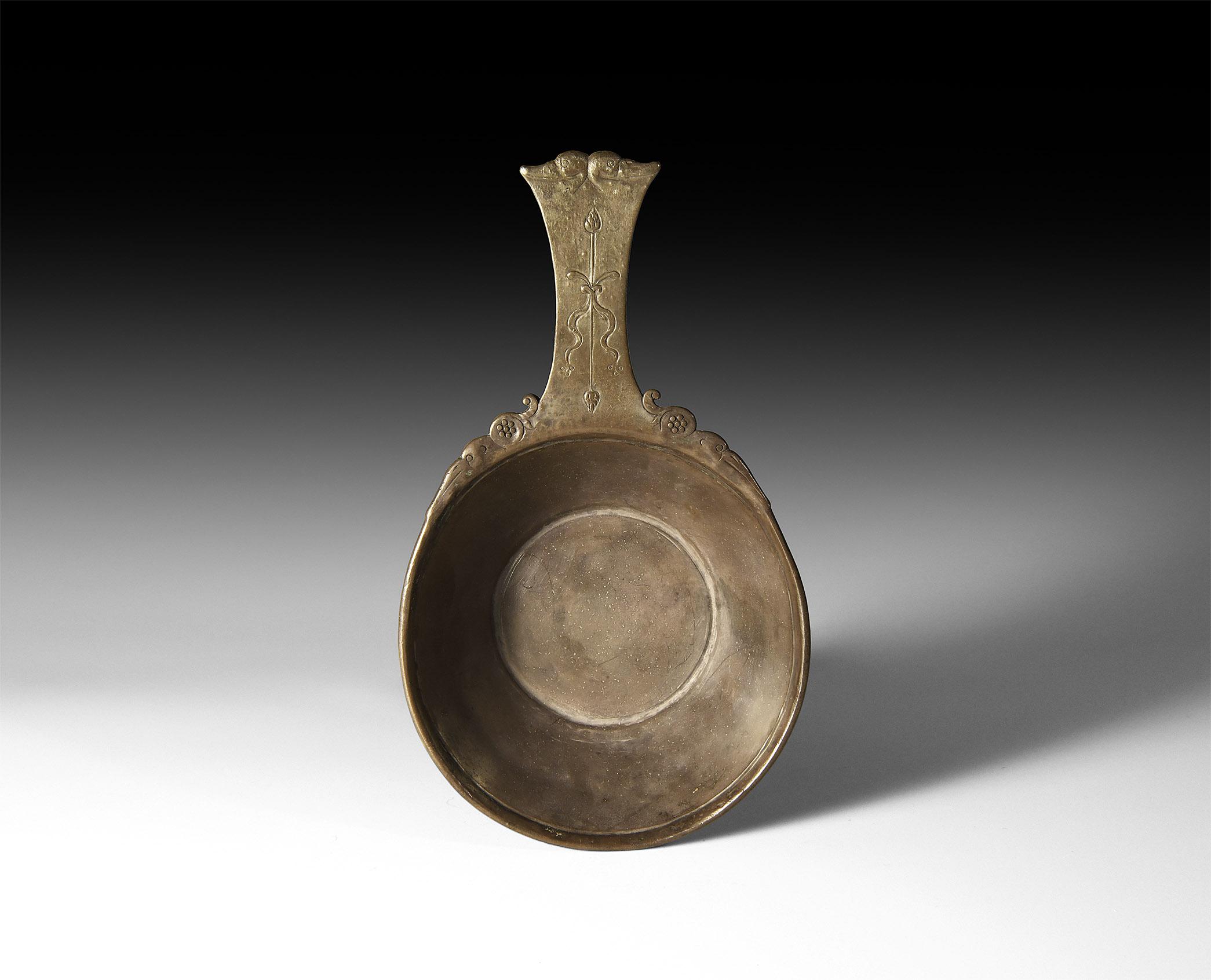 Silver patera. 17 cm,weight 133 gr. Found in Britain. It was stored in Paris,but was stolen,certificate number 10357-168736. 2-3 century AD.
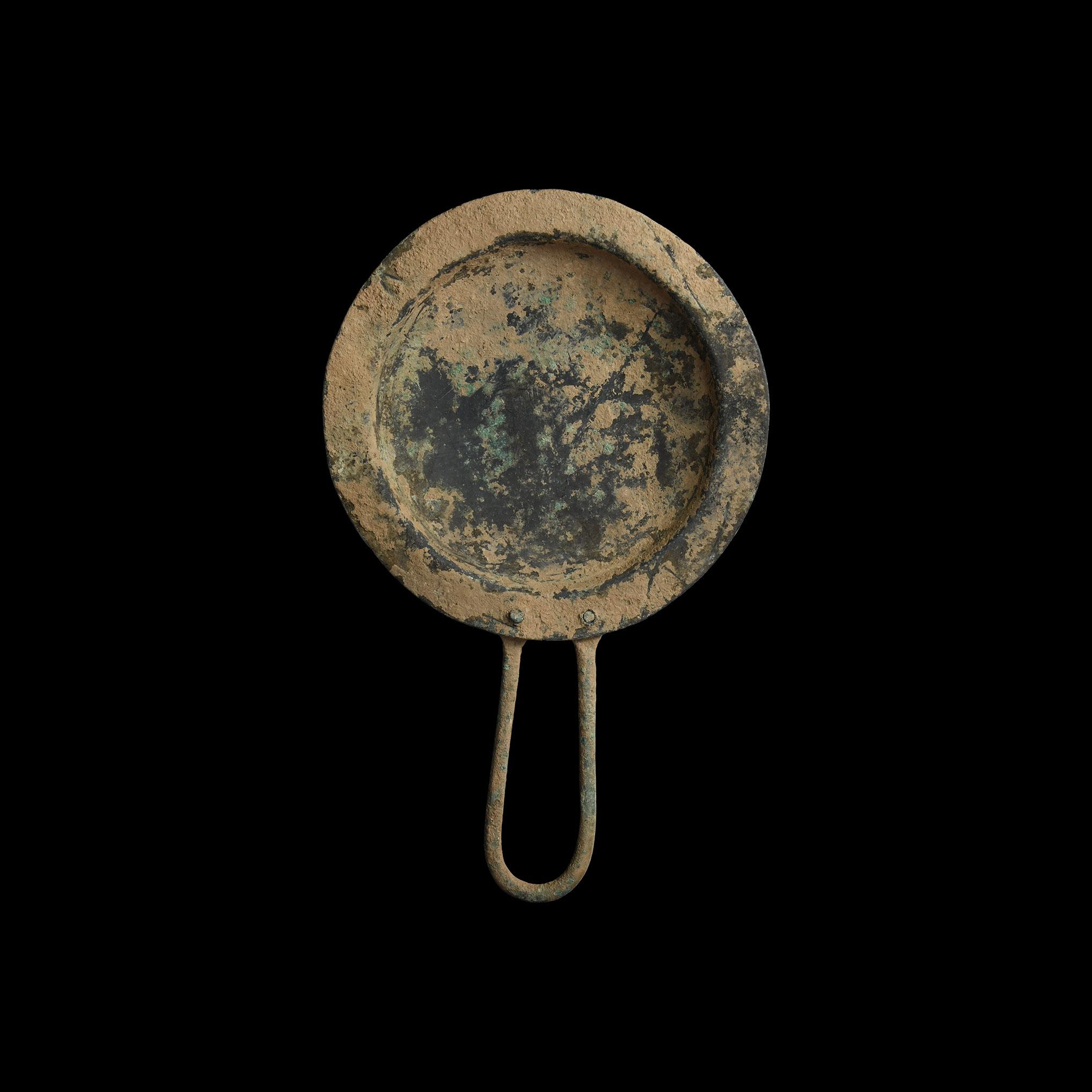 Iron patera. 23.8 cm. Weight-258 g. Found in the British Isles. 1-2 century AD
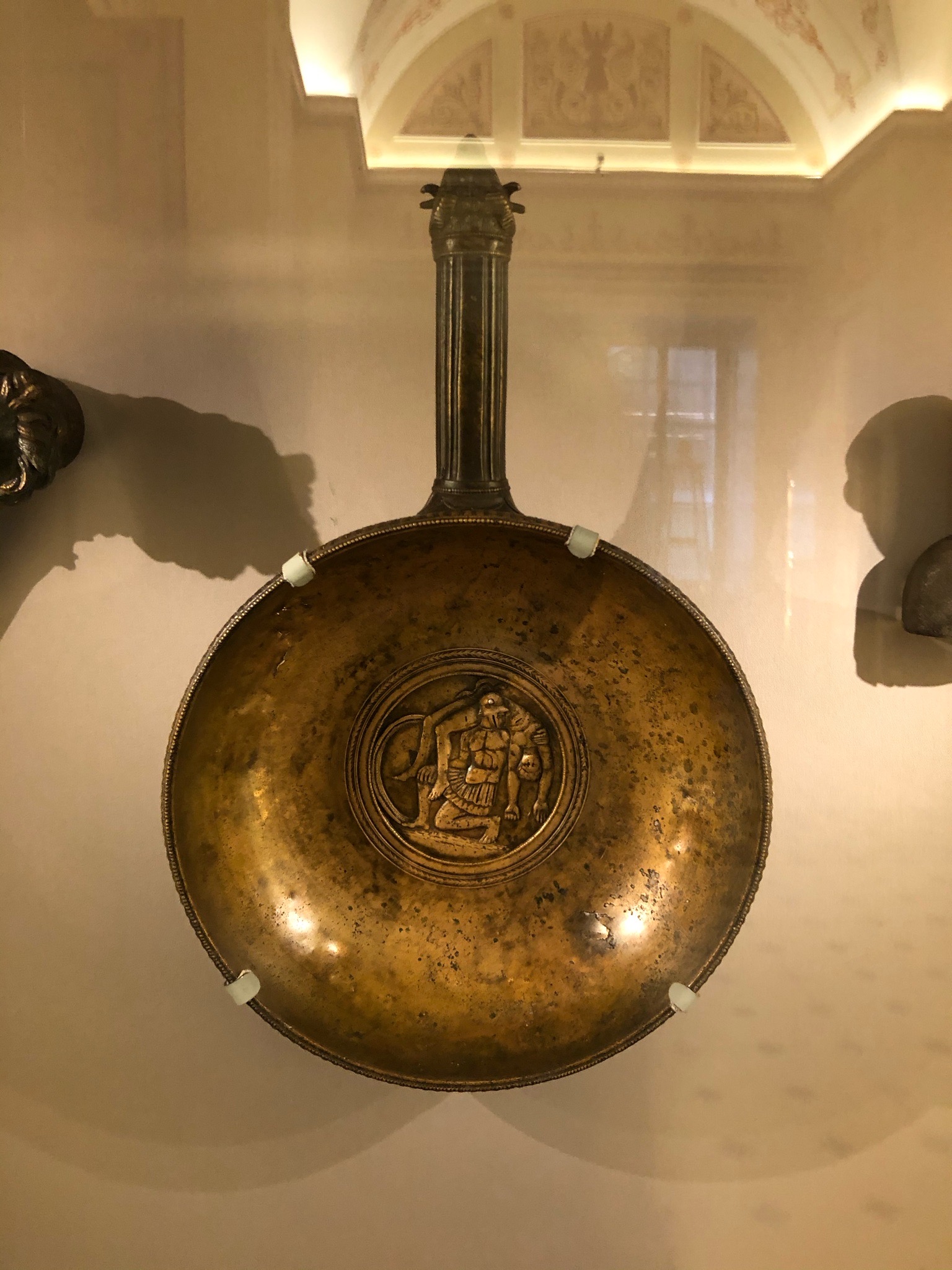 Bronze patera. Hermitage,St. Petersburg,1-2 century AD
Ritual and Daily Use
A patera could be used to pour wine or another liquid during sacrifice. Reliefs and coins depict such scenes, but an idealised ritual image cannot substitute for the archaeological context of an individual find. Similar vessels could also serve for ladling and pouring in daily life. A patera should be distinguished from a situla, a bucket-shaped vessel used for carrying contents.
Decoration and Status
Fine decoration and costly material can indicate status or a special purpose, but do not by themselves prove temple use. Repairs, wear and the context of a hoard or grave add evidence. The British Museum, for example, describes a decorated bronze patera with a handle from a first-century CE Roman grave at Faversham.
Related topics
Sacrifices in ancient Rome · Situla · Calix
Literature
- British Museum: patera from Faversham, inv. 1882,0405.1.
- John Scheid. An Introduction to Roman Religion.


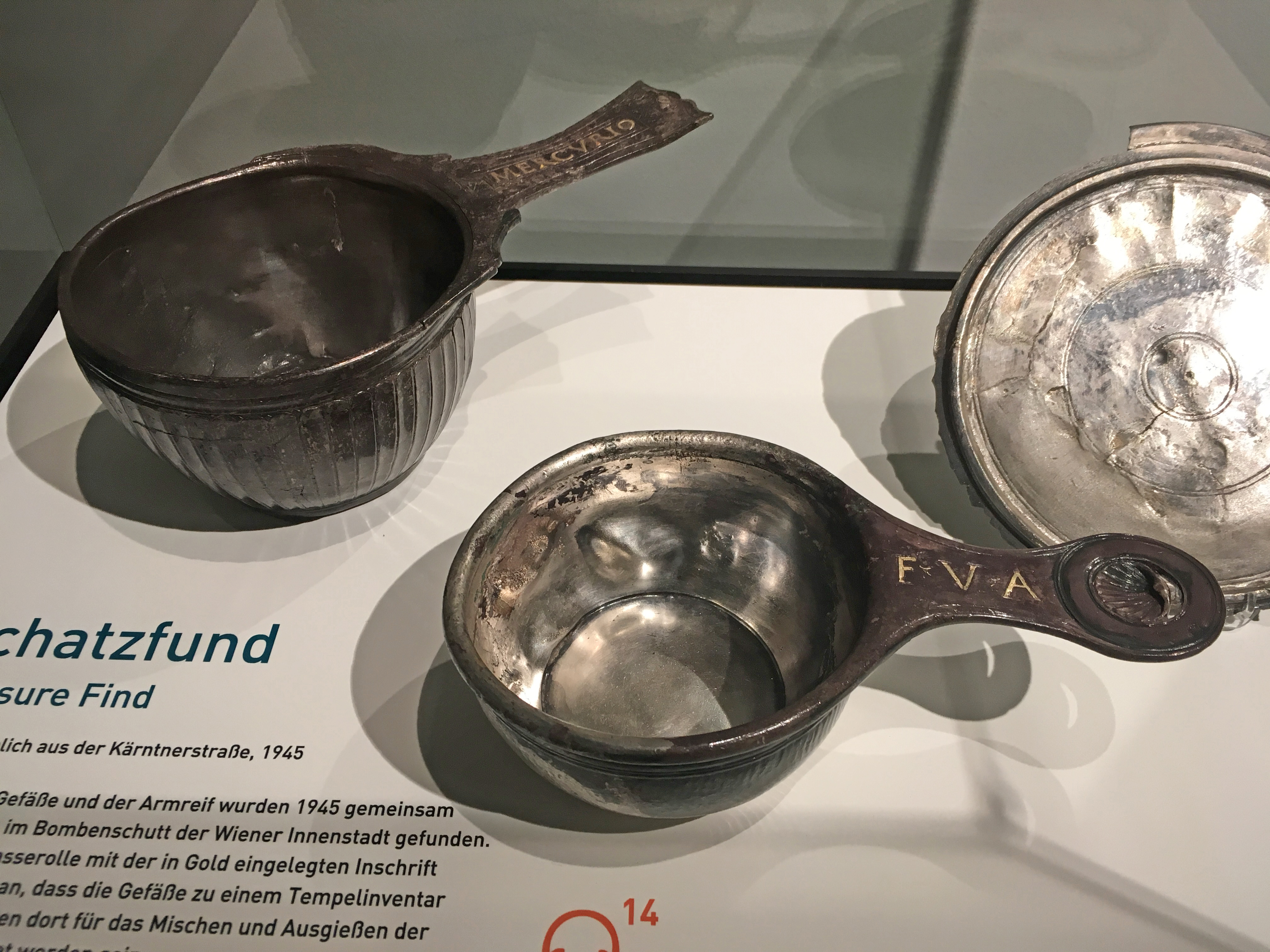 Silver patera from the treasure on Kerntnerstrasse,found in 1945,Vienna. 2nd century AD
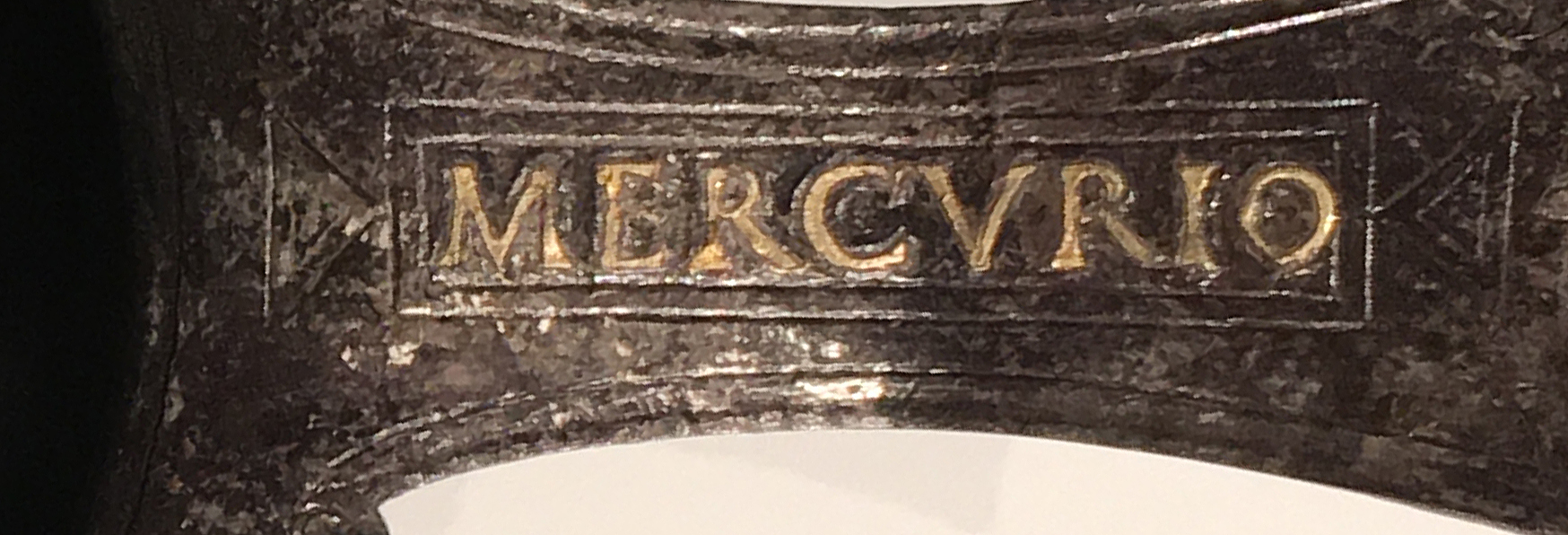 Silver patera from the treasure on Kerntnerstrasse,found in 1945,Vienna. 2nd century AD
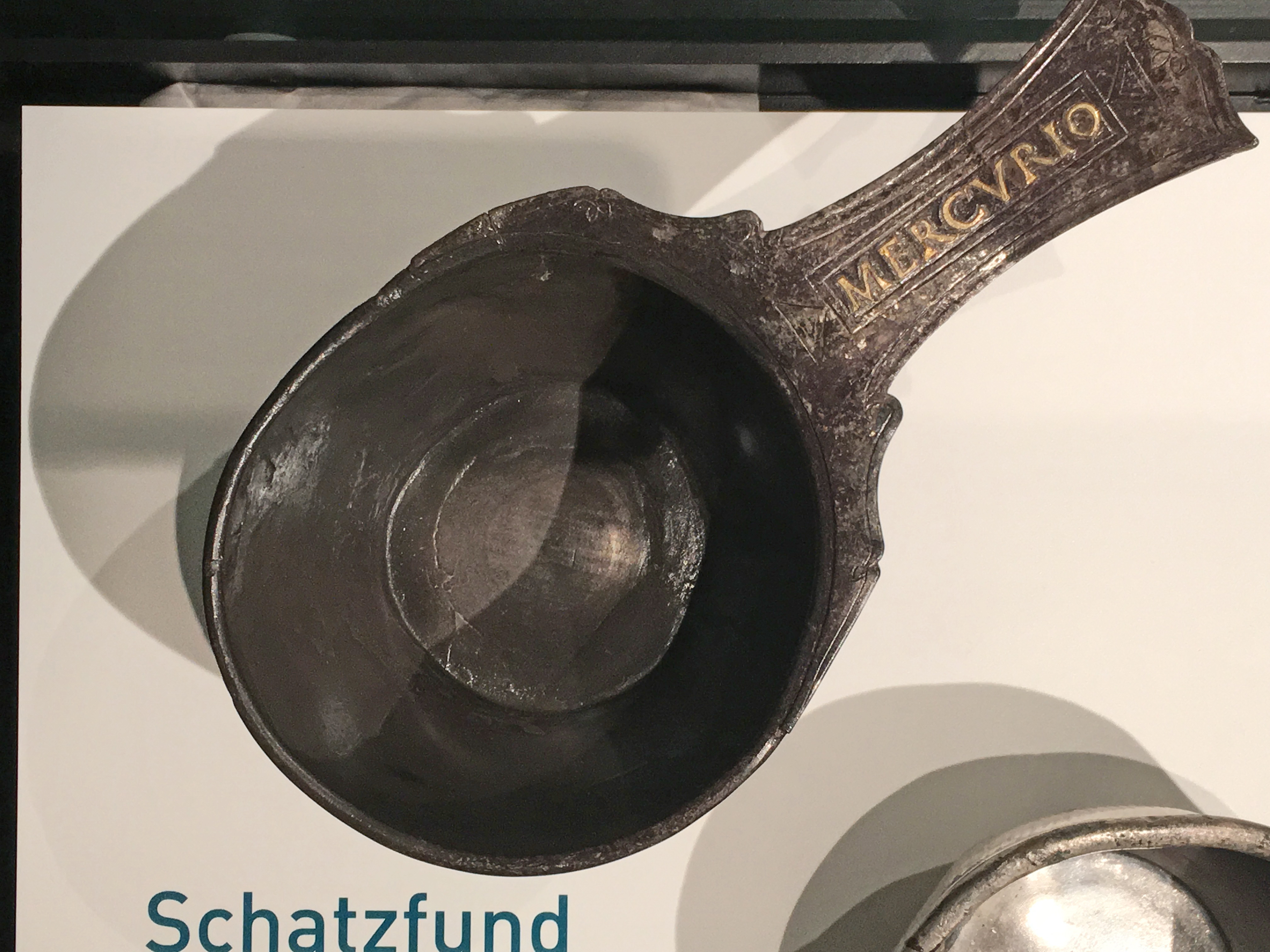 Silver patera from the treasure on Kerntnerstrasse,found in 1945,Vienna. 2nd century AD
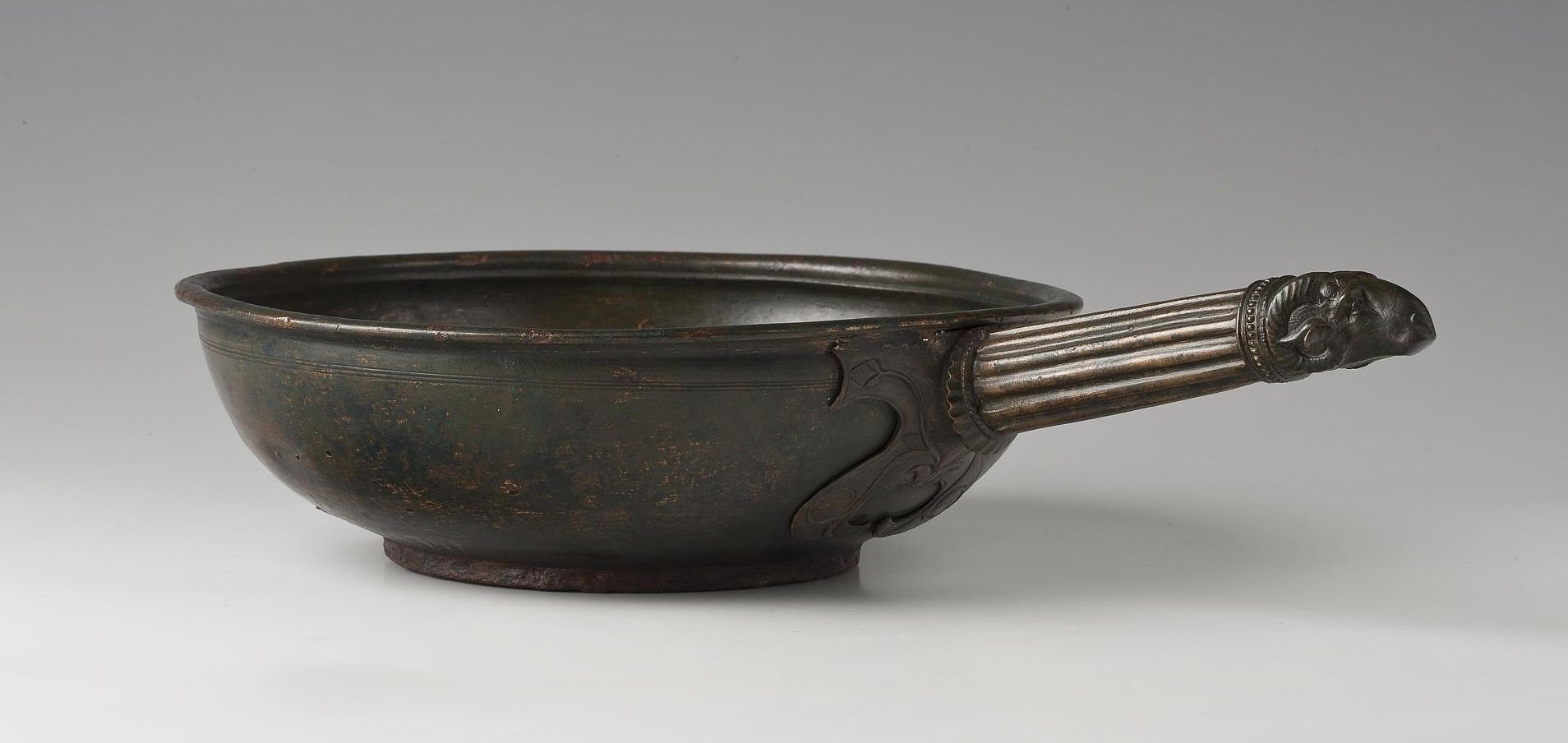 Bronze patera. Capua. Diameter - 22 cm. The Hermitage Museum. # gr-5093. Entered in 1873. Mid-1st century AD
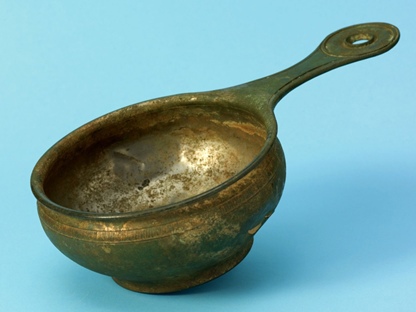 Bronze patera. University of Nottingham Museum. 1-3 century AD
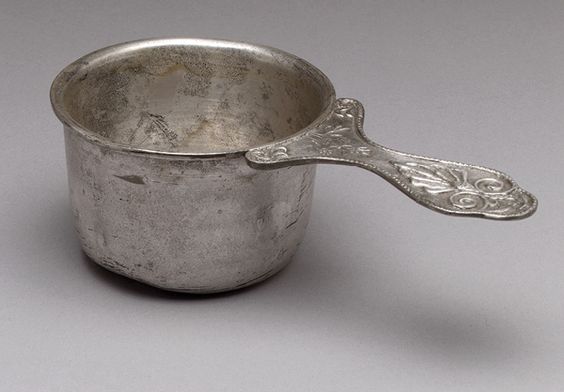 Silver patera. Dimensions 7.4 x 20.6 x 11.2 cm. Metropolitan Museum of Art. 200-300 AD
Interested in Ancient Rome beyond reading? Join Legio X Fretensis or explore our reenactment directions.


