Tripod
A tripod was a stand on three supports. Some ancient examples held a vessel or a suspension for a cauldron over a fire. Others supported a lamp or had a cultic purpose. Construction varied: three legs alone do not prove that an object was a folding campaign device.
In daily use, a tripod could hold cookware securely by a hearth. Description of a particular find should include metal, size, leg joints and signs of heating. Military use is possible where the find context supports it, but should not be attributed automatically to every Roman tripod.
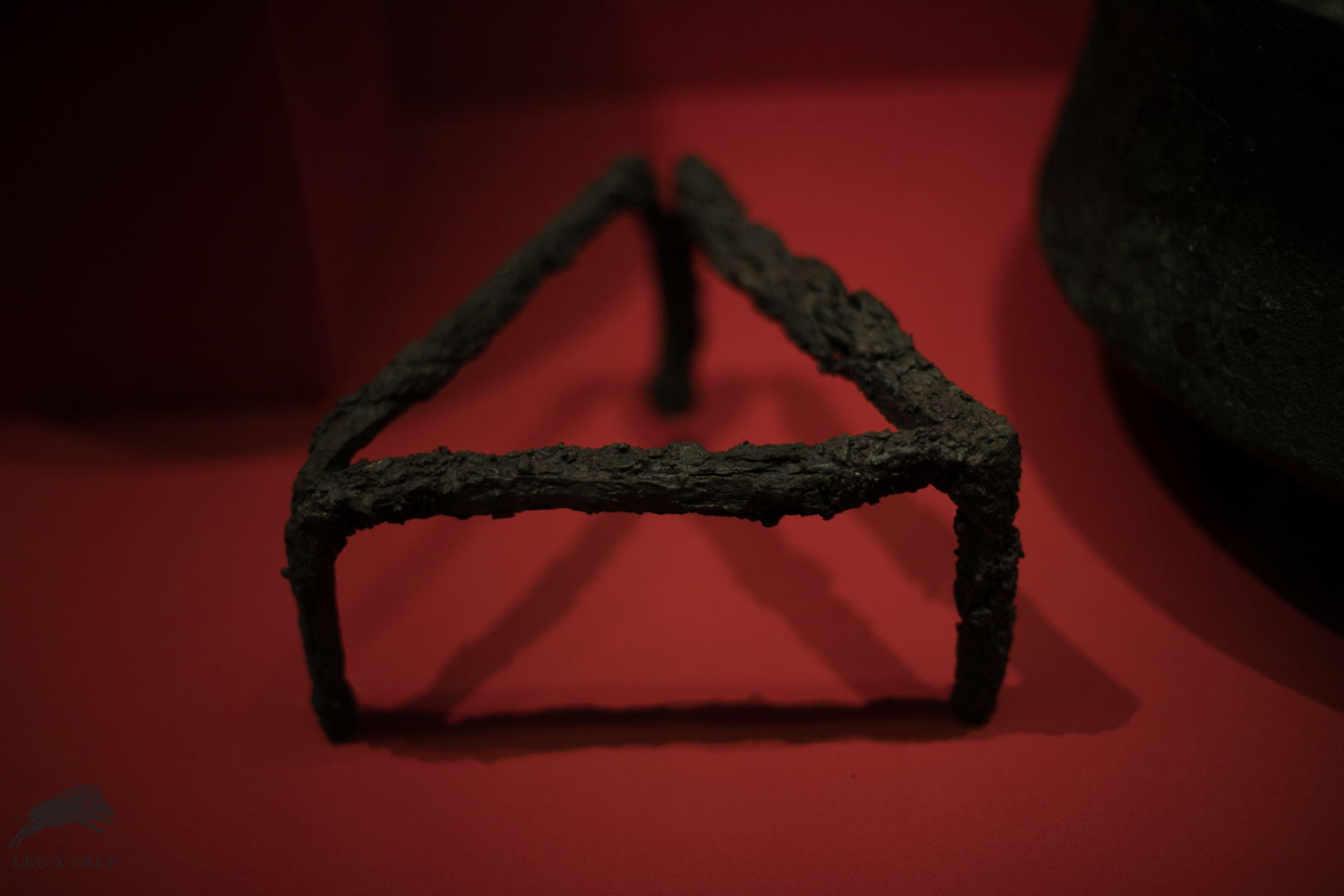 An iron tripod. Gragnano,Villa Karmiano. Pompeii Archaeological Park. 1st century AD
Ritual tripods are well known in Greek tradition, including the association with Apollo at Delphi. Ornament and figured legs may indicate prestige, but a cultic interpretation requires additional evidence. Roman archaeology also includes three-legged lamp stands: the British Museum holds a bronze lamp-stand base with lion's-paw feet. It is a reminder that not every tripod held a cauldron.
A reconstruction should follow a particular prototype rather than combine a decorated Greek tripod, a campaign cauldron and a later lamp stand into one supposedly universal object.
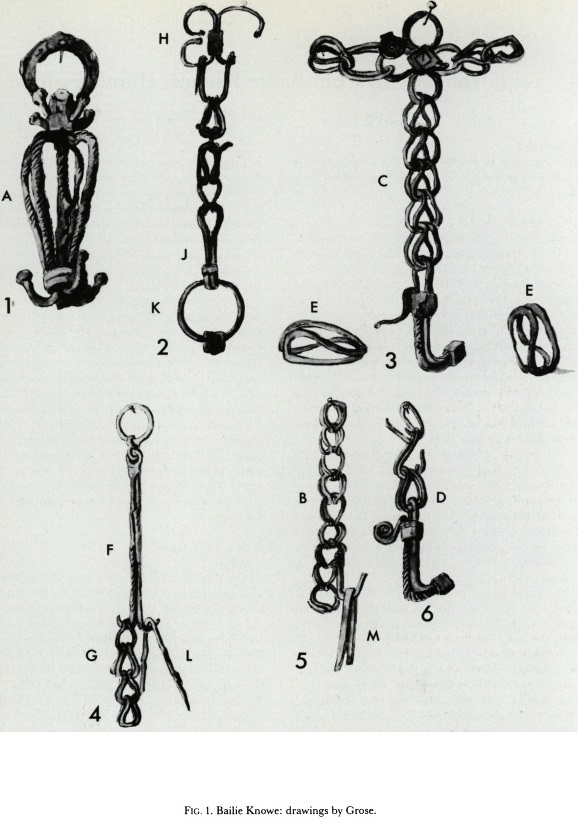 Roman chains. Roman castrum Chester. 1-3 century AD
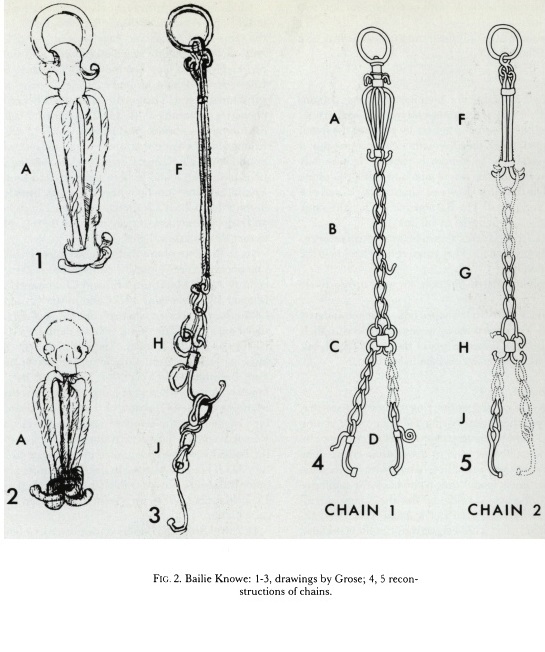 Roman chains. Roman castrum Chester. 1-3 century AD
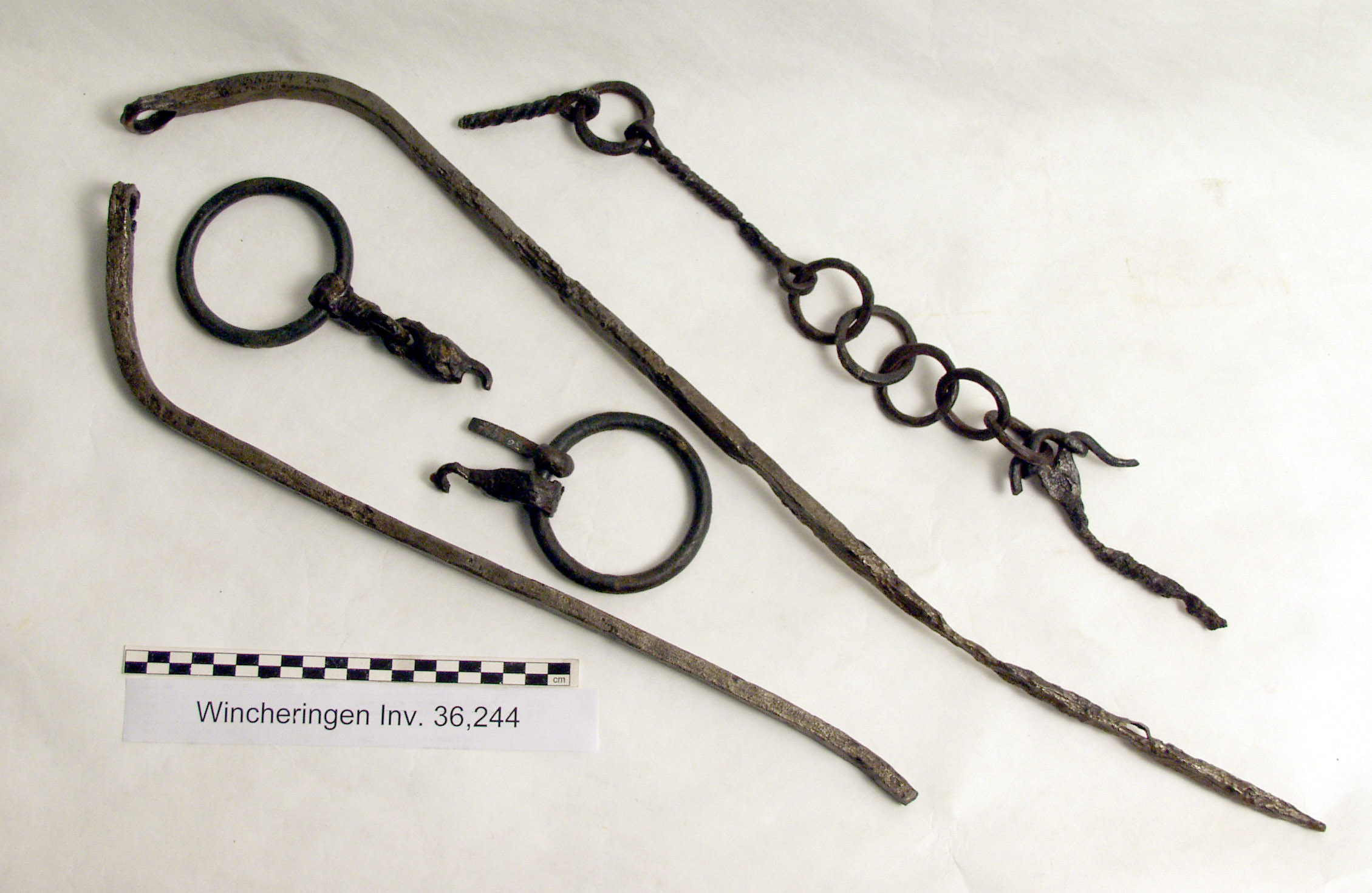 Tripod for a camping cauldron, 1st century AD Trier City Museum
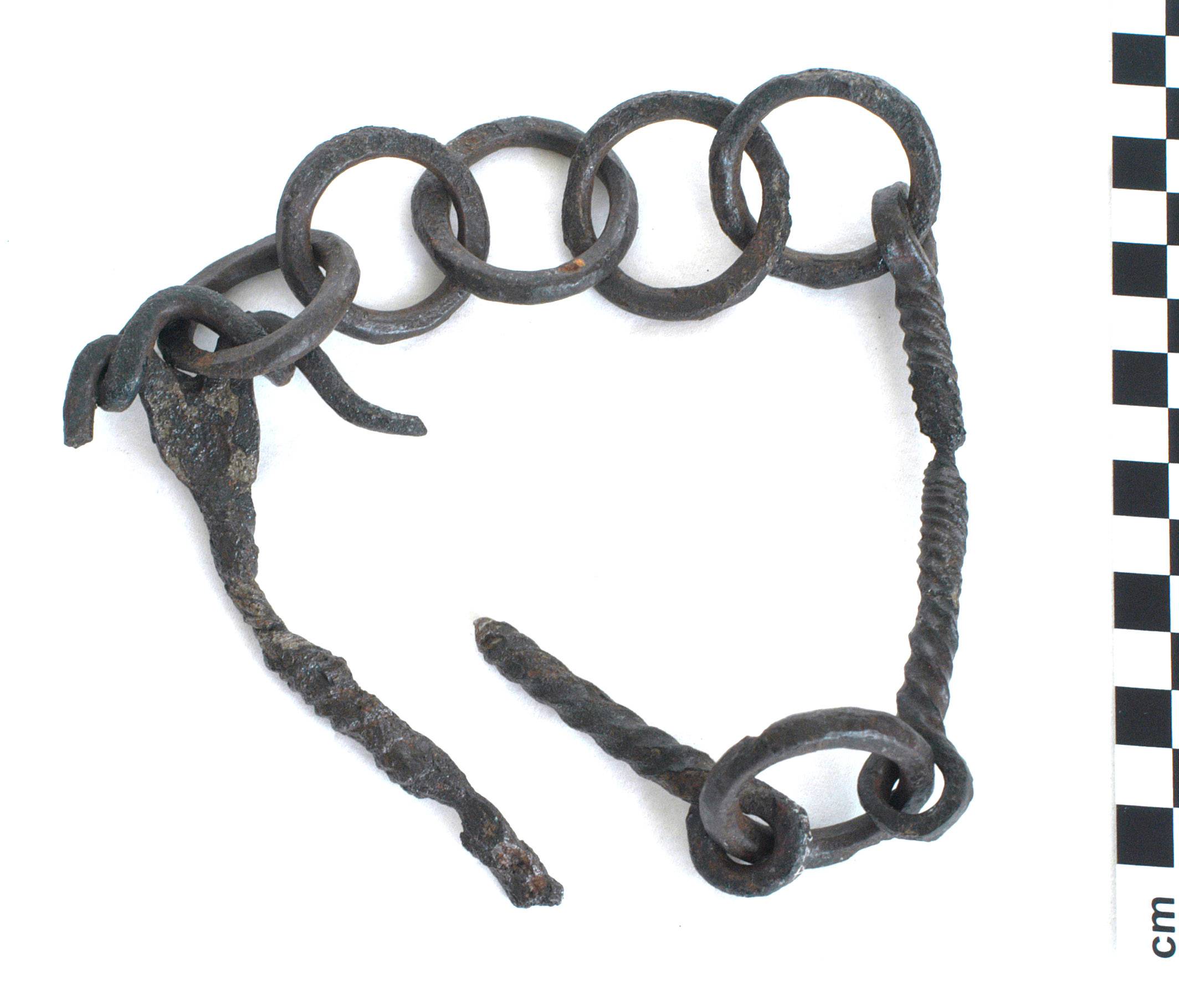 Chain and details of fixing a camping boiler, 1st century AD Trier City Museum
Related Topics
Interested in Ancient Rome beyond reading? Join Legio X Fretensis or explore our reenactment directions.


