Catinum
Catinum (Latin catinum, also catinus) is a Latin term for a bowl or dish, rather than one standard archaeological vessel type. Depth, size and material varied. A round outline alone does not establish that a museum object was called a catinum in antiquity.
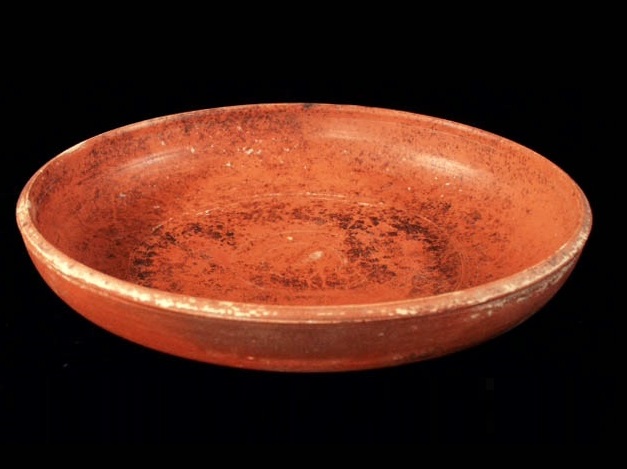 Ceramic plate, attributed to the first century CE.
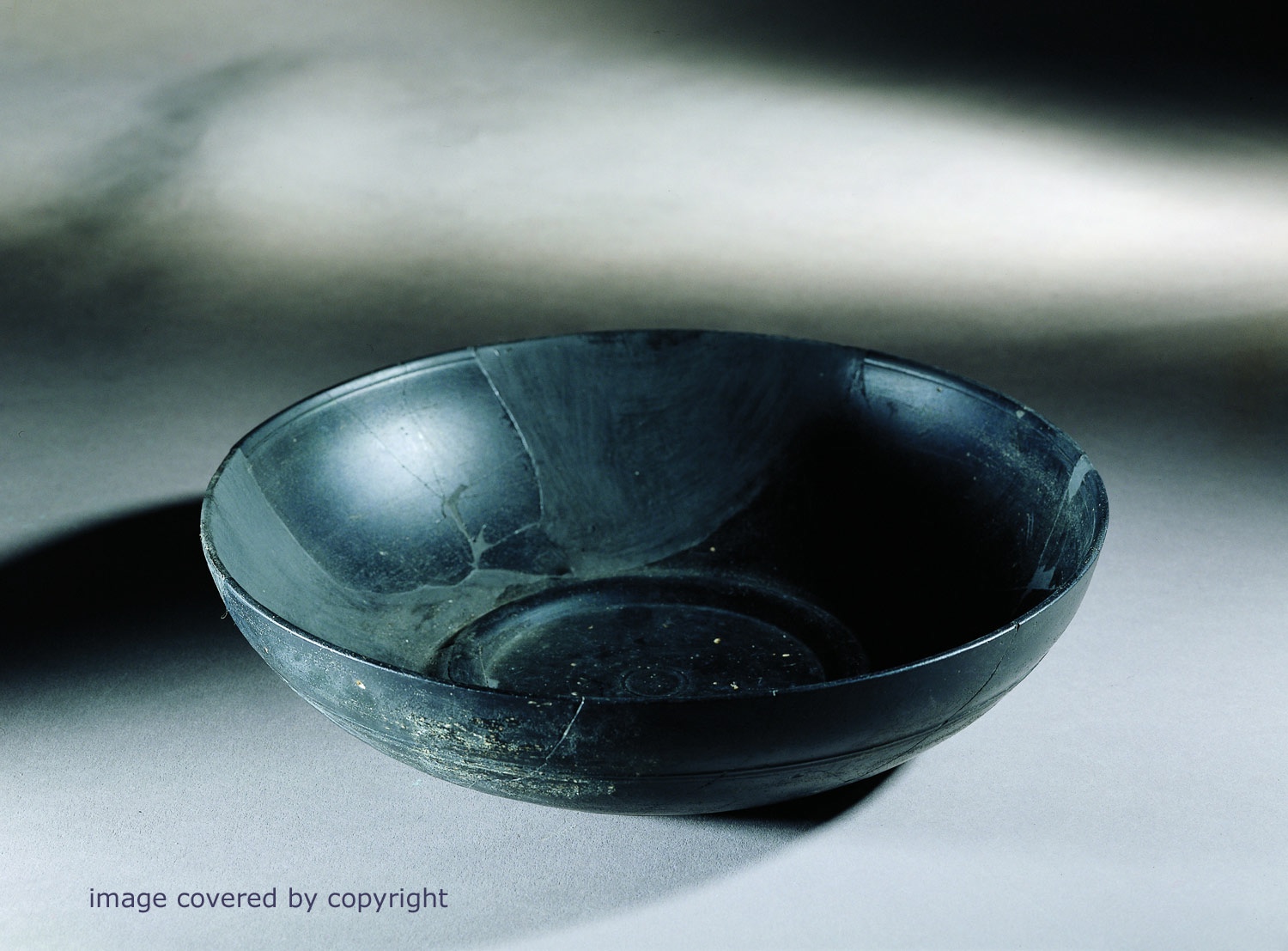 Glass plate from Pompeii; first century CE.
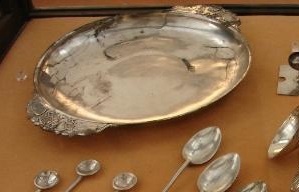 Silver dish labelled as first century BCE. The exhibition venue does not establish its archaeological provenance.
Ancient Mediterranean tableware included pottery, metal and glass vessels; wooden examples survive much less readily. Greek painted pottery, Roman red-slipped ware and silver dishes belonged to different craft traditions and price ranges. An elaborate dining service does not represent the contents of every household.
Form and Function
Shallow dishes suit serving food, while deeper bowls can hold liquid dishes or ingredients being mixed. The function of an individual vessel depends on its form, material, traces of heating and find context. Not every table bowl was intended for cooking over a fire.
At Home and on Campaign
Vessels from settlements and military forts illuminate diet and supply. Assemblages differ across places and periods; they do not establish one personal set carried by every soldier. The frixorium, spoon and calix are useful comparisons, but placing them together in a modern reconstruction does not prove an ancient kit.
Related topics
Ancient military campaigns,Flask,Calix,Spoon,Fork
Literature and sources
1. H. Cool. Eating and Drinking in Roman Britain. 2. A. Croom. Roman Furniture and Household Objects. 3. J. P. Oleson. The Oxford Handbook of Engineering and Technology in the Classical World. - Metropolitan Museum: The Roman Banquet.


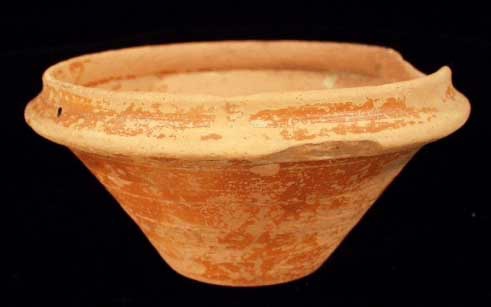 Ceramic bowl, attributed to the first half of the second century CE.
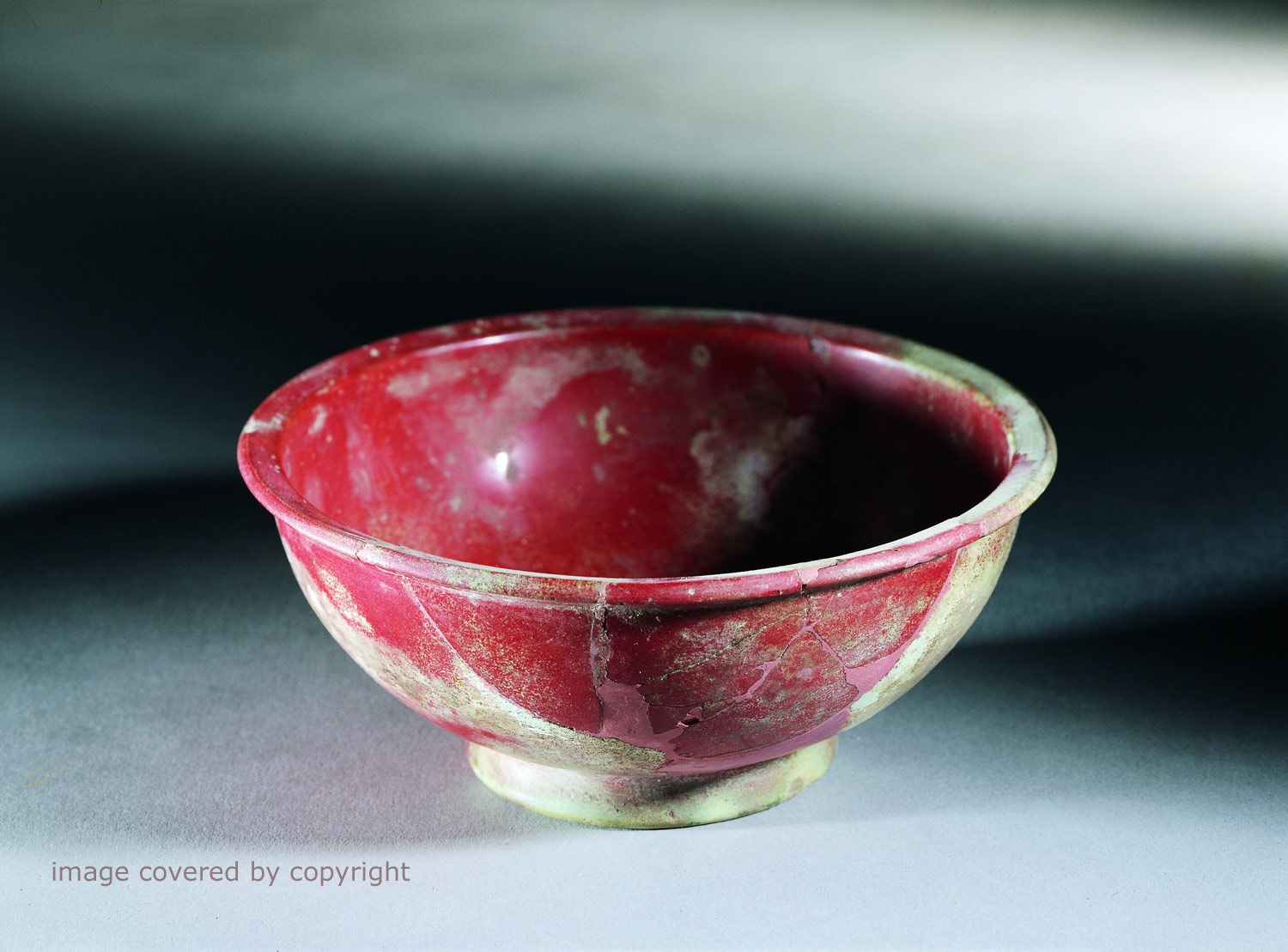 Glass bowl from Pompeii; first century CE.
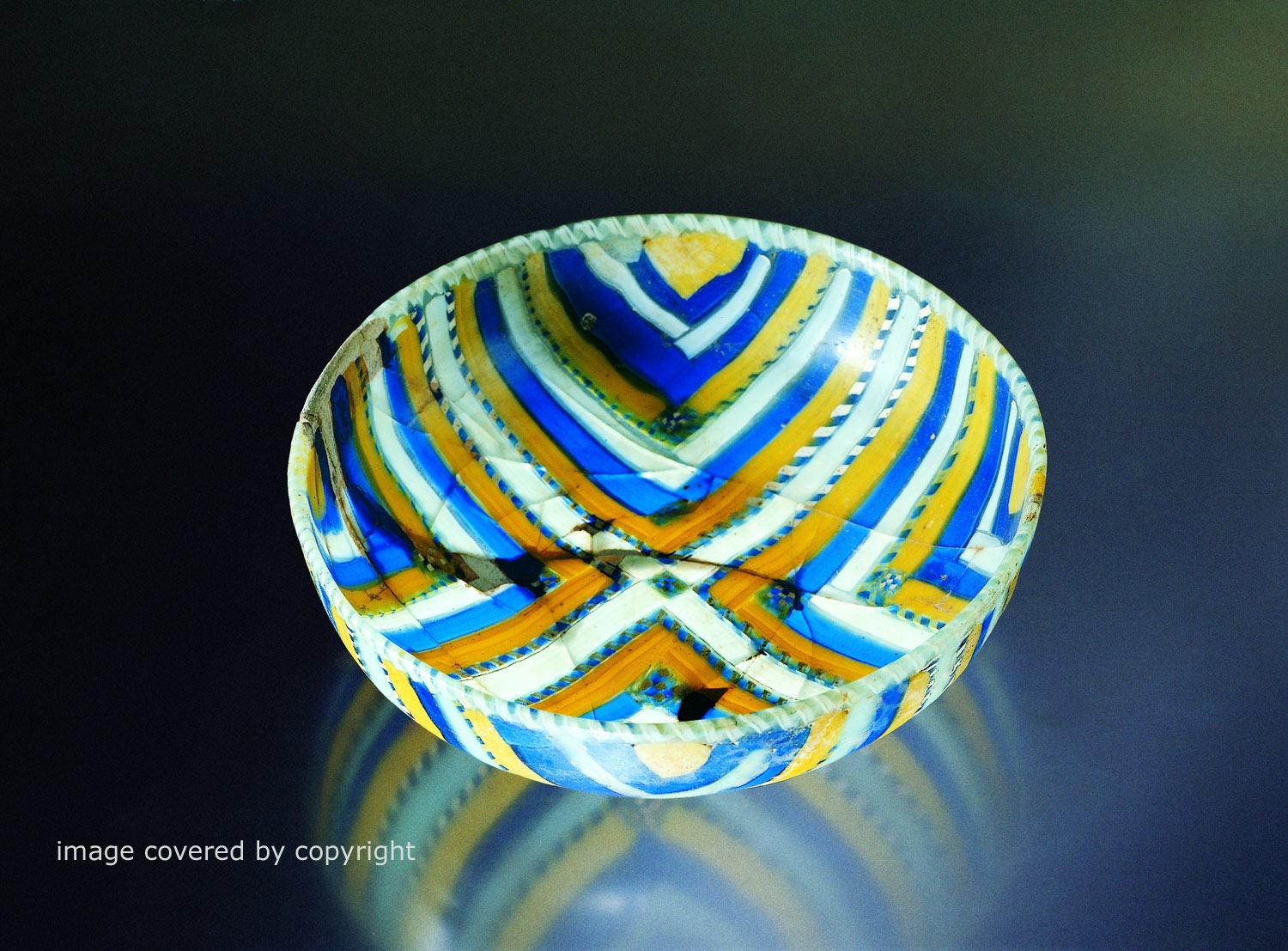 Glass bowl from Pompeii; first century CE.
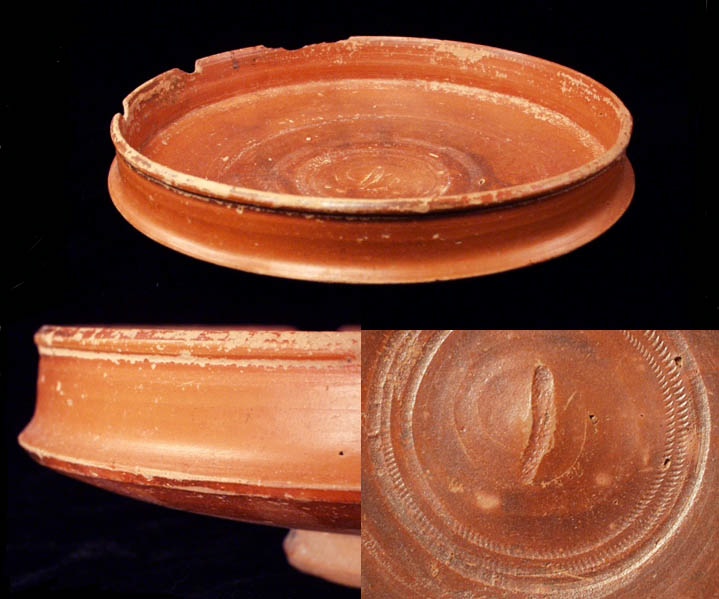 Ceramic plate, attributed to the first century CE.
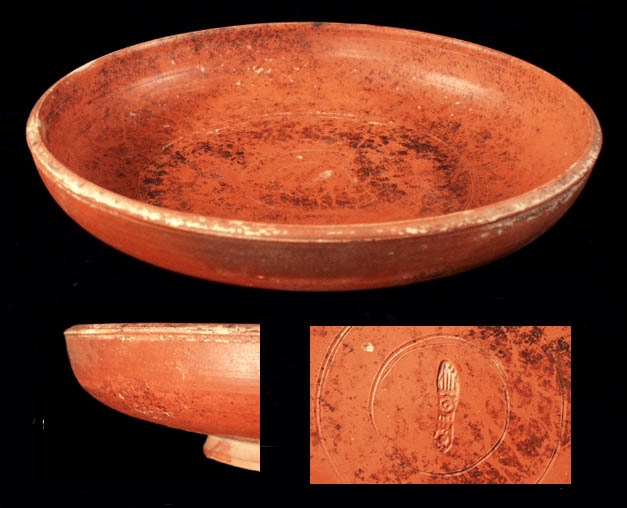 Ceramic plate, attributed to the first century CE.
 Shallow ceramic dish, attributed to the first–second century CE.
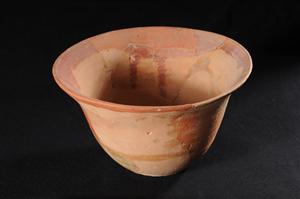 Deep ceramic dish, attributed to the first–second century CE.
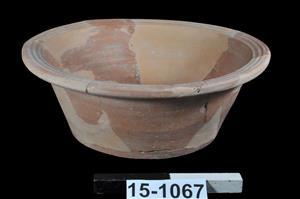 Deep ceramic dish, attributed to the first–second century CE.
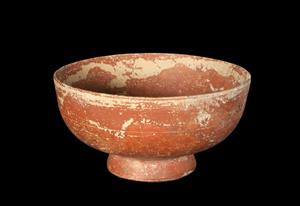 Deep ceramic dish, attributed to the first–second century CE.
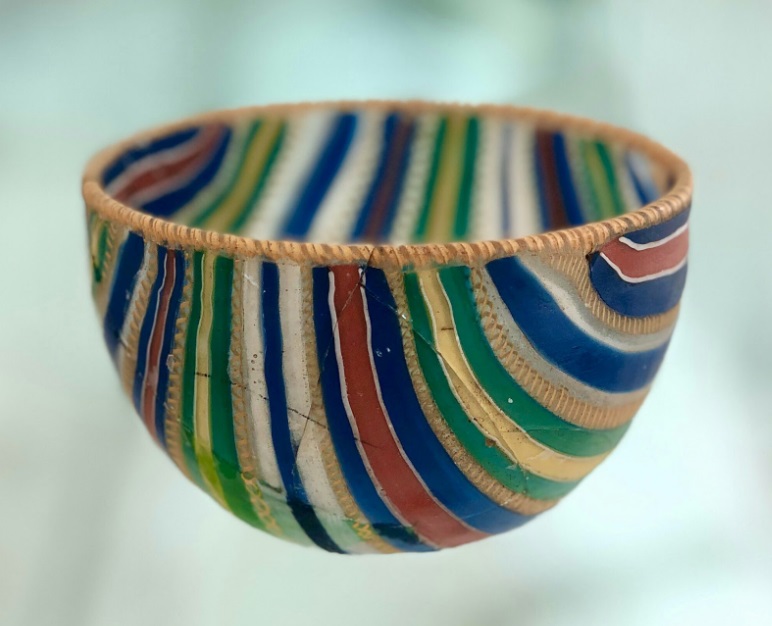 Roman mosaic-glass bowl. Museum of Ancient Glass, Zadar; first century CE.
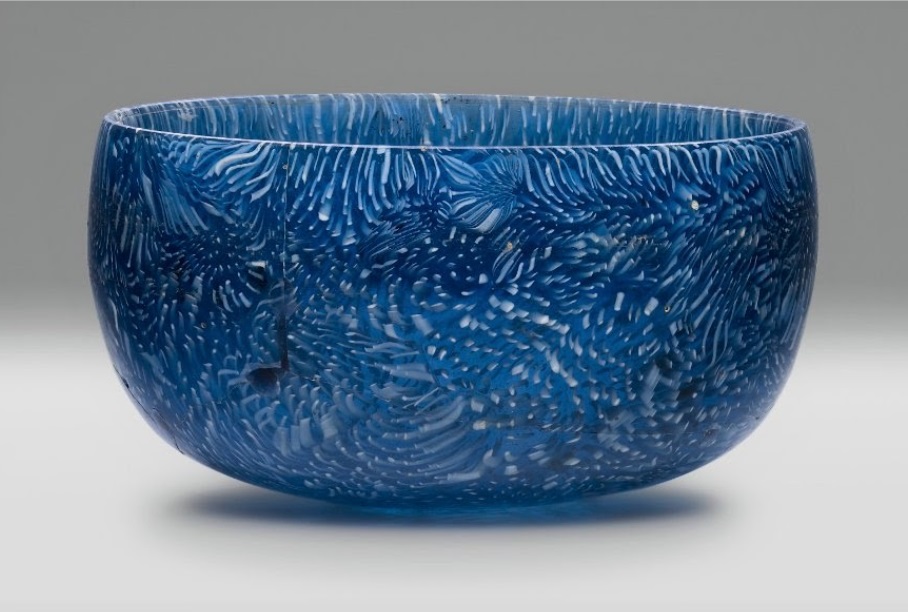 Mosaic-glass bowl. J. Paul Getty Museum, Los Angeles; first century BCE.
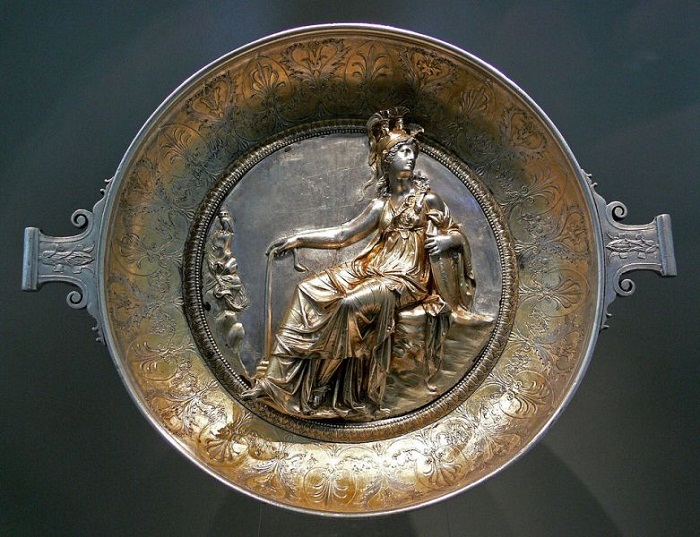 Gilded silver bowl from the Hildesheim treasure. Antikensammlung, Berlin, Misc. 3779, 1. Bowl: first century CE; Athena emblem: second century BCE, according to the museum catalogue.
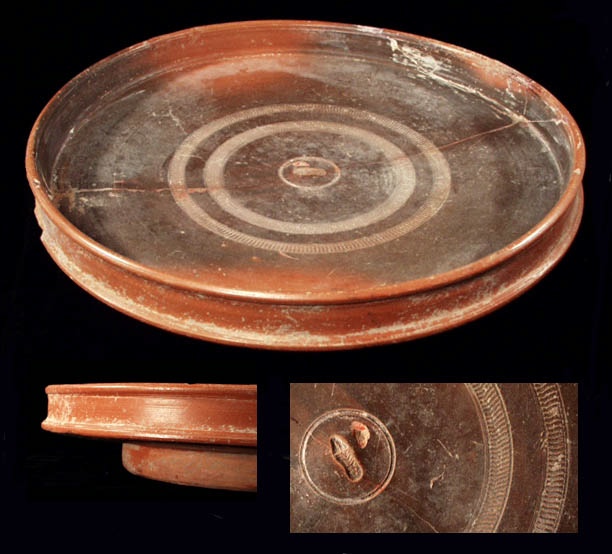 Eastern sigillata plate, attributed to the first half of the second century CE.
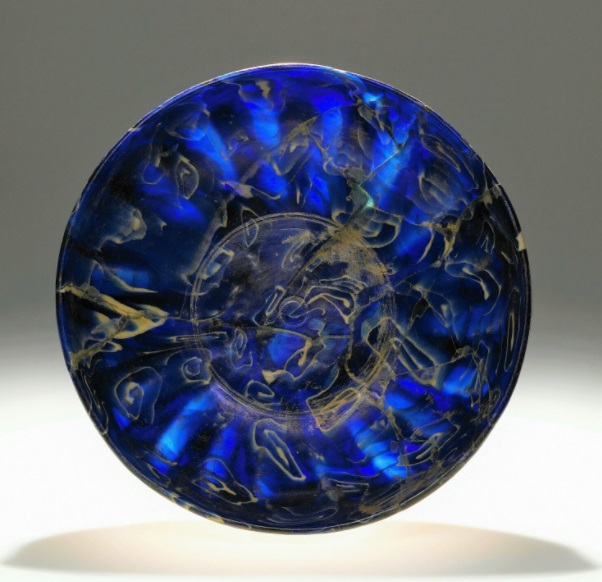 Deep glass dish. Los Angeles County Museum of Art; attributed to the first century BCE.
 Deep glass dish. Los Angeles County Museum of Art; attributed to the first century BCE. Another view.
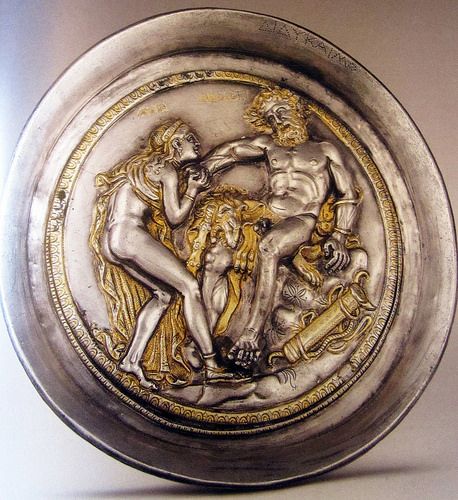 Silver dish with Heracles from the Rogozen treasure; fourth century BCE. Regional History Museum, Vratsa. A Thracian comparison, not a Roman catinum.
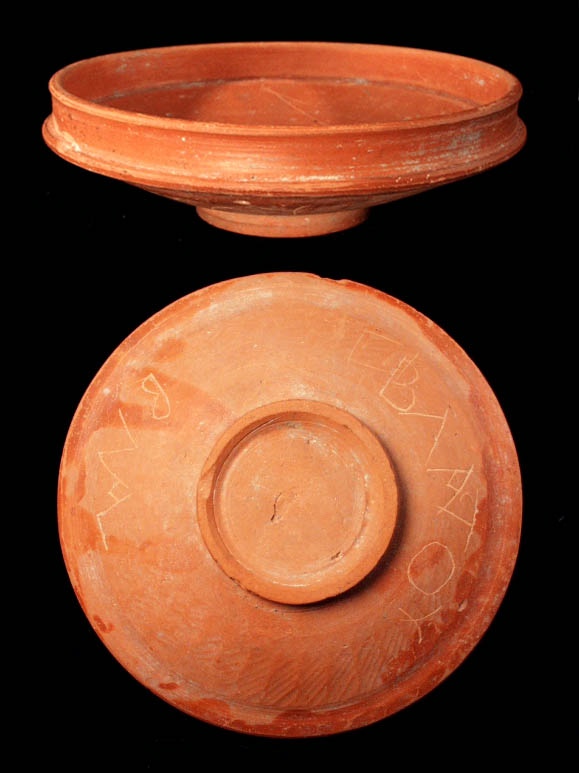 Ceramic plate, attributed to the second half of the third century CE.
Interested in Ancient Rome beyond reading? Join Legio X Fretensis or explore our reenactment directions.


