Diadem
A diadem (Greek διάδημα) is a headband or ornament taking the form of a band or circlet. In the Hellenistic world the royal diadem commonly appears as a band with ends hanging behind the head. Jewellery diadems could take other forms. An open or closed circlet does not provide a universal distinction between an ancient diadem and a tiara.
 Portrait identified as Antonia Minor in the guise of Juno. Pushkin State Museum of Fine Arts; original attributed to the first century CE.
 Greek diadem, attributed to the third century BCE.
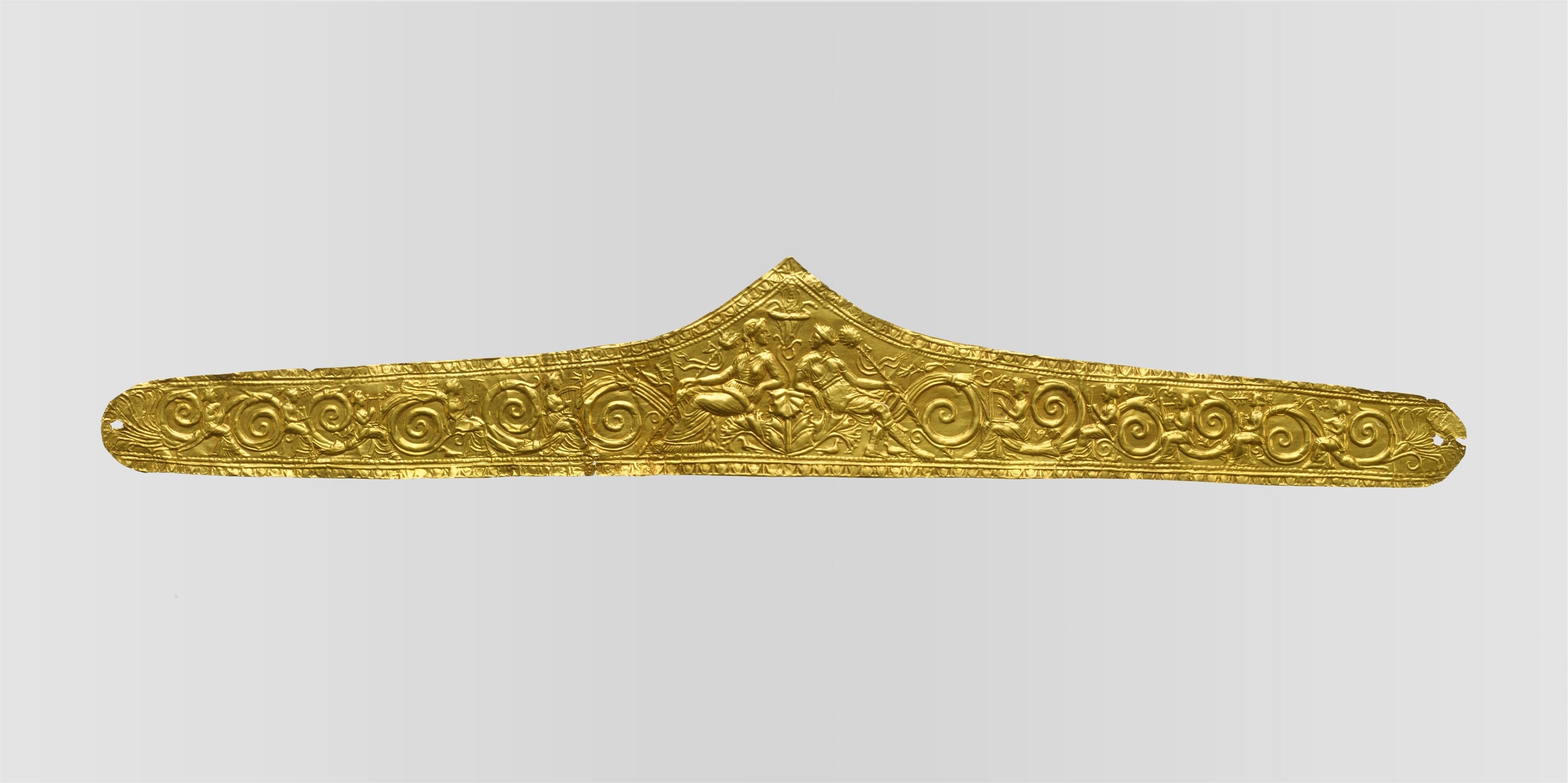 Greek diadem from a tomb at Madytos, attributed to 330–300 BCE.
Meaning and forms
Head ornaments could express wealth, ritual roles or authority. Gold examples from tombs attest funerary use, without proving an identical function for every diadem. The wearer’s gender, age and status depend on the individual monument, not the ornament’s name alone.
Diadem, wreath and crown
A band diadem differs from a wreath with plant motifs, although jewellery forms can overlap. A laurel wreath, royal ribbon and metal hair ornament carry different meanings. Date, fastening and the context of the image are essential to identification.
Diadem in the Hellenistic world
On Hellenistic royal coins the diadem became a recognisable sign of kingship. In portraits of Antimachus I it is combined with a kausia. This does not mean that every head circlet belonged to a ruler. Late Roman imperial portraits developed their own forms and political uses of the diadem.
Related topics
Women in Ancient Greece,Women in Ancient Rome,Earrings,Rings,Necklace
Literature and sources
- Metropolitan Museum: Gold diadem, 74.51.3535.
- British Museum: coin of Antimachus I, 1872,0709.354.
- Dyfri Williams, Jack Ogden. Greek Gold: Jewellery of the Classical World. 1994.


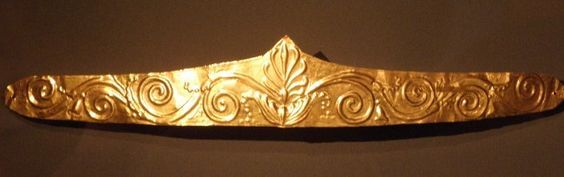 Gold diadem with floral decoration, labelled as Greek, fourth century BCE.
 Gold diadem, labelled as Greek, third–second century BCE.
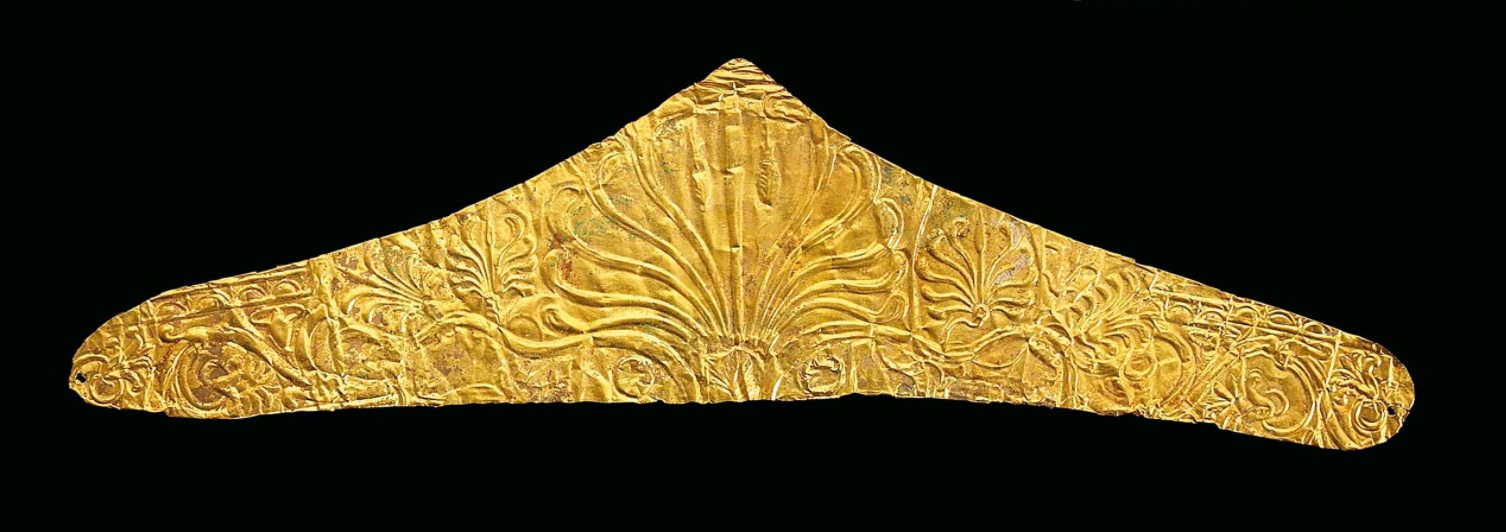 Gold diadem, labelled as Greek, third–second century BCE. Detail.
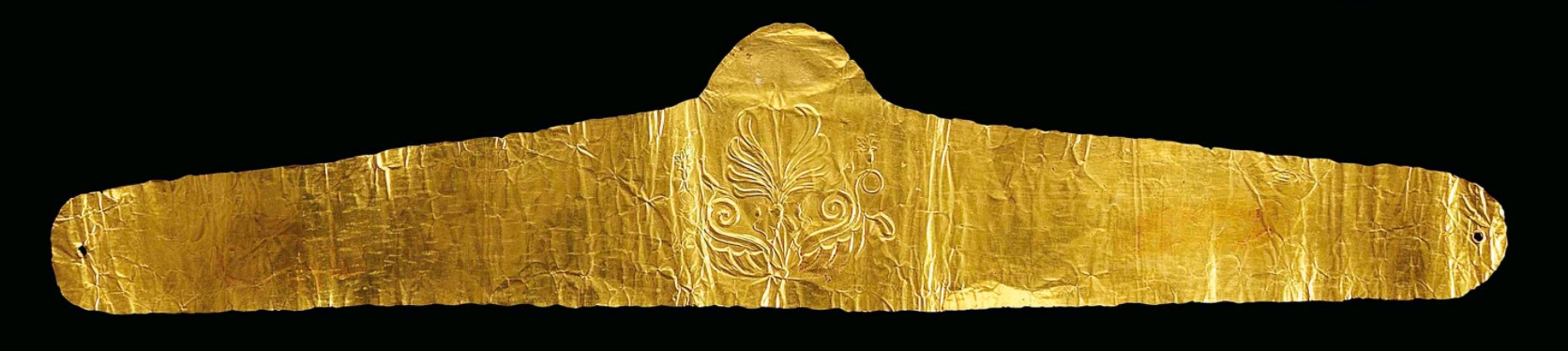 Gold diadem, labelled as Greek, third–second century BCE. Another view.
Interested in Ancient Rome beyond reading? Join Legio X Fretensis or explore our reenactment directions.


