Oil lamp
An oil lamp (Latin: lucerna) was a small light with an oil reservoir and a wick projecting through a nozzle. Ancient lamps were made of clay and metal. Some had more than one wick. Their moulded discs could show games, animals, deities or plant motifs; gladiators were only one of many subjects.
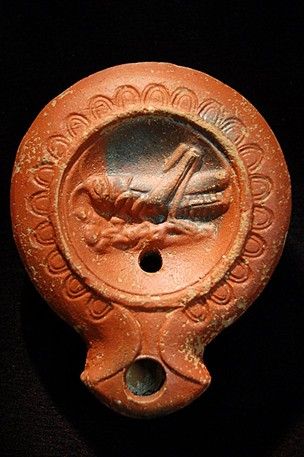 Terracotta lamp. The British Museum. 1-2 century AD
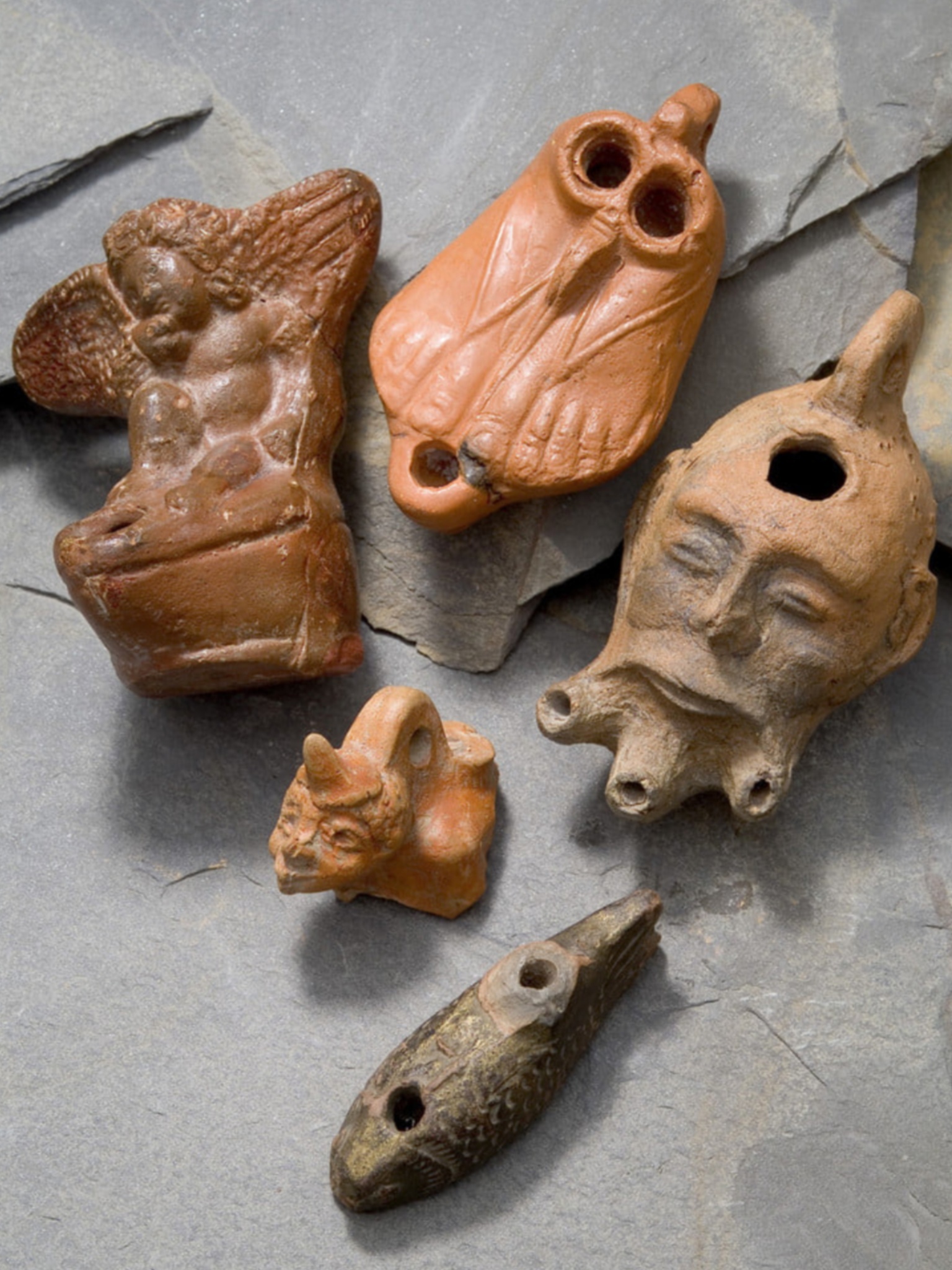 Roman oil lamps. Singidunum was found. Belgrade Museum. 2-4 centuries A.D.
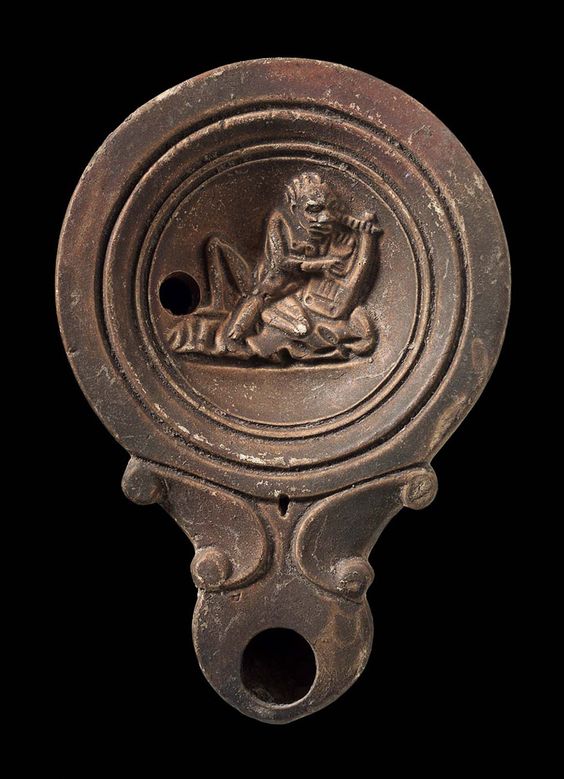 Roman oil lamp with a man playing a lyre. A.D. 40-75
Clay lamps could be made by hand or in moulds. Filling hole, nozzle, base and maker's stamp all help compare finds. The Metropolitan Museum of Art holds a Roman mould-made lamp of the first century BCE to first century CE with a wick hole in its nozzle (inv. 74.51.1999).
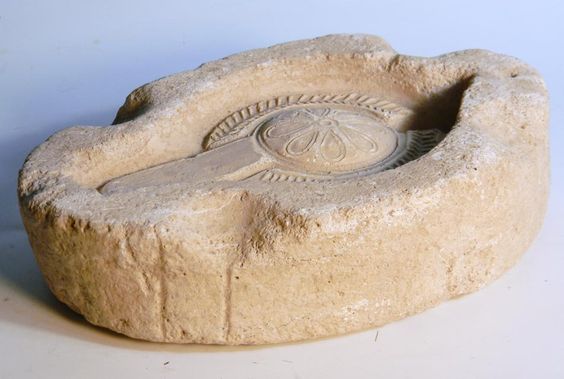 Form for lamps. 1-2 century AD
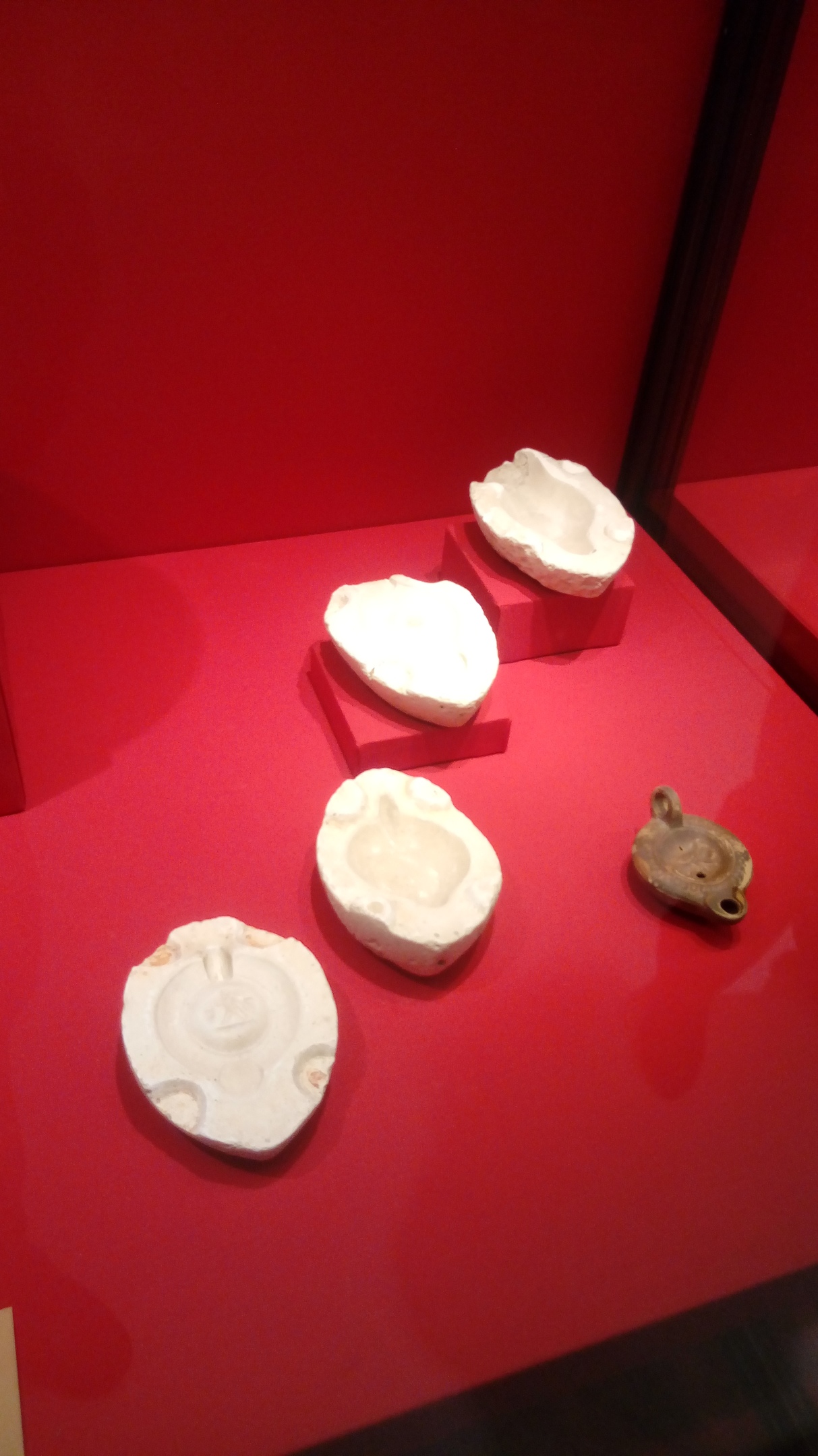 Form for lamps. Exhibition in the Hermitage,St. Petersburg,1-2 century AD
Light and Space
The lucerna was one of the main sources of artificial light in houses, workshops, shops and sanctuaries. A small reservoir held oil, and a wick projected through the nozzle. Light output was limited, so lamp placement affected where people read, worked, ate or performed household rituals.
Decoration and Dating
Lamps were often decorated with reliefs: games, animals, deities, plant motifs or owner symbols. Disc, nozzle, handle form and maker’s stamp help date a find and identify production region. Lucernae are therefore important not only as household objects, but also as evidence for craft and taste.
Related topics
Culture and daily life · Calix · Gladiators
Literature
- Metropolitan Museum of Art: Roman terracotta lamp, inv. 74.51.1999.
- D. M. Bailey. A Catalogue of the Lamps in the British Museum.


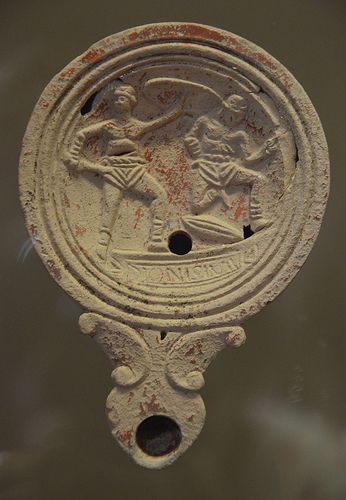 Roman oil lamp with gladiatorial combat. Romisch-Germanisches Museum,Cologne,1st-2nd century AD
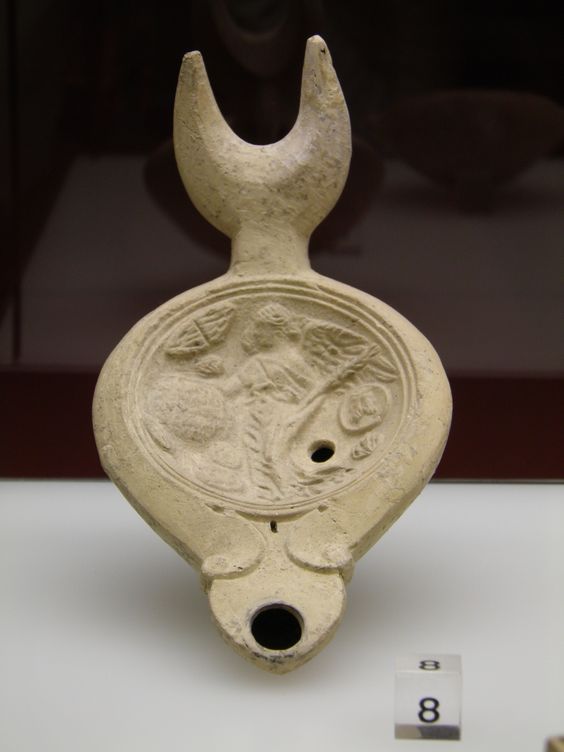 Roman oil lamp. Romisch-Germanisches Museum,Cologne,1st-2nd century AD
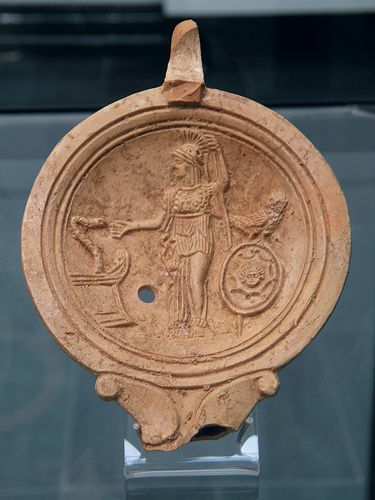 Roman ceramic lamp with Minerva, 1st century AD; Staatliche Antikensammlungen, Munich.
 Terracotta lamp. Thorvaldsens Museum. 1-2 century AD
 Terracotta lamp. Staatliche Antikensammlungen,Munich. 1-2 century AD
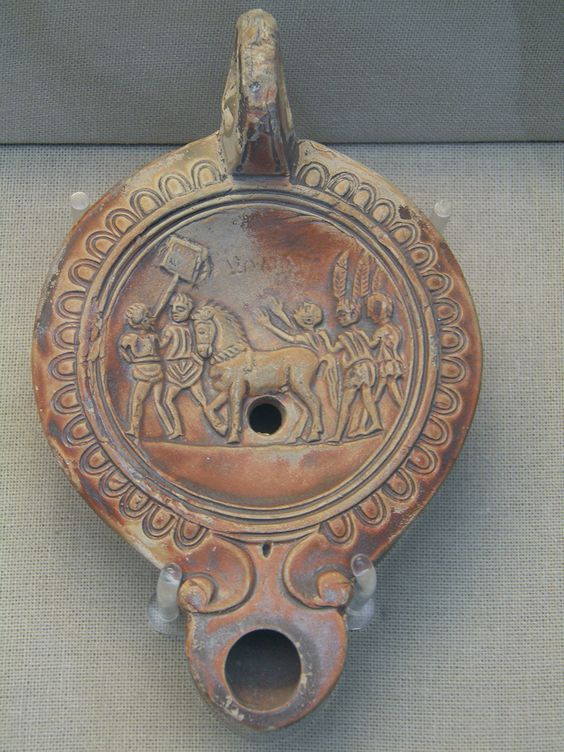 Terracotta lamp with a triumph. The British Museum. Second half of the 1st century AD
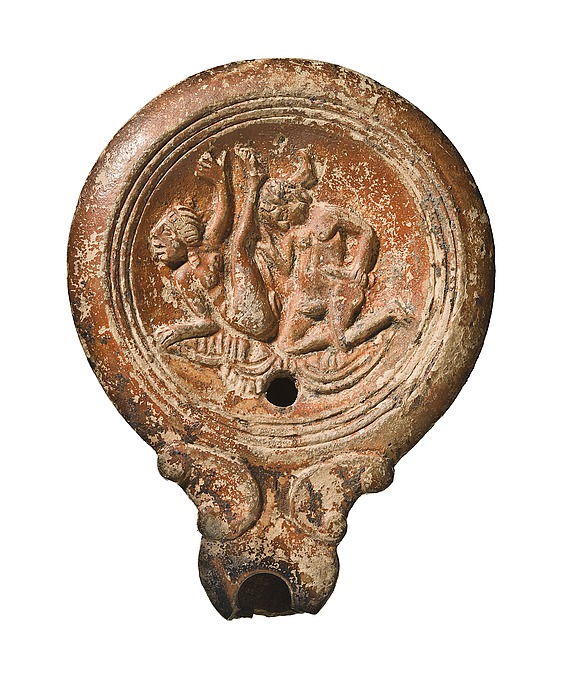 Terracotta lamp. Thorvaldsens Museum. 1-2 century AD
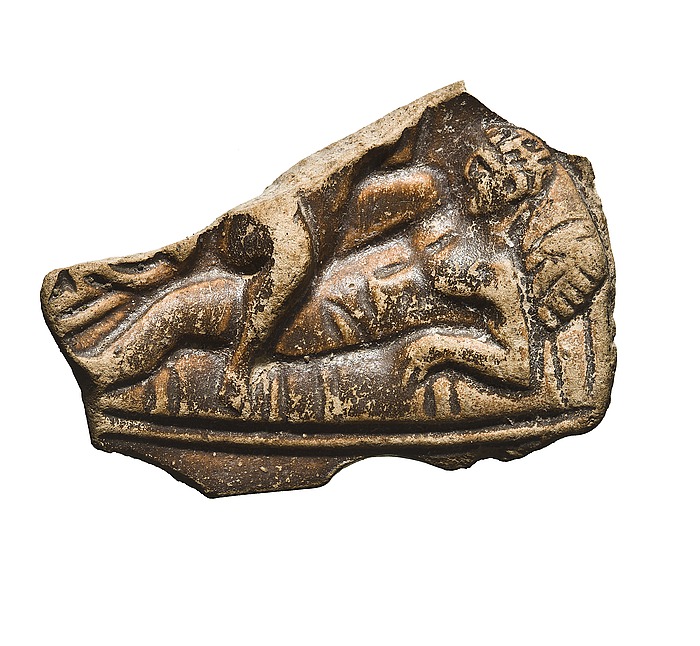 Terracotta lamp. Thorvaldsens Museum. 1-2 century AD
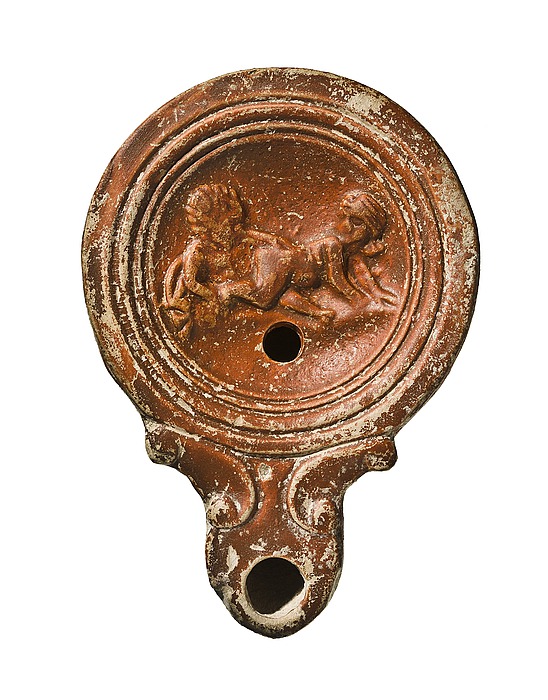 Terracotta lamp. Thorvaldsens Museum. 1-2 century AD
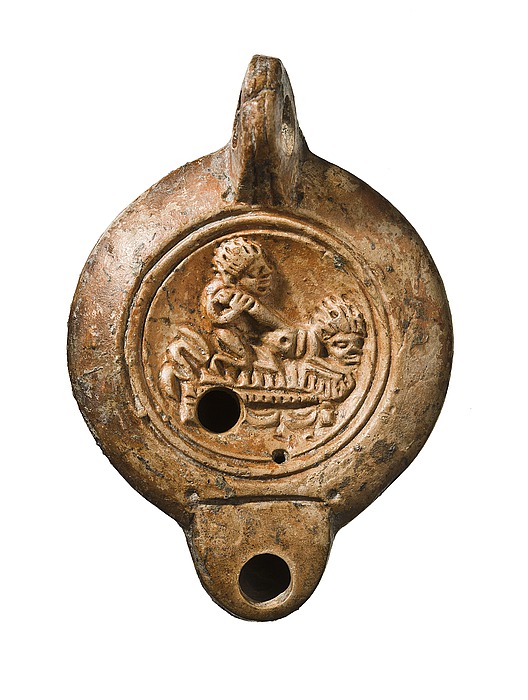 Terracotta lamp. Thorvaldsens Museum. 1-2 century AD
 Terracotta lamp. Thorvaldsens Museum. 1-2 century AD
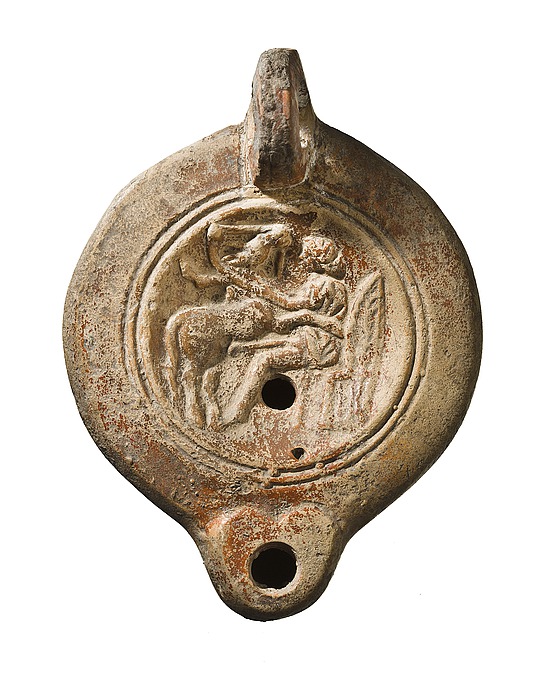 Terracotta lamp. Thorvaldsens Museum. 1-2 century AD
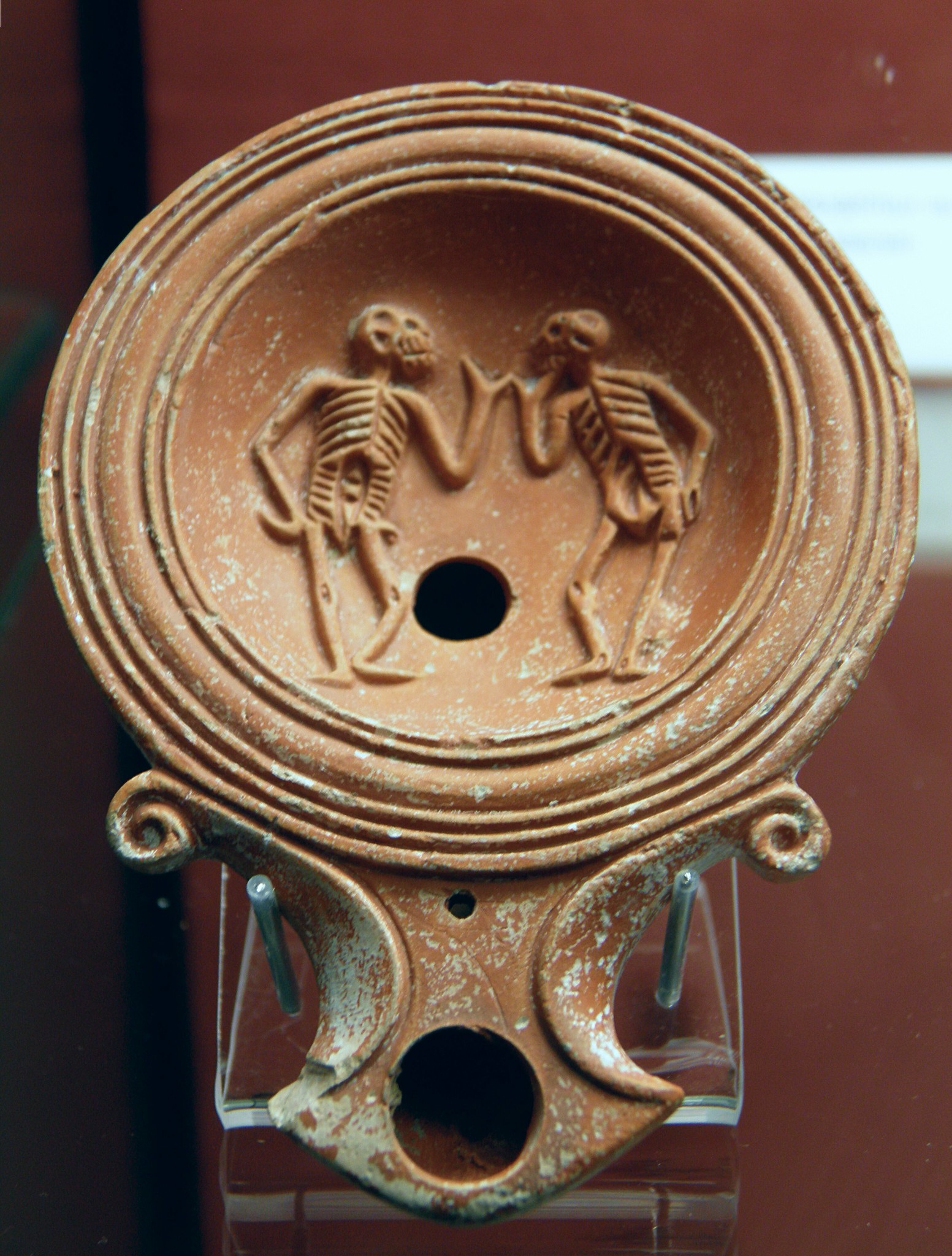 An oil lamp with two skeletons. Staatliche Antikensammlungen,Munich. 1-2 century AD
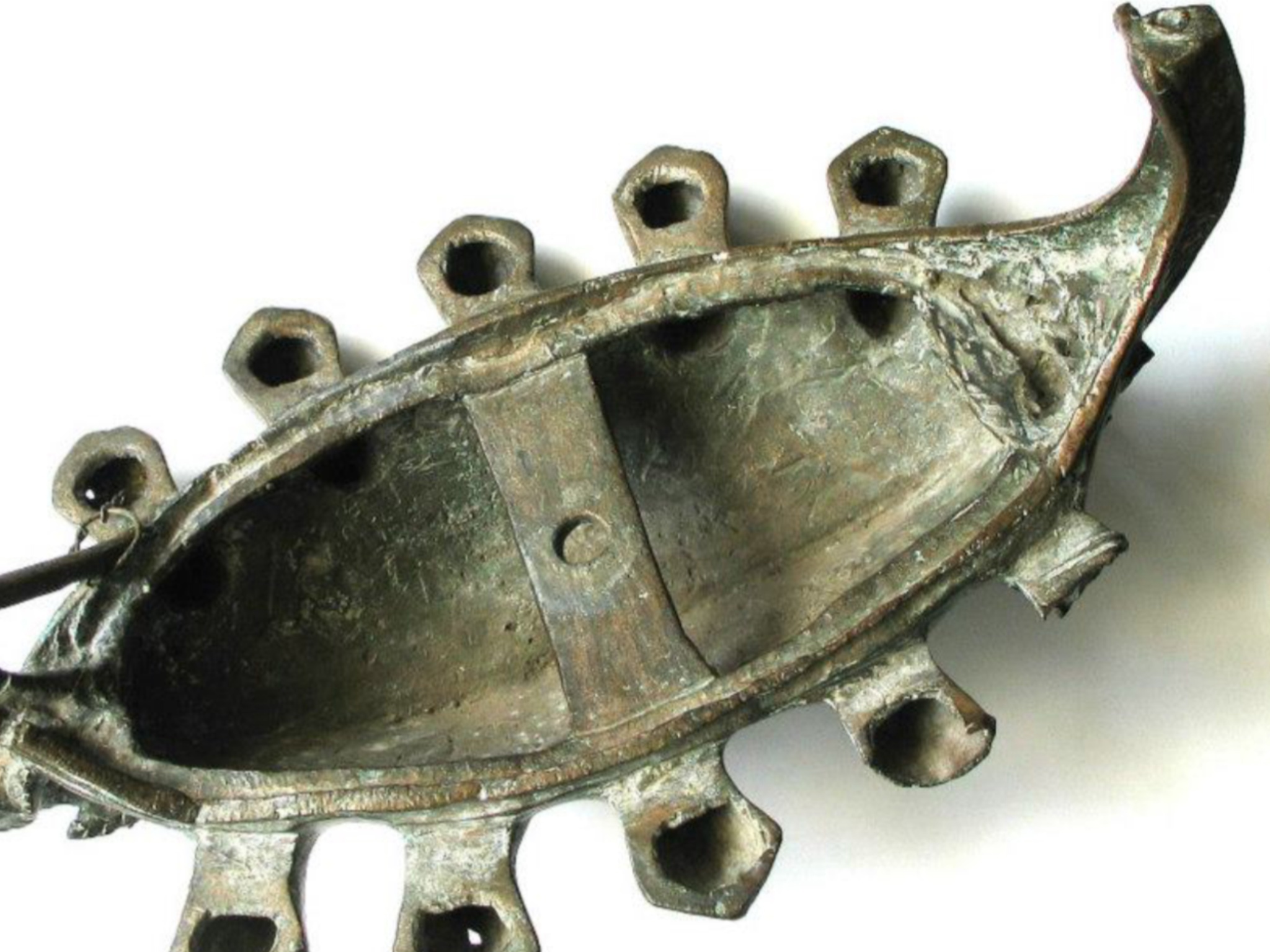 Roman oil lamp in the form of a trireme. Found in Singidunum. Belgrade Museum. 2-4 centuries A.D.
 Bronze oil lamp with a mouse. 1-2 century AD
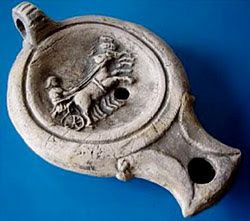 Roman oil lamp with chariot. 1-2 century AD
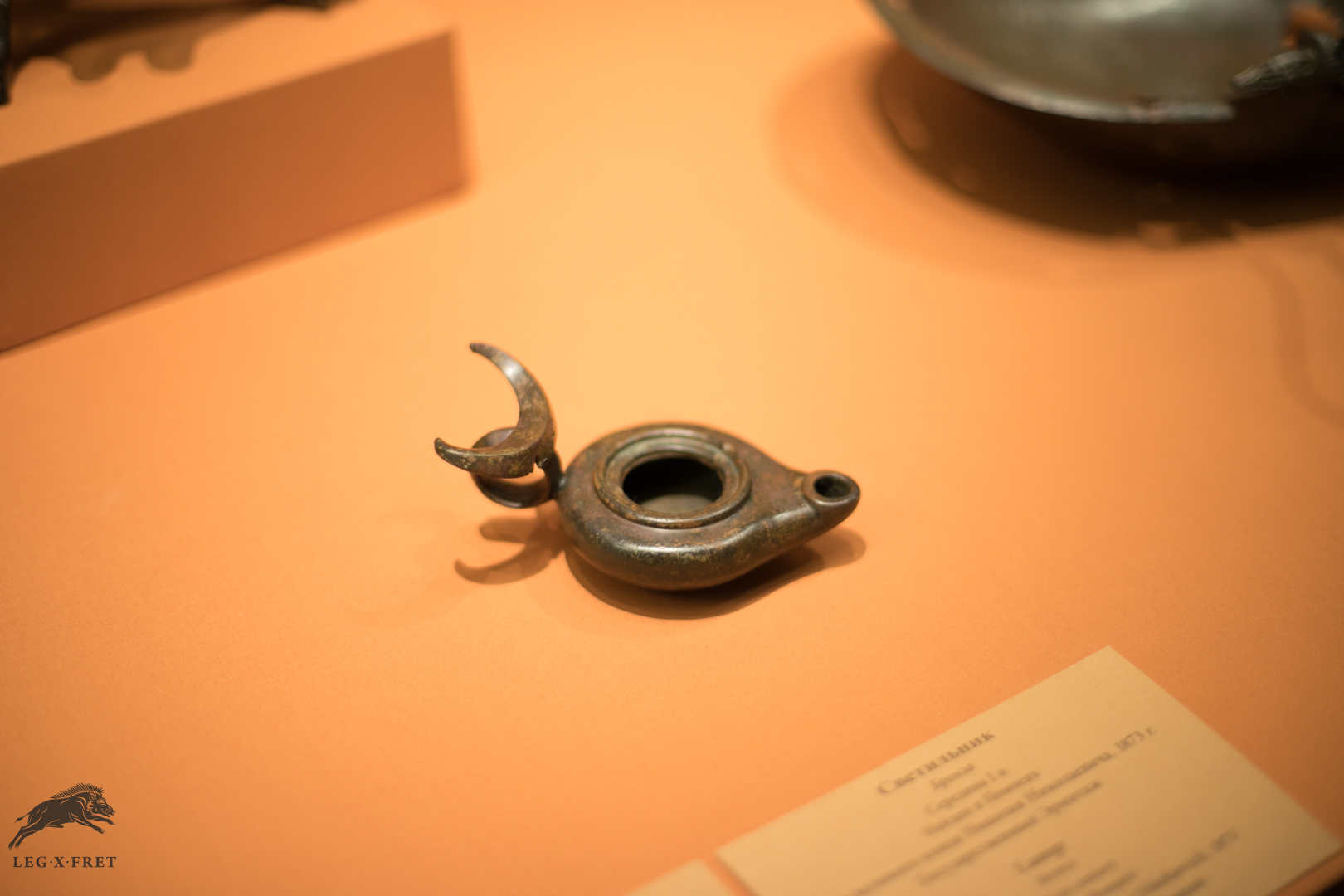 Bronze lamp from Pompeii. 1st century AD
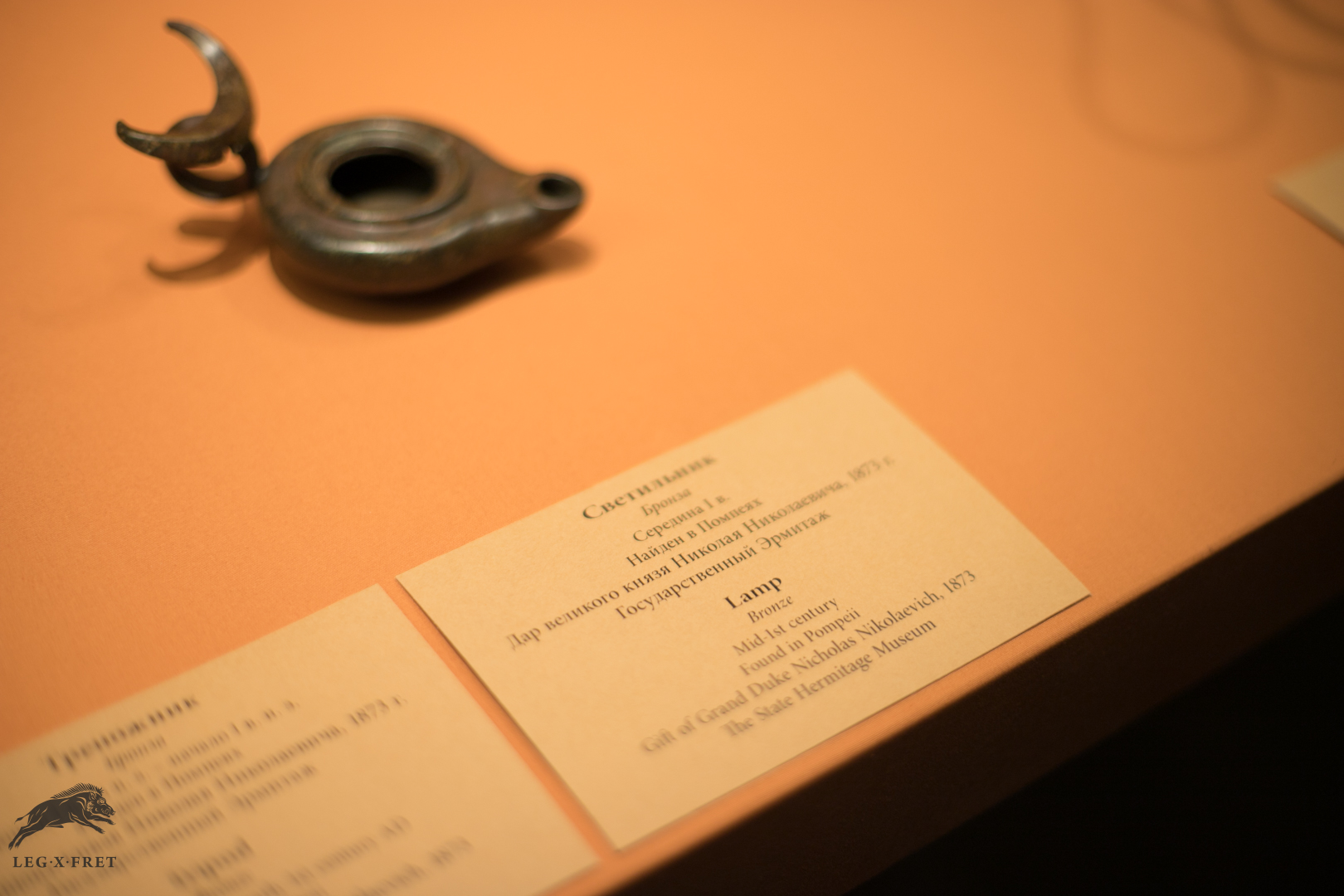 Bronze lamp from Pompeii. 1st century AD
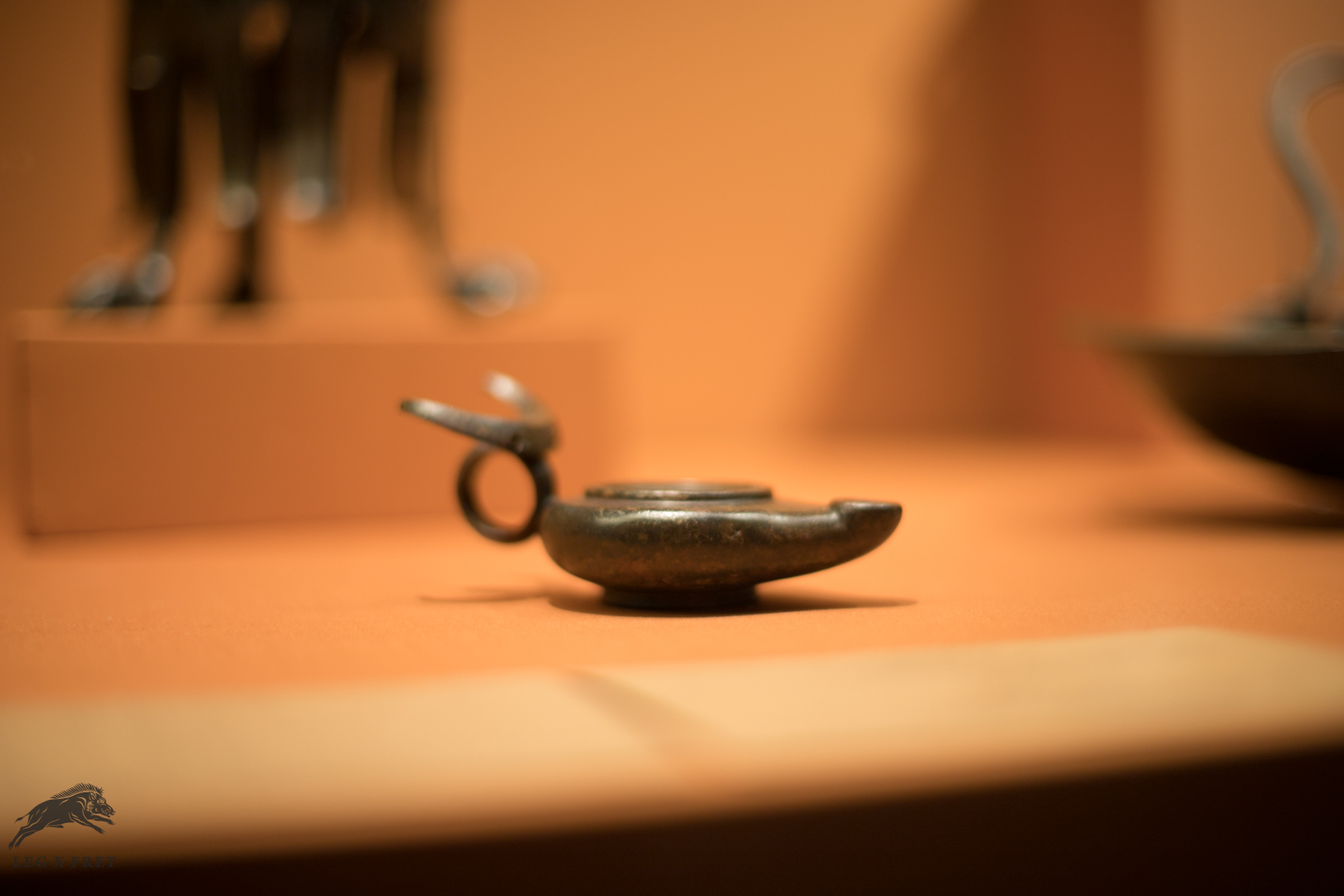 Bronze lamp from Pompeii. 1st century AD
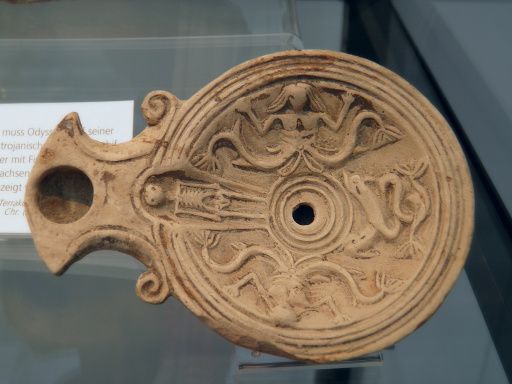 Oil lamp. Found in Limes Germanicus. Munich Museum of Antiquity. 1-2 century AD
 Roman oil lamp with eagle. 2nd century AD
Interested in Ancient Rome beyond reading? Join Legio X Fretensis or explore our reenactment directions.


