Kalkriese
Kalkriese is an archaeological complex near Bramsche in Lower Saxony, most often connected with one phase of the Varian disaster of AD 9. In Roman sources the defeat is remembered as the destruction of three legions under Publius Quinctilius Varus by an alliance of Germanic peoples led by Arminius. No ancient inscription naming the battle has survived at the site, so the significance of Kalkriese depends on the combination of archaeology, topography, coin dating and comparison with Velleius Paterculus, Tacitus and Cassius Dio.
The strength of Kalkriese lies not in one famous object, but in the battlefield as evidence. The mask, caliga hobnails, lorica segmentata fragments, weapon fittings, coins, horse gear and traces of an earthwork make sense together with the distribution map. The complex shows not a parade formation of a legion, but the breakdown of a column, loss of objects, stripping of equipment, movement through difficult terrain and the post-battle recycling of metal.
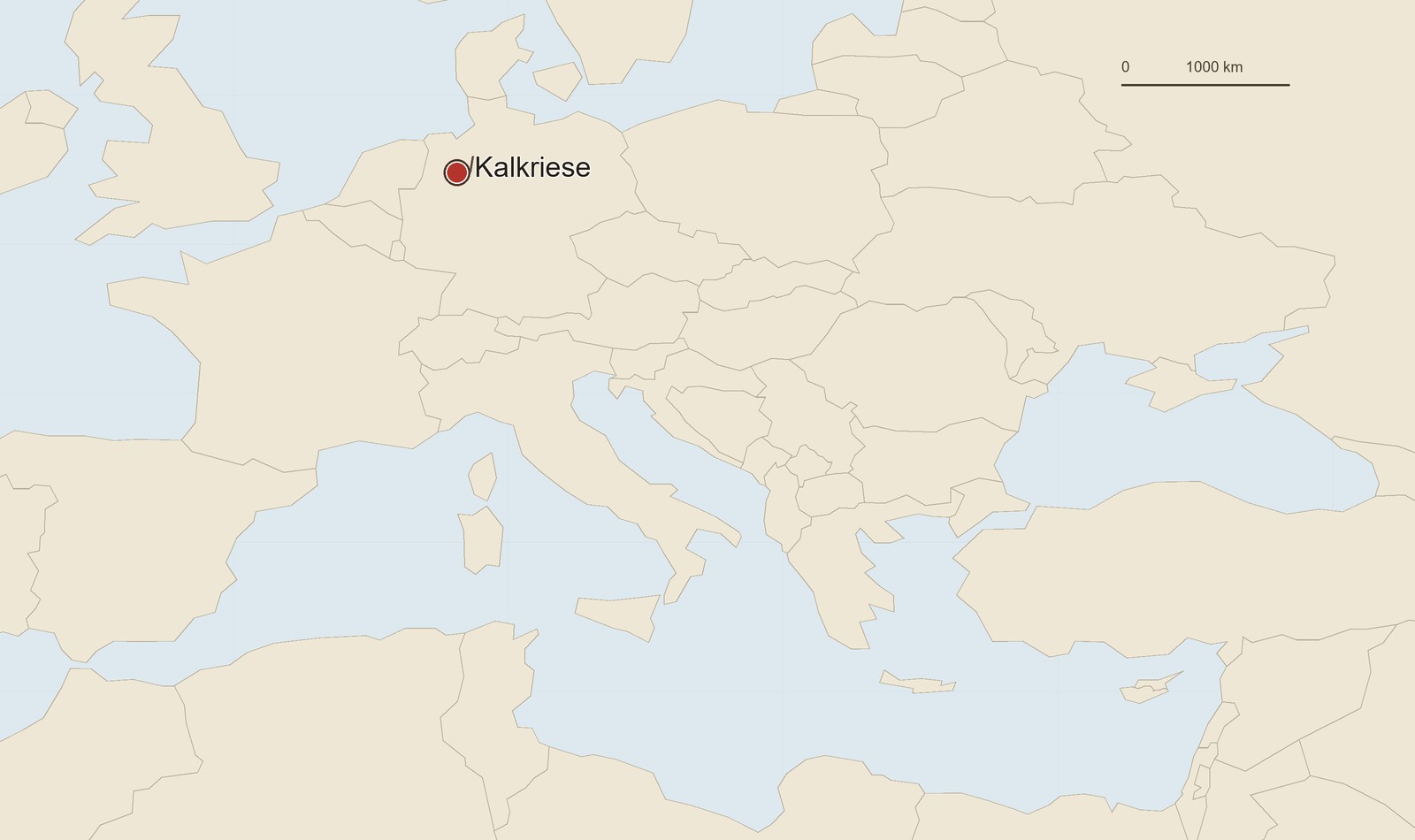 Location map: Kalkriese. The marker shows the ancient site or main archaeological complex.
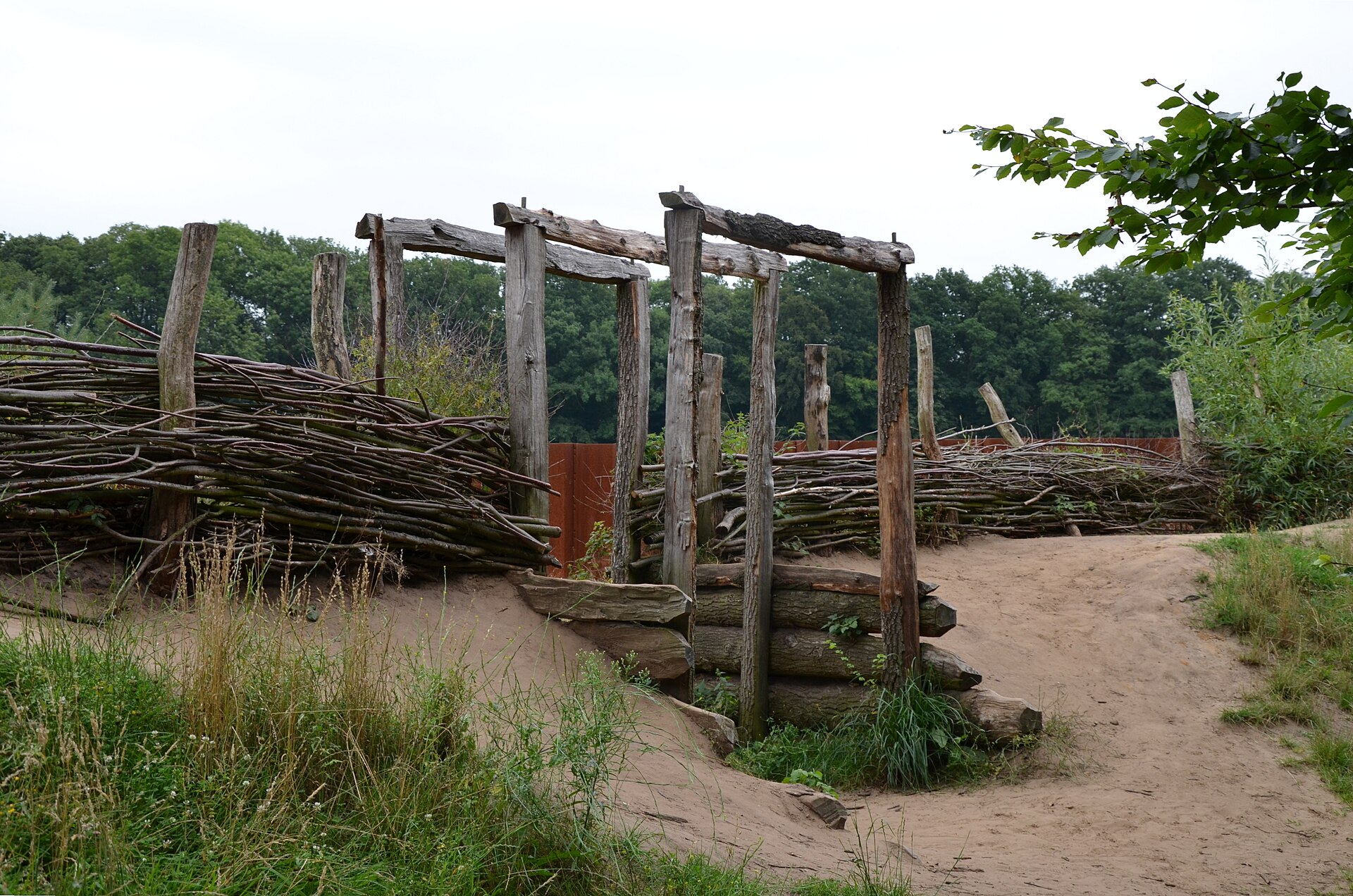 Reconstruction of an improvised Germanic fieldwork at Museum und Park Kalkriese. The display shows how the narrow passage between higher ground and marshy terrain could strengthen an ambush.
Historical Context
After the civil wars and the consolidation of Augustus' power, Rome pursued an active policy beyond the Rhine. Legates operated in Germanic lands, roads and camps were built, taxes and hostages were demanded, and local elites were drawn into Roman alliance systems. Arminius himself had served in the Roman army and knew its routines from within, so the defeat of Varus was not a simple clash of "civilisation and barbarism", but a conflict inside a frontier world already connected to Rome.
In AD 9 Varus' column moved through a north German landscape where road, wooded areas, wet lowlands and narrow passages obstructed normal deployment. The Roman army was strong in open formation and under clear command, but a long marching column with baggage, servants, animals and camp equipment was vulnerable to ambush. This gap between battlefield power and marching vulnerability is central to understanding Kalkriese.
The 17th, 18th and 19th legions were destroyed as military units in the disaster. Afterward Rome did not abandon campaigning in Germany entirely, but it abandoned the earlier plan of firm provincial control beyond the Rhine. Germanicus' later campaigns had a different character: punitive and demonstrative rather than the direct construction of a new province.
Battlefield Landscape
Kalkriese lies at the northern edge of the Wiehen Hills, where movement was compressed between higher ground and wet lowland. For battlefield archaeology this is essential: the finds are not scattered through an abstract "forest", but through a specific corridor of movement. The earthwork, traces of passages, metal concentrations and connection with an ancient route help reconstruct a sector where attackers could use terrain against an extended column.
The Kalkriese rampart is usually interpreted as an improvised fieldwork connected with the Germanic side. It was not a fort in the Roman sense, but it could provide cover, enclosure and control of movement. Together with marshy ground and limited space, such a feature could turn an ordinary passage into a dangerous point where Romans struggled to redeploy and use numerical strength.
Kalkriese does not have to represent the entire battle from beginning to end. The fighting may have consisted of several episodes along the route. The complex is therefore best understood as a sector or phase of a larger disaster where archaeology preserved traces of conflict especially well.
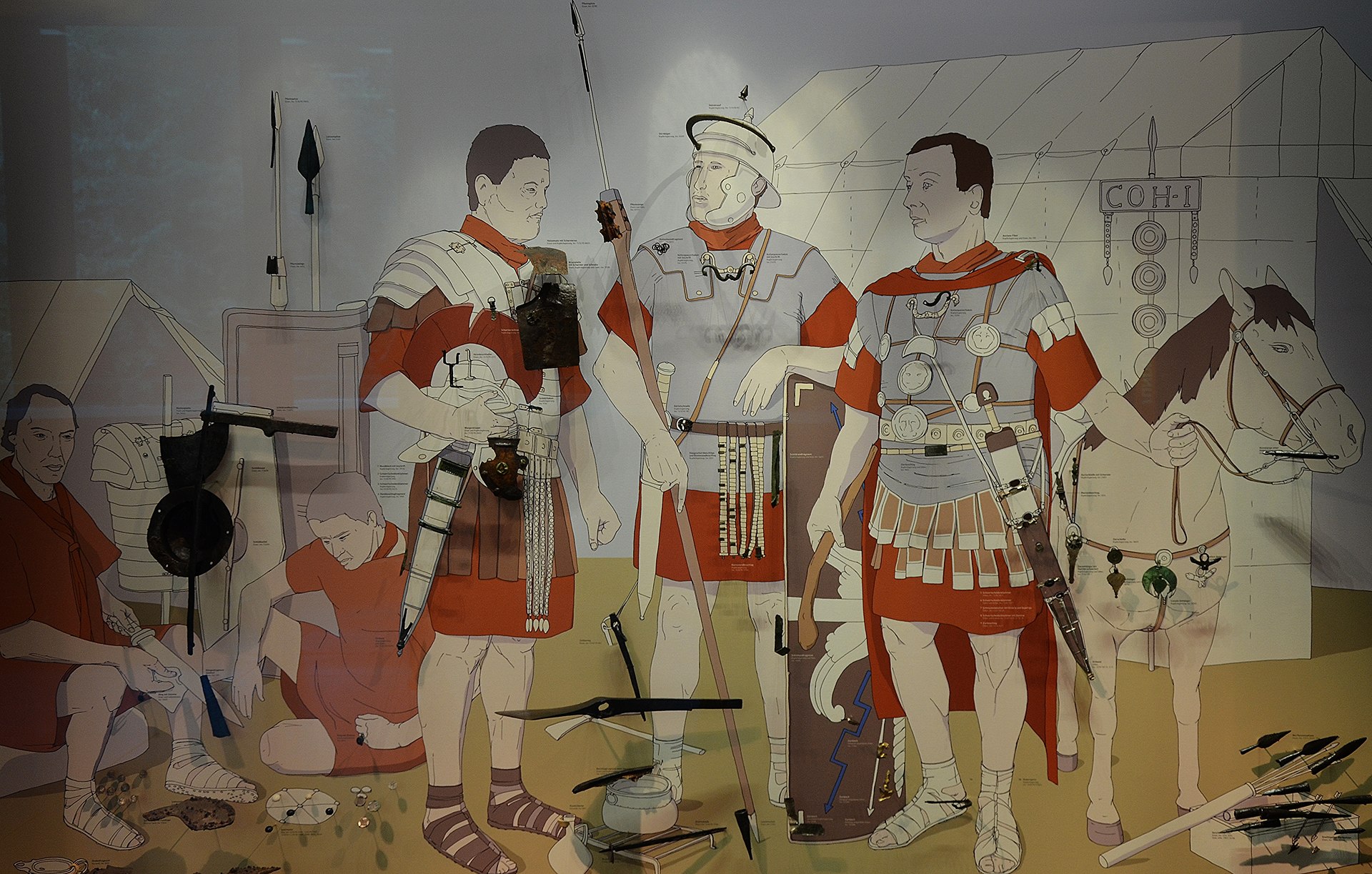 Military finds from Kalkriese: weapons, equipment fittings and horse trappings in Museum und Park Kalkriese. The material matters as distributed battlefield archaeology, not as one complete legionary kit.
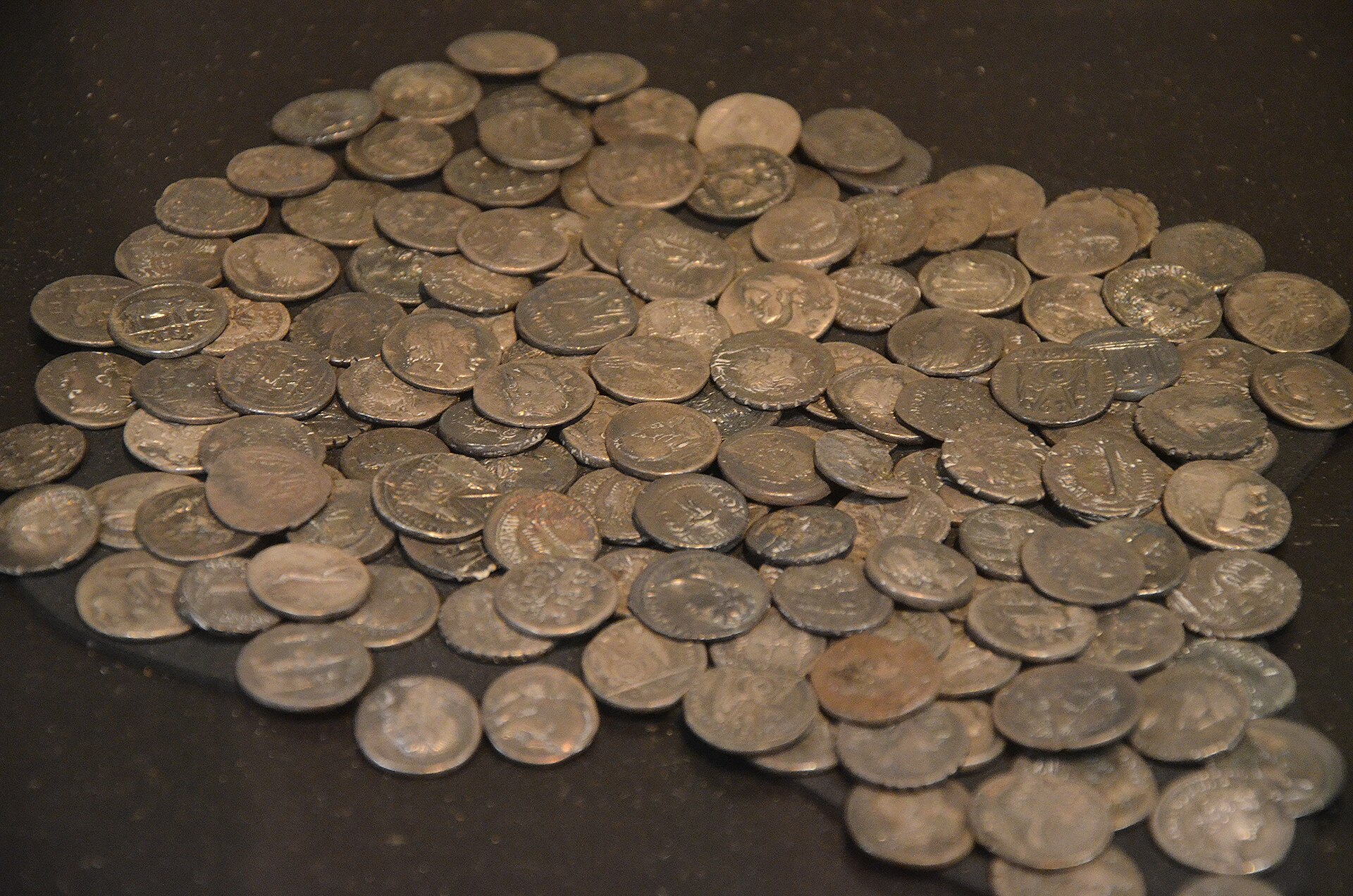 Cache of silver denarii discovered in 1987 at Kalkriese. The coins help date the event horizon and connect the battlefield with the Augustan period.
Finds and Distribution
The finds from Kalkriese include Roman weapons, armour fittings, horse gear, coins, personal objects, hobnails and traces of metalworking. The most famous pieces are easy to display, but their meaning comes from distribution. When small objects appear in quantity and in specific zones, they mark movement, halts, losses, pressure points and places where equipment was stripped from the dead or collected after the fighting.
Coins are especially important for dating. The Kalkriese horizon fits the Augustan period and does not contain the later Roman mixture that would be expected for another age. At the same time, coins cannot name the battle by themselves: they provide date and context, not a replacement for landscape and object distribution.
Caliga hobnails are a good example of objects that seem insignificant in isolation. On a battlefield they become traces of movement: Roman soldiers' footwear shed small fittings in mud, on roads and in zones of conflict. When such finds are mapped together with weapons, horse gear and coins, they help distinguish the path of a column from a random accumulation of metal.
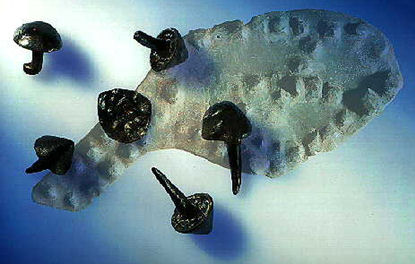 Footwear hobnails from Kalkriese. Their distribution helps trace movement across the battlefield.
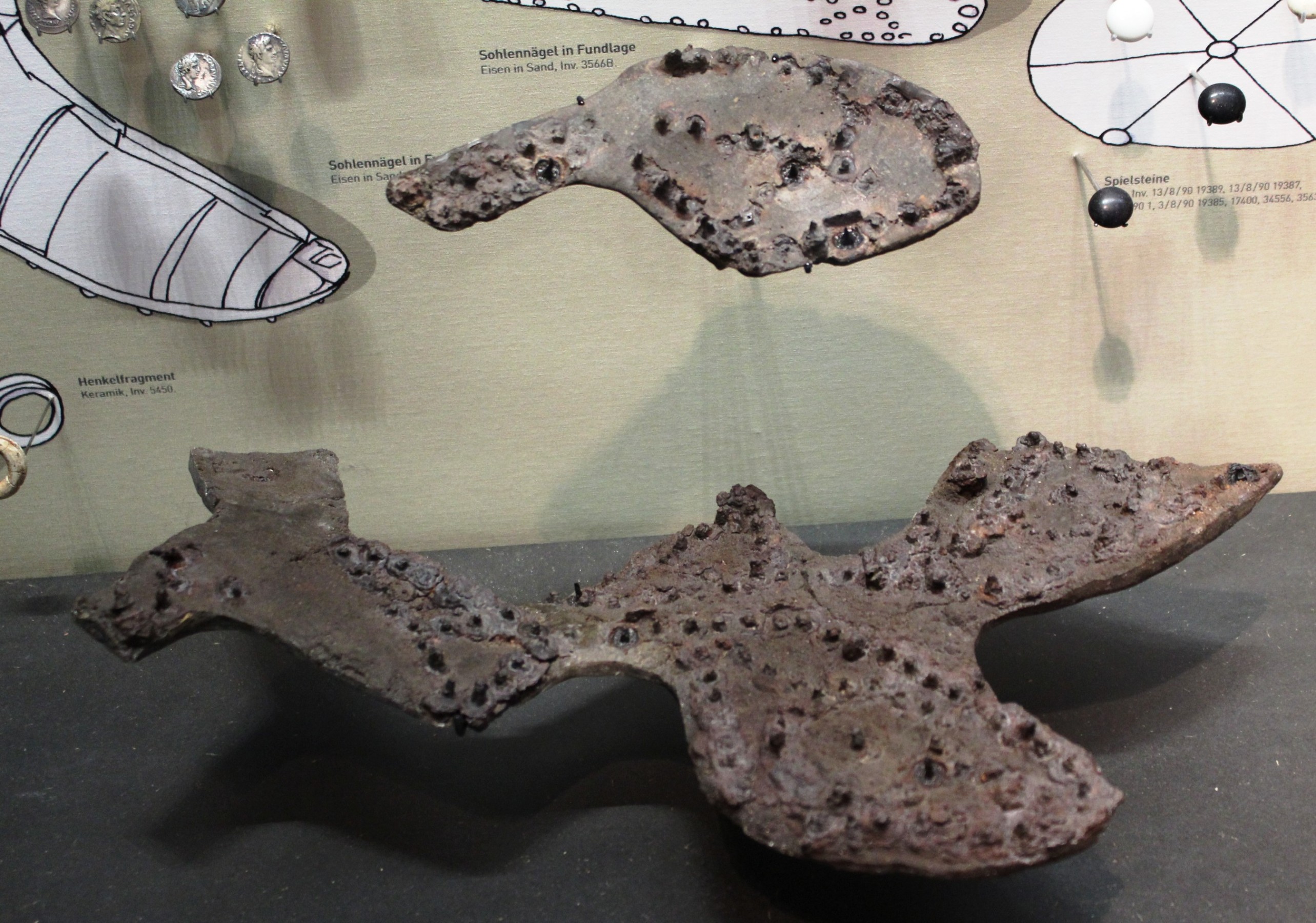 Another group of footwear hobnails from Kalkriese. Such finds are interpreted through their archaeological context and distribution.
Mask, Armour and Roman Equipment
The face mask from Kalkriese has become the symbol of the site, but it must be read carefully. It does not prove that every participant looked like a cavalryman on parade. Masks of this kind belong to cavalry and prestige equipment; in defeat an expensive object could be torn off, damaged, lost or deliberately stripped. The mask matters as part of the archaeology of collapse, not as an illustration of the "ordinary legionary".
Kalkriese-type lorica segmentata fragments are important for the early history of Roman plate armour. They show that such constructions were in use already in the Augustan period, but they also underline the problem of survival: individual plates, hinges, fittings and fragments survive, not complete kits. They can be used to study technology, repair and dismantling, but not to assemble one automatic image of the whole army.
Horse gear and weapon fittings show the mixed character of the column. Infantry, cavalry, baggage, commanders, servants and support personnel moved together on campaign. The destruction of such a column left a more complicated material trace than a simple line where two formations met. Kalkriese is valuable precisely because it records that disorder archaeologically.
Dating and Debate
Most researchers connect Kalkriese with the Varian disaster, but the phrase "the site of the Battle in the Teutoburg Forest" needs caution. Ancient authors do not provide a modern map, and the later name Teutoburg Forest changed its geographical meaning over time. Kalkriese is strong because it provides a dated military horizon, but it does not have to match every detail of the literary narrative.
Debate concerns the scale of the complex, the number of fighting episodes, the role of the rampart, the character of post-battle metal collection and the possible connection of some traces with Germanicus' later campaigns. Such debate does not weaken the site. On the contrary, it shows that Kalkriese is a rare case where a written tradition about a major defeat can be tested by field archaeology.
The reader should separate three levels. The first is the Roman and Greek texts about the disaster. The second is the archaeological horizon at Kalkriese, with coins, military finds and landscape. The third is museum reconstruction and modern mapping, which help visualise the event but are not the source itself. A good interpretation keeps these levels together without confusing them.
Archaeological Evidence
Kalkriese is especially useful as an example of battlefield archaeology. Object types matter, but so does the way objects entered the ground: loss during movement, breakage in impact, stripping from bodies, secondary movement, metal collection, later agricultural processes and controlled modern metal-detecting. The same object in a display case and the same object on a distribution map answer different questions.
The material from the complex is best read in series. Coins provide chronology; hobnails and small fittings show density of movement; armour and weapon parts mark the military character of the horizon; horse gear points to cavalry and baggage animals; the rampart and landscape define tactical conditions. Kalkriese is therefore not just about "where exactly the battle happened": it shows how the defeat of an army can be recognised archaeologically.
Related topics
- Germanic Peoples
- Archaeology and museums
- Roman Army
- Legion
- Legio XVII
- Legio XVIII
- Legio XIX
- Lorica segmentata
- Caligae
- Scutum
Literature and sources
- Rost A., Wilbers-Rost S. Weapons at the Battlefield of Kalkriese. Gladius 32, 2012.
- Wilbers-Rost S. The Archaeology of the Battle of the Teutoburg Forest. In: Fields of Conflict: Battlefield Archaeology from the Roman Empire to the Korean War.
- Wells P. S. The Battle That Stopped Rome. W. W. Norton, 2003.
- Wolters R. Die Schlacht im Teutoburger Wald: Arminius, Varus und das römische Germanien. C. H. Beck.
- Burmeister S., Rottmann A. Varus: Rome's Legions in Germania. Museum und Park Kalkriese exhibition catalogue.
- Tacitus. Annals. - Velleius Paterculus. Roman History. - Cassius Dio. Roman History.


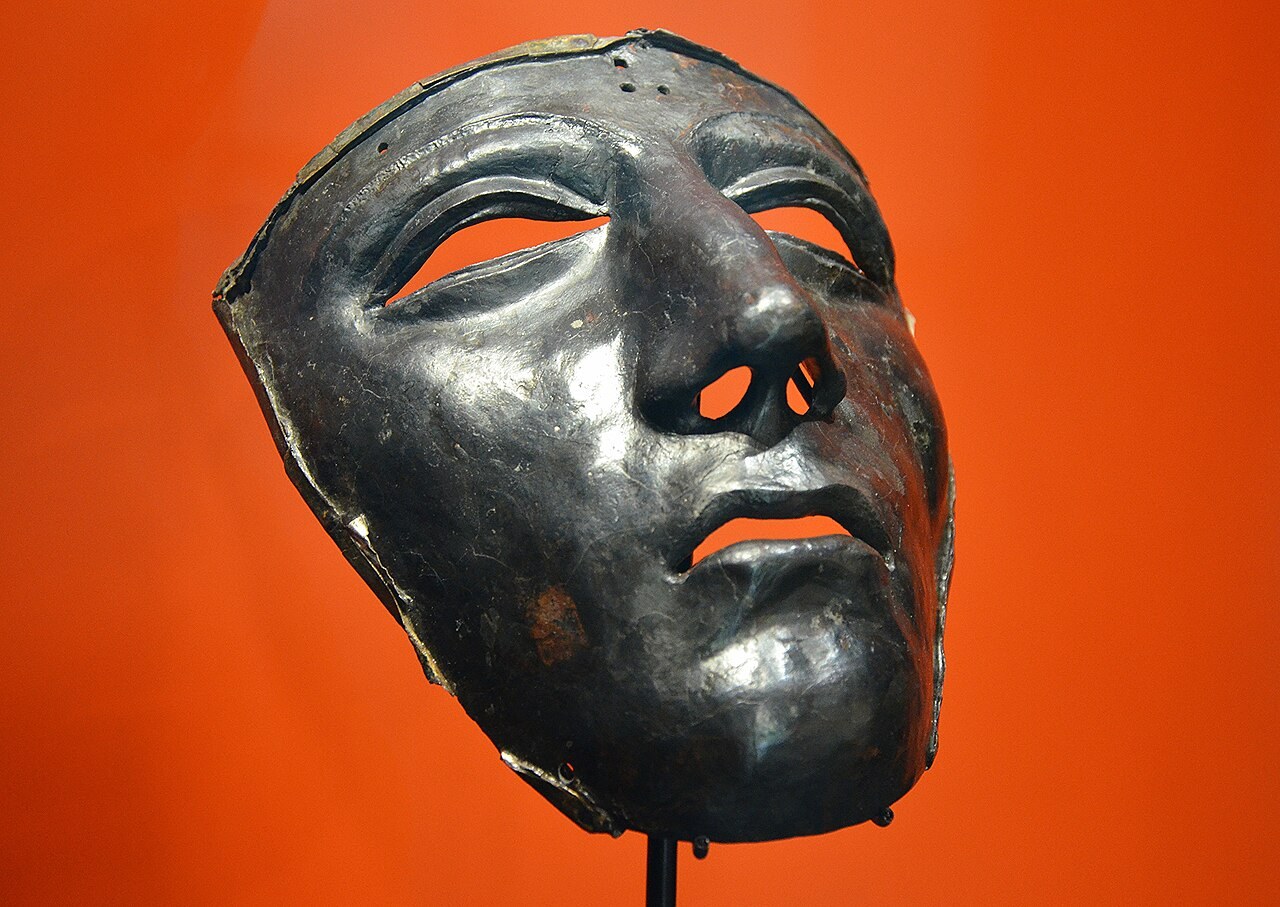 Kalkriese: Cavalry Face-Mask Helmet, Museum und Park Kalkriese, Germany; material-culture object or museum find connected with the site, Roman period or local archaeological context.
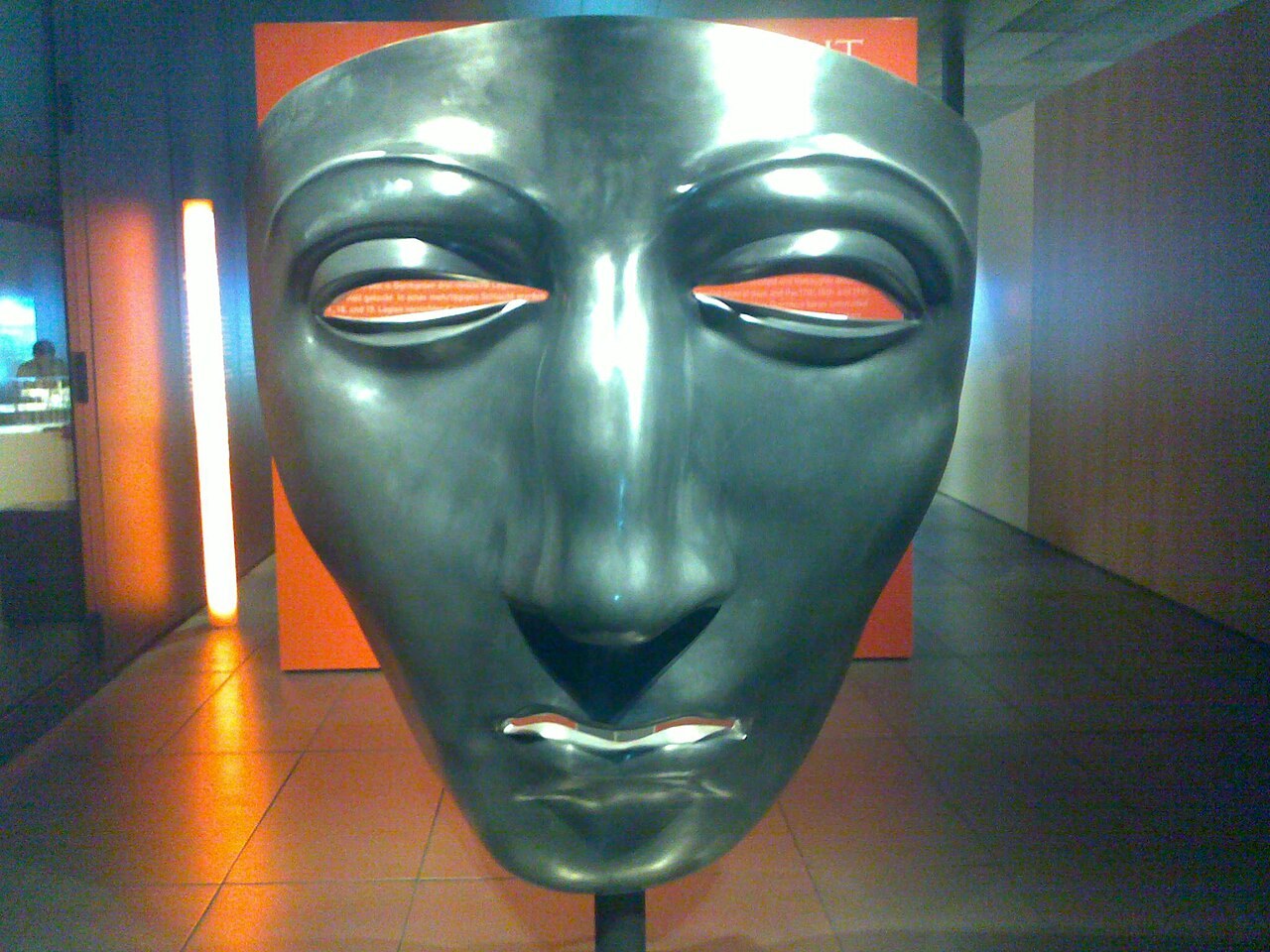 Kalkriese: MaskeMuseumKalkriese; material-culture object or museum find connected with the site, Roman period or local archaeological context.
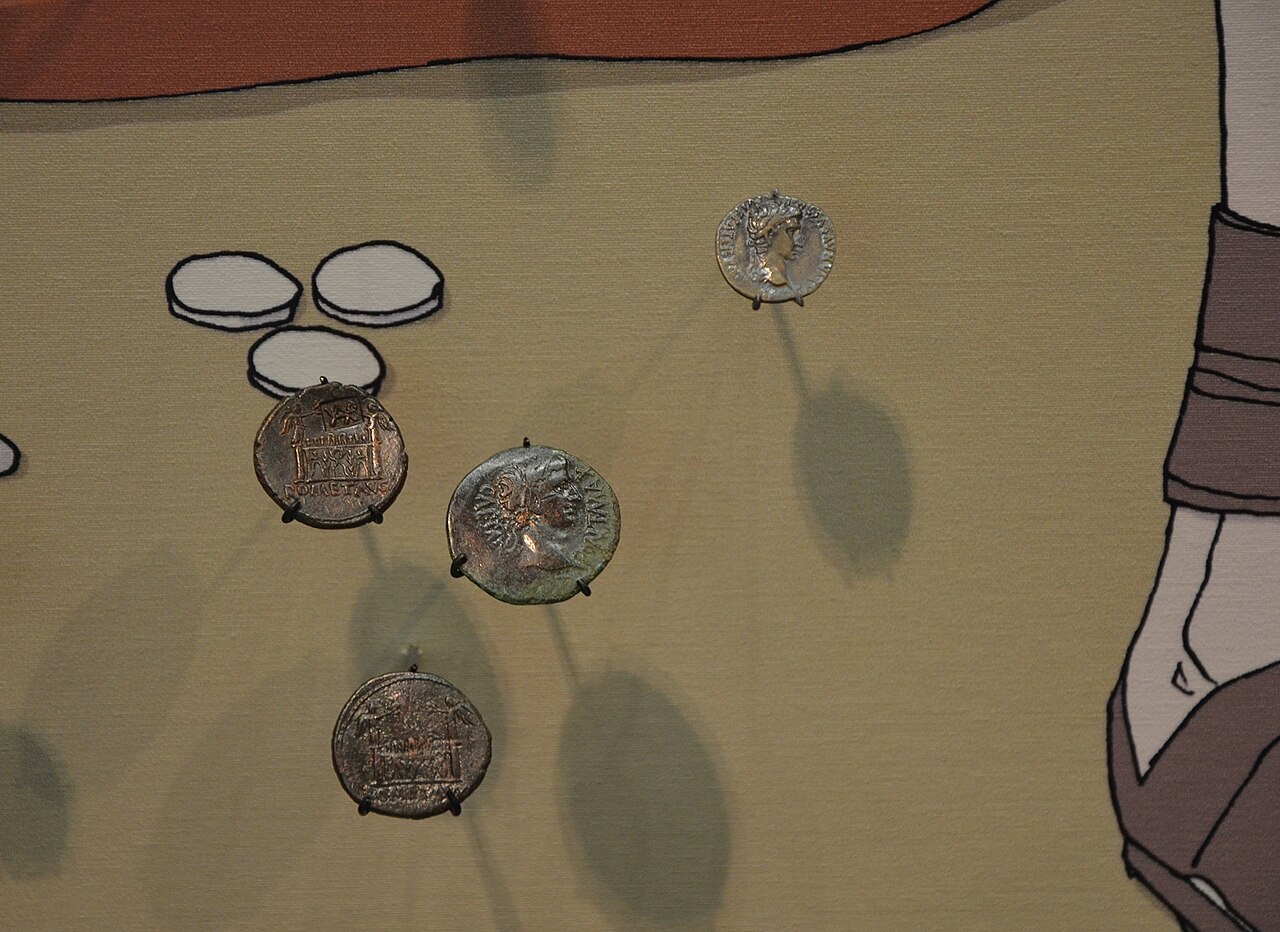 Kalkriese: Contents of the purse of a Roman soldier found on the site of the Battle of Teutoburg F...; archaeological view, find or museum context connected with the site, Roman period or local archaeological context.
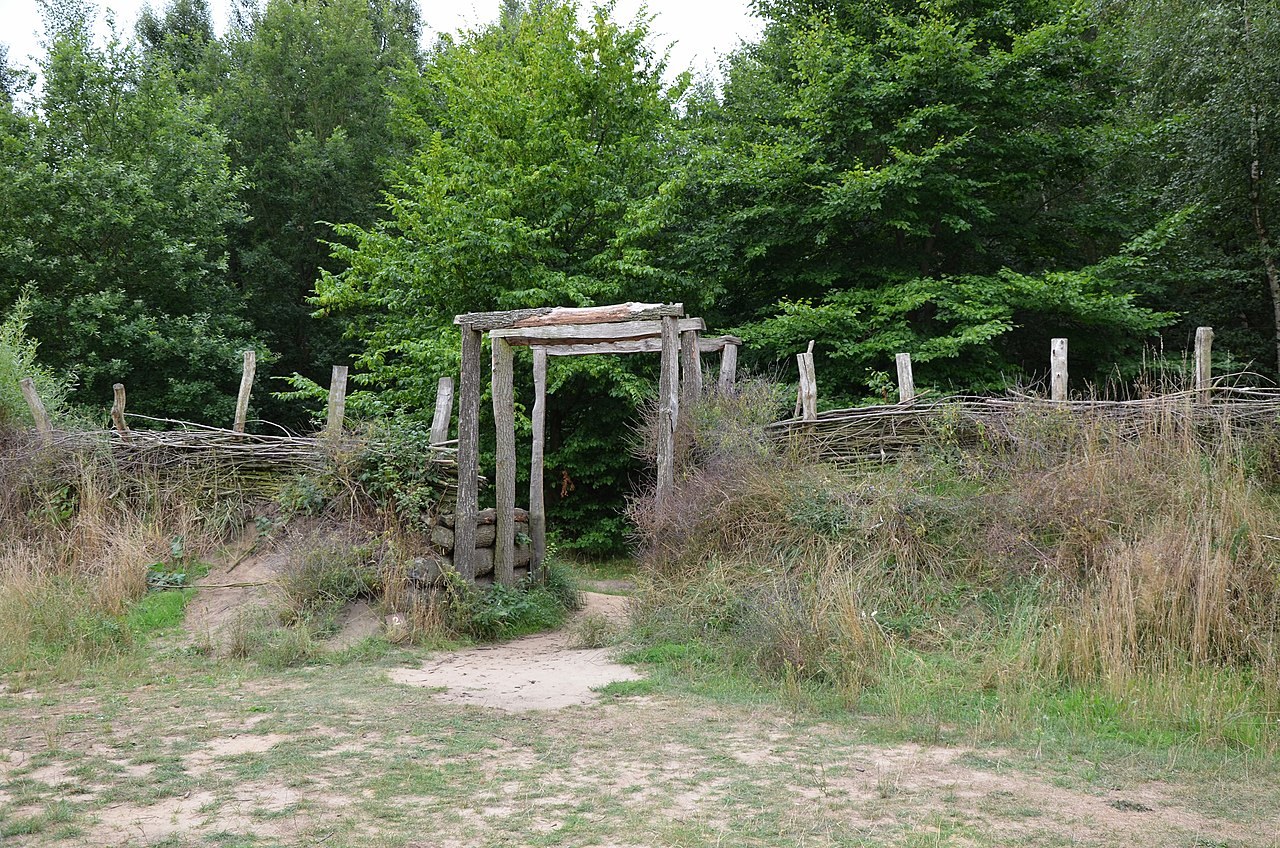 Kalkriese: Reconstruction of the improvised fortifications prepared by the Germanic tribes for the...; archaeological view, find or museum context connected with the site, Roman period or local archaeological context.
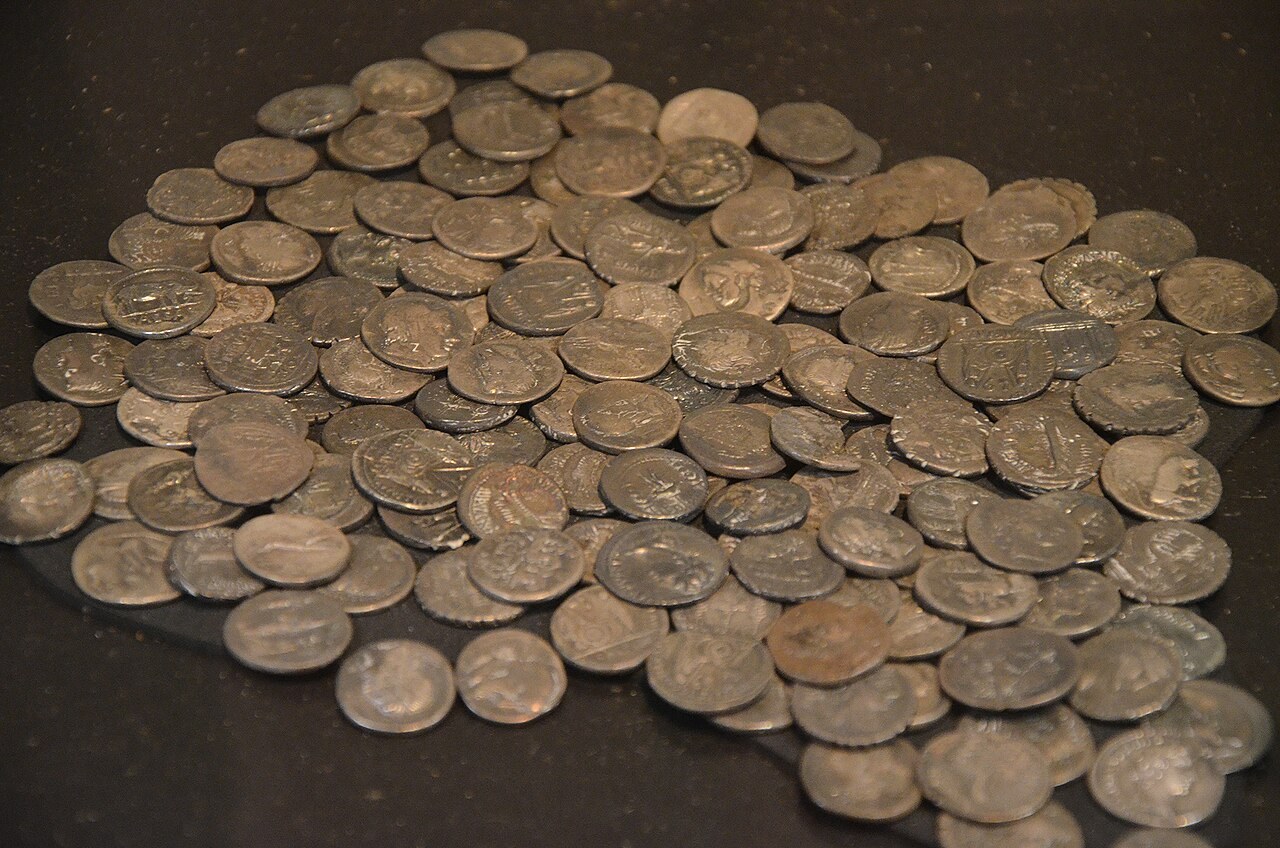 Kalkriese: Cache of silver dinarii discovered in 1987 on the site of the Battle of Teutoburg Fores...; archaeological view, find or museum context connected with the site, Roman period or local archaeological context.
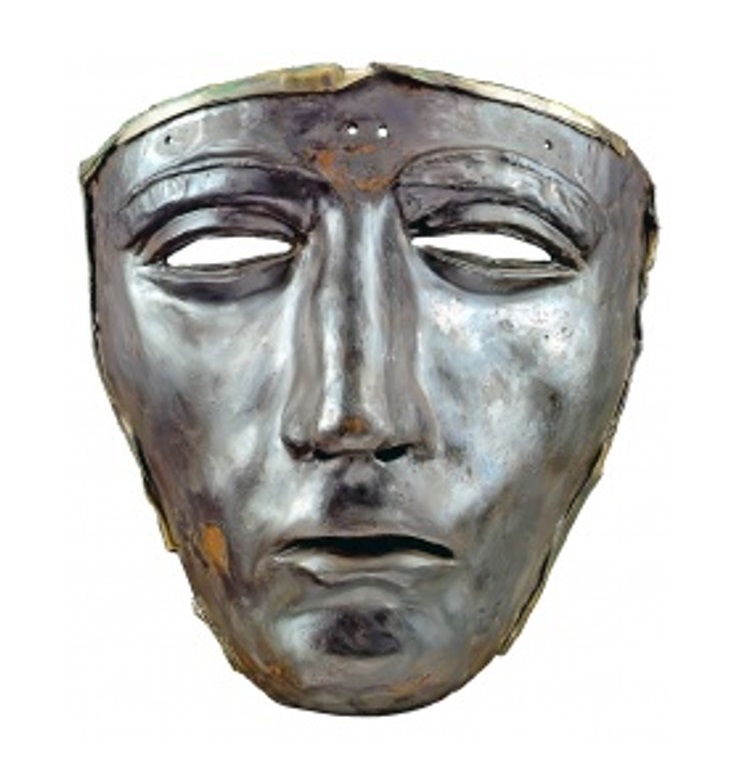 Iron face mask with bronze edging and traces of silvering from Kalkriese. Early 1st century AD; one of the best-known finds from the site.
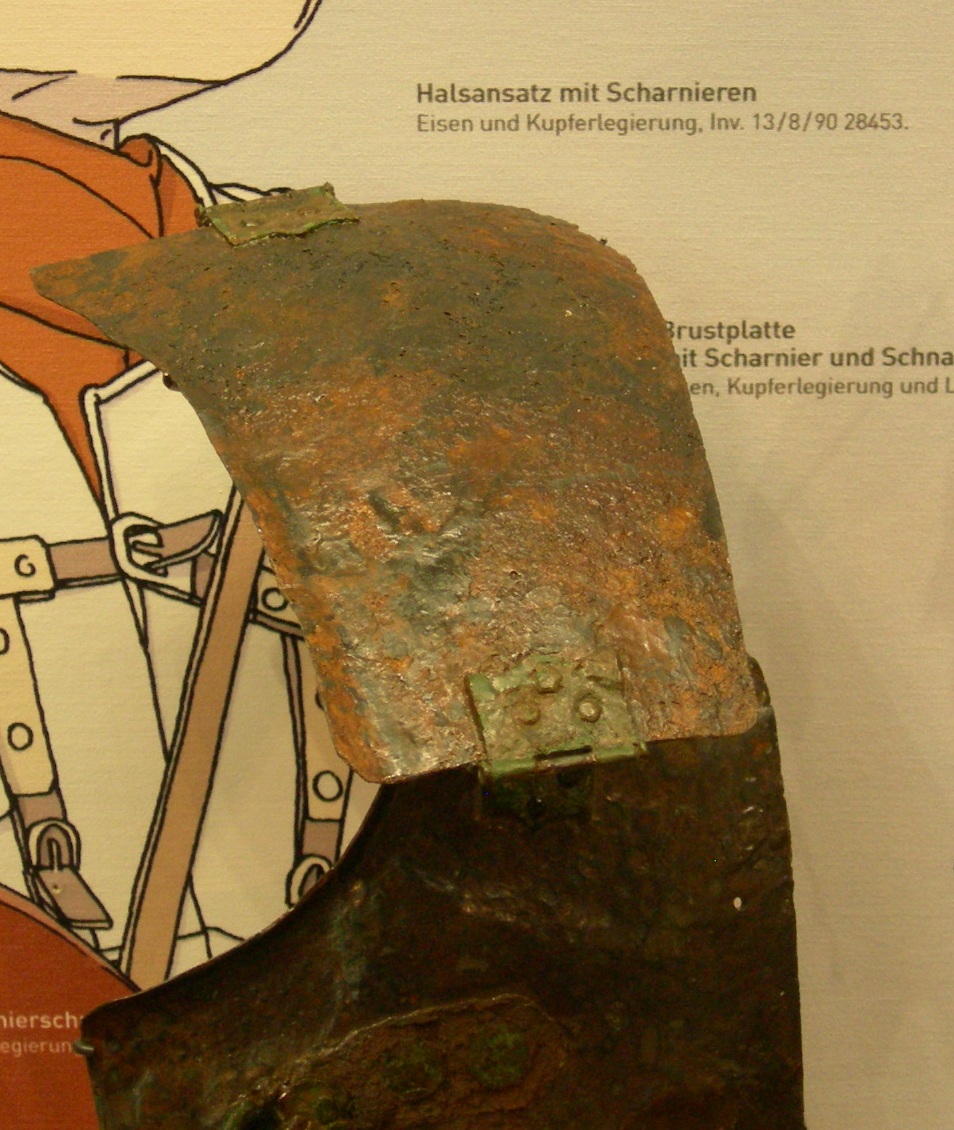 Kalkriese-type lorica segmentata fitting from Museum und Park Kalkriese. Armour fragments show the break-up and stripping of equipment after battle.
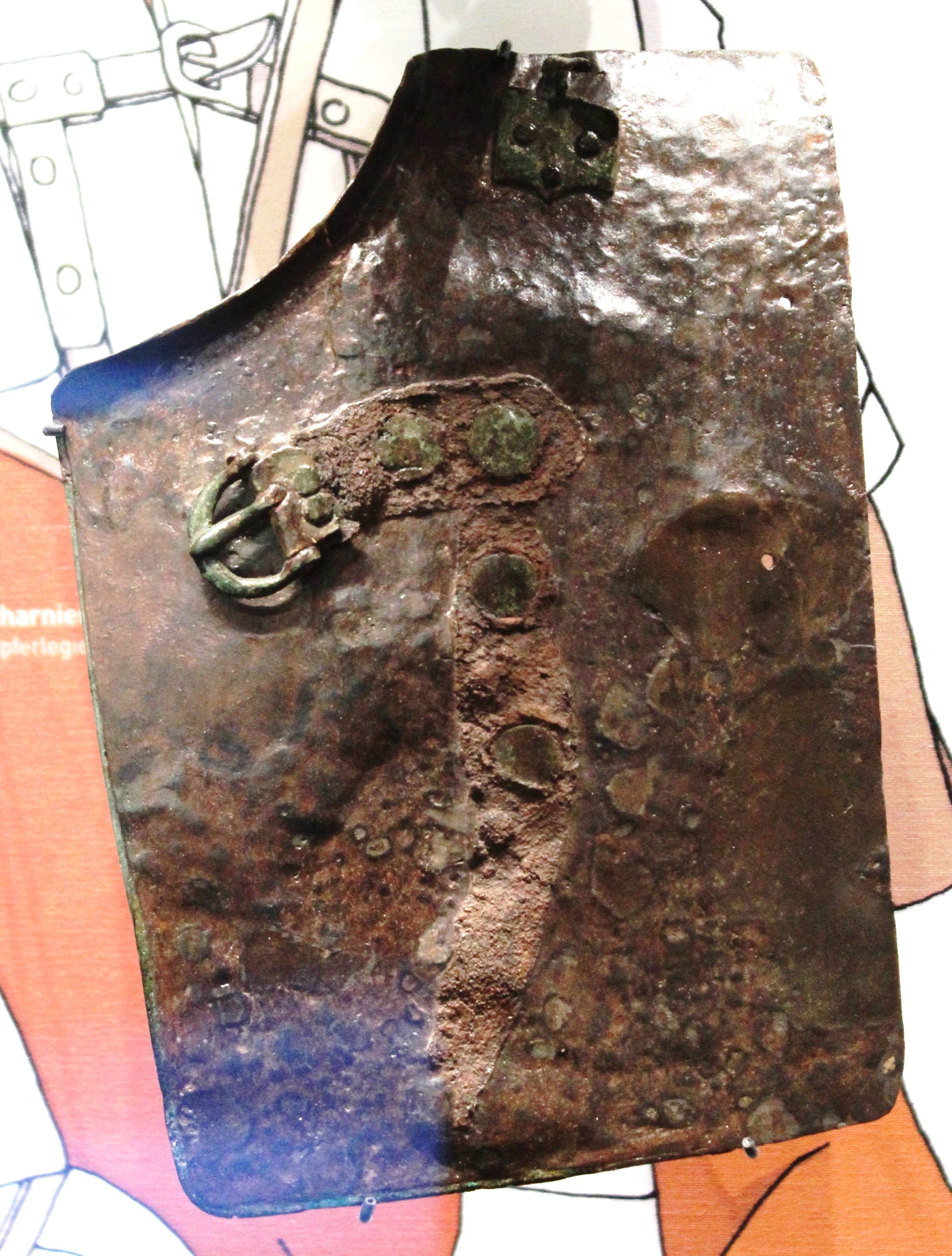 Lorica segmentata fragment from Kalkriese. Such fittings matter for the early history of plate armour and for connecting the finds with the Augustan horizon.
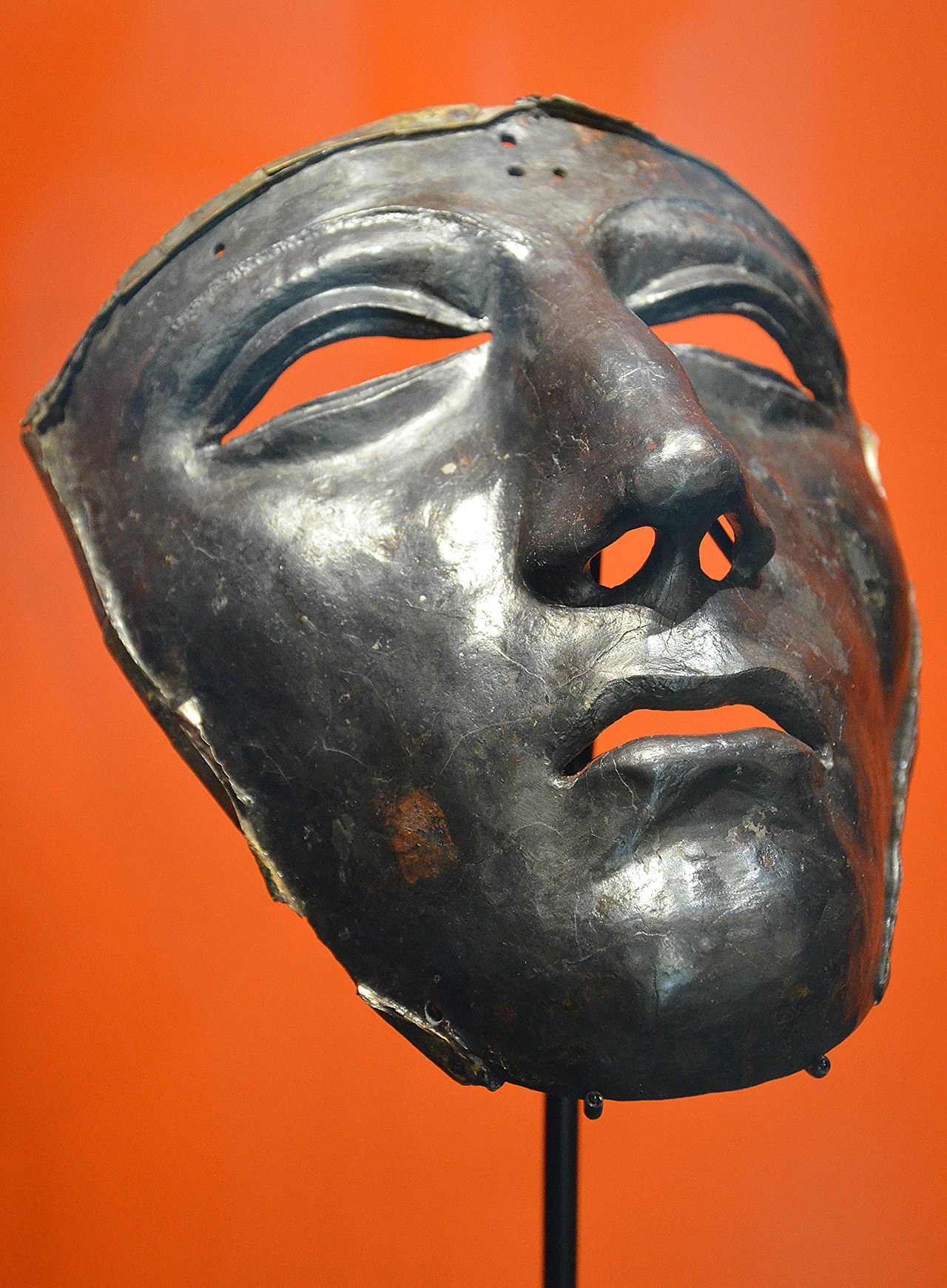 Kalkriese: Kalkriese face mask for Roman cavalry helmet, Museum und Park Kalkriese, Germany; material-culture object or museum find connected with the site, Roman period or local archaeological context.
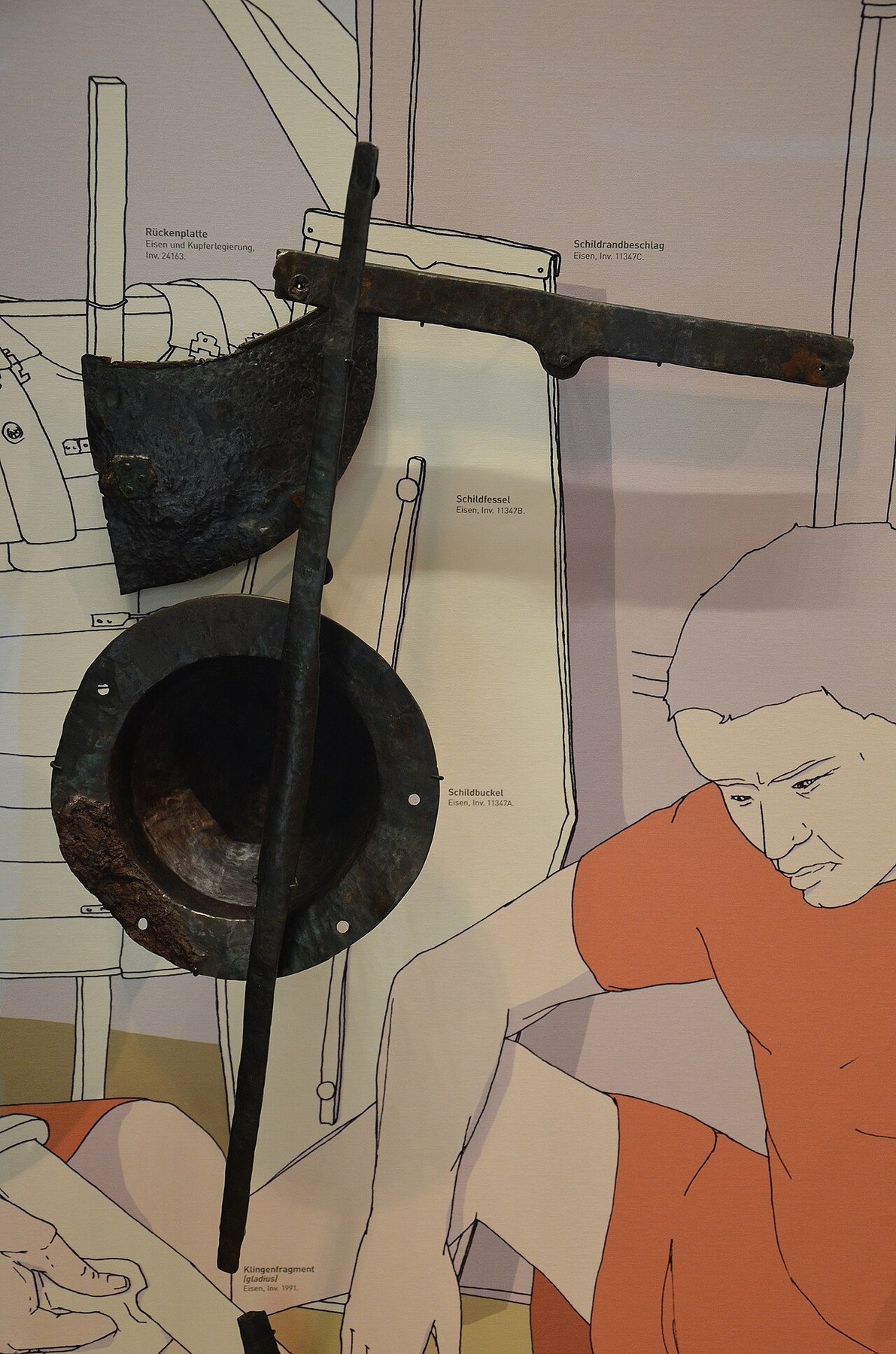 Kalkriese: Militaria finds from the battle, iron reinforcements of a shield, Museum und Park Kalkr...; material-culture object or museum find connected with the site, Roman period or local archaeological context.
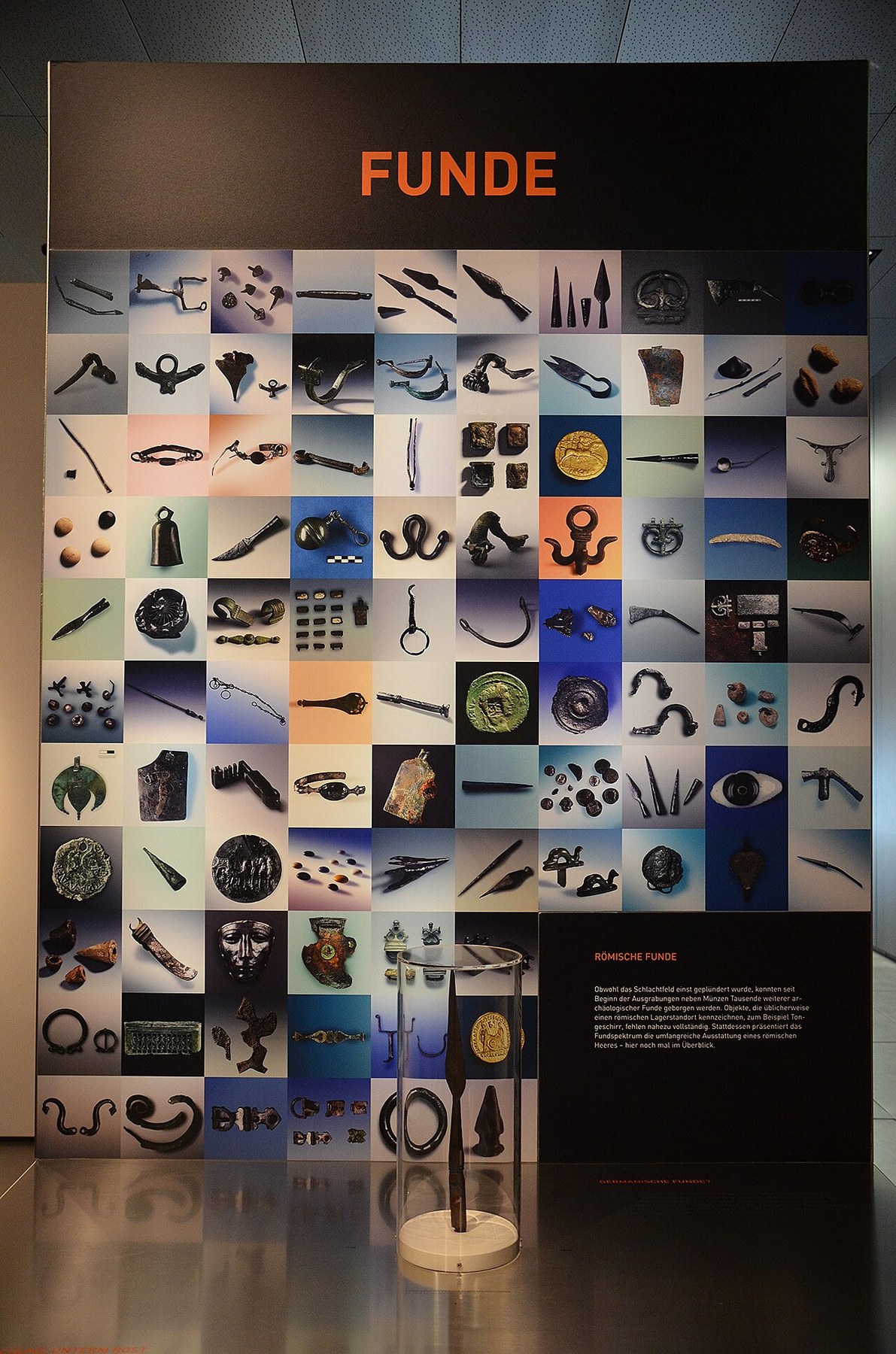 Kalkriese: All the finds from the excavations at Kalkriese, Museum und Park Kalkriese, Germany; archaeological view, find or museum context connected with the site, Roman period or local archaeological context.
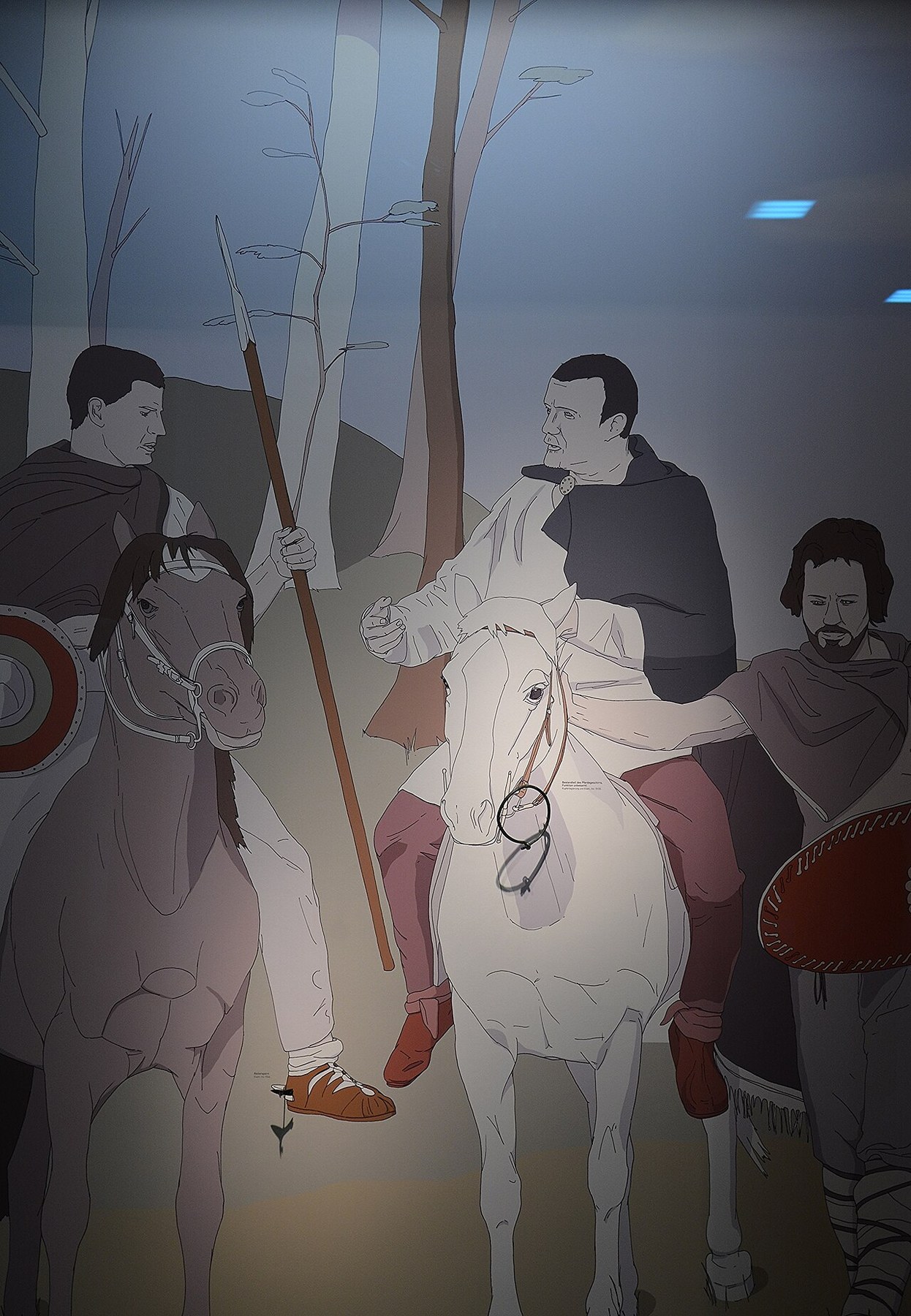 Kalkriese: Germanic finds (only two were discovered), Museum und Park Kalkriese, Germany; archaeological view, find or museum context connected with the site, Roman period or local archaeological context.
Interested in Ancient Rome beyond reading? Join Legio X Fretensis or explore our reenactment directions.


