Roman Archaeological Sources
Archaeology and museums
Roman archaeological sources are forts, camps, cities, roads, frontier lines, battlefields, hoards, inscriptions, tablets, papyri, and museum assemblages where an object survives together with its place and date. Their value lies not in a single attractive find, but in the connection between objects: building plans, destruction layers, coin groups, pottery, organic material, letters, and military marks.
These sites show how Roman presence looked in different settings: on the northern frontier of Britain, along the Rhine and Danube, in the cities of Campania, in the Syrian fortress of Dura-Europos, in the refuge caves of Judaea, and on battlefields. The overview below gathers the most important X-Legio articles for studying those complexes, from large fortified lines to small archives that preserved second-century documents and personal objects.
Articles on Archaeological Sources
I. Forts, camps and frontiers
- Vindolanda - late 1st-4th centuries AD
- Hadrian's Wall - 2nd-4th centuries AD
- Corbridge / Coria - 1st-4th centuries AD
- Isca Augusta / Caerleon - late 1st-4th centuries AD
- Camulodunum / Colchester - 1st-4th centuries AD
- Trimontium / Newstead - 1st-2nd centuries AD
- Arbeia - 2nd-4th centuries AD
- Segedunum - 2nd-4th centuries AD
- Inchtuthil - late 1st century AD
- Londinium - 1st-4th centuries AD
- Projectiles, Ballistae and Burnswark - mid-2nd century AD
II. Rhine, Danube and western provinces
- Mogontiacum / Mainz - 1st-4th centuries AD
- Vindonissa - 1st-2nd centuries AD
- Colonia Ulpia Traiana / Xanten - 1st-3rd centuries AD
- Saalburg - late 1st-3rd centuries AD
- Carnuntum - 1st-4th centuries AD
- Kalkriese - early 1st century AD
- Nijmegen / Noviomagus - 1st-3rd centuries AD
- Trier / Augusta Treverorum - 1st-4th centuries AD
- Augusta Raurica - 1st-4th centuries AD
- Lugdunum / Lyon - 1st century BC-4th century AD
- Viminacium - 1st-4th centuries AD
III. Italy, Campania and ports
- Pompeii - 1st century BC-AD 79
- Herculaneum - 1st century BC-AD 79
- Ostia Antica - 1st century BC-4th century AD
- Portus - 1st-4th centuries AD
- Oplontis - 1st century BC-AD 79
- Aquileia - 2nd century BC-5th century AD
IV. Spain and Lusitania
- Augusta Emerita / Merida - 1st century BC-4th century AD
- Tarraco / Tarragona - 3rd century BC-4th century AD
- Italica - 1st-2nd centuries AD
- Baelo Claudia - 1st century BC-3rd century AD
- Conimbriga - 1st-4th centuries AD
V. Eastern Provinces and Judaea
- Masada - 1st century BC-AD 73/74
- Dura-Europos — town, garrison and siege finds.
- Cave of Letters — documents and objects from a refuge.
- Karanis — daily life in Roman Egypt.
- Zeugma — houses, mosaics and the Euphrates crossing.
- Sagalassos — mountain city and pottery production.
VI. Museums and Collections
VII. North Africa
- Leptis Magna — urban centre of Roman Tripolitania.
- Timgad — colony and regular urban planning.
What Assemblages Provide
A strong archaeological assemblage usually provides several lines of evidence at once. A fort plan shows the movement of people and supplies; stratigraphy separates early and late phases; coins and pottery refine the date; inscriptions name units, offices, and dedications; organic preservation keeps shoes, wood, leather, textile, and tablets; museum groups allow objects to be seen together rather than in isolation.
That is why this overview places different sites side by side: a frontier fort, a city sealed by volcanic deposits, a battlefield in Germany, a Syrian fortress, a Danubian base, and a cave in the Judaean Desert. Together they do not produce one typical image of Rome, but several regional and chronological cross-sections of the empire.
Chronological Landmarks
- 1st century AD: early forts in Britain and on the Rhine, Vindonissa, Caerleon, the first phases of Vindolanda, Pompeii and Herculaneum before the eruption of AD 79.
- AD 9: Kalkriese and the archaeological trace of the Roman defeat in Germany.
- 2nd century AD: Hadrian's Wall, northern British forts, the Cave of Letters and documents of the Bar Kokhba revolt, the development of Danubian and Rhine bases.
- 3rd century AD: later phases of eastern and Danubian sites, including the siege context at Dura-Europos.
- 4th century AD and later: reused fortifications, late antique garrisons, and changing frontiers that require separate dating for each complex.
Related Topics
- Antiquity
- Roman Empire
- Roman Army
- Legion
- Castrum
- Architecture in Ancient Rome
- Roman Roads
- Cave of Letters
- Museums of Antiquity
Literature and sources
- Bishop M. C., Coulston J. C. N. Roman Military Equipment: From the Punic Wars to the Fall of Rome.
- Bishop M. C. Handbook to Roman Legionary Fortresses.
- Allason-Jones L. Artefacts in Roman Britain: Their Purpose and Use.
- Birley A. Vindolanda: A Roman Frontier Fort on Hadrian's Wall.
- James S. Excavations at Dura-Europos: Final Report VII.
- Yadin Y. Bar-Kokhba: The Rediscovery of the Legendary Hero of the Second Jewish Revolt against Rome.


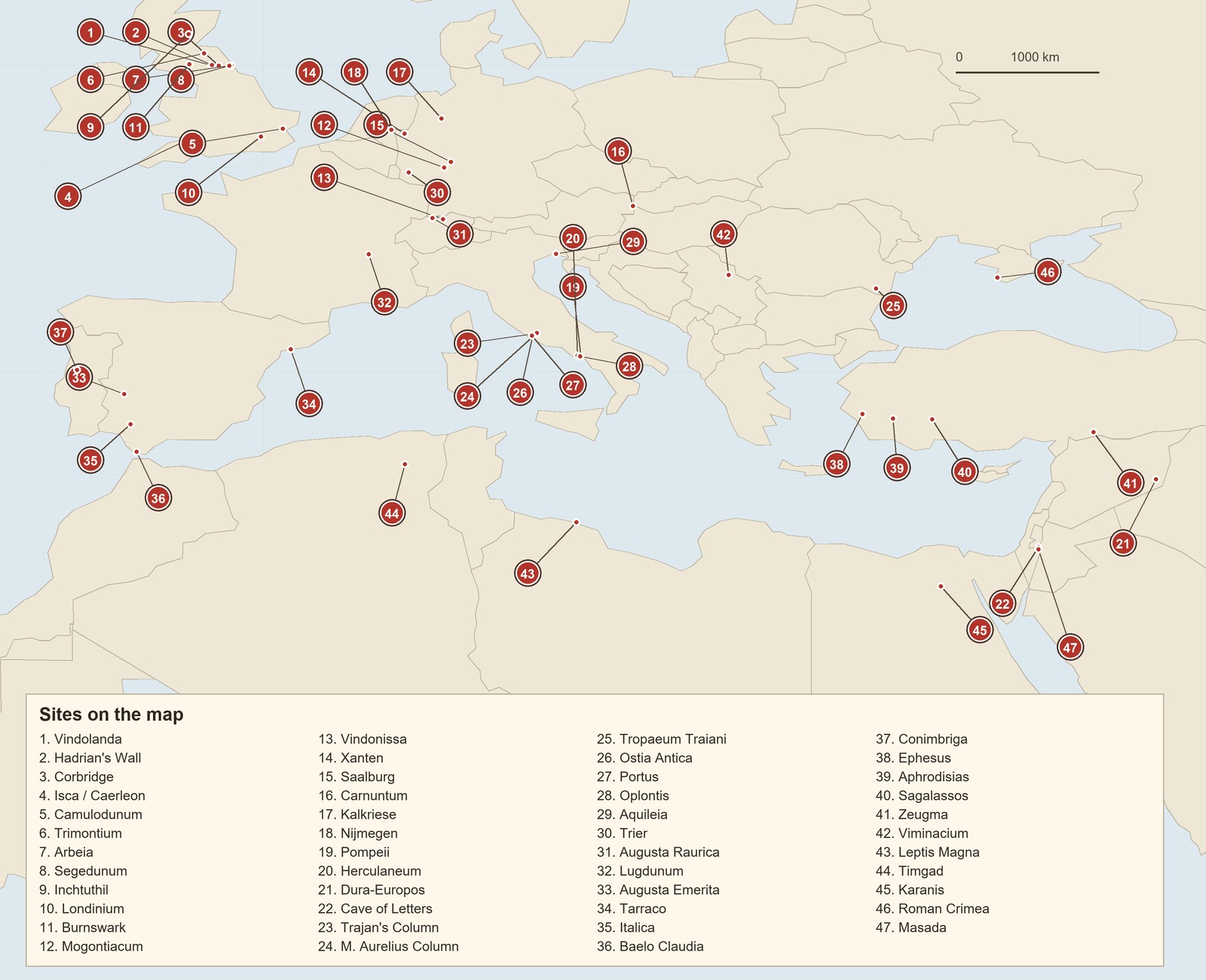 Map of the archaeological sites covered in the section: forts, cities, ports, battlefields and find complexes, including Masada.
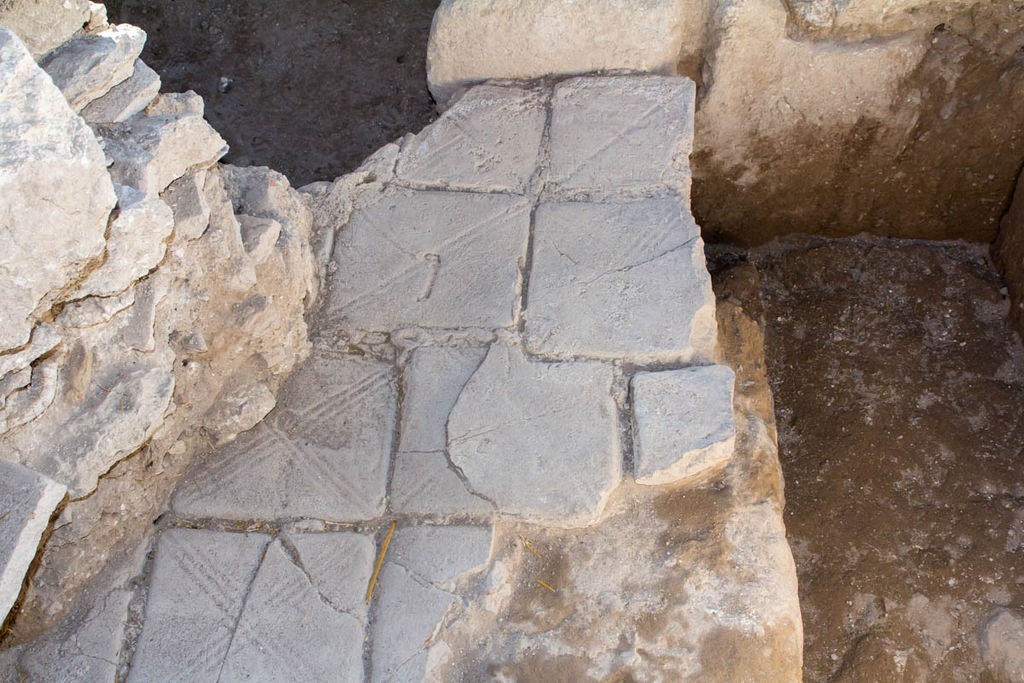 Fragment of an excavation at the site of the 6th Legion in Legio. Israel. 1st-2nd century AD
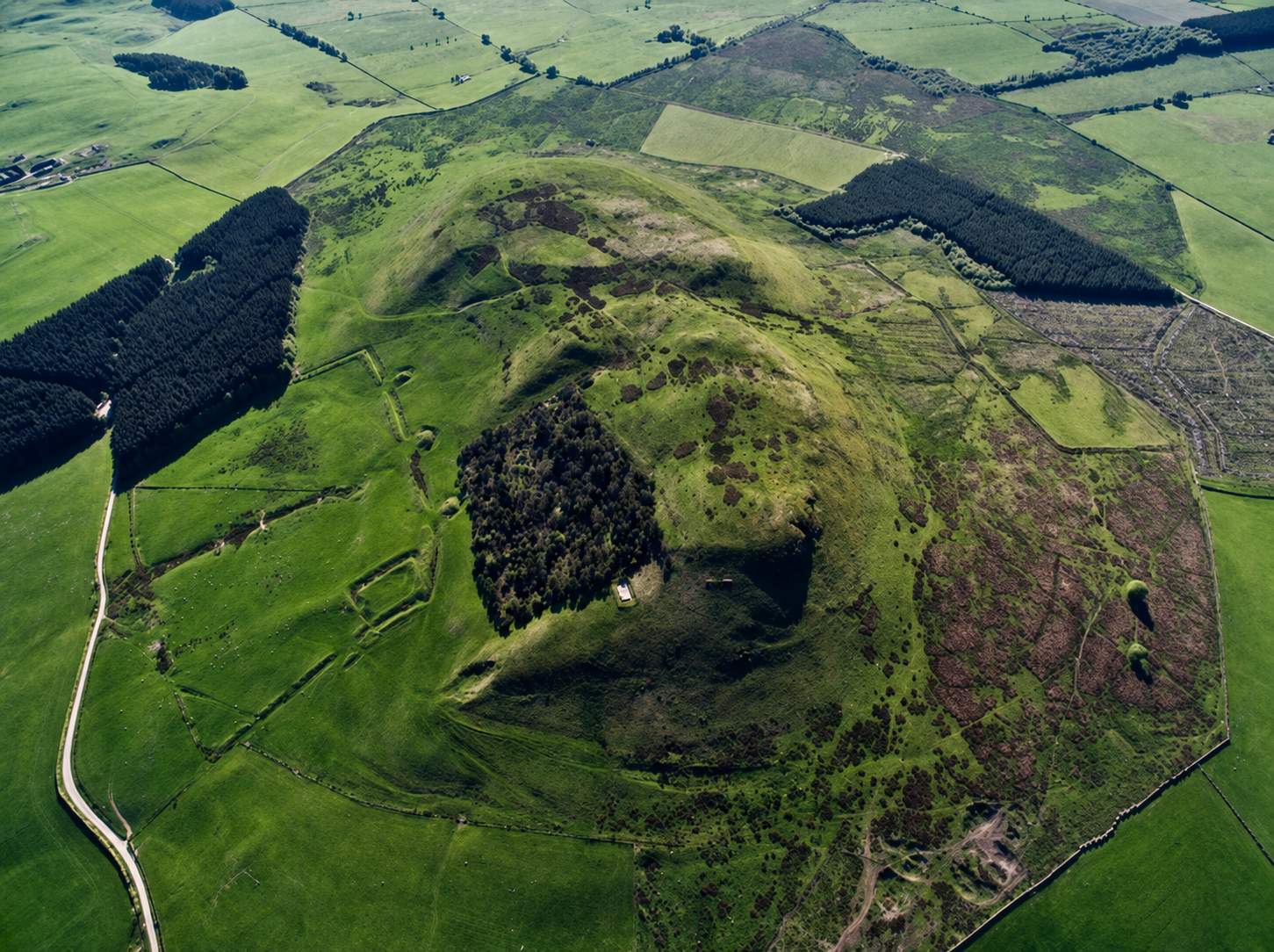 Burnswark, general view of the hill. Scotland, probable Roman siege complex 1st-2nd centuries. AD
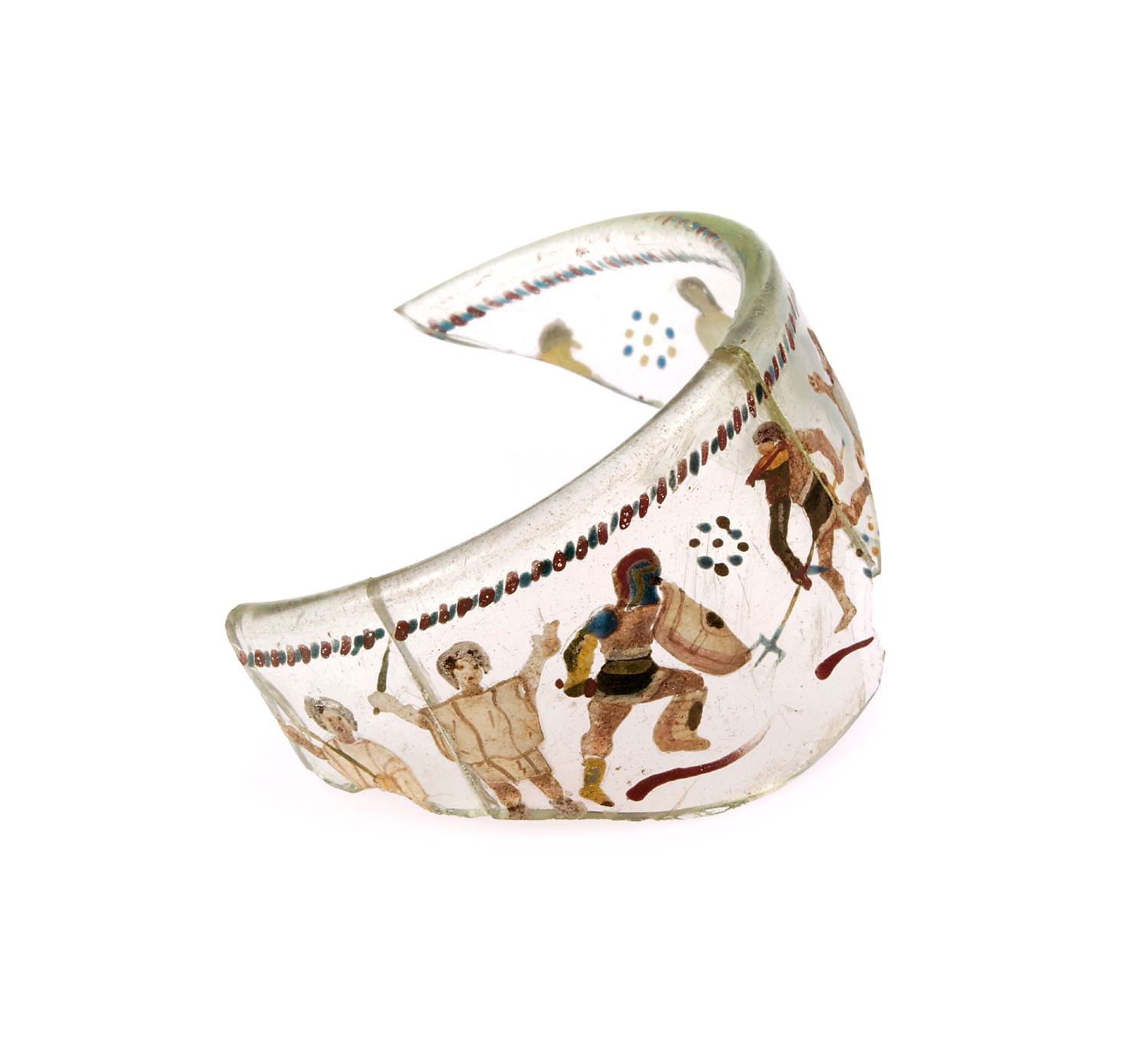 Colored painted glass with images of gladiators,found in the Roman fort Vindolanda (Vindolanda),near Hadrian's wall,Northumbria. A.D. 230-250
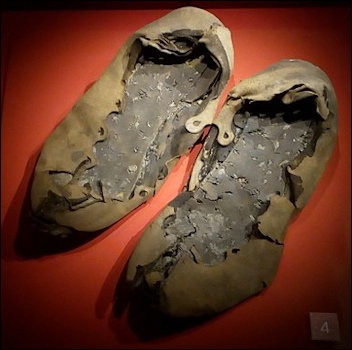 Calceae found near Hadrian's Wall. Britain, 2nd century AD; everyday archaeological material from the frontier zone.
 Legionary stamp on a clay tile from the Caerleon area. First century AD.
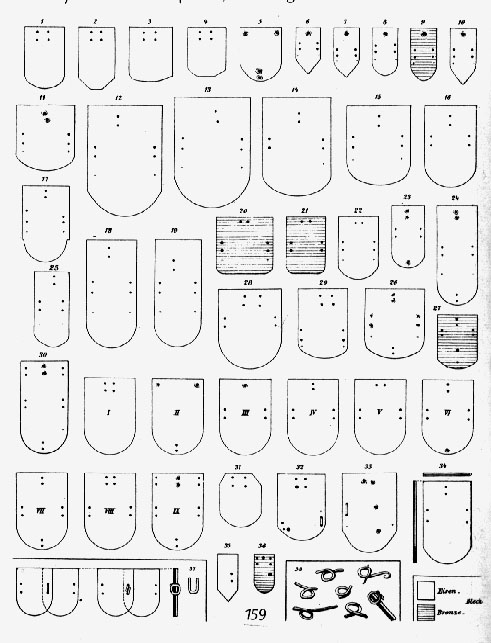 Scales from Roman armour found in the military complex of Carnuntum. Finds of this kind connect the city with the military environment of the Danube frontier.
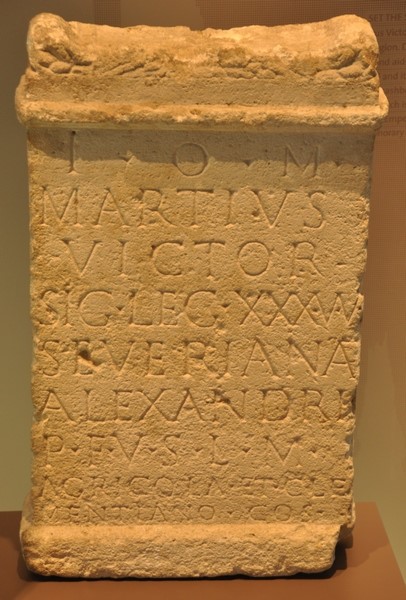 Altar dedicated to Jupiter by Legio XXX Ulpia Victrix. Xanten, AD 230; LVR-RömerMuseum, Xanten Archaeological Park.
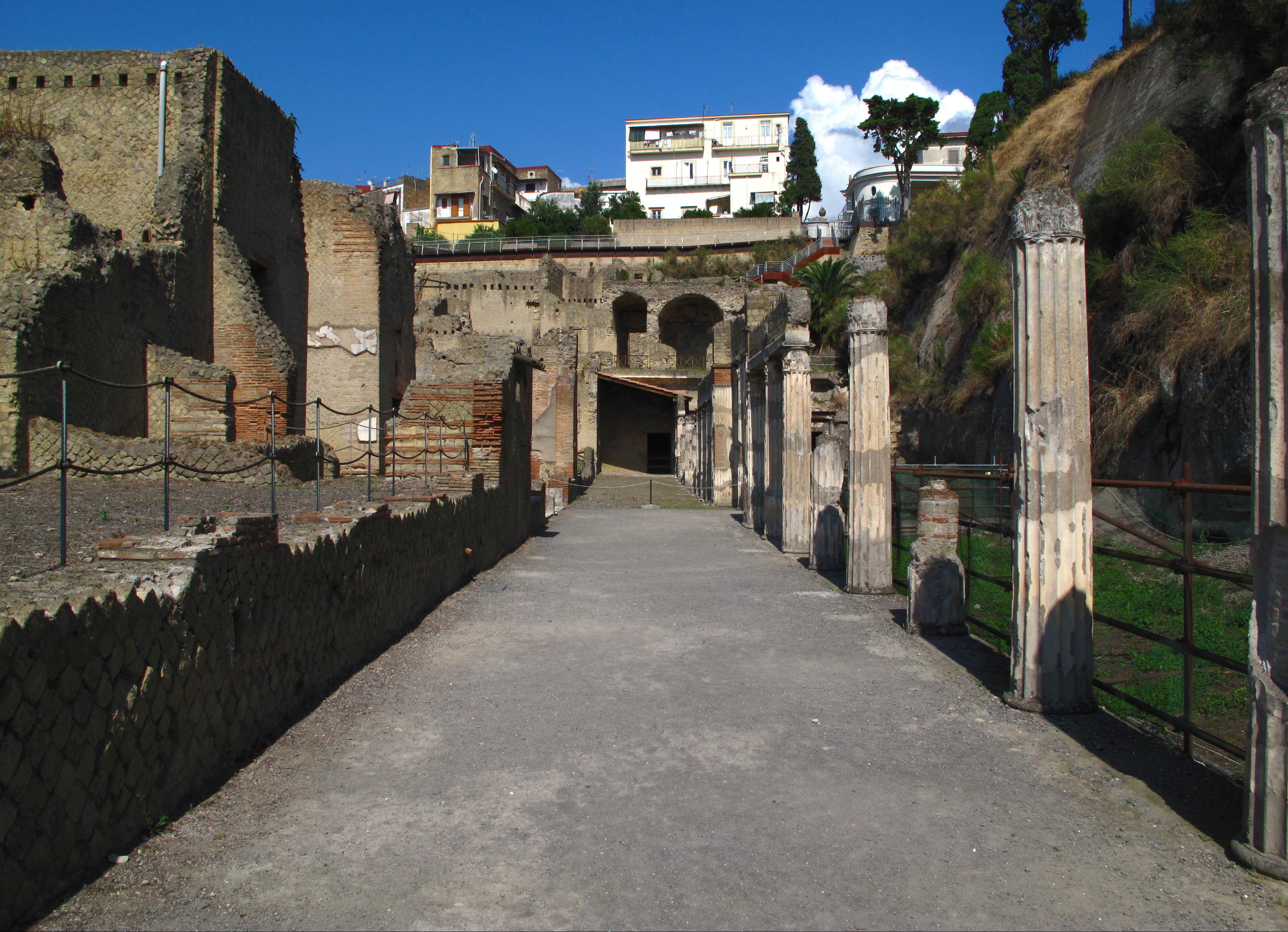 Herculaneum, general view of the excavations. AD 79, modern view.
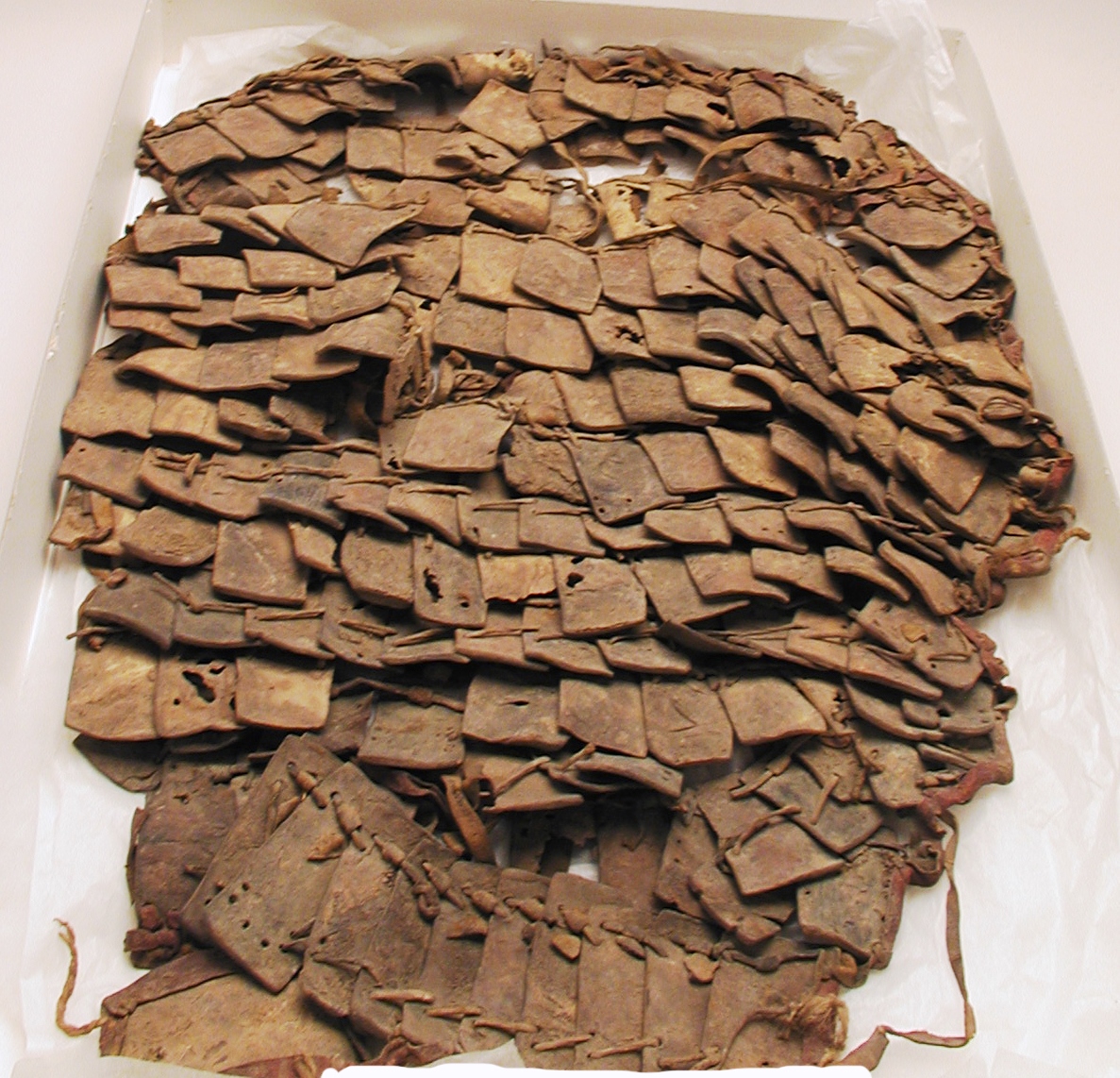 Organic and protective material from Dura-Europos: leather elements, scale armour and painted shields show the unusual preservation of military equipment.
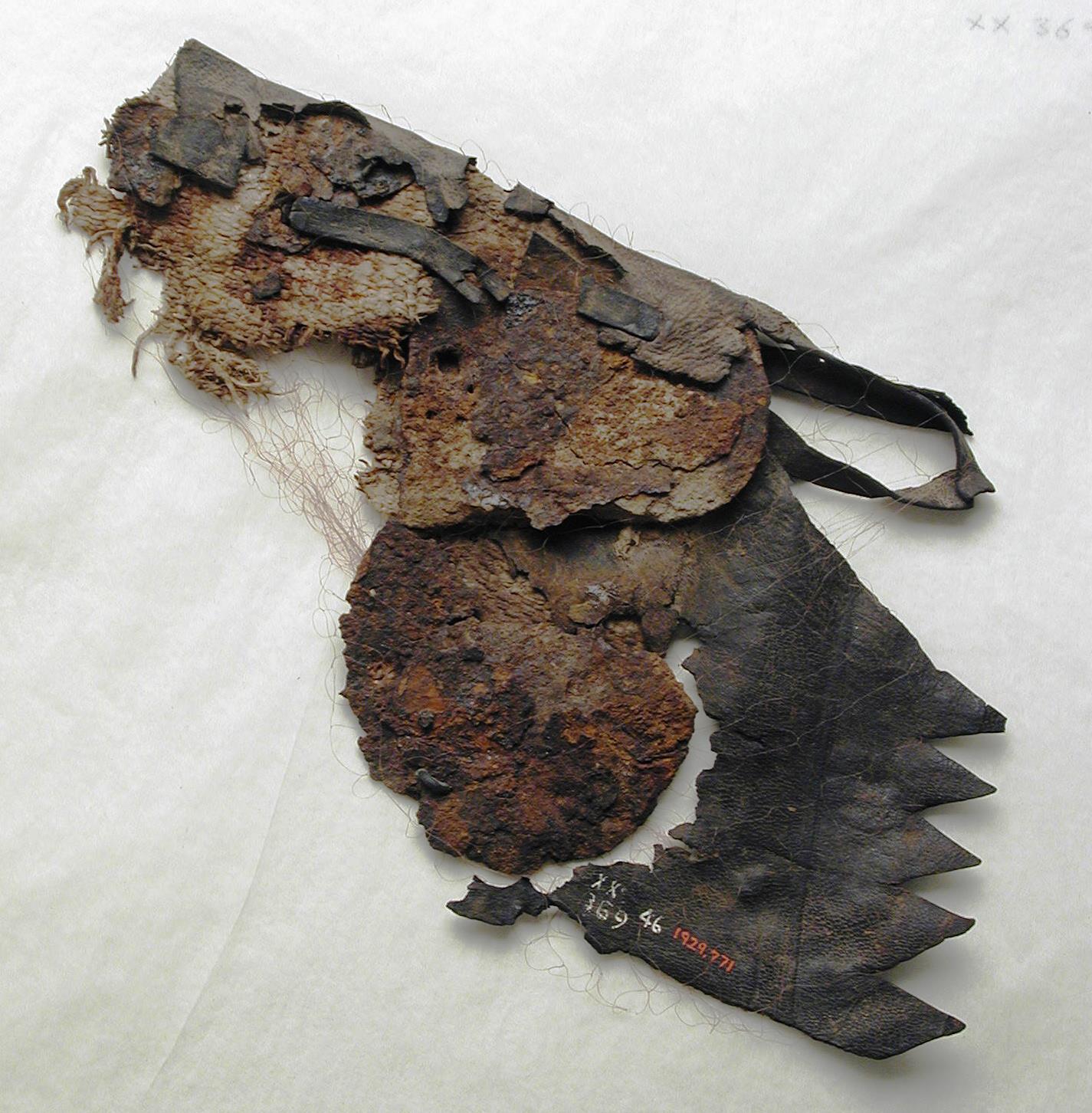 Painted oval shield from Dura-Europos, front-side detail. The dry environment preserved wood and pigment better than most western military sites.
 Reconstruction of the wooden chest of the Corbridge Hoard. The objects were packed as a store, repair group or property awaiting its owner's return.
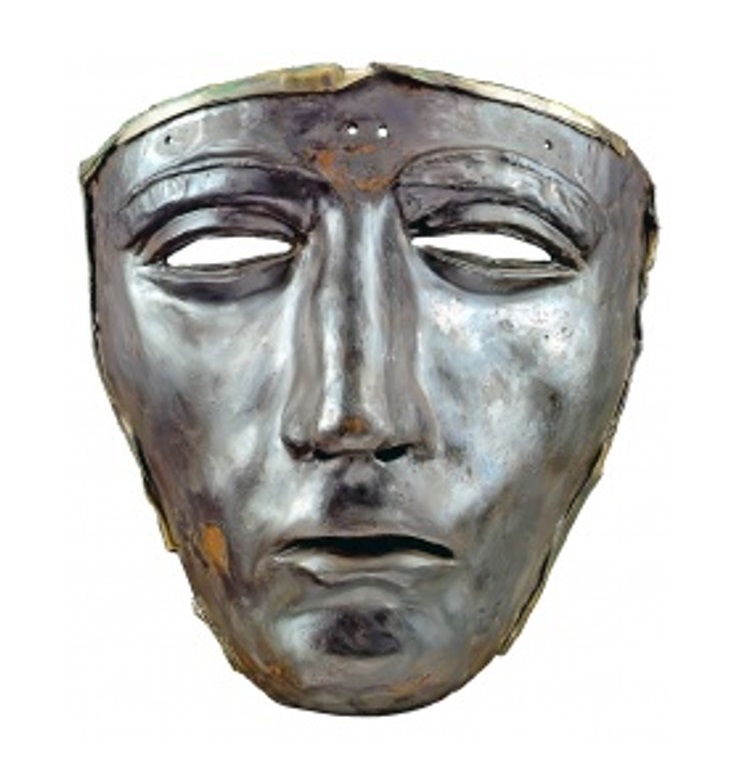 Iron face mask with bronze edging and traces of silvering from Kalkriese. Early 1st century AD; one of the best-known finds from the site.
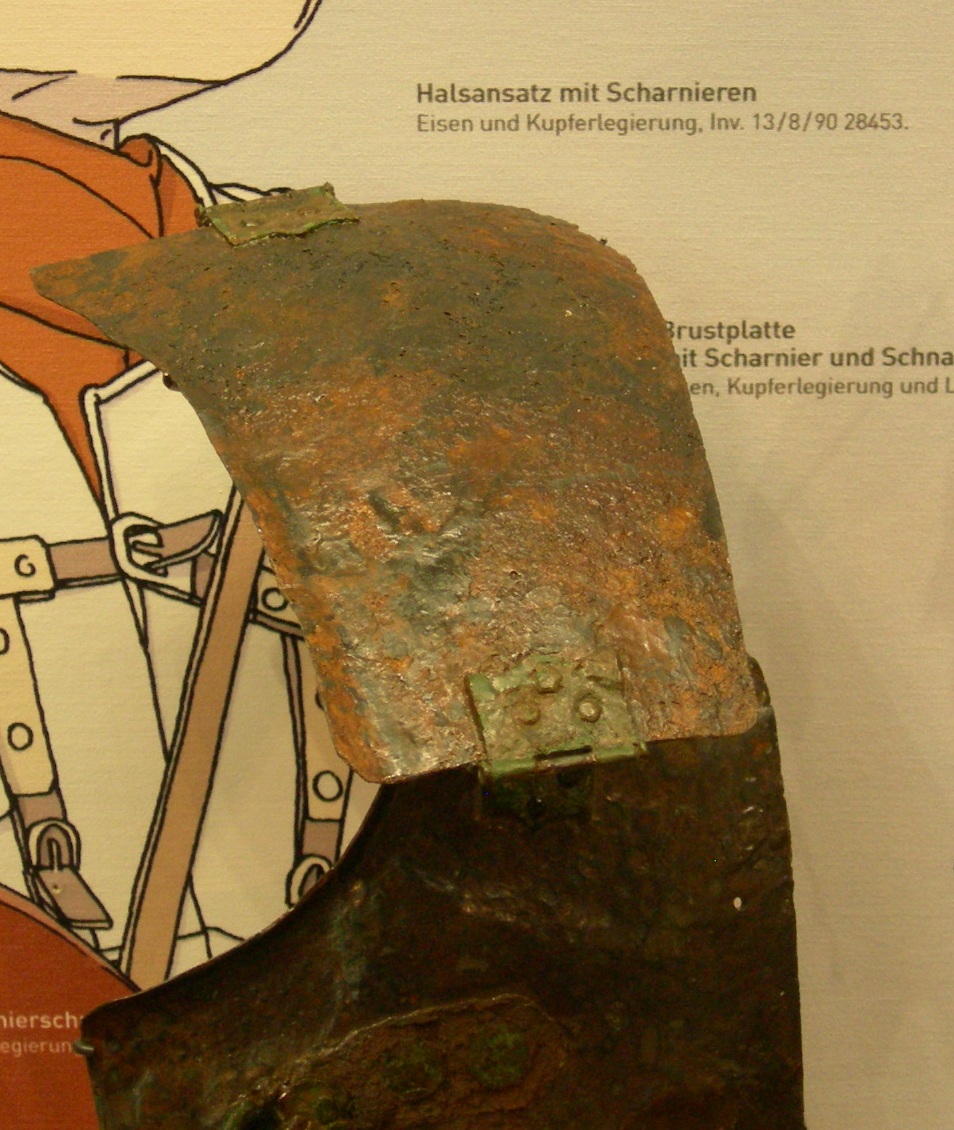 Kalkriese-type lorica segmentata fitting from Museum und Park Kalkriese. Armour fragments show the break-up and stripping of equipment after battle.
Interested in Ancient Rome beyond reading? Join Legio X Fretensis or explore our reenactment directions.


