Isca Augusta / Caerleon
Isca Augusta, modern Caerleon in south-eastern Wales, was one of the three permanent legionary fortresses of Roman Britain, alongside Eboracum and Deva. The fortress stood by the River Usk and served as the base of Legio II Augusta, which controlled the western sector of the province and the lands of the Silures. Unlike a small castrum or a temporary marching camp, Isca was a long-term military town: headquarters, barracks, granaries, workshops, baths, shrines and streets stood inside the walls, while canabae developed outside them.
For the history of the Roman army Caerleon matters not only because of individual finds. Several layers of evidence survive together: visible barracks, a large amphitheatre, baths, wall remains, museum objects, inscriptions and stamped building ceramics. Isca therefore shows not a single item of equipment, but the whole environment of a permanent legionary base in the western part of the Roman Empire.
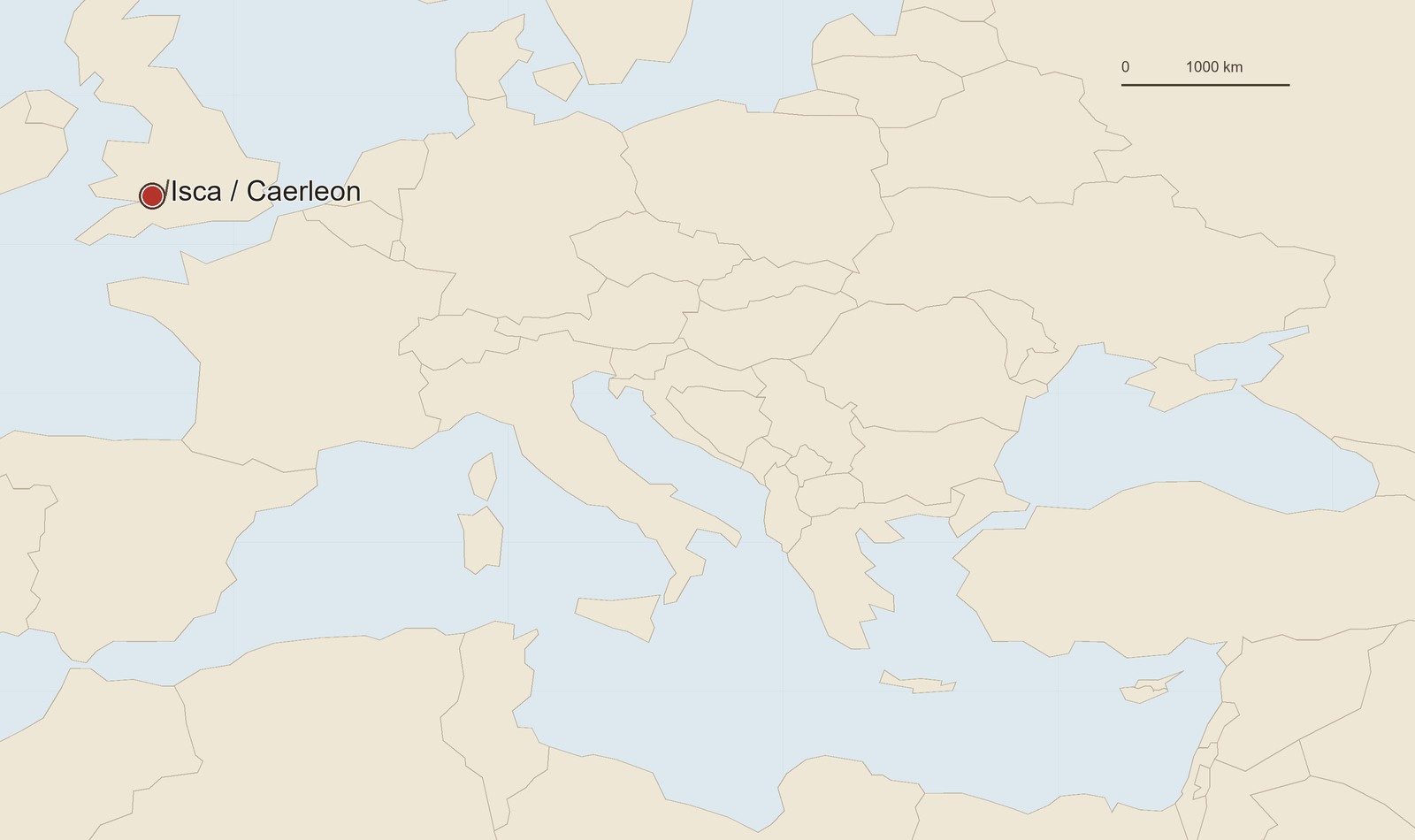 Location map: Isca Augusta / Caerleon. The marker shows the ancient site or main archaeological complex.
Foundation and Garrison
The foundation of the fortress is usually connected with the campaigns of the governor Sextus Julius Frontinus against the Silures in the 70s AD. After the conquest of south-eastern Wales, Rome needed a major base capable of holding the Usk valley, supporting roads, supplies and operations in difficult upland country. Around AD 74-75 Isca Augusta was established; it soon became the main base of Legio II Augusta.
Legio II Augusta had taken part in the conquest of Britain under Claudius in AD 43, but the Caerleon phase belongs to consolidation rather than invasion. The legionary fortress was designed for several thousand soldiers, officers, headquarters administration, workshops and a service population. The long life of the garrison makes Isca one of the rare places in Britain where military infrastructure can be studied across more than two centuries.
In the second and third centuries parts of the force could leave on campaigns or in vexillations, but the base itself continued to function. Building alterations, bath repairs, inscriptions, tile stamps and museum finds do not reflect a single moment; they show a long fortress history from the early Principate into the later Roman period.
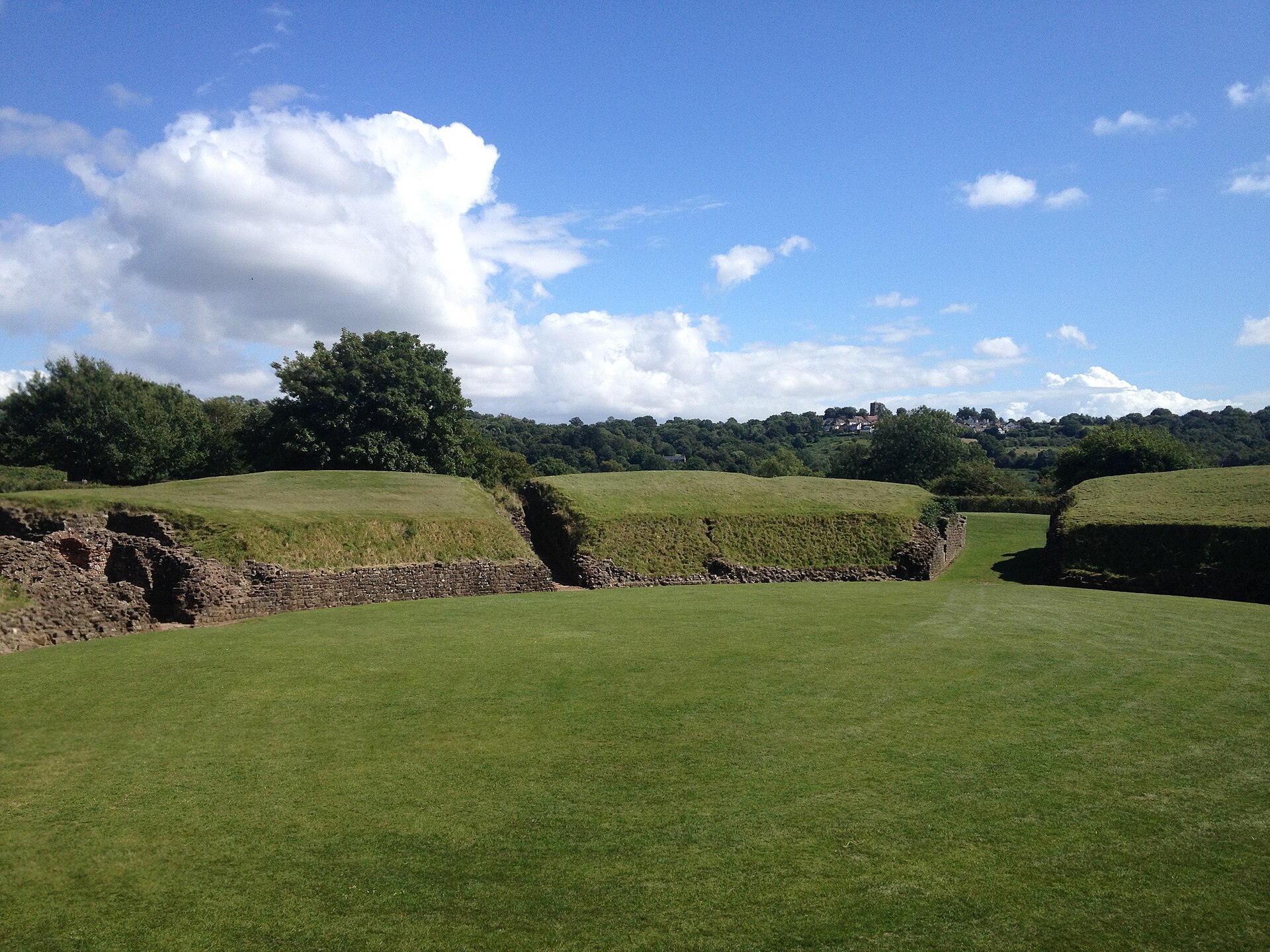 The Roman amphitheatre of Isca Augusta at Caerleon. The structure belonged to the legionary fortress and dates to the late first century AD.
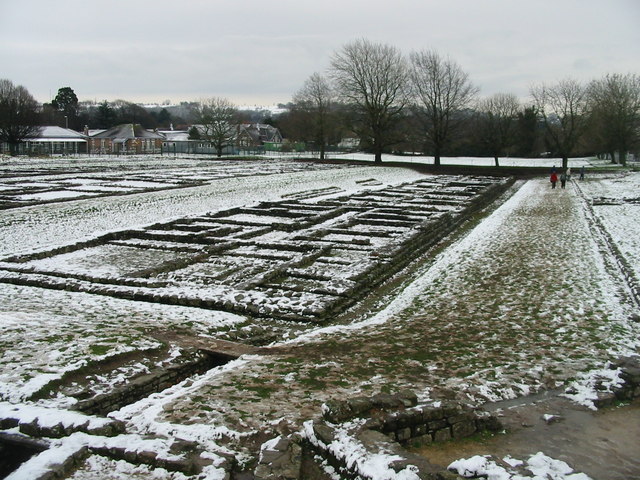 Excavated barrack blocks at Prysg Field, Caerleon. This is a rare visible part of the plan of the legionary fortress of Isca Augusta.
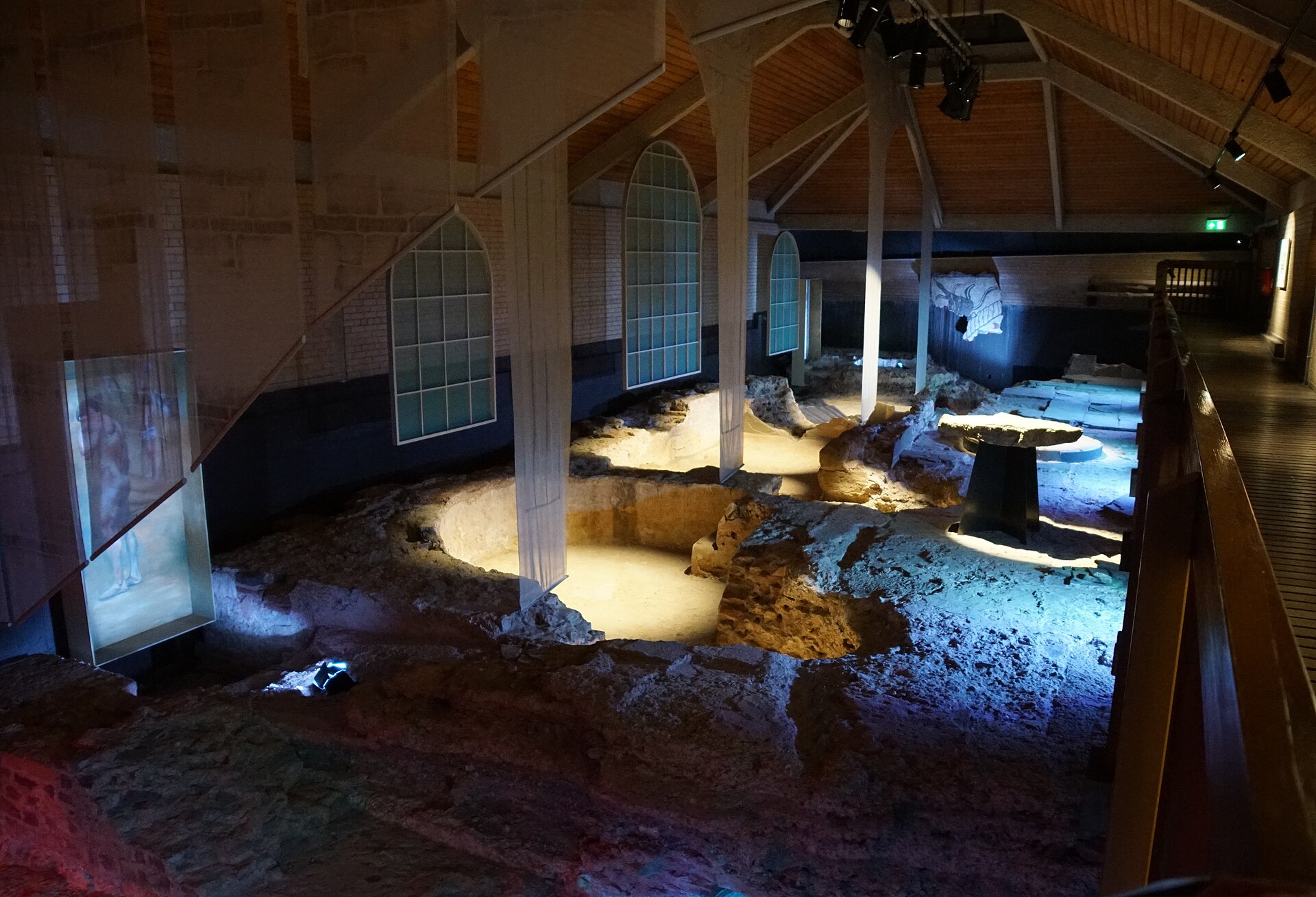 The frigidarium of the Roman fortress baths at Isca Augusta. The military bath complex was part of the permanent fortress infrastructure.
Fortress Plan and Buildings
Isca Augusta had the regular layout expected of a permanent legionary fortress. The main streets connected the gates with the principia, the headquarters building, around which stood barracks, officers' houses, stores, workshops and service yards. The line of the walls and the internal street grid can still partly be read in modern Caerleon, although medieval and modern building has covered much of the ancient plan.
The Prysg Field barracks are especially valuable because their remains are visible on site. They show the division of the legionary fortress into repeated blocks that housed centuries: soldiers' rooms, the larger space of the centurion, yards and passages. This material helps show how a legion was arranged in space, not only in lists of ranks and subunits.
Stamped building ceramics record the work of military workshops and building administration. A stamp on a tile links the object not to an abstract Roman style, but to a specific unit, building programme and findspot. Such fragments are therefore as important as weapons: they show how the army built and maintained its own base.
 Legionary stamp on a clay tile from the Caerleon area. First century AD.
Baths, Amphitheatre and Garrison Life
The military baths of Isca formed part of the original planning of the fortress. They included a large natatio, cold and hot rooms, drains, heating and decorative elements. The baths were not only a place for washing: they were a setting for rest, social contact, bodily discipline and the daily routine of the garrison. Finds from the drains, including gems and small objects, show that such spaces were full of personal items.
The amphitheatre stood beside the fortress and was tied to the leisure of the military community. Its oval arena and entrances make it possible to imagine spectacles, training, public punishment and festivals in a provincial military setting. It was not a miniature Colosseum, but a local structure serving a legionary and near-legionary audience.
Barracks, baths and amphitheatre together change the image of the fortress. Isca was not only a wall and an armour store, but a permanent settlement with routines of work, supply, rest and memory of service. This is why the archaeology of Caerleon is useful for understanding how Roman military power became part of a provincial landscape.
Museum Finds and Visual Evidence
The collection of the National Roman Legion Museum at Caerleon complements the ruins with objects from the fortress and its surroundings. It includes equipment fittings, helmets, scabbards, building ceramics, glass, ornaments, tombstones, coins and religious images. These objects show different sides of one base: service discipline, craft, supply, personal habits, cult and funerary memory.
The visual sources from Caerleon matter as a local body of evidence. Tombstones and reliefs convey the language of status and memory; decorative pieces with the Gorgon and celestial symbols show mythological imagery in a military environment; museum objects record the form of things used in or near the fortress. This material is strongest when the object is read together with its place, date and function.
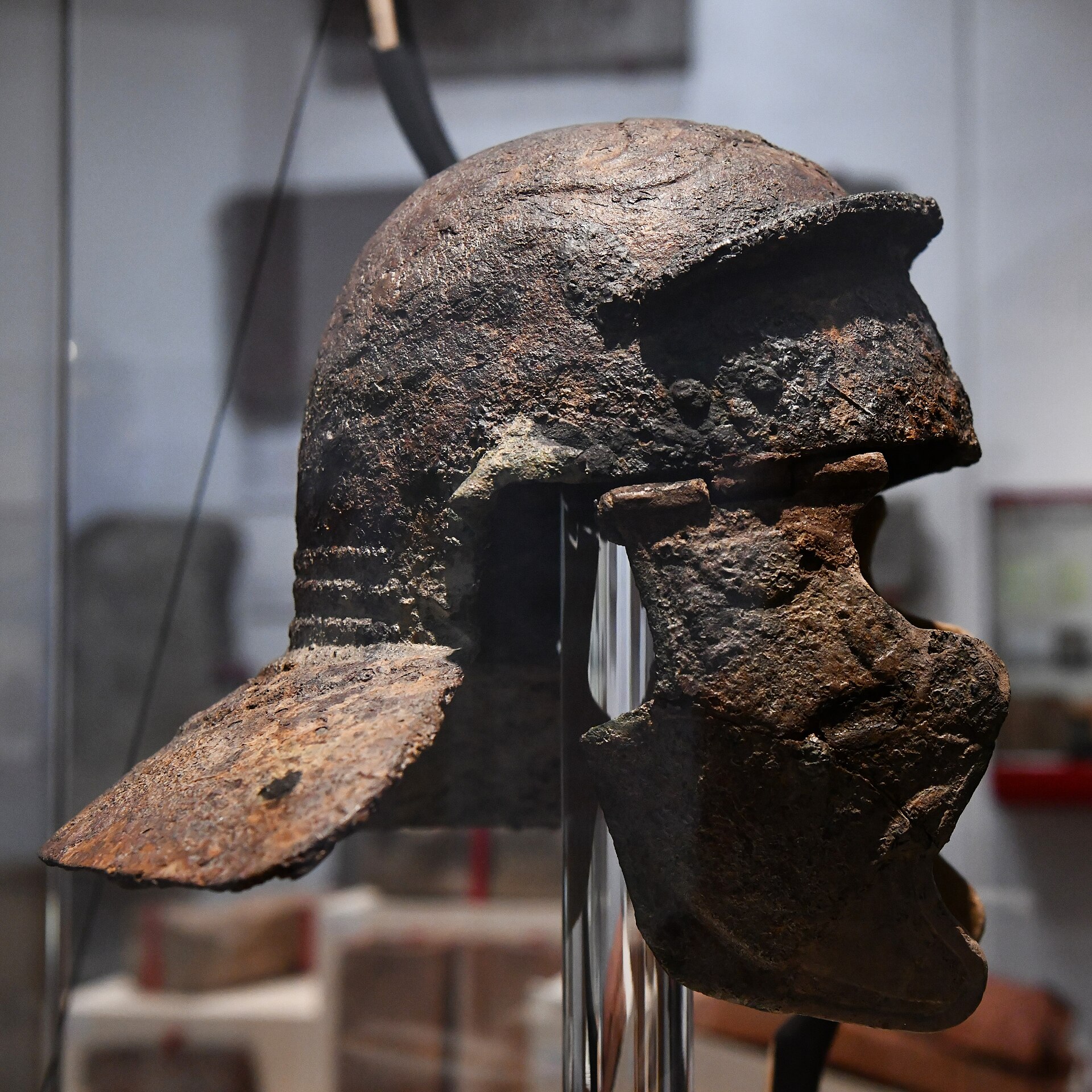 Iron legionary helmet of the early first century AD; National Roman Legion Museum, Caerleon.
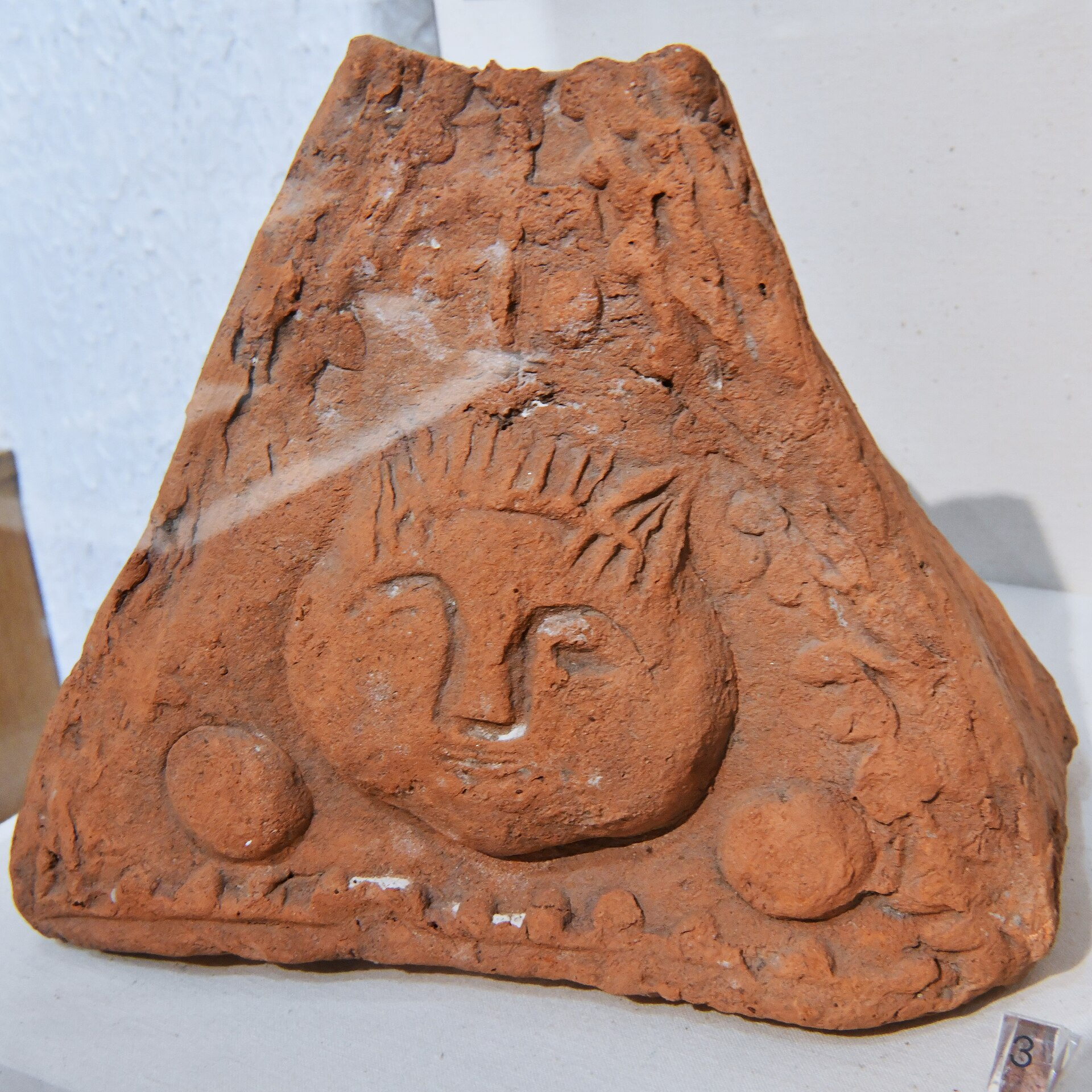 Head of a Gorgon with celestial symbols from Isca Augusta. Roman period; National Roman Legion Museum, Caerleon.
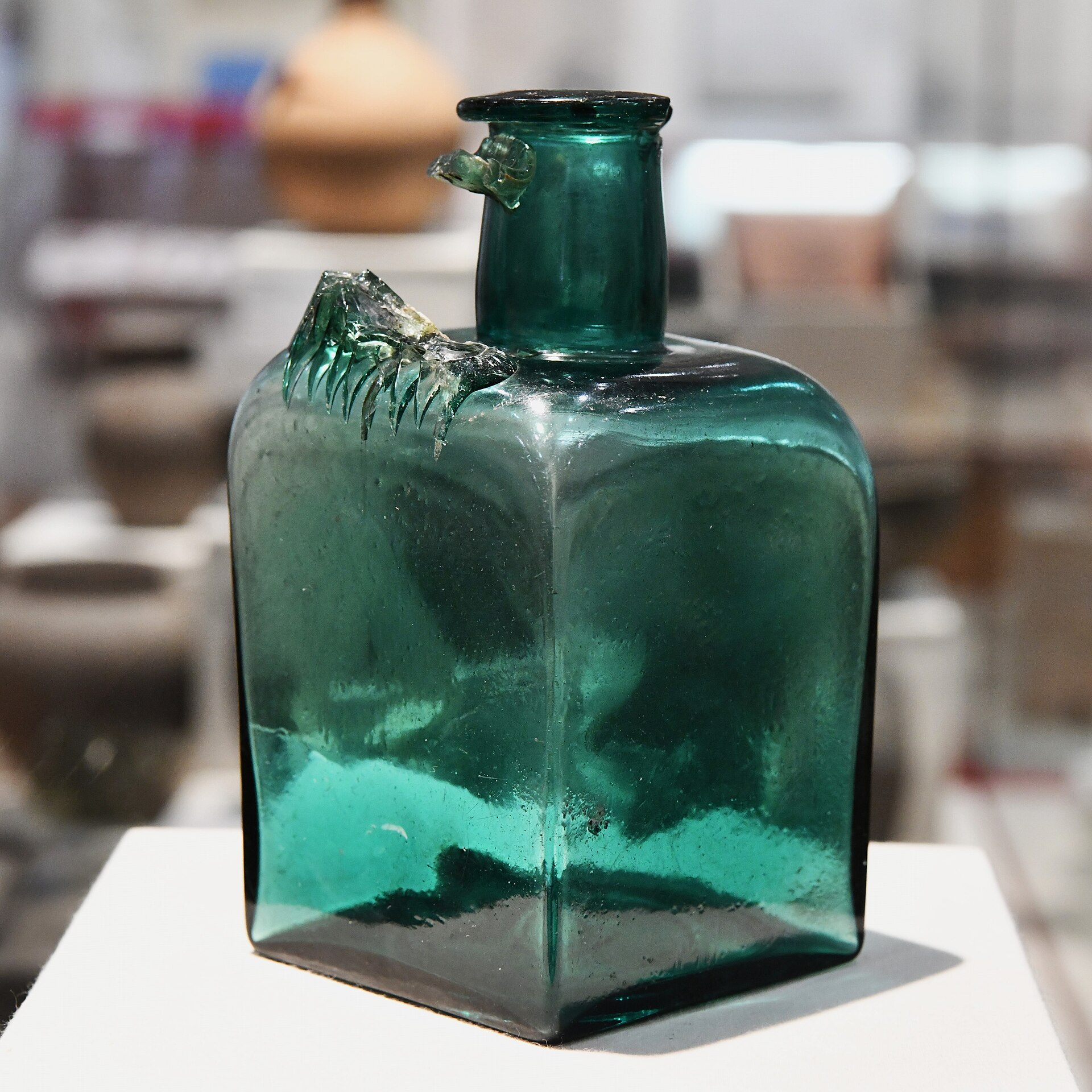 First- to second-century AD mould-blown glass vessel in the National Roman Legion Museum, Caerleon.
Canabae and Later History
A civilian environment formed around the legionary fortress: traders, craftsmen, soldiers' families, veterans, suppliers and people serving the military base. Such settlements are called canabae. They were not ordinary towns in the full sense, but they connected the military fortress with the economy, roads and local population.
For Caerleon the link between the fortress, the River Usk and the roads of South Wales is especially important. The garrison controlled not only military space, but also the movement of goods, building materials, food and people. The gradual development of the canabae, burial areas and workshops shows that Roman presence was long-term infrastructure, not merely a series of campaigns.
The later history of Isca is harder to study: some buildings were altered, parts of the area were occupied by later settlement, and ancient stone could be reused. Even so, the combination of excavation, visible ruins and museum collection makes Caerleon one of the key sites for the history of Roman Britain.
Materials of the Complex
Caerleon provides several types of evidence that complement one another. The fortress plan and visible barracks show spatial organisation; the baths and amphitheatre reveal the daily and public life of the garrison; tile stamps speak about construction; weapons and scabbards about military culture; glass, gems and domestic objects about personal surroundings; tombstones and burials about people, memory and social ties.
The main strength of Isca Augusta is that these materials belong to one place. A helmet or a tile fragment is important on its own, but at Caerleon it can be compared with the fortress layout, baths, barracks, canabae and museum collection. Caerleon is therefore best understood as a connected archaeological complex, not as a random group of separate finds.
Chronology
- AD 43 - Legio II Augusta takes part in the Roman conquest of Britain under Claudius.
- AD 60s-70s - Roman power advances in Wales; campaigns against the Silures create the conditions for a permanent fortress.
- c. AD 74-75 - Isca Augusta is founded by the River Usk.
- late first century AD - the timber and stone infrastructure of the fortress develops, including barracks, baths and amphitheatre.
- second century AD - the fortress remains the base of Legio II Augusta; canabae, workshops and burial areas develop.
- third century AD - detachments of the legion may serve away from Caerleon, but the base keeps its importance.
- fourth century AD and later - the ancient infrastructure gradually changes function, is dismantled, rebuilt or absorbed by later settlement.
- nineteenth to twenty-first centuries - excavations, the museum collection and protection of the ruins make Caerleon one of the major archaeological sites of Roman Britain.
Related Topics
- Roman Army
- Archaeology and museums
- Roman Empire
- Legion
- Castrum
- Auxilia
- Architecture in Ancient Rome
- Gladius
- Pugio
Literature and sources
- Zienkiewicz J. D. The Legionary Fortress Baths at Caerleon. Cardiff: National Museum of Wales, 1986.
- Nash-Williams V. E. The Roman Legionary Fortress at Caerleon in Monmouthshire: Report on the Excavations in the Prysg Field, 1927-29. Archaeologia Cambrensis, 1931.
- Evans E. The Caerleon Canabae: Excavations in the Civil Settlement 1984-90. Britannia Monograph Series. London: Society for the Promotion of Roman Studies, 2000.
- Guest P., Luke M., Pudney C. Excavations in the Legionary Fortress at Caerleon. Cardiff Studies in Archaeology, specialist reports.
- Bishop M. C. Handbook to Roman Legionary Fortresses. Barnsley: Pen & Sword, 2012.
- Lee J. E. Isca Silurum; or, An Illustrated Catalogue of the Museum of Antiquities at Caerleon. London, 1862.
- Cadw. Caerleon Roman Fortress and Baths: site information.
- National Roman Legion Museum, Caerleon: collections and site interpretation.


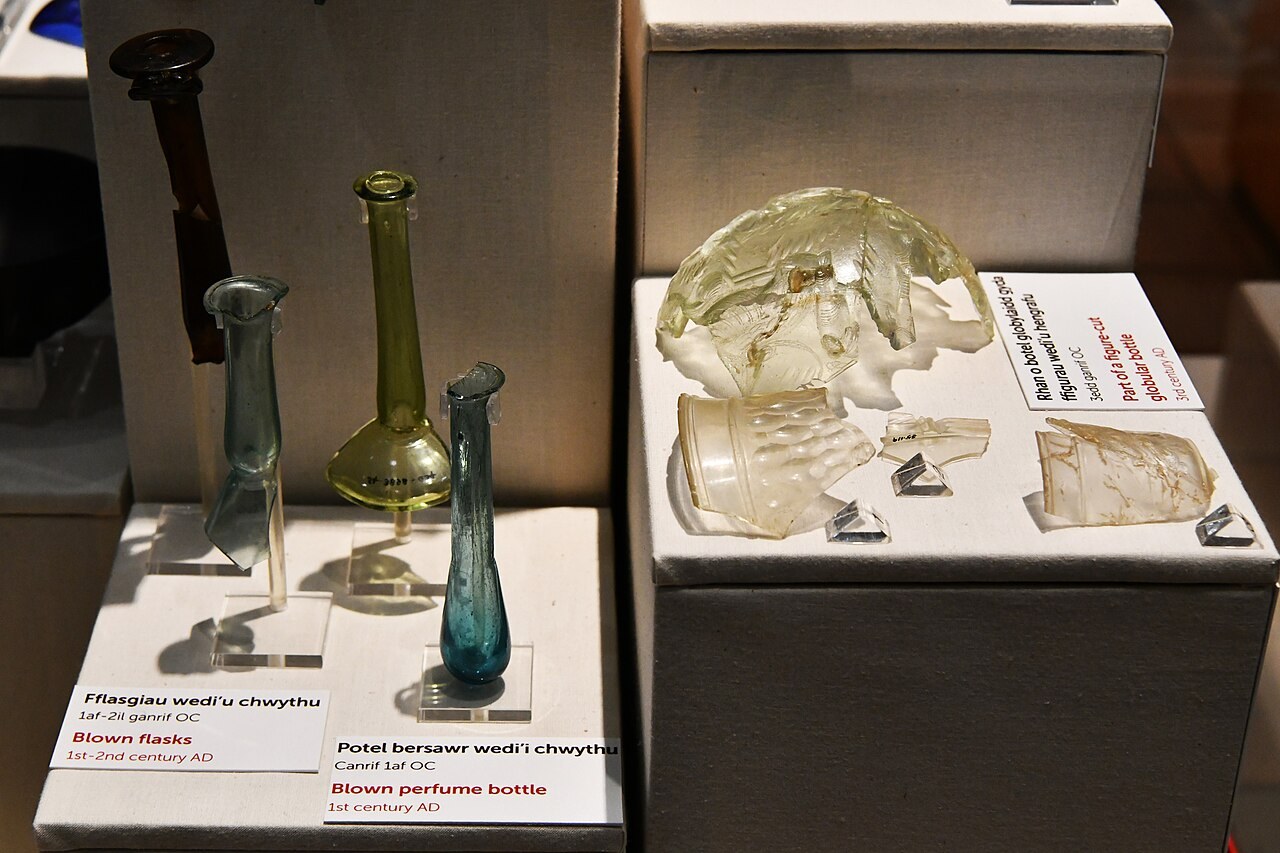 Isca Augusta / Caerleon: Caerleon, Roman Legionary Museum, Glass items - geograph.org.uk - 7604426; material-culture object or museum find connected with the site, Roman period or local archaeological context.
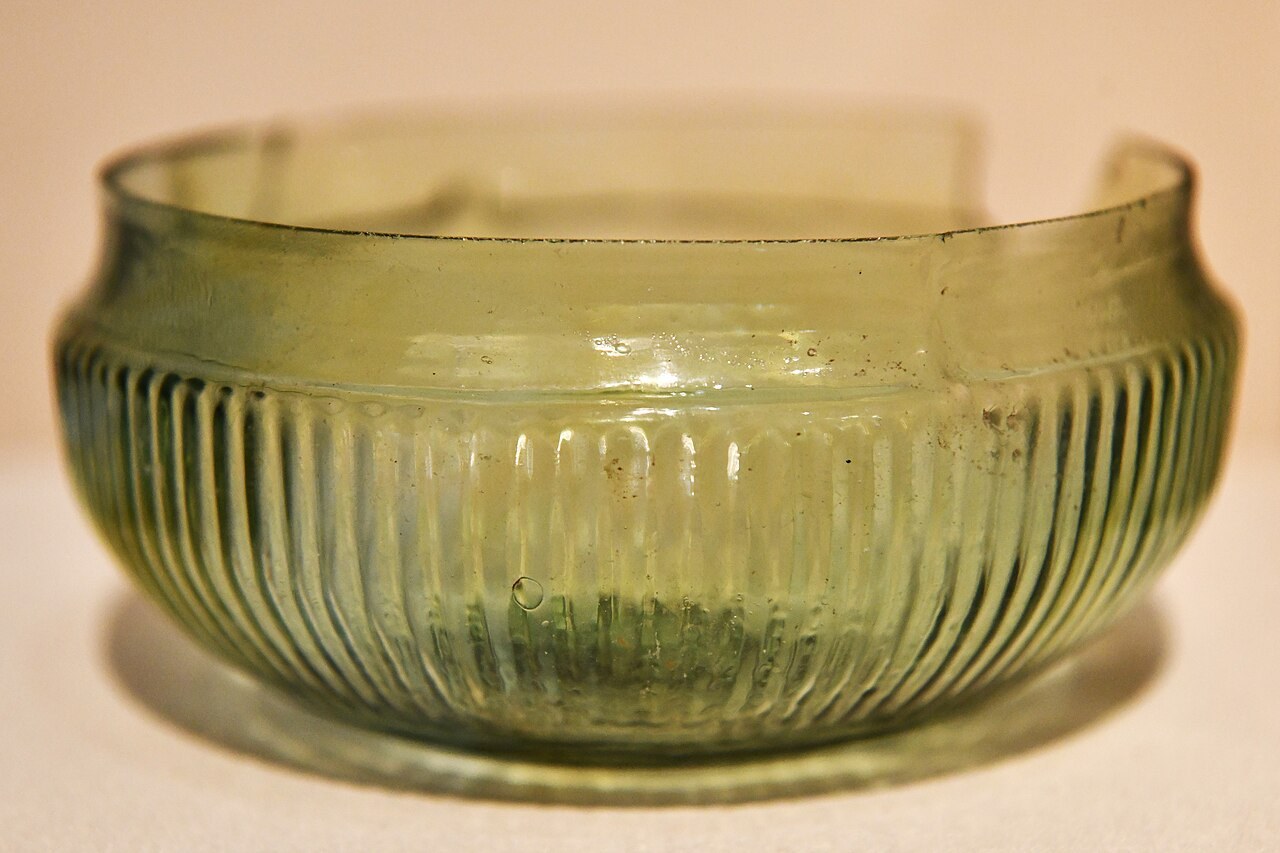 Isca Augusta / Caerleon: Caerleon, Roman Legionary Museum, Mid c1st AD mould-blown glass bowl - geograph.org.uk...; material-culture object or museum find connected with the site, Roman period or local archaeological context.
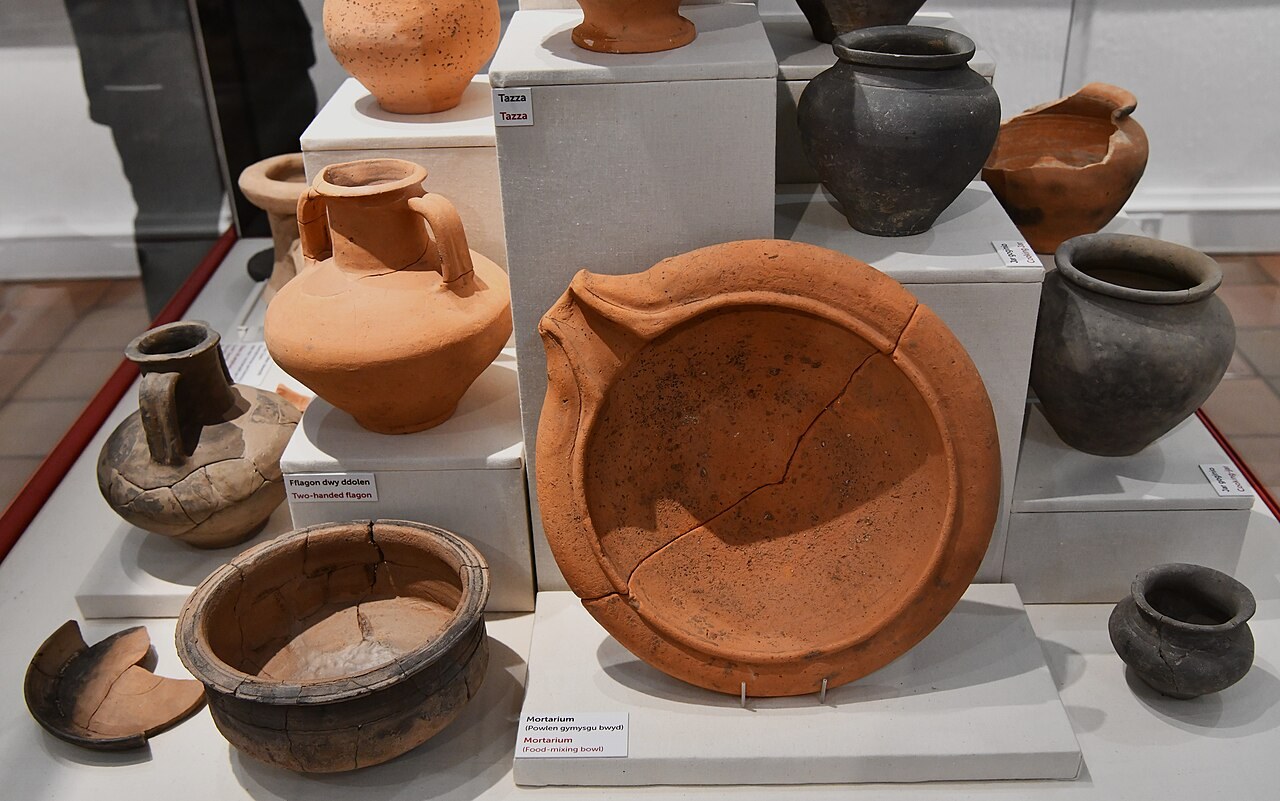 Isca Augusta / Caerleon: Caerleon, Roman Legionary Museum, Roman pottery - geograph.org.uk - 7604407; material-culture object or museum find connected with the site, Roman period or local archaeological context.
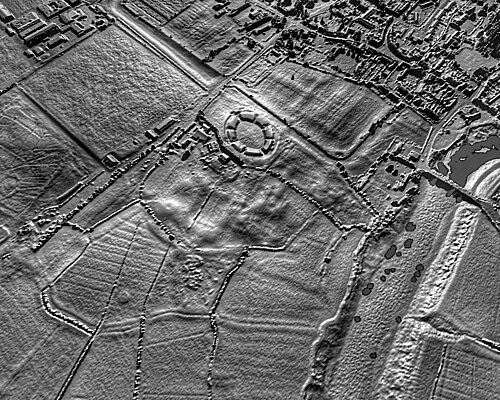 Isca Augusta / Caerleon: Roman amphitheatre at Caerleon and the surrounding archaeological features; archaeological view, find or museum context connected with the site, Roman period or local archaeological context.
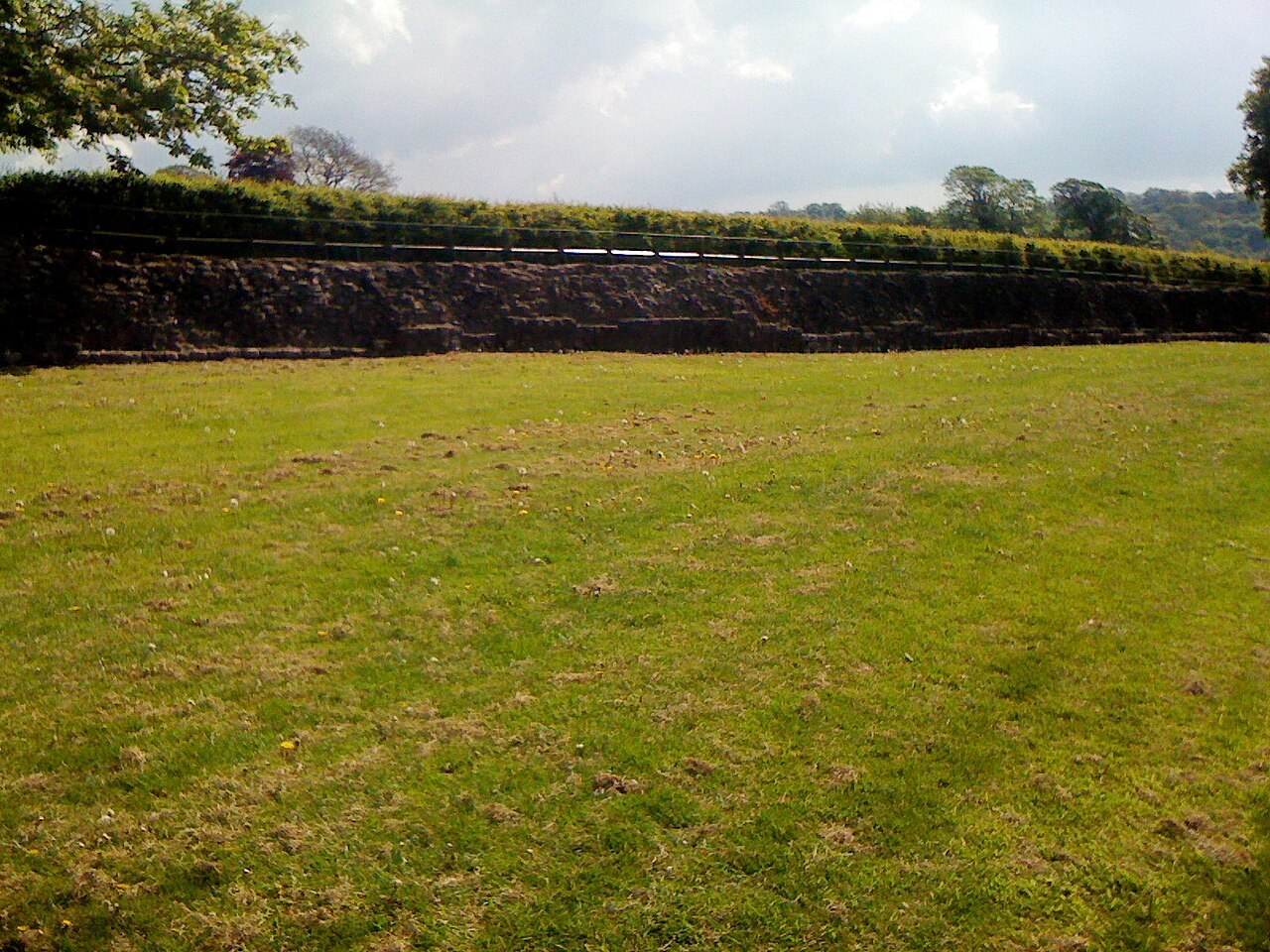 Isca Augusta / Caerleon: Caerleon-Roman Fortress Walls; archaeological view, find or museum context connected with the site, Roman period or local archaeological context.
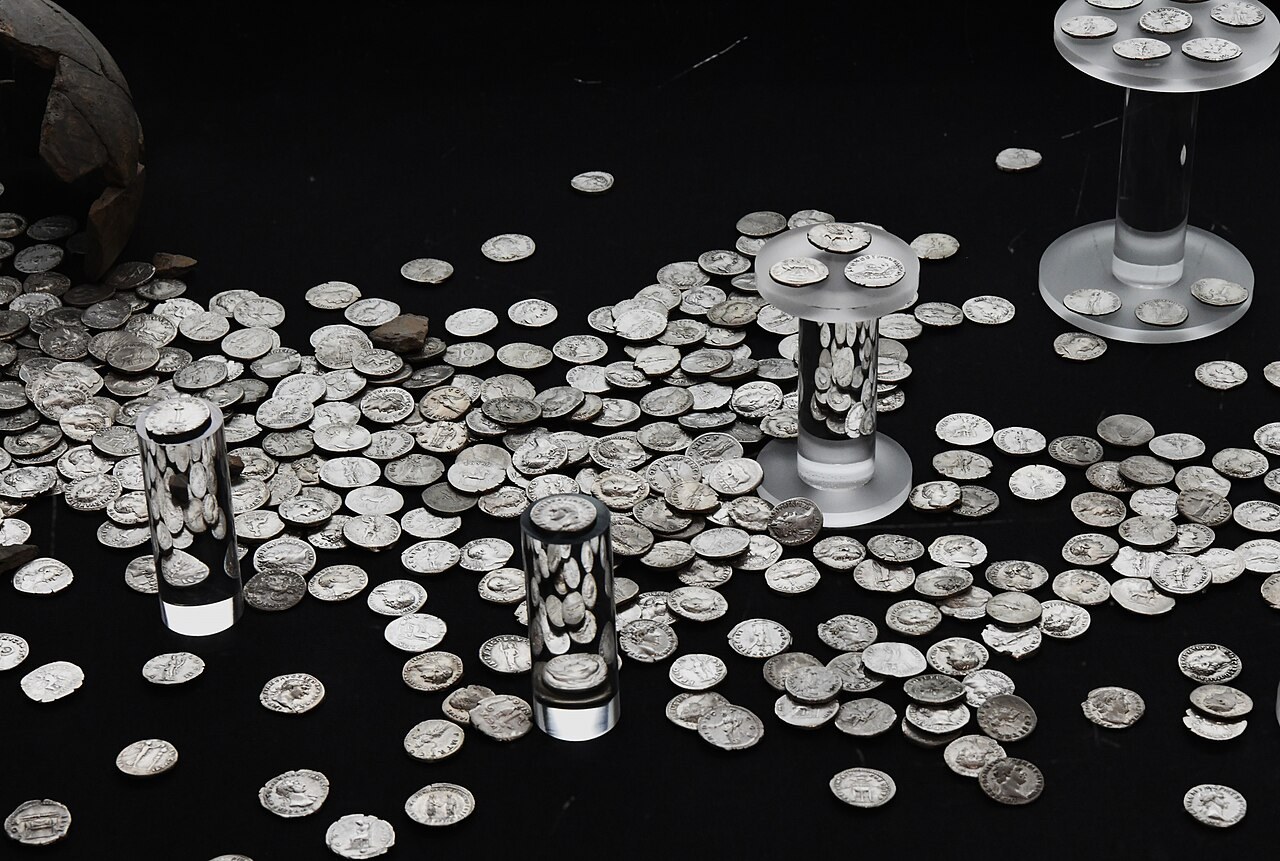 Isca Augusta / Caerleon: Caerleon, Roman Legionary Museum, Coin hoard purchased through the 1996 Treasure Act -...; material-culture object or museum find connected with the site, Roman period or local archaeological context.
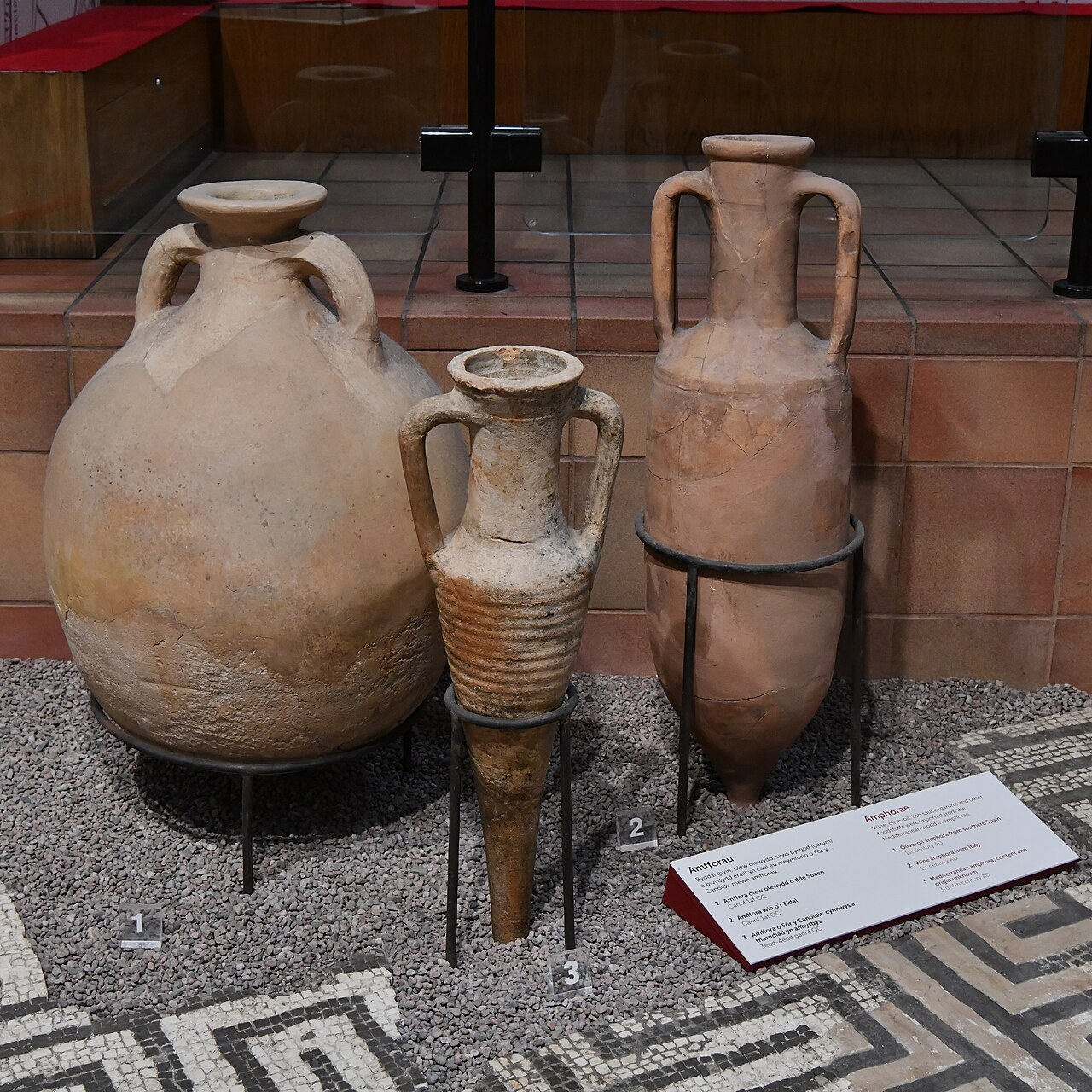 Isca Augusta / Caerleon: Caerleon, Roman Legionary Museum, Amphorae - geograph.org.uk - 7604427; material-culture object or museum find connected with the site, Roman period or local archaeological context.
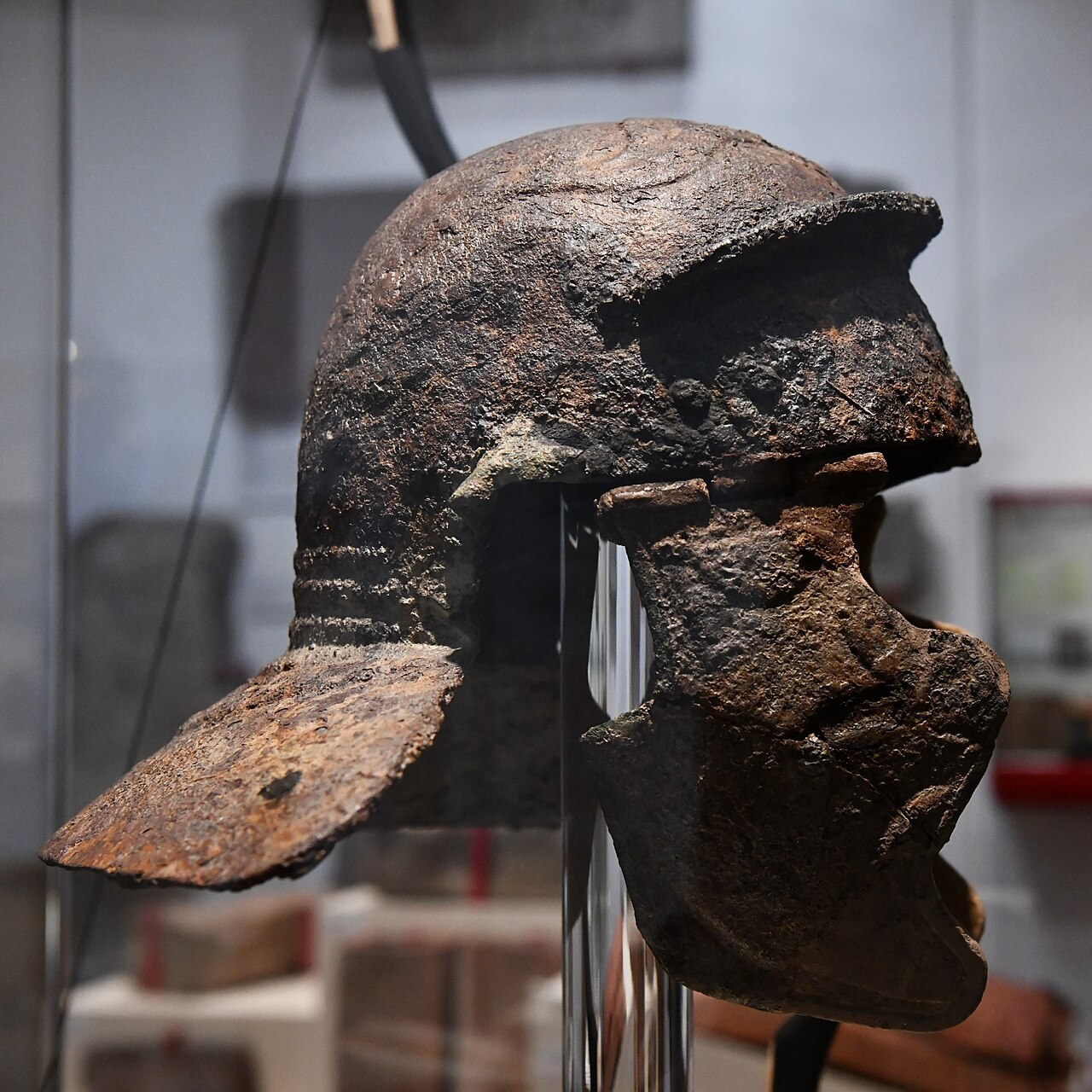 Isca Augusta / Caerleon: Caerleon, Roman Legionary Museum, Early c1st iron legionary helmet - geograph.org.uk -...; material-culture object or museum find connected with the site, Roman period or local archaeological context.
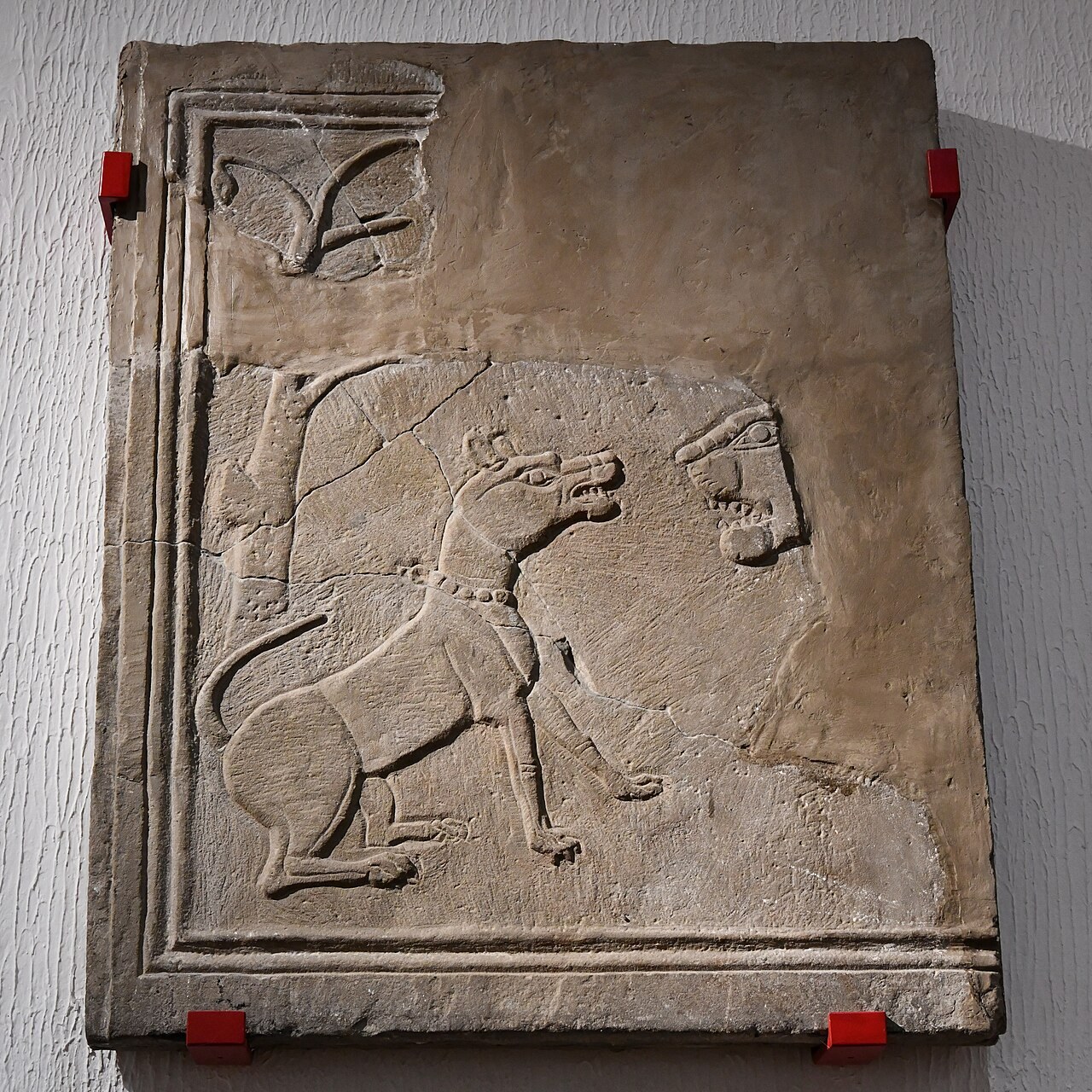 Isca Augusta / Caerleon: Caerleon, Roman Legionary Museum, Relief of a dog and lion - geograph.org.uk - 7604428; material-culture object or museum find connected with the site, Roman period or local archaeological context.
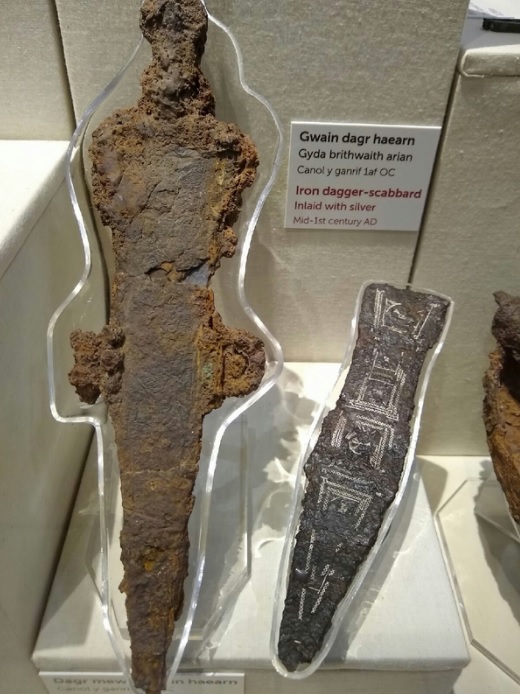 Silver-inlaid scabbard for a pugio. National Roman Legion Museum, Caerleon. Mid-first century AD.
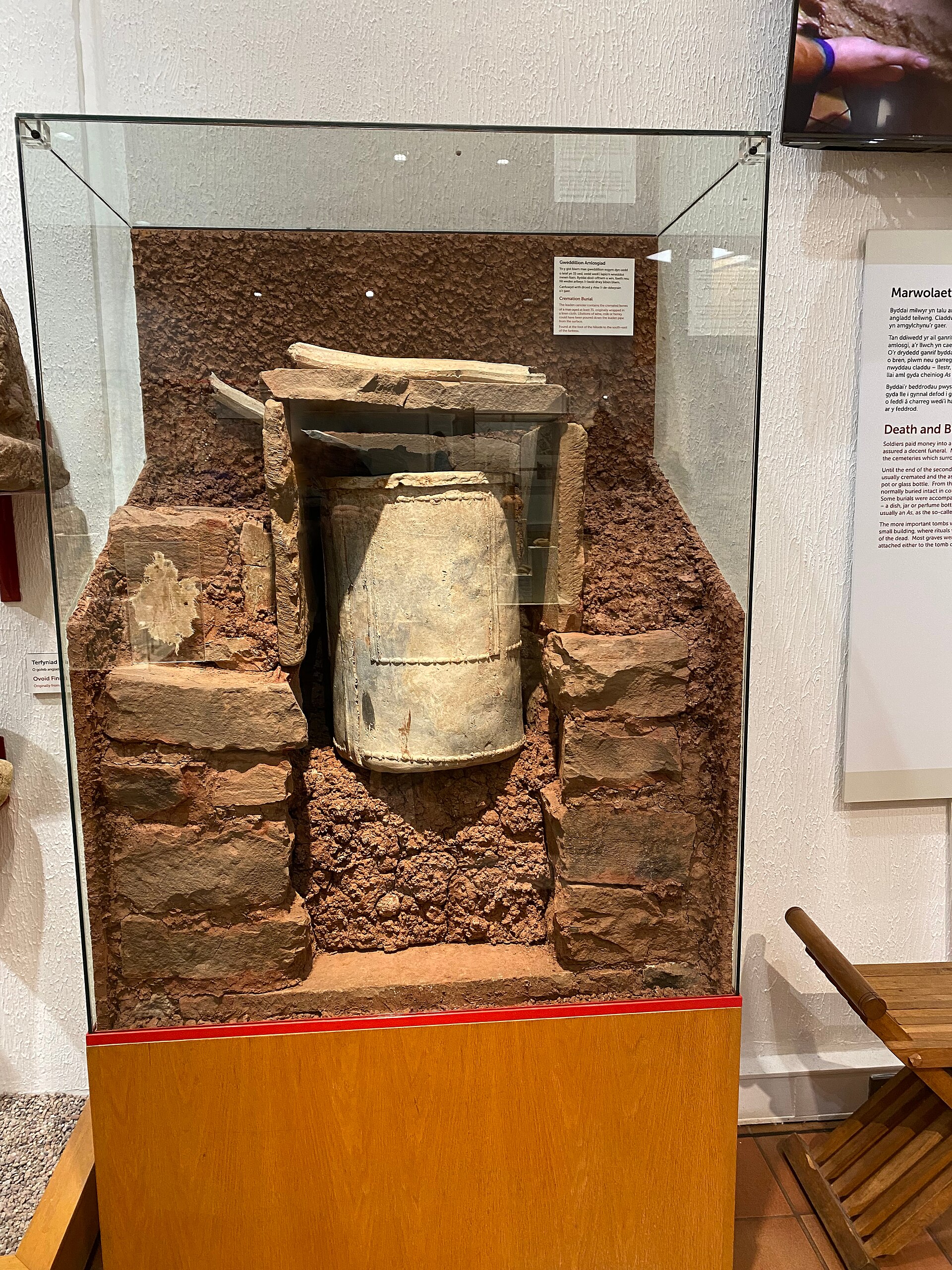 Burial from the Caerleon area known as the Caerleon Pipe Burial. Roman period; National Roman Legion Museum, Caerleon.
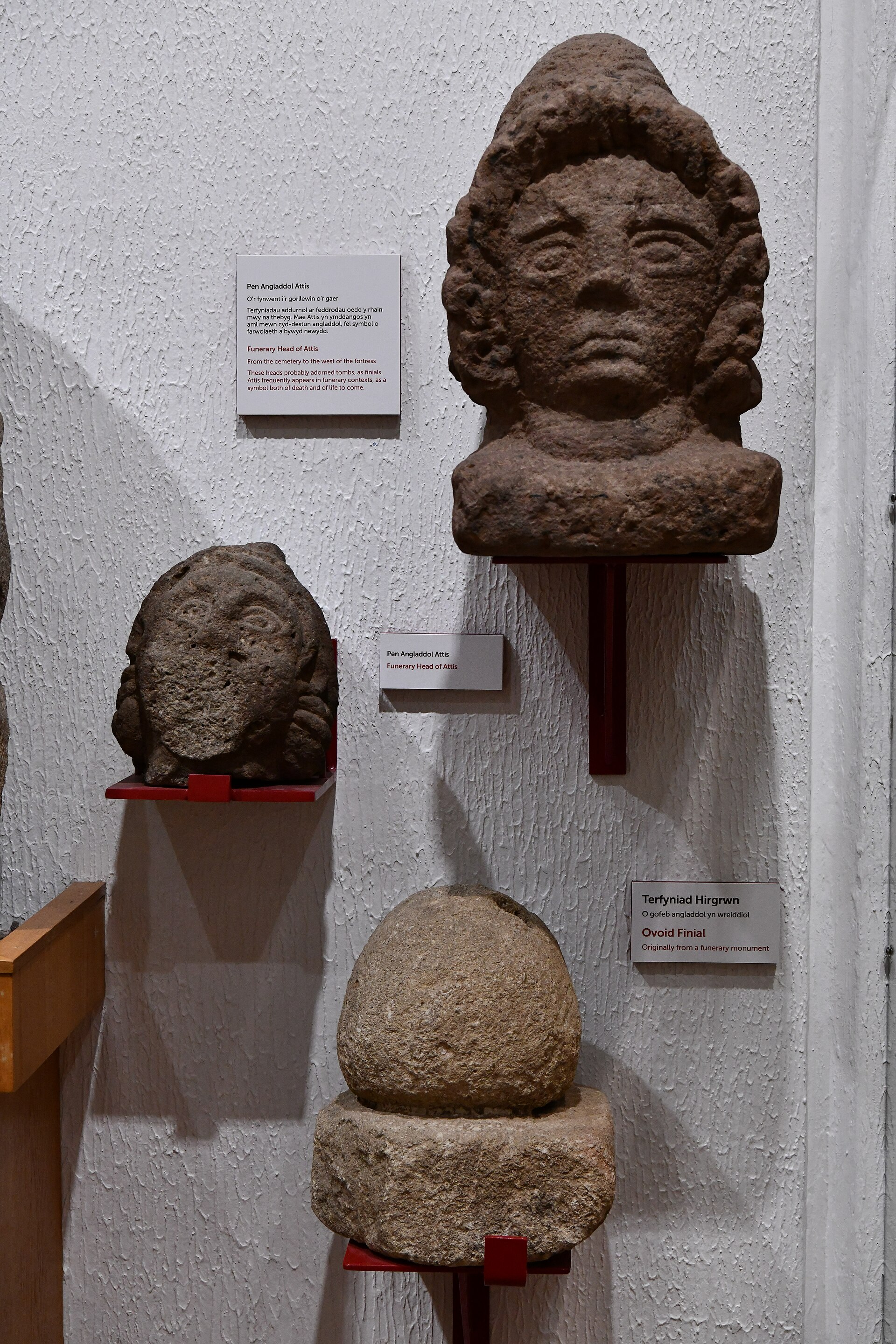 Funerary monuments from Isca Augusta. Roman period; National Roman Legion Museum, Caerleon.
Interested in Ancient Rome beyond reading? Join Legio X Fretensis or explore our reenactment directions.


