Vindolanda
Vindolanda is a Roman fort, settlement and archaeological complex on the Stanegate road in northern Britain, just south of Hadrian's Wall. Its importance does not rest only on the visible ruins of the fort: waterlogged, oxygen-poor layers preserved wood, leather, textiles, footwear, letters, domestic objects and military fittings that usually disappear from Roman sites.
The site shows frontier life before Hadrian's Wall was built, during the Wall's use and after the rebuilding phases of the second and third centuries. Vindolanda is therefore not an abstract "Roman fort", but a concrete environment: commanders' houses, barracks, baths, storehouses, workshops, officers' families, slaves, children, traders and craftspeople around the garrison.
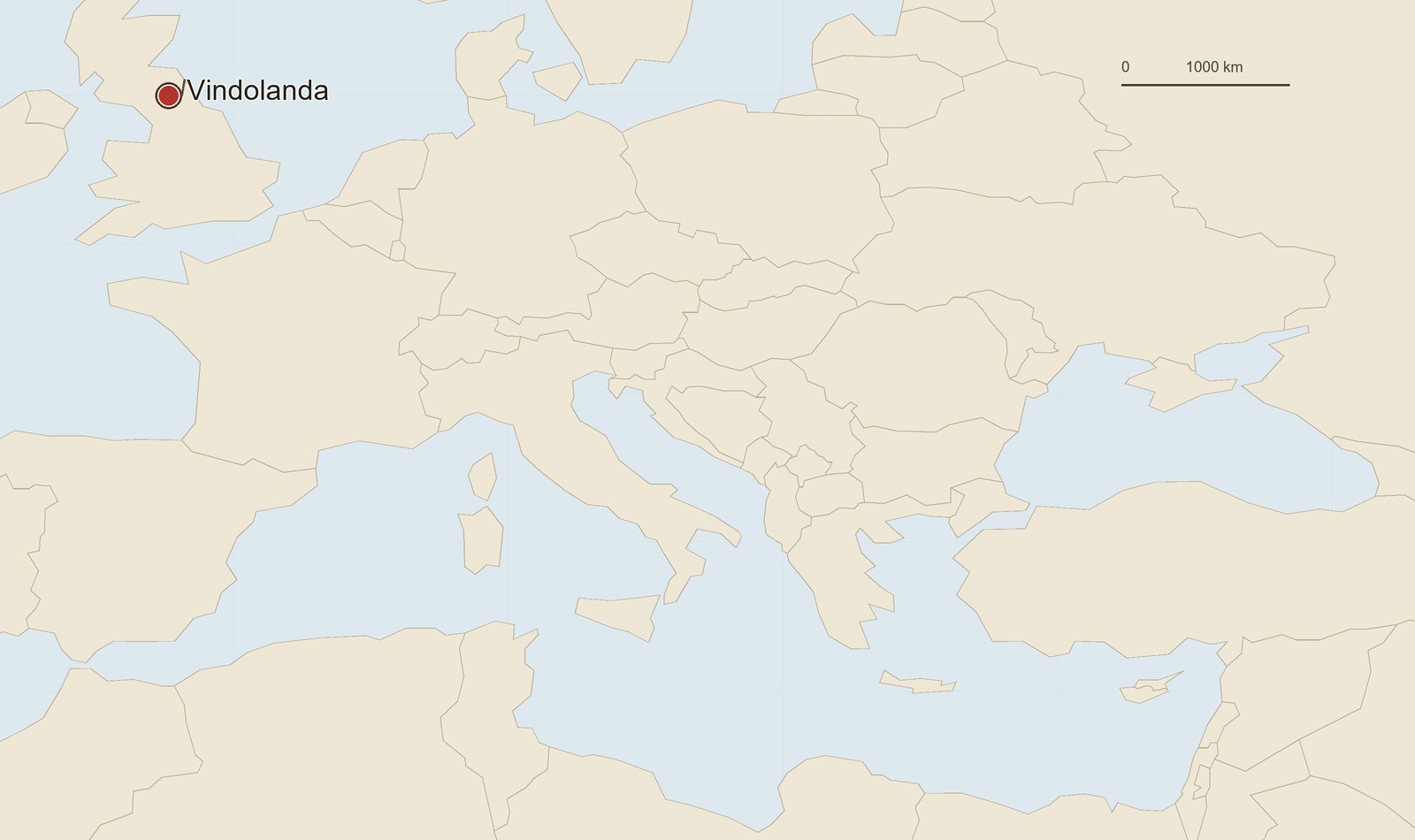 Location map: Vindolanda. The marker shows the ancient site or main archaeological complex.
The fort on the Stanegate
The Stanegate linked military points between the Tyne and Solway zones before the stone Wall was completed. Vindolanda developed as part of this earlier line of control: its garrison watched the road, the movement of people and supplies, and the routes leading north. When Hadrian's Wall was later built to the north, the fort did not disappear; it became a rear and administrative node beside the new frontier.
The archaeology shows several timber phases followed by stone rebuilding. The size of the fort, its internal buildings, barracks and civilian settlement changed over time. Vindolanda should therefore not be read as one fixed plan: every object and building has to be tied to a phase, because the early timber fort, the stone fort and the later Roman occupation answer different questions.
The garrison included auxiliary units connected with north-western provinces of the empire. Tablets and inscriptions name, among others, Tungrians and Batavians; such units were typical of the Roman frontier. Their presence links Vindolanda with the subject of auxilia: this was not a legionary camp, but a fort with infantrymen, cavalrymen, clerks, officers and a wider support community.
Tablets and the people of the garrison
The best-known finds are the wooden ink writing tablets. They belong mainly to the turn of the first and second centuries AD and give a rare picture of everyday writing on the northern frontier. These are not monumental inscriptions or literary texts, but working documents: letters, lists, supply requests, movement reports, personal notes and household instructions.
The tablets reveal commanders and their families. Claudia Severa's letter inviting Sulpicia Lepidina to a birthday celebration is often cited as one of the most vivid documents from Roman Britain: it shows the female world of officers' houses, social ties between forts and literacy beyond the formal military office. Other documents record unit strength, absent soldiers, purchases, transport, clothing and food.
The tablets matter especially because they tie text to excavated context. Footwear, wooden objects, building remains and refuse layers were found in the same archaeological environment. Vindolanda can therefore connect written words with real actions: who lived in the fort, what was bought, where people were sent, what was repaired and which duties were carried out.
Materials from the complex
Vindolanda is valuable because of the range of materials it preserves. Organic finds show objects that rarely survive archaeologically: leather shoes and sandals, tent fragments, straps, wooden bowls, combs, handles, tablets, textiles and items connected with children. They change the image of the fort: beside military discipline we can see the domestic, family and craft life of a frontier settlement.
The footwear from Vindolanda is especially informative. It includes male, female and child sizes, repairs, worn soles and different fastening types. Such finds point to people who are not always visible in military documents: women, children, servants, craftspeople and traders. The surviving woollen sock belongs to the same rare organic group and shows how clothing on the northern frontier adapted to a damp and cold climate.
The military side of the complex is visible through spearheads, horse-gear fittings, tent leather, straps and barrack objects. These things should not be transferred to every Roman fort without caution: Vindolanda's preservation conditions are unusual, and its garrisons and layout changed. Yet the site is precisely where one can see how military infrastructure was connected with the road, stores, housing and the market beside the fort.
Later material, such as painted glass with gladiators, shows that Vindolanda is not limited to the early tablets. In the third century the site still belonged to a wider Roman culture of spectacles, decorated vessels and the consumption of objects that went beyond purely military need.
 Iron spearheads from Vindolanda. First-second century AD; Vindolanda Museum.
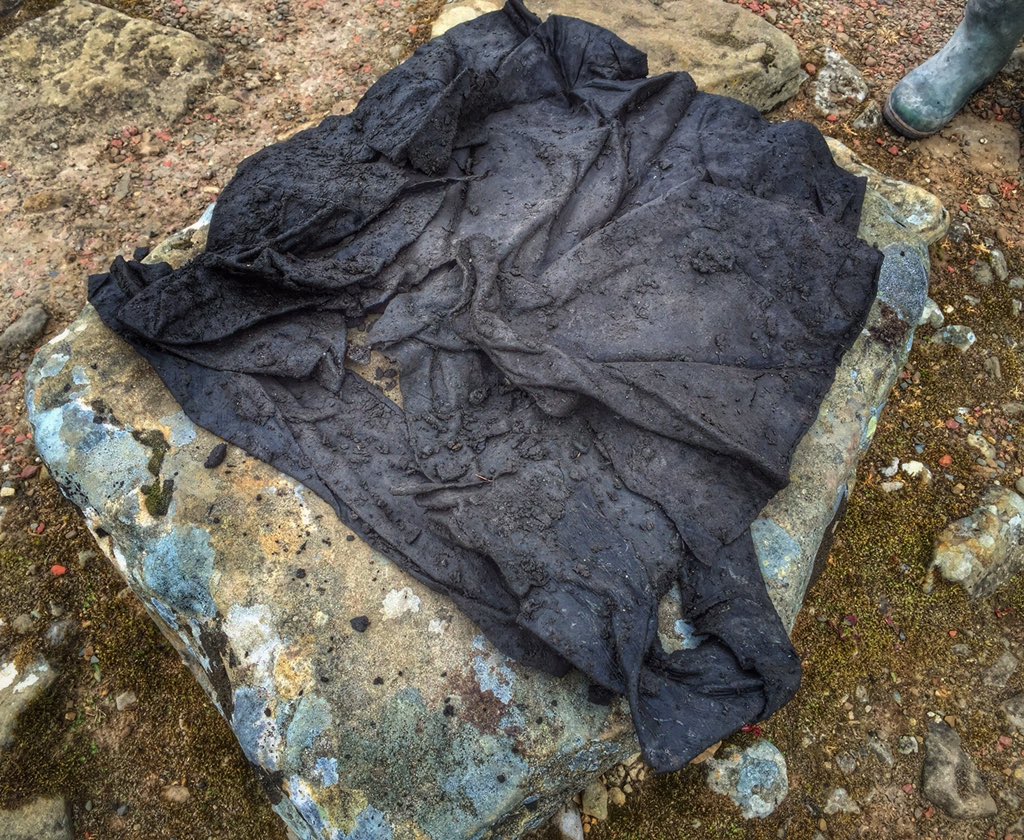 Roman leather tent fragment from Vindolanda; first–second century CE. Vindolanda Museum.
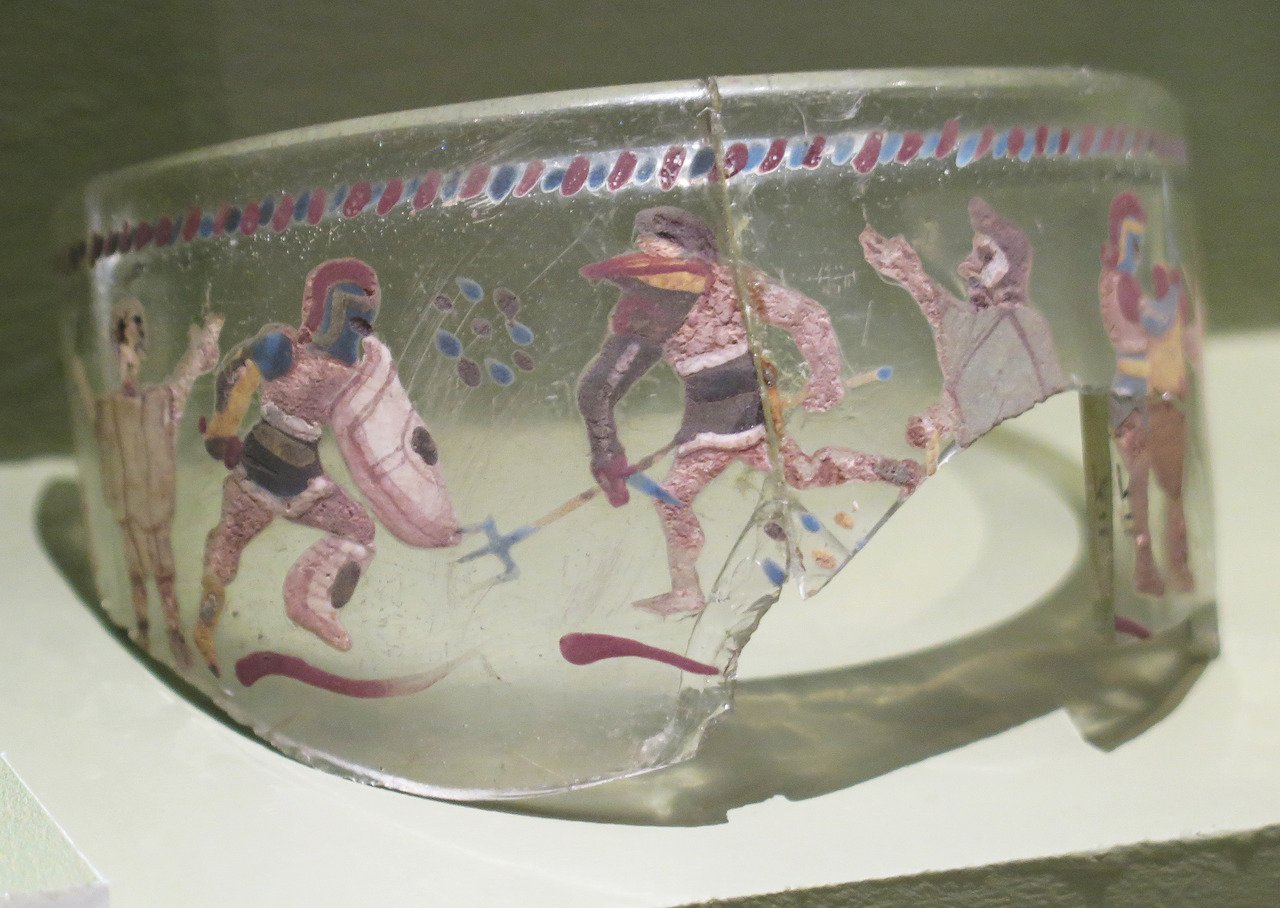 Painted glass with gladiators from Vindolanda. AD 230-250; Vindolanda Museum.
Chronology
- c. AD 85-90 - early timber defences by the Stanegate, before the construction of Hadrian's Wall.
- Late first to early second century AD - the phases associated with the best-known tablets, officers' houses and early organic material.
- AD 122 and the following decades - Hadrian's Wall changed the military geography of the region; Vindolanda remained an important point south of the Wall line.
- Second century AD - rebuilding of the fort and settlement, with baths, barracks, service buildings and roads developing through successive phases.
- Third century AD - later material, including painted glass with gladiators, shows the continuing life of the complex and its link with empire-wide culture.
- Fourth century AD - a late Roman phase and the gradual transformation of the frontier system; after the Roman period the place retained local importance in a different historical setting.
Dating and limits of interpretation
Vindolanda's main strength also requires caution. Waterlogged layers preserved what disappears on drier sites, so organic material is unusually prominent here. This does not mean that other forts lacked shoes, tents, wooden vessels or letters; more often they simply did not survive. Vindolanda reveals an ordinary side of Roman life through unusual preservation conditions.
Dating depends on excavation phases, the handwriting and content of tablets, coins, pottery, rebuilding phases and comparison with neighbouring sites. Vindolanda is especially useful when compared with Corbridge and other northern frontier complexes: Vindolanda is strong in organic material and letters, Corbridge in storage and transport material, while the Wall line itself shows the scale of frontier infrastructure.
Related topics
- Roman archaeological sources
- Hadrian's Wall
- Corbridge
- Arbeia
- Segedunum
- Auxilia
- Roman Empire
- Legion
- Vindolanda Museum
Literature and sources
- Bowman A. K., Thomas J. D. The Vindolanda Writing-Tablets (Tabulae Vindolandenses II). London, 1994.
- Bowman A. K., Thomas J. D., Tomlin R. S. O. The Vindolanda Writing-Tablets (Tabulae Vindolandenses III). London, 2003.
- Birley A. R. Garrison Life at Vindolanda: A Band of Brothers. Stroud, 2002.
- Birley R. Vindolanda: A Roman Frontier Fort on Hadrian's Wall. Stroud, 2009.
- Greene E. M. The social lives of Roman soldiers: the role of wives and families in Roman military communities. Archaeological Dialogues, 2015.


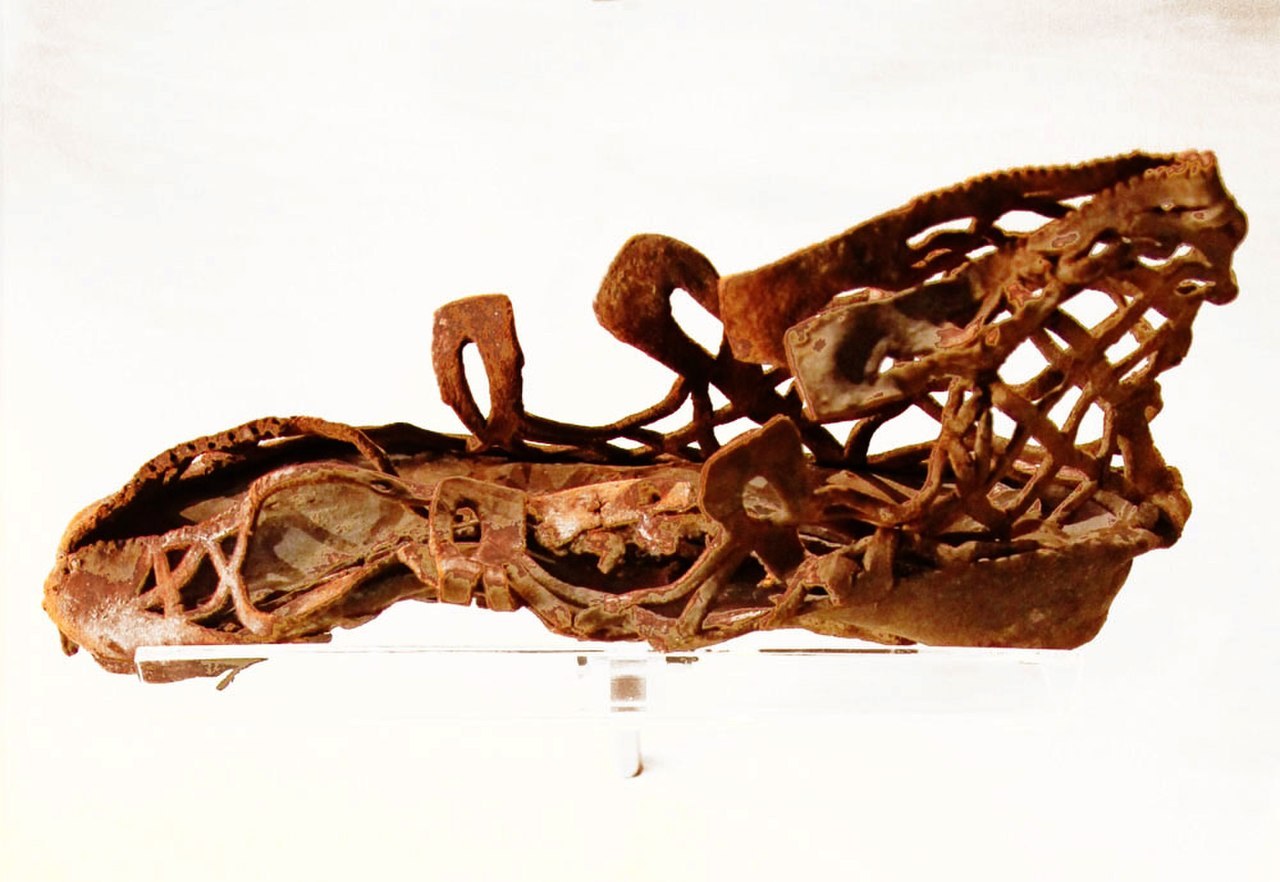 Vindolanda: Vindolanda Museum Sandal 2014; material-culture object or museum find connected with the site, Roman period or local archaeological context.
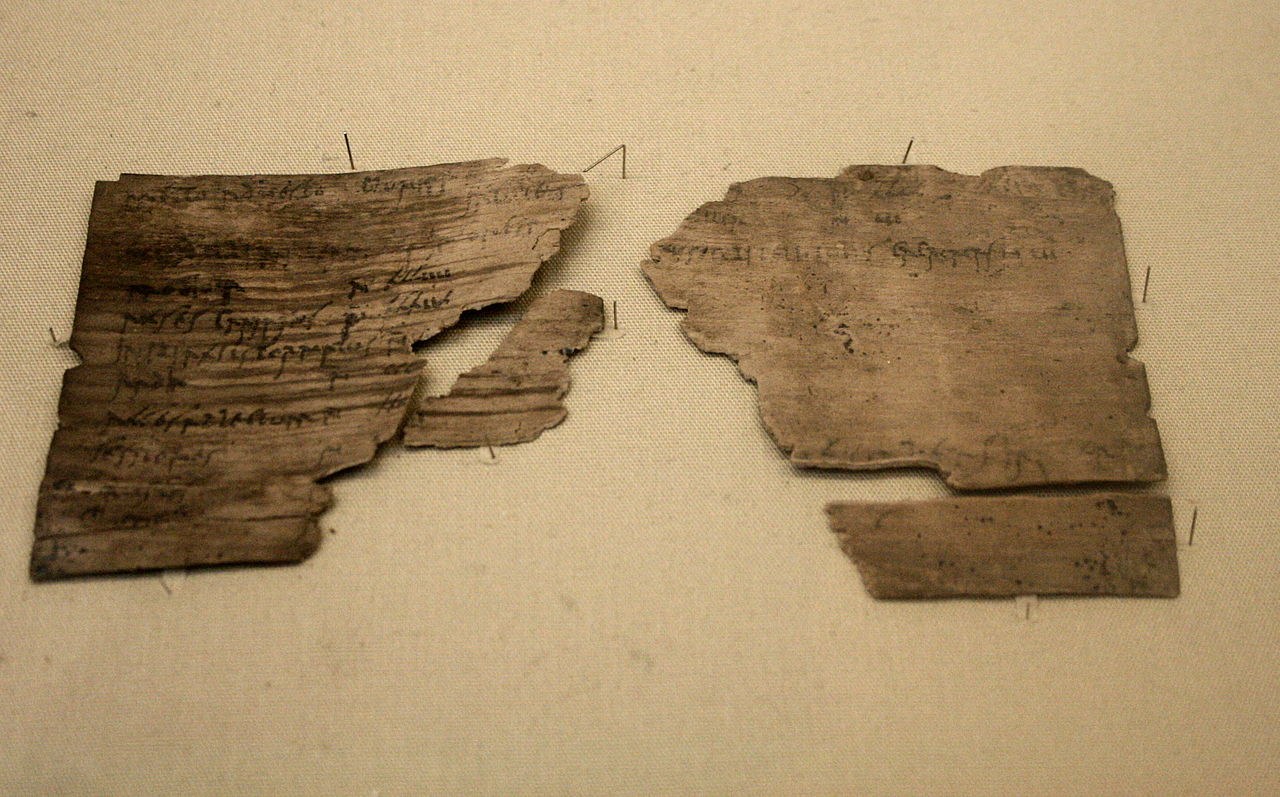 Vindolanda: Roman writing tablet 01; material-culture object or museum find connected with the site, Roman period or local archaeological context.
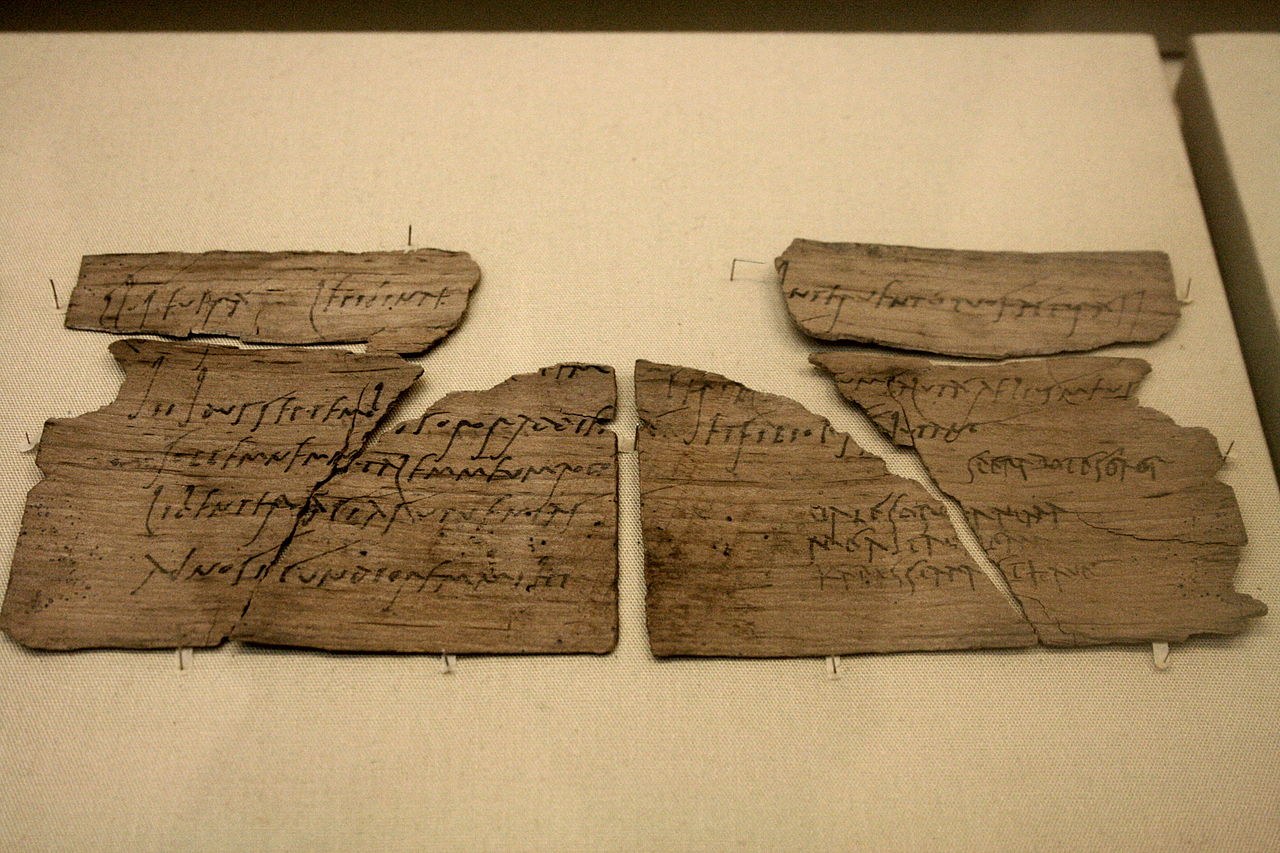 Vindolanda: Roman writing tablet 03; material-culture object or museum find connected with the site, Roman period or local archaeological context.
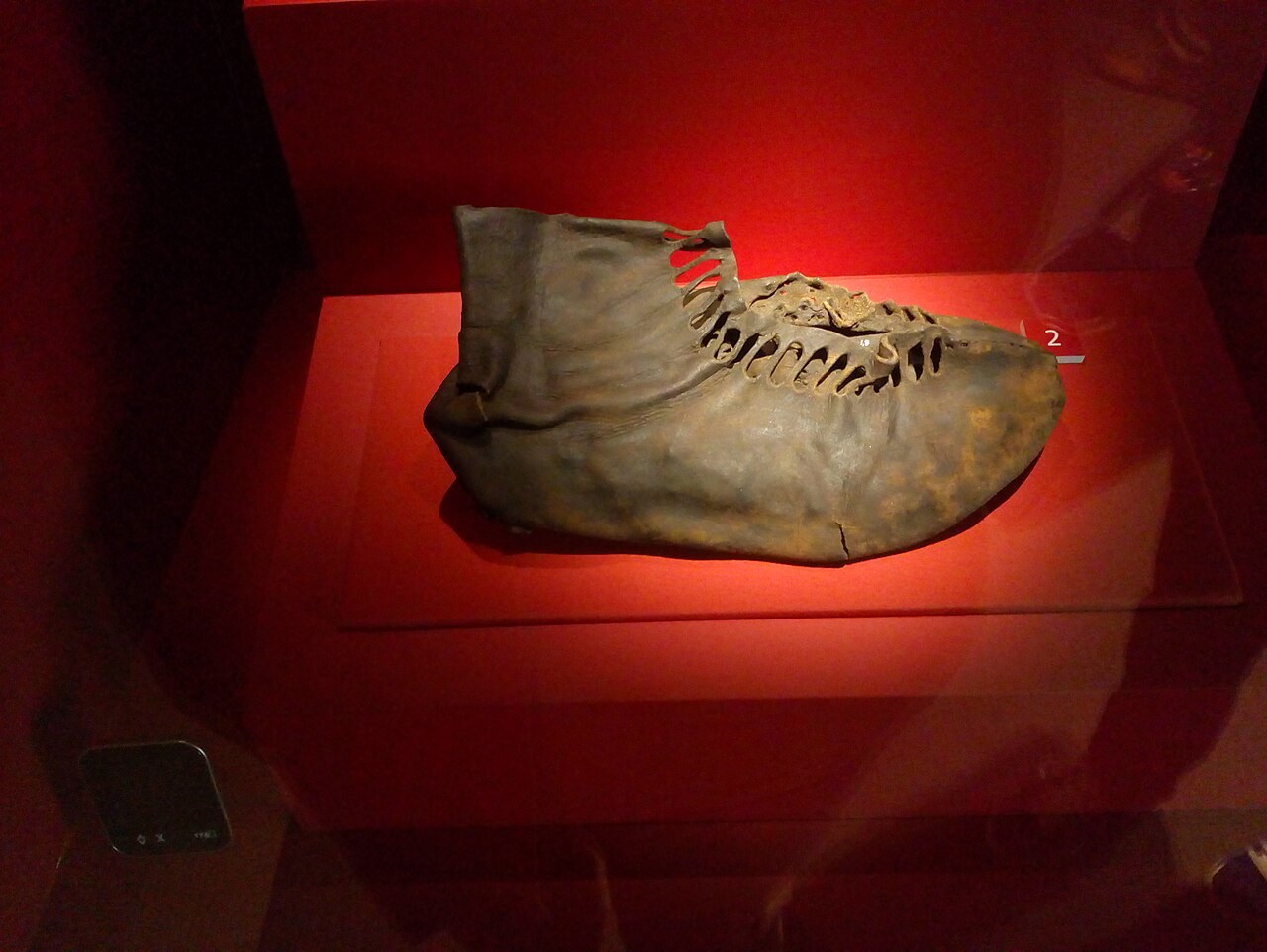 Vindolanda: Vindolanda Roman shoe in the museum; material-culture object or museum find connected with the site, Roman period or local archaeological context.
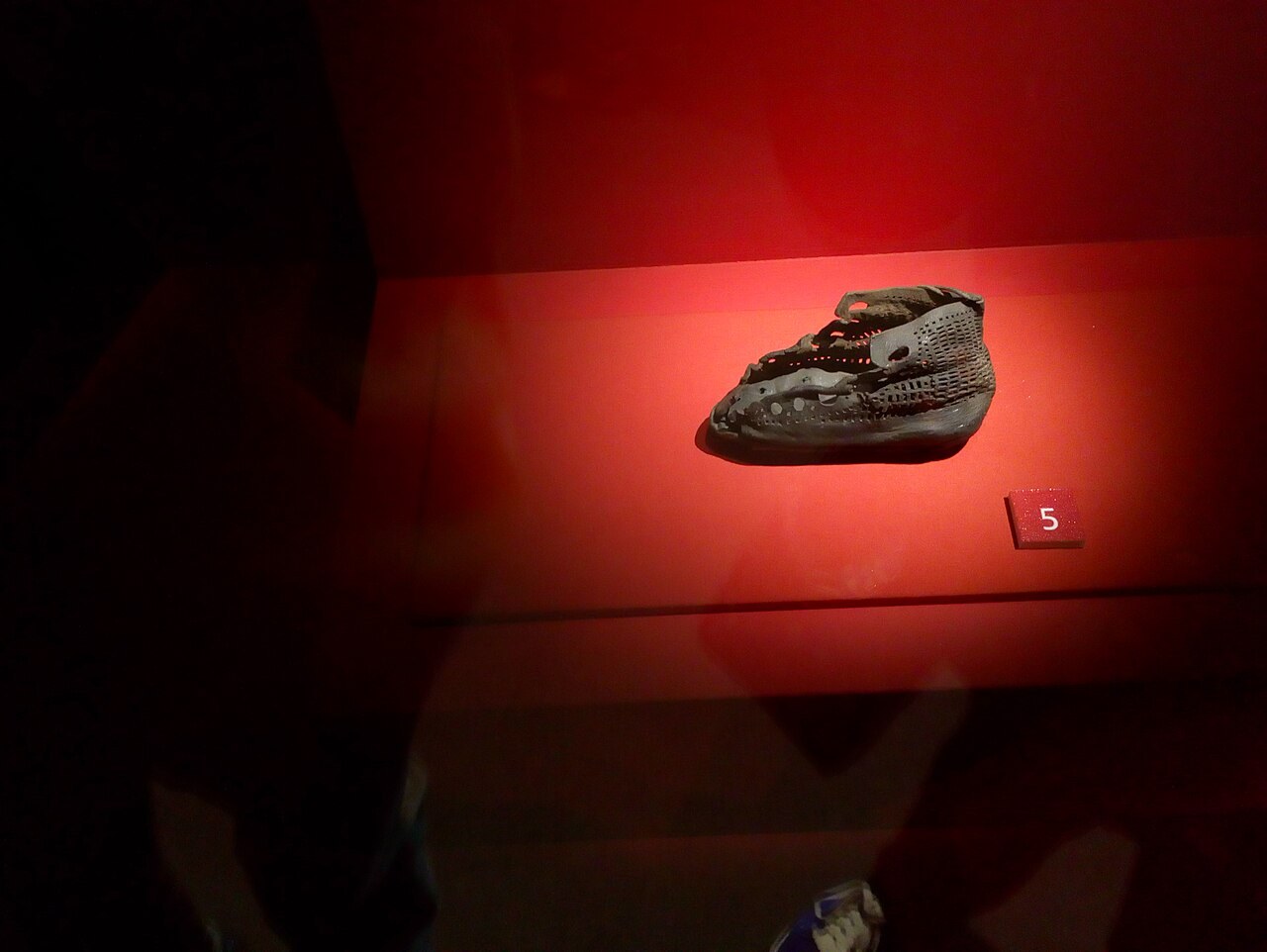 Vindolanda: Vindolanda Roman shoe in the museum 2; material-culture object or museum find connected with the site, Roman period or local archaeological context.
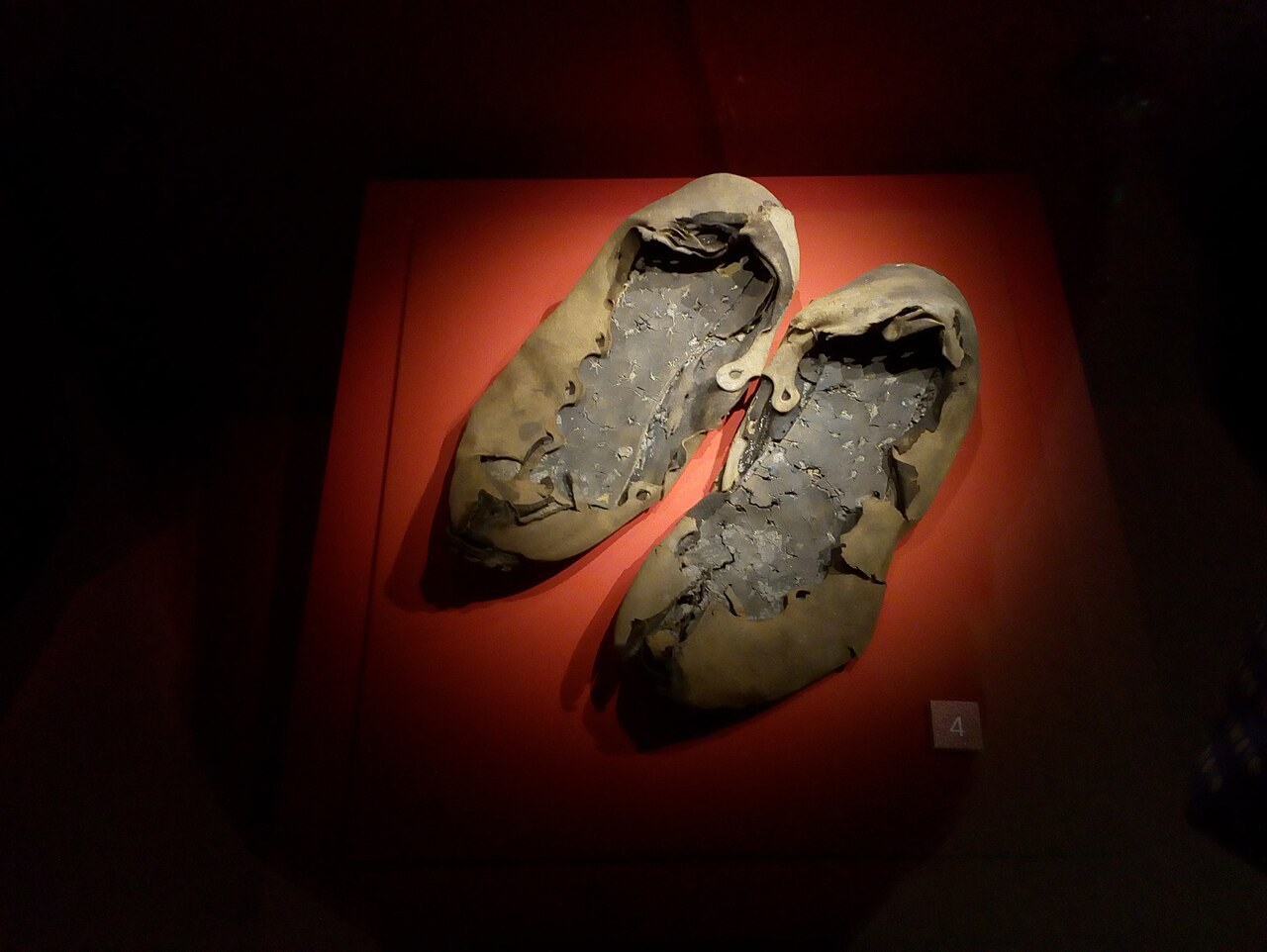 Vindolanda: Vindolanda Roman shoes in the museum; material-culture object or museum find connected with the site, Roman period or local archaeological context.
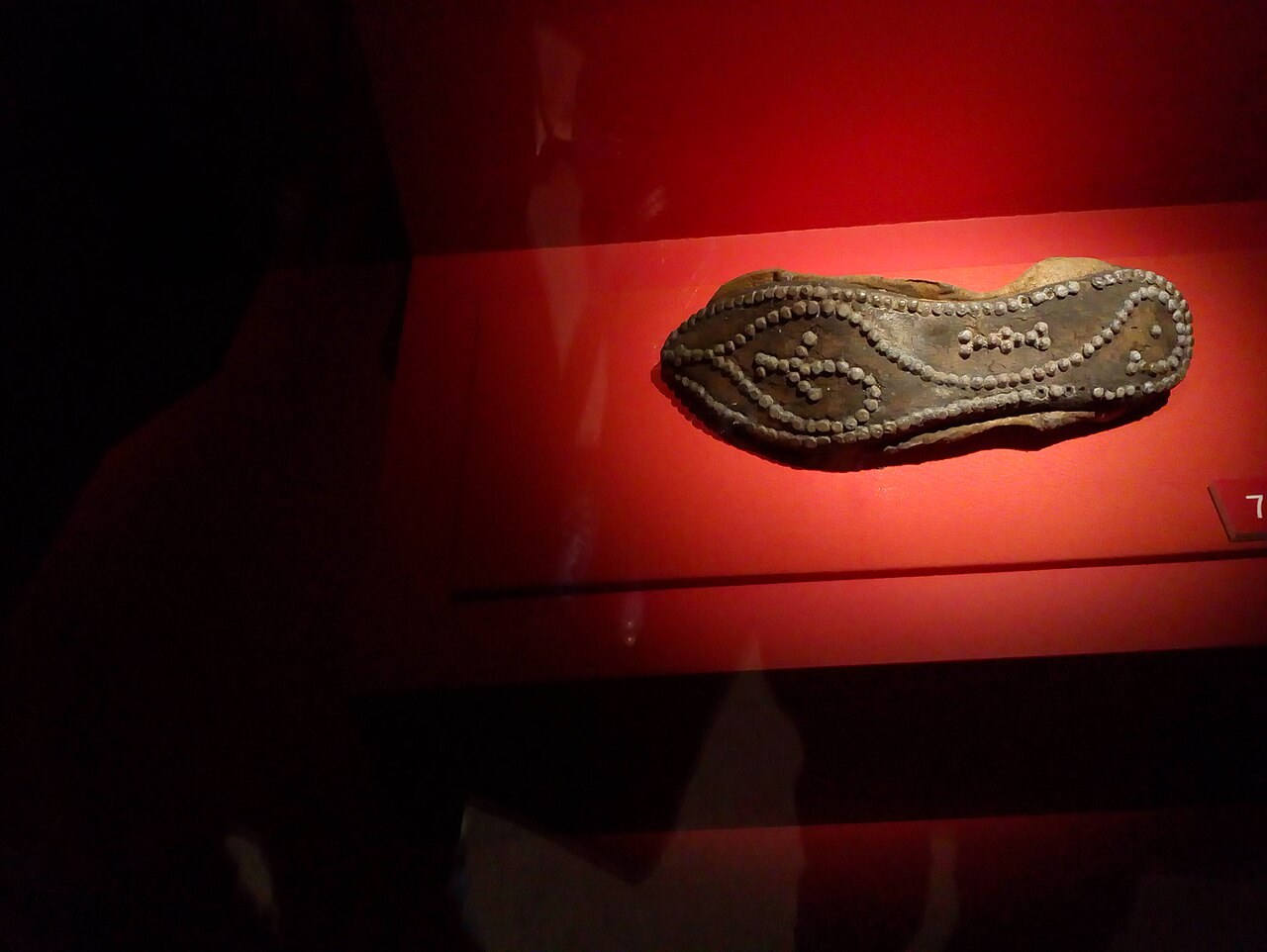 Vindolanda: Vindolanda fancy Roman shoes in the museum; material-culture object or museum find connected with the site, Roman period or local archaeological context.
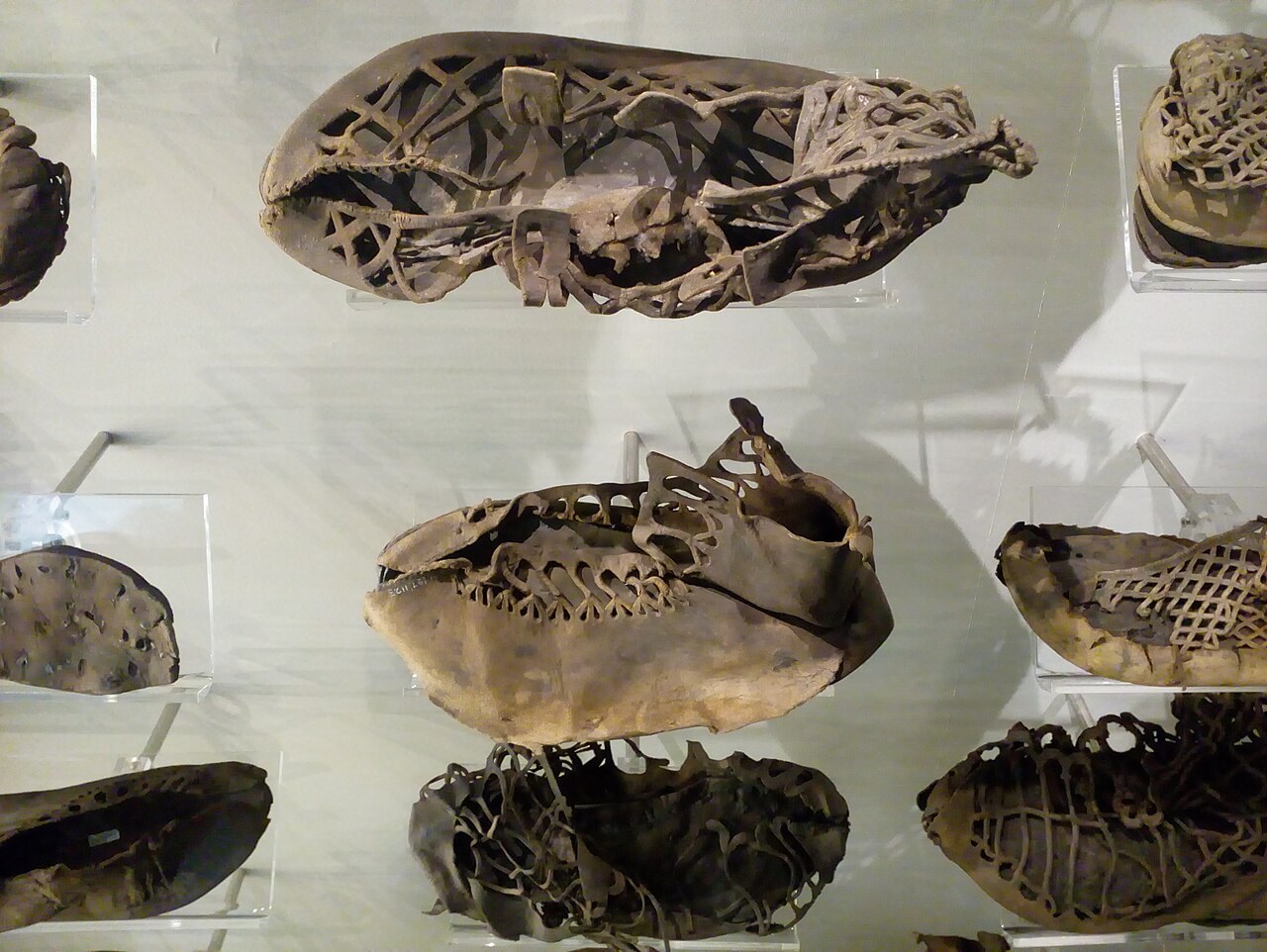 Vindolanda: Vindolanda lots of Roman shoes in the museum; material-culture object or museum find connected with the site, Roman period or local archaeological context.
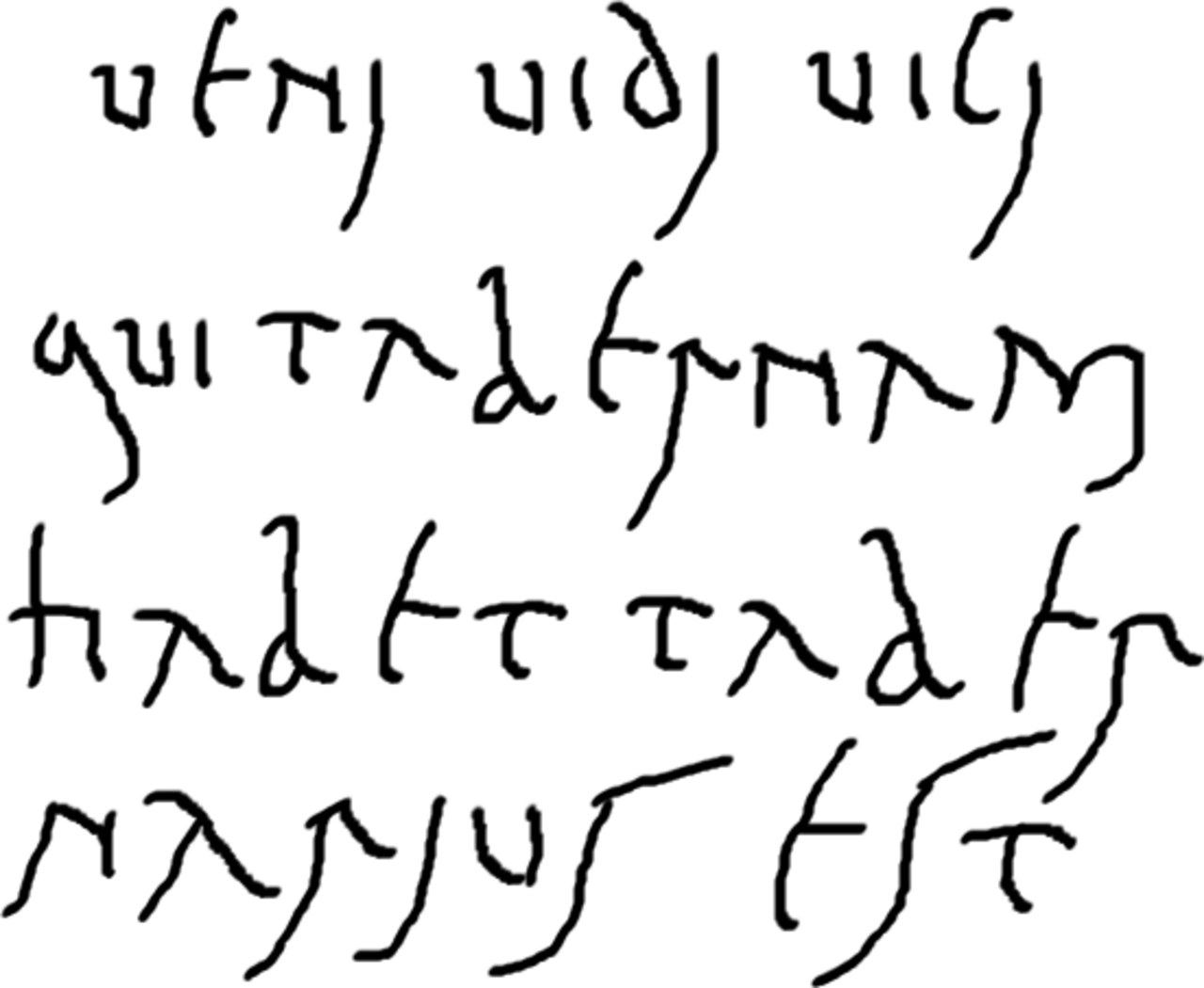 Vindolanda: Roman cursive; material-culture object or museum find connected with the site, Roman period or local archaeological context.
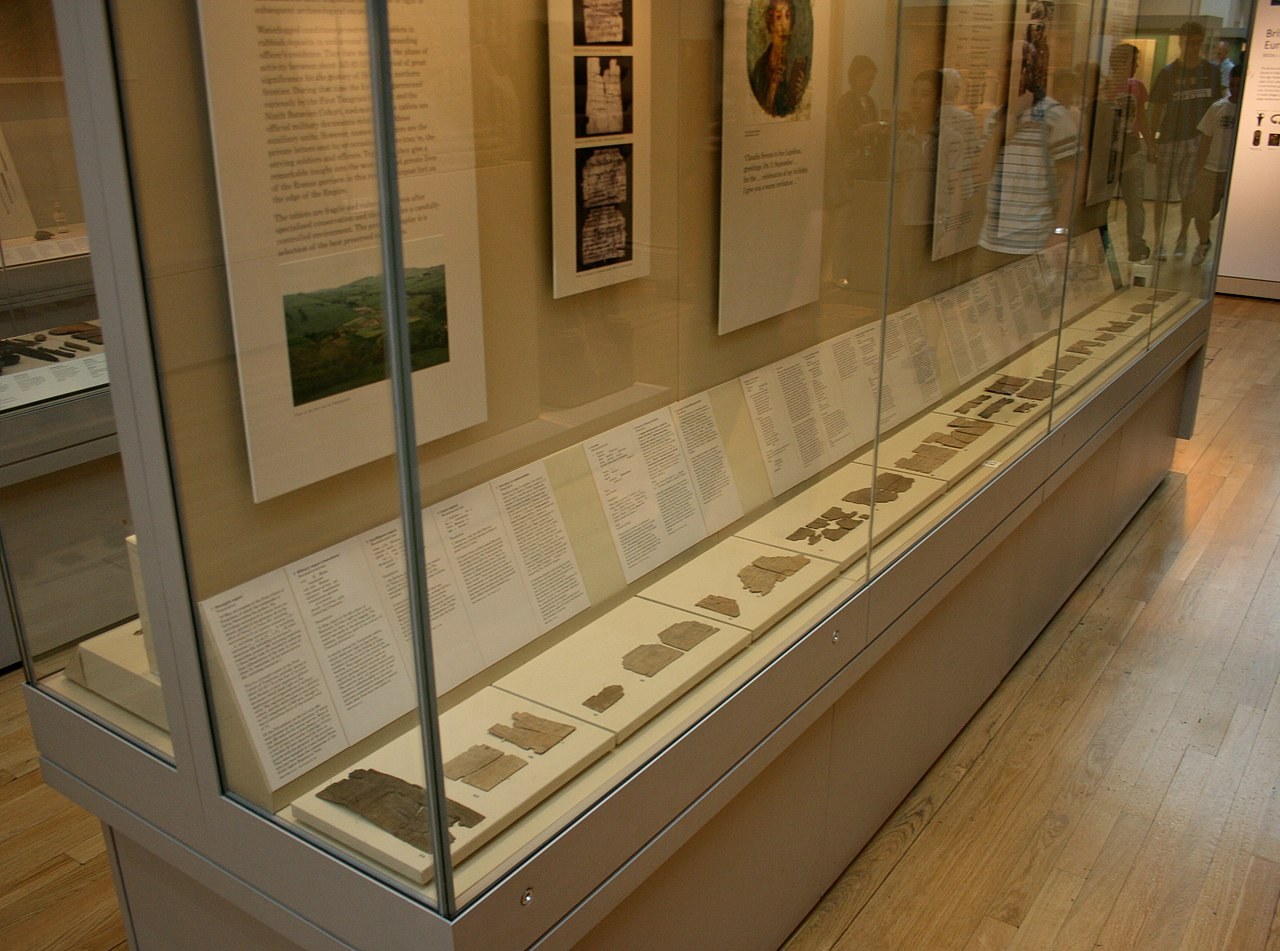 Vindolanda: Vindolanda tablets 2; material-culture object or museum find connected with the site, Roman period or local archaeological context.
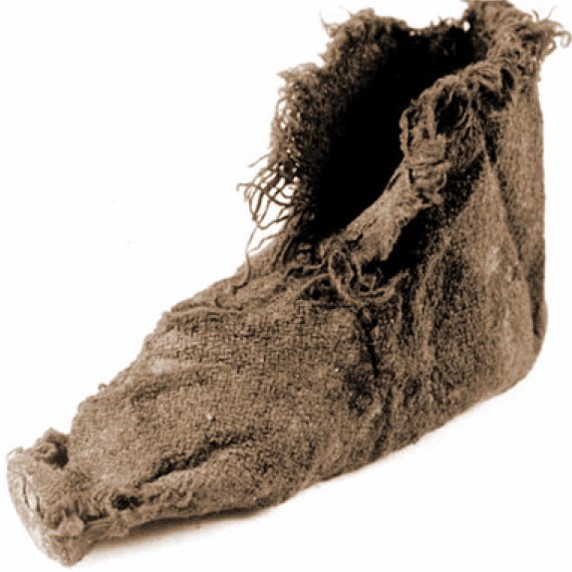 Woollen child's sock from Vindolanda. Late first-early second century AD; Vindolanda Museum.
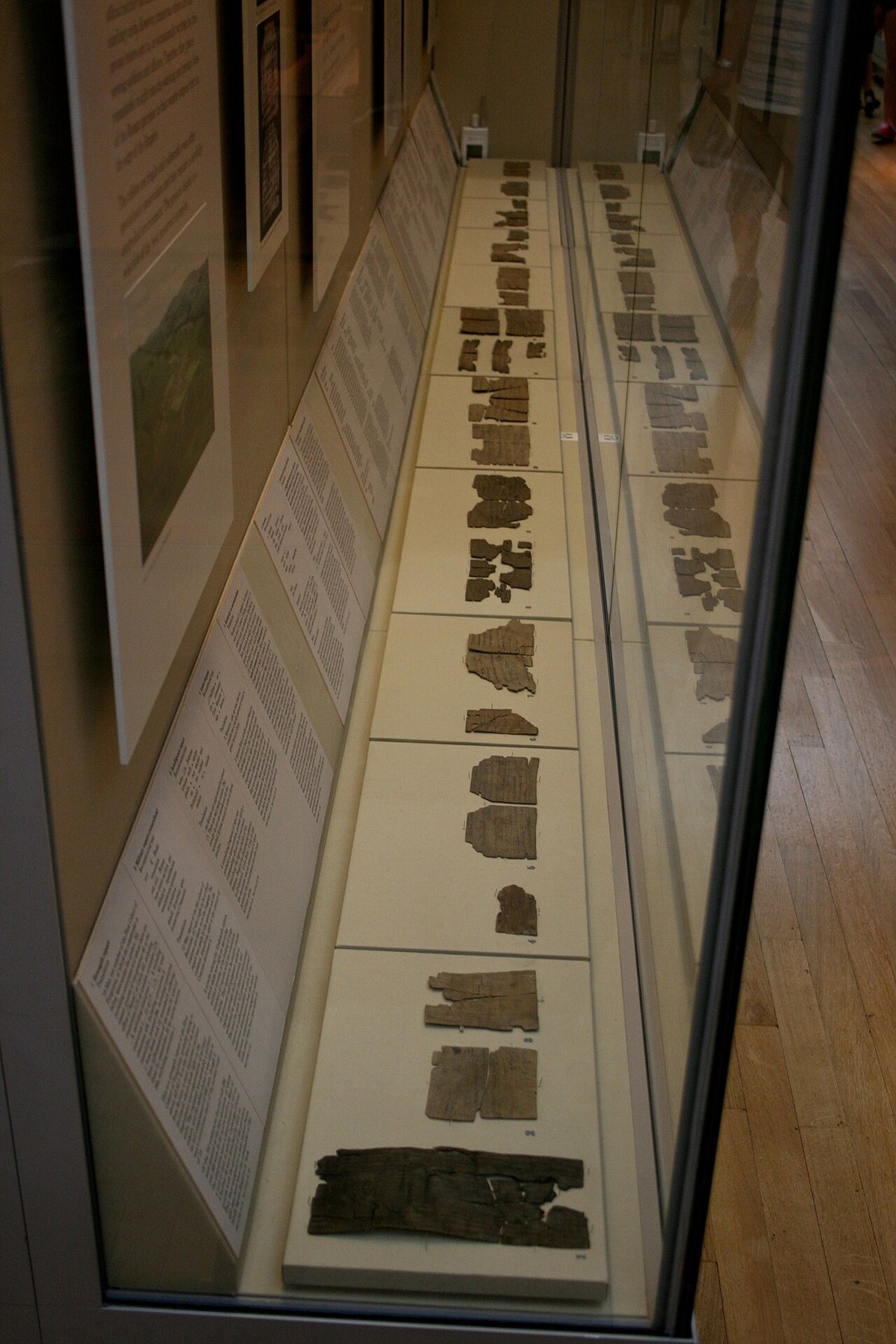 Vindolanda: Vindolanda tablets 1; material-culture object or museum find connected with the site, Roman period or local archaeological context.
Interested in Ancient Rome beyond reading? Join Legio X Fretensis or explore our reenactment directions.


