Corbridge / Coria
Corbridge, ancient Coria or Corstopitum, lay in Northumberland about four kilometres south of Hadrian's Wall. Its importance was defined not by a single find, but by its position at a road junction: the Stanegate ran east-west toward Luguvalium, while Dere Street linked southern Britain with the north and the road toward Scotland. Corbridge was therefore not a watch-post on the Wall itself, but a rearward node through which people, supplies, orders and military equipment moved.
The modern visitor sees only the central part of a large Roman settlement. Beneath the exposed ruins lie earlier forts, and around them developed a town that went through several phases of rebuilding. Corbridge matters for the history of northern Britain in three ways: as an early military base on the Stanegate, as a supply town near Hadrian's Wall and as the findspot of the Corbridge Hoard, one of the key assemblages for Roman military equipment.
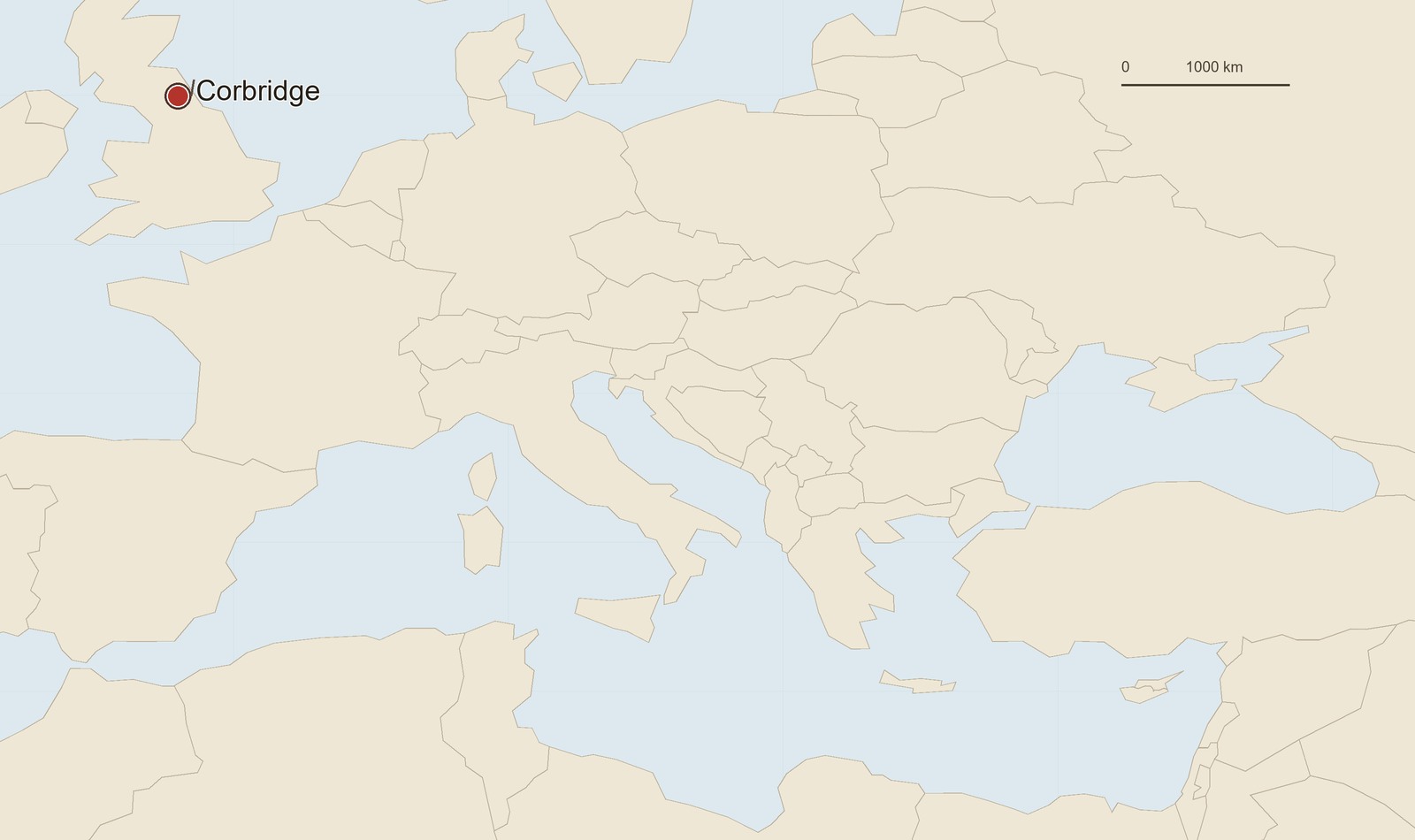 Location map: Corbridge / Coria. The marker shows the ancient site or main archaeological complex.
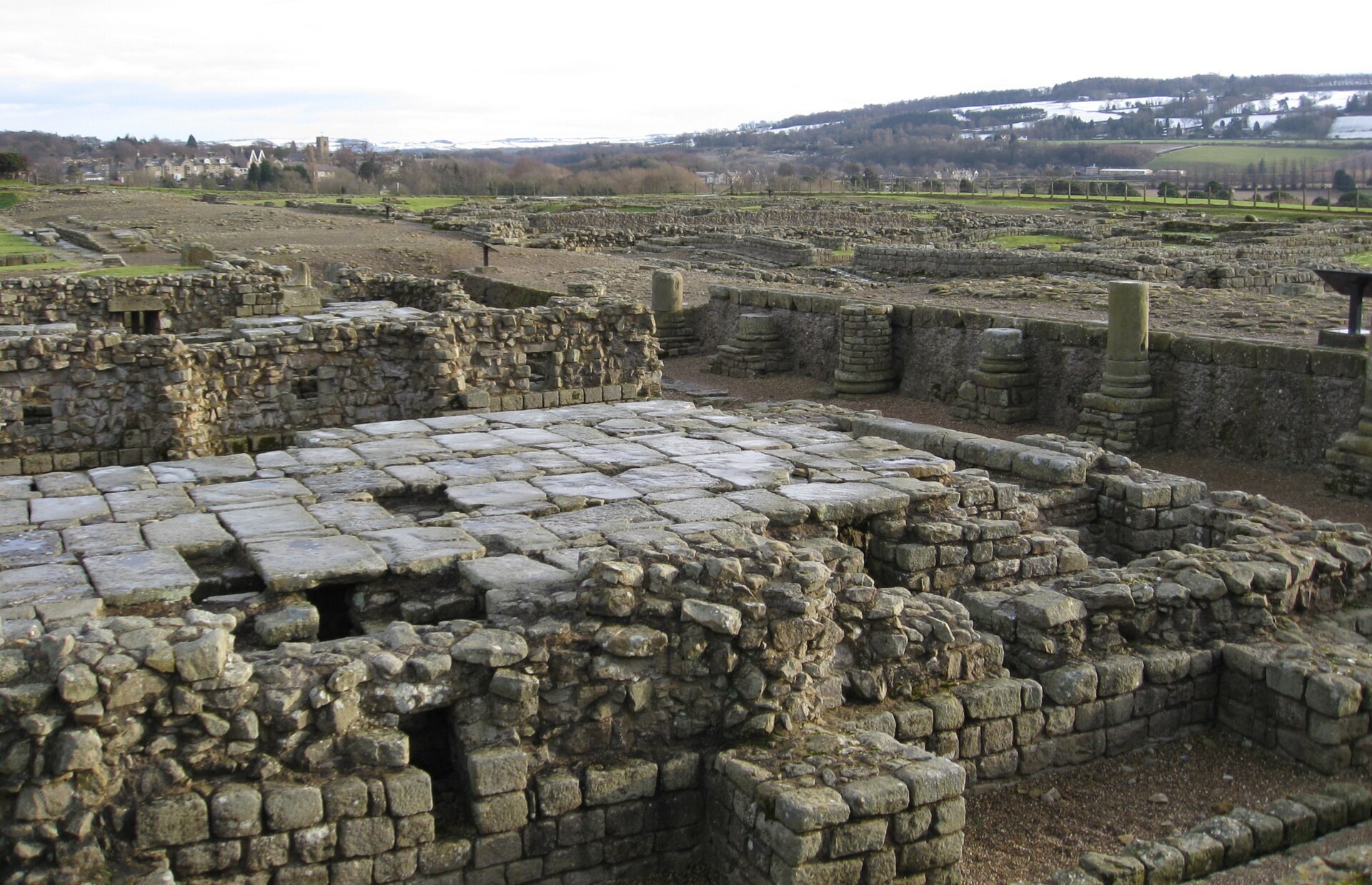 Ruins of Roman Corbridge: view of the central part of Coria / Corstopitum. The visible area represents only a small part of the ancient town.
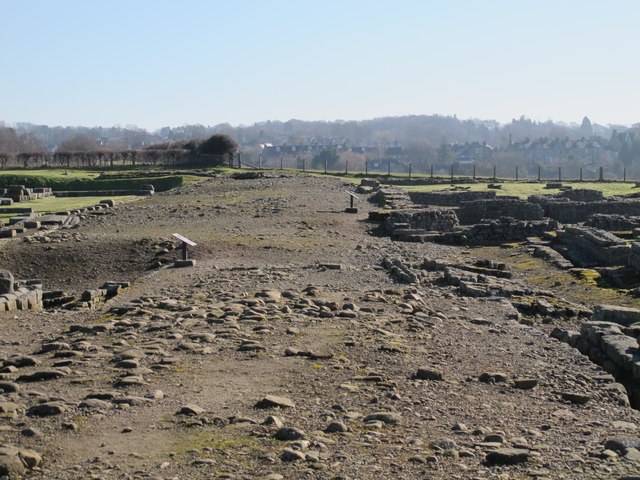 A section of the Stanegate at Corbridge. The east-west road linked Coria with Luguvalium and became the axis of the military and urban landscape.
Roads and the Northern Frontier
The Stanegate was older than the stone Hadrian's Wall. It linked Coria in the east with Luguvalium in the west and crossed a zone where the Romans first organized control through roads, forts and river crossings rather than through a continuous wall. Corbridge occupied the eastern end of this system and controlled movement between the Tyne valley, the northern districts and the internal supply line.
Dere Street added a north-south dimension. The road ran from Eboracum through Brigantian territory and onward toward the northern campaigns. The crossing of the two routes explains why Corbridge remained significant after the construction of Hadrian's Wall: troops on the Wall needed stores, workshops, markets, carriers and administrative support south of the fortification itself.
The Early Forts
The first Roman forts at Corbridge belong to the advance of the late first century AD and to the formation of the Stanegate frontier. Several forts succeeded one another on the site, while the walls visible today belong to later phases. The early structures are hardly visible on the surface, but their plan can be read through excavation, road lines and the way the later town inherited a military grid of space.
The forts housed more than fighting units. The commander's house, headquarters, stores, workshops, stables, barracks and gates formed the working organism of the army. Corbridge shows that the Roman legion and auxiliary units did not operate apart from infrastructure: a soldier required grain, leather, metal, timber, repair, transport and written administration.
From Military Base to Town
By the middle of the second century Corbridge was changing. It retained military functions, but alongside them grew a civilian settlement with houses, workshops, trade, sanctuaries and road infrastructure. This transition is typical of the Roman frontier: the army created demand, roads and security, and urban life then developed around them.
The visible stone buildings should not be understood as a single moment. They belong to different phases, as older military areas were rebuilt and urban functions became stronger. The eastern and western compounds, streets, stores and public buildings show Corbridge as a town beside the army, not as a simple camp. It stood on the boundary between military order and provincial economy.
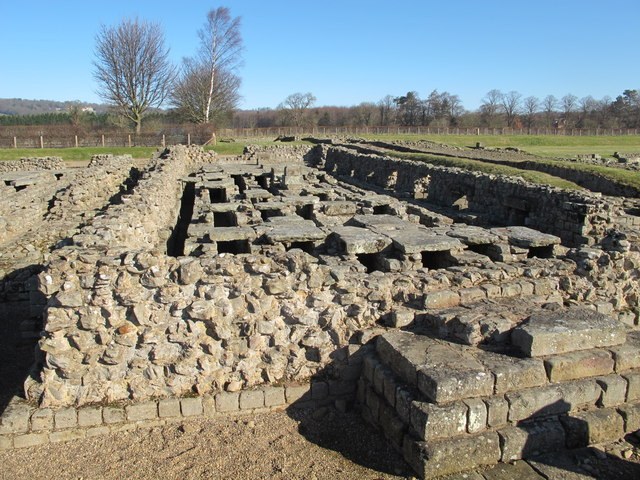 The east granary at Corbridge. The raised floor and ventilation channels show how the town worked as a storage and supply centre near the northern frontier.
Granaries and Supply
The granaries at Corbridge are among the most expressive buildings on the site. Raised floors and ventilation channels protected grain from damp and pests. This is not a decorative detail, but a trace of the material logic of the frontier army: food had to be stored, recorded, moved and issued to units stationed on the Wall and in neighbouring forts.
Supply connected Corbridge with a wider network. Grain, animals, metal, pottery, leather and timber reached the town by roads and through local markets. The archaeology of the town therefore matters not only for weapons. It shows how the northern frontier existed every day: through stores, transport, workshops, payments, repair and movement between forts.
These buildings show the difference between the heroic image of war and the actual work of a province: without stocks, accounting procedures and reliable roads, even a strong wall would quickly become an isolated line.
The Corbridge Hoard
The Corbridge Hoard was discovered in 1964. It lay in a wooden chest and included parts of segmented armour, tools, fittings, iron objects and organic remains. Its best-known contents are plates of lorica segmentata, but the assemblage is more important than a single armour type: it preserved equipment in a state of storage, dismantling and repair rather than as a parade image.
The hoard became central to understanding the so-called Corbridge type of segmented armour. Large plates, small hinges, hooks, strap connections and traces of packing show how complex the cuirass was. The objects do not form a ready-made set for one legionary; some parts may have belonged to several armours or repair stocks. This incompleteness is precisely what makes the find so valuable: it reveals the working life of military equipment.
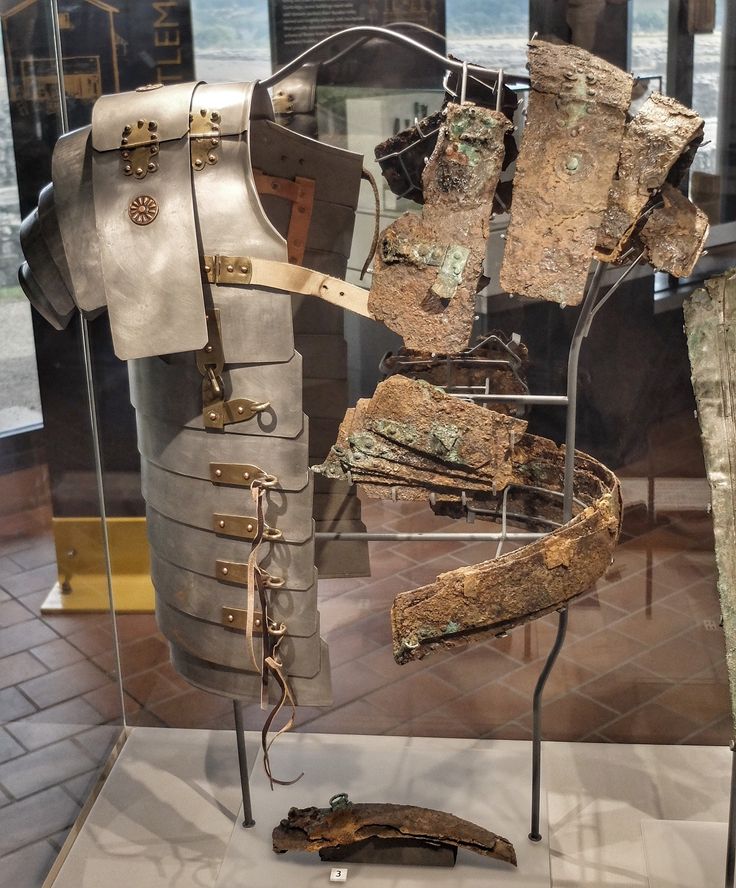 Lorica segmentata in the Corbridge museum. The Corbridge type of armour takes its name from finds in this assemblage.
Armour, Tools and Repair
The Corbridge segmentata matters not as a museum reconstruction, but as a set of technical solutions. The plates protected the body, yet the armour worked only together with leather straps, rivets, hinges, hooks and buckles. The loss of a small fitting could disable a large element. Plates must therefore be read together with tools, nails, metal offcuts and workshop traces in hoards and camp deposits.
For the Roman army repair was a normal part of service. Objects were not simply issued and discarded: they were adjusted, mended, passed on, stored and sometimes dismantled for parts. The Corbridge Hoard shows this level of everyday technology, which is rarely visible on reliefs and statues. It connects the archaeology of armour with the organization of labour within a military environment.
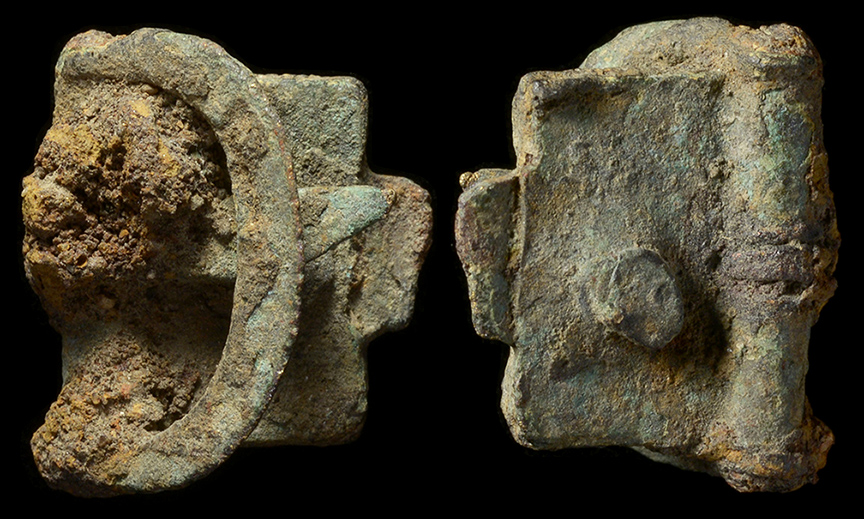 Lorica segmentata fittings from the Corbridge Hoard. Small hinges, hooks and strap fittings are as important for reconstructing the armour as the large plates.
Other Finds
Corbridge is known for more than armour. The site has produced inscriptions, altars, architectural fragments, coins, pottery, domestic objects, equipment fittings and monuments such as the Corbridge Lion. These objects reveal the town as a layered environment: soldiers, craftsmen, traders, families, visitors and people connected with cult all lived or moved there.
Coin and inscription finds hold a special place. They connect the town with imperial power, payments, gifts to gods and the memory of named individuals. Unlike a whole building, a single inscription or object often records a narrow moment: a name, office, dedication, repair, loss, hoard or funerary gesture. The living history of Coria is built from such small pieces of evidence.
Urban Life
Everyday life at Corbridge differed from life in a small fort on the Wall itself. Soldiers, traders, carriers, craftsmen, military families and local people working for the supply system met in the town. Food was bought, equipment repaired, pottery and metal sold, offerings made to gods and transport arranged in its streets. The northern frontier existed not only through orders and marches, but also through the constant movement of money, goods and services.
This environment explains the range of finds. Pottery shows diet and trade contacts; coins payments and savings; altars private and collective cults; building details the rebuilding of structures; tools workshops and repair. Even a small object can reveal something through its place in the town: where people lived, where grain was stored, where craftsmen worked and where the boundary between military and civilian space lay.
Excavation and the Visible Site
The visible site at Corbridge is not the whole ancient town. The exposed area represents the central nucleus, while much of the settlement lies beyond it or beneath the modern landscape. Any conclusion about the plan must therefore remember that archaeologists see a fragment of a larger system, not a completely uncovered town.
Excavations in the early twentieth century, later research and the discovery of 1964 gradually changed the understanding of Corbridge. At first attention was drawn to stone buildings and the general plan; later stratigraphy, small finds, organic traces and the context of the hoard became increasingly important. The armour makes this clear: not only the attractive plates in a display case matter, but also where they lay, how they were packed and which tools were found beside them.
Dating and the Limits of Reconstruction
Corbridge should not be turned into a universal picture of all legionaries in the first and second centuries. Its hoard, buildings and deposits belong to a particular place on the northern frontier of Britain. Armour from the chest need not match the equipment of every soldier on the Rhine, Danube or in Syria. Even within Britain, equipment sets could differ by date, unit, supply and repair conditions.
The strength of Corbridge lies elsewhere. Here the relationship between road, fort, town, store and object can be traced. The Stanegate explains movement, the granaries supply, the early forts military control, the later town buildings settlement economy, and the hoard repair and storage of equipment. This combination makes it possible to speak about the Roman frontier as a system, not only as a line of walls.
Short Chronology
- Late 1st century AD: early Roman forts appear at Corbridge, connected with the advance north and the Stanegate road.
- Early 2nd century AD: Coria functions as a military base and road junction on the Stanegate line.
- AD 122 and later: the construction of Hadrian's Wall changes the role of the region; Corbridge remains an important supply point south of the Wall.
- Mid-2nd century AD: the military base gradually shifts toward a garrison town and road settlement.
- Late 2nd - early 3rd century AD: the stone buildings visible today take shape, including granaries and urban complexes.
- 4th - early 5th century AD: life in the Roman town continues in a late antique form, although the character of authority and supply changes.
- 1911: a hoard of gold aurei is found at Corbridge.
- 1964: the Corbridge Hoard of military equipment is discovered, becoming one of the main assemblages for lorica segmentata.
Related Topics
- Hadrian's Wall
- Roman Legion
- Roman Army
- Roman Empire
- Vindolanda
- Arbeia
- Segedunum
- Inchtuthil
- Trimontium / Newstead
- Gladius
- Pugio
- Caligae
- Roman Archaeological Evidence
Literature and sources
- Allason-Jones L., Bishop M. C. Excavations at Roman Corbridge: The Hoard. English Heritage Archaeological Report 7. London, 1988.
- Bishop M. C. Lorica Segmentata. Vol. I: A Handbook of Articulated Roman Plate Armour. Armatura Press, 2002.
- Bishop M. C., Coulston J. C. N. Roman Military Equipment: From the Punic Wars to the Fall of Rome. Oxford, 2006.
- Birley E. Research on Hadrian's Wall. Kendal, 1961.
- Breeze D. J., Dobson B. Hadrian's Wall. London, 2000.
- English Heritage: Corbridge Roman Town, history and description of the visible remains.
- Wikimedia Commons: Corbridge Roman Ruins (cropped).jpg; photo by Glen Bowman, CC BY 2.0.
- Wikimedia Commons: Corstopitum - Stanegate - geograph.org.uk - 3356191.jpg; photo by Mike Quinn, CC BY-SA 2.0.
- Wikimedia Commons: Corstopitum - east granary - geograph.org.uk - 3356179.jpg; photo by Mike Quinn, CC BY-SA 2.0.


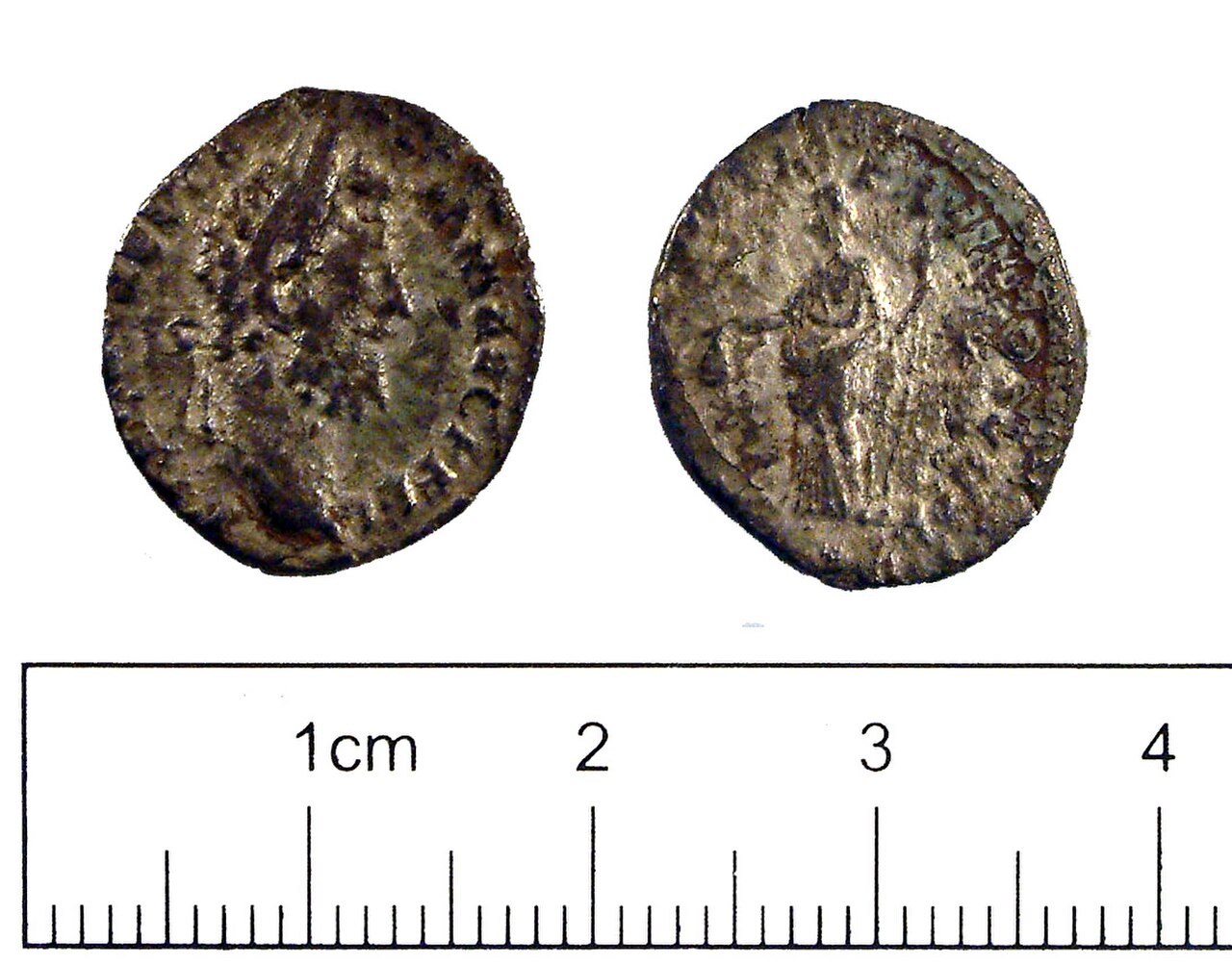 Corbridge / Coria: Roman Coin , Denarius of Commodus (FindID 197334); material-culture object or museum find connected with the site, Roman period or local archaeological context.
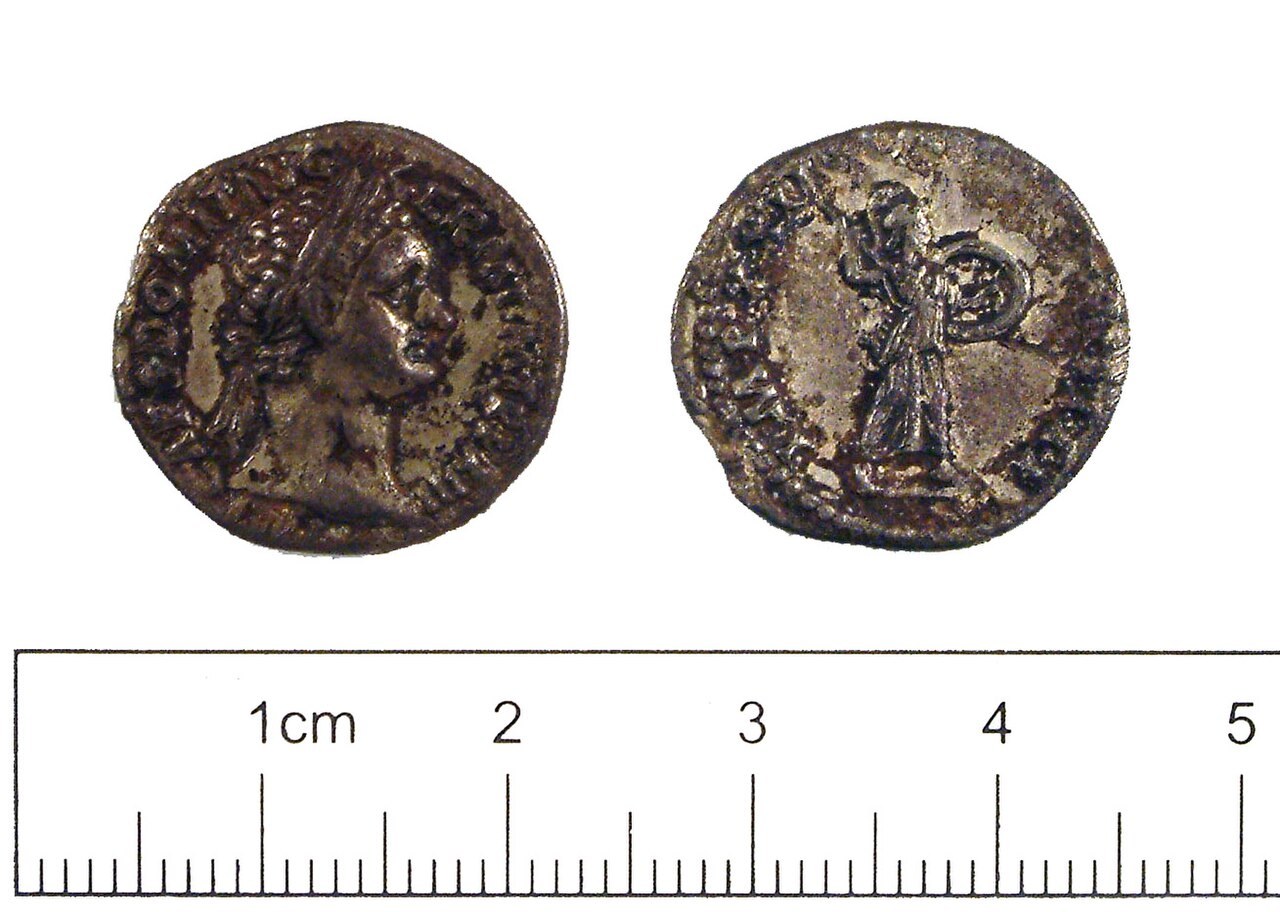 Corbridge / Coria: Roman Coin , Denarius of Domitian (FindID 197334); material-culture object or museum find connected with the site, Roman period or local archaeological context.
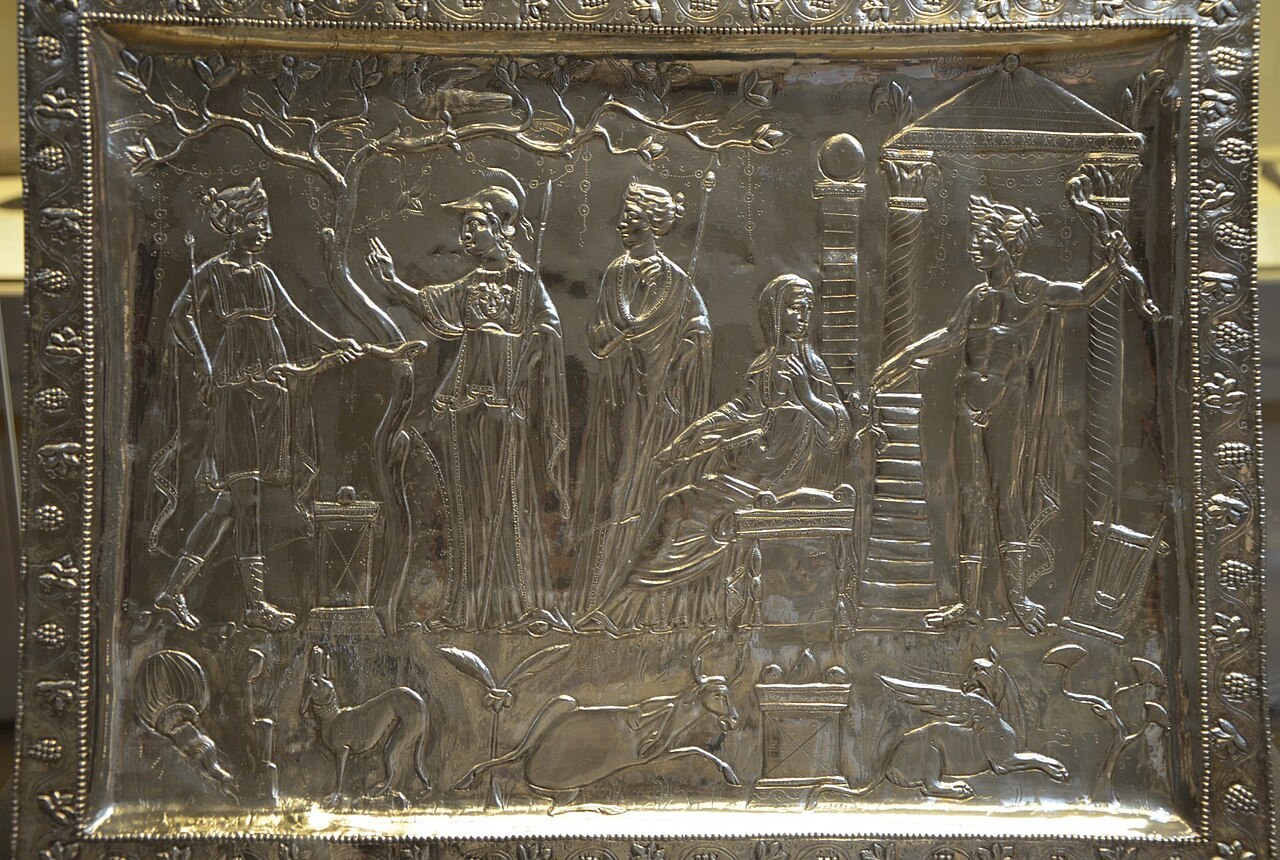 Corbridge / Coria: The Corbridge Lanx, 4th century AD, from Corbridge, Northumberland, Roman Britain, Brit...; material-culture object or museum find connected with the site, Roman period or local archaeological context.
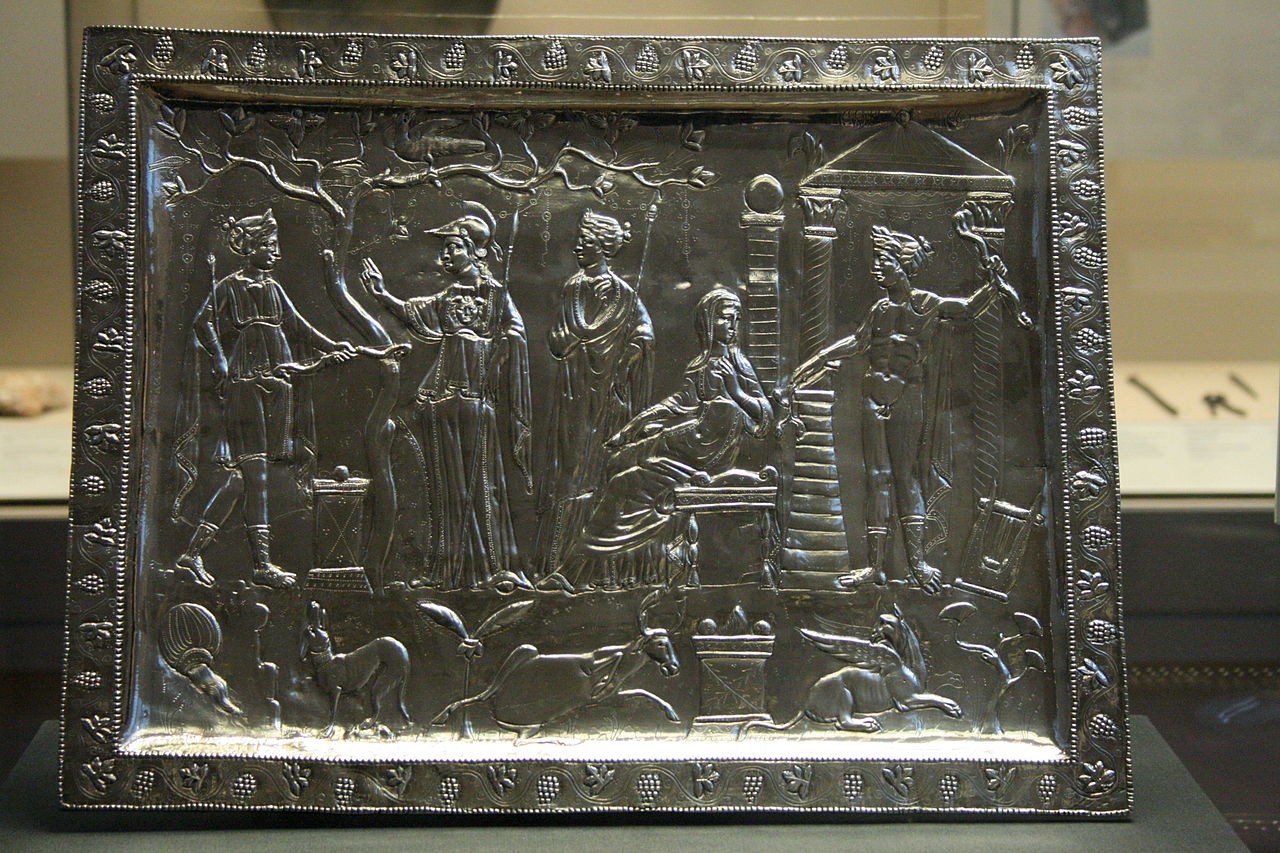 Corbridge / Coria: Corbridge lanx; material-culture object or museum find connected with the site, Roman period or local archaeological context.
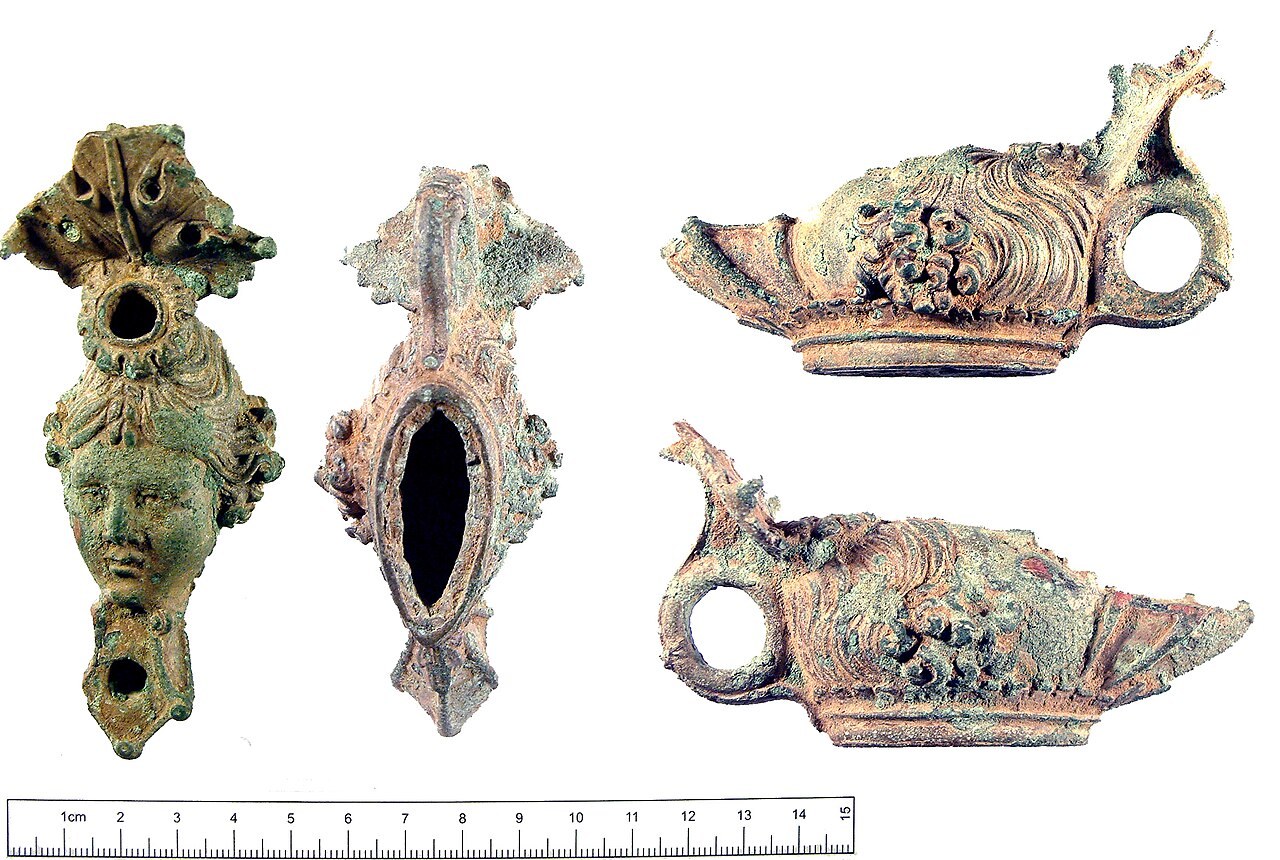 Corbridge / Coria: Roman , Lamp (FindID 197334); material-culture object or museum find connected with the site, Roman period or local archaeological context.
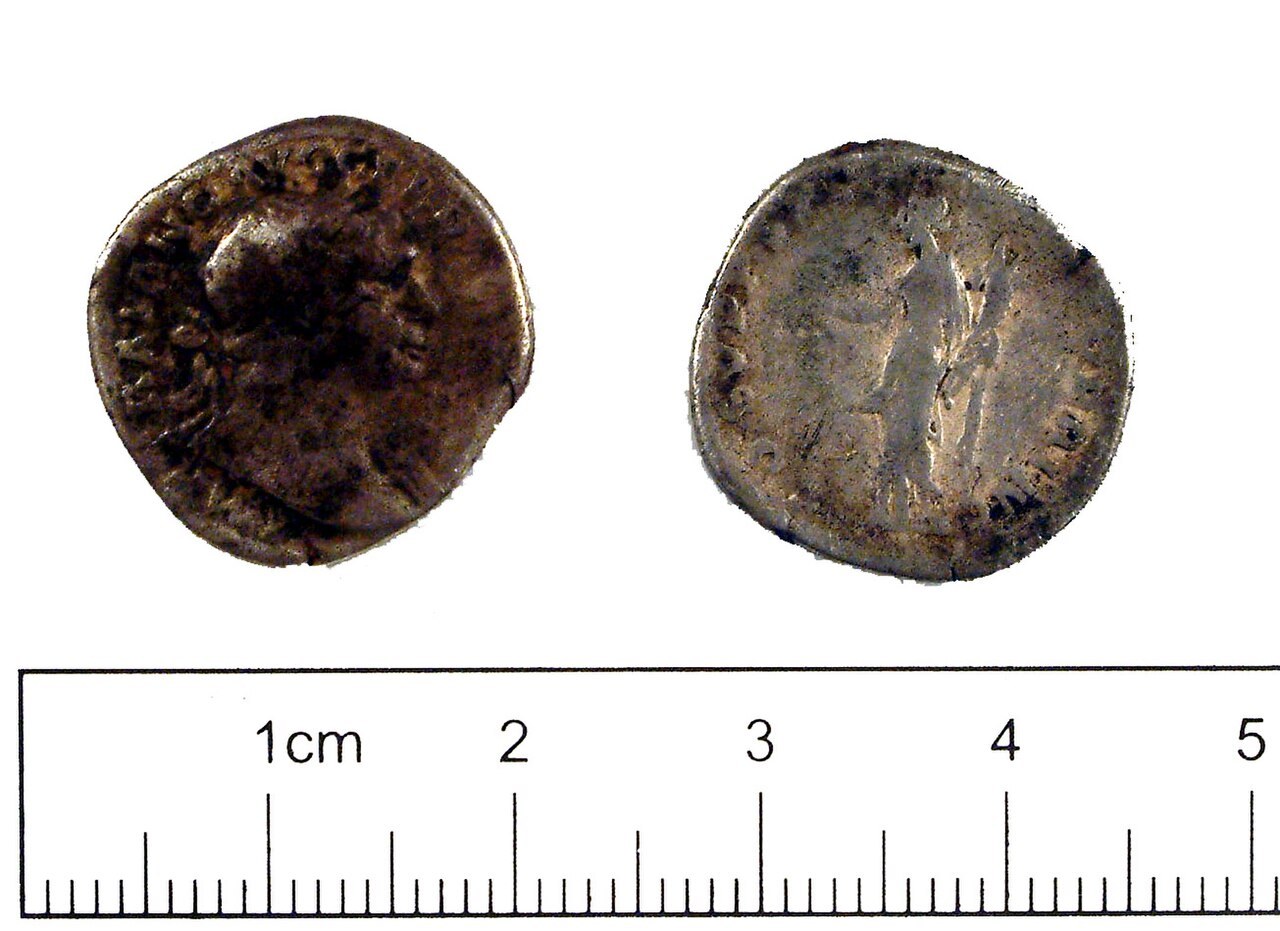 Corbridge / Coria: Roman Coin , Denarius of Trajan (FindID 197334); material-culture object or museum find connected with the site, Roman period or local archaeological context.
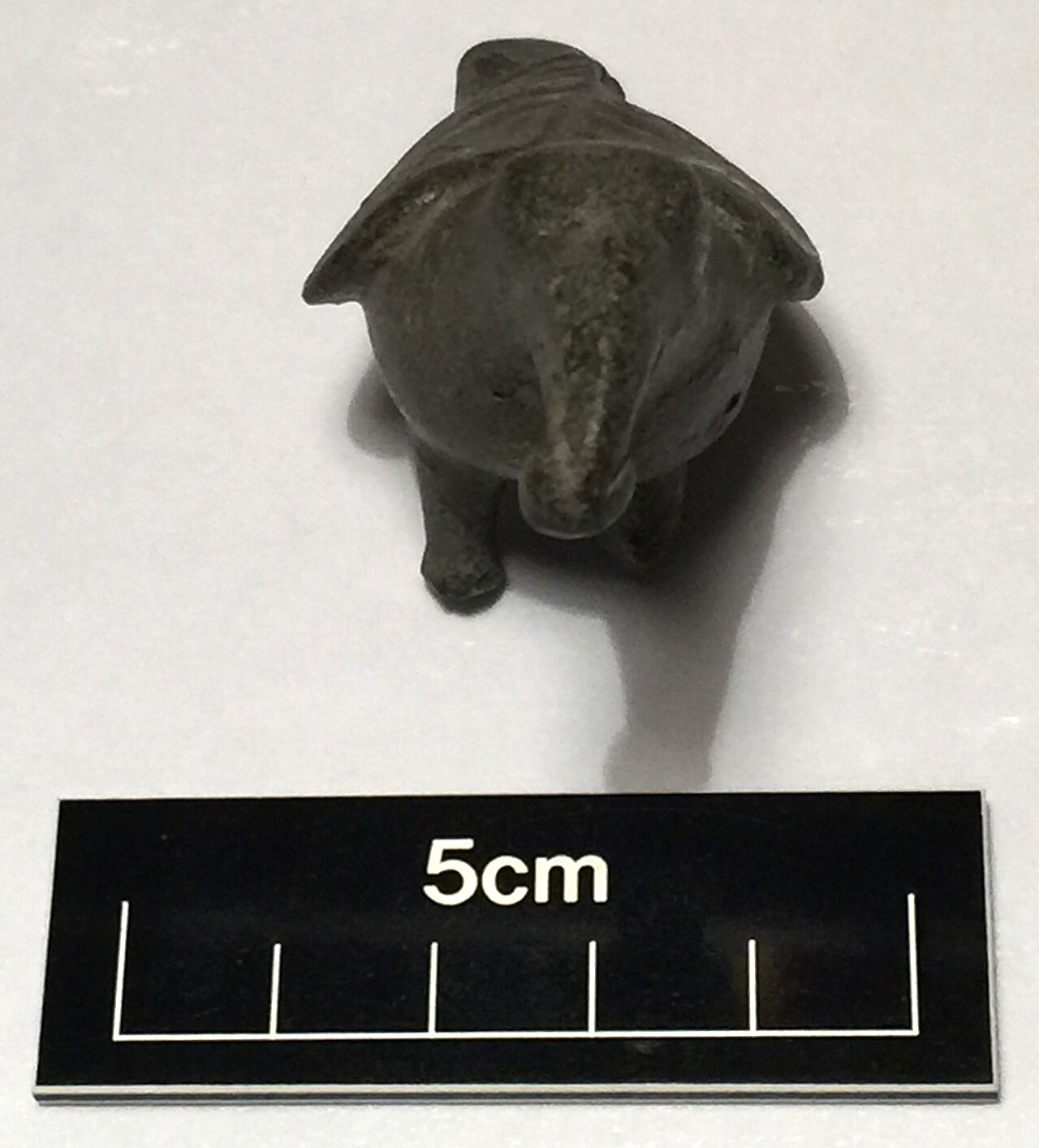 Corbridge / Coria: FIGURINE (FindID 769606); material-culture object or museum find connected with the site, Roman period or local archaeological context.
 Reconstruction of the wooden chest of the Corbridge Hoard. The objects were packed as a store, repair group or property awaiting its owner's return.
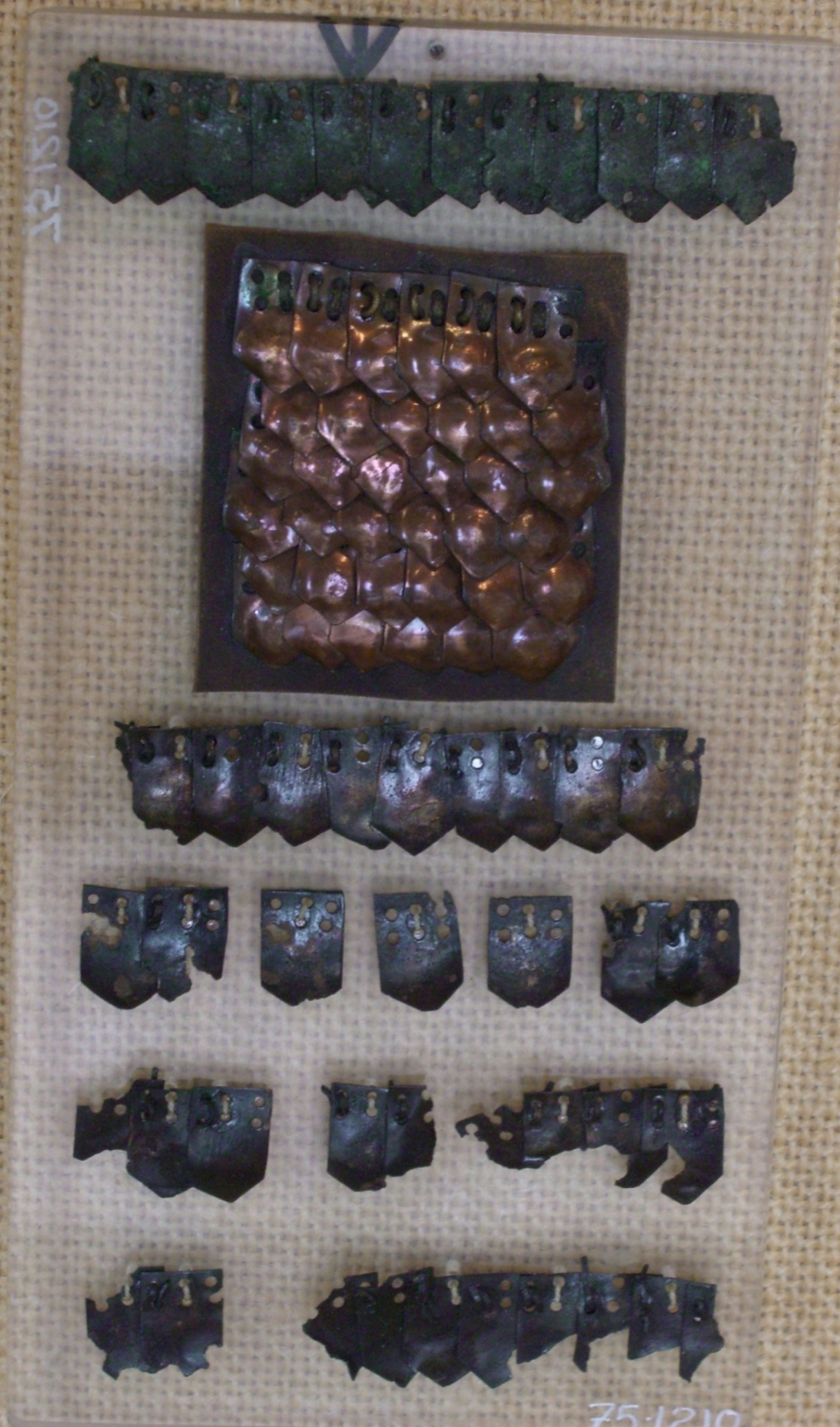 Armour scales in the Corbridge museum. Small pieces like these show that Roman equipment is known not only from complete reconstructions, but also from fragments.
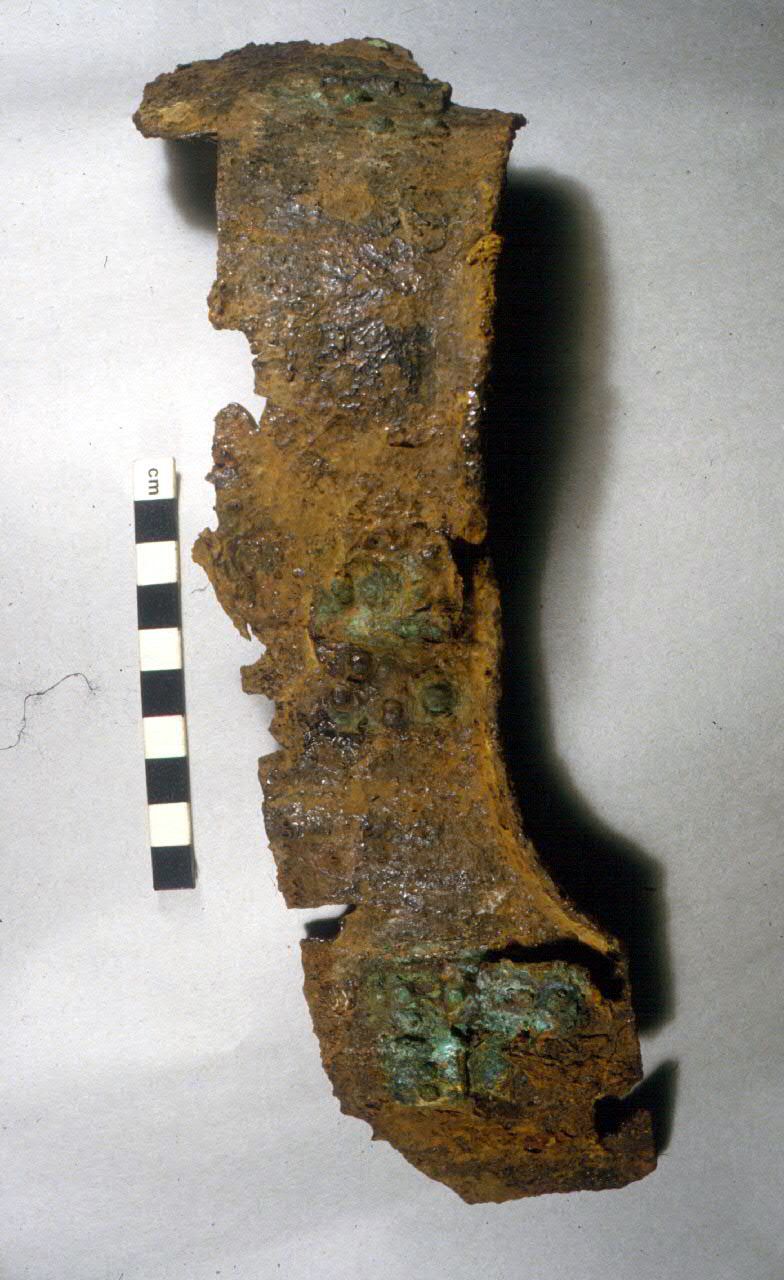 Detail of segmented armour from the Corbridge Hoard. 1st-2nd century AD; Corbridge Roman Site Museum.
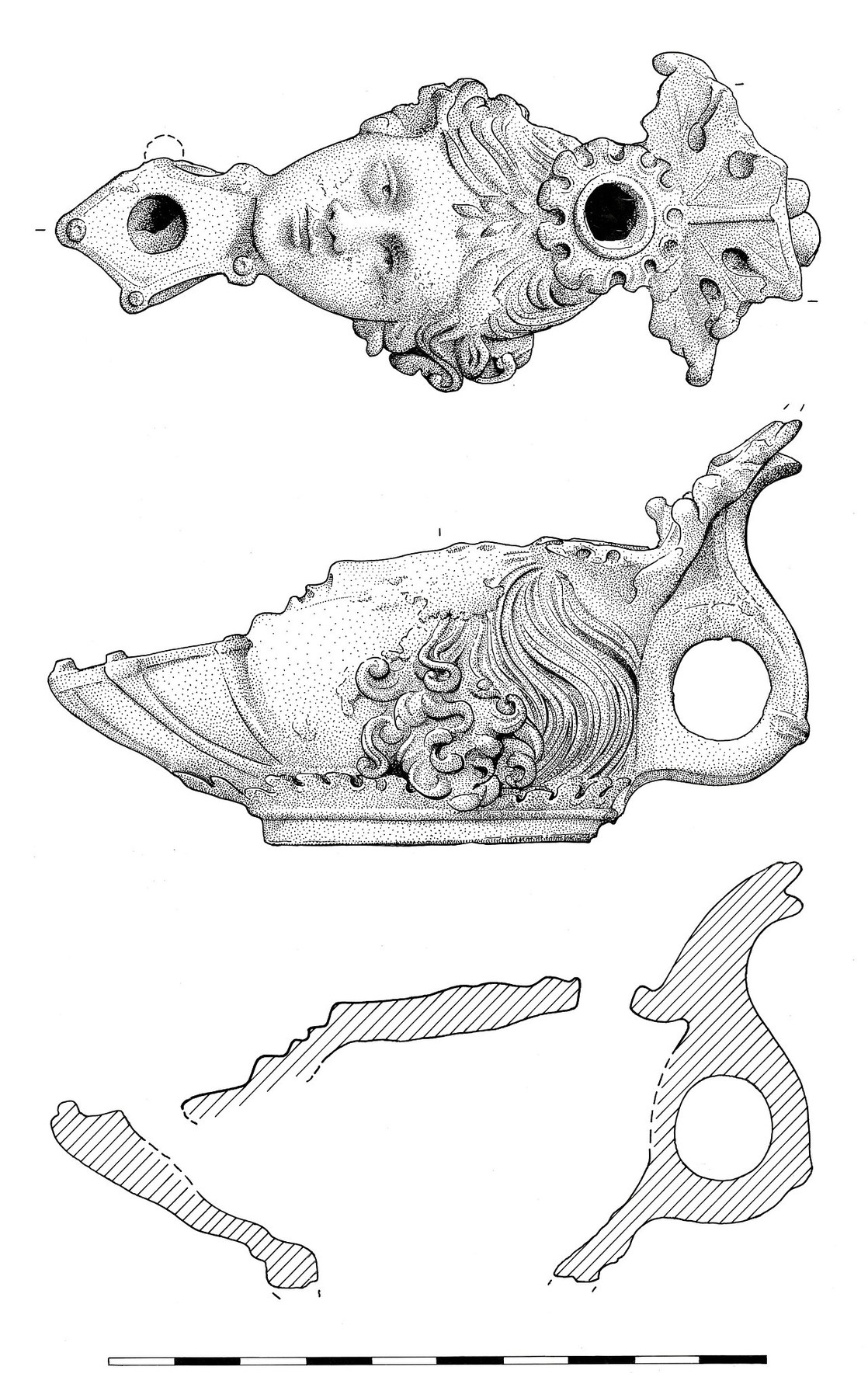 Corbridge / Coria: Roman , Lamp Illustration by David Williams (FindID 197334); material-culture object or museum find connected with the site, Roman period or local archaeological context.
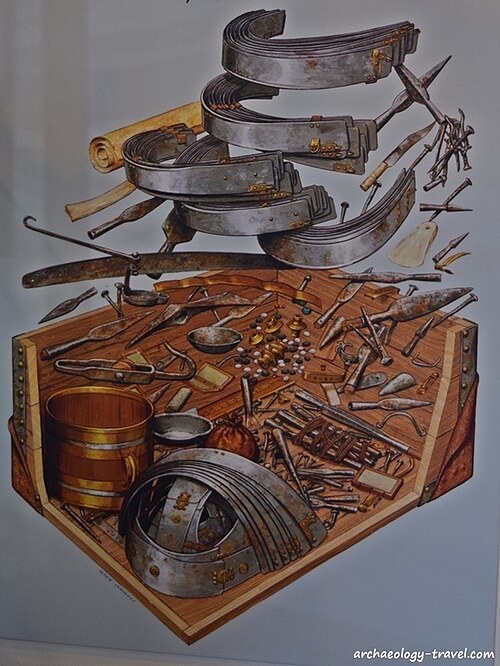 Corbridge / Coria: Corbridge hoard artists impression; material-culture object or museum find connected with the site, Roman period or local archaeological context.
Interested in Ancient Rome beyond reading? Join Legio X Fretensis or explore our reenactment directions.


