Colonia Ulpia Traiana / Xanten
Colonia Ulpia Traiana near modern Xanten is one of the major Roman urban complexes of the Lower Rhine. Unlike forts and camps, where the garrison stands at the centre, this site shows a provincial town beside a military frontier: regular planning, streets, temple zones, amphitheatre, craftsmen's houses, harbour, trade, inscriptions, museum objects and links with the Rhine army.
The town developed beside an important military zone. The camps of Vetera stood nearby, and in the early second century Colonia Ulpia Traiana received colonial status under the emperor Trajan. The name connected the town with dynastic policy and Roman civic order: this was not a village attached to a camp, but a centre with urban rights, public buildings, cults, a market and a population in which veterans, traders, craftsmen and army-connected families overlapped.
The Xanten Archaeological Park is valuable because the urban space can still be read on the ground. The modern park and the LVR-RömerMuseum show not only individual finds but the scale of blocks, roads, walls and public zones. Ancient remains, museum objects and modern reconstructed buildings still have to be distinguished: together they explain the town, but they are not the same type of evidence.
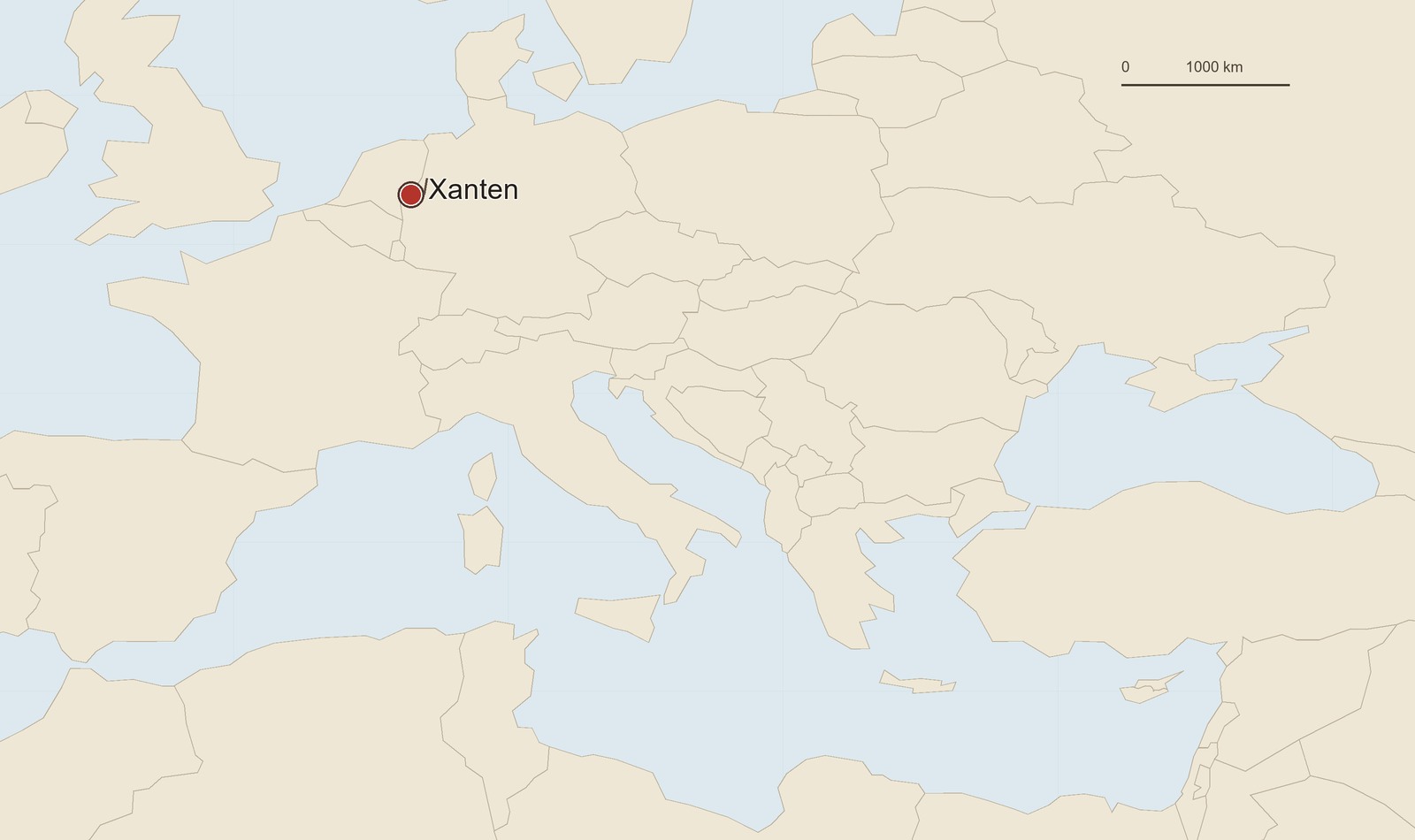 Location map: Colonia Ulpia Traiana / Xanten. The marker shows the ancient site or main archaeological complex.
Town on the Lower Rhine
The Lower Rhine was not only a military line but a dense system of roads, river transport, markets and settlements. Colonia Ulpia Traiana stood in a zone where the army created demand for grain, livestock, leather, timber, metal, pottery, clothing and transport services. Urban growth here cannot therefore be separated from the frontier: legions and auxiliary units required supply, while local people, craftsmen and traders entered that economy.
Colonial status emphasised the Roman character of the town. A colonia had not only houses and streets but also a legal and civic form: town council, magistrates, public cults, fora and spaces for official memory. Veteran inscriptions and dedications to the gods show that Roman identity in Xanten was expressed through concrete actions: setting up an altar, public gratitude, memory of service and participation in civic ceremonies.
Unlike a purely military camp, Xanten reveals life around the army. Swords and legionary stamps matter, but so do houses, workshops, temples, roads, the amphitheatre and the harbour. The town was a place where military logistics became provincial daily life: goods were sold, crafts operated, families lived beside the army environment, and public buildings gave the landscape a Roman appearance.
Plan and Public Buildings
The town had a regular grid of streets and blocks. This plan was more than convenient geometry: it organised the movement of people, goods and processions, created places for trade and separated public buildings from residential and craft areas. Walls and gates marked the edge of the urban space, but the life of the colonia continued beyond them in roads, cemeteries, landing places and service zones.
The forum and temple zones represented the official side of the town. Administration, cult, public inscriptions and the memory of benefactors or military men met there. The amphitheatre shows another layer of public life: spectacles, gatherings, training and the urban crowd formed part of Roman provincial culture. Craftsmen's houses and workshops, by contrast, lead to the daily economy: production, repair, storage and trade.
The archaeological park partly reconstructs buildings to show volume and layout, but Xanten is not reducible to modern reconstructed walls. It is more important to compare them with foundations, excavation plans, finds and inscriptions. In that perspective the town is not a stage set but a system: a block connects with a street, a street with a gate, a gate with a road, and the road with the Rhine and military bases.
Legion and Urban Economy
Xanten's military connection is especially visible through Legio XXX Ulpia Victrix. This legion was based in the area of Vetera II and was one of the main forces of Lower Germany in the second and third centuries. The town and the camp were not the same site, but they existed within one environment: soldiers, veterans, suppliers, masons, transport workers, priests and urban elites participated in the same network.
Brick stamps and building inscriptions show that the army was not only a fighting force. The legion produced building material, contributed to infrastructure, left inscriptions and shaped the town's appearance. Veteran inscriptions show the long social life of service: after discharge, former soldiers could keep links with the legion, hold status, participate in civic memory and become part of the local elite.
This connection makes Xanten an important complement to articles on the legion and the Roman army. The military world is visible here not only on the battlefield and not only in the camp. It appears in a brick, a temple dedication, a veteran inscription, an urban block, a road and a harbour.
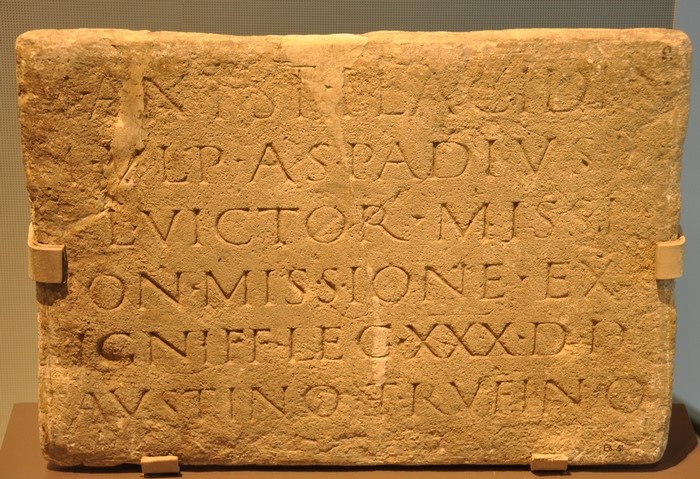 Inscription honouring three veterans of Legio XXX Ulpia Victrix. Xanten, AD 210; LVR-RömerMuseum, Xanten Archaeological Park.
 Brick inscription naming Legio XXX Ulpia Victrix. Xanten, AD 70-200; LVR-RömerMuseum, Xanten Archaeological Park.
Temples and Urban Cults
The cult life of Colonia Ulpia Traiana formed part of urban organisation. Temples, altars and dedications connected the town with Roman state order, local groups and the army environment. The Capitoline Triad - Jupiter, Juno and Minerva - expressed the official Roman layer, while dedications to Jupiter show how the legion entered the public religious language of the town.
Inscriptions matter because they name not only gods but people. When an altar is set up by a legion or by a standard-bearer, the object speaks at once about cult, rank, unit, date and public space. This is not an abstract "Roman religion" but a concrete action in a town: the dedication was set in a visible place, read by contemporaries and fixed the donor's presence.
In Xanten, religion, urban architecture and the army constantly overlapped. A temple zone displayed Roman order, an altar recorded personal or collective dedication, and an inscription turned a cult object into a historical document. Altars and dedications provide evidence for the public life of the colonia.
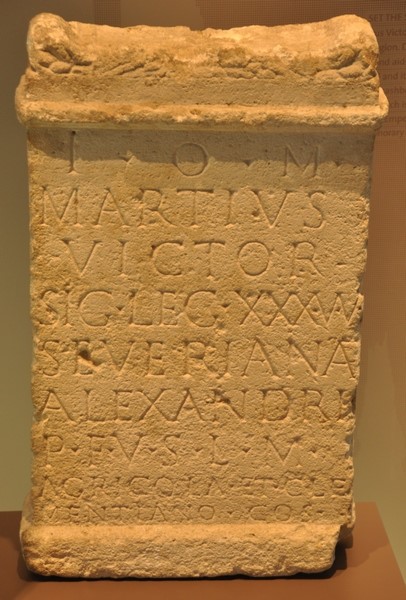 Altar dedicated to Jupiter by Legio XXX Ulpia Victrix. Xanten, AD 230; LVR-RömerMuseum, Xanten Archaeological Park.
 Dedication to the Capitoline Triad set up by a standard-bearer of Legio XXX Ulpia Victrix. Xanten, AD 239; LVR-RömerMuseum, Xanten Archaeological Park.
Materials from the Complex
The material from Xanten falls into several strong groups. The first is urban archaeology: streets, walls, foundations, blocks, traces of temples, the amphitheatre and service buildings. The second is epigraphy: altars, dedications, building inscriptions, legionary stamps and texts connected with veterans. The third is the material of daily and military life: weapons, pottery, tools, equipment fittings and building material.
Tiles and bricks stamped by legions show especially well how the town was connected with army production. At first sight they are modest building details, but they reveal legionary workshops, construction supply and the movement of material across the Lower Rhine zone. A stamp turns an ordinary brick into a document: it points to a unit, workshop practice and the army's role in the building economy.
Weapon finds show another level. The gladius from Colonia Ulpia Traiana belongs to the late first century AD and connects the town with the early imperial military culture of the Lower Rhine. Such an object does not stand apart from the urban environment: a sword could be lost, deposited in a layer, transferred, repaired or end up in a context where military and civilian life overlapped. The material from the complex should therefore be read together: city plan, inscription, brick stamp and weapon answer different questions but belong to the same historical setting.
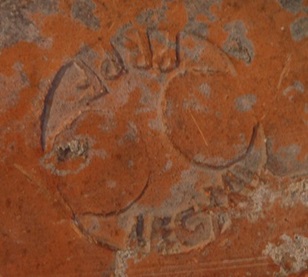 Tile stamped by Legio XXII Primigenia Pia Fidelis. Xanten, first century AD; LVR-RömerMuseum, Xanten Archaeological Park.
Weapons and the Urban Setting
The Pompeii-type gladius from Xanten is important not only as an example of a sword. Its late first-century AD date places it in a period when the military infrastructure of the Lower Rhine was changing rapidly after the crisis of AD 69 and the subsequent reorganisation of garrisons. The object belongs to the same environment in which camps, the colonia, roads, workshops and river transport existed side by side.
For the history of weapons, Xanten shows that military objects often entered urban contexts. Soldiers and veterans did not live in an isolated world: they visited markets, took part in cults, used craft services and left objects in urban layers and on the town's edges. The gladius from the colonia therefore helps discuss not only blade form but the way weapons existed within a provincial urban environment.
 Pompeii-type gladius from Colonia Ulpia Traiana, modern Xanten. Late first century AD; LVR-RömerMuseum, inv. 80,16861, Miks catalogue A800.
Later History and the Archaeological Park
In the third century the Lower Rhine faced military and political pressure. The urban life of Colonia Ulpia Traiana was disrupted by crises, incursions and changes in the defensive system. After the destruction of the late third century, the space of the former colonia was used differently: the late antique fortification of Tricensimae drew on part of the old area, but it no longer repeated the town of the high Principate.
The modern archaeological park matters because it gives visibility back to a town that did not survive as a continuous medieval and modern urban fabric. Recreated wall sections, temple and house models, museum displays and open excavation zones help communicate the scale of Colonia Ulpia Traiana. Yet dated finds, excavation plans, inscriptions and publications remain decisive for conclusions about detail.
Xanten therefore holds a special place among Roman sites of north-western Europe. It does not replace camps such as Vindonissa or Vindolanda, and it is not reducible to museum reconstruction. It is an urban laboratory of the Lower Rhine: colonial status, legionary economy, public cults, craft, veteran memory and the late transformation of a Roman town are visible together.
Chronology
- Late first century BC to early first century AD - formation of the Roman military zone on the Lower Rhine and of the Vetera camps near future Xanten.
- Around AD 100 - foundation or formal establishment of Colonia Ulpia Traiana under Trajan; the town receives colonial status and a regular urban form.
- Second century AD - flourishing of the town: public buildings, temple complexes, blocks, trade and links with Legio XXX Ulpia Victrix and the Rhine army.
- AD 210-239 - veteran inscriptions, legionary dedications and altars show active public memory and religious life in the town.
- Around AD 275 - severe destruction during the crises of the third century; the earlier urban structure ceases to function normally.
- Late antiquity - part of the area is used by the fortification of Tricensimae, and the settlement and defensive pattern change.
Related topics
- Archaeology and museums
- Roman Empire
- Roman Army
- Legion
- Roman roads
- Architecture in Ancient Rome
- Roman temples
- Gladius
Literature and sources
- Bridger C. Xanten: Colonia Ulpia Traiana und Archäologischer Park. Mainz, 2008.
- Heimberg U. Colonia Ulpia Traiana: Die römische Stadt bei Xanten. Köln, 1998.
- Precht G. Xanten, Colonia Ulpia Traiana. Führer und Schriften des Archäologischen Parks Xanten. Köln, 1993.
- Schalles H.-J. Die römische Stadt Colonia Ulpia Traiana. Mainz, 1995.
- Carroll M. Spirits of the Dead: Roman Funerary Commemoration in Western Europe. Oxford, 2006.


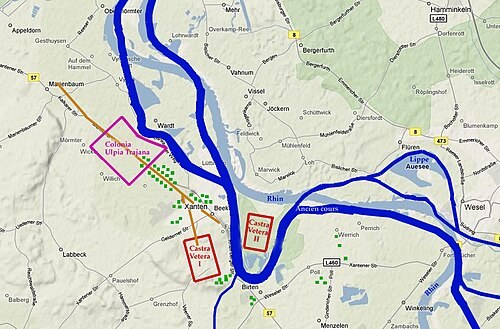 Colonia Ulpia Traiana / Xanten: Castra-vetera; archaeological view, find or museum context connected with the site, Roman period or local archaeological context.
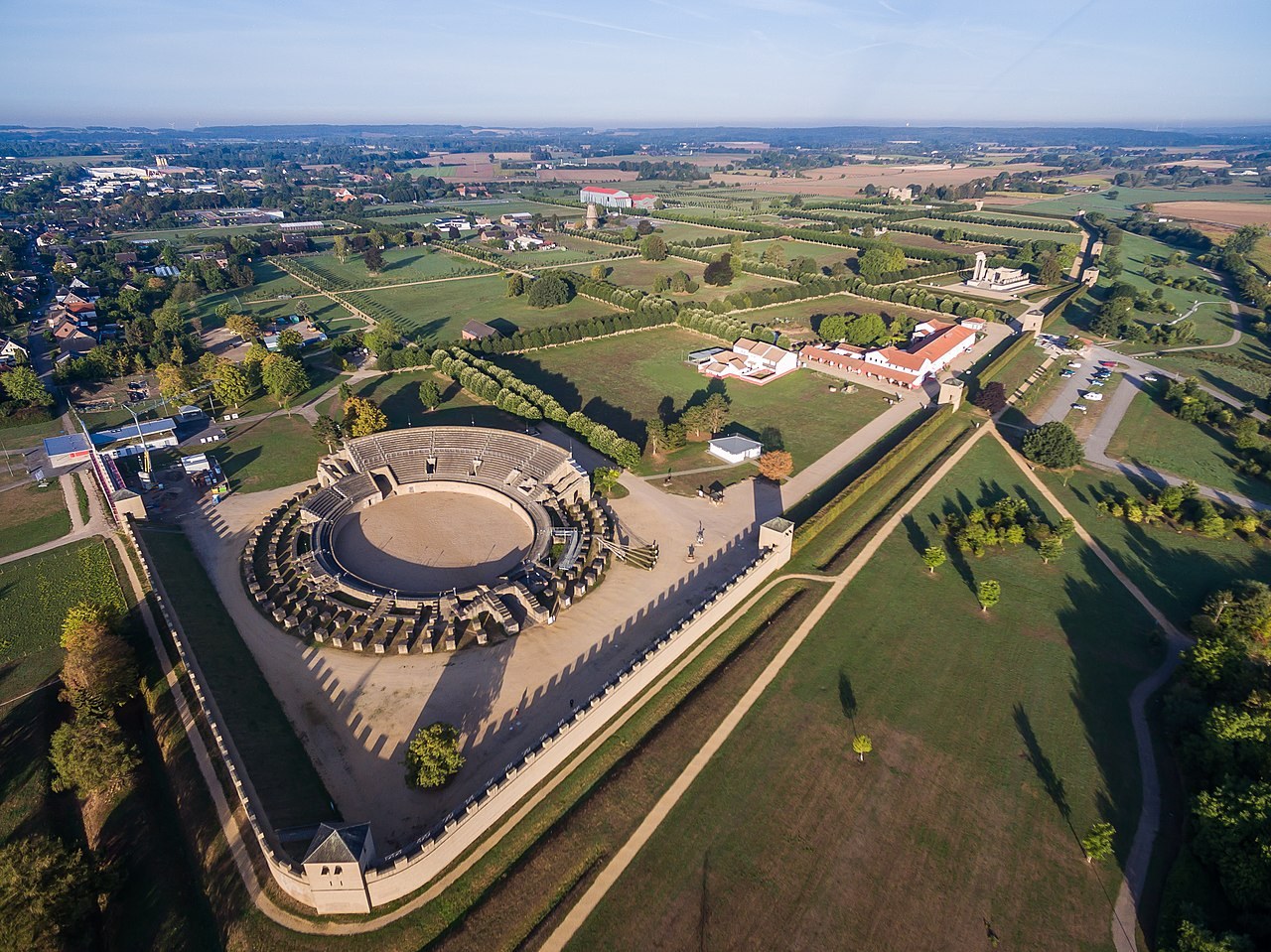 Colonia Ulpia Traiana / Xanten: Colonia Ulpia Traiana - Aerial views -0102; archaeological view, find or museum context connected with the site, Roman period or local archaeological context.
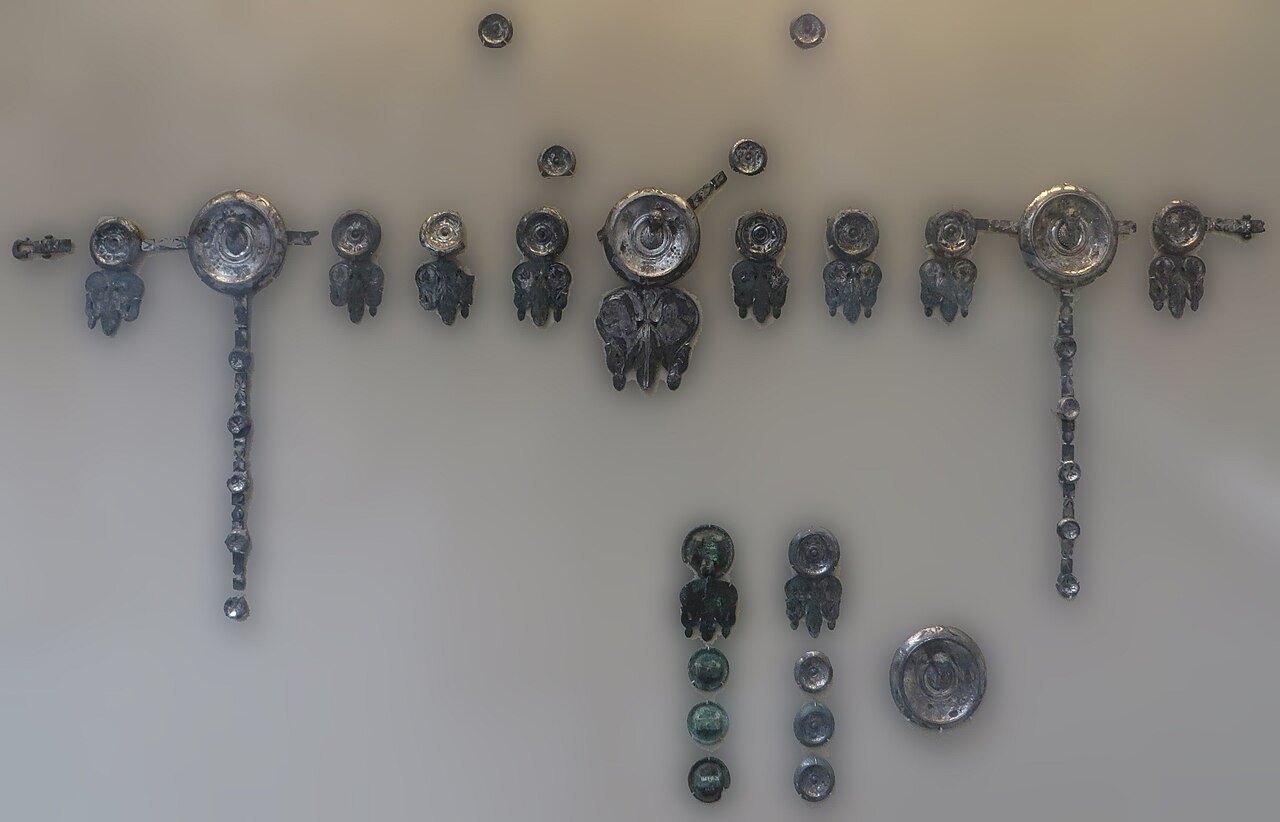 Colonia Ulpia Traiana / Xanten: Silvered-bronze horse trappings from Xanten (BM); archaeological view, find or museum context connected with the site, Roman period or local archaeological context.
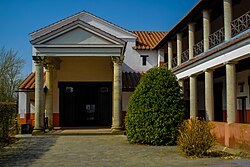 Colonia Ulpia Traiana / Xanten: Colonia Ulpia Traiana, Xanten - römische Herberge - Porticus; archaeological view, find or museum context connected with the site, Roman period or local archaeological context.
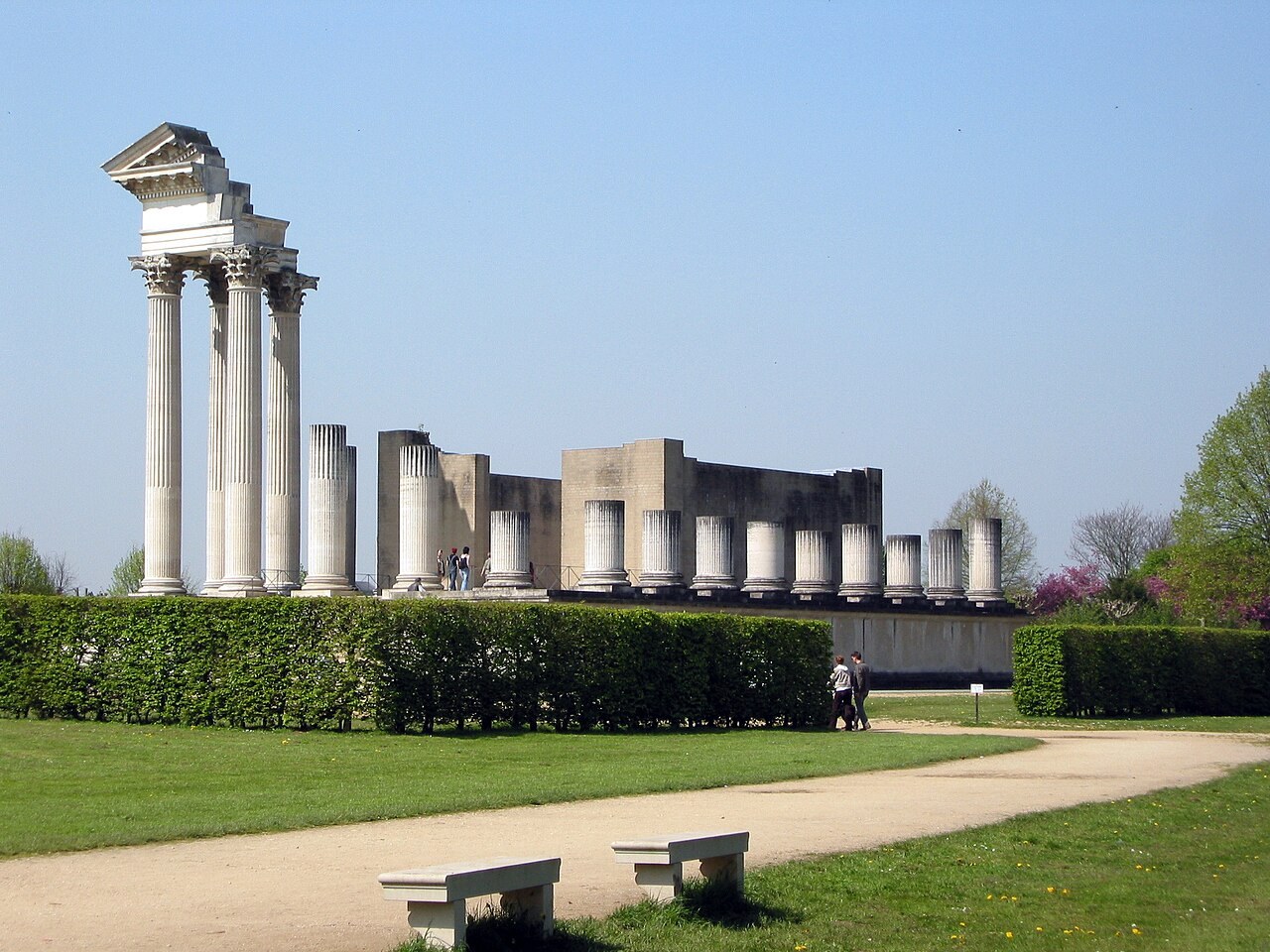 Colonia Ulpia Traiana / Xanten: Harbor temple (1) (archaeological park Xanten, Germany, 2005-04-23); archaeological view, find or museum context connected with the site, Roman period or local archaeological context.
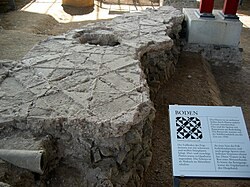 Colonia Ulpia Traiana / Xanten: Floor tiles (thermae, archaeological park Xanten, Germany, 2005-04-23); archaeological view, find or museum context connected with the site, Roman period or local archaeological context.
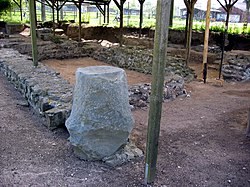 Colonia Ulpia Traiana / Xanten: Forumsbasilika remains (archaeological park Xanten, Germany, 2005-04-23); archaeological view, find or museum context connected with the site, Roman period or local archaeological context.
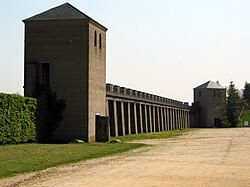 Colonia Ulpia Traiana / Xanten: City wall (1) (archaeological park Xanten, Germany, 2005-04-23); archaeological view, find or museum context connected with the site, Roman period or local archaeological context.
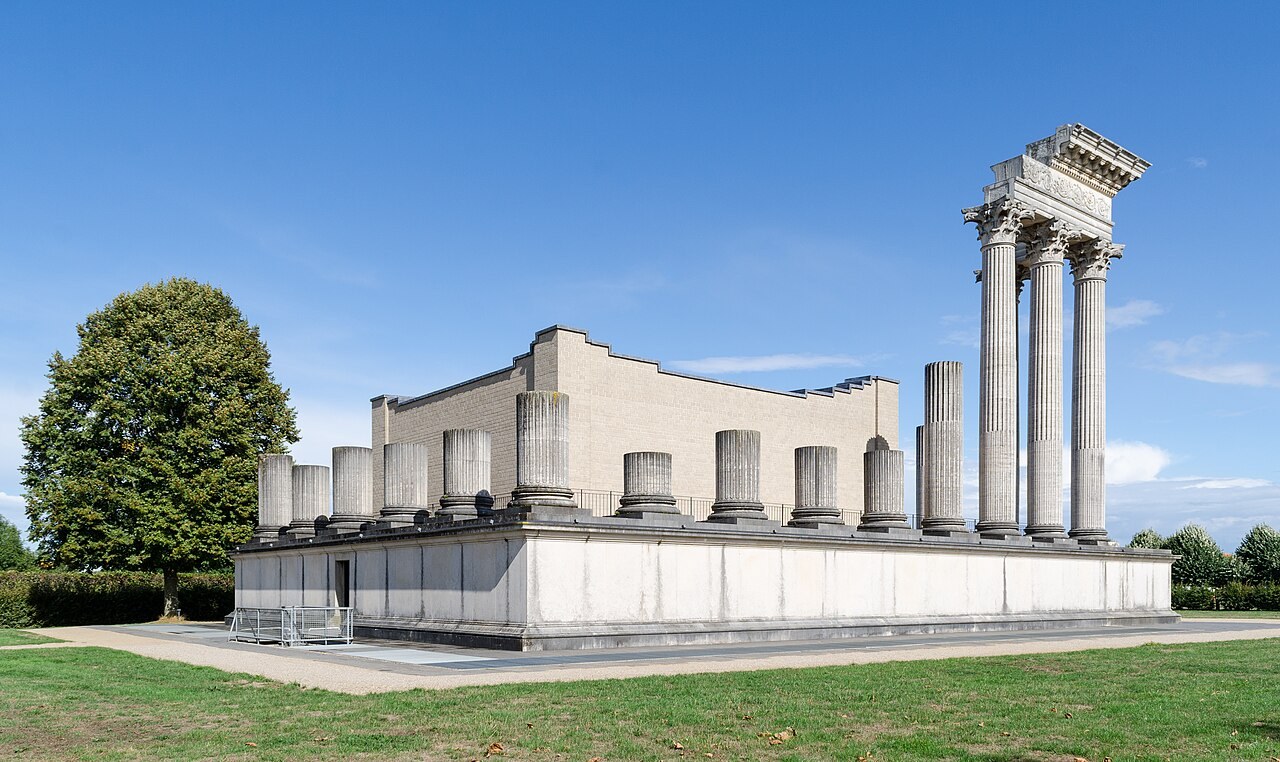 Colonia Ulpia Traiana / Xanten: Xanten, Archäologischer Park, Hafentempel, 2018-08 CN-01; archaeological view, find or museum context connected with the site, Roman period or local archaeological context.
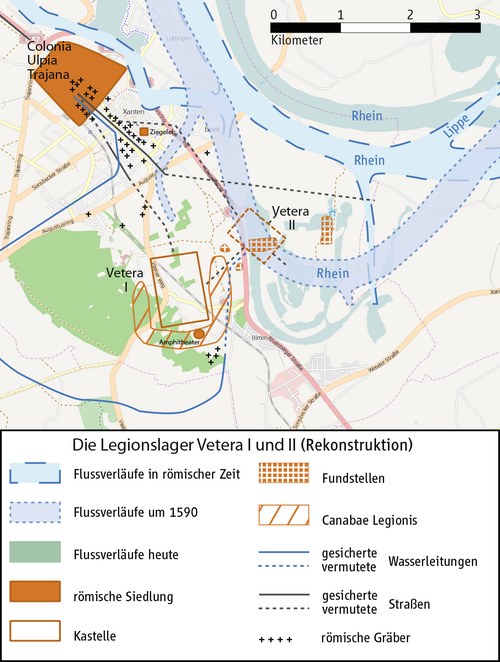 Colonia Ulpia Traiana / Xanten: Vetera; archaeological view, find or museum context connected with the site, Roman period or local archaeological context.
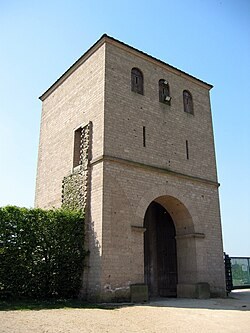 Colonia Ulpia Traiana / Xanten: Main gate (archaeological park Xanten, Germany, 2005-04-23); archaeological view, find or museum context connected with the site, Roman period or local archaeological context.
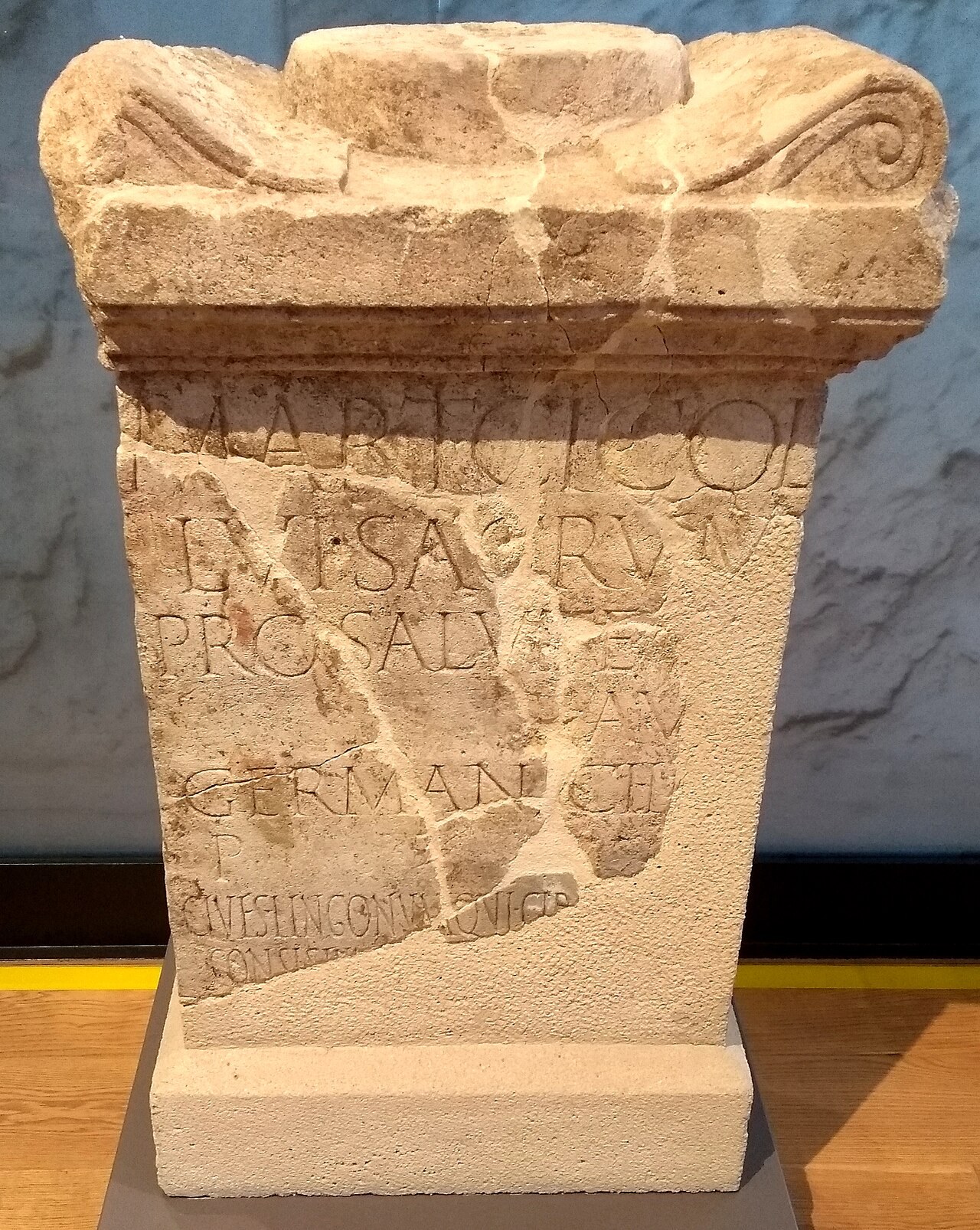 Colonia Ulpia Traiana / Xanten: AE 1981, 690; archaeological view, find or museum context connected with the site, Roman period or local archaeological context.
Interested in Ancient Rome beyond reading? Join Legio X Fretensis or explore our reenactment directions.


