Vindonissa
Vindonissa was a Roman legionary camp at modern Windisch in the canton of Aargau, near Brugg and the zone where the Aare, Reuss and Limmat meet. For the territory of modern Switzerland it is the main example of a full legion base of the early Principate: the site preserves not only individual objects but the structure of the camp itself, with gates, streets, barracks, water supply, sewer, baths, hospital, headquarters complex and amphitheatre.
The camp's position is explained by geography. Vindonissa controlled the transition between Alpine routes, the Rhine direction and the internal roads of Helvetia. Rome needed such a point not as an isolated fortress but as a node connecting roads, river valleys, supplies and military movement on the northern edge of the Alps.
Vindonissa is archaeologically important because the camp did not disappear completely under later urban fabric. Some buildings are known from excavations and the Legionary Trail, others through objects in the Vindonissa Museum. Together they make it possible to treat the camp as a lived military environment: it was built, repaired, supplied with water, drained through sewers and filled with soldiers, craftsmen, transport services and civilians around the garrison.
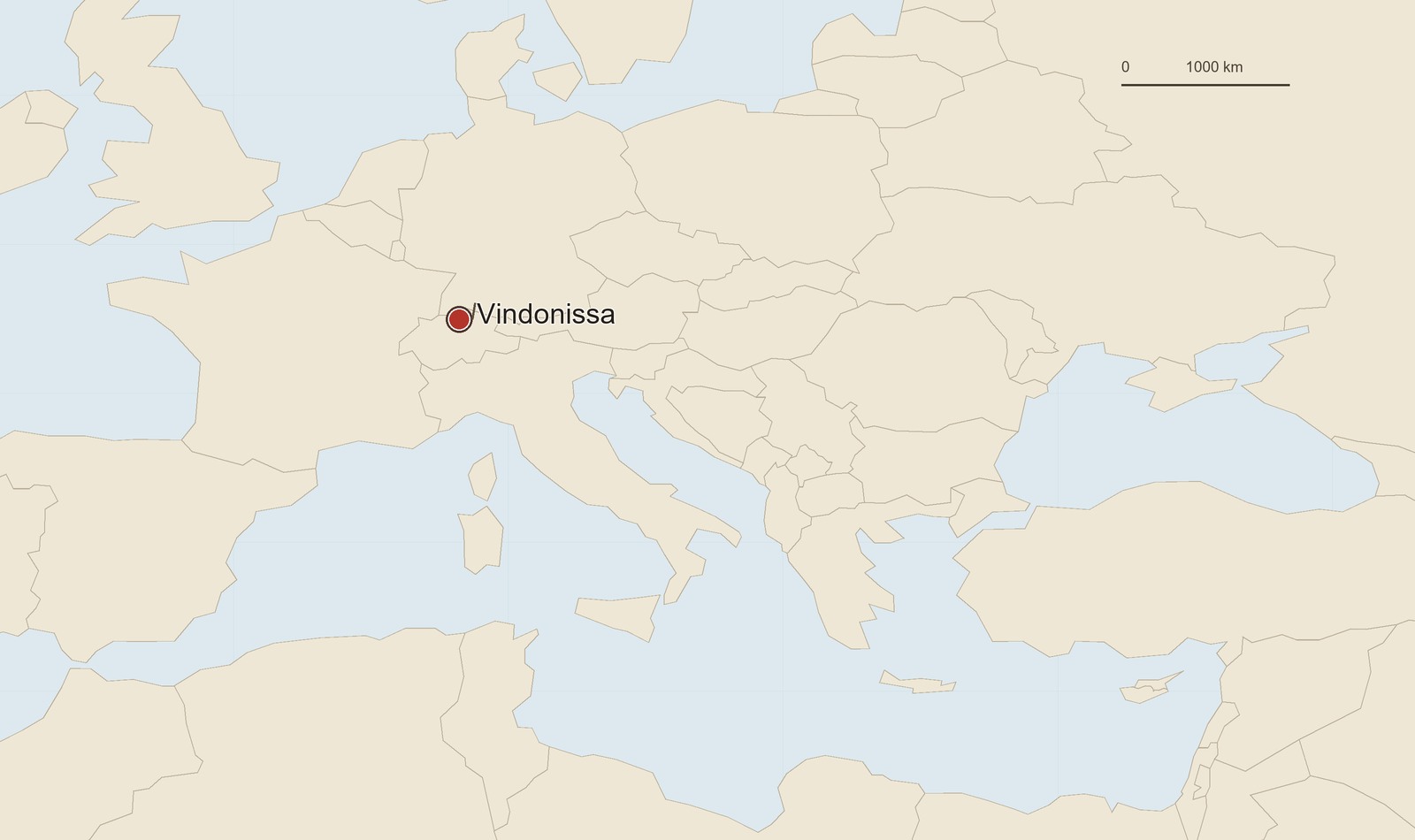 Location map: Vindonissa. The marker shows the ancient site or main archaeological complex.
Garrison and Historical Context
The early military history of Vindonissa belongs to the consolidation of Roman power in the Alpine and Rhine zones after the Augustan campaigns. In the first half of the first century AD Legio XIII Gemina was stationed here, followed by Legio XXI Rapax. After the upheavals of AD 69 and the reorganisation of the Rhine military system, Legio XI Claudia arrived and remained at Vindonissa until the beginning of the second century.
This succession of legions matters for the finds. An object from Vindonissa does not automatically belong to a single garrison: weapons, belt fittings, building elements and domestic objects have to be tied to the phase of the camp. The period of Legio XIII Gemina reflects the early organisation of the base; Legio XXI Rapax belongs to the mid-first century and the crisis of the Neronian age; Legio XI Claudia shows later stabilisation after civil war and unrest on the Rhine.
Around AD 101 the permanent legionary garrison left Vindonissa. The place did not vanish: a civilian settlement, roads, workshops, cemeteries and later military elements continued around the former base. Yet the main archaeological character of the site is set by the first century AD, when Vindonissa was a large professional army base designed for thousands of soldiers and a complex support system.
Camp Plan and Buildings
Vindonissa preserves the typical logic of a legionary camp. Streets divided the interior into zones; the principia occupied the central area; barracks stood in regular rows; centurions had larger quarters; service and craft areas supported the daily work of the garrison. The north and west gates, known from archaeological remains and site presentation, help reconstruct the main routes and the connection between the camp and the road outside.
The engineering structures are especially important. The water main and sewer show that the camp was not a temporary stop but a complex infrastructure with regular supply and drainage. The baths reflect not only soldiers' daily life but the Roman habit of organised urban amenities even in a military post. The valetudinarium, or military hospital, shows that the health of soldiers was part of the administrative structure of the camp, not a casual concern of individual commanders.
The amphitheatre places Vindonissa within the broader Roman culture of spectacles and public gatherings. It does not make the military base an ordinary town, but it shows that the legion was surrounded by rest, training, public action and civilian life. Vindonissa should therefore be read as a complex: fortress, roads, settlement, cemeteries, museum objects and engineering remains all complete one another.
Materials from the Complex
The material from Vindonissa shows the difference between the plan of the camp and life within it. Stone remains and building traces give the geometry of the space, while objects explain what filled that space. Weapons, scabbard fittings, belt sets, equipment fragments, building elements, pottery, coins and inscriptions connect the camp with specific people, workshops, repairs, supplies and military duties.
The series of gladii and scabbard fittings from Vindonissa is especially important for the early Principate. A sword by itself shows a weapon type, but together with hilts, scabbard plates and belt fittings it reveals the military set as a whole: how the weapon was worn, how it was attached to the belt, how decoration marked status, and how local or army workshops worked. Such finds are best considered in groups, because a single attractive fitting can easily create a false image of a complete kit.
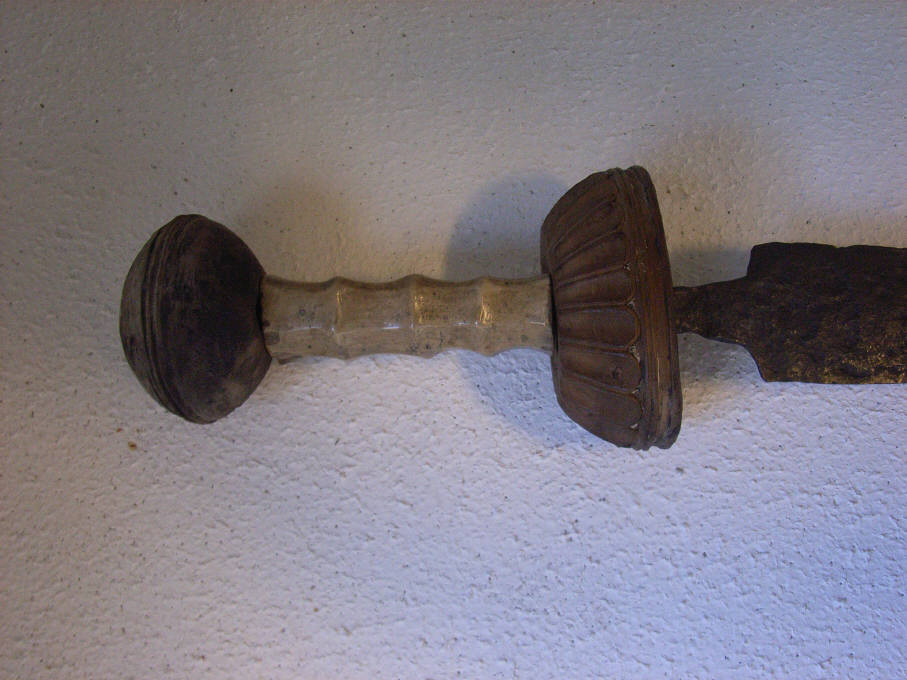 Gladius hilt from Vindonissa. First century AD; Vindonissa Museum, Brugg.
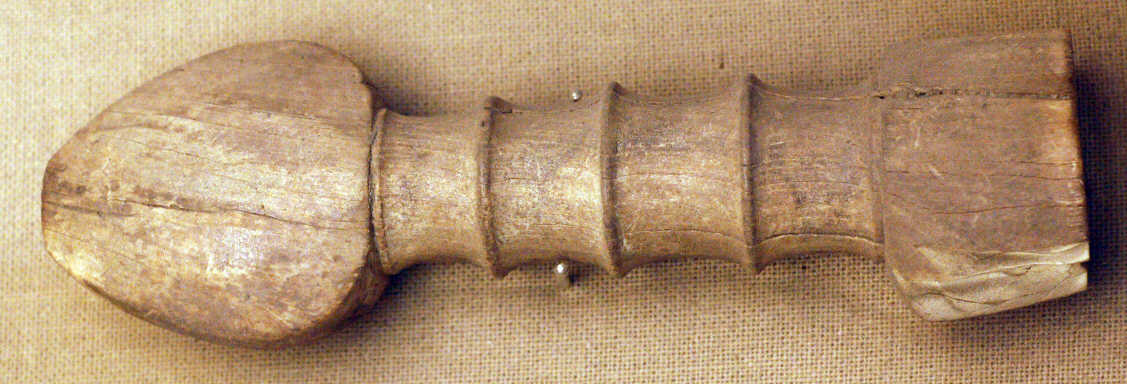 Gladius hilt from Vindonissa. First century AD; Vindonissa Museum, Brugg.
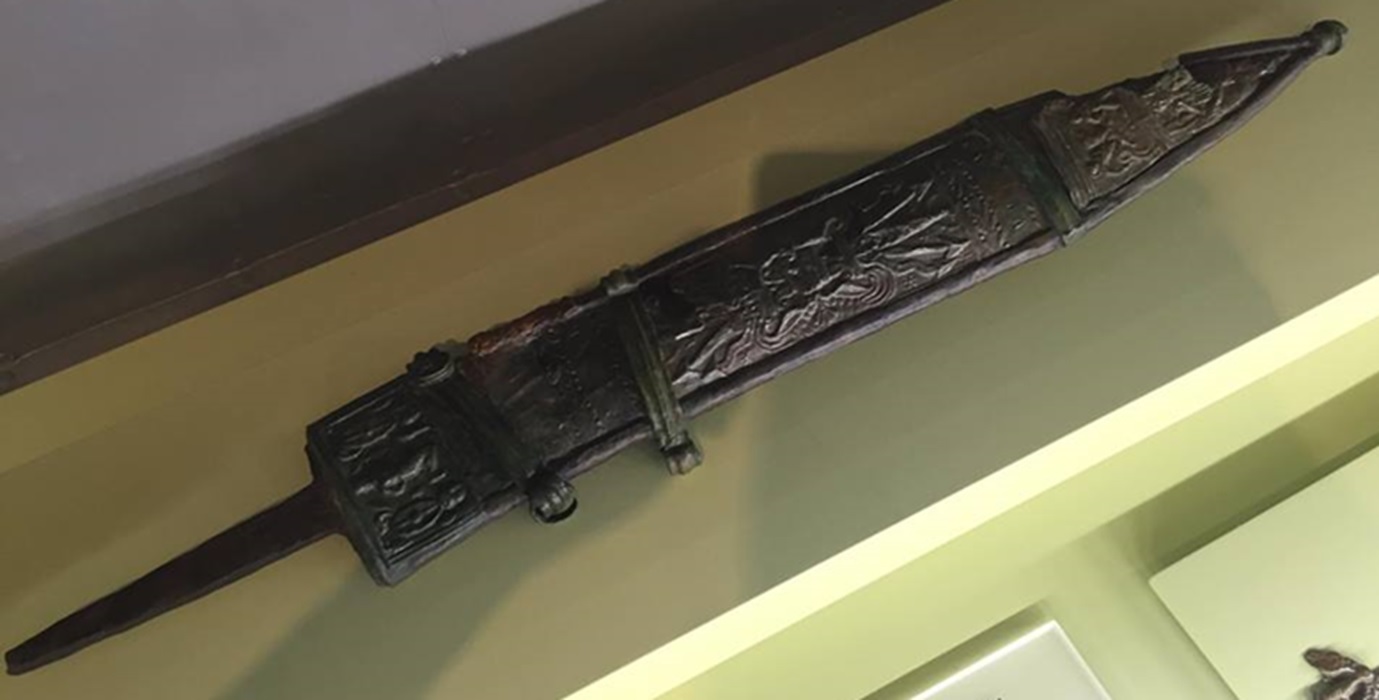 Gladius from Vindonissa, modern Windisch. First century AD; Vindonissa Museum, Brugg, inv. MiKS A790.
Weapons and Belt Fittings
The gladius from Vindonissa is an object for which archaeological context matters more than the familiar label. In a museum case it looks like a recognisable symbol of the Roman soldier, but for the history of the camp the date, findspot, relation to scabbard and belt, and evidence for repair or missing fittings are more important. Hilts and scabbard plates show not only the form of the weapon but also the degree of finish, the use of materials and the tastes of a first-century military environment.
The cingulum, a military belt with metal fittings, was not merely a support for the sword. It contributed to the soldier's appearance, distinguished a military figure from a civilian one and formed a visible part of the equipment. Belt fittings from Vindonissa connect weapon, clothing and body: sword, dagger, straps, buckles and pendants worked as a single system. These finds can be compared with the gladius, cingulum and pugio.
Such objects cannot be transferred automatically to every Roman camp. Vindonissa provides strong evidence specifically for the Rhine-Alpine zone and the early Principate. Other garrisons could have similar weapons, but the composition of finds, preservation, workshops and local habits varied. Vindonissa is therefore not just a set of illustrations for a generic "Roman soldier"; it is evidence for a particular garrison.
 Brass gladius scabbard fitting from Vindonissa. First century AD; Vindonissa Museum, Brugg.
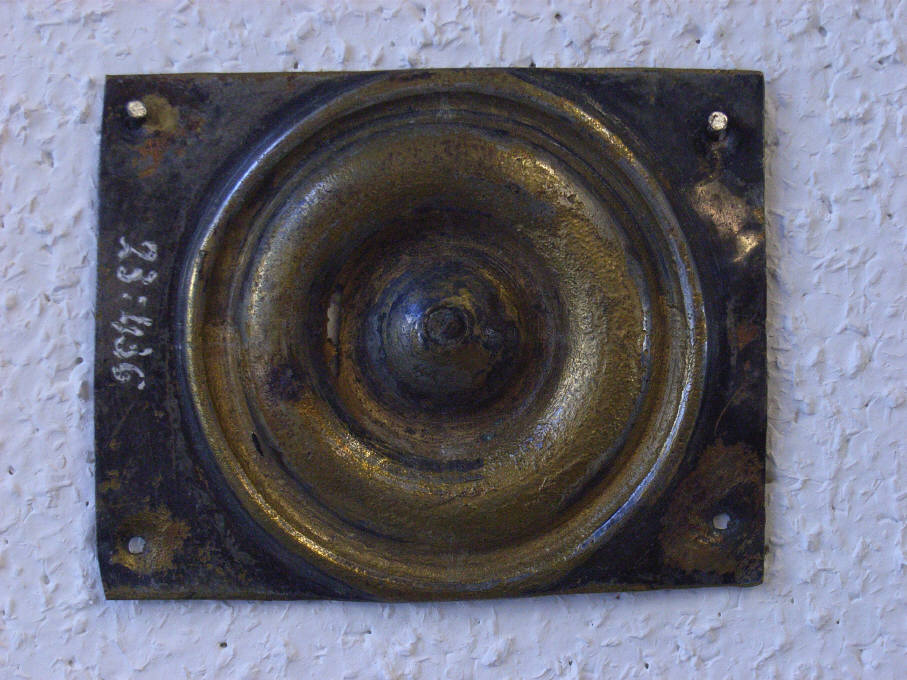 Parts of a Roman military cingulum from Vindonissa. First century AD; Vindonissa Museum, Brugg.
Dating and Limits of Interpretation
Vindonissa can easily be seen through the modern Legionary Trail, but the ancient camp and museum presentation are not identical. Some objects have been moved into displays, some buildings are marked by modern presentation, and some features are visible only through foundations, ditches, layers or excavation publications. Three levels are therefore important: the ancient remains, the archaeological record and the modern presentation of the site.
The main dating of the camp belongs to the first century AD, but within that century there were several phases. The earliest phase concerns the first defences and legionary organisation; the middle of the century saw changes of garrison and the development of infrastructure; the period of Legio XI Claudia represents later stabilisation and the preparation for the legion's departure. After the beginning of the second century the military centre changed character, and the civilian and later history of the place was no longer identical with the classic legionary camp.
Vindonissa is most useful in comparison with other Roman complexes through its differences. Vindolanda is strong in letters and organic finds, Corbridge in stores and road material from northern Britain, while Vindonissa is strong in the plan of a legionary base, engineering and series of early imperial military equipment. Its material should therefore be read not as a random selection of weapons but as part of a camp where architecture and objects explain one another.
Related topics
Literature and sources
- Hartmann M. Vindonissa: oppidum, Legionslager, castrum. Brugg, 1986.
- Fellmann R. Die Schweiz zur Römerzeit. Stuttgart, 1992.
- Furger A. Die Römer in der Schweiz. Stuttgart, 2001.
- Hirt A. M. Imperial Mines and Quarries in the Roman World. Oxford, 2010.
- Roth J. P. The Logistics of the Roman Army at War. Leiden, 1999.


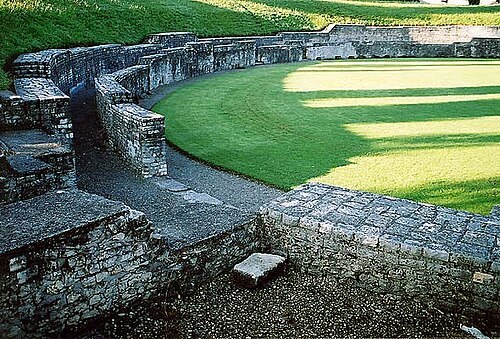 Vindonissa: Vindonissa; archaeological view, find or museum context connected with the site, Roman period or local archaeological context.
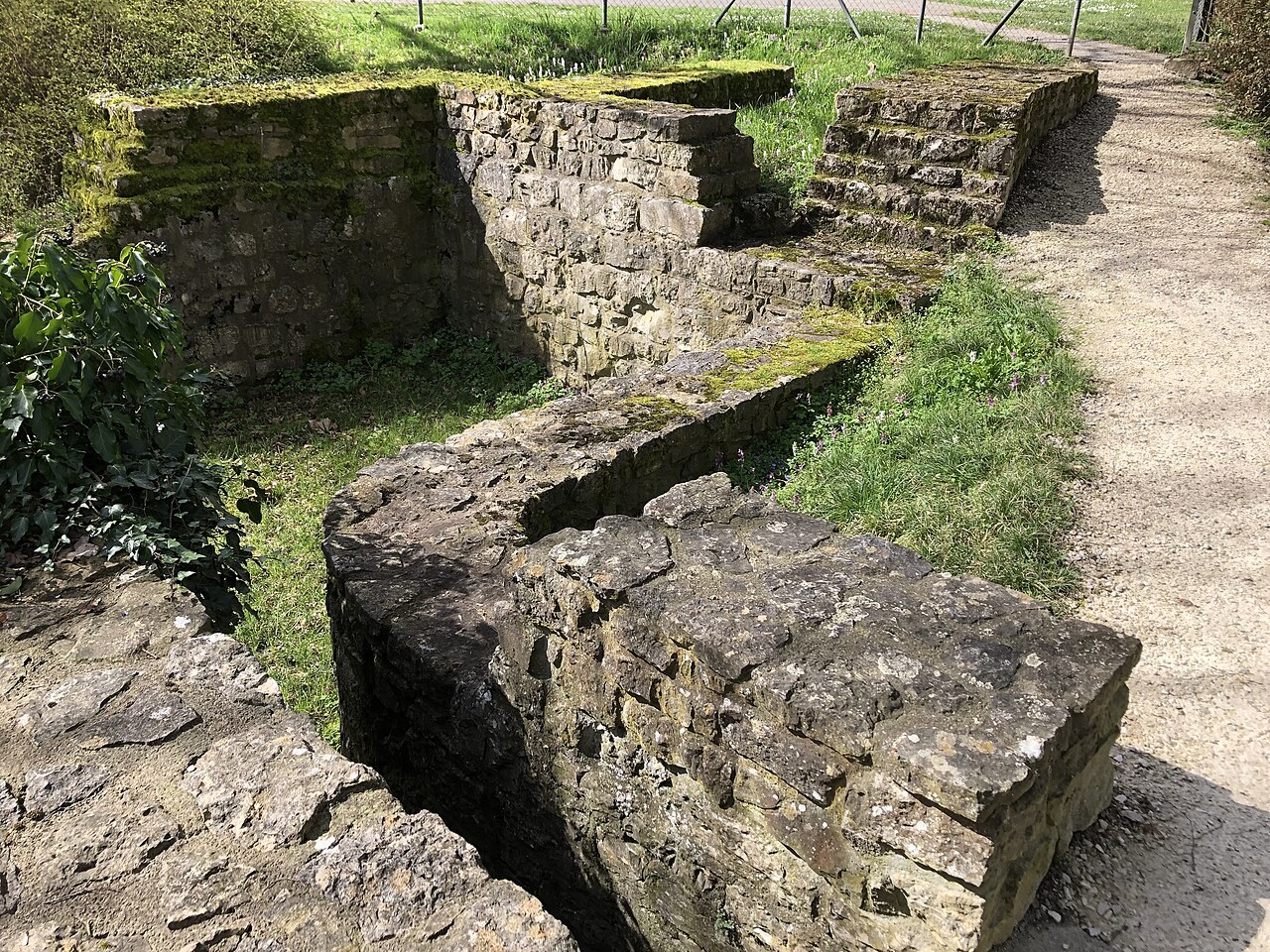 Vindonissa: Restaurierte Ruinen des Legionslagers Vindonissa; archaeological view, find or museum context connected with the site, Roman period or local archaeological context.
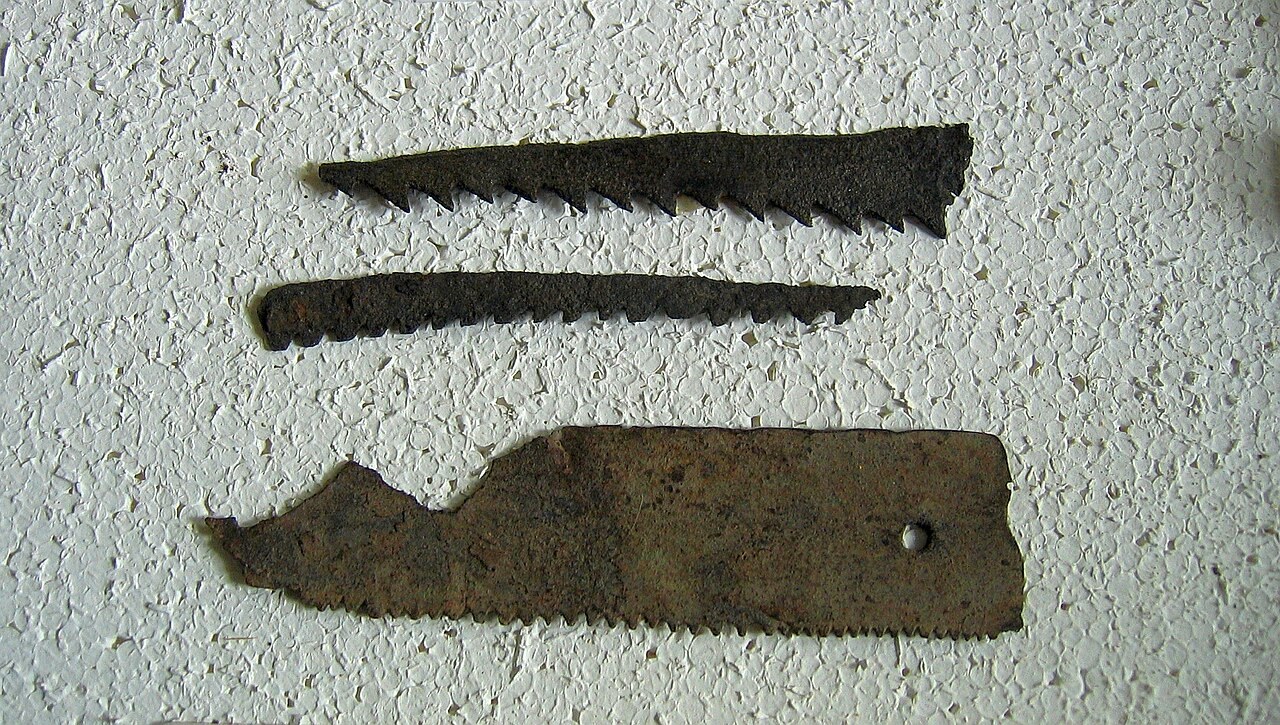 Vindonissa: Roman Sawblades; archaeological view, find or museum context connected with the site, Roman period or local archaeological context.
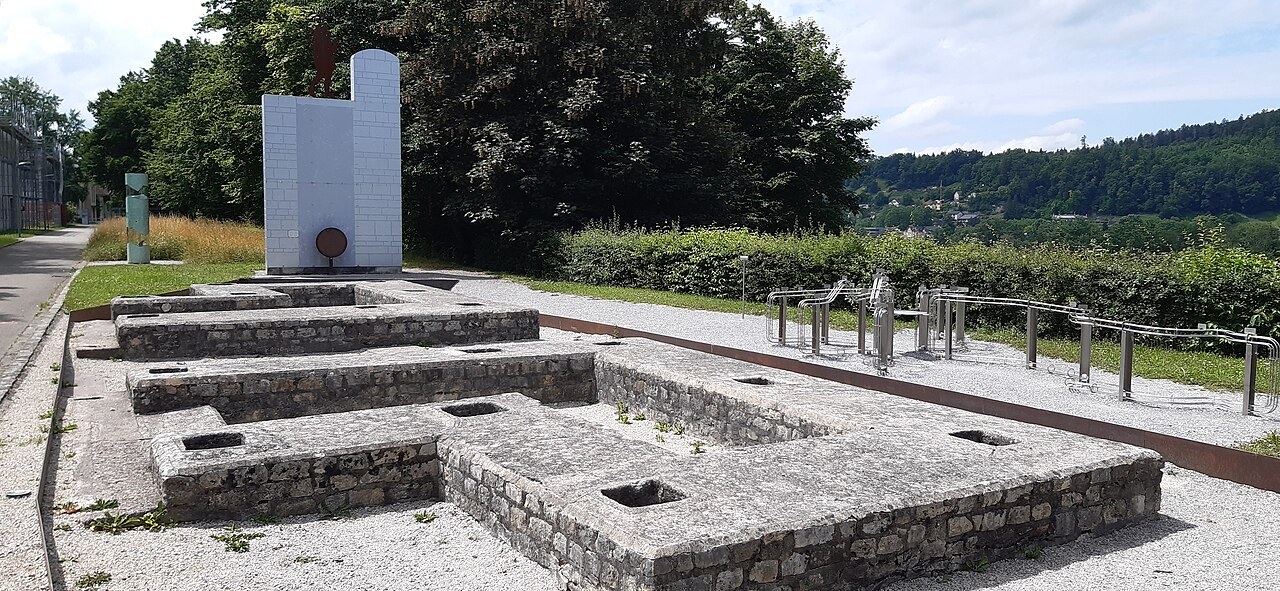 Vindonissa: Nordtor Legionärspfad Vidonissa 1; archaeological view, find or museum context connected with the site, Roman period or local archaeological context.
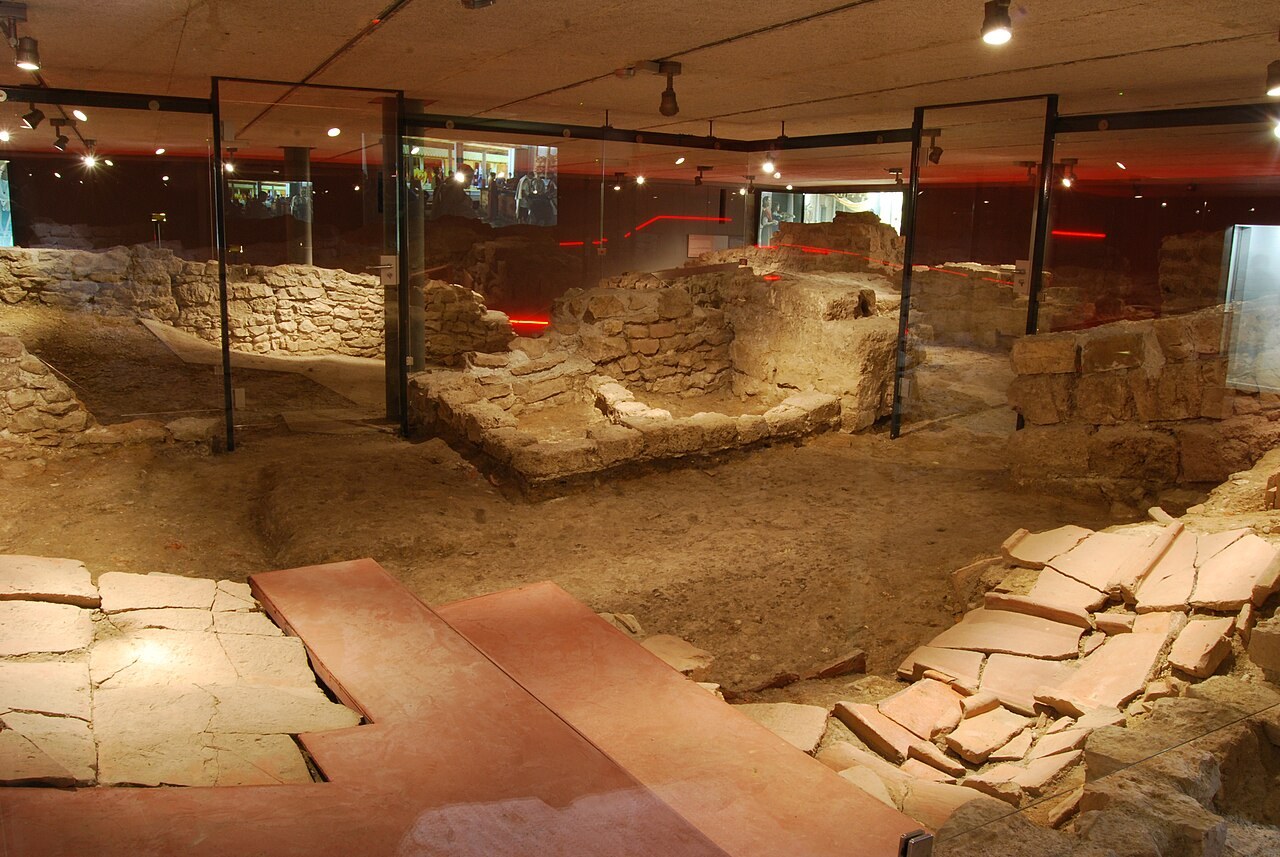 Vindonissa: Roman-Kitchen-Vindonissa; archaeological view, find or museum context connected with the site, Roman period or local archaeological context.
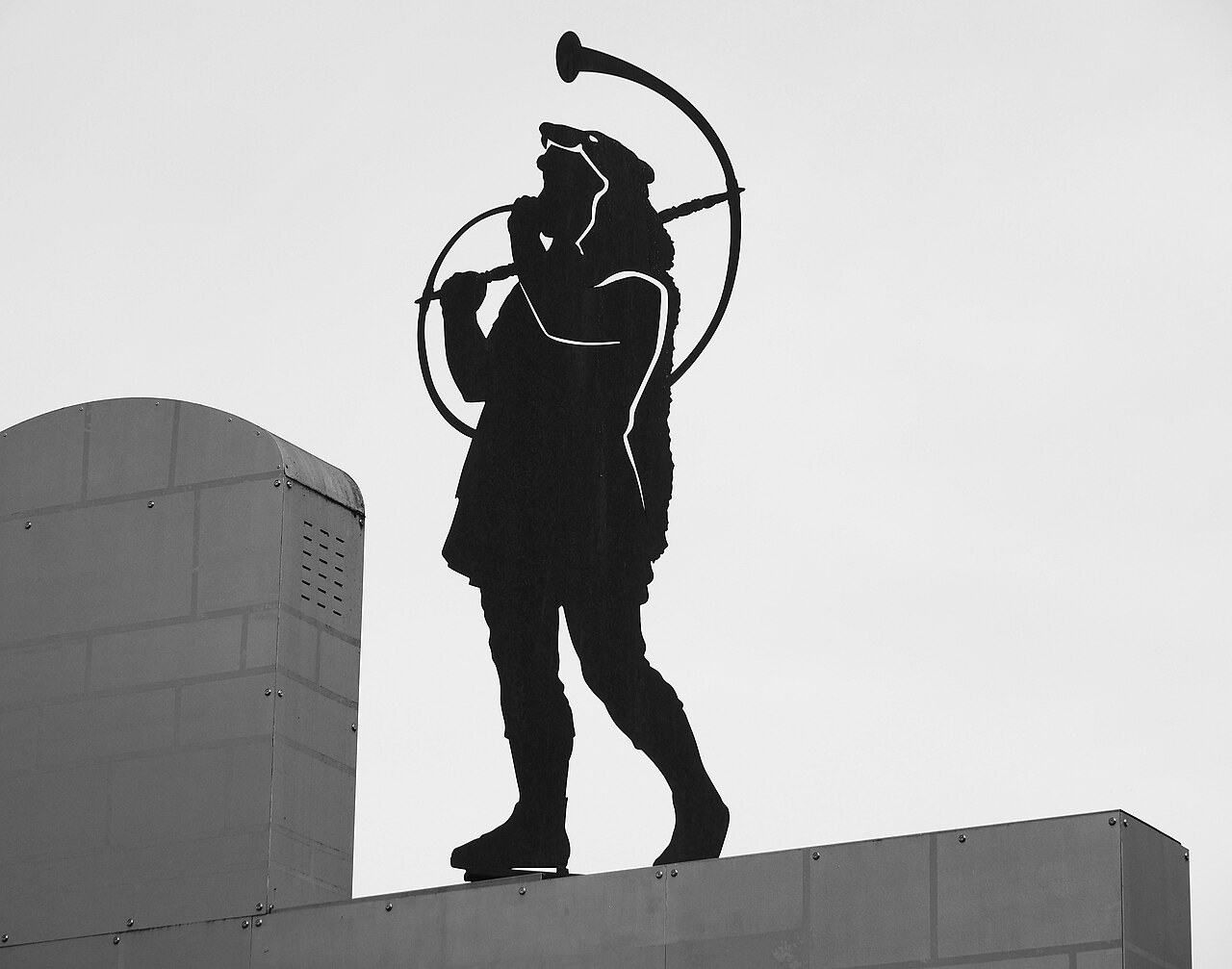 Vindonissa: Silhouette Legionär Porta Decumana Vindonissa; archaeological view, find or museum context connected with the site, Roman period or local archaeological context.
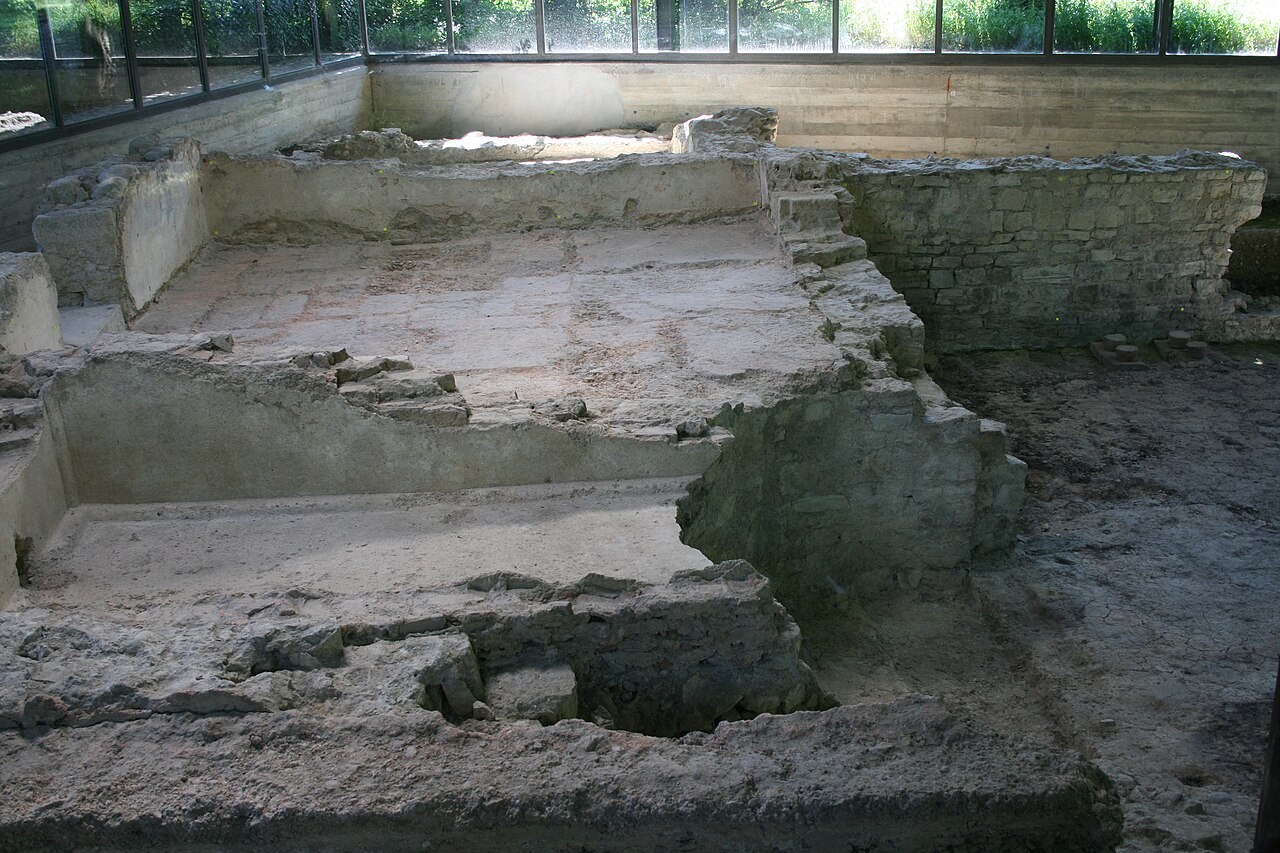 Vindonissa: Vindonissa Bad; archaeological view, find or museum context connected with the site, Roman period or local archaeological context.
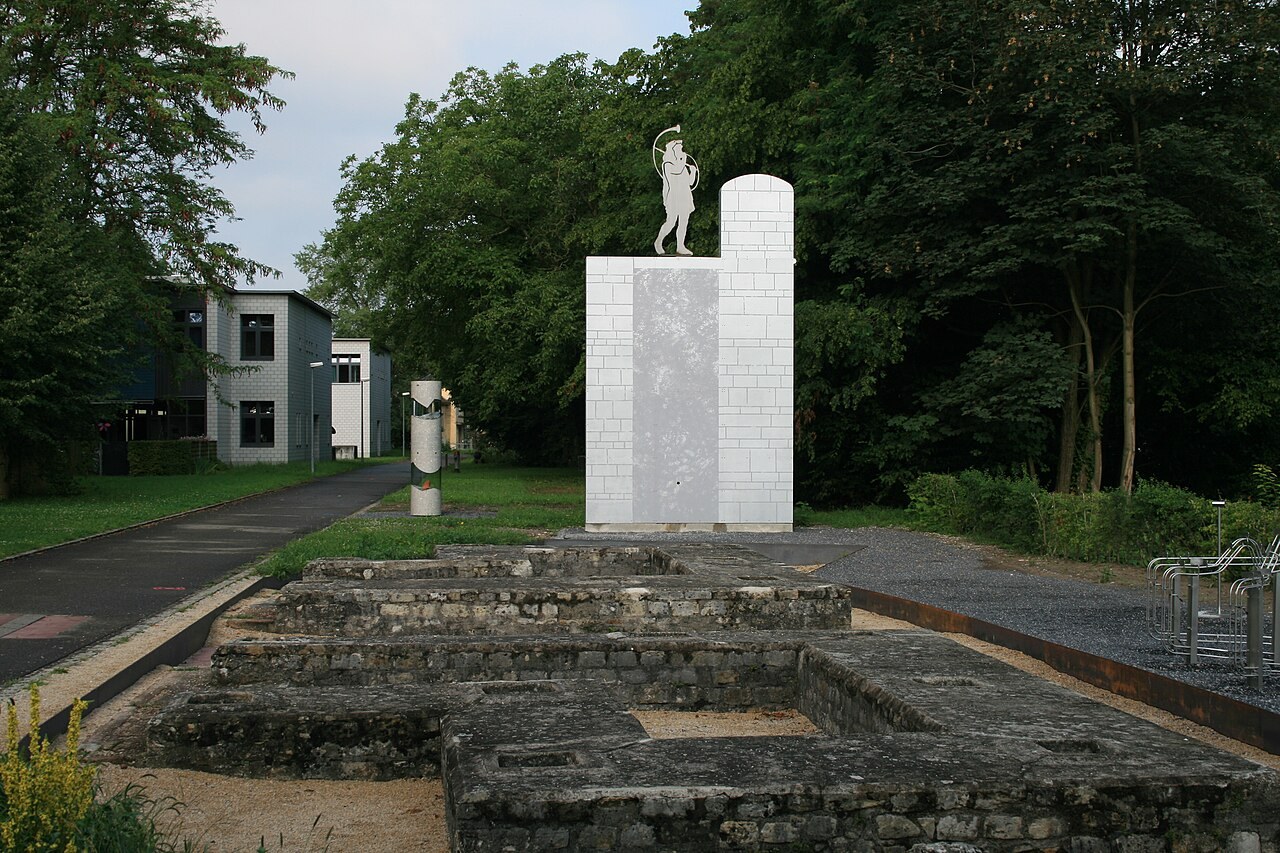 Vindonissa: Vindonissa Nordtor 8316; archaeological view, find or museum context connected with the site, Roman period or local archaeological context.
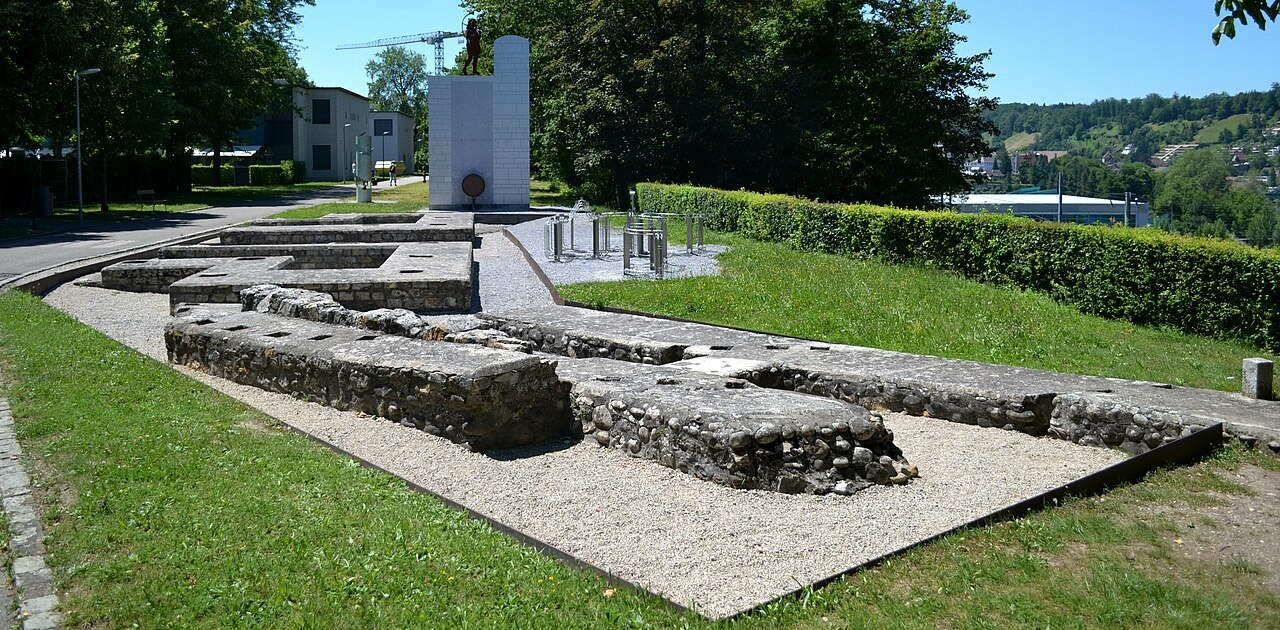 Vindonissa: Vindonissa-Porta-Decumana-01; archaeological view, find or museum context connected with the site, Roman period or local archaeological context.
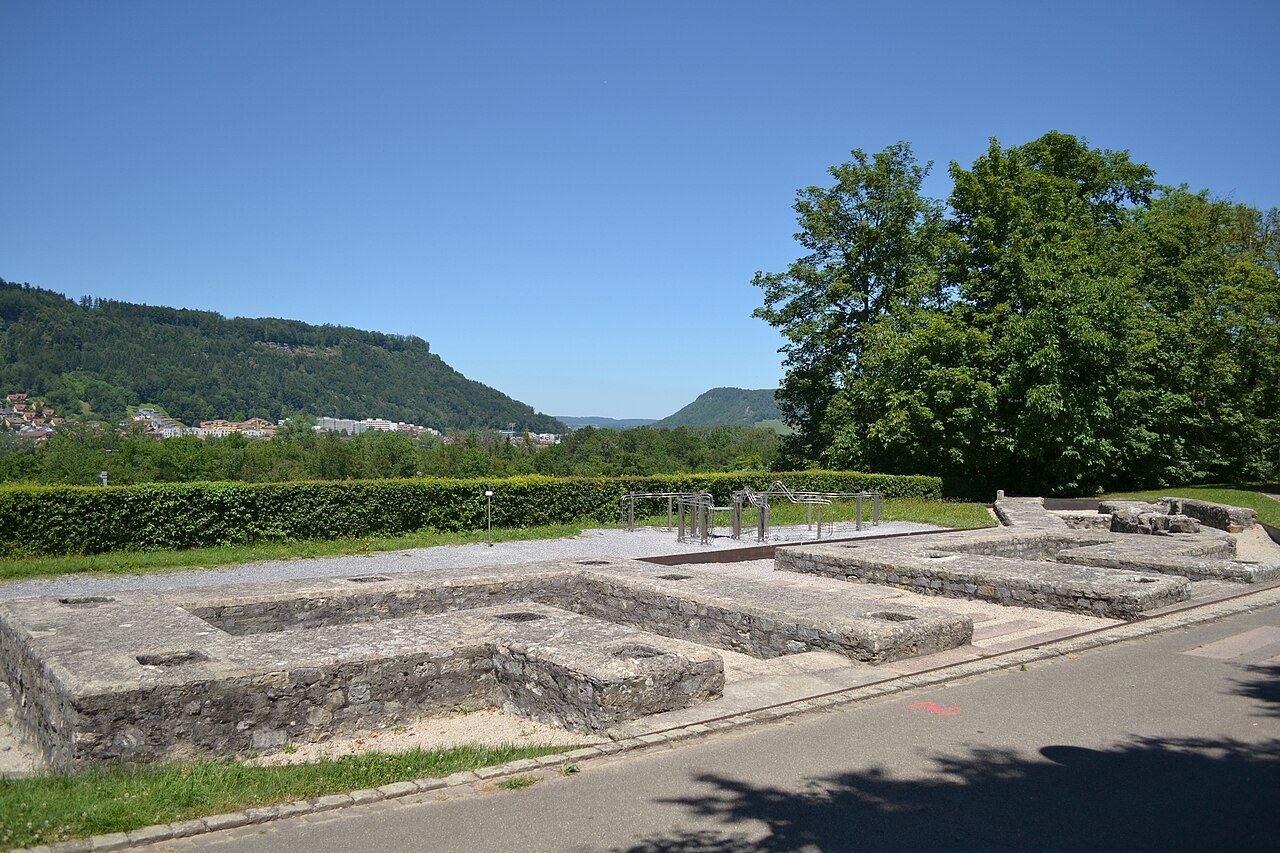 Vindonissa: Vindonissa-Porta-Decumana-02; archaeological view, find or museum context connected with the site, Roman period or local archaeological context.
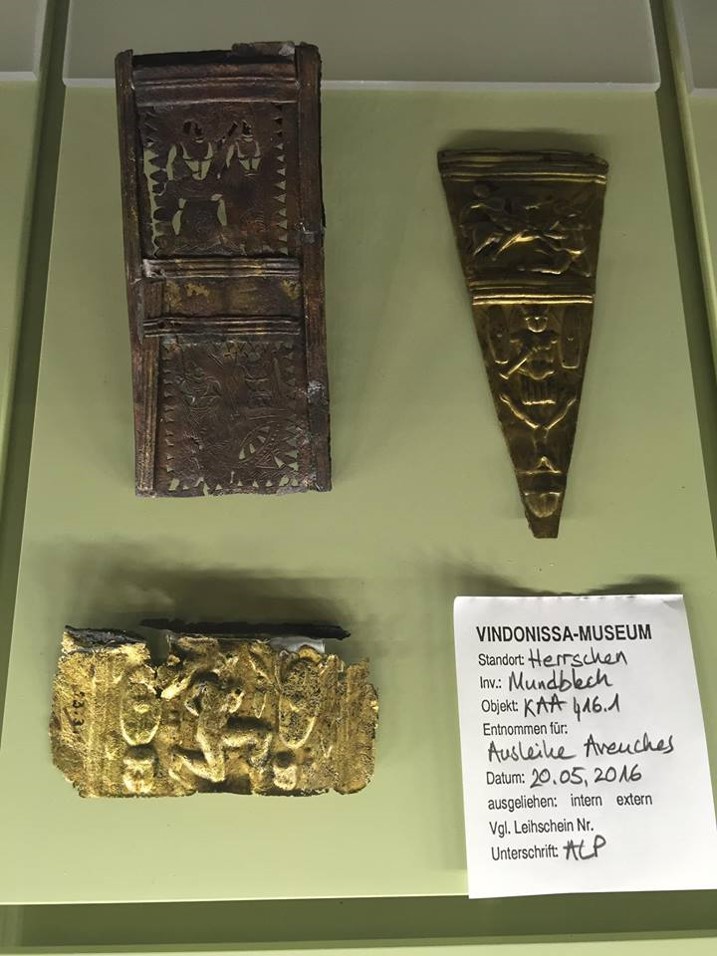 Decorative gladius scabbard plate from Vindonissa. First century AD; Vindonissa Museum, Brugg.
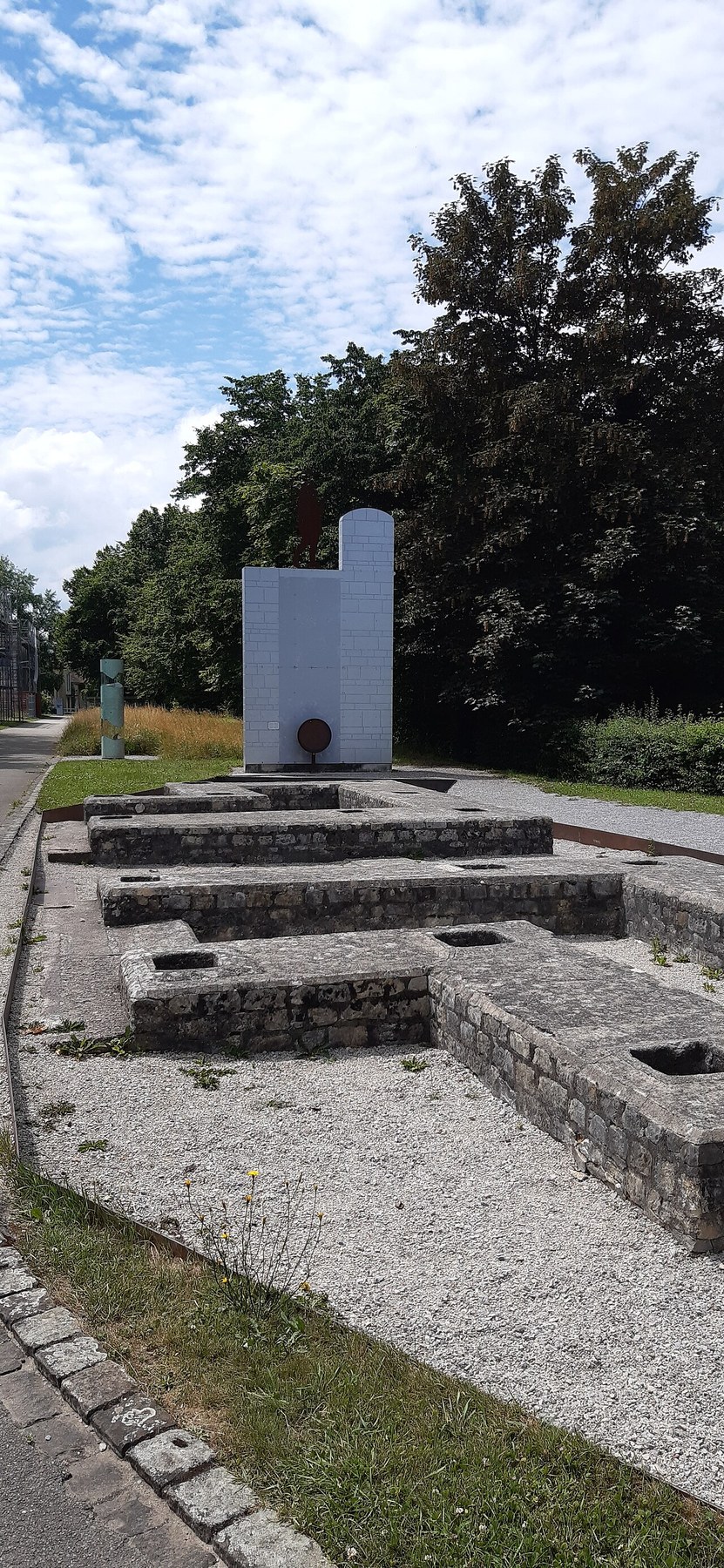 Vindonissa: Nordtor Legionärspfad Vidonissa 2; archaeological view, find or museum context connected with the site, Roman period or local archaeological context.
Interested in Ancient Rome beyond reading? Join Legio X Fretensis or explore our reenactment directions.


