Marcus Aurelius
Marcus Aurelius Antoninus (AD 121-180) was a Roman emperor of the Antonine dynasty and one of the best-known figures in the Stoic tradition. His Meditations were written not as a public book, but as private notes of a ruler and commander. In brief: - state: Roman Empire; - reign: AD 161-180; - main themes: joint rule, wars on the Danube, plague and Stoicism; - significance: the image of a philosopher on the throne and a ruler under severe imperial pressure.
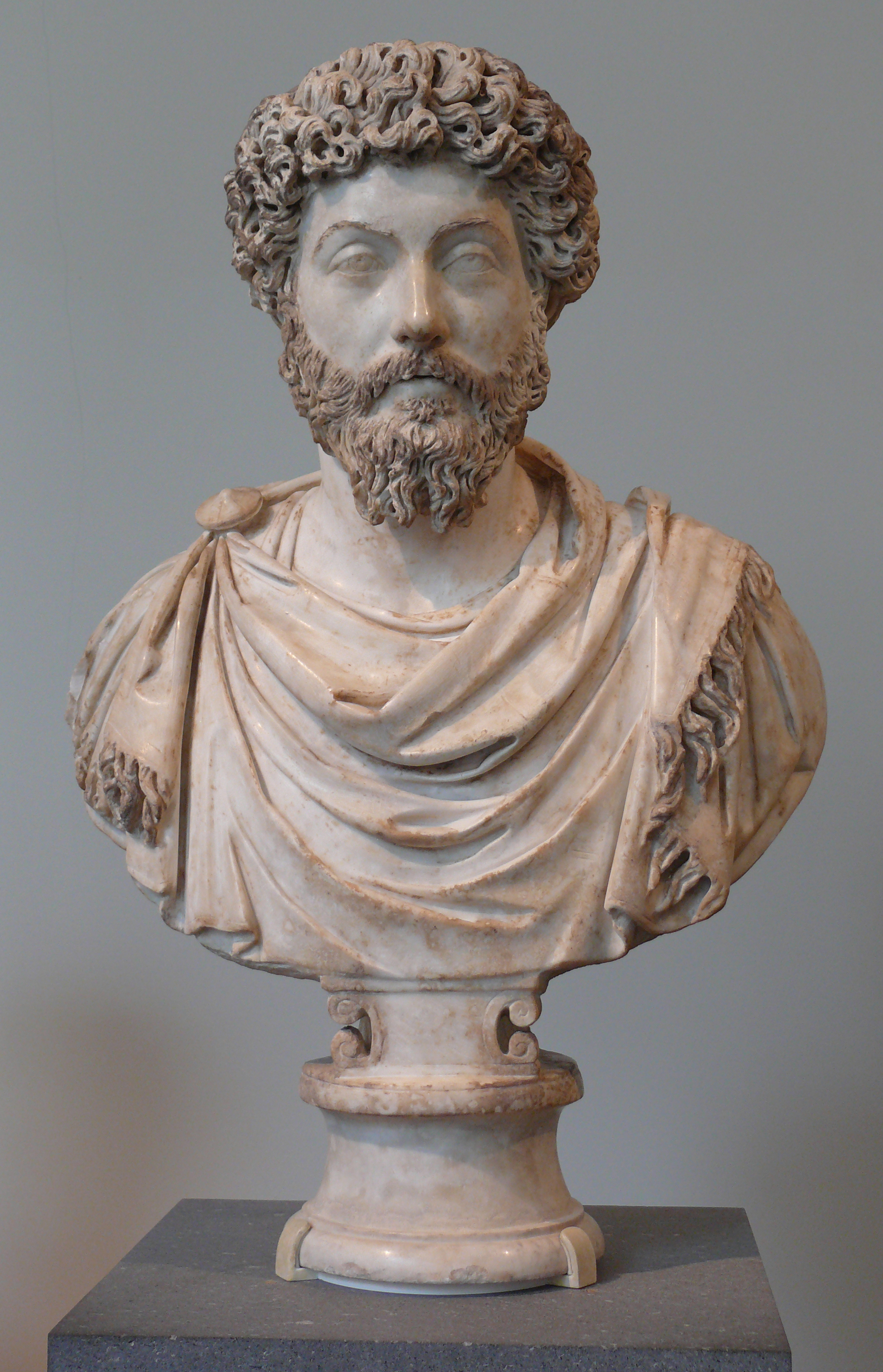 Emperor Aurelius,2nd century AD
The Antonines and Accession
Marcus Aurelius was adopted by Antoninus Pius and prepared for power within the succession system associated with the Antonines. After Antoninus Pius died, he became emperor and shared rule with Lucius Verus. Joint rule showed the flexibility of the principate, but the empire soon faced wars, plague and growing pressure on the frontiers.
Wars and Frontiers
Marcus' reign included the Parthian War and long campaigns on the Danube against Marcomanni, Quadi and other groups. The emperor spent much of his time with the army. These wars showed that the stability of the second century AD was not permanent. The Danube frontier became one of the main pressure zones of the empire.
Plague and Government
The so-called Antonine plague seriously affected population, army and finances. The sources do not allow exact measurement of its scale, but it was clearly one of the hard pressures of the age. Marcus handled recruitment, taxation, jurisdiction and supply. His image as philosopher should not hide the everyday administrative burden of imperial power.
Stoicism and the Meditations
Marcus Aurelius' Meditations consist of short notes on duty, death, self-command and the human place in the world. They are not a systematic treatise, but a practical philosophy of self-discipline. Stoicism helped the emperor think of power as service to order rather than personal pleasure. For that reason the text outlived its political context and became a major monument of ancient ethics.
Legacy and Commodus
After Marcus Aurelius died, power passed to his son Commodus. Ancient and later tradition often treated this succession as the end of the "good emperors" and the beginning of a new crisis. That view simplifies history, but it points to a real turning point. Marcus' age stands between Antonine stability and the problems that later led to the crisis of the last Antonines and the Severan period.
Related topics
- Great Figures of Antiquity
- Antonines
- Crisis of the Last Antonines
- Severans
- Roman Empire
- Christianity and Paganism in the Roman Empire
Literature and sources
1. Marcus Aurelius. Meditations. 2. Cassius Dio. Roman History. 3. Herodian. History of the Empire after Marcus. 4. Historia Augusta. Marcus Antoninus. 5. Epictetus. Discourses.
Interested in Ancient Rome beyond reading? Join Legio X Fretensis or explore our reenactment directions.


