National Museum of Roman Art, Merida
The National Museum of Roman Art in Merida is the main museum of Augusta Emerita, capital of Lusitania. It links a museum collection with one of the most important archaeological complexes of Roman Spain.
The museum is important for understanding a provincial capital: sculpture, mosaics, inscriptions, architectural details, coins, domestic pottery and funerary material are connected with the city, theatre, amphitheatre, circus, houses and water supply.
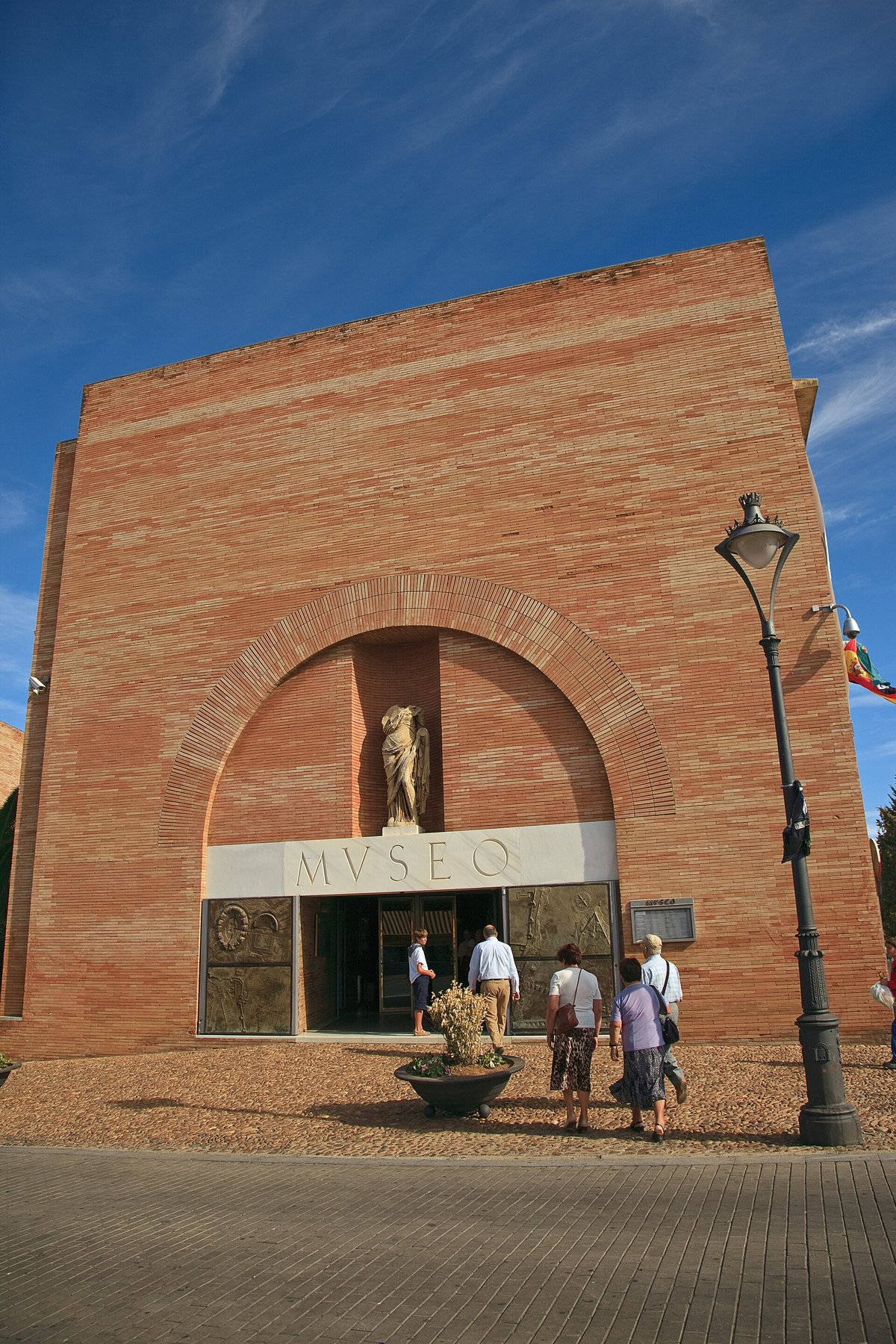 National Museum of Roman Art, Merida: MNAR (Mérida) Exterior 01.
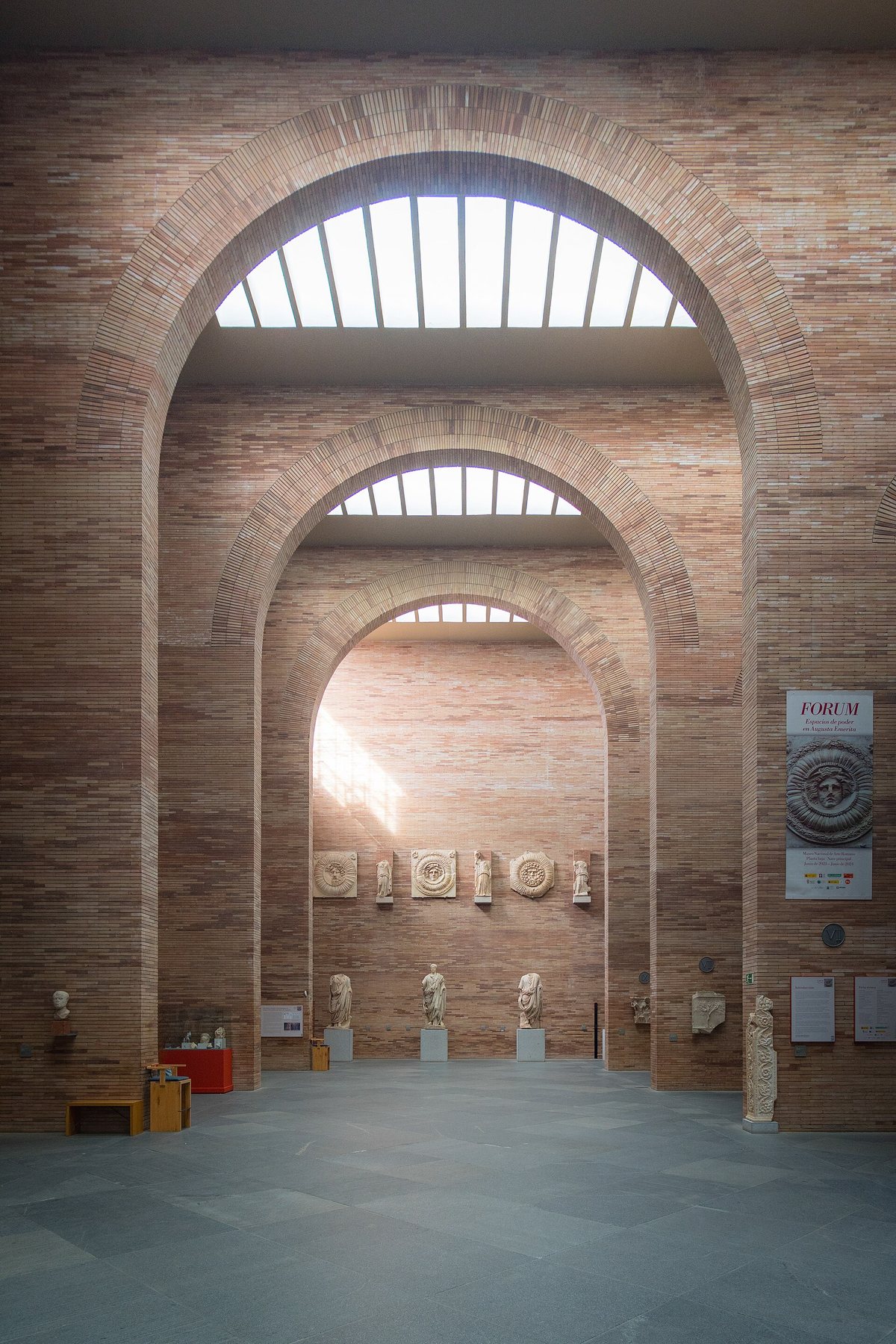 National Museum of Roman Art, Merida: Interior of the Museo Nacional de Arte Romano.
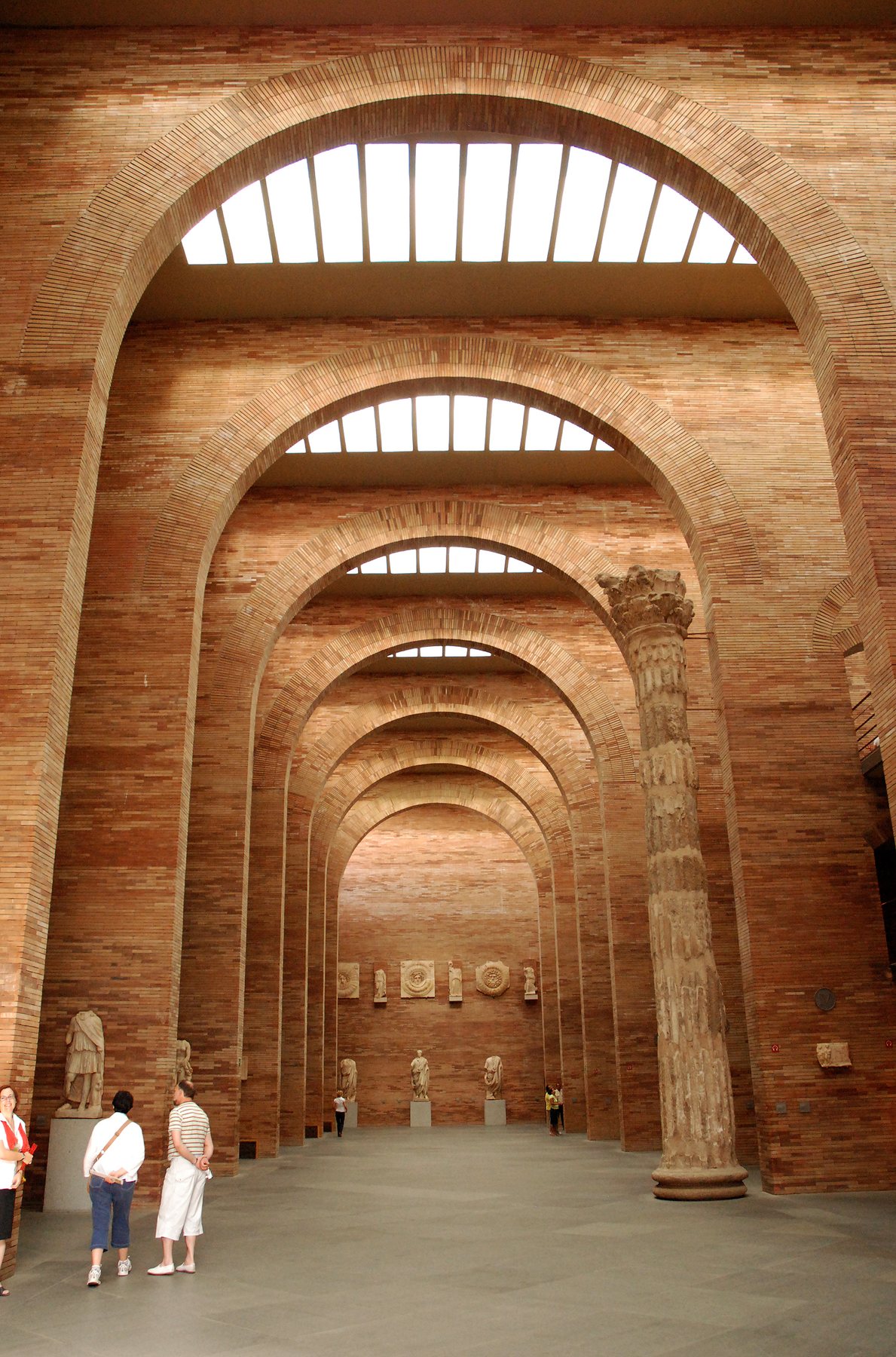 National Museum of Roman Art, Merida: MNAR (Mérida) Interior 01.
Collection and Historical Context
The museum’s finds are connected with Augusta Emerita, a veterans’ colony and the capital of Lusitania. Portraits, inscriptions, mosaics and architectural fragments reflect its public buildings and local elite. This material describes a major provincial centre, not every settlement in Roman Spain.
Display and Main Materials
Mosaics, portraits, inscriptions, urban architectural fragments, cemetery material, cult objects and the link between collection and Merida's monuments deserve attention. The museum architecture itself is also important because it is built around the idea of Roman space.
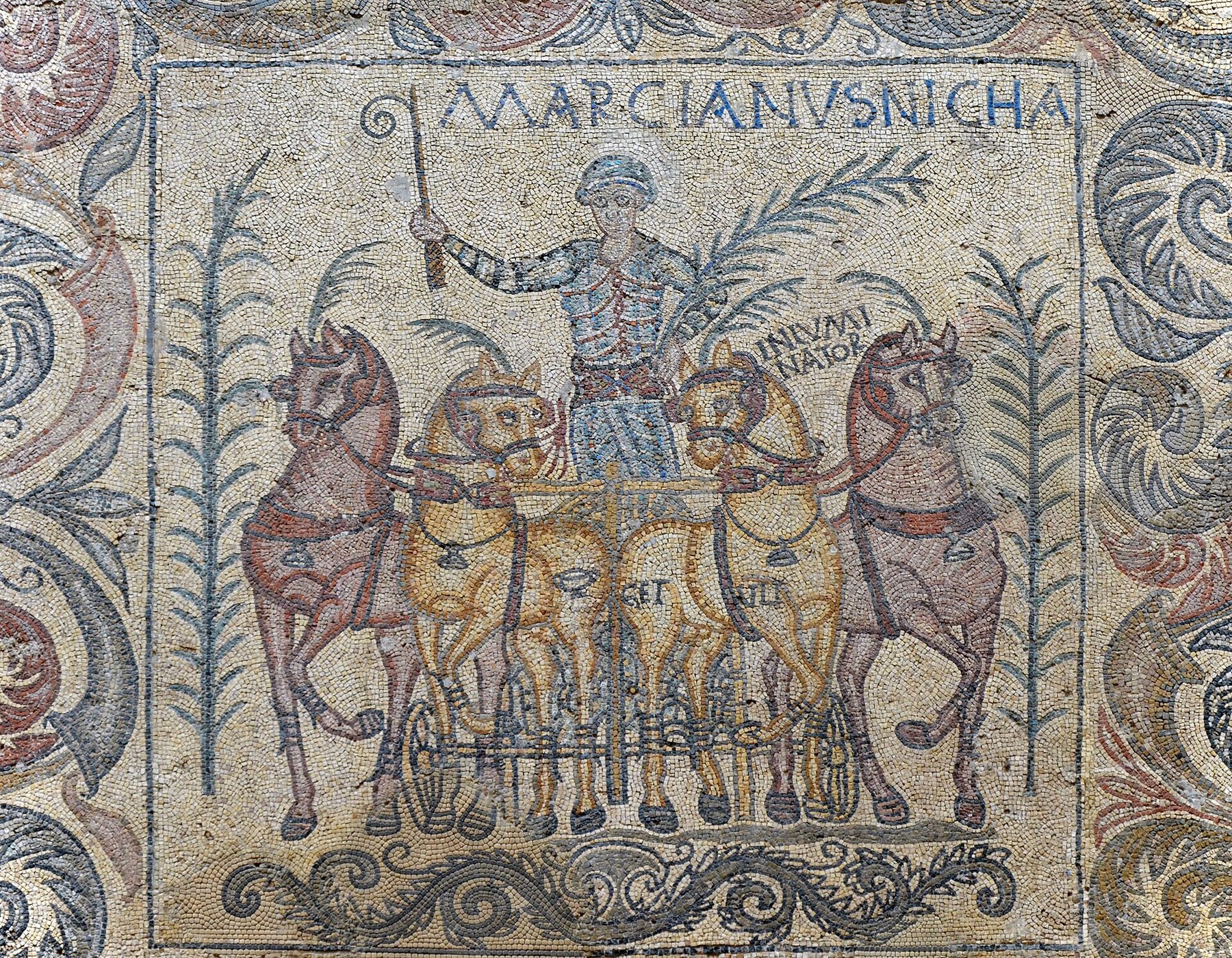 Roman mosaic of a victorious charioteer called Marcianus depicted commanding a quadriga (a four-horse chariot), 4th century AD, National Museum of Roman Art, Mérida. Object from the collection: National Museum of Roman Art, Merida.
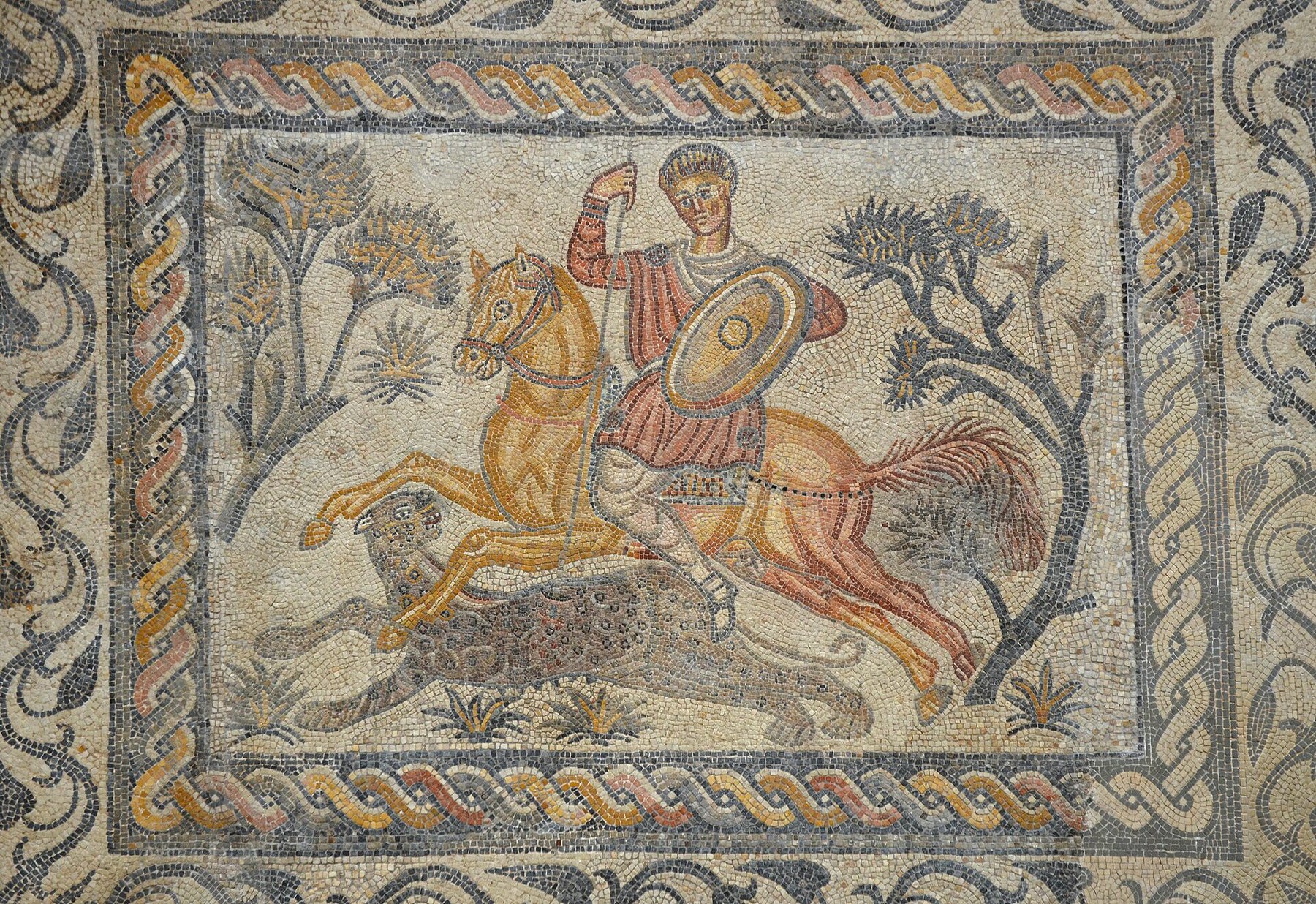 Mosaic depicting a hunter, possibly the owner of the estate, with a panther, from the Roman Villa "Las Tiendas", mid 4th century AD, National Museum of Roman Art, Mérida . Object from the collection: National Museum of Roman Art, Merida.
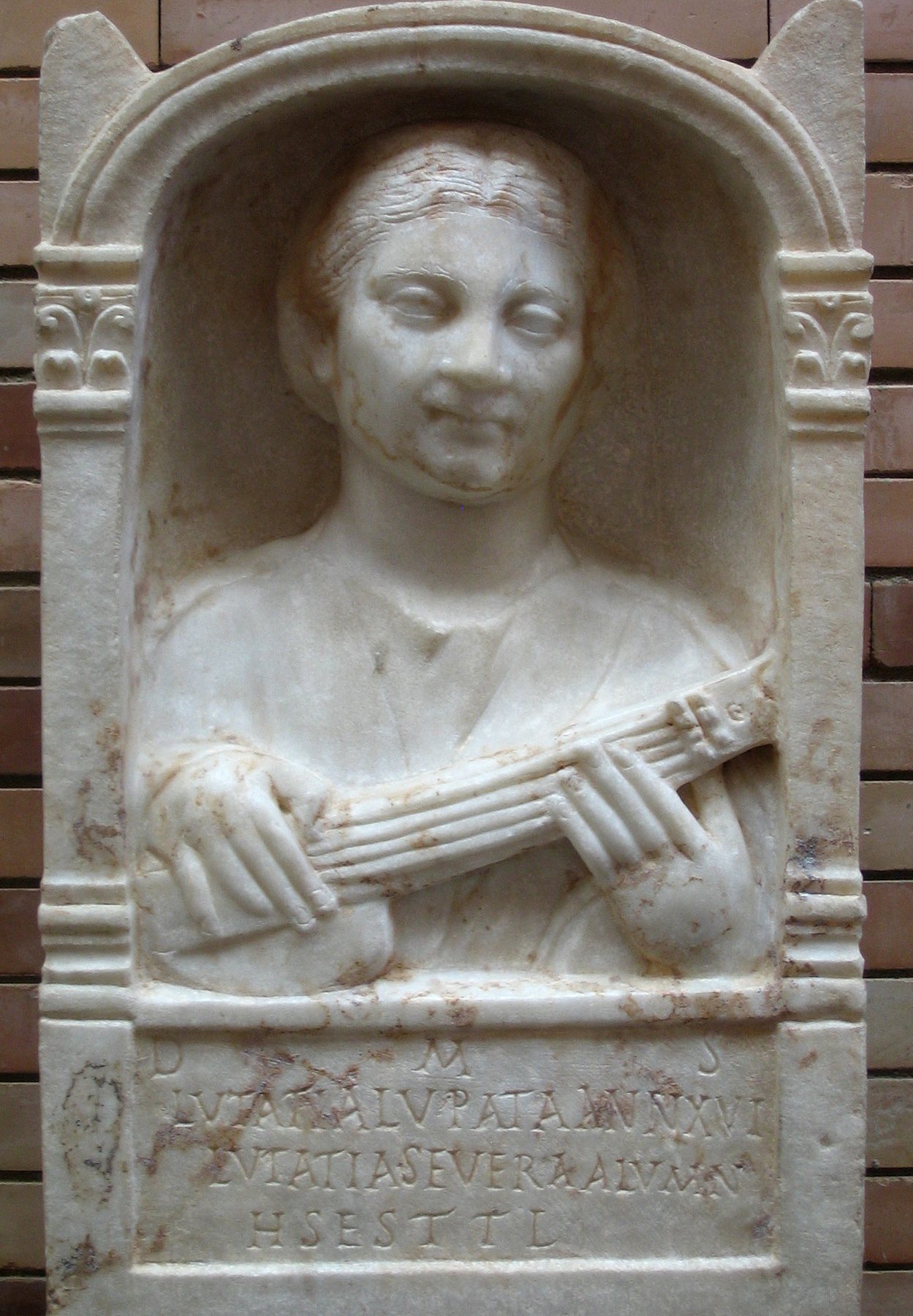 Marble funerary stele of sixteen-year-old Lutatia Lupata holding a pandura, 2nd century CE; found in 1956 in the Cerro de San Albín necropolis at Mérida. National Museum of Roman Art, inv. CE8241; AE 1959, 29. Wikimedia Commons, CC BY 4.0.
Related Topics
- Museums of Antiquity
- MNAT: National Archaeological Museum of Tarragona
- National Archaeological Museum, Madrid
- Archaeology and museums
Official Pages and Catalogues


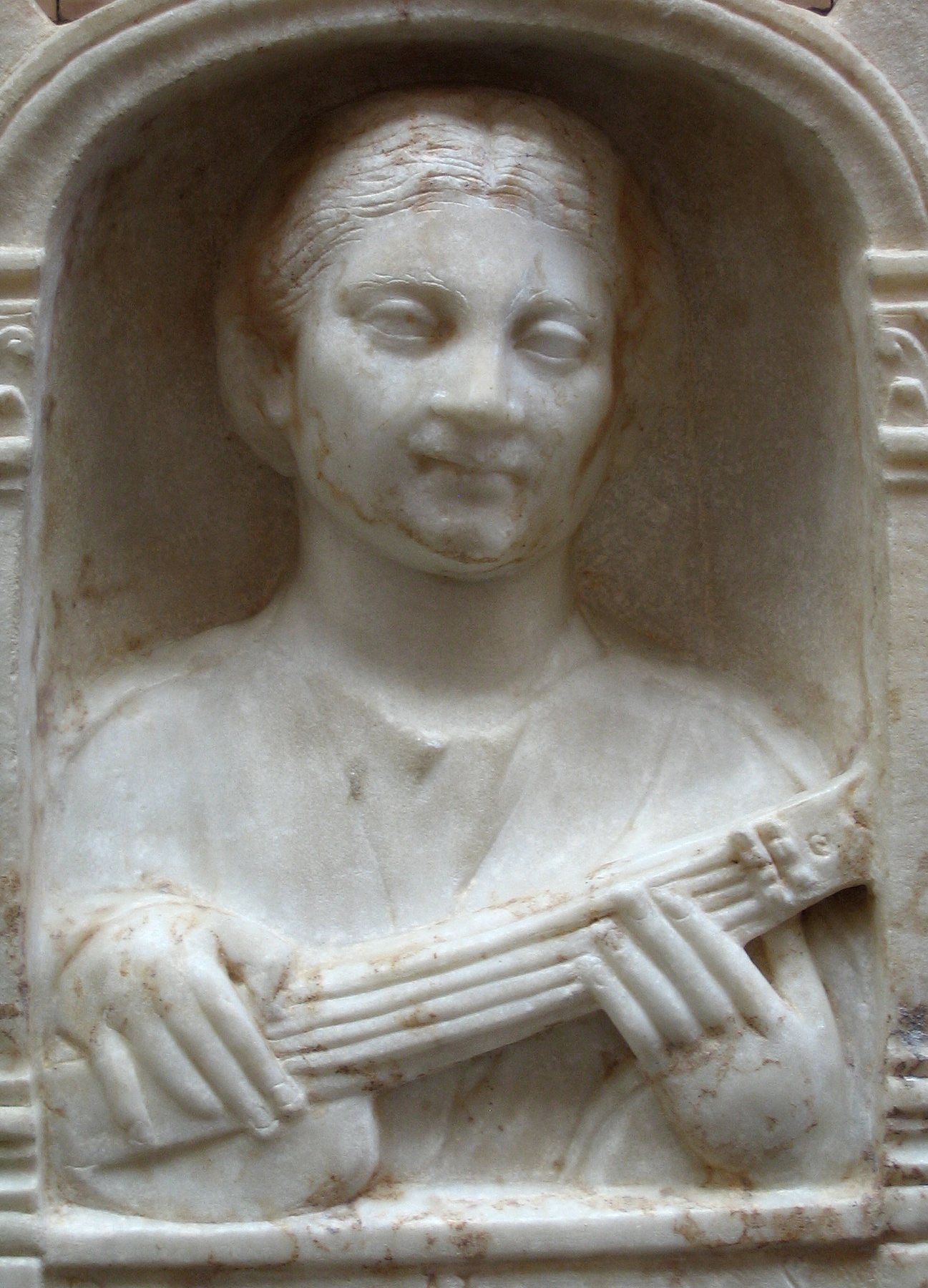 Funerary relief of Lutatia Lupata 02 (Merida, MNAR CE8241). Object from the collection: National Museum of Roman Art, Merida.
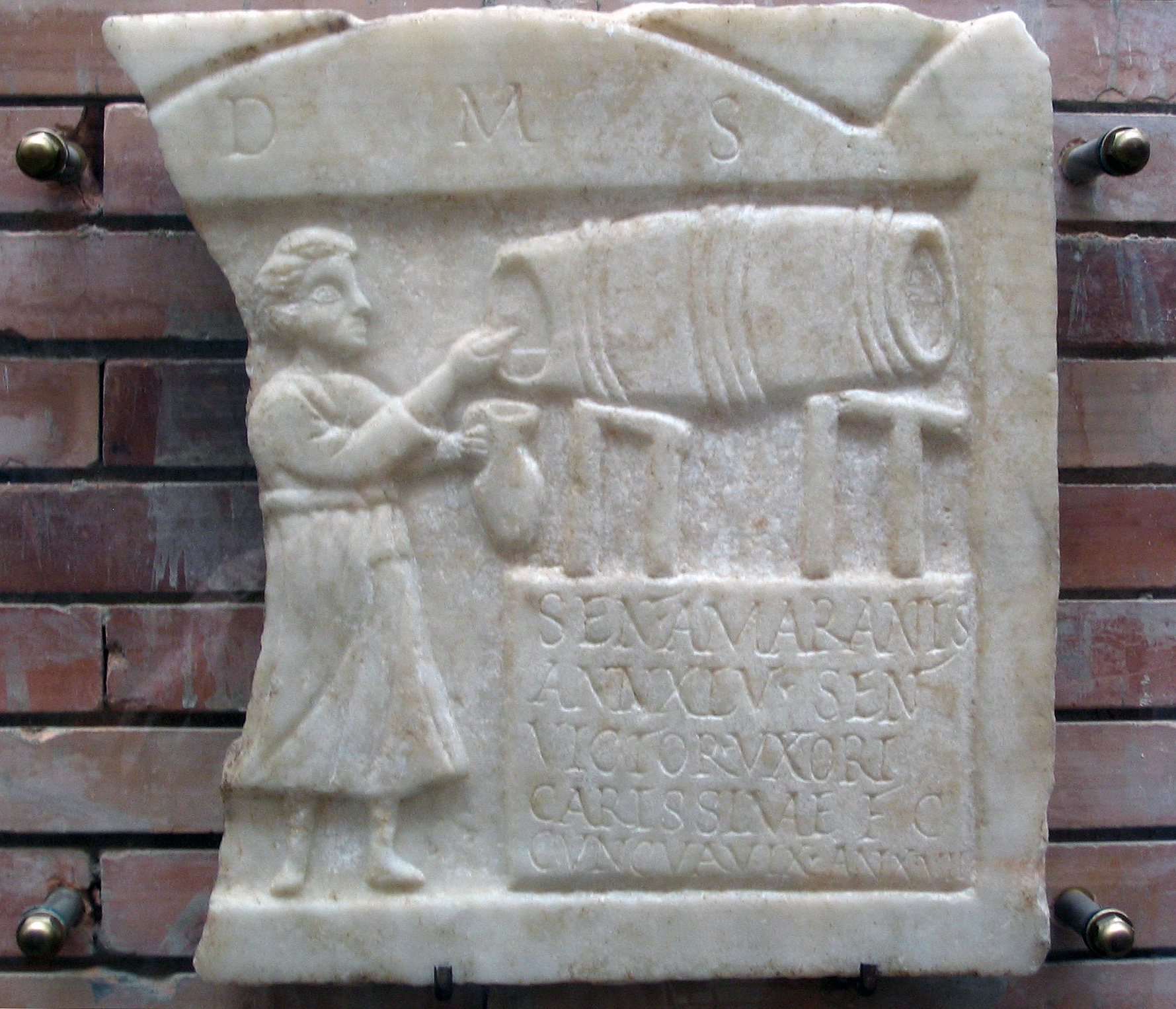 Funerary relief of Sentia Amarantis (Merida, MNAR CE676). Object from the collection: National Museum of Roman Art, Merida.
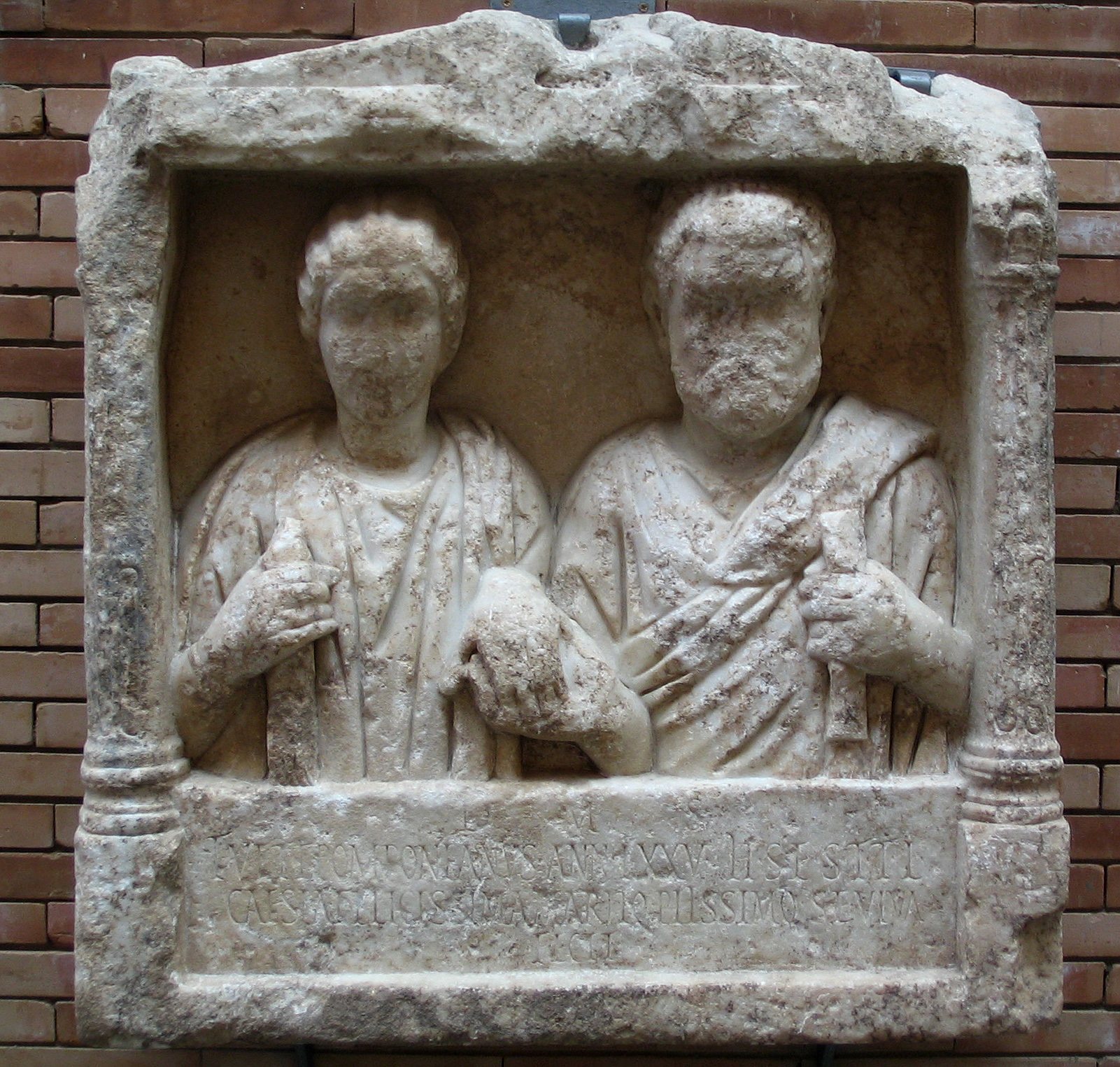 Funerary relief of T Vettius Pomponianus and Caesia Felicissima (Merida, MNAR CE4402). Object from the collection: National Museum of Roman Art, Merida.
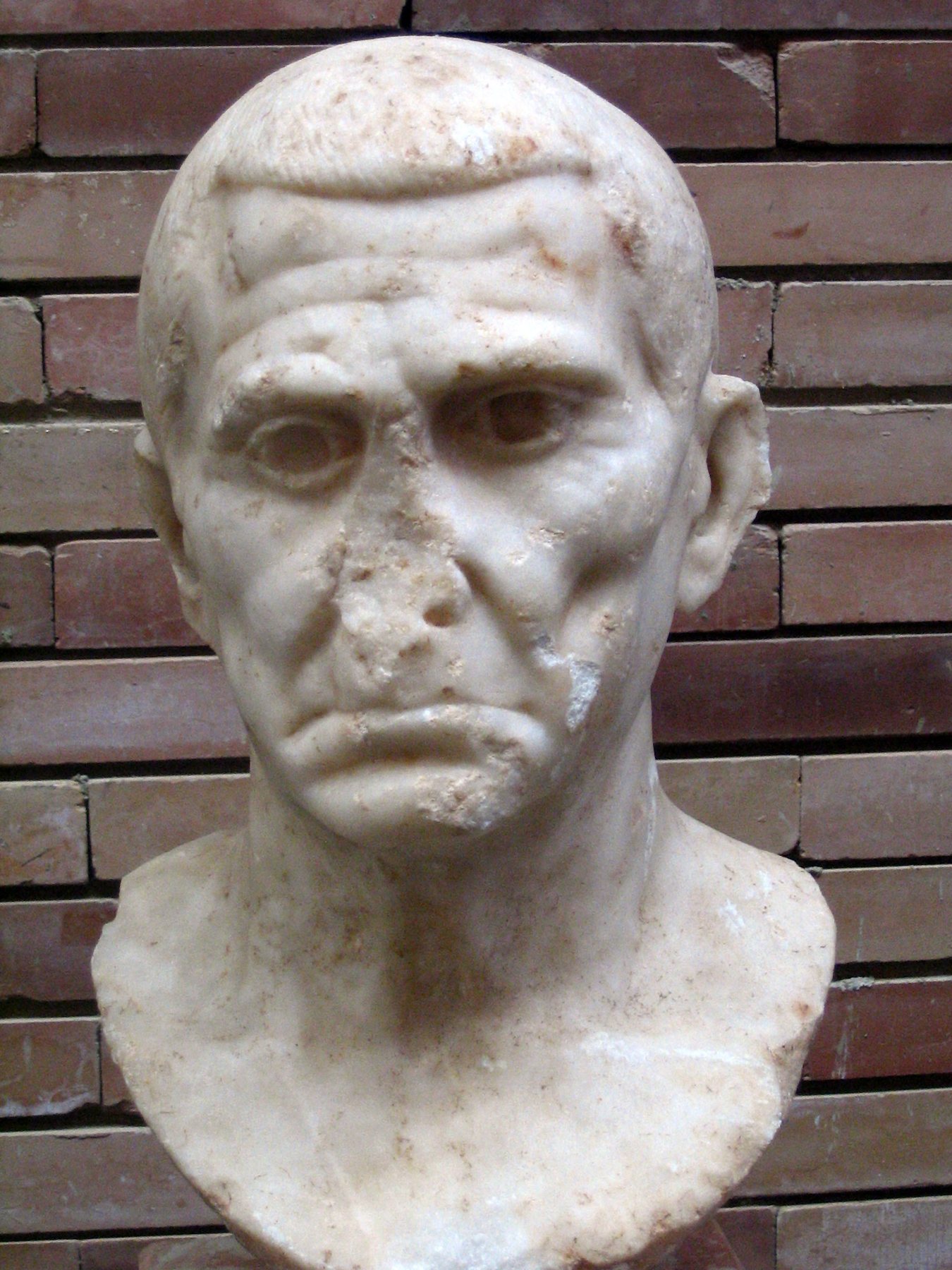 Portrait head of man (Merida, MNAR CE27805). Object from the collection: National Museum of Roman Art, Merida.
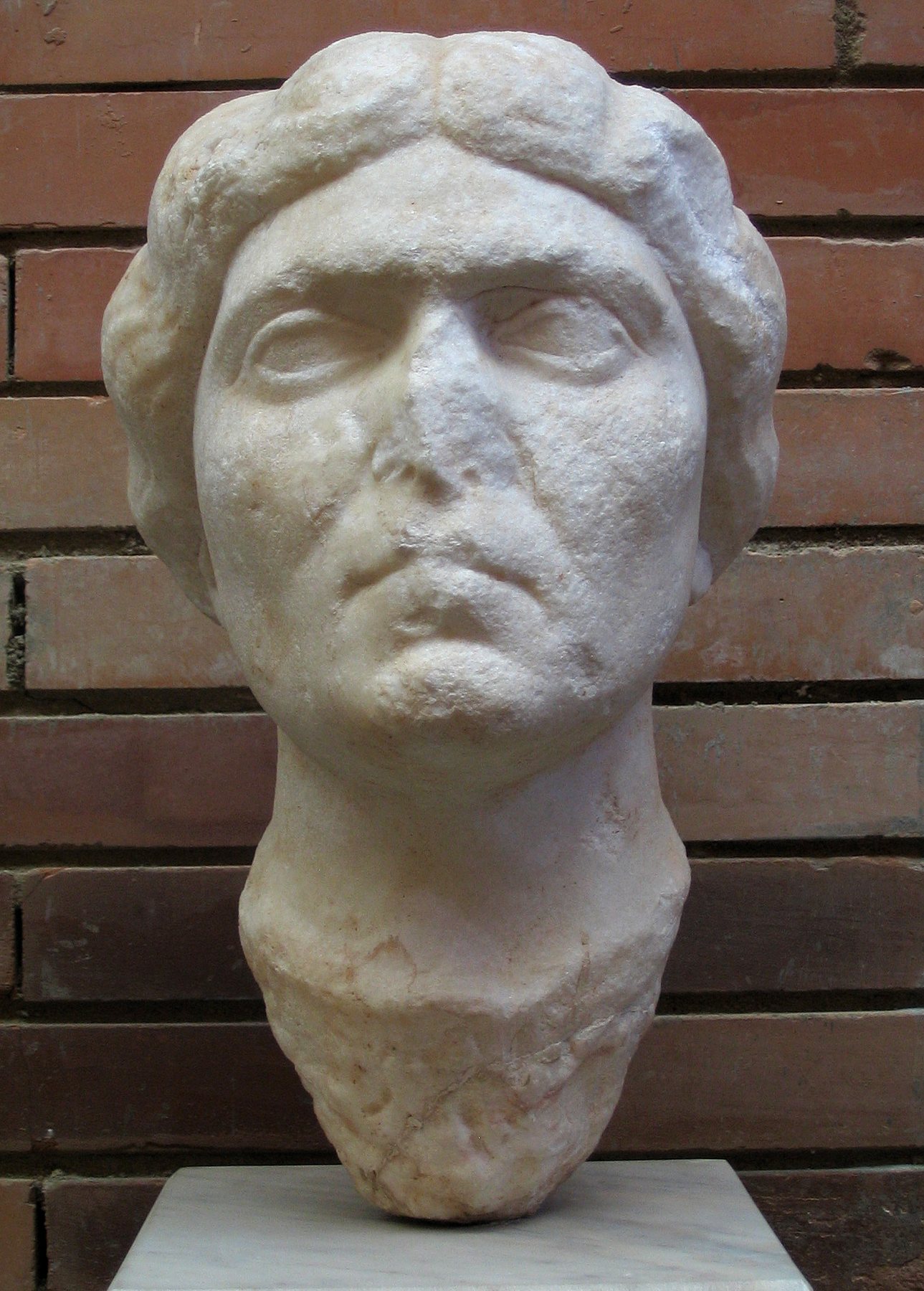 Portrait head of woman (Merida, MNAR CE33137). Object from the collection: National Museum of Roman Art, Merida.
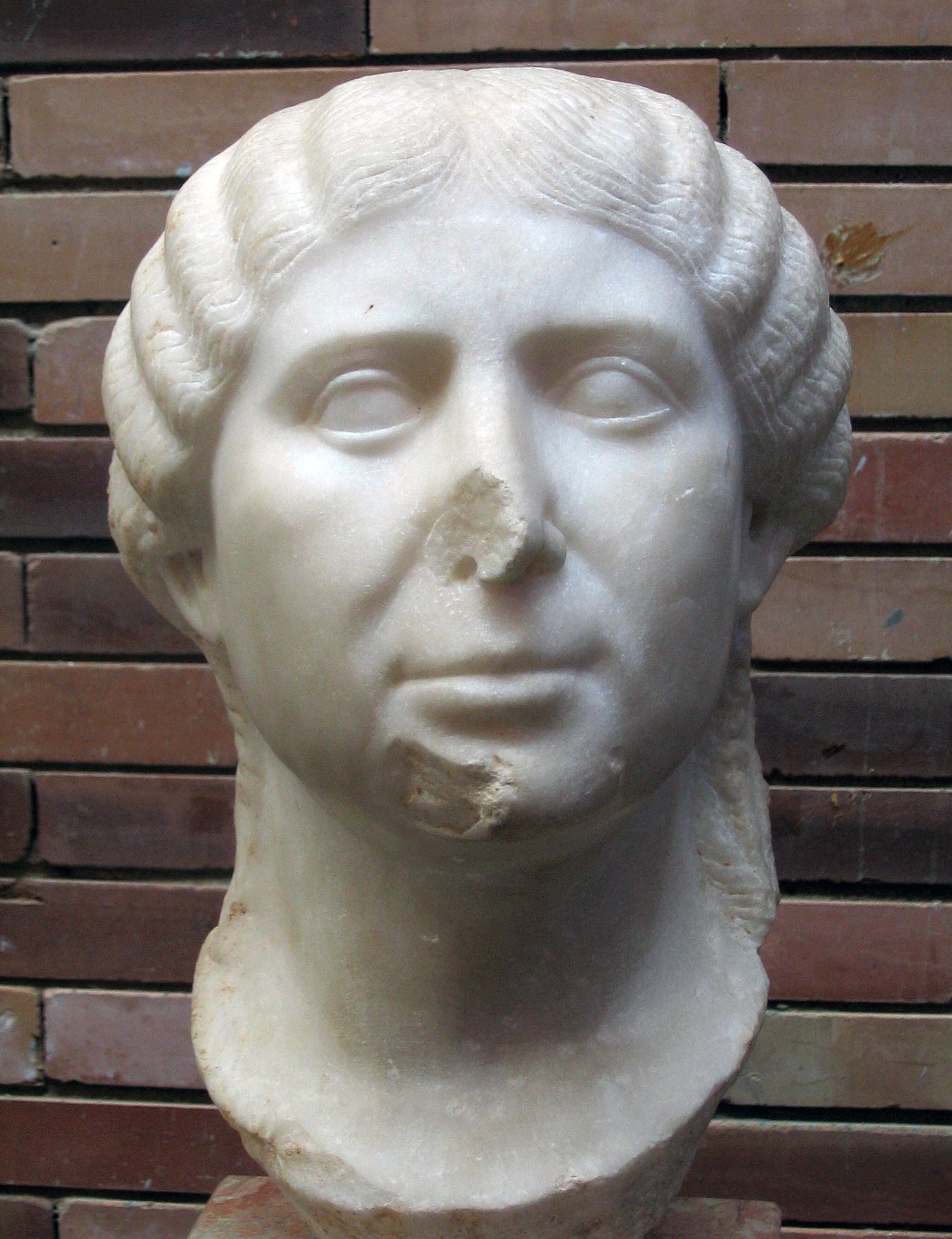 Portrait head of woman (Merida, MNAR CE686). Object from the collection: National Museum of Roman Art, Merida.
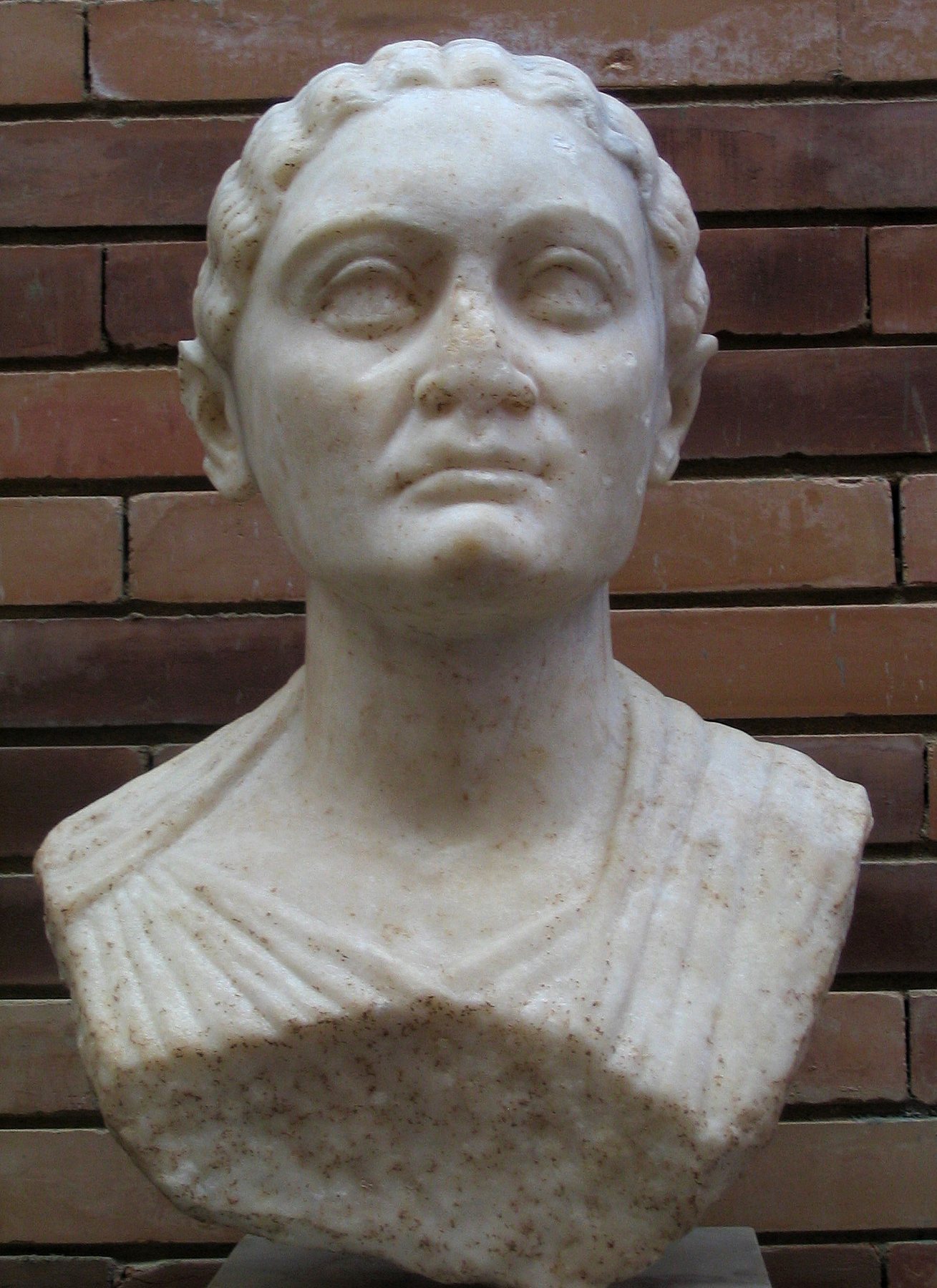 Portrait head of woman (Merida, MNAR CE688). Object from the collection: National Museum of Roman Art, Merida.
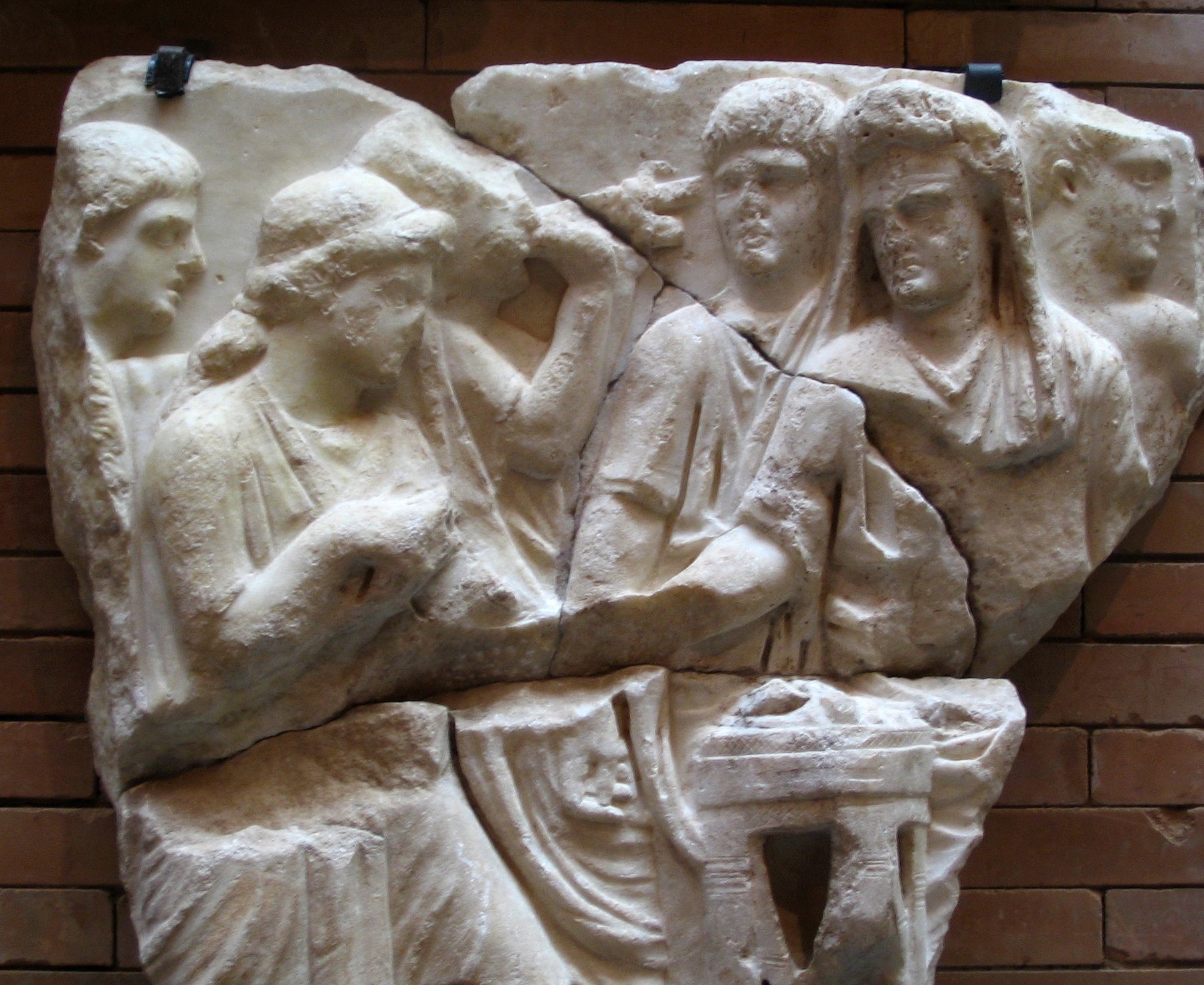 Relief of a sacrifice 02 (Merida, MNAR CE4416+4954). Object from the collection: National Museum of Roman Art, Merida.
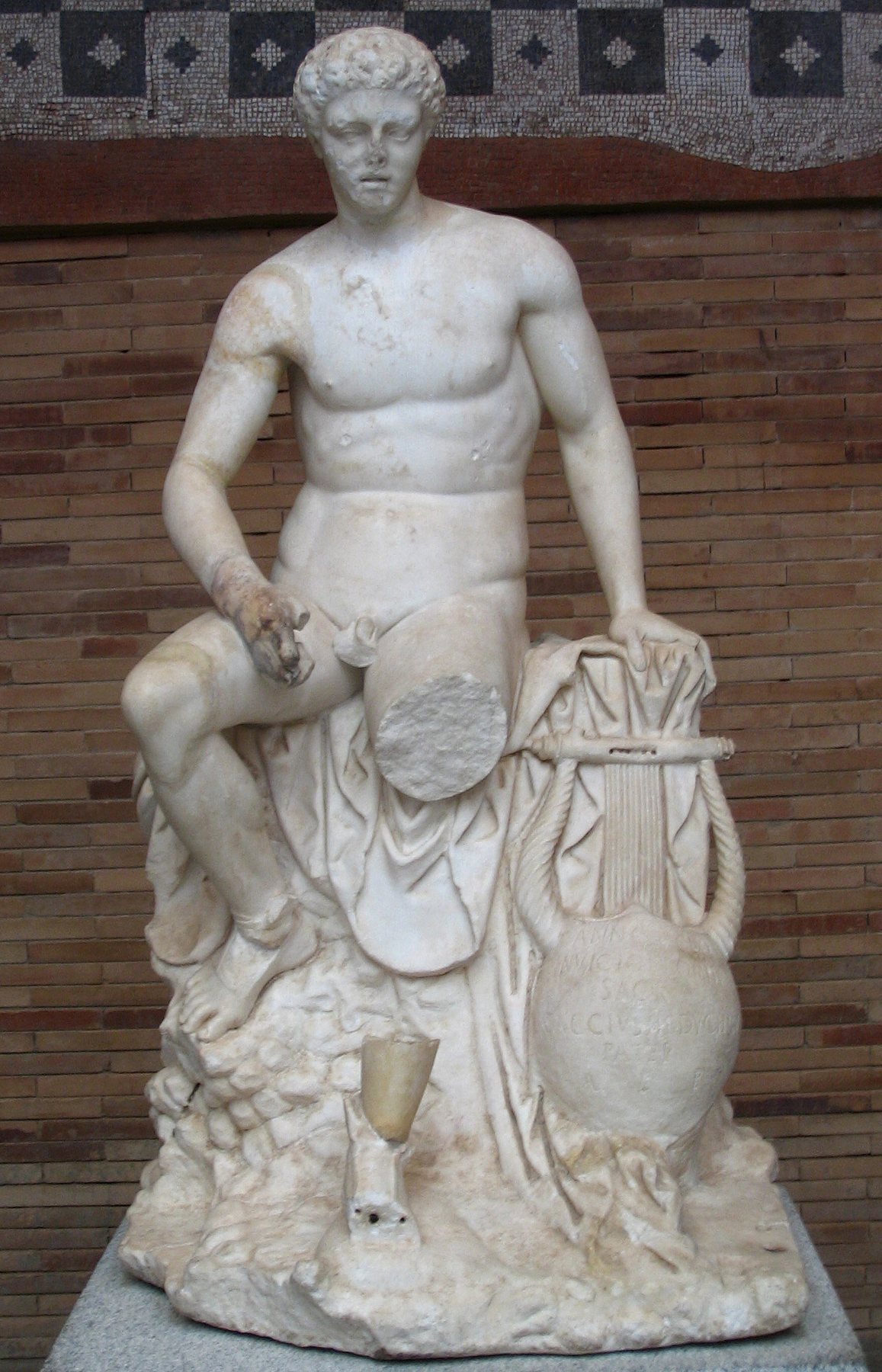 Marble statue of Mercury seated on a rock beside a tortoise-shell lyre, 2nd century CE. The inscription on the lyre states that Gaius Accius Hedychrys dedicated the statue to Mithras. Mérida, National Museum of Roman Art, inv. CE89. Wikimedia Commons, CC BY 4.0.
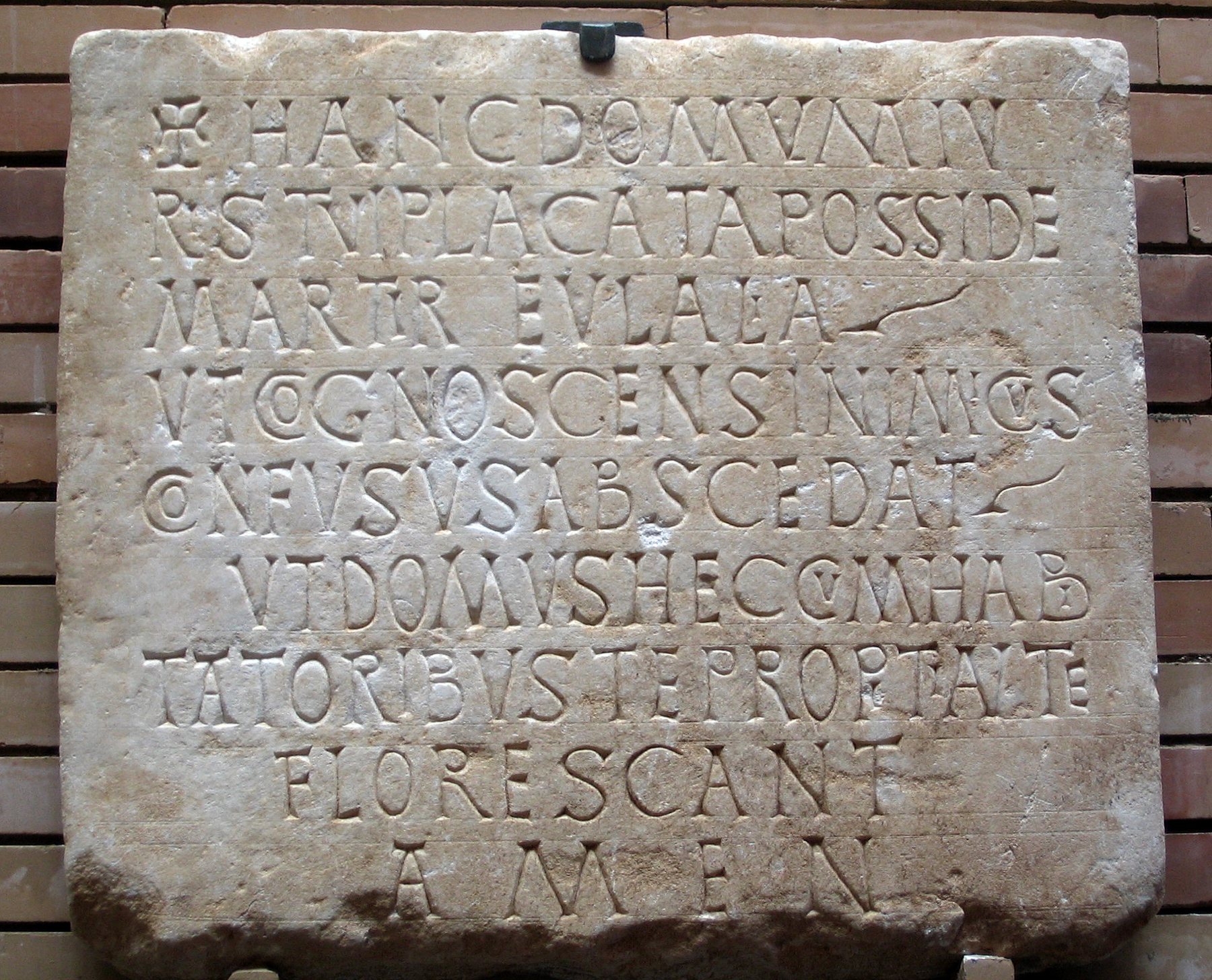 Inscription with a prayer to St Eulalia (Merida, MNAR CE489). Object from the collection: National Museum of Roman Art, Merida.
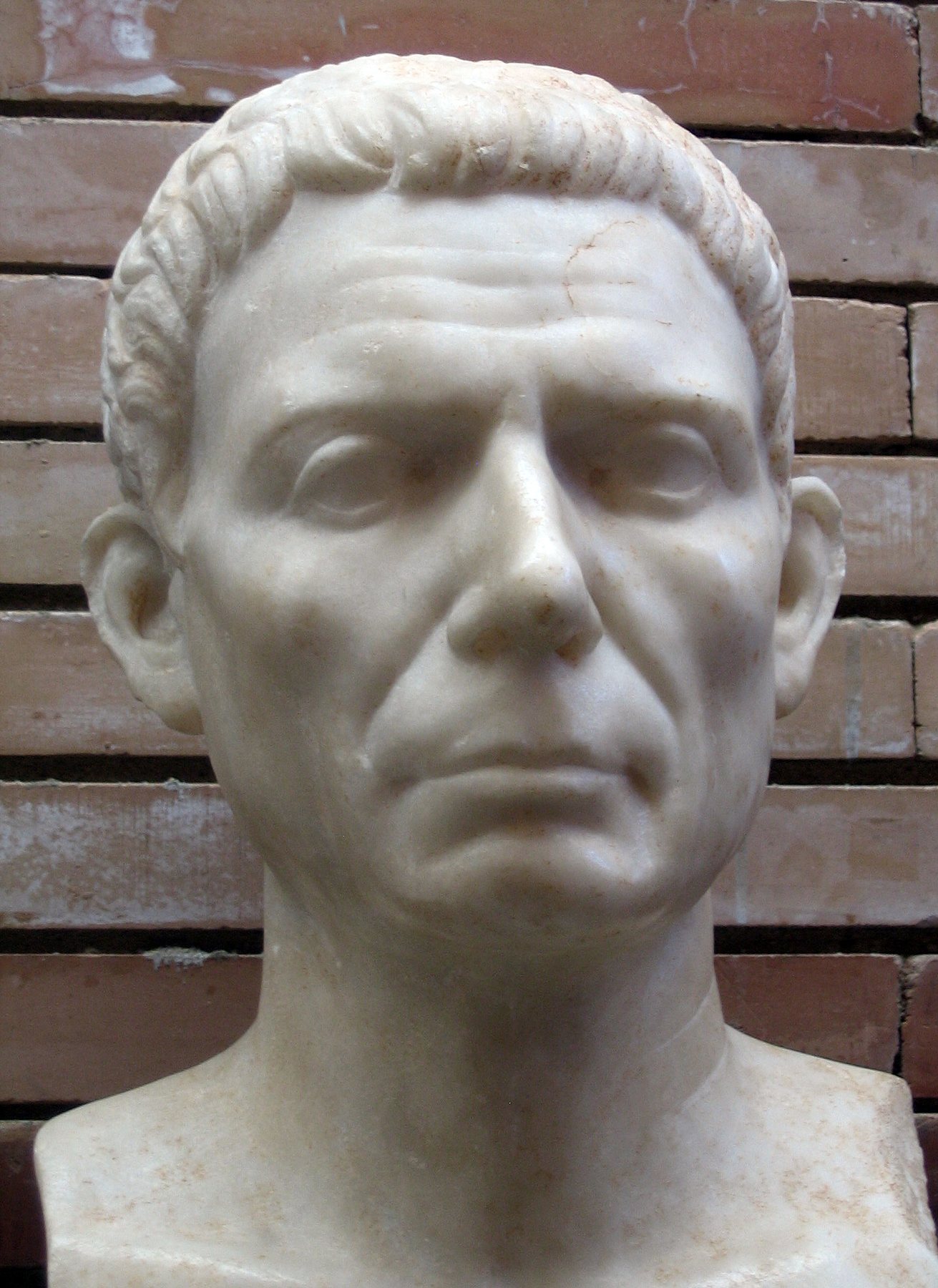 Portrait head of man (Merida, MNAR CE685). Object from the collection: National Museum of Roman Art, Merida.
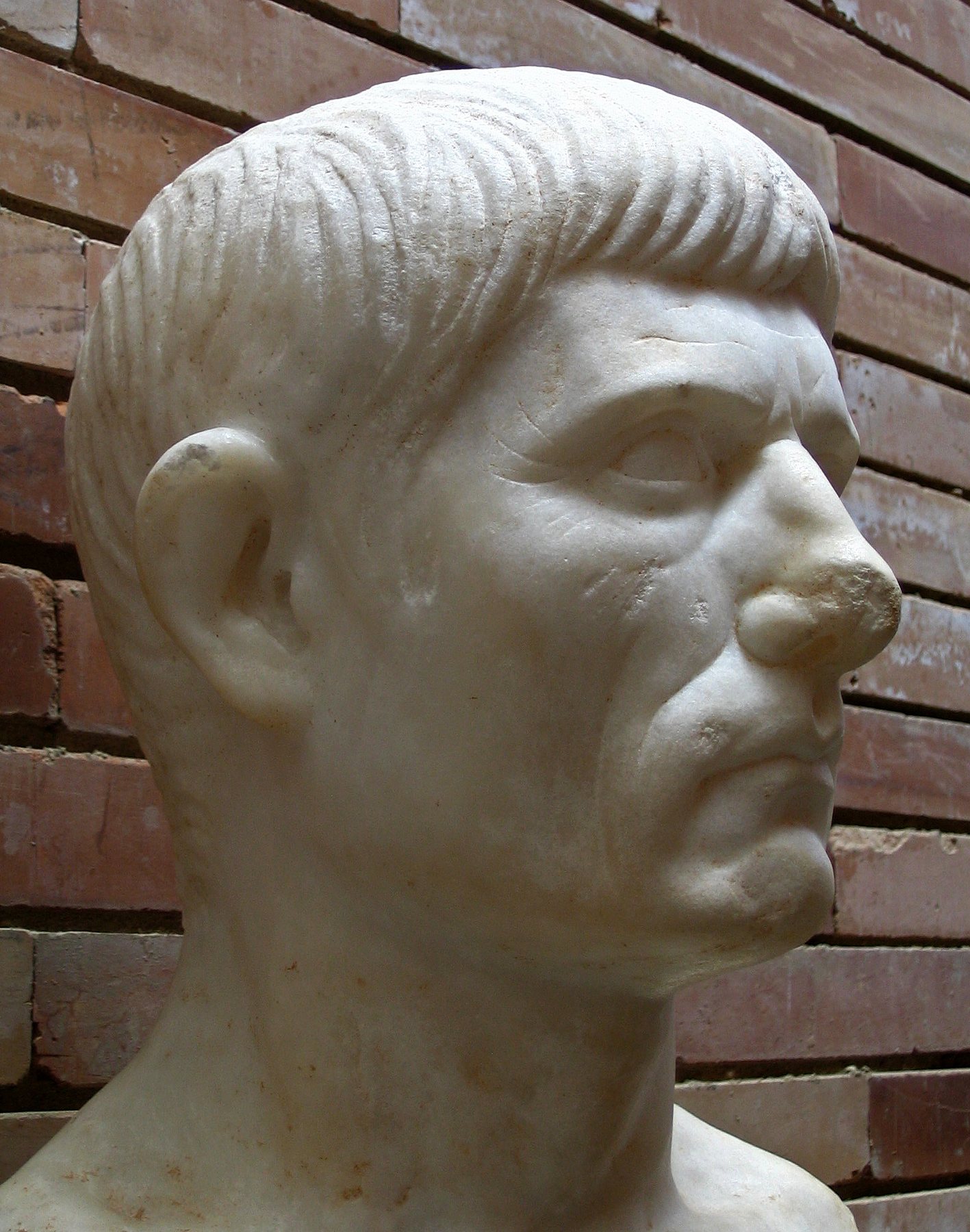 Portrait head of man (Merida, MNAR CE690). Object from the collection: National Museum of Roman Art, Merida.
Interested in Ancient Rome beyond reading? Join Legio X Fretensis or explore our reenactment directions.


