Museums of Antiquity
Museums of antiquity preserve material traces of the Greek, Roman, Etruscan, Phoenician, North African and Near Eastern worlds: sculpture, inscriptions, pottery, metalwork, glass, coins, frescoes, mosaics, everyday objects and rare organic finds. Their value is not limited to famous individual exhibits. In a museum an object gains date, findspot, inventory history, comparisons, restoration traces and a place among related material.
An archaeological site shows plan, layer and place of discovery, while a museum allows close study of preserved form, material, inscription, technique and traces of repair. Museum collections are therefore read together with catalogues, excavation publications and the sites themselves. Collections are especially valuable when objects form series: pottery shapes, coins, military equipment, fibulae, glass vessels, funerary reliefs or mosaics provide stable archaeological evidence rather than a single illustration.
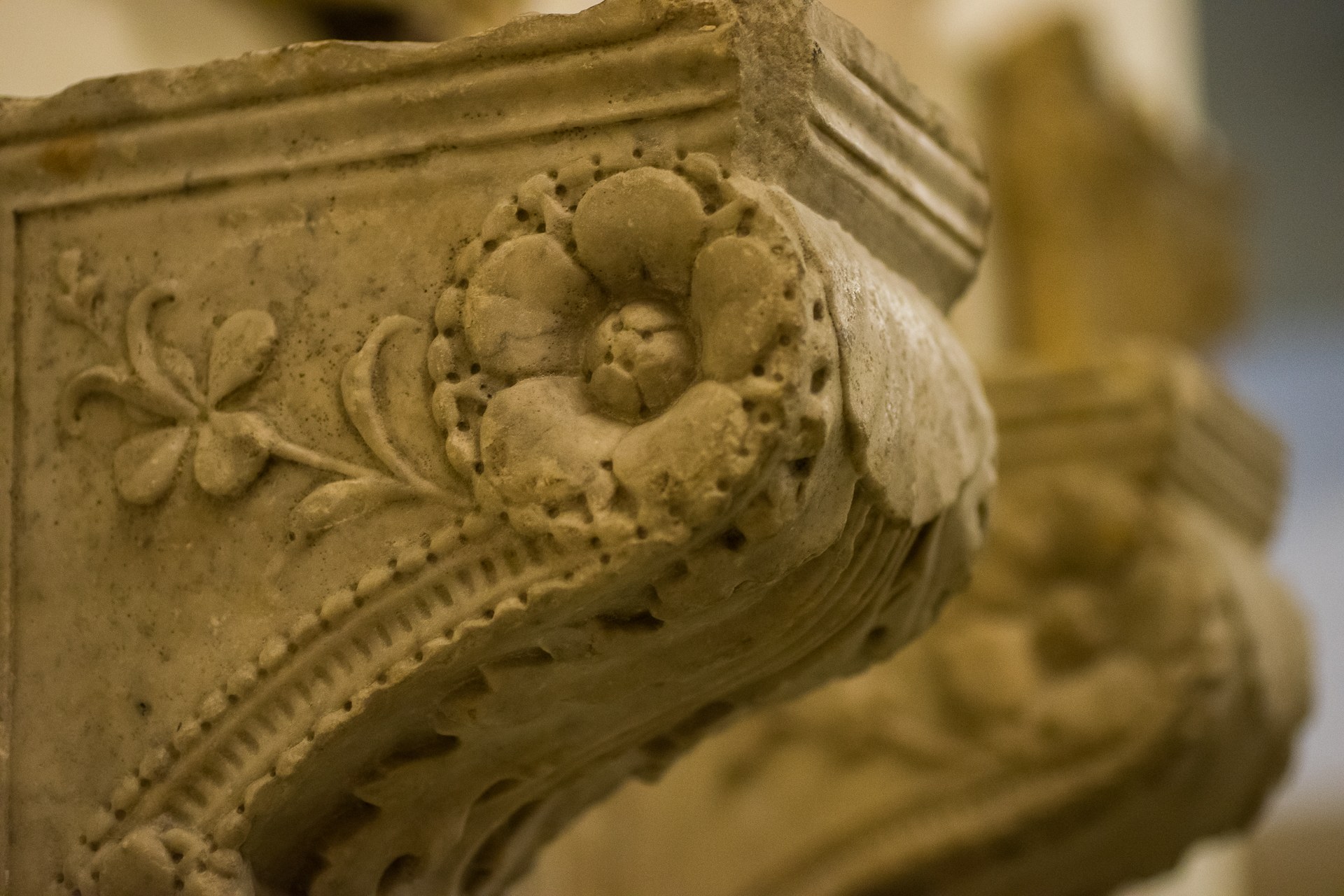 Room 77 of the British Museum: display of Greek and Roman architecture.
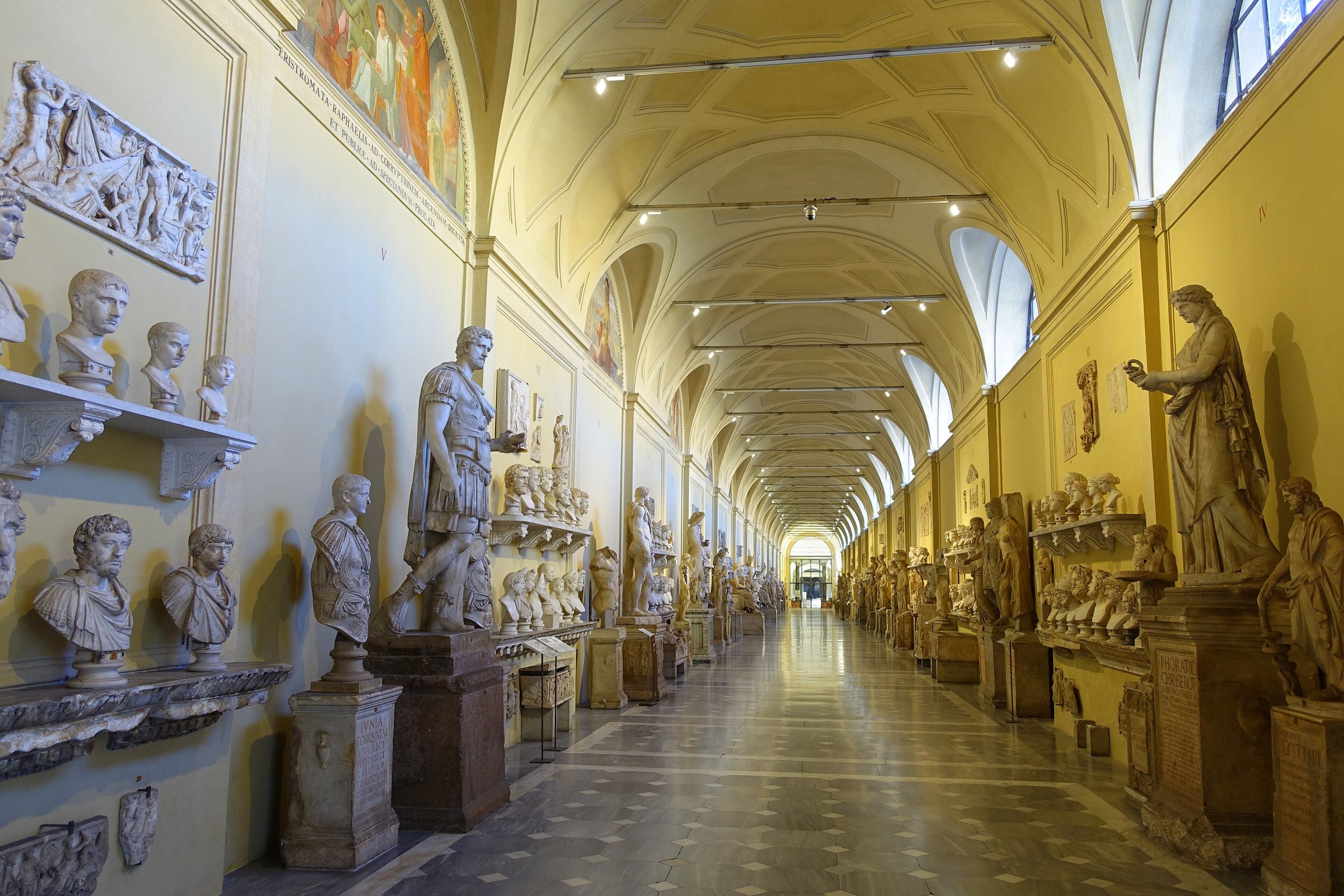 Gallery of the Museo Chiaramonti in the Vatican Museums: rows of ancient sculpture and portraits.
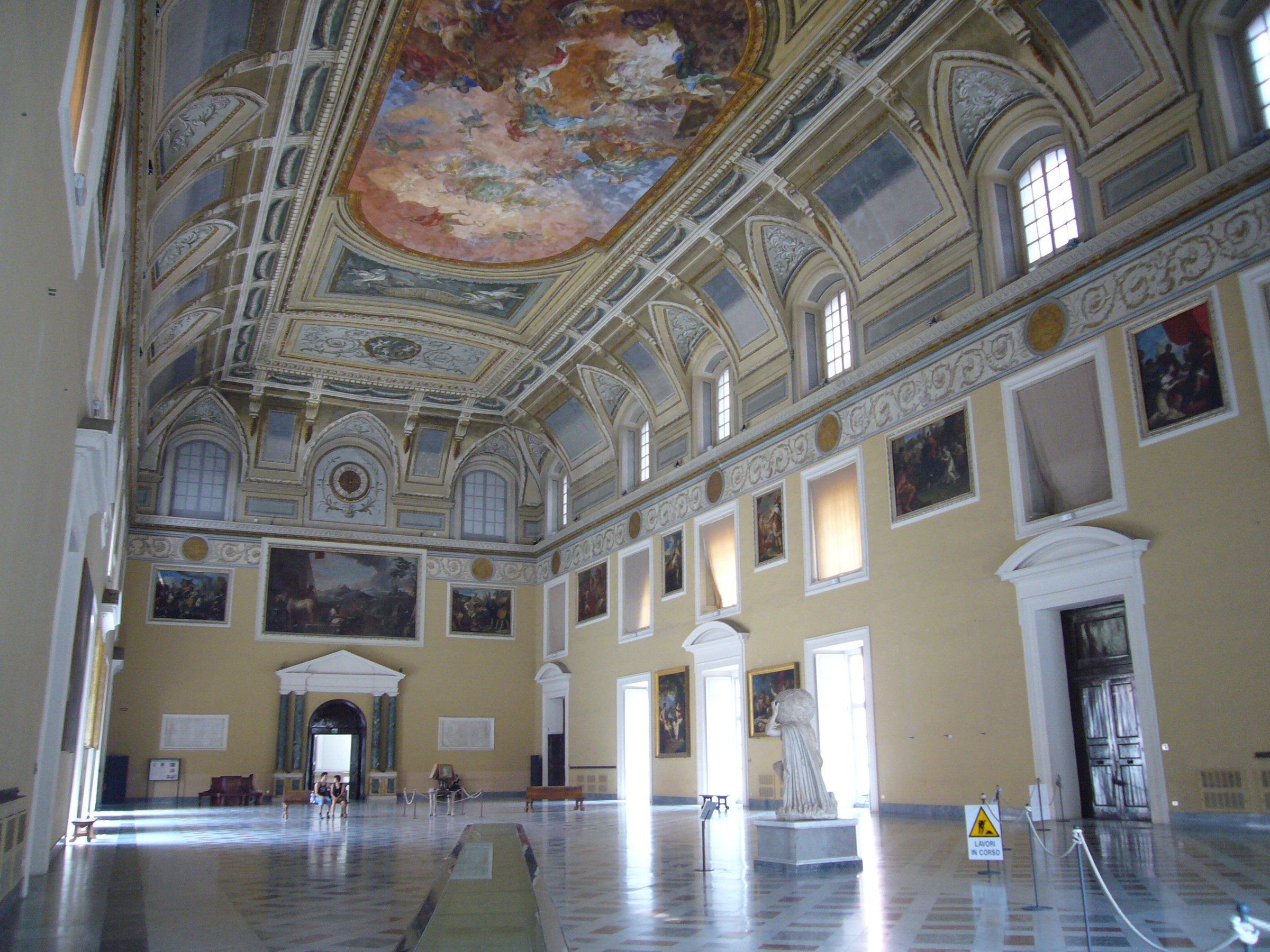 Hall of the Meridian in the National Archaeological Museum of Naples; a major museum hall connected with antiquities and Vesuvian material.
Museum Collections by Region
I. Greece, Crete and the Eastern Mediterranean
- National Archaeological Museum, Athens
- Acropolis Museum
- Archaeological Museum of Thessaloniki
- Heraklion Archaeological Museum
- Cyprus Museum
Mainland Greece, the Acropolis, Macedonia, Crete and Cyprus show the long chronology of the Aegean and eastern Mediterranean. Bronze Age palace traditions, sanctuaries, urban culture, pottery series, bronze, sculpture and museum restorations stand side by side.
II. Rome, Italy, Etruria, Sicily and Magna Graecia
- National Roman Museum
- Capitoline Museums and Antiquity
- Vatican Museums and Antiquity
- National Archaeological Museum of Naples
- MArTA: National Archaeological Museum of Taranto
- National Etruscan Museum of Villa Giulia
- National Archaeological Museum of Aquileia
- Paolo Orsi Regional Archaeological Museum
Italian museums connect Rome, Vesuvius, Etruria, Greek South Italy, Sicily and the Adriatic. These collections show portraiture, frescoes, mosaics, temple terracotta, funerary assemblages, port trade and the transition from local Italic cultures to the Roman world.
III. Britain, Rhine, Danube and Gaul
- British Museum and Antiquity
- Mainz Museums of Antiquity
- Rheinisches Landesmuseum Trier
- Carnuntum and Museum Carnuntinum
- Vindolanda Museum
- Lugdunum Museum and Roman Theatres
- Museum of Ancient Arles
Museums of the north-western and Danube provinces show Rome as a network of cities, forts, roads, river routes and local workshops. Their material is especially important for frontier archaeology: organic finds, military objects, inscriptions, glass, funerary monuments and collections linked with archaeological parks appear here.
IV. Spain and North Africa
- National Museum of Roman Art, Merida
- MNAT: National Archaeological Museum of Tarragona
- National Archaeological Museum, Madrid
- Bardo National Museum
Spain and North Africa provide evidence for provincial capitals, villas, cemeteries, local elites and urban cults. Mosaics, inscriptions, sculpture, pottery and funerary monuments show Roman culture as regionally diverse rather than as a simple extension of Italy.
V. Major International Collections
- The Hermitage and Antiquity
- The Louvre and Antiquity
- Turkish Museums and Antiquity
- The Met: Greek and Roman Art
- Getty Villa and Antiquity
- Pergamonmuseum and Antikensammlung Berlin
- Glyptothek and State Collections of Antiquities, Munich
- Ashmolean Museum: Antiquities
- Ny Carlsberg Glyptotek and Antiquity
Major international collections emerged from excavations, purchases, diplomacy, collecting and modern museum scholarship. They do not replace local archaeological context, but they allow comparison of object types, sculptural schools, architectural fragments, restorations and the history of the European view of antiquity.
Museum Object and Context
Reliable reading of a museum collection begins with simple questions: where the object was found, when it dates, what material it is made from, what belongs to the ancient form and what belongs to restoration. Labels matter, but so do catalogues, inventory numbers, excavation reports, museum plans and comparisons with related finds.
A single spectacular exhibit may be rare, late, heavily restored or detached from its original setting. Series of objects usually provide a firmer basis: they show how common a form was, how size varied, how techniques differed and which regional features mattered. A museum gallery is therefore not only a collection of attractive objects, but also a place where ancient material culture becomes comparable and verifiable.
Related Topics
Official Museum Pages
- National Archaeological Museum: Collections
- Acropolis Museum: Exhibition Areas
- Archaeological Museum of Thessaloniki
- Staatliche Museen zu Berlin: Pergamonmuseum Collections
- Antike am Königsplatz
- Zentrum der Antike Trier: Rheinisches Landesmuseum
- Römerstadt Carnuntum
- Vindolanda Trust: Roman Vindolanda Fort & Museum
- Lugdunum Museum and Roman Theatres
- Musée départemental Arles antique: Permanent Collection
- Museo Nacional de Arte Romano: Collections
- Bardo National Museum
- MArTA: Itineraries and Collections
- ETRU National Etruscan Museum
- Museo Archeologico Nazionale di Aquileia
- Parco archeologico di Siracusa: Museo Paolo Orsi
- MNAT: National Archaeological Museum of Tarragona
- Ministerio de Cultura: National Archaeological Museum
- Visit Cyprus: Cyprus Museum
- Heraklion Archaeological Museum: The Museum
- Ashmolean Museum: Antiquities
- Glyptoteket: Greek and Roman Sculpture


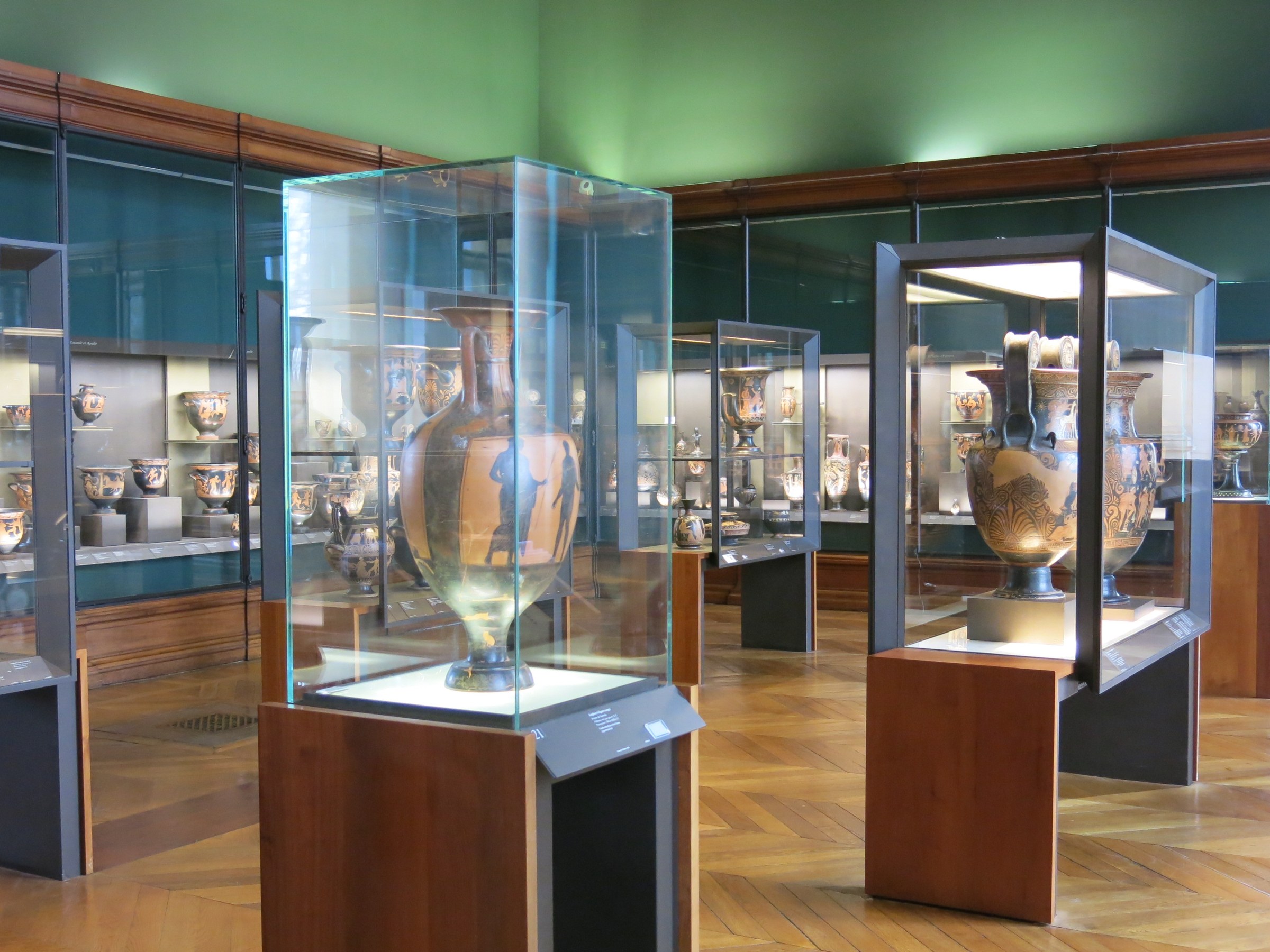 Greek antiquities room in the Louvre: sculpture and inscriptions displayed within a major international collection.
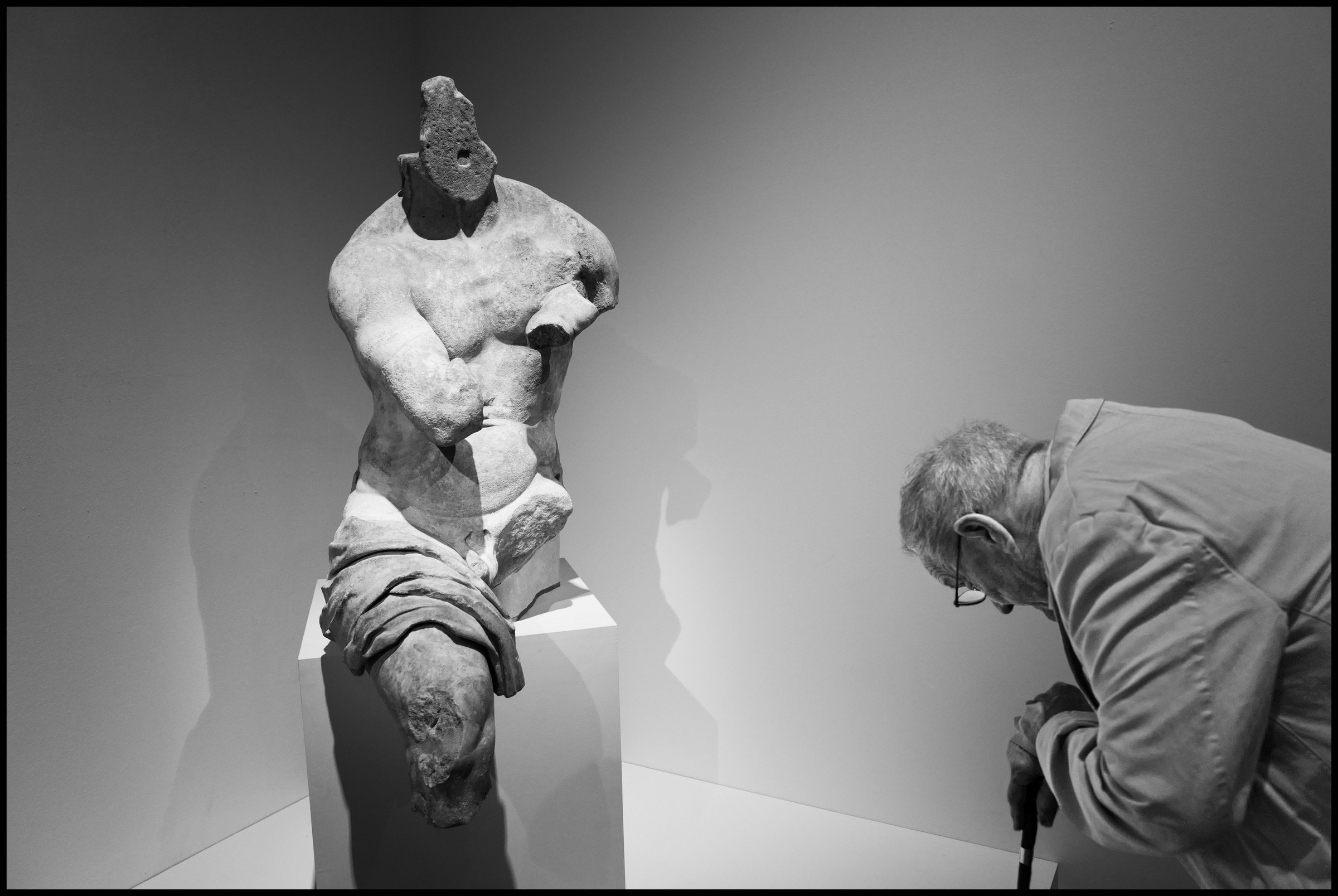 Gallery of the Greek and Roman Art department at the Metropolitan Museum of Art: ancient sculpture in a modern museum display.
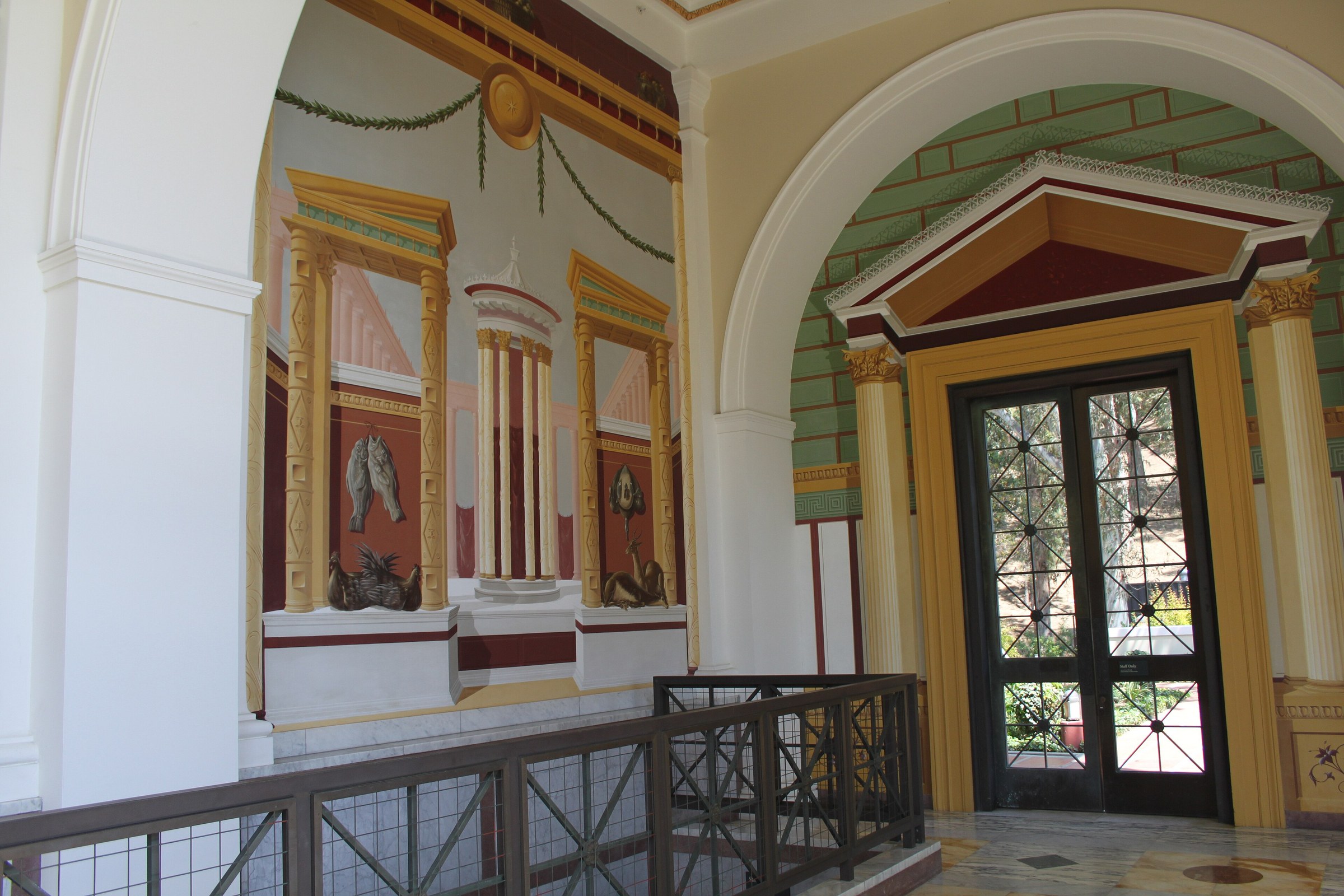 The Getty Villa in California: museum architecture shaped around the ancient house, garden and antiquities collection.
Interested in Ancient Rome beyond reading? Join Legio X Fretensis or explore our reenactment directions.


