Turkish Museums and Antiquity
Turkish museums matter because a major part of Greek, Hellenistic and Roman history took place in Asia Minor. For antiquity this is not a periphery but one of the central regions: Ephesus, Pergamon, the Sidon sarcophagi in Istanbul, Perge and Antalya provide material that cannot be replaced by Roman or Athenian collections alone.
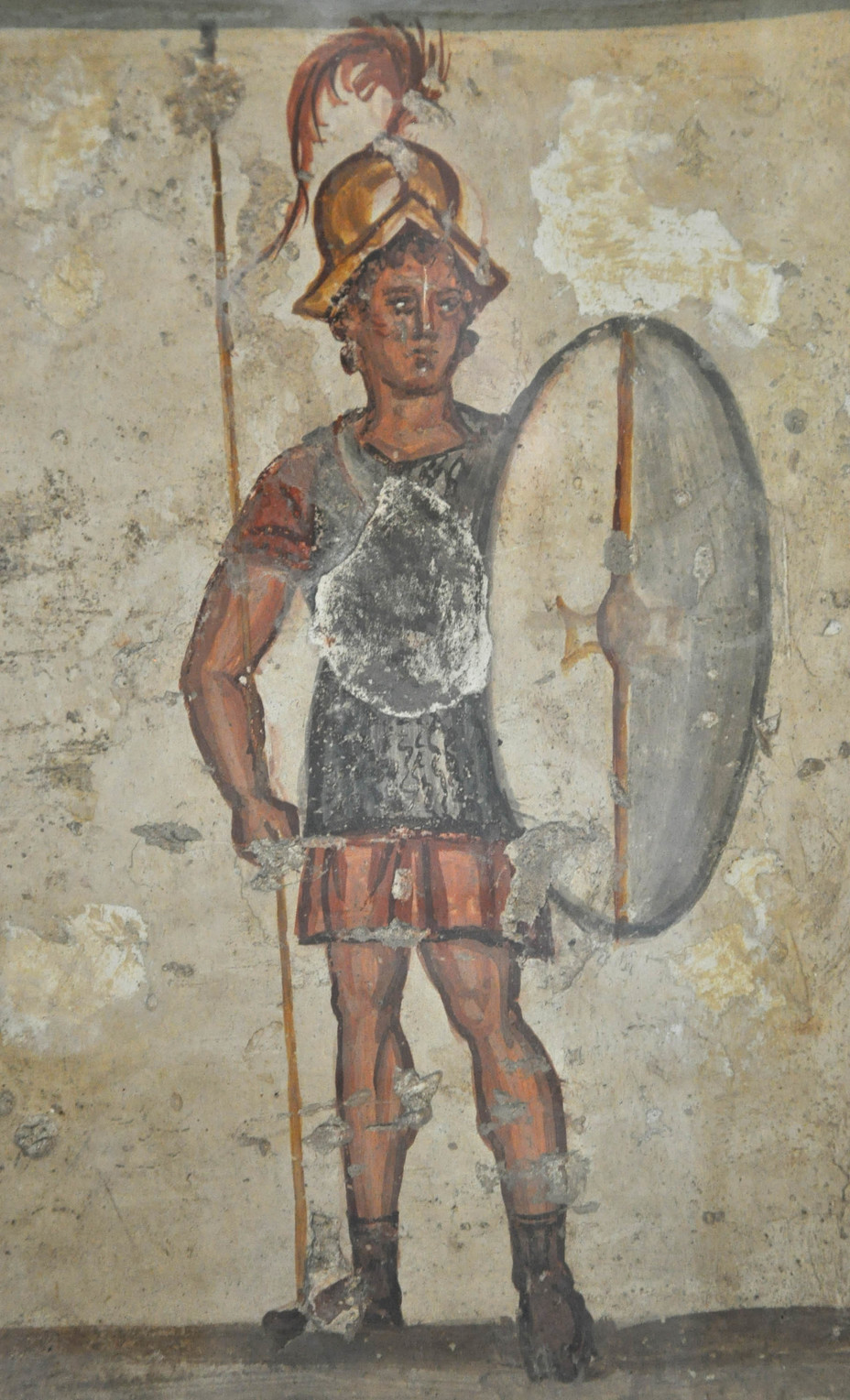 Galatian mercenary in Ptolemaic service. Funerary stele from Sidon, 2nd century BC. Istanbul Archaeological Museums.
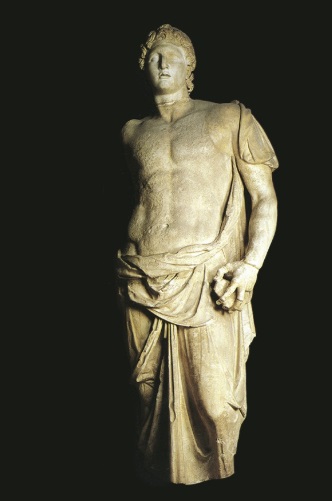 Statue identified as Alexander the Great wearing a himation. Second century BCE; Istanbul Archaeological Museums.
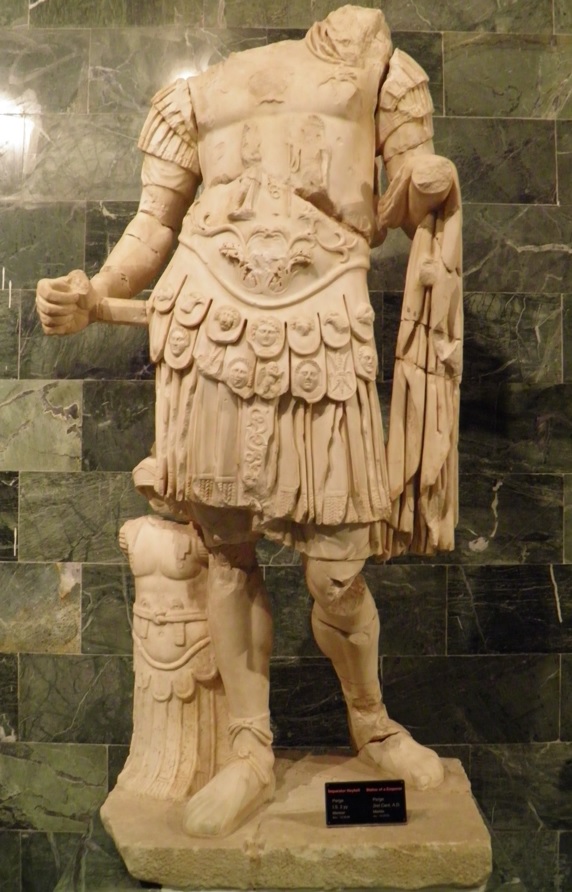 Emperor's statue. Antalya Museum, Turkey. 2nd century CE
Collection and Significance
The Istanbul Archaeological Museums are important for Hellenistic and eastern Mediterranean sculpture. The Ephesus Museum gives material from the city and its sanctuaries. Antalya Museum is especially useful for sculpture from Perge and portraits of the imperial period.
Main Materials
- stelae, sarcophagi and Hellenistic sculpture in Istanbul;
- finds from Ephesus and the Terrace Houses;
- the cult of Artemis of Ephesus;
- Roman sculpture from Perge and Antalya;
- footwear, clothing, reliefs and provincial iconography.
Context and Limits
For reconstruction, Turkey is especially useful when an eastern or Asia Minor context is needed: Macedonian and Hellenistic images, provincial Roman dress, sculpture from the cities of Asia and details not always visible in Italian monuments.
Related Topics
Sources


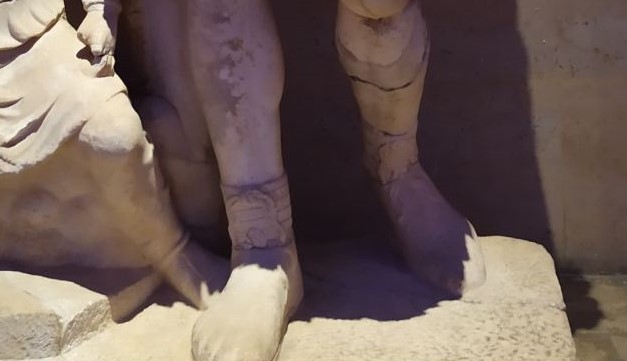 Calcei on the statue of the unknown Emperor,2nd century AD,Antalya
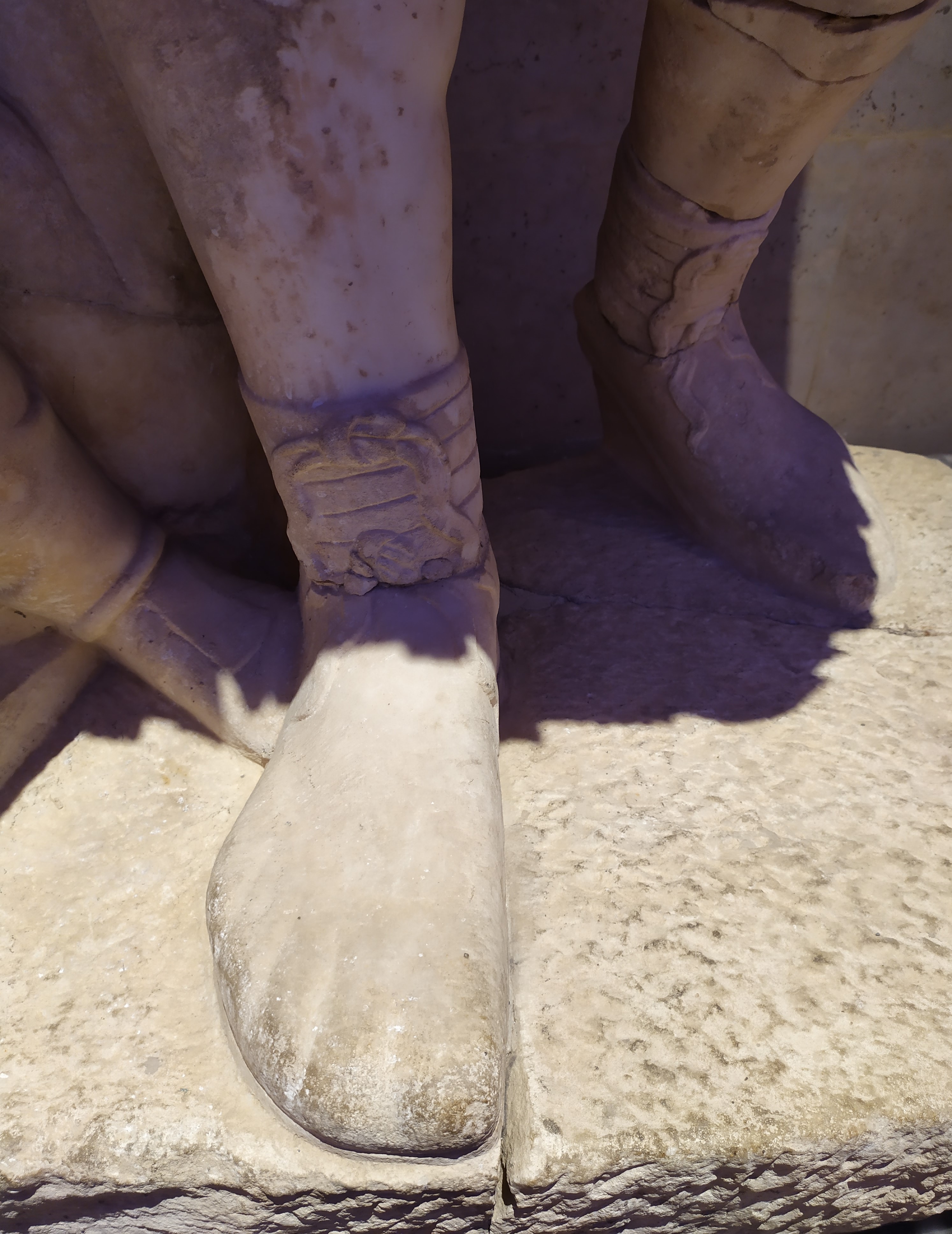 Calcae of Trajan,2nd century AD,Antalya
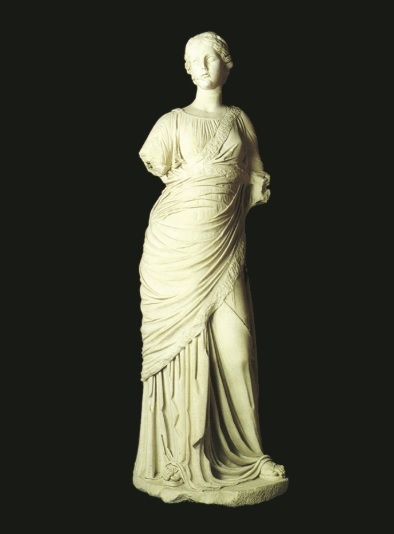 Statue of a Muse wearing a himation. Roman copy after a Greek original, second century CE. Istanbul Archaeological Museums.
Interested in Ancient Rome beyond reading? Join Legio X Fretensis or explore our reenactment directions.


