The Met: Greek and Roman Art
The Metropolitan Museum's Department of Greek and Roman Art is important for its accessibility and wealth of small objects. The museum describes more than 30,000 works from the Neolithic to the time of Constantine, including Greece, Italy, Cyprus, Etruria and the Roman world.
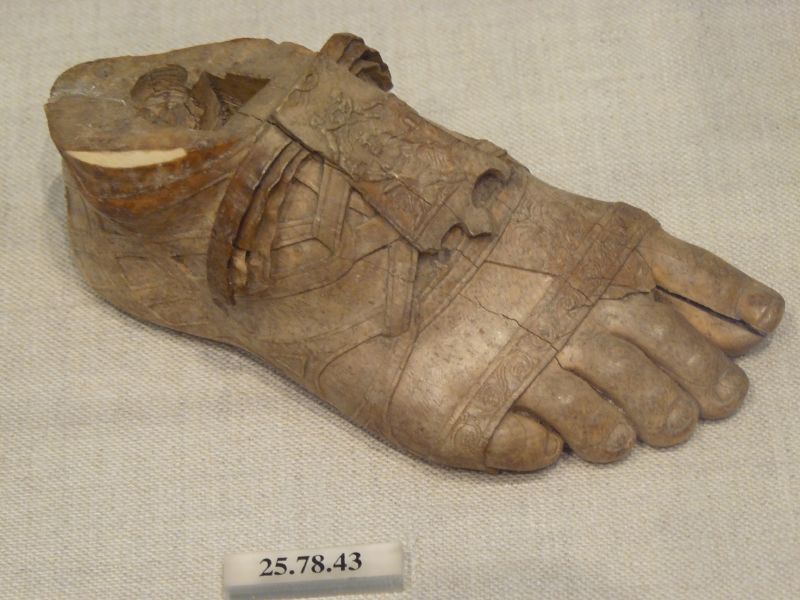 Iron Sandal,31 BC-14 AD,Metropolitan Museum of Art.
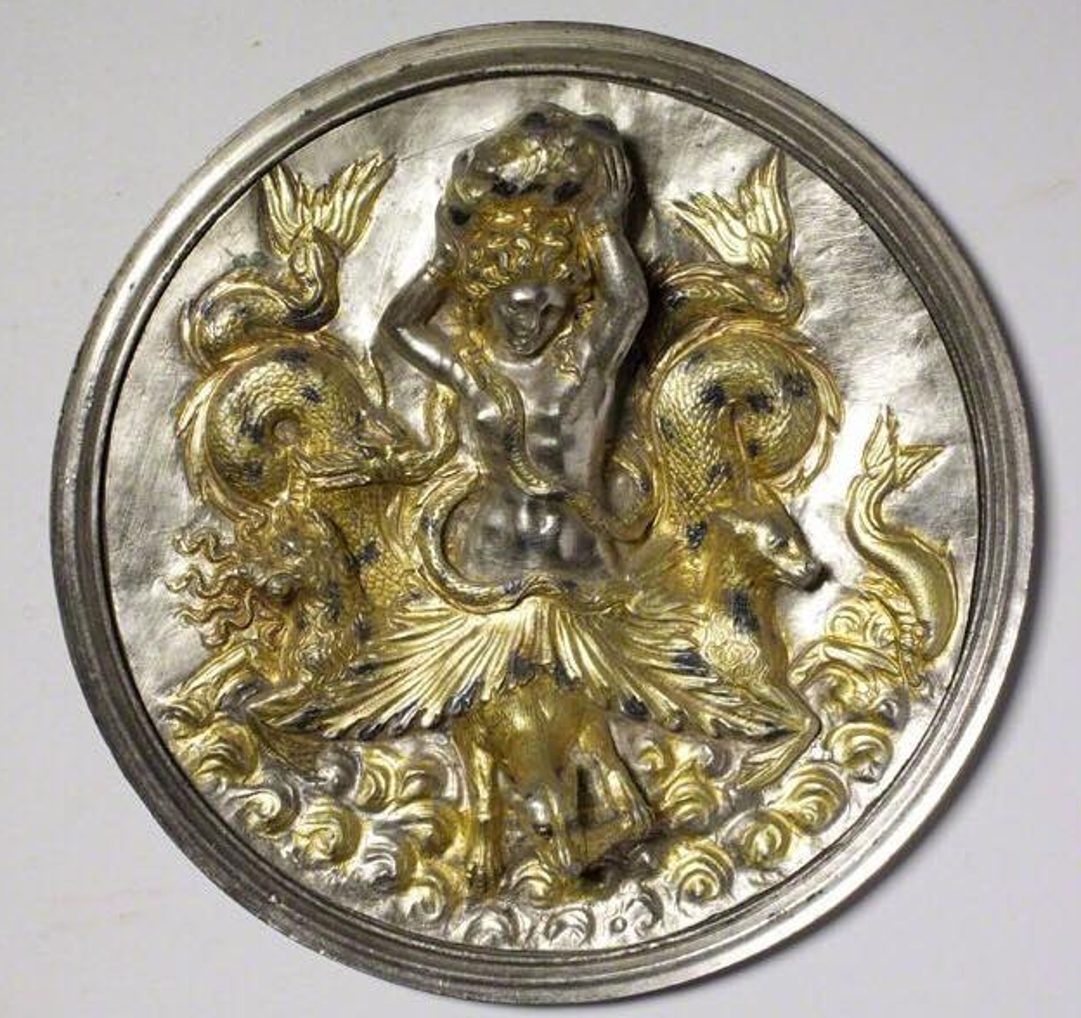 Disc from southern Italy described as a phalera. Metropolitan Museum, New York; third century BCE. Comparative evidence, not automatically a Roman military award.
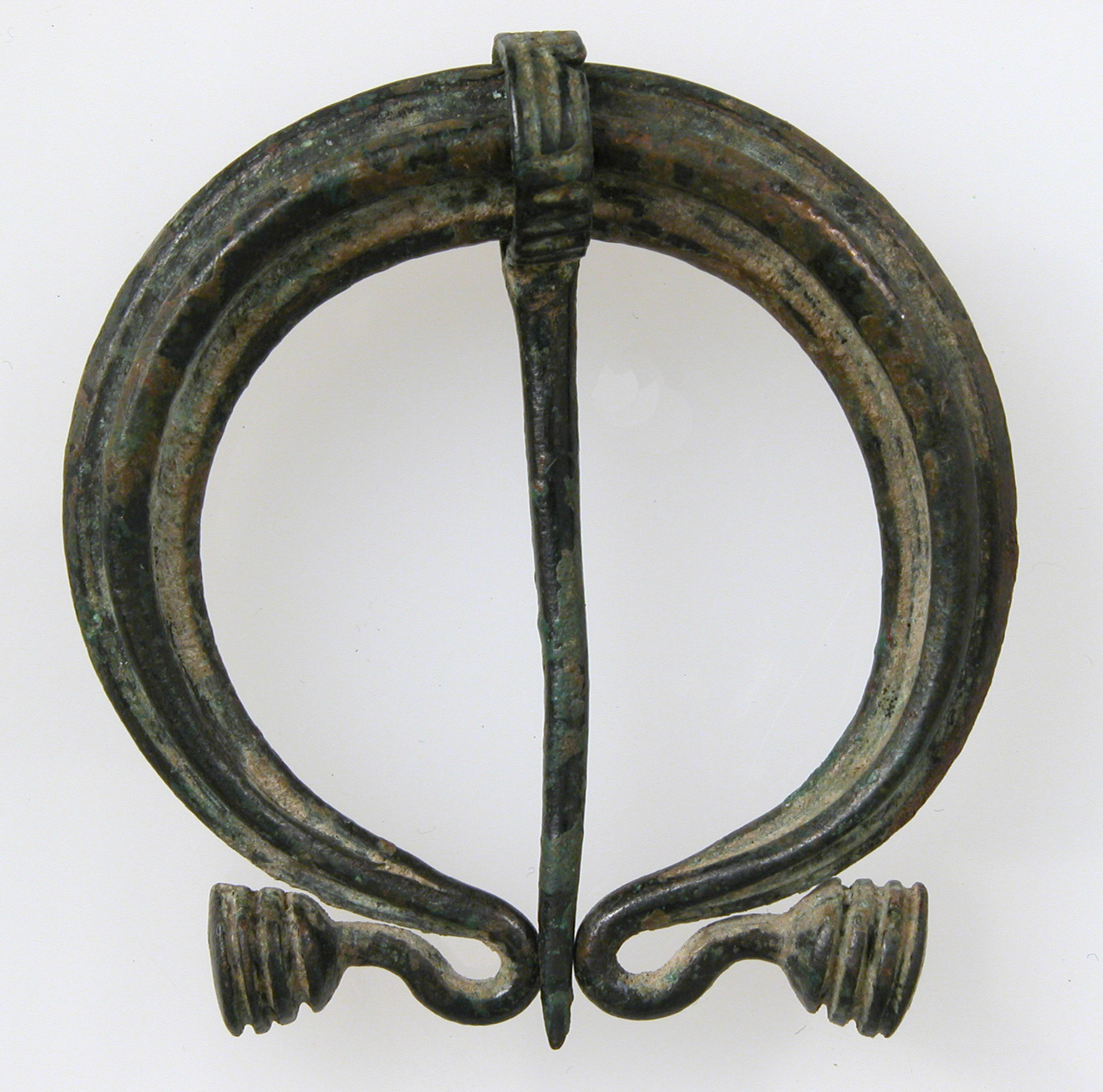 Roman omega-shaped fibula,I-II centuries AD,Metropolitan Museum of Art
Collection and Significance
For reconstruction, The Met is often useful not as the only source but as a fast catalogue of parallels: jewellery, brooches, footwear, glass, bronzes, pottery and relief objects often have good records and photographs.
Main Materials
- jewellery and personal ornaments;
- footwear, brooches, buttons and small bronzes;
- Greek and Etruscan pottery;
- Roman vessels, lamps and household objects;
- study collections and museum publications.
Context and Limits
When using The Met, read provenance carefully: some objects were acquired on the art market and do not always have archaeological context. Form, technique and dating can still help find a parallel for a poorly preserved find.
Related Topics
Sources


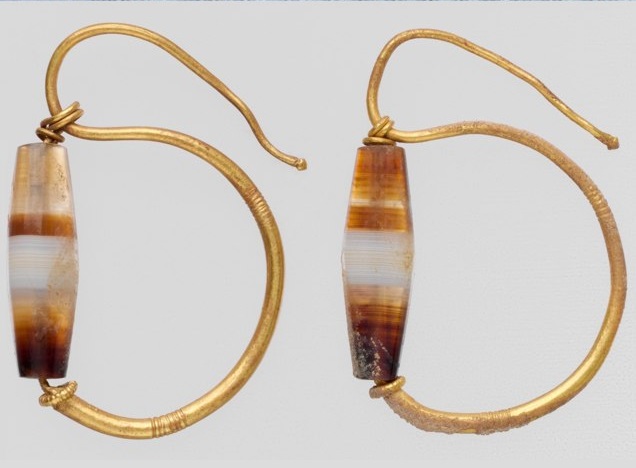 Roman earrings reported as found on Crete. Metropolitan Museum of Art, New York; first century BCE–second century CE.
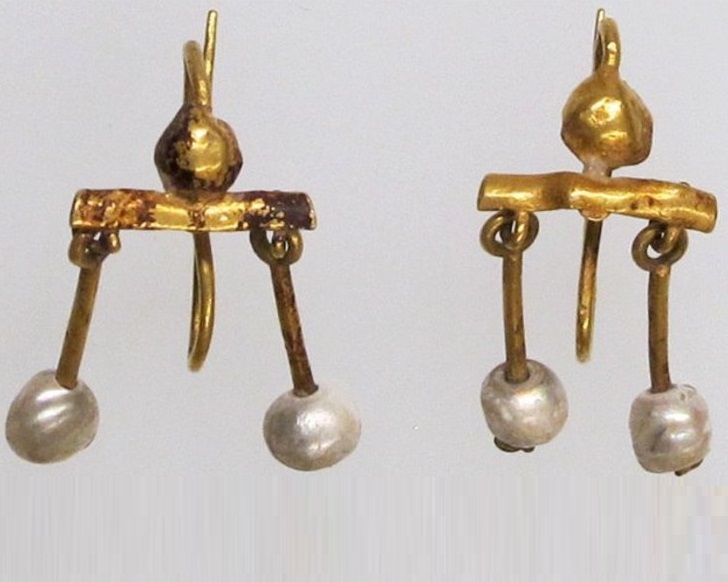 Roman earrings with pearls. Metropolitan Museum of Art, New York; first century CE.
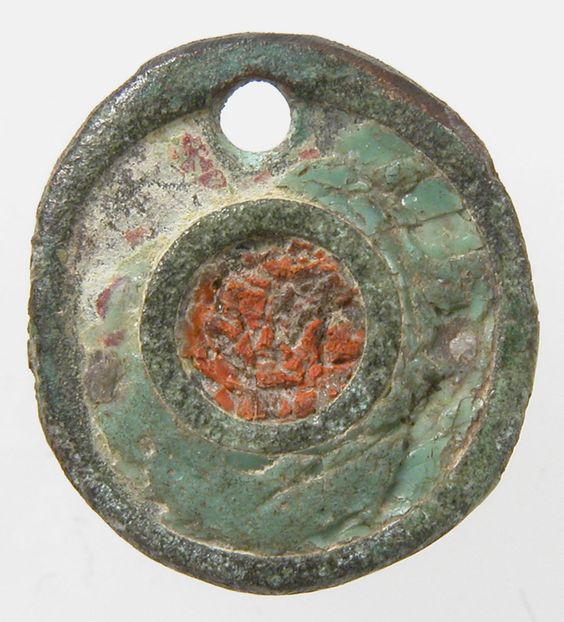 Enamelled object identified as a Roman button. Metropolitan Museum of Art, New York; second–fourth century CE.
Interested in Ancient Rome beyond reading? Join Legio X Fretensis or explore our reenactment directions.


