Glyptothek and State Collections of Antiquities, Munich
Munich’s classical collections include the Glyptothek and the State Collections of Antiquities. The Glyptothek focuses on Greek and Roman sculpture; the neighbouring collection includes pottery, bronze, glass, terracottas and ornaments. Together they allow comparison of monumental imagery with objects on a smaller scale.
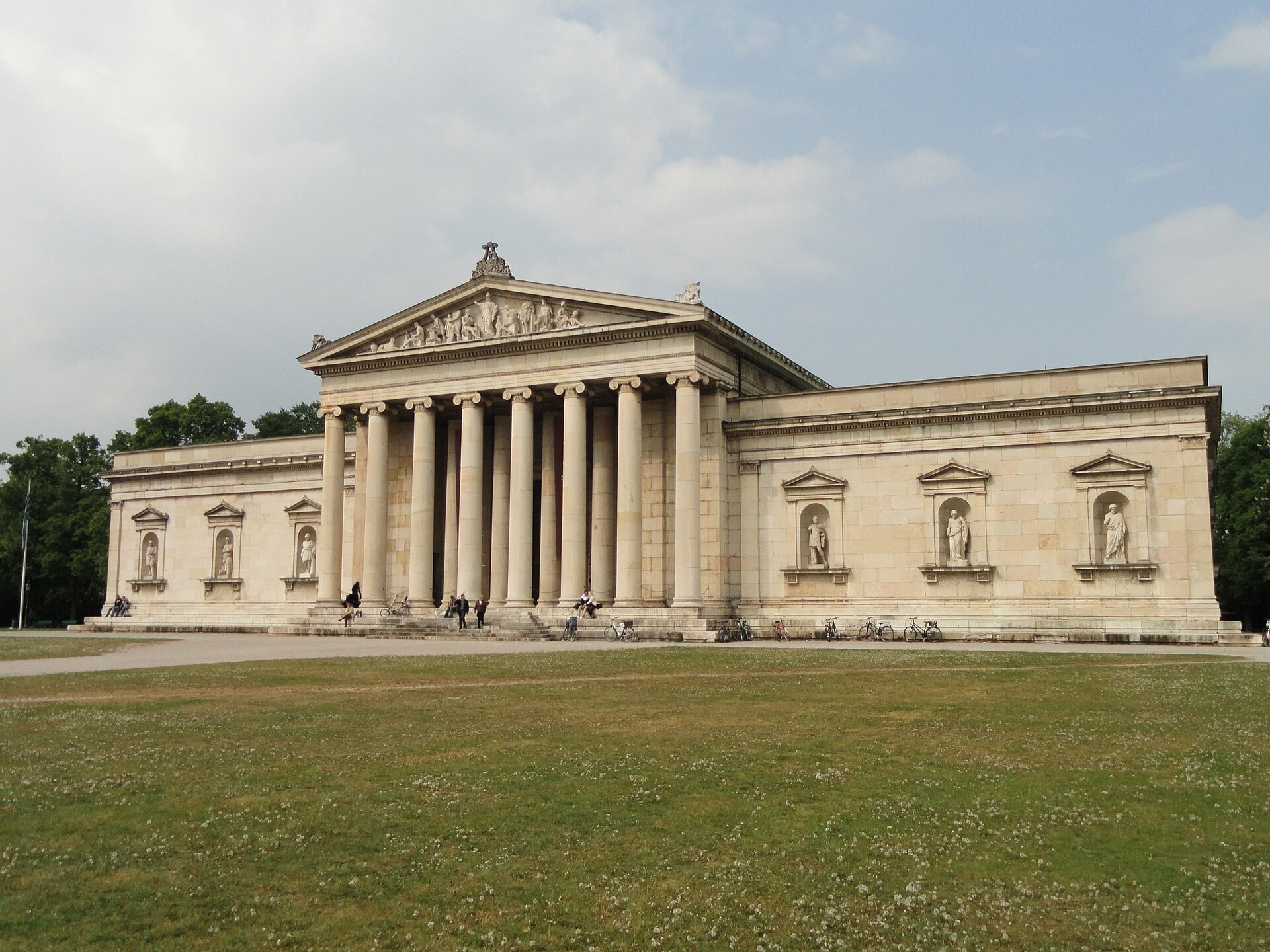 Glyptothek and State Collections of Antiquities, Munich: Exterior, Glyptothek Munich - DSC07378.
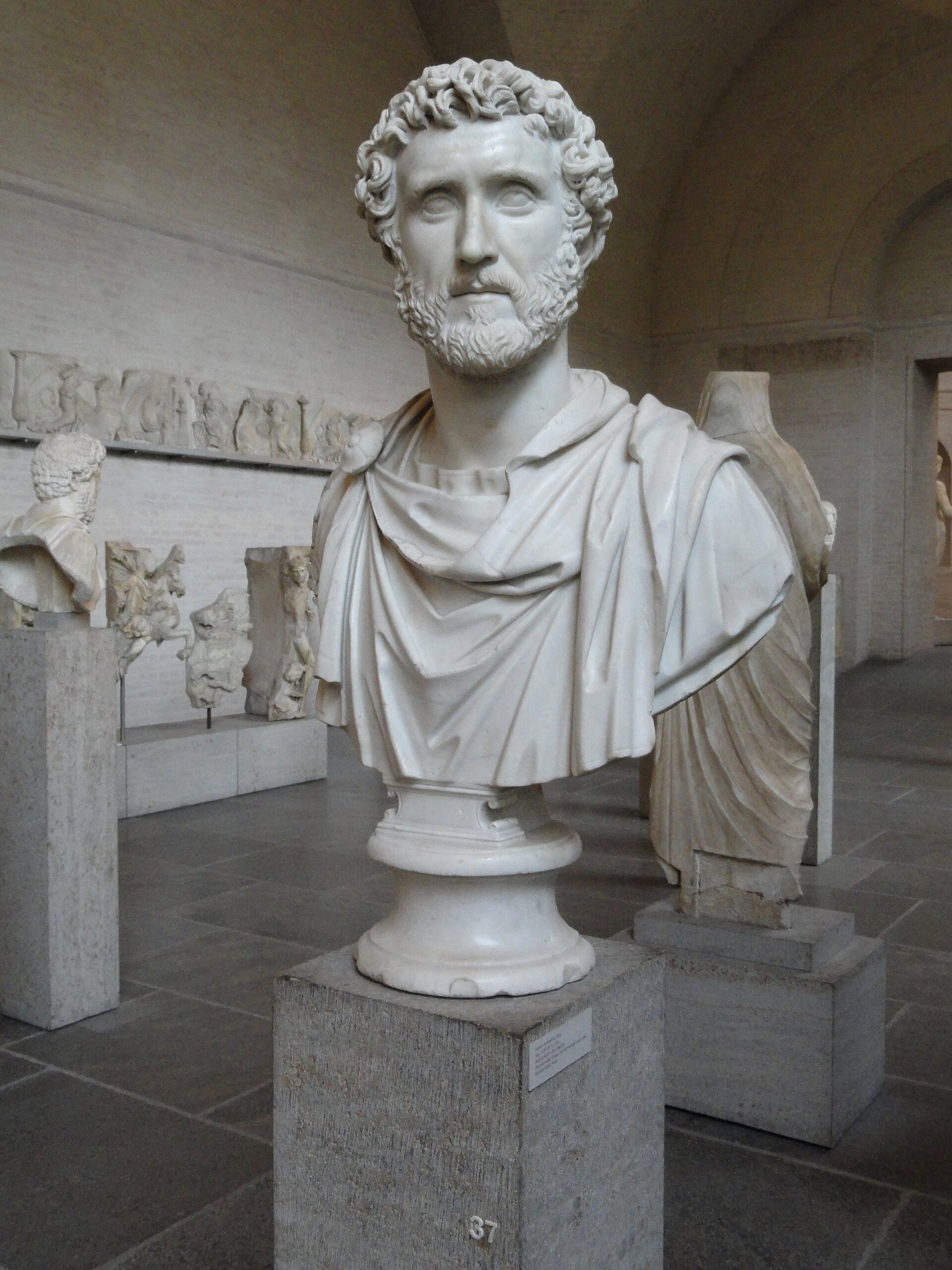 Glyptothek and State Collections of Antiquities, Munich: Interior, Glyptothek Munich - DSC07278.
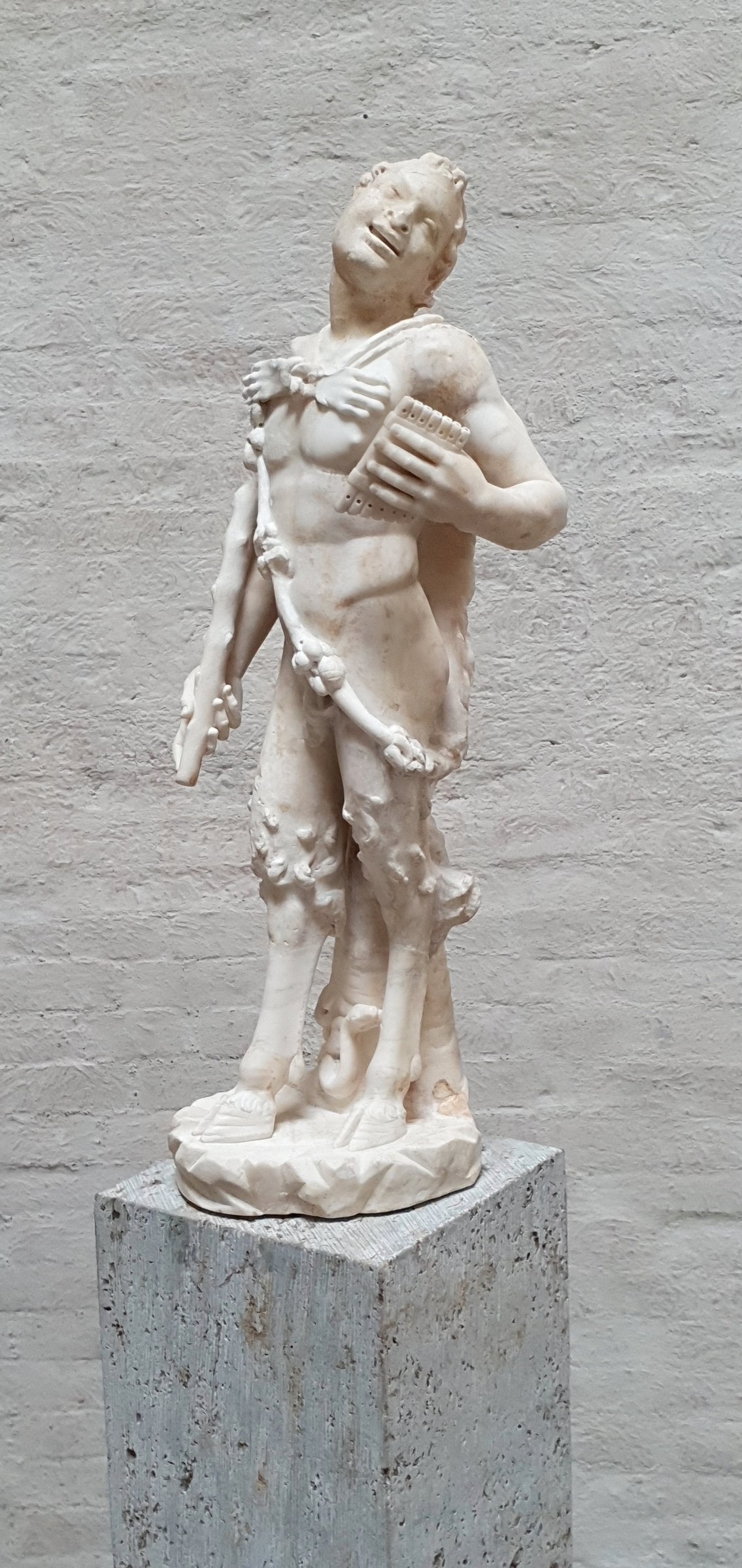 Glyptothek and State Collections of Antiquities, Munich: Pan-Glyptothek Munich.
Collection and Historical Context
The Munich collections do not derive from the excavation of one city. Each object has its own date and provenance. Comparing sculpture, vase painting and small finds helps clarify artistic types, but their proximity in a gallery does not establish that they were used together in antiquity.
Display and Main Materials
Important material includes Archaic and Classical sculpture, Roman portraiture, Greek vases, bronze and glass objects, terracottas and jewellery. It is especially useful to compare how one city displays monumental sculpture and small object evidence.
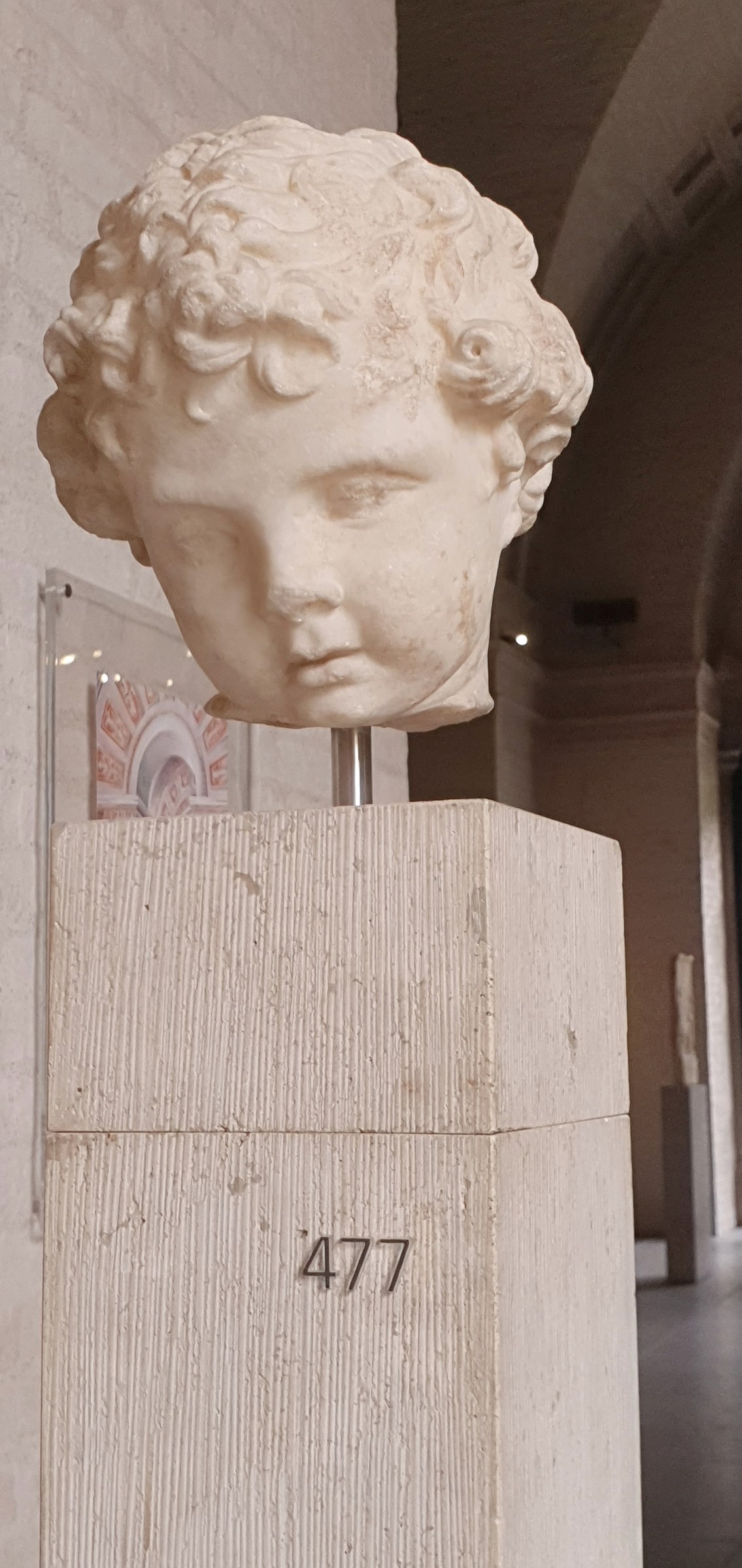 Glyptothek Munich - Room 5-Head of a boy. Object from the collection: Glyptothek and State Collections of Antiquities, Munich.
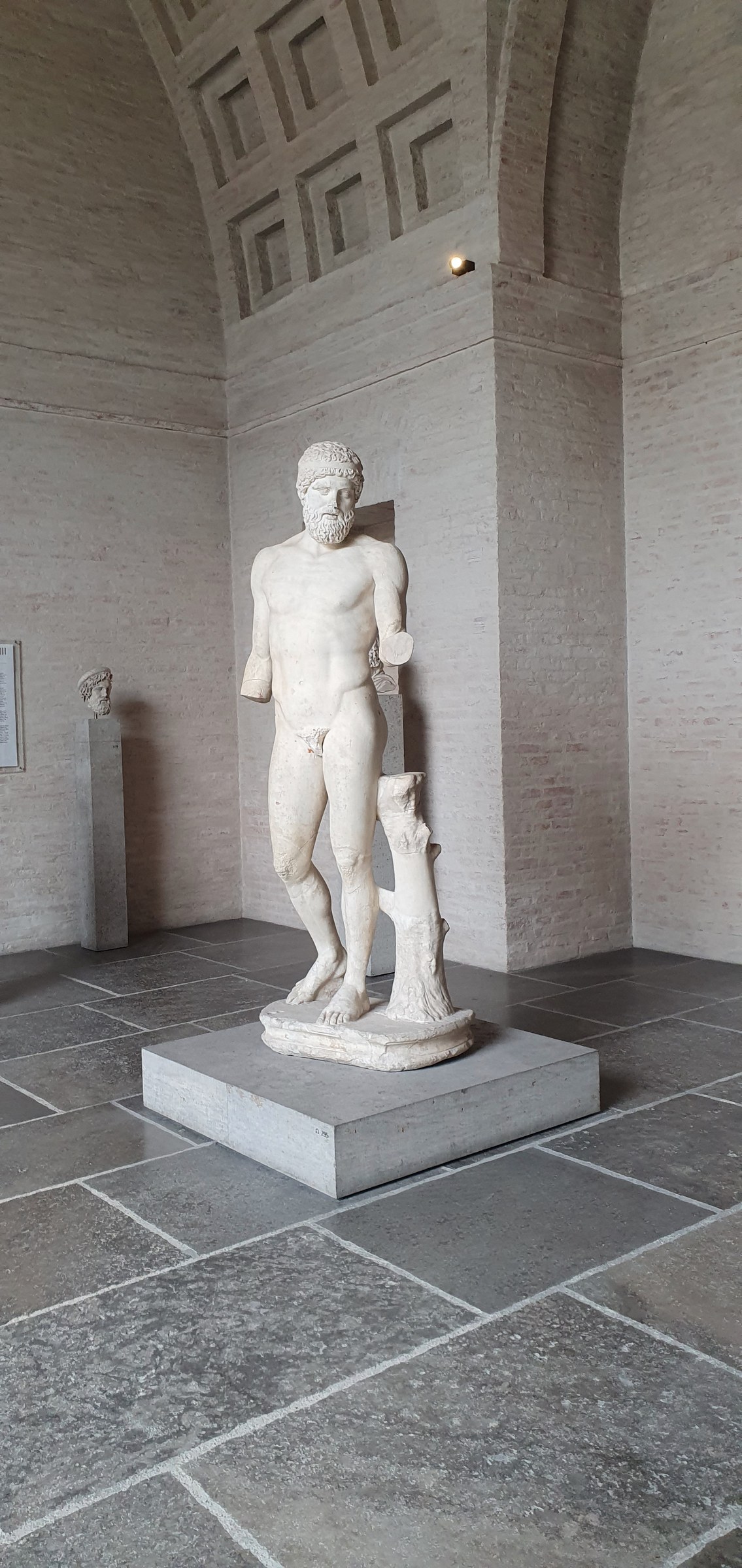 Glyptothek Munich - Room 3-Statue. Object from the collection: Glyptothek and State Collections of Antiquities, Munich.
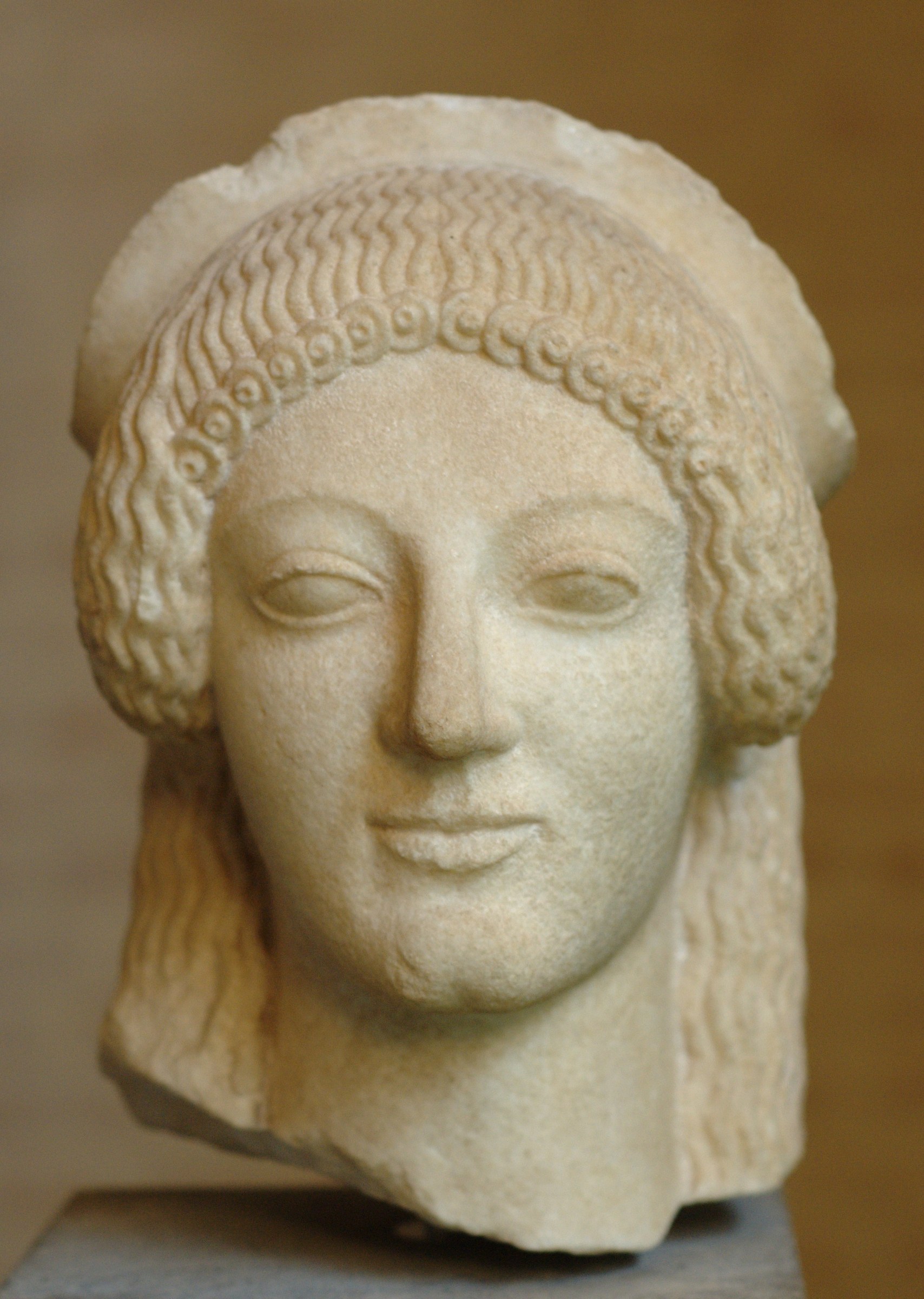 Aphaia head sphinx Glyptothek Munich 91. Object from the collection: Glyptothek and State Collections of Antiquities, Munich.
Related Topics
- Museums of Antiquity
- National Archaeological Museum, Athens
- Pergamonmuseum and Antikensammlung Berlin
- Capitoline Museums and Antiquity
- Archaeology and museums
Official Pages and Catalogues


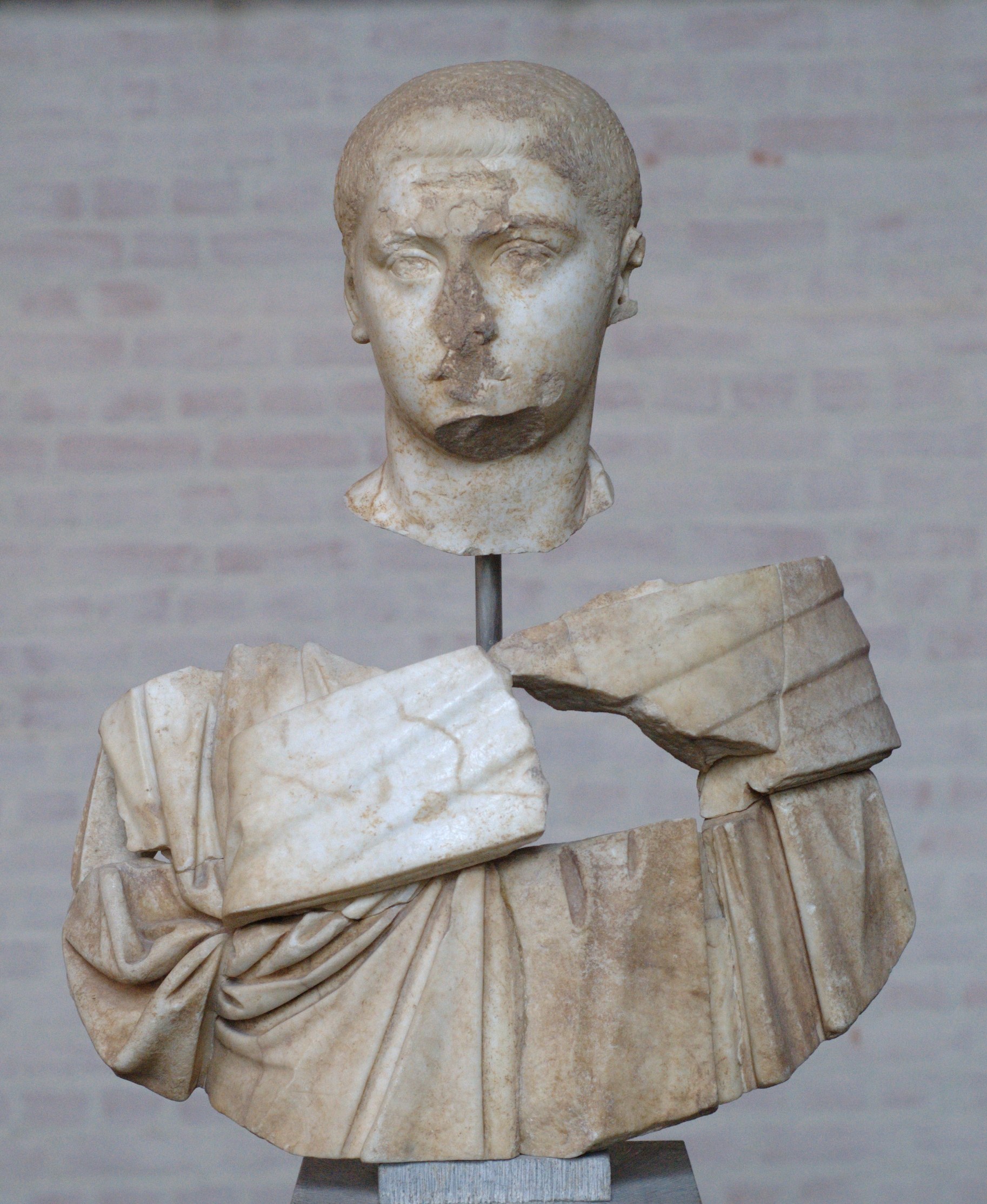 Bust Alexander Severus Glyptothek Munich. Object from the collection: Glyptothek and State Collections of Antiquities, Munich.
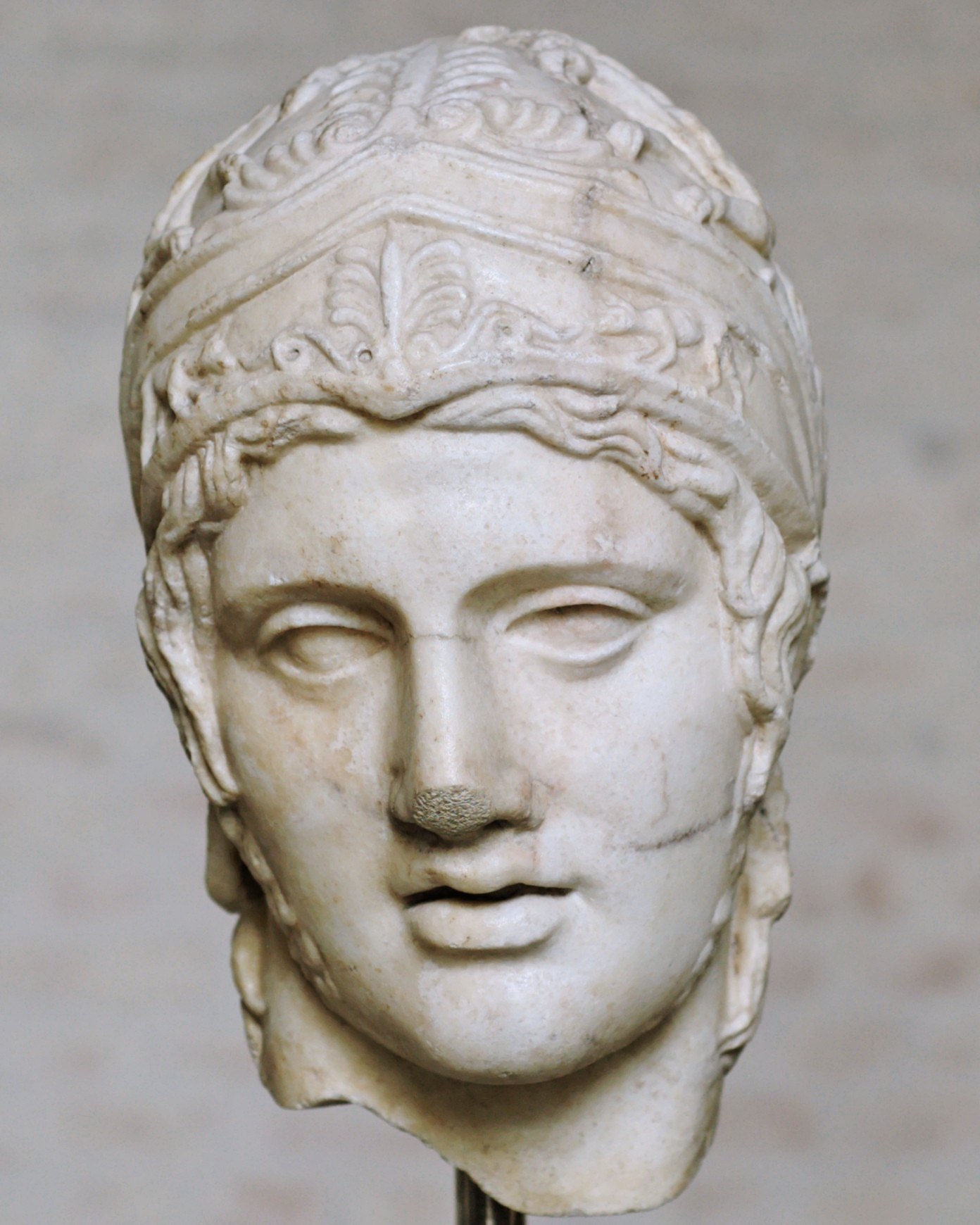 Head of Ares Borghese label QS:Len,"Head of Ares Borghese" label QS:Lde,"Kopf des Ares Borghese". Object from the collection: Glyptothek and State Collections of Antiquities, Munich.
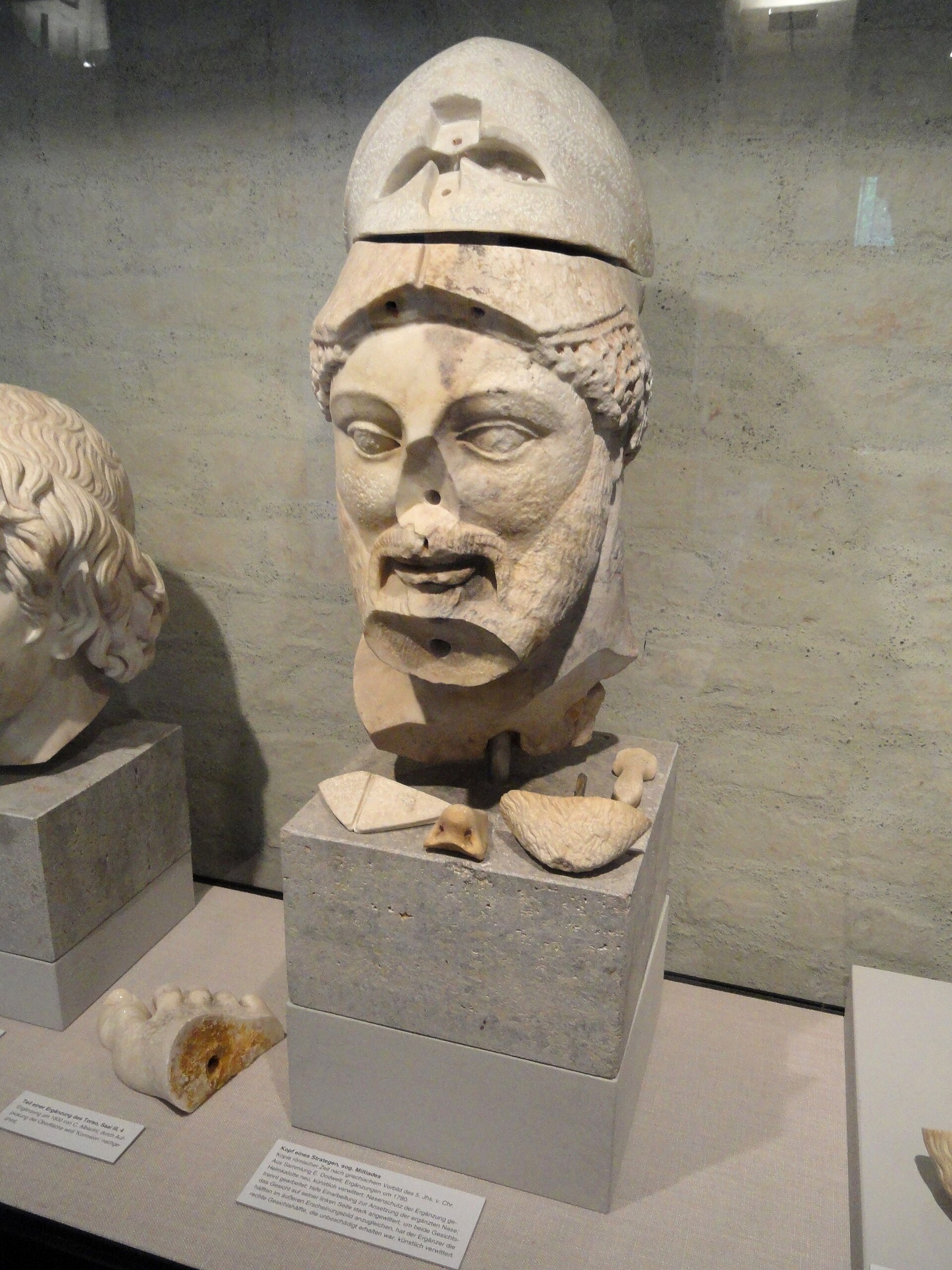 Head of Miltiades Glyptothek Munich. Object from the collection: Glyptothek and State Collections of Antiquities, Munich.
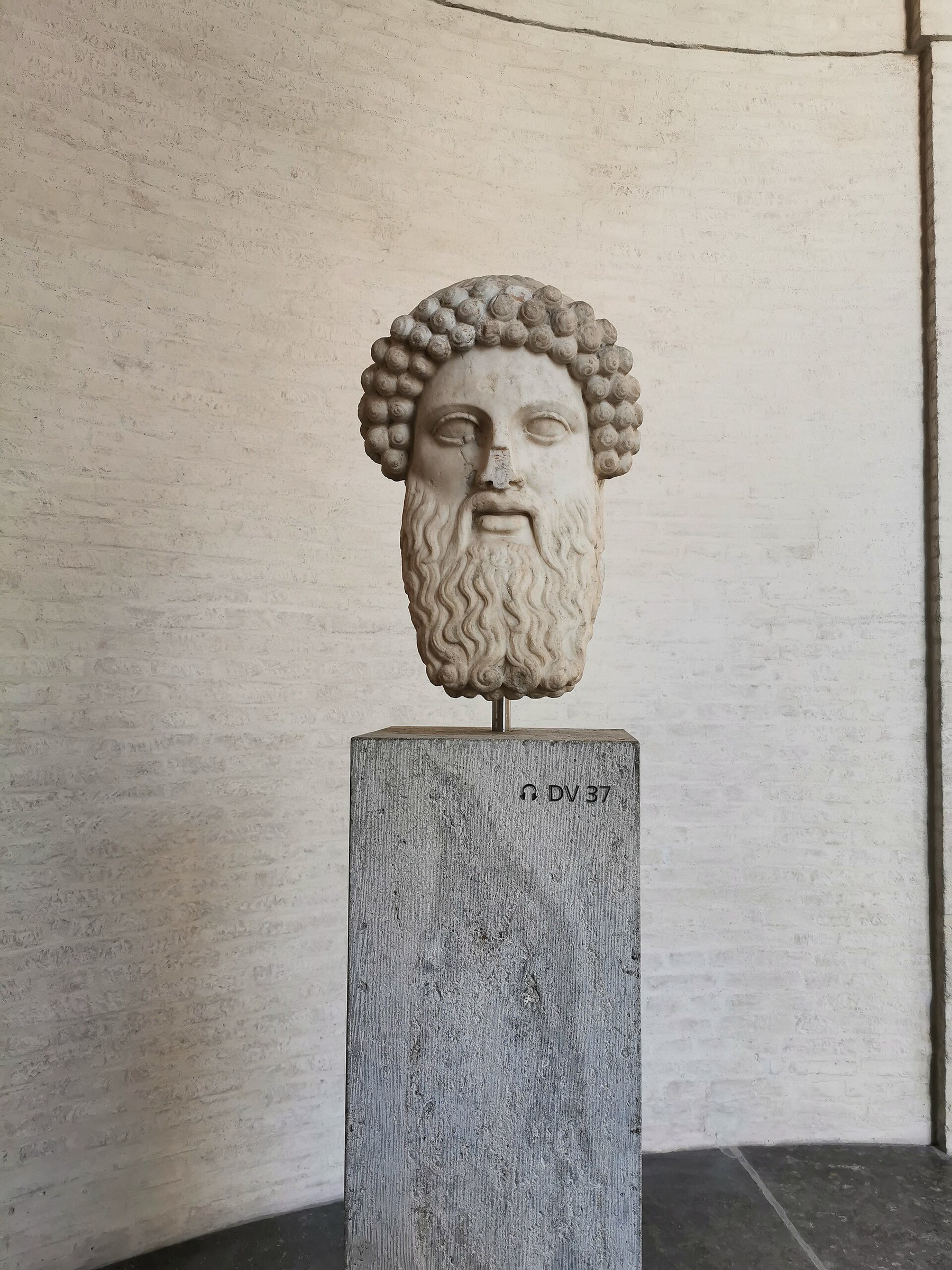 Sculpture at Glyptothek museum, Munich 01. Object from the collection: Glyptothek and State Collections of Antiquities, Munich.
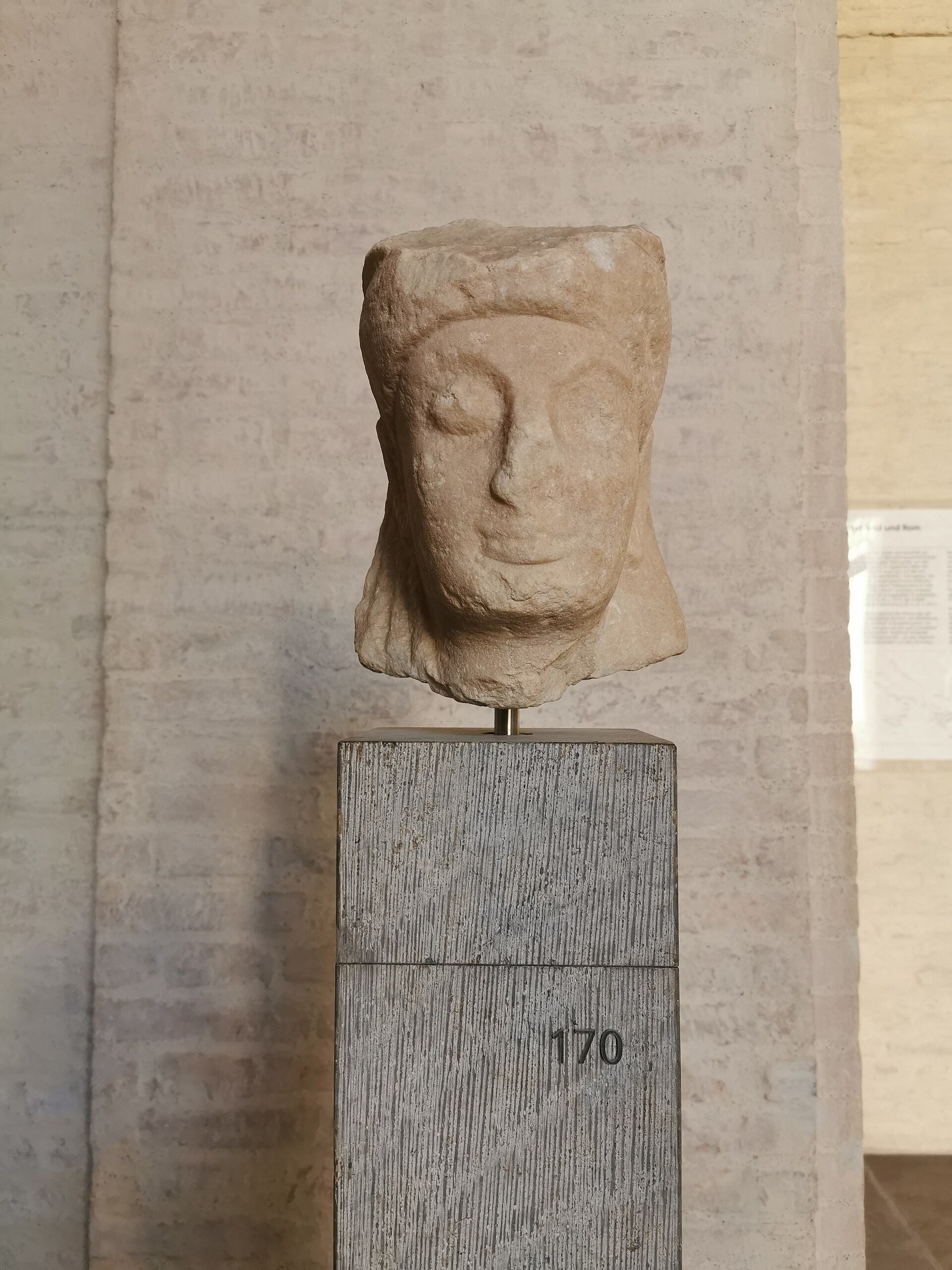 Sculpture at Glyptothek museum, Munich 02. Object from the collection: Glyptothek and State Collections of Antiquities, Munich.
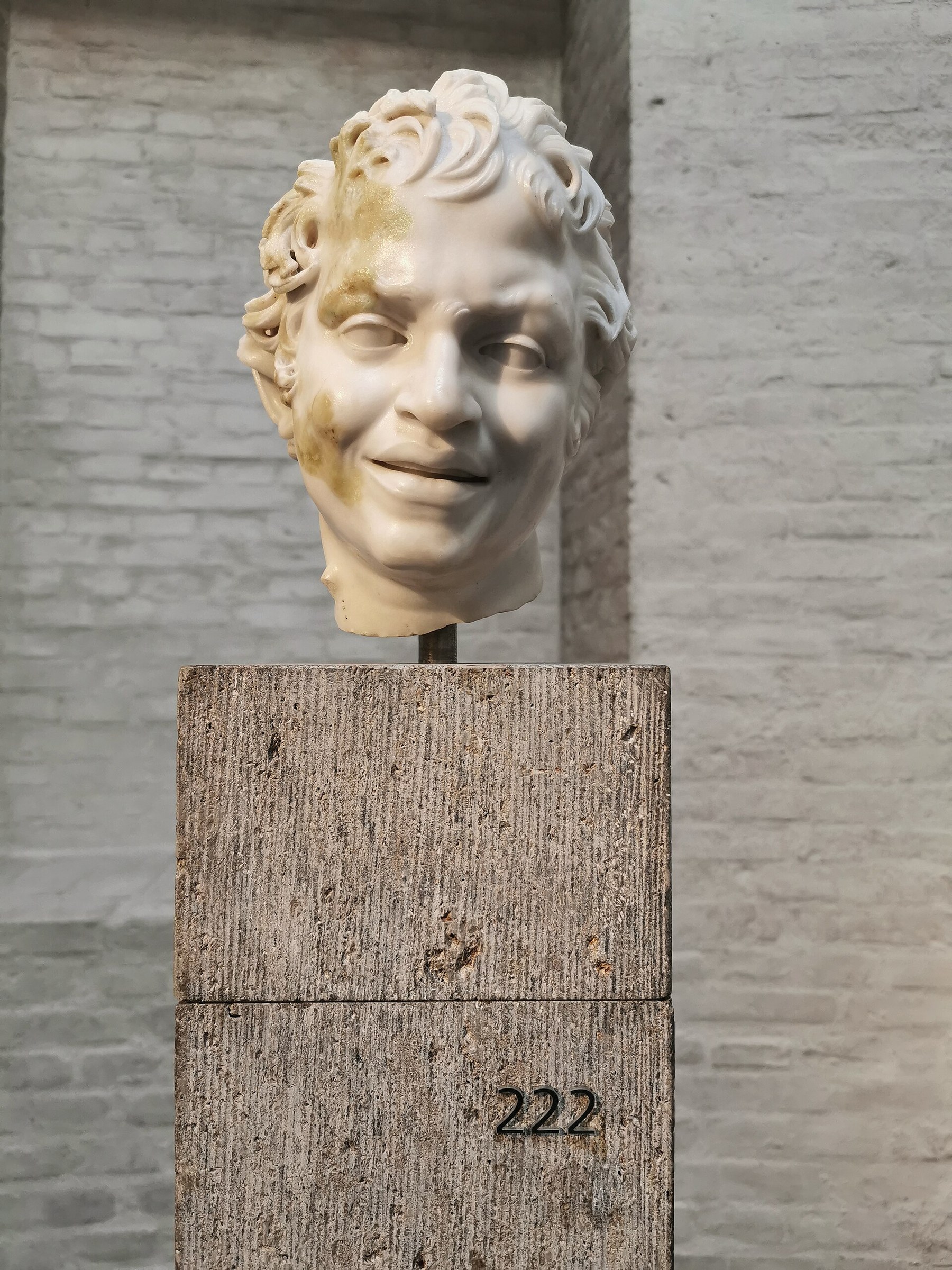 Sculpture at Glyptothek museum, Munich 08. Object from the collection: Glyptothek and State Collections of Antiquities, Munich.
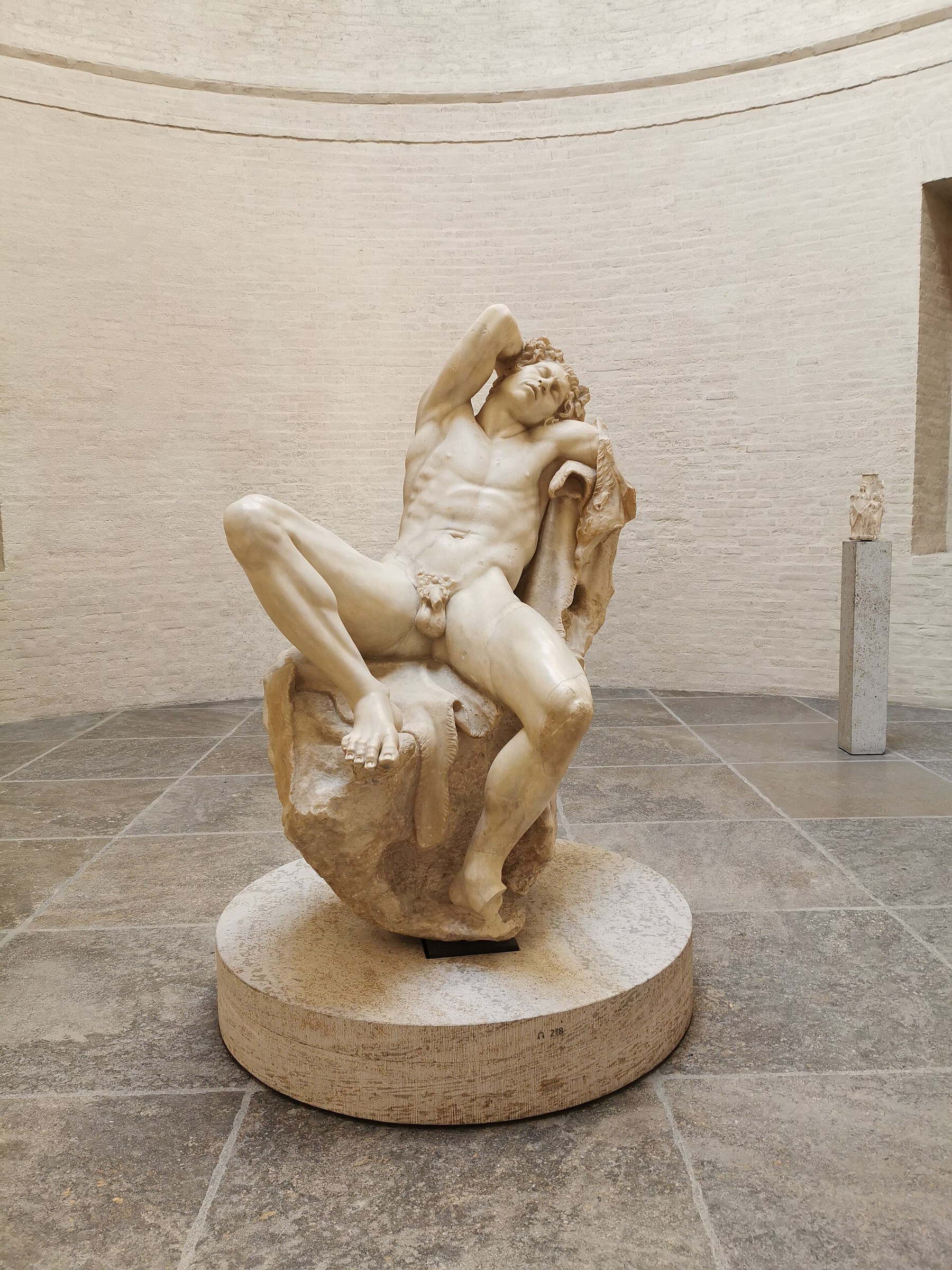 Sculpture at Glyptothek museum, Munich 09. Object from the collection: Glyptothek and State Collections of Antiquities, Munich.
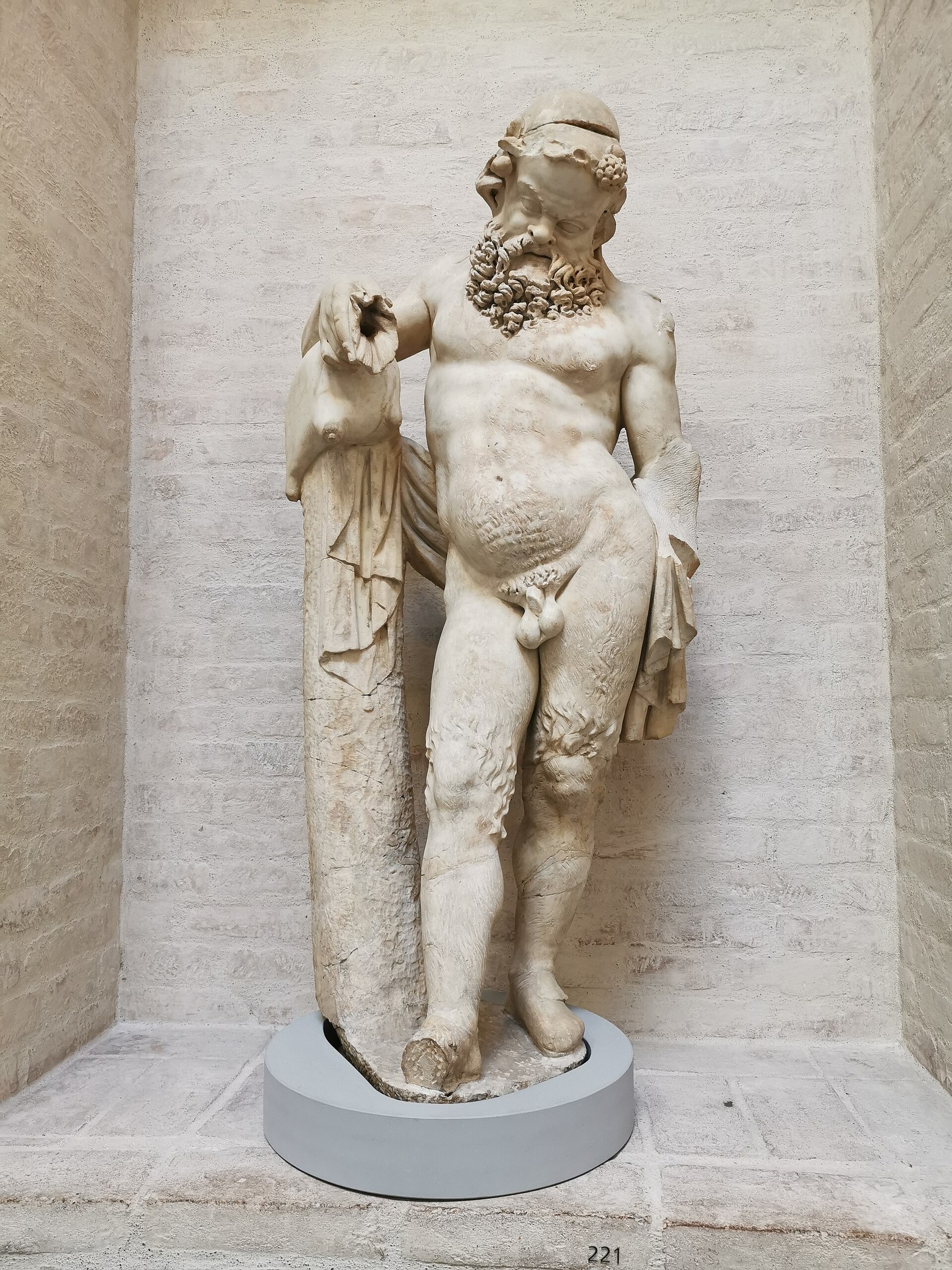 Sculpture at Glyptothek museum, Munich 12. Object from the collection: Glyptothek and State Collections of Antiquities, Munich.
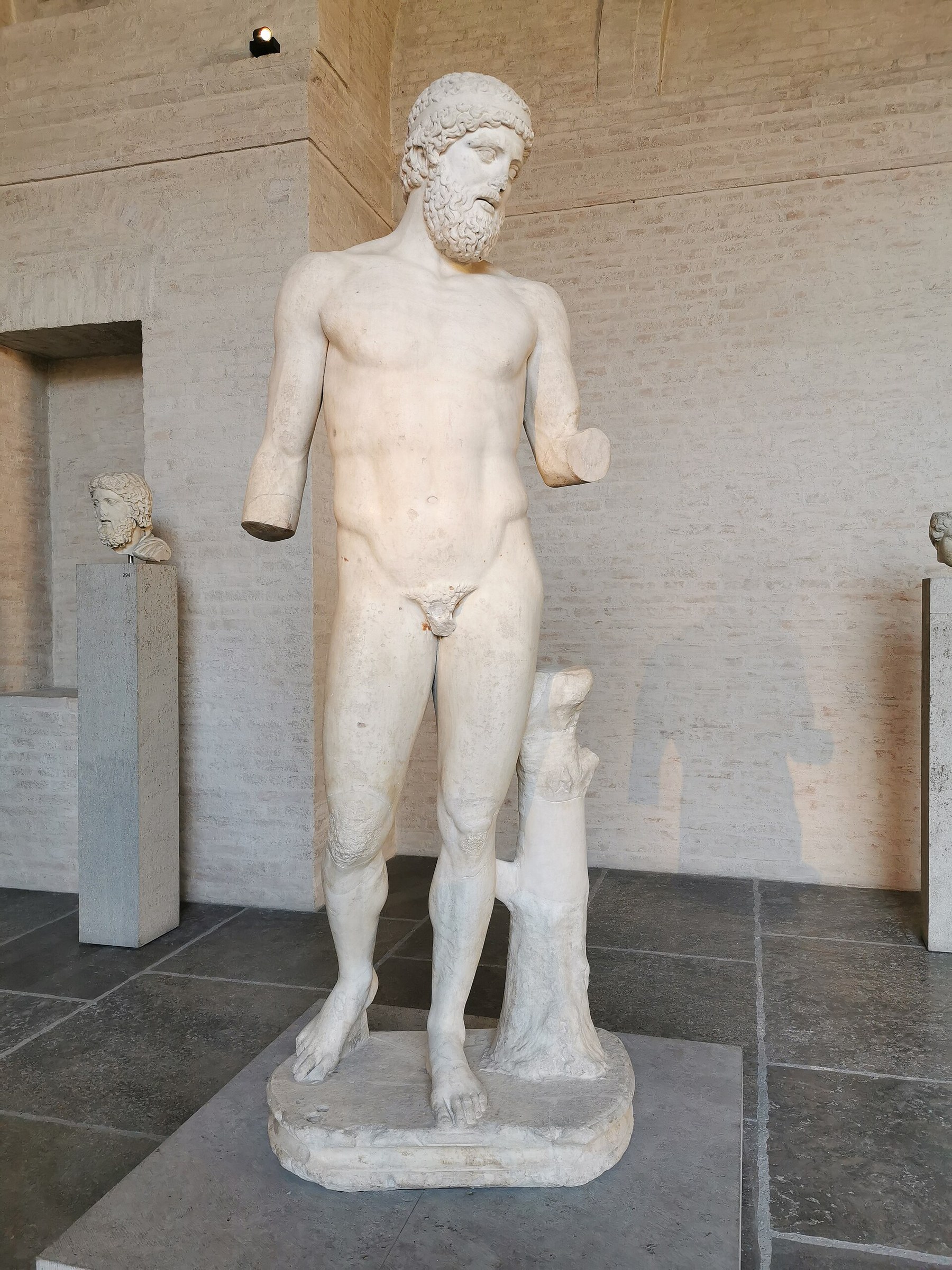 Sculpture at Glyptothek museum, Munich 13. Object from the collection: Glyptothek and State Collections of Antiquities, Munich.
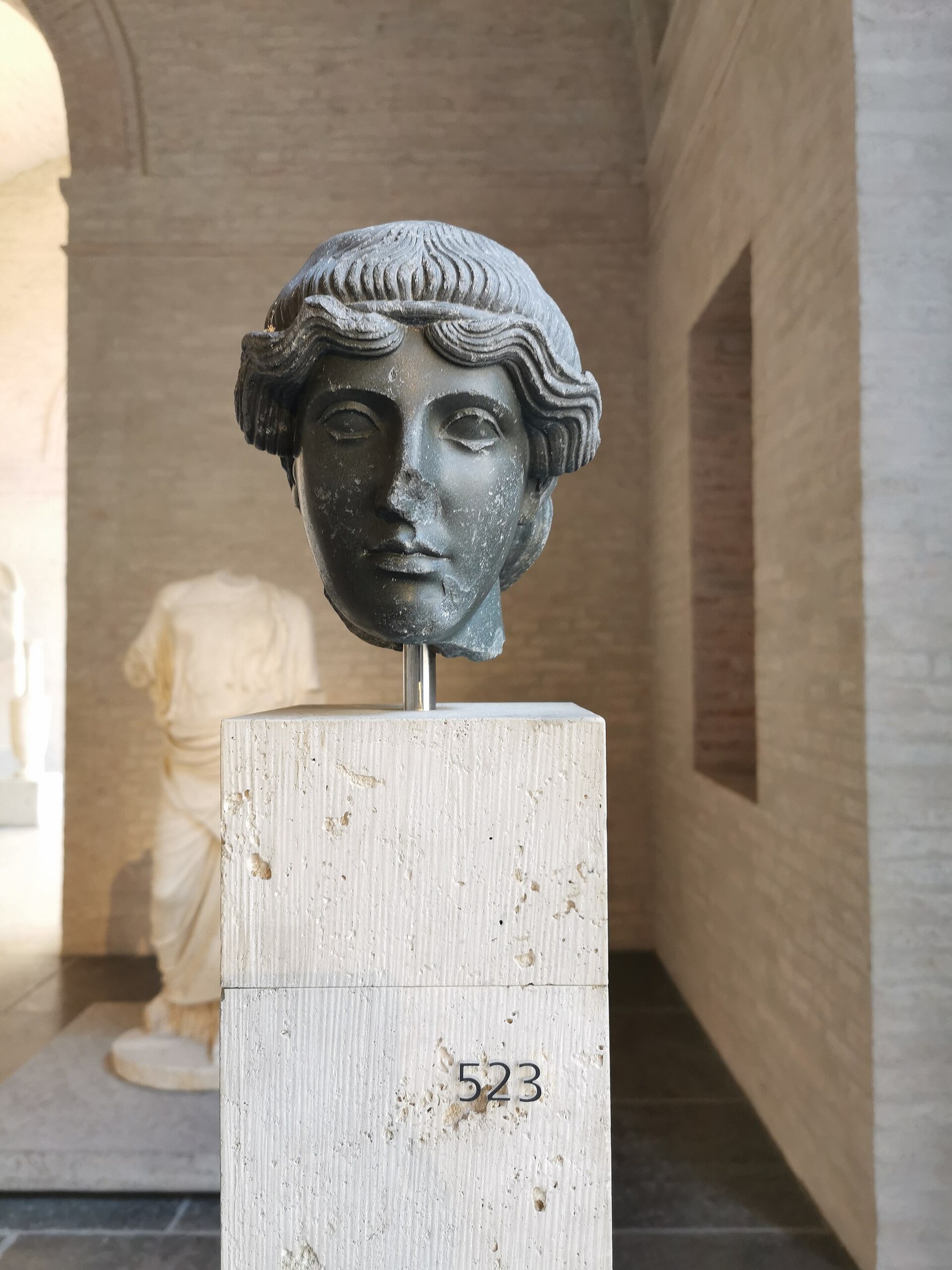 Sculpture at Glyptothek museum, Munich 17. Object from the collection: Glyptothek and State Collections of Antiquities, Munich.
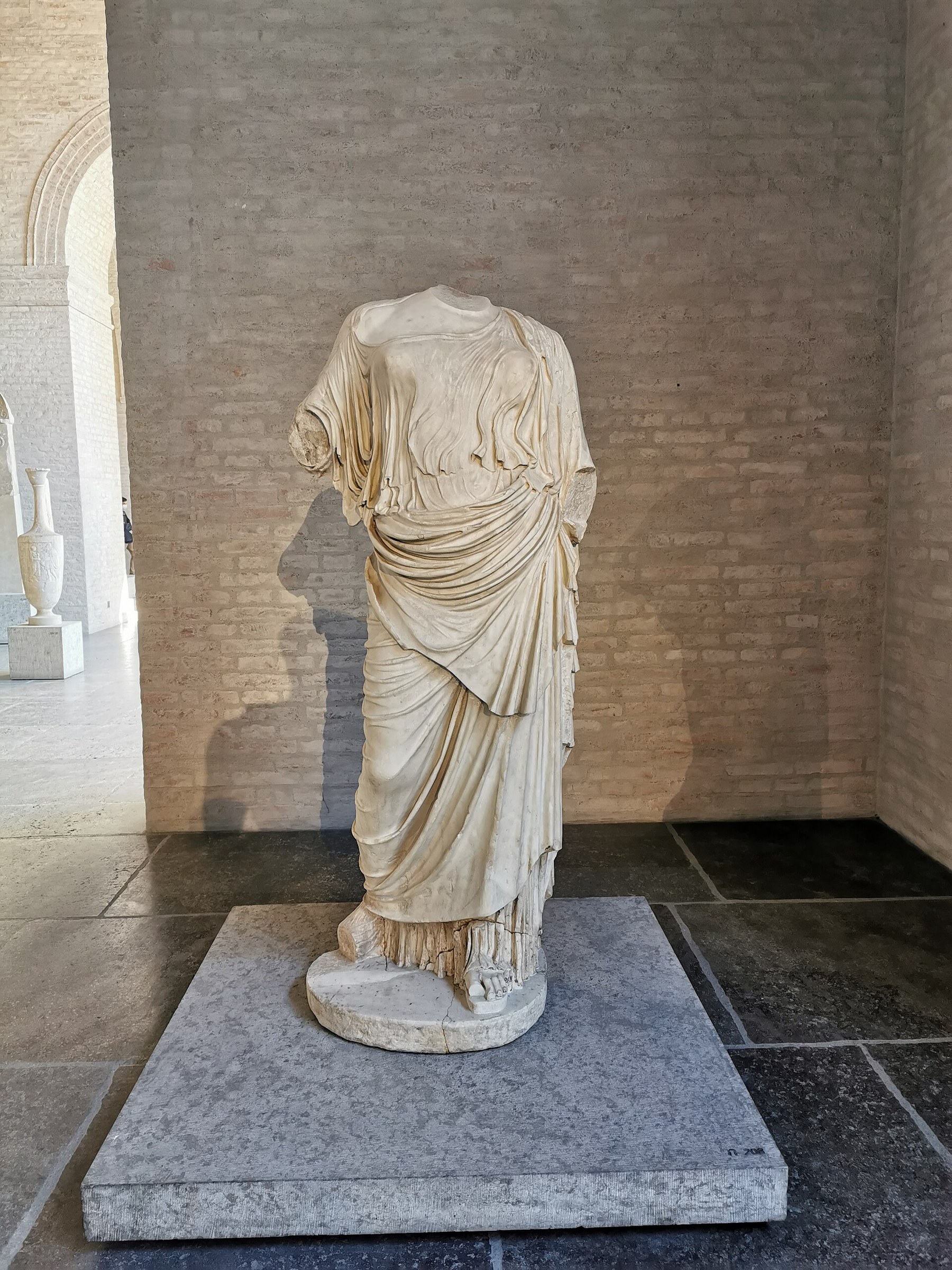 Sculpture at Glyptothek museum, Munich 18. Object from the collection: Glyptothek and State Collections of Antiquities, Munich.
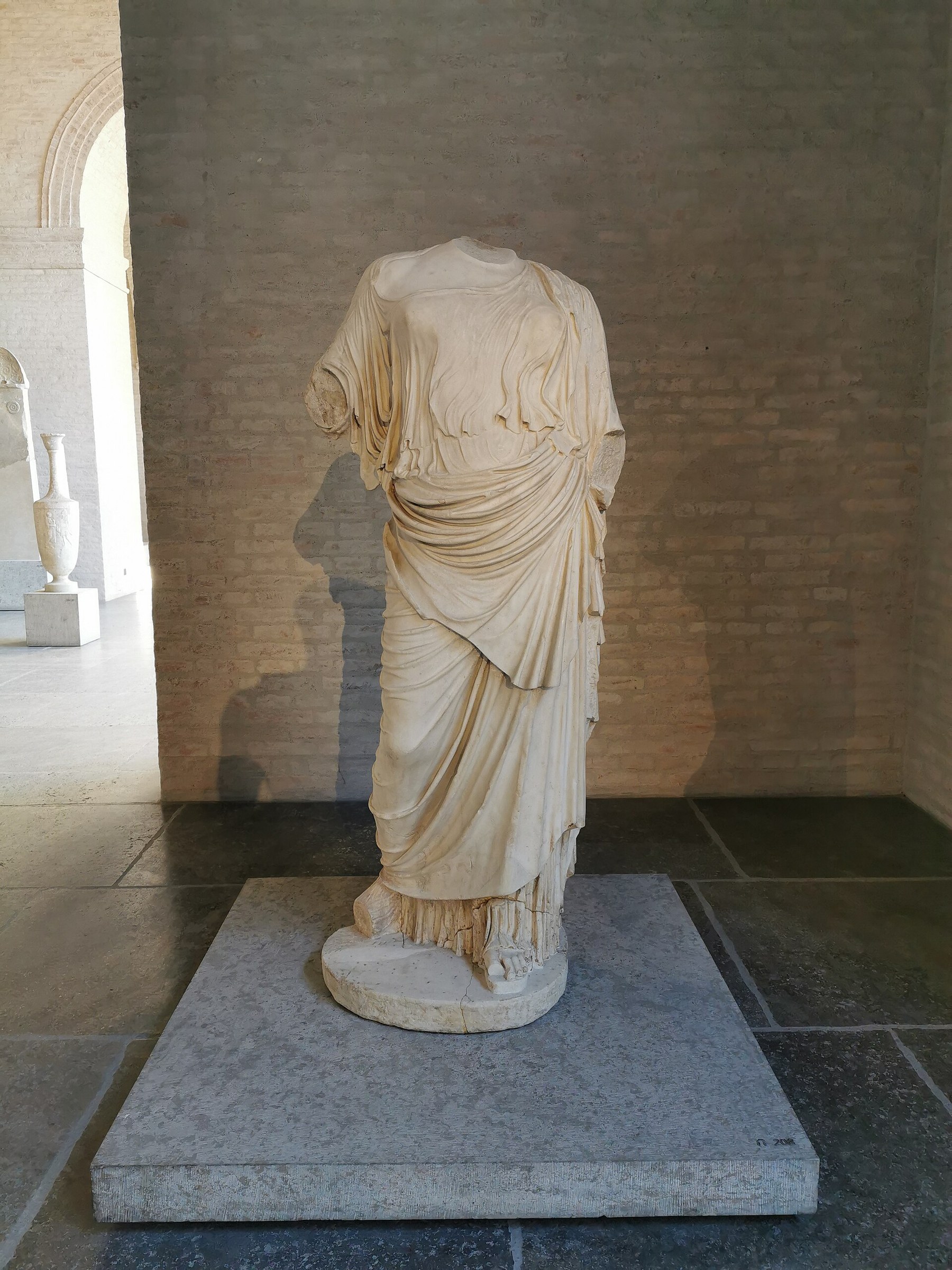 Sculpture at Glyptothek museum, Munich 19. Object from the collection: Glyptothek and State Collections of Antiquities, Munich.
Interested in Ancient Rome beyond reading? Join Legio X Fretensis or explore our reenactment directions.


