Capitoline Museums and Antiquity
The Capitoline Museums are important as one of Europe's oldest public museum complexes and as a collection rooted in the topography of Rome. For antiquity this is not an abstract collection: many objects are connected with city ruins, the Capitol, imperial cult and Roman memory.
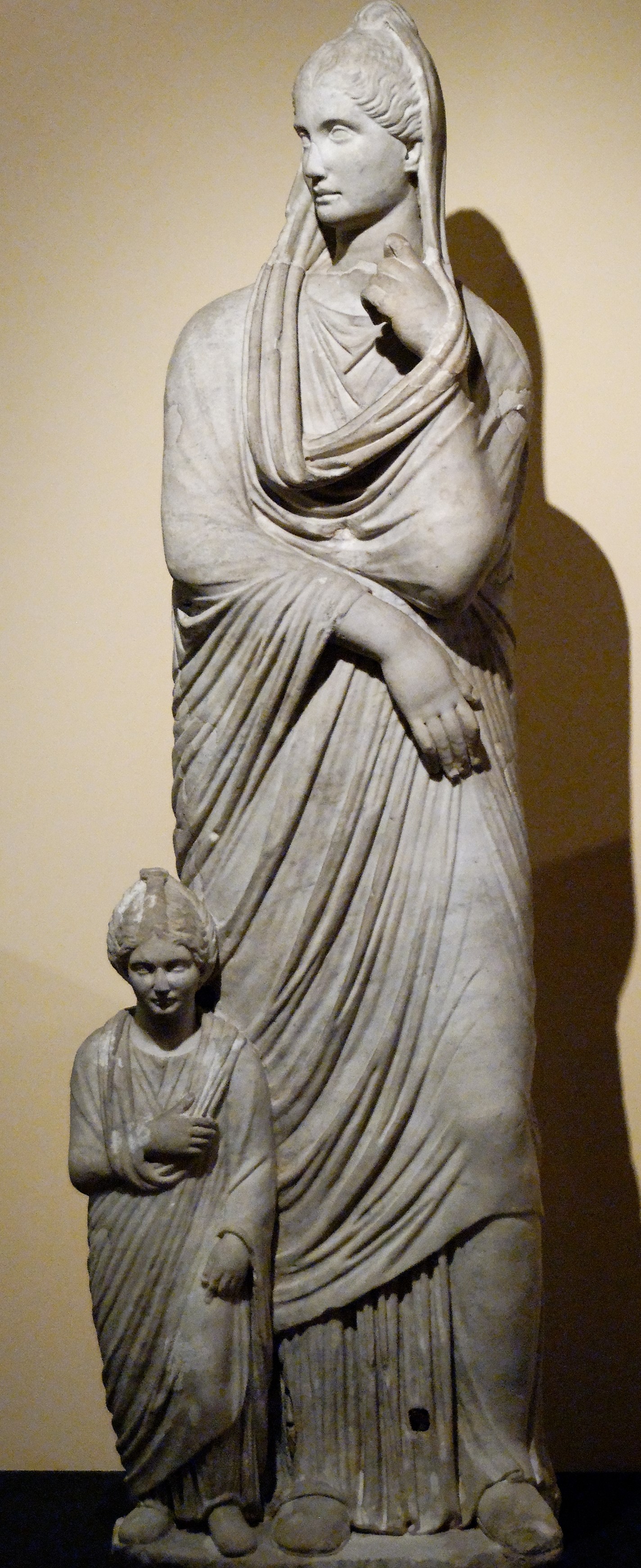 Footwear detail on a statue of a woman and her daughter, 50–40 BCE. Capitoline Museums, Rome.
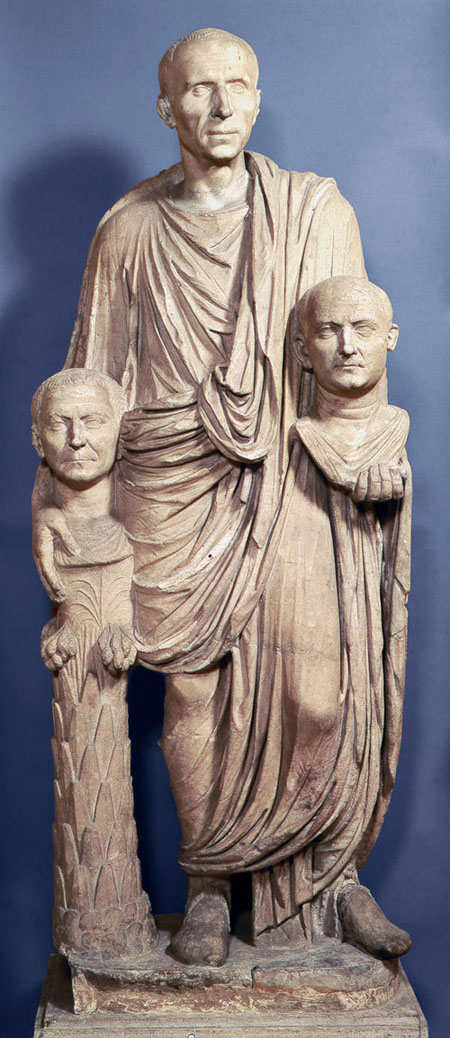 A Roman patriot senator. Rome,Capitoline Museums. 1st century BC-1st century AD
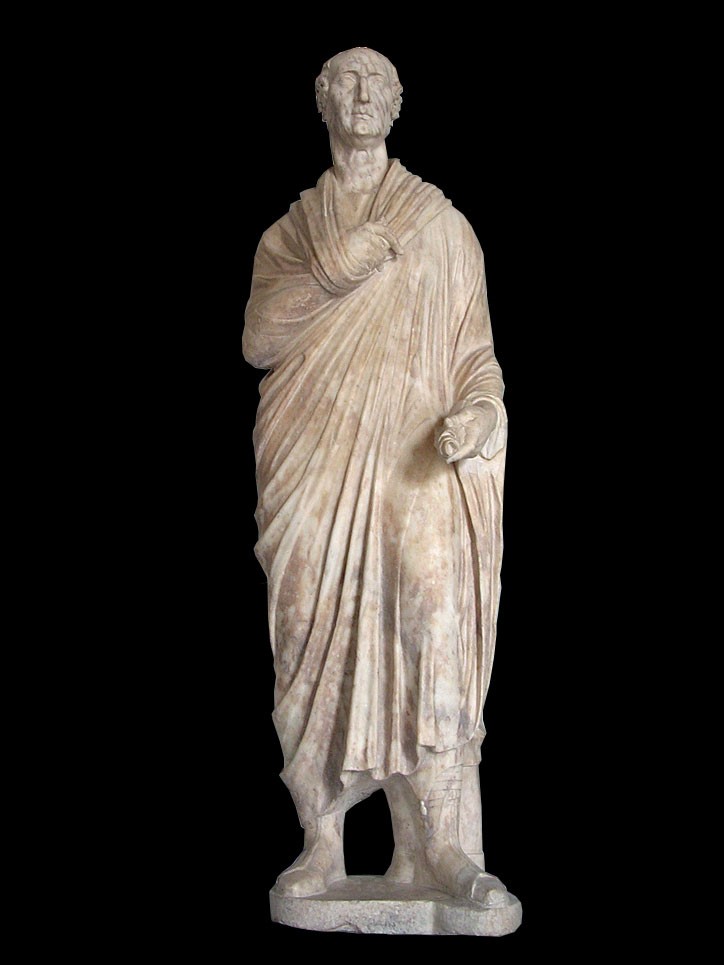 "Mari". Marble. Republican era. Inv. MC 635. Rome,Capitoline Museums,New Palace,Great Hall.
Collection and Significance
The official history of the museum begins with early papal donations and later additions of ancient sculpture. The Hall of the Emperors is especially valuable for portrait typology: the series from Augustus to late antiquity shows the development of official imagery.
Main Materials
- imperial portraits and Republican heads;
- the Capitoline Wolf and bronze tradition;
- Roman sculpture and copies of Greek originals;
- epigraphy and urban archaeology;
- reliefs with religious and triumphal scenes.
Context and Limits
For reconstruction, the Capitoline Museums are useful above all for checking portraiture, posture, status and urban Roman iconography. They are a good counterweight to purely military collections.
Related Topics
Sources


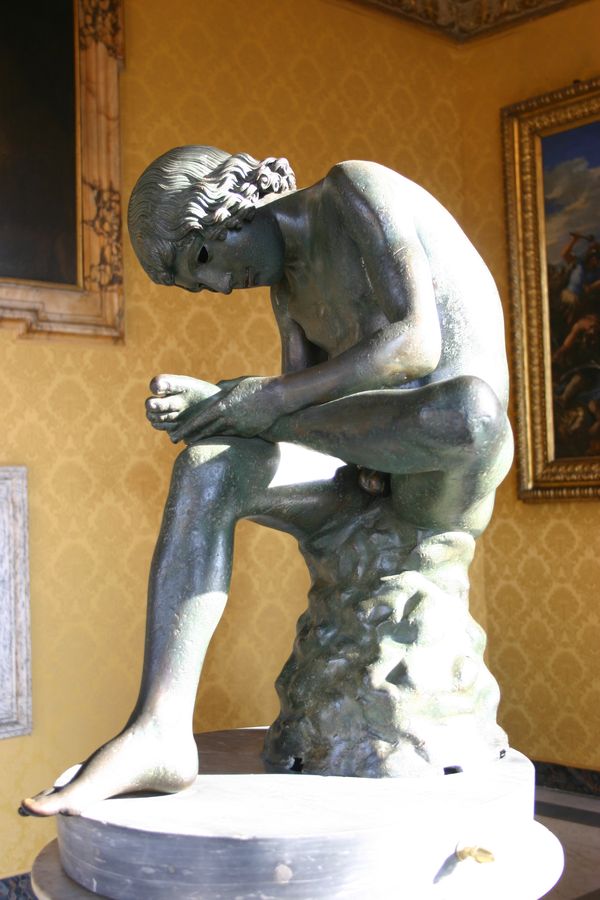 Spinario ('Boy Pulling a Thorn'), bronze, 1st century BCE, height 73 cm. The Roman eclectic composition combines a Hellenistic model for the body with a head type derived from 5th-century BCE Greek art. Capitoline Museums, inv. MC1186.
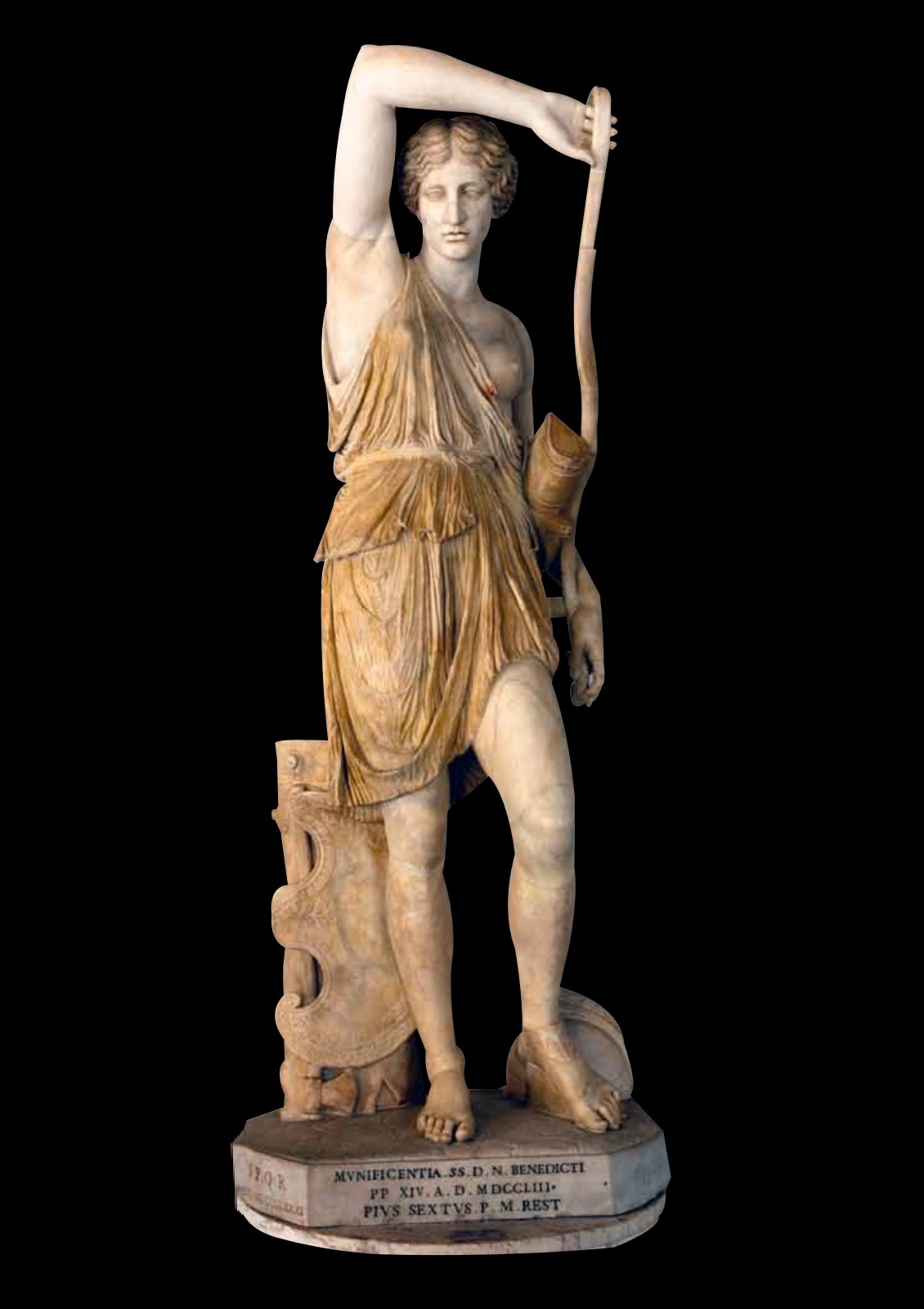 Statue of the Amazon. Roman copy from the original Greek. Capitoline Museum,Italy. The original is from the 5th century BC.
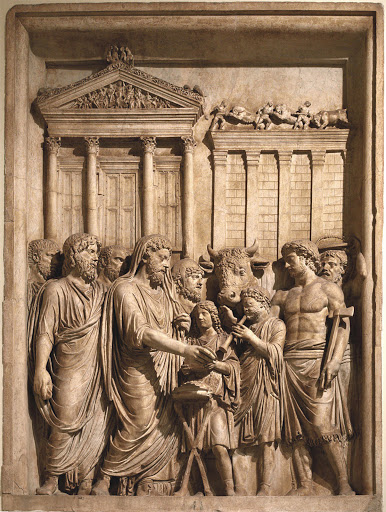 Sacrifice to Jupiter Capitolinus; relief panel from the Arch of Marcus Aurelius, AD 176-180; marble.
Interested in Ancient Rome beyond reading? Join Legio X Fretensis or explore our reenactment directions.


