Cyprus Museum
The Cyprus Museum in Nicosia is important as the island's main archaeological museum. It expands the Greek and Roman material toward the eastern Mediterranean, where Aegean, Near Eastern, Phoenician, Hellenistic and Roman influences intersect.
Cyprus prevents Greek antiquity from being reduced to mainland Greece and the Aegean islands. The island's material shows copper, pottery, sanctuaries, sculpture, coins and a complex cultural geography.
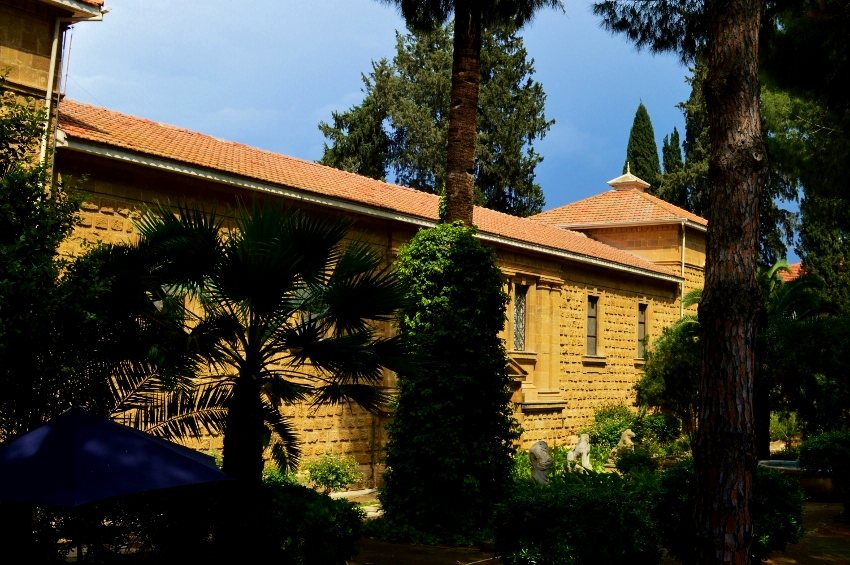 Cyprus Museum: Cyprus Archaeological Museum exterior Nicosia Republic of Cyprus.
Collection and Historical Context
Cypriot finds reflect the interaction of Aegean, Near Eastern and local traditions. Pottery, copper and bronze objects, sculpture and cult material require regional dating: similarities with mainland Greece do not erase the independent development of the island’s centres.
Display and Main Materials
Pottery, copper and bronze objects, sculpture, coins, jewellery, cult objects and the chronological development from the Neolithic to the Early Byzantine period deserve attention. For antiquity the Greek, Phoenician and Roman lines are central.
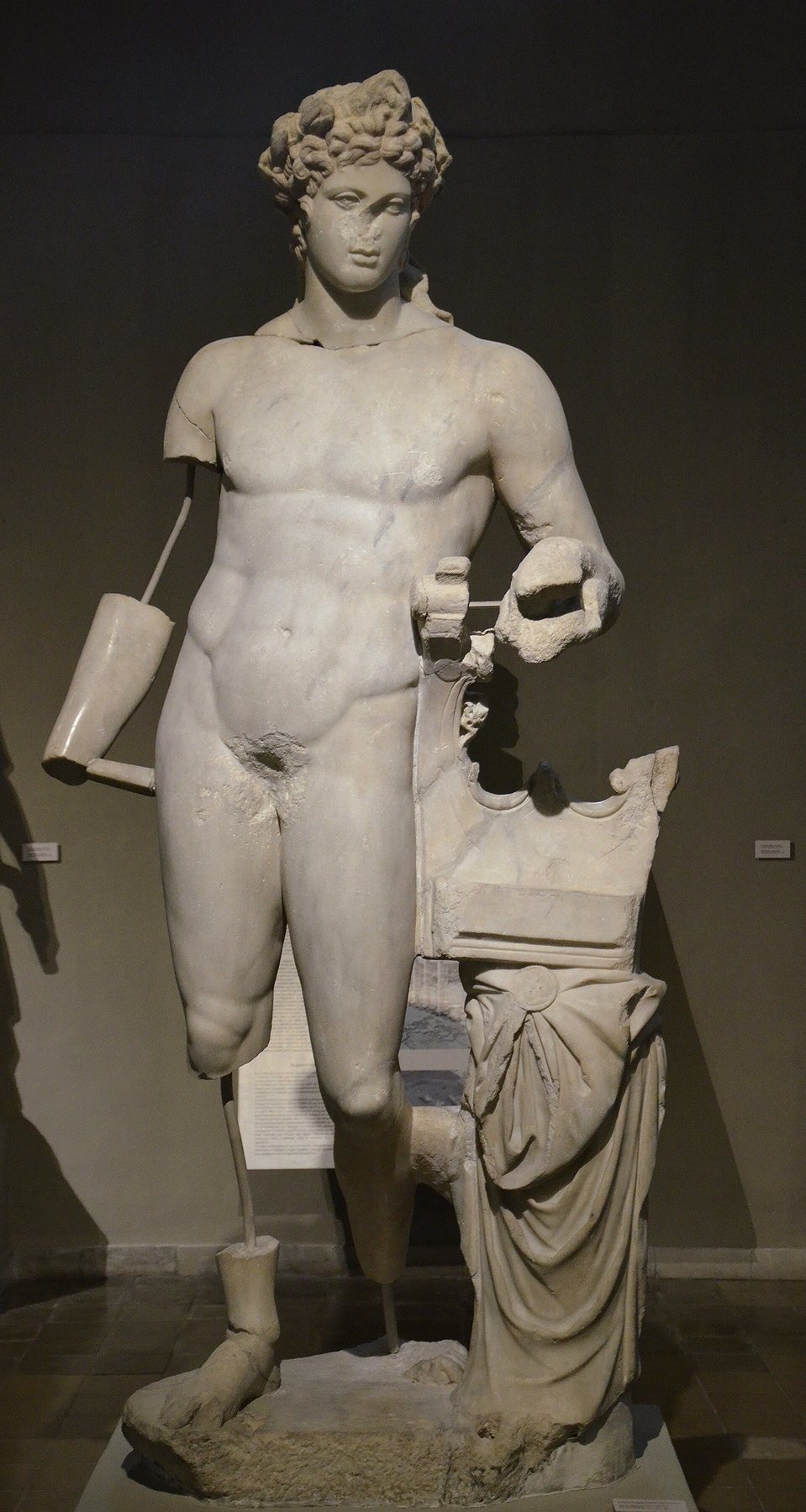 Over life-size statue of Apollo Citharoedus (the lyre-player), from the Gymnasium of Salamis, 2nd century AD, Cyprus Museum, Nicosia, Cyprus (22484277762). Object from the collection: Cyprus Museum.
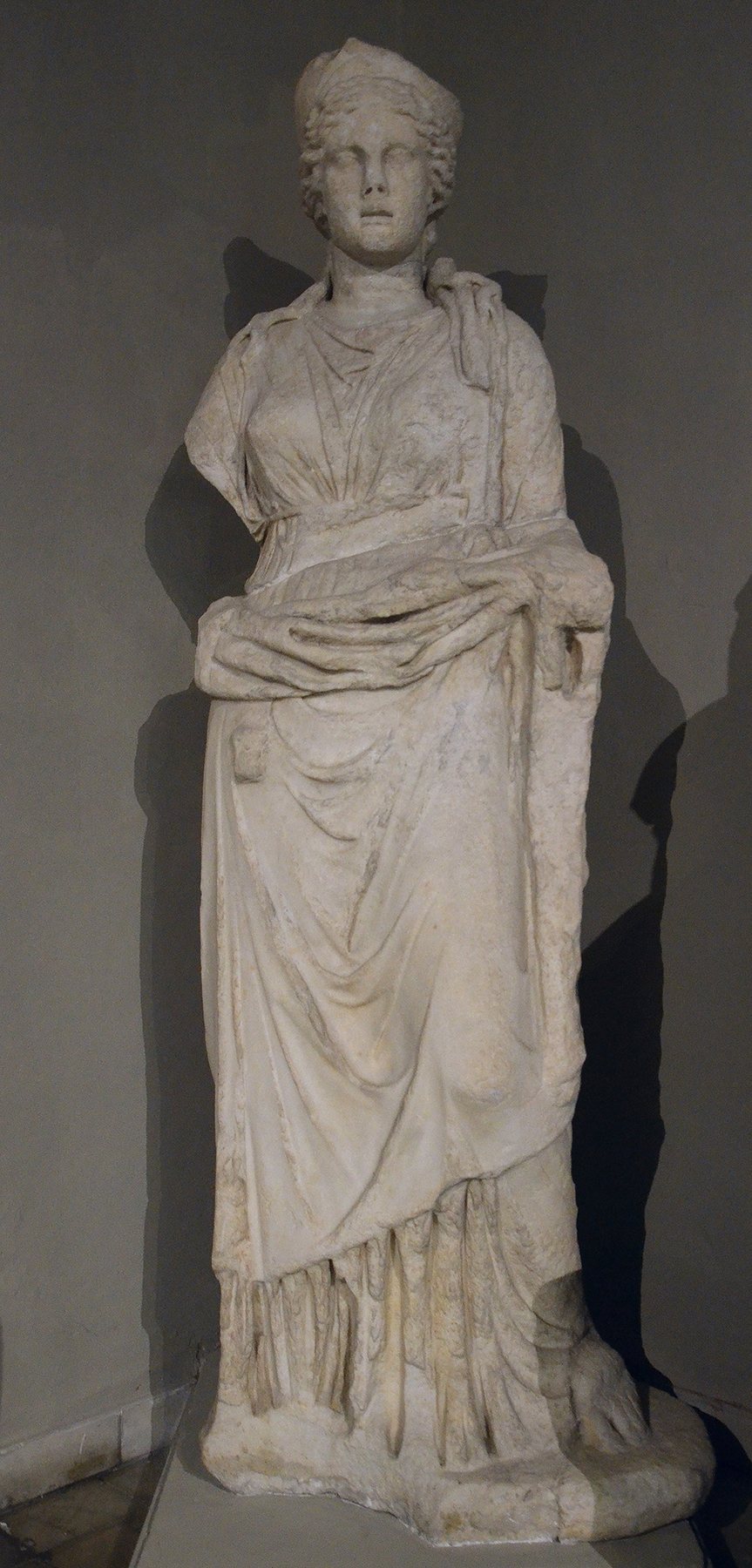 Over life-size statue of Hera, from the Gymnasium of Salamis, 2nd century AD, Cyprus Museum, Nicosia, Cyprus (22497777355). Object from the collection: Cyprus Museum.
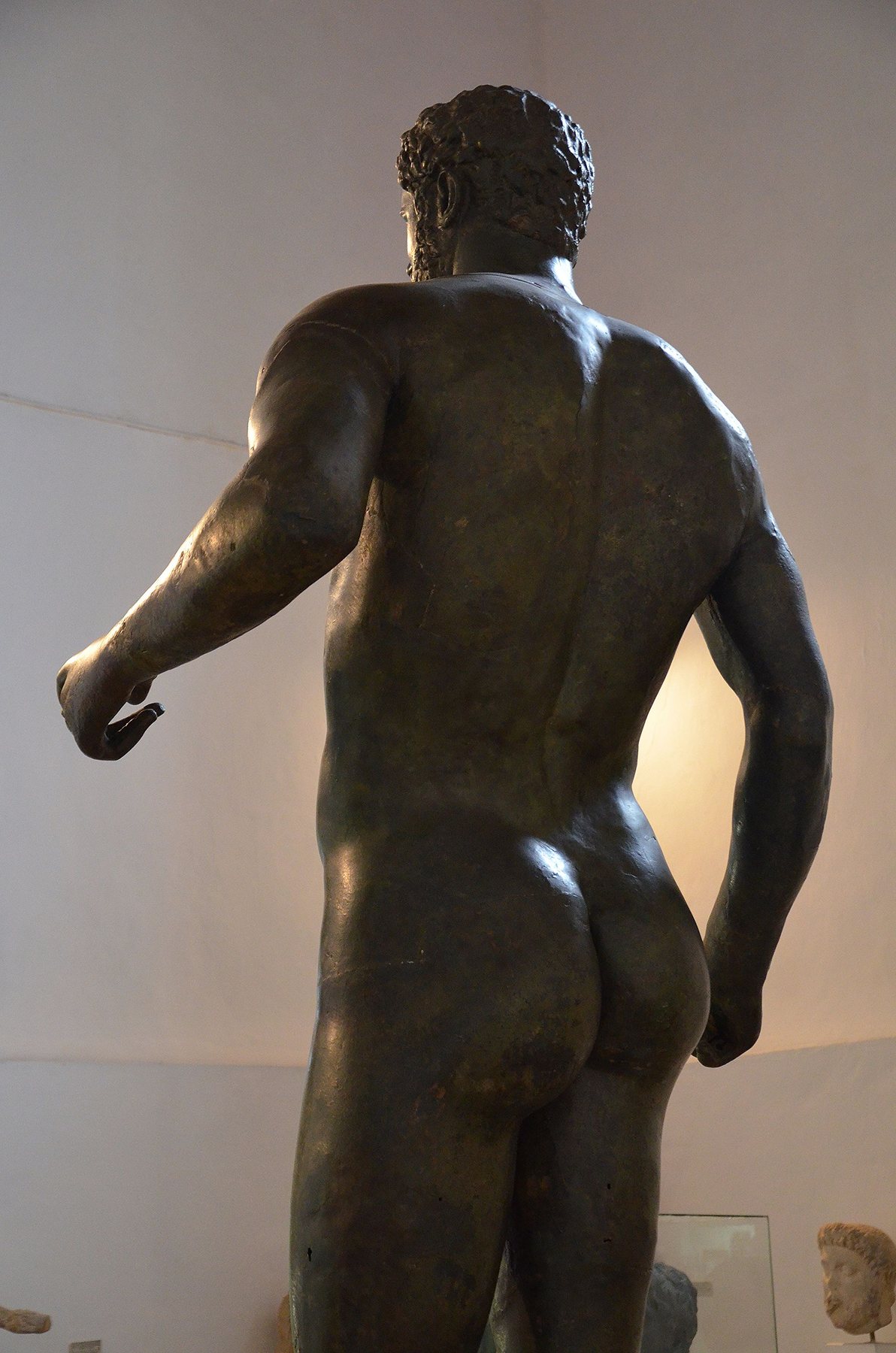 Larger than life-size bronze statue of Septimius Severus depicted in heroic nudity, discovered by chance in 1928 near the village of Kythrea in Cyprus, Cyprus Museum, Nic. Object from the collection: Cyprus Museum.
Related Topics
- Museums of Antiquity
- National Archaeological Museum, Athens
- Heraklion Archaeological Museum
- Turkish Museums and Antiquity
- Archaeology and museums
Official Pages and Catalogues


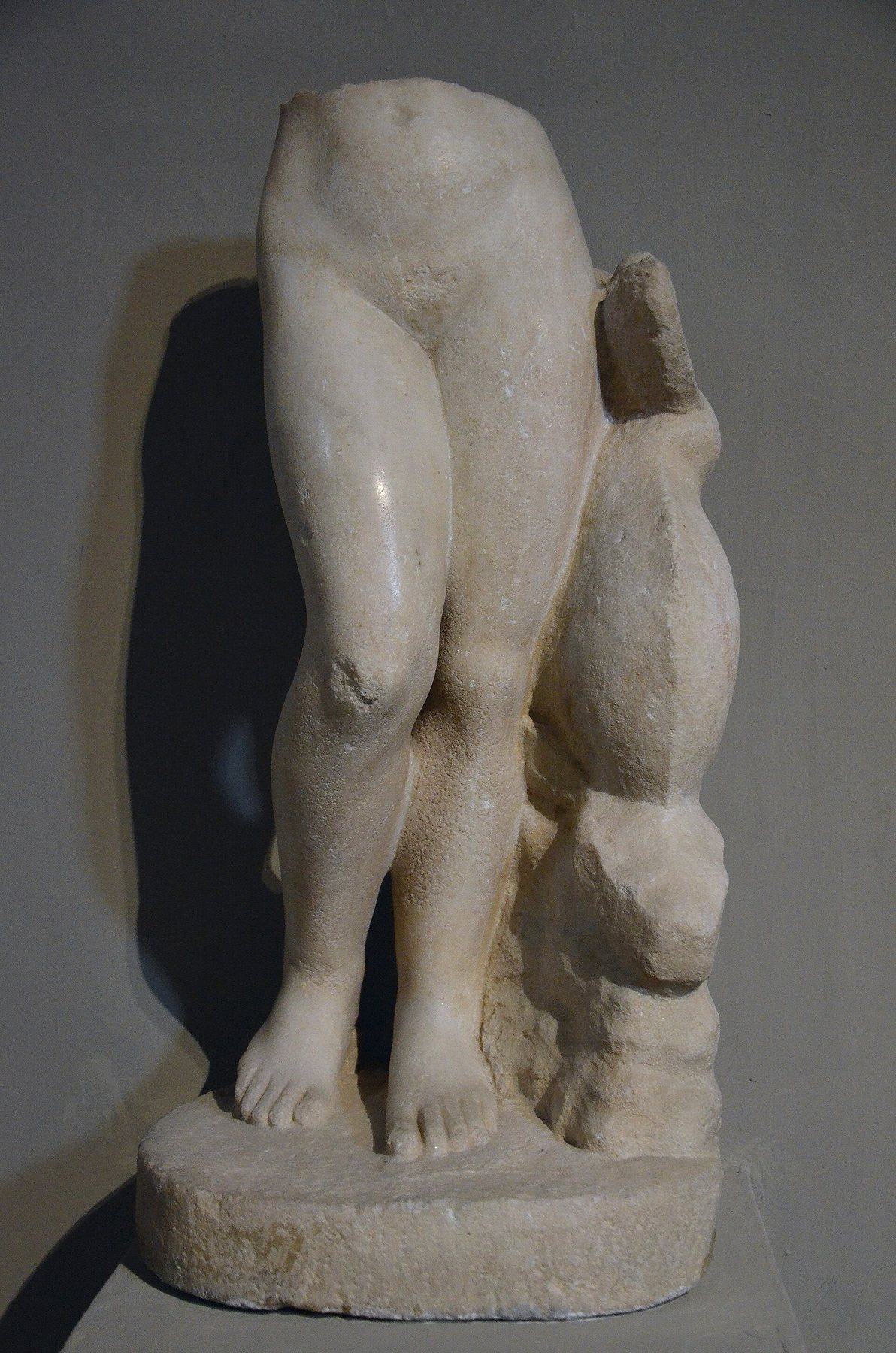 Lower part of a statue of Aphrodite Anadyomene (rising from the sea), from the Gymnasium of Salamis, 2nd century AD, Cyprus Museum, Nicosia, Cyprus (21875034084). Object from the collection: Cyprus Museum.
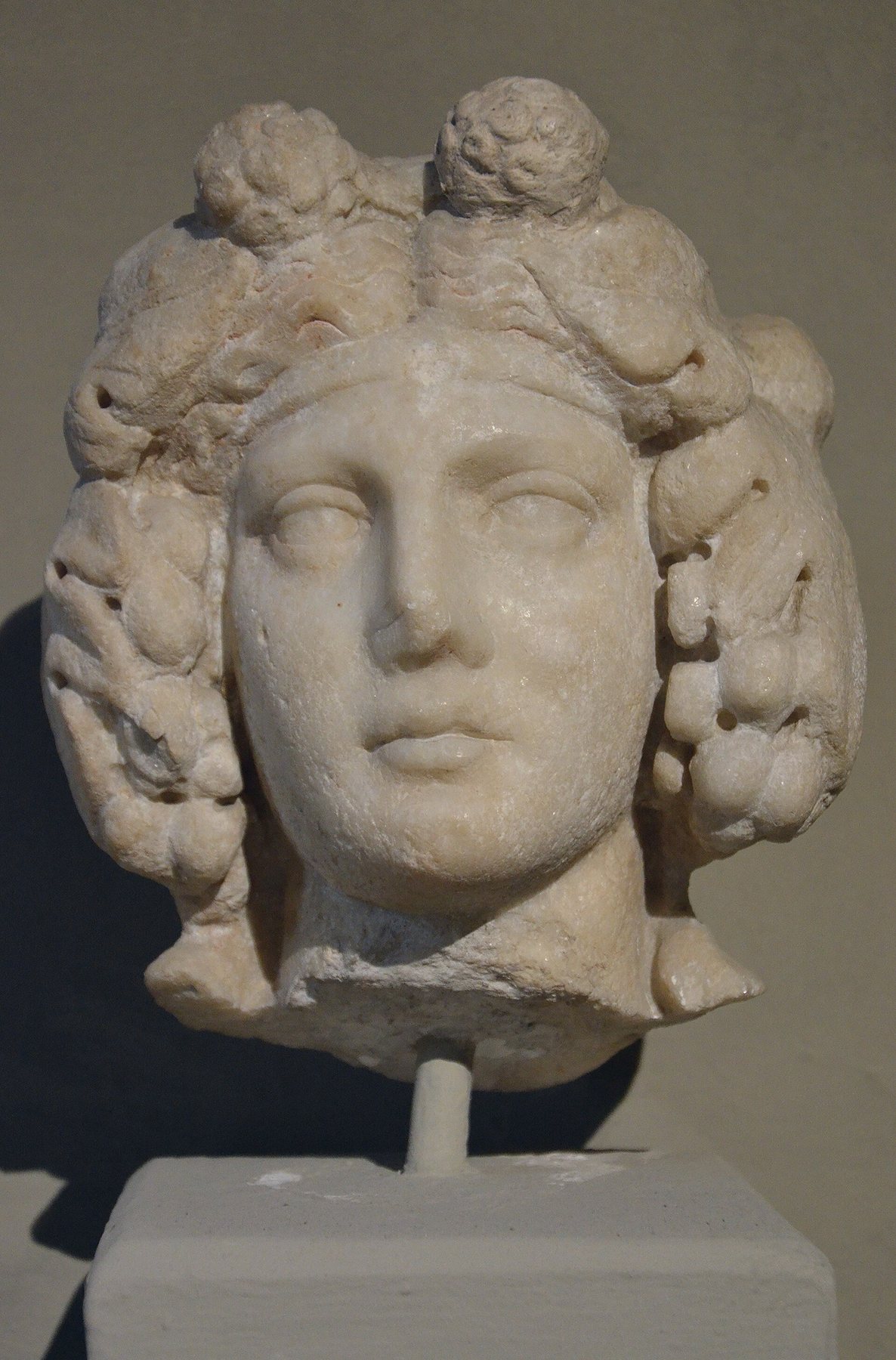 Marble head of Dionysus, from the Gymnasium of Salamis, 2nd century AD, Cyprus Museum, Nicosia, Cyprus (22309811890). Object from the collection: Cyprus Museum.
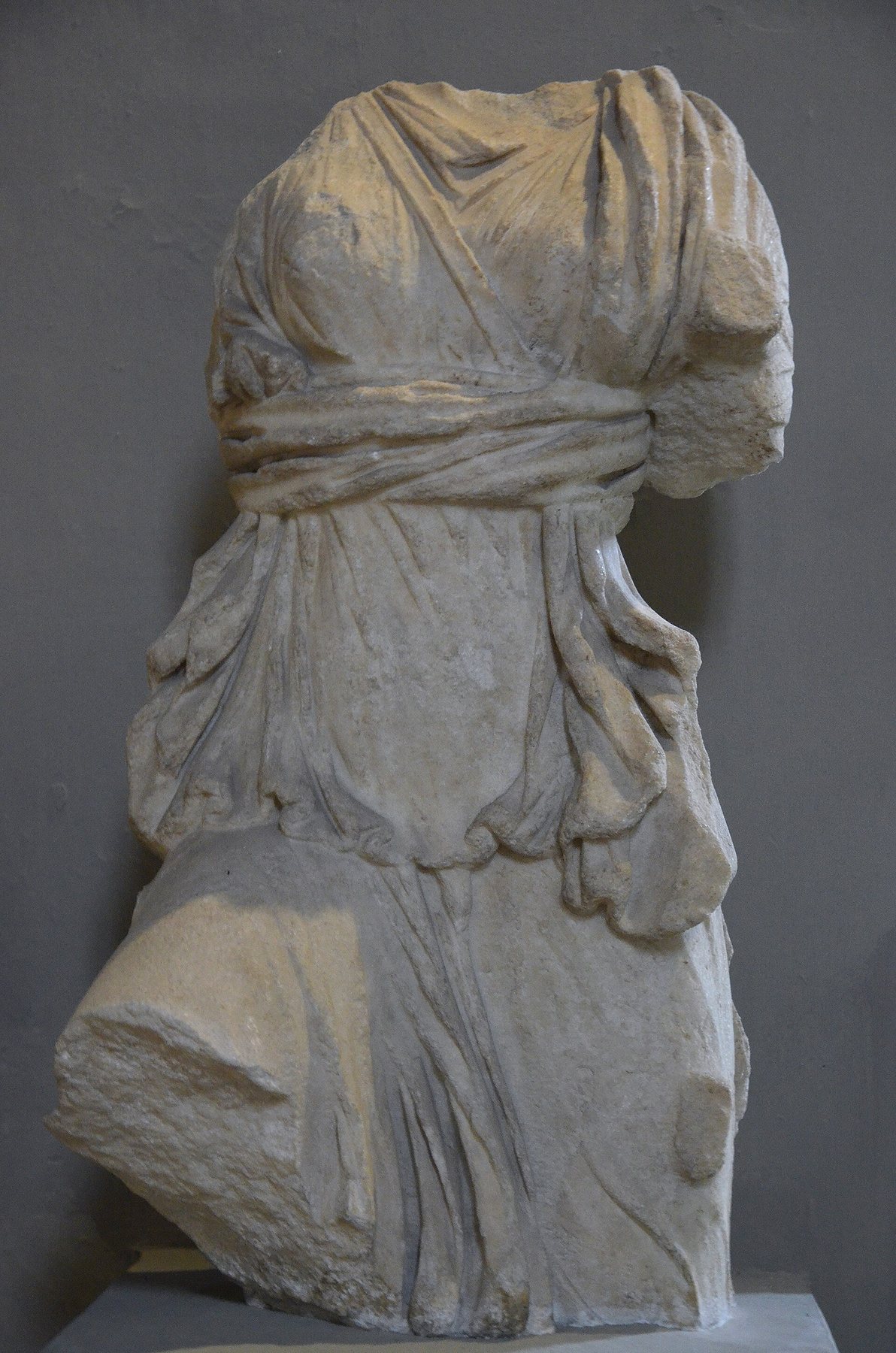 Marble statue of Artemis, from the Gymnasium of Salamis, 2nd century AD, Cyprus Museum, Nicosia, Cyprus (21876521963). Object from the collection: Cyprus Museum.
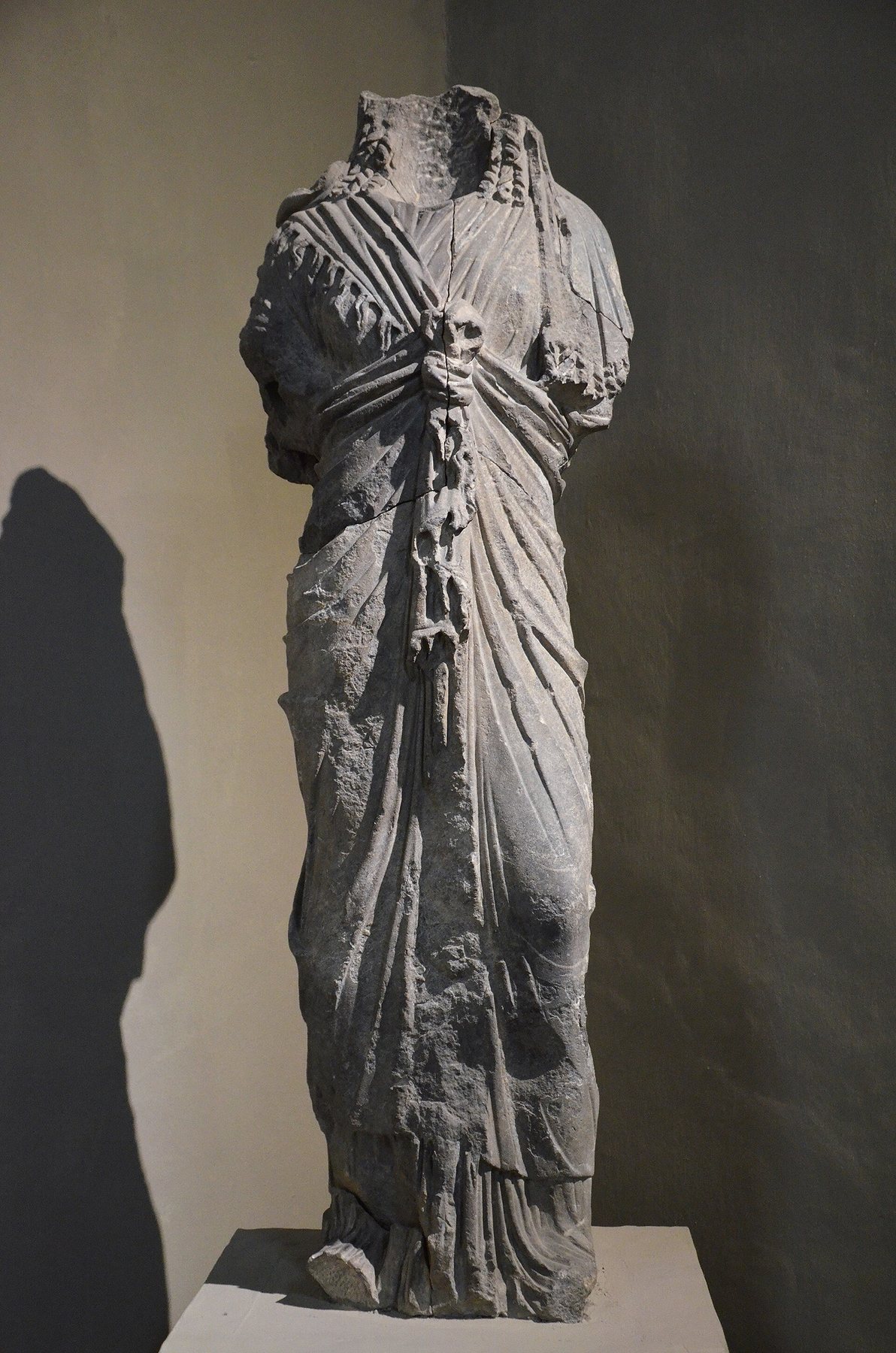 Marble statue of Isis, from the Gymnasium of Salamis, 2nd century AD, Cyprus Museum, Nicosia, Cyprus (21874979664). Object from the collection: Cyprus Museum.
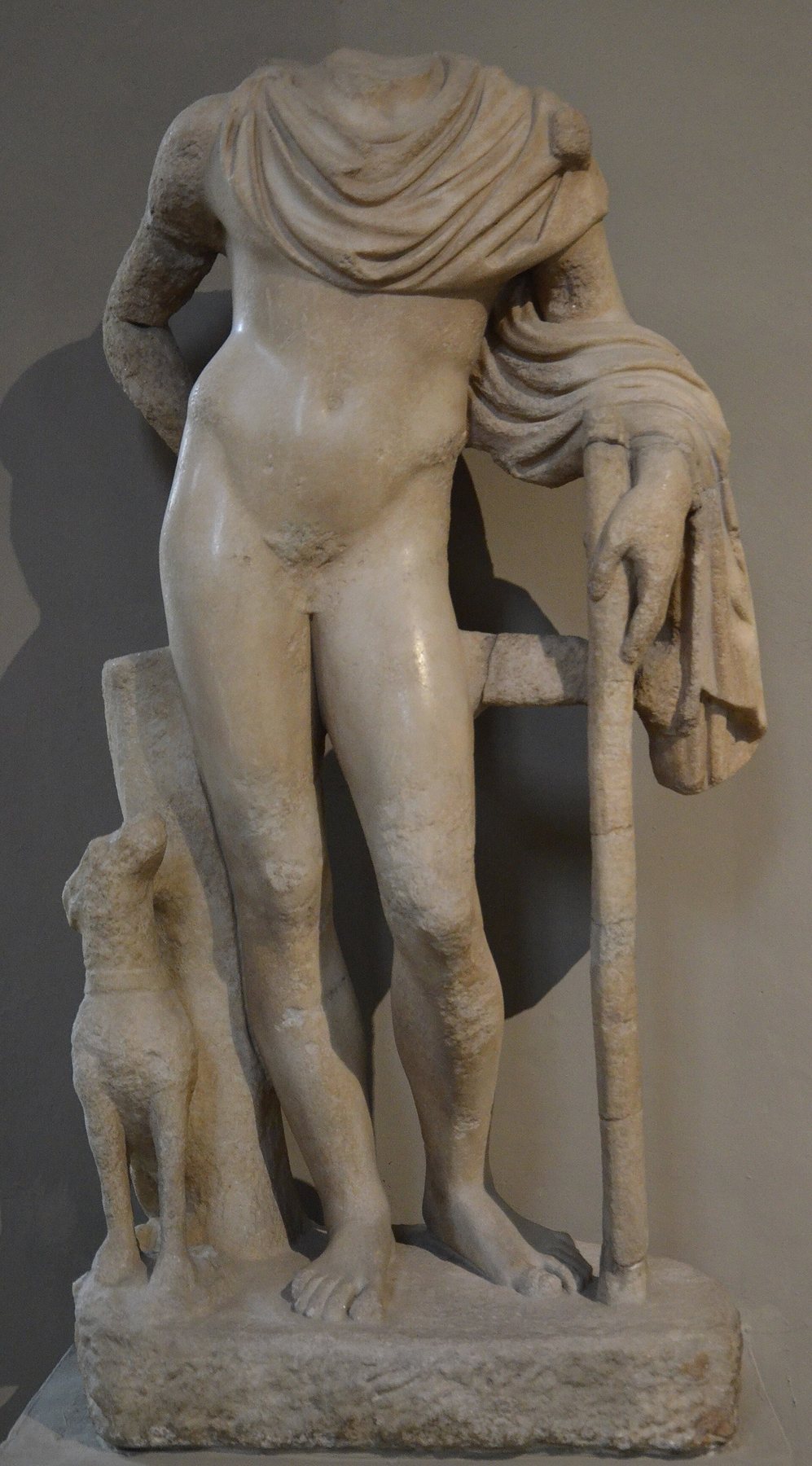 Marble statue of Meleager, from the Gymnasium of Salamis, 2nd century AD, Cyprus Museum, Nicosia, Cyprus (22310003008). Object from the collection: Cyprus Museum.
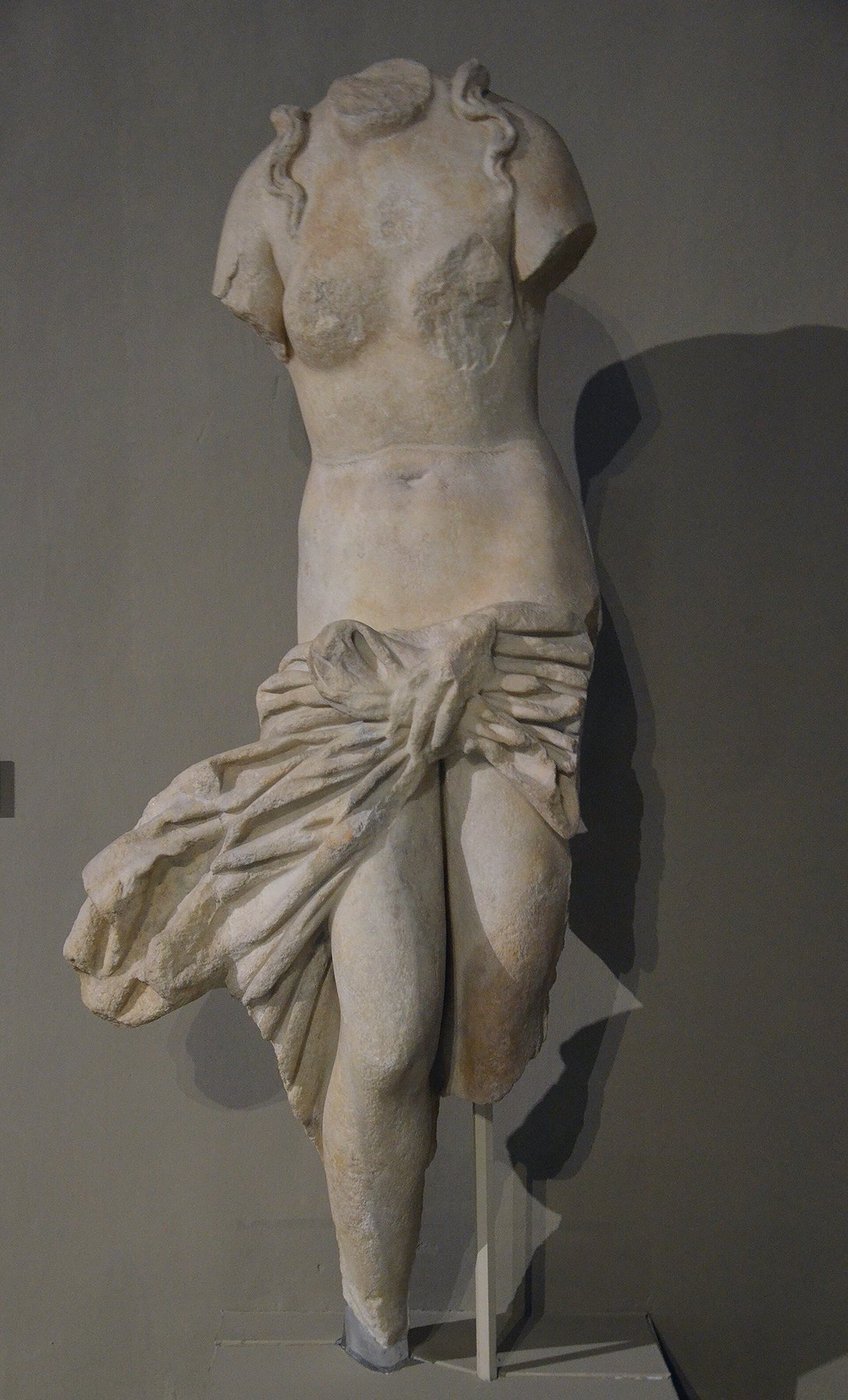 Statue of Aphrodite, from the Gymnasium of Salamis, 2nd century AD, Cyprus Museum, Nicosia, Cyprus (21875062714). Object from the collection: Cyprus Museum.
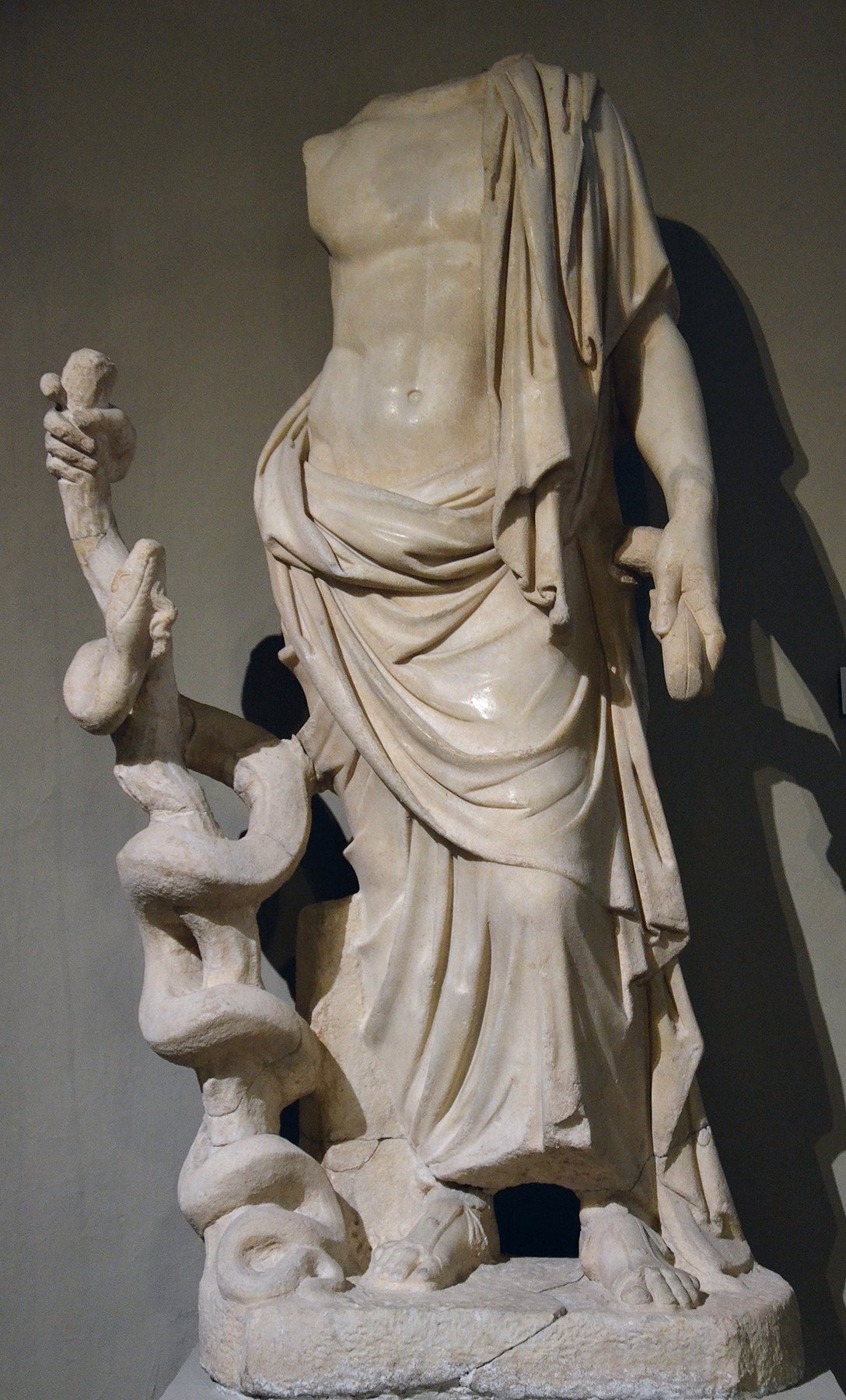 Statue of Asklepios, from the Gymnasium of Salamis, 2nd century AD, Cyprus Museum, Nicosia, Cyprus (21875082364). Object from the collection: Cyprus Museum.
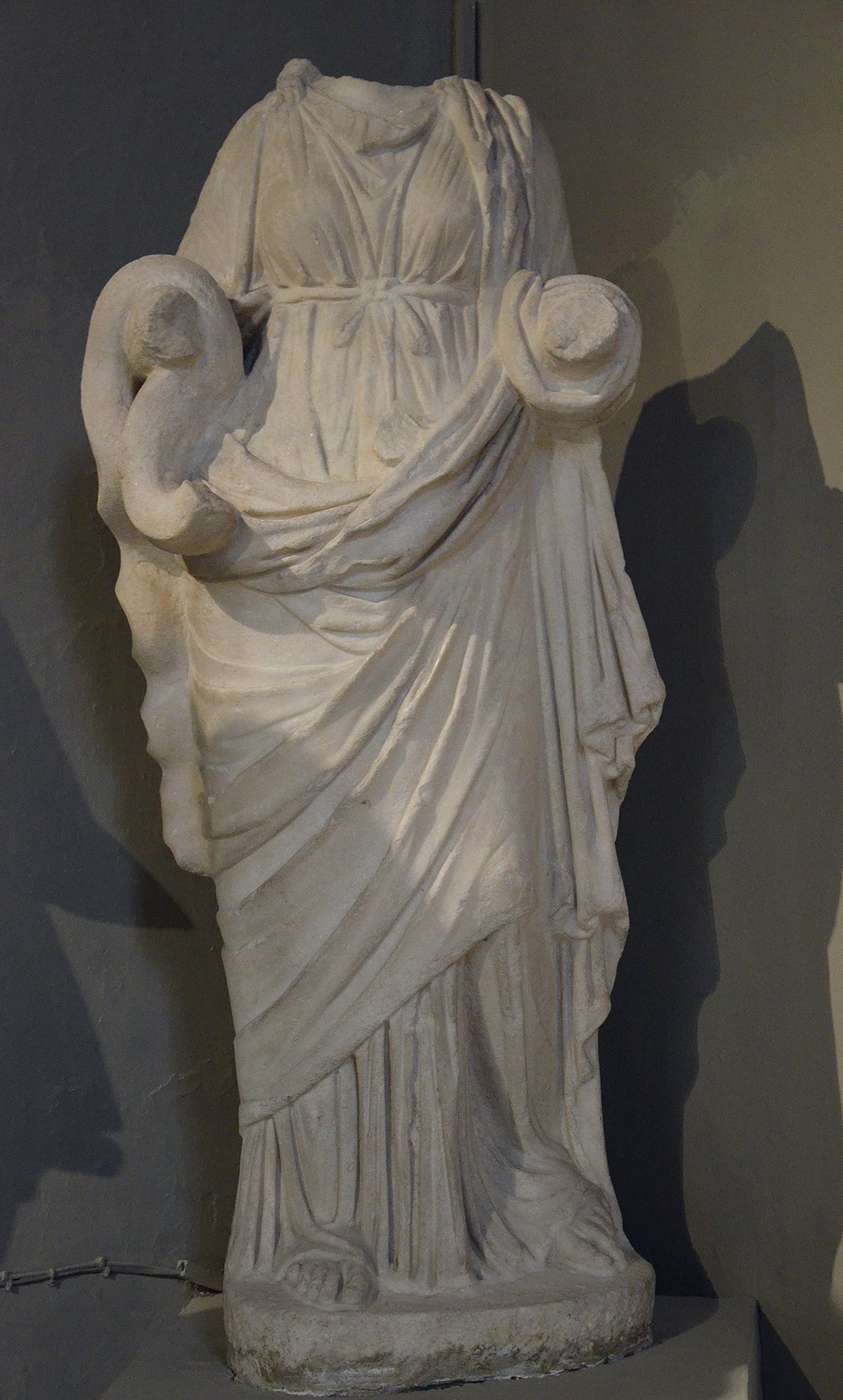 Statue of Hygeia, from the Gymnasium of Salamis, 2nd century AD, Cyprus Museum, Nicosia, Cyprus (22497796245). Object from the collection: Cyprus Museum.
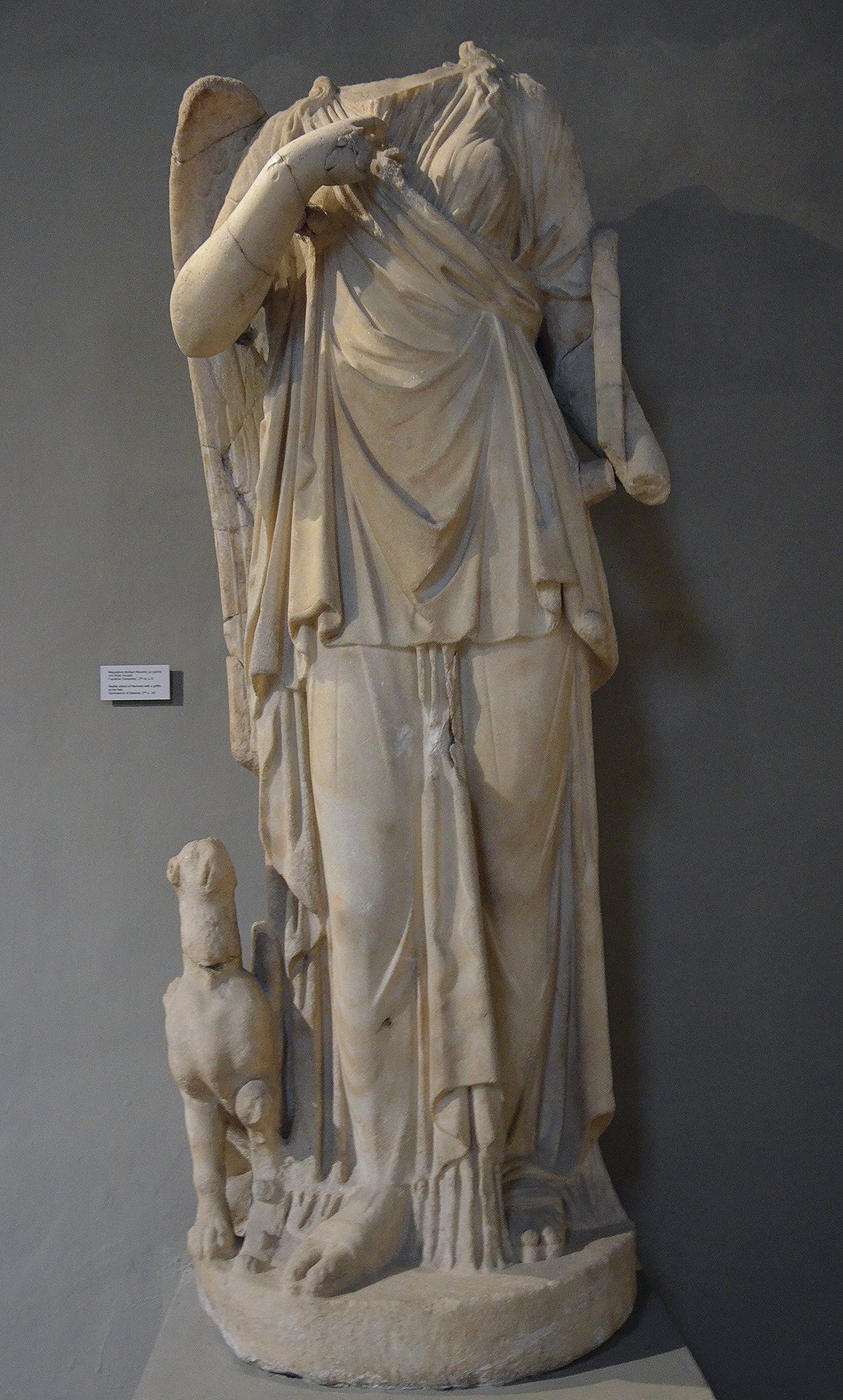 Statue of Nemesis with a griffin at her feet, from the Gymnasium of Salamis, 2nd century AD, Cyprus Museum, Nicosia, Cyprus (22471799426). Object from the collection: Cyprus Museum.
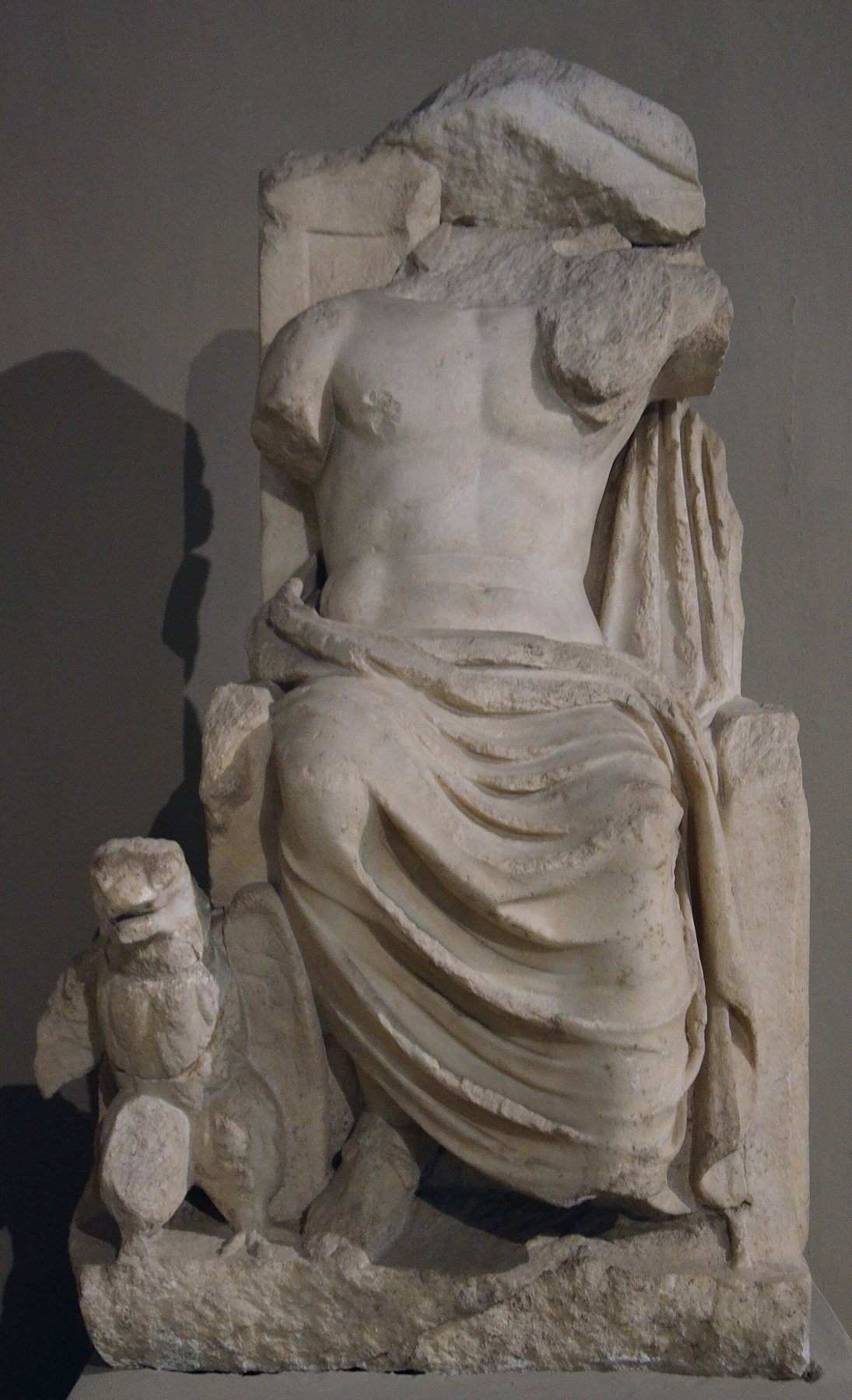 Statue of Zeus seated on a throne with an eagle at his feet, from the Gymnasium of Salamis, 2nd century AD, Cyprus Museum, Nicosia, Cyprus (22508853481). Object from the collection: Cyprus Museum.
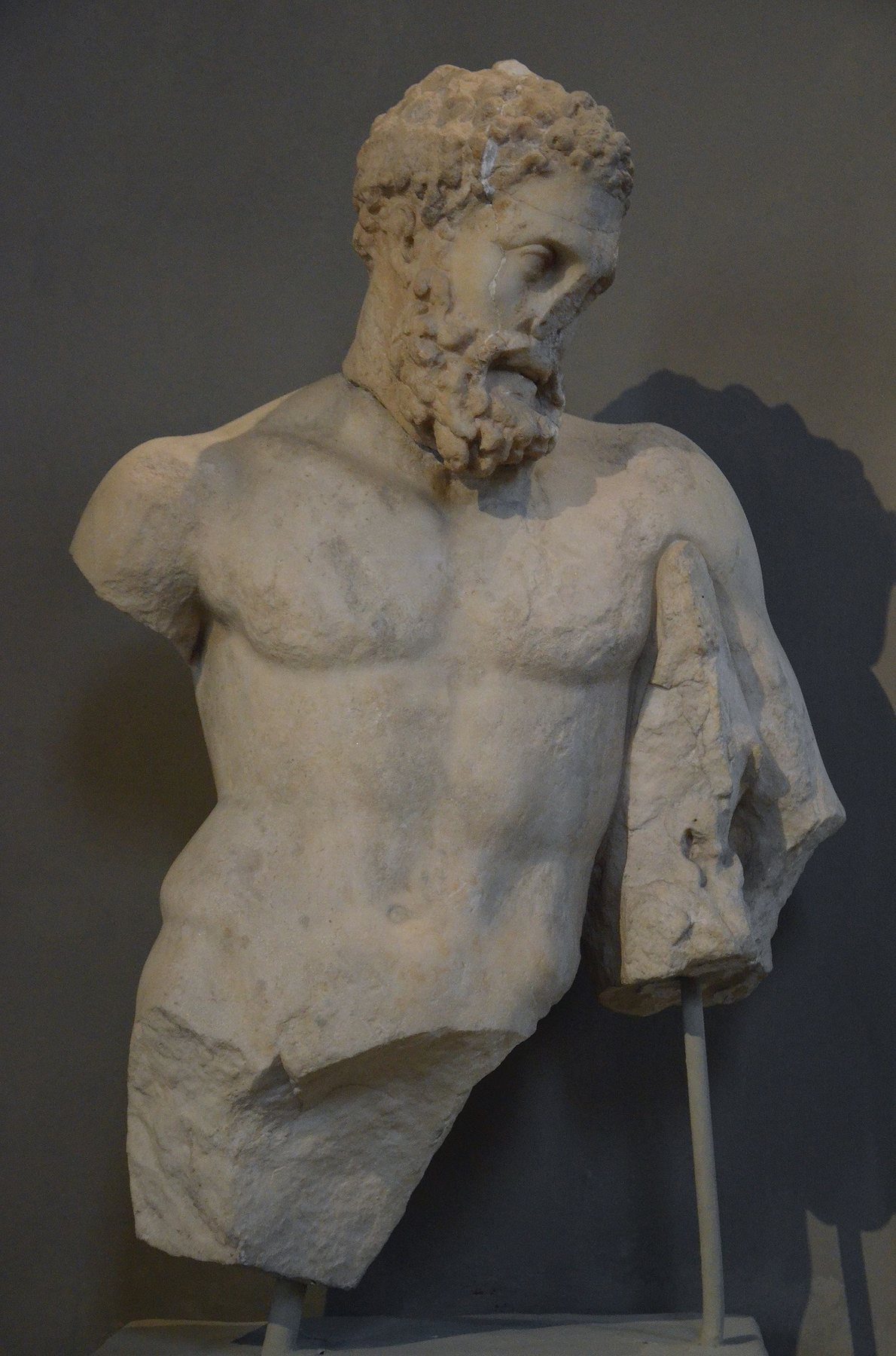 Upper part of a statue of Hercules of the Farnese type (Hercules resting), from the Gymnasium of Salamis, 2nd century AD, Cyprus Museum, Nicosia, Cyprus (22310868469). Object from the collection: Cyprus Museum.
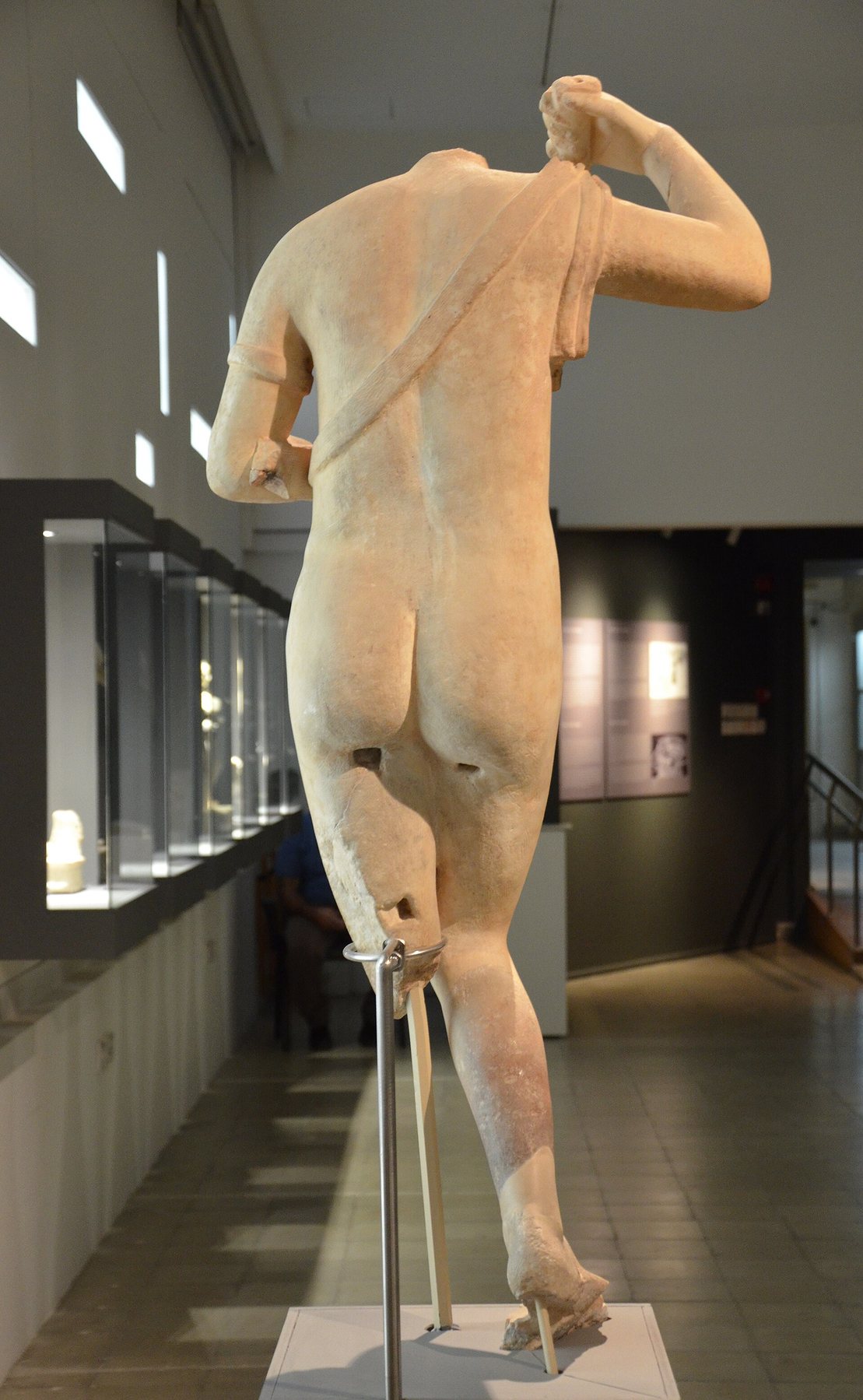 Marble statue of Aphrodite armed with a sword (Venus Victrix), from the Villa of Theseus in Nea Pafos, 2nd-3rd century AD, Cyprus Museum, Nicosia (22331113600). Object from the collection: Cyprus Museum.
Interested in Ancient Rome beyond reading? Join Legio X Fretensis or explore our reenactment directions.


