Heraklion Archaeological Museum
The Heraklion Archaeological Museum holds material from Minoan Crete, chiefly of the Bronze Age: palace finds, frescoes, seals, pottery and cult objects. They illuminate the early Aegean world preceding Archaic and Classical Greece. Minoan evidence should not be treated as a direct record of Greek or Roman dress and daily life in later periods.
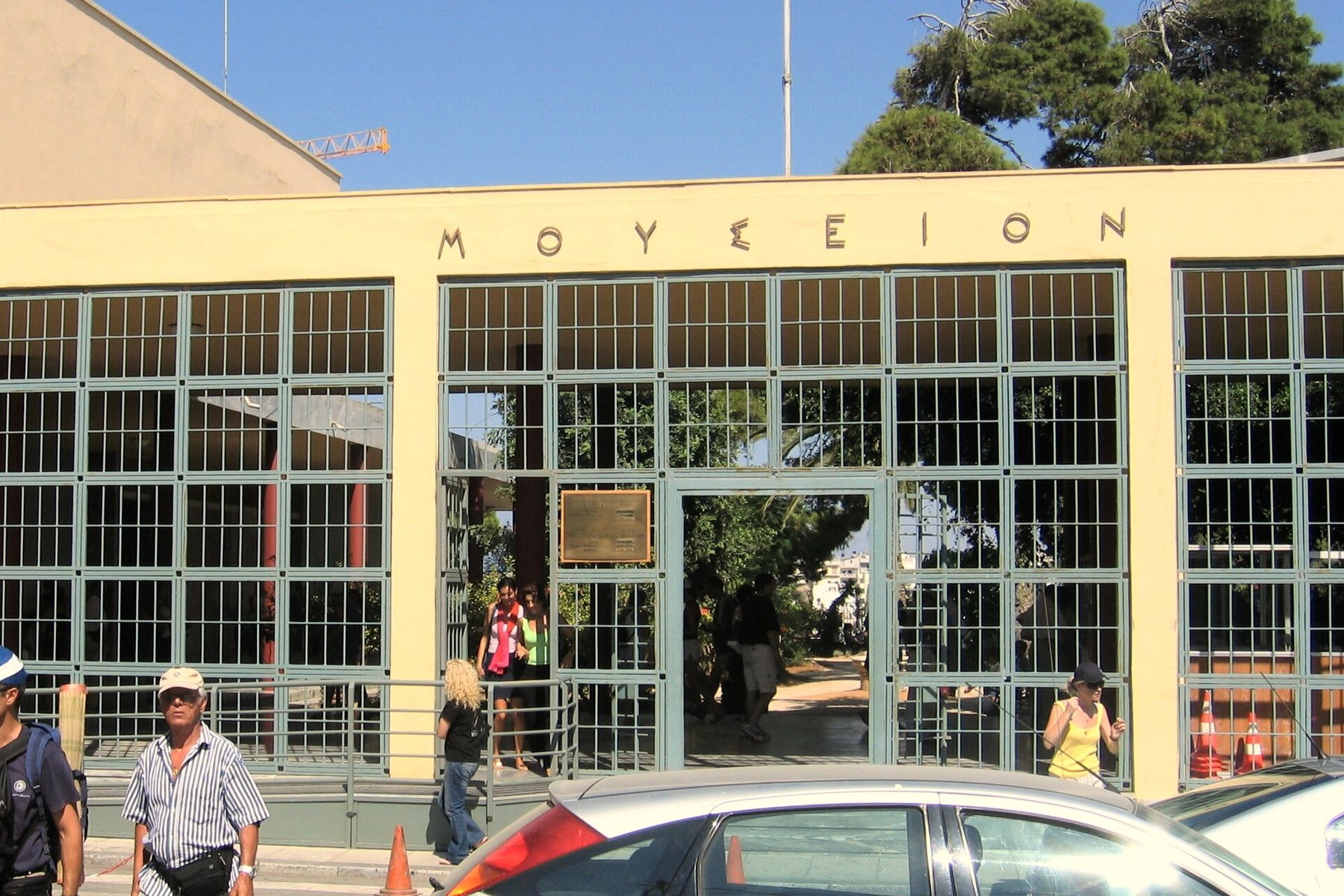 Heraklion Archaeological Museum: Entrance in the Archaeological Museum of Heraklion, 06382x.
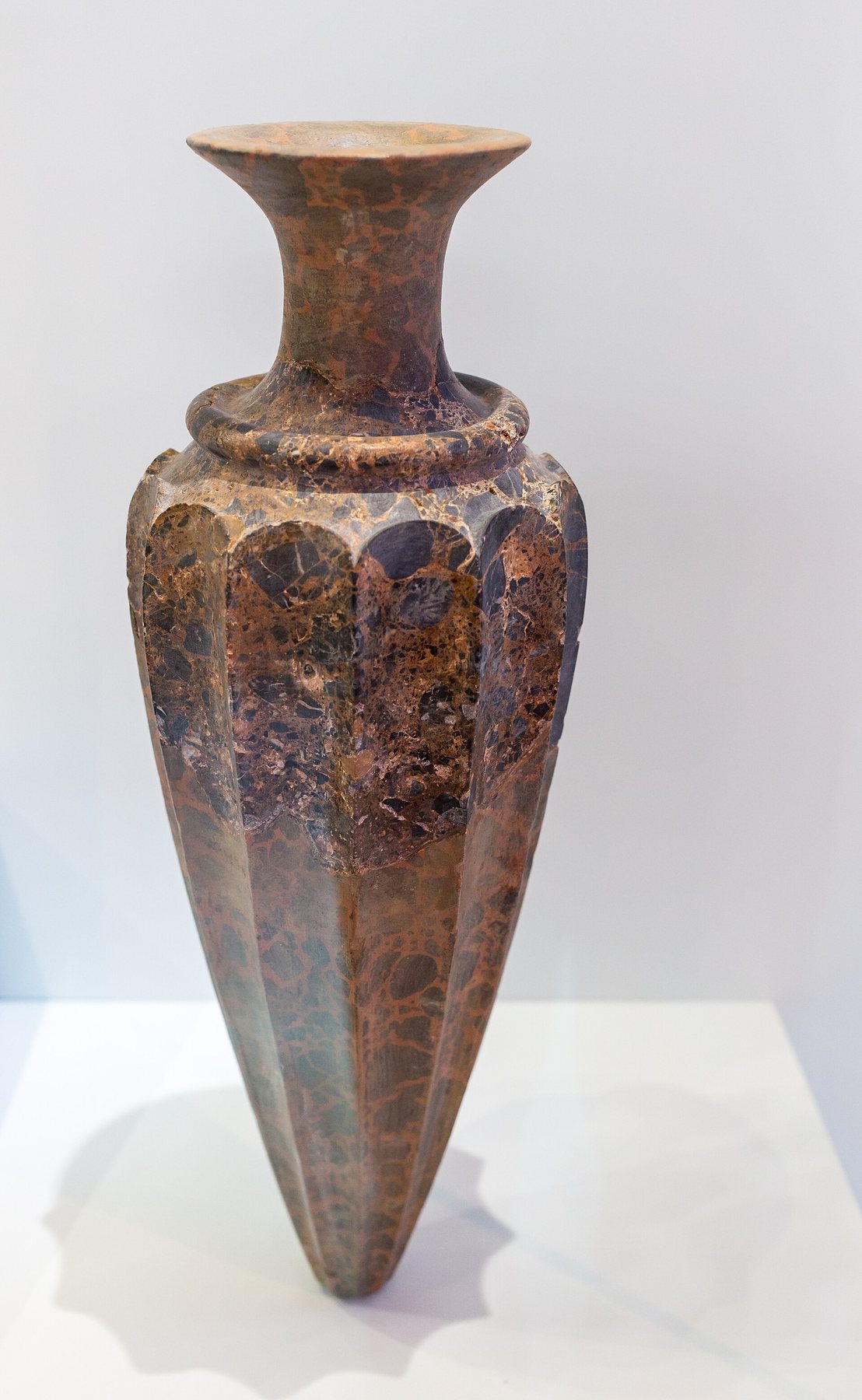 Heraklion Archaeological Museum: Piriform alabastron-rhyton with fluted body from Knossos, hall of double axes 01.
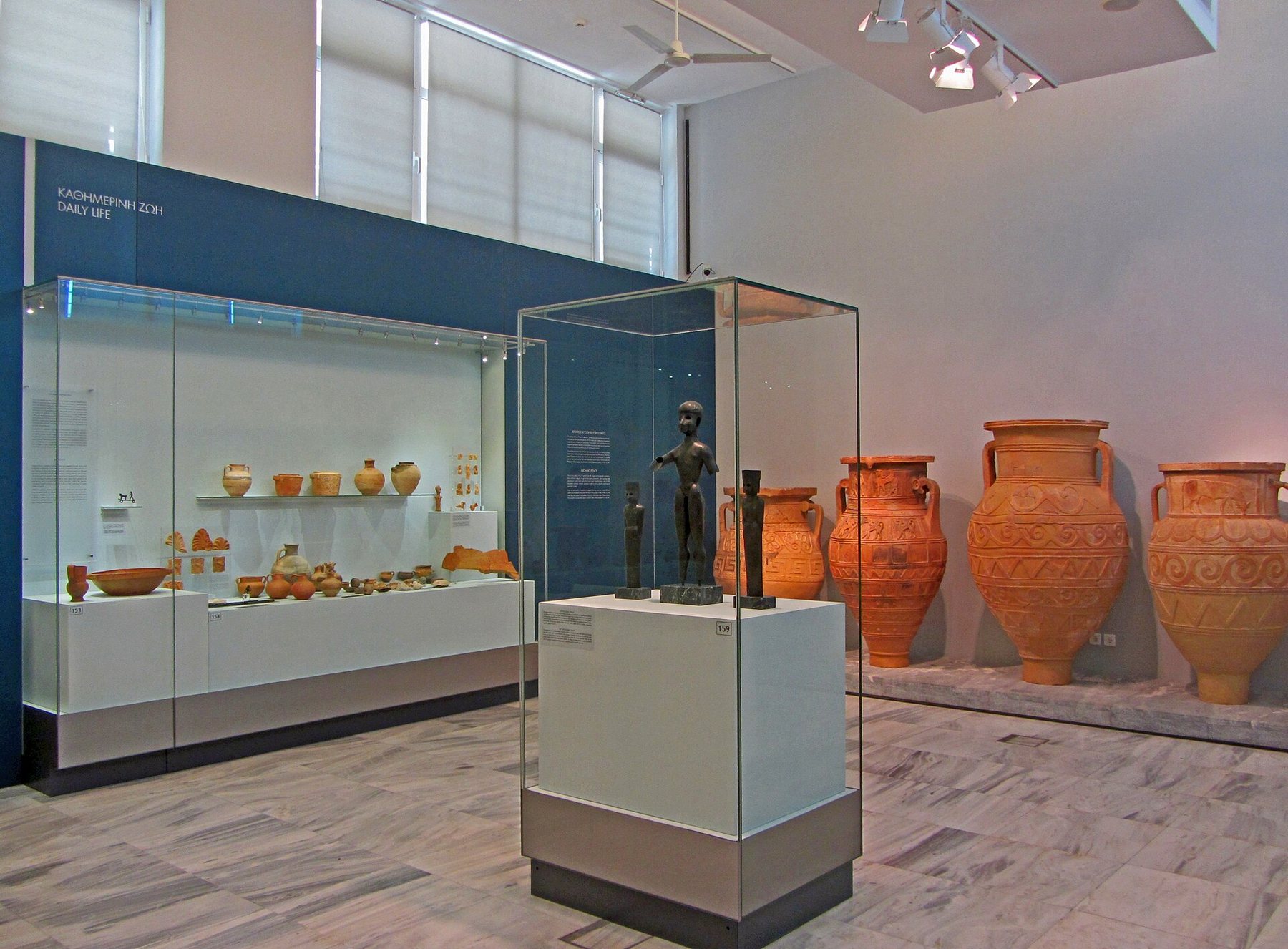 Heraklion Archaeological Museum: Archaeological Museum Heraklion Blick in die Sammlungen1.
Collection and Historical Context
Heraklion should not be used as direct evidence for Classical Greece or Rome. Its value is different: it shows early Aegean material and the limits of reconstruction, especially in frescoes and palaces.
Display and Main Materials
Minoan frescoes, seals, pottery, bronze, cult objects, palace complexes and later historical galleries deserve attention. It is important to distinguish museum restoration and reconstruction from the original archaeological evidence.
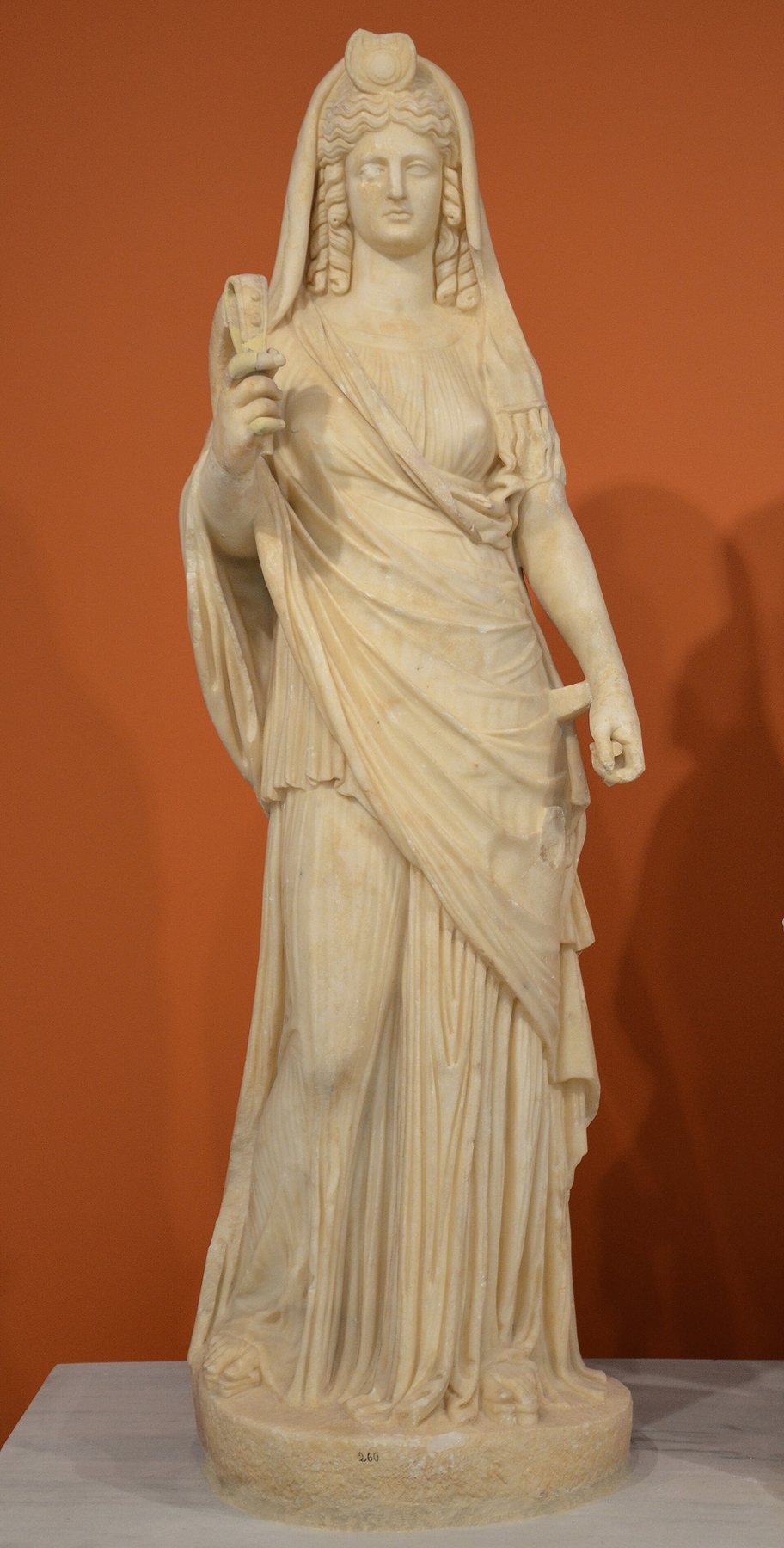 Detail of Persephone-Isis, Statue group of Persephone (as Isis) and Pluto (as Serapis), from the Sanctuary of the Egyptian Gods at Gortyna, mid-2nd century AD, Heraklion . Object from the collection: Heraklion Archaeological Museum.
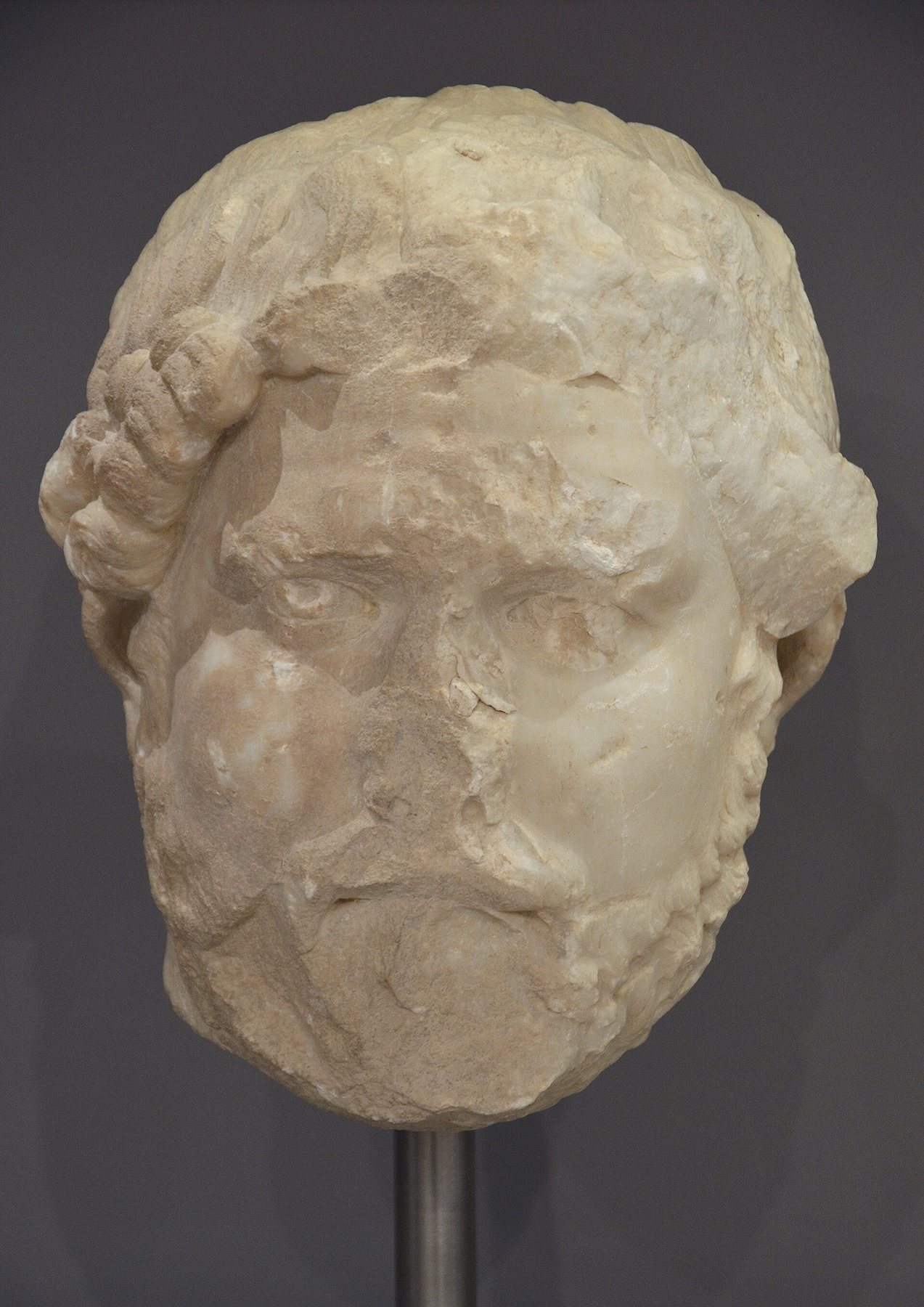 Marble head of Hadrian (type Imperatori 32), traces of colour are preserved at the iris of the eyes, Heraklion Archaeological Museum (30351634156). Object from the collection: Heraklion Archaeological Museum.
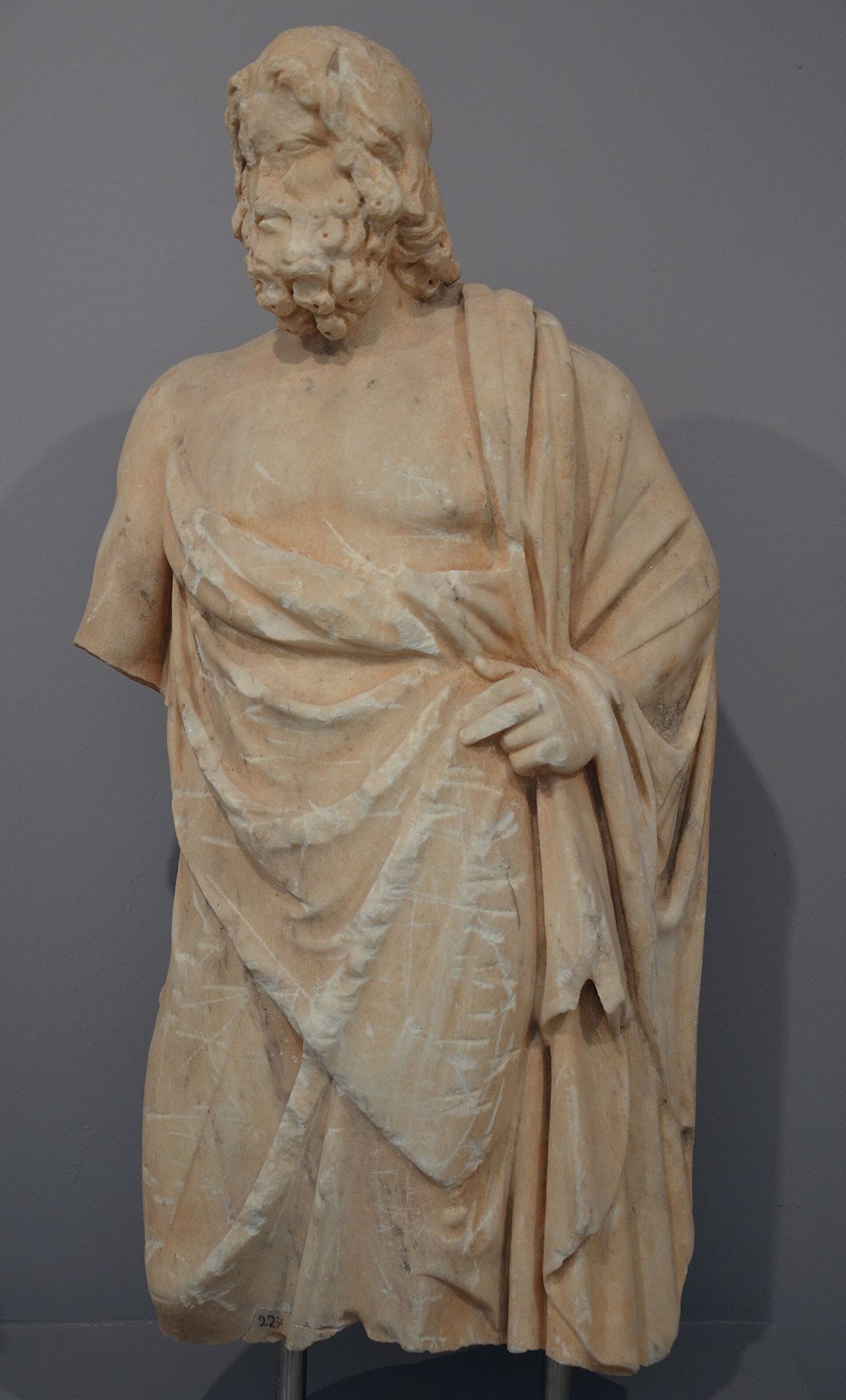 Small marble statue of Asclepius, god of medecine, early 2nd century AD, found in Gortyn, Heraklion Archaeological Museum (30665967165). Object from the collection: Heraklion Archaeological Museum.
Related Topics
- Museums of Antiquity
- National Archaeological Museum, Athens
- Cyprus Museum
- Acropolis Museum
- Archaeology and museums
Official Pages and Catalogues


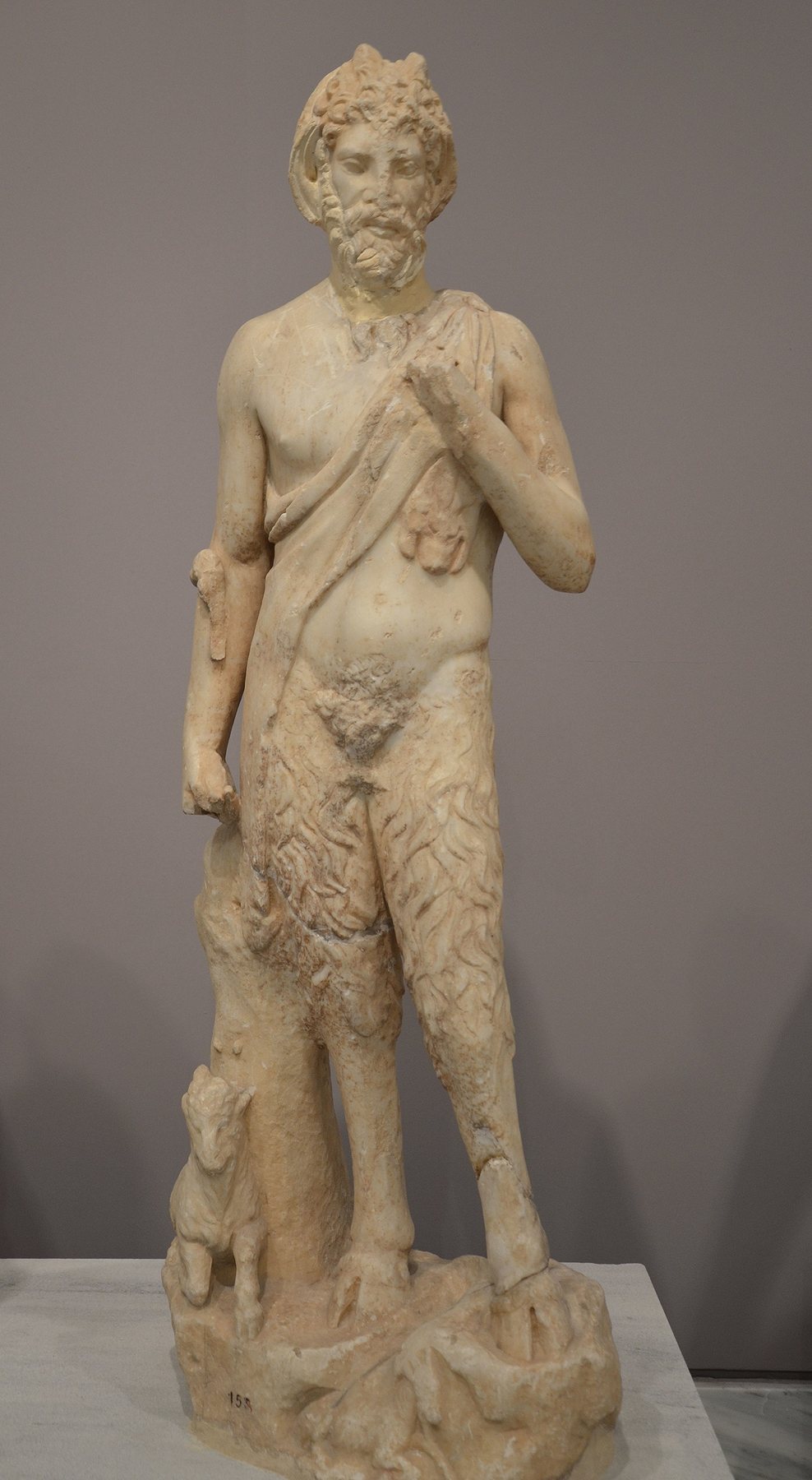 Small marble statue of the goat-like Pan (Faunus), from Gortyna, 2nd century AD, Heraklion Archaeological Museum (30236359310). Object from the collection: Heraklion Archaeological Museum.
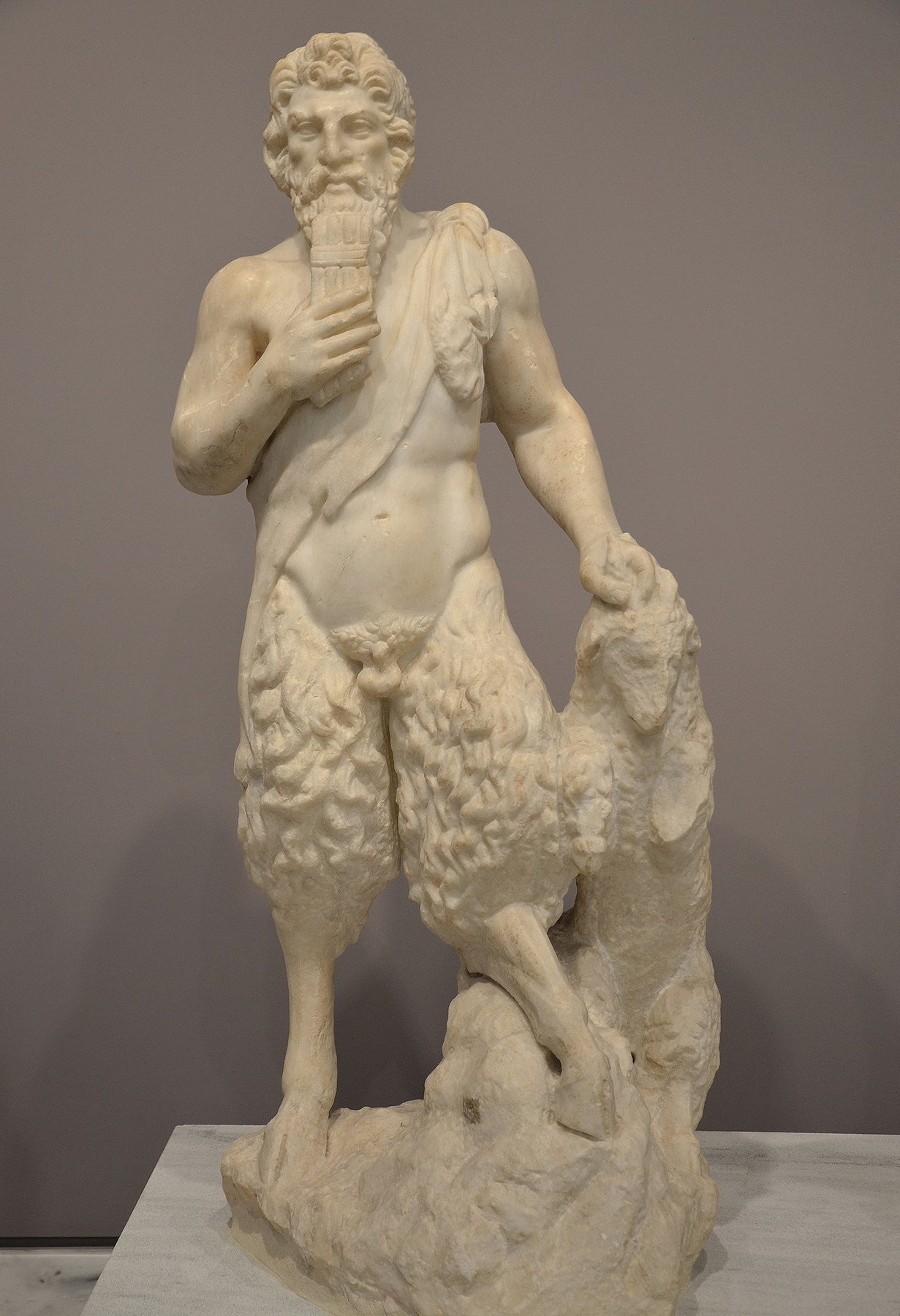 Small statue marble of Pan (Fanus), god of the wild, shepherds and flocks and follower of Dionysus, from Lappa (Argyroupoli), 2nd century AD, Heraklion Archaeological Mus. Object from the collection: Heraklion Archaeological Museum.
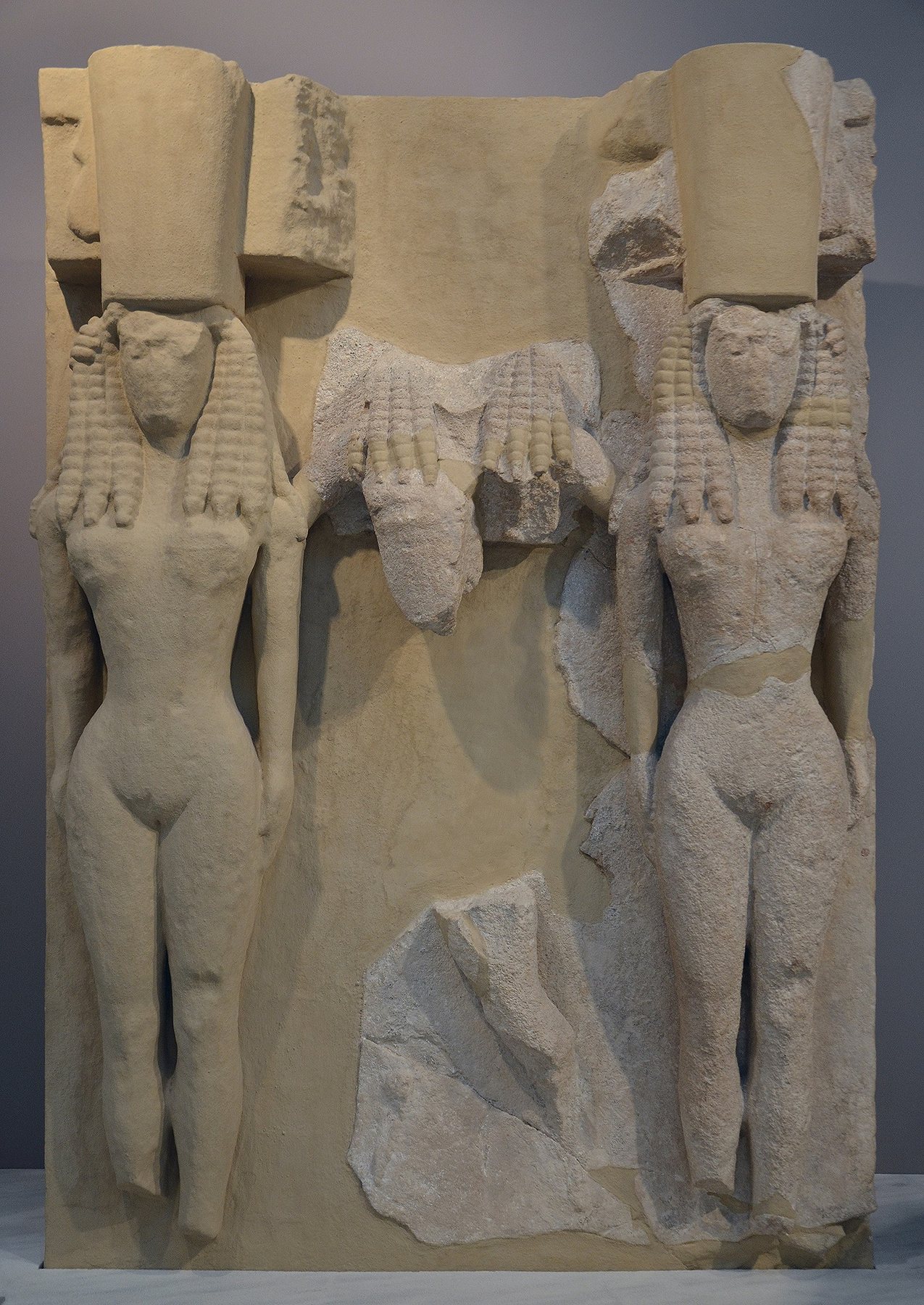 Large relief plaque of poros stone depicting naked Goddesses wearing the polos crown, from the Archaic Temple of Athena in Gortyn, mid-7th century BC, Heraklion Archaeolo. Object from the collection: Heraklion Archaeological Museum.
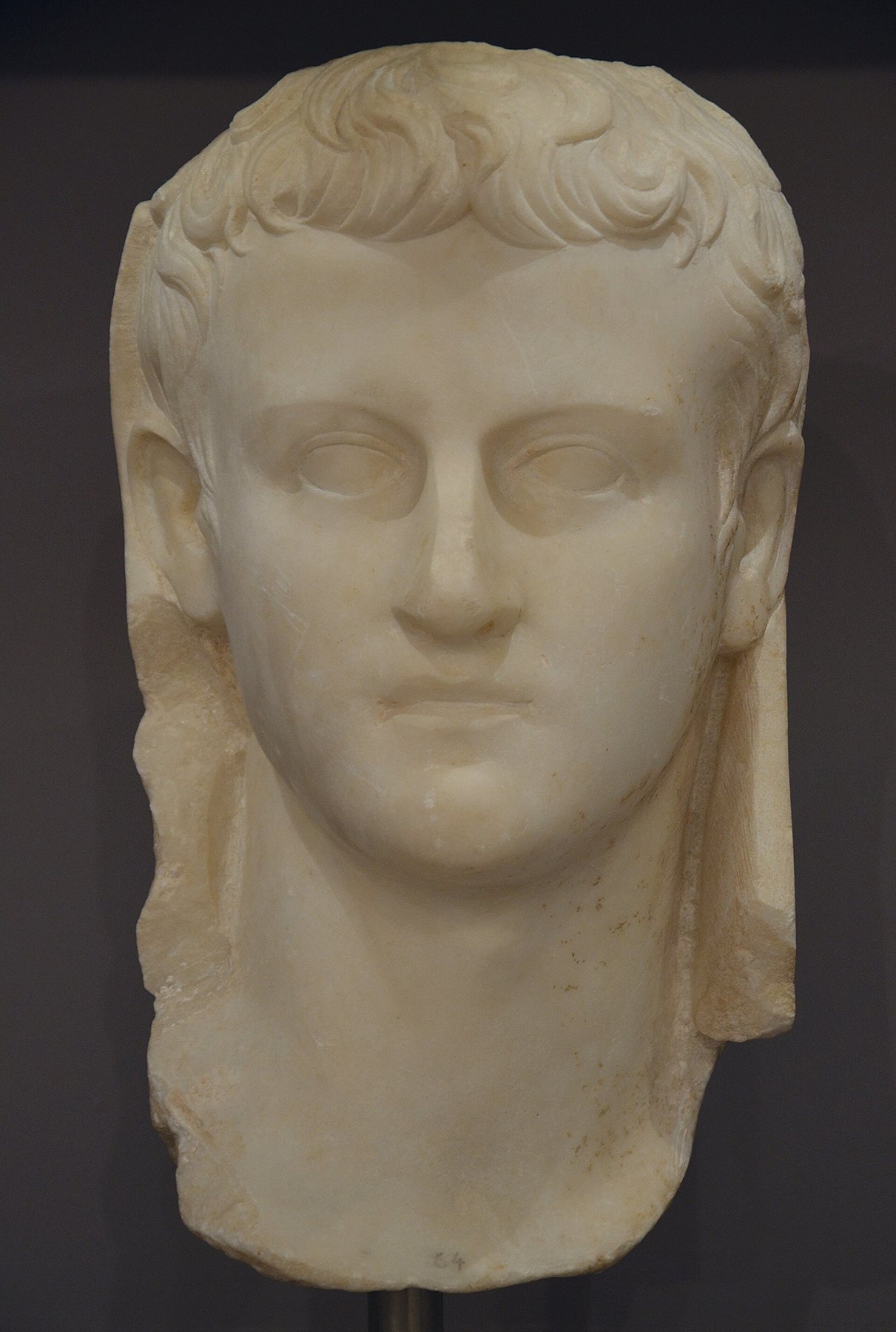 Caligula, the head, covered with a toga, was inserted in a statue, found in Gortyn, Heraklion Archaeological Museum (30301824181). Object from the collection: Heraklion Archaeological Museum.
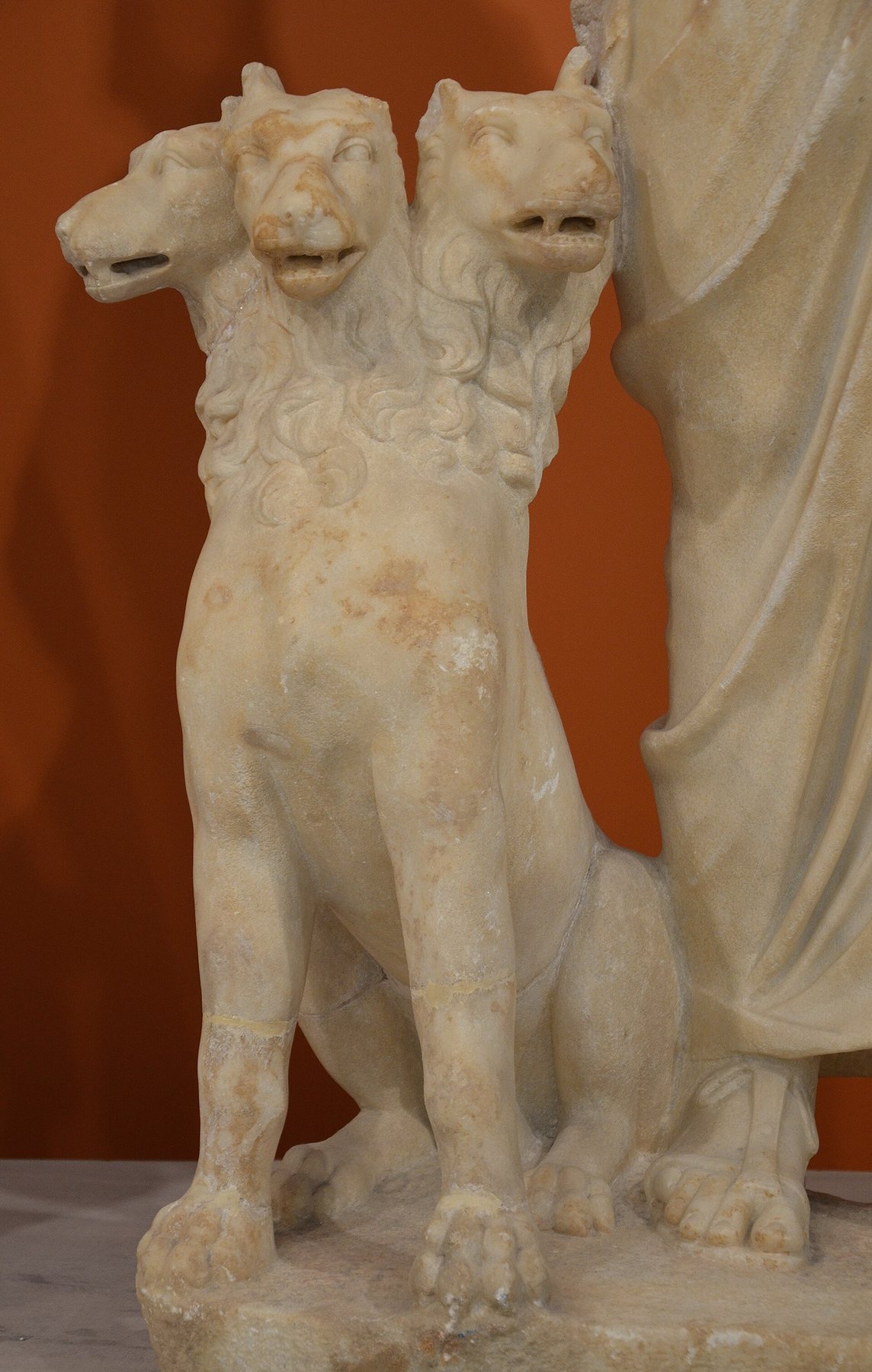 Detail of Cerberus, Statue group of Persephone (as Isis) and Pluto (as Serapis), from the Sanctuary of the Egyptian Gods at Gortyna, mid-2nd century AD, Heraklion Archaeo. Object from the collection: Heraklion Archaeological Museum.
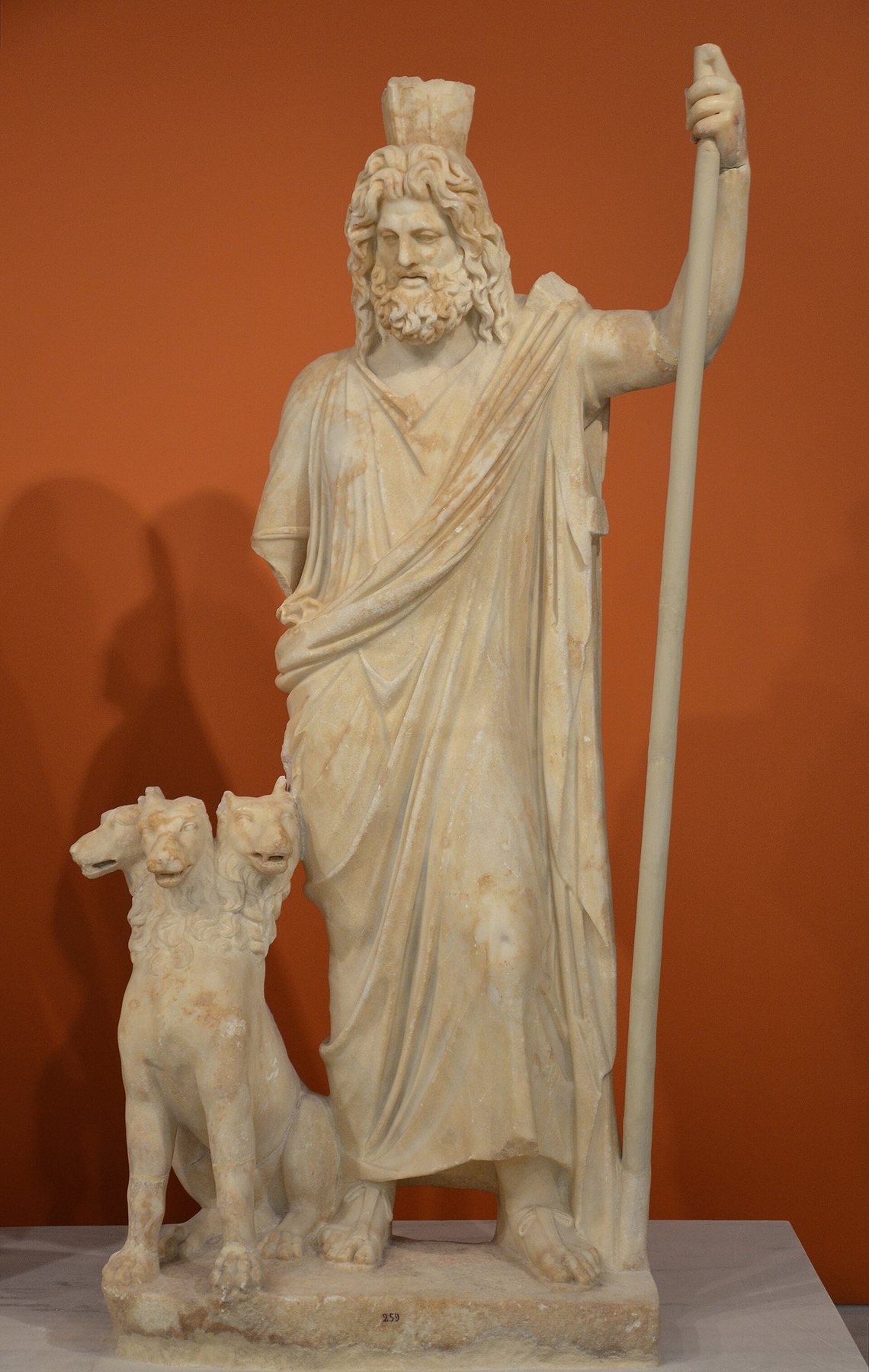 Detail of Pluto-Serapis, Statue group of Persephone (as Isis) and Pluto (as Serapis), from the Sanctuary of the Egyptian Gods at Gortyna, mid-2nd century AD, Heraklion Ar. Object from the collection: Heraklion Archaeological Museum.
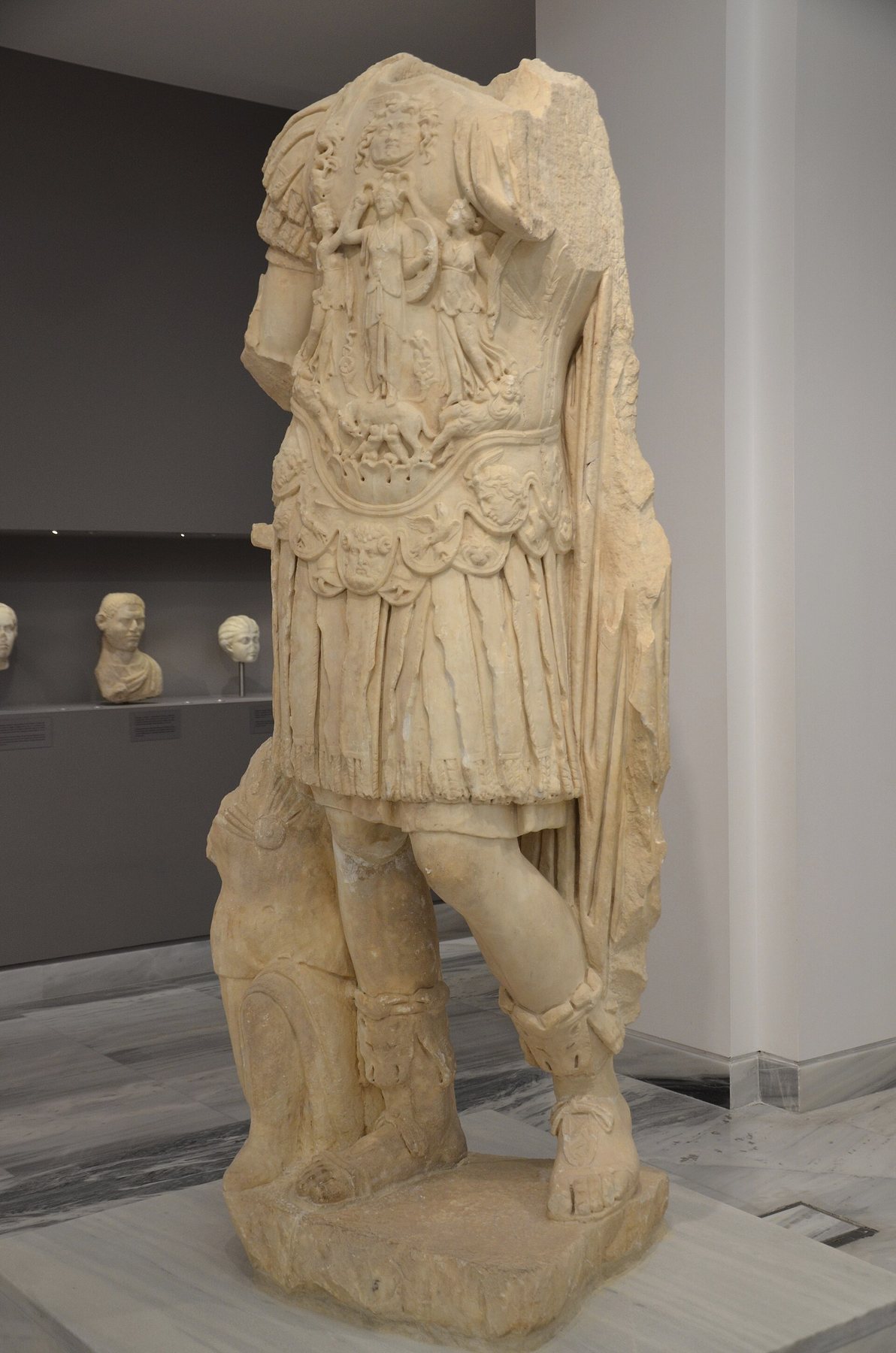 Headless statue of Hadrian, he is shown as a triumphant army commander with a cuirass, found in Gortyn, Heraklion Archaeological Museum (30301945161) (2). Object from the collection: Heraklion Archaeological Museum.
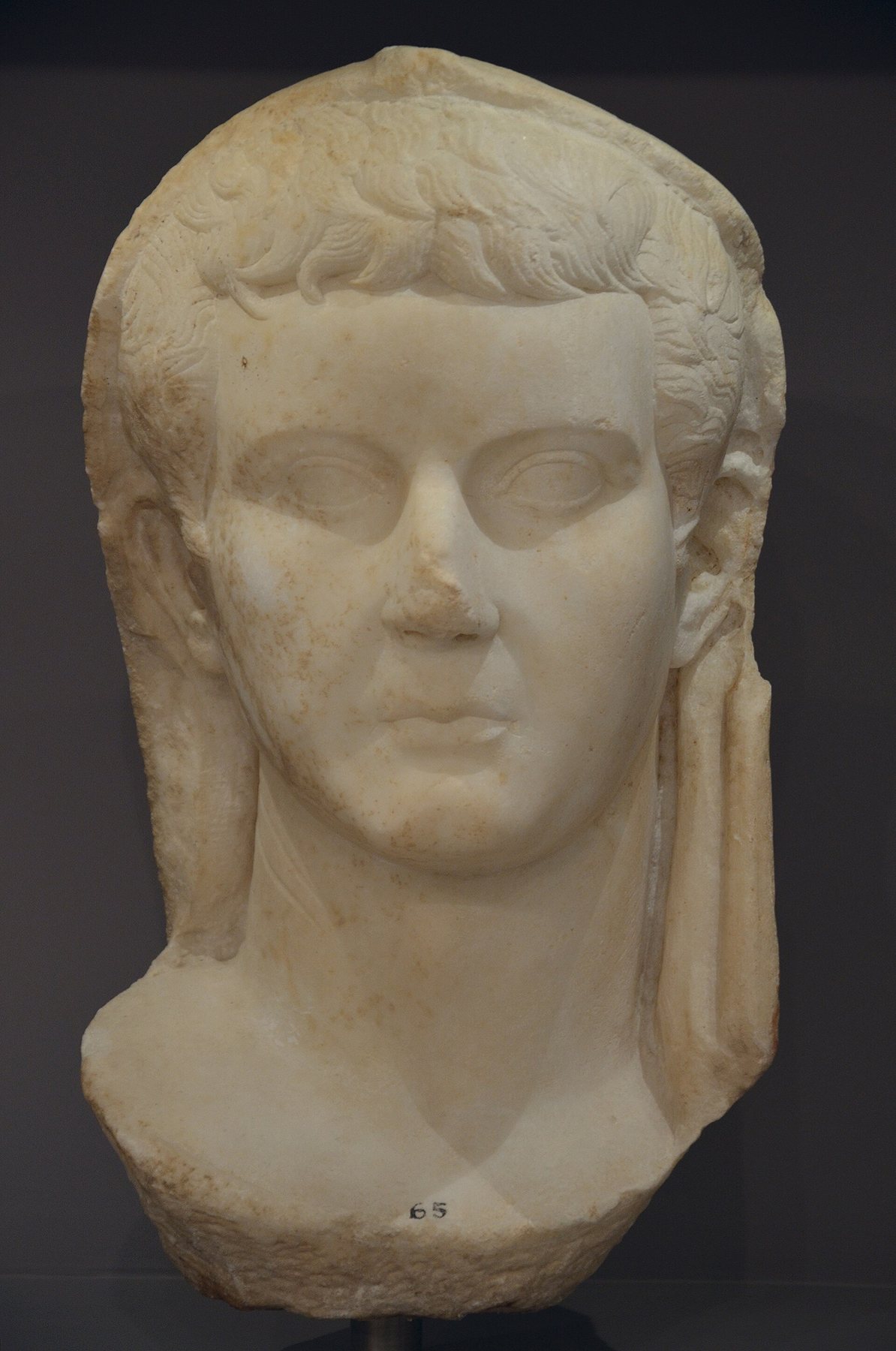 Tiberius, the head is covered by a toga and was originally inserted in a statue, found in Gortyn, Heraklion Archaeological Museum (29756092143). Object from the collection: Heraklion Archaeological Museum.
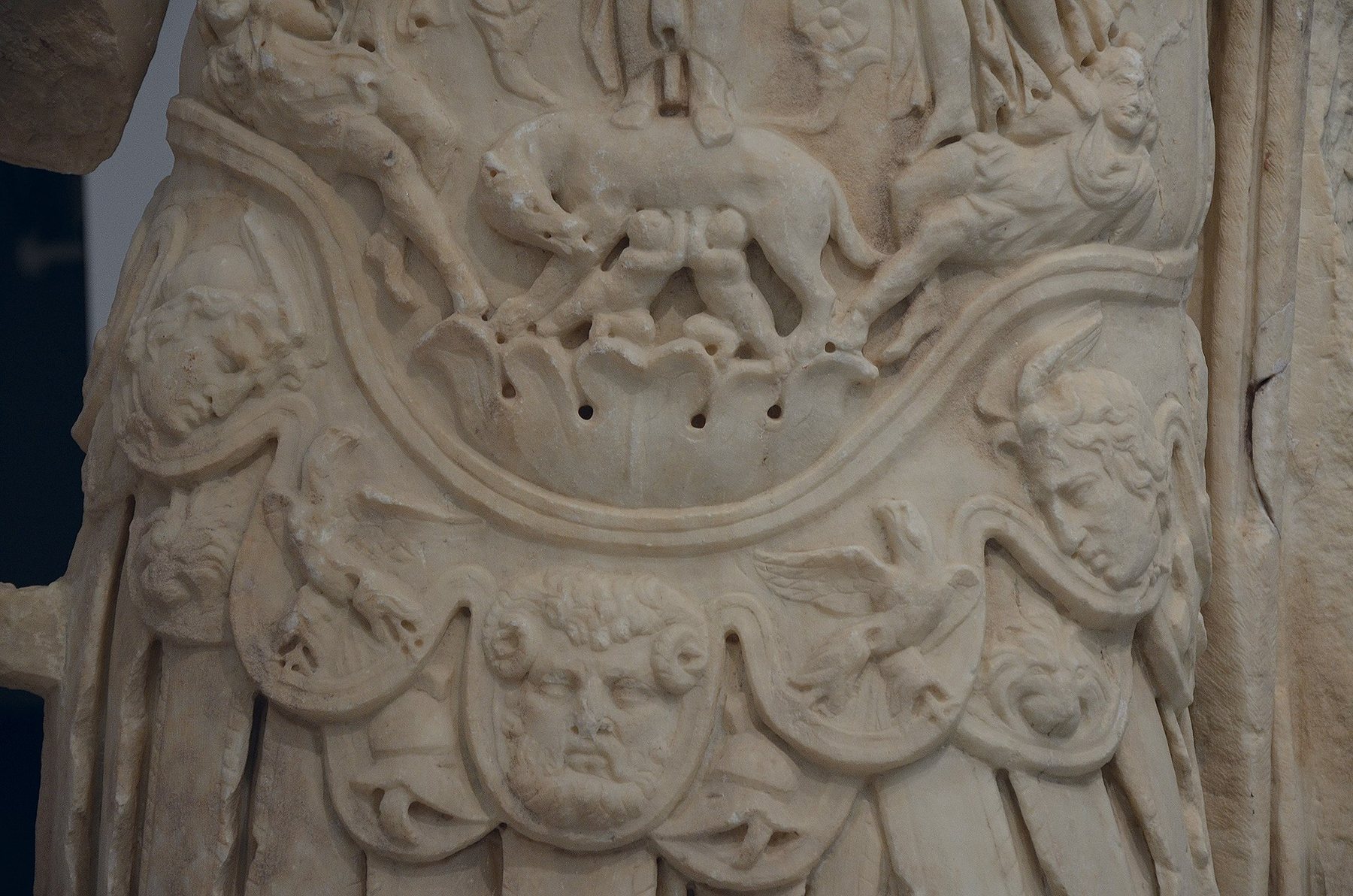 Detail of the Headless statue of Hadrian, he is shown as a triumphant army commander with a cuirass, found in Gortyn, Heraklion Archaeological Museum (29757693344). Object from the collection: Heraklion Archaeological Museum.
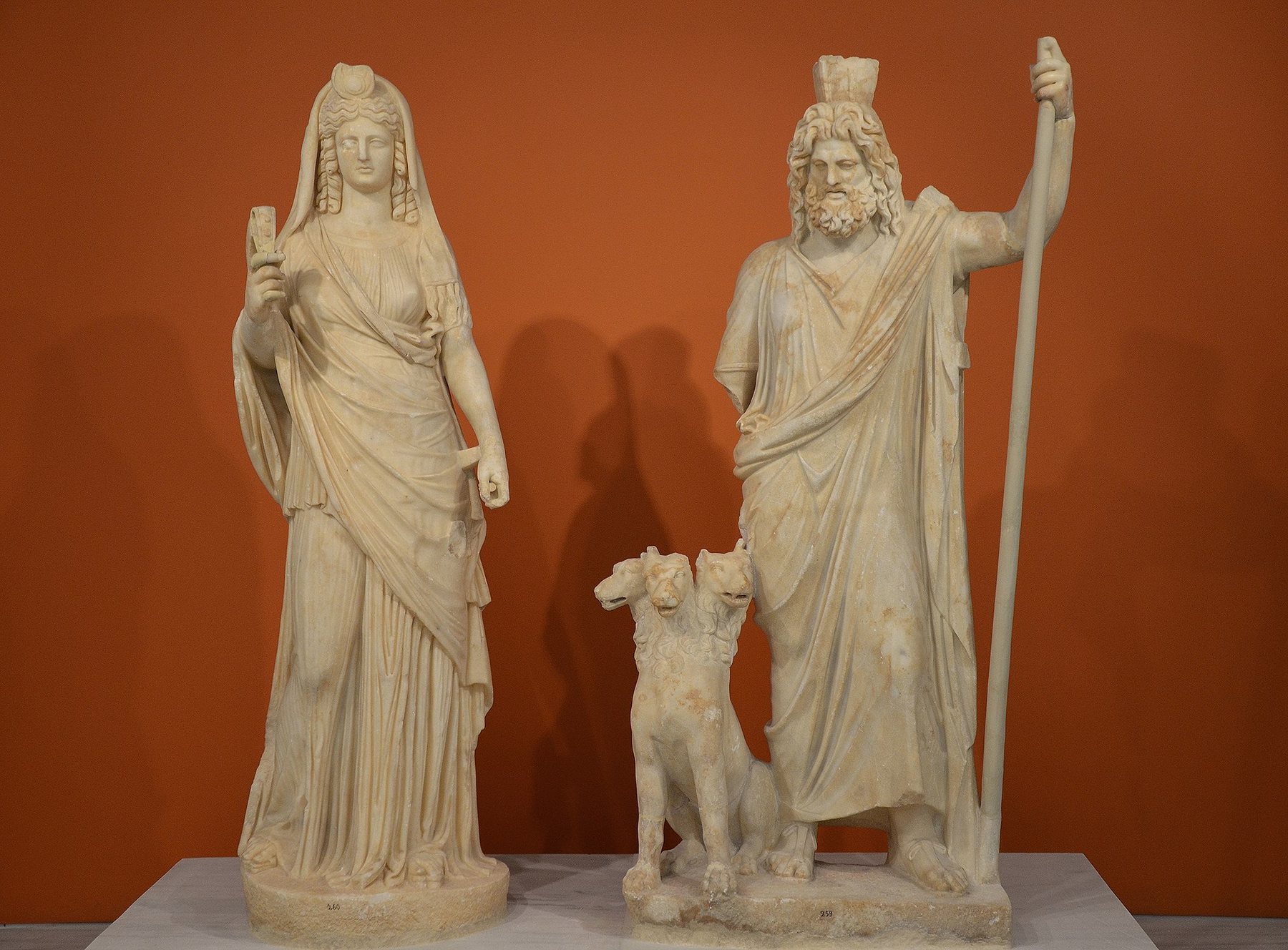 Statue group of Persephone (as Isis) and Pluto (as Serapis), from the Sanctuary of the Egyptian Gods at Gortyna, mid-2nd century AD, Heraklion Archaeological Museum (3030. Object from the collection: Heraklion Archaeological Museum.
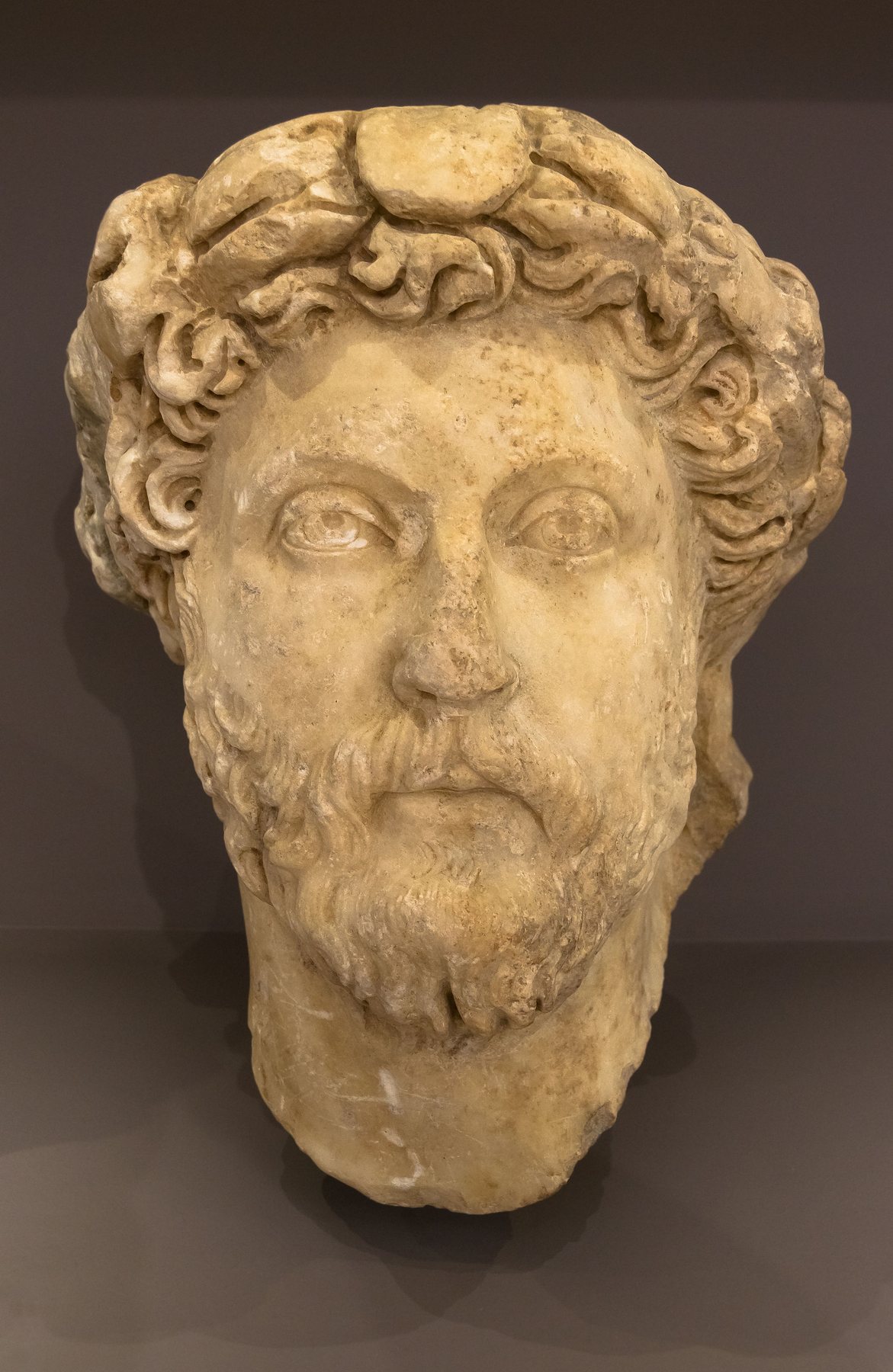 Head Marcus Aurelius archmus Heraklion. Object from the collection: Heraklion Archaeological Museum.
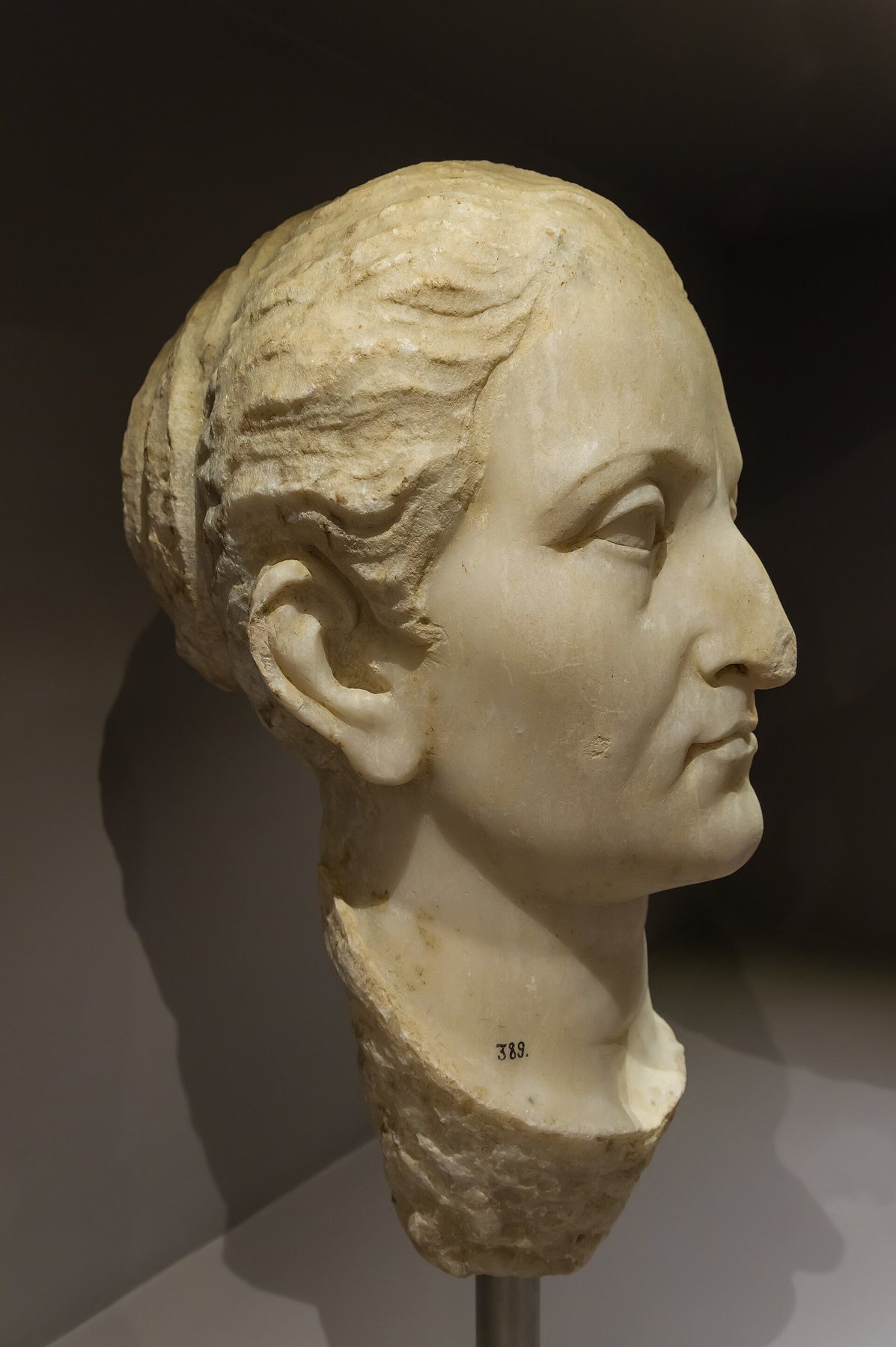 Head of a roman mature woman archmus Heraklion. Object from the collection: Heraklion Archaeological Museum.
Interested in Ancient Rome beyond reading? Join Legio X Fretensis or explore our reenactment directions.


