Acropolis Museum
The Acropolis Museum is a museum focused on one archaeological complex. Its collection is tied to the Athenian Acropolis, the slopes of the sacred rock and the Parthenon, so the objects can be read beside a specific monument rather than as part of a large mixed collection.
The museum shows cult, urban topography, architectural sculpture and everyday life on the slopes as parts of one place. This is valuable because the Acropolis is often treated as a set of famous temples, while the museum brings attention back to finds, layers and small objects.
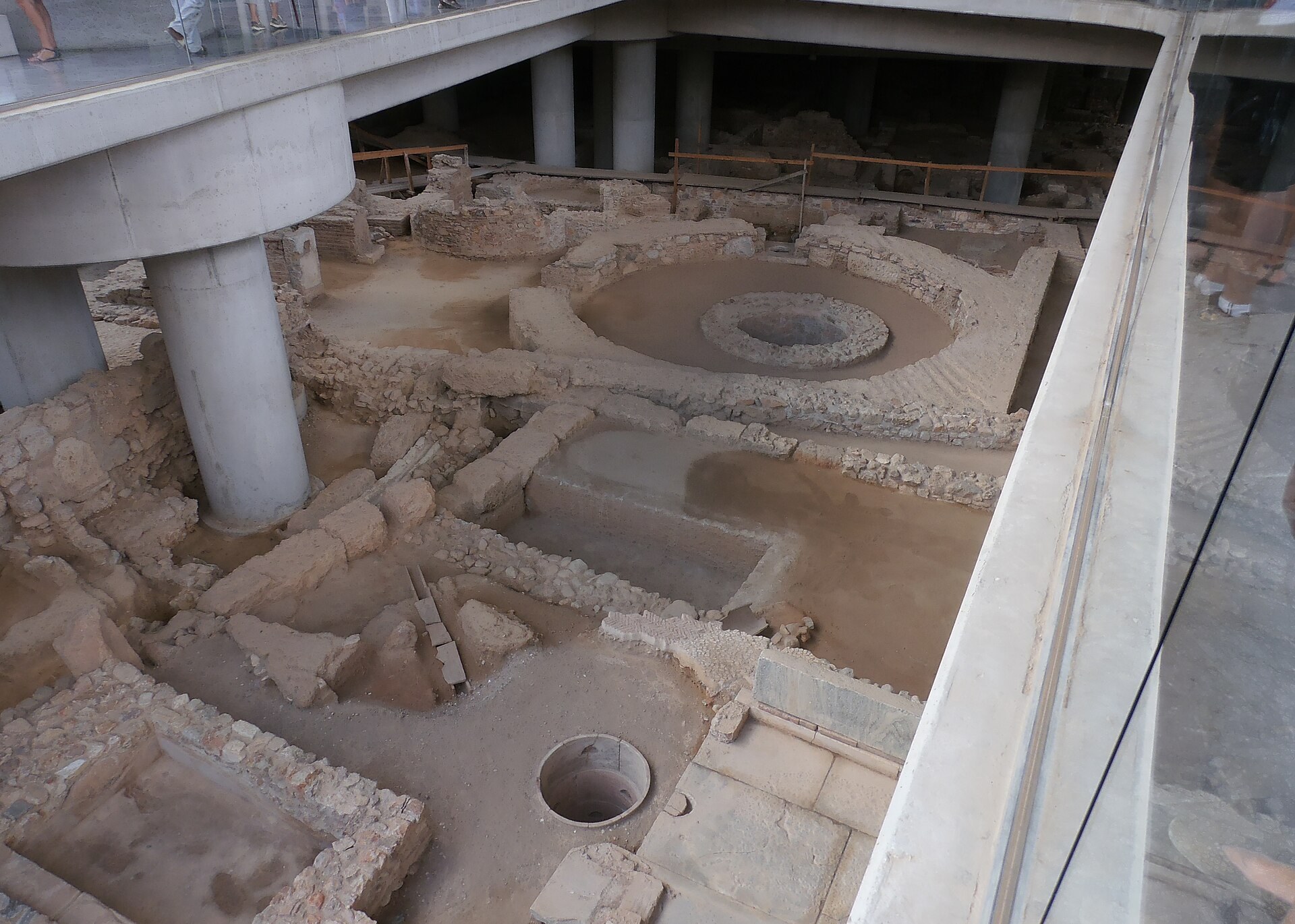 View of the excavations beneath the Acropolis Museum, Athens.
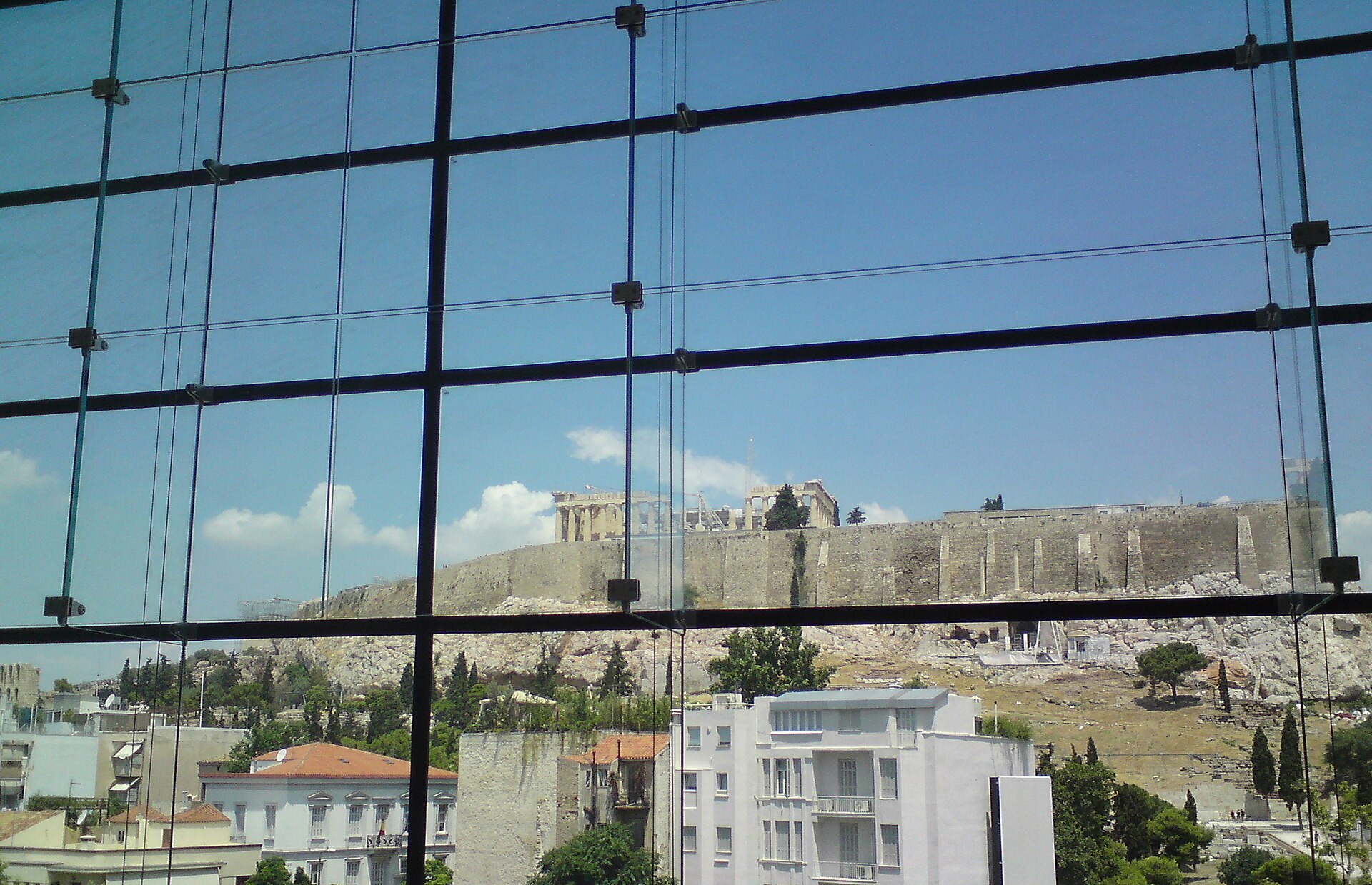 Interior of the Acropolis Museum, Athens.
Collection and Historical Context
The collection is tied to a single archaeological complex: the Athenian Acropolis and its slopes. Finds from sanctuaries and settlements, Archaic sculpture, temple decoration and the excavated neighbourhood reveal different aspects of the site. Parthenon sculpture should be read in relation to its original architectural position; the modern display and the debate over the return of the marbles are separate questions.
Display and Main Materials
Key areas include finds from the slopes, Archaic sculpture, korai, architectural fragments, the Parthenon frieze and metopes, Late Antique traces and the excavation beneath the building. The marble is only part of the evidence; labels, display order and the relation to the monument are equally important.
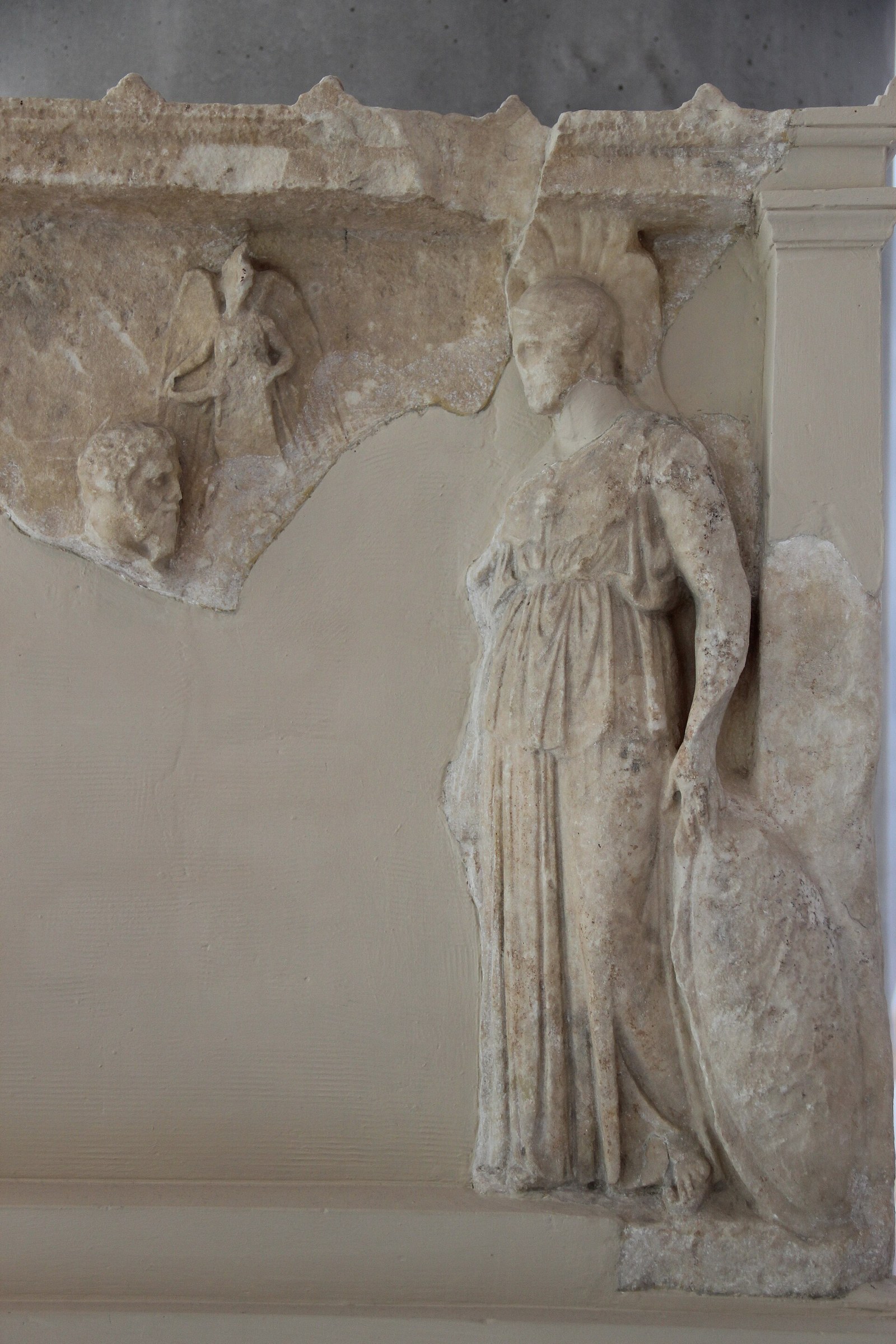 Marble relief. Acropolis Museum, Athens.
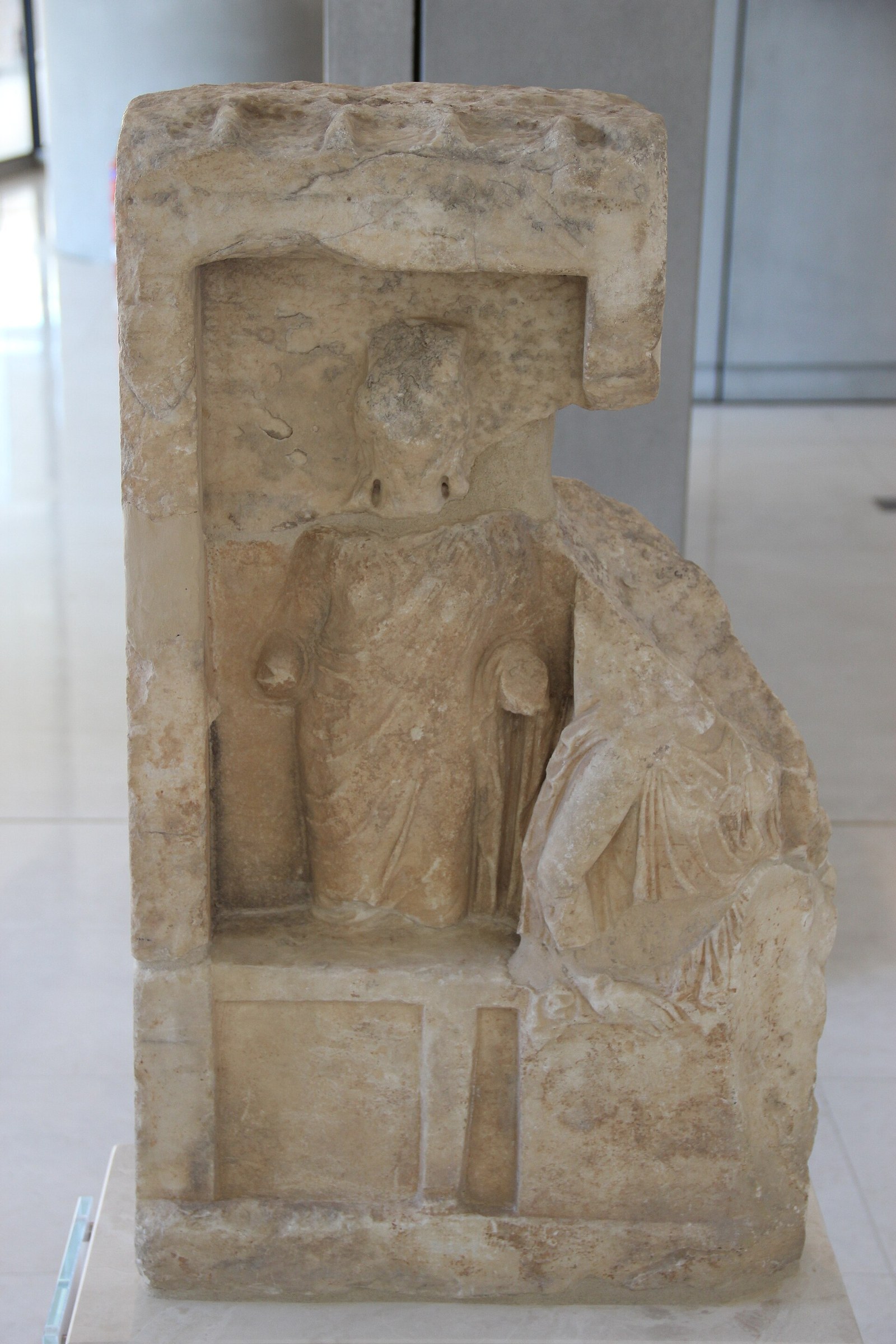 Marble relief. Acropolis Museum, Athens.
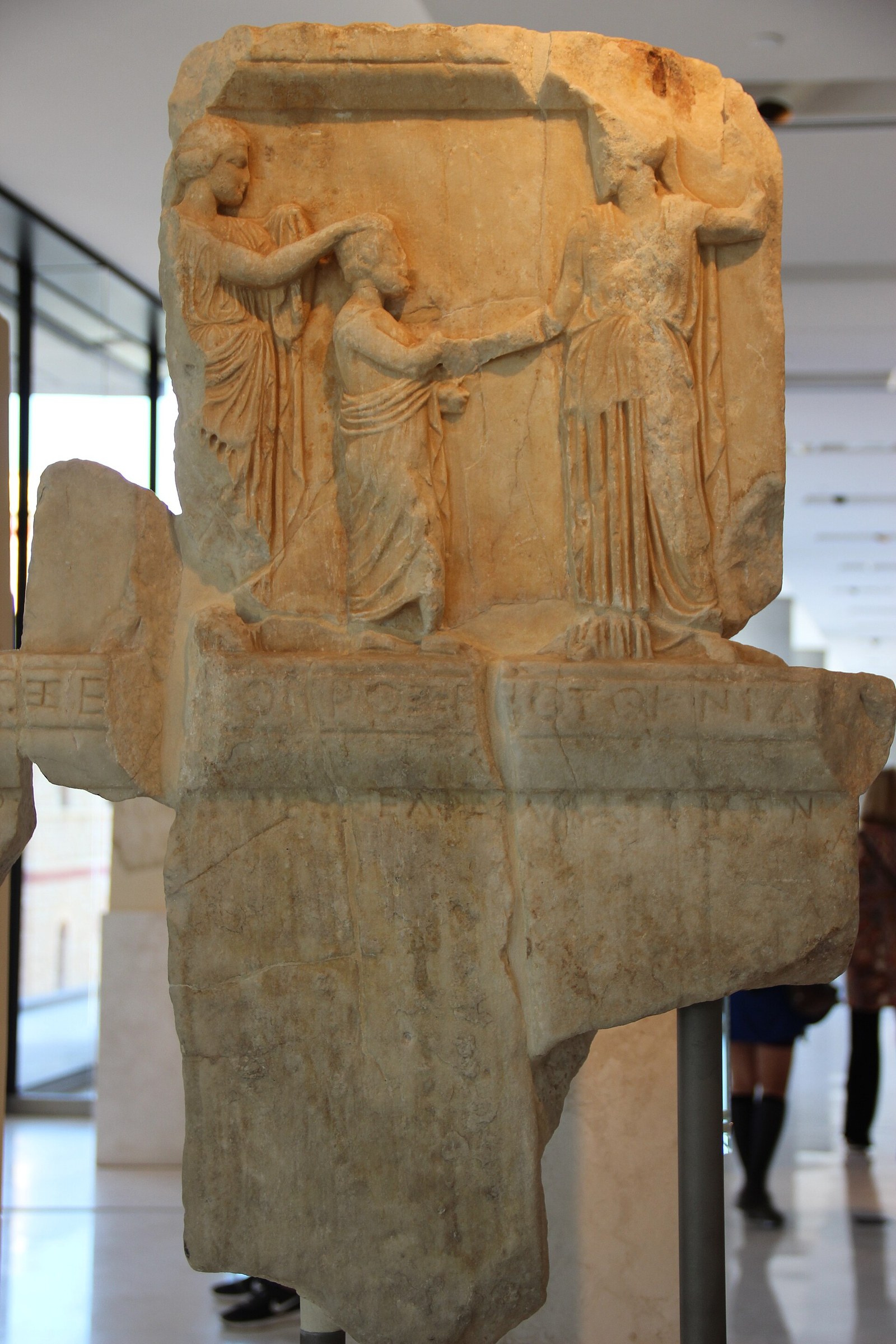 Marble relief. Acropolis Museum, Athens.
Related Topics
- Museums of Antiquity
- National Archaeological Museum, Athens
- Archaeological Museum of Thessaloniki
- Glyptothek and State Collections of Antiquities, Munich
- Archaeology and museums
Official Pages and Catalogues


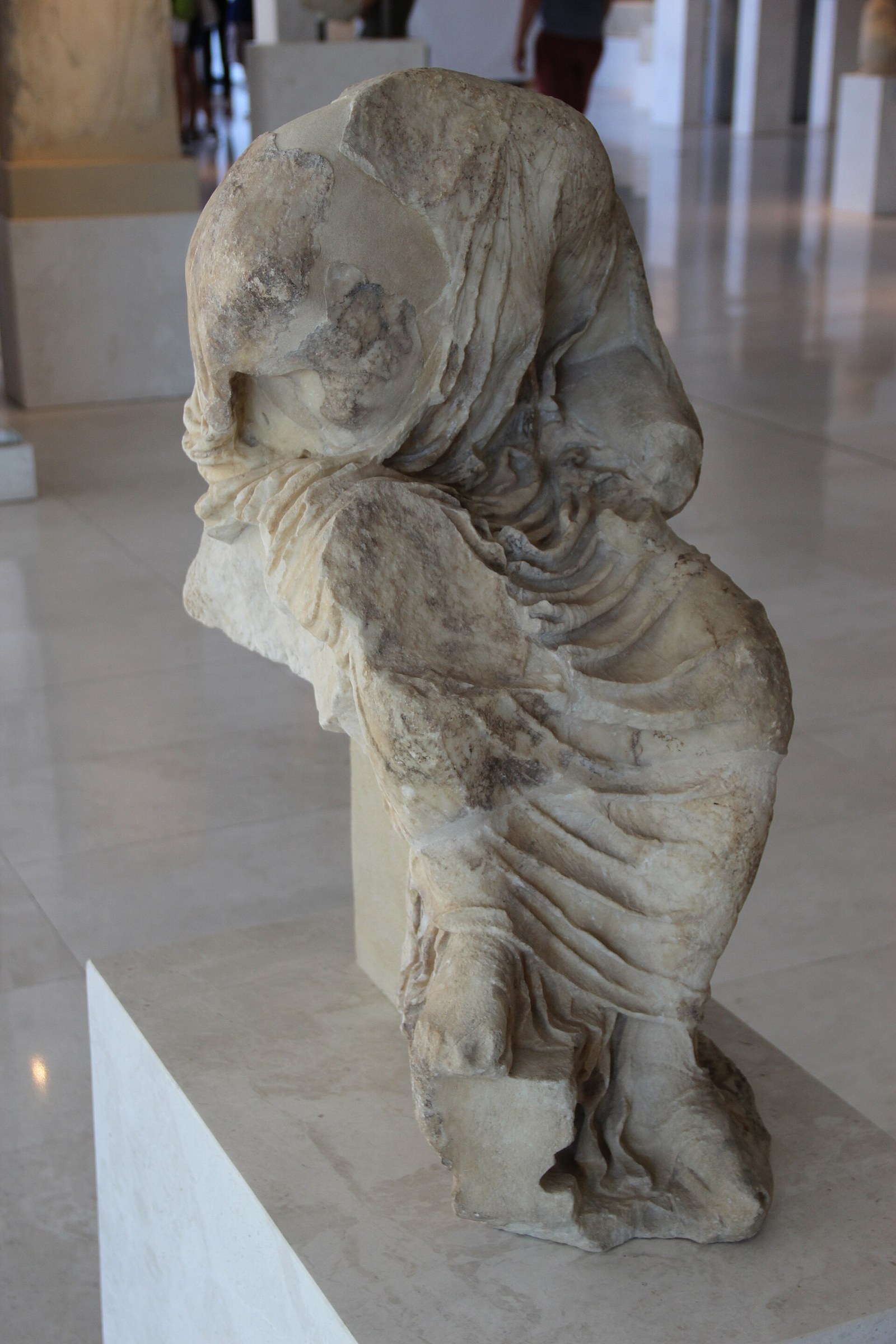 Marble sculpture. Acropolis Museum, Athens.
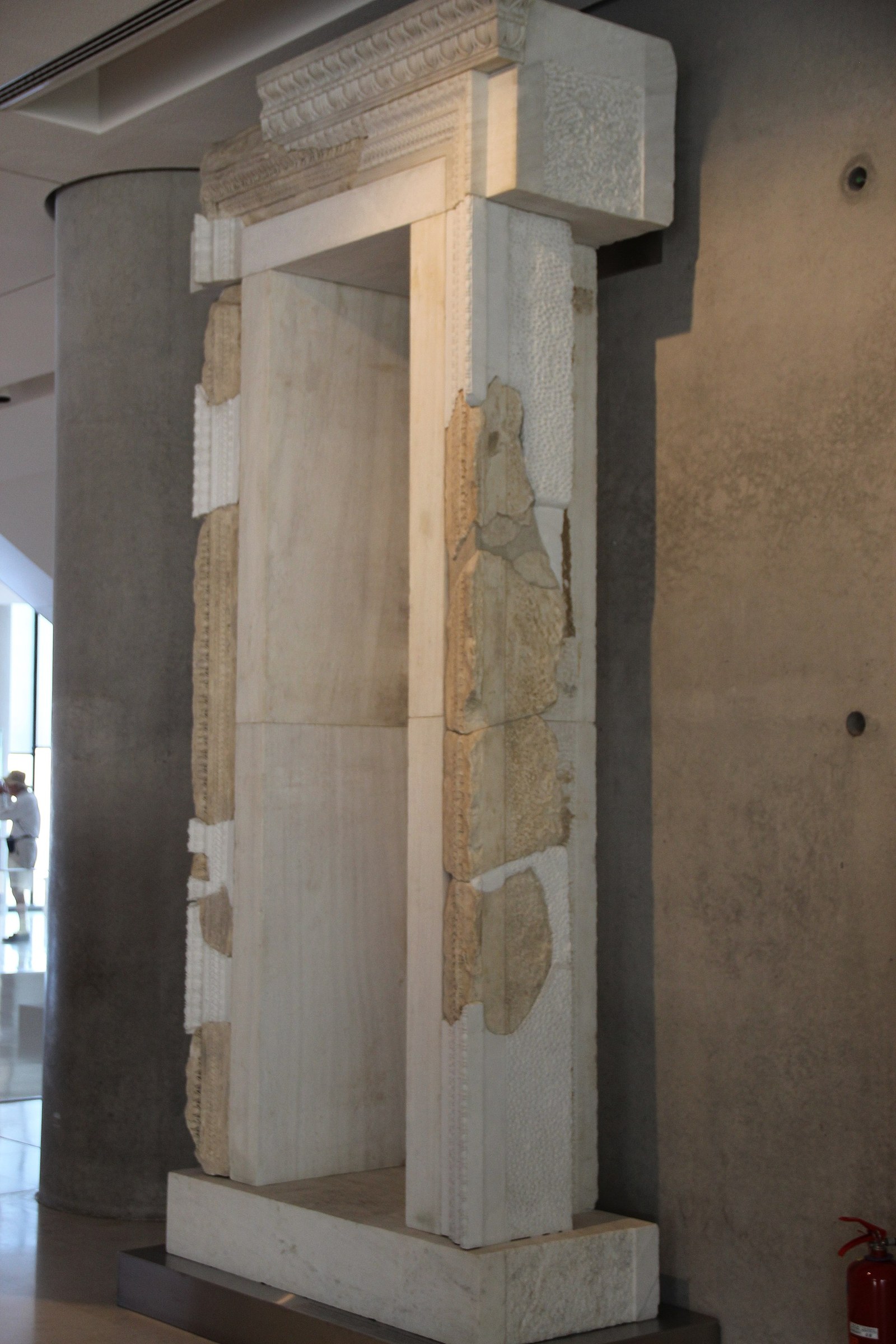 Marble relief. Acropolis Museum, Athens.
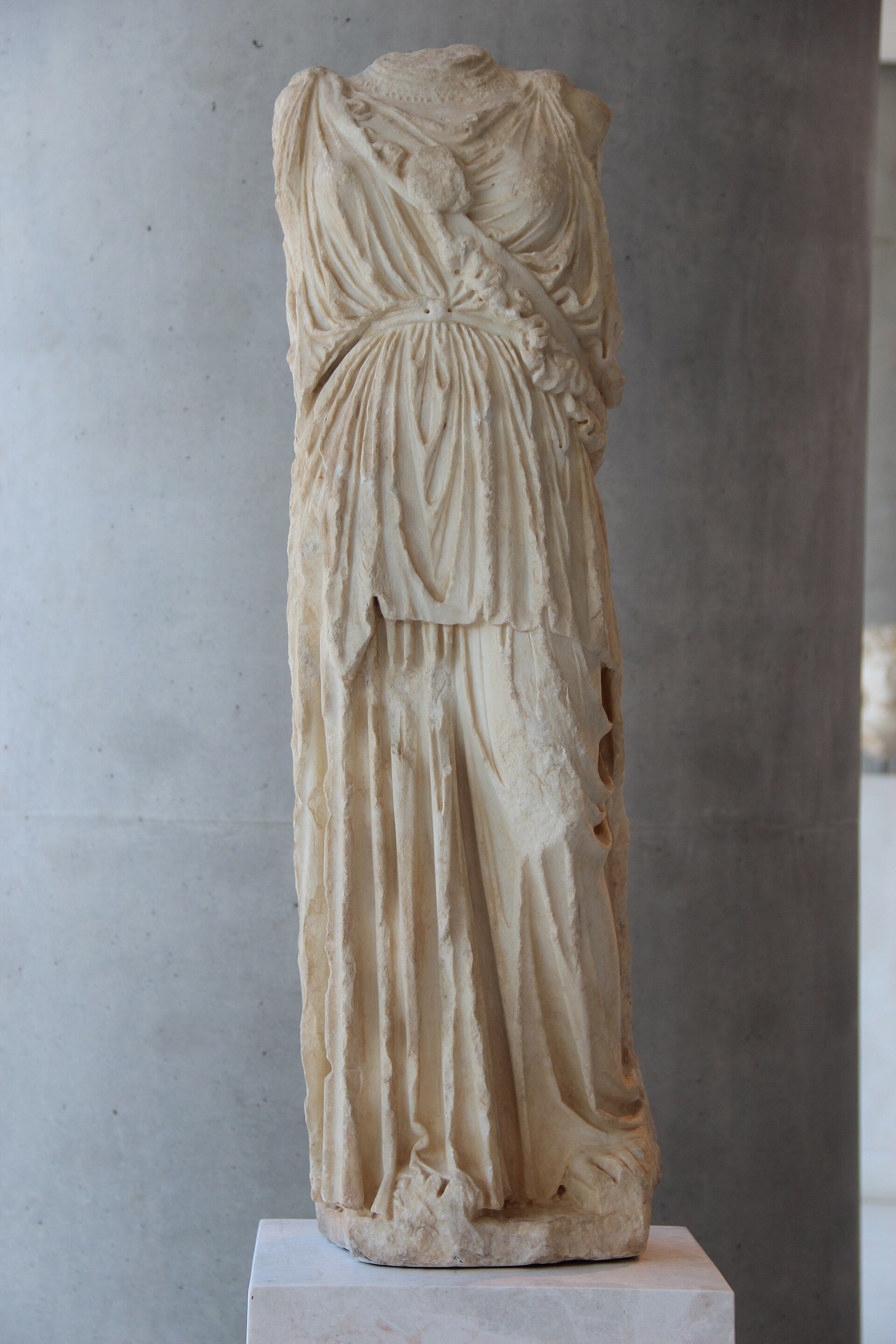 Marble sculpture. Acropolis Museum, Athens.
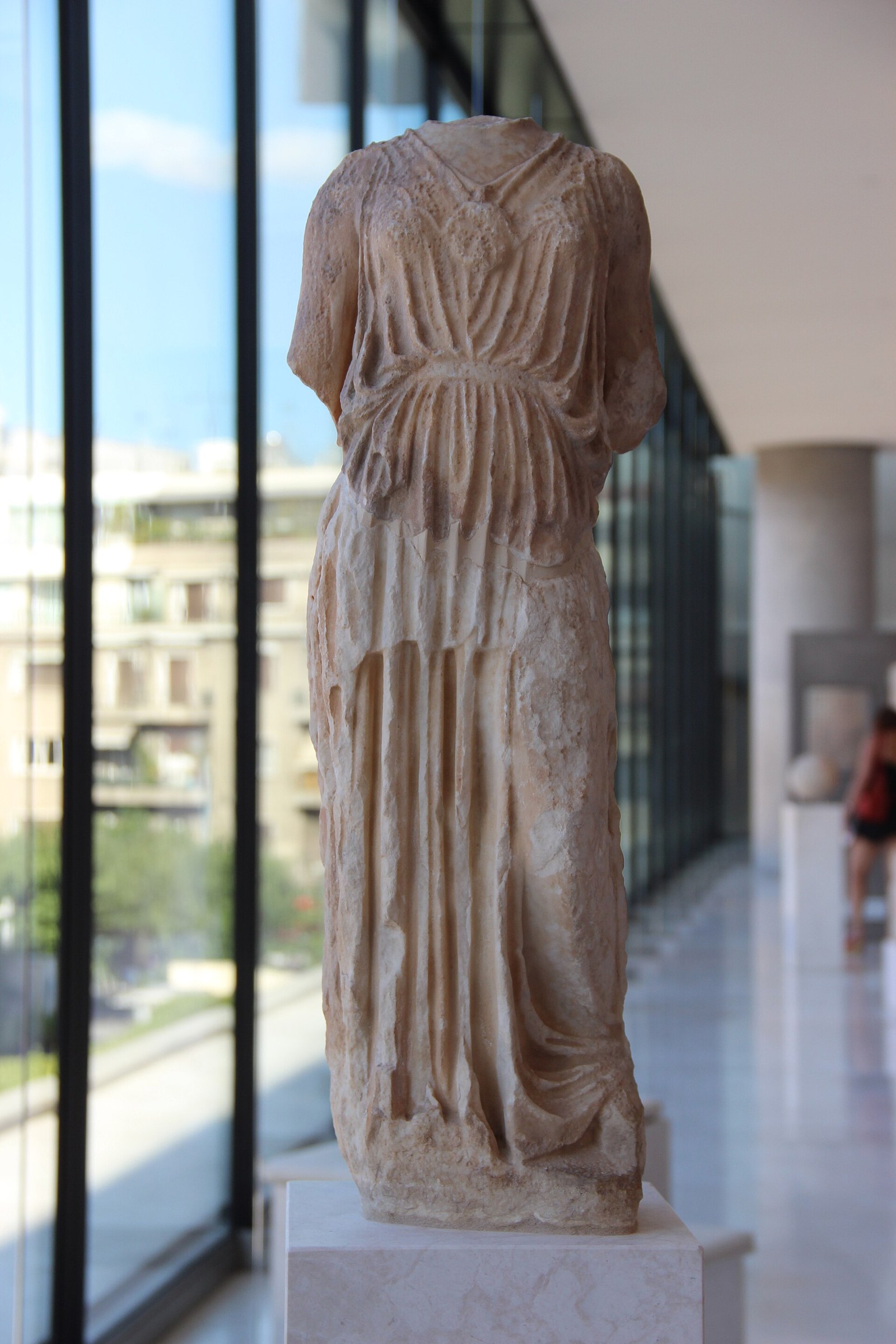 Marble sculpture. Acropolis Museum, Athens.
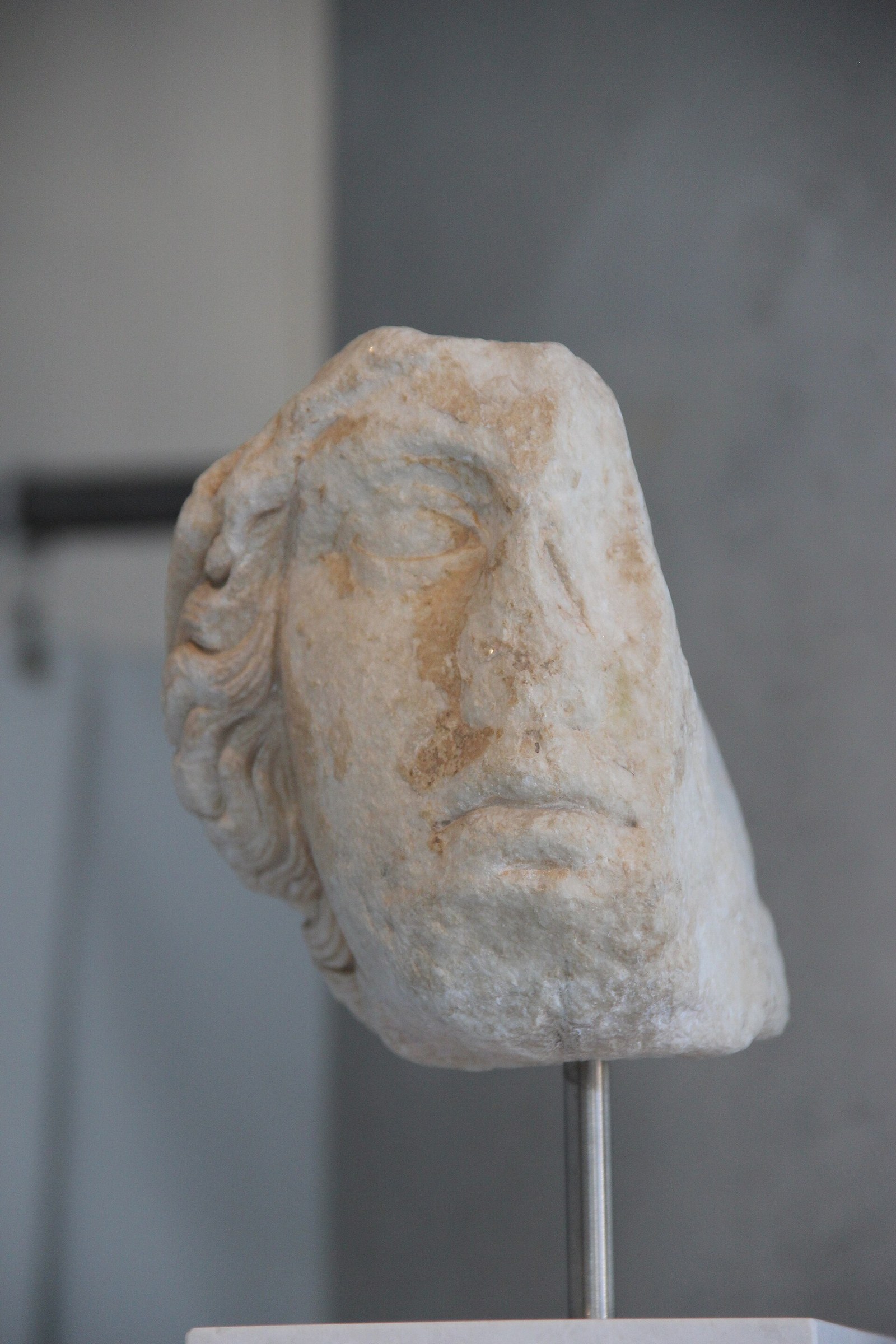 Marble head fragment identified as Athena. Acropolis Museum, Athens.
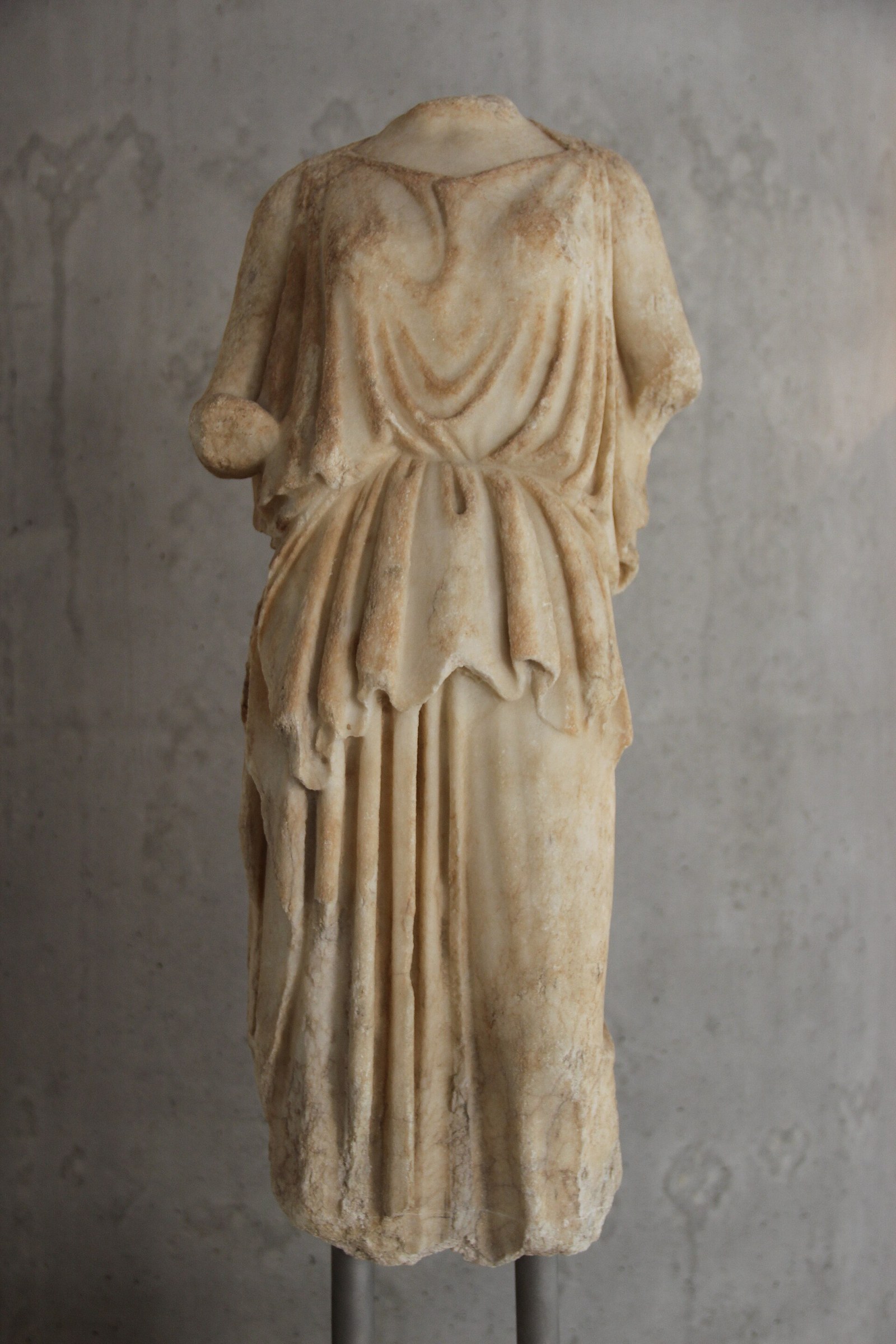 Marble sculpture. Acropolis Museum, Athens.
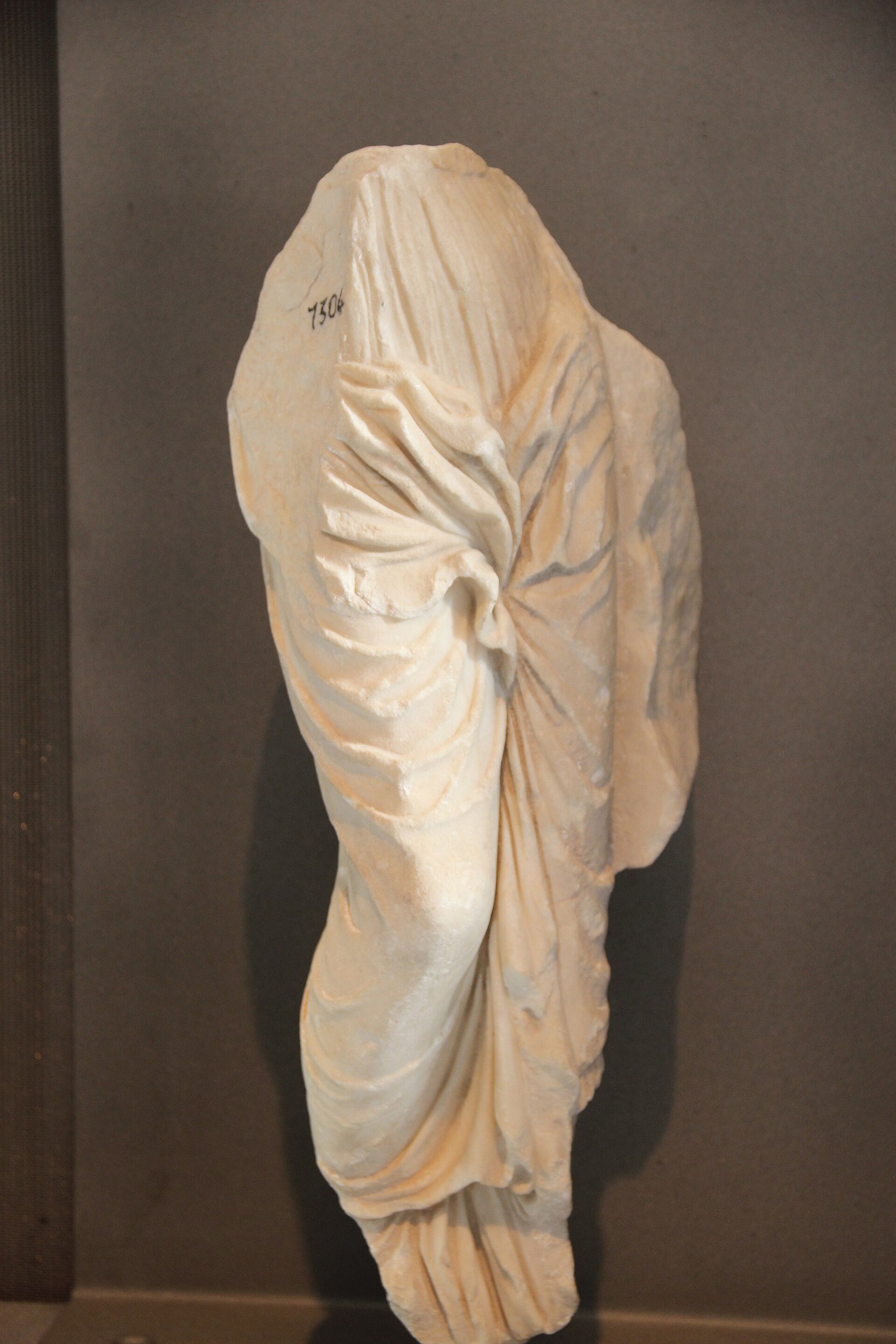 Marble sculpture. Acropolis Museum, Athens.
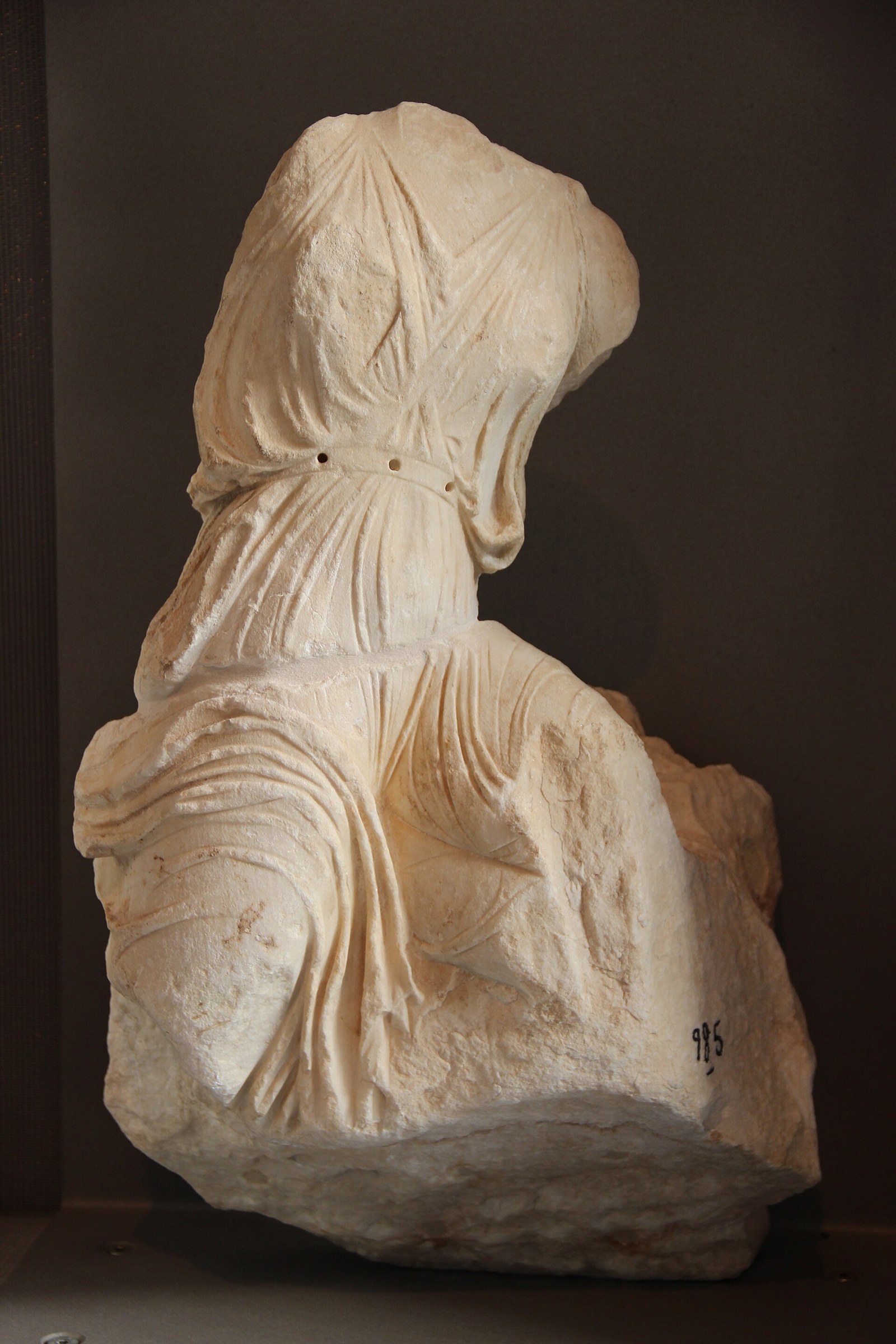 Marble sculpture. Acropolis Museum, Athens.
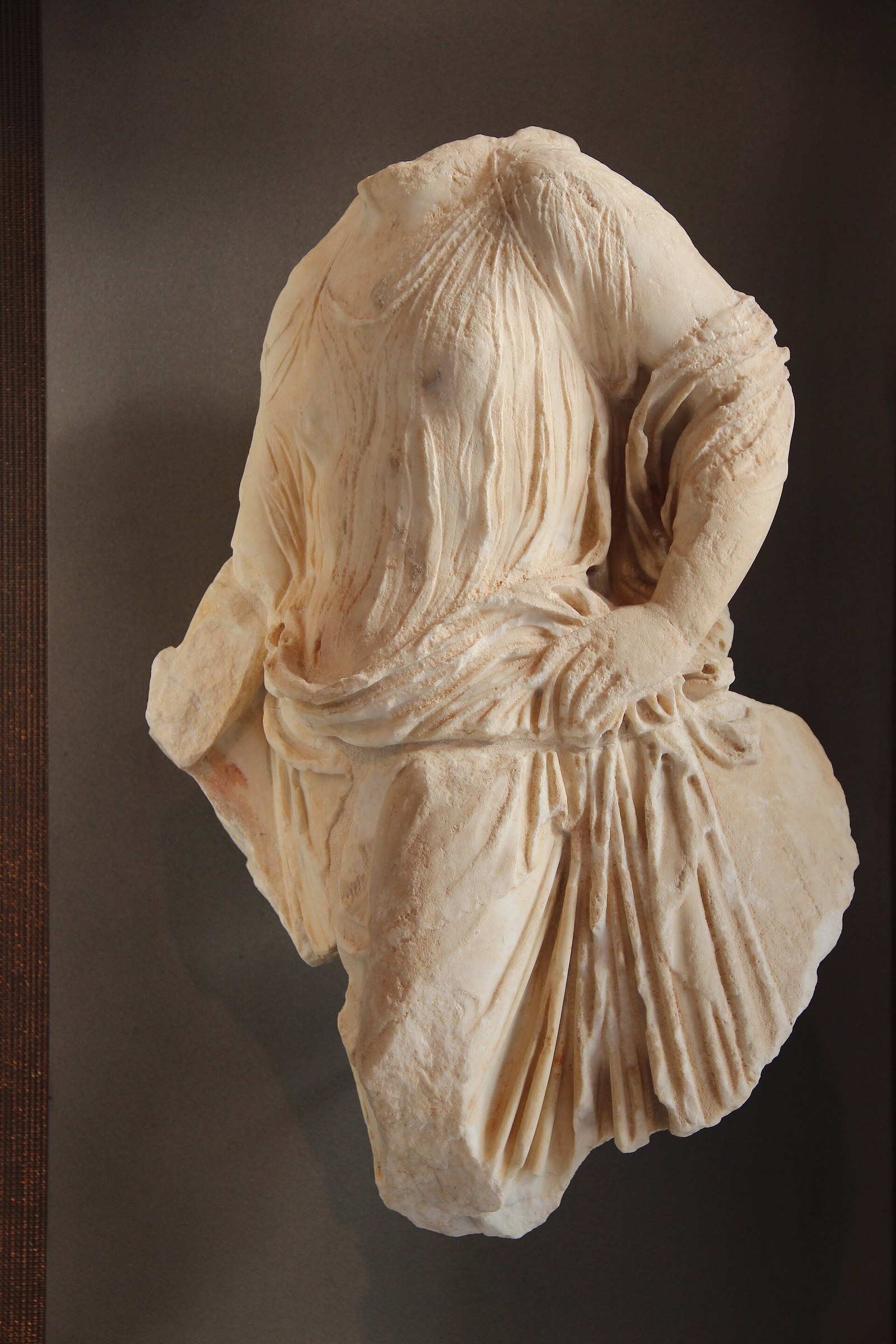 Marble sculpture. Acropolis Museum, Athens.
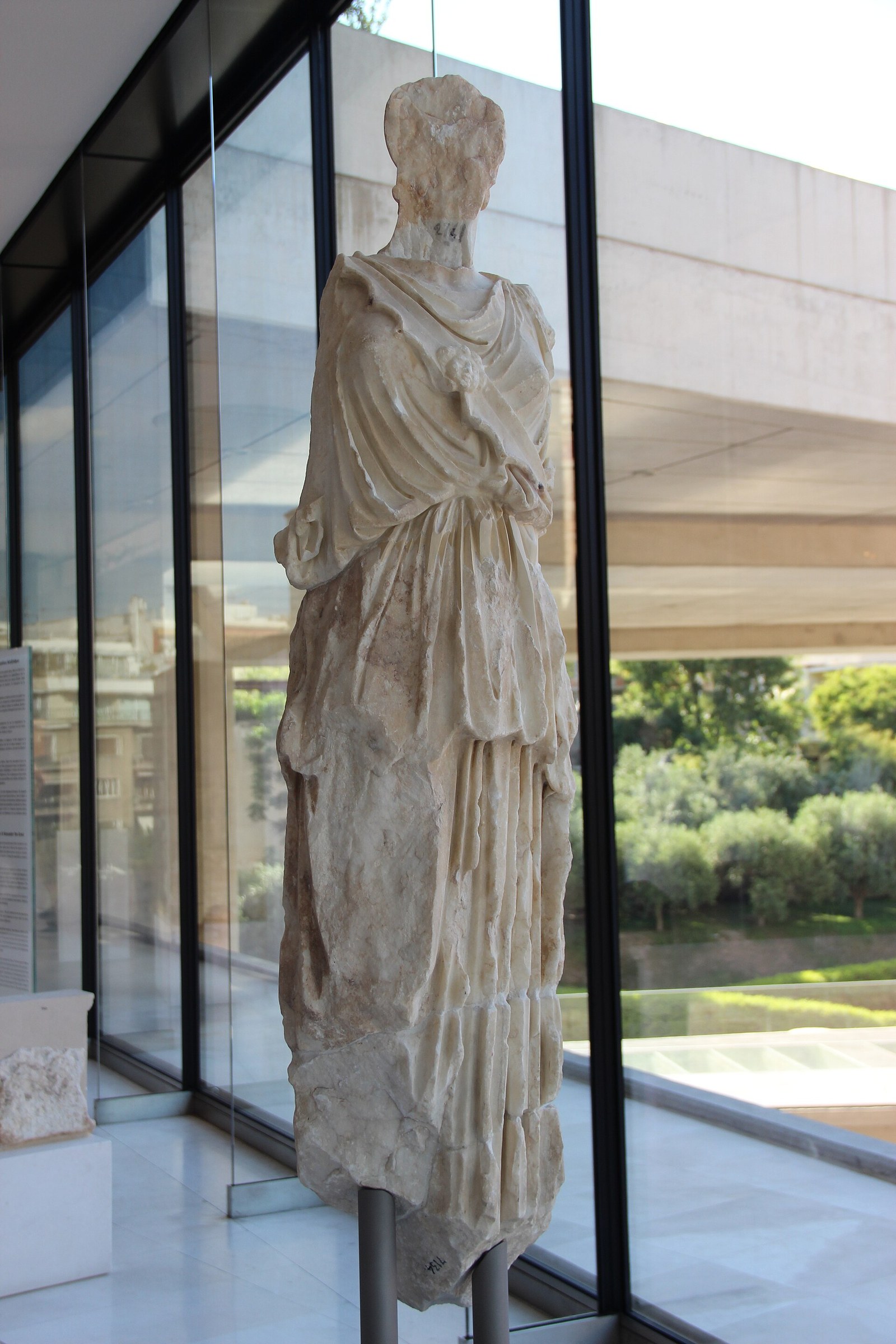 Marble sculpture. Acropolis Museum, Athens.
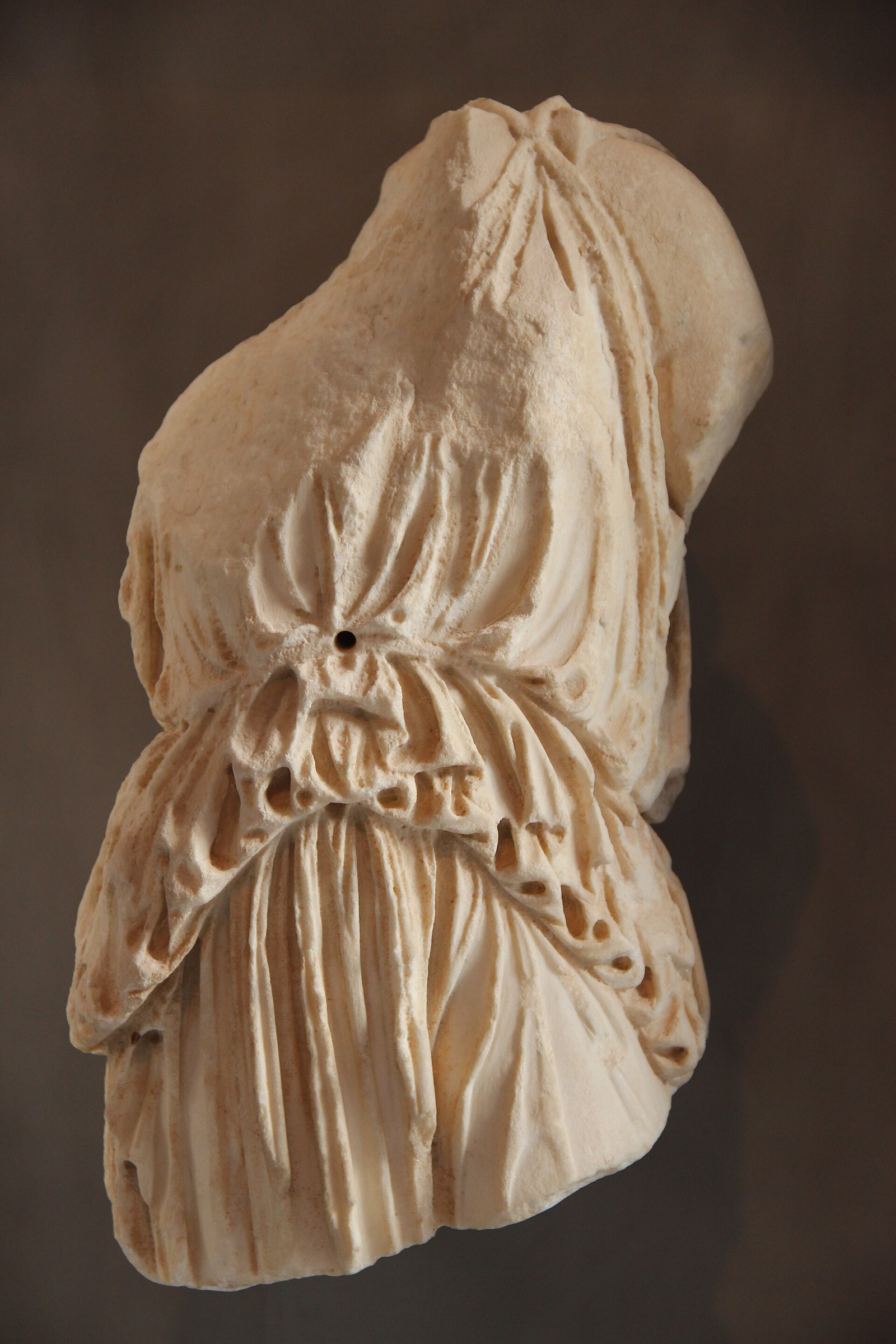 Marble sculpture. Acropolis Museum, Athens.
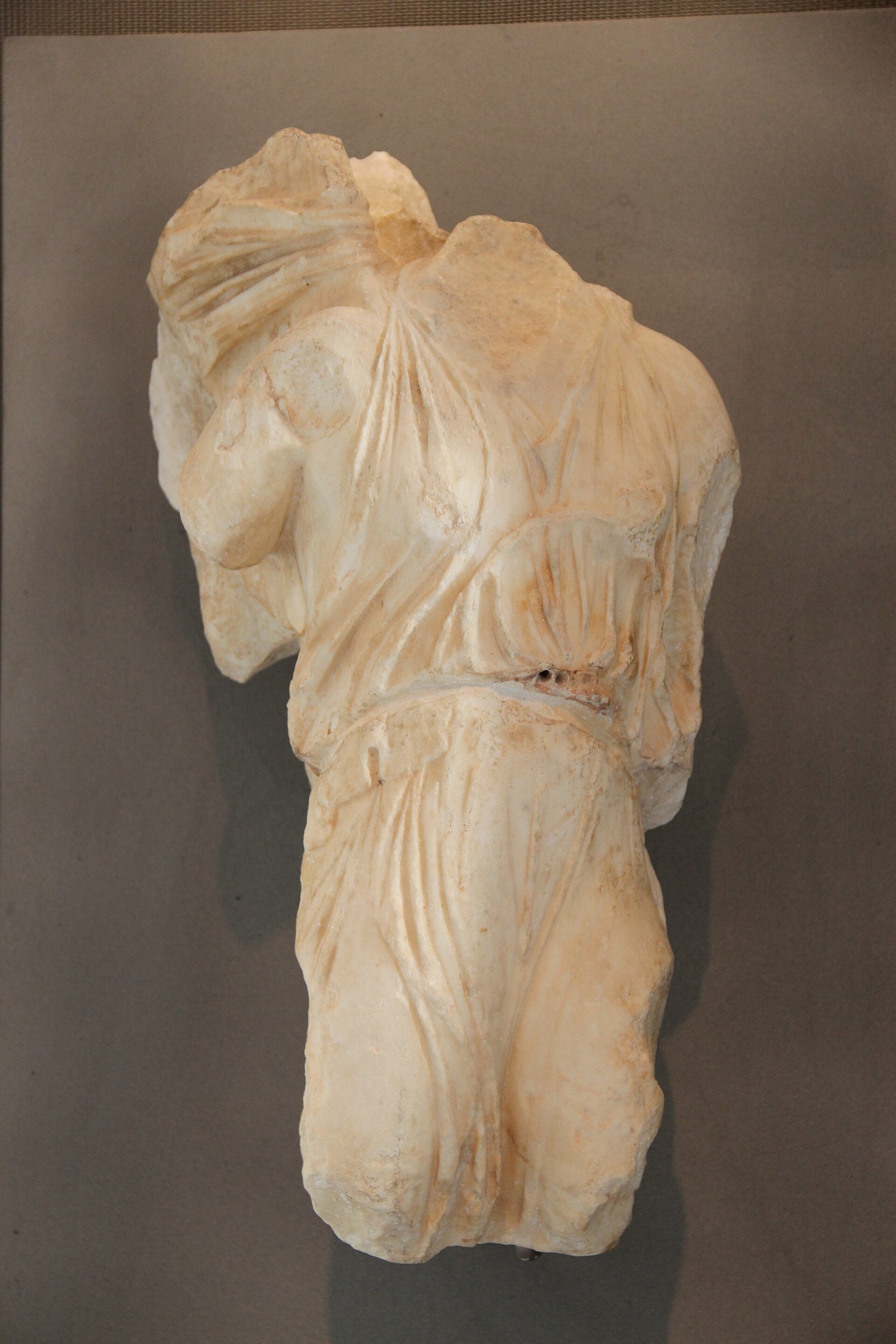 Marble sculpture. Acropolis Museum, Athens.
Interested in Ancient Rome beyond reading? Join Legio X Fretensis or explore our reenactment directions.


