Archaeological Museum of Thessaloniki
The Archaeological Museum of Thessaloniki presents ancient Macedonia and northern Greece through cities, cemeteries, sanctuaries and regional material culture. Its collections connect burial finds, goldwork, pottery and inscriptions with urban society, not only with the lives of Macedonian kings.
Collection and Historical Context
The museum covers Macedonia before the emergence of the kingdom, during its development and under Roman rule. Thessaloniki appears as a major regional city, while gold ornaments and burial assemblages illuminate social distinctions and local practices.
Display and Main Materials
Key material includes Macedonian funerary finds, gold wreaths and jewellery, weapons, vessels, sculpture, inscriptions and Roman urban evidence. They should be read together because military, elite and urban layers are not artificially separated here.
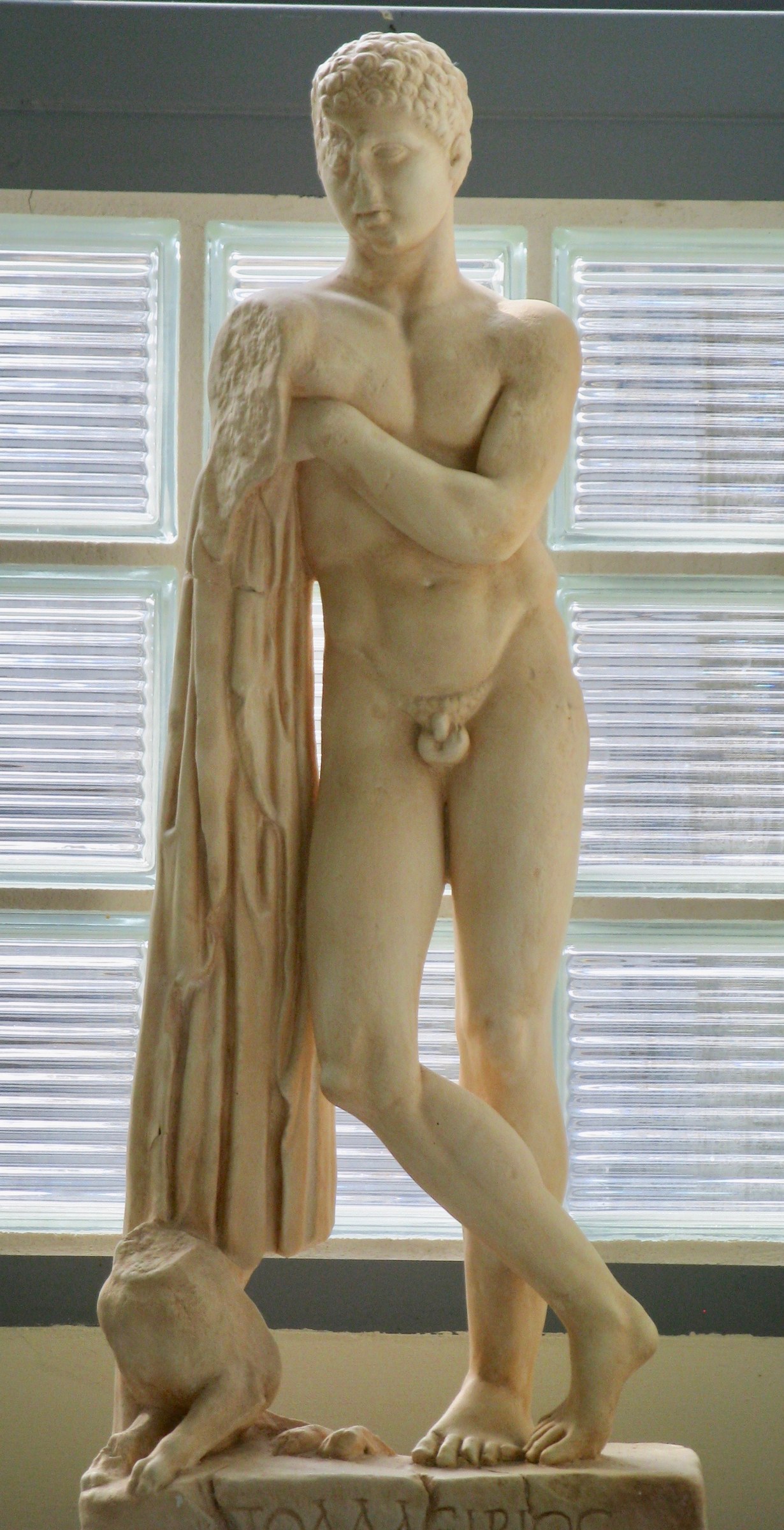 A statue of a man at Archaeological Museum (Thessaloniki). Object from the collection: Archaeological Museum of Thessaloniki.
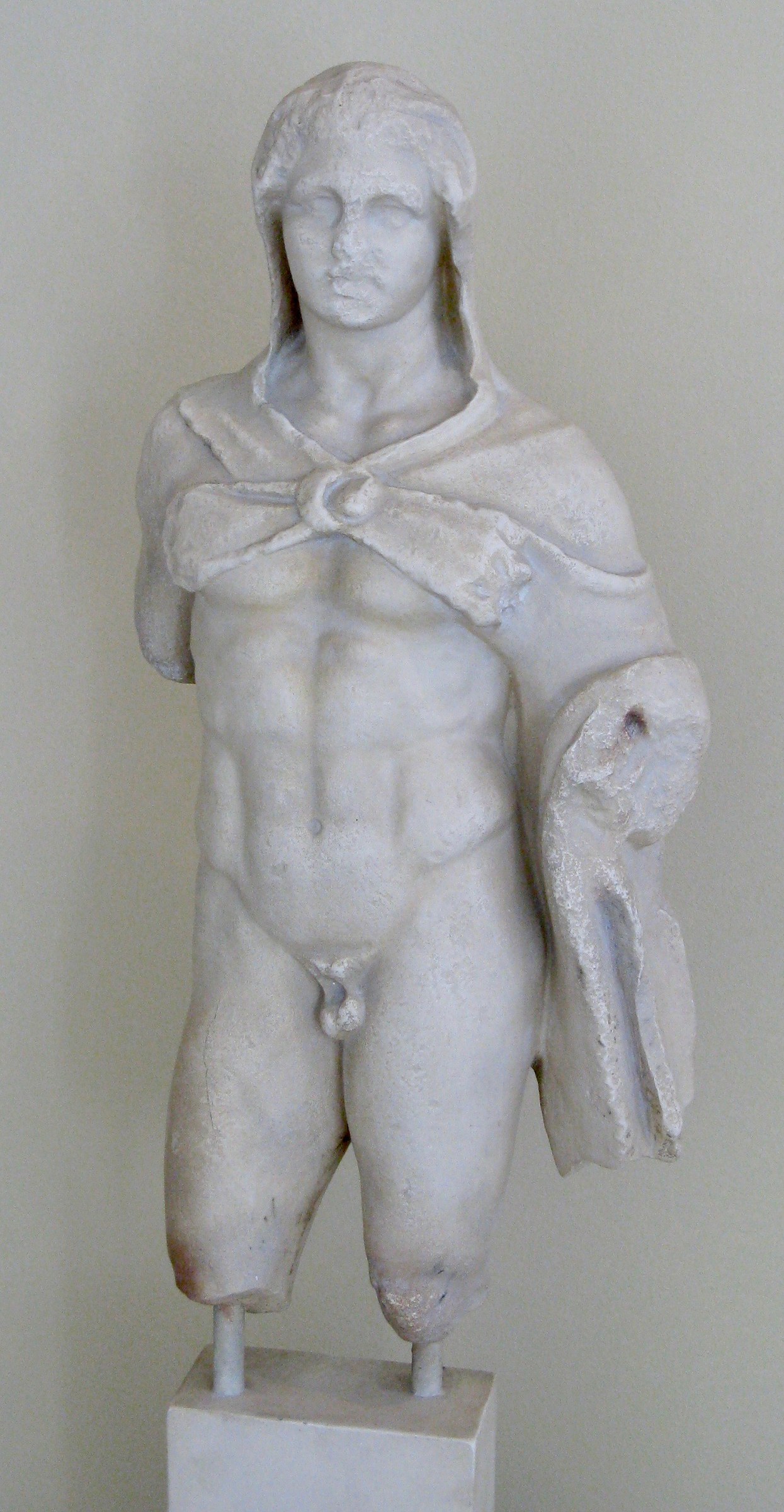 A statue of a man at Archaeological Museum (Thessaloniki)-2. Object from the collection: Archaeological Museum of Thessaloniki.
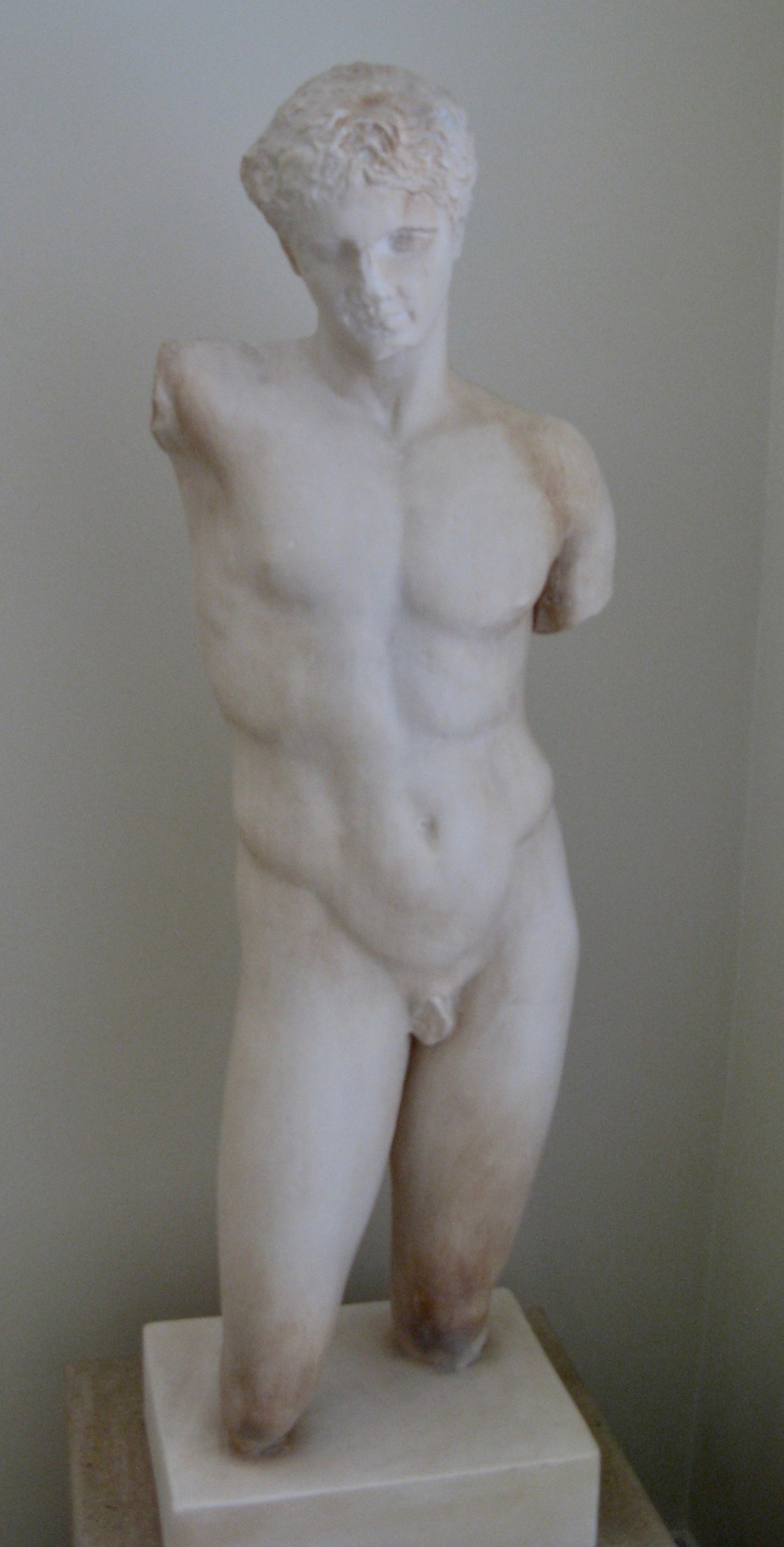 Statue in the Archaeological Museum (Thessaloniki). Object from the collection: Archaeological Museum of Thessaloniki.
Related Topics
- Museums of Antiquity
- National Archaeological Museum, Athens
- Pergamonmuseum and Antikensammlung Berlin
- Bardo National Museum
- Archaeology and museums
Official Pages and Catalogues


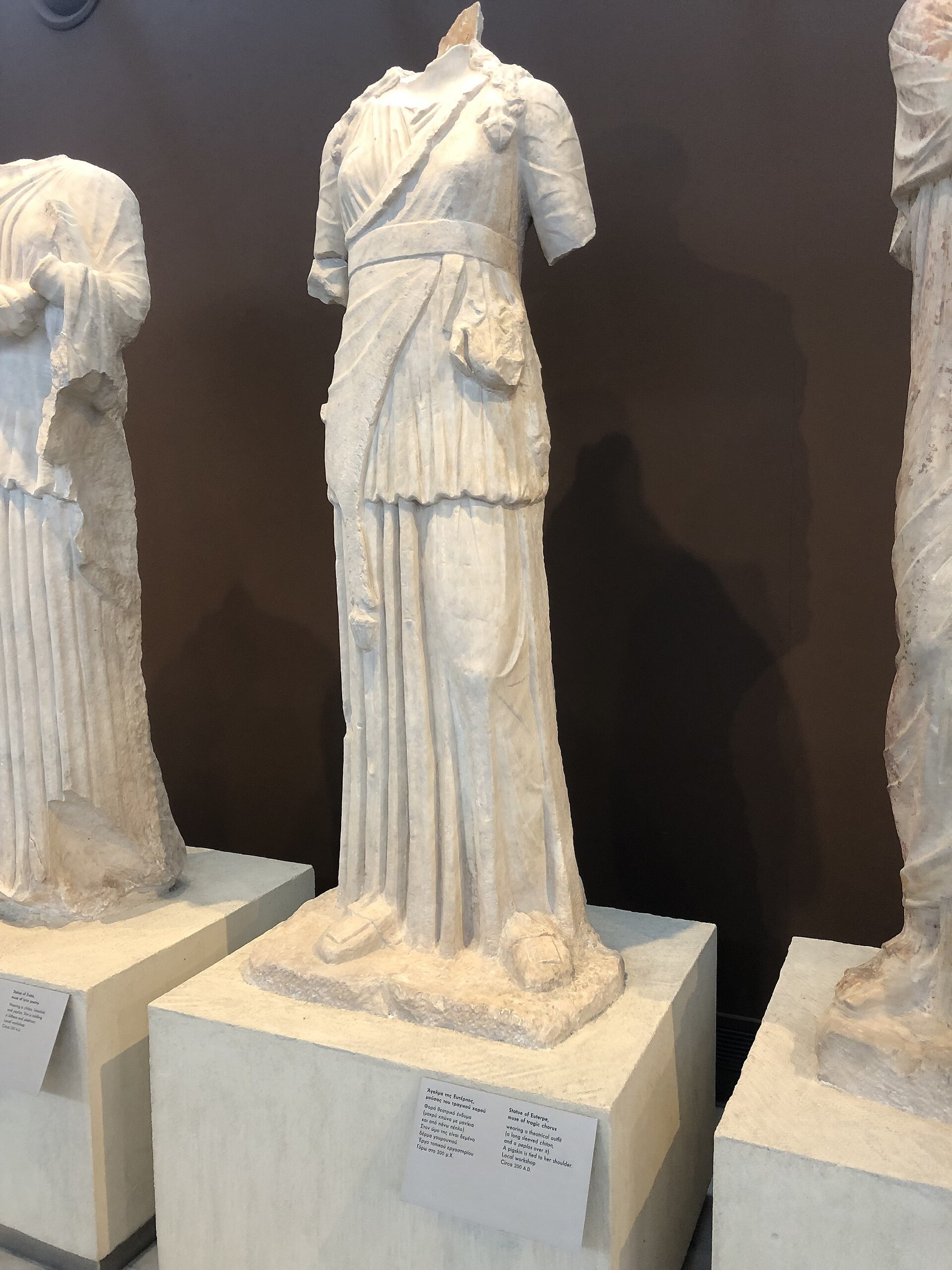 Sculpture of Euterpe in the Archaeological Museum of Thessaloniki. Object from the collection: Archaeological Museum of Thessaloniki.
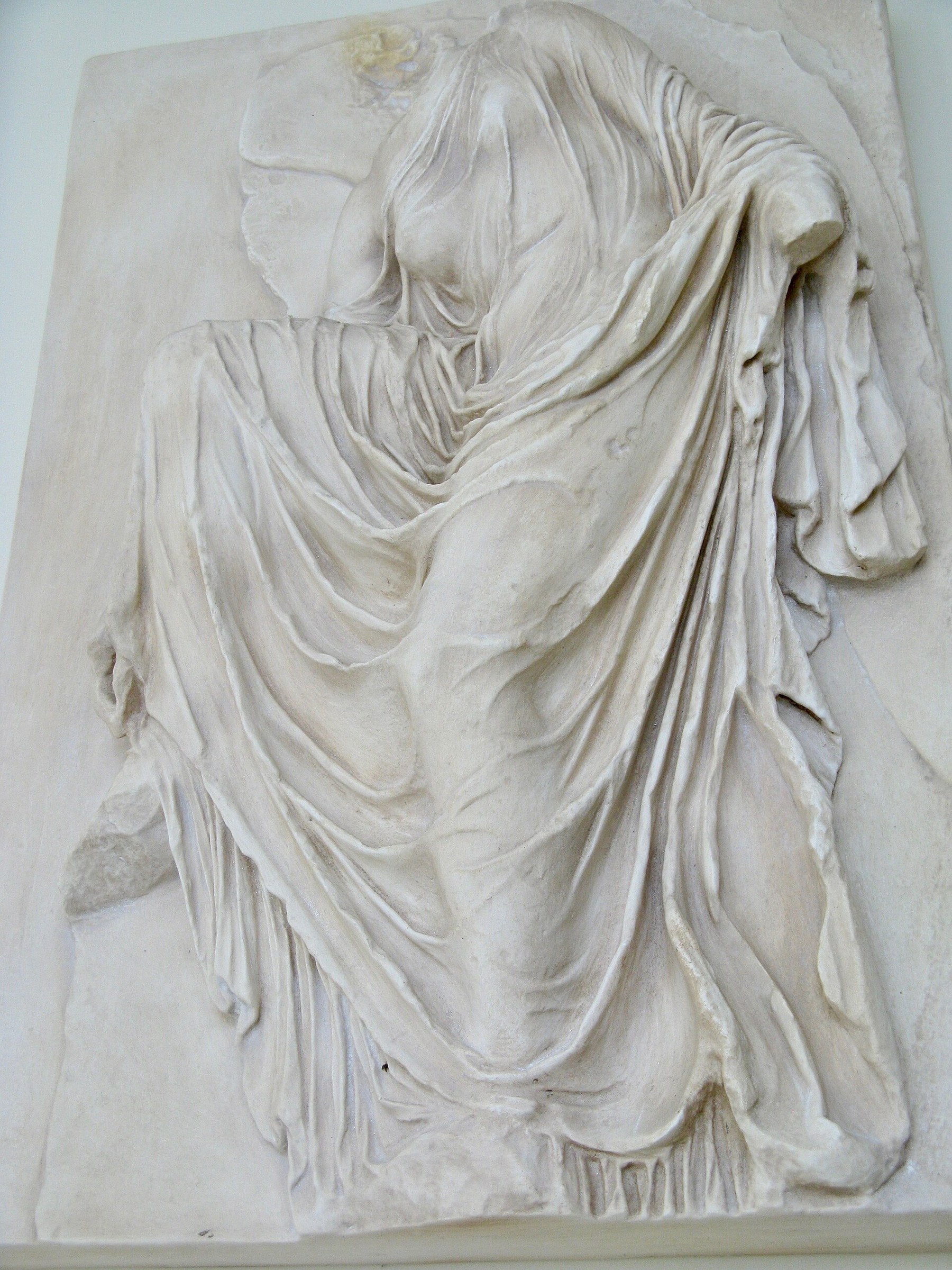 A relief of Nike Fixing Her Sandal at Archaeological Museum (Thessaloniki). Object from the collection: Archaeological Museum of Thessaloniki.
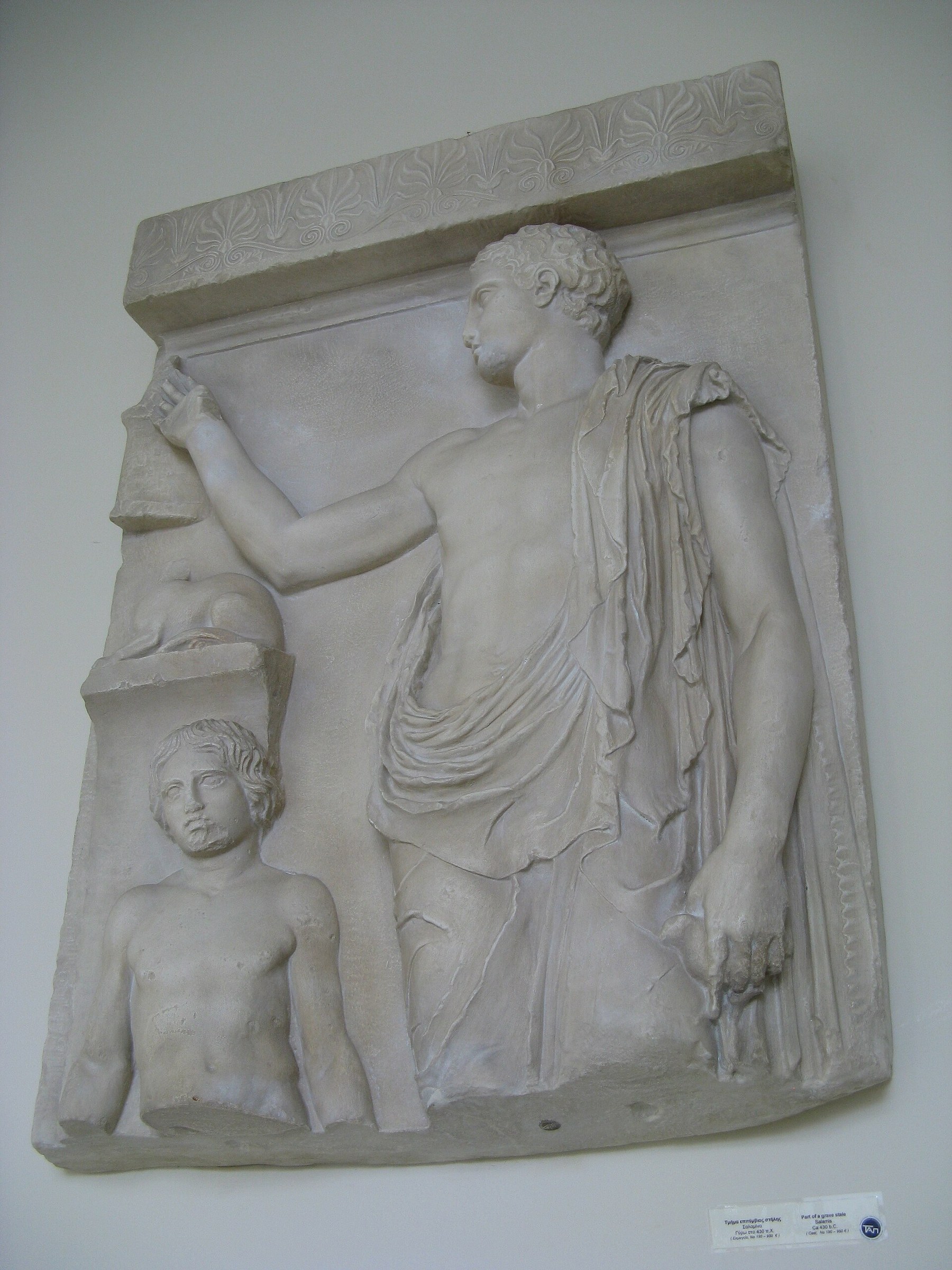 Relief in the Archaeological Museum (Thessaloniki). Object from the collection: Archaeological Museum of Thessaloniki.
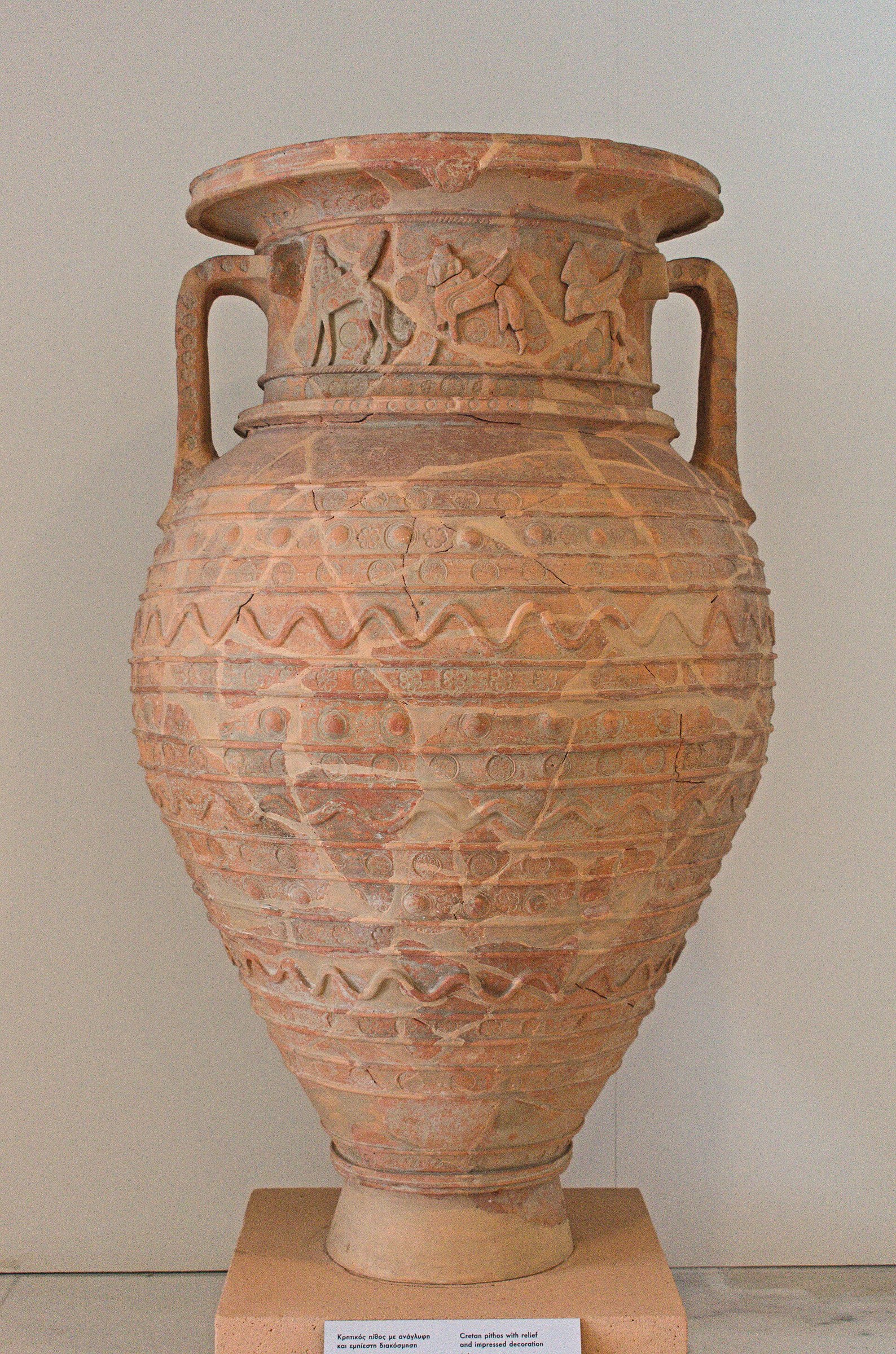 Thessaloniki Archaeological Museum Cretan pithos with relief and impressed decoration. Object from the collection: Archaeological Museum of Thessaloniki.
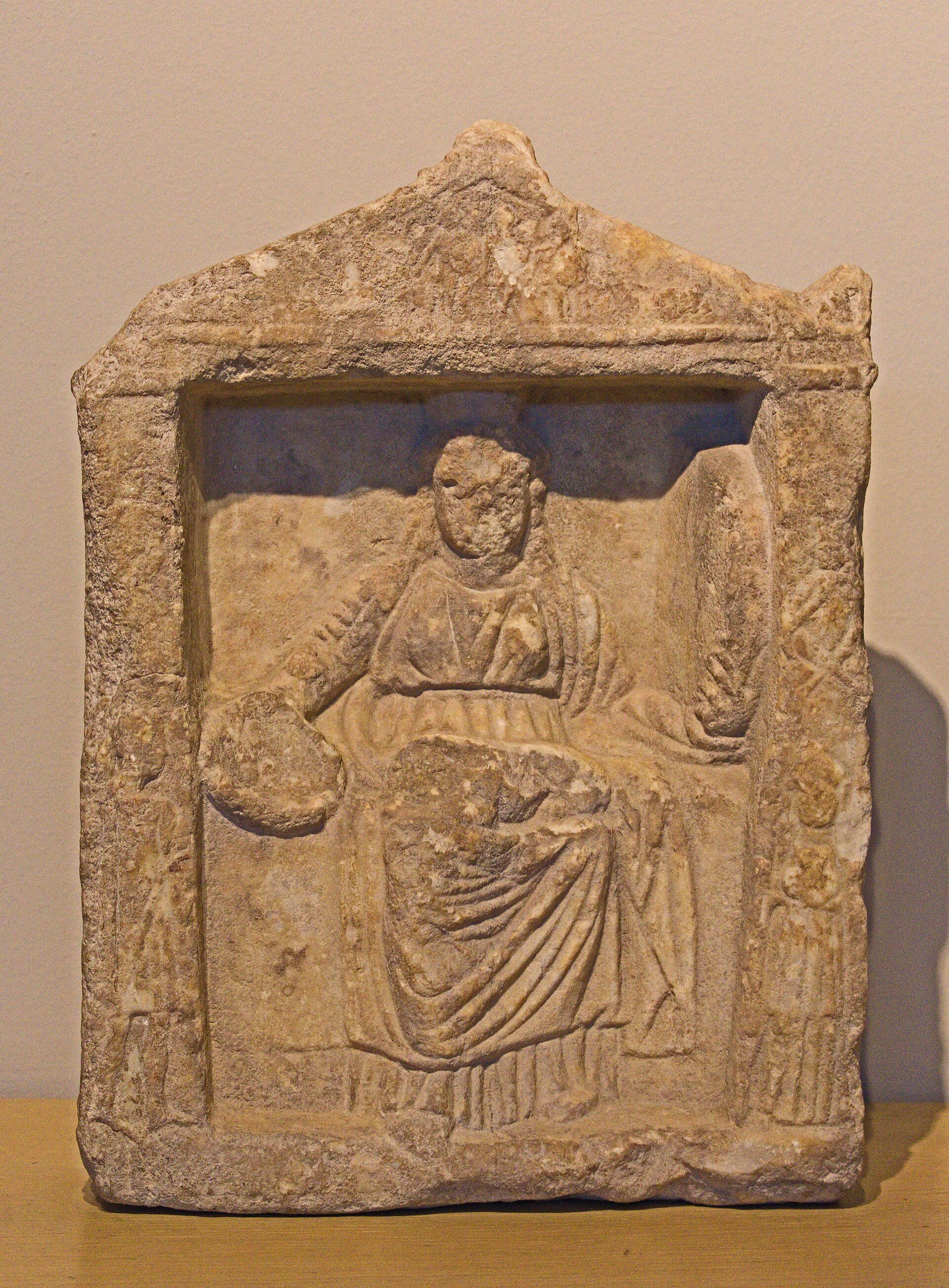 Thessaloniki Archaeological Museum Granite miniature temple with a relief depicting the Mother of the Gods. Object from the collection: Archaeological Museum of Thessaloniki.
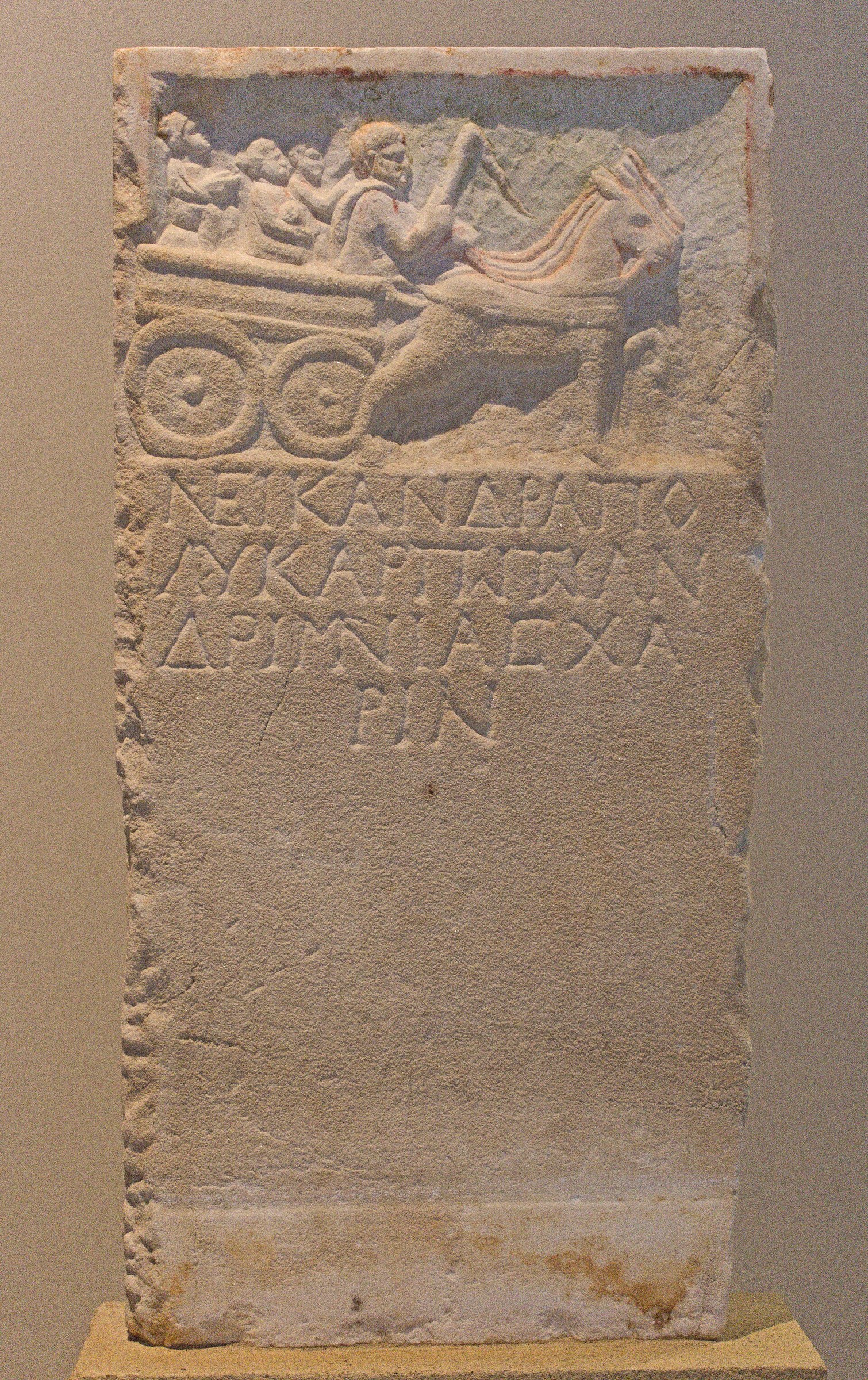 Thessaloniki Archaeological Museum Inscribed stele with a relief depicting a cart. Object from the collection: Archaeological Museum of Thessaloniki.
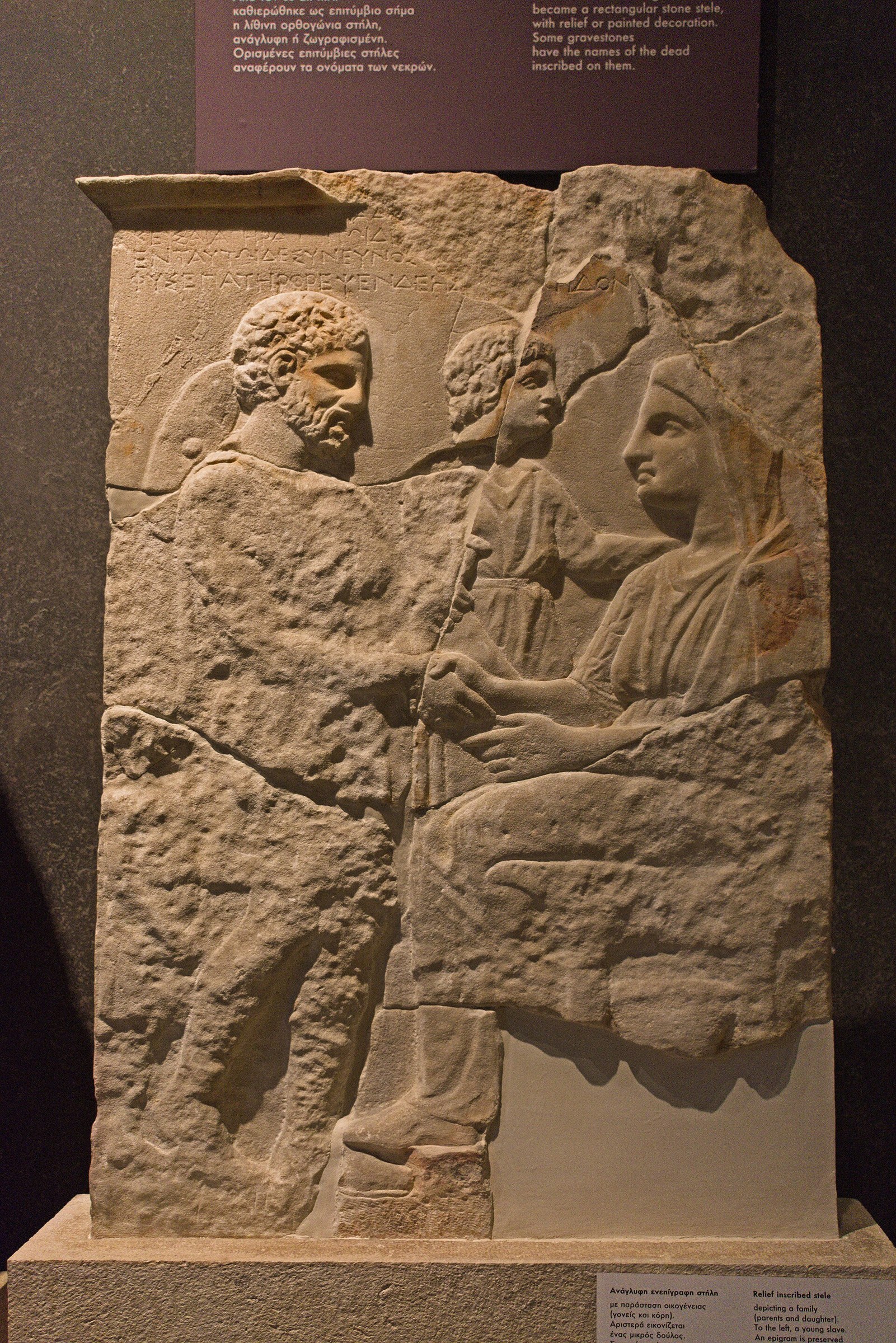 Thessaloniki Archaeological Museum Relief inscribed stele Parents and Daughter. Object from the collection: Archaeological Museum of Thessaloniki.
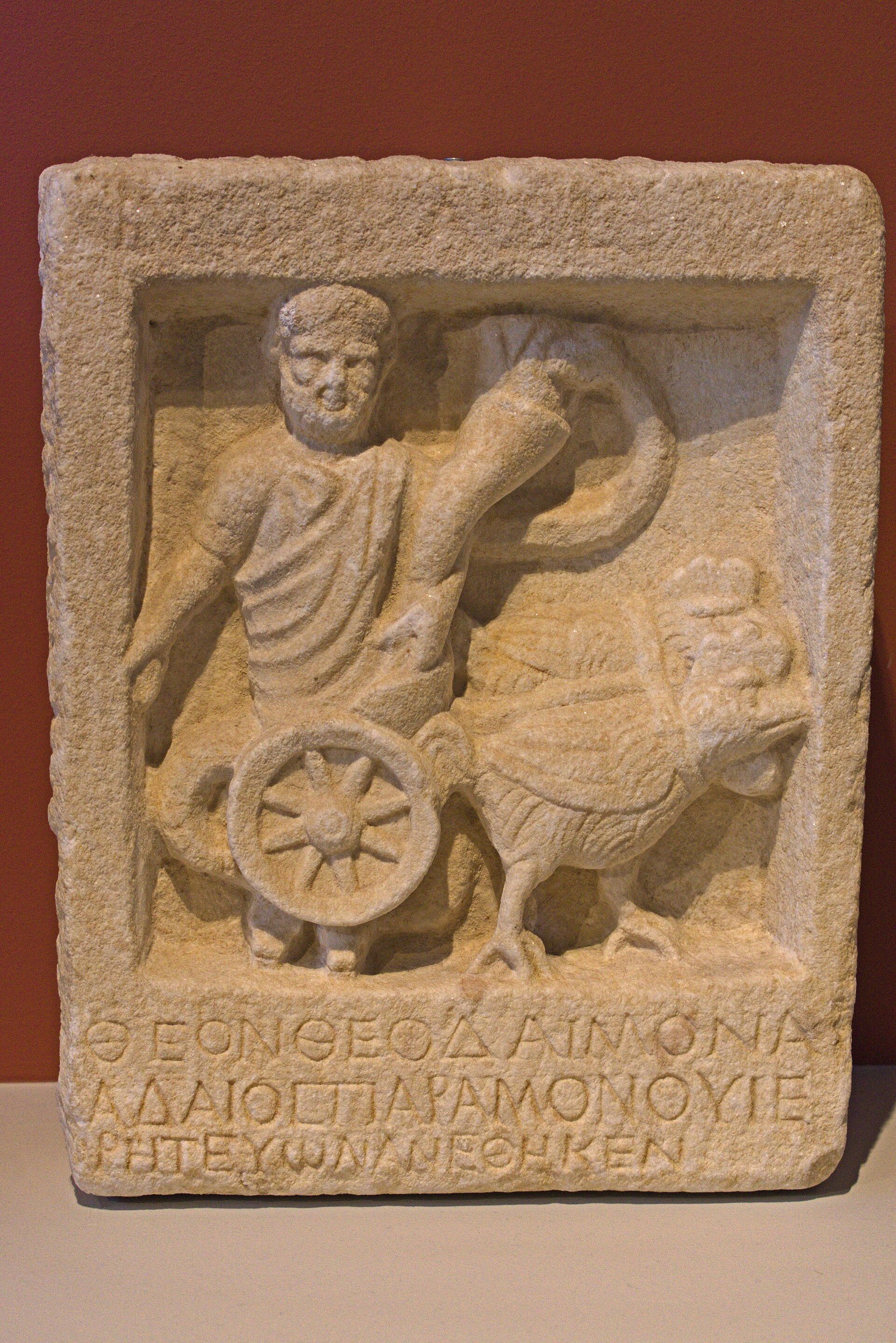 Thessaloniki Archaeological Museum Votive relief dedicated to the god Hades. Object from the collection: Archaeological Museum of Thessaloniki.
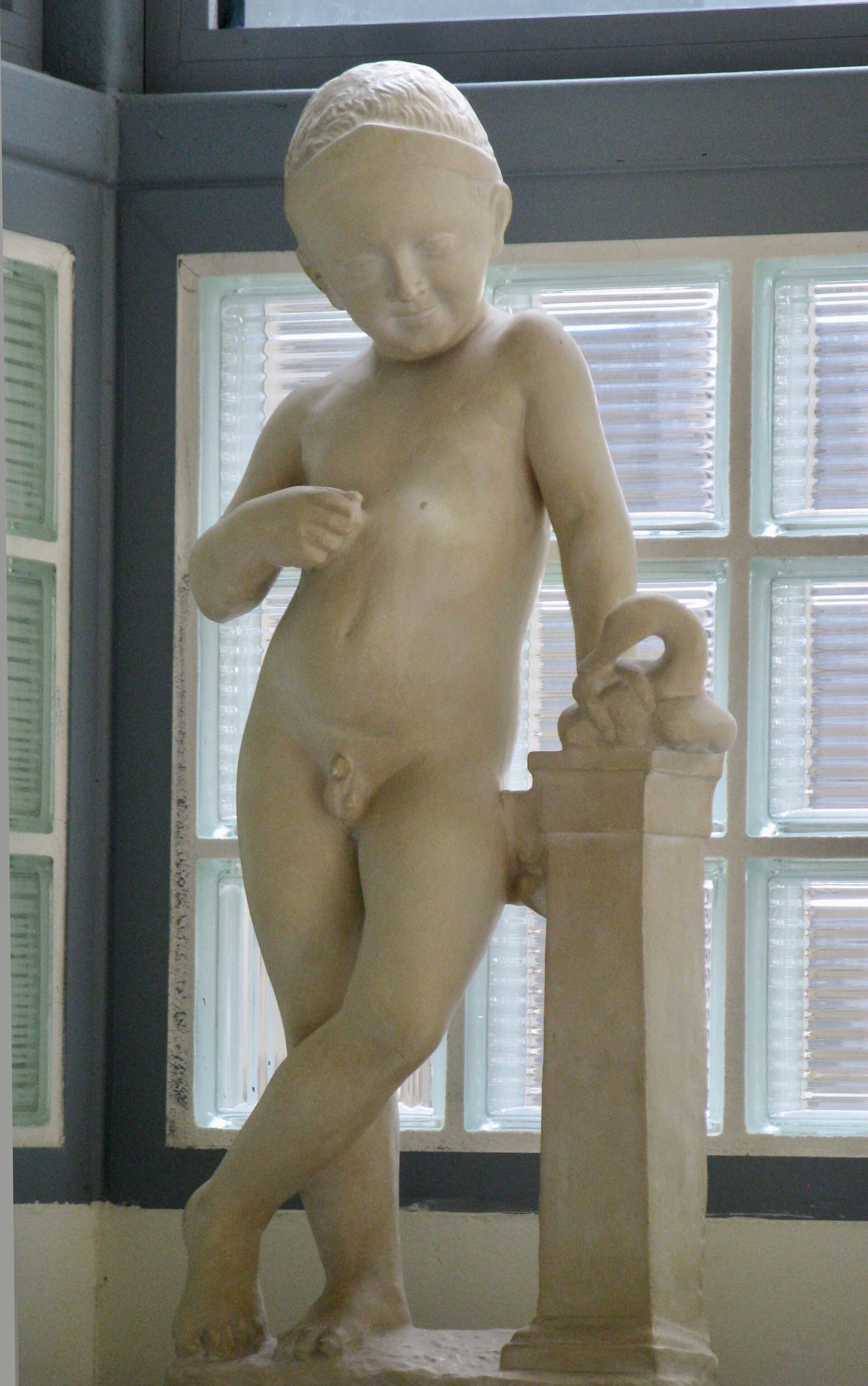 A statue of a boy at Archaeological Museum (Thessaloniki). Object from the collection: Archaeological Museum of Thessaloniki.
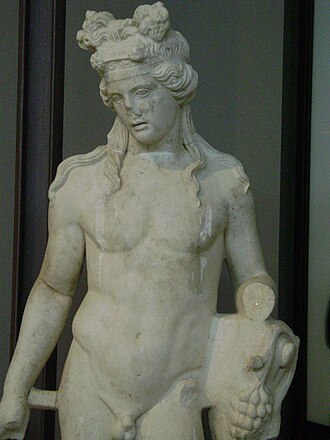 Dionysus statue Archaeological Museum of Thessaloniki Greece 04. Object from the collection: Archaeological Museum of Thessaloniki.
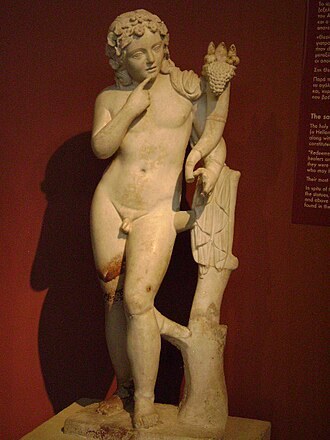 Harpocrates marble statue in the Archaeological Museum of Thessaloniki Macedonia Greece 01. Object from the collection: Archaeological Museum of Thessaloniki.
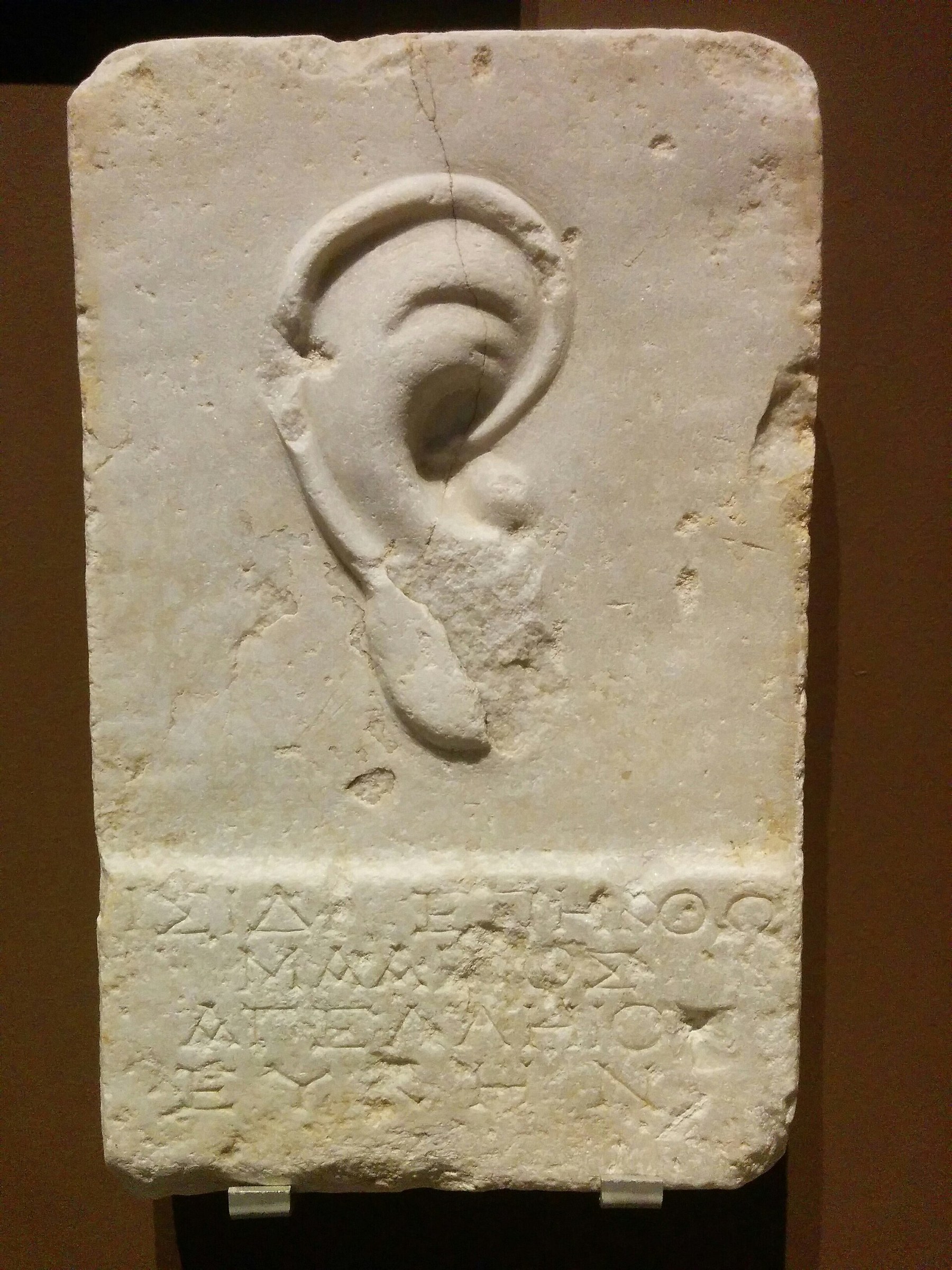 Hellenistic 1st century B.C. stone slab with an ear relief dedicated to Serapis and Isis, Archaeological Museum of Thessaloniki. Object from the collection: Archaeological Museum of Thessaloniki.
Interested in Ancient Rome beyond reading? Join Legio X Fretensis or explore our reenactment directions.


