Bardo National Museum
The Bardo National Museum in Tunis holds material from Punic, Numidian, Roman and Late Antique North Africa. Its Roman mosaics are particularly well known and illuminate urban and villa culture, landownership, maritime trade and regional artistic traditions.
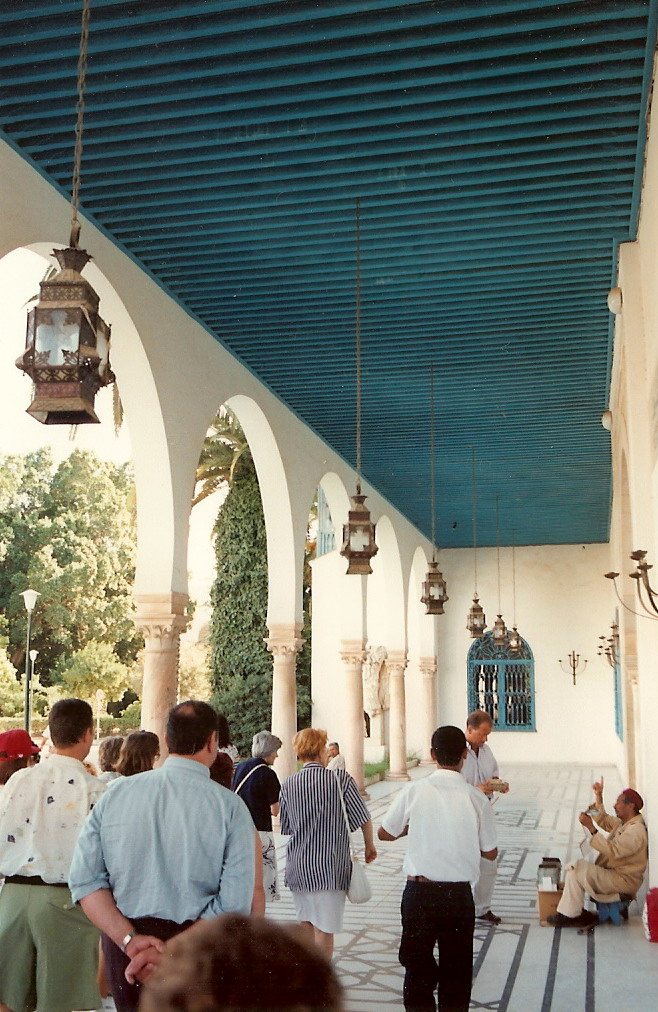 Bardo National Museum: Bardo Museum main entrance.
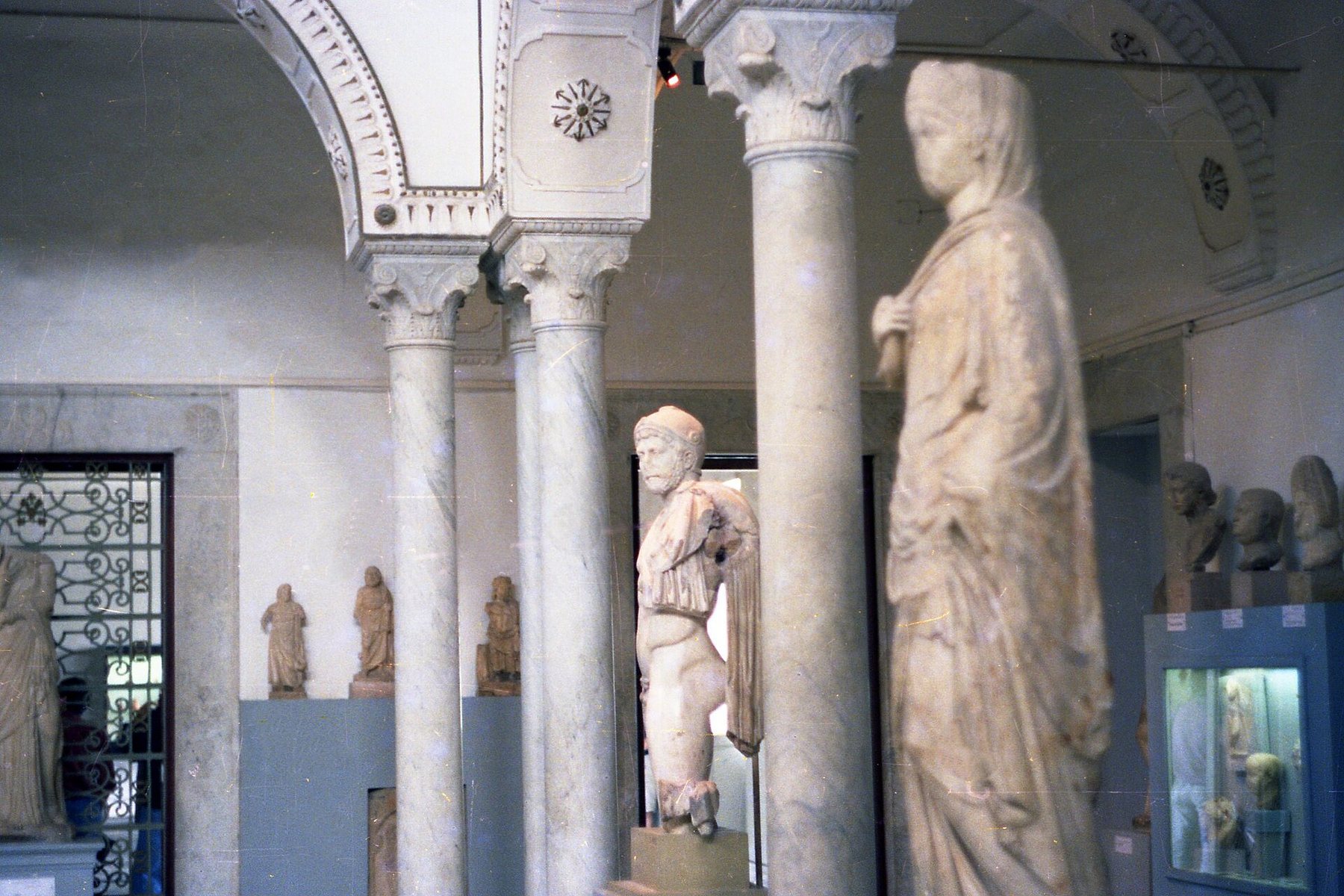 Bardo National Museum: 01996 01463 Carthage Hall (Bardo National Museum).
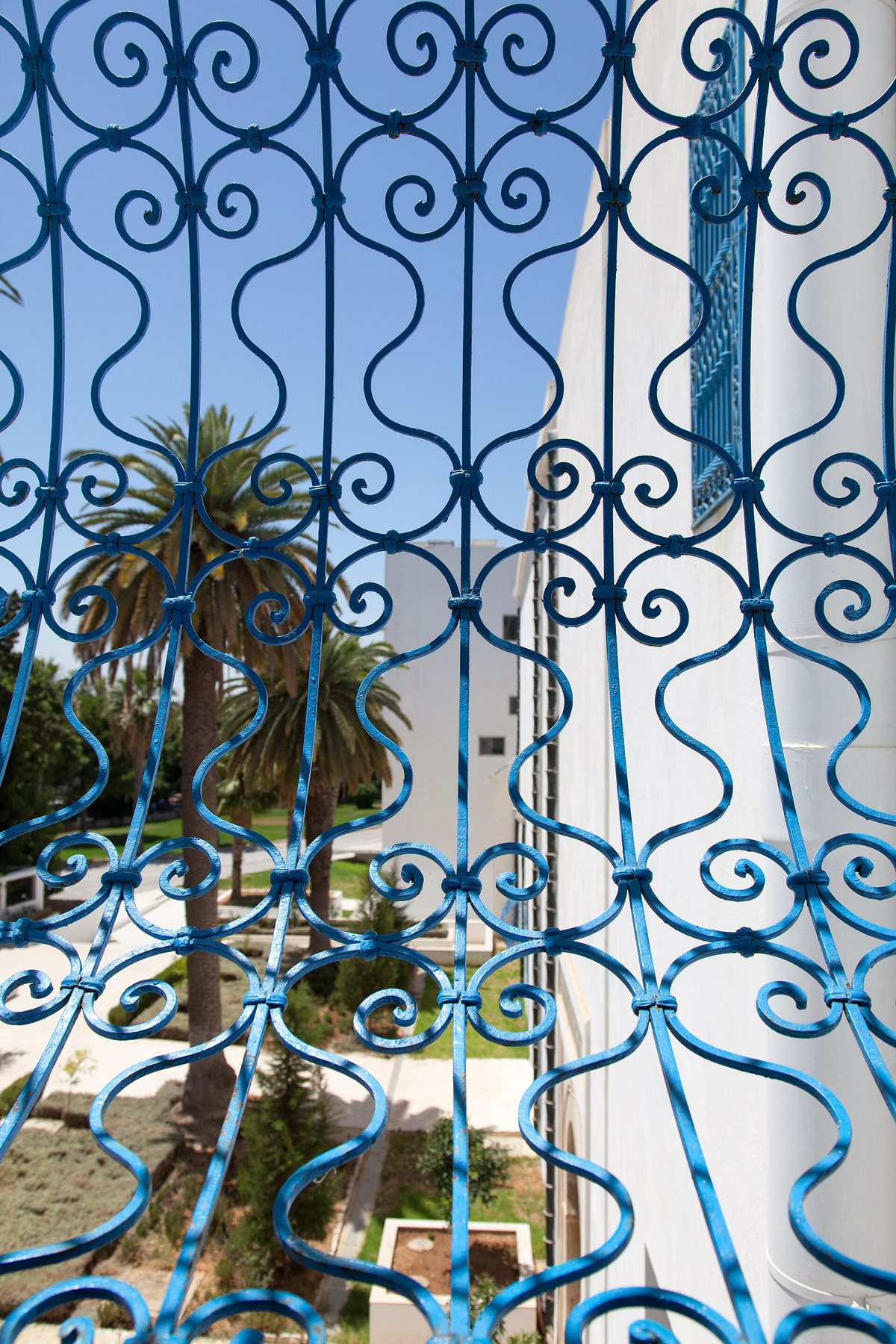 Bardo National Museum: Bardo National Museum, external view from inside (14675120246).
Collection and Historical Context
The Bardo mosaics belong to particular towns, villas and rooms. Their subjects need to be considered alongside their findspots: a floor image in a dining room, bath or reception hall served different purposes. Sculpture, inscriptions and Punic material broaden the picture beyond decorative art.
Display and Main Materials
Mosaics from Tunisia and surrounding sites, sculpture, Punic material, inscriptions and objects from Carthage, Dougga, Utica and other centres are central. Mosaics should be read not only as images but as parts of houses, status and regional economy.
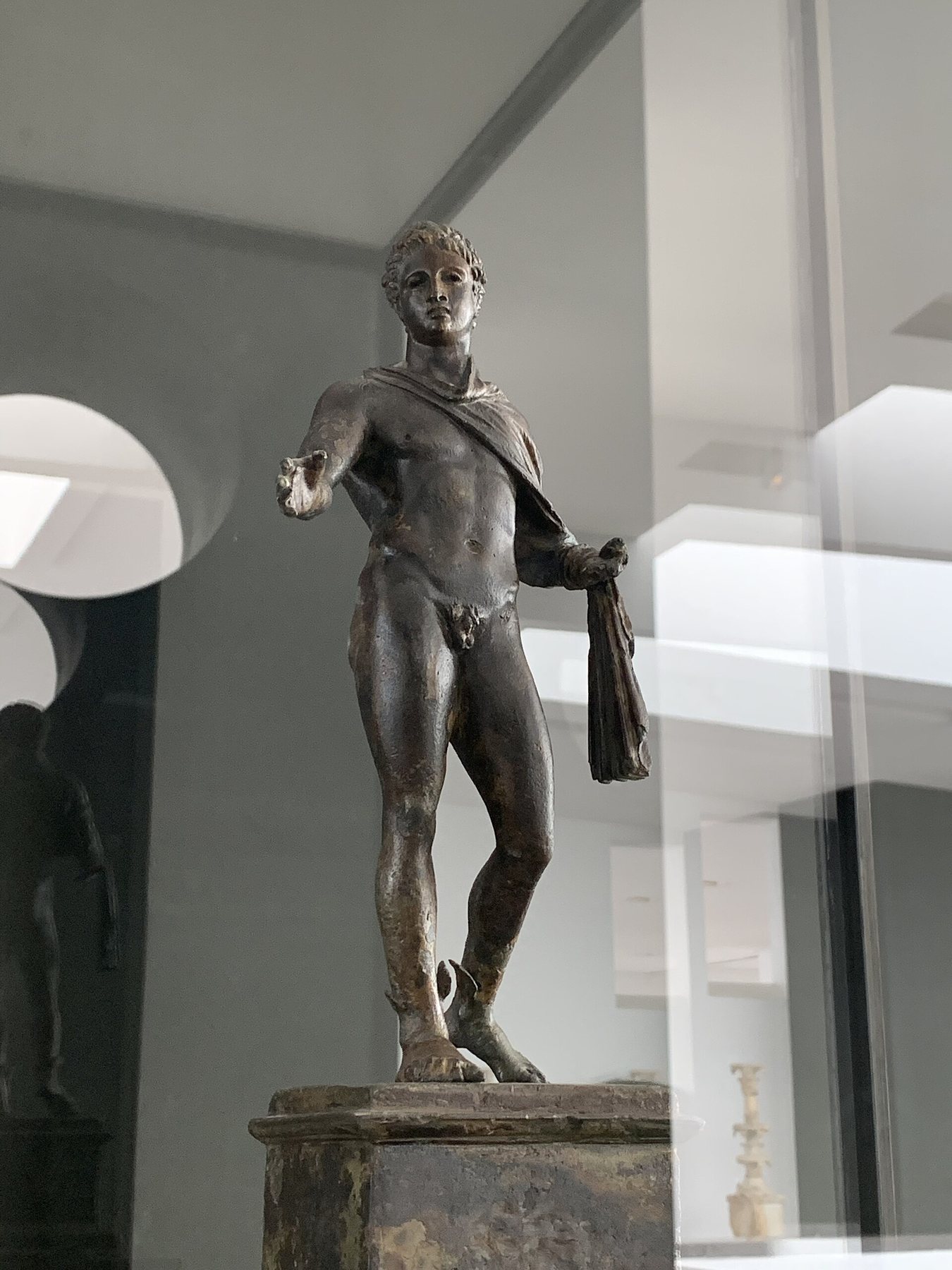 Statue of Hermes Ludovisi in Bardo National Museum. Object from the collection: Bardo National Museum.
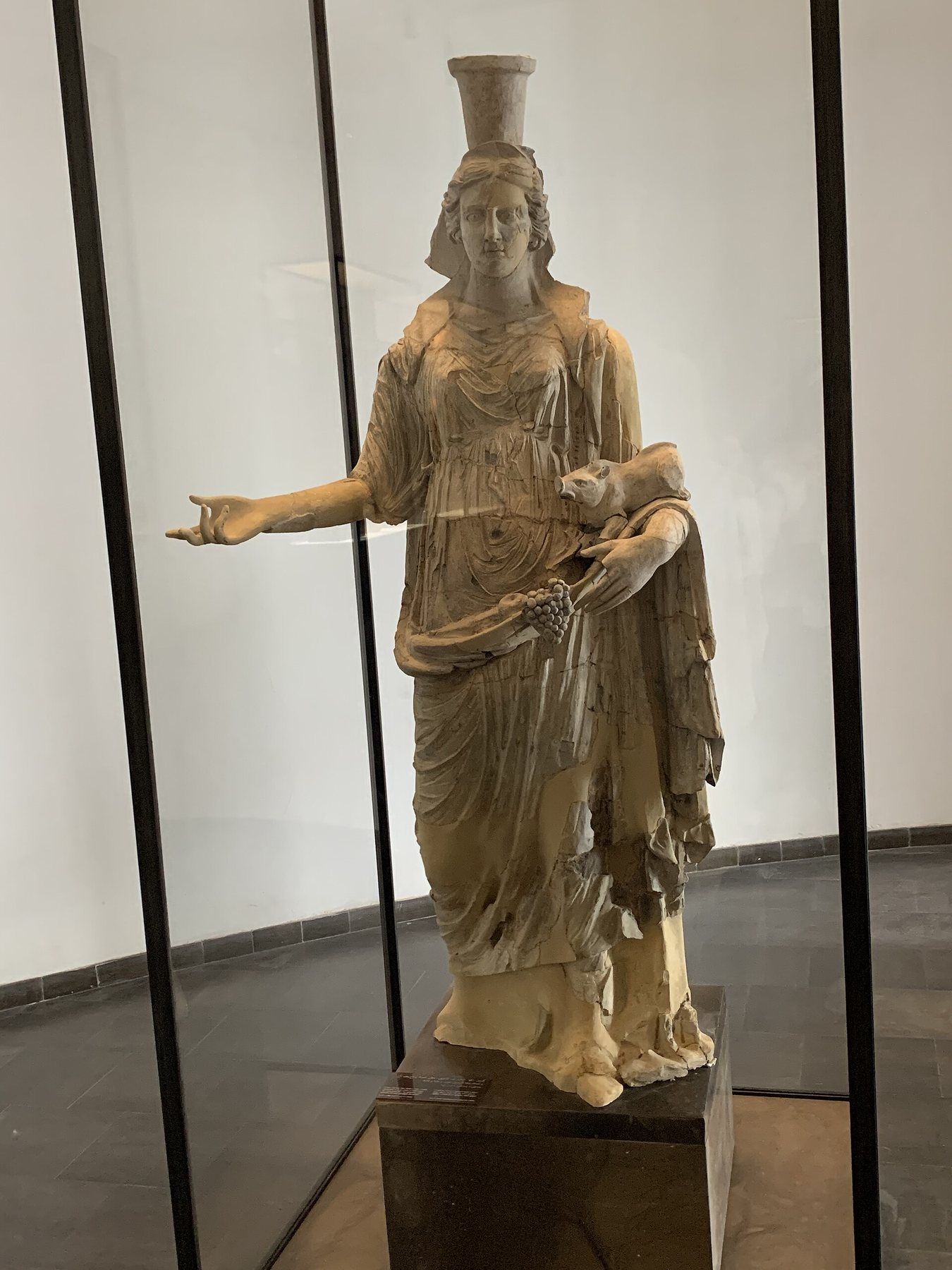 Statue of Kore in Bardo National Museum. Object from the collection: Bardo National Museum.
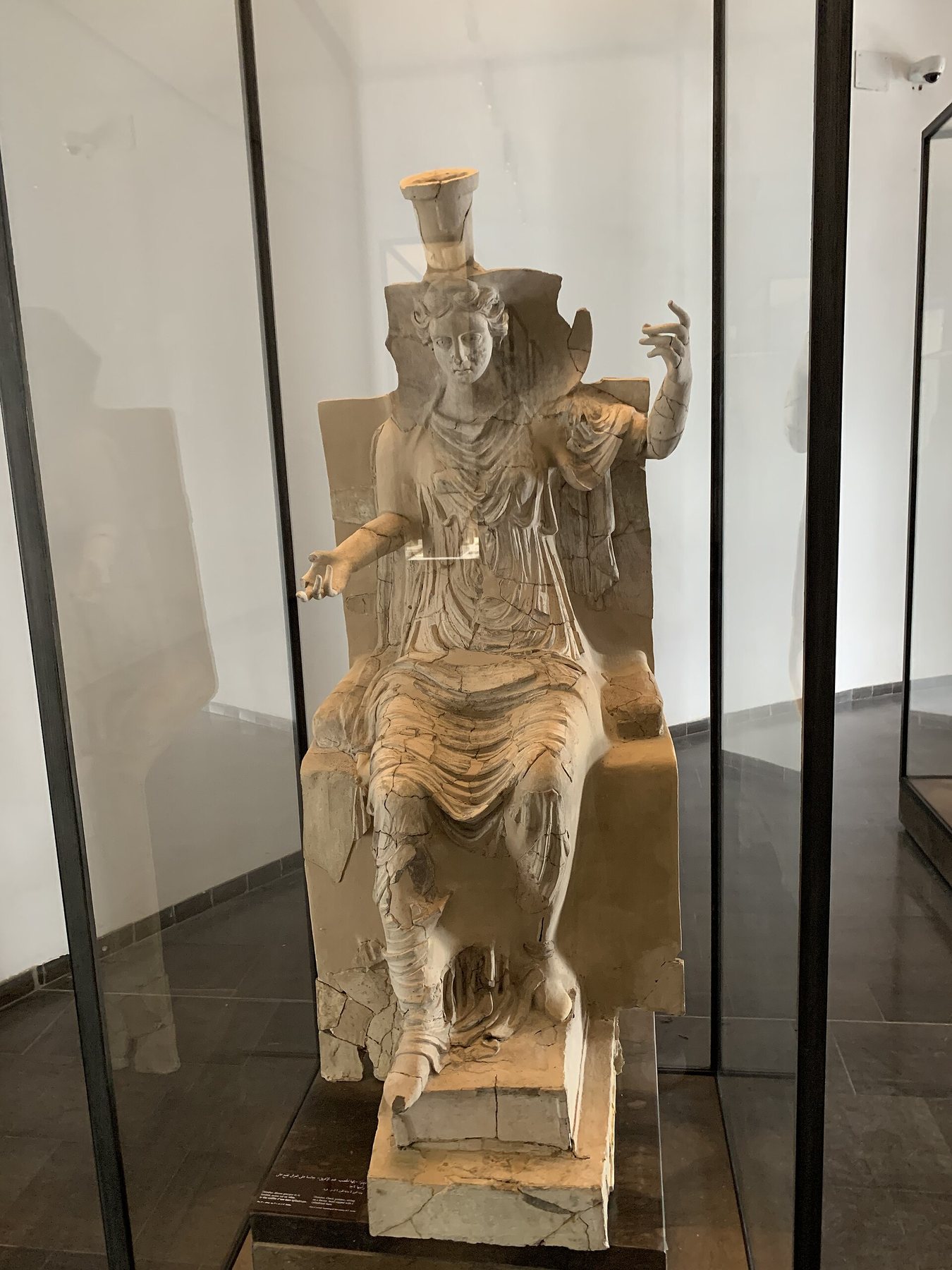 Statue of the Greek Goddess Demeter in National Museum of Bardo. Object from the collection: Bardo National Museum.
Related Topics
- Museums of Antiquity
- Museum of Ancient Arles
- National Museum of Roman Art, Merida
- Archaeological Museum of Thessaloniki
- Archaeology and museums
Official Pages and Catalogues


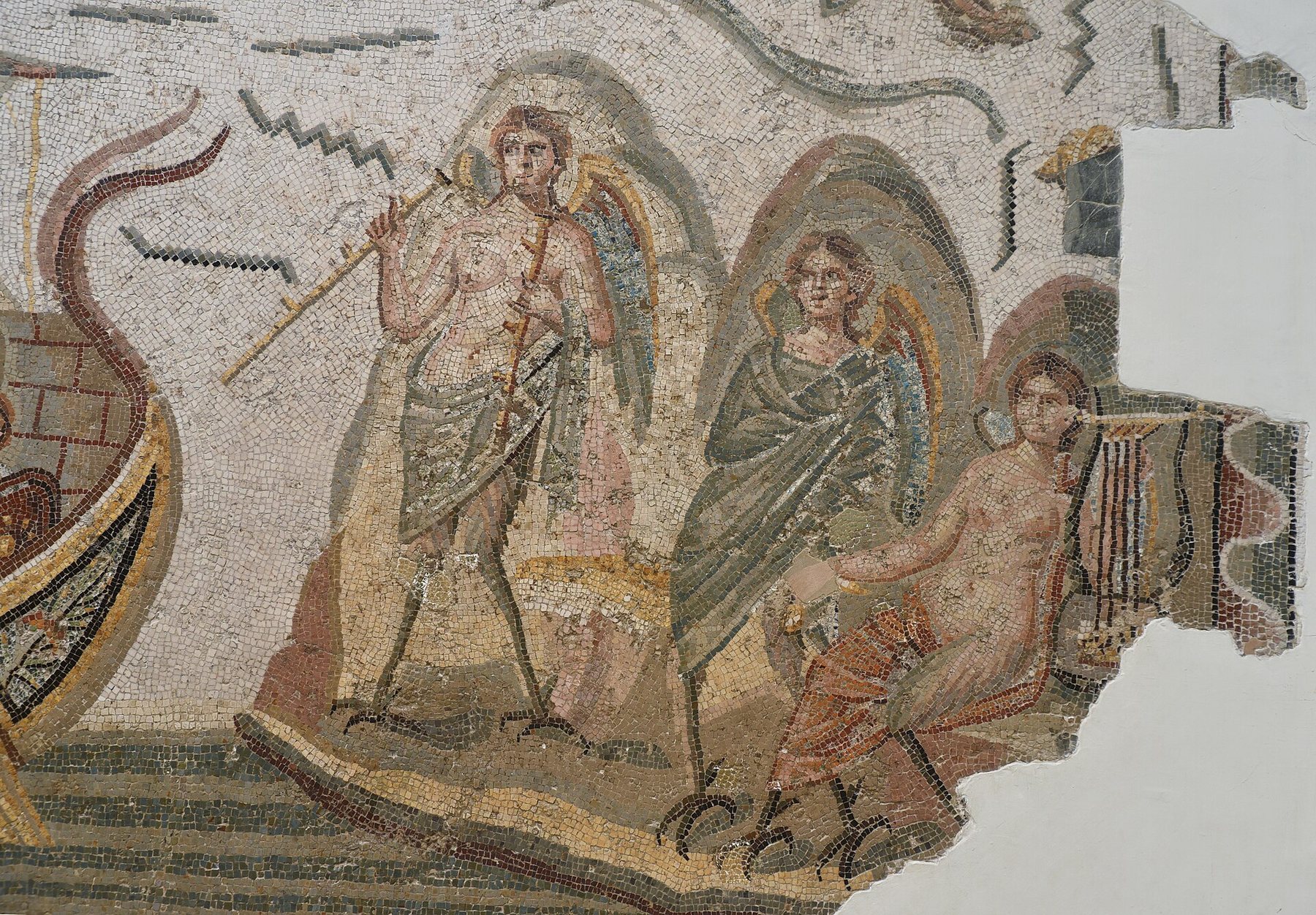 Odysseus and the Sirens Mosaic from Dougga (detail), 2nd century AD, Bardo National Museum, Tunis (54057797112). Object from the collection: Bardo National Museum.
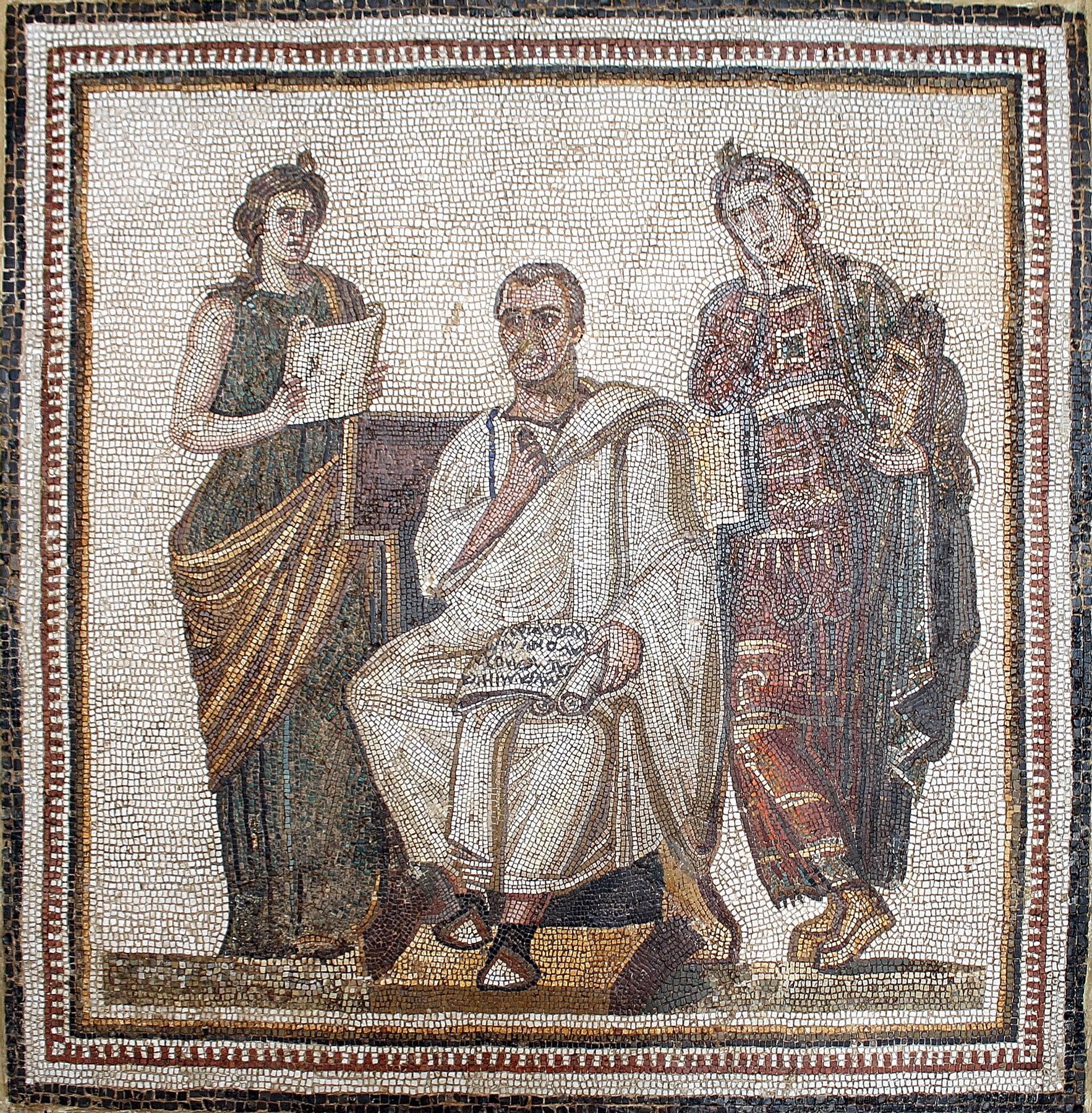 Virgil mosaic in the Bardo National Museum (Tunis) (12241228546). Object from the collection: Bardo National Museum.
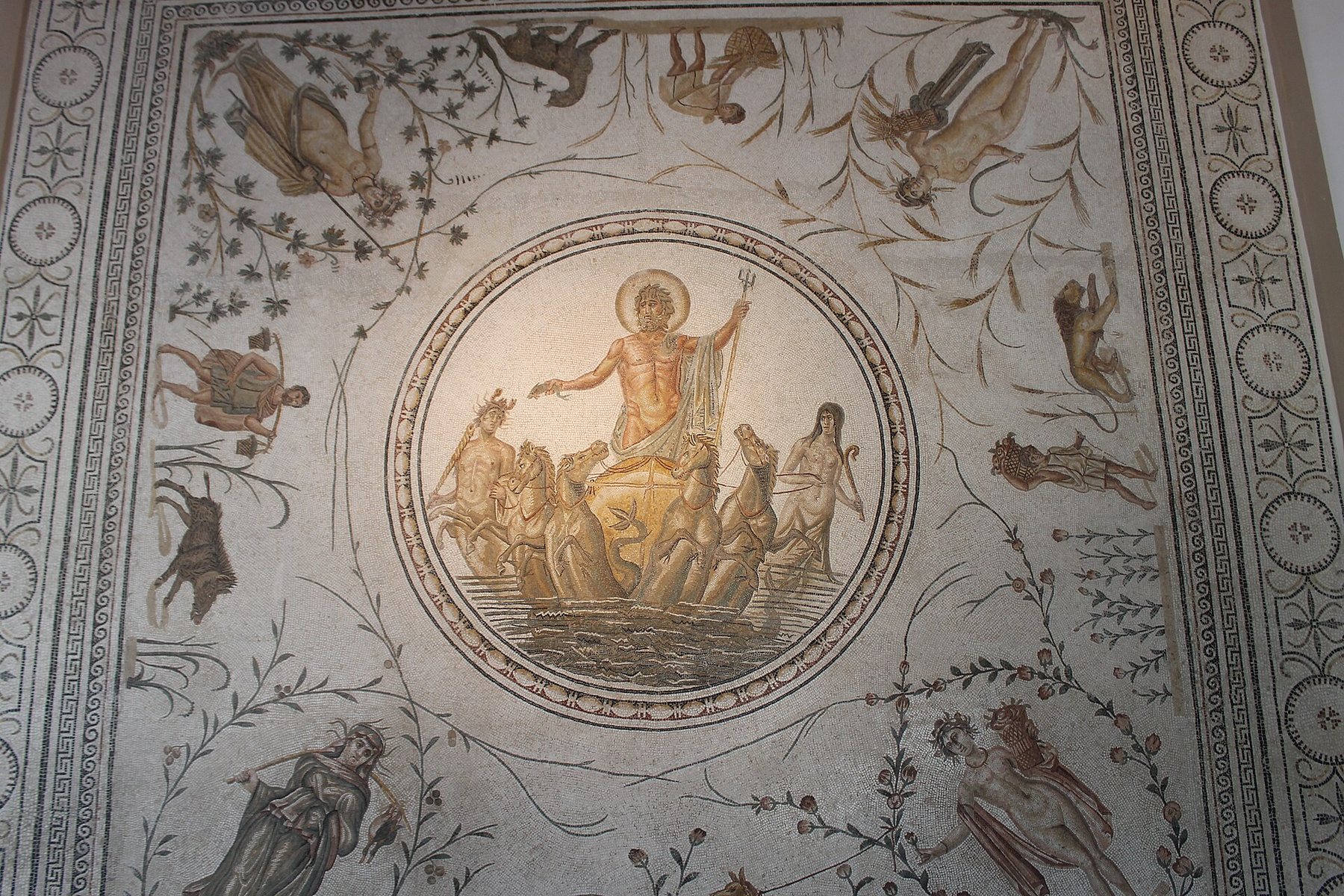 Triumph of Neptunus mosaic in the Bardo National Museum 26 01 2014. Object from the collection: Bardo National Museum.
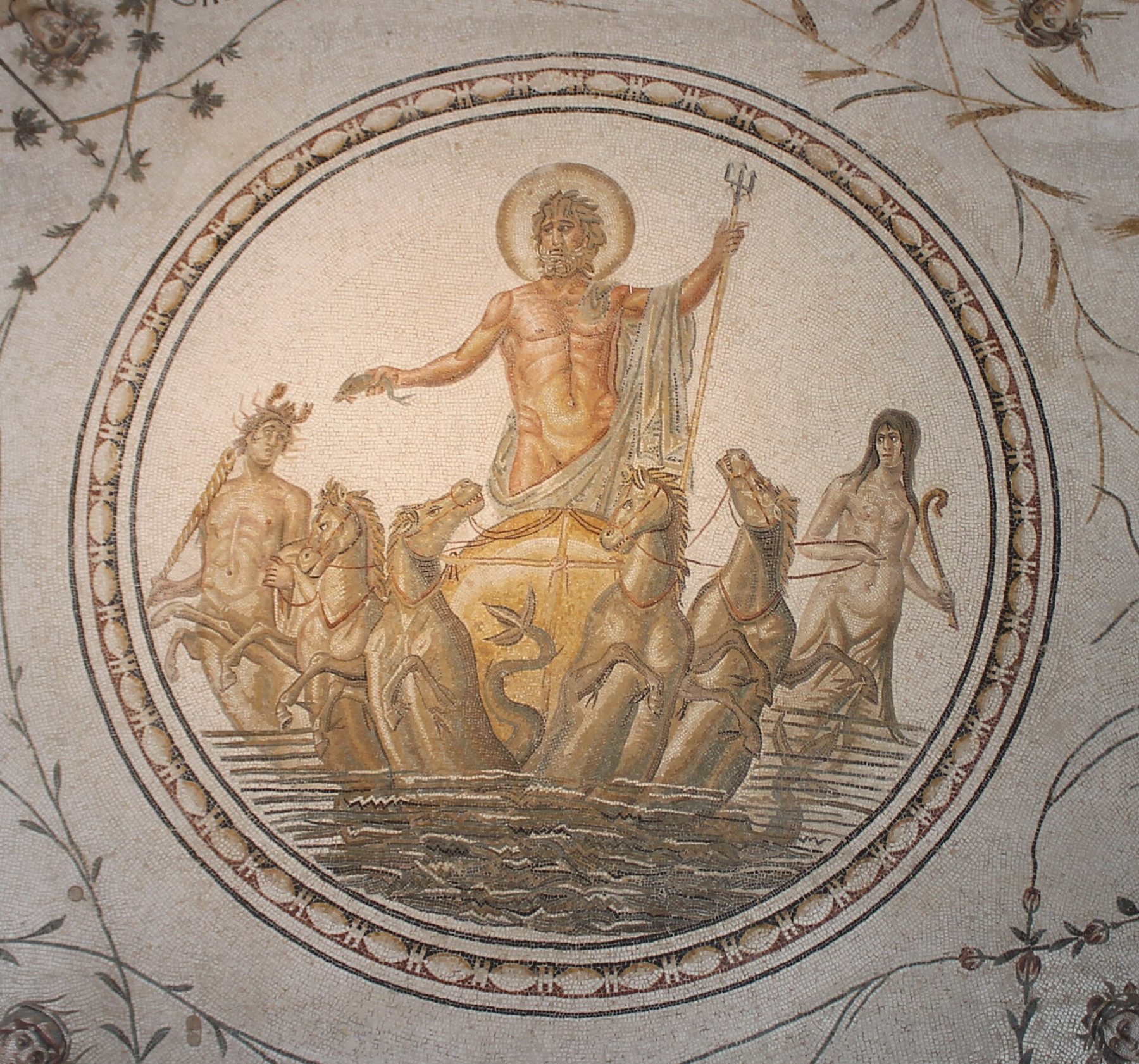 Triumph of Neptunus mosaic in the Bardo National Museum 26 01 2014 (cropped). Object from the collection: Bardo National Museum.
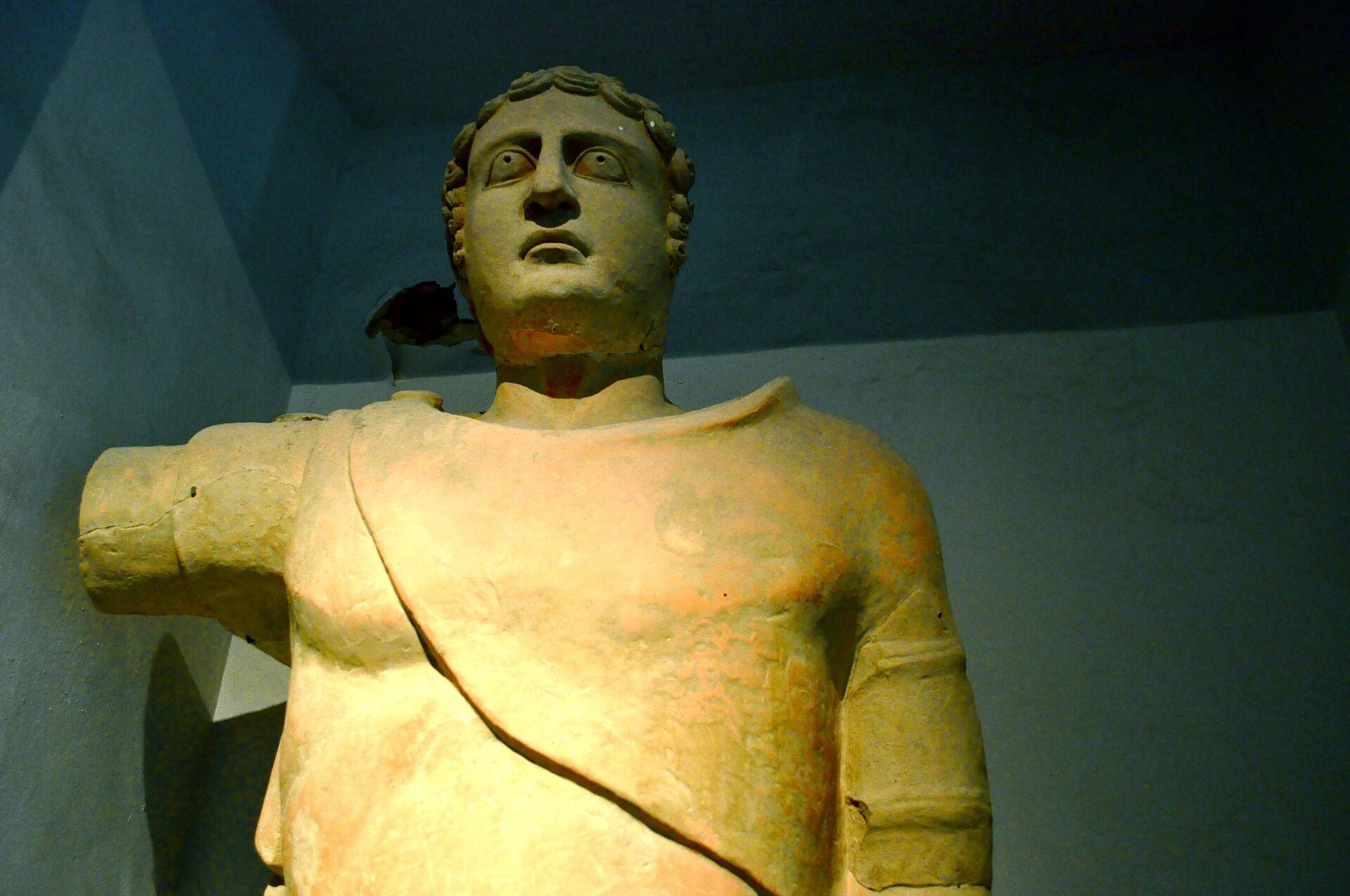 Terracotta statue. Bardo National Museum.
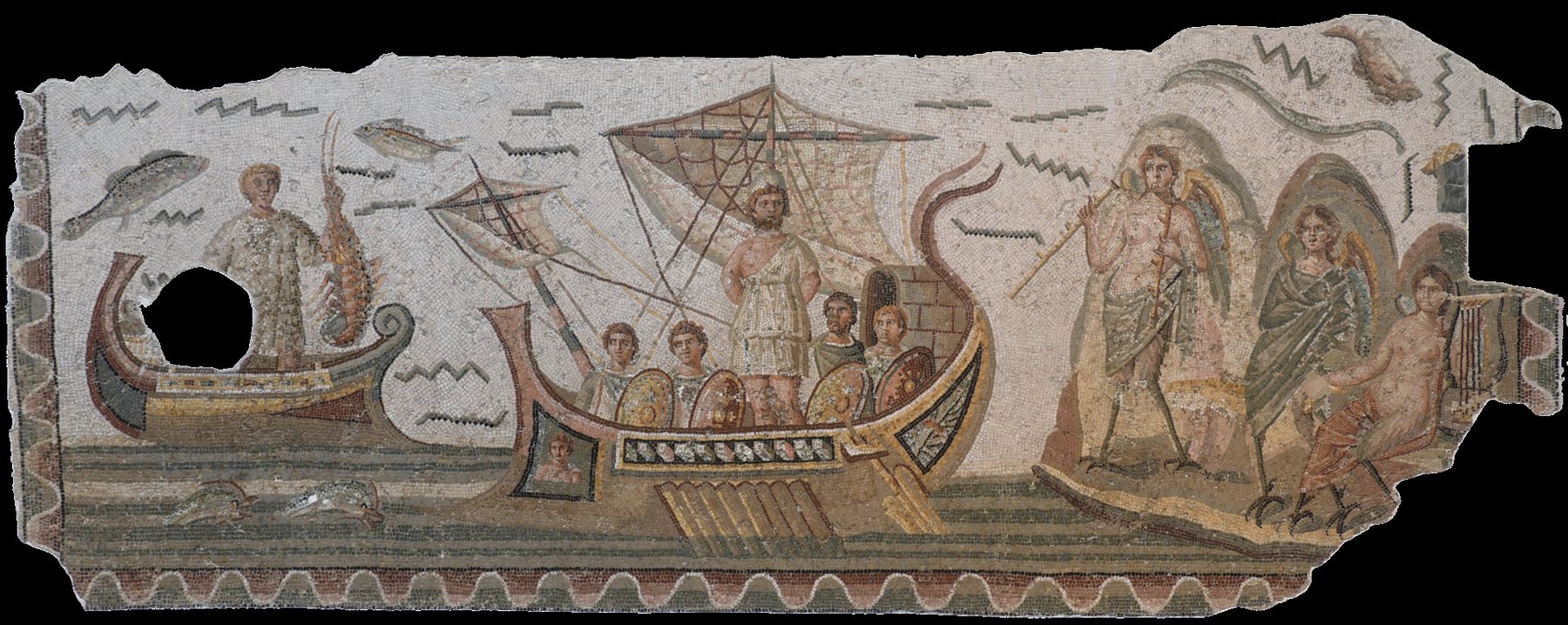 Odysseus and the Sirens, Mosaic from Dougga, 2nd century AD, Bardo National Museum, Tunis (54057797097). Object from the collection: Bardo National Museum.
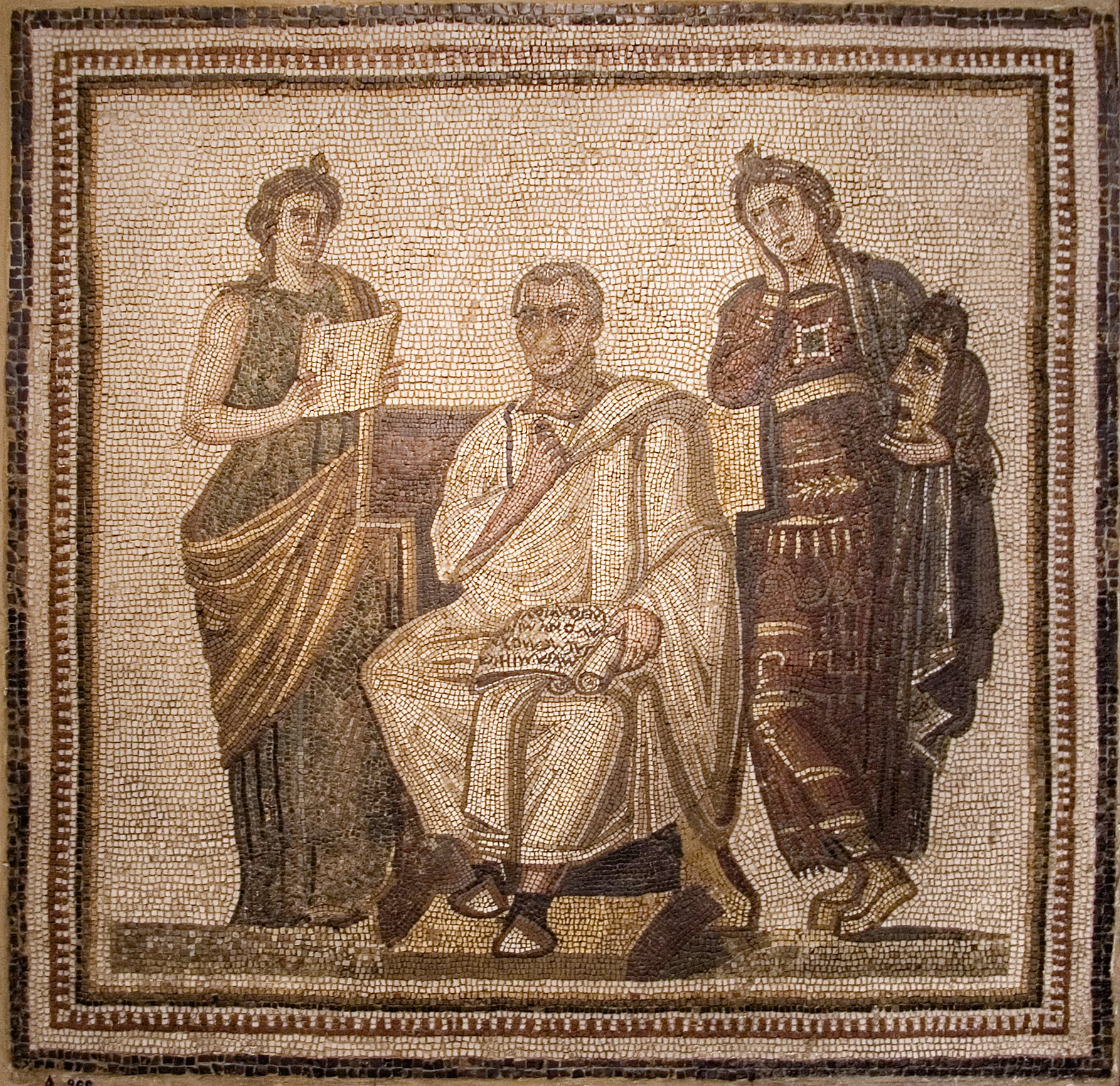 Virgil Mosaic Bardo Museum Tunis. Object from the collection: Bardo National Museum.
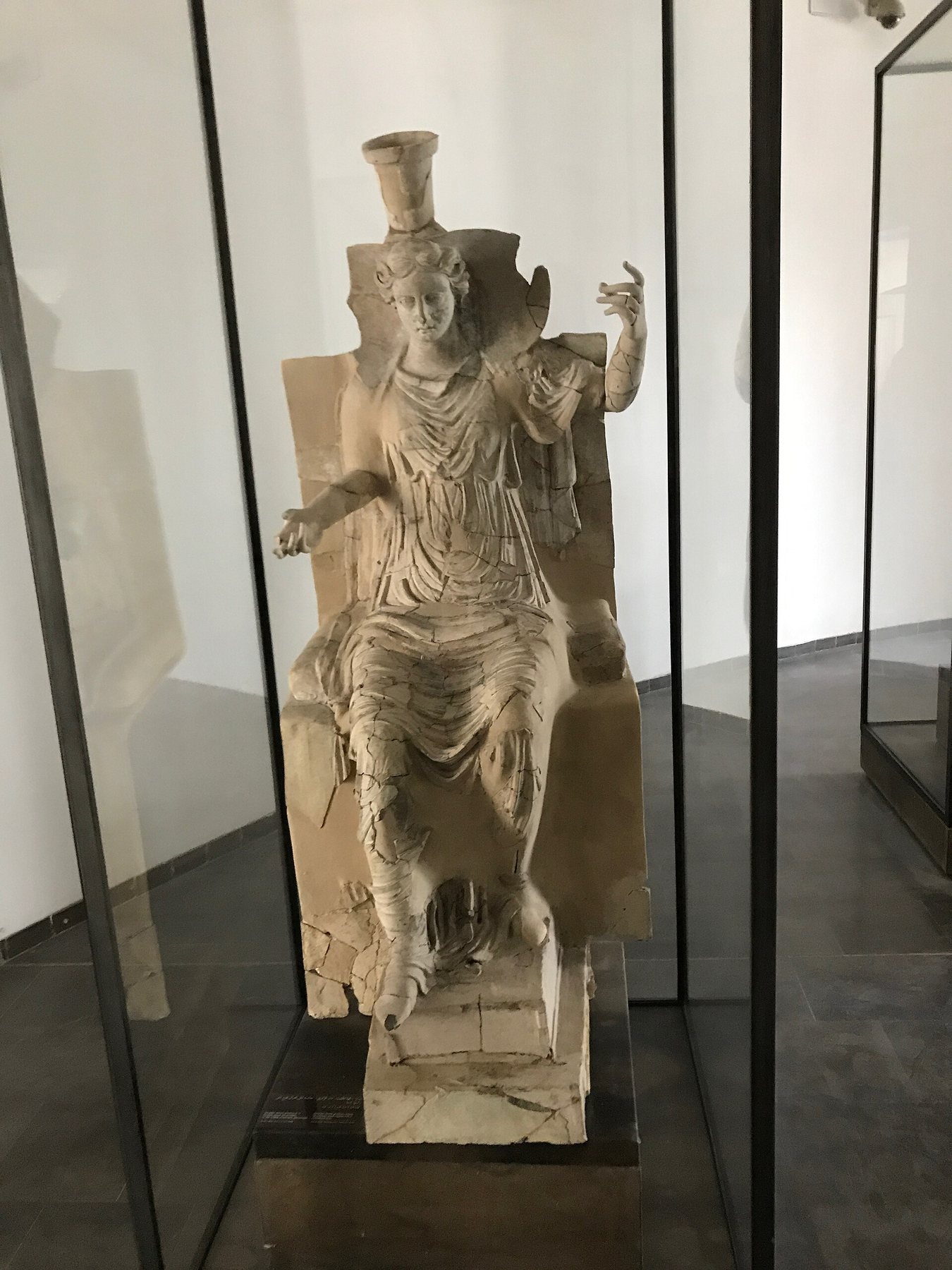 Statue of Demeter in Bardo Museum, inv. 3493. Object from the collection: Bardo National Museum.
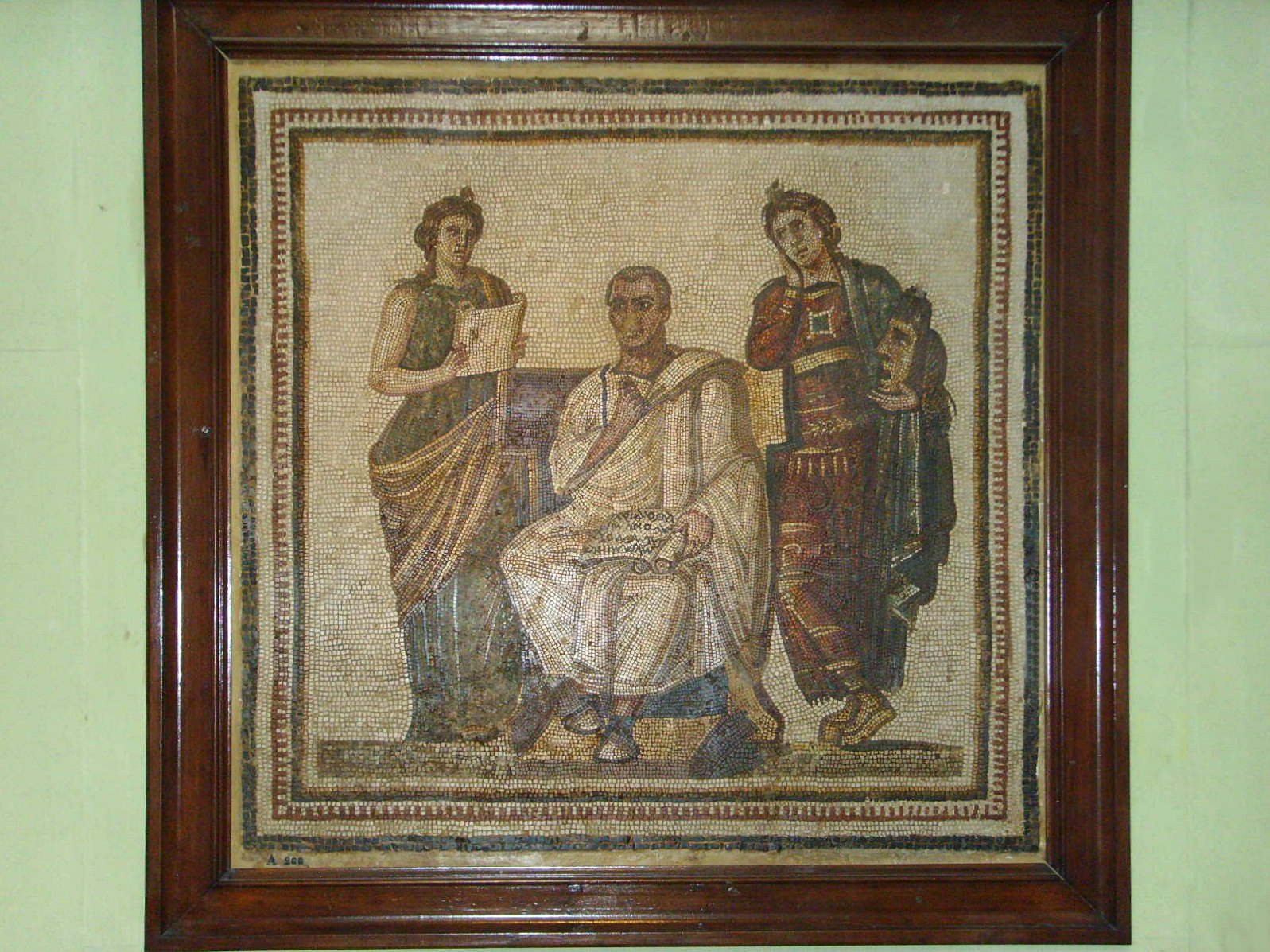 A mosaic BardoMuseum. Object from the collection: Bardo National Museum.
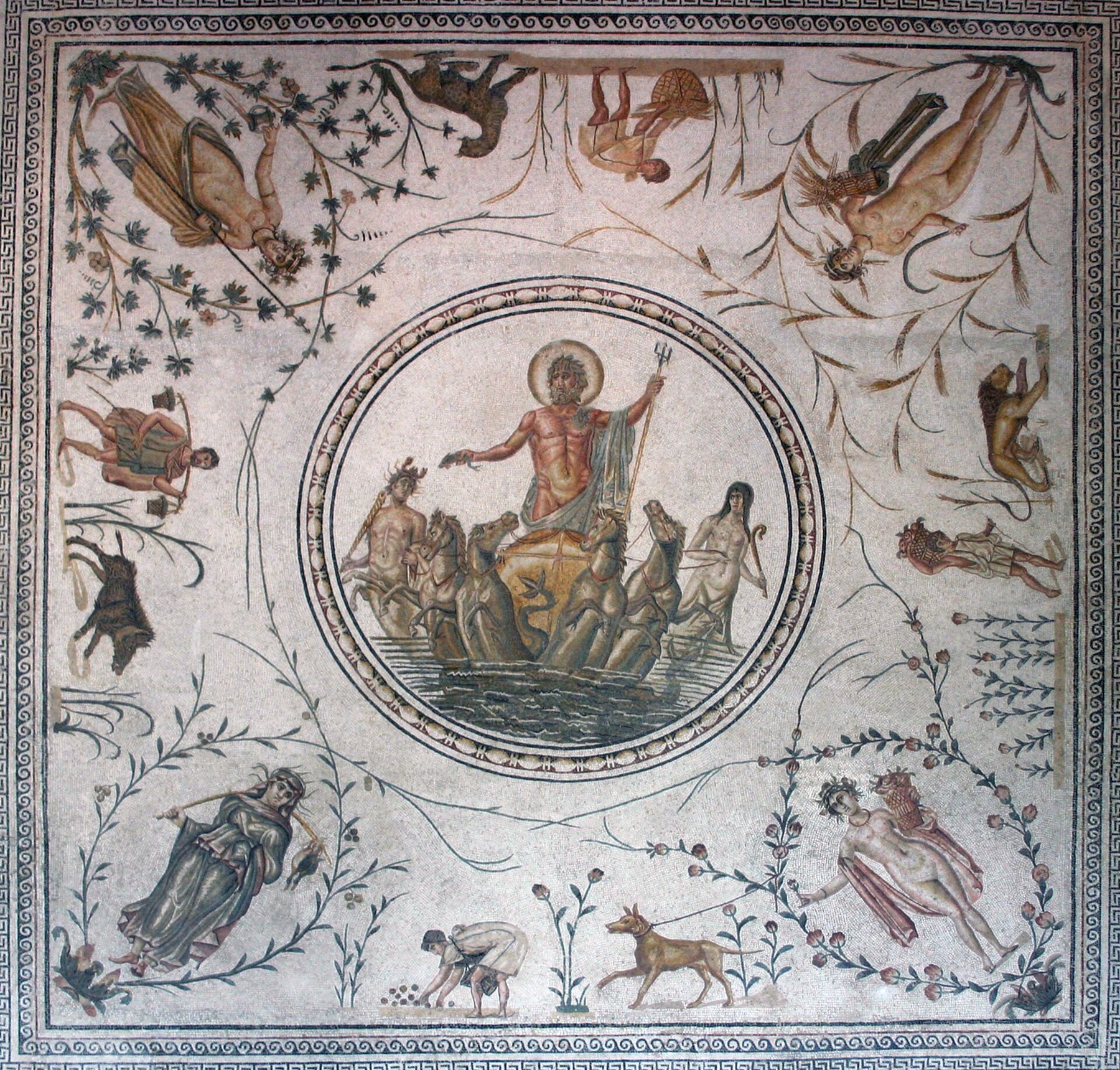 Neptune Roman mosaic Bardo Museum Tunis. Object from the collection: Bardo National Museum.
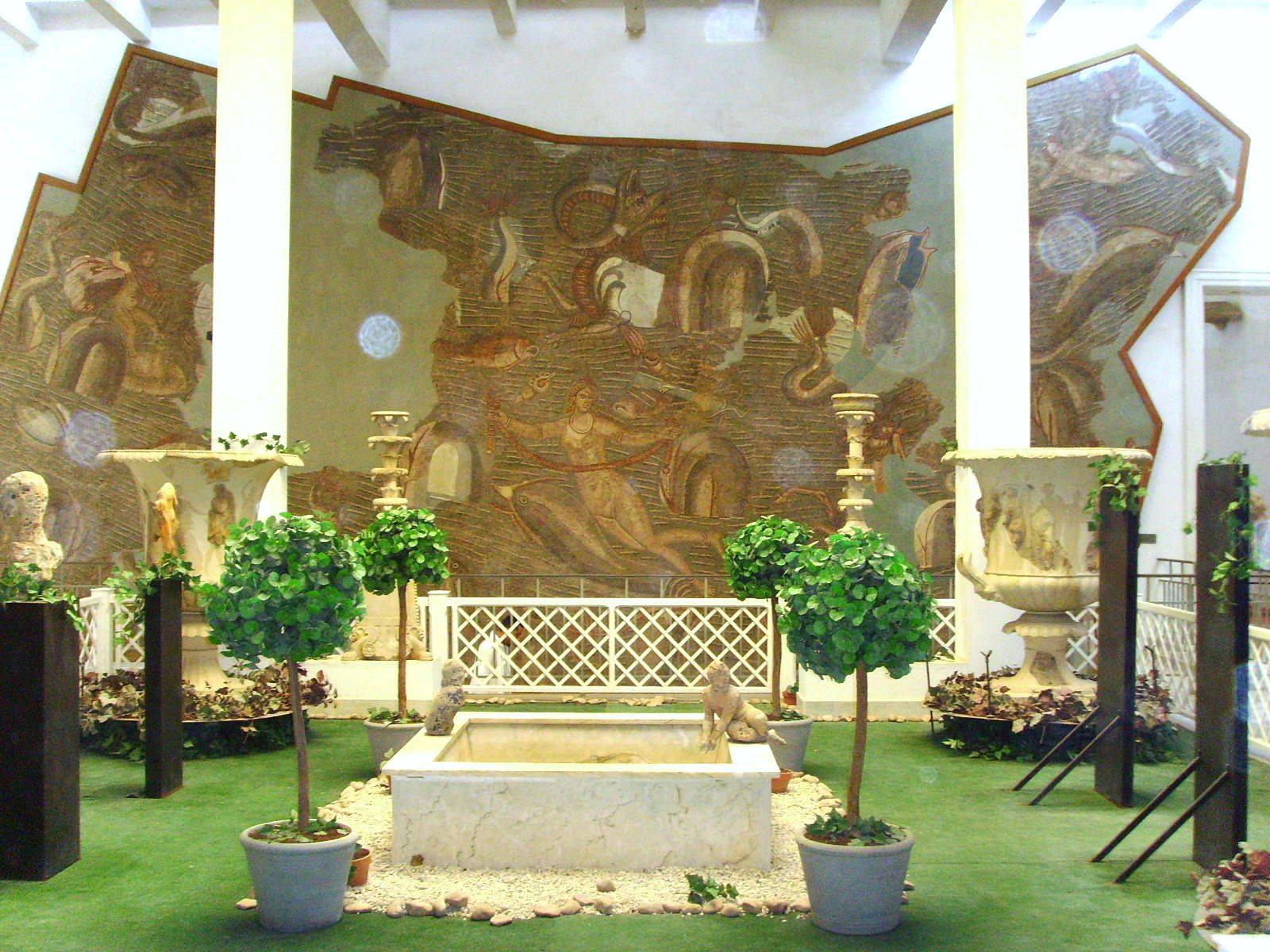 A mosaic BardoMuseum (11) - mosaique des Néréides et jardin de l'épave de Mahdia. Object from the collection: Bardo National Museum.
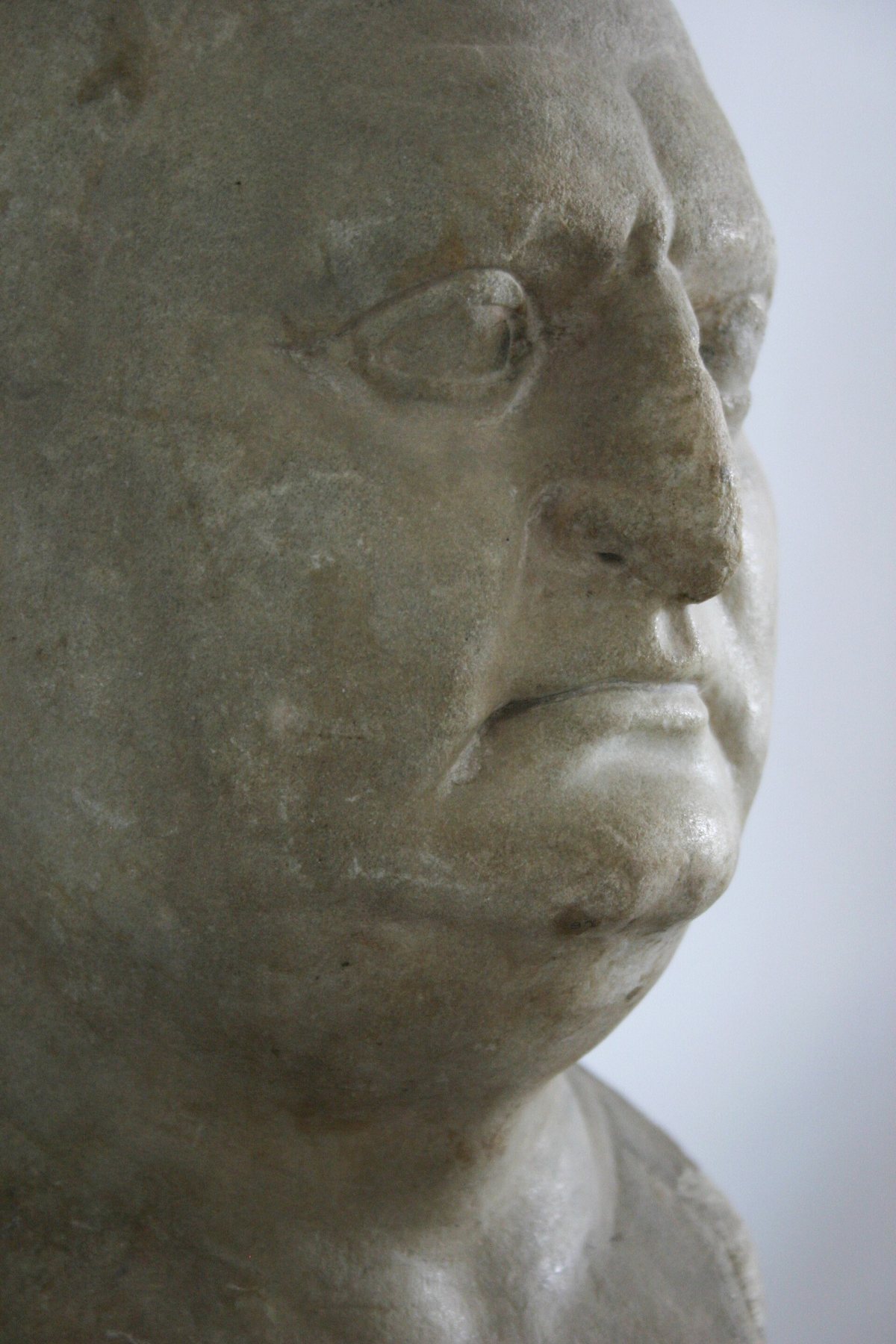 Statue of Aulus Vitellius in Bardo, three-quarter view. Object from the collection: Bardo National Museum.
Interested in Ancient Rome beyond reading? Join Legio X Fretensis or explore our reenactment directions.


