Museum of Ancient Arles
The Museum of Ancient Arles is important as the museum of a Roman city on the Rhône. It connects urban archaeology, river trade, cemeteries, sculpture, mosaics, building models and the famous Arles-Rhône 3 barge.
Arles is useful because it shows a provincial city as a port and river system. For reconstruction this means not only amphitheatre or sculpture, but also transport, containers, trade links and material life in southern Gaul.
Collection and Historical Context
Arles should be read together with the city and the Rhône: the display shows the object, but its economic meaning appears through port, river and urban position.
Display and Main Materials
Models, amphorae, pottery, bronze and marble sculpture, mosaics, funerary objects, inscriptions and river finds are important. The barge is especially valuable as rare large-scale evidence for ancient transport.
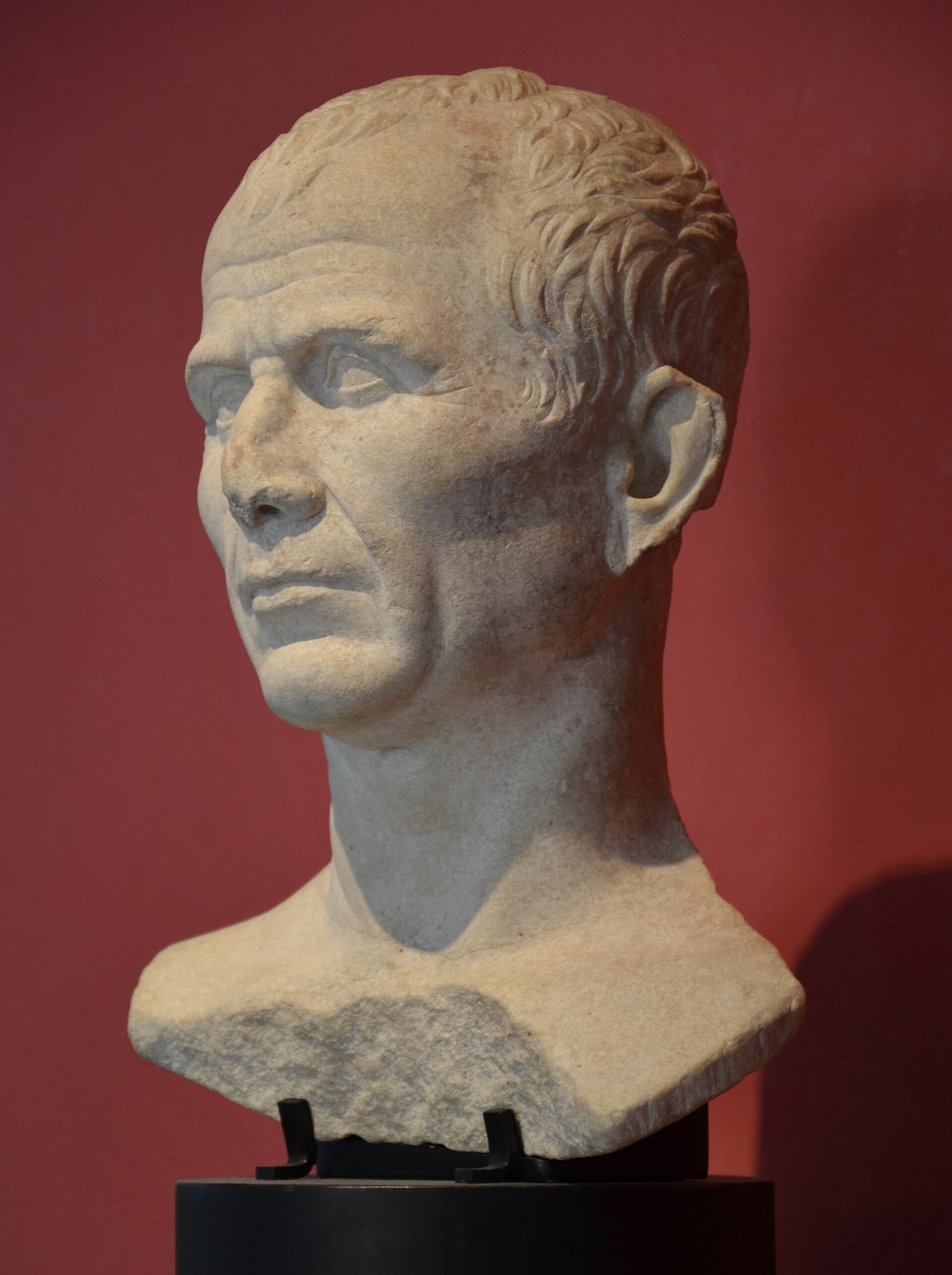 Marble bust found in the Rhone River near Arles, debated as a possible portrait of Julius Caesar, Musée de l'Arles antique (14537968718). Object from the collection: Museum of Ancient Arles.
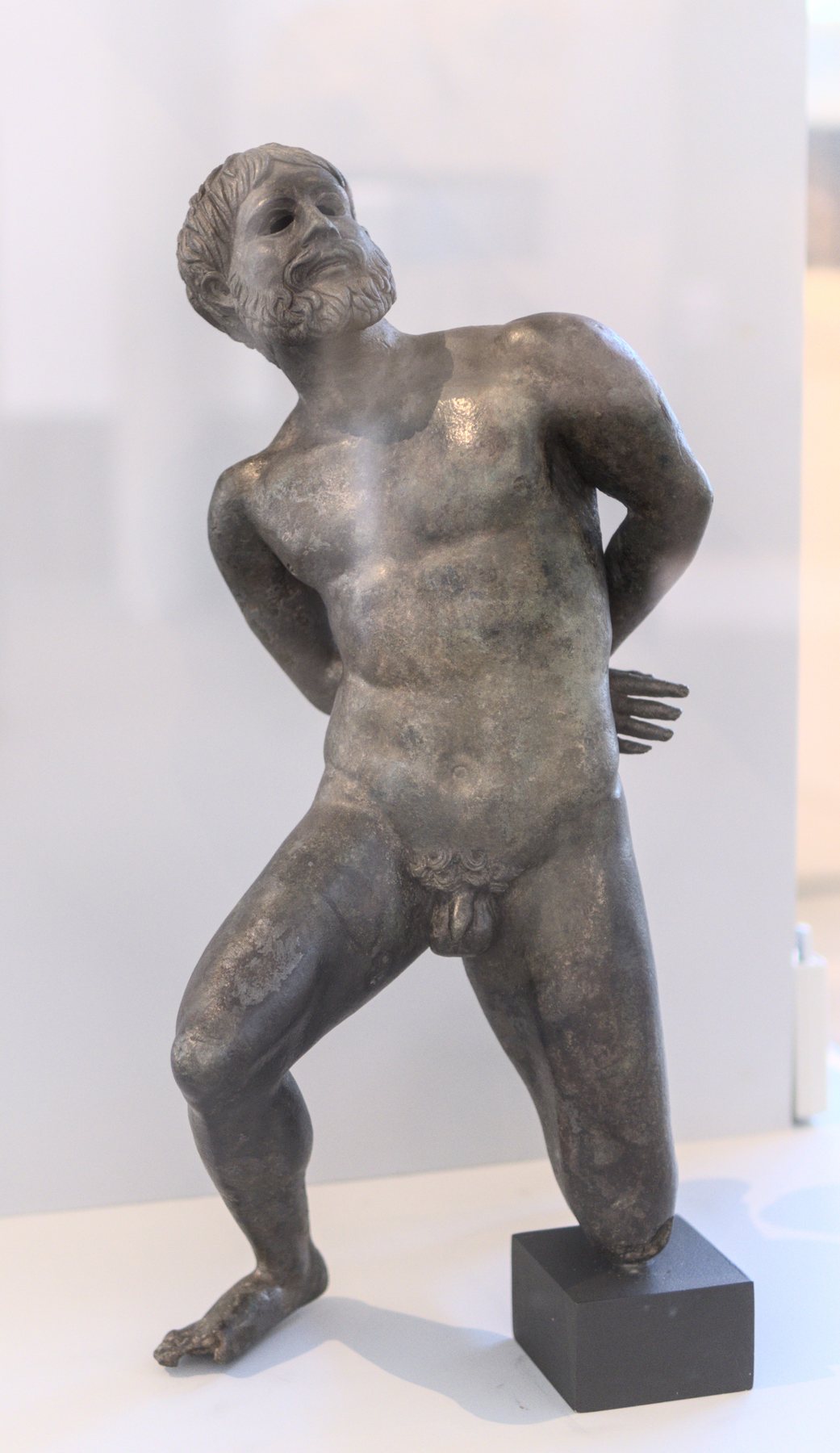 Statue of a captive. Museum of Ancient Arles.
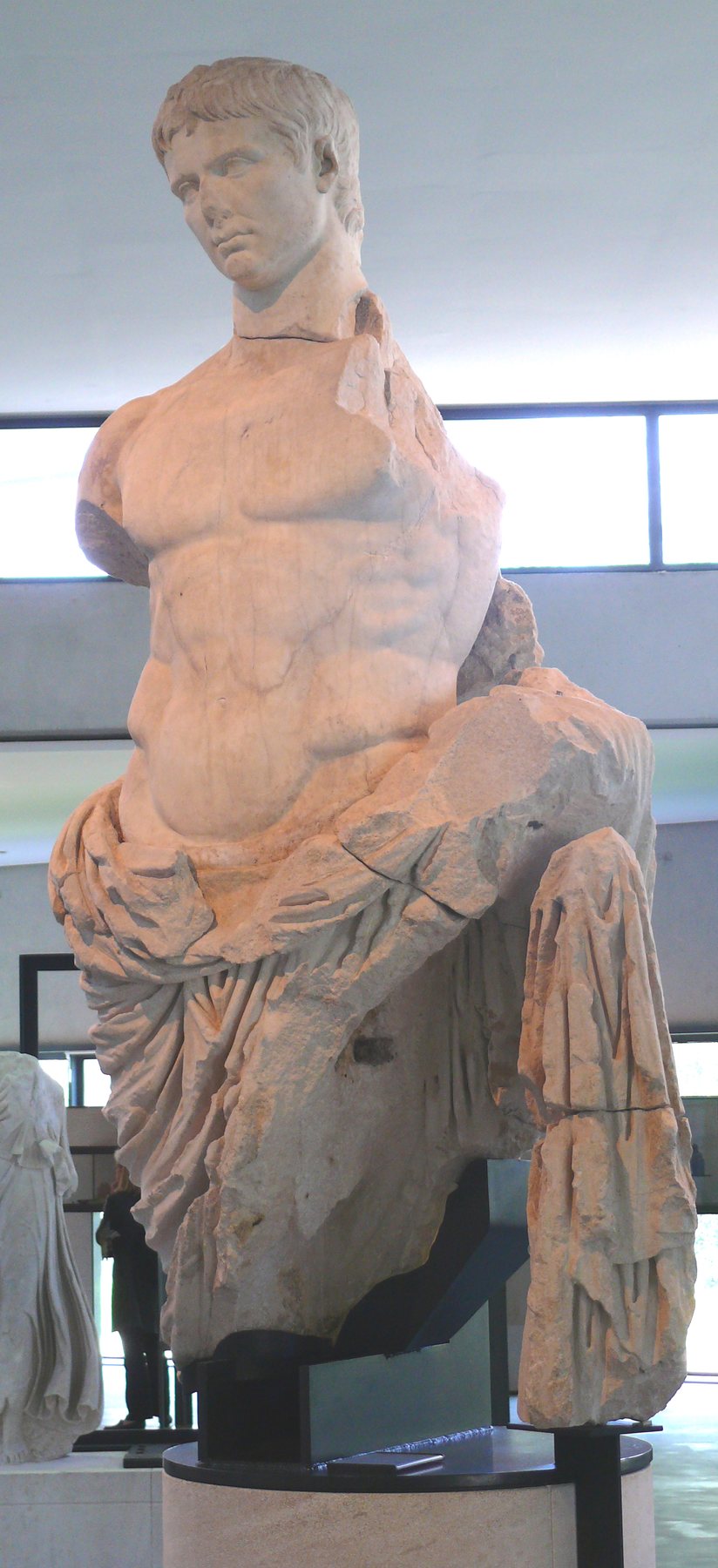 Arles statue augustus. Object from the collection: Museum of Ancient Arles.
Related Topics
- Museums of Antiquity
- Lugdunum Museum and Roman Theatres
- Bardo National Museum
- Archaeology and museums
Official Pages and Catalogues


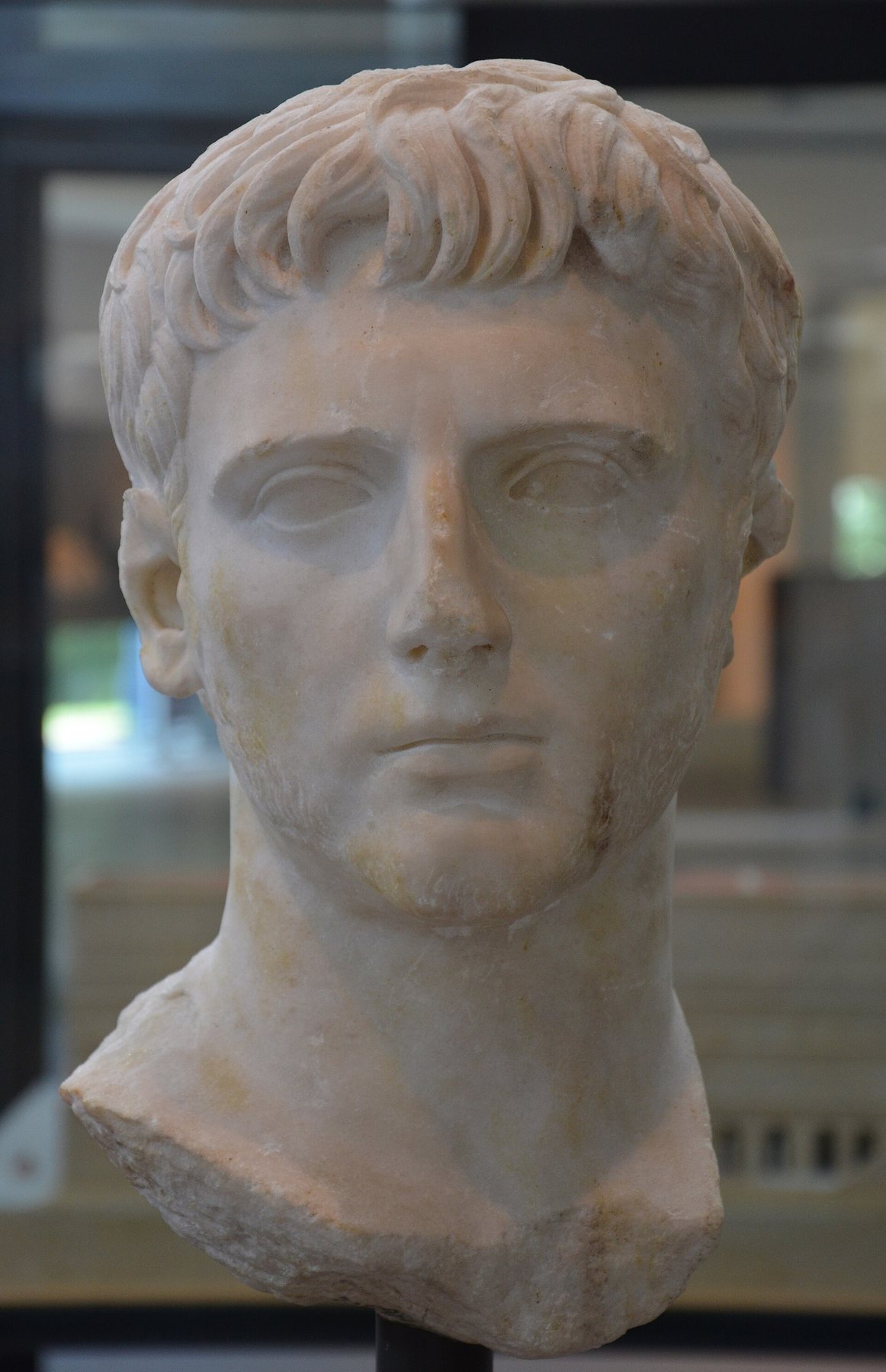 Head thought to be of Octavian wearing a beard as a sign of mourning after the assassination of Julius Caesar, now said to be of Gaius Caesar, grand-son of Augustus, Musé. Object from the collection: Museum of Ancient Arles.
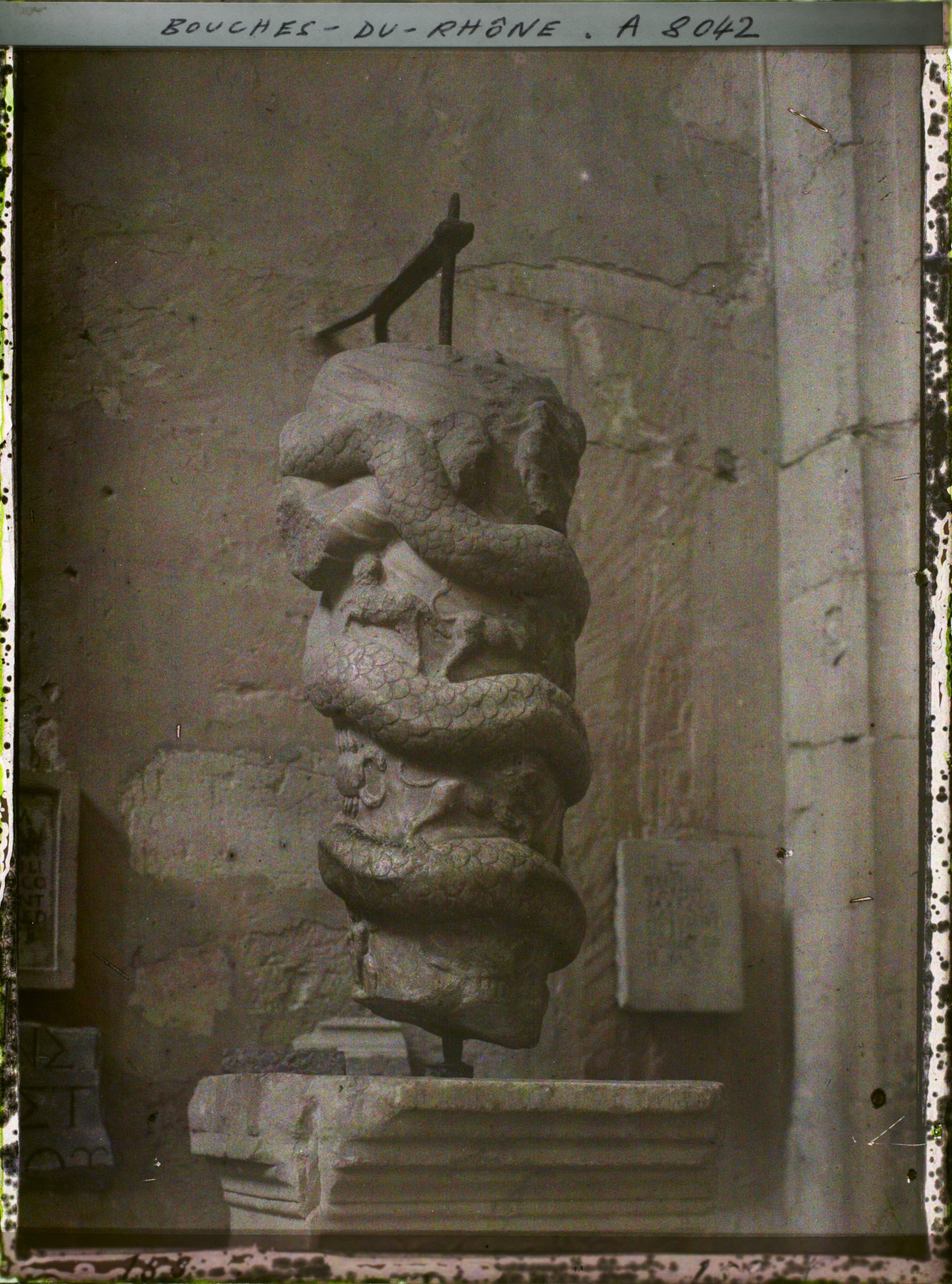 La statue du dieu Aiôn dans le musée lapidaire, actuellement au musée de l'Arles antique. Object from the collection: Museum of Ancient Arles.
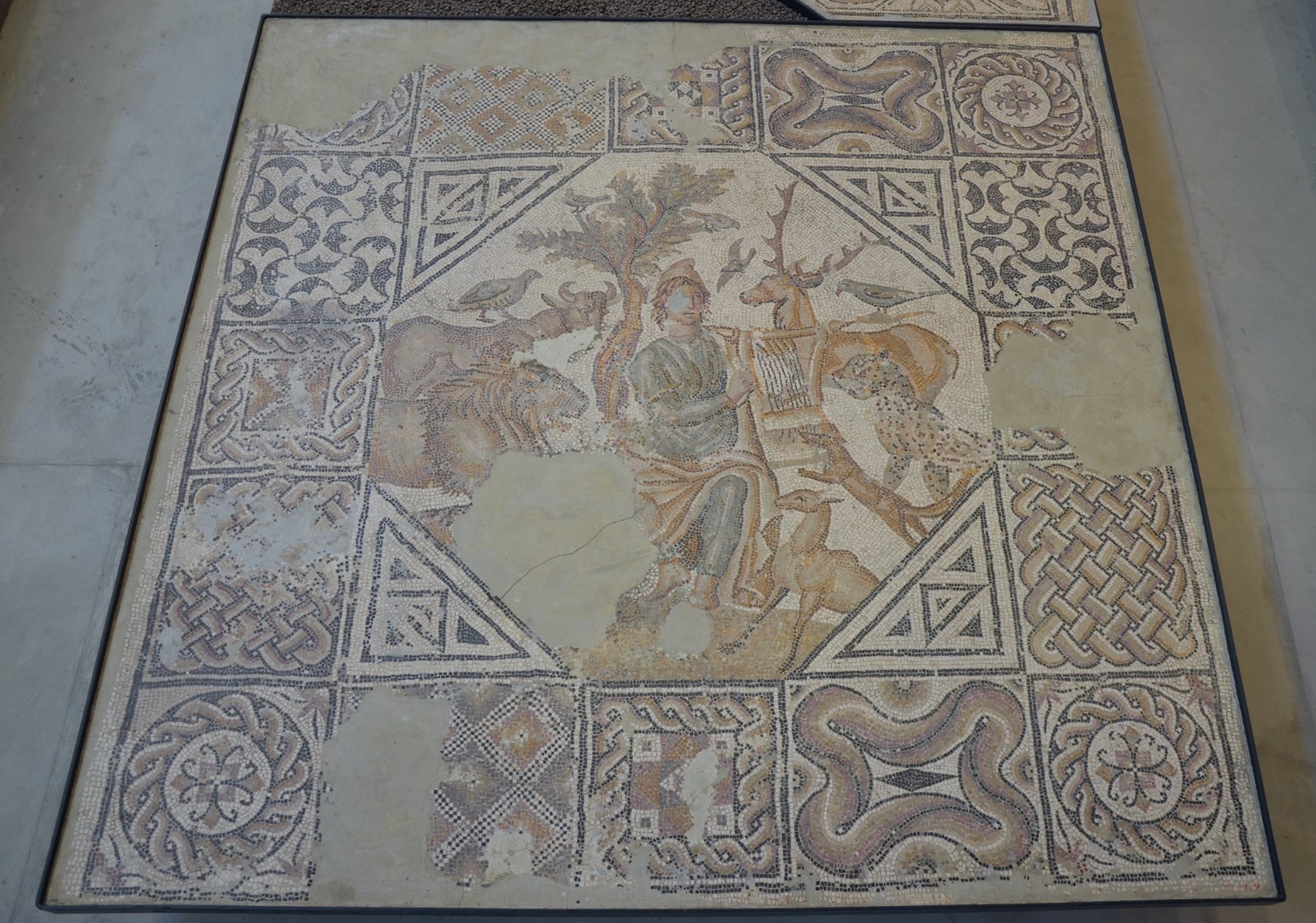 Mosaic pavement depicting Orpheus playing the lyre encircled with charmed animals, discovered in 1934 in Trinquetaille (Arles), 3rd-4th century AD, Musée de l'Arles antiq. Object from the collection: Museum of Ancient Arles.
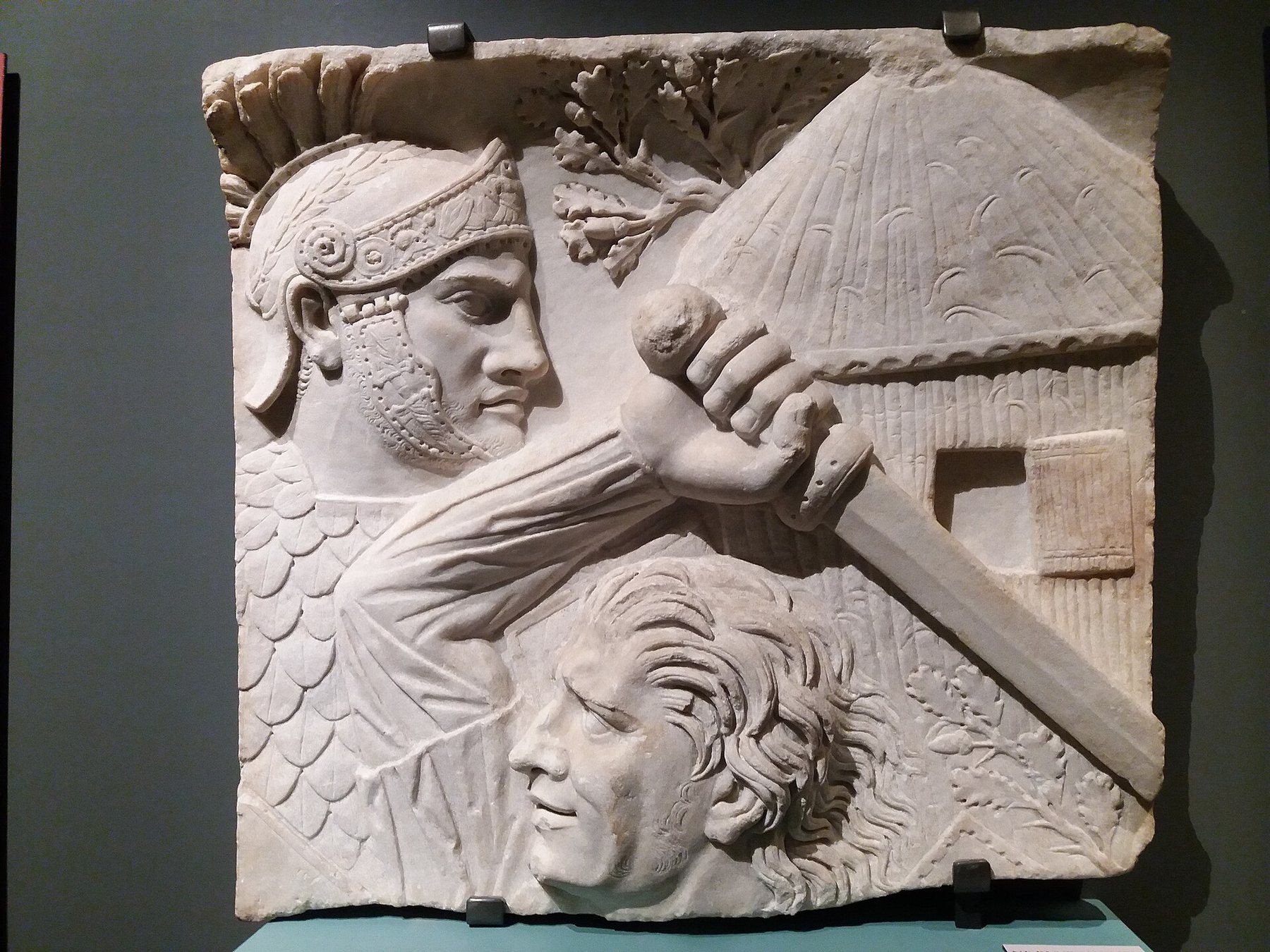 Musée départemental Arles antique - L'armée de Rome - Relief du Dace, Louvre Ma412 - MR723. Object from the collection: Museum of Ancient Arles.
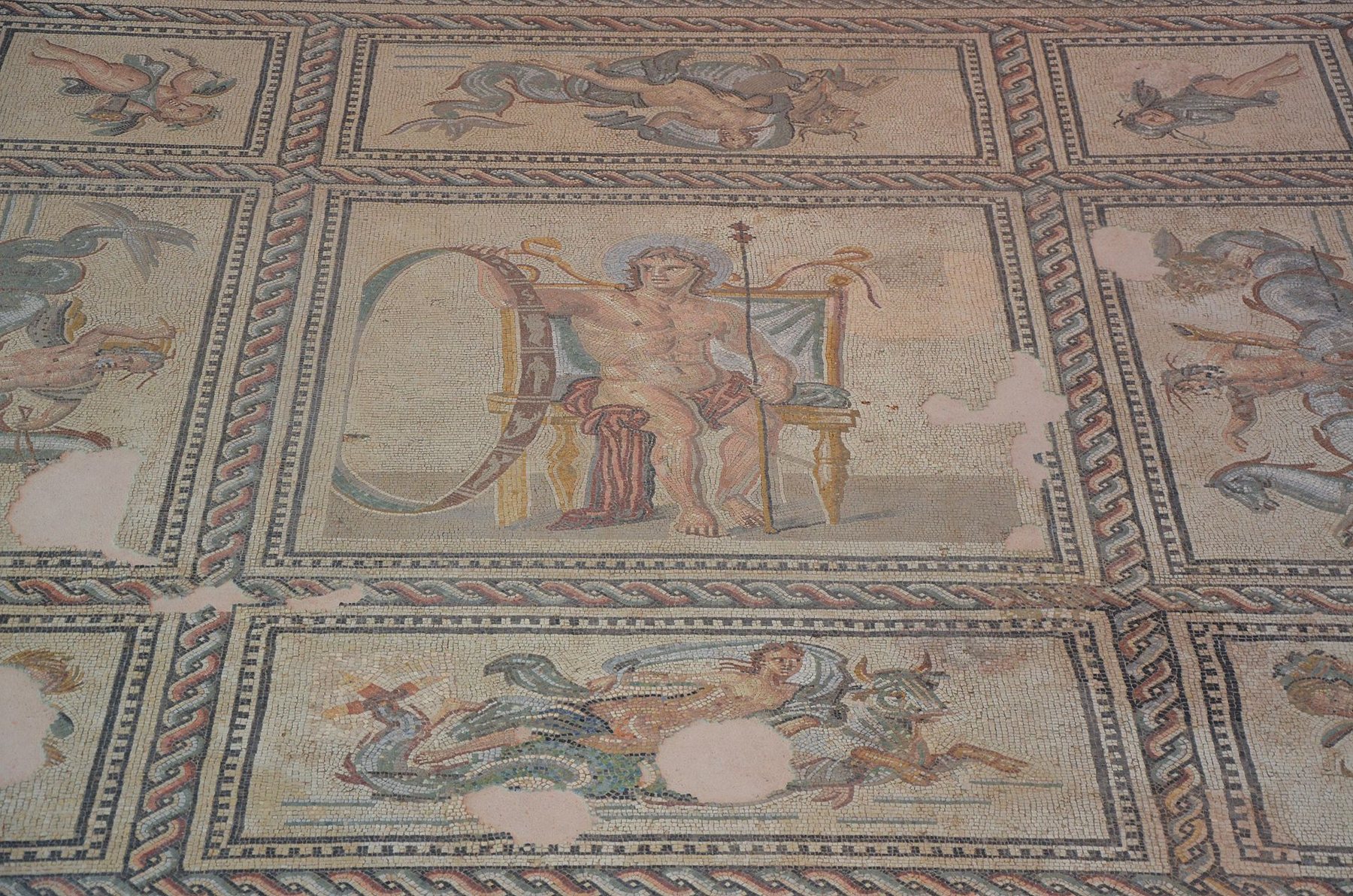 Mosaic pavement depicting Aion enthroned and holding a zodiac wheel in his right hand, and a scepter in his left, 3rd century AD, from the triclinium of a Roman house in . Object from the collection: Museum of Ancient Arles.
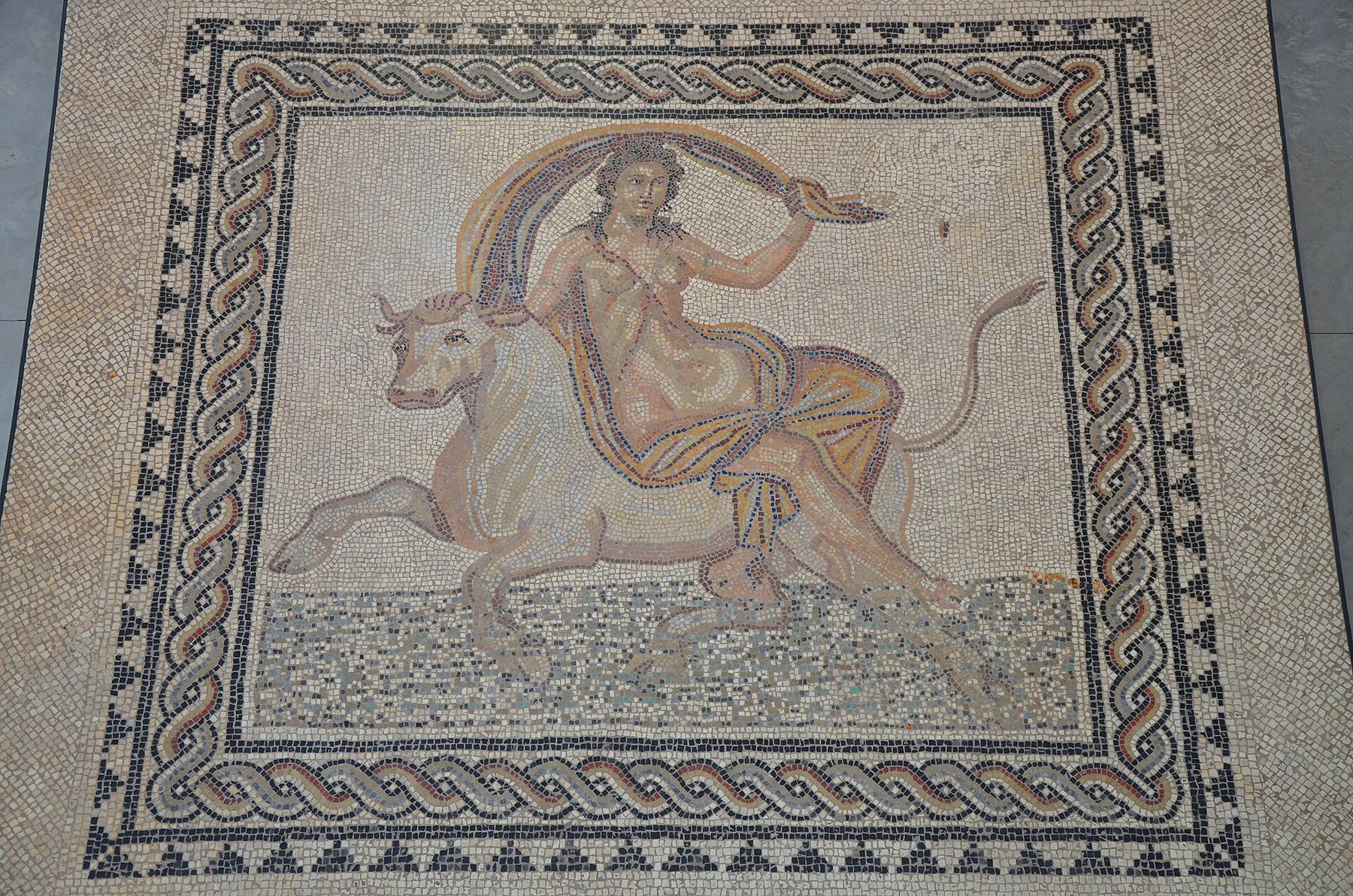 Mosaic pavement depicting Europa being carried across the sea by the bull-shaped god Zeus, found ca. 1900 in Trinquetaille (Arles), end of 2nd century - beginning of 3rd . Object from the collection: Museum of Ancient Arles.
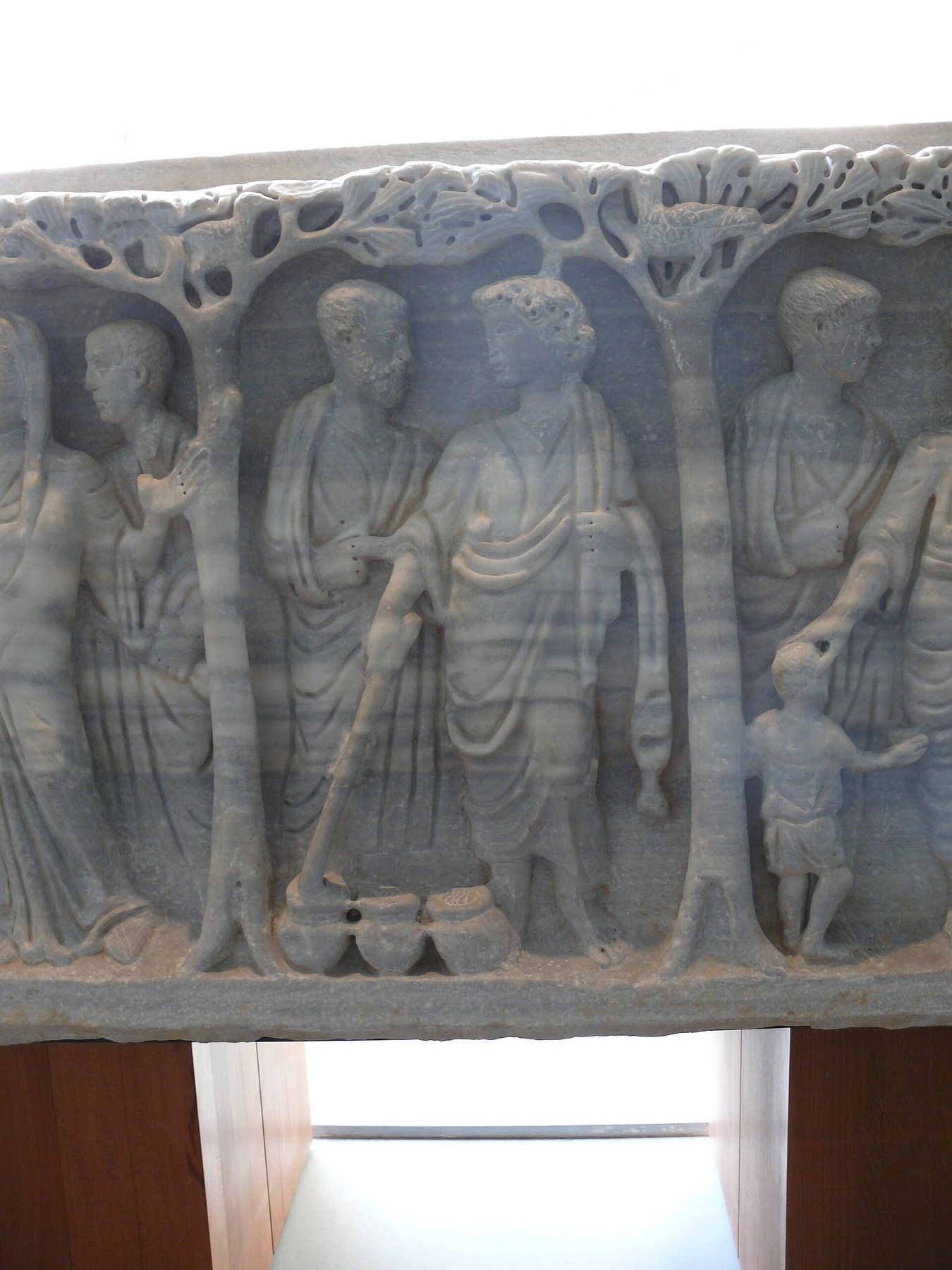 Arles sarcophagus trees. Object from the collection: Museum of Ancient Arles.
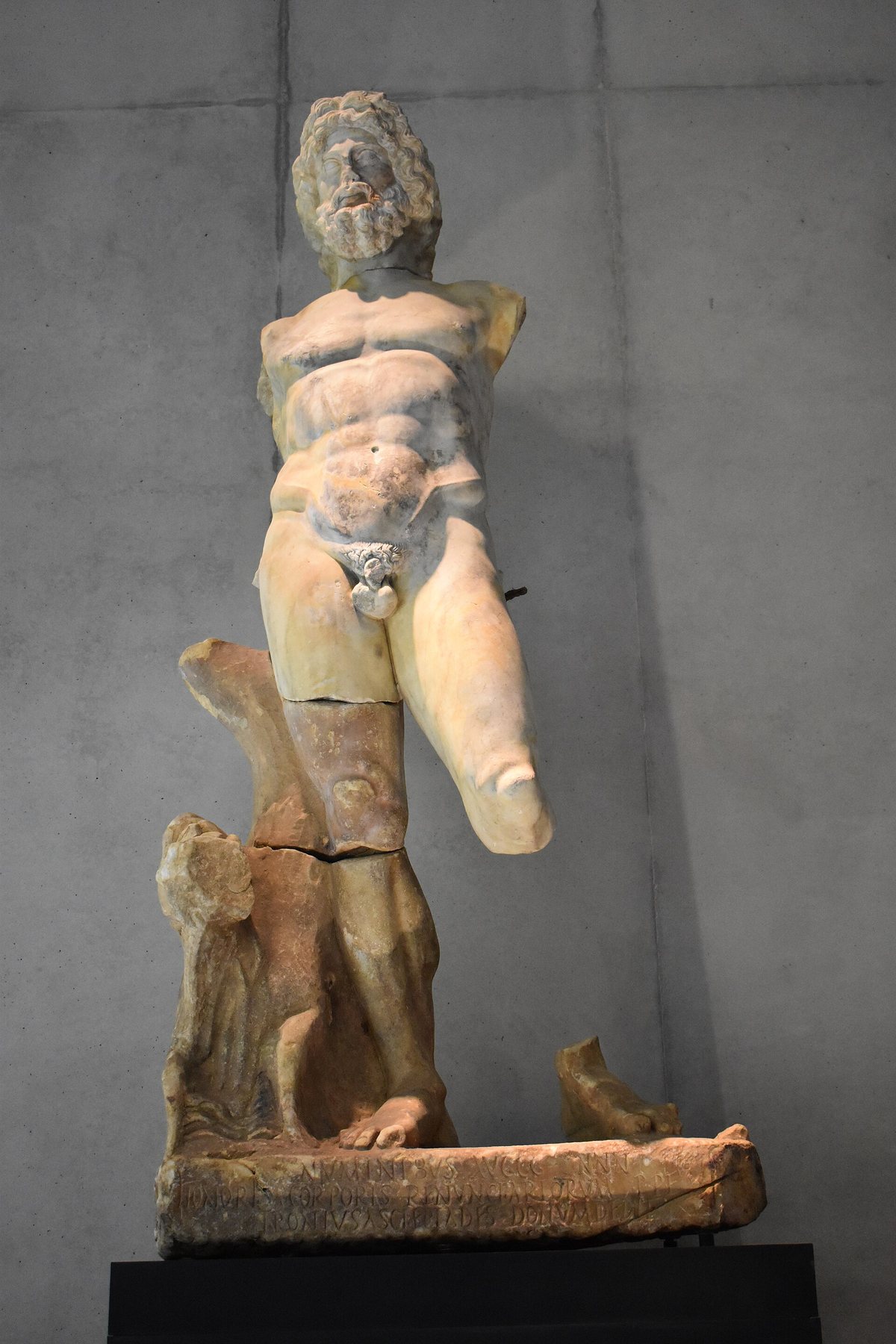 Statue of Neptune. Museum of Ancient Arles.
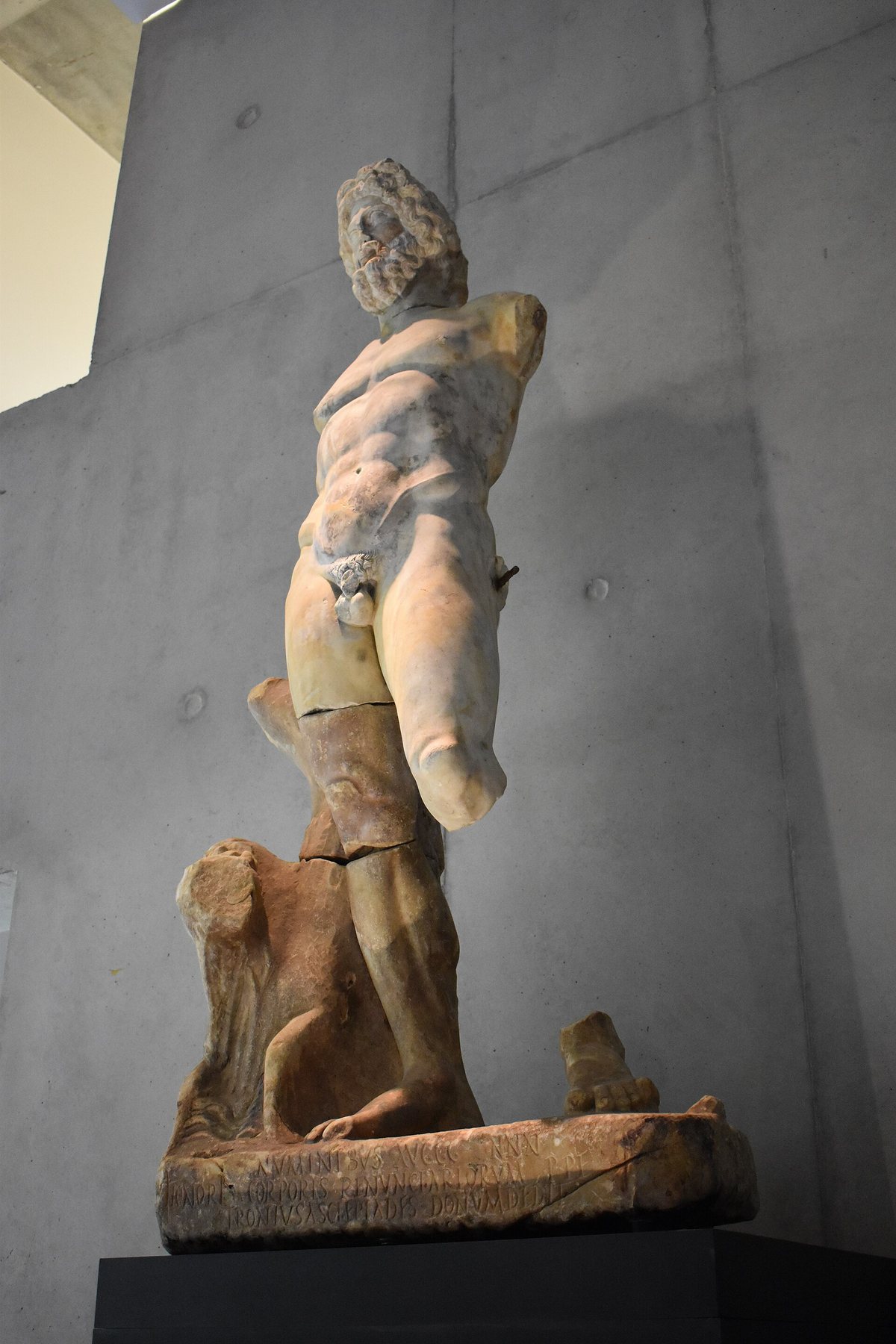 Statue of Neptune, another view. Museum of Ancient Arles.
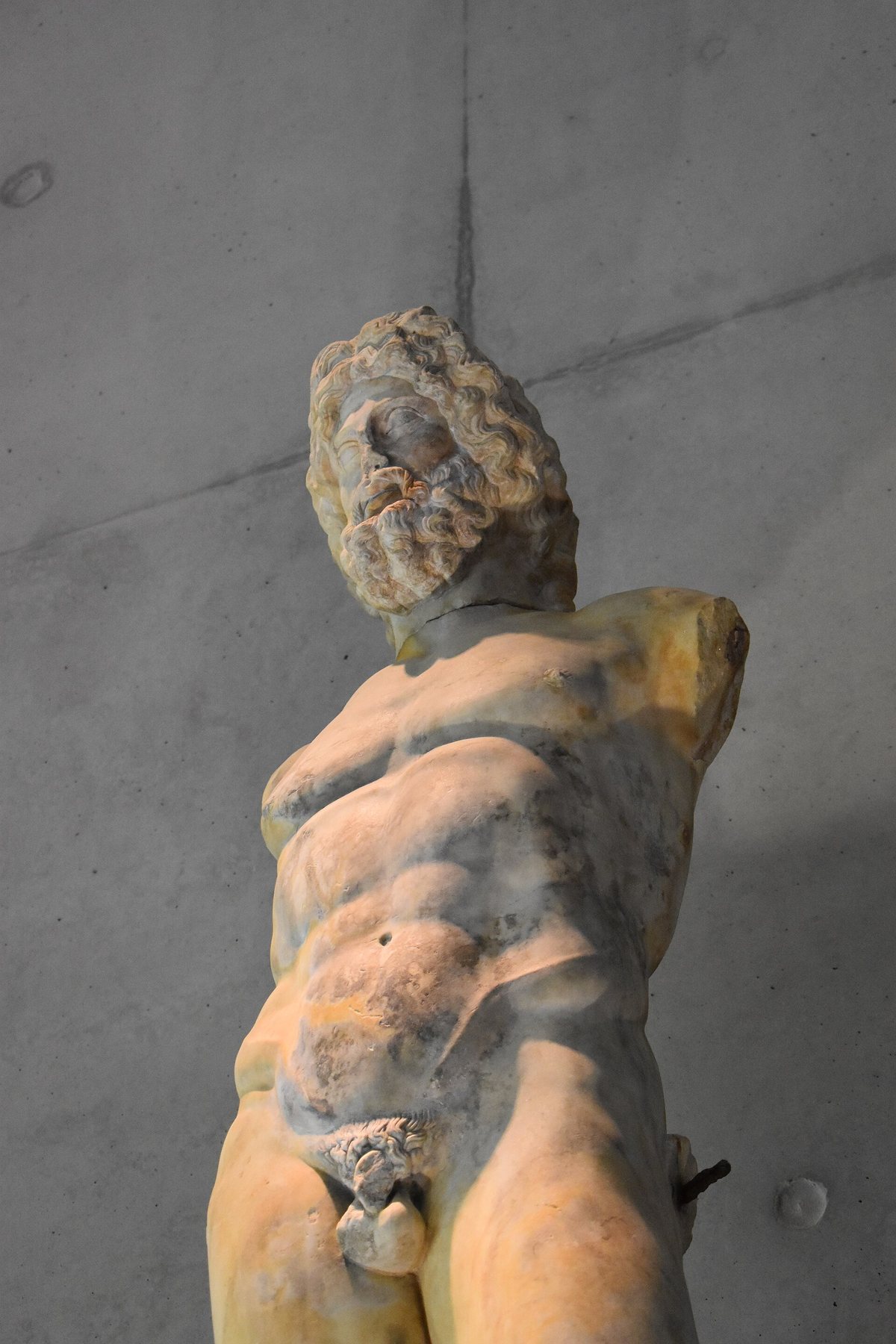 Statue of Neptune, detail. Museum of Ancient Arles.
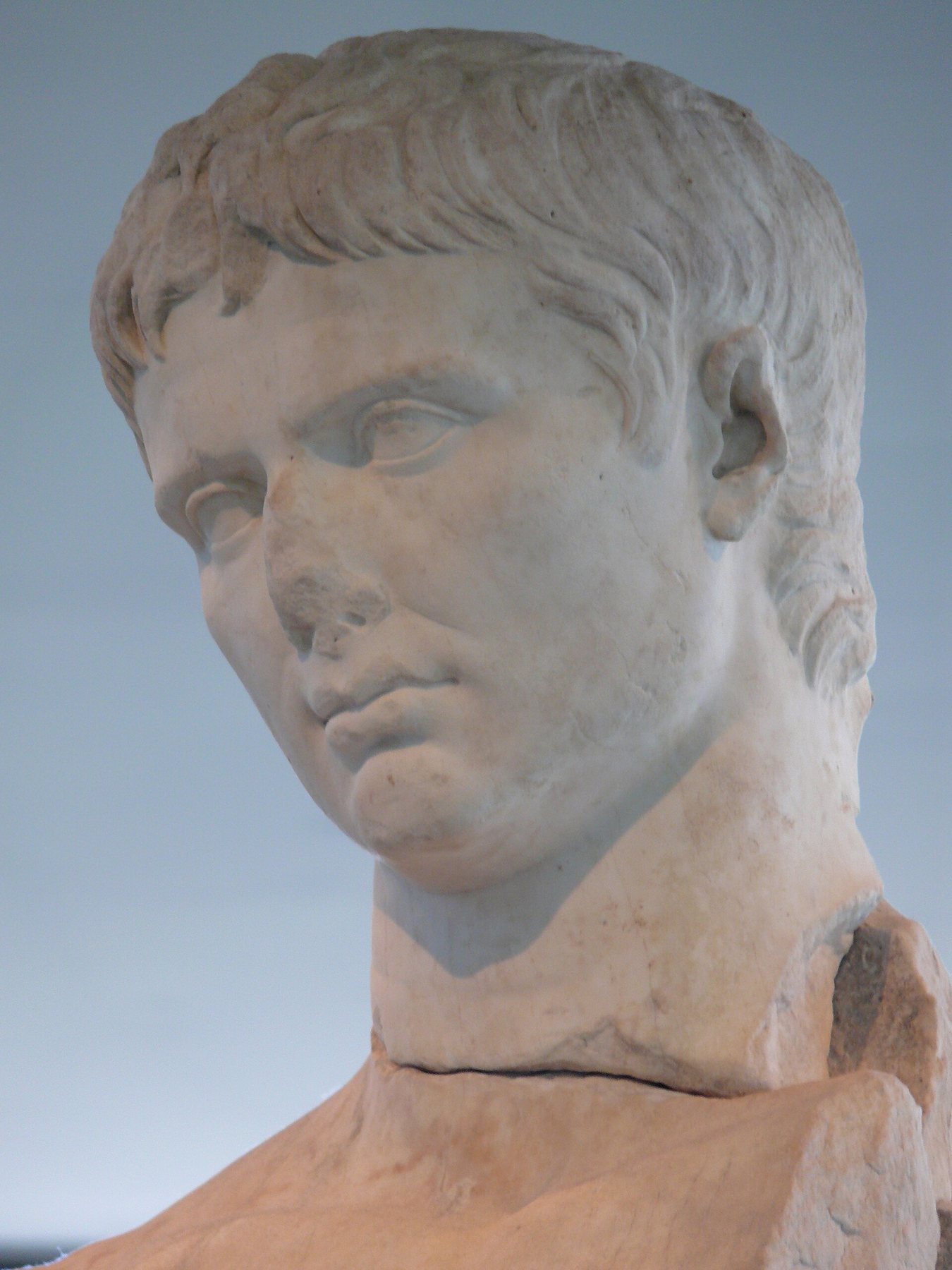 Arles statue augustus 2. Object from the collection: Museum of Ancient Arles.
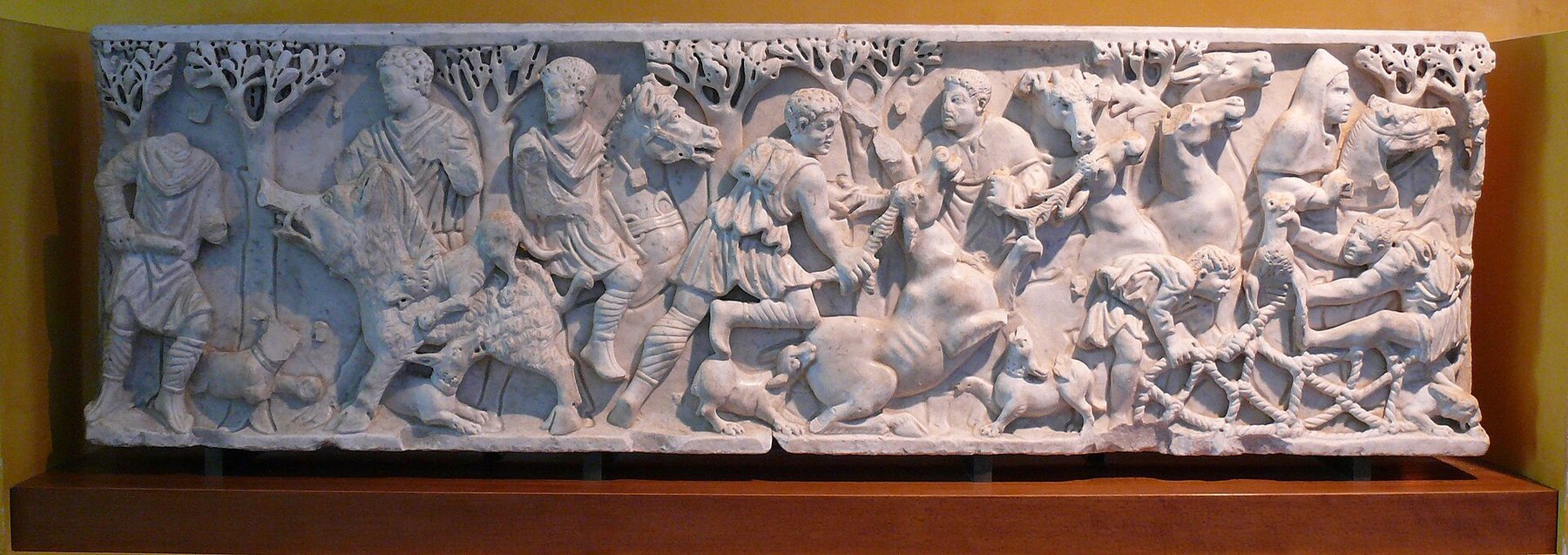 Arles sarcophagus hunting scene. Object from the collection: Museum of Ancient Arles.
Interested in Ancient Rome beyond reading? Join Legio X Fretensis or explore our reenactment directions.


