Ashmolean Museum: Antiquities
The Ashmolean in Oxford is a university museum with archaeological collections from the Mediterranean, Egypt, Cyprus and the Near East. Greek and Roman objects can be compared with material from neighbouring cultures. Catalogues and the digital collection support the study of provenance, collecting history and the distinction between originals and casts.
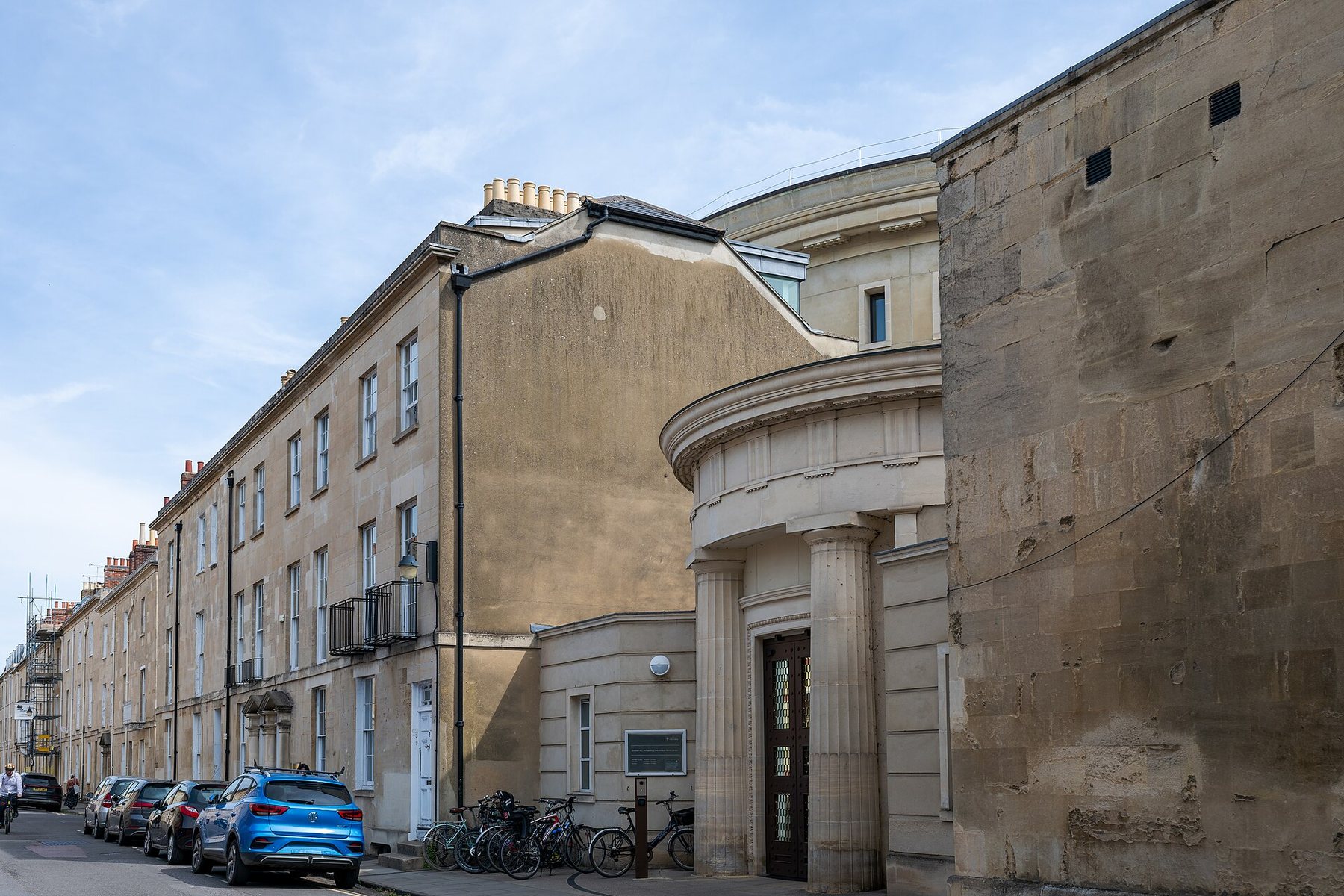 Ashmolean Museum: Antiquities: 1047111 I THE ASHMOLEAN MUSEUM AND THE TAYLOR INSTITUTE, side entrance St John Street Oxford 20250617 0001.
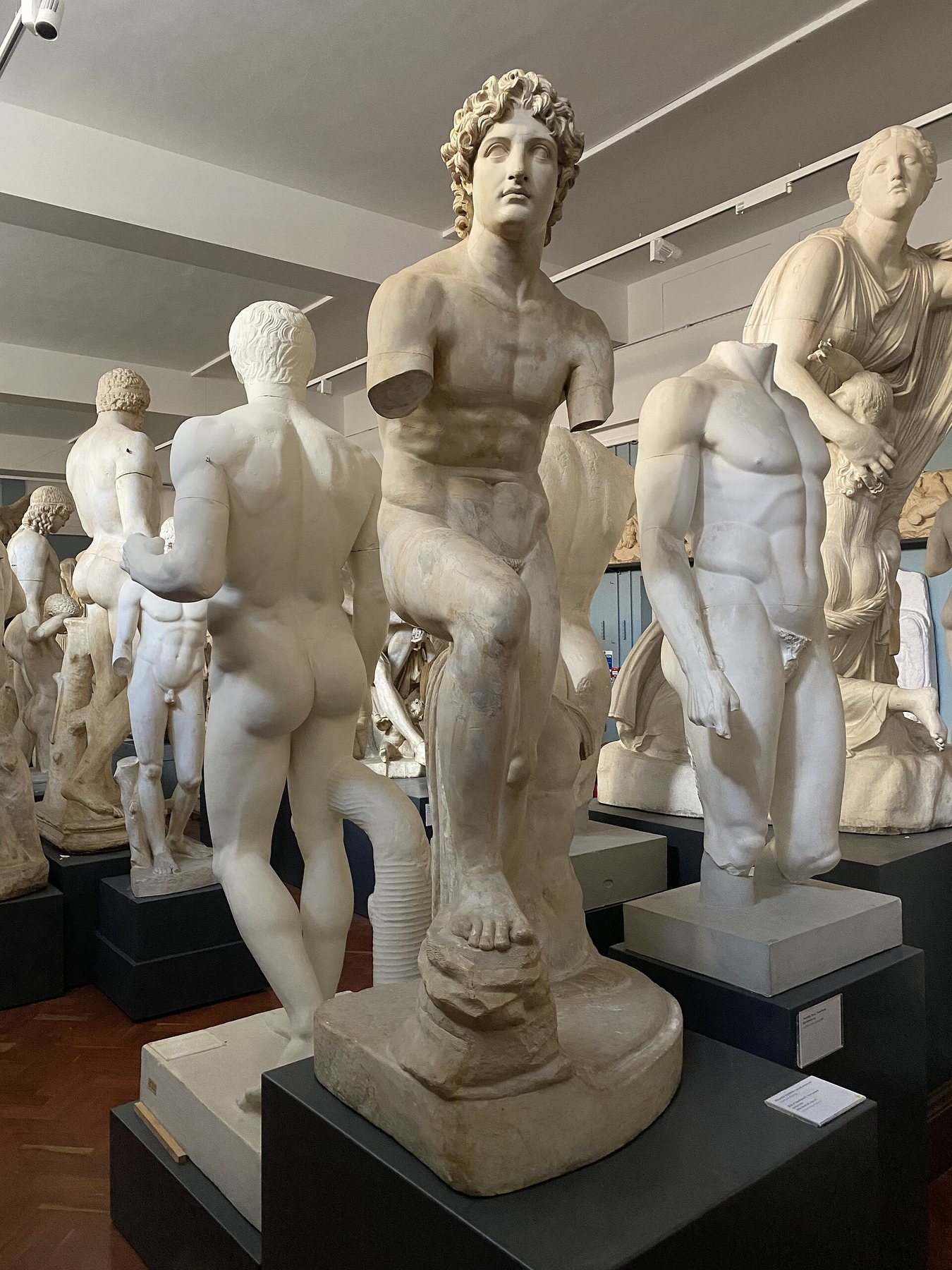 Ashmolean Museum: Antiquities: Ashmolean Museum Cast Gallery Basement 3.
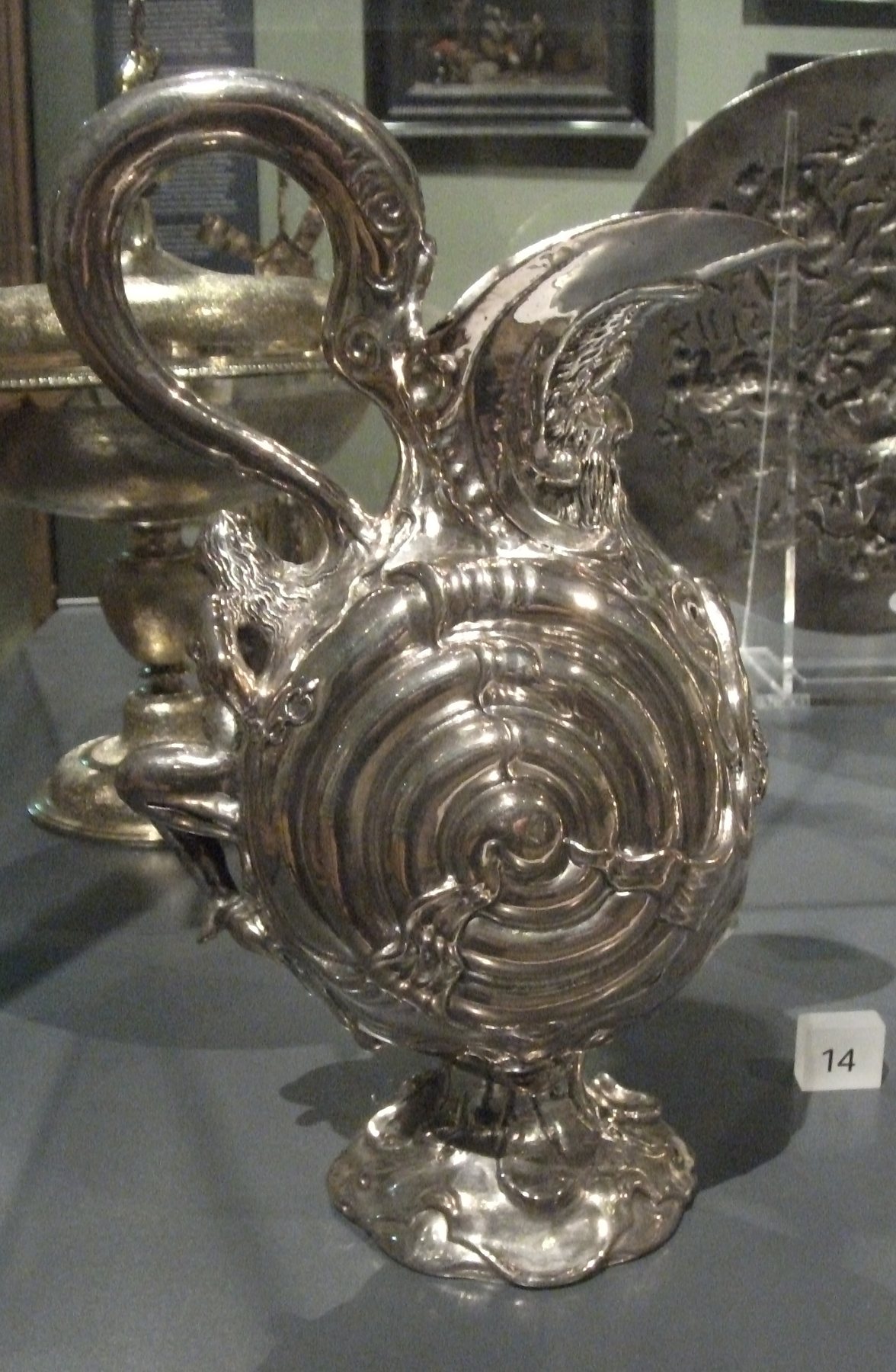 Ashmolean Museum: Antiquities: Ashmolean MuseumDSCF0115detaul 03.
Collection and Historical Context
The Ashmolean is not the main museum of one ancient territory. It should be read as a comparative and research collection where typology, catalogue and study history matter.
Display and Main Materials
Pottery, sculpture, coins, inscriptions, Egyptian and Near Eastern antiquities, and digital or catalogue material deserve attention. For reconstruction the key value is the ability to check an object against a museum record.
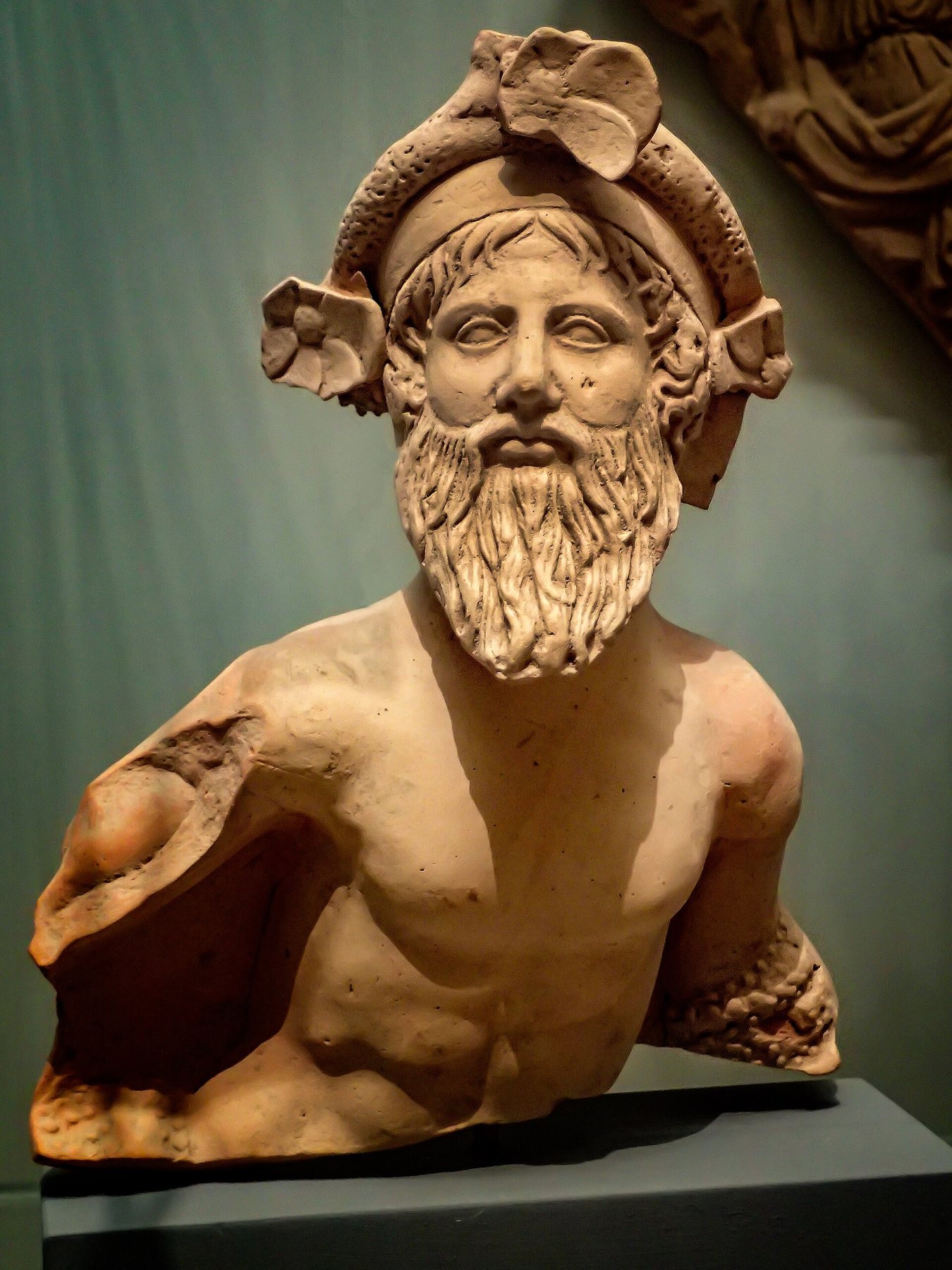 Athenian Fragmentary votive sculpture of Dionysus (?) Greek Ashmolean Museum. Object from the collection: Ashmolean Museum: Antiquities.
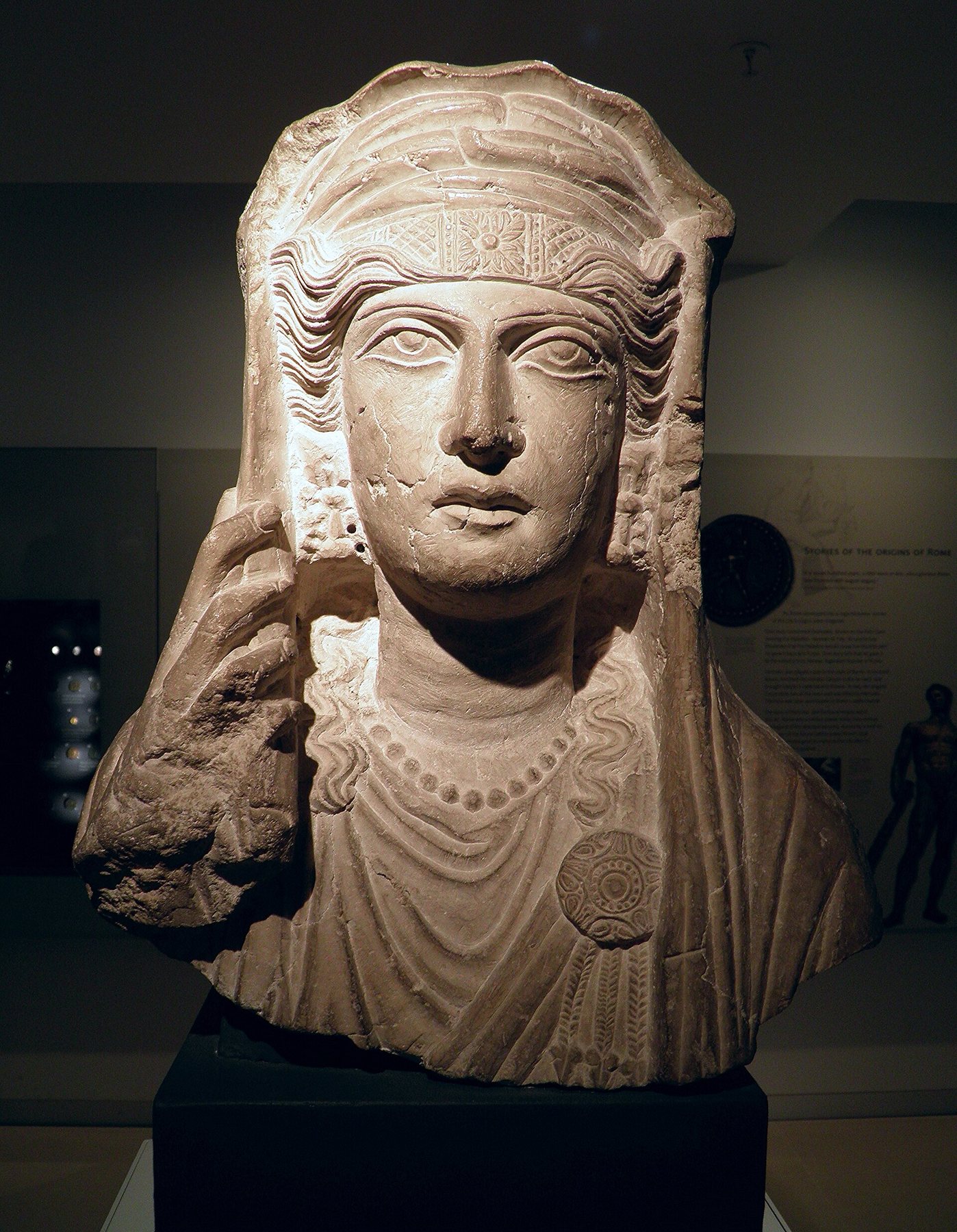 Limestone bust of a veiled woman, from a sculpture set in a tomb at Palmyra (Syria), about AD 80-100, Ashmolean Museum (8400694289). Object from the collection: Ashmolean Museum: Antiquities.
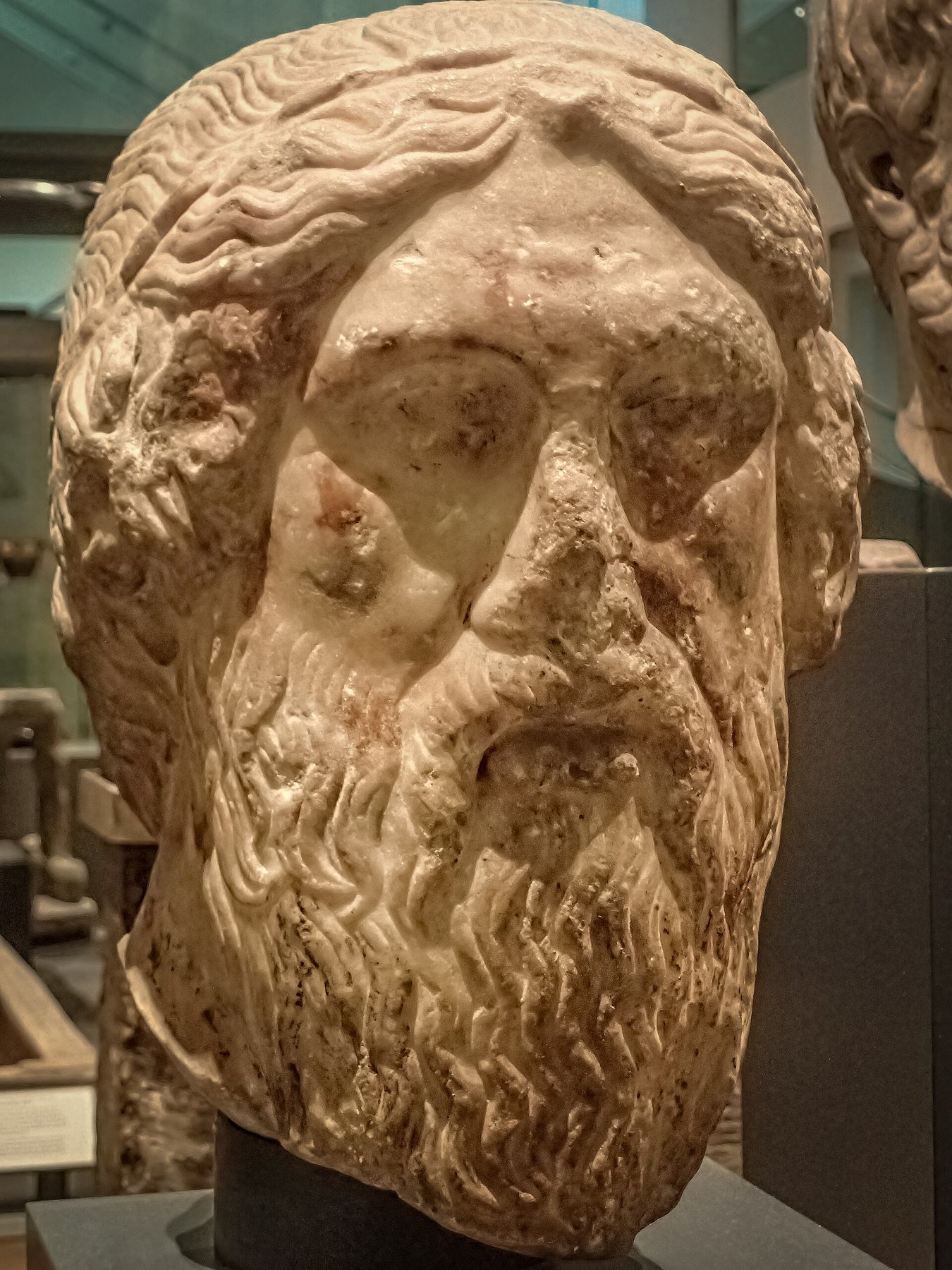 Portrait sculpture of Homer, author of the Iliad and Odyssey epic poems 1-100 CE Ashmolean Museum. Object from the collection: Ashmolean Museum: Antiquities.
Related Topics
- Museums of Antiquity
- British Museum and Antiquity
- The Met: Greek and Roman Art
- National Archaeological Museum, Athens
- Archaeology and museums
Official Pages and Catalogues


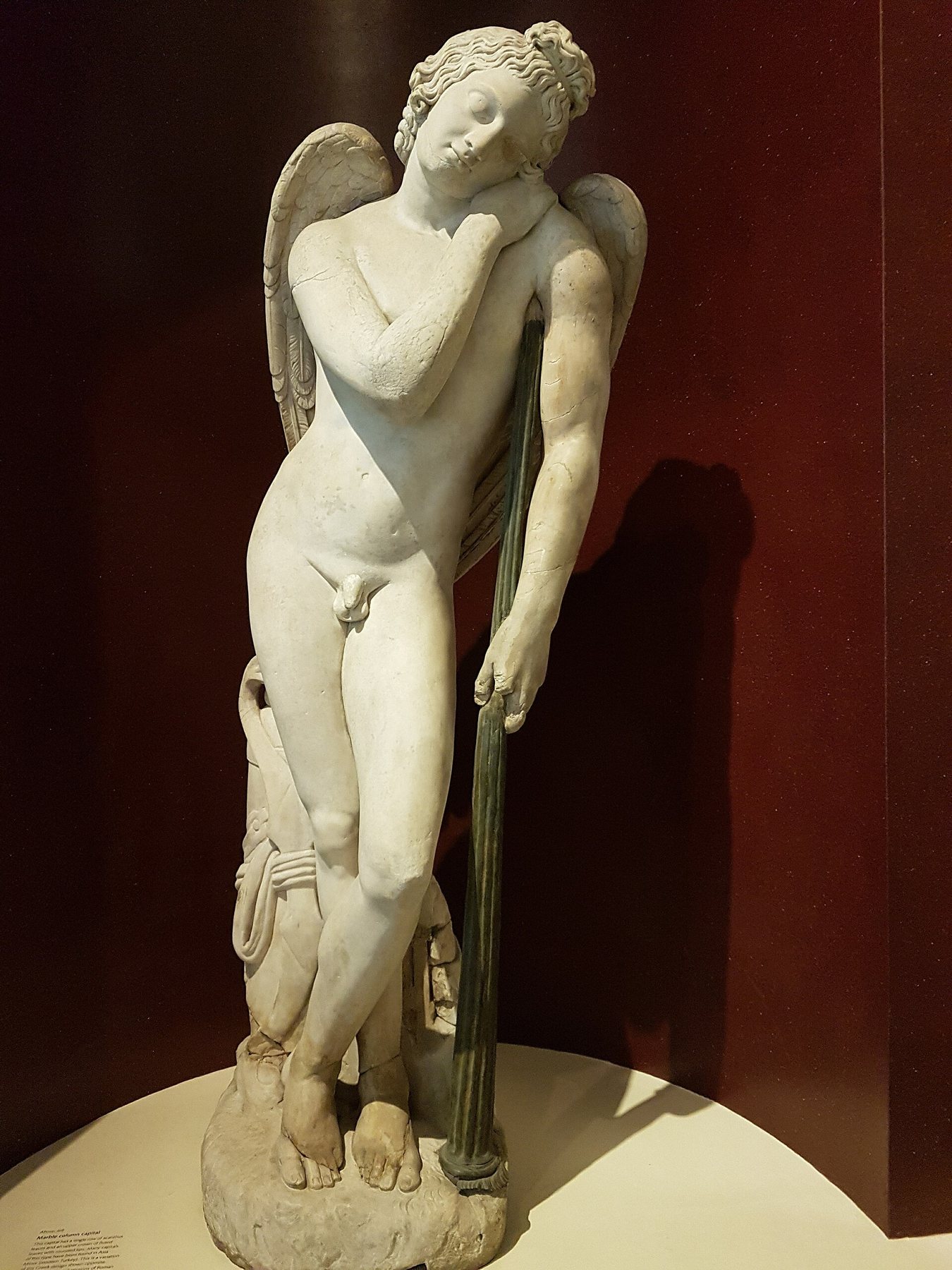 Marble statue of Eros, 100-200 AD, Ashmolean Museum, Oxford. Object from the collection: Ashmolean Museum: Antiquities.
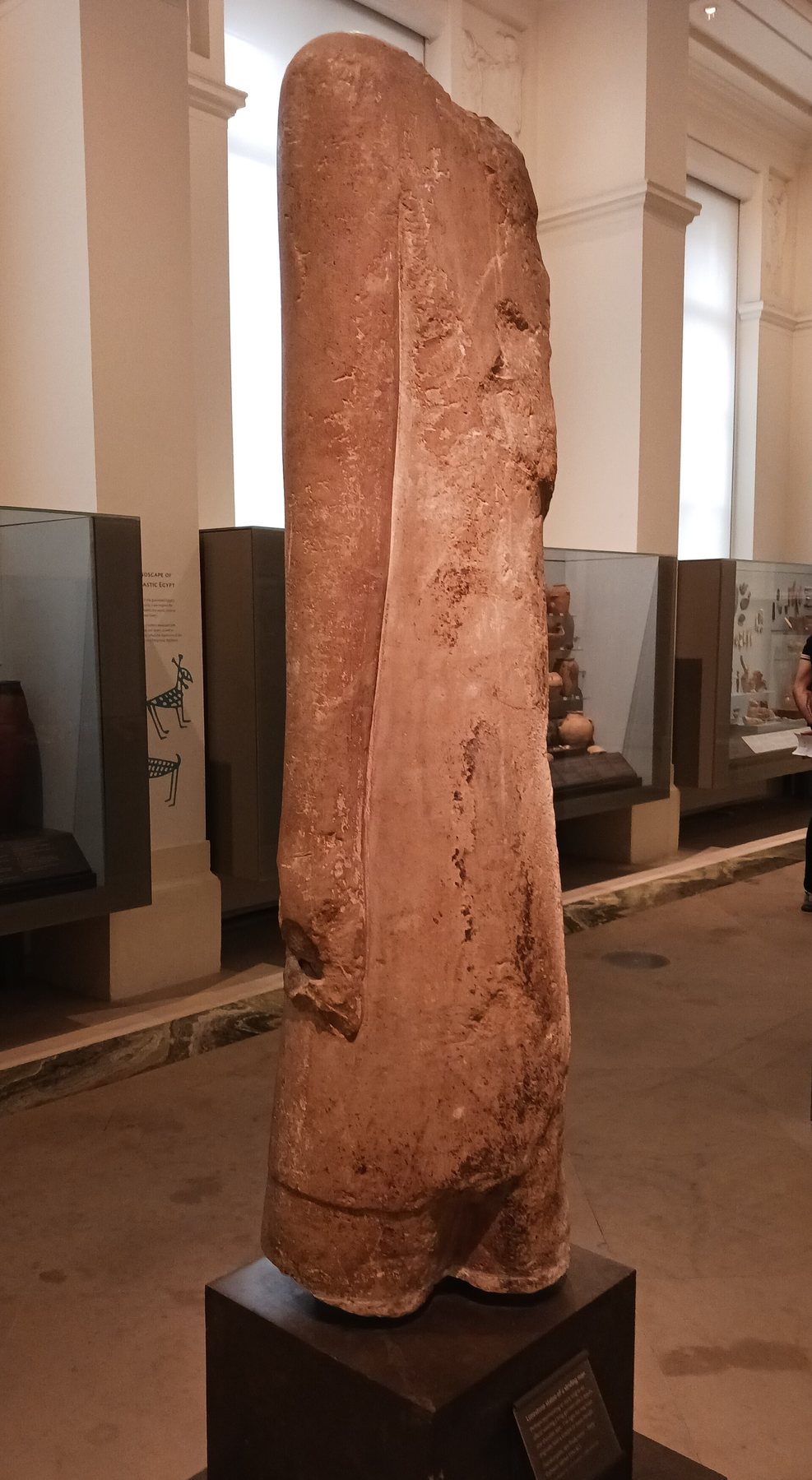 Statue of a striding man with long dress leaving one shoulder bare. Hierakonpolis, circa 3100 BCE (Ashmolean Museum AN1896-1908 E.3925). Object from the collection: Ashmolean Museum: Antiquities.
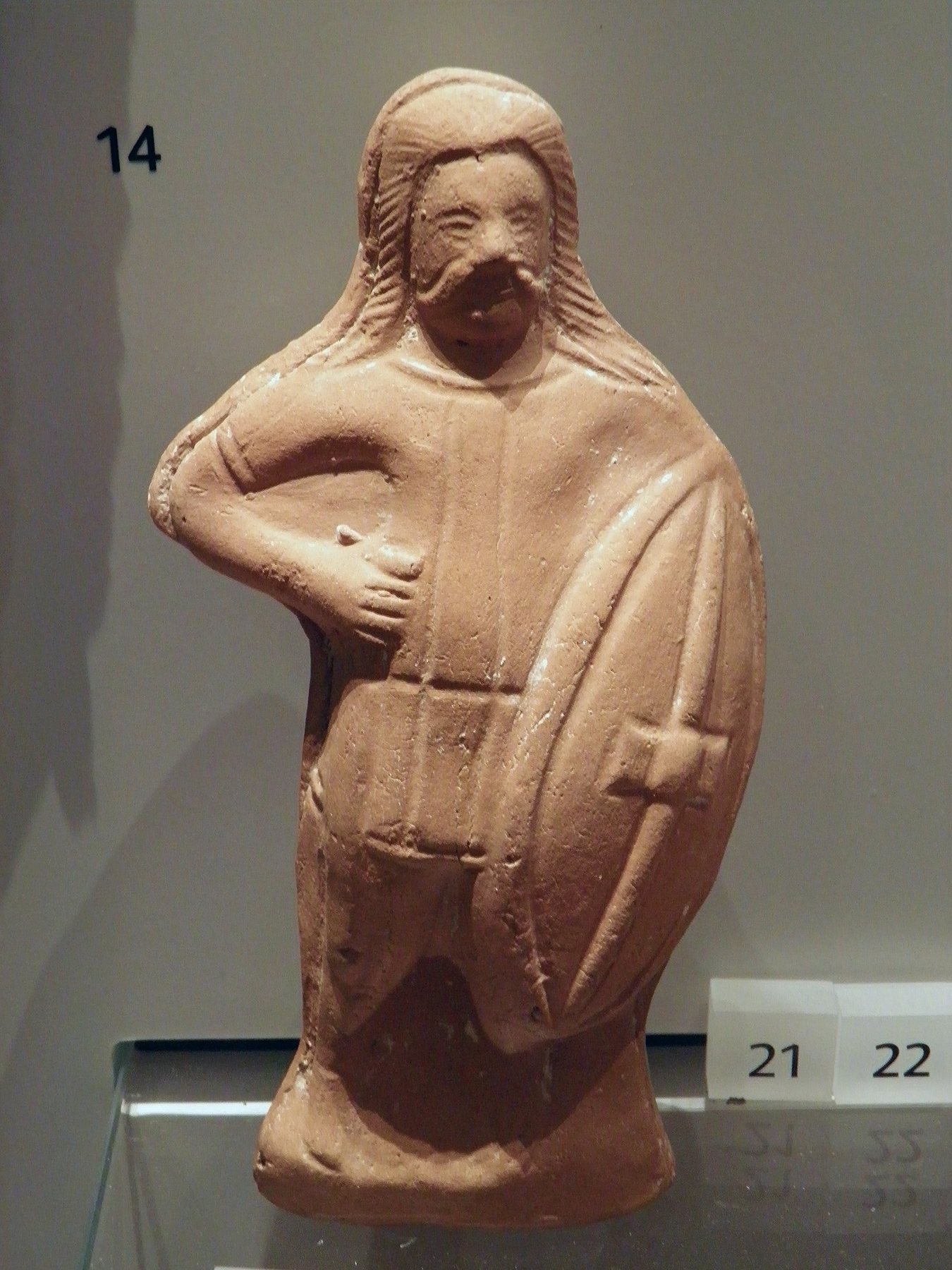 Terracotta statuette of a barbarian warrior with long hair, dropping moustache, trousers and a tunic, he carries a Celtic shield, Ashmolean Museum (8401785992). Object from the collection: Ashmolean Museum: Antiquities.
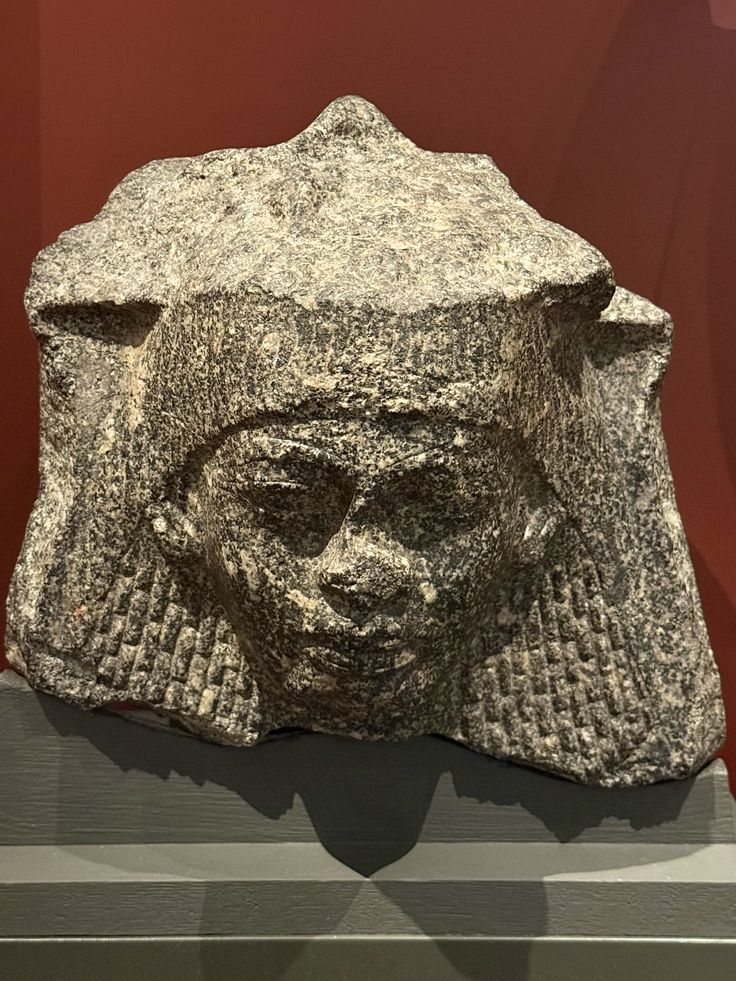 Head from a life-size granodiorite statue of a man. Unprovenanced, 18th Dynasty.Ashmolean Museum Oxford. Object from the collection: Ashmolean Museum: Antiquities.
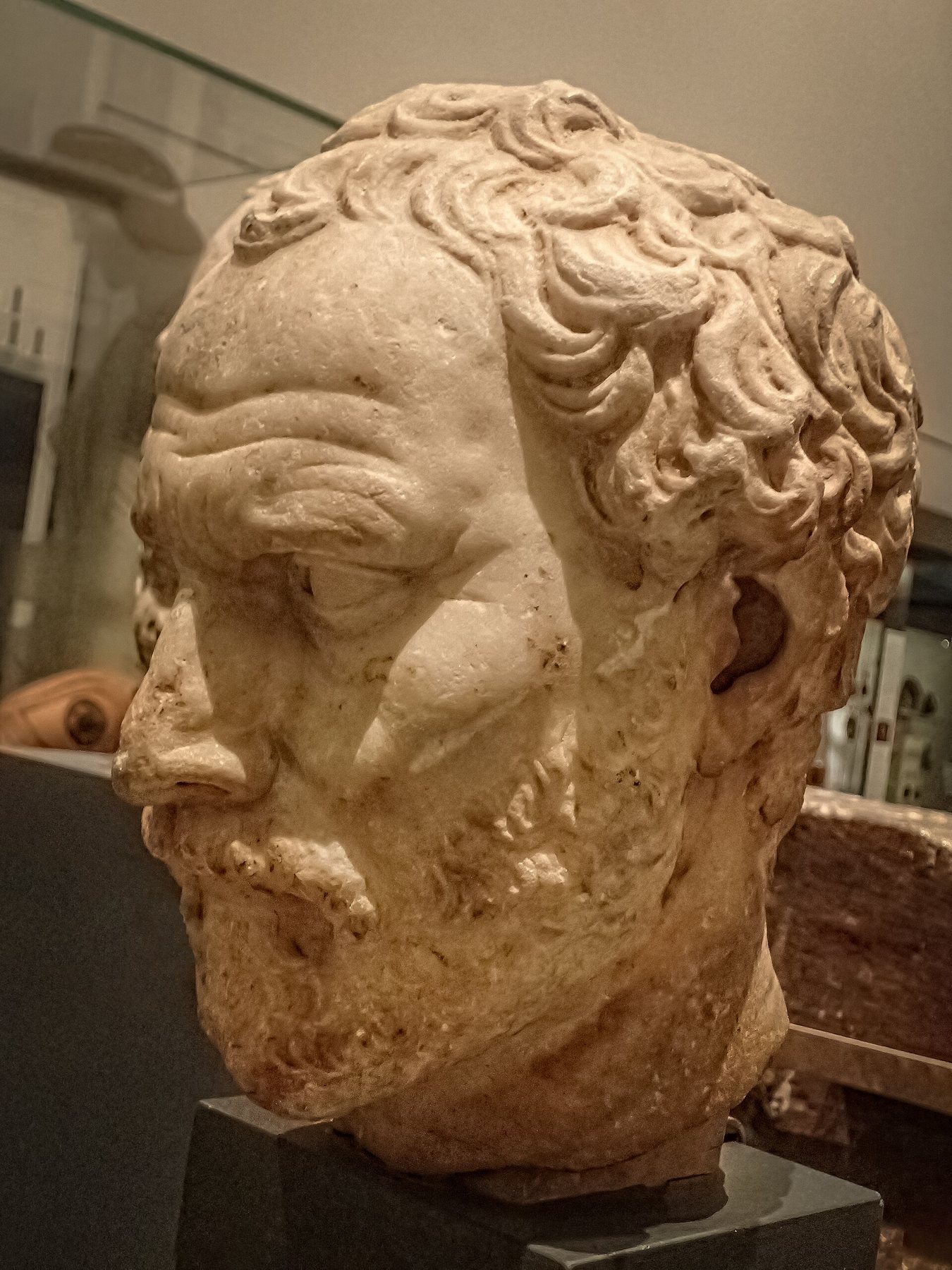 Portrait head of Demosthenes, Greek, 250-150 BCE, Ashmolean Musem. Object from the collection: Ashmolean Museum: Antiquities.
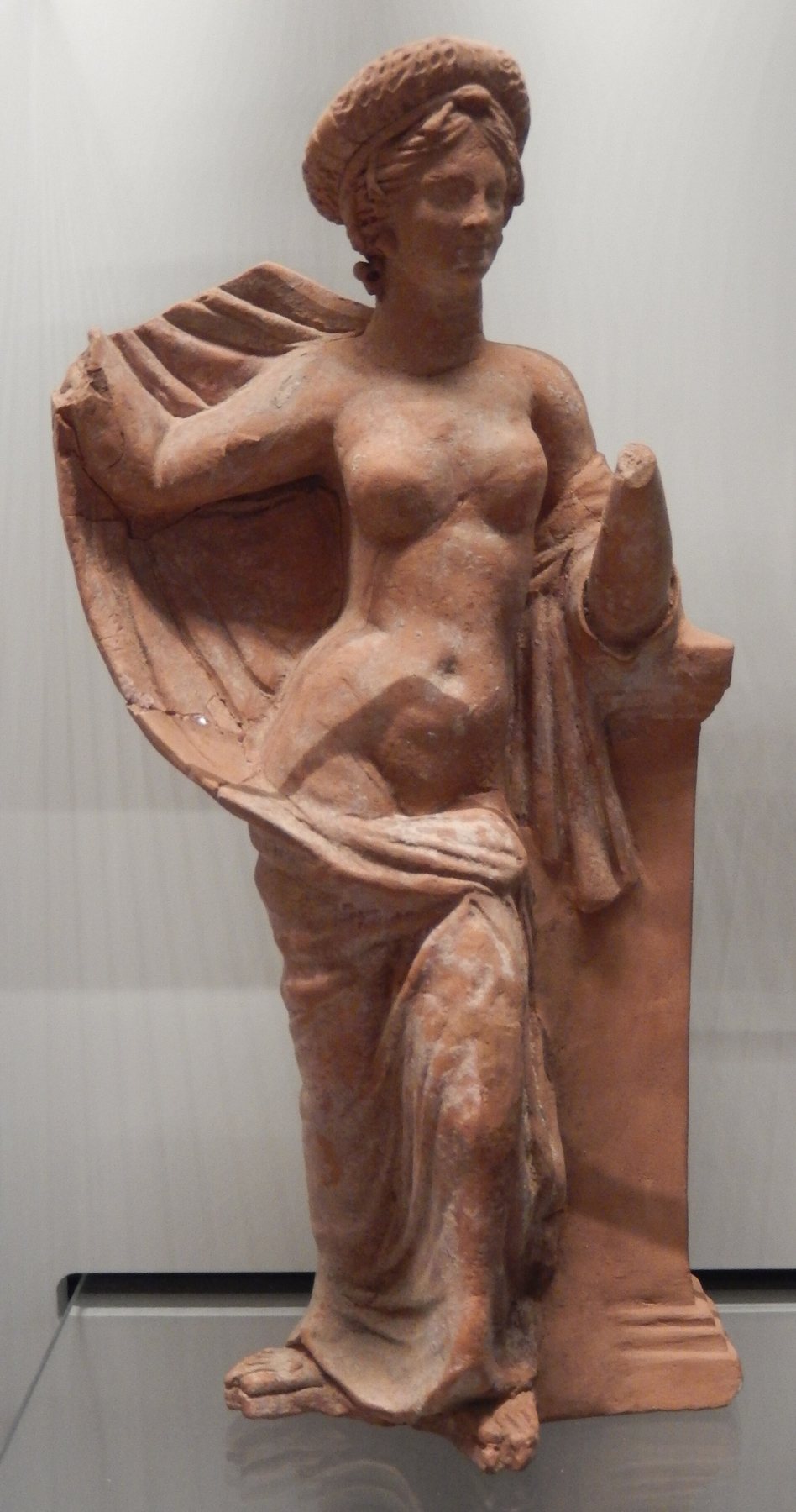 Terracotta statutette of Aphrodite. Object from the collection: Ashmolean Museum: Antiquities.
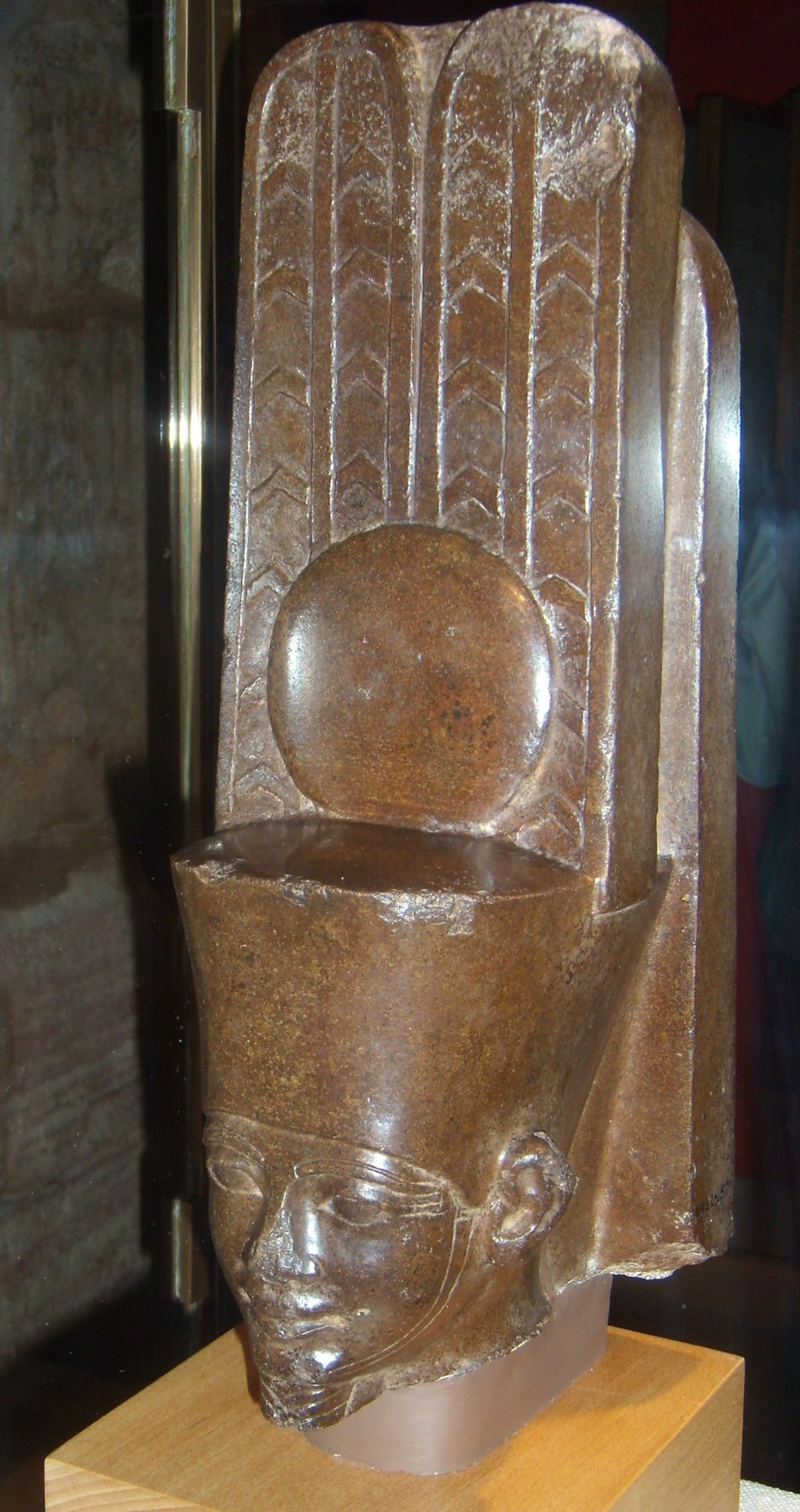 Nubian head. Object from the collection: Ashmolean Museum: Antiquities.
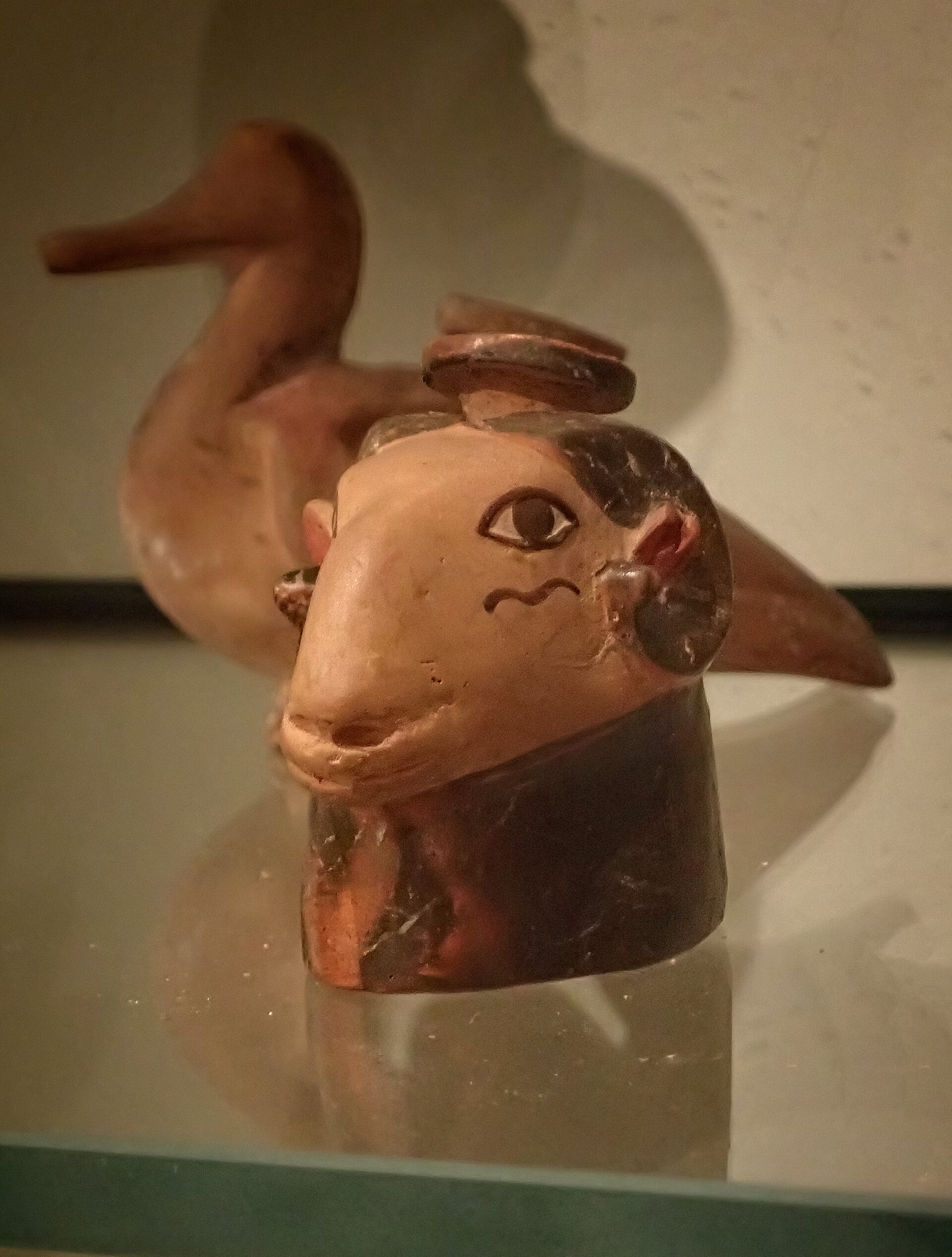 Aryballos in the shape of a sheep or ram protome Greek Hellenistic Ashmolean Museum. Object from the collection: Ashmolean Museum: Antiquities.
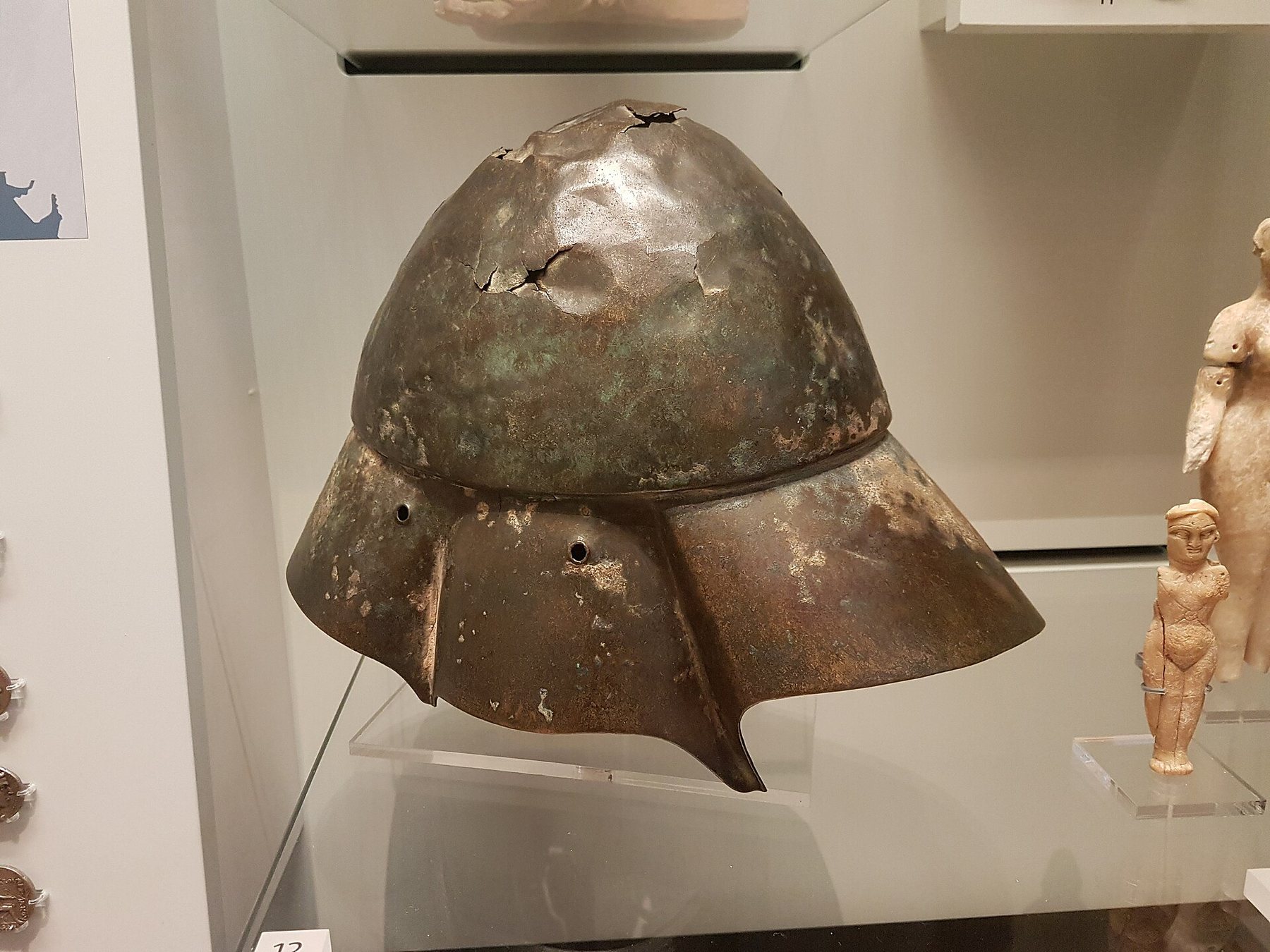 Boeotian helmet, 4th century BC. Object from the collection: Ashmolean Museum: Antiquities.
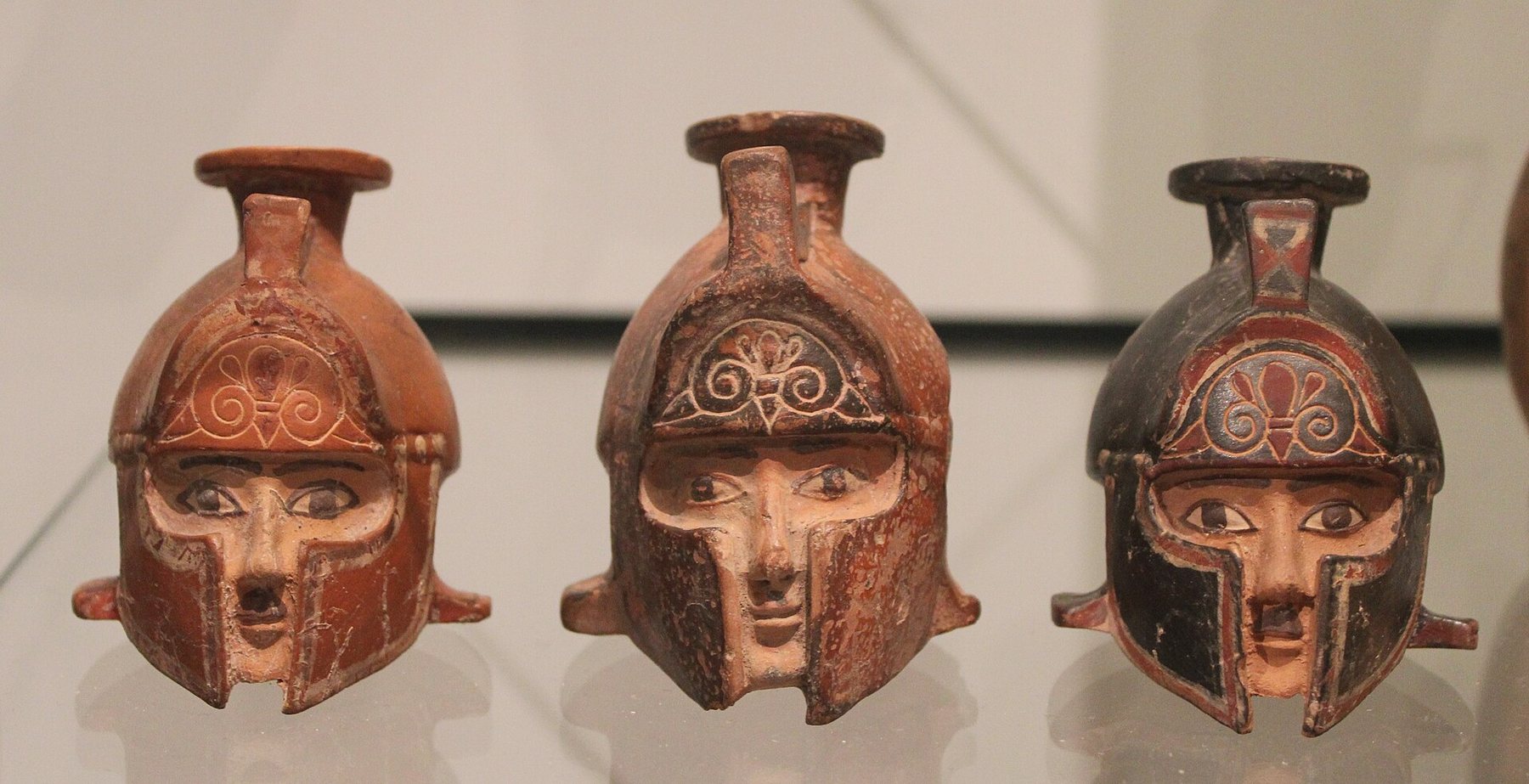 Three warrior head vases Ashmolean. Object from the collection: Ashmolean Museum: Antiquities.
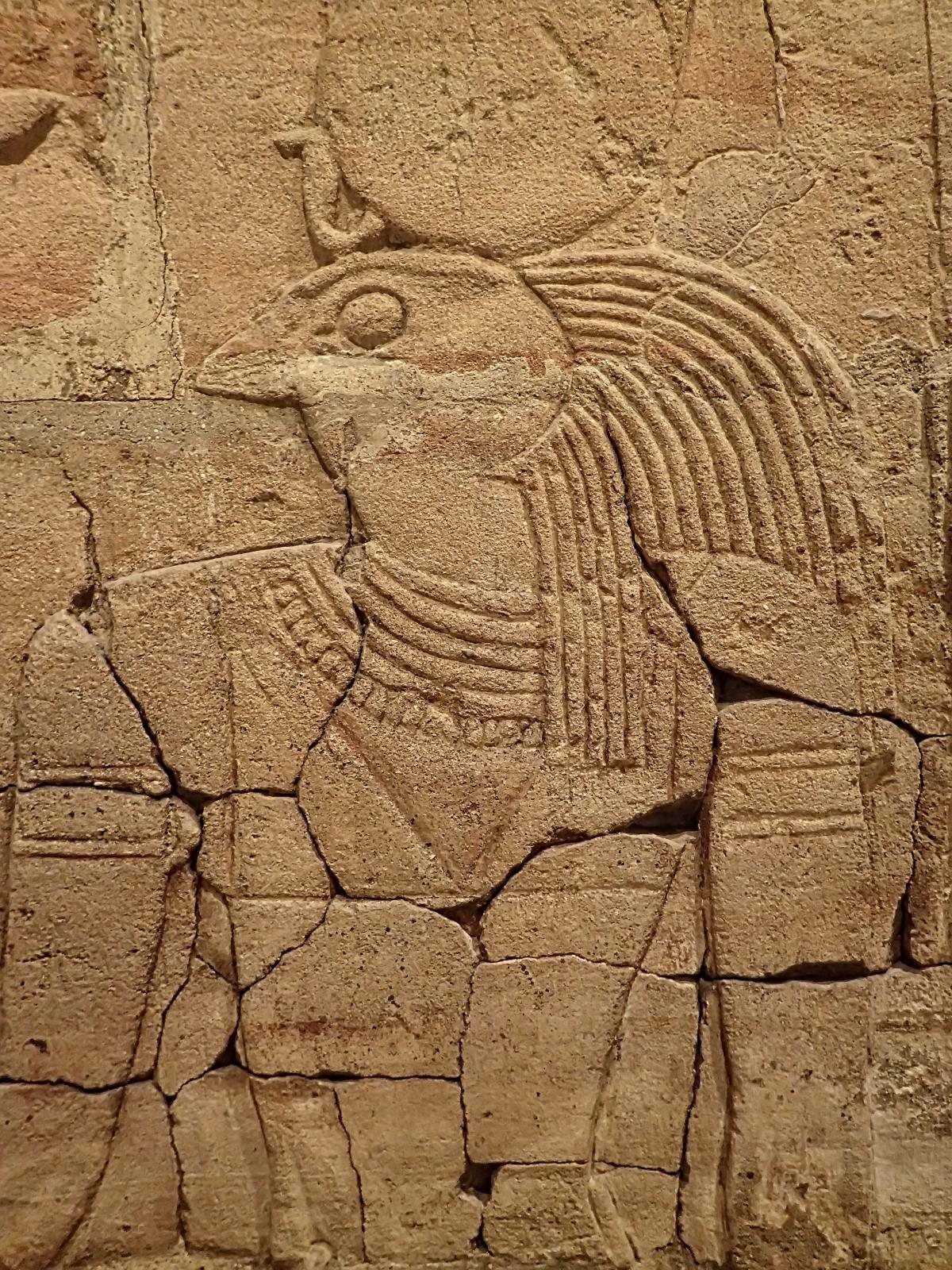 Closeup of relief depicting Horus on the Shrine of the 25th dynasty pharaoh and Kushite King Taharqa Egypt 7th century BCE (28159797415). Object from the collection: Ashmolean Museum: Antiquities.
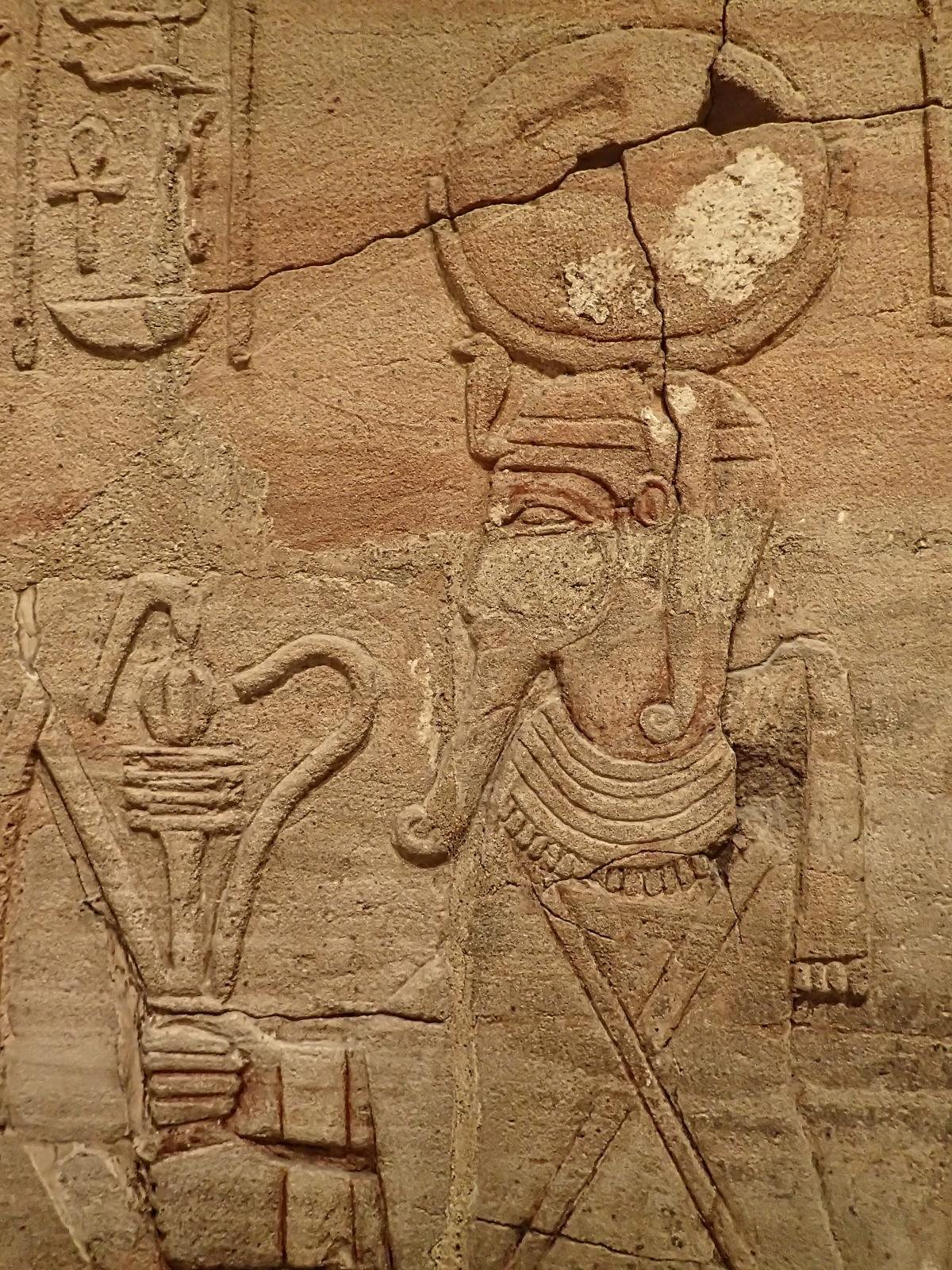 Closeup of relief on the Shrine of the 25th dynasty pharaoh and Kushite King Taharqa Egypt 7th century BCE (7) (28159799385). Object from the collection: Ashmolean Museum: Antiquities.
Interested in Ancient Rome beyond reading? Join Legio X Fretensis or explore our reenactment directions.


