Vindolanda Museum
Vindolanda Museum is a museum of a fort and frontier settlement where organic finds are especially important. It complements large capital collections with evidence from the northern frontier of Roman Britain.
Vindolanda is known for writing tablets, footwear, wooden and leather objects, textiles, everyday items and military daily life. For reconstruction it is a rare collection where fragile materials, not only stone and bronze, are visible.
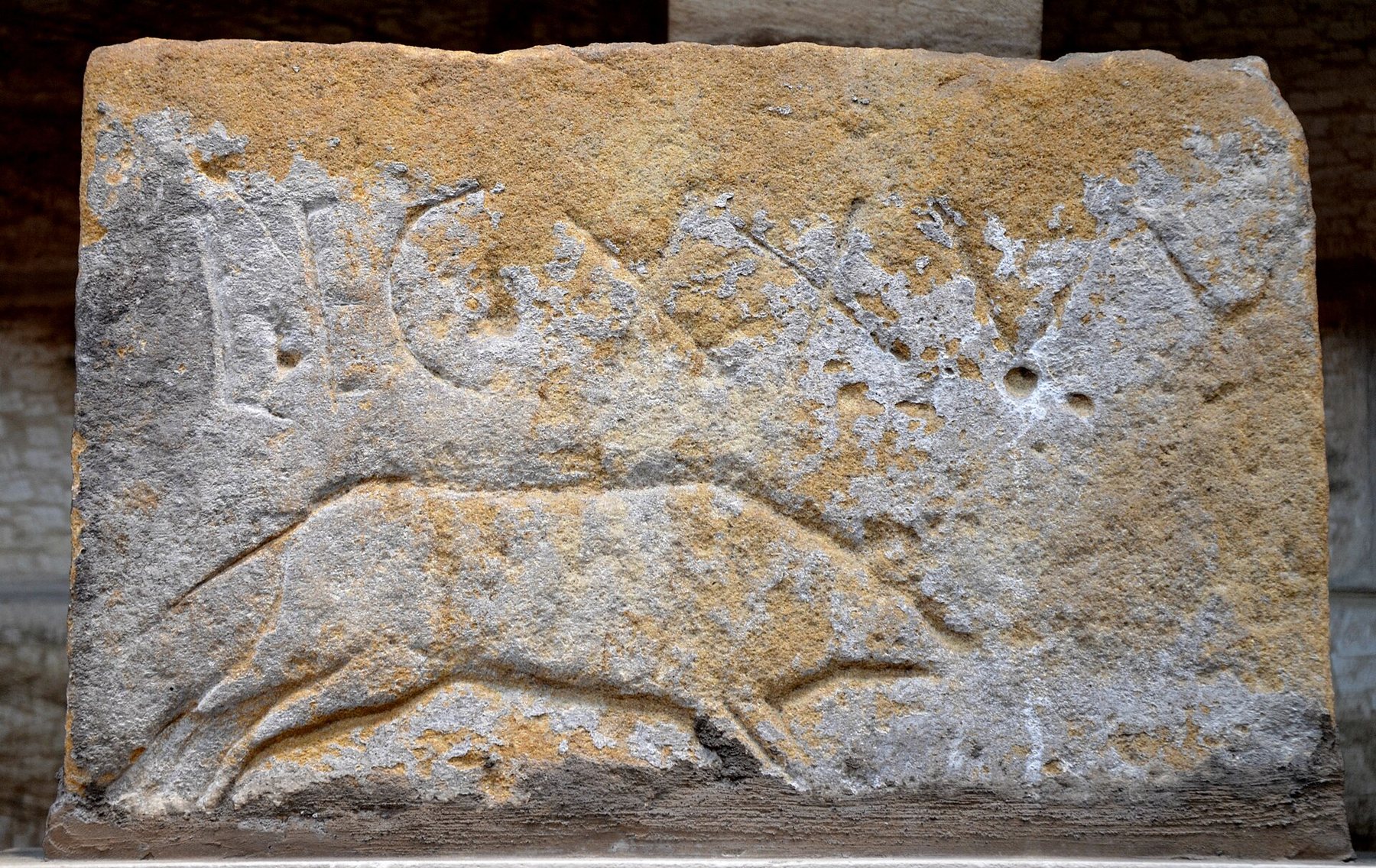 Vindolanda Museum: Building Stone of the Twentieth Legion Valeria Victrix, found near Vindolanda, RIB 170, Clayton Museum, Chesters Roman Fort, Hadrian's Wall (44808152812).
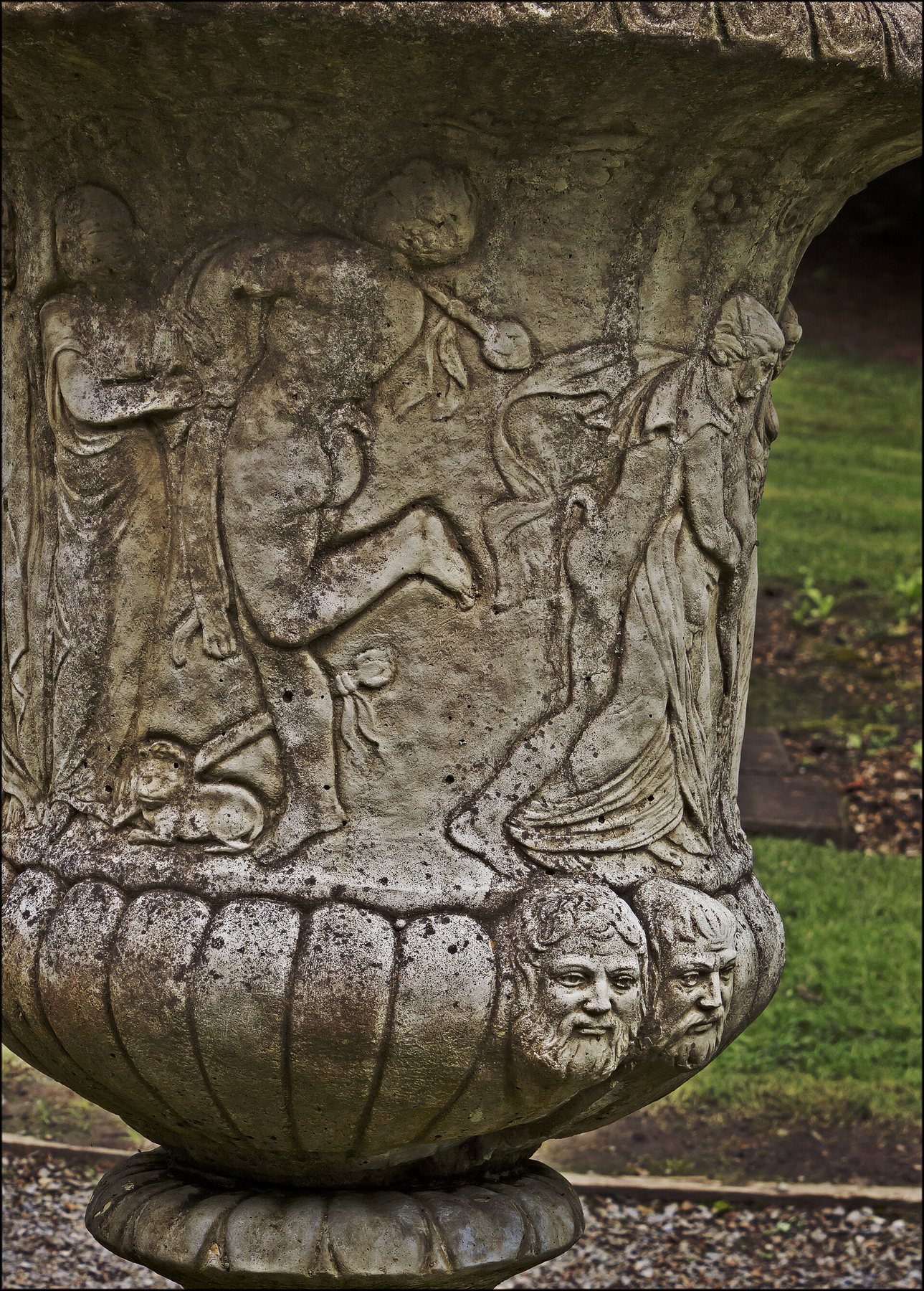 Vindolanda Museum: Reproduction Roman Urn at Chesterholm Open-air Museum, Vindolanda (9138986376).
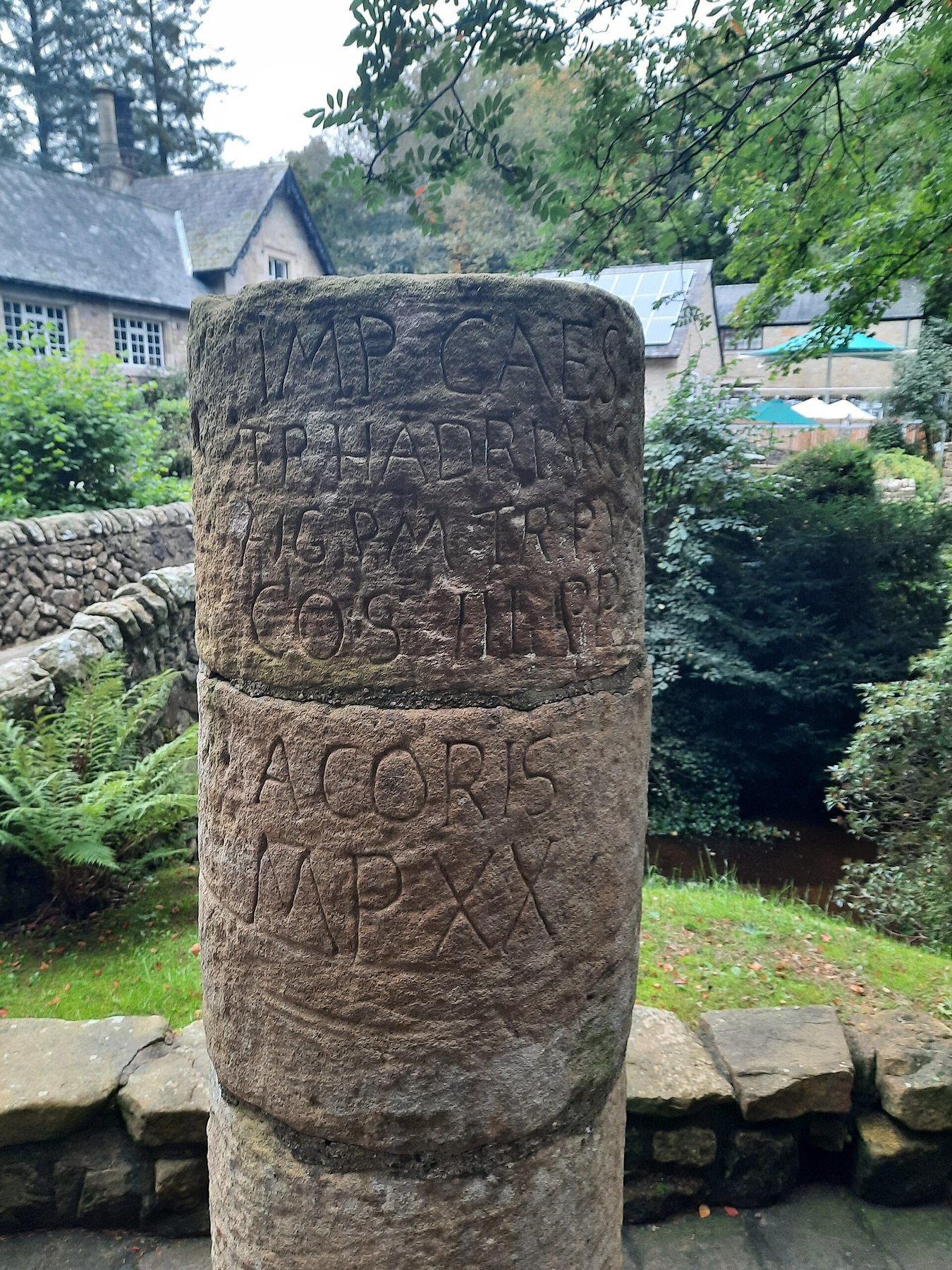 Vindolanda Museum: Vindolanda Roman Fort - Museum - 51595195362.
Collection and Historical Context
Vindolanda's preservation is exceptional because of local conditions. Its material cannot be treated as normal for all Roman forts, but it reveals what usually disappears from the archaeological record.
Display and Main Materials
Writing tablets, leather footwear, wooden vessels and tools, textile traces, small everyday objects, arms and the link between finds, fort, vicus and Hadrian's Wall are central. The objects should be read as a set of everyday solutions on a frontier.
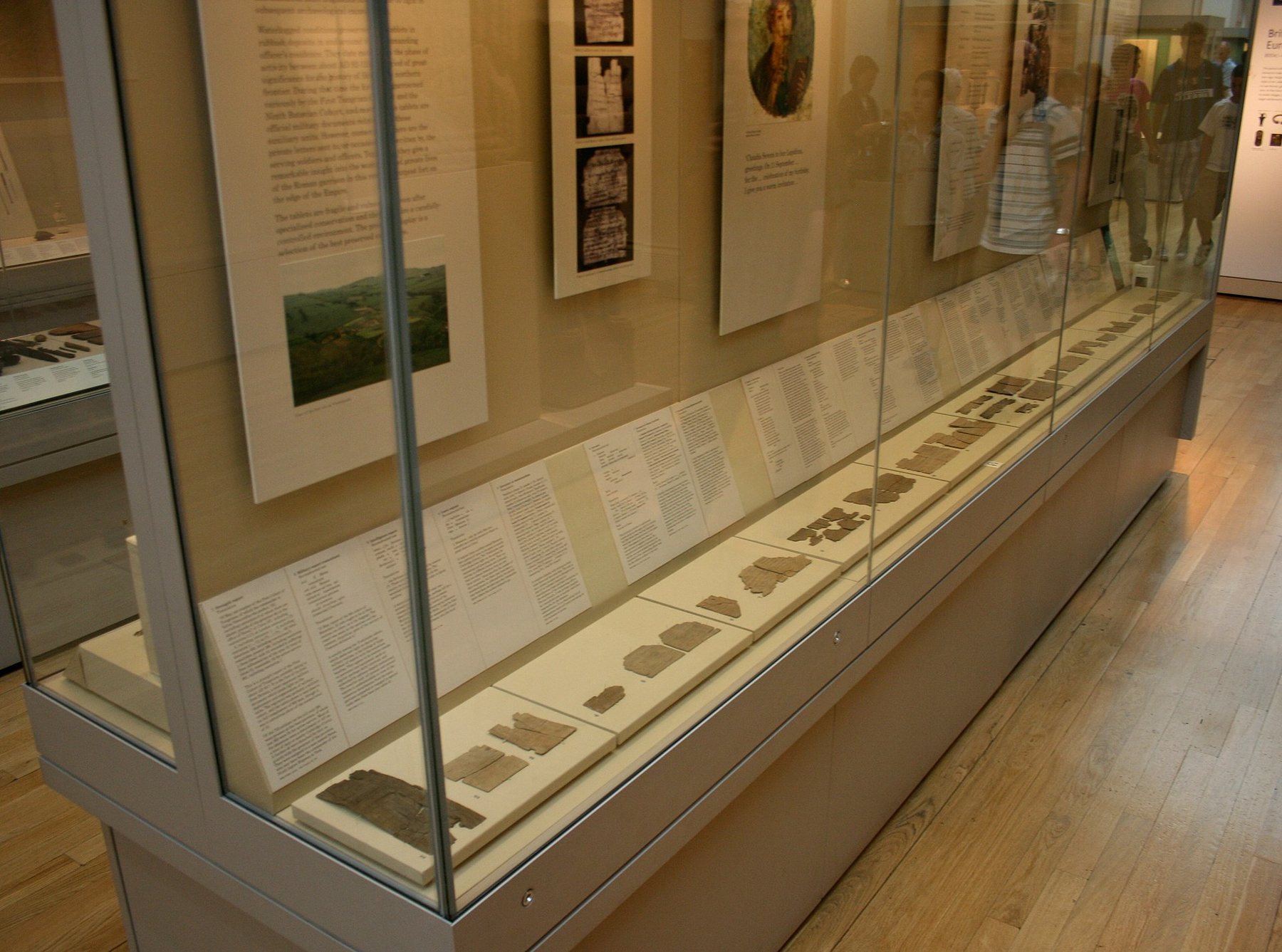 Vindolanda tablets 2. Object from the collection: Vindolanda Museum.
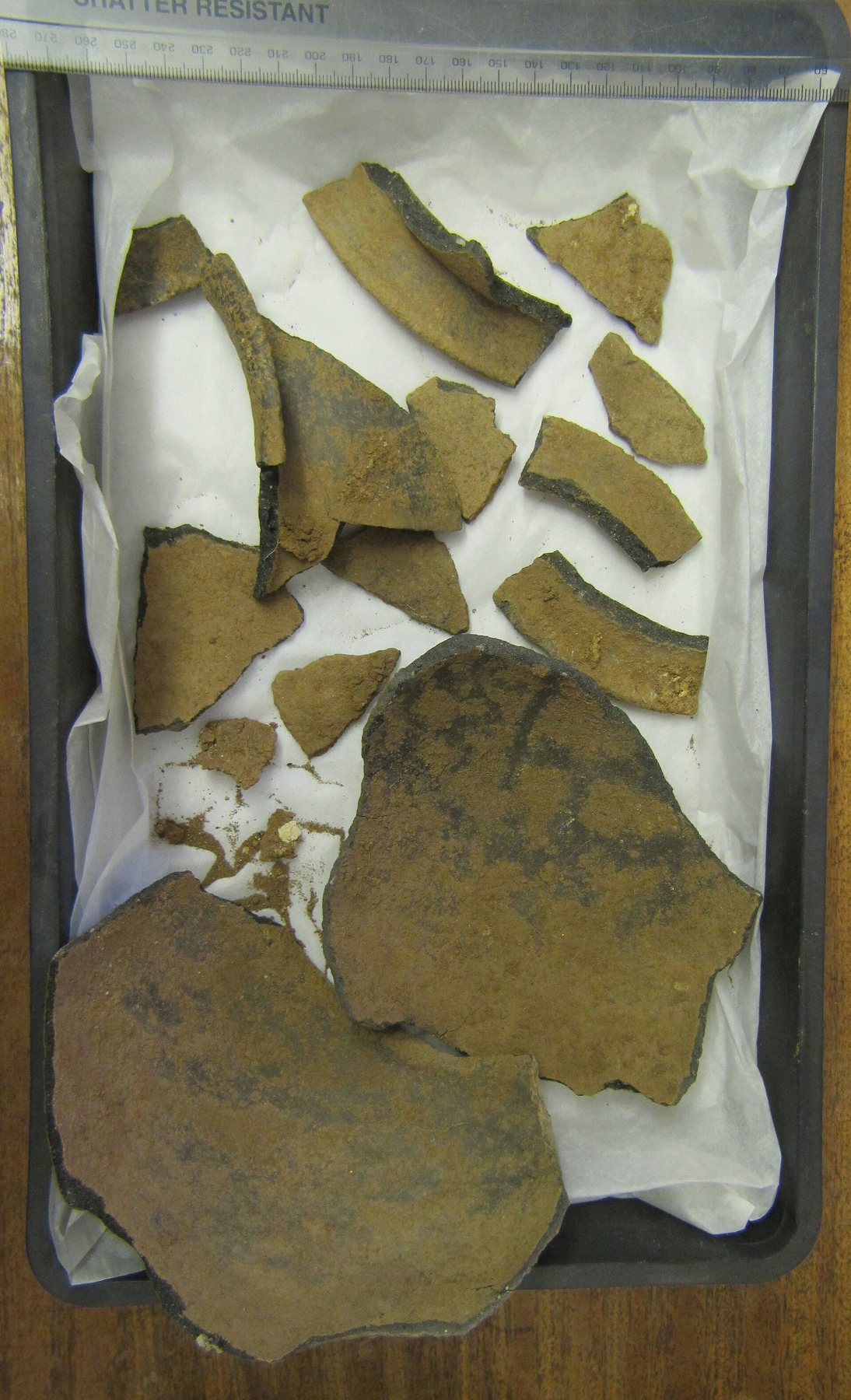 Iron Age or Roman pottery. Object from the collection: Vindolanda Museum.
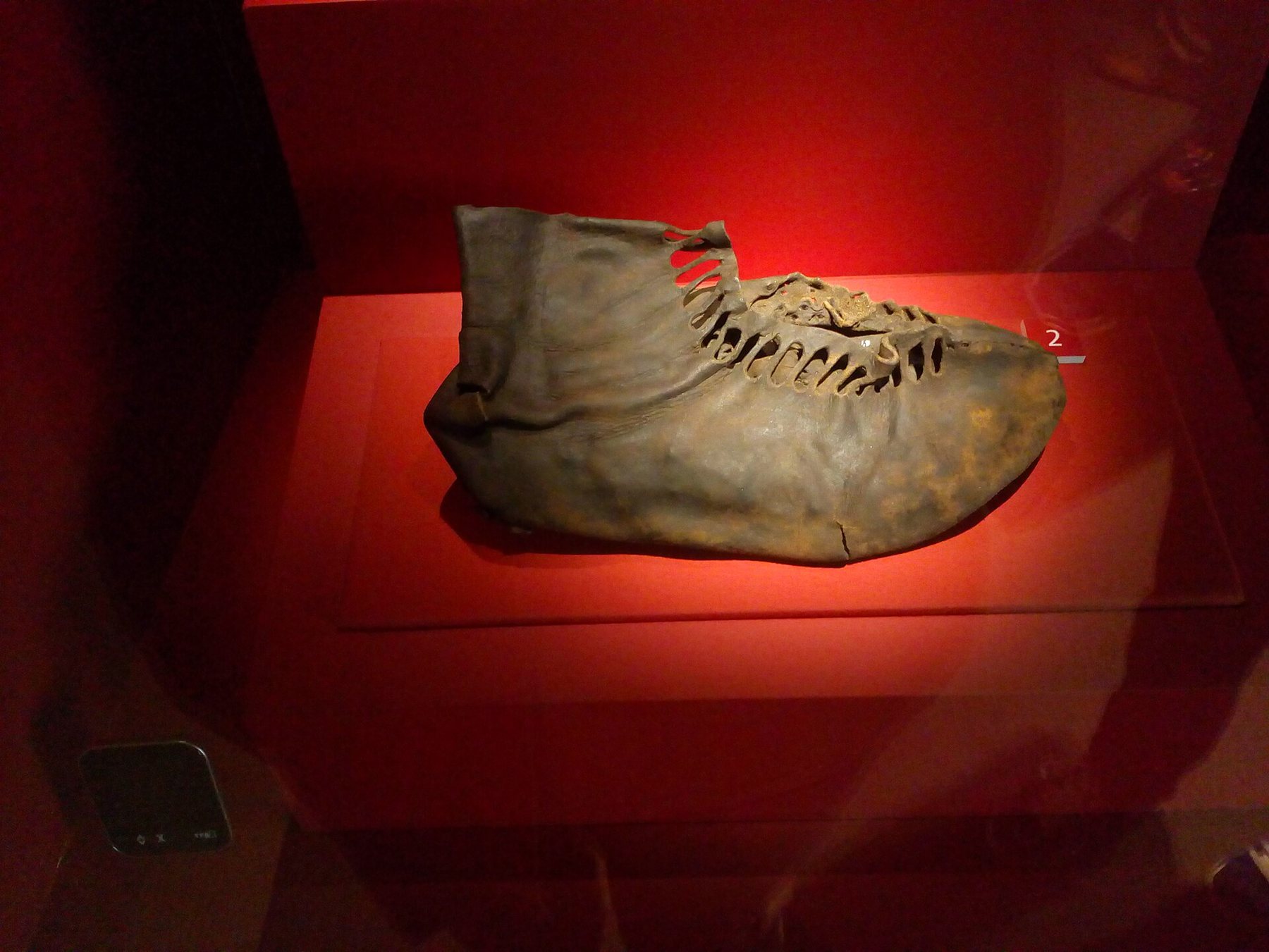 Vindolanda Roman shoe in the museum. Object from the collection: Vindolanda Museum.
Related Topics
- Museums of Antiquity
- British Museum and Antiquity
- Mainz Museums of Antiquity
- Archaeology and museums
- Vindolanda: fort and settlement
Official Pages and Catalogues


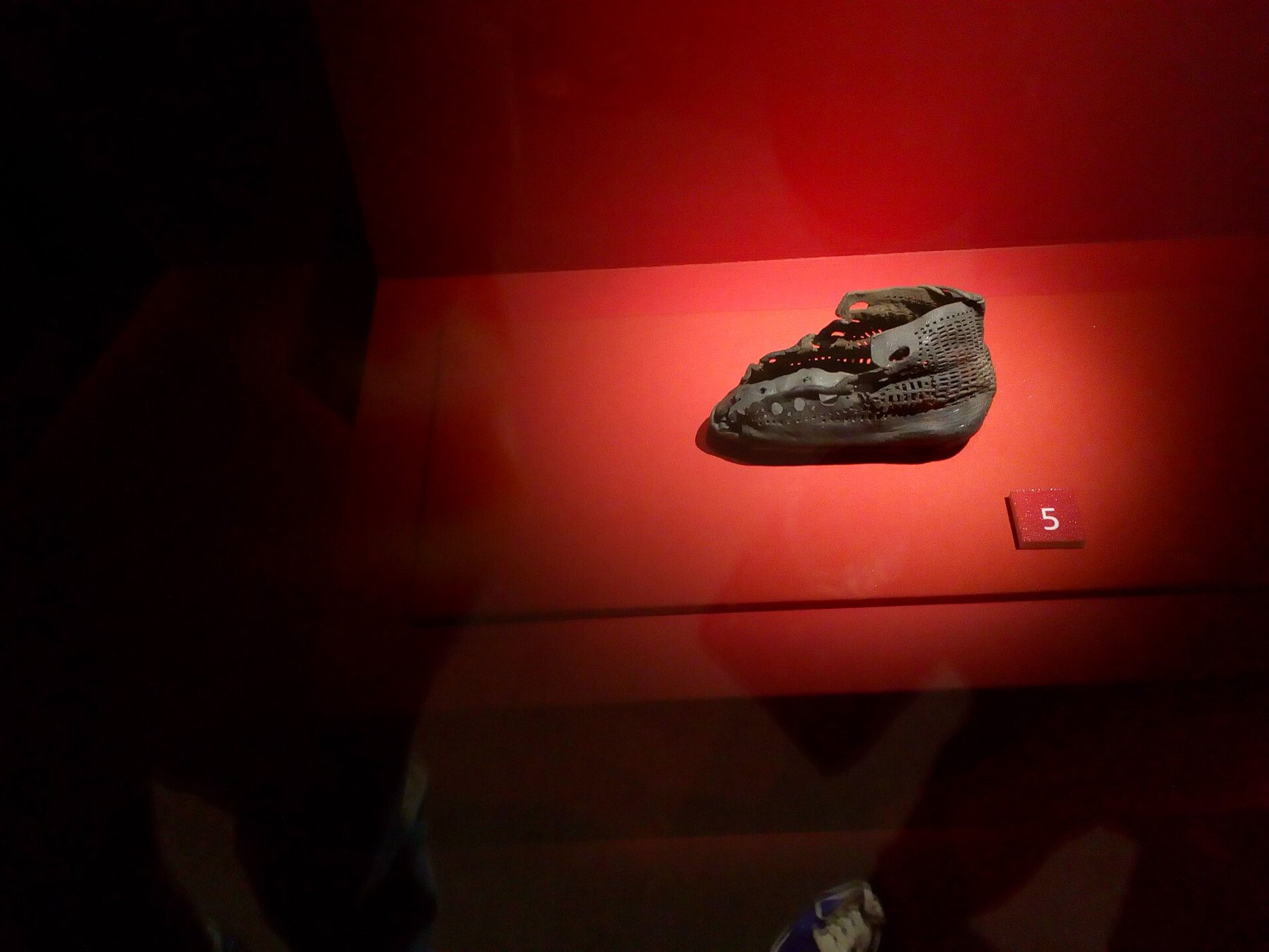 Vindolanda Roman shoe in the museum 2. Object from the collection: Vindolanda Museum.
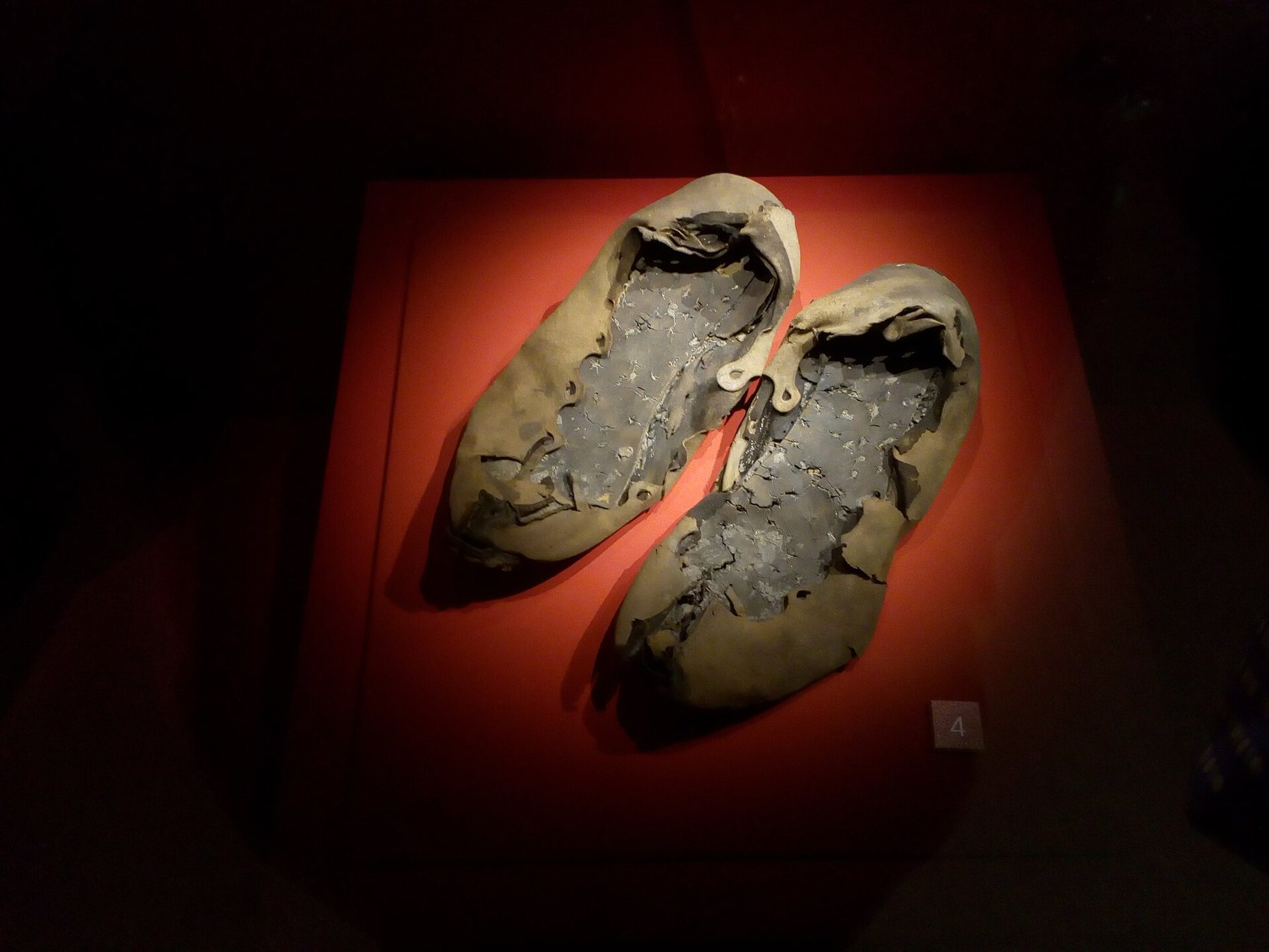 Vindolanda Roman shoes in the museum. Object from the collection: Vindolanda Museum.
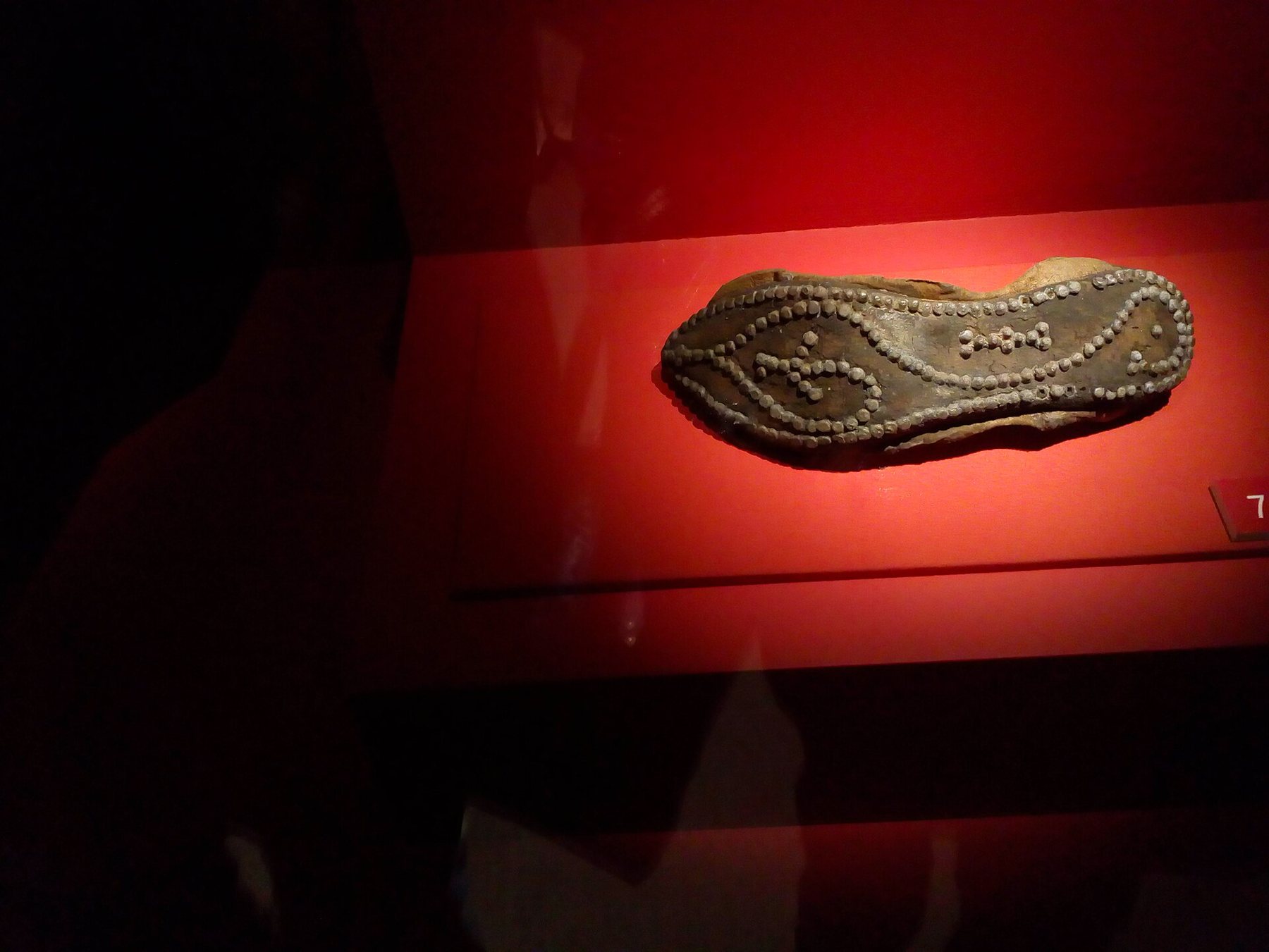 Vindolanda fancy Roman shoes in the museum. Object from the collection: Vindolanda Museum.
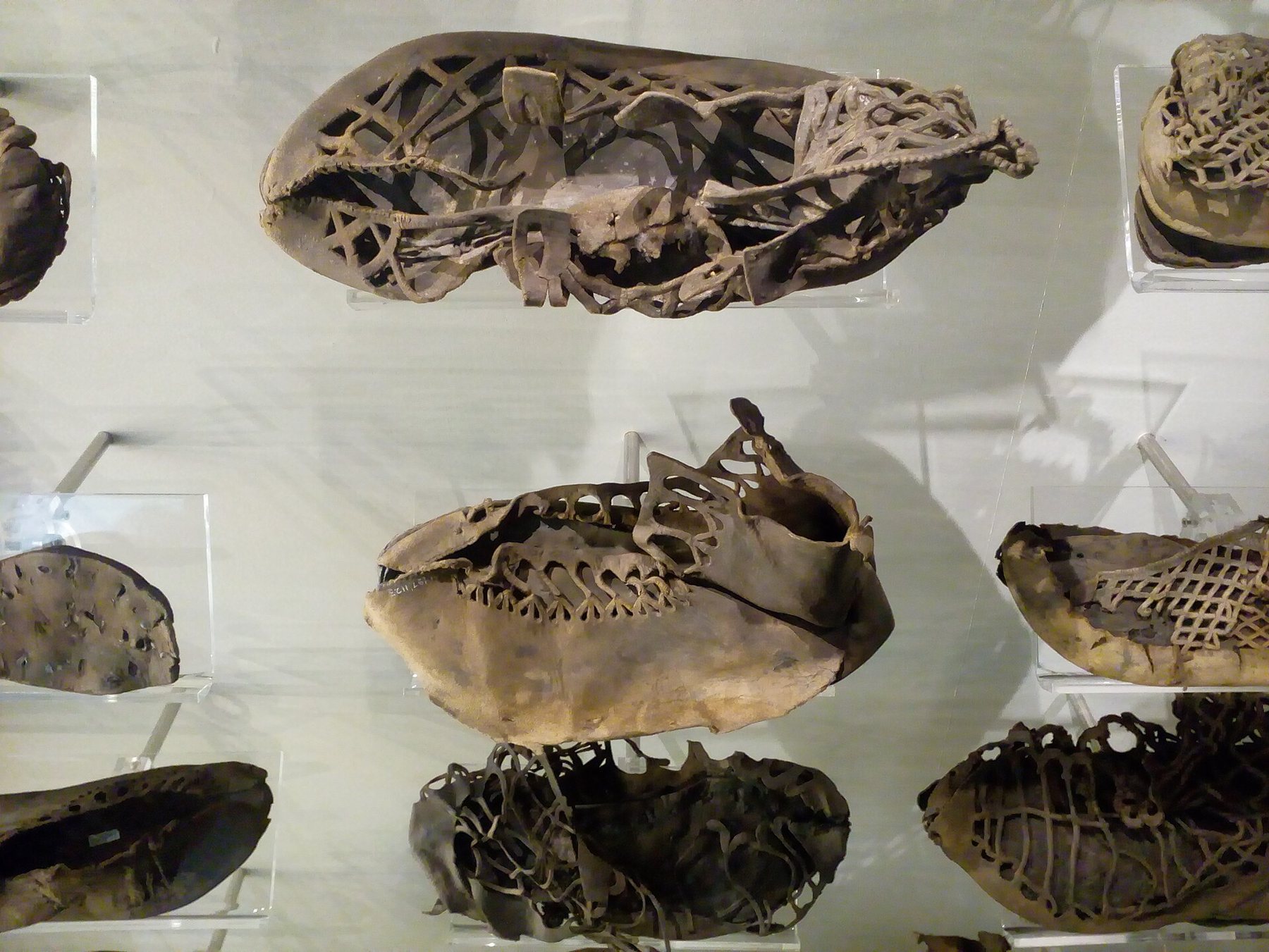 Vindolanda lots of Roman shoes in the museum. Object from the collection: Vindolanda Museum.
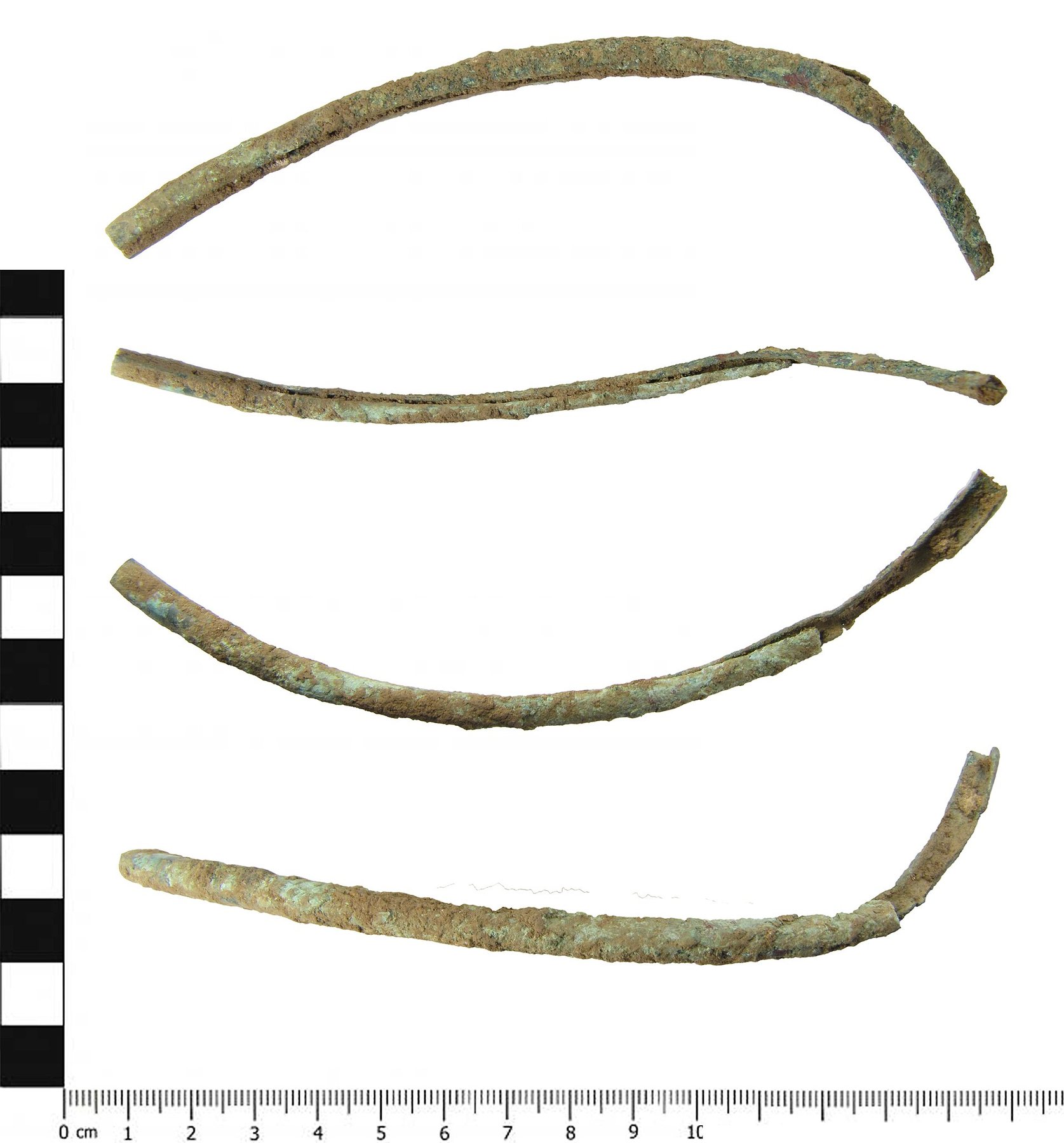 Iron Age strainer fragment. Object from the collection: Vindolanda Museum.
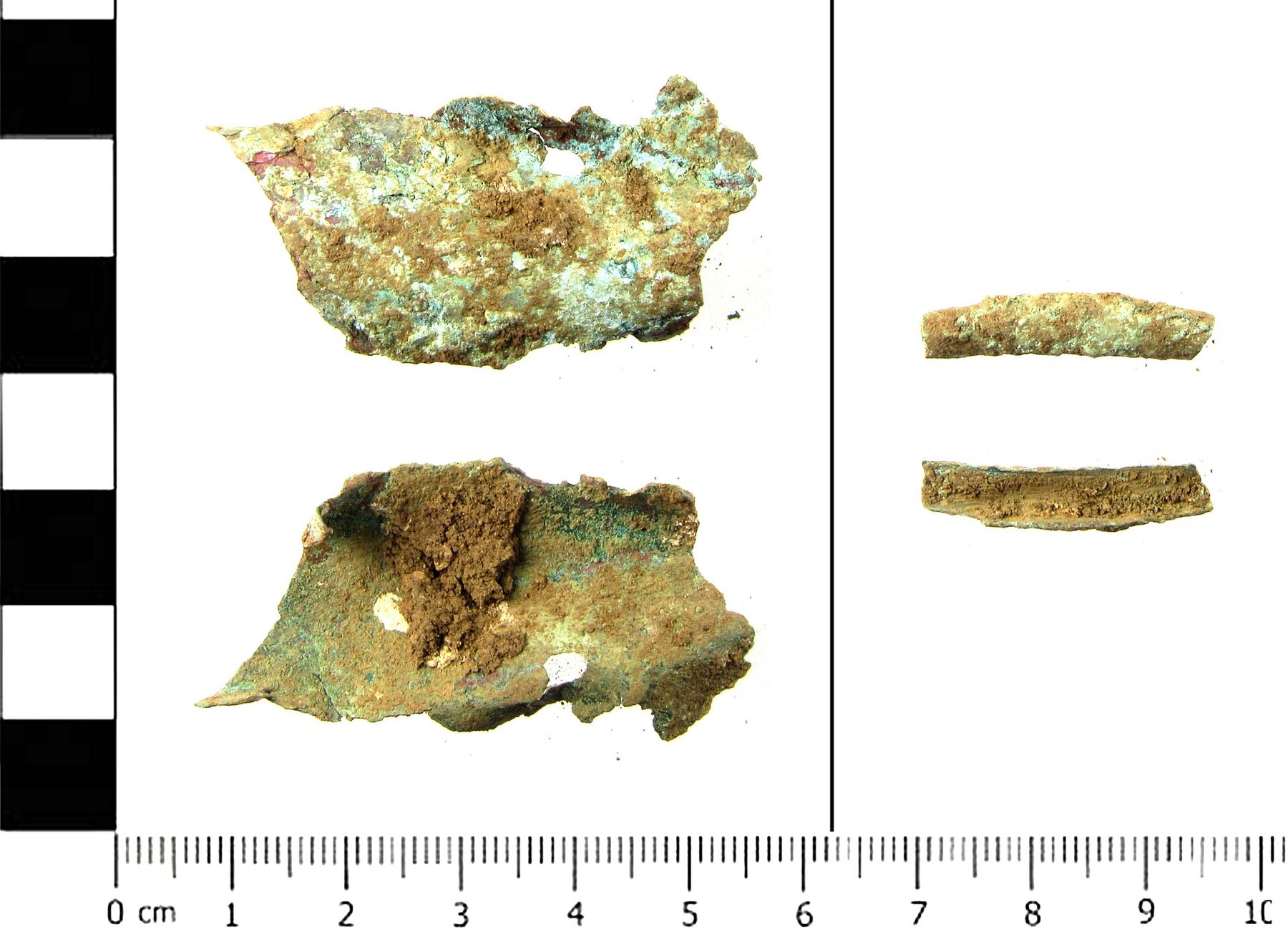 Strainer fragment (FindID 741751). Object from the collection: Vindolanda Museum.
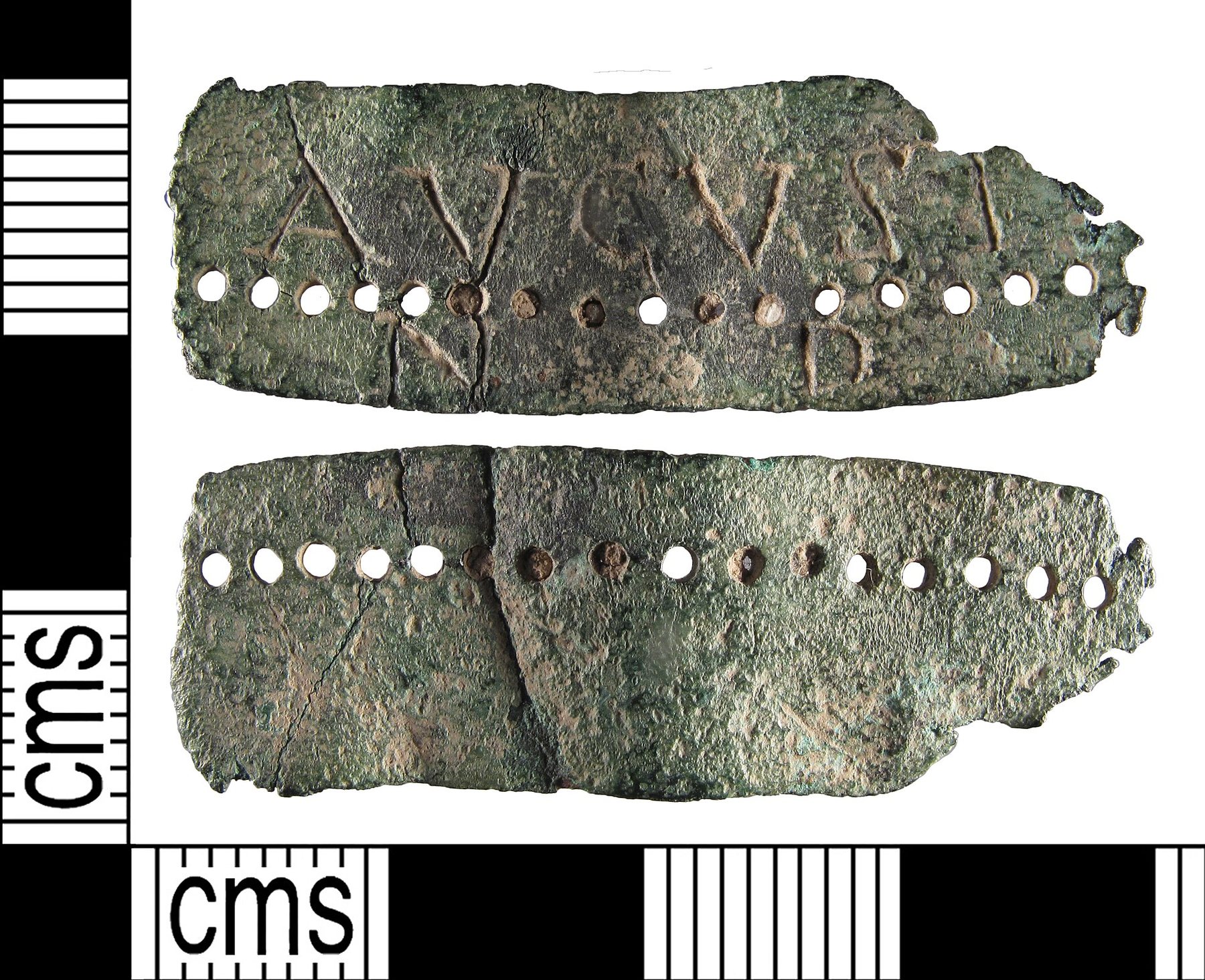 A fragment of a copper alloy Roman timepiece, AD.100-400. Object from the collection: Vindolanda Museum.
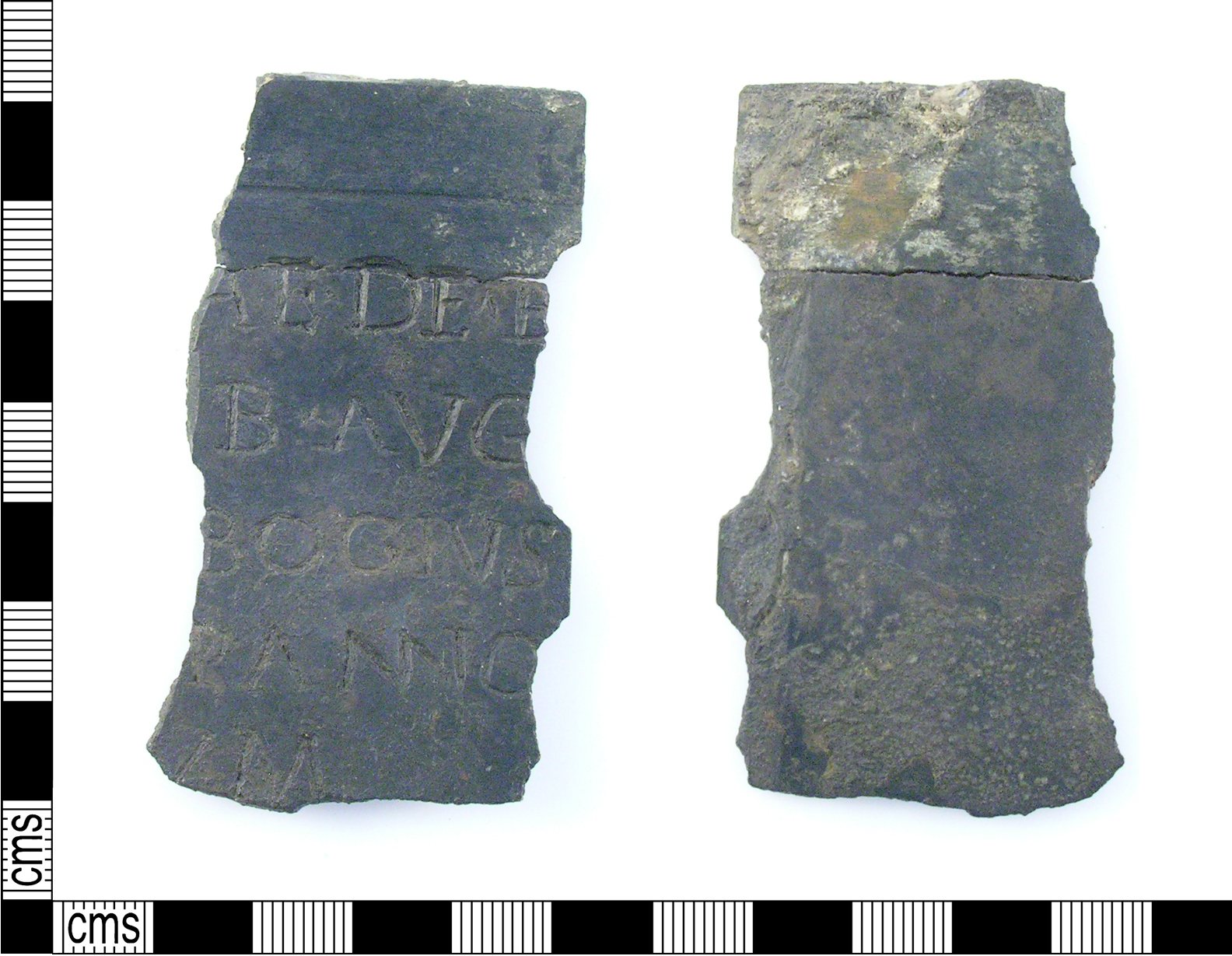 Two fragments of a Roman plaque with inscription. Object from the collection: Vindolanda Museum.
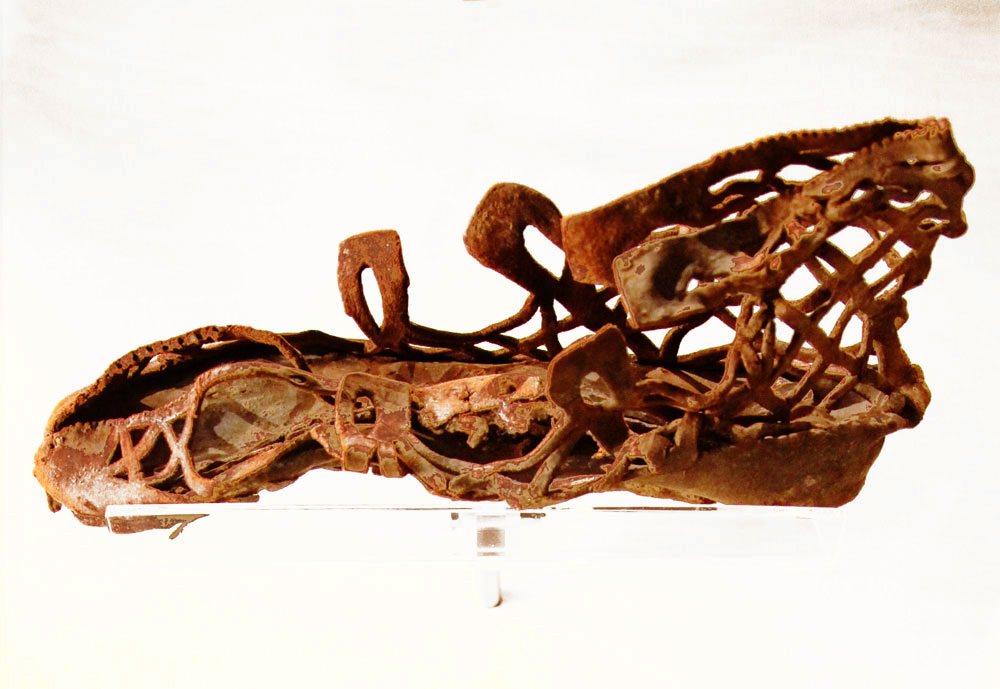 Vindolanda Museum Sandal 2014. Object from the collection: Vindolanda Museum.
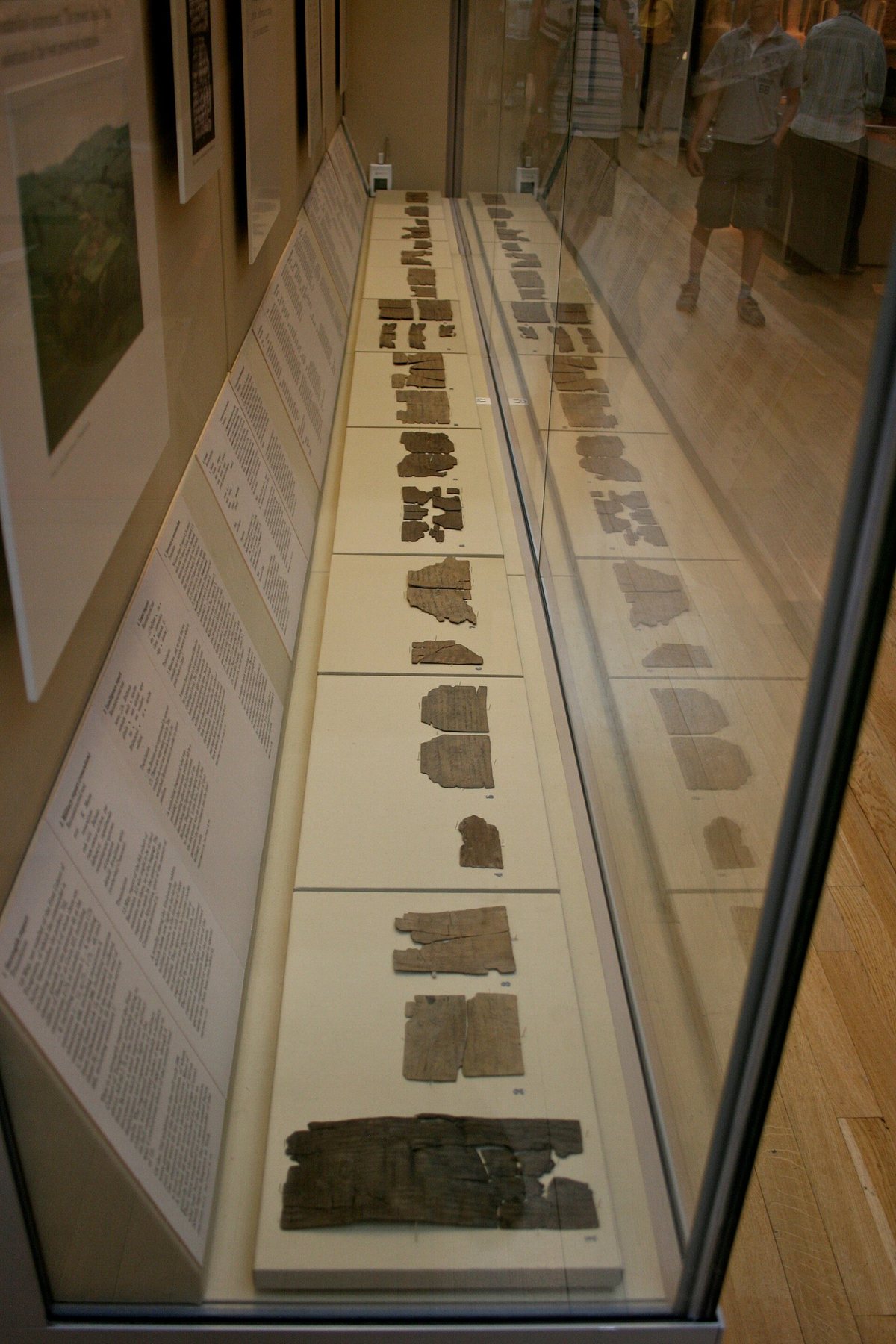 Vindolanda tablets. Object from the collection: Vindolanda Museum.
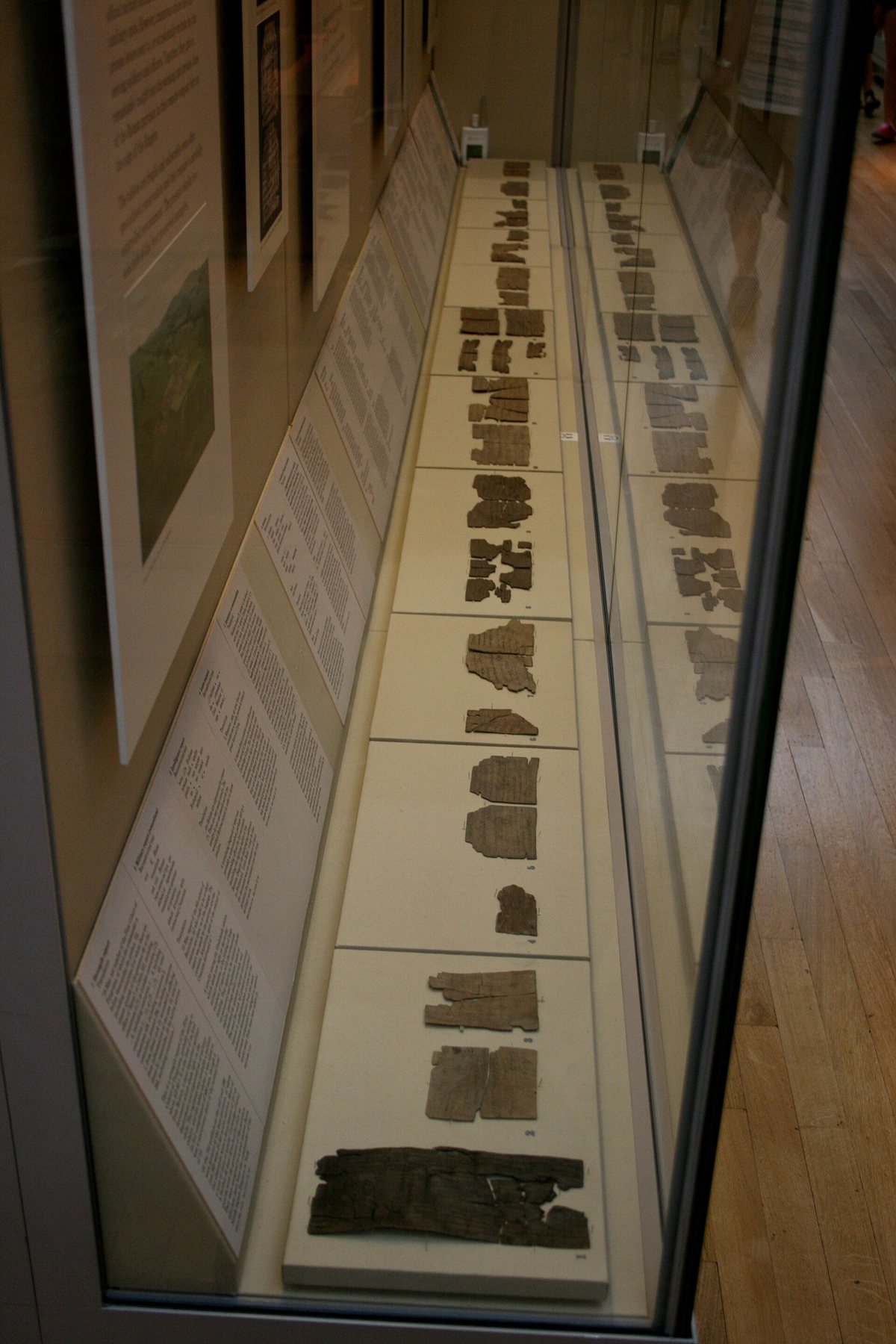 Vindolanda tablets 1. Object from the collection: Vindolanda Museum.
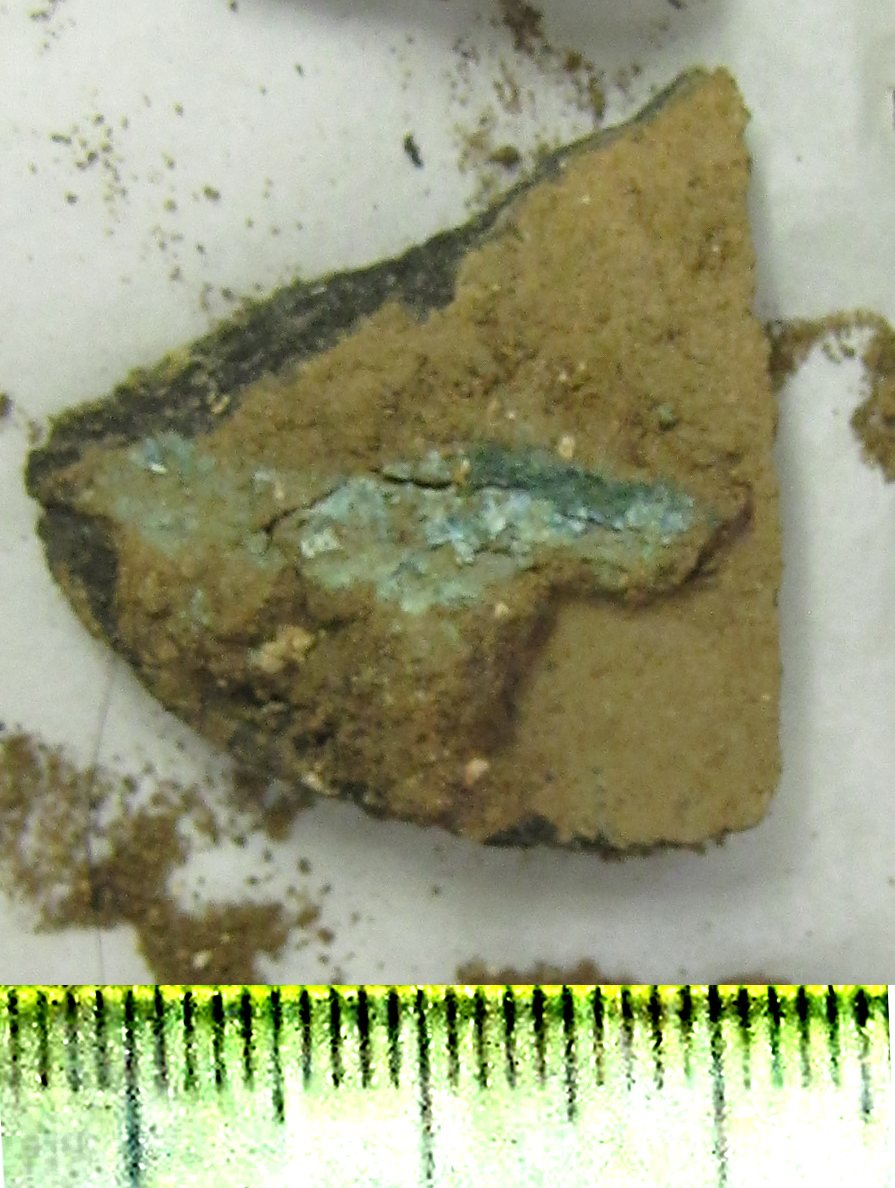 Pottery with copper alloy staining. Object from the collection: Vindolanda Museum.
Interested in Ancient Rome beyond reading? Join Legio X Fretensis or explore our reenactment directions.


