MArTA: National Archaeological Museum of Taranto
MArTA in Taranto is a museum of South Italy and Magna Graecia. It shows the history of Taras, a Greek city in Italy, its contacts, elites, funerary practices and later Roman phase.
The museum expands the Italian group beyond Rome, Vesuvius and Etruria. It shows Greek Italy, pottery, gold, funerary assemblages and the transition from Greek urban culture to Roman control.
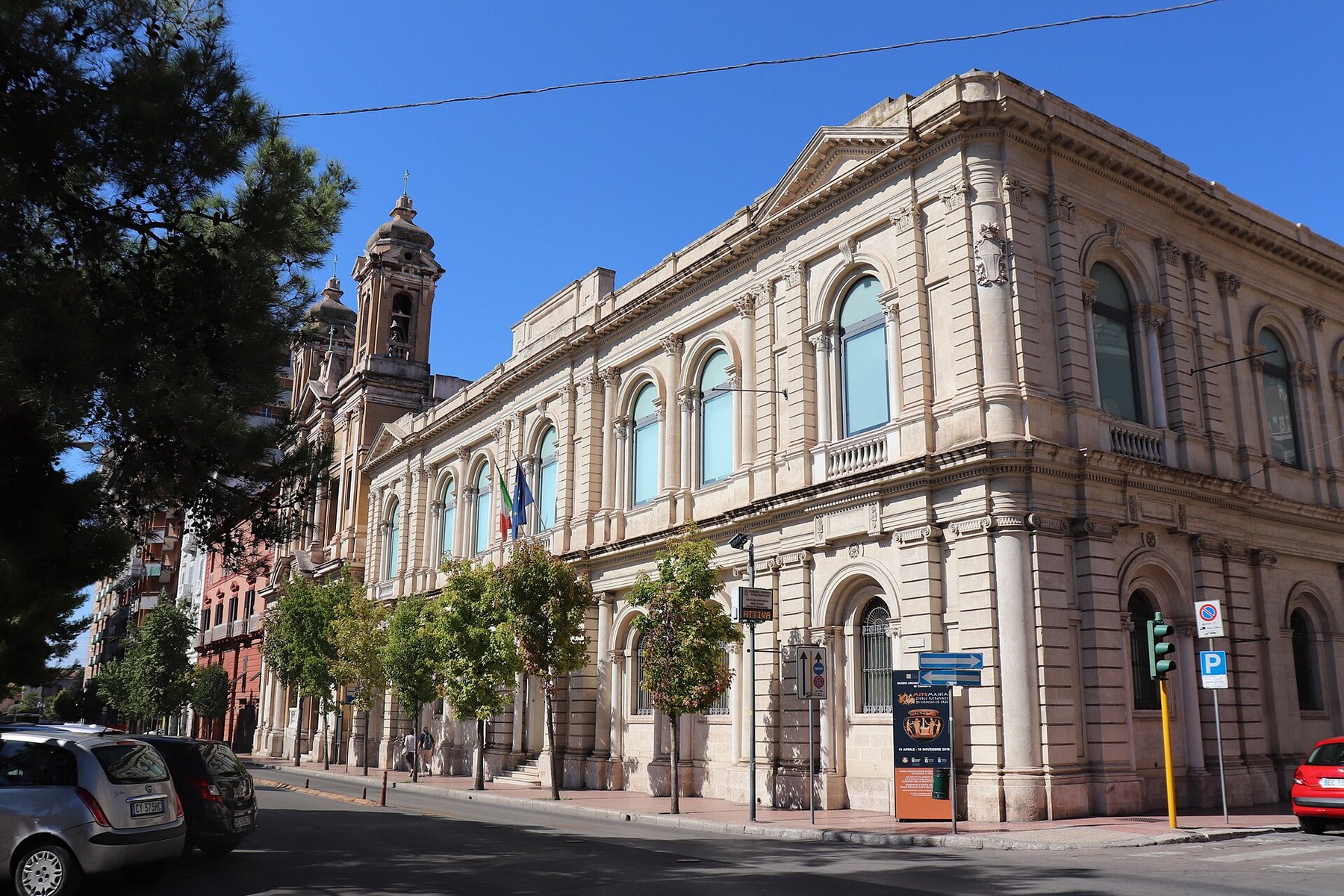 MArTA: National Archaeological Museum of Taranto: Museo archeologico nazionale di Taranto - MArTA.
Collection and Historical Context
MArTA should not be reduced to beautiful gold or vases. The more important issue is how a Greek colonial tradition lived in Italy and changed through contact with neighbours and Rome.
Display and Main Materials
South Italian pottery, gold jewellery, funerary finds, terracottas, sculpture, coins and elite material from Taras deserve attention. The link between objects, cemeteries and local identity is especially important.
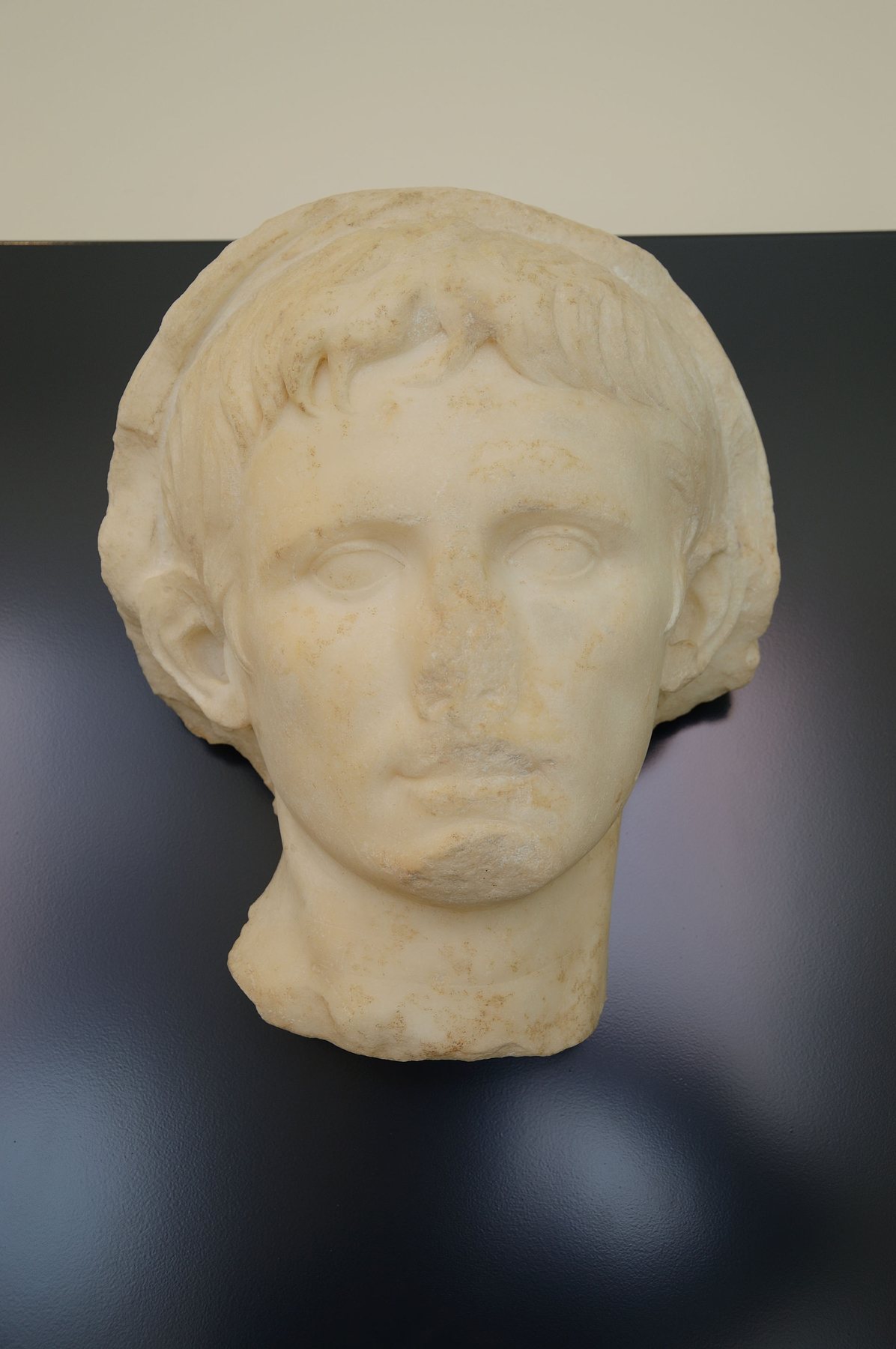 Portrait of Augustus "Capite velato" in Museo archeologico nazionale (Taranto). Object from the collection: MArTA: National Archaeological Museum of Taranto.
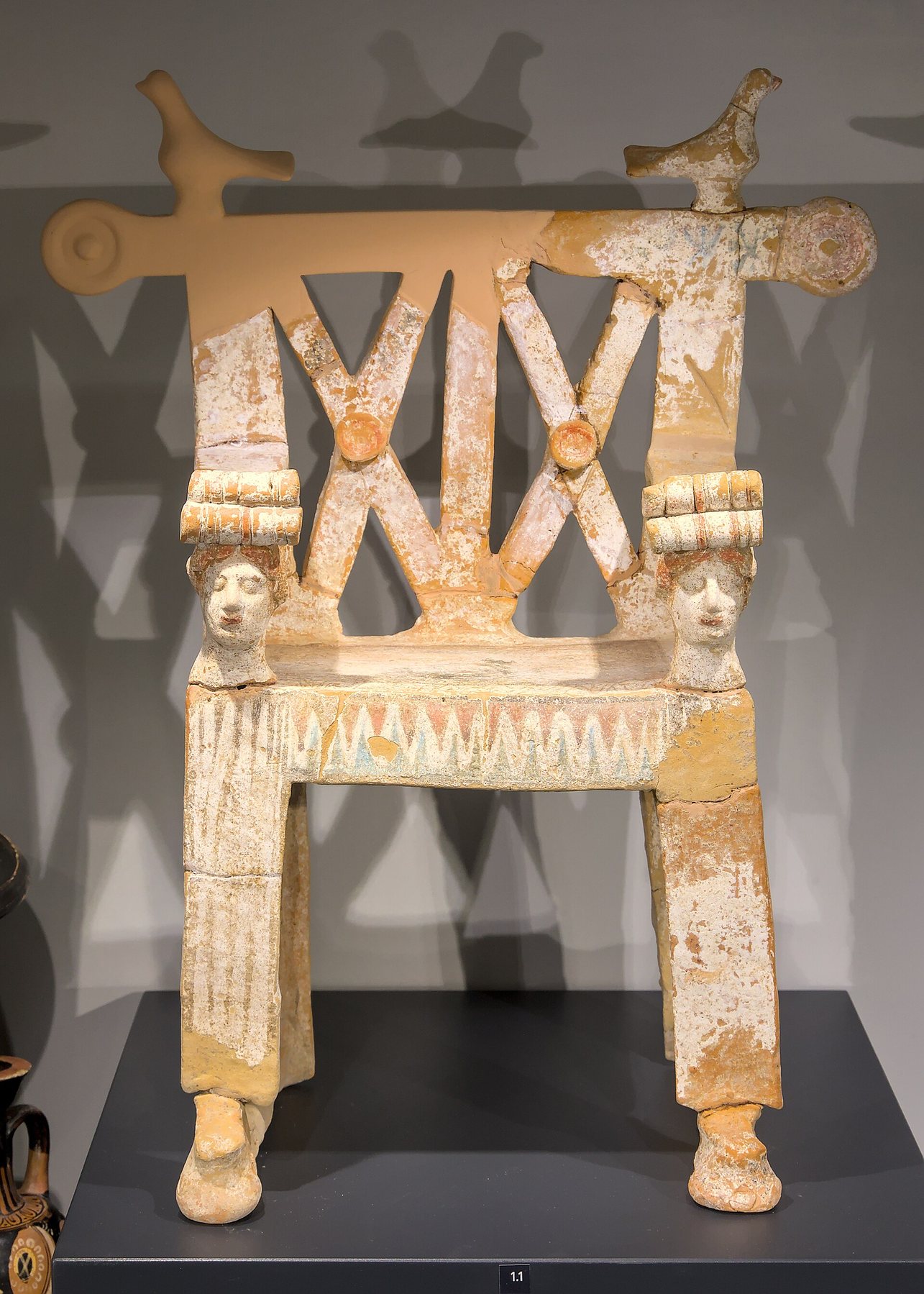 Taranto - MArTA - Sedia in terracotta policroma. Object from the collection: MArTA: National Archaeological Museum of Taranto.
 Bust of Boy in Museum of Taranto. Object from the collection: MArTA: National Archaeological Museum of Taranto.
Related Topics
- Museums of Antiquity
- National Archaeological Museum of Naples
- National Etruscan Museum of Villa Giulia
- Paolo Orsi Regional Archaeological Museum
- Archaeology and museums
Official Pages and Catalogues


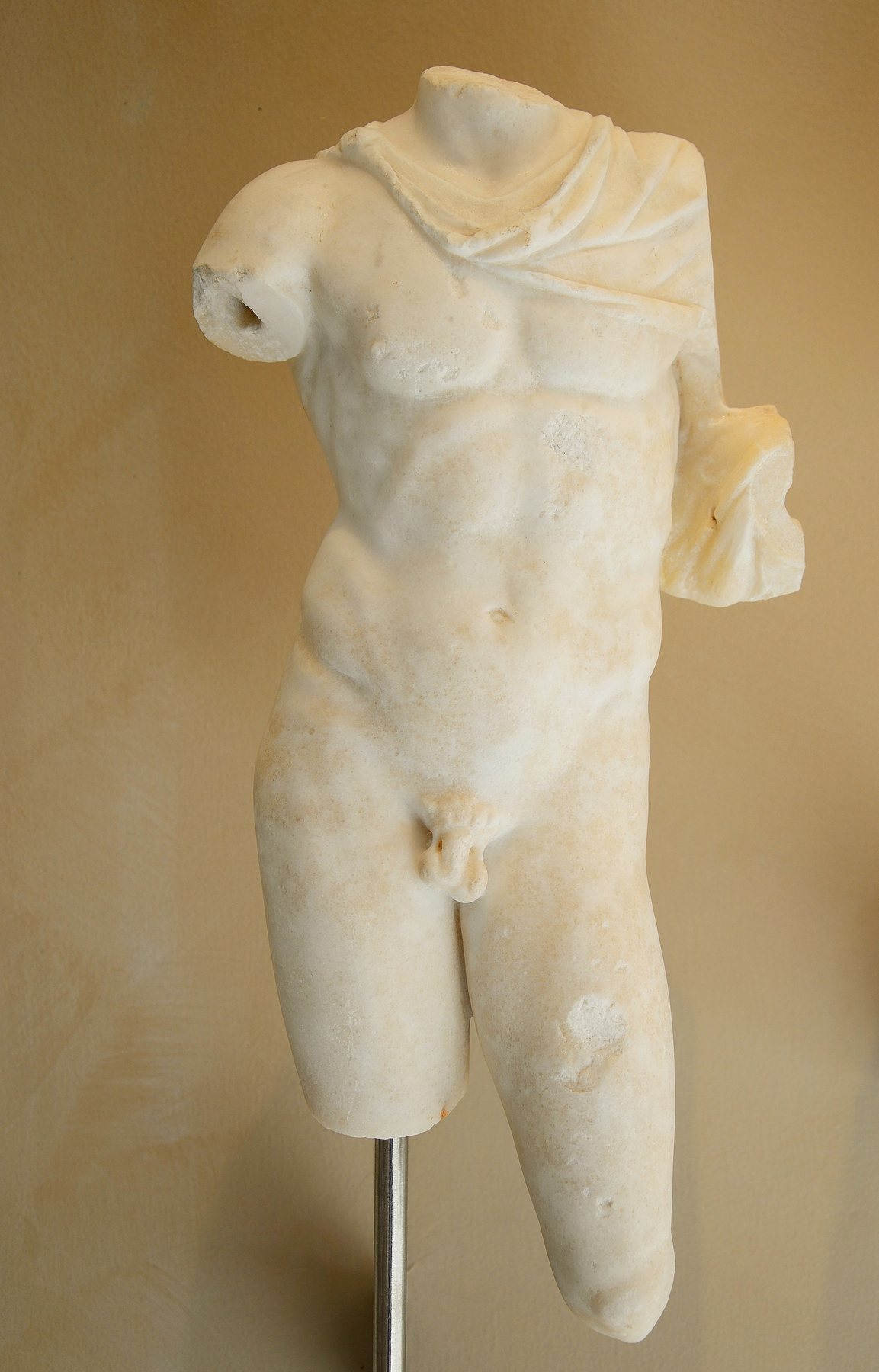 Bust of man in Museum of Taranto. Object from the collection: MArTA: National Archaeological Museum of Taranto.
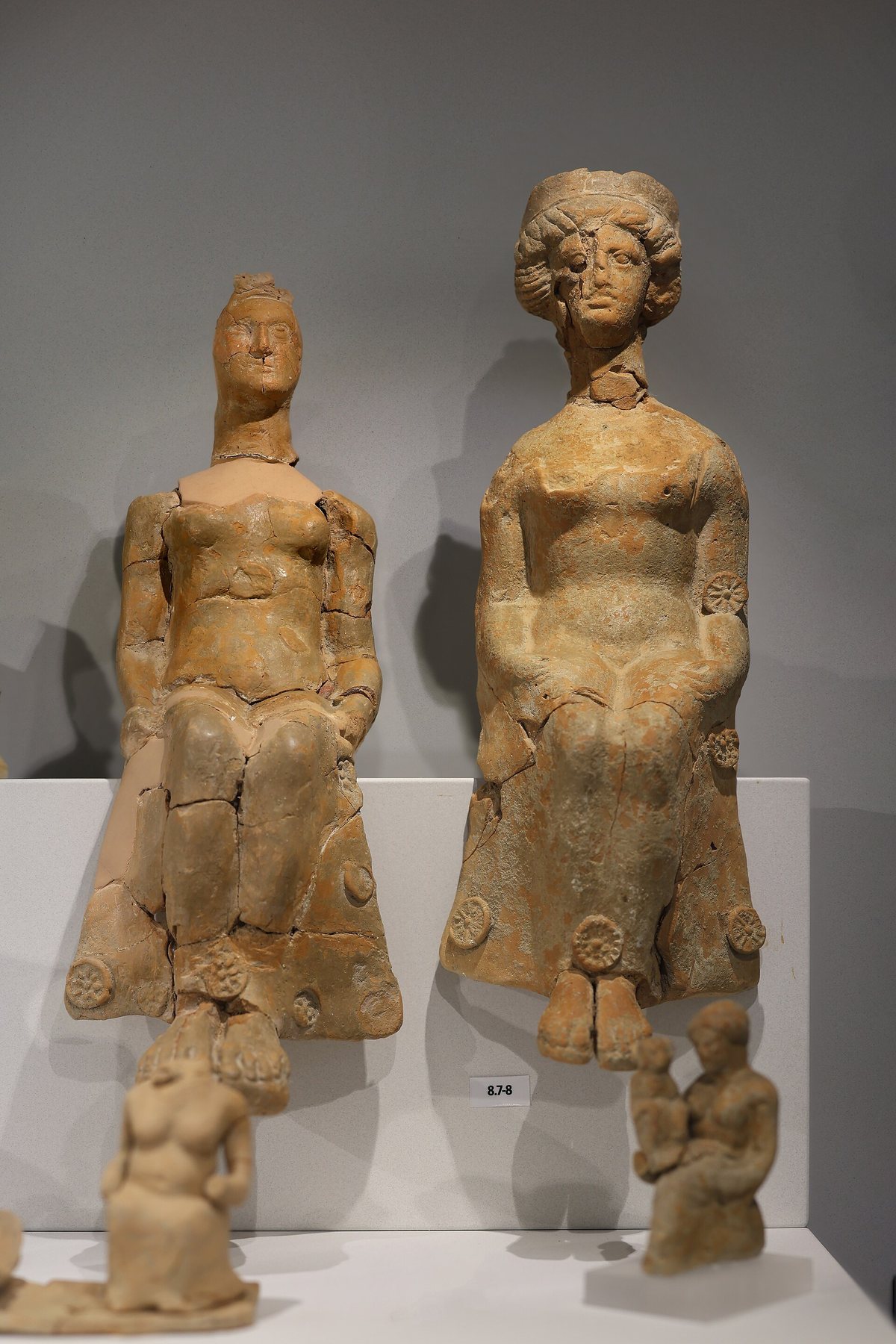 Statuettes of enthroned women, 350–325 BC. National Archaeological Museum of Taranto.
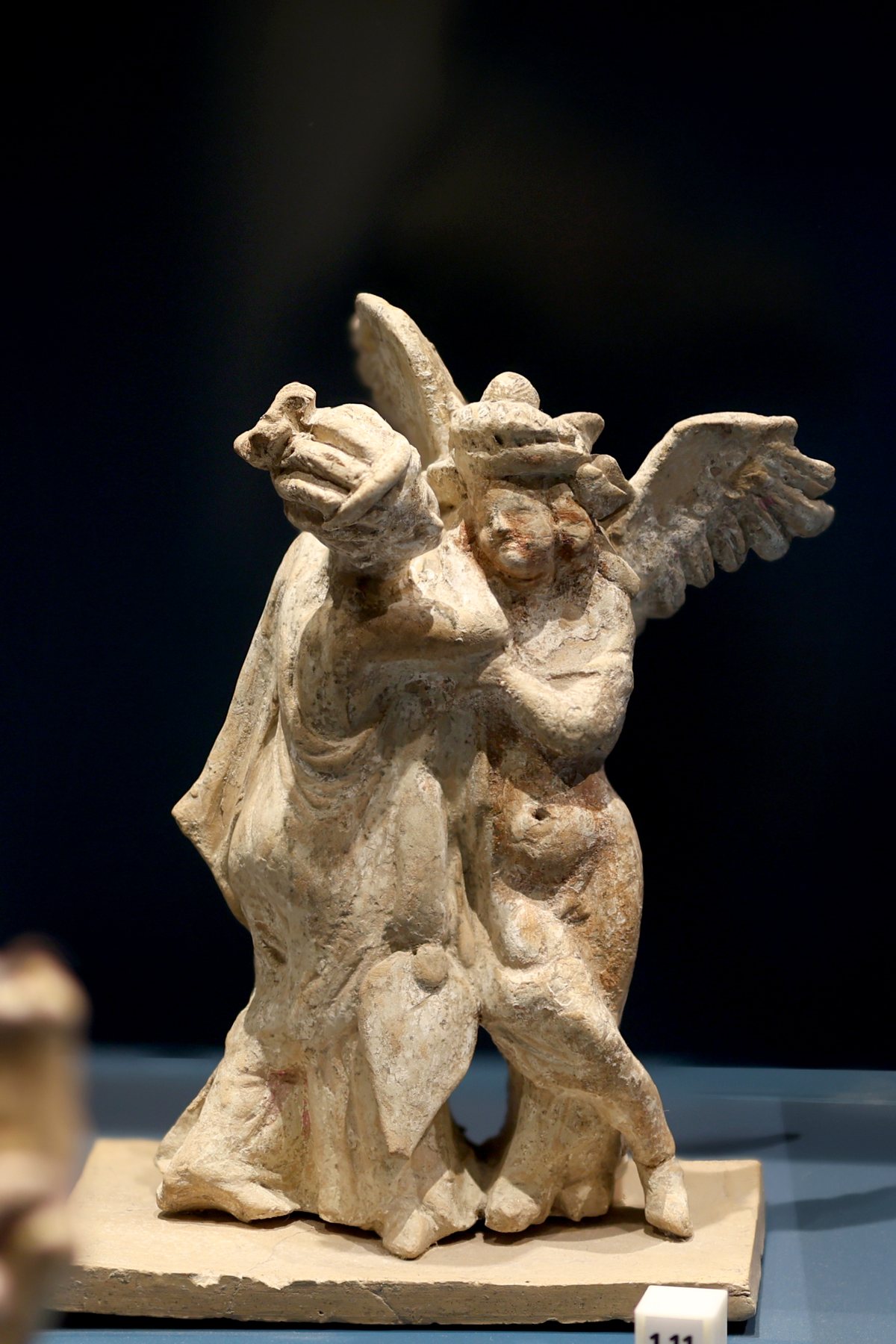 Eros e Psiche, terracotta policroma, primi decenni del III sec. a.C. Da Egnazia -FG4. Object from the collection: MArTA: National Archaeological Museum of Taranto.
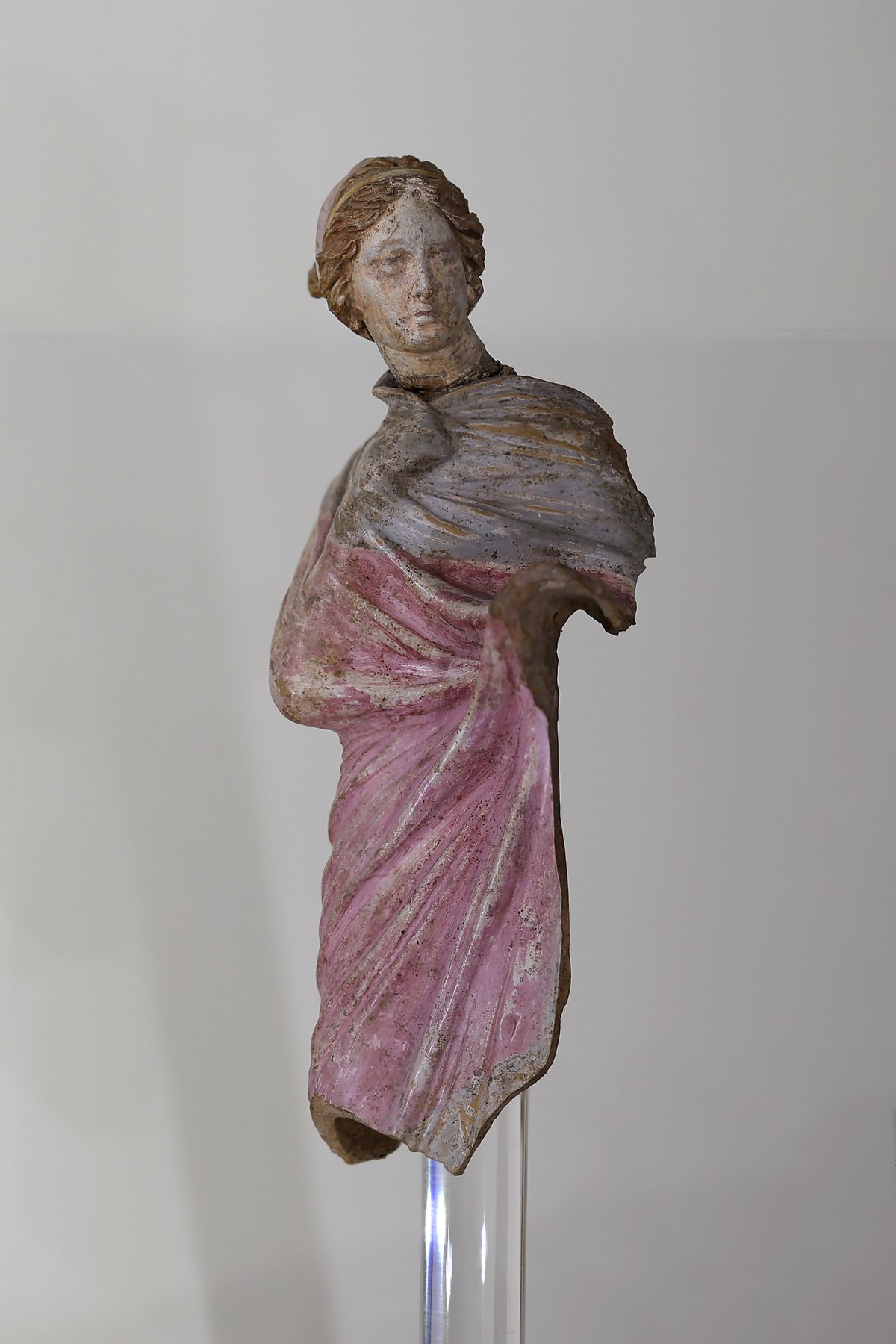 Figura femminile in terracotta policroma, inizi del III sec. a.C. -FG2. Object from the collection: MArTA: National Archaeological Museum of Taranto.
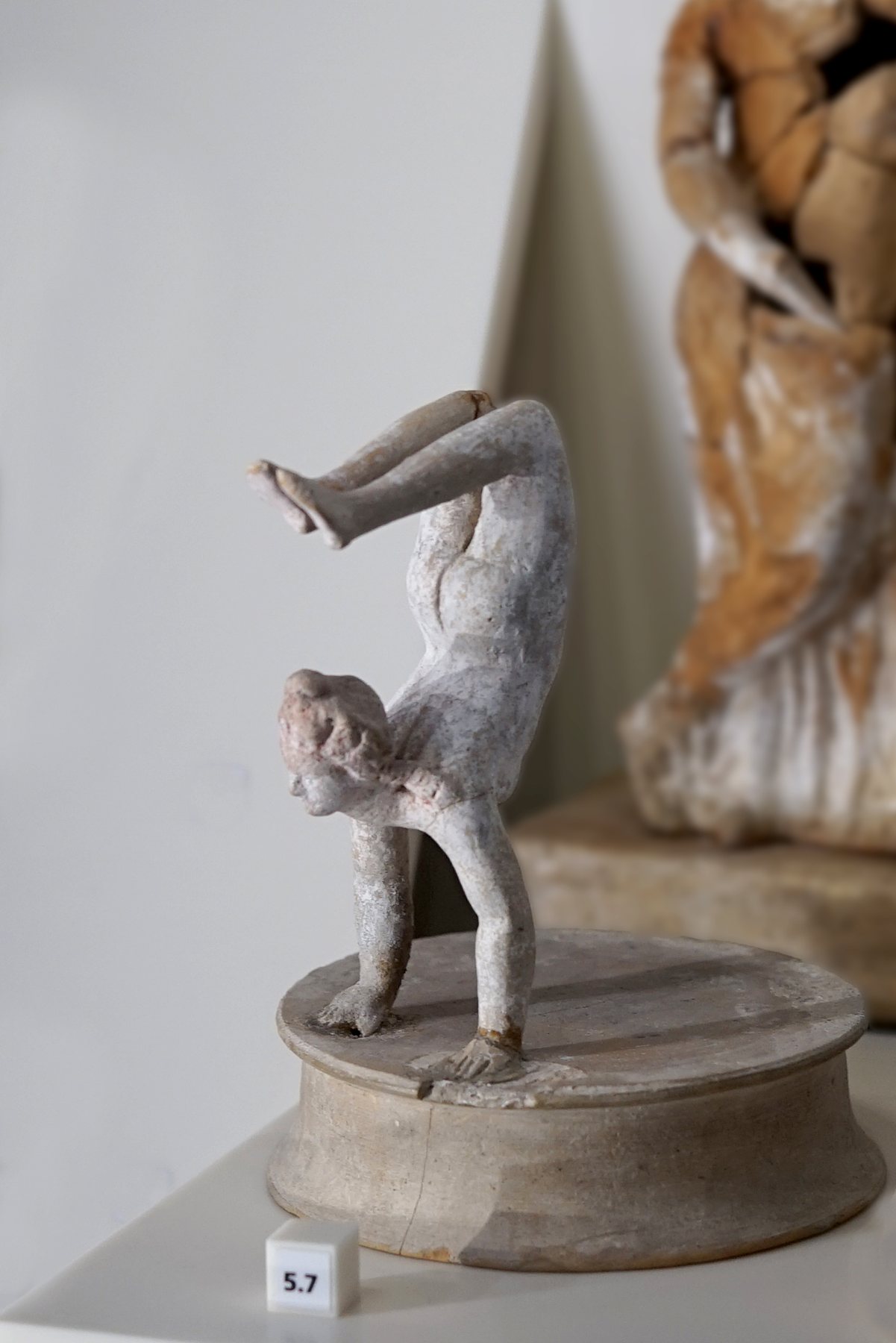 Acrobata, terracotta policroma, 320-300 a.C. -FG1. Object from the collection: MArTA: National Archaeological Museum of Taranto.
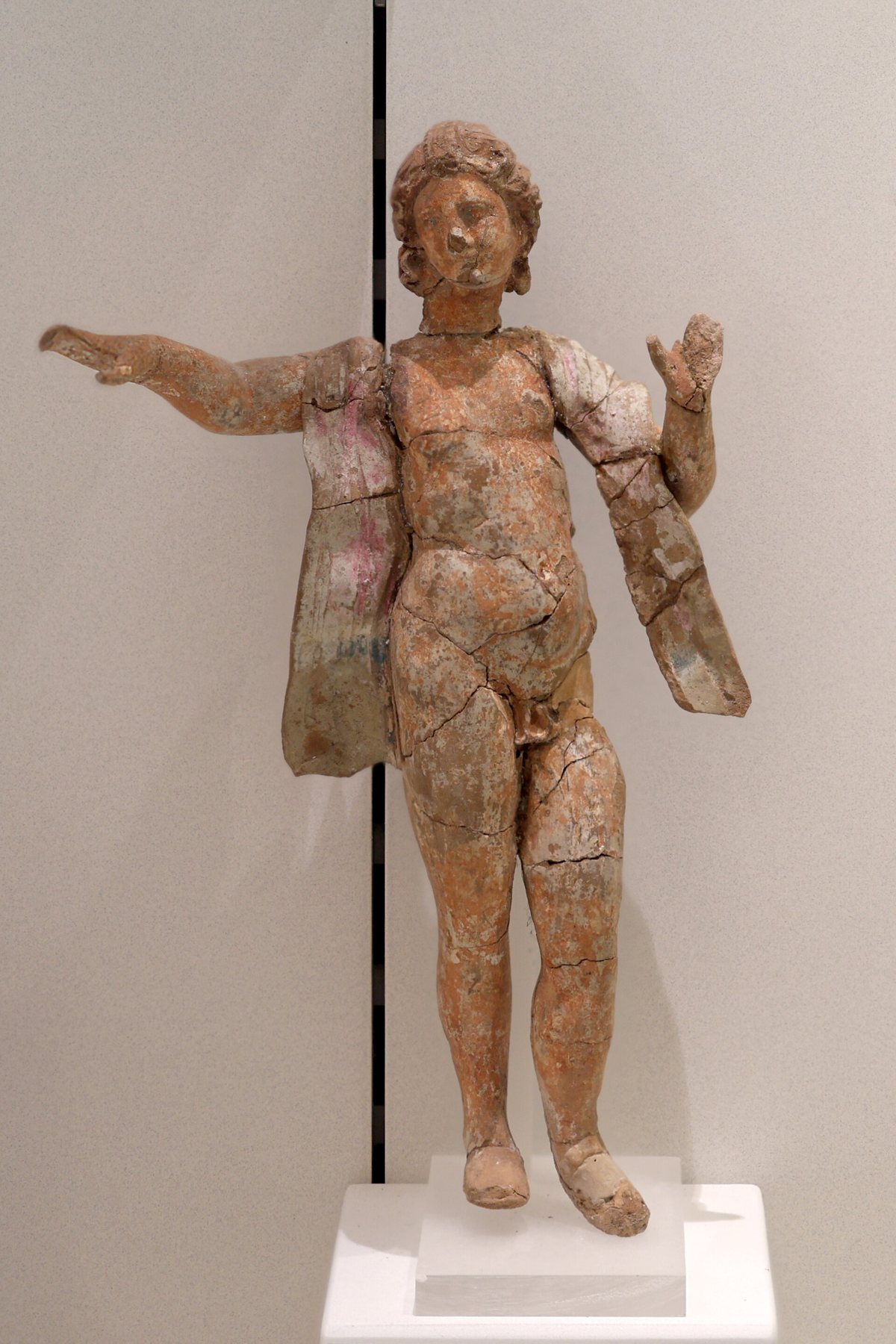 Erote in terracotta policroma, seconda metà del II sec. a.C. -FG. Object from the collection: MArTA: National Archaeological Museum of Taranto.
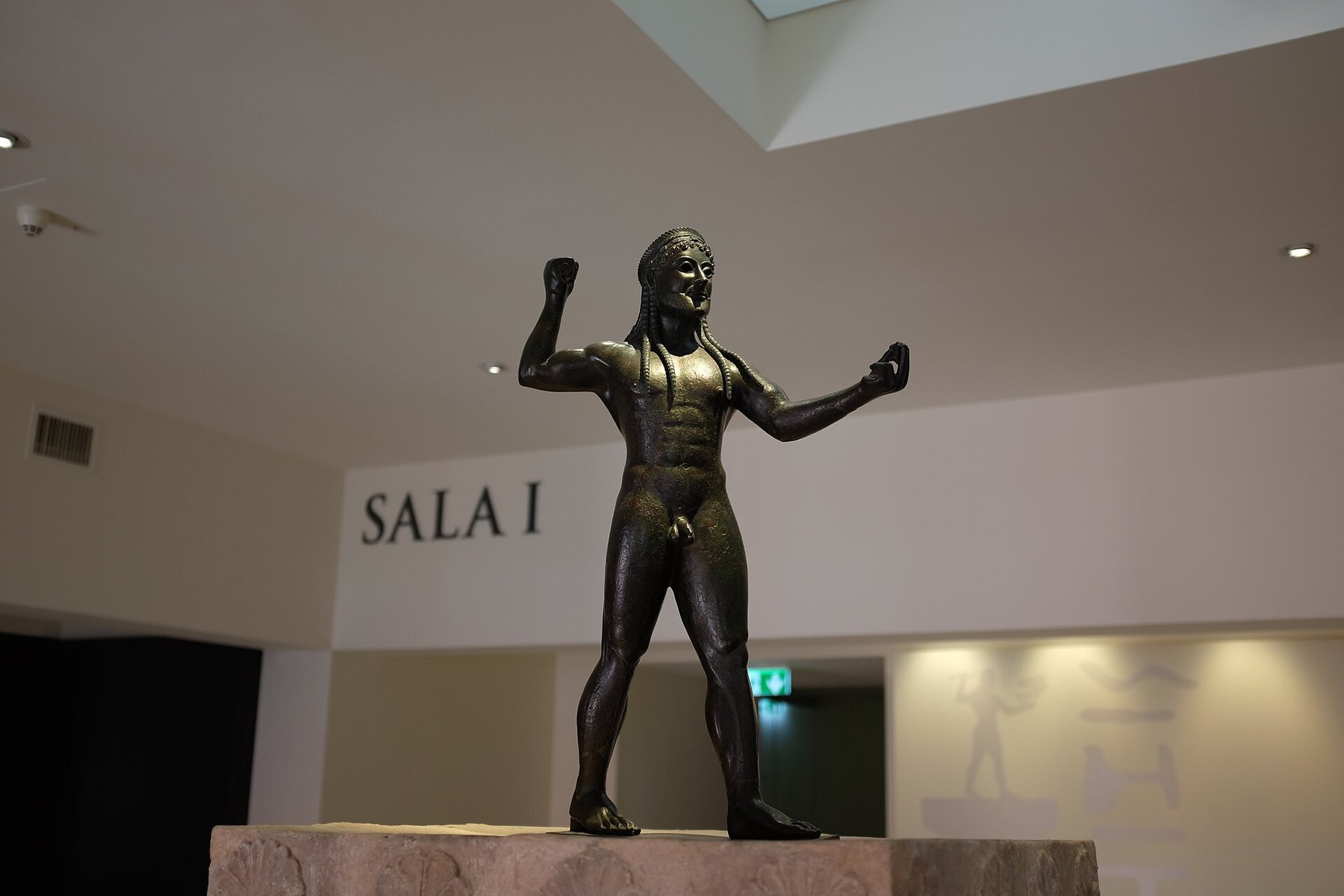 Bronze statue of Zeus. Object from the collection: MArTA: National Archaeological Museum of Taranto.
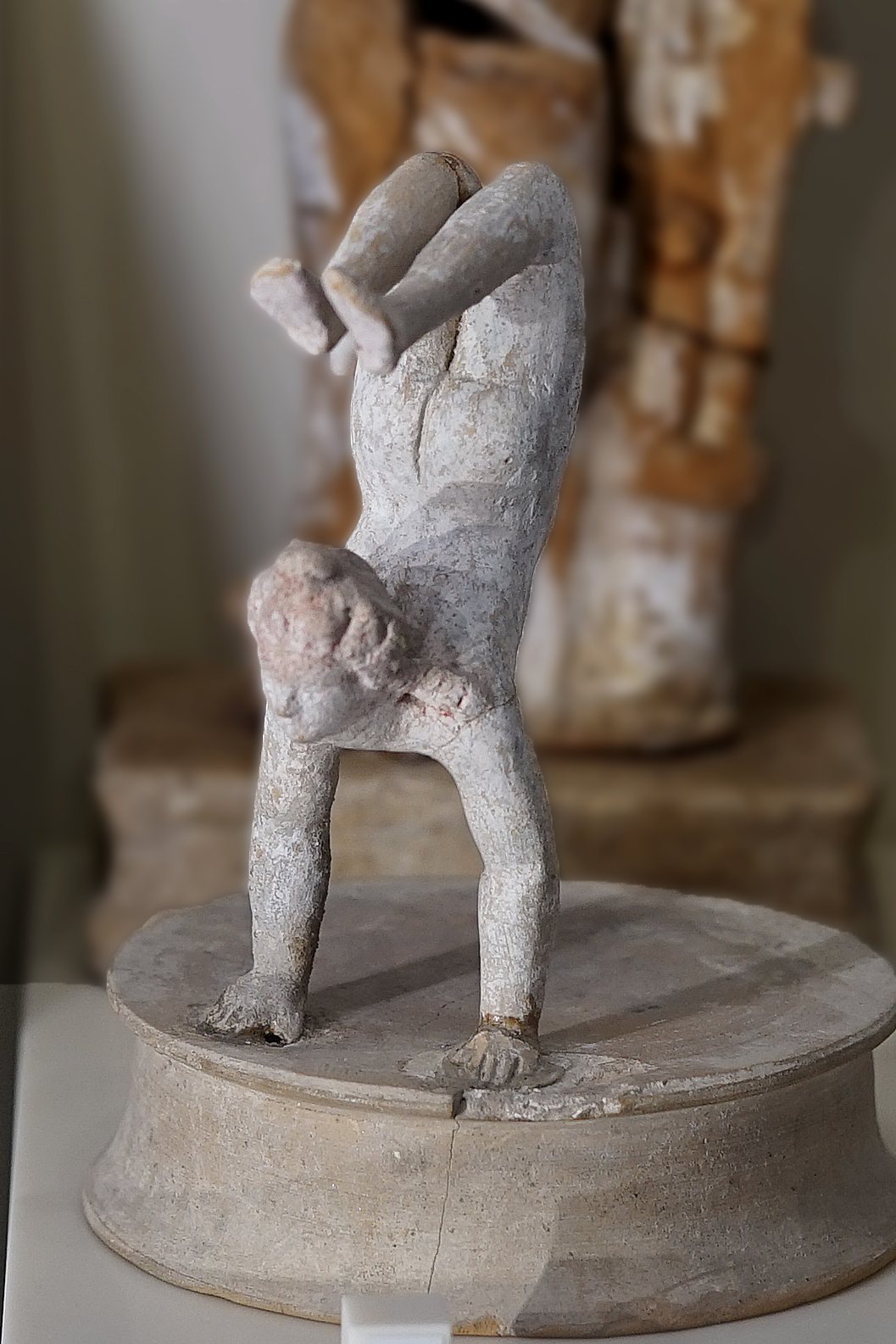 Acrobata, terracotta policroma, 320-300 a.C. -FG2. Object from the collection: MArTA: National Archaeological Museum of Taranto.
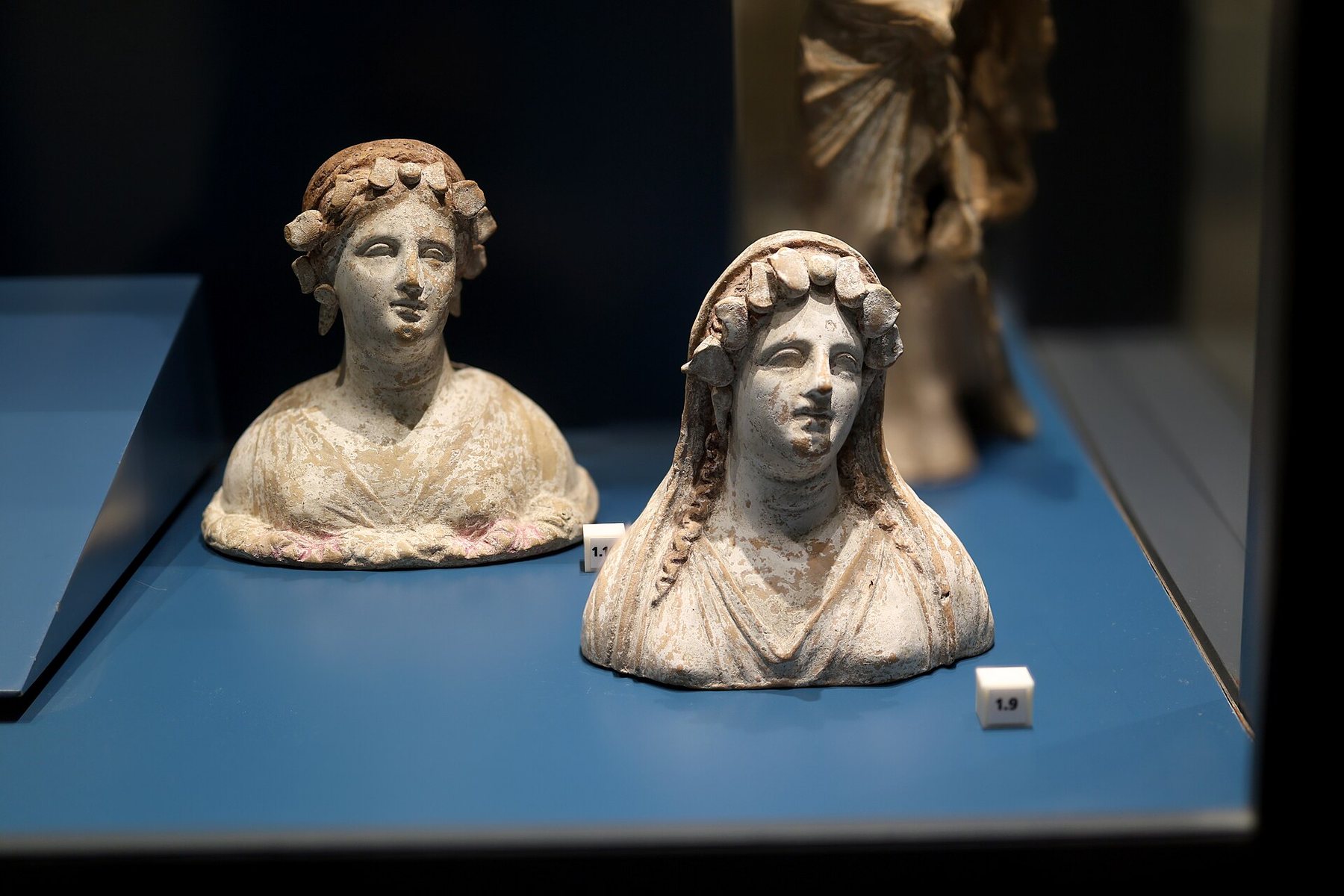 Busti di donna in terracotta policroma, primi decenni del III sec. a.C. Da Egnazia -FG. Object from the collection: MArTA: National Archaeological Museum of Taranto.
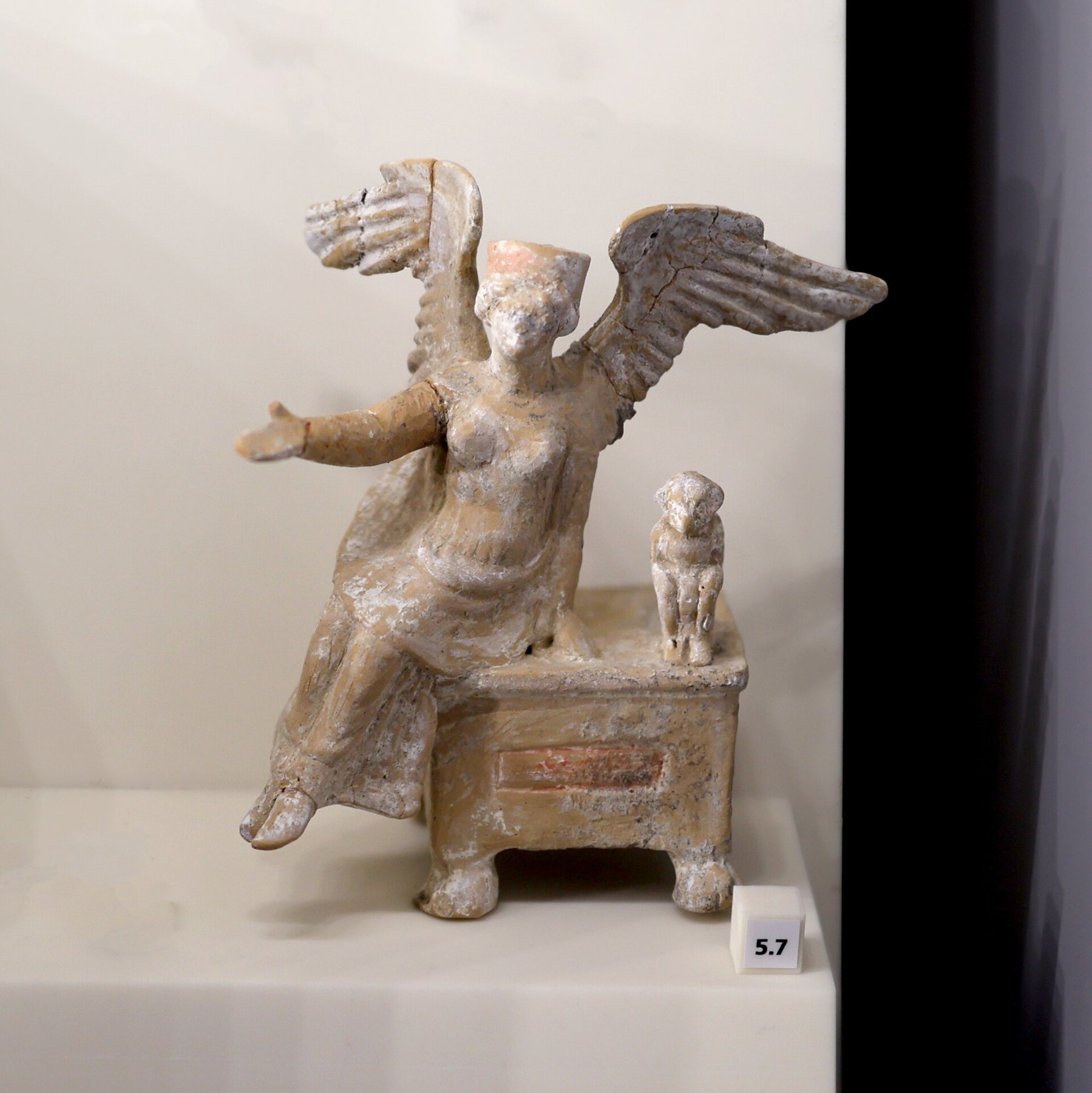 Nike, terracotta policroma, seconda metà del IV sec. a.C. -FG. Object from the collection: MArTA: National Archaeological Museum of Taranto.
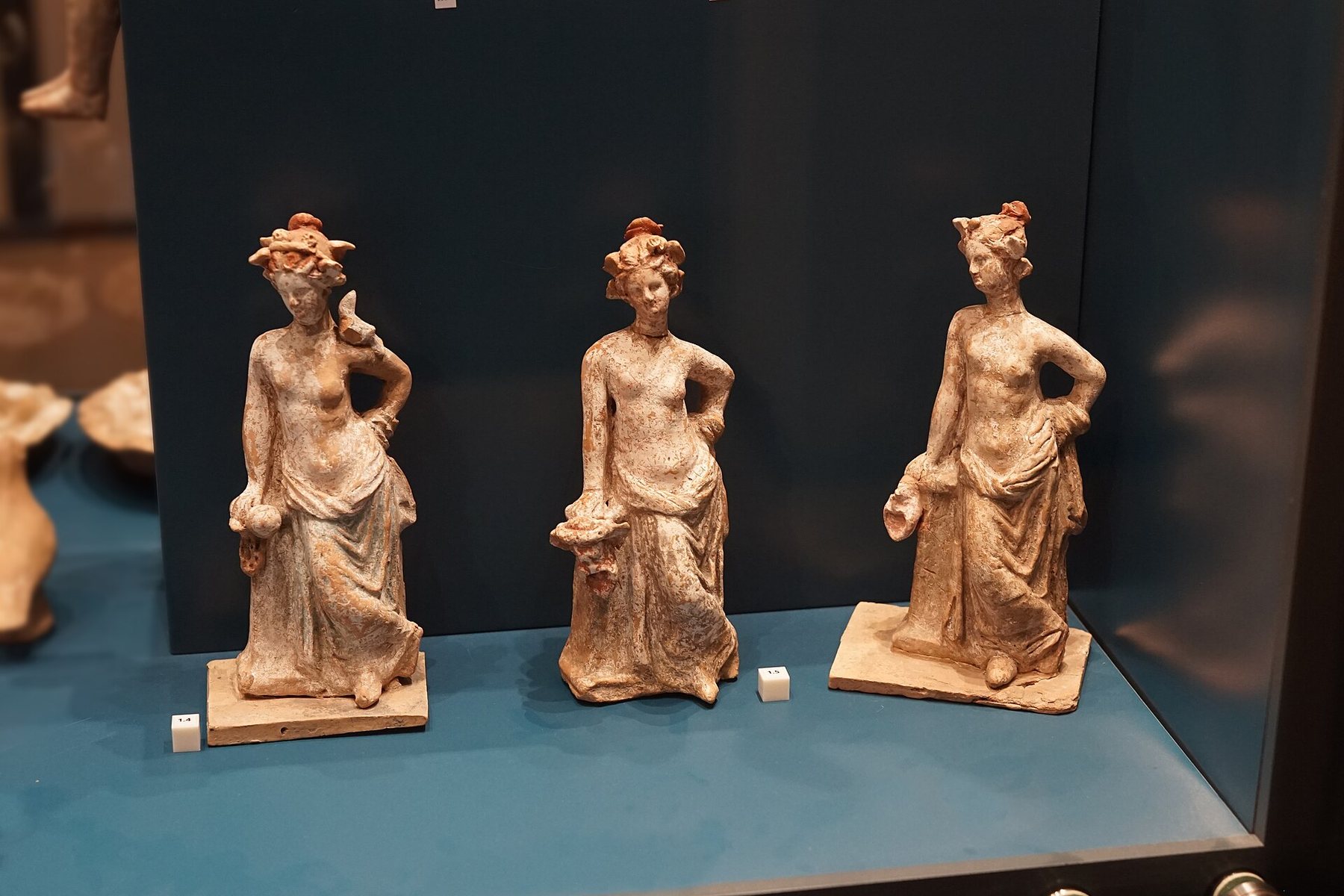 Polychrome terracotta statuette of a woman from Egnazia, early third century BC. National Archaeological Museum of Taranto.
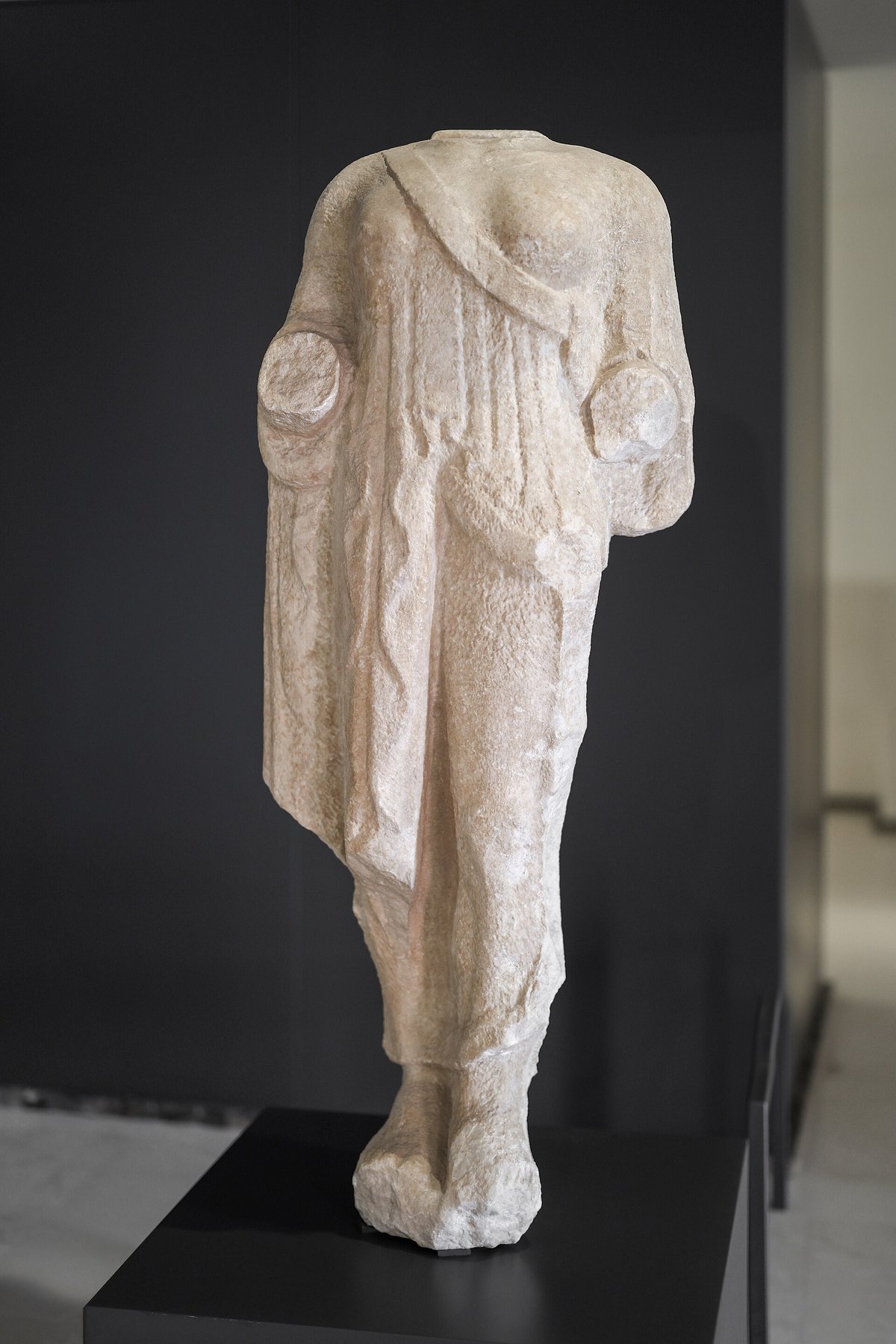 Kore, 525-500 a.C. -FG. Object from the collection: MArTA: National Archaeological Museum of Taranto.
Interested in Ancient Rome beyond reading? Join Legio X Fretensis or explore our reenactment directions.


