National Etruscan Museum of Villa Giulia
Villa Giulia is the main Roman museum of Etruscan culture. It shows ancient Italy before and beside Rome: Veii, Pyrgi, Caere, terracotta, sarcophagi, sanctuaries and elite burials.
This is an important counterweight to Rome-centred views. Etruscan material explains many Italic forms of power, religion, craft and elite display without which early Rome looks too isolated.
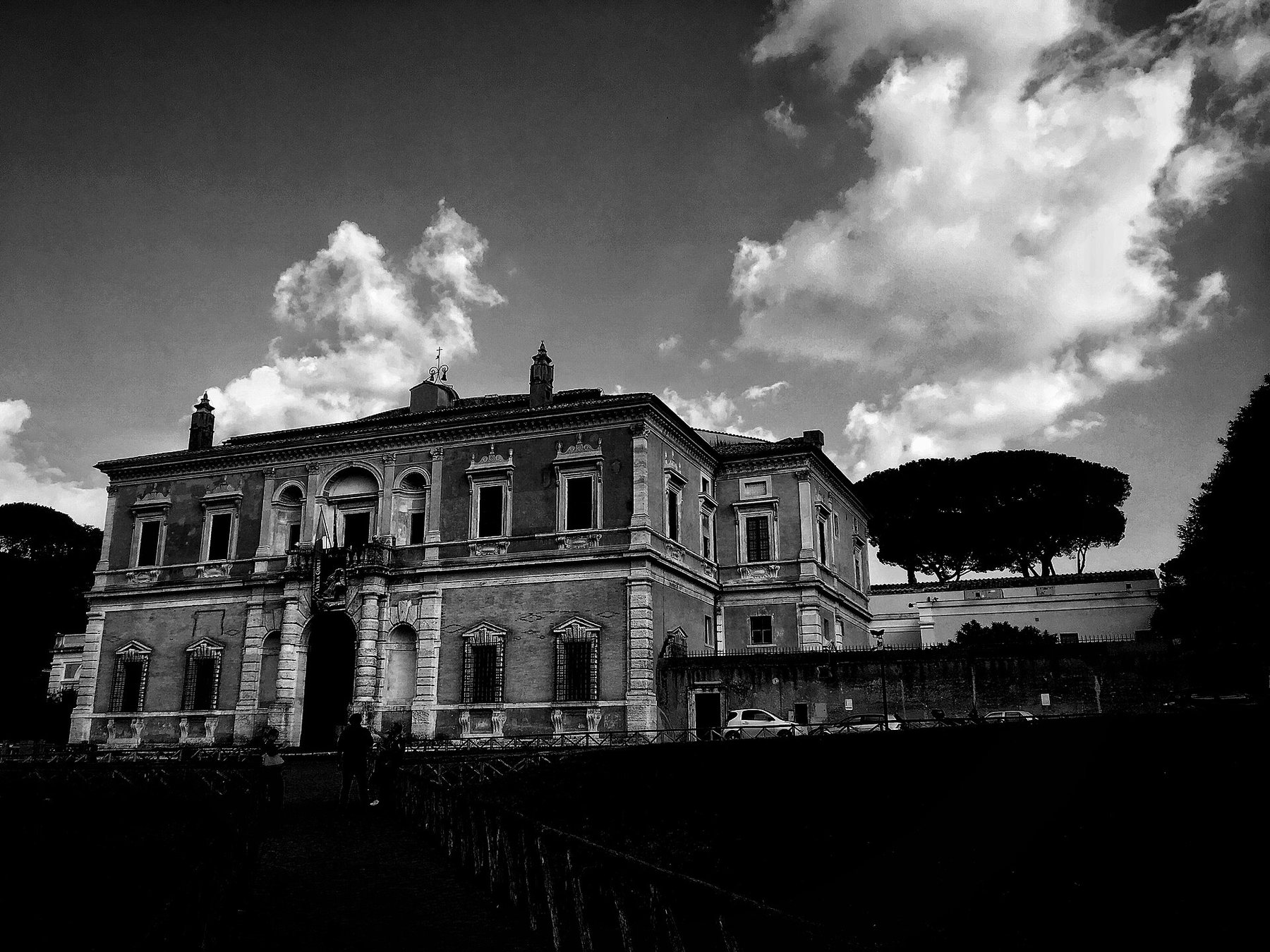 National Etruscan Museum of Villa Giulia: Museo Etrusco Villa Giulia facade.
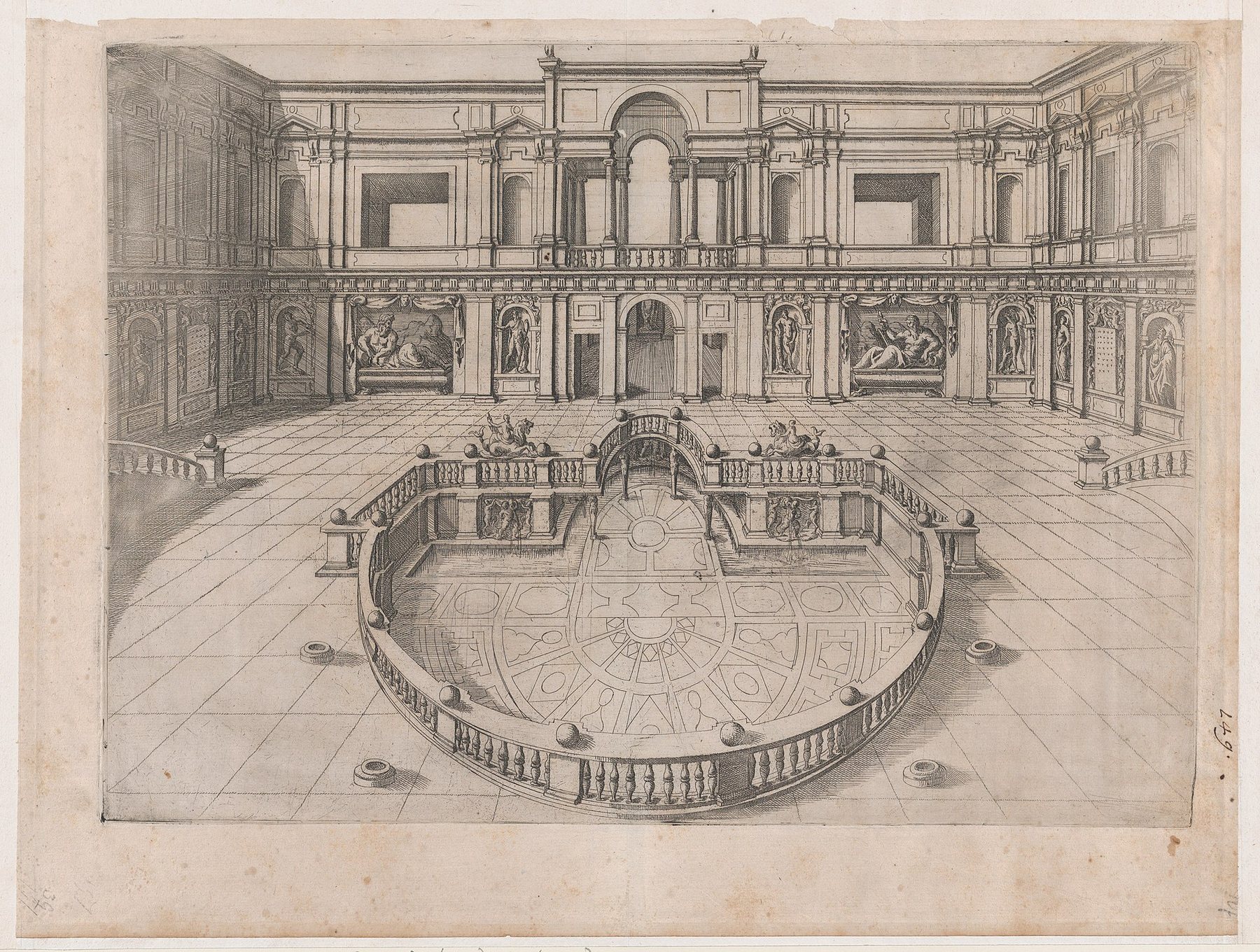 National Etruscan Museum of Villa Giulia: Speculum Romanae Magnificentiae: Great Hall within the Villa of Pope Julius.
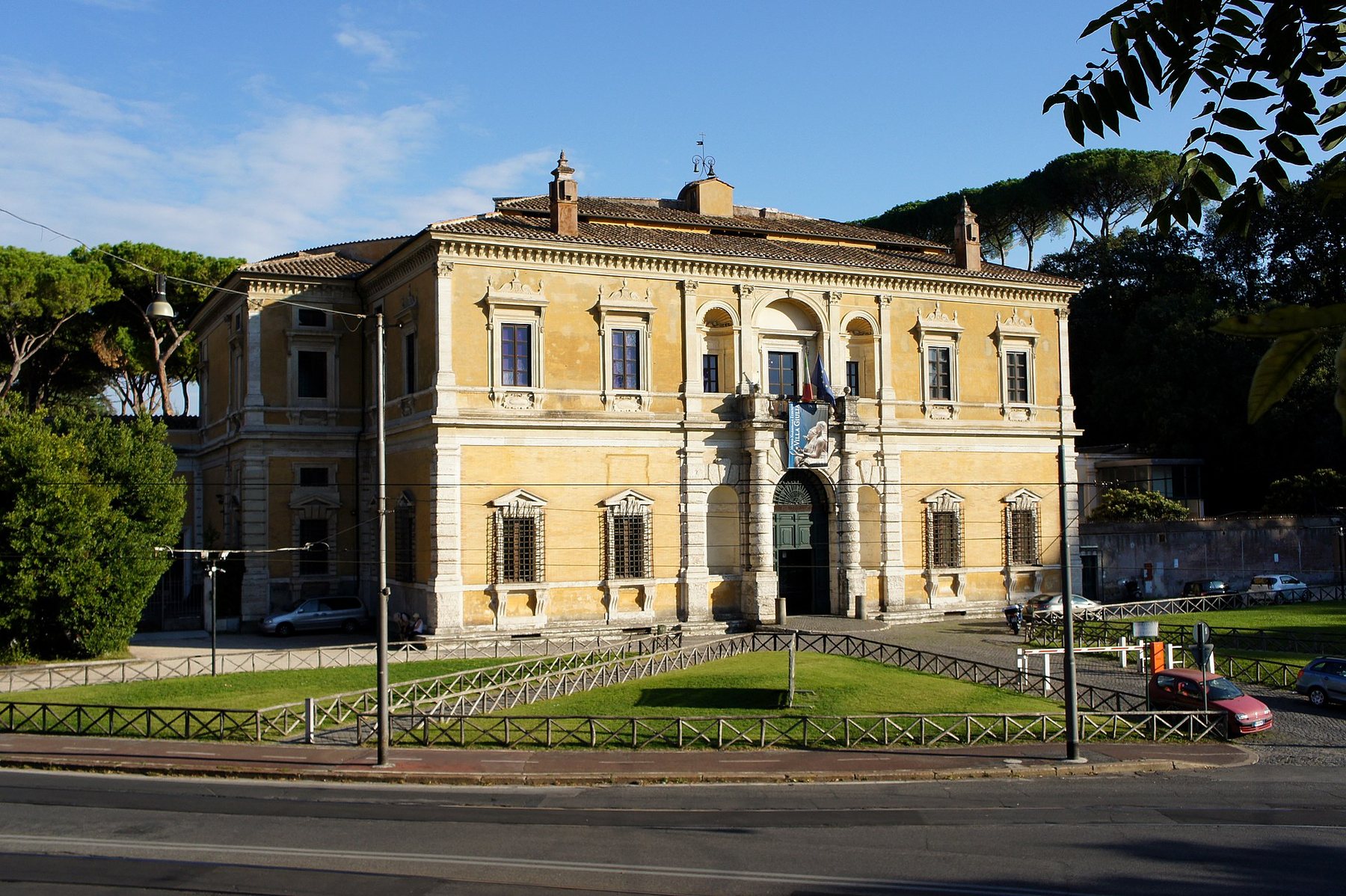 National Etruscan Museum of Villa Giulia: Museo nazionale etrusco di Villa Giulia - Ingresso.
Collection and Historical Context
Finds from Veii, Pyrgi and Caere illuminate Etruscan sanctuaries, burial practices and contacts with the Greek world. They cannot be explained simply through an opposition between Etruscans and Romans: early Italy was shaped by exchange, borrowing and the adaptation of neighbouring traditions.
Display and Main Materials
Sarcophagi, terracotta sculpture, temple fittings, bronze, pottery, inscriptions and sanctuary material deserve attention. Objects linking family, cemetery, ritual and public memory are especially important.
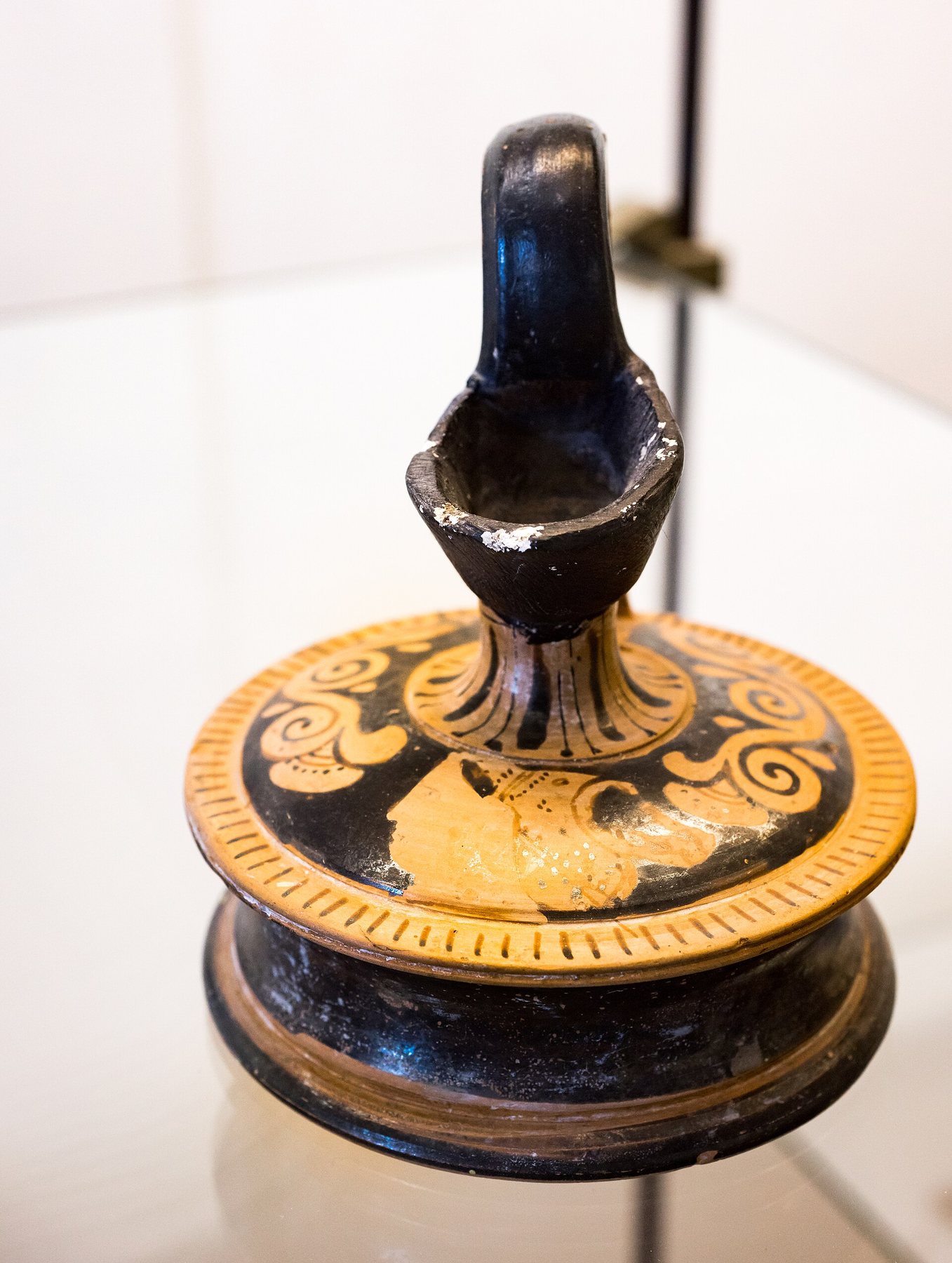 Torcop Painter of Villa Giulia - female head - Tarquinia MAN RC 7478. Object from the collection: National Etruscan Museum of Villa Giulia.
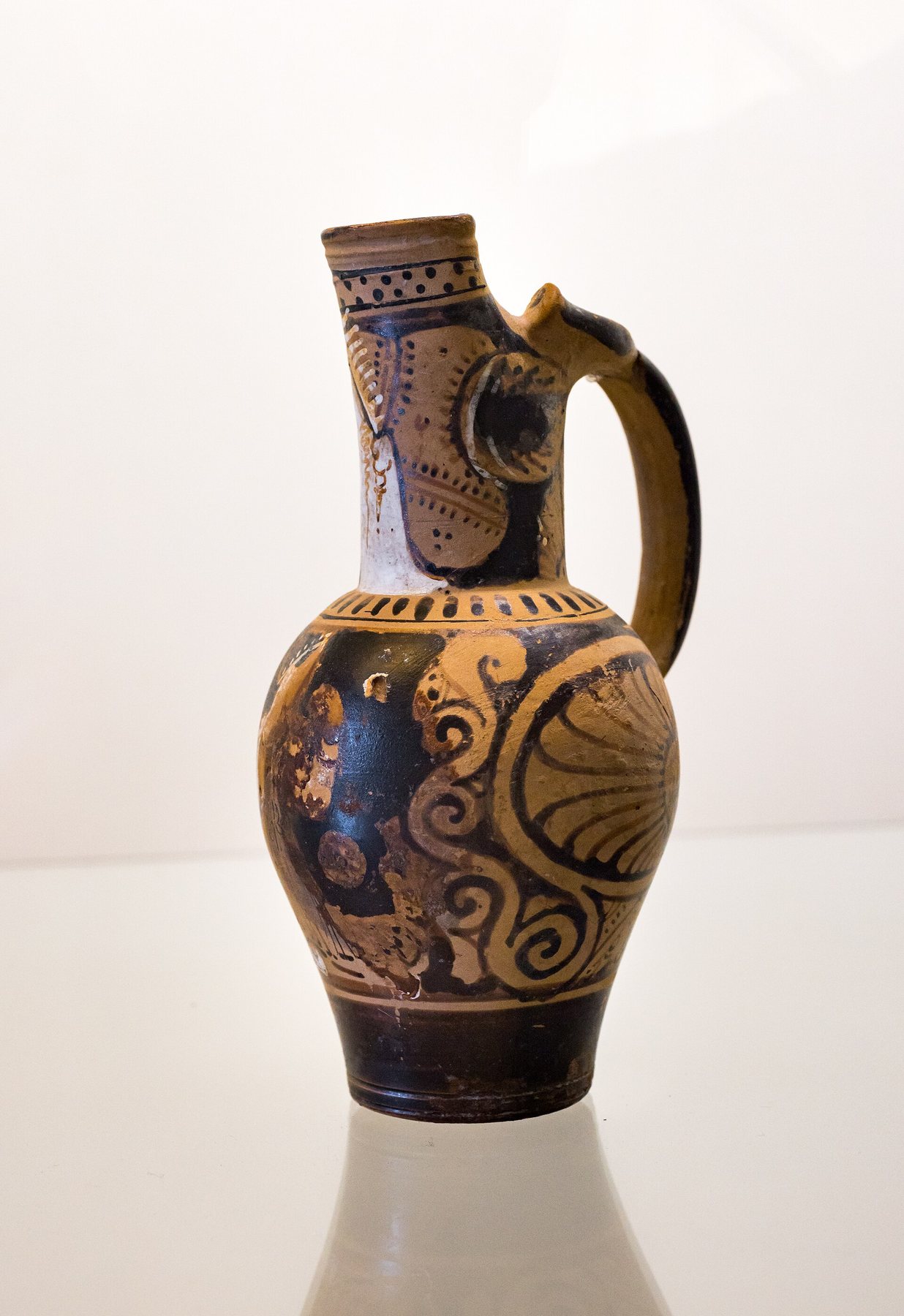 Torcop Painter of Villa Giulia - female head - woman running - Tarquinia MAN RC 3484. Object from the collection: National Etruscan Museum of Villa Giulia.
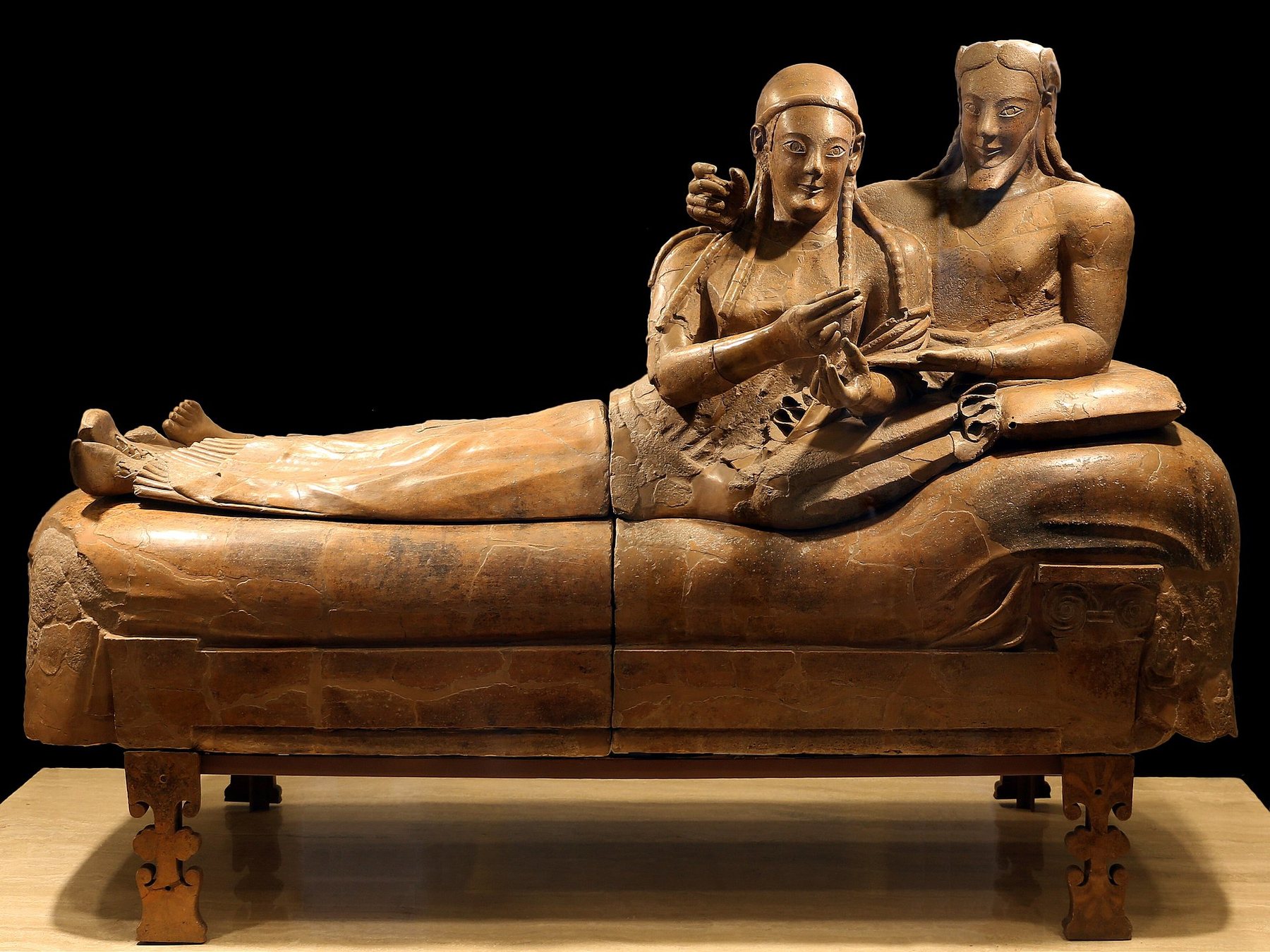 Sarcophagus of the Spouses from Villa Giulia in Rome. Object from the collection: National Etruscan Museum of Villa Giulia.
Related Topics
- Museums of Antiquity
- Capitoline Museums and Antiquity
- MArTA: National Archaeological Museum of Taranto
- National Roman Museum
- Archaeology and museums
Official Pages and Catalogues


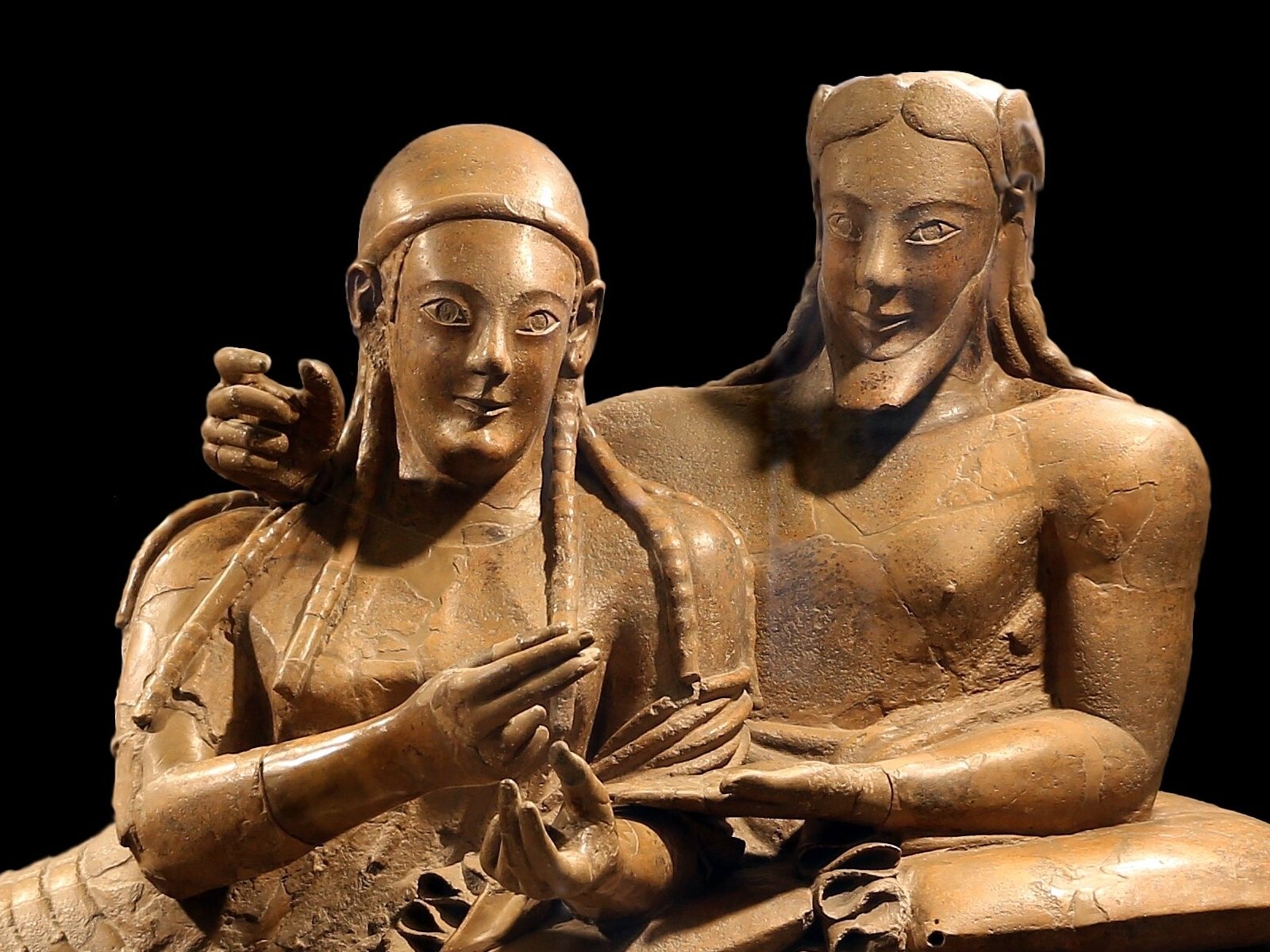 Sarcophagus of the Spouses from Villa Giulia in Rome detail 1. Object from the collection: National Etruscan Museum of Villa Giulia.
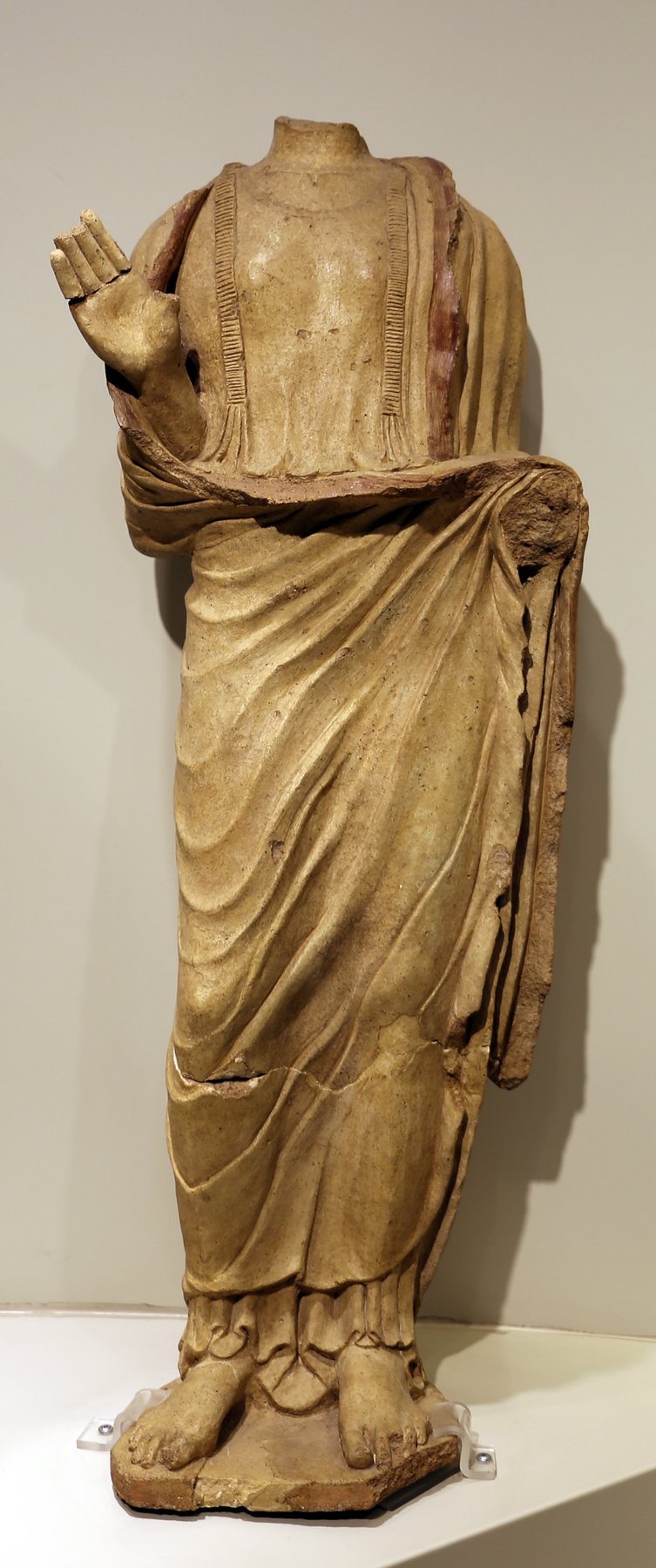 Female votive statue from the sanctuary of Portonaccio, about 400–380 BC. Villa Giulia Museum.
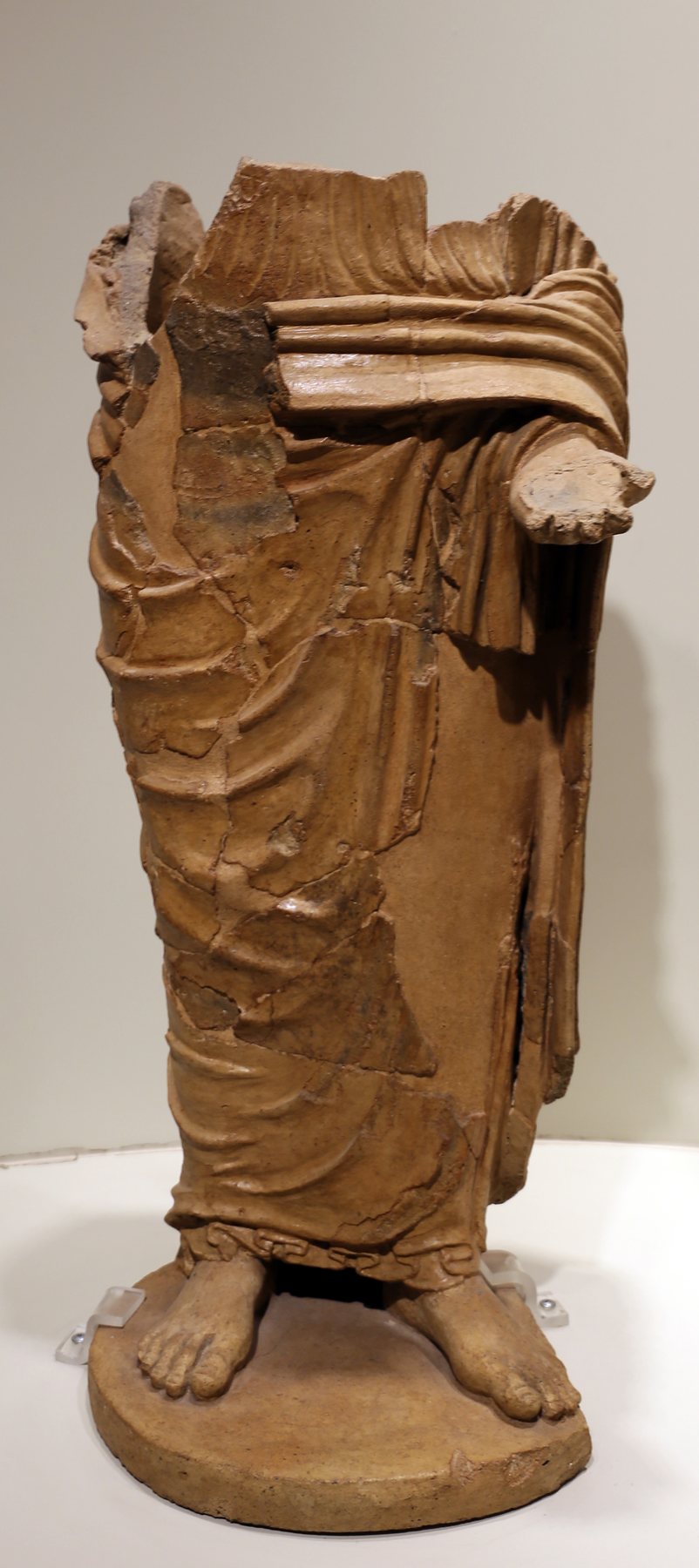 Female votive statue from the sanctuary of Portonaccio, about 440–420 BC. Villa Giulia Museum.
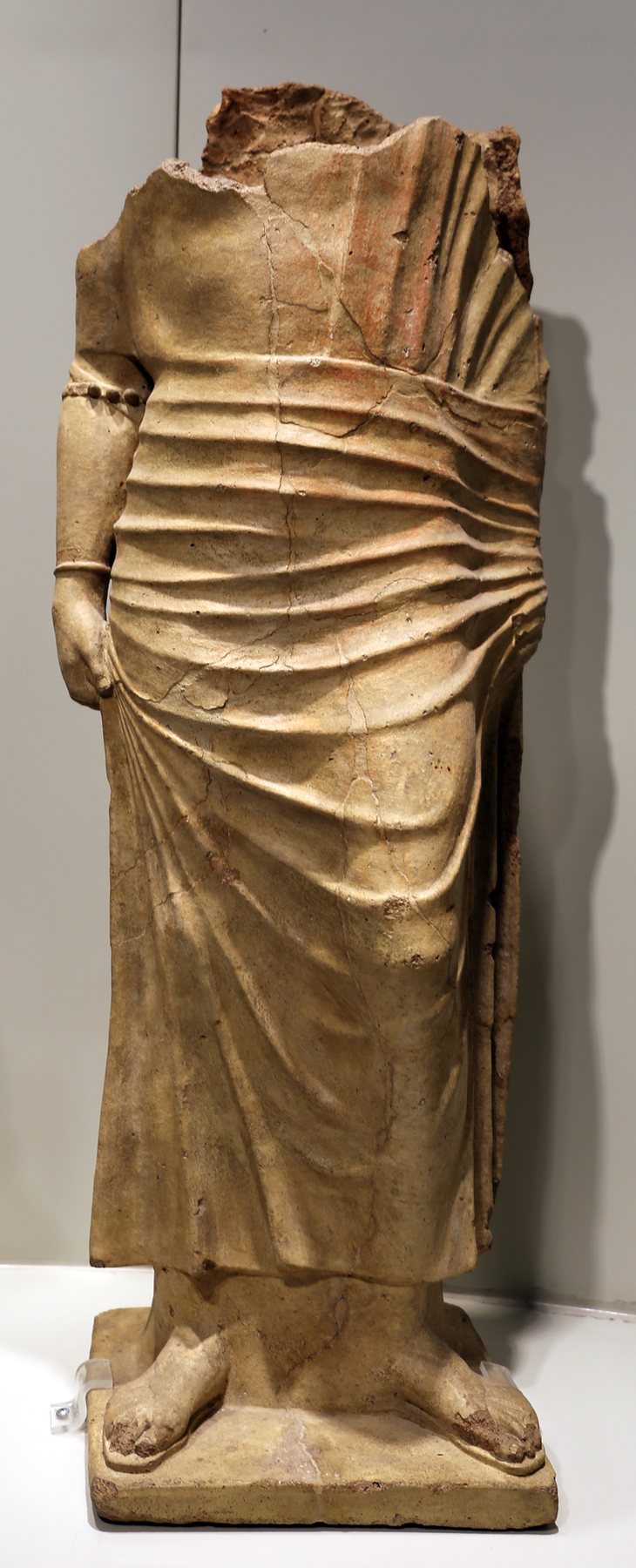 Female votive statue from the sanctuary of Portonaccio, about 440–420 BC, another view. Villa Giulia Museum.
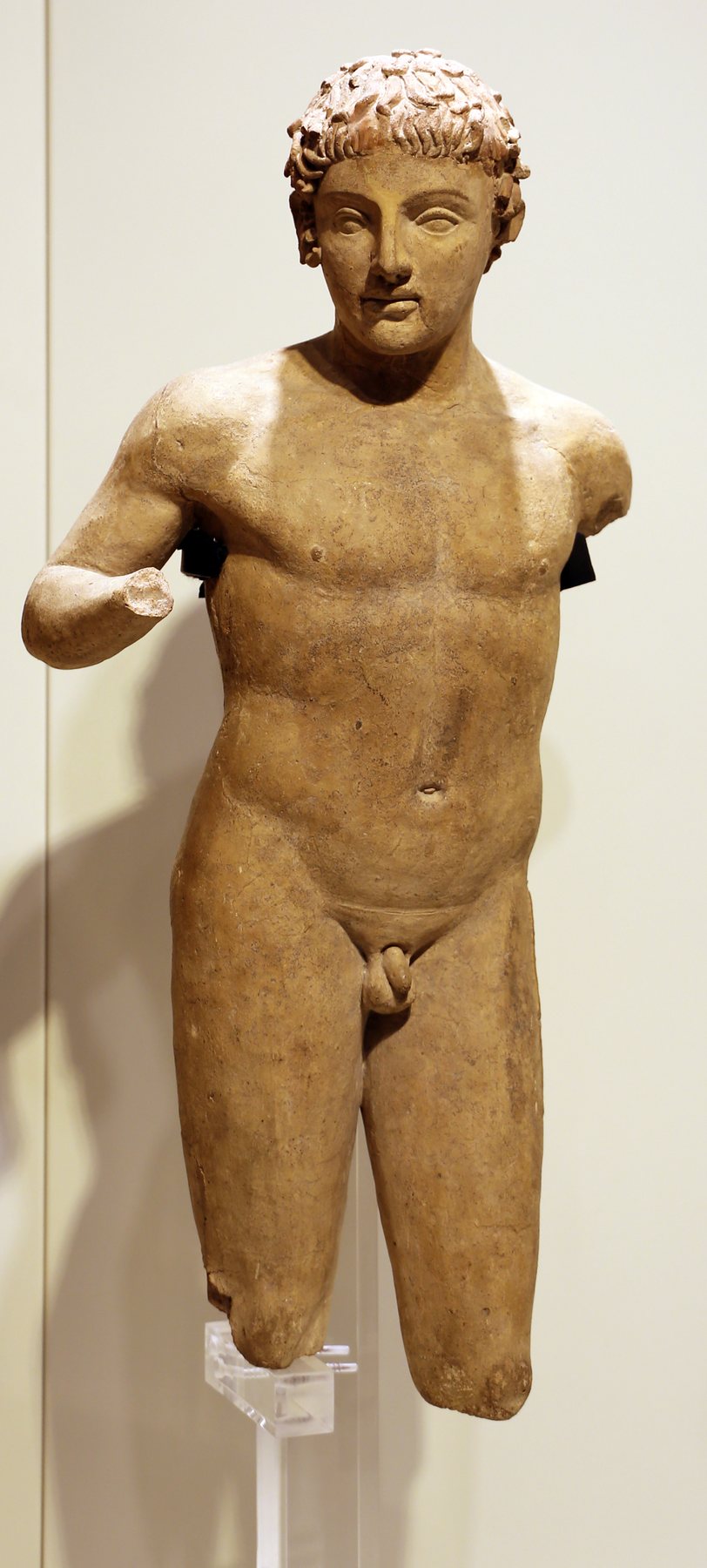 Male votive statue from the sanctuary of Portonaccio, about 420–400 BC. Villa Giulia Museum.
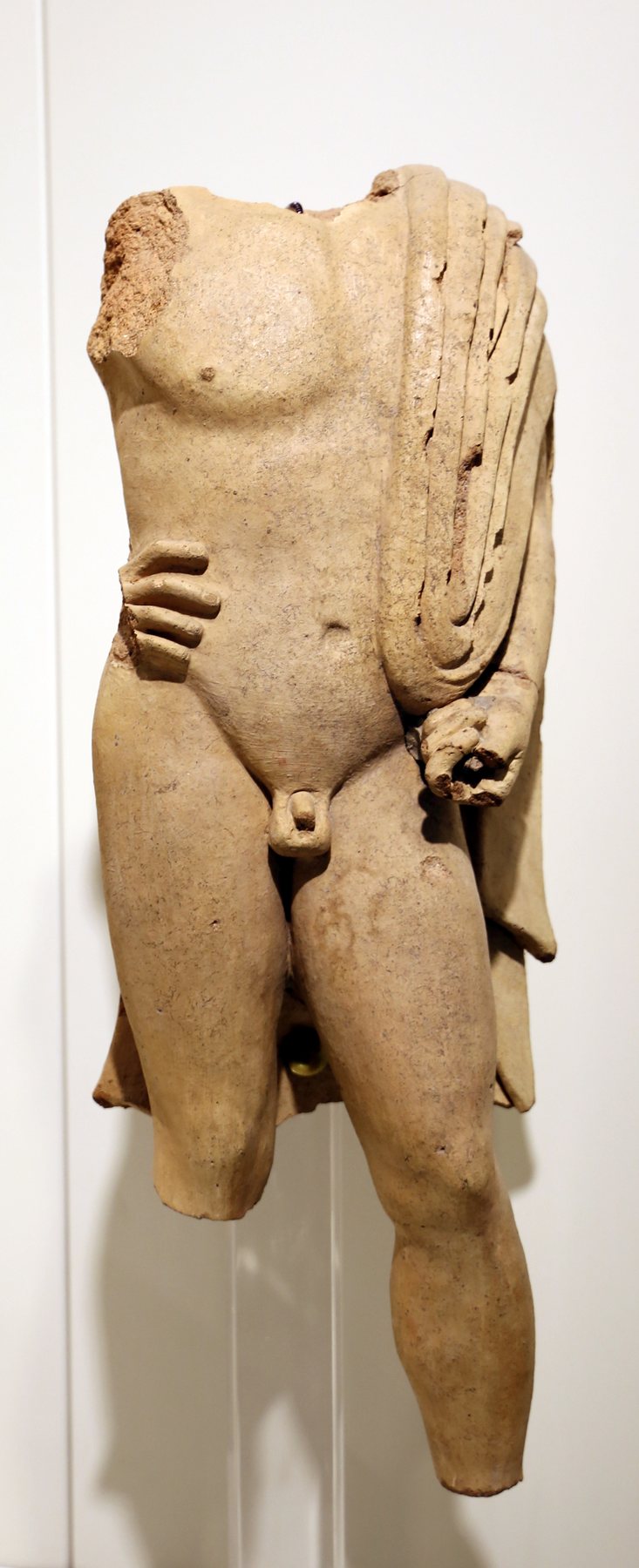 Male votive statue from the sanctuary of Portonaccio, about 420 BC. Villa Giulia Museum.
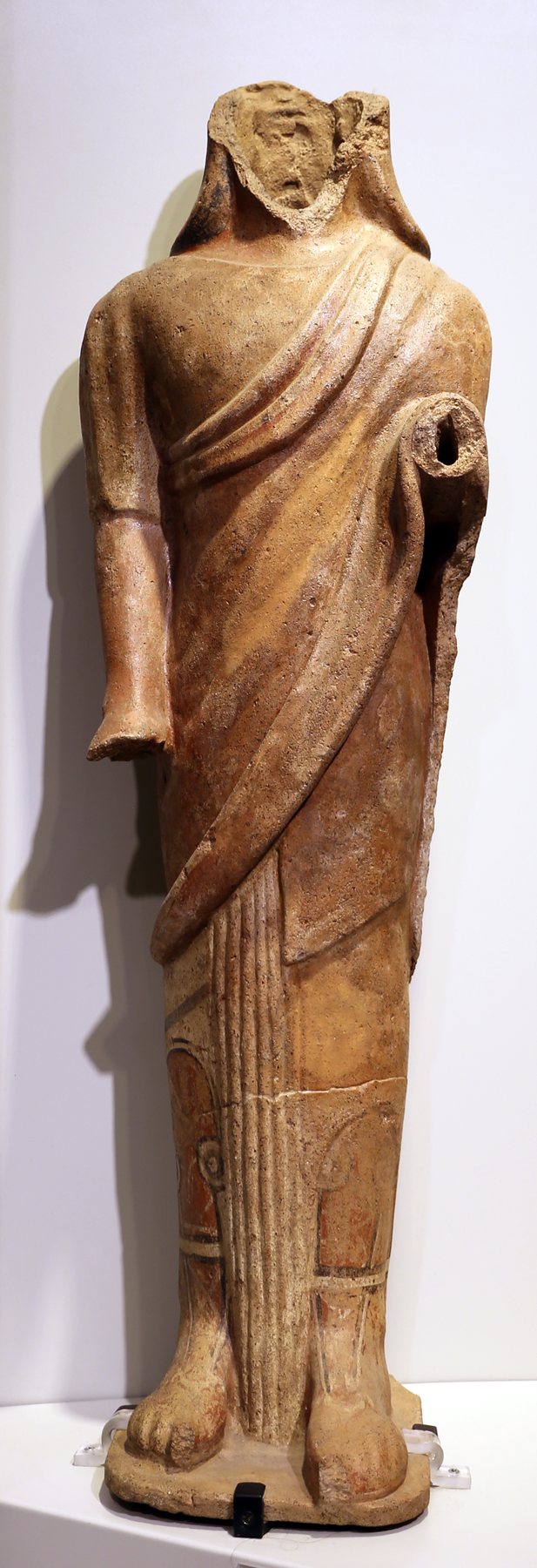 Male votive statue from the sanctuary of Portonaccio, about 530–520 BC. Villa Giulia Museum.
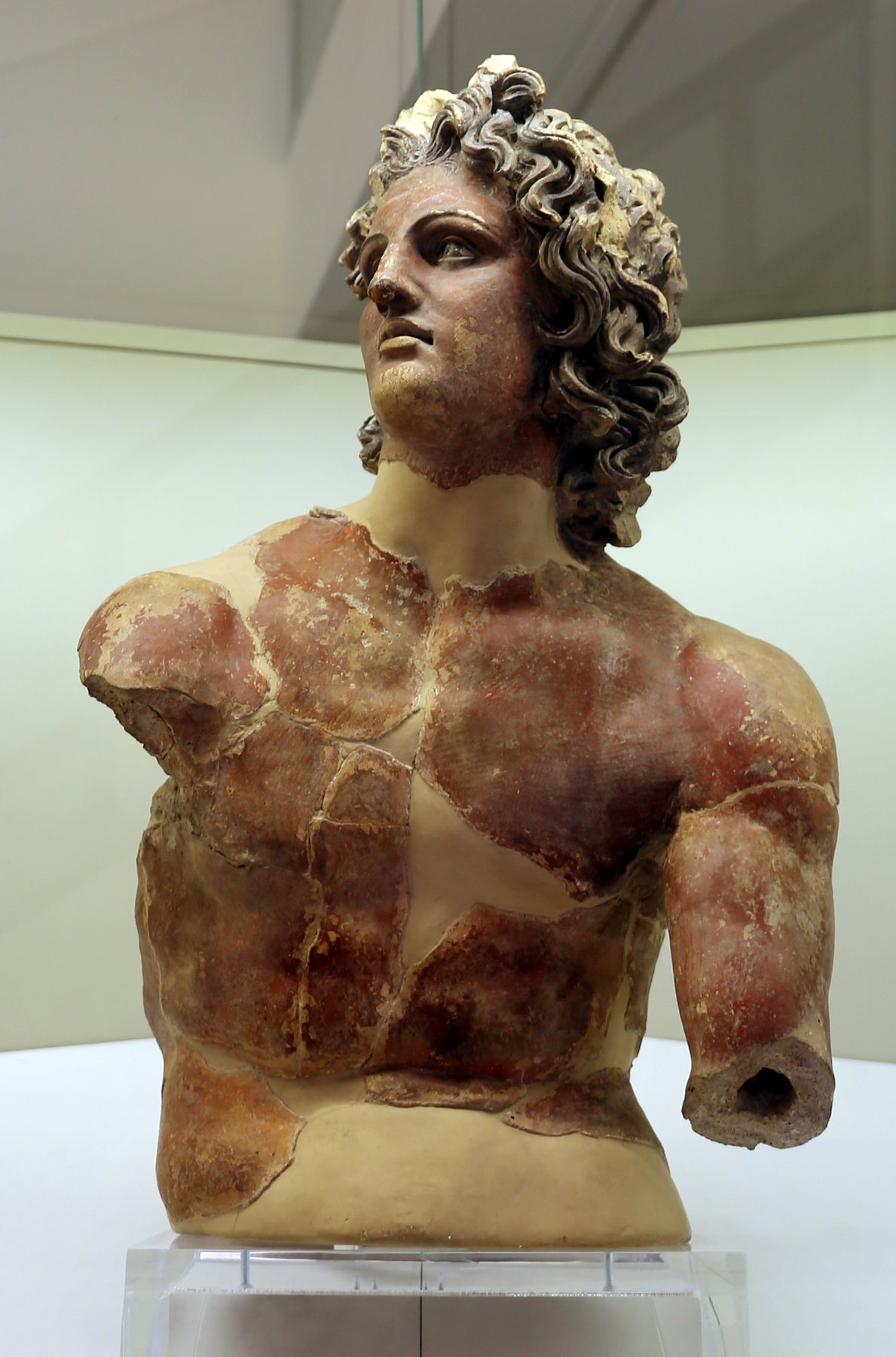 Busto di apollo, terracotta, falerii, tempio dello scasato, 310-300 ac ca. Object from the collection: National Etruscan Museum of Villa Giulia.
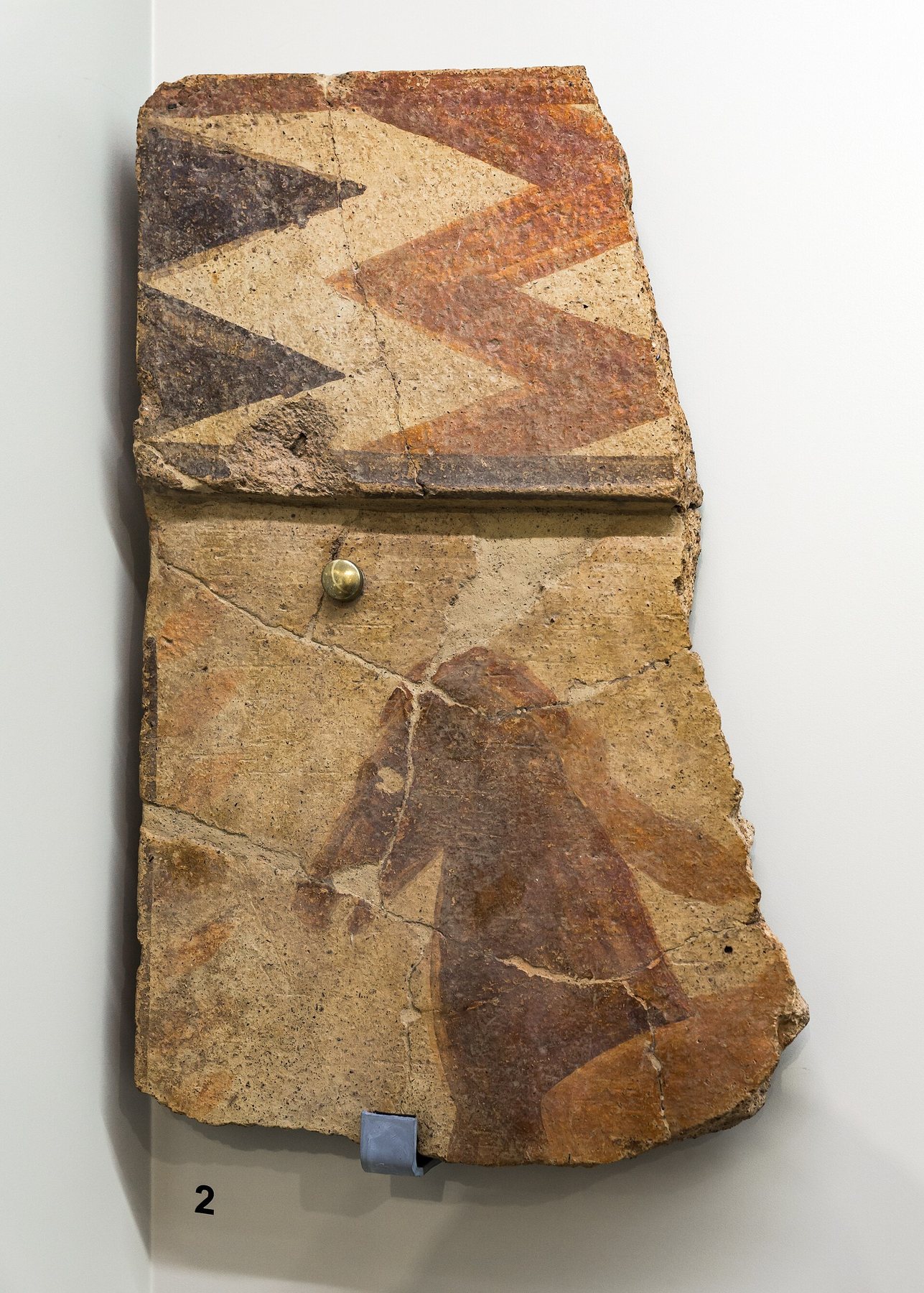 Painted architectural terracotta panel from Portonaccio - horseman - Roma MNEVG - 01. Object from the collection: National Etruscan Museum of Villa Giulia.
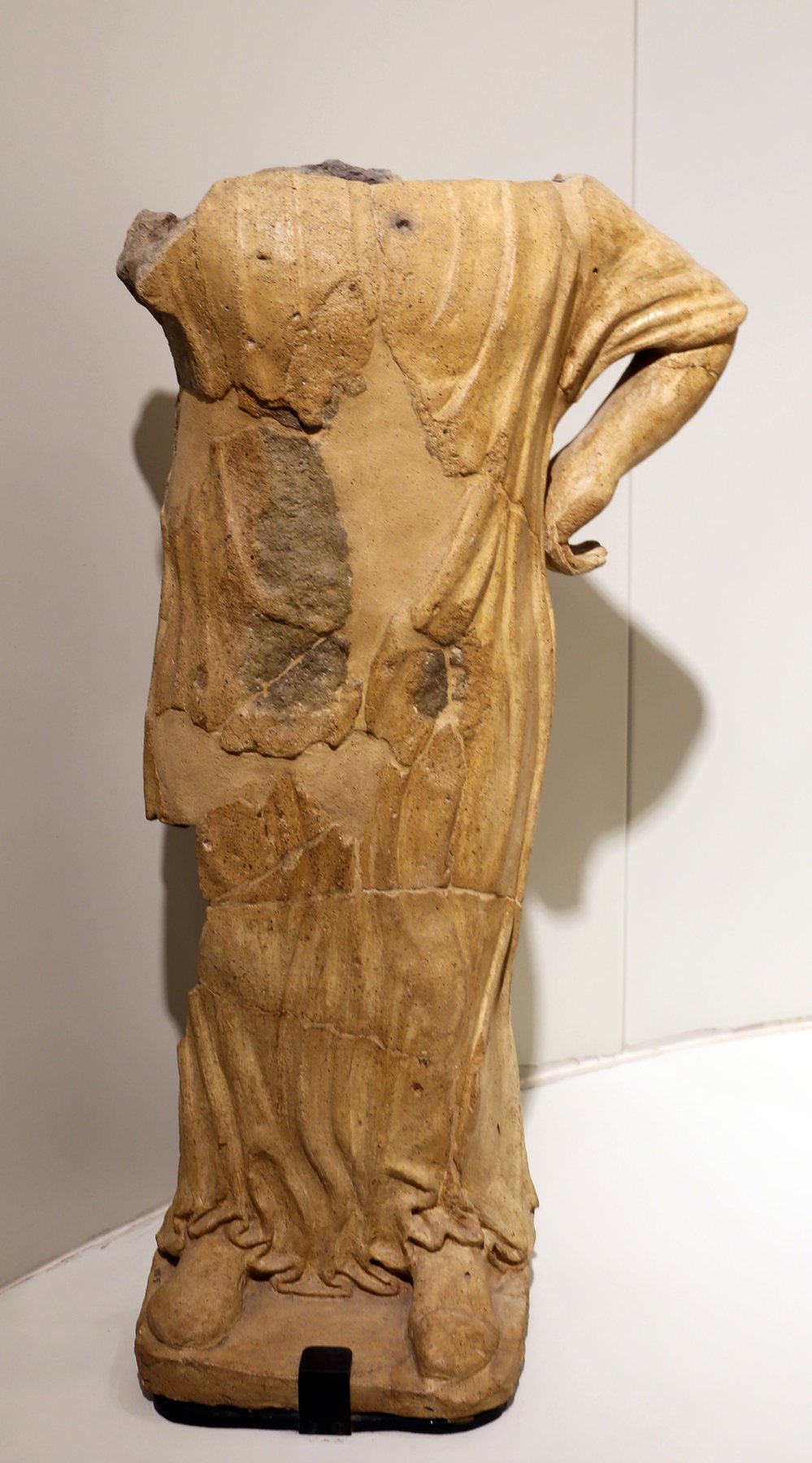 Female votive statue from the sanctuary of Portonaccio, about 400–380 BC. Villa Giulia Museum.
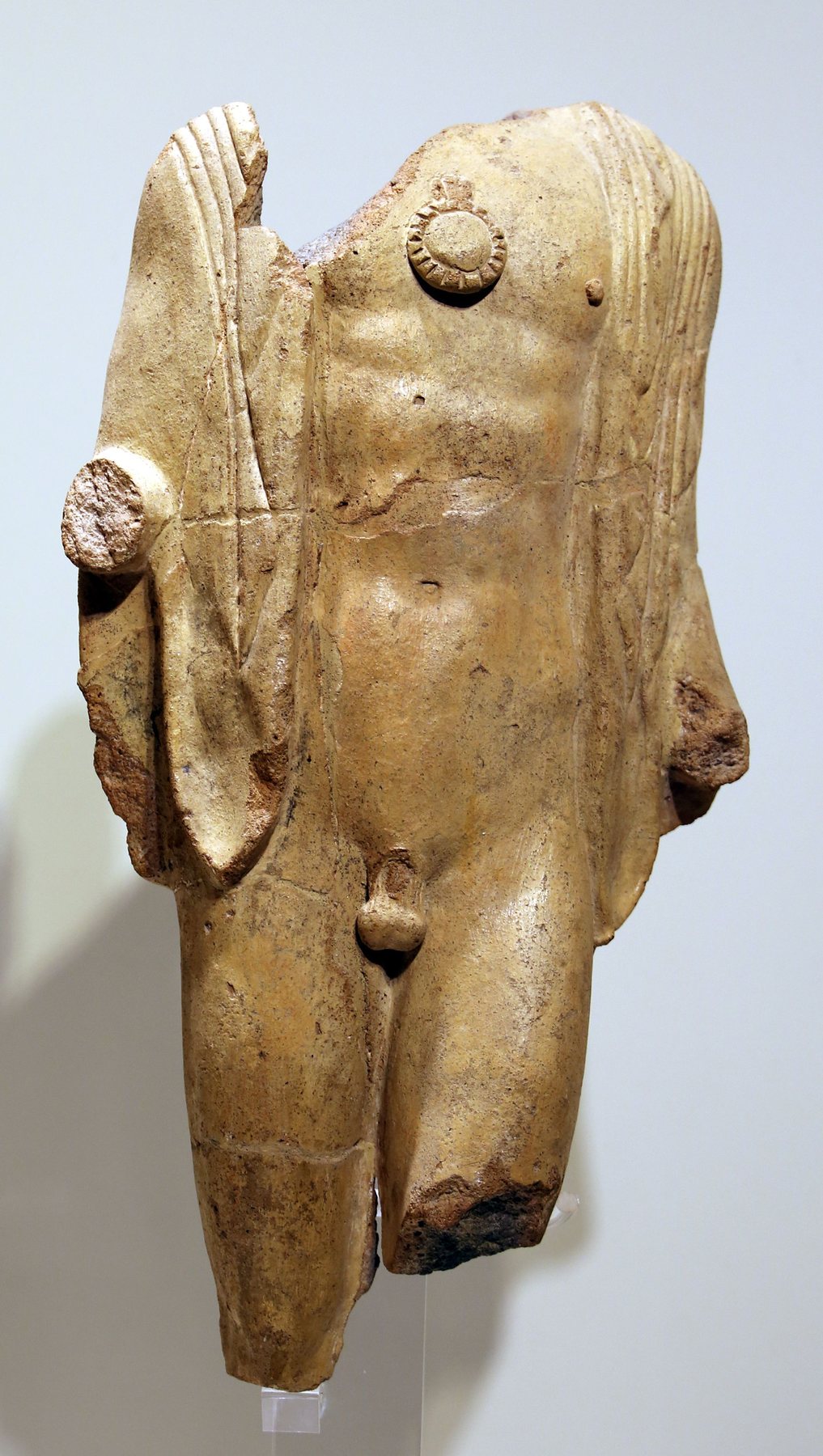 Male votive statue from the sanctuary of Portonaccio, about 410–390 BC. Villa Giulia Museum.
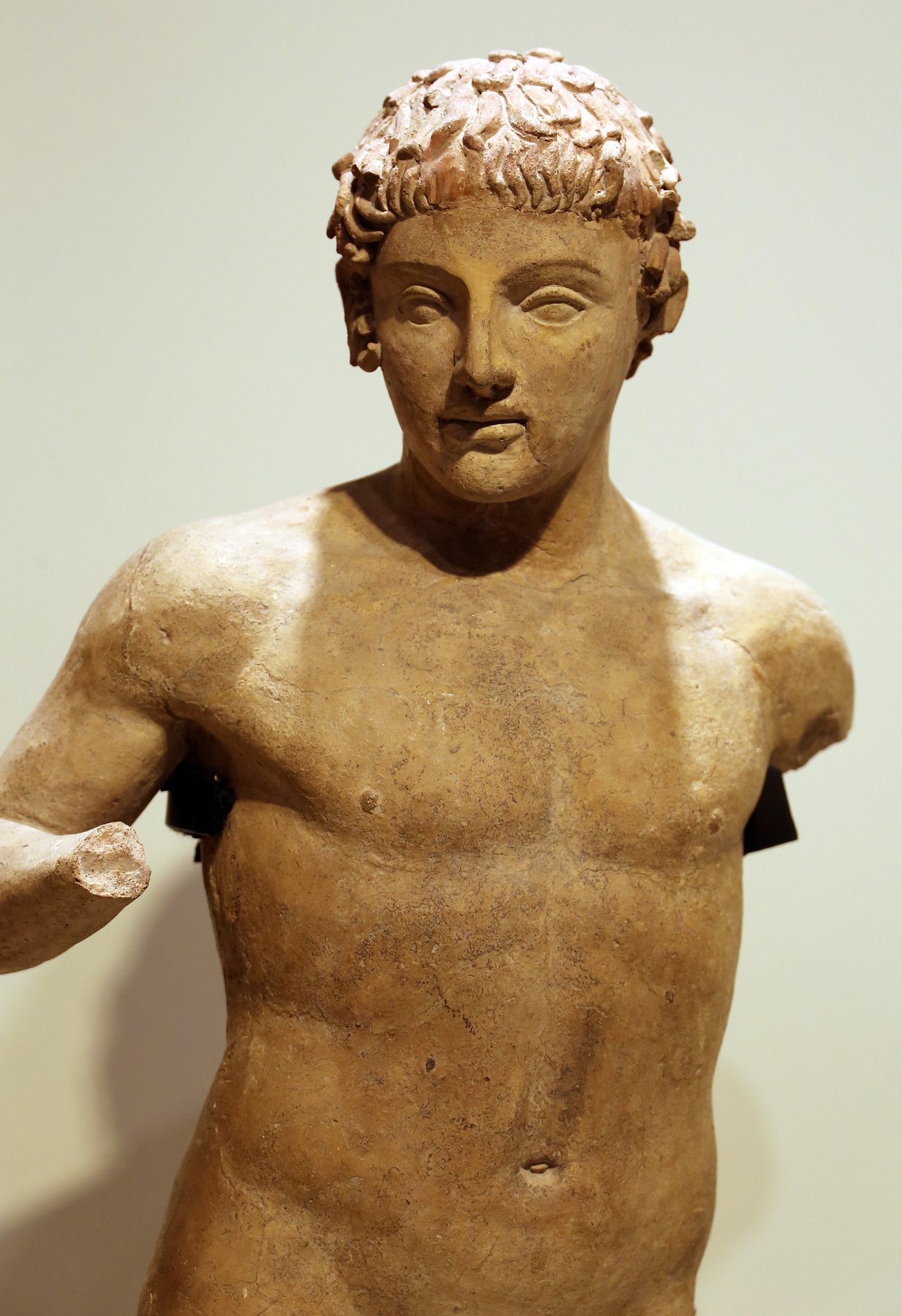 Male votive statue from the sanctuary of Portonaccio, about 420–400 BC, another view. Villa Giulia Museum.
Interested in Ancient Rome beyond reading? Join Legio X Fretensis or explore our reenactment directions.


