National Roman Museum
The National Roman Museum is not a single hall of antiquities, but a network of sites within Rome itself. For the study of the ancient city, Palazzo Massimo alle Terme, the Baths of Diocletian, Palazzo Altemps and Crypta Balbi are especially important. Together they show not only individual masterpieces, but also different ways of working with Rome's past: urban archaeology, epigraphy, portraiture, wall painting, mosaics, historic collections and late-antique layers.
The museum is useful because many of its objects are connected with Rome and its surroundings. It allows the visitor to compare imperial imagery, private interiors, funerary monuments, Greek sculpture in Roman collections and urban stratigraphy. For reconstruction, this is not a display of attractive isolated objects, but a set of control contexts: where an object was found, how it entered the museum, what social setting it belongs to and how safely it can be moved into another period or region.
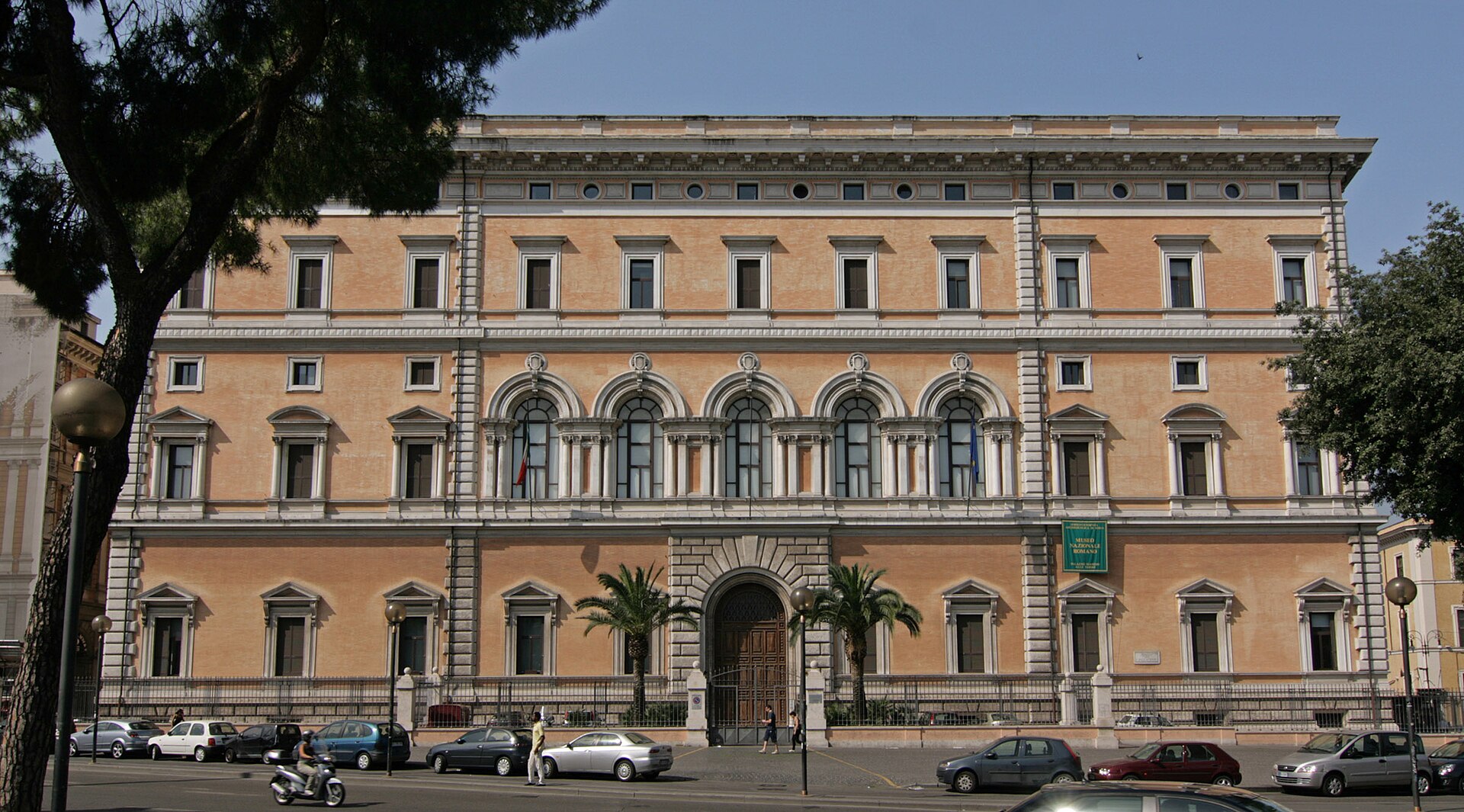 Palazzo Massimo alle Terme, one of the main sites of the National Roman Museum in Rome.
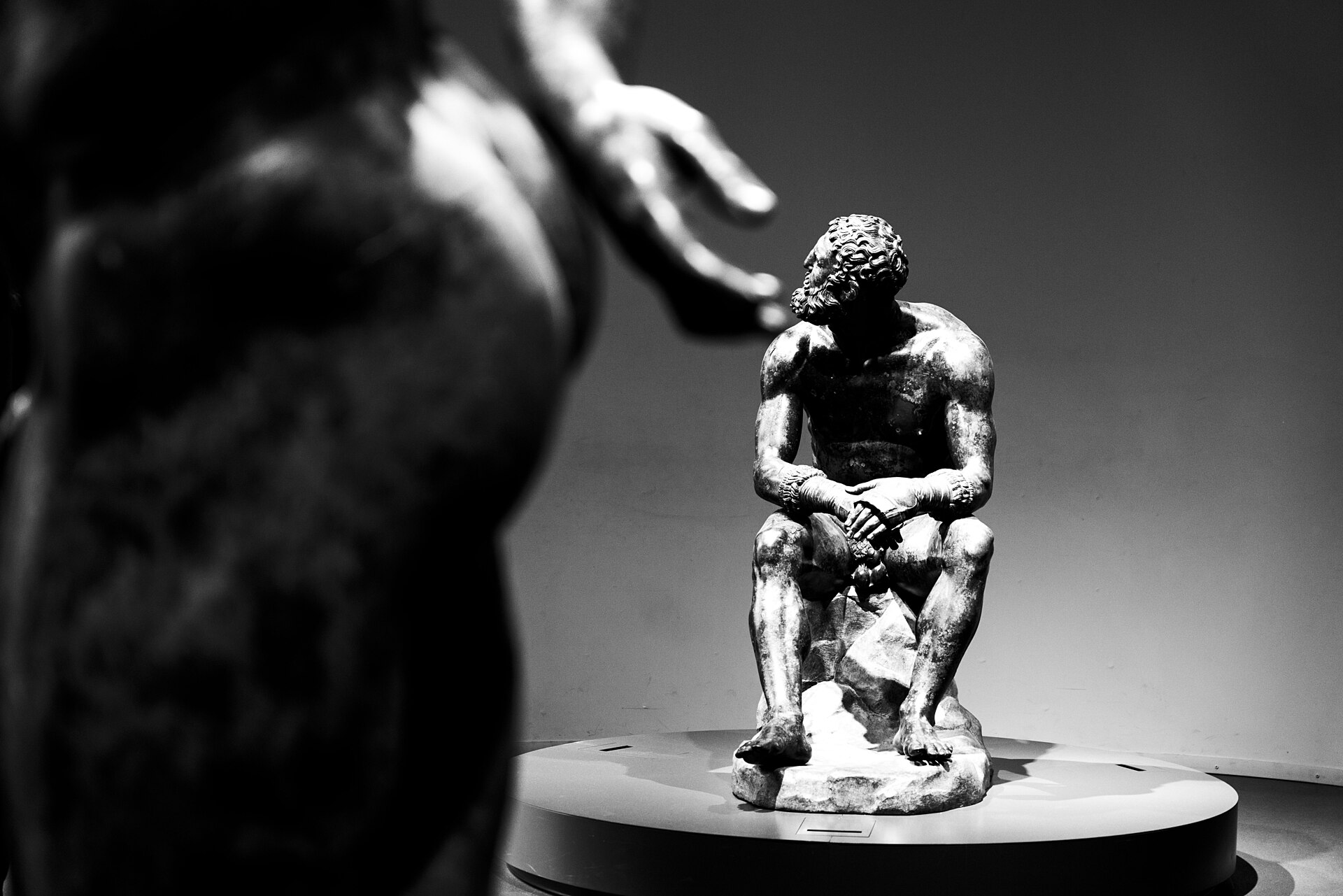 A gallery in Palazzo Massimo with ancient bronzes; the display shows large sculpture in its museum context.
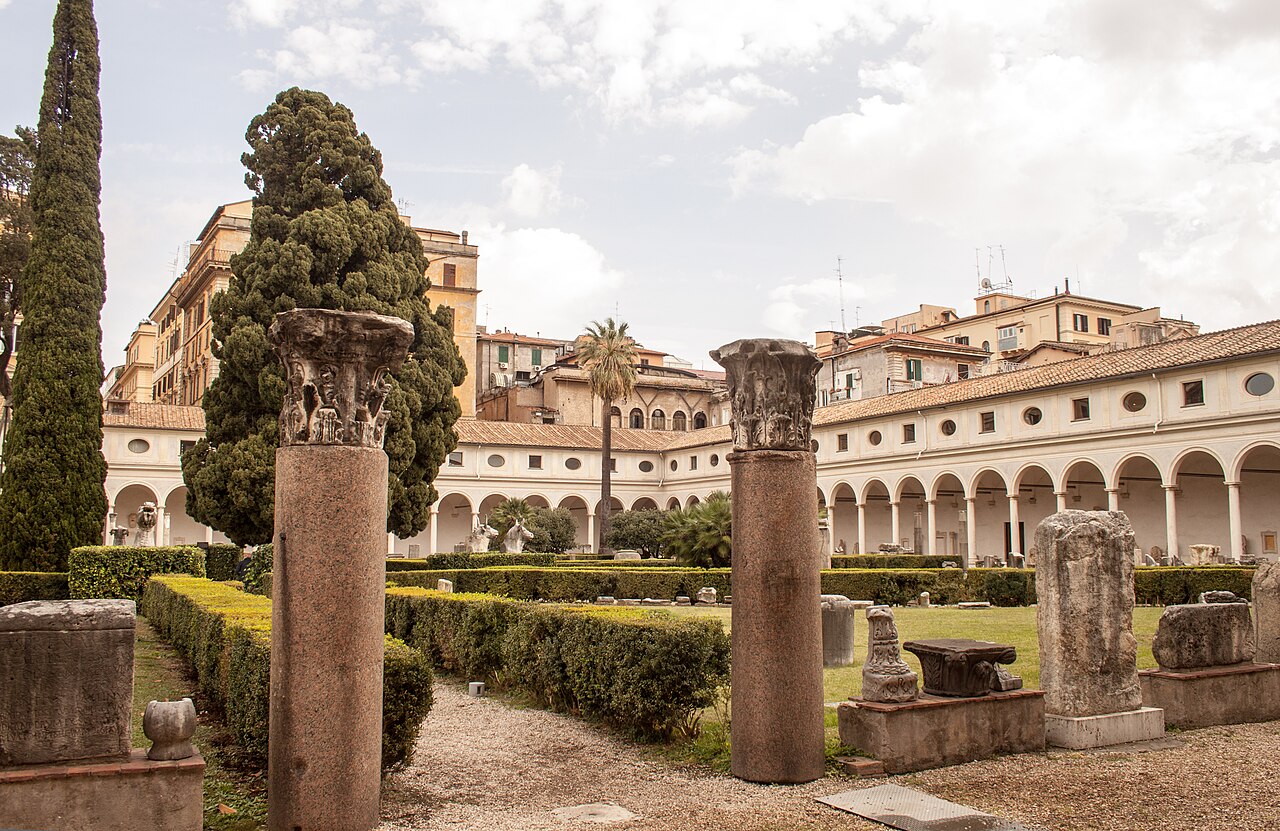 The great cloister of the Baths of Diocletian, a museum space with ancient architectural and epigraphic material.
A Museum Network Across Rome
The strength of the National Roman Museum lies precisely in its distributed structure. Palazzo Massimo is useful for portraiture, sculpture, frescoes, mosaics and objects from villas and urban houses. The Baths of Diocletian provide the scale of a monument and a large epigraphic corpus: inscriptions, sarcophagi, altars and architectural fragments are read beside the space of a late-antique bath complex. Palazzo Altemps presents ancient sculpture through the history of Roman aristocratic collections. Crypta Balbi shifts attention from the isolated object to the urban layer.
This structure clarifies different aspects of Roman life because one museum offers several kinds of source. One site helps with clothing and portrait fashion, another with inscriptions and social status, a third with restoration and collecting history, and a fourth with the life of an urban quarter after antiquity. The museum is therefore best used not as a single "catalogue of Rome", but as a system of sites with different degrees of archaeological precision.
Palazzo Massimo
Palazzo Massimo alle Terme is the main site for studying the imagery of Roman elites. Imperial and private portraits, statues, bronzes, mosaics and the famous wall paintings from the Villa Farnesina and other complexes are especially important here. The material shows not only artistic style, but also a social language: pose, hairstyle, the folds of a toga, military or civilian dress, interior decoration and painted subject all communicate how a person or a house wished to be seen.
For reconstruction, the link between object and setting is especially important. A fresco or mosaic does not exist on its own: it belonged to a room, villa, urban house or complex where colour, ornament, architectural illusion and the size of the space worked together. Sculpture also requires caution: Roman copies of Greek originals, restored statues and bronzes found in Rome have different degrees of relevance to real Roman dress and daily life.
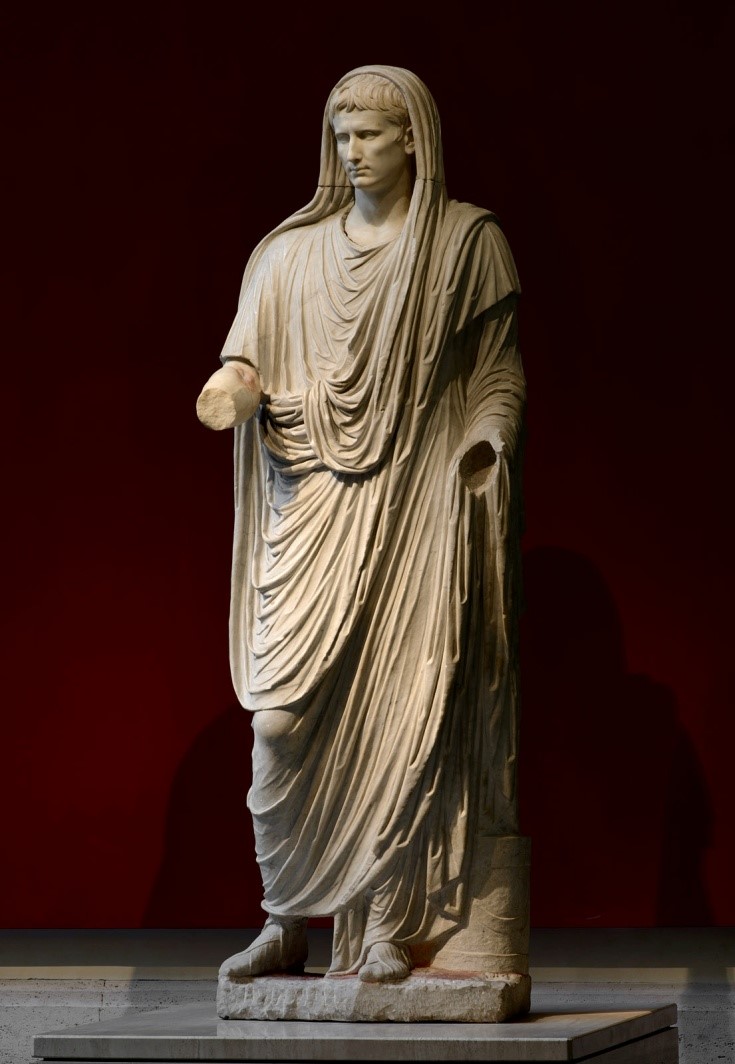 Statue of Emperor Augustus. Marble. Rome,Roman National Museum,Palazzo Massimo in Thermae. Around 20 BC.
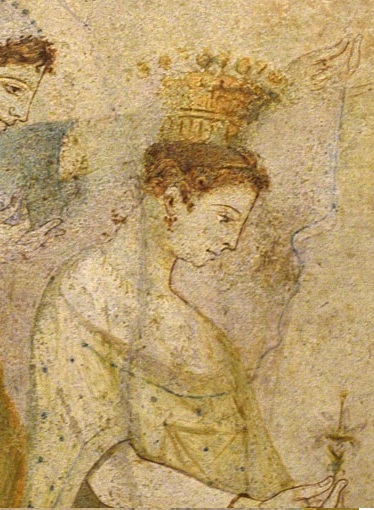 Fresco from a cubiculum of the Villa Farnesina. National Roman Museum, Rome; first century BCE–first century CE.
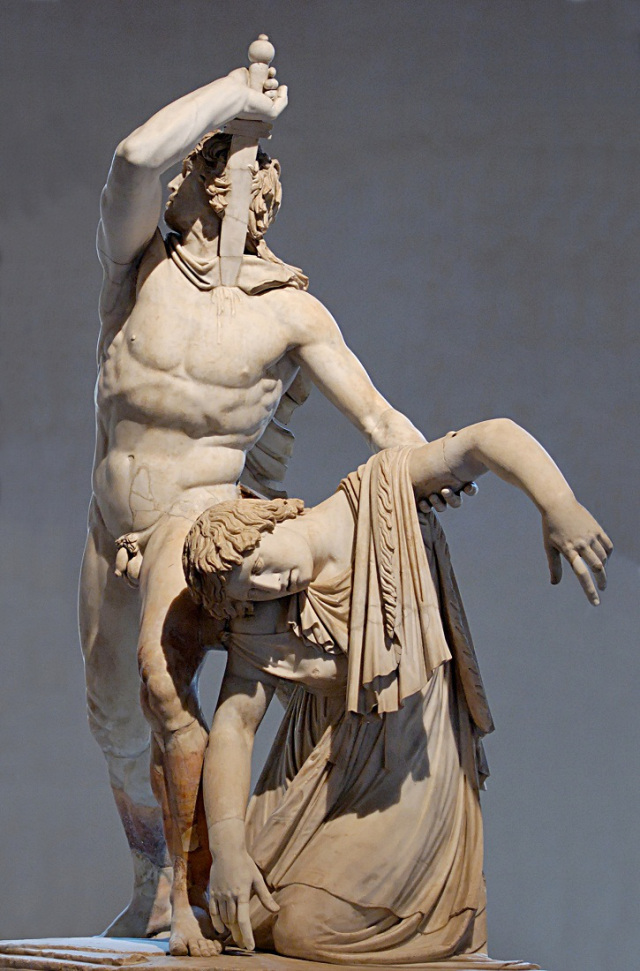 A Celt who kills himself and his wife to avoid falling into the hands of his enemies alive. A statue from the group that originally decorated the Pergamon altar. Palazzo Altemps,Rome,2nd century BC
The Baths of Diocletian and Epigraphy
The Baths of Diocletian matter not only as the remains of a gigantic late Roman imperial complex. In the museum route they function as a place where architecture, urban memory and inscriptions are brought into one field. Epigraphic material helps reveal people who are not always represented by statues: soldiers, freedmen, craftsmen, collegia members, priests, officials and families who left funerary texts.
Inscriptions provide what a simple object photograph cannot: names, statuses, offices, family relationships, military units, formulae of memory and sometimes precise dates. The Baths of Diocletian are therefore especially useful as a control centre for social history. When working with clothing, military markers, funerary monuments and names, visual form and textual formula must be read together.
Palazzo Altemps and Crypta Balbi
Palazzo Altemps presents another type of source: ancient sculpture is often connected not only with its ancient context, but also with the history of collecting, restoration and palace display. This matters when reading large marbles. A statue may be ancient, while its modern appearance may include restoration choices, older mounting, collection history and early modern taste.
Crypta Balbi shifts attention from the collection to an urban site. Stratigraphy, late-antique rebuilding, craft zones and the life of the quarter after the decline of the classical urban form are central here. This site helps avoid a purely ceremonial image of Rome: the city changed, buildings were rebuilt, objects moved from one use to another, and archaeology records that transition better than an isolated museum masterpiece.
Main Materials
- imperial and private portraits, statues, bronzes and Roman copies of Greek originals;
- frescoes, mosaics and decorative complexes from urban houses and villas;
- inscriptions, sarcophagi, altars and funerary monuments from Rome and its region;
- material for social history: names, statuses, professions, collegia, military and family formulae;
- archaeological layers at Crypta Balbi, important for late antiquity and the transition to the medieval city;
- the history of collecting and restoration, especially visible at Palazzo Altemps.
The museum's strength is the possibility of connecting artistic, textual and archaeological sources. A portrait shows face and hairstyle, an inscription provides a social formula, a fresco shows an interior, and an urban excavation shows how the environment changed. Together they offer a more careful picture of Rome than isolated images alone.
Context and Limits
The National Roman Museum is especially useful for checking urban Rome: elite dress, portrait fashion, interior painting, epigraphy and funerary monuments. But not every object from Rome automatically fits every reconstruction. It is necessary to distinguish an archaeological find, an old collection, a Roman copy of a Greek model, a restored marble and an object displayed within a modern museum ensemble.
When working with museum photographs, captions and inventory data must be read carefully. Visual form may be highly persuasive, but date, findspot, material, restoration history and state of preservation change the conclusion. The museum is therefore best used together with catalogues, publications and comparison with other Roman monuments, not as a set of ready-made illustrations.
Related Topics
Sources
- Museo Nazionale Romano: Palazzo Massimo
- Museo Nazionale Romano: Baths of Diocletian
- Museo Nazionale Romano: Palazzo Altemps
- Museo Nazionale Romano: Crypta Balbi
- Wikimedia Commons: National Roman Museum and its sites


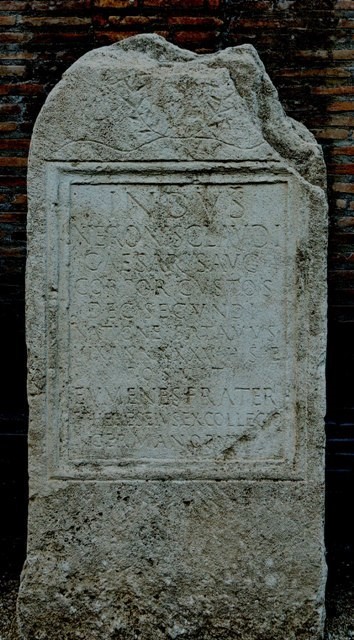 Tombstone stele of Indus,Batavian bodyguard of Emperor Nero. Diocletian's Baths Museum,Rome,1st century AD
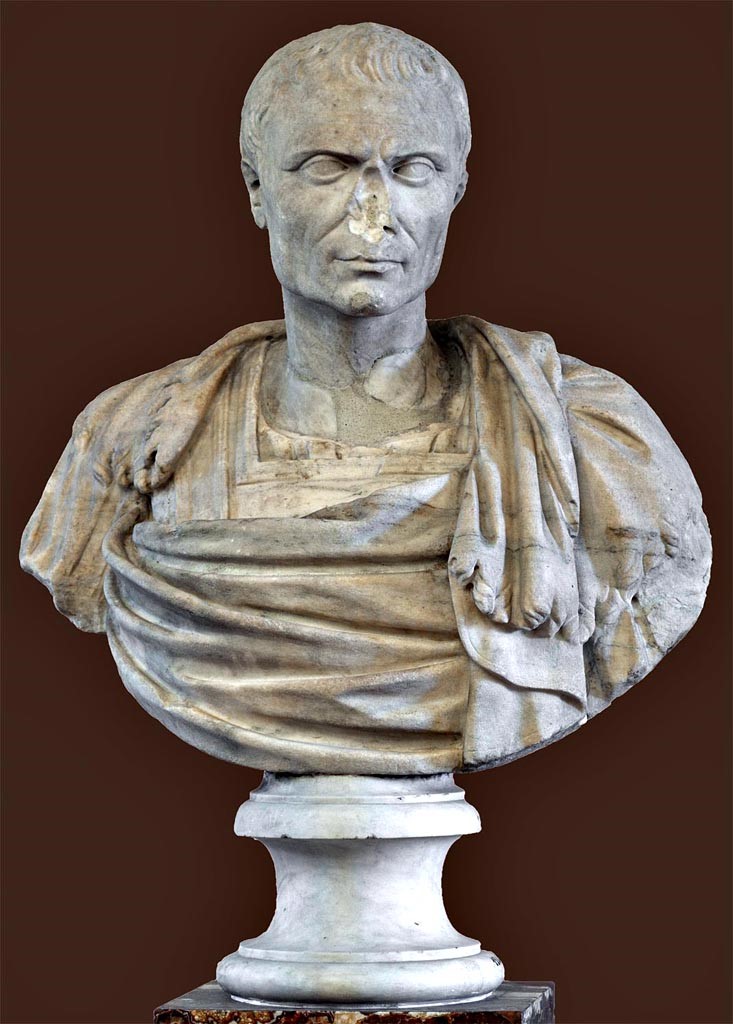 Portrait of Julius Caesar. Fine-grained marble. Rome,Roman National Museum,Palazzo Altemps
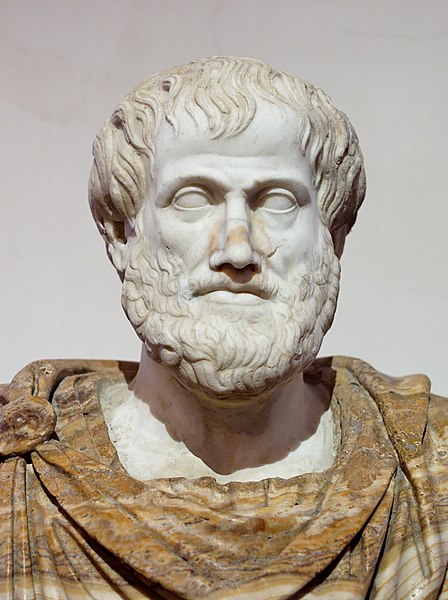 Bust of Aristotle. Palazzo Altemps,Italy. Inv. 8575. Roman copy of the Greek original (later 330 BC). The author of the original,made of bronze-Lysippus.
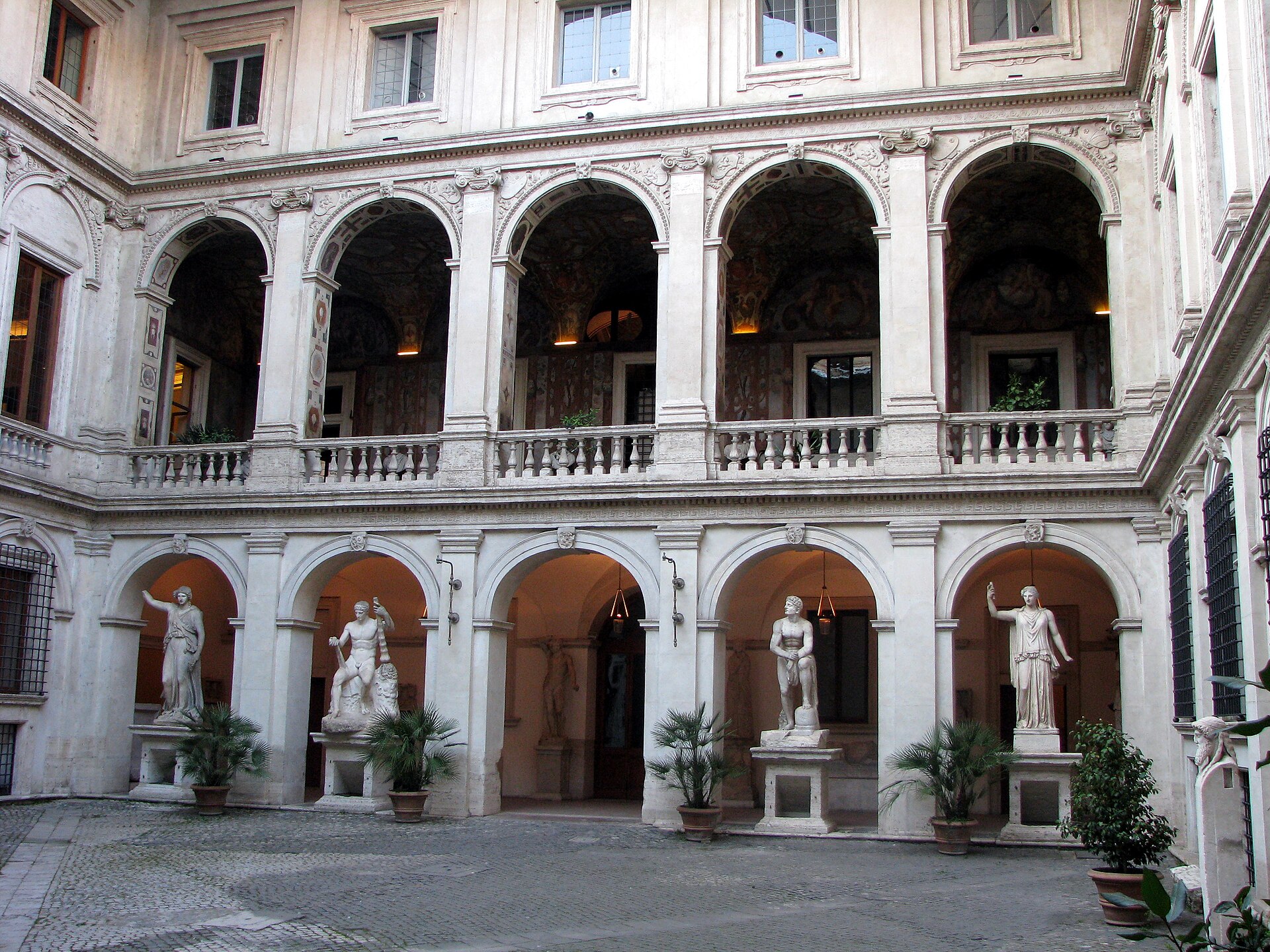 The courtyard of Palazzo Altemps, a National Roman Museum site with ancient sculpture and historic collections.
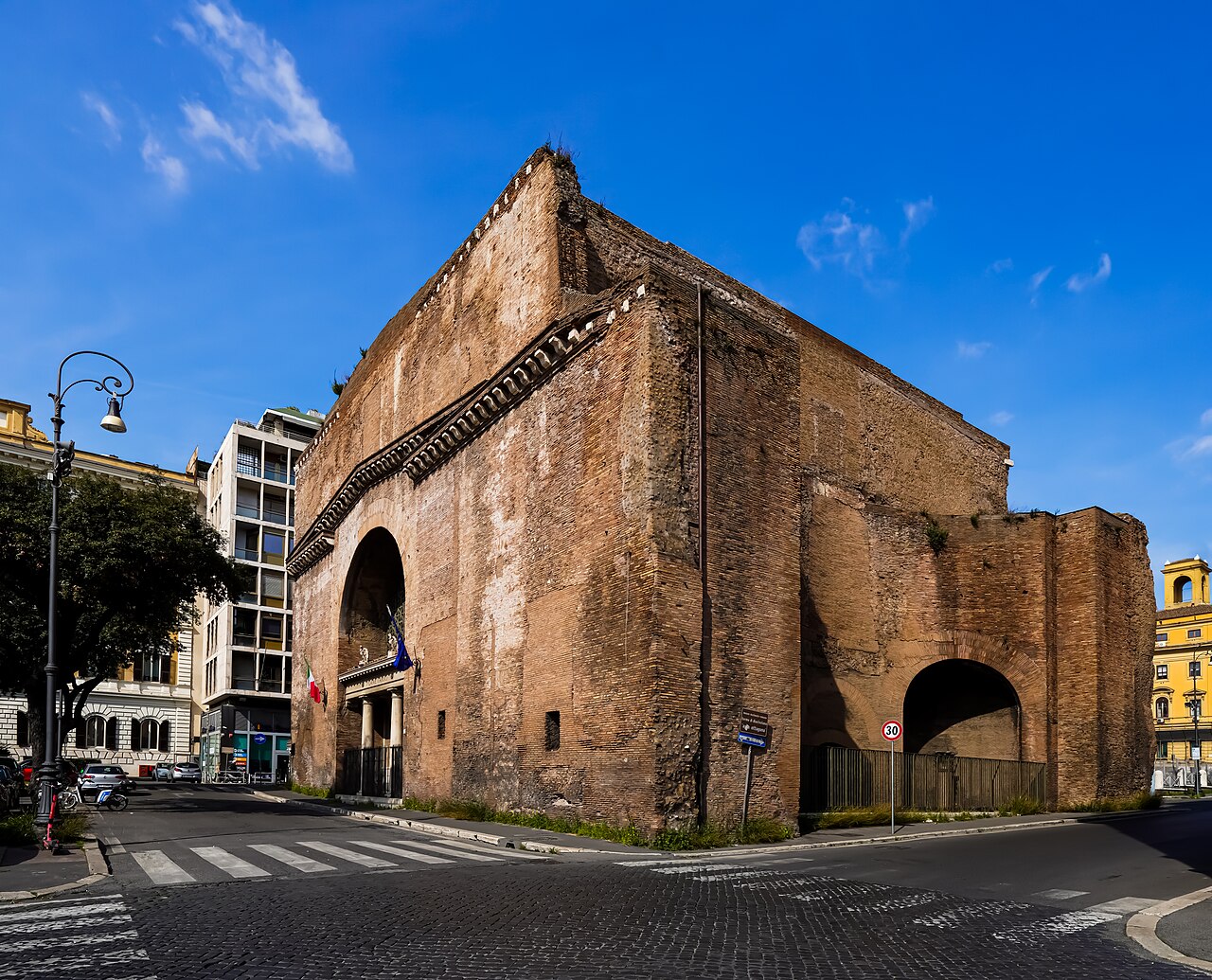 The Sala Ottagona in the Baths of Diocletian complex, part of the National Roman Museum route.
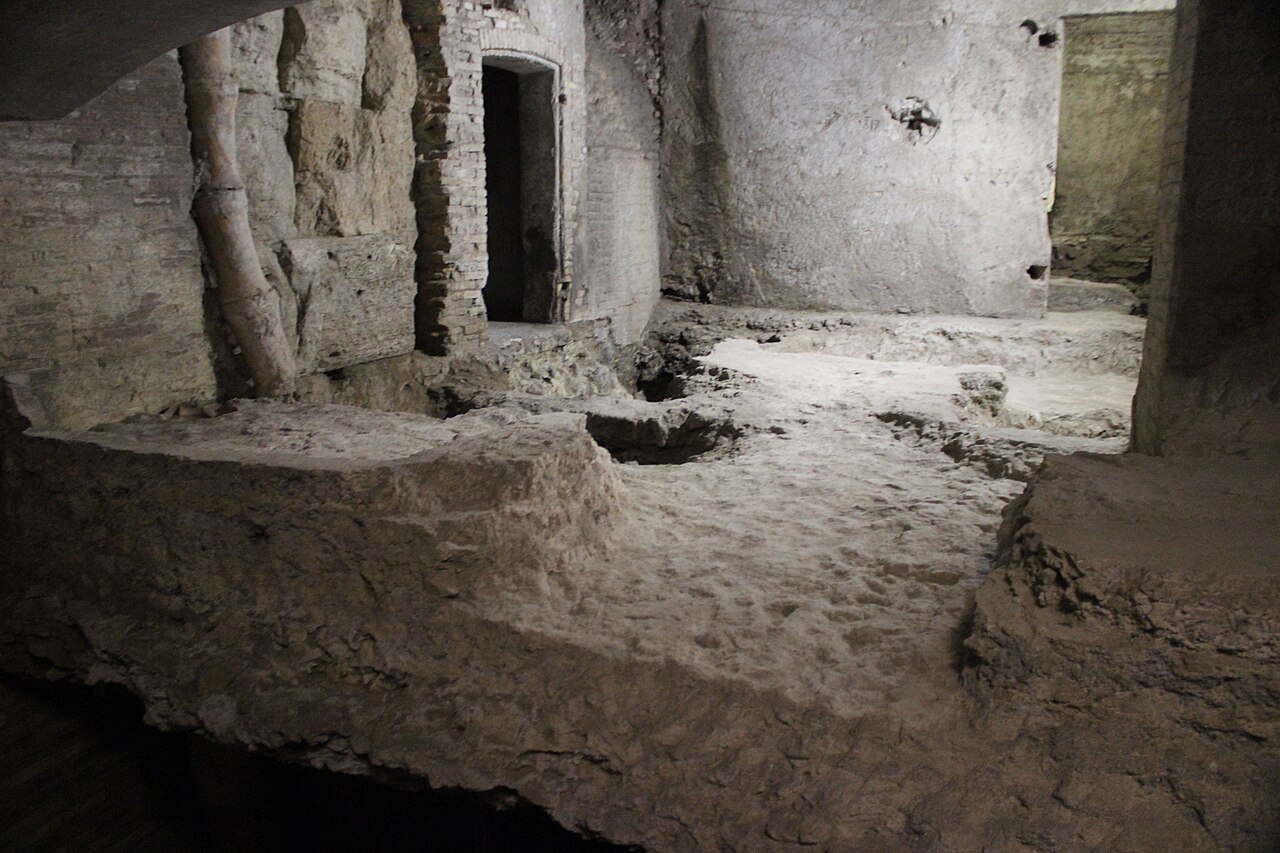 The archaeological area of Crypta Balbi, where the museum presents late-antique and medieval layers of urban Rome.
Interested in Ancient Rome beyond reading? Join Legio X Fretensis or explore our reenactment directions.


