Carnuntum and Museum Carnuntinum
Carnuntum is a Danubian archaeological complex where museum collections, excavations and modern reconstructed buildings complement one another. Museum Carnuntinum connects objects and inscriptions with the legionary base, civilian town, houses, baths and amphitheatres. Reconstructed buildings help convey spatial scale but do not replace excavated evidence.
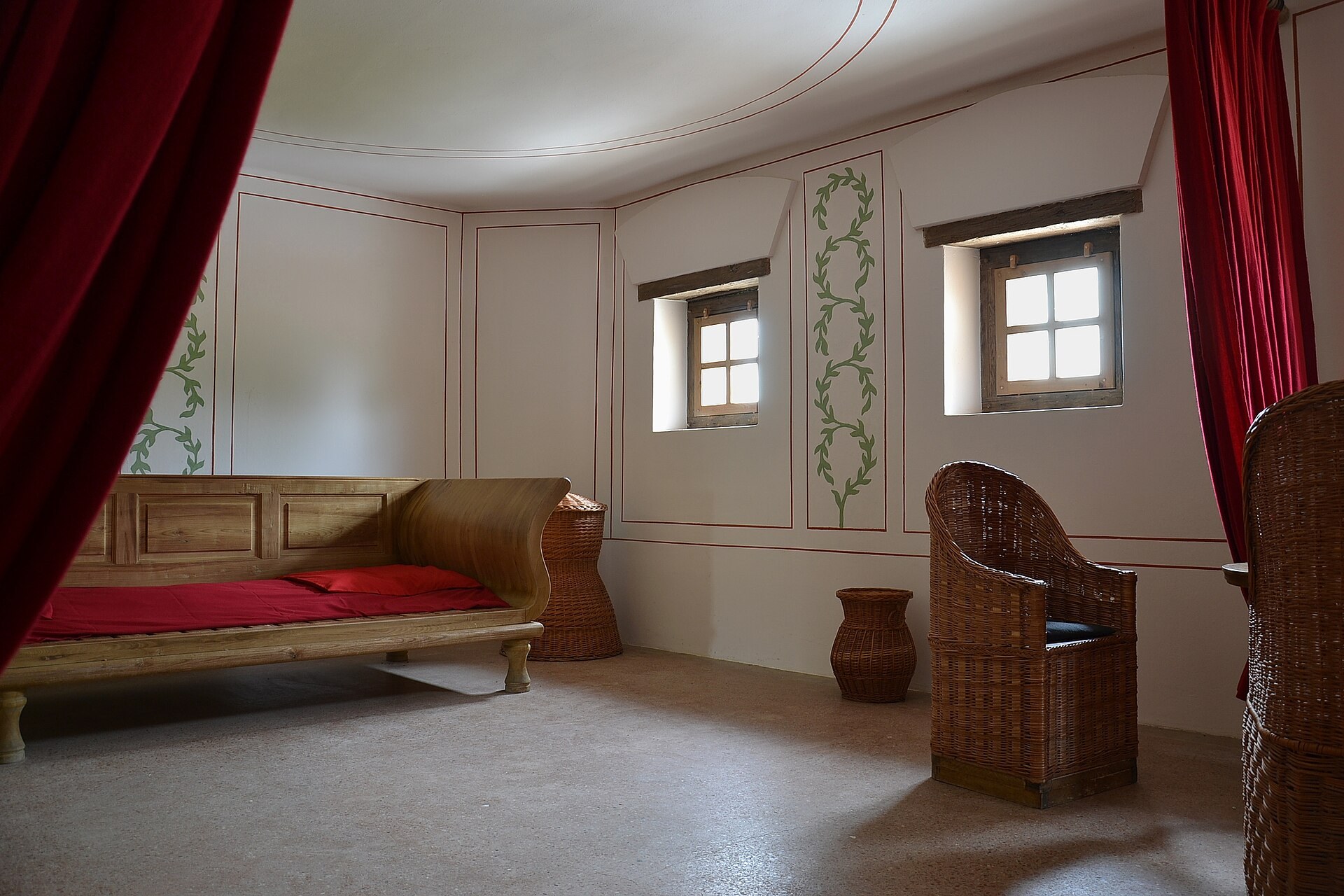 Modern reconstruction of the interior of the House of Lucius Maticeius Clemens in Carnuntum Archaeological Park.
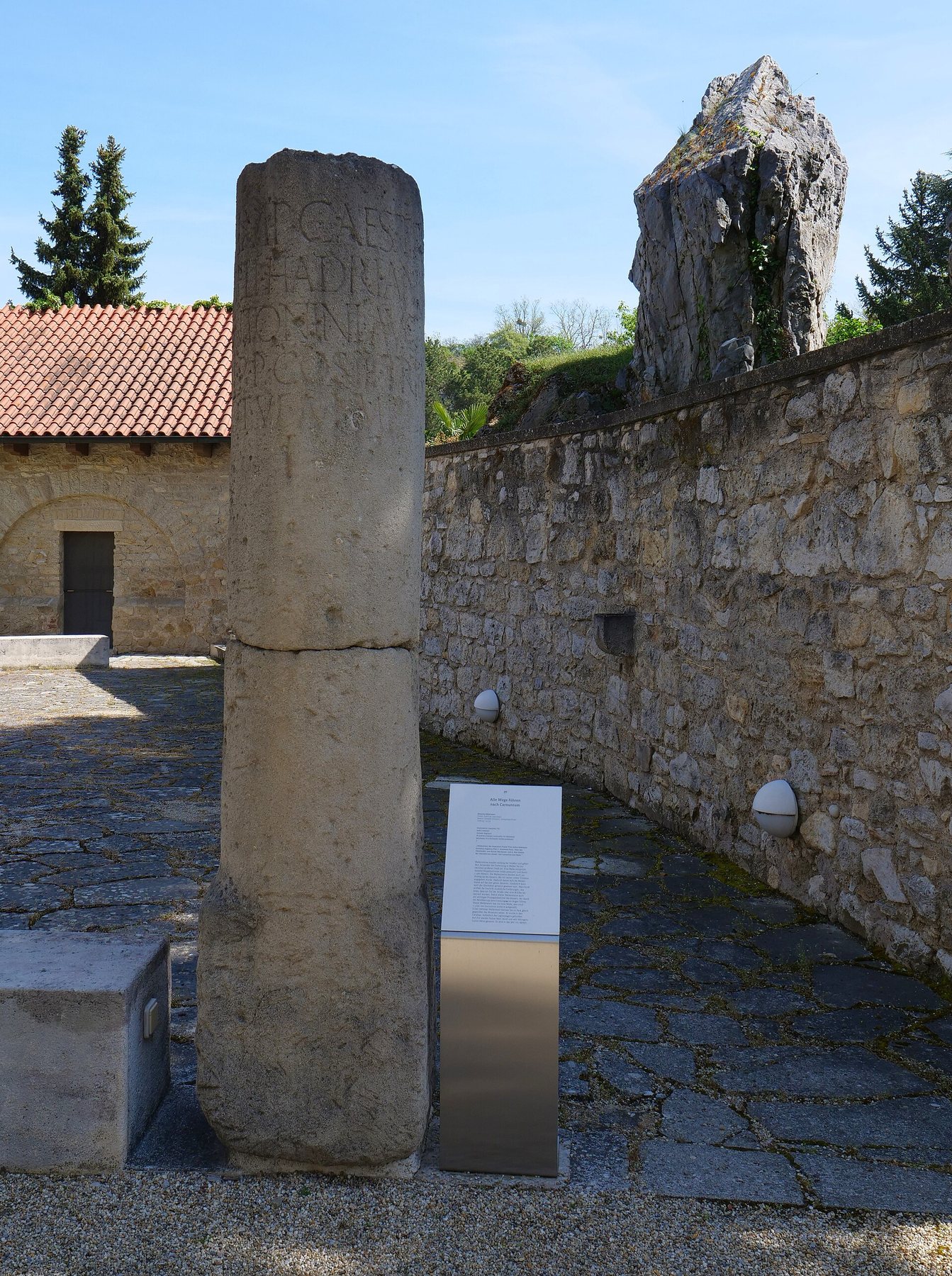 Roman milestone. Museum Carnuntinum, Carnuntum.
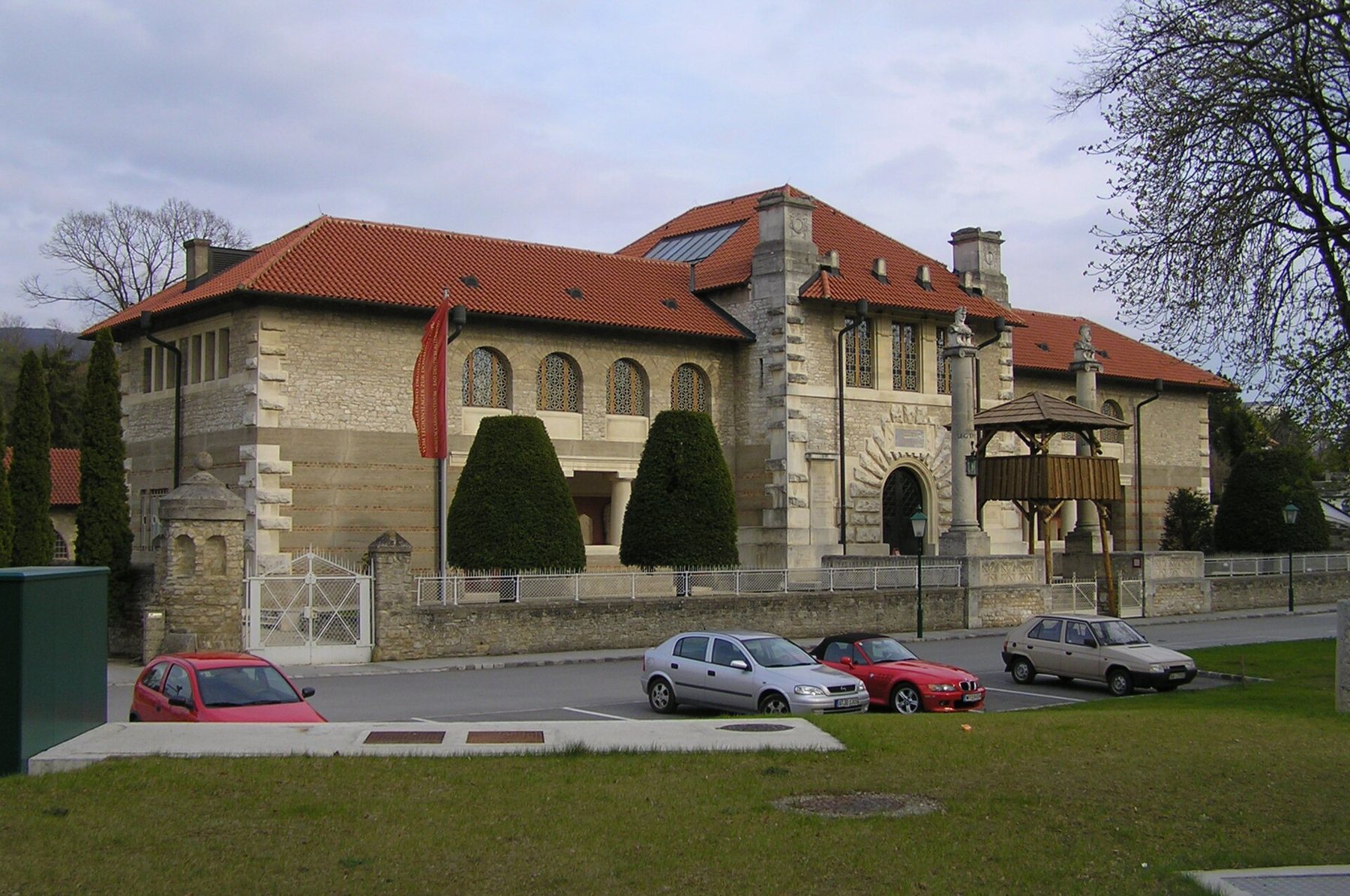 Carnuntum and Museum Carnuntinum: Carnuntum Museum Carnuntinum.
Collection and Historical Context
Carnuntum should not be used as a ready model for any Roman settlement. Its value lies in the combination of Danube context, a large excavated complex and public reconstruction that must be checked against archaeology.
Display and Main Materials
Military and civilian finds, inscriptions, everyday objects, bath, house and sanctuary material, and the museum's explanation of reconstructions deserve attention. It is important to mark where the evidence ends and modern interpretation begins.
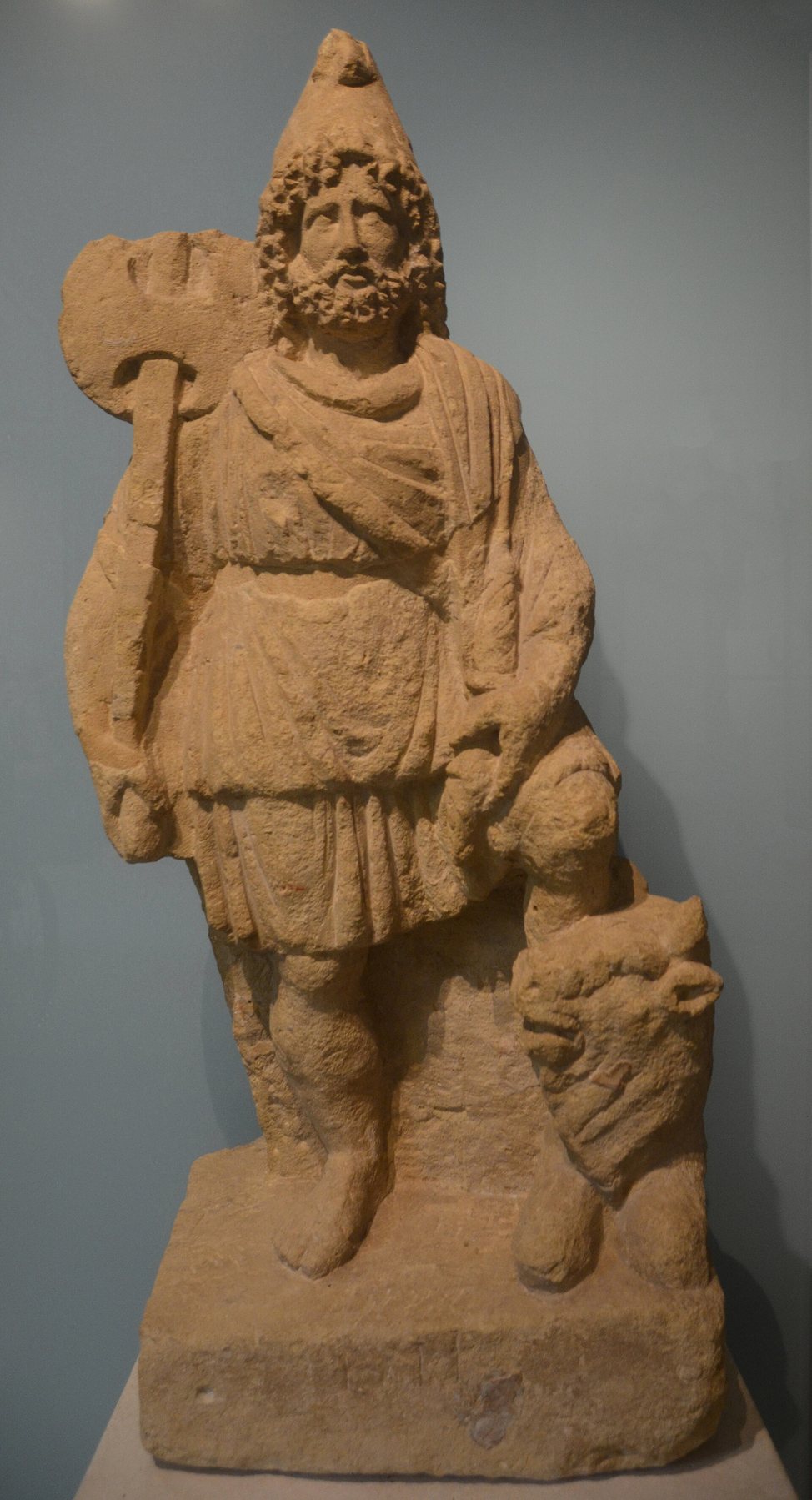 Limestone statue of Jupiter Dolichenus, around AD 200-230, Carnuntum Archaeological Museum, Austria. Object from the collection: Carnuntum and Museum Carnuntinum.
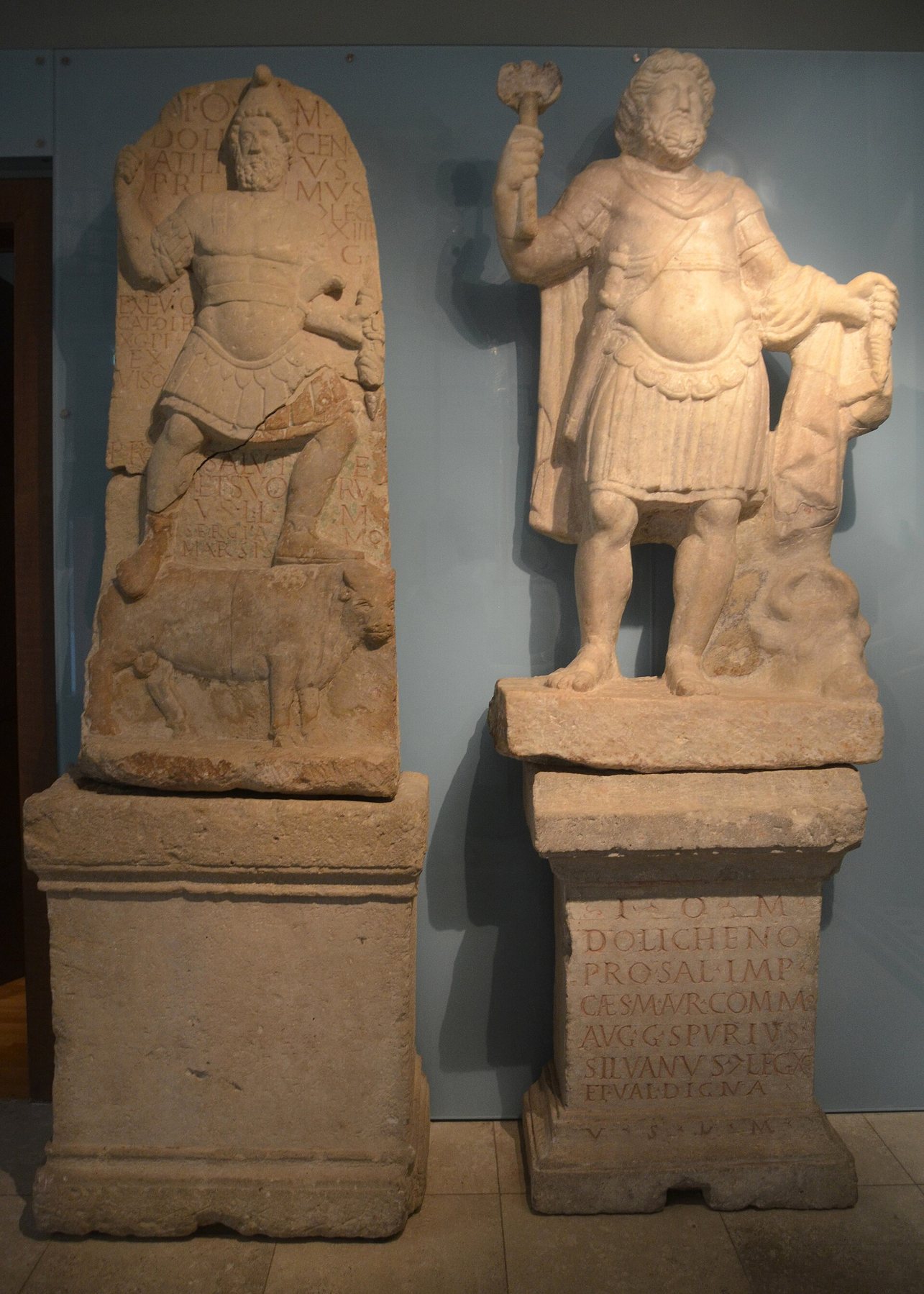 Limestone relief (left) and marble statue (right) of Jupiter Dolichenus, Antonine-Severan period, Carnuntum Archaeological Museum, Austria. Object from the collection: Carnuntum and Museum Carnuntinum.
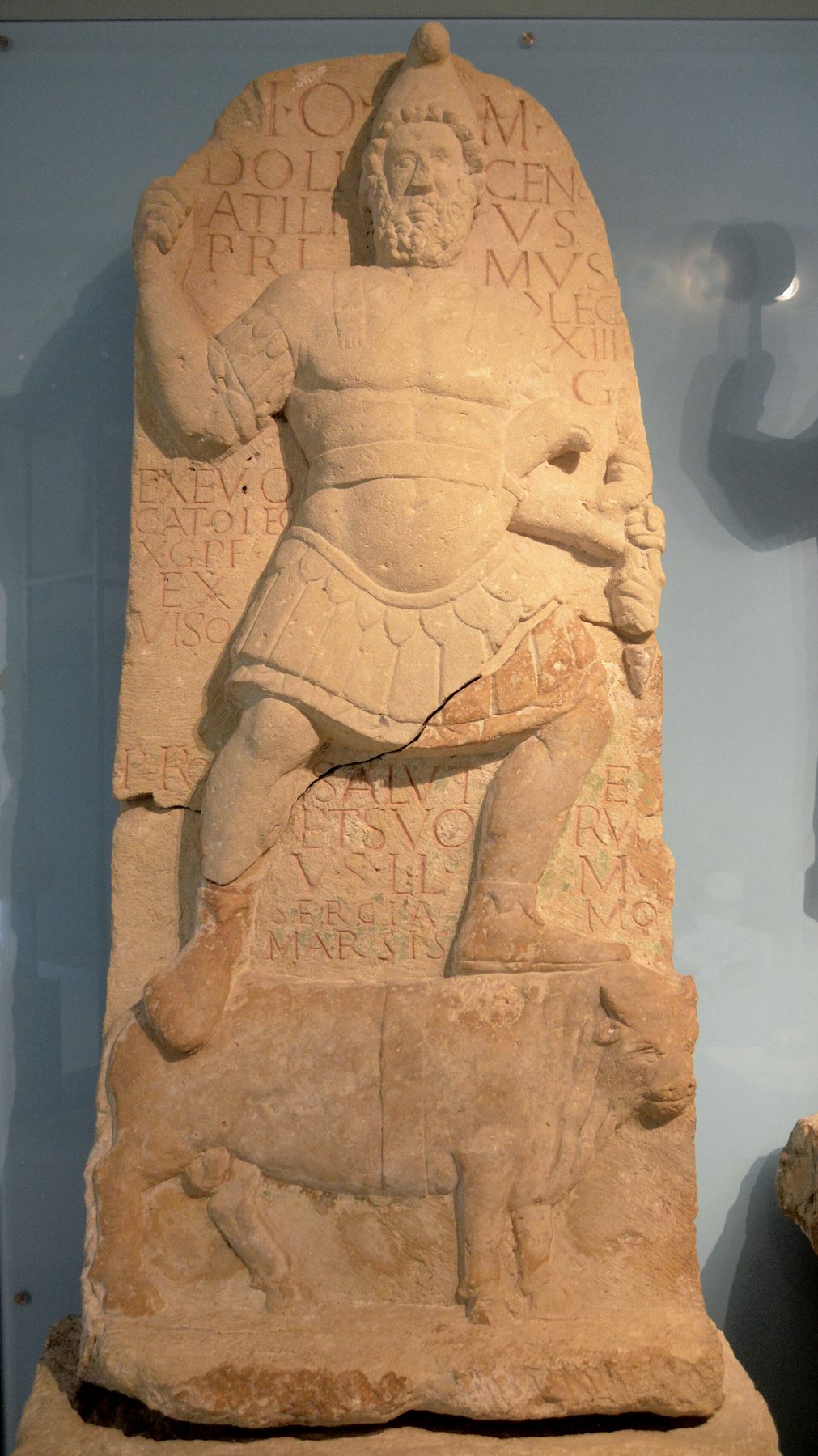 Limestone relief of Jupiter Dolichenus, AD 175-185, Carnuntum Archaeological Museum, Austria. Object from the collection: Carnuntum and Museum Carnuntinum.
Related Topics
- Museums of Antiquity
- Rheinisches Landesmuseum Trier
- Mainz Museums of Antiquity
- Archaeology and museums
Official Pages and Catalogues


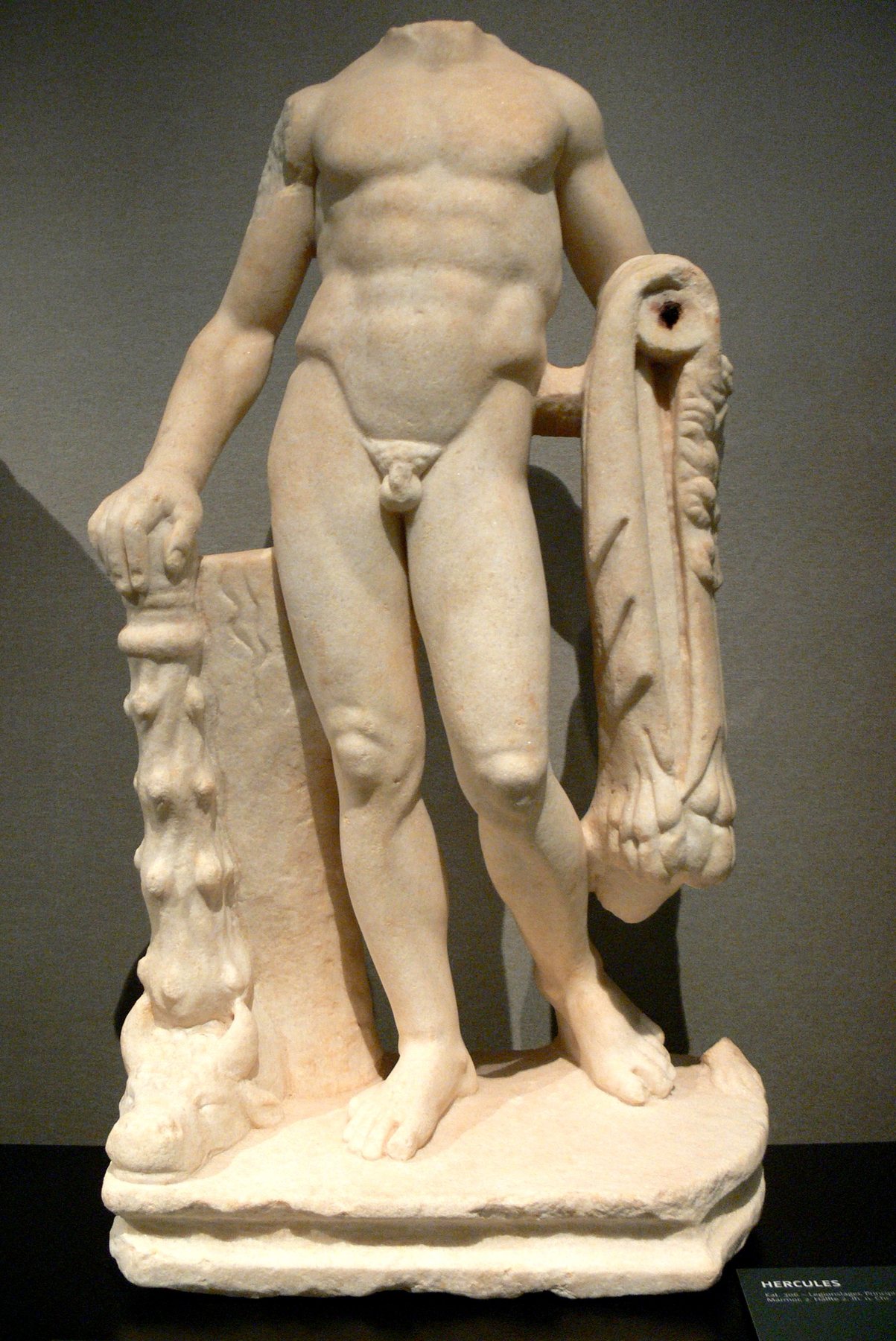 Statue of Hercules. Museum Carnuntinum, Carnuntum.
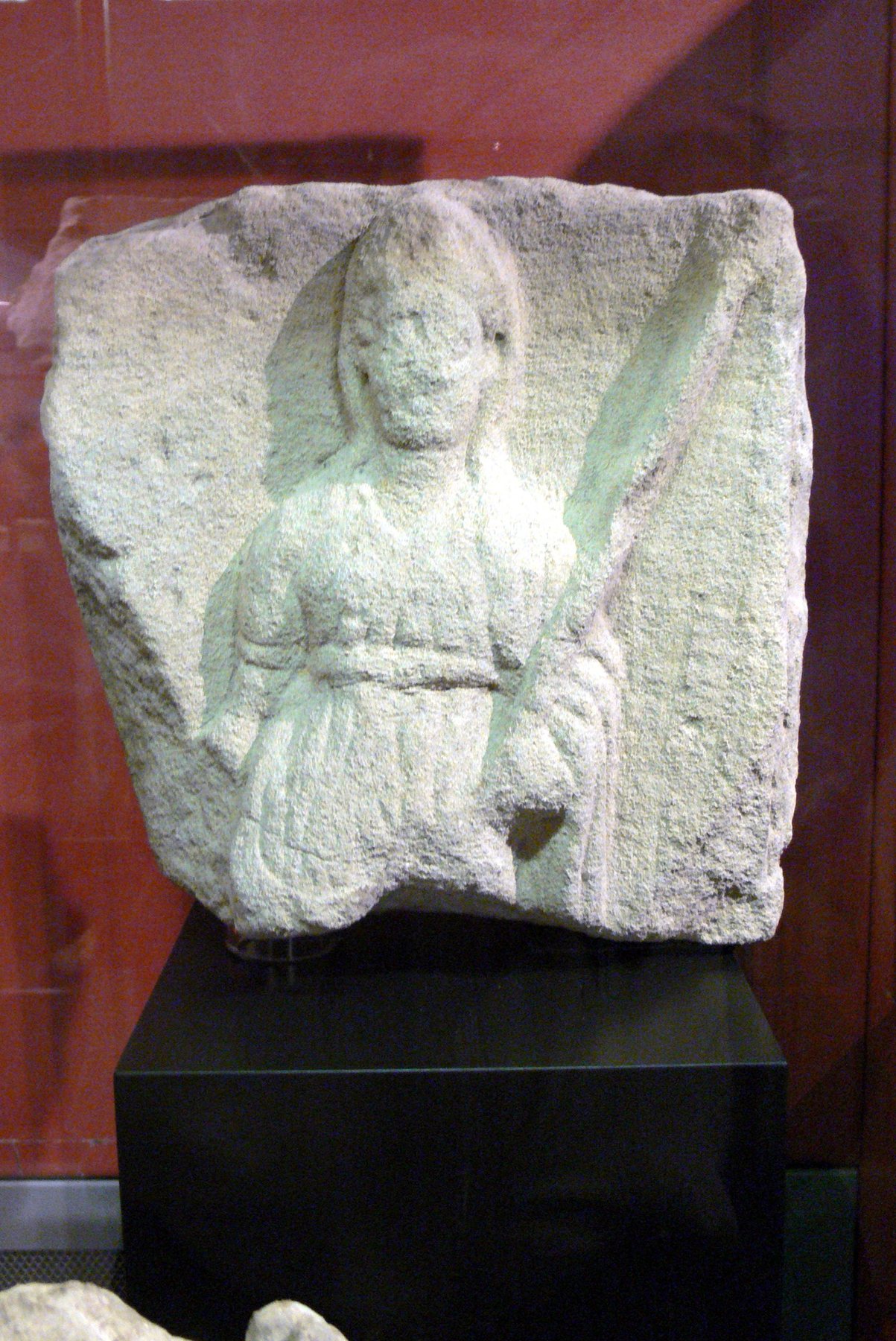 Relief depicting Juno. Museum Carnuntinum, Carnuntum.
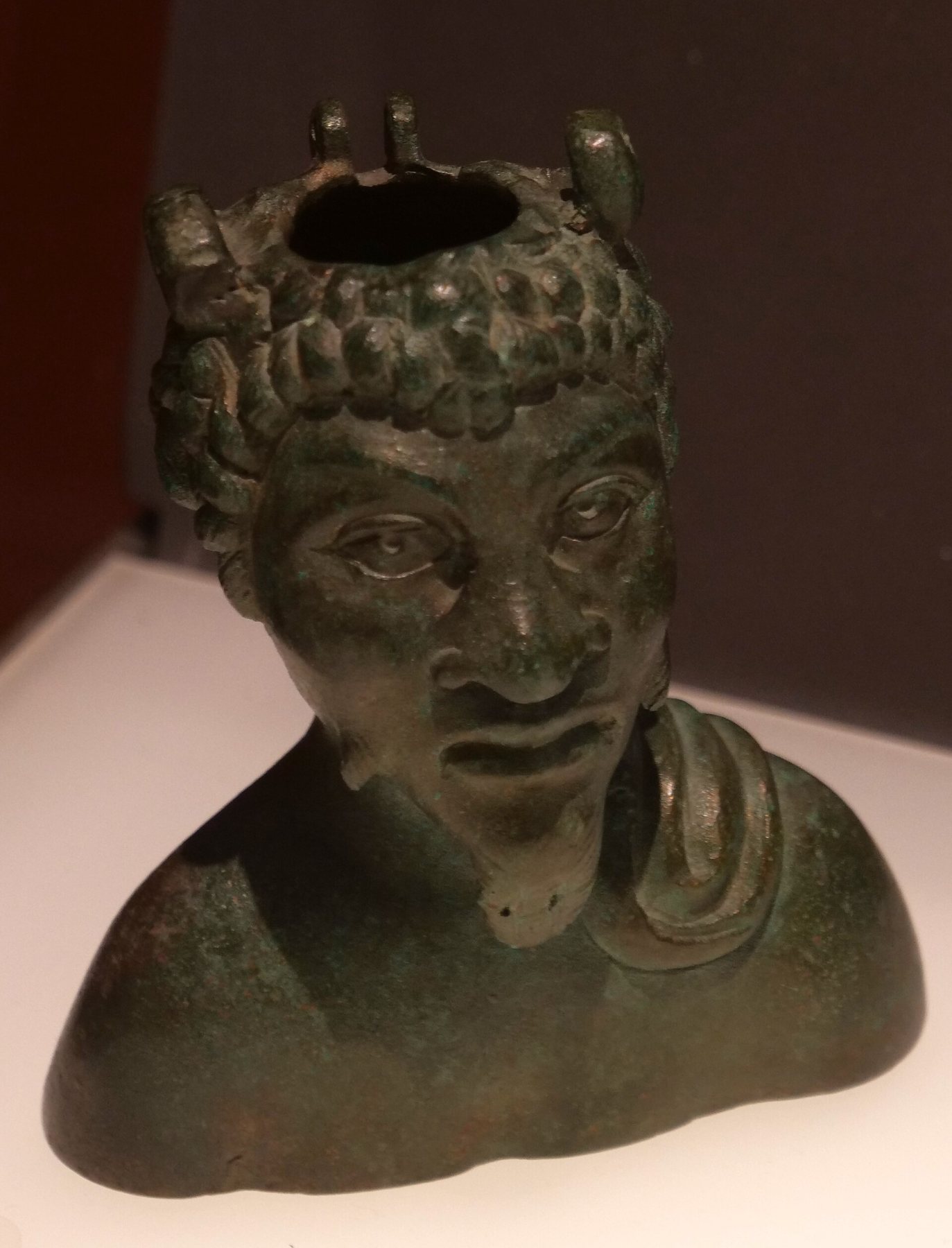 Bronze figurine from the southern civilian town of Carnuntum, second century AD; an object associated with bathing culture.
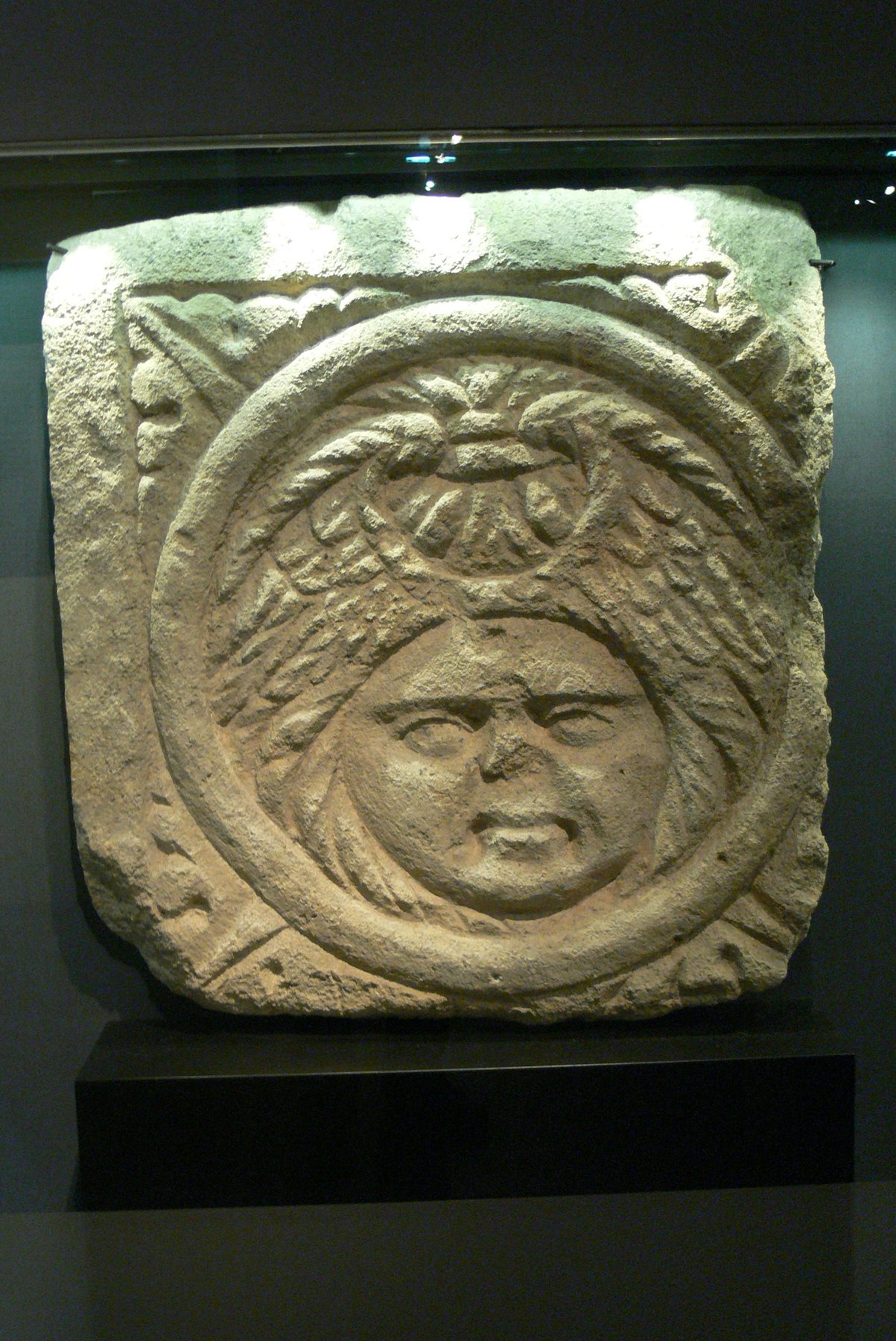 Depiction of Medusa. Museum Carnuntinum, Carnuntum.
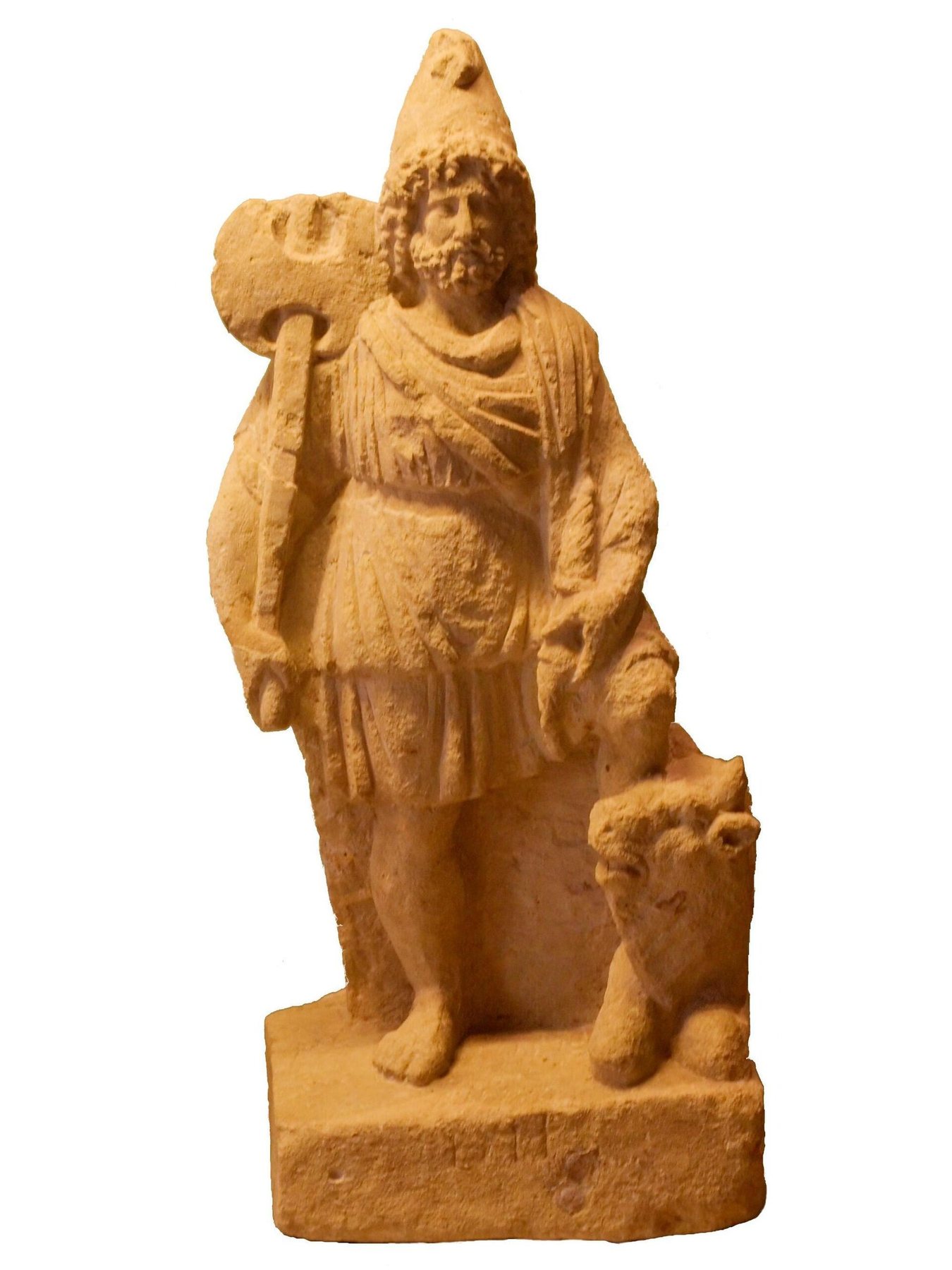 Jupiter dolichenus statuette Carnuntum. Object from the collection: Carnuntum and Museum Carnuntinum.
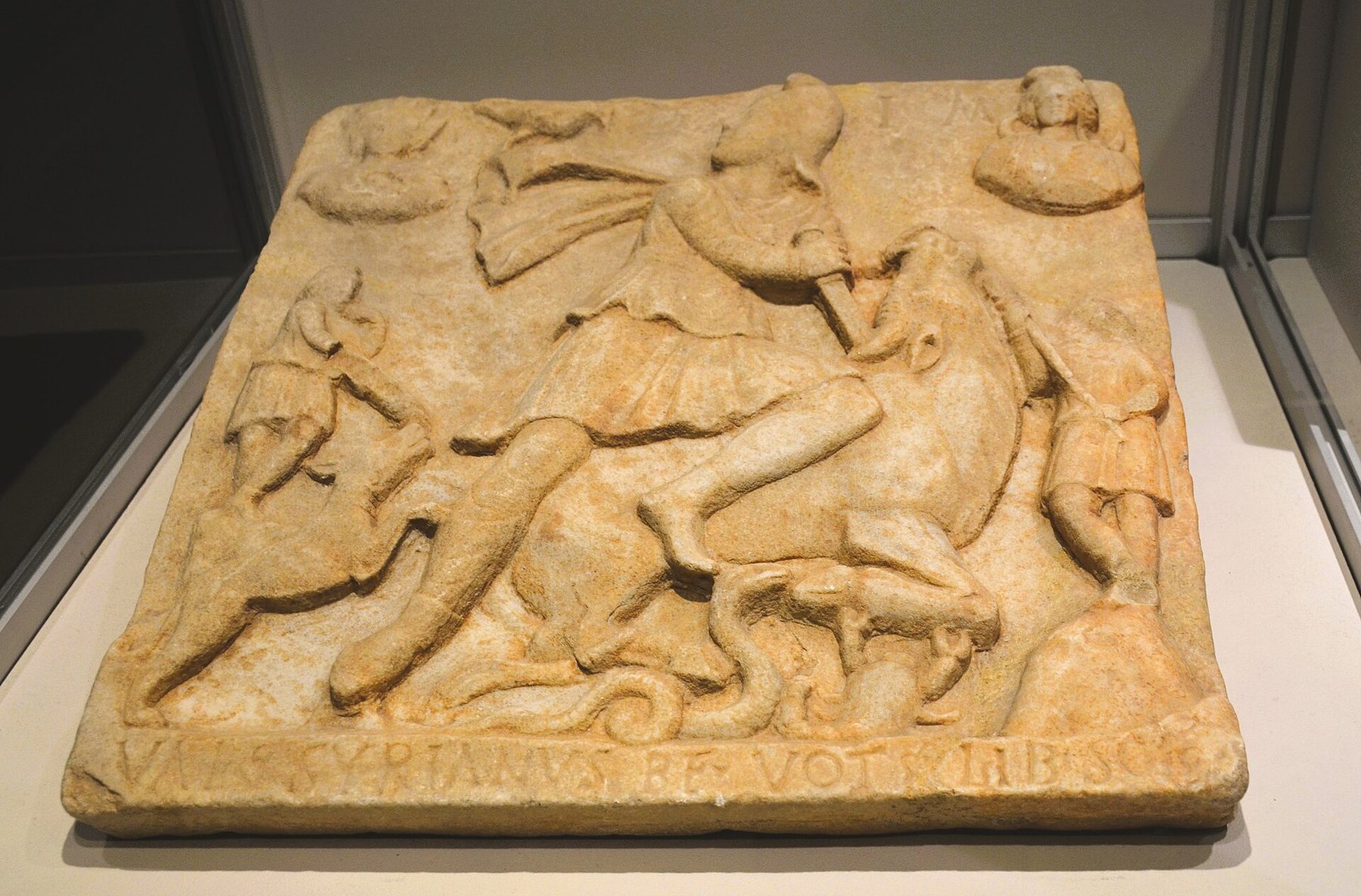 Marble Mithraic relief from Carnuntum, second–fourth centuries AD.
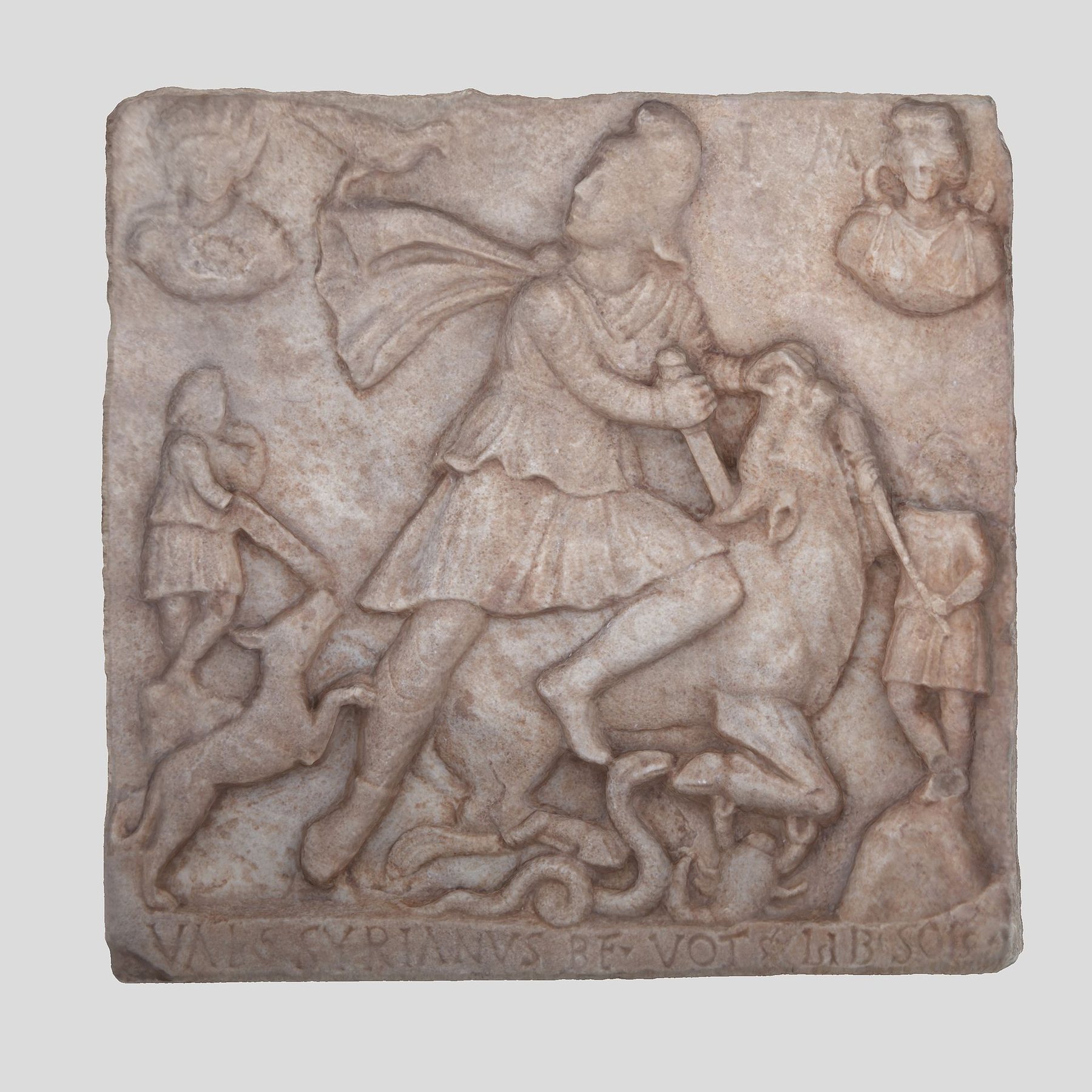 Mithraic relief, inventory MAK-3475. Carnuntum.
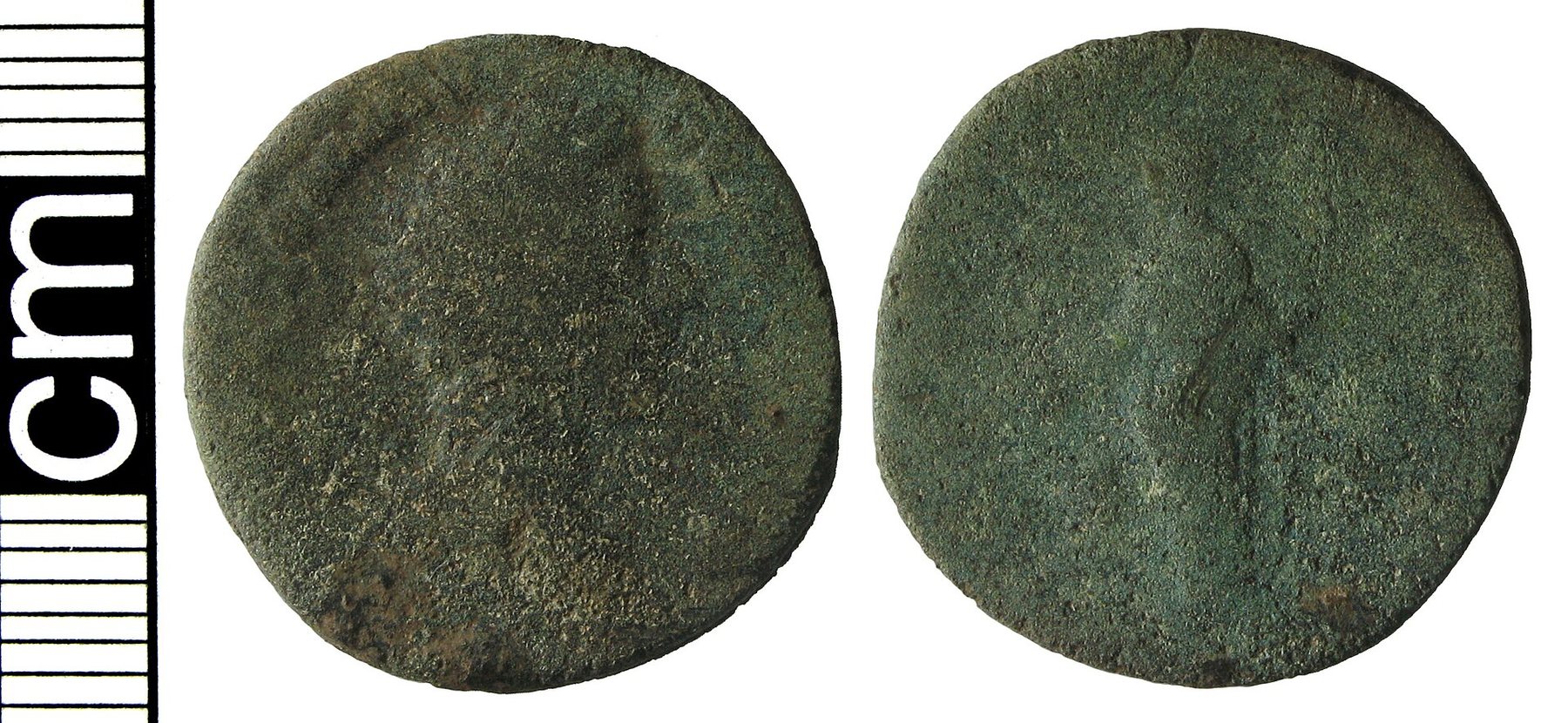 Roman coin: Copy (Limesfalschung) of a dupondius of Commodus. Object from the collection: Carnuntum and Museum Carnuntinum.
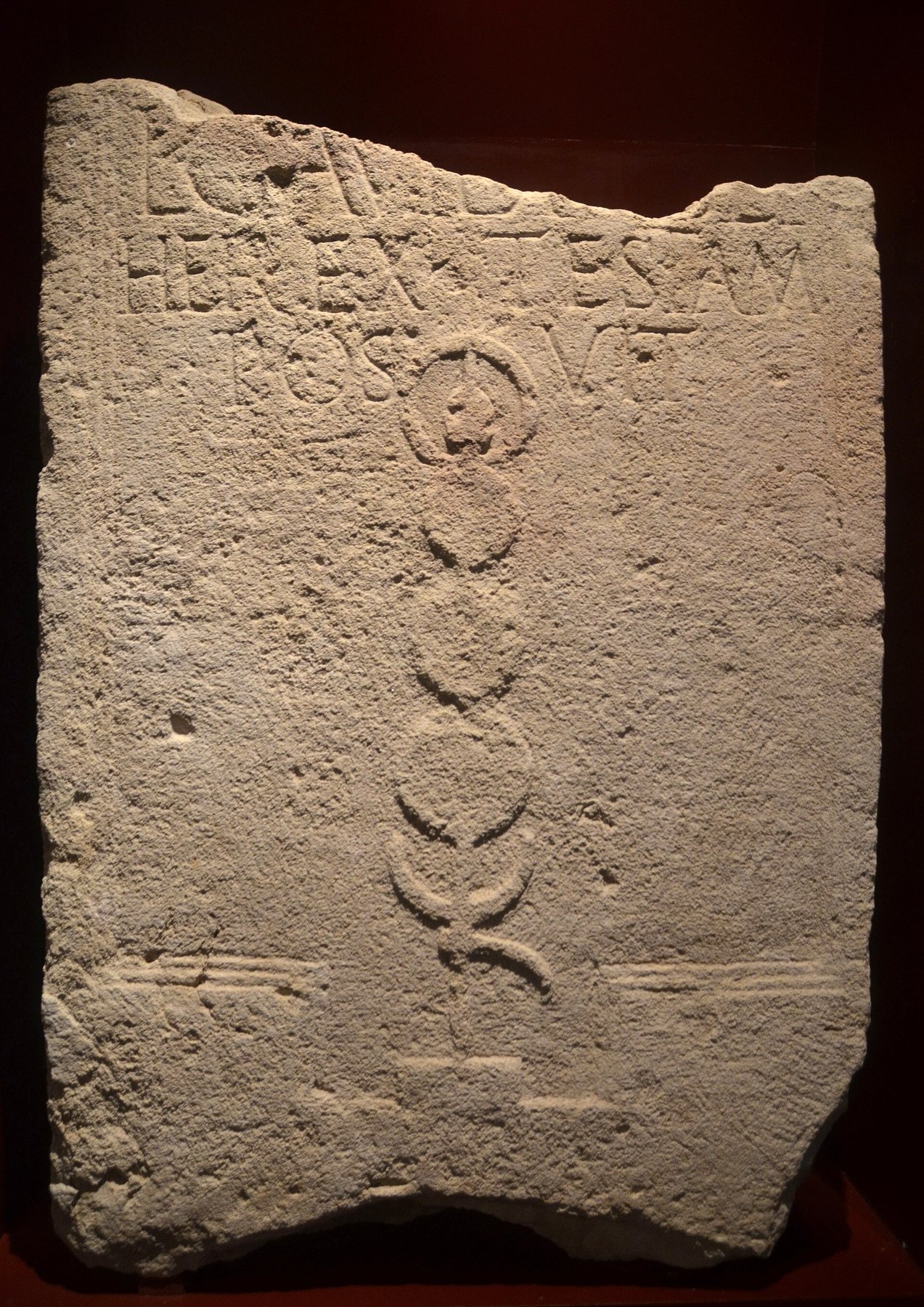 Funerary stele of Lucius Gavidius (CIL 03, 13482), a signifer (standard bearer) of Legio XV Apollinaris, mid 1st century AD, Carnuntum Archaeological Museum, Austria. Object from the collection: Carnuntum and Museum Carnuntinum.
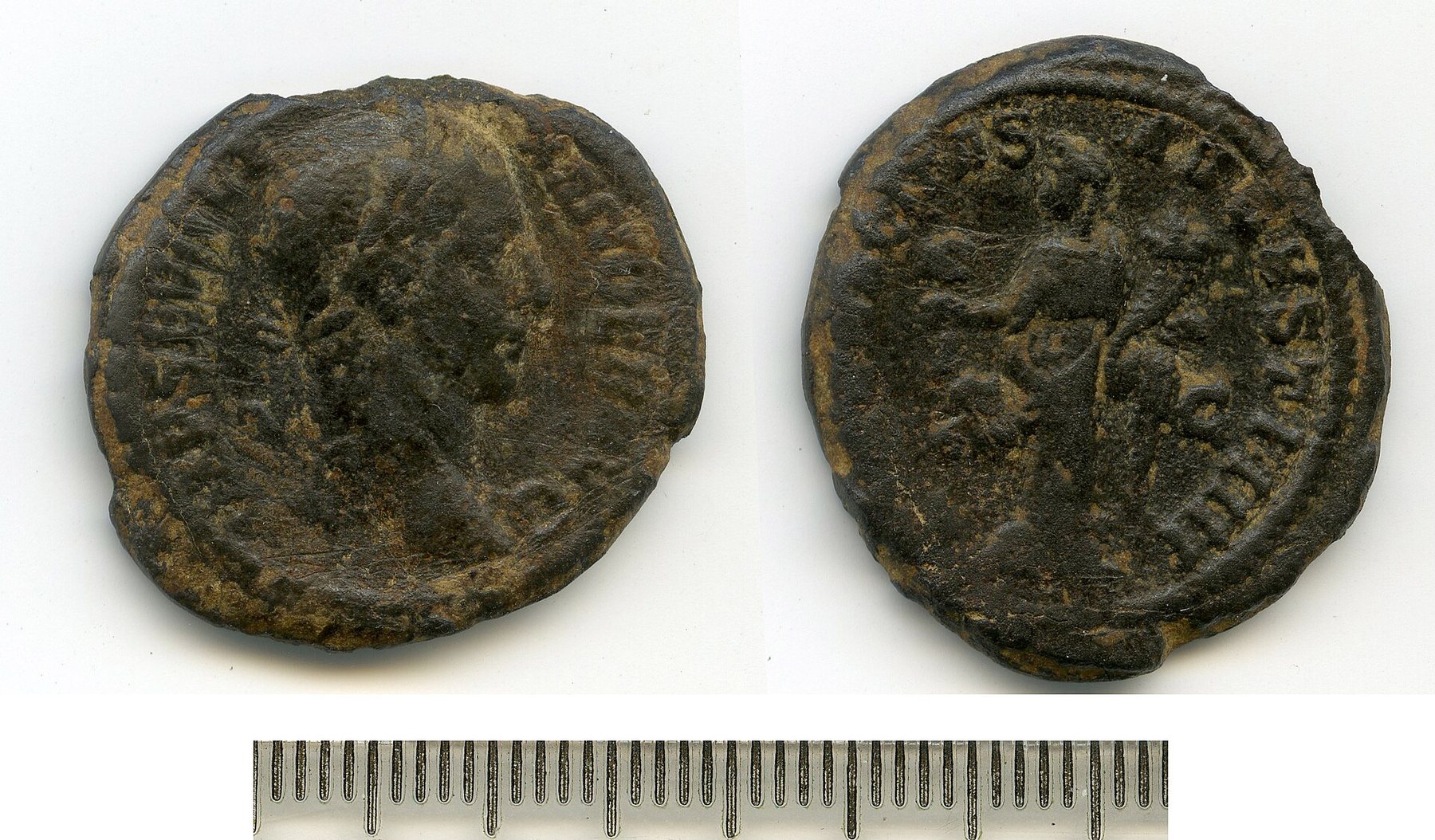 Roman coin: probable limesfalsum of an as of Severus Alexander. Object from the collection: Carnuntum and Museum Carnuntinum.
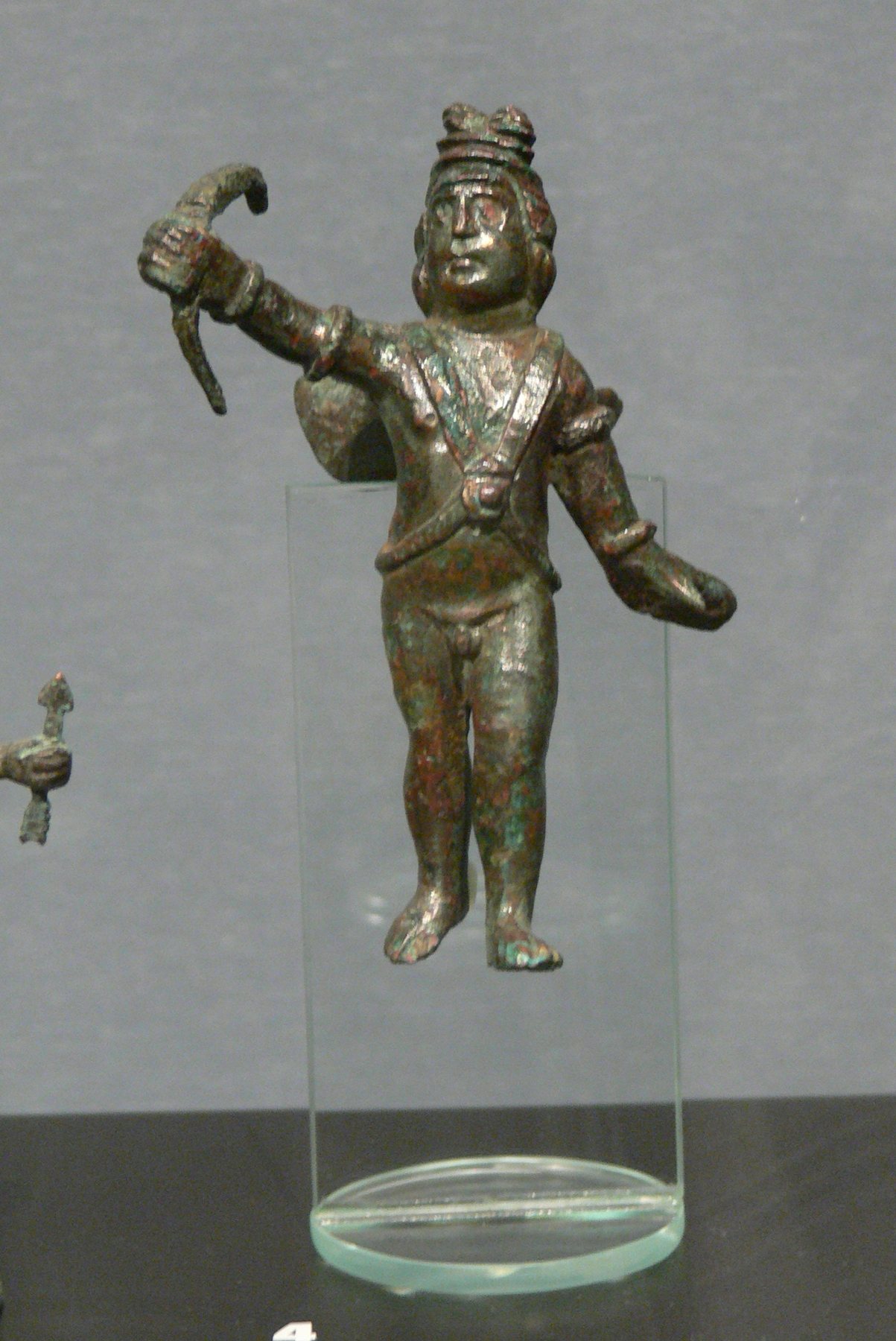 Statuette of Cupid. Museum Carnuntinum, Carnuntum.
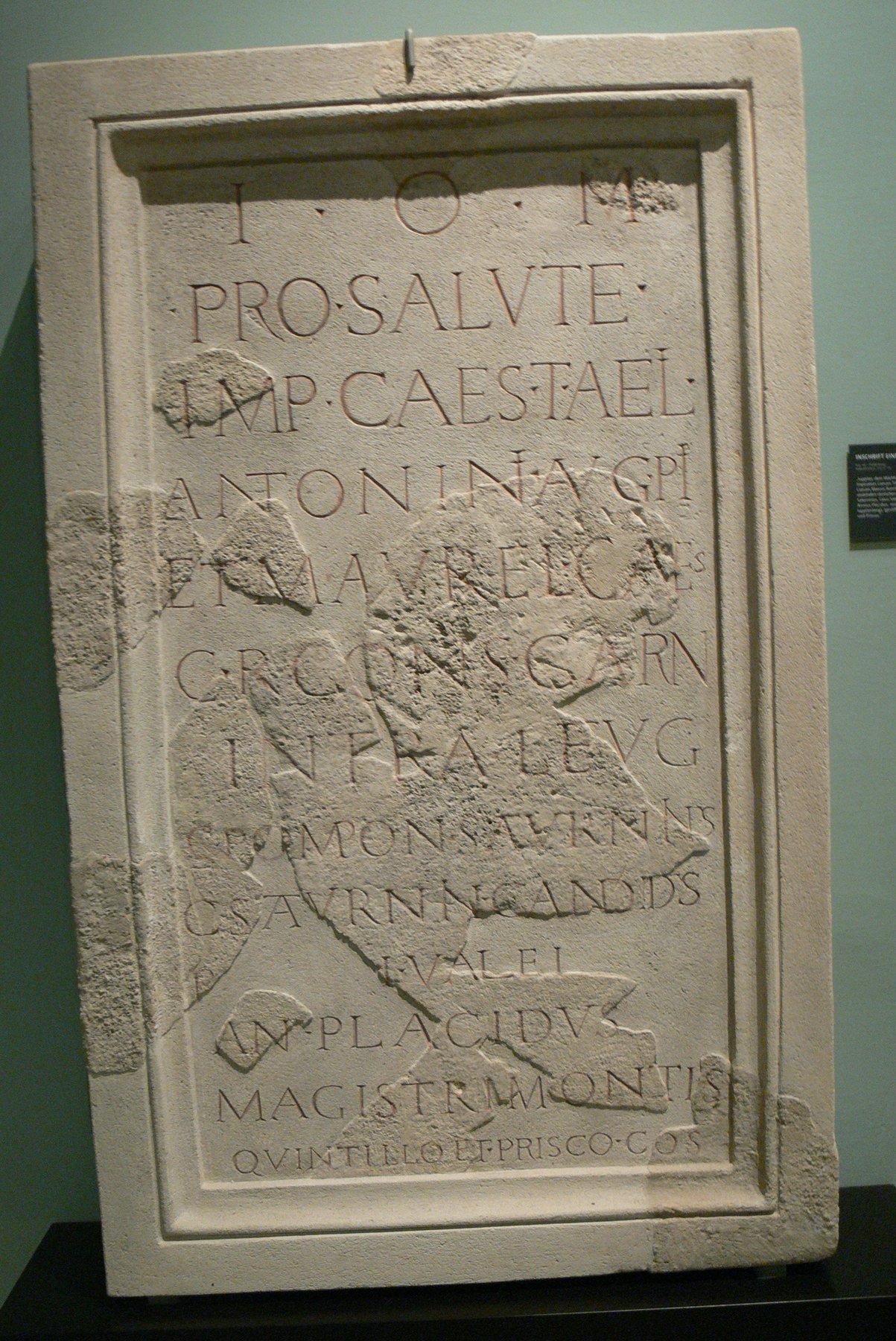 Inscription dedicated to Jupiter. Museum Carnuntinum, Carnuntum.
Interested in Ancient Rome beyond reading? Join Legio X Fretensis or explore our reenactment directions.


