Getty Villa and Antiquity
Getty Villa is interesting because the museum environment itself is built around the idea of an ancient villa. The collection focuses on Greek, Roman and Etruscan art, while the display helps place objects not only in cases but within the architectural logic of an ancient house.
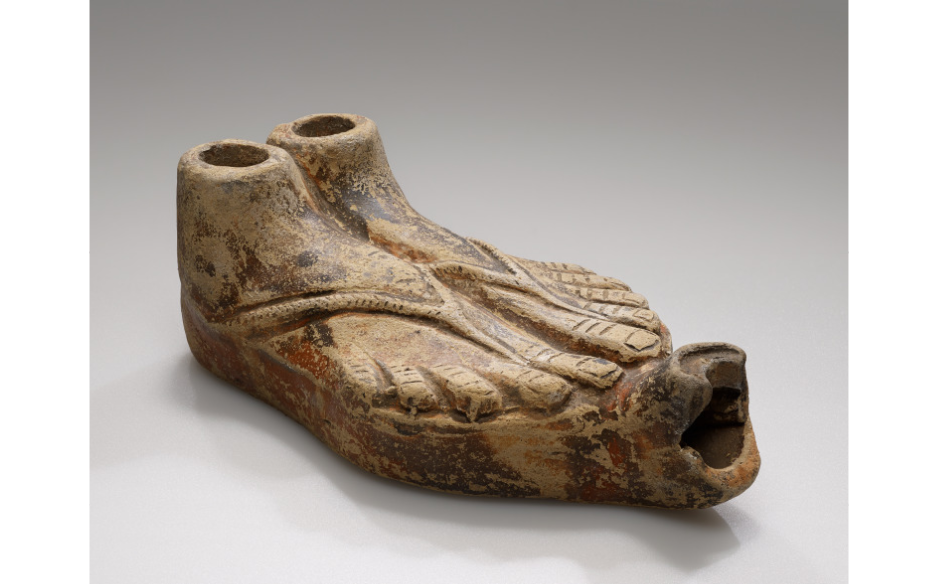 Sandal-shaped lamp,1st century AD,Getty Museum.
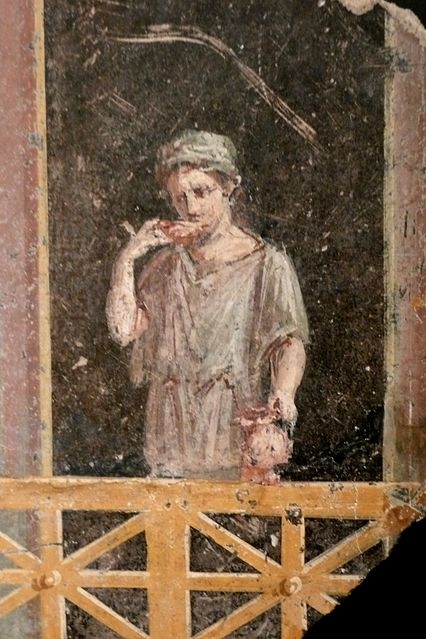 A young woman in a house tunic and a wrapped head. Getty Villa. 9 BC-14 AD
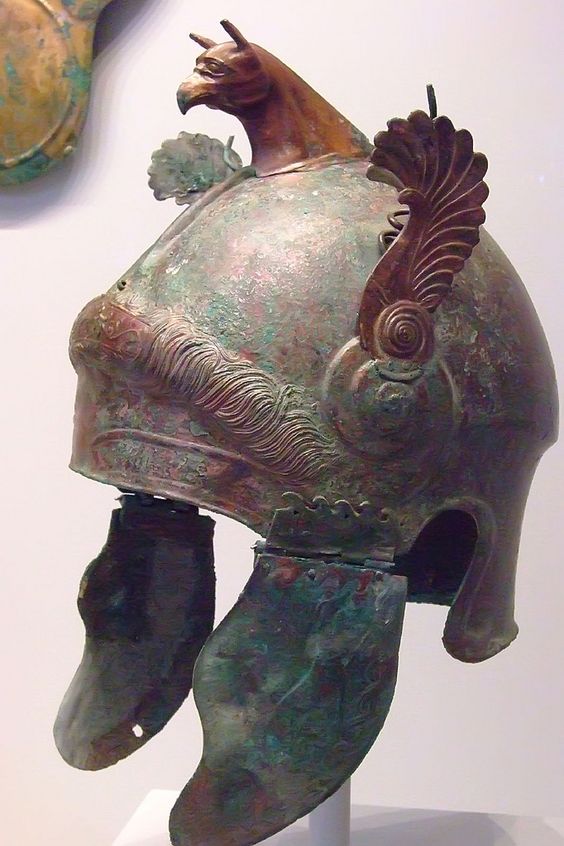 Ceremonial helmet from southern Italy. Bronze, 350–300 BCE. Photographed at the Getty Villa, Malibu, California.
Collection and Significance
Getty Villa is a modern interpretation of the Villa of the Papyri at Herculaneum, not a surviving ancient house. It provides a setting for Greek, Roman and Etruscan collections. An exhibit’s provenance cannot be inferred from the reconstructed interior around it.
Main Materials
- Greek, Roman and Etruscan objects;
- small sculpture, lamps, vessels and jewellery;
- helmets and military-related objects;
- the architectural context of a Roman villa;
- Getty's open images and publications.
Context and Limits
Getty Villa is especially useful for daily life, interiors, cult, symposium culture and visual presentation of an ancient house. For military topics it provides individual parallels rather than complete kits.
Related Topics
Sources


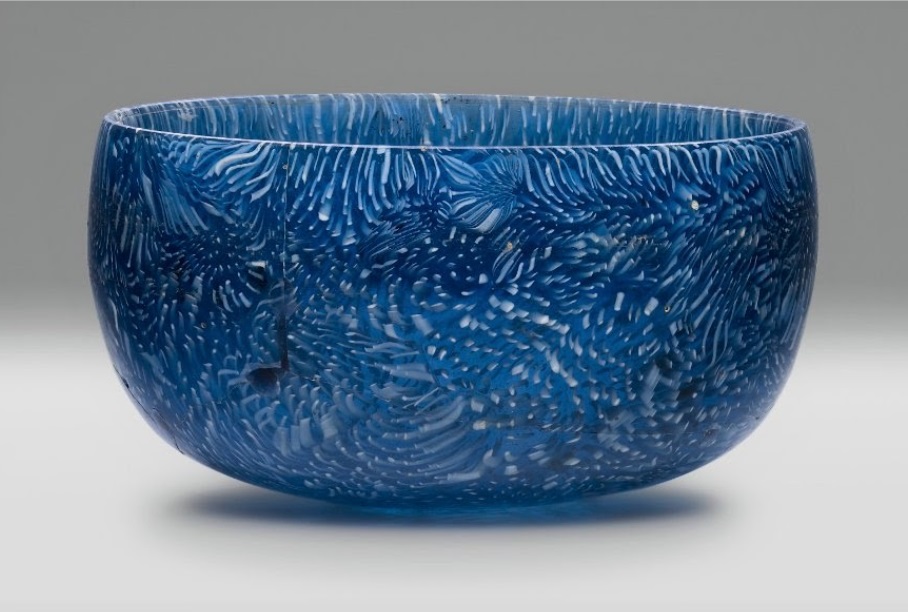 Mosaic-glass bowl. J. Paul Getty Museum, Los Angeles; first century BCE.
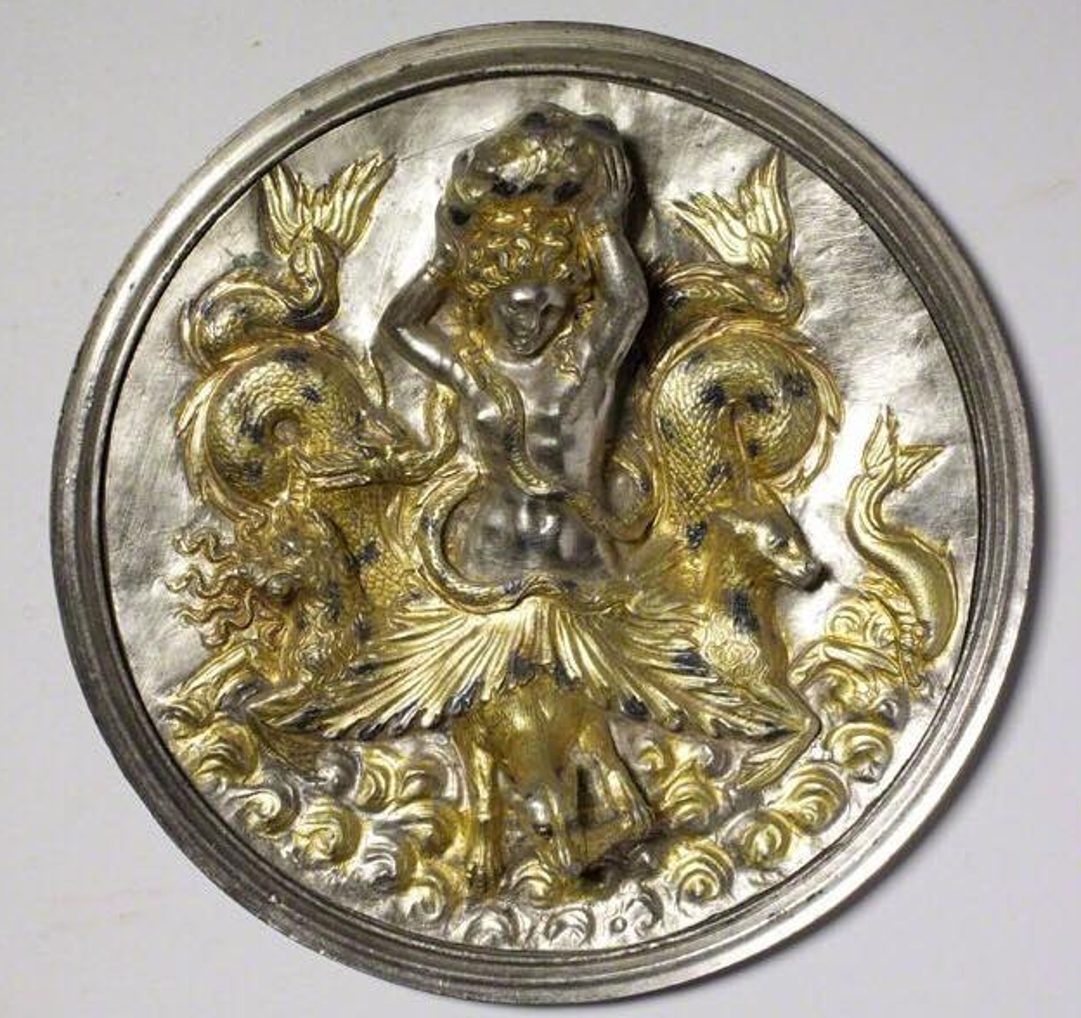 Disc from southern Italy described as a phalera. Metropolitan Museum, New York; third century BCE. Comparative evidence, not automatically a Roman military award.
Interested in Ancient Rome beyond reading? Join Legio X Fretensis or explore our reenactment directions.


