Priests of Ancient Egypt
Priests of Ancient Egypt were not a single closed caste, but a broad group of people connected with the temple, royal cult, temple economy, writing and funerary rites. Formally the chief ritual actor was the pharaoh: he maintained maat, presented offerings to the gods and acted on behalf of the country. In practice daily service was carried out by priests, priestesses, singers, scribes, property keepers, craftsmen and temple workers.
An Egyptian temple was at once a sacred space, landowner, storehouse, workshop, archive and place of public memory. Priests therefore cannot be understood only as people who recited prayers. They purified the sanctuary, opened the shrine, clothed and fed the cult statue, recorded offerings, took part in festivals, maintained funerary services, read sacred texts and connected royal power, local community and the god.
The Temple Setting
In Egyptian thought the temple was the house of the god. Its central part, the sanctuary with the cult statue, remained closed to most people. Courts, pylons, storerooms, workshops, quays, sacred lakes and service rooms formed a complex ritual and economic organism around the shrine. A priest did not simply enter a beautiful building: he acted within a space where architecture controlled movement from open zones toward the dark inner room of the god.
In major centres such as Karnak, Luxor, Memphis, Heliopolis, Abydos, Edfu, Dendera and Philae, temple life was tied to land, herds, craft production and state deliveries. Temple staffs included scribes, grain managers, keepers of textiles, gold and silver vessels, brewers, bakers, musicians, boatmen and guards. The larger the sanctuary, the more strongly its priests were involved in resource management and local politics.
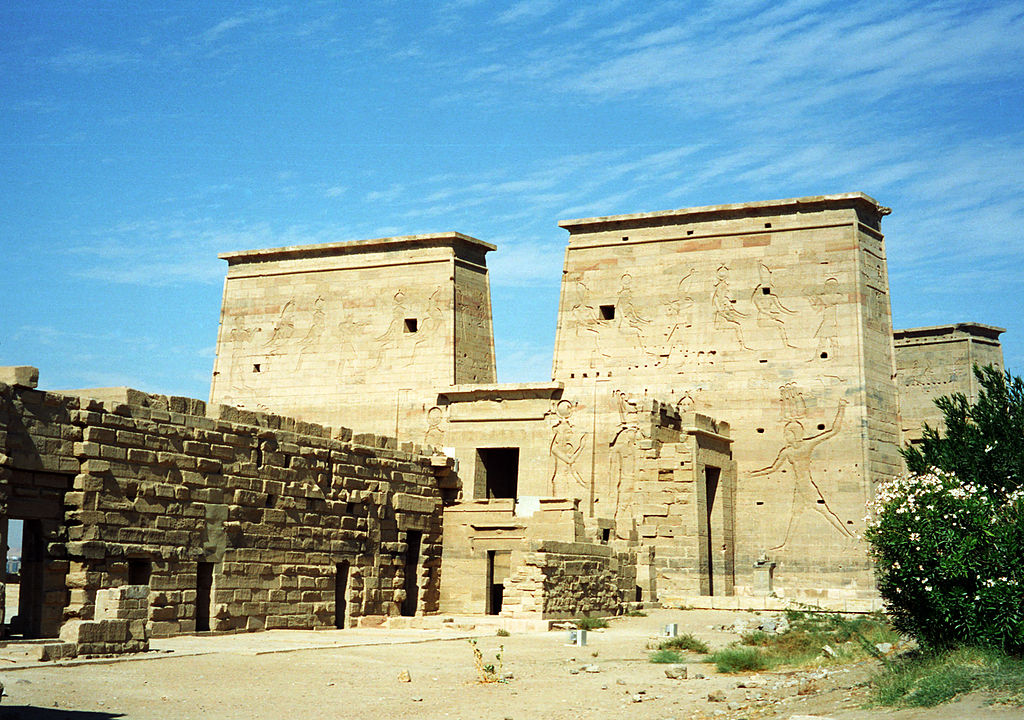 The Philae temple complex, chiefly the sanctuary of Isis. Its Late Egyptian, Ptolemaic and Roman phases show the continuation of temple tradition after the pharaonic period.
Offices and Hierarchy
Priestly offices varied according to temple, period and local cult. In broad terms there were high priests, ordinary servants of the god, purified wab-priests, lector priests, sem-priests, temple scribes, singers, musicians and administrative personnel. Titles often show not only a religious function, but a person's position within the economic structure of the sanctuary.
The high priest supervised the main cult and could control substantial property. Wab-priests underwent purifications and took part in regular service. A lector priest knew written ritual texts and was especially important in funerary ceremonies. The sem-priest appears in rites that animated a statue or mummy and is often associated with the leopard skin. Scribes recorded deliveries, inventories, service schedules and contracts. In large temples these functions could be divided among many people, while in smaller shrines one person might combine several duties.
Temple service was not always a full-time daily occupation for life. In many temples priests were divided into rotating groups that served in turns. This allowed the temple to maintain ritual continuity while individuals remained connected to households, estates and other offices. Priesthood was prestigious, but socially varied: high-ranking officials stood beside modest temple workers whose lives were closer to those of craftsmen and scribes.
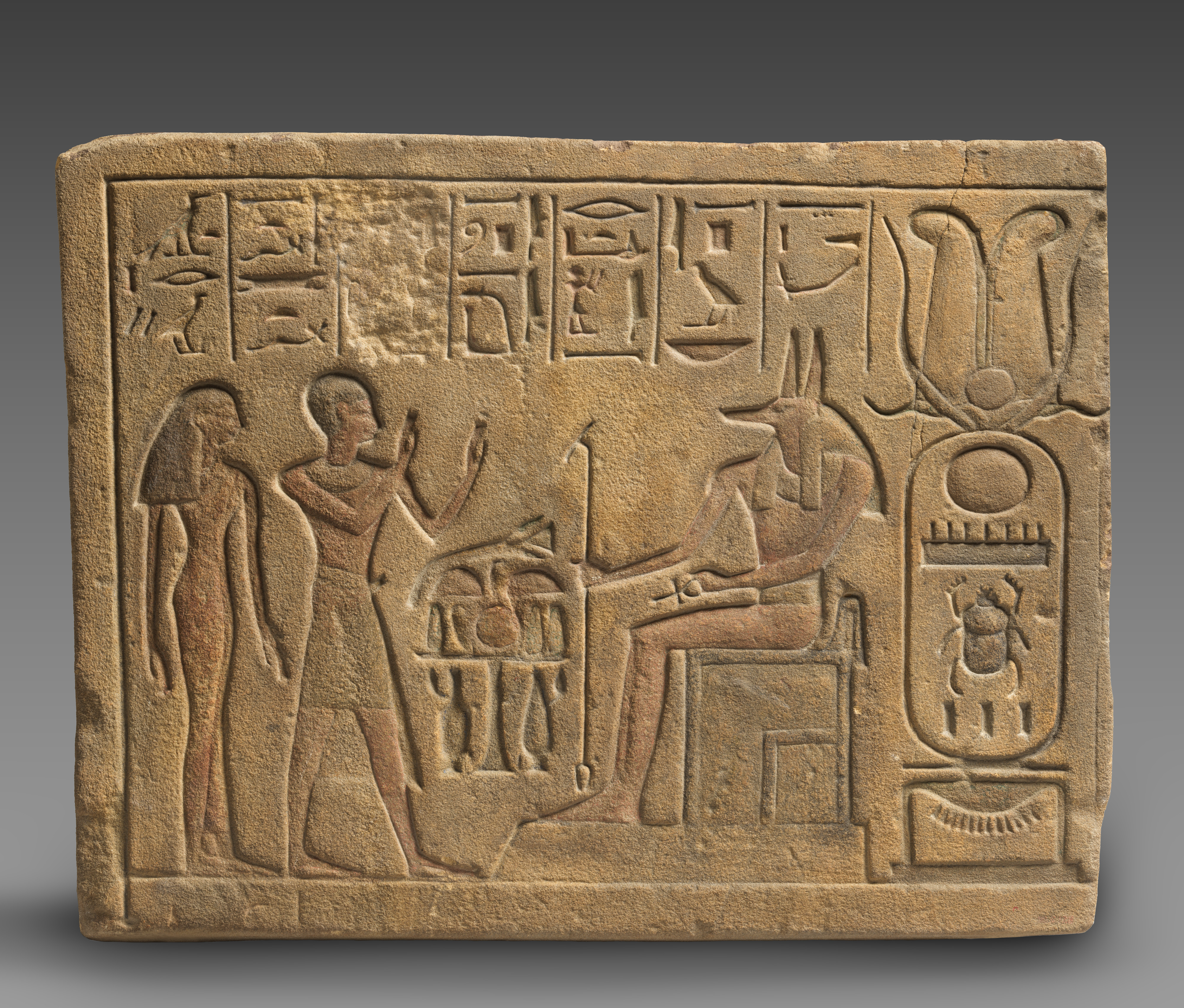 Relief showing a priest and a woman worshipping Anubis. New Kingdom, Dynasty 18, reign of Thutmose IV, ca. 1400-1390 BC; sandstone, paint. The Metropolitan Museum of Art, 90.6.128.
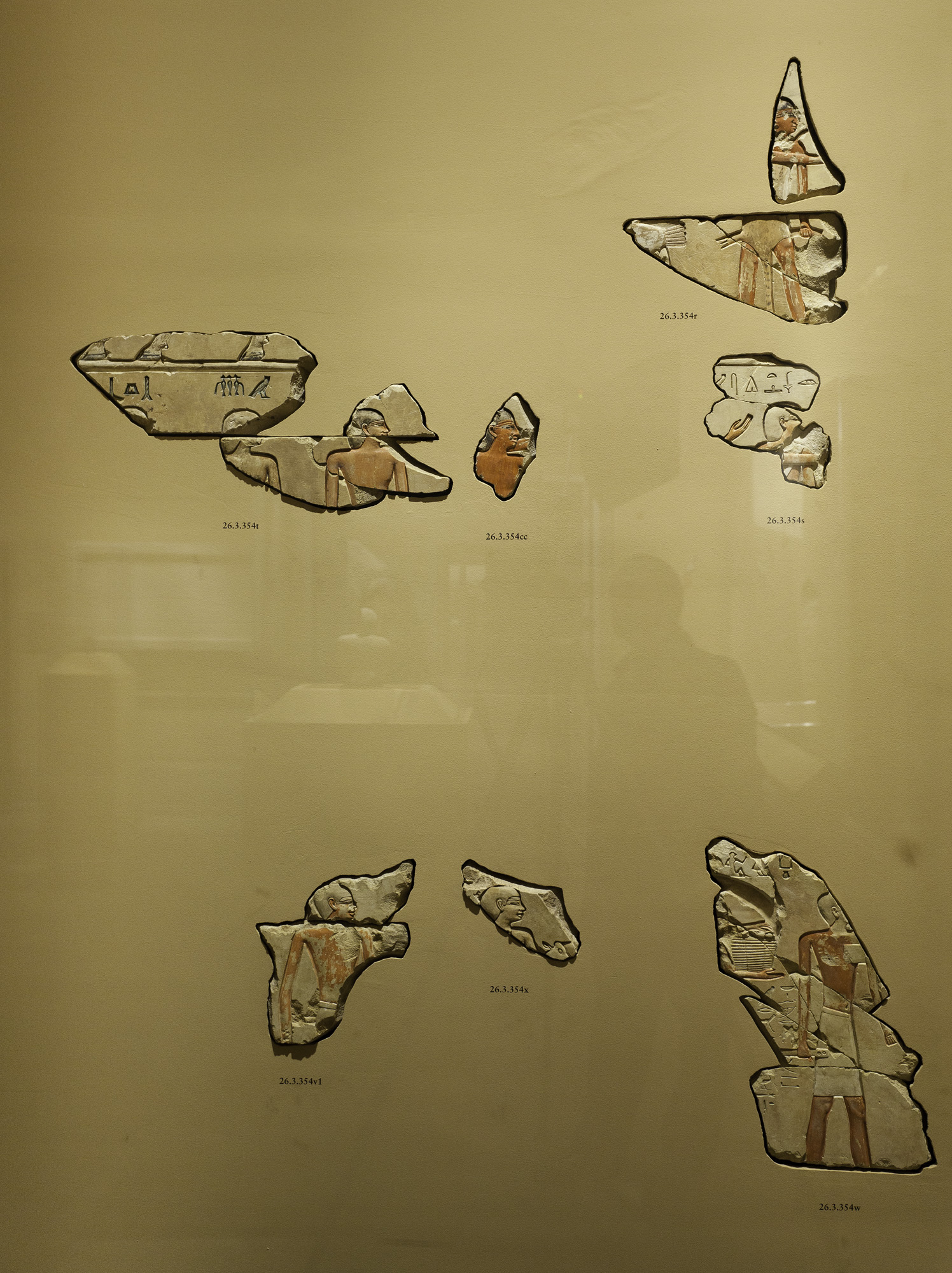 Relief scene of priests and attendants performing rites and bringing offerings to Khety. Middle Kingdom, Dynasty 11, reign of Mentuhotep II, ca. 2051-2000 BC; Thebes, Deir el-Bahri, tomb of Khety TT 311. The Metropolitan Museum of Art, 26.3.354-1-related.
Daily Ritual
The main daily ritual centred on the cult statue. After purification the priest entered the sanctuary, opened the doors of the shrine, awakened the deity with words, washed the image, clothed and adorned it, burned incense and presented bread, beer, meat, vegetables, aromatics and flowers. When the rite was complete the doors were closed, and part of the offerings was redistributed among the temple staff.
This ritual was not a performance for a crowd. It took place in the hidden zone of the temple and sustained cosmic order through regular action. Festivals and processions were more visible to ordinary people. On these days the god's statue was placed in a portable bark or shrine and left the inner sanctuary. Processions connected the temple with the town, royal power, the necropolis and neighbouring sanctuaries; priests organized movement, songs, offerings and public contact with the deity.
Funerary rites had their own set of actions. The Opening of the Mouth, recited formulae, tomb offerings, libations, incense and the preservation of the dead person's name were meant to allow the deceased to receive food and keep a place among the living and the gods. The boundary between temple and funerary priesthood was therefore flexible: the same ritual language worked with a god in a sanctuary, a king in a mortuary temple and a dead person in a tomb.
Purity, Training and Lifestyle
Priestly service required ritual purity. Sources and later descriptions mention washings, shaving, clean linen clothing, abstention from certain foods or actions before service, and careful control of body and dress. These rules were not identical in every period or temple, but the idea of purity was central: a person entering the god's presence had to be separated from ordinary impurity.
A priest's training depended on office. Reading rituals required literacy, knowledge of formulae, calendars, divine names and the correct order of actions. Economic offices required accounting, writing, seals, and the management of workers and property. Many priestly families transmitted knowledge and connections across generations, but temple careers also depended on patronage, royal administration and local elites.
In art the priestly appearance cannot be reduced to one costume. Scenes show shaved heads, linen garments, priestly skins, sceptres, libation vessels, incense burners, papyrus rolls, bouquets and offerings. These details matter as visual archaeological evidence: they show not an abstract "profession", but a concrete situation - reading a text, presenting an offering, purification, procession or funerary rite.
Priestesses, Singers and Temple Women
Women held a visible place in Egyptian temple life, although their roles changed by period and cult. Sources mention priestesses of Hathor, singers of Amun, musicians, participants in processions, cult attendants and high-status women connected with temple offices. Music, the sistrum, menat, singing and rhythm belonged to ritual, so women's temple roles were not merely decorative.
The office of God's Wife of Amun at Thebes was especially important. In the New Kingdom and especially in the Third Intermediate and Late Periods it became a major religious and political institution. A woman with this title could hold lands, receive income, maintain a court and participate in the legitimation of rule. This shows that temple women could be not only ritual performers, but independent figures within systems of power.
Women's titles should not all be read in the same way. "Singer", "priestess", "musician", "God's Wife" and "adoratrice" marked different degrees of participation. Some women served in regular temple cult, others took part in festivals, and others used titles to express family status and a link with the god. Images reveal these differences through pose, inscription, objects in the hands and scene context.
Priests and Power
Temples were wealthy and long-lived institutions, so their priests inevitably touched politics. In normal circumstances the temple depended on the king: the pharaoh founded sanctuaries, granted property, confirmed major offices and appeared as the chief ritual performer. Yet as temple estates grew, local priests could influence income distribution, appointments and public memory.
The best-known example is the priesthood of Amun at Thebes. After the rise of Thebes and the union of Amun with New Kingdom solar ideology, the temple of Karnak became one of the largest religious centres in the country. High priests of Amun controlled property, personnel, archives and connections with the royal court. At the end of the New Kingdom and in the Third Intermediate Period, Theban priests could act almost as regional rulers.
Not every priest was a politician. In rural and smaller urban temples most personnel dealt with regular work: purity, offerings, property records, festivals and the maintenance of local cult. Priestly political power appeared where a temple possessed major resources, ancient prestige and a connection with royal legitimacy.
Funerary Services
The funerary cult is one of the areas where priests are most visible in archaeological evidence. Tombs, stelae and reliefs show offerings of bread, beer, meat, vegetables and incense; libation scenes; lector priests with texts; sem-priests in special rites; and relatives participating in the veneration of the dead. These images are not simple decoration. They secured the continuation of the cult, because the depicted offering and the written formula helped preserve a person's memory.
There were offices connected with the maintenance of tombs and funerary offerings. Ka-priests could be responsible for regular offerings to the deceased, especially when a family or tomb owner had endowed property for such a cult. In royal and elite necropoleis such services formed part of a large system: mortuary temple, stores, fields, workers, accounts and ritual specialists joined into a lasting economy of memory.
Funerary images often provide the clearest evidence for priestly gestures, clothing and objects. They show who reads the formulae, who carries offerings, who burns incense or pours libations, how participants are arranged and which inscriptions explain their status.
Visual Archaeological Evidence
Images of priests survive above all on reliefs, stelae, statues and painted tomb complexes. With such sources it is important to look not only at the figure, but also at findspot, date, inscription and object function. A tomb relief shows action within the funerary cult; a temple scene presents the ideal order of communication between king, god and priests; a priest's statue allowed presence in a sanctuary or near a tomb; a stela linked a person with family, office and a particular god.
The same "priest" can therefore look different in different contexts. A lector priest with a ritual text, a sem-priest in a funerary ceremony, a high priest named in an inscription, a singer of Amun with a sistrum and a temple scribe with documents all belong to different sides of temple life. Such visual archaeological evidence helps separate ancient Egyptian practice from later generalized images of priests in popular culture.
Related topics
- Ancient Egyptian religion
- Egyptian gods
- Temples of Ancient Egypt
- Pharaohs of Ancient Egypt
- Egyptian mummies
- Ancient Egypt
Literature and sources
- Sauneron S. The Priests of Ancient Egypt.
- Shafer B. E. (ed.). Temples of Ancient Egypt.
- Teeter E. Religion and Ritual in Ancient Egypt.
- Wilkinson R. H. The Complete Temples of Ancient Egypt.
- Kemp B. Ancient Egypt: Anatomy of a Civilization.
- Pinch G. Handbook of Egyptian Mythology.
- The Metropolitan Museum of Art, Egyptian Art collection records: 90.6.128, 26.3.354r, 1970.49, 17.120.145, 26.9.2.
- Priest and offering bearer: Metropolitan Museum of Art, 26.3.354r


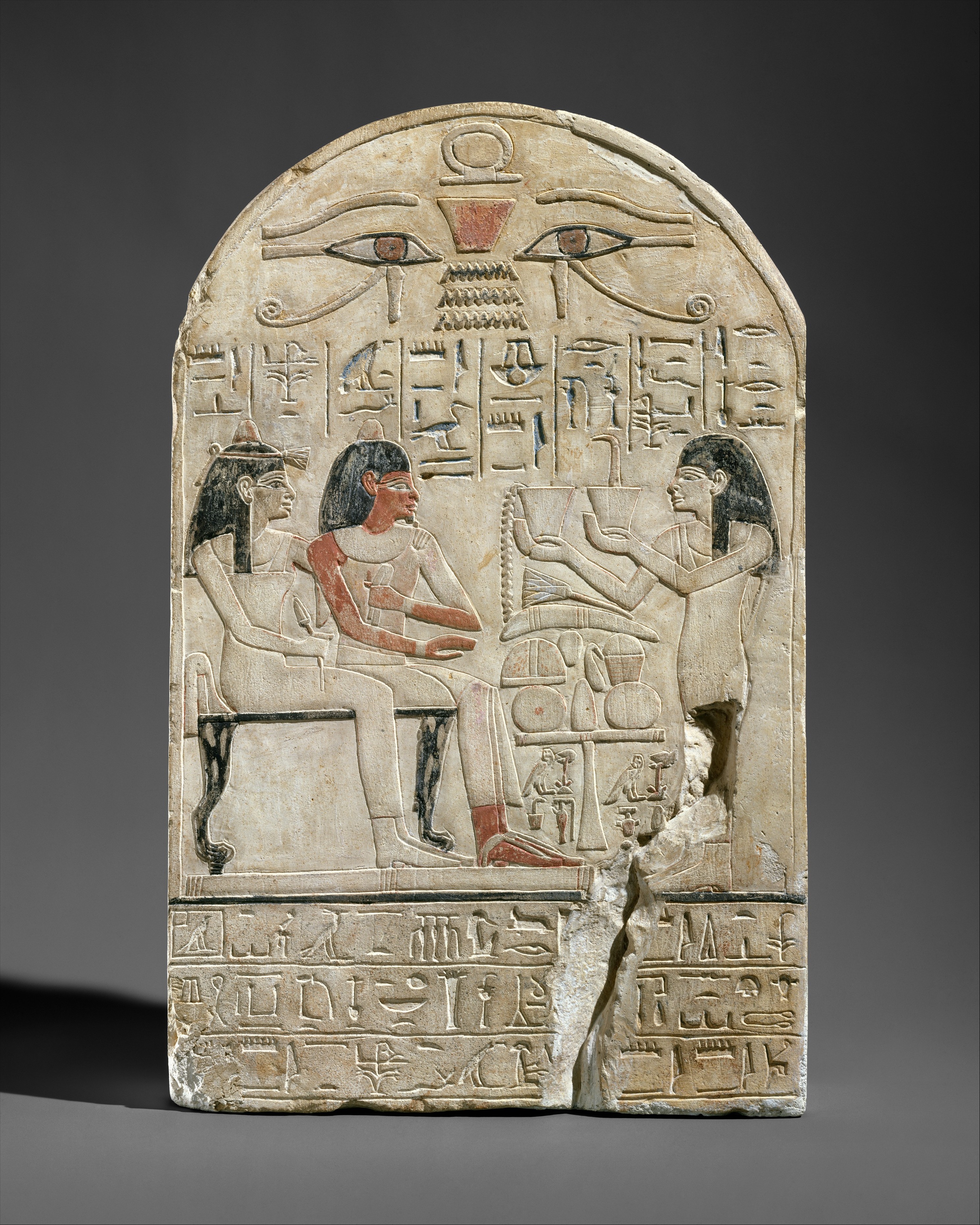 Stela of the lector priest of Amun Siamun and his mother, the singer Amenhotep. New Kingdom, Dynasty 18, ca. 1420 BC; limestone, paint. The Metropolitan Museum of Art, 1970.49.
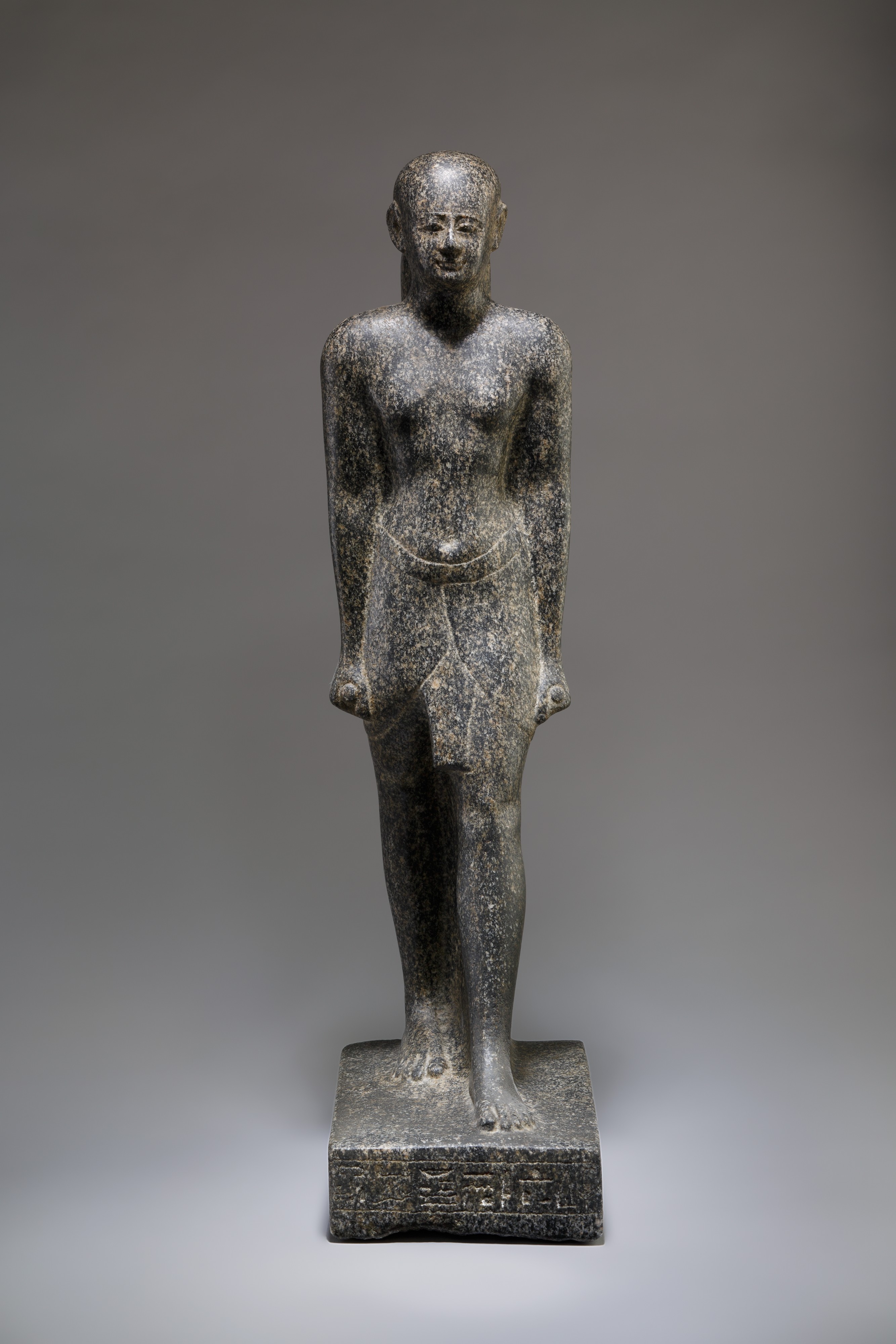 Statue of the priest Harnefer, son of Nesmin and Nehemesrattawy. Late 4th century BC, Ptolemaic Period; Thebes, Karnak, Temple of Amun, Karnak Cachette. The Metropolitan Museum of Art, 17.120.145.
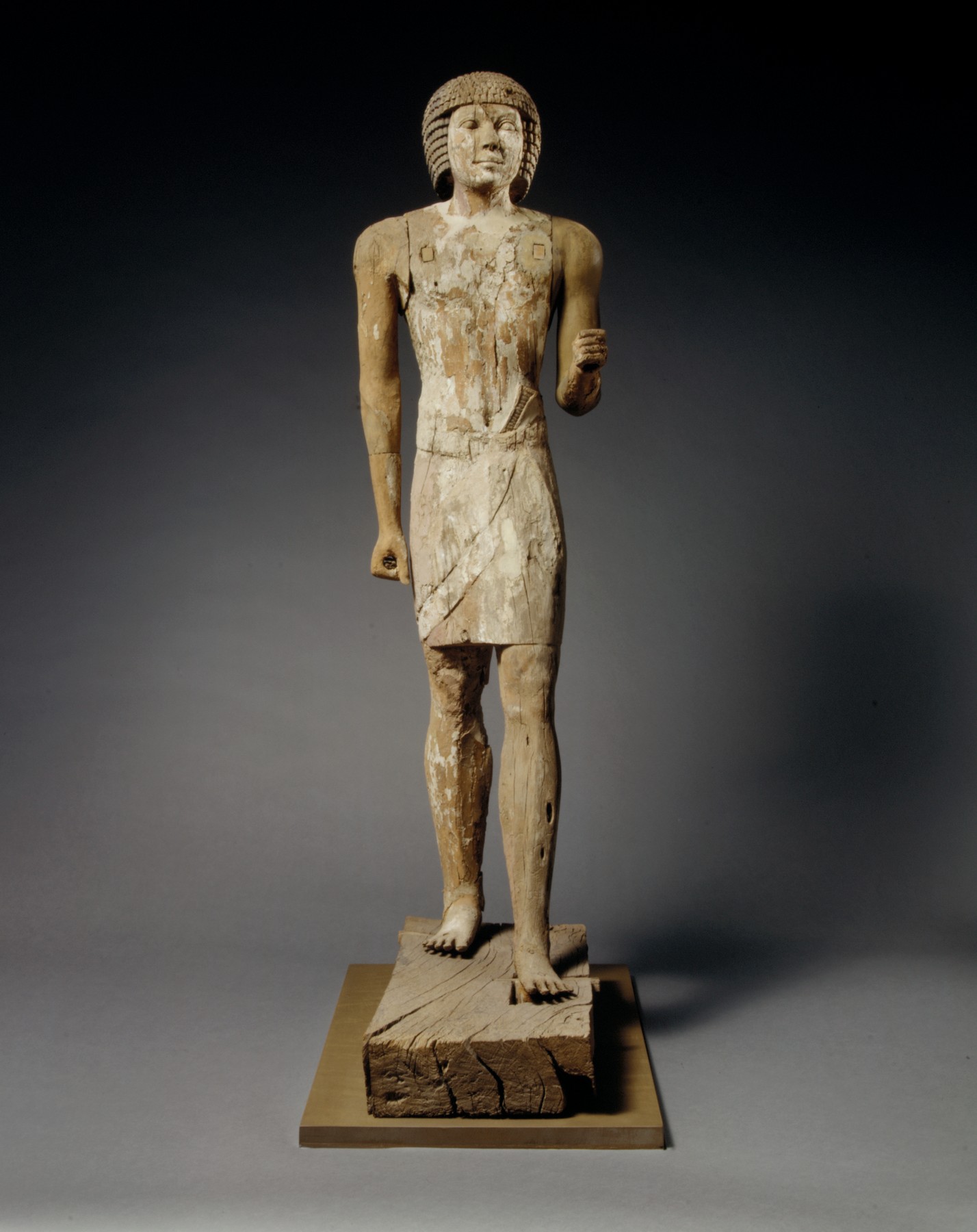 Standing statue of Kaemsenu, probably a priest from Saqqara. Old Kingdom, Dynasty 5, reign of Niuserre, ca. 2420-2389 BC; wood. The Metropolitan Museum of Art, 26.9.2.
Interested in Ancient Rome beyond reading? Join Legio X Fretensis or explore our reenactment directions.


