Pharaohs of Ancient Egypt
Pharaoh is the familiar modern name for the ruler of Ancient Egypt. For the Egyptians the king was not merely the head of state: he joined rule over Upper and Lower Egypt, military command, justice, temple cult and the duty to maintain ma'at, the proper order of the world. The word "pharaoh" comes from the Egyptian expression "great house" and became a normal designation for the ruler only later in Egyptian history, but modern writing uses it for kings of all periods.
Pharaonic power changed from period to period. Under strong centralization the king directed resources toward pyramids, temples, irrigation, expeditions and wars; in intermediate periods his authority was limited by regional rulers, priesthoods, military leaders or foreign dynasties. The history of the pharaohs is therefore not a list of names, but the history of an institution connecting court, temples, army, economy, art and the idea of legitimate rule.
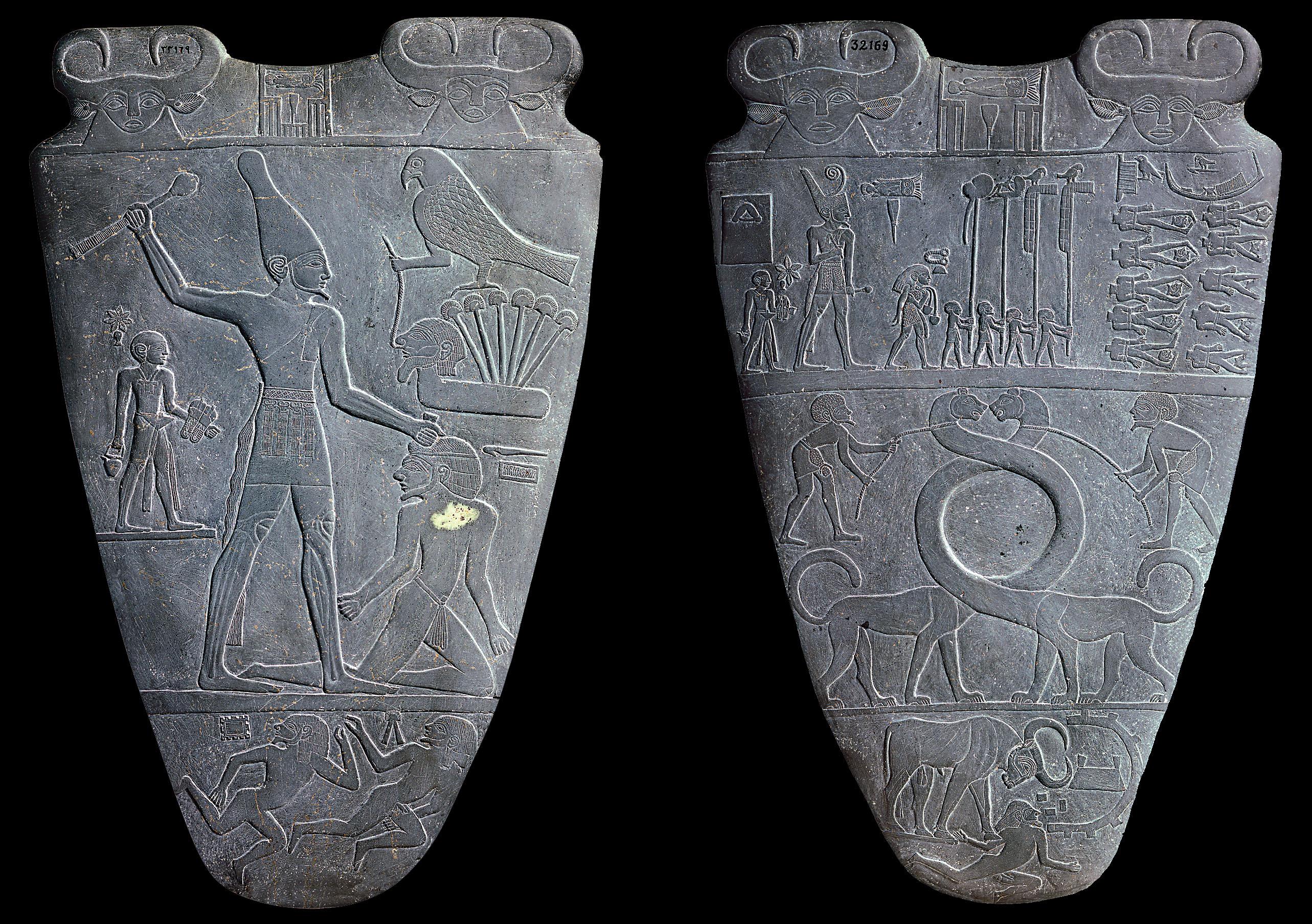 Narmer Palette. Hierakonpolis, late Predynastic to early First Dynasty; Egyptian Museum, Cairo.
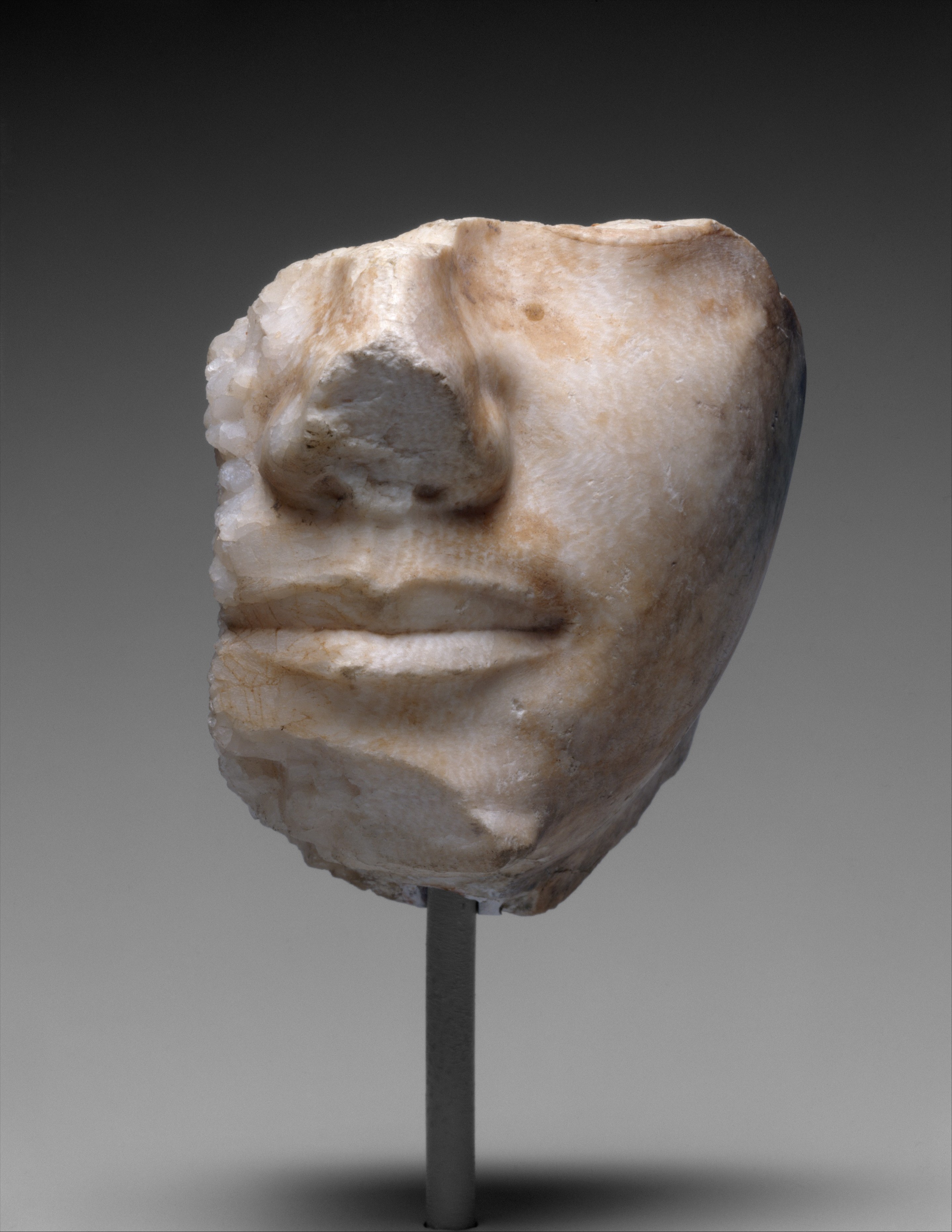 Fragmentary face of King Khafre. Dynasty 4, ca. 2520-2494 BC; Metropolitan Museum of Art.
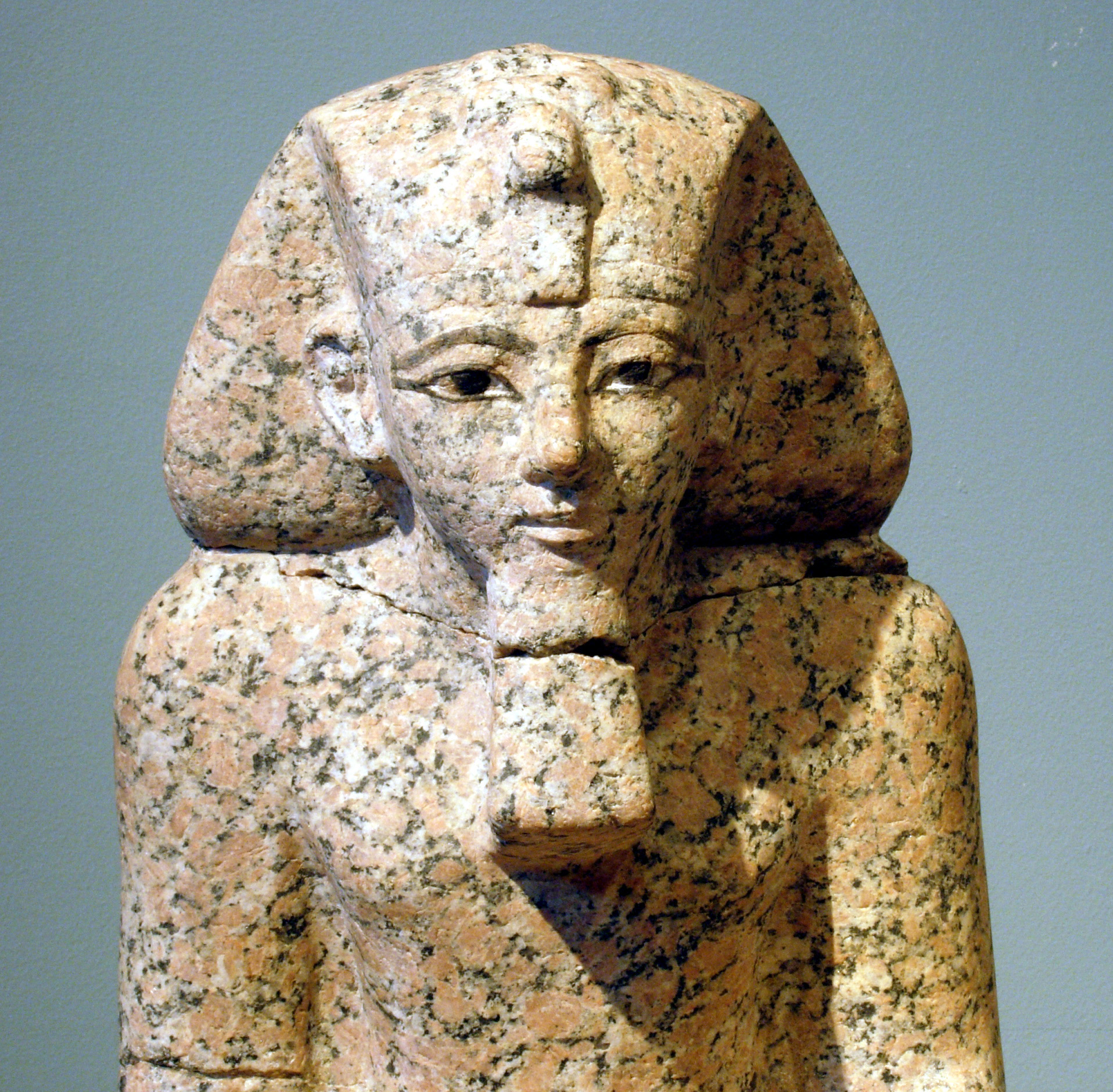 Kneeling statue of Hatshepsut from Deir el-Bahri. Dynasty 18, ca. 1479-1458 BC; Metropolitan Museum of Art.
Name, Titulary and Legitimacy
Royal titulary was a language of legitimacy. The full form included several names: the Horus name, the name of the Two Ladies Nekhbet and Wadjet, the Golden Horus name, the throne name of the king of Upper and Lower Egypt and the personal name as "son of Ra." The system developed over time, but its meaning remained stable: to show that the ruler was connected with the gods, the Two Lands, solar authority and lawful succession.
The king's name was written in a serekh or cartouche and carved on temples, statues, vessels, sealings, stelae and funerary objects. This was not a signature in the modern sense, but a sign of the presence of power. The removal of a name, as in the memory of Akhenaten or Hatshepsut, was a political act: it attempted to erase a ruler from official order.
Legitimacy could be built in different ways. Some kings stressed descent from an earlier dynasty, others victory over enemies, restoration after disorder, connection with Amun, Ra or Horus, temple building and care for ma'at. Even foreign rulers, such as Kushite or Macedonian kings, tried to speak the Egyptian language of kingship because without it rule over the country looked incomplete.
Royal Power and Government
The pharaoh did not govern Egypt alone. His authority was carried out by viziers, treasurers, overseers of works, scribes, commanders, nomarchs, temple administrations and court offices. Through them grain was collected, work crews distributed, canals built, expeditions for stone and metal sent out, justice administered and temples supplied. The stronger the centre, the more visible the king's ability to turn an order into the labour of thousands.
The king was regarded as the source of justice, but most cases were handled by officials and local courts. He could confirm major appointments, reward nobles, confiscate property, free temples from obligations or demand resources from them. In this sense sacred power was also administrative: temple ritual, tax accounting and state building worked within one system.
In intermediate periods this system weakened. Local rulers could become nearly independent, priests of Amun at Thebes gained great political strength, and Delta and south sometimes followed different interests. Yet the royal title remained a powerful symbol: a claimant to power had to present himself as restorer of order, not merely as a successful military leader.
Court, Family and the Ruler's Life
The pharaoh's life moved between palace, temple, military camp, building site and ceremony. Around the king stood the court: relatives, wives, children, tutors of royal children, servants, guards, scribes, estate managers, musicians, craftsmen and foreign envoys. The court was not only a personal entourage but a political mechanism where marriages, offices, access to the king and distribution of honours were decided.
The royal family mattered greatly for succession. The great royal wife, royal mother, daughters and sons could play visible roles in cult and politics. Women of the royal house took part in temple ritual, diplomatic marriage, the transmission of legitimacy and court memory. Sometimes their power became independent: Hatshepsut assumed the full royal titulary and was depicted in the male canon of the pharaoh while remaining a woman of the royal house.
The ruler's daily life was highly ritualized. The king received envoys, heard reports, took part in festivals, hunted, displayed physical strength, consecrated temples and appeared as victor. The real person behind this image could fall ill, age and depend on advisers and court groups, but official art showed not private biography but the ideal bearer of power.
Clothing, Regalia and Royal Image
The pharaoh was recognized by regalia. The White Crown of Upper Egypt, the Red Crown of Lower Egypt, the Double Crown, the blue khepresh crown, the nemes headcloth, the uraeus on the brow, the false beard, sceptres, staffs, crook and flail created the image of authority. These objects were not mere ornaments: each sign connected the king with land, gods, victory, judgement or fertility.
Royal dress depended on the scene. In ritual the king could wear a short royal kilt, a bull's tail as a sign of strength, crown and collars; in a military scene he appeared in the blue crown, on a chariot and with weapons; in funerary context amulets, gold, wrappings, sarcophagi and texts mattered more. Women of the royal house wore wigs, diadems, crowns, collars, fine linen and signs of cultic role.
Royal portraiture did not always seek everyday likeness. Khafre, Senwosret III, Hatshepsut, Amenhotep III, Akhenaten and the Ramessides have different faces and different ideological tasks. Sometimes the image stressed eternal youth and calm, sometimes stern fatigue, sometimes an unusual religious programme. A statue of a pharaoh is therefore at once portrait, cult object and political statement.
Building, Temples and War
Building was one of the main ways to display royal power. In the Old Kingdom this language took the form of pyramids and funerary complexes; in the Middle Kingdom, restored temples, fortresses and new residences; in the New Kingdom, huge temple programmes at Karnak, Luxor, Deir el-Bahri, Abu Simbel and Medinet Habu. Stone, reliefs and inscriptions turned a reign into visible memory.
The temple was the place where the pharaoh symbolically maintained contact with the gods. Even if the daily ritual was performed by priests, it was performed in the king's name. Temple relief therefore often shows the king as the ideal participant in ritual: he brings offerings, defeats enemies, receives life from the deity and builds a house for the god. Behind this scene stood fields, workshops, storehouses, boats and people supporting the temple economy.
The military role of the king is especially visible in the New Kingdom. Thutmose III, Seti I, Ramesses II and Ramesses III were represented as victors, but these scenes must be understood as the official language of power. Behind the image of the king on a chariot stood army units, commanders, chariotry, archers, supplies, diplomacy and dependent rulers in the Levant and Nubia.
Death, Mummy and Royal Tomb
The death of a pharaoh was a state event. The body was embalmed, wrapped in linen, supplied with amulets, placed in sarcophagi and buried with objects meant to sustain the king in the afterlife. Burial joined religion, craftsmanship, texts, wealth and security: the body, name, cult and place of memory all had to be preserved.
The form of the royal tomb changed. Early rulers built brick and underground complexes; the Old Kingdom created pyramids; in the New Kingdom kings were buried in the Valley of the Kings, where the tomb was hidden in the rock and the mortuary temple stood separately. Yet the aim remained similar: to secure the king's passage to a divine state and maintain his cult.
Funerary equipment showed the ruler's status, but it was not wealth alone. Canopic jars, shabtis, vessels, weapons, furniture, jewellery, texts and images had functions. They protected the body, named the king, gave him servants in the afterlife and connected him with Osiris, Ra and other gods. Tomb robberies at the end of the New Kingdom show that even sacred power depended on actual security, economy and political stability.
Famous Rulers and Periods
Narmer is associated with the early unification of the country; the Second Dynasty is known through names such as Raneb and Khasekhemwy. In the Old Kingdom Djoser is connected with the Step Pyramid at Saqqara, Sneferu with the development of the smooth-sided pyramid, Khufu, Khafre and Menkaure with Giza, and Sahure and Unas with the development of Fifth Dynasty royal cult. The long reign of Pepi II is often connected with the weakening of the old system.
The Middle Kingdom raised Mentuhotep II as reunifier, Amenemhat I as founder of the Twelfth Dynasty and Senwosret III as a king linked with Nubia, fortresses and a stern image of power. In the New Kingdom the major figures include Ahmose I, Hatshepsut, Thutmose III, Amenhotep III, Akhenaten, Tutankhamun, Horemheb, Seti I, Ramesses II and Ramesses III. Their reigns show different models of pharaoh: liberator, builder, conqueror, diplomat, reformer and restorer.
Later history includes Libyan, Kushite, Saite, Persian and Macedonian dynasties. Nectanebo II was the last native Egyptian pharaoh before final Persian and then Macedonian rule. In the Hellenistic age the Ptolemies preserved Egyptian royal forms alongside Greek monarchy, and the last famous ruler was Cleopatra VII.
Chronology of Kingship
- c. 3100 BC
- the unification of Upper and Lower Egypt is associated with Narmer and the early kings of the First Dynasty.
- Third-Fourth Dynasties
- Djoser, Sneferu, Khufu, Khafre and Menkaure create the classic language of pyramid kingship.
- Fifth-Sixth Dynasties
- the solar cult develops, Pyramid Texts appear, and officials and provincial elites grow in importance.
- Eleventh-Twelfth Dynasties
- Mentuhotep II and the kings of the Middle Kingdom restore unity, strengthen administration and the southern frontier.
- Eighteenth Dynasty
- Ahmose I expels the Hyksos; Hatshepsut, Thutmose III and Amenhotep III turn Egypt into a great power.
- Amarna Period
- Akhenaten moves the court to Akhetaten and promotes the cult of the Aten; after him the traditional system is restored.
- Nineteenth-Twentieth Dynasties
- Seti I, Ramesses II and Ramesses III display Ramesside military and temple power, but by the end of the period the centre weakens.
- First millennium BC
- power passes among Libyan, Kushite, Saite, Persian and Macedonian dynasties.
- 30 BC
- after the defeat of Cleopatra VII, Egypt becomes a Roman province and pharaonic monarchy ends.
Related Topics
- Ancient Egypt
- Early Dynastic Egypt
- Old Kingdom Egypt
- Middle Kingdom Egypt
- New Kingdom Egypt
- Egyptian Pyramids
- Mummies of Ancient Egypt
- Cleopatra VII
Literature and sources
- Dodson A., Hilton D. The Complete Royal Families of Ancient Egypt.
- Shaw I. The Oxford History of Ancient Egypt.
- Wilkinson T. The Rise and Fall of Ancient Egypt.
- Kemp B. Ancient Egypt: Anatomy of a Civilization.
- Hornung E. Conceptions of God in Ancient Egypt.
- Baines J., Malek J. Atlas of Ancient Egypt.
- Metropolitan Museum of Art collection: Ahmose I, Raneb, Sahure, Khafre, Thutmose III, Amenhotep III, Seti II, Nectanebo II, Smendes, Seti I.


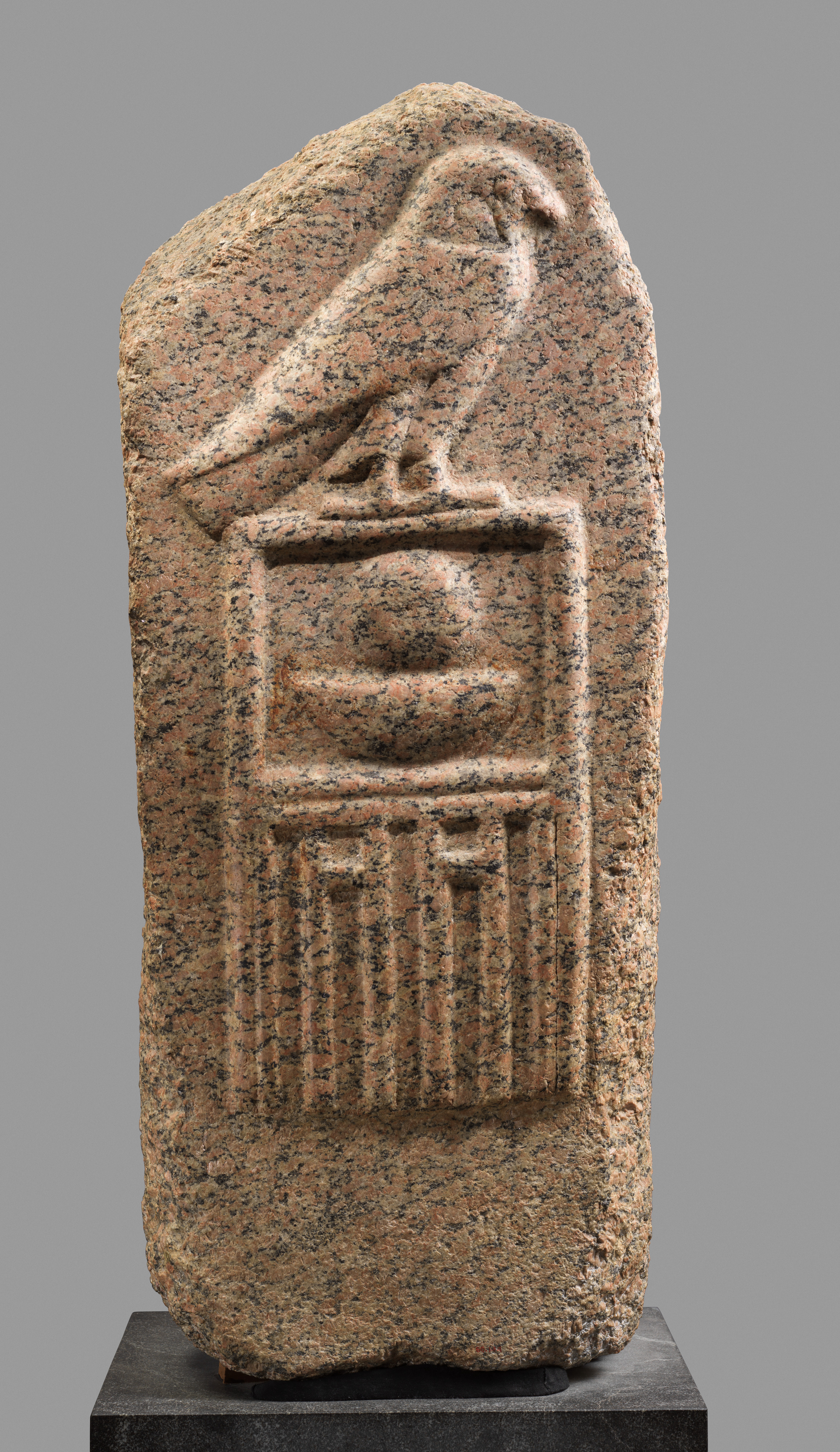 Stela of King Raneb. Dynasty 2, ca. 2880 BC; Metropolitan Museum of Art.
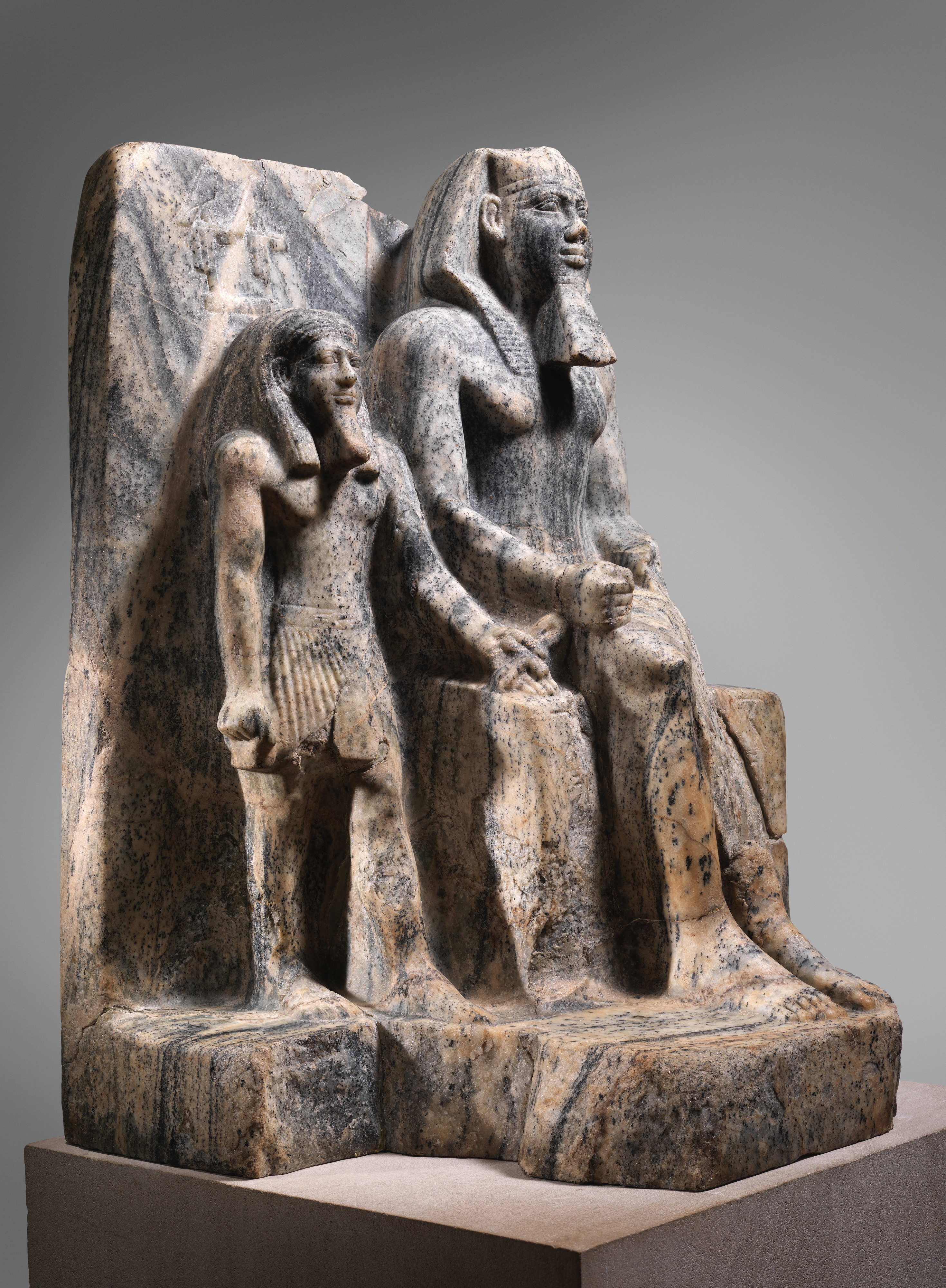 King Sahure accompanied by a divine figure. Dynasty 5, ca. 2458-2446 BC; Metropolitan Museum of Art.
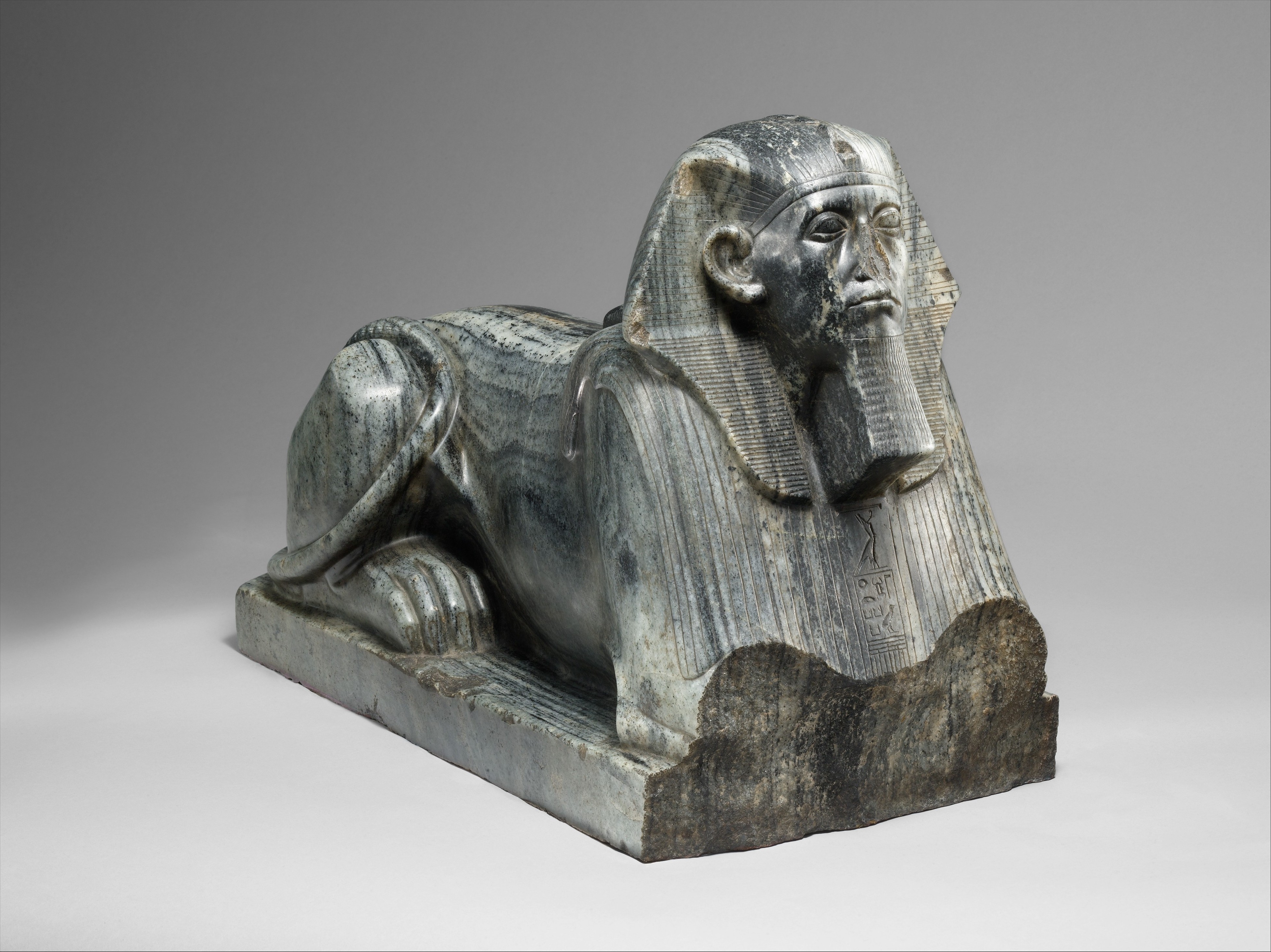 Sphinx of Senwosret III. Dynasty 12, ca. 1878-1840 BC; Metropolitan Museum of Art.
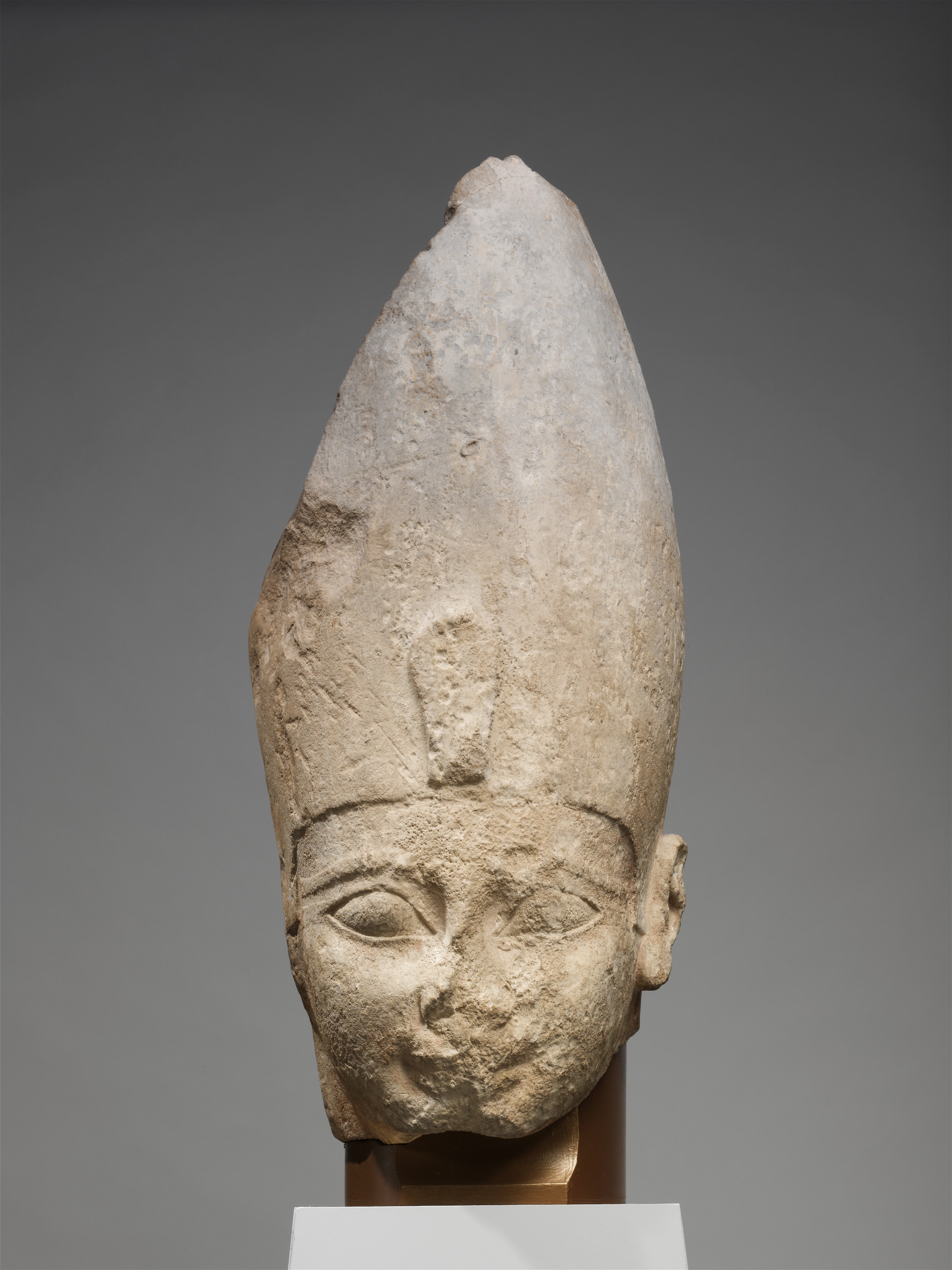 Head of Ahmose I. Dynasty 18, ca. 1550-1525 BC; Metropolitan Museum of Art.
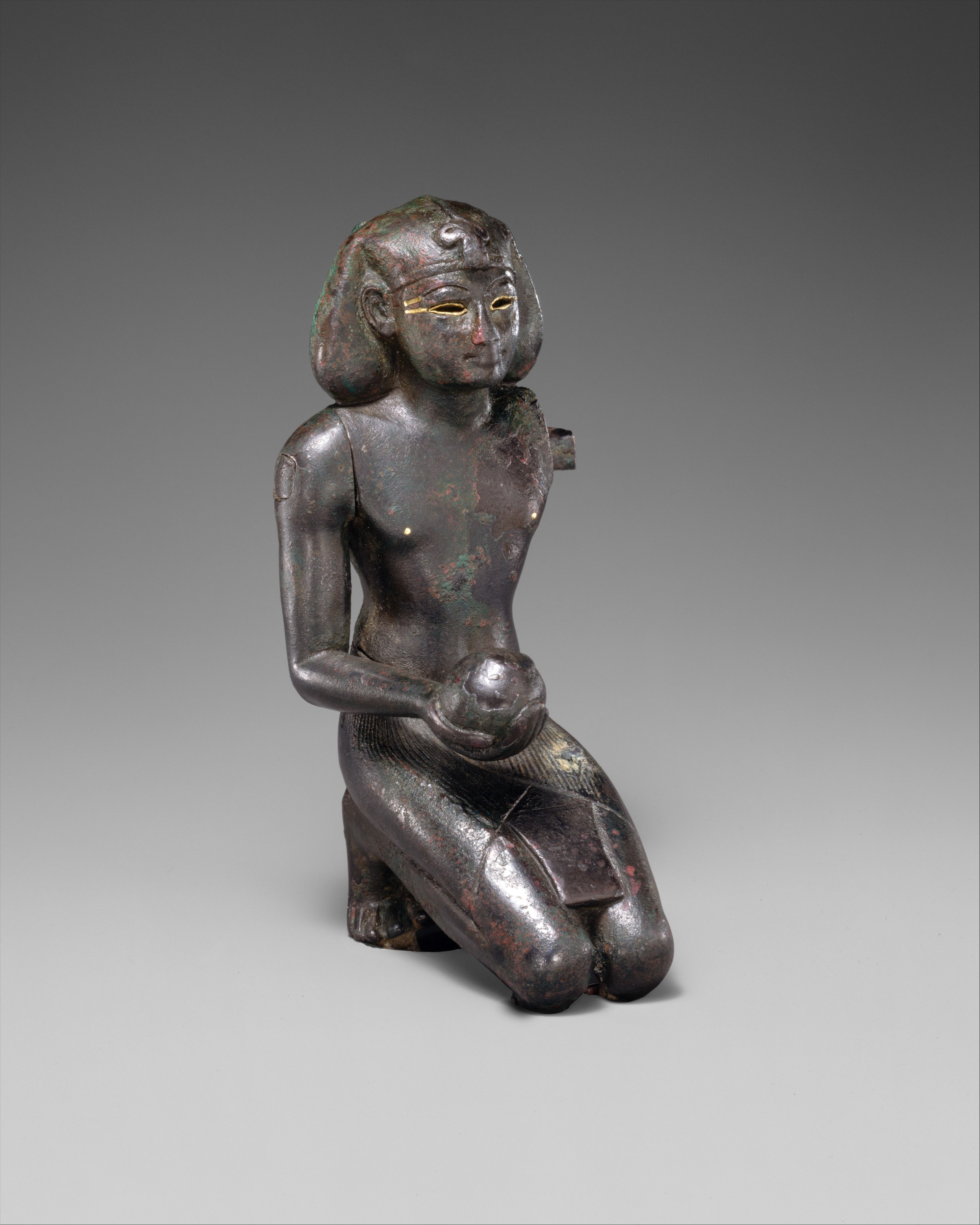 Ritual statuette of Thutmose III. Dynasty 18, ca. 1479-1425 BC; Metropolitan Museum of Art.
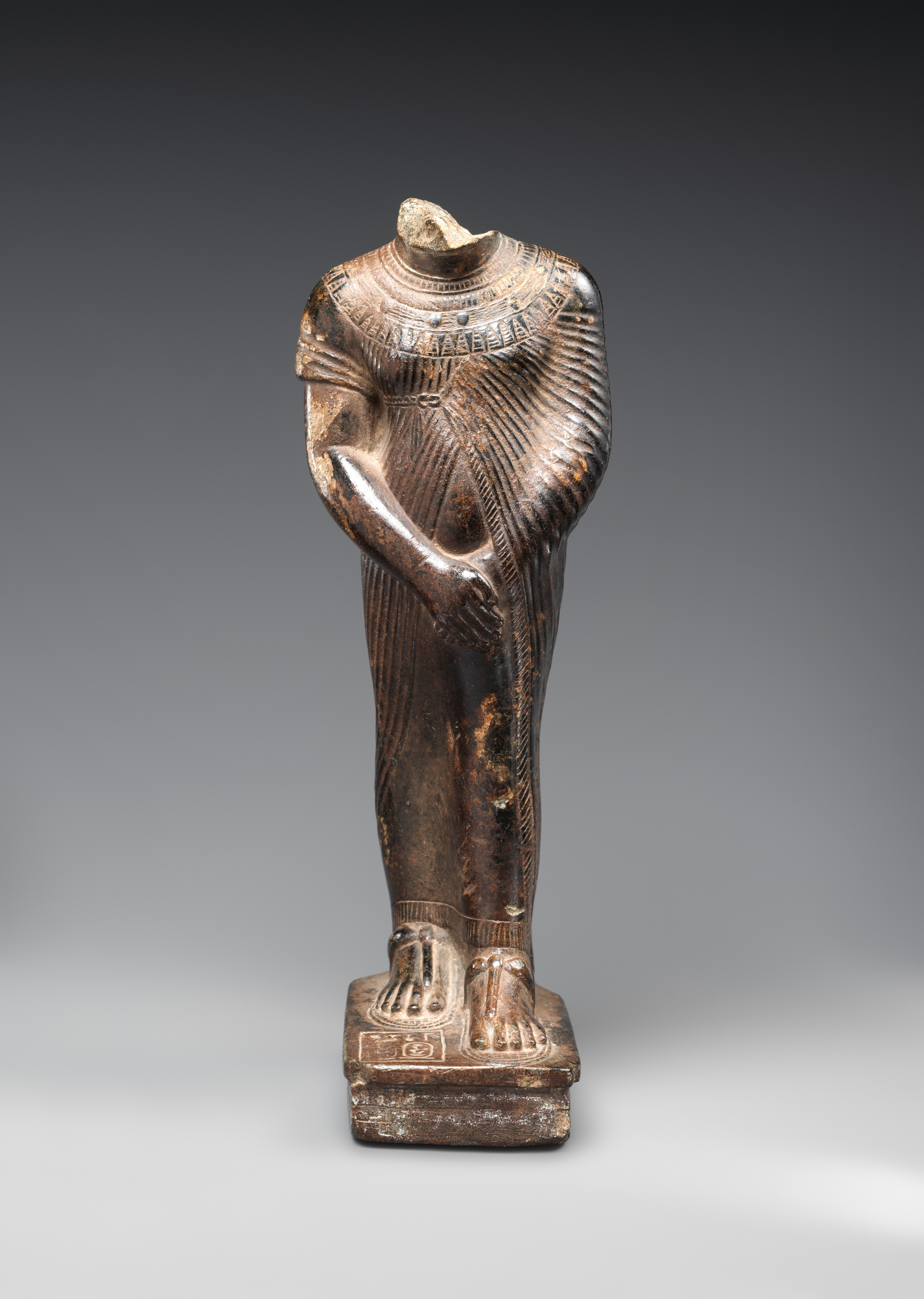 Standing figure of Amenhotep III. Dynasty 18, ca. 1390-1352 BC; Metropolitan Museum of Art.
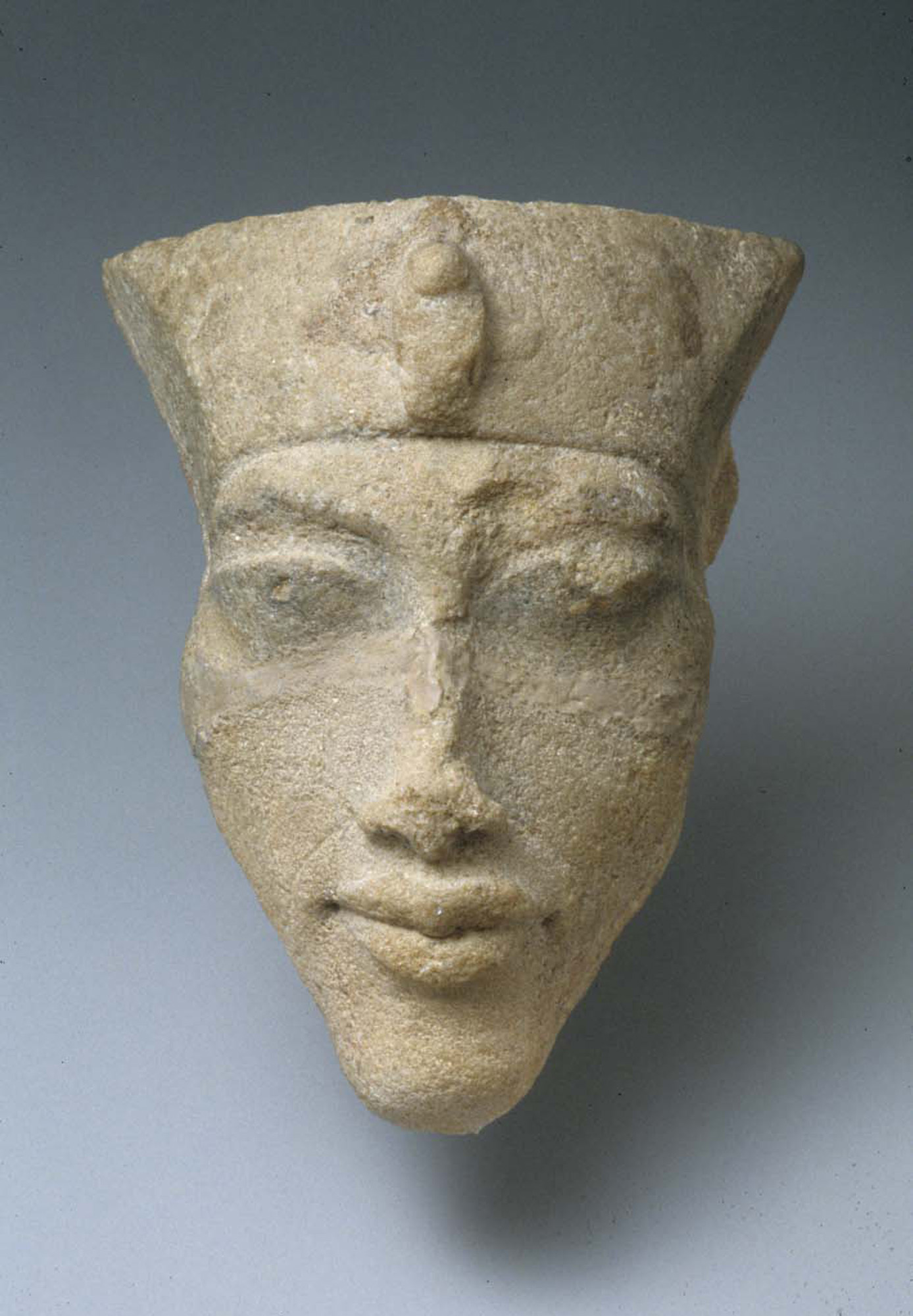 Head of Akhenaten from the workshops of Akhetaten. Amarna Period, ca. 1353-1336 BC; Metropolitan Museum of Art.
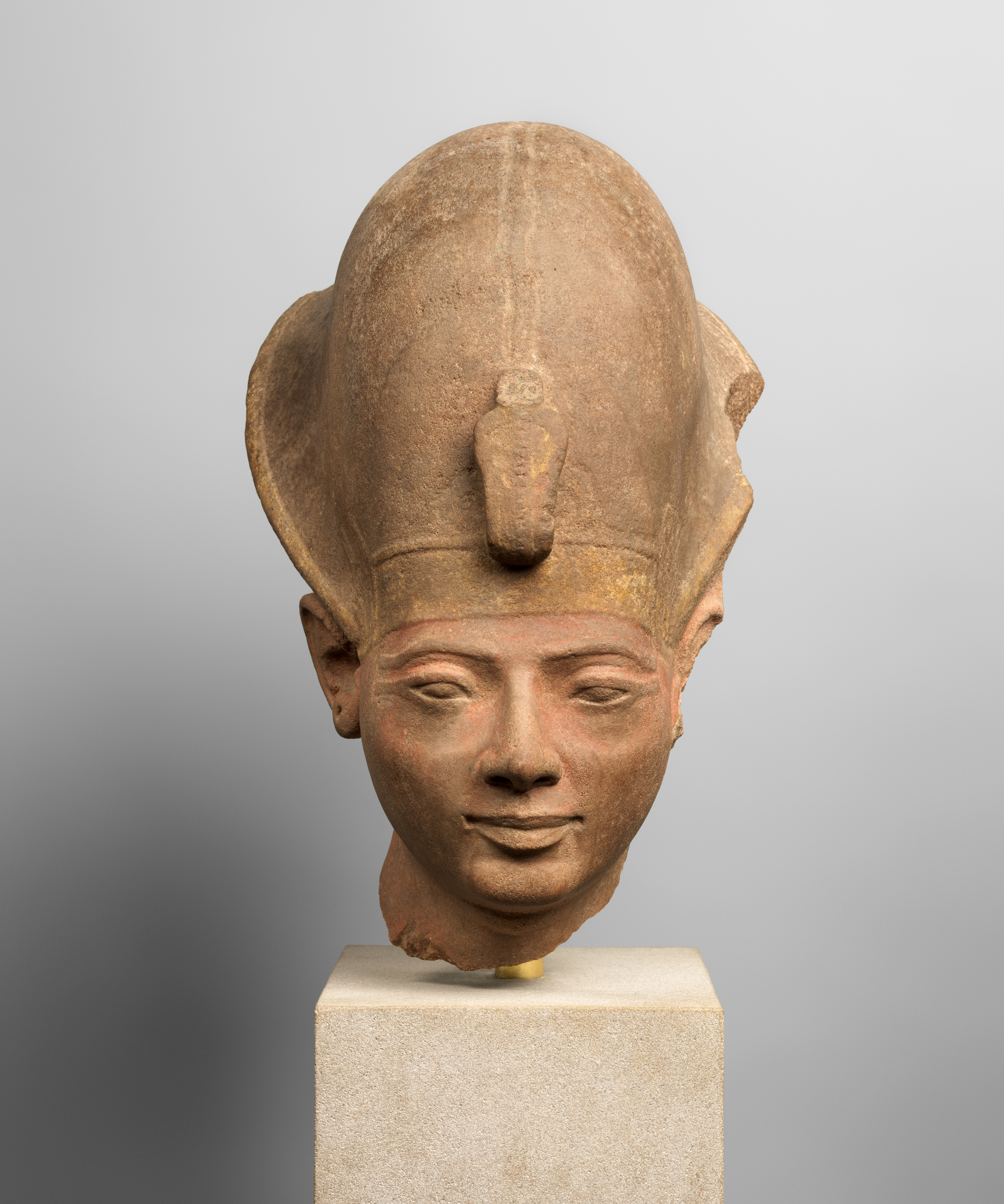 Head of Seti II wearing the blue khepresh crown. Dynasty 19, ca. 1200-1194 BC; Metropolitan Museum of Art.
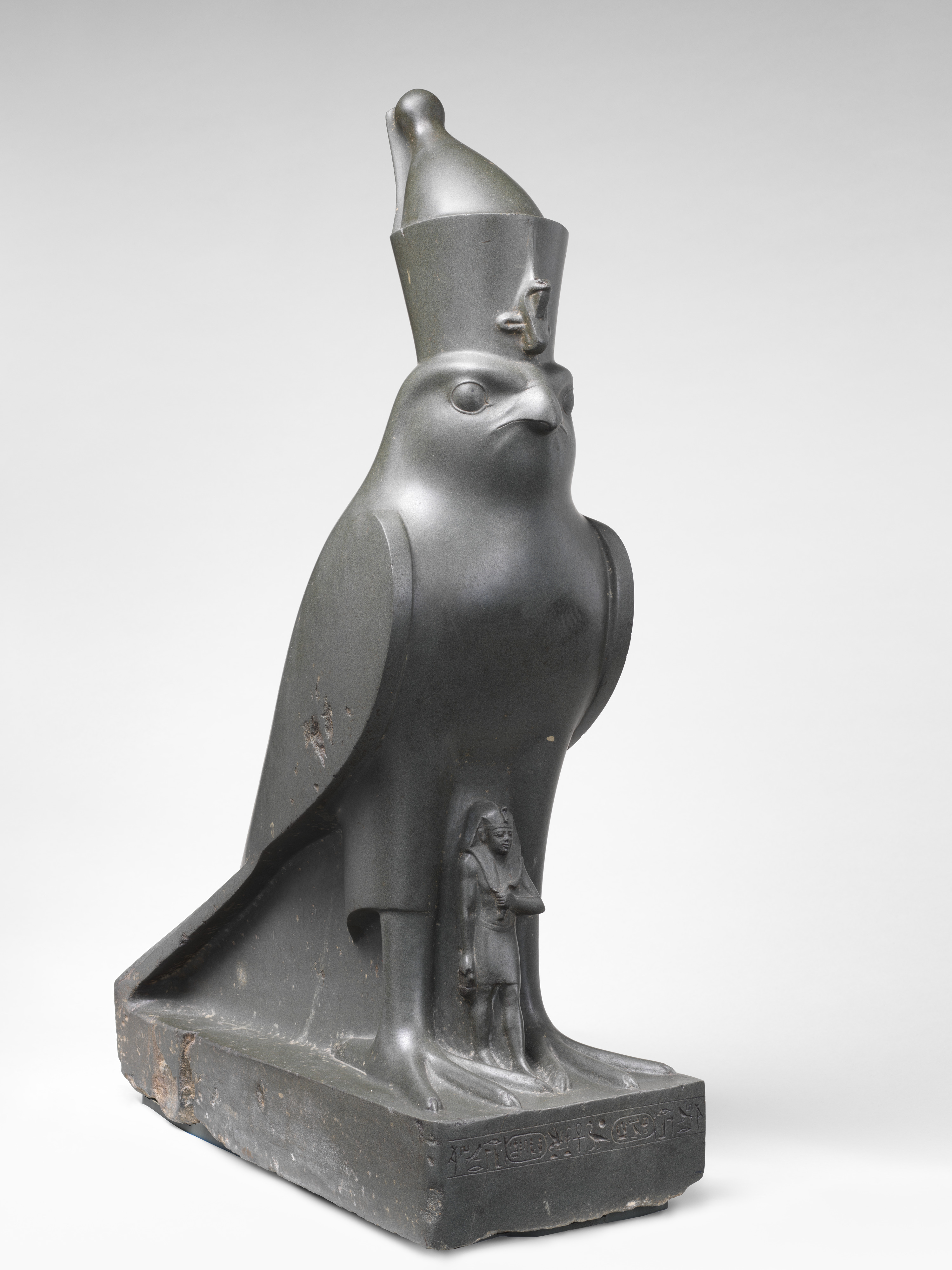 Horus as a falcon protecting King Nectanebo II. Dynasty 30, 360-343 BC; Metropolitan Museum of Art.
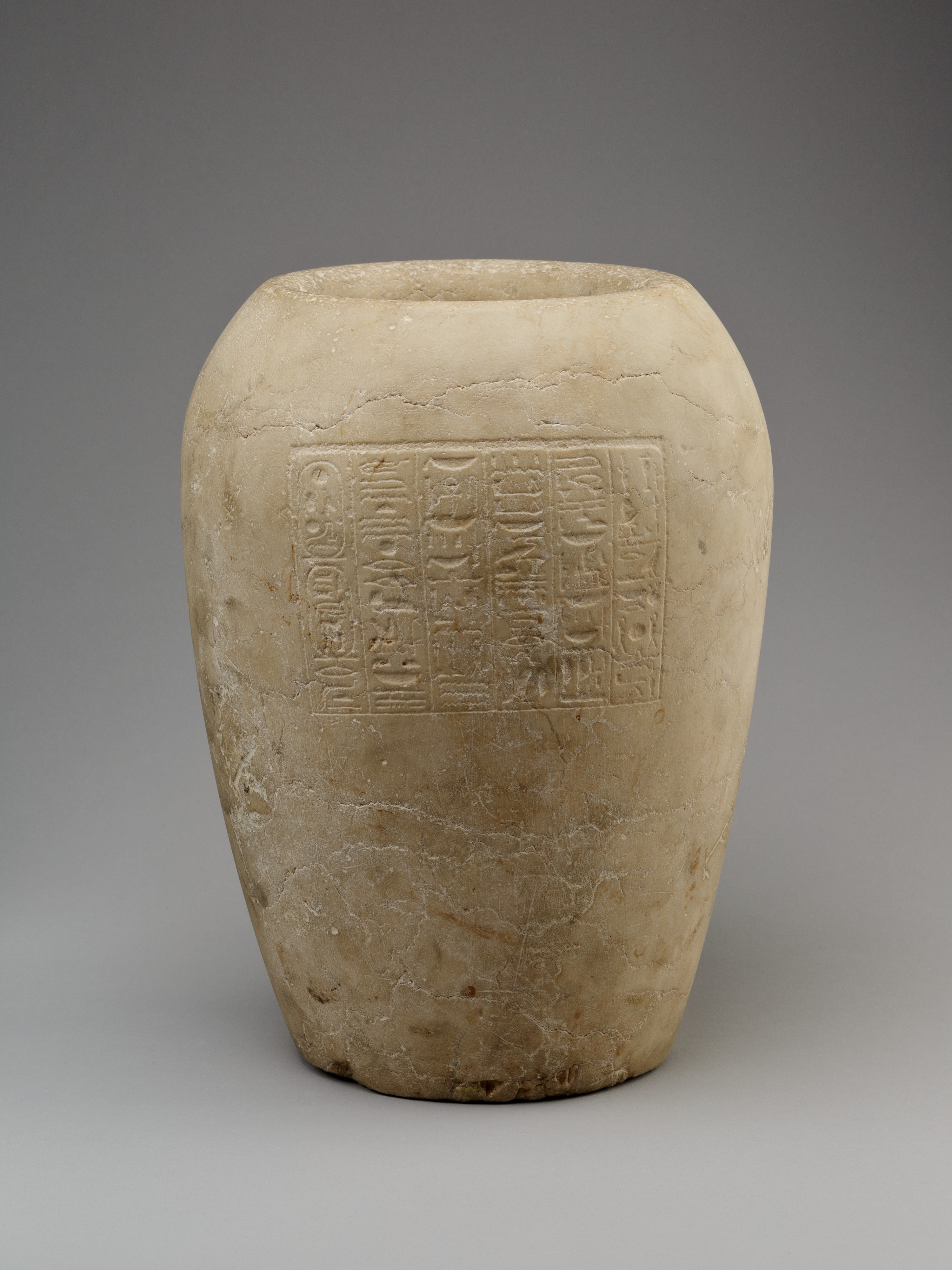 Canopic jar inscribed for King Nesibanebdjedet (Smendes). Dynasty 21, ca. 1070-1044 BC; Metropolitan Museum of Art.
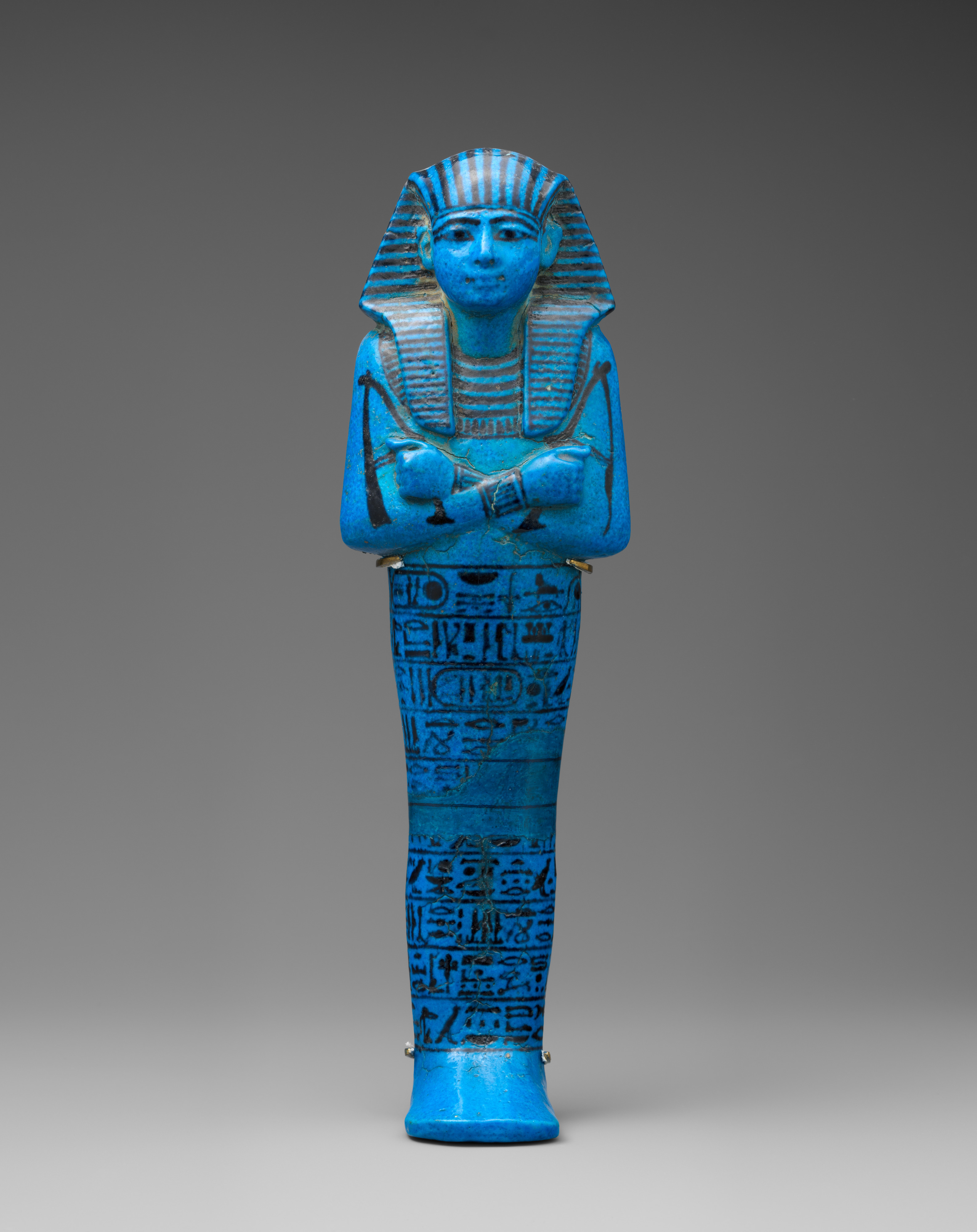 Shabti of Seti I. Dynasty 19, ca. 1294-1279 BC; Metropolitan Museum of Art.
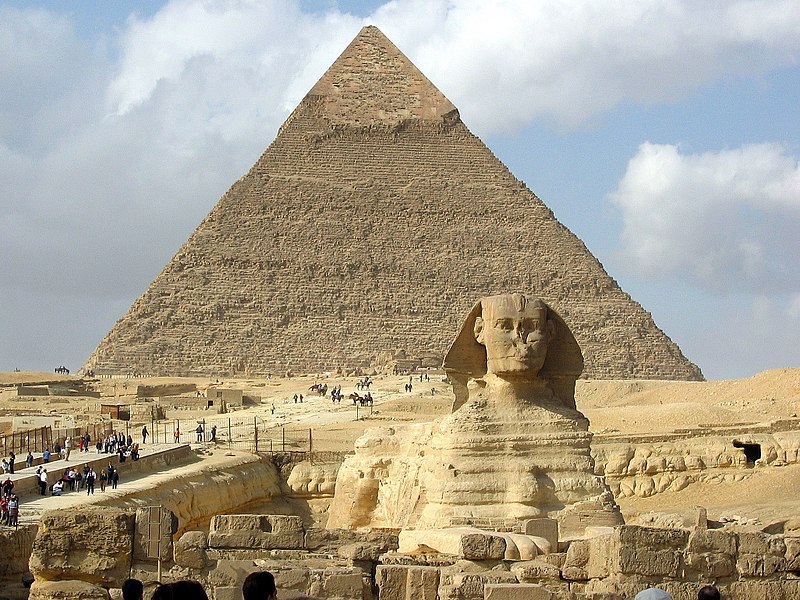 Pyramids of Giza and the Great Sphinx. Fourth Dynasty necropolis, Old Kingdom.
Interested in Ancient Rome beyond reading? Join Legio X Fretensis or explore our reenactment directions.


