Roman concrete
Roman concrete, or opus caementicium, was a building material of ancient Rome made from lime binder, stone aggregate and mineral additives. It became one of the foundations of Roman engineering.
The durability of Roman concrete attracts modern scholarly attention, especially in connection with marine structures, domes, vaults, bridges and monuments of Roman architecture.
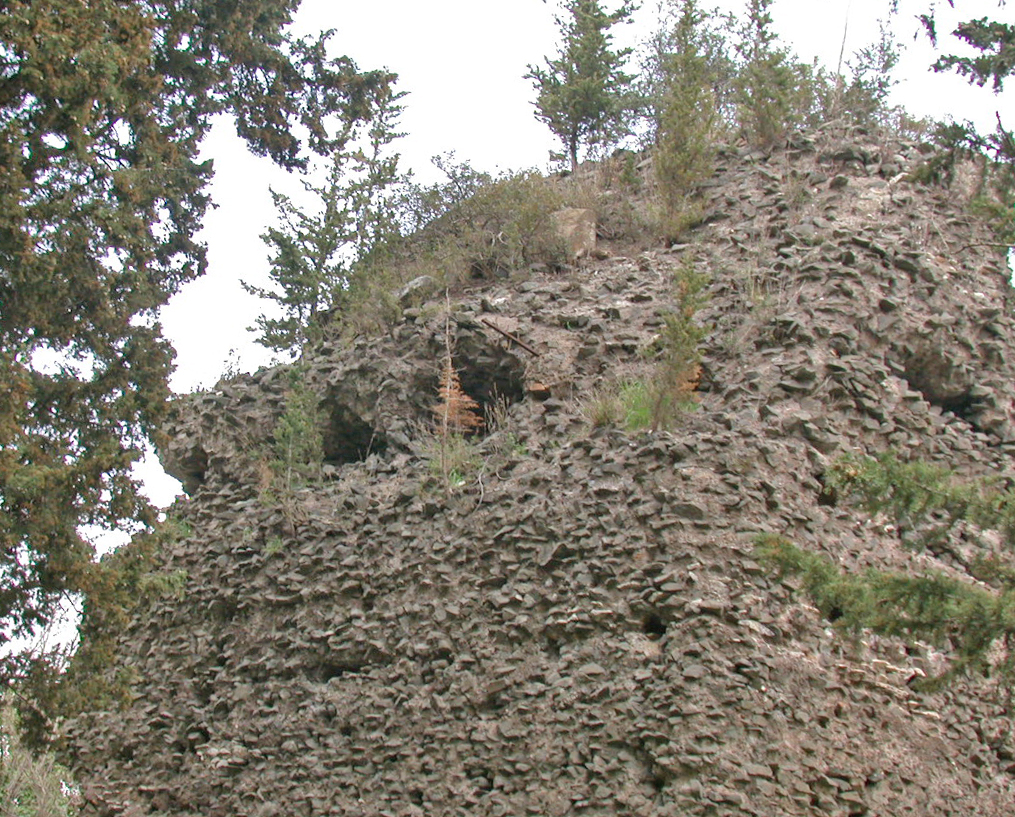 Exposed opus caementicium core in a tomb on the Appian Way. Stone aggregate was bound with lime mortar, while the surface was normally covered by a facing.
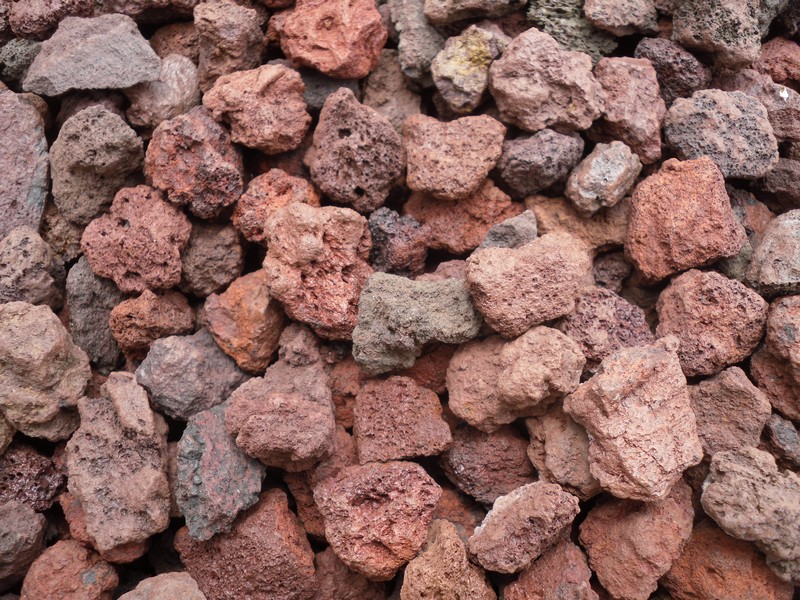 Red Pozzolan
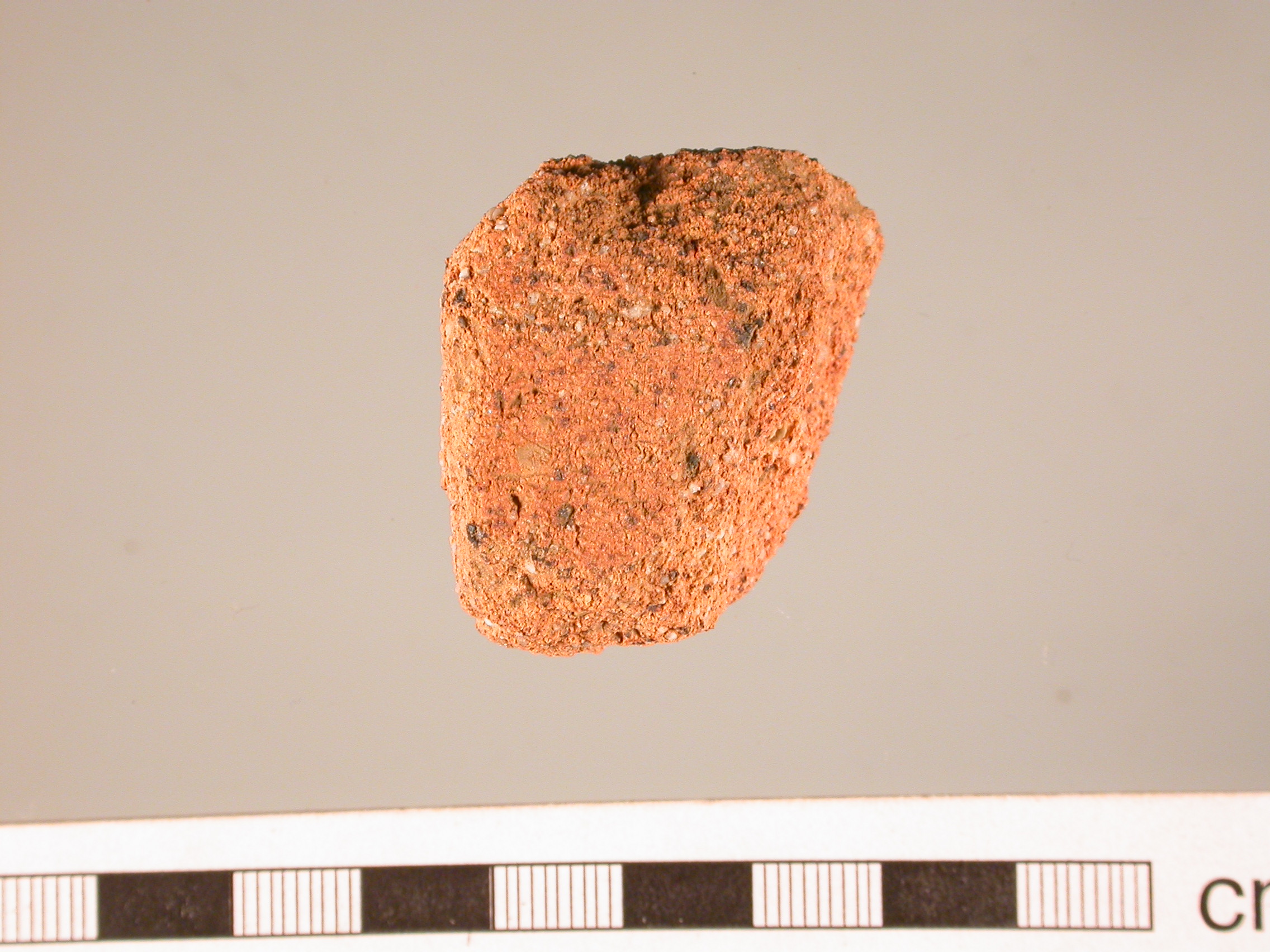 Fragment of Roman cement or opus signinum.
Composition
Roman concrete was based on a mixture of lime, water, stone aggregate and additives. Rubble, tuff, broken brick, ceramics and local stone could serve as aggregate. There was no single recipe: builders adapted the material to the task and to available resources.
Pozzolana
Pozzolana is volcanic ash or tuff additive, especially associated with Campania. Mixed with lime, it produced a hydraulic binder able to harden in wet conditions and under water.
Uses
Roman concrete was used in foundations, walls, baths, amphitheatres, insulae, temples, cisterns, bridges and waterworks. The material was useful where large volumes, curved forms and strong monolithic masses were needed.
Harbours
Roman concrete was especially important in marine construction. Pozzolanic mixes made it possible to build moles, quays and underwater foundations. This expanded the capacity of ports through which grain, oil, wine, building materials and military cargo moved.
Studies of marine concrete show that long contact with seawater sometimes did not simply destroy the material, but encouraged the formation of stable mineral phases. Ancient harbours have therefore become one of the main subjects of modern research.
Domes
Concrete made large vaults and domes possible. Roman engineers could vary aggregate density: heavier materials below, lighter materials in the upper parts of a structure. This helped reduce loads and create large covered spaces.
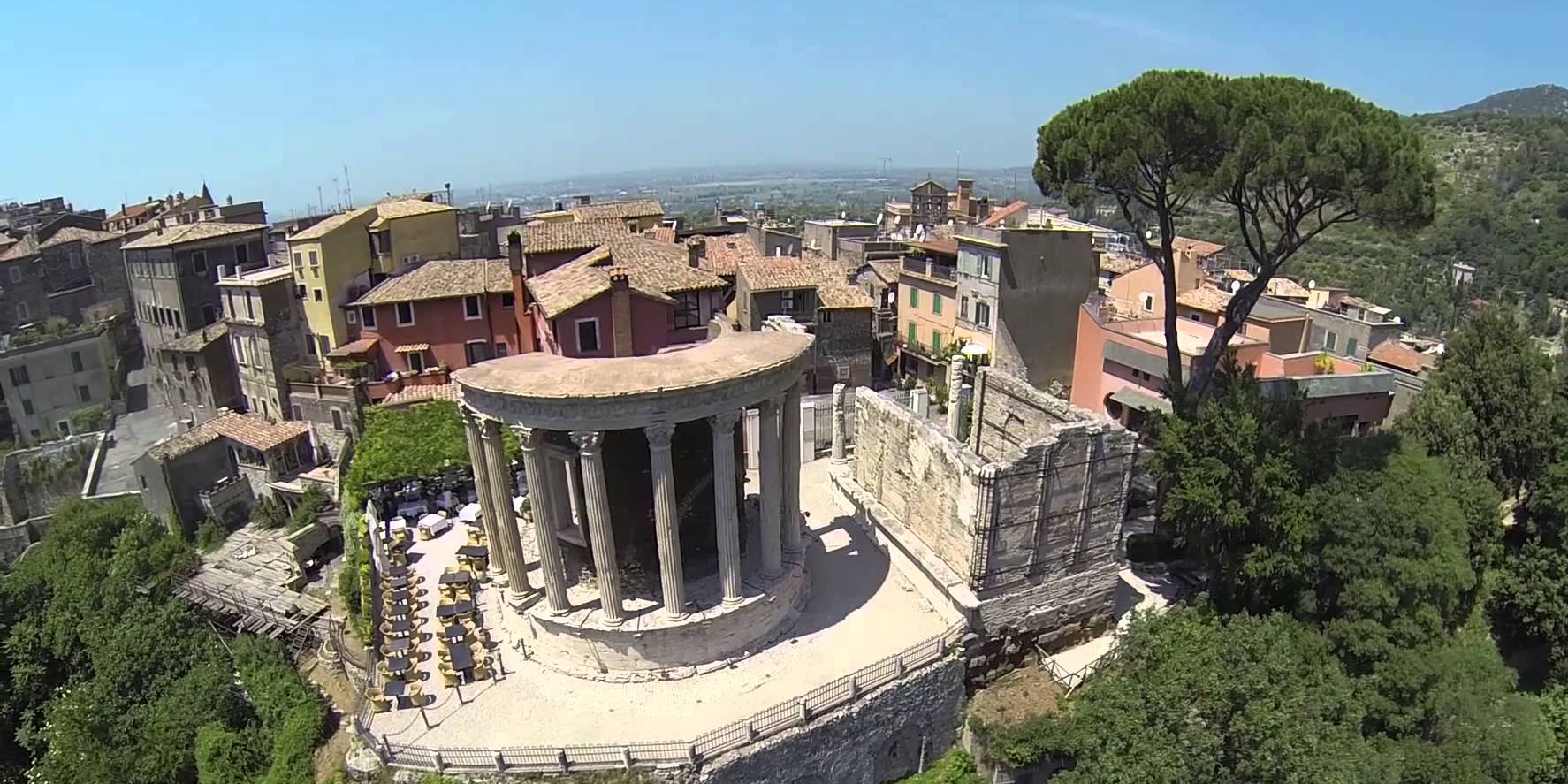 The so-called Temple of Vesta at Tivoli, late Republic, 1st century BCE. Its circular cella, Corinthian colonnade and high podium combine the Greek tholos form with Italic frontality.
 Two temples on Tivoli’s acropolis: the rectangular building traditionally called the Temple of the Sibyl and the round so-called Temple of Vesta. Their ancient dedications remain debated.
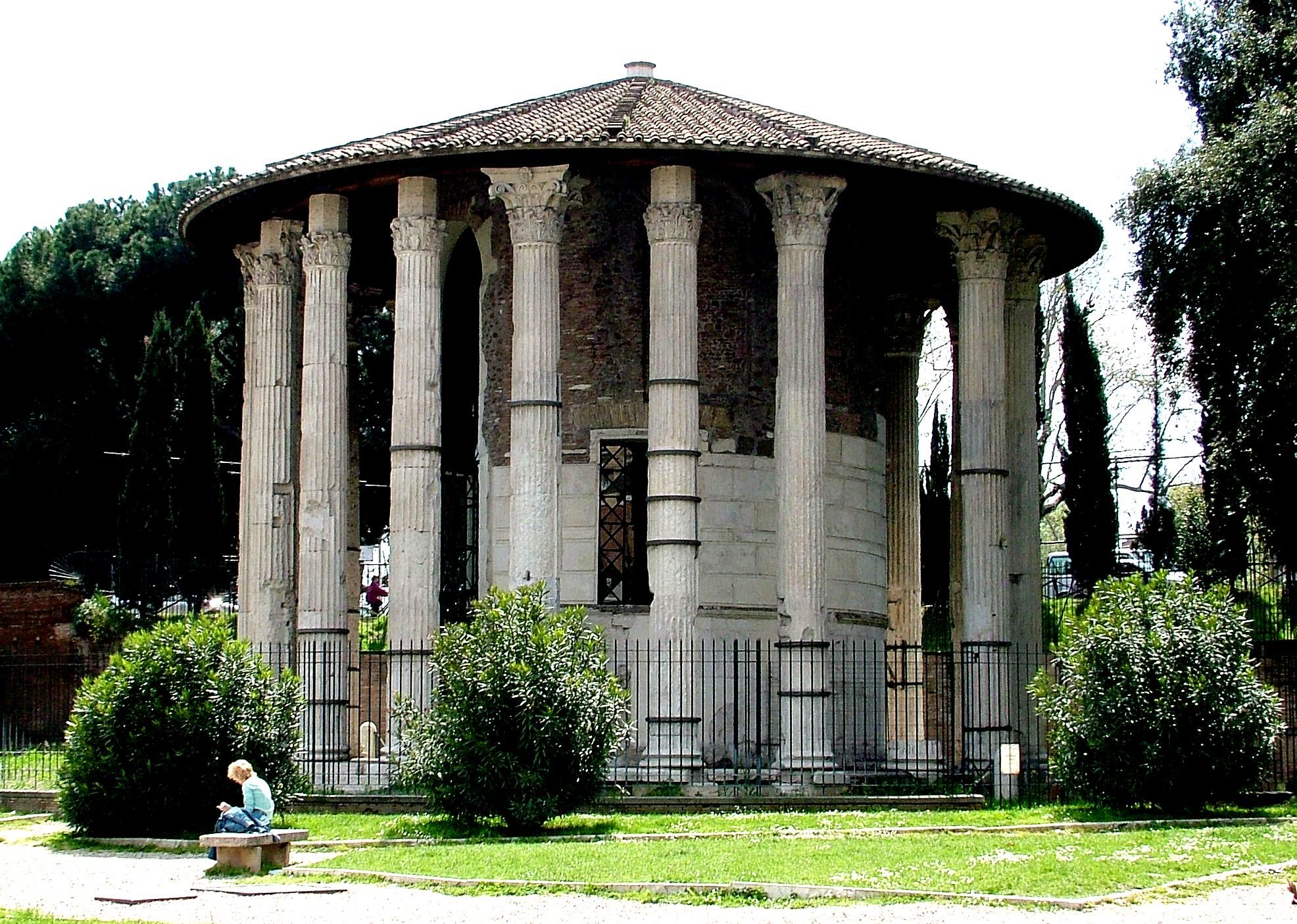 Round Temple of Hercules Victor in Rome’s Forum Boarium. Its former identification as a Temple of Vesta rested on its circular plan.
Difference from modern concrete
Modern concrete is usually based on Portland cement, whereas Roman concrete used lime and pozzolanic reactions. A direct “better” or “worse” comparison is therefore misleading: the materials were created for different technologies, construction speeds and design requirements.
Research on durability
Interest in Roman concrete is linked to the question of why some structures survived for millennia. Researchers study composition, microcracks, lime inclusions, volcanic additives and the interaction between the material and water.
Related topics
Roman architecture, Roman aqueducts, Roman bridges, Roman temples - Portus
Literature and sources
Lancaster, Lynne C. Concrete Vaulted Construction in Imperial Rome. Cambridge University Press, 2005.
Jackson, Marie D. et al. Roman marine concrete studies.
Wikimedia Commons: OpusCaementiciumViaAppiaAntica.jpg; Fragment of Roman cement or Opus Signinum (FindID 130763).


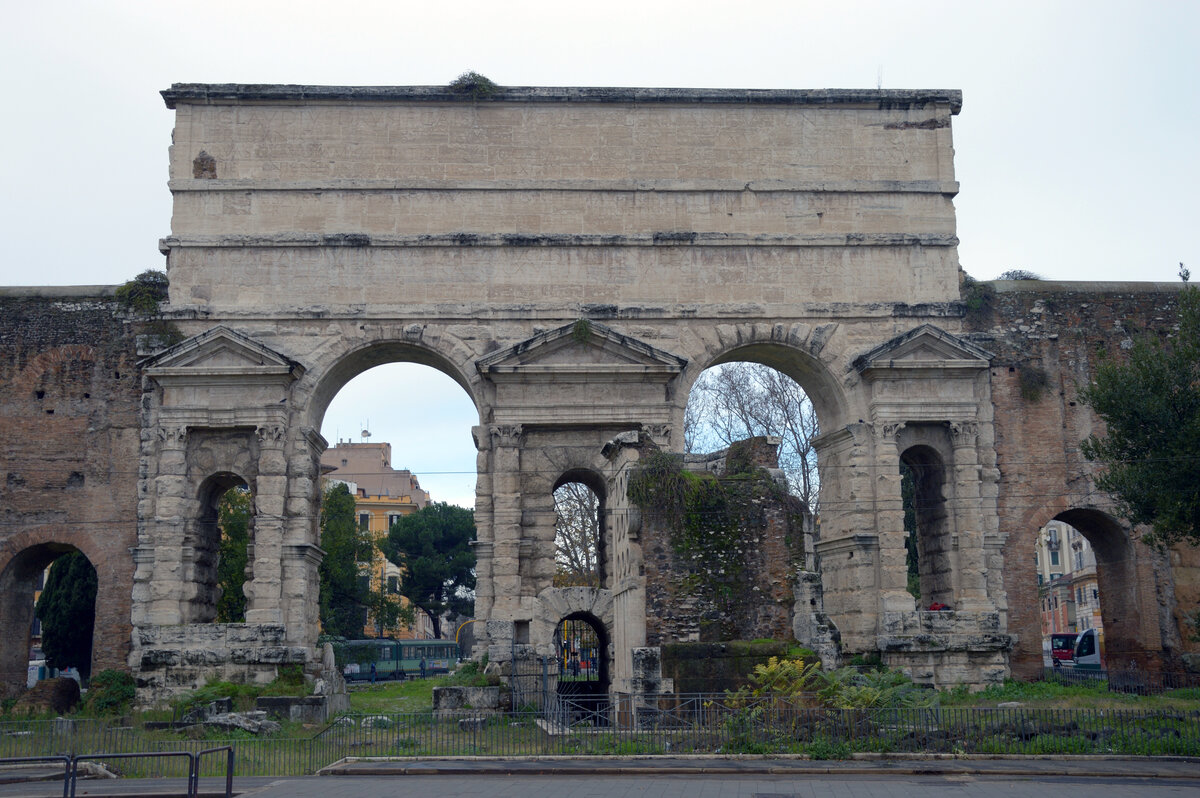 Porta Maggiore or Prenestina Gate (Latin: Porta Prenestina) I century AD,Rome (Italy),modern view
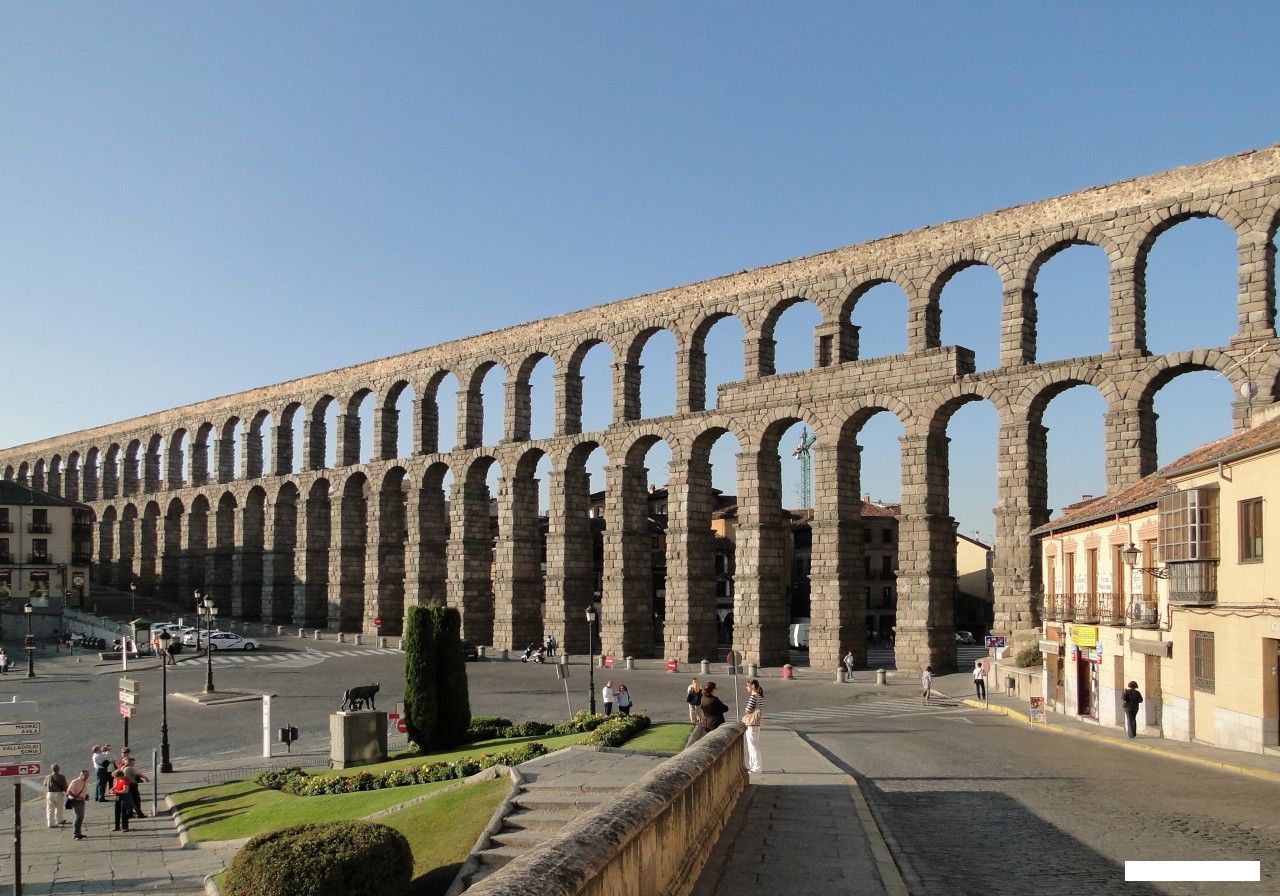 Aqueduct in Segovia (Spain) I century AD,modern view
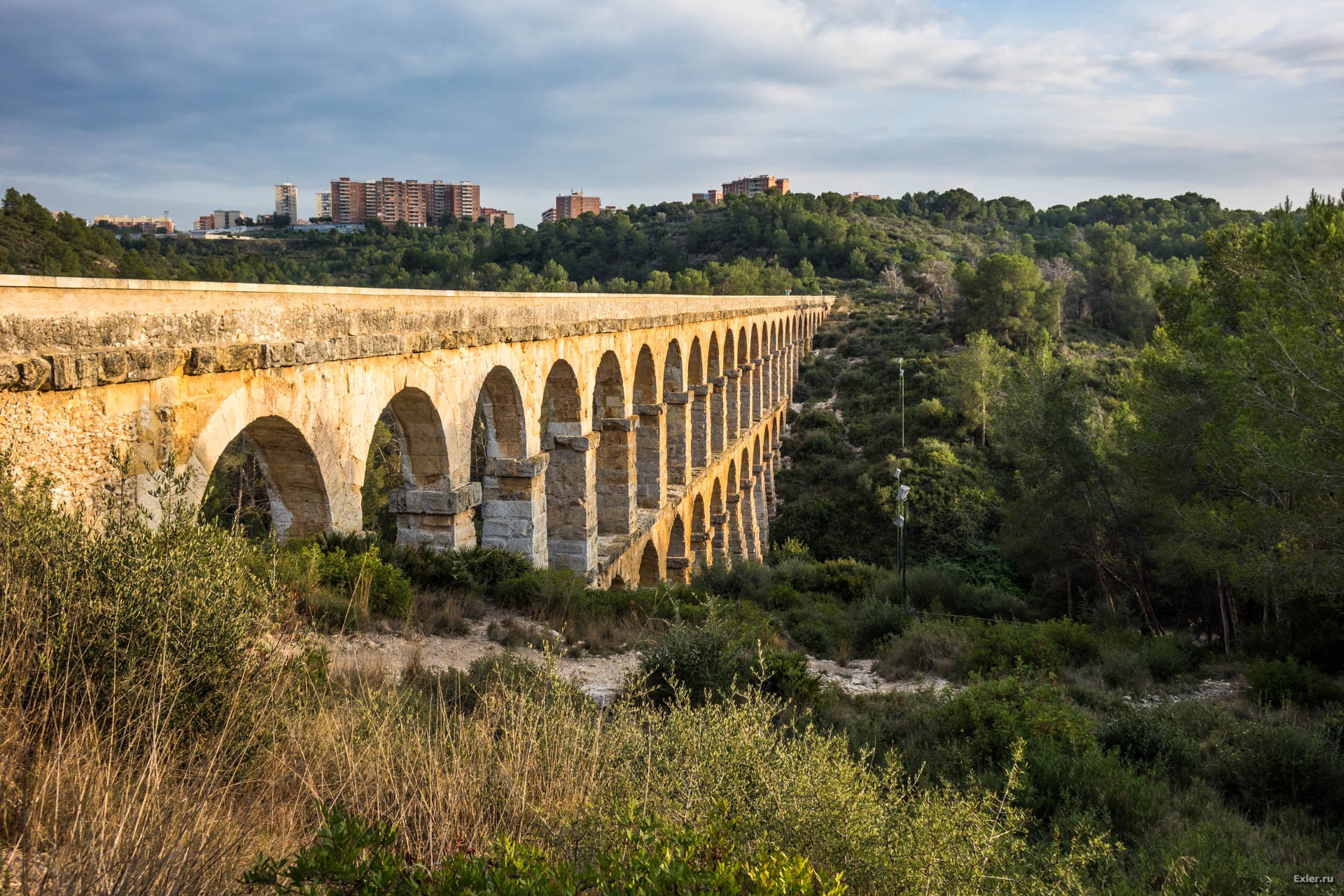 Aqueduct in Tarragona (Spain) I century BC,modern view
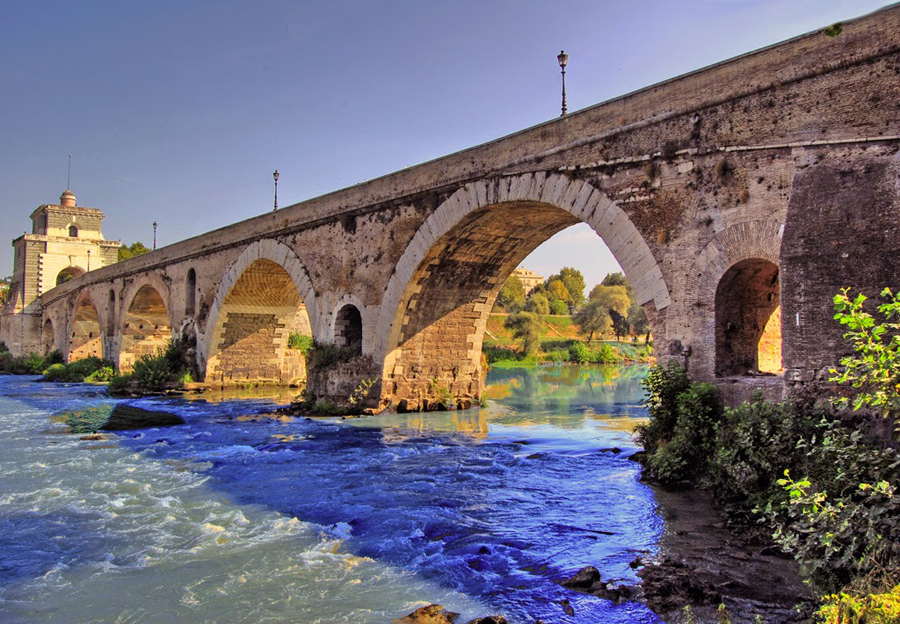 Mulvian Bridge 109 BC Rome,modern view
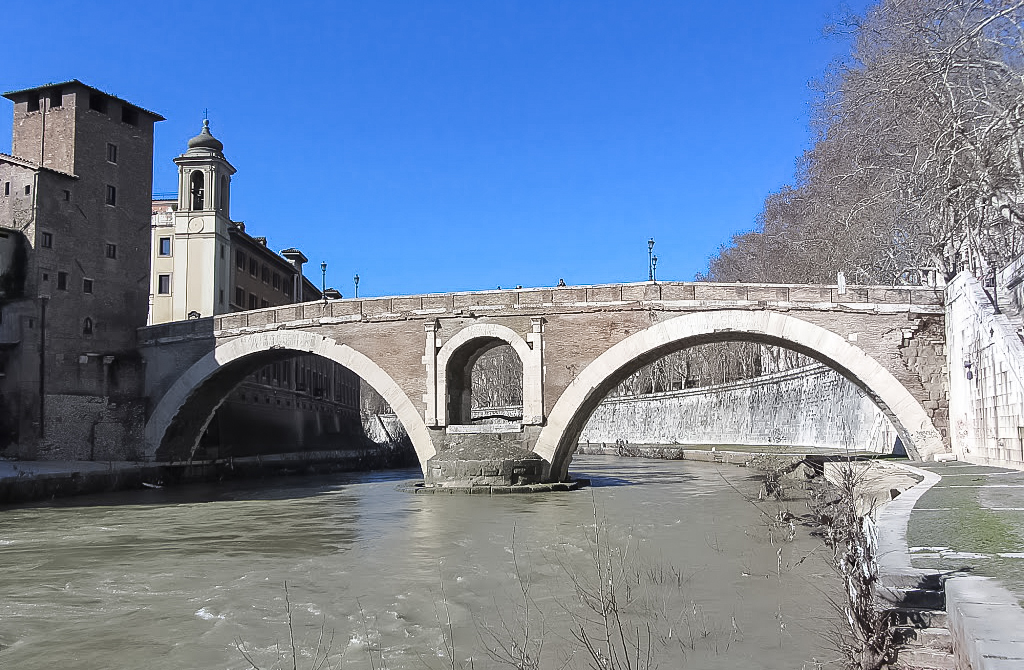 Fabricius Bridge 62 BC Rome,modern view
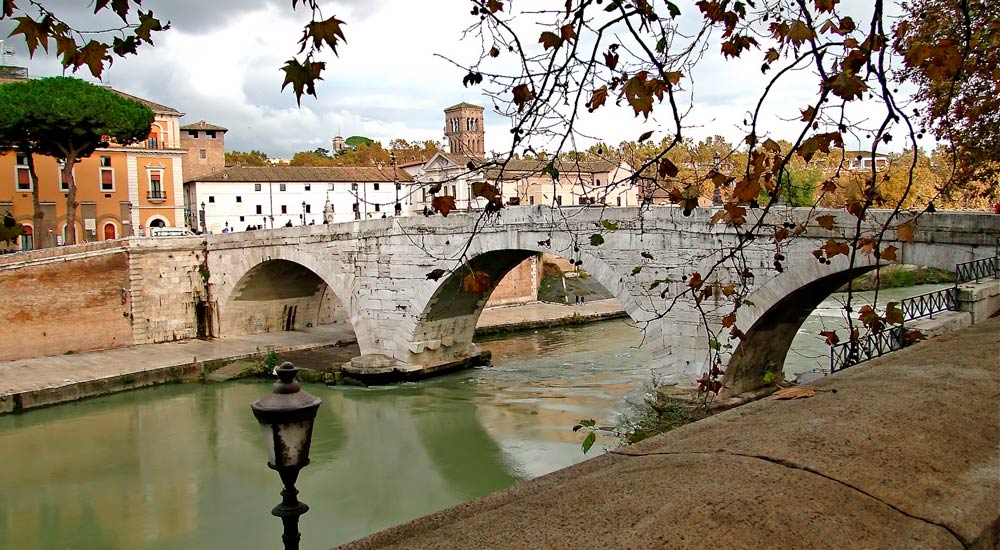 Cestius Bridge 46 BC Rome,modern view
Interested in Ancient Rome beyond reading? Join Legio X Fretensis or explore our reenactment directions.


