Alcoholic Drinks in Antiquity
Alcoholic drinks in antiquity belonged to food, agriculture, trade, medicine, ritual and table behaviour. Wine became the central drink of the Greco-Roman Mediterranean, but beer, mead, fermented fruit drinks, cheap secondary wines and sour drinks based on wine vinegar existed beside it. The balance differed by region: for the Greek polis and Roman Italy wine was the language of banquet and sacrifice, for Egypt and the northern provinces beer remained familiar, while honey and herbs produced separate medicinal and festive variants.
Wine was not one single product. It differed by place of origin, vine variety, colour, age, strength, sweetness, storage method, additives and price. Expensive wines could mark status, while cheap wines were a daily norm for workers, soldiers and tavern customers. An article on ancient drinks therefore has to speak not only about drinking, but also about vineyard, press, vessel, road, shop and archaeological residue.
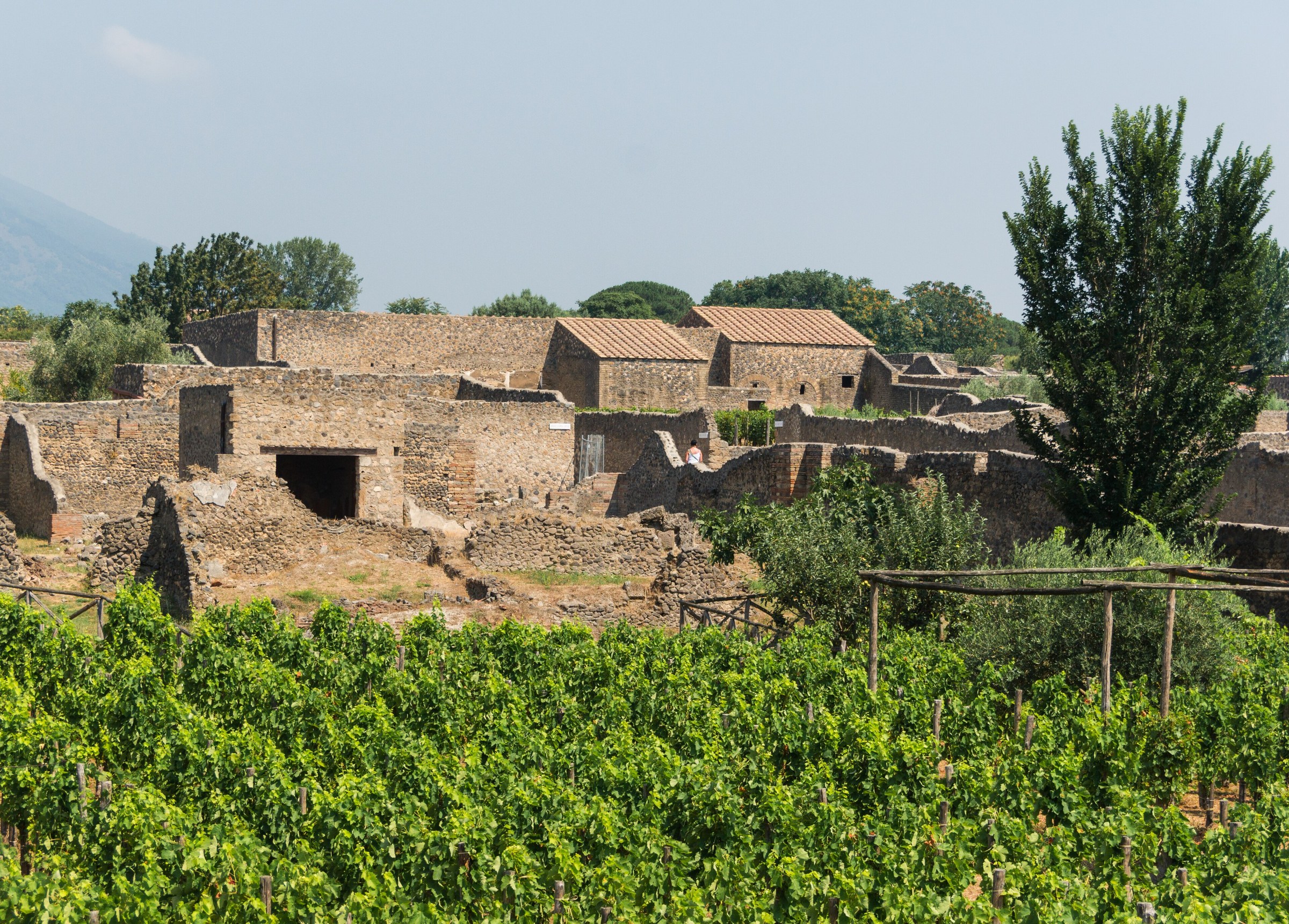 Vineyard in Pompeii: a modern planting inside the ancient city illustrates the scale of urban and suburban wine-growing.
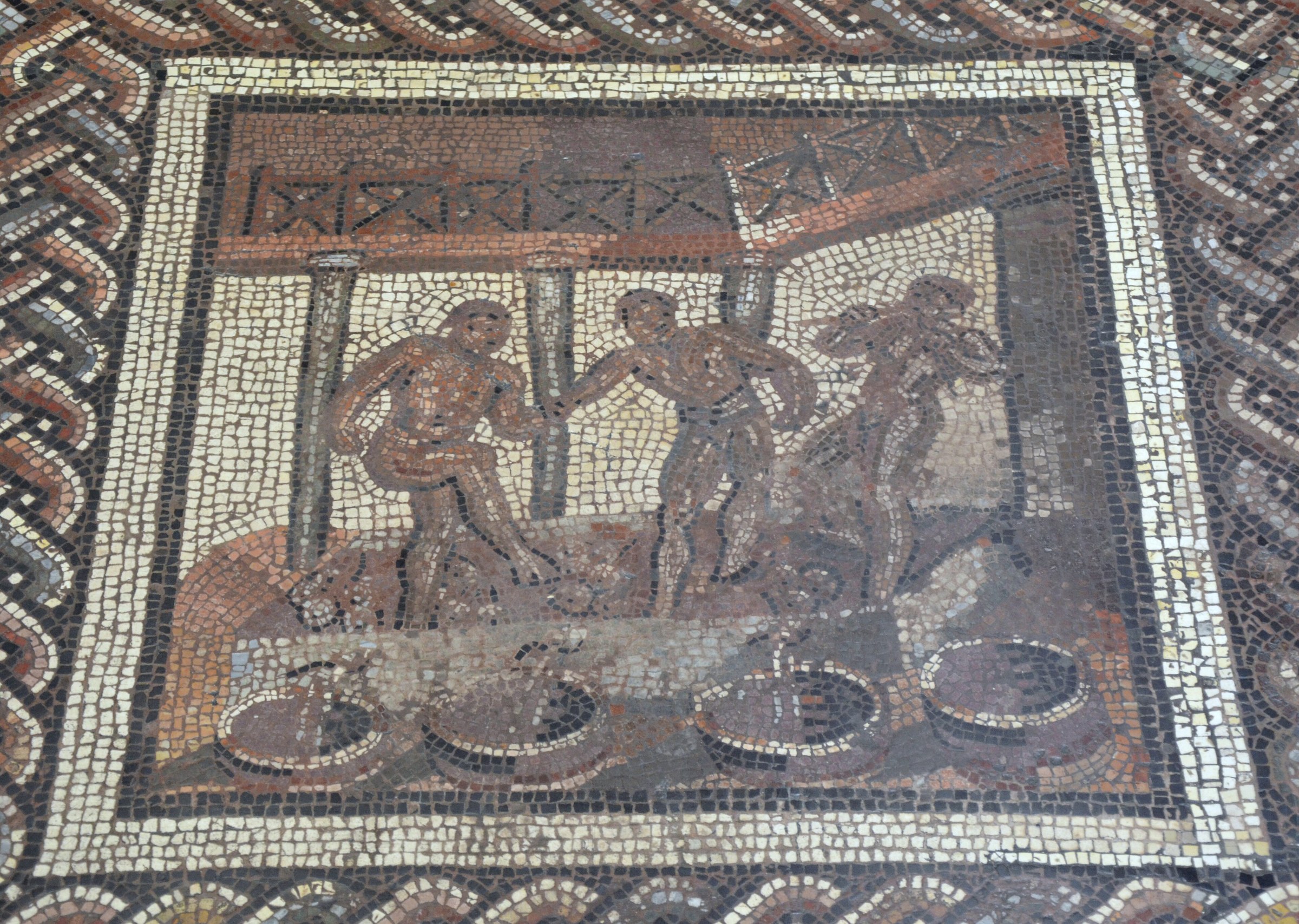 Mosaic with grape pressing from a rustic calendar. Saint-Romain-en-Gal, first quarter of the third century AD; Musée d'Archéologie Nationale, Saint-Germain-en-Laye.
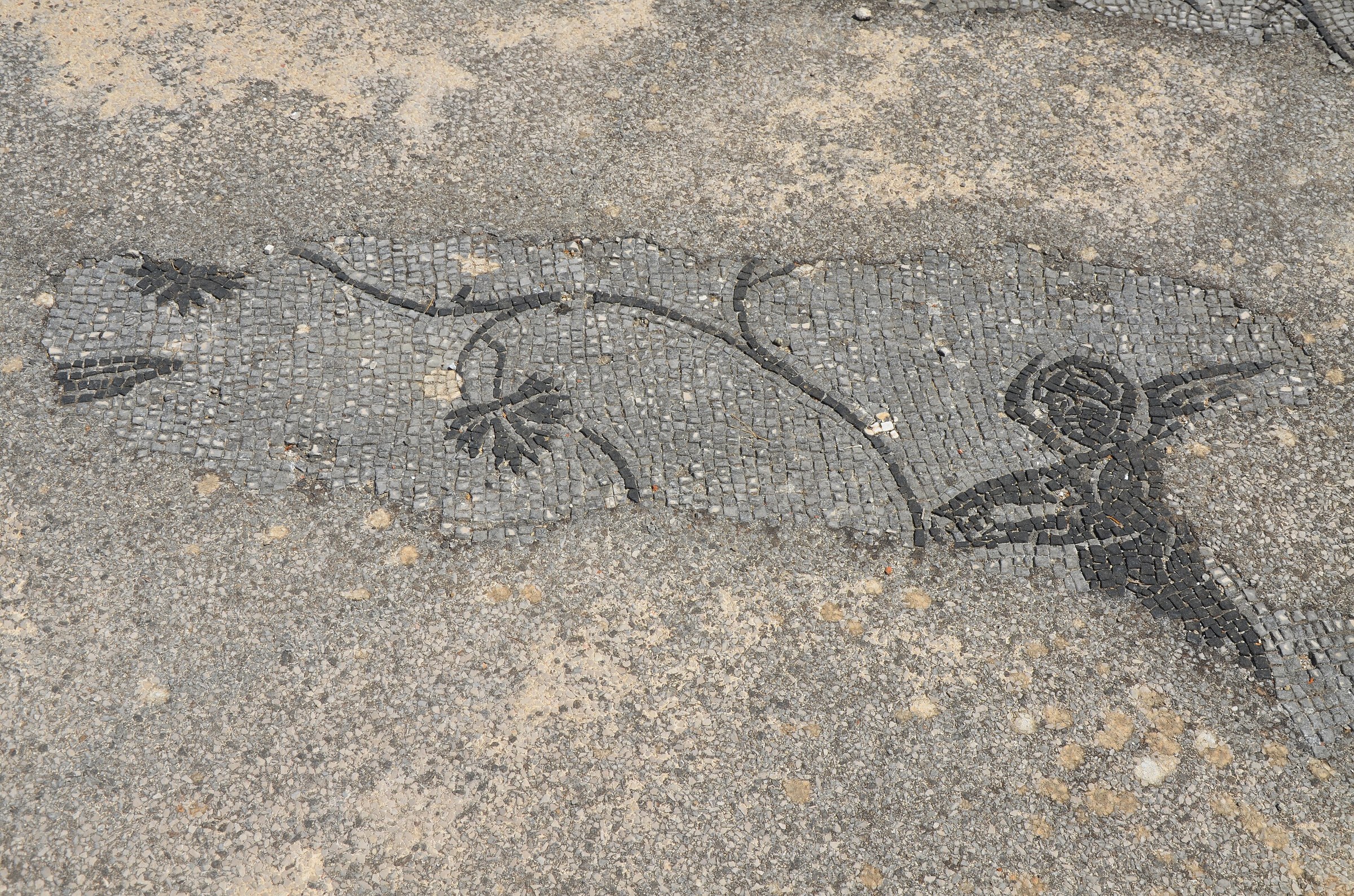 Black-and-white mosaic with erotes pressing grapes. Baths at Minturnae, Roman Italy.
Vineyards and Grape Varieties
The grapevine, vitis, suited the Mediterranean climate, but ancient viticulture was not simple gathering of wild grapes. Vines were planted in rows, pruned, tied to stakes or trees, and matched to soil, slope, moisture and cultivation method. Estates in Italy, Greece, Asia Minor, Syria, Egypt, Gaul and Spain could serve a local market or long-distance trade. In Pompeii vineyards were not only outside the city: excavations show gardens, vine plots and wine-working spaces inside the urban environment.
Ancient authors named many vines and wines, but these names cannot be automatically translated into modern grape varieties. A name could refer to place, berry colour, wine quality, cultivation method or a group of related vines. Roman agronomists mention Aminaea, Apiana, Nomentana, Rhaetica, Biturica, Helvola and other names; Greek tradition distinguished wines of Chios, Thasos, Lesbos, Cos, Mende and many local styles. Romans valued Falernian, Caecuban, Setian, Alban, Massic and other wines, where regional reputation mattered as much as the vine itself.
Varieties and places of origin had practical meaning. Some vines gave high yield, others stronger or sweeter wine; some tolerated moisture better, others required a dry slope. In Columella and Pliny the vine-grower appears both as farmer and trader: yield, resilience, taste, price, keeping qualities and transport all mattered. Modern attempts to connect ancient names with present-day cultivars are useful as hypotheses, but it is safer to speak about zones, styles and properties of wine than about a direct continuous line from ancient vine to modern label.
Main Drinks
Wine was the main alcoholic drink of Greeks and Romans, but it was usually drunk diluted. In the Greek symposium the mixing of wine and water was a mark of order: drinking unmixed wine was associated with barbarian or excessive behaviour. In Rome wine was drunk at home, at banquets, in shops, in military camps and at religious festivals. Cheap wines could be rough and spoil quickly; better wines were aged, sealed, transported and served as signs of prosperity.
Beer held a different place. In Egypt, the Near East, Gaul, among Germans and in northern provinces it was more familiar than in elite Greco-Roman literature, where it was often described as a foreign drink. This does not mean that beer was rare: archaeology, papyri and texts show it as a product of grain, labour and daily food. Roman authors could contrast wine with a "civilized" world and beer with the margins, but that judgement tells us as much about the writer's culture as about the drink itself.
Mead and sweetened wines stood between these categories. Mulsum, wine with honey, could be served at the beginning of a meal, hydromeli was made from water and honey, and seasoned wines could contain herbs, resins, spices, seawater or boiled grape must. There were passum from dried grapes, defrutum, carenum and sapa from reduced must, lora from the second pressing of grape skins, and posca, a sour drink of water and wine vinegar, important in cheap diets and military settings.
From Grape Harvest to Wine
Winemaking began with the choice of harvest time. Grapes picked too early produced sour and weak wine; late grapes could give sweeter wine, but with greater risk from weather and spoilage. After harvest the grapes were trodden by foot, pressed mechanically or processed by a combination of both. The first must could be used for better wine, later pressings for cheap drinks. Roman treading floors, presses, must basins, wine cellars and large dolia show that winemaking was not only a household craft but an agricultural technology.
After fermentation wine was racked, clarified, blended, flavoured and stored. In Italy and the western provinces dolia, amphorae and later barrels played major roles; in the East local vessel forms and traditions continued. The amphora was not just packaging: shape could point to region and production type, stamps to workshop or owner, painted inscriptions to variety, age, seller, volume or tax information. Traces of resins, tartaric acid and organic compounds help test what a vessel once carried.
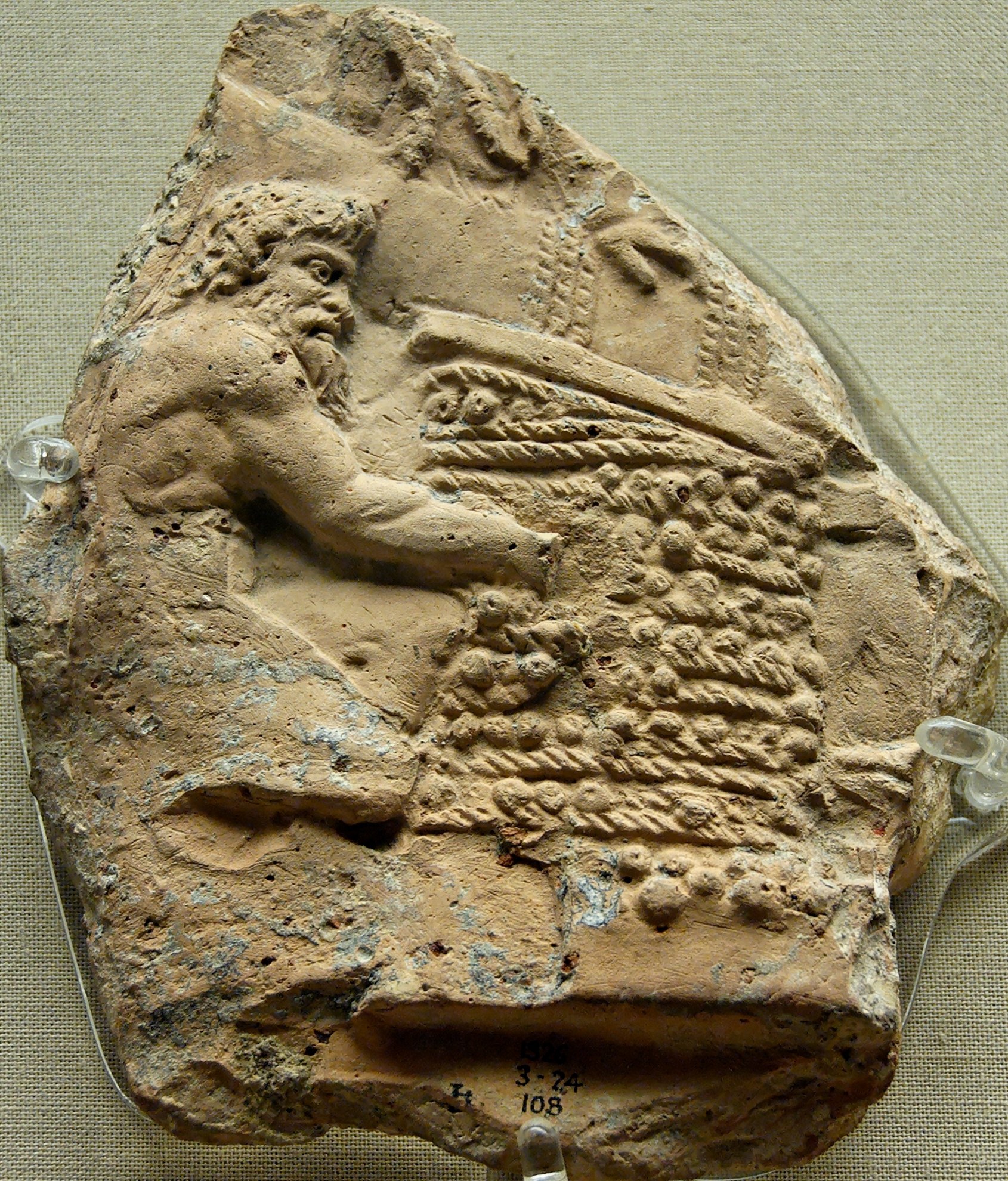 Satyr at a grape press on a terracotta relief. Roman work, first century AD; British Museum.
Banquet, Ritual and Medicine
Alcohol was connected with rules of behaviour. In the Greek symposium participants reclined, drank from cups filled with wine from the krater, listened to music, played games, argued and displayed self-control. In Rome the convivium joined friendship, status, patronage and political conversation. A silver cup, painted krater or glass bowl was part of the scene: the vessel displayed the wealth of the house, the host's taste and the type of occasion.
In religion wine was used for libations, sacrifices, oaths and festivals. It was poured on altars, offered to gods and included in household and civic rites. In medicine wine could be a solvent for drugs, a warming agent, an antiseptic component or part of diet. Ancient physicians discussed age, strength, colour and bodily effects of wine, but also warned about drunkenness, heat, stomach trouble and loss of self-control.
Moral judgement of alcohol depended on context. Moderate drinking could signify education and participation in shared culture, while excess could mean licence, barbarism or disorder. Women, youths, slaves, soldiers and elites were judged differently: the same drink could belong to a noble banquet, rough tavern, soldier's ration or religious ceremony.
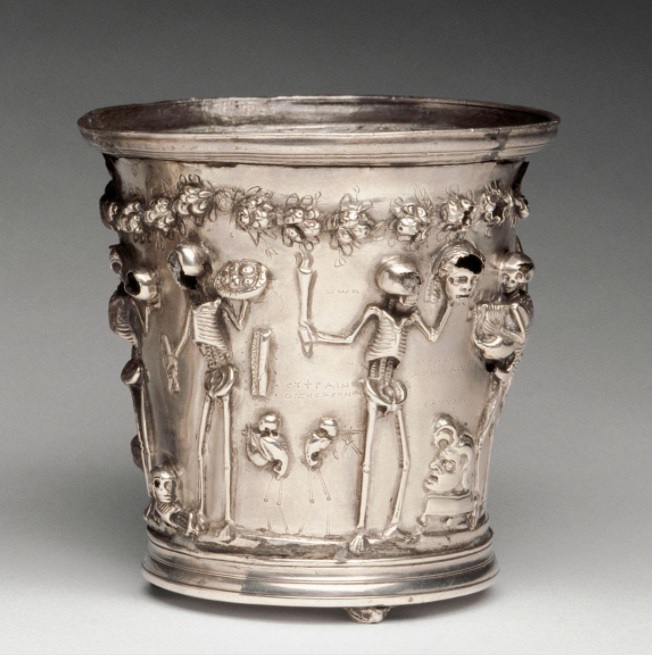 Silver cup from Pompeii. Louvre, AD 79.
Trade, Shops and Daily Drinking
Wine moved by sea and land together with amphorae, barrels, ships, carts, warehouses and taxes. Large amphora dumps such as Monte Testaccio in Rome show not isolated luxury but a huge flow of food supplies, principally olive oil. Wine from Italy, the Aegean, Spain, Gaul, Africa and the eastern Mediterranean could change in price and prestige according to distance, harvest, containers and the reputation of place.
In cities drinks were sold not only in elite houses. The caupona, popina and thermopolium offered places to drink, eat and meet outside the household. In Pompeii counters, vessels, graffiti, painted signs and rooms show drink as part of urban daily life. For poorer customers price and access mattered; for the shopkeeper stock, dilution, quality, debts and customer flow mattered.
Wine could also be part of rations. Soldiers, workers and sailors received drinks of varying quality; sour wine, posca or cheap lora changed the taste of water, but should not be treated as a guaranteed means of disinfection, although this did not turn them into luxury. Everyday ancient drinking should therefore not be imagined only as banquet: it was also shop, road, warehouse, workshop and camp.
Finds of Vessels and the Speyer Bottle
Ancient wine usually reaches us not as liquid but as vessel, stopper, resin, inscription or chemical trace. Amphorae with stamps and tituli picti, dolia of wine estates, grape presses, cellars, images of grape harvest and traces of tartaric acid give a more reliable picture than isolated spectacular objects. In Egypt and the Near East papyri and accounts also matter because they show deliveries, taxes, rations and prices.
A very rare exception is the Speyer wine bottle. It was found in 1867 in a Roman tomb near Speyer and is dated to about AD 325-350. Liquid survives inside, probably connected with wine, while the mouth and upper layer were protected by sealing and an oil film. The bottle is often called the oldest surviving unopened bottle of wine, but caution is needed: it is not opened for conservation reasons, the contents are not a drink in the modern sense, and the find belongs to a funerary context rather than an ordinary cellar or shop.
The Speyer bottle is therefore valuable not as "ancient wine to taste", but as an example of how rarely an organic liquid survives for centuries. For the everyday history of alcohol, mass amphorae, wine presses, trade inscriptions, taverns and rural installations are more important. They show production and consumption by thousands of people, while the sealed bottle from a tomb shows an exceptional case of preservation.
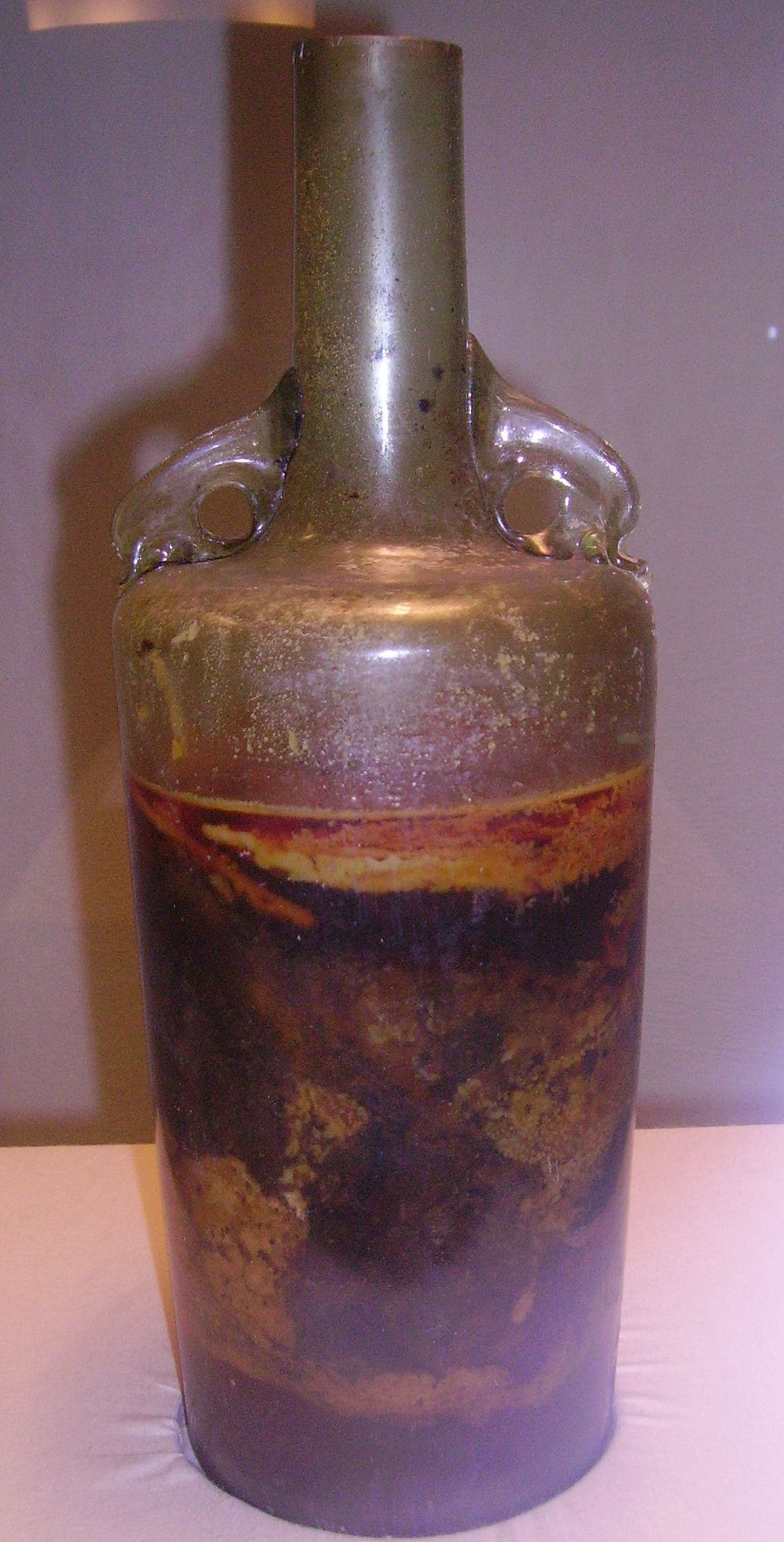 Speyer wine bottle: a glass vessel with liquid from a Roman tomb near Speyer, c. AD 325-350; Historisches Museum der Pfalz.
Related Topics
Literature and sources
- Dalby A. Food in the Ancient World from A to Z.
- Curtis R. I. Ancient Food Technology.
- Tchernia A. Le vin de l'Italie romaine.
- McGovern P. E. Ancient Wine: The Search for the Origins of Viniculture.
- Thurmond D. L. A Handbook of Food Processing in Classical Rome.
- Brun J.-P. Le vin et l'huile dans la Méditerranée antique.
- Columella. De re rustica.
- Pliny the Elder. Naturalis Historia.
- Cato. De agricultura.
- Varro. De re rustica.
- Athenaeus. Deipnosophistae.


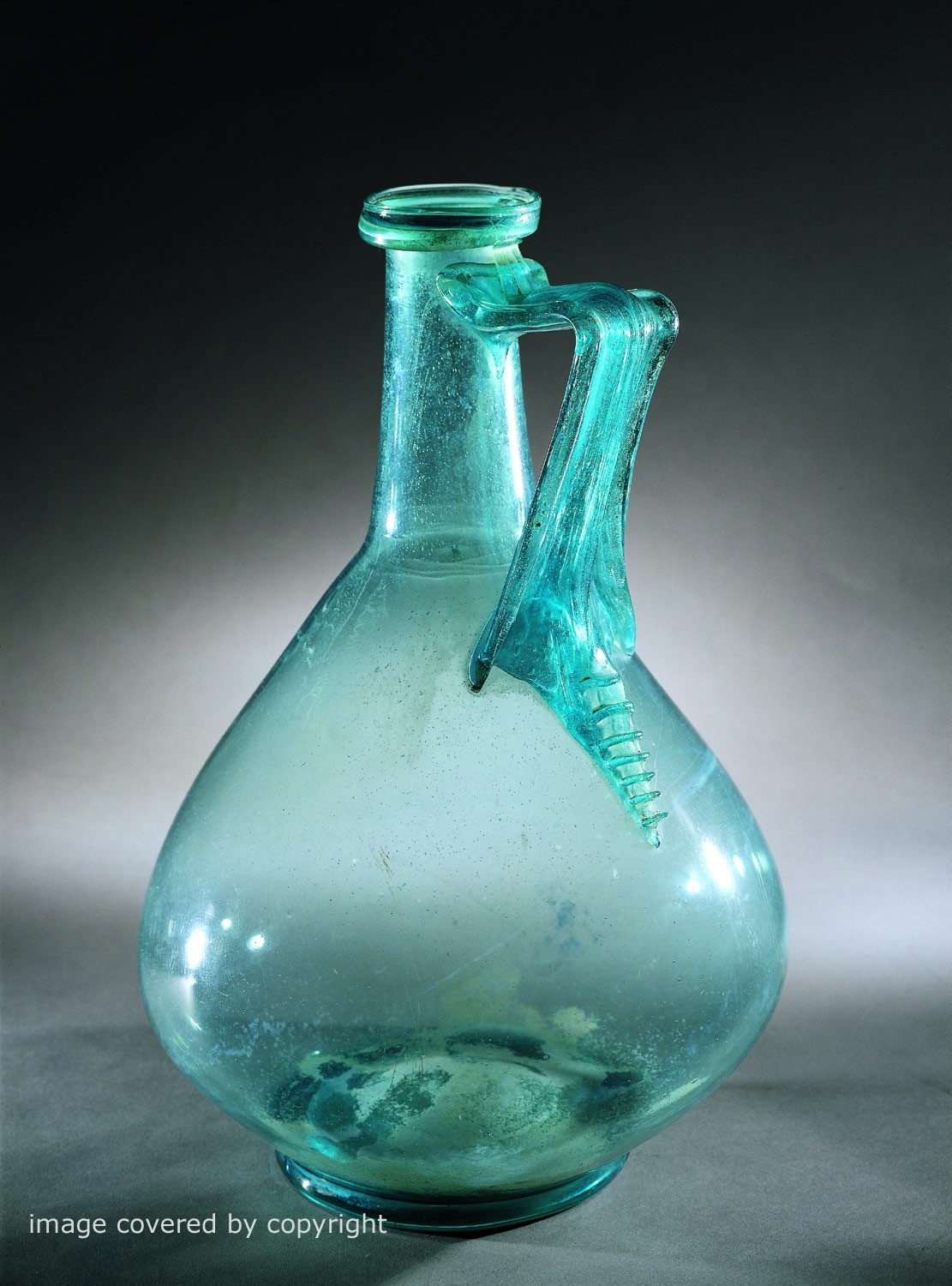 Glass amphora from Pompeii, first century AD; an expensive vessel form connected with storing and serving drinks.
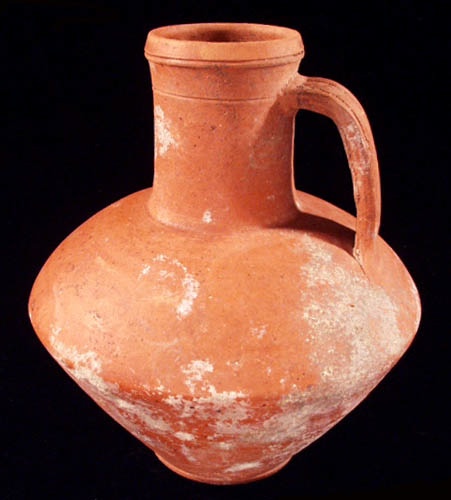 Roman ceramic amphora, first century AD; such vessels were the main transport containers for wine and other products.
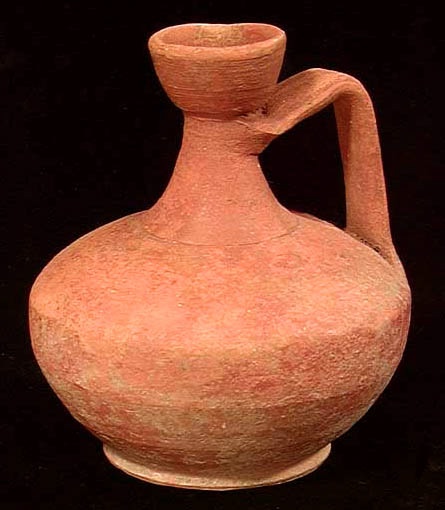 Roman ceramic amphora, first century AD; vessel form helps connect goods with region and trade route.
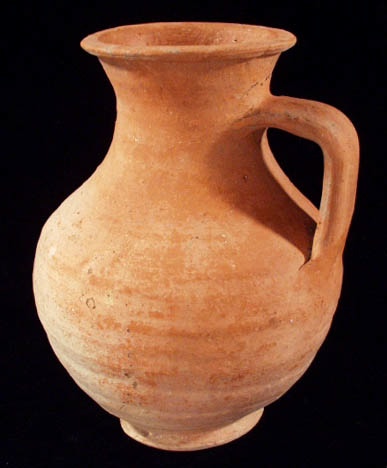 Roman ceramic amphora, first century AD; the elongated form was useful for stowage in ships and warehouses.
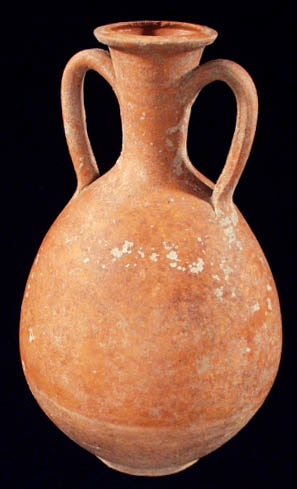 Roman ceramic amphora, first century AD; transport containers were a central part of the wine economy.
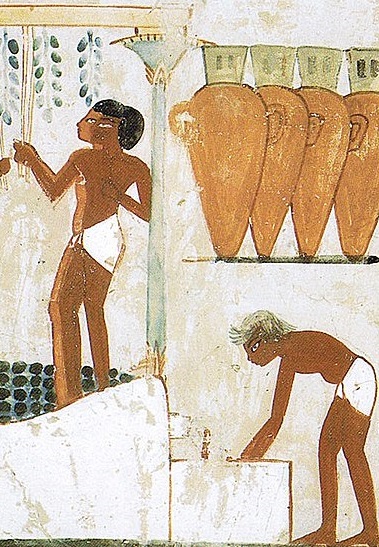 Scene with amphorae from the Theban tomb of Nakht. Dynasty 18, 15th century BC; Metropolitan Museum of Art.
Interested in Ancient Rome beyond reading? Join Legio X Fretensis or explore our reenactment directions.


