Cave of Letters
The Cave of Letters is an archaeological site in Nahal Hever in the Judaean Desert, near the Dead Sea. It became famous for finds from the Bar Kokhba revolt of AD 132-135: letters, papyri, personal objects, vessels, keys, baskets, clothing, and other items carried by people into an inaccessible refuge.
For Roman history it is a rare assemblage in which a political event can be seen not only through later narrative, but also through documents and objects belonging to the participants themselves. The cave connects the military history of Judaea, the daily life of local communities, and the administrative practice of the eastern provinces of the Roman Empire.
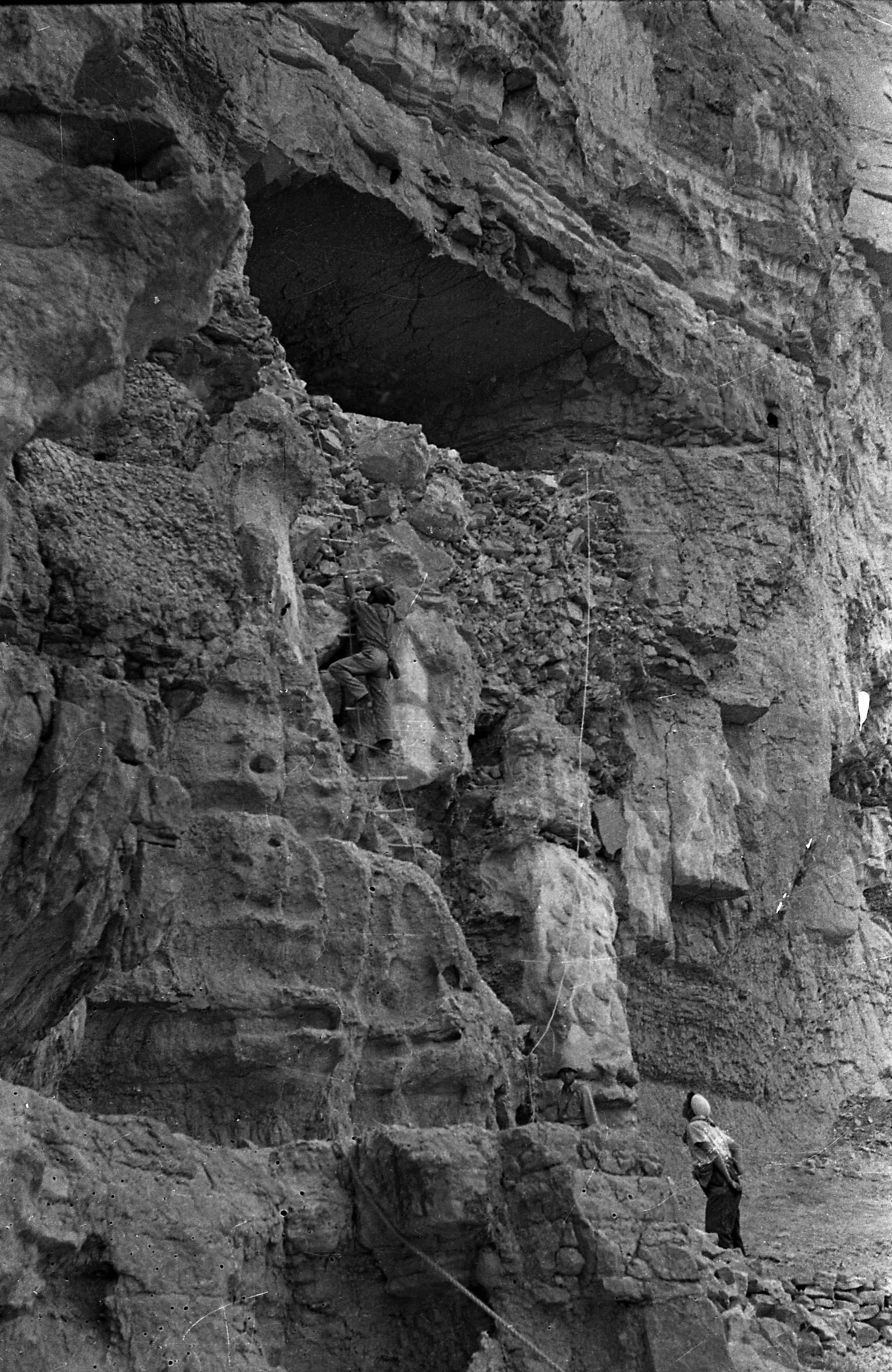 Cave of Letters in Nahal Hever, Judaean Desert. Photo: Israel Antiquities Authority / Wikimedia Commons, CC BY-SA 4.0.
Site and Discovery
The cave lies in the cliffs of Nahal Hever. The dry desert environment allowed papyrus, leather, wood, textile, and plant materials to survive. The site became especially well known after Yigael Yadin's expeditions of 1960-1961, when Bar Kokhba letters and archival documents from the cave were published.
The setting is central to its interpretation: this is not a city or a regular fort, but a refuge in an inaccessible ravine. That topography explains why the cave contained not only military letters, but also household documents, keys, clothing, and the property of refugees.
Letters and the Babatha Archive
The main group of written finds is connected with the Bar Kokhba revolt. The cave yielded letters of Simon bar Kosiba and documents relating to people from the Ein Gedi region. They are important for language, names, military organization, supply, and the relationship between the revolt leadership and local communities.
Another famous part of the assemblage is the archive of Babatha, a woman from Maoza near the Dead Sea. It included legal documents concerning marriage, property, date-palm orchards, loans, and guardianship. These papyri are valuable because they show the Dead Sea region, including Roman Arabia, through private law, economy, and family relations, not only through wars and rulers.
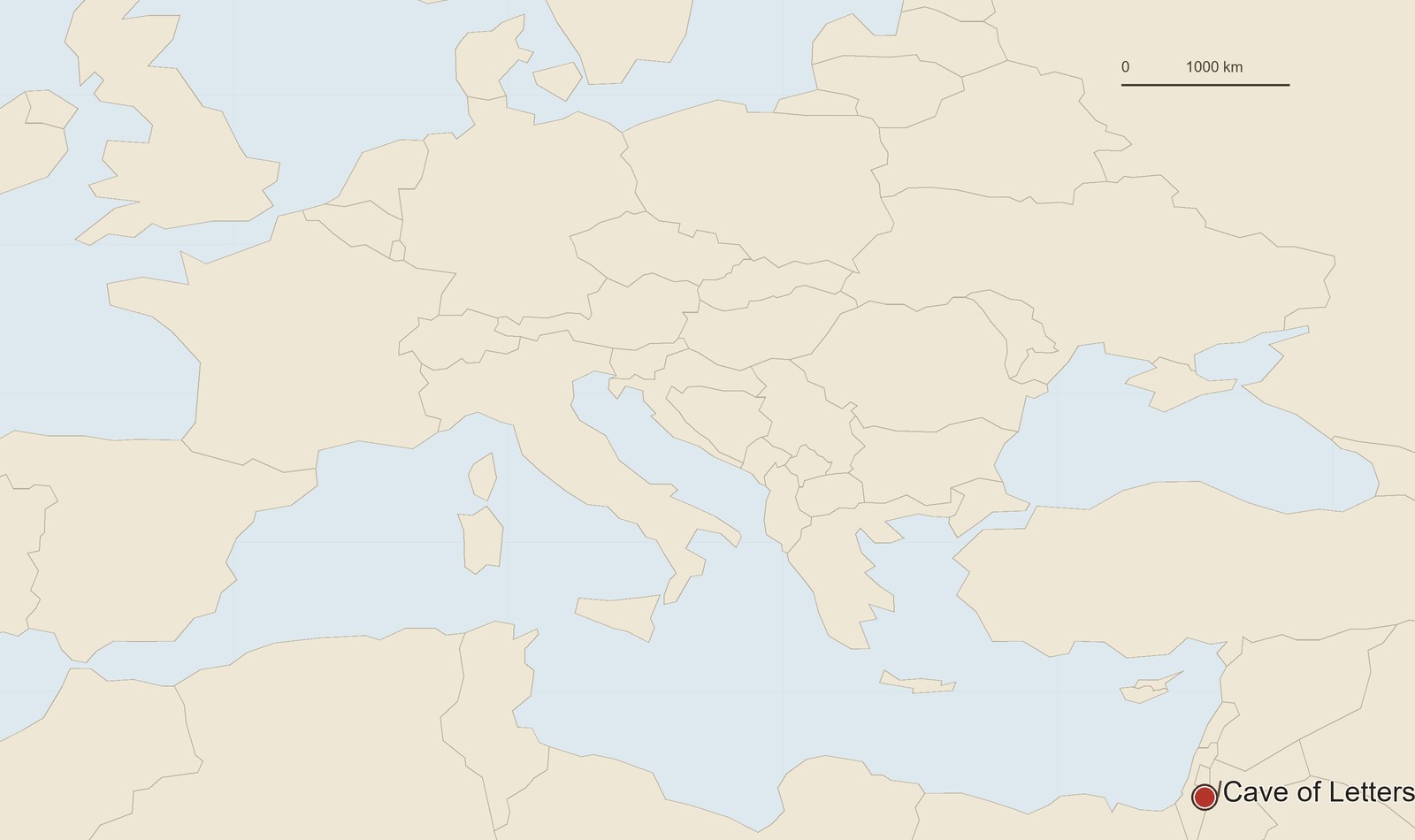 Location map: Cave of Letters. The marker shows the ancient site or main archaeological complex.
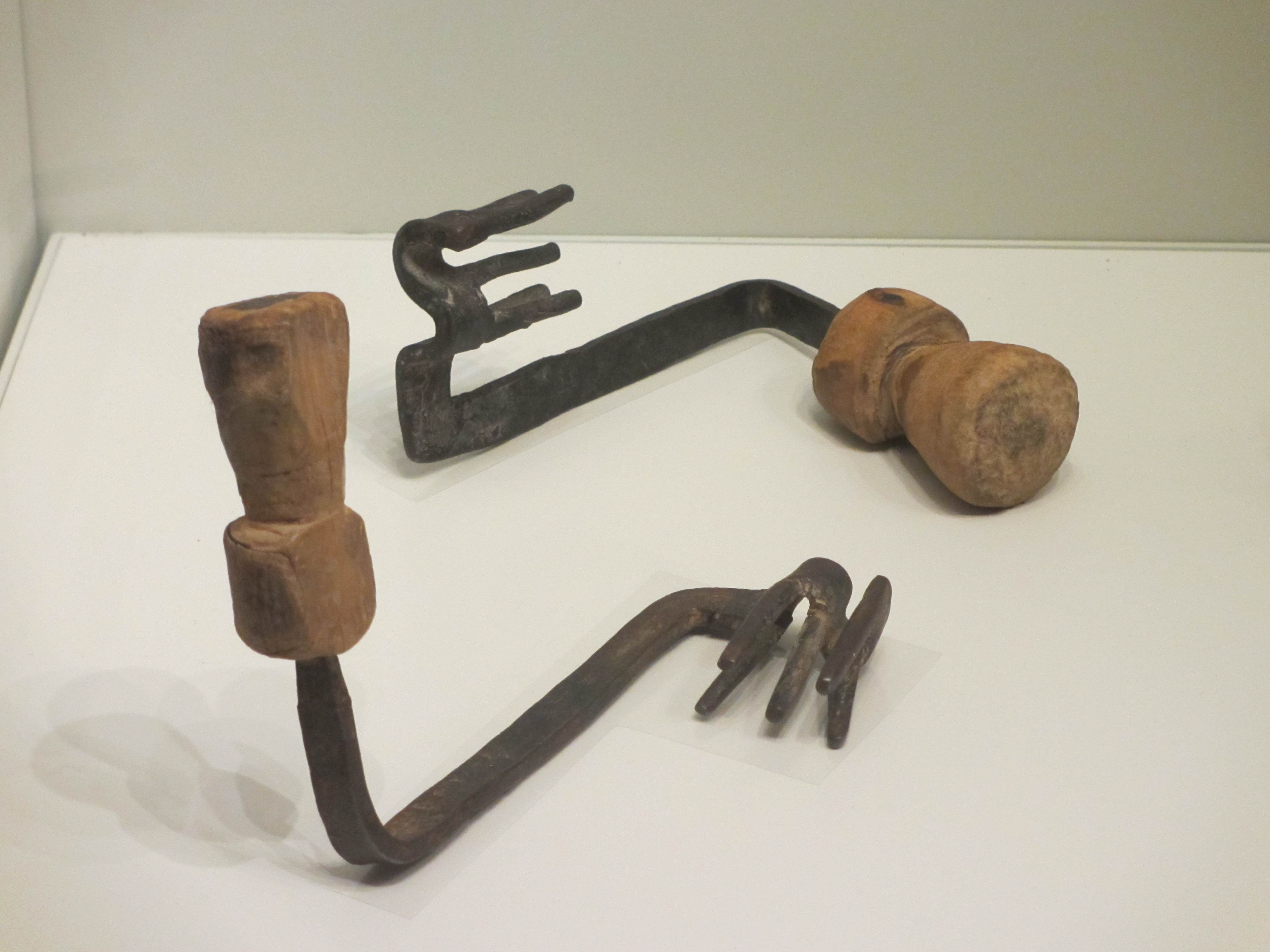 House keys from the Cave of Letters, Nahal Hever, AD 132-135. Israel Museum, Jerusalem. Photo: Chamberi / Wikimedia Commons, CC BY-SA 3.0.
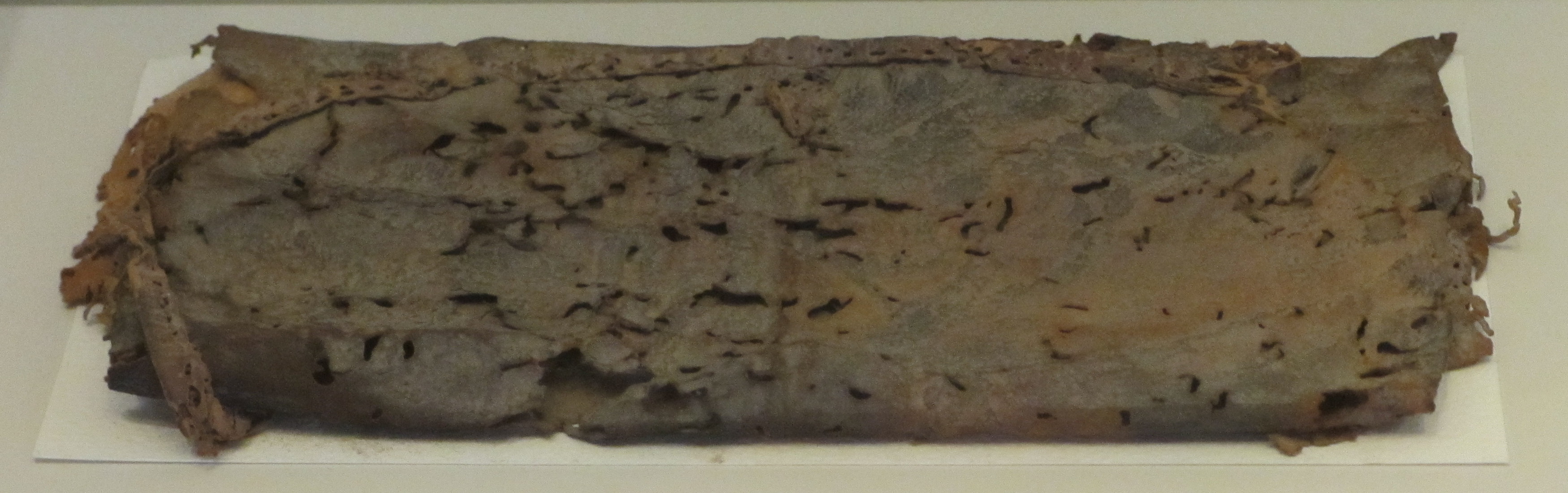 Leather pouch of Babatha's archive from the Cave of Letters, AD 132-135. Israel Museum, Jerusalem. Photo: Chamberi / Wikimedia Commons, CC BY-SA 3.0.
Objects from the Refuge
Alongside the documents, the Cave of Letters produced keys, bronze and glass vessels, wooden objects, baskets, sandals, clothing, cosmetic and medical utensils, coins, and other items. The site is therefore not only an archive, but also a domestic assemblage showing the objects people considered important enough to carry while fleeing.
Such preservation is unusual for Roman provincial archaeology. The cave allows documents to be compared with material culture: family legal status, ownership of orchards, financial transactions, and everyday objects all belong to the same historical setting.
Significance
The Cave of Letters is important for the history of Rome's eastern provinces because it combines several layers of evidence: military conflict, local society, law, economy, and organic archaeology. It shows that the Bar Kokhba revolt was not only a movement of armies, but also a crisis for families, landowners, communities, and people forced to carry documents and property into desert refuges.
In the overview of Roman archaeological sources the site belongs beside forts, cities, and battlefields as a small but exceptionally dense archaeological assemblage.
Related Topics
Literature and sources
- Yadin Y. Bar-Kokhba: The Rediscovery of the Legendary Hero of the Second Jewish Revolt against Rome.
- Lewis N. The Documents from the Bar Kokhba Period in the Cave of Letters: Greek Papyri.
- Yadin Y., Greenfield J. C., Yardeni A., Levine B. A. The Documents from the Bar Kokhba Period in the Cave of Letters: Hebrew, Aramaic and Nabatean-Aramaic Papyri.
- Cotton H. M. The Archive of Babatha: A Review Article.
- Cotton, Hannah. The Guardianship of Jesus Son of Babatha: Roman and Local Law in the Province of Arabia. Journal of Roman Studies 83 (1993), 94–108. DOI: 10.2307/300980.


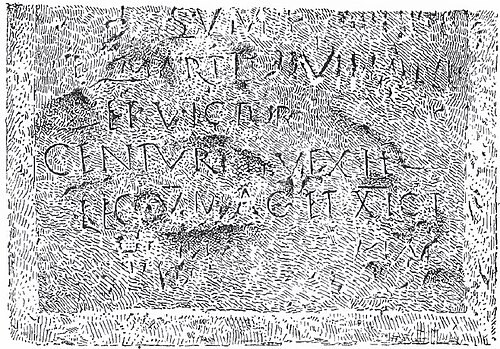 Cave of Letters: Roman Inscription found near Bettir in 19th century; material-culture object or museum find connected with the site, Roman period or local archaeological context.
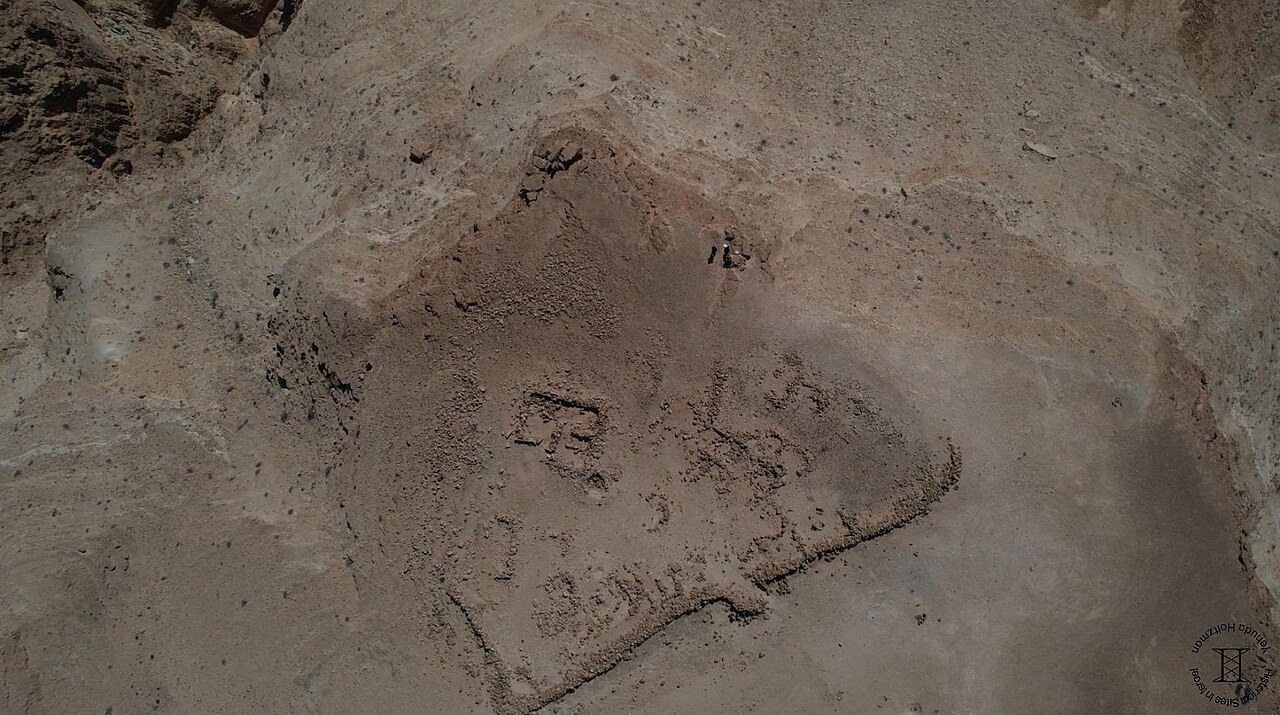 Cave of Letters: Roman army camp; archaeological view, find or museum context connected with the site, Roman period or local archaeological context.
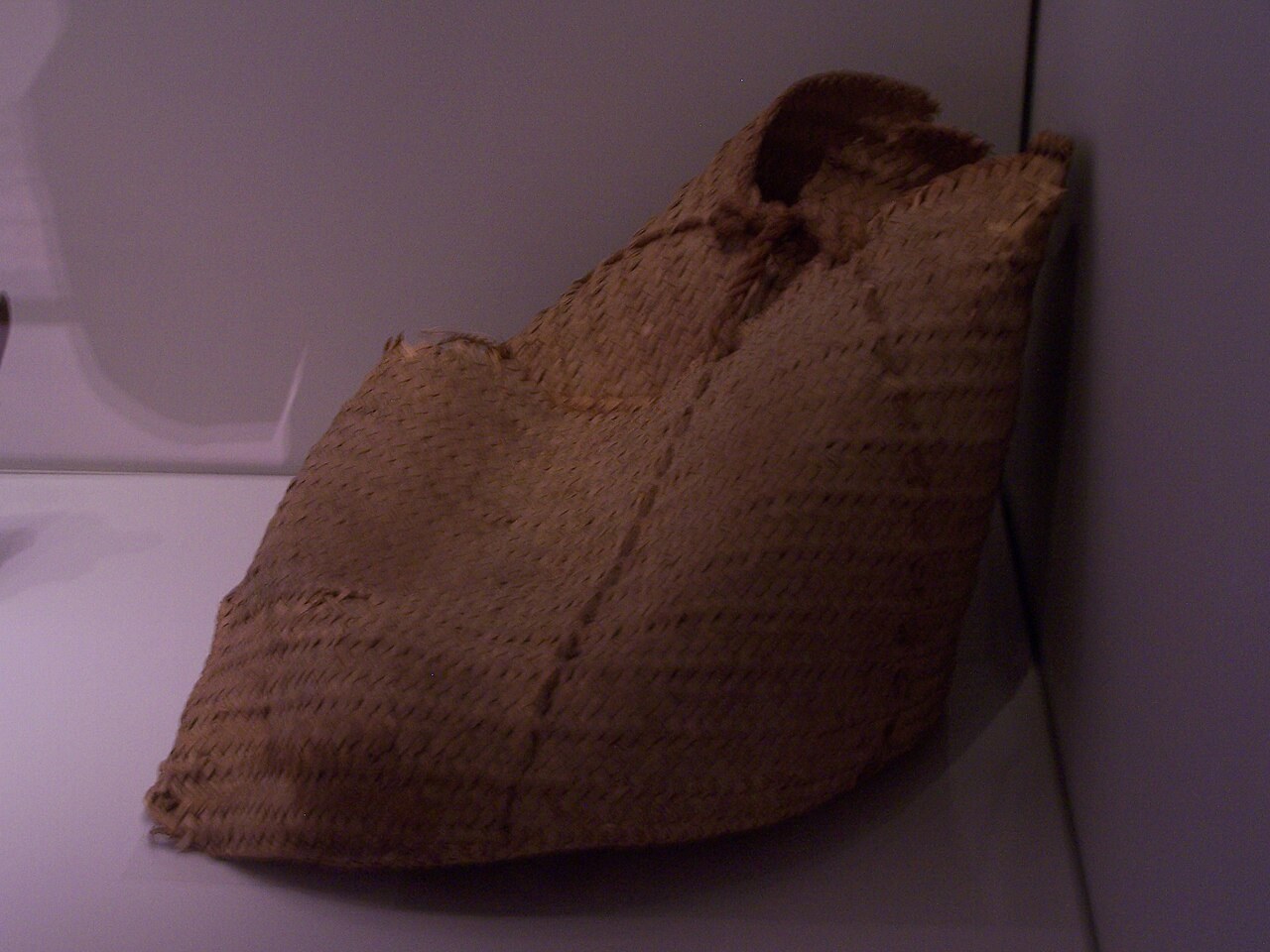 Cave of Letters: Palm Frond Basket; archaeological view, find or museum context connected with the site, Roman period or local archaeological context.
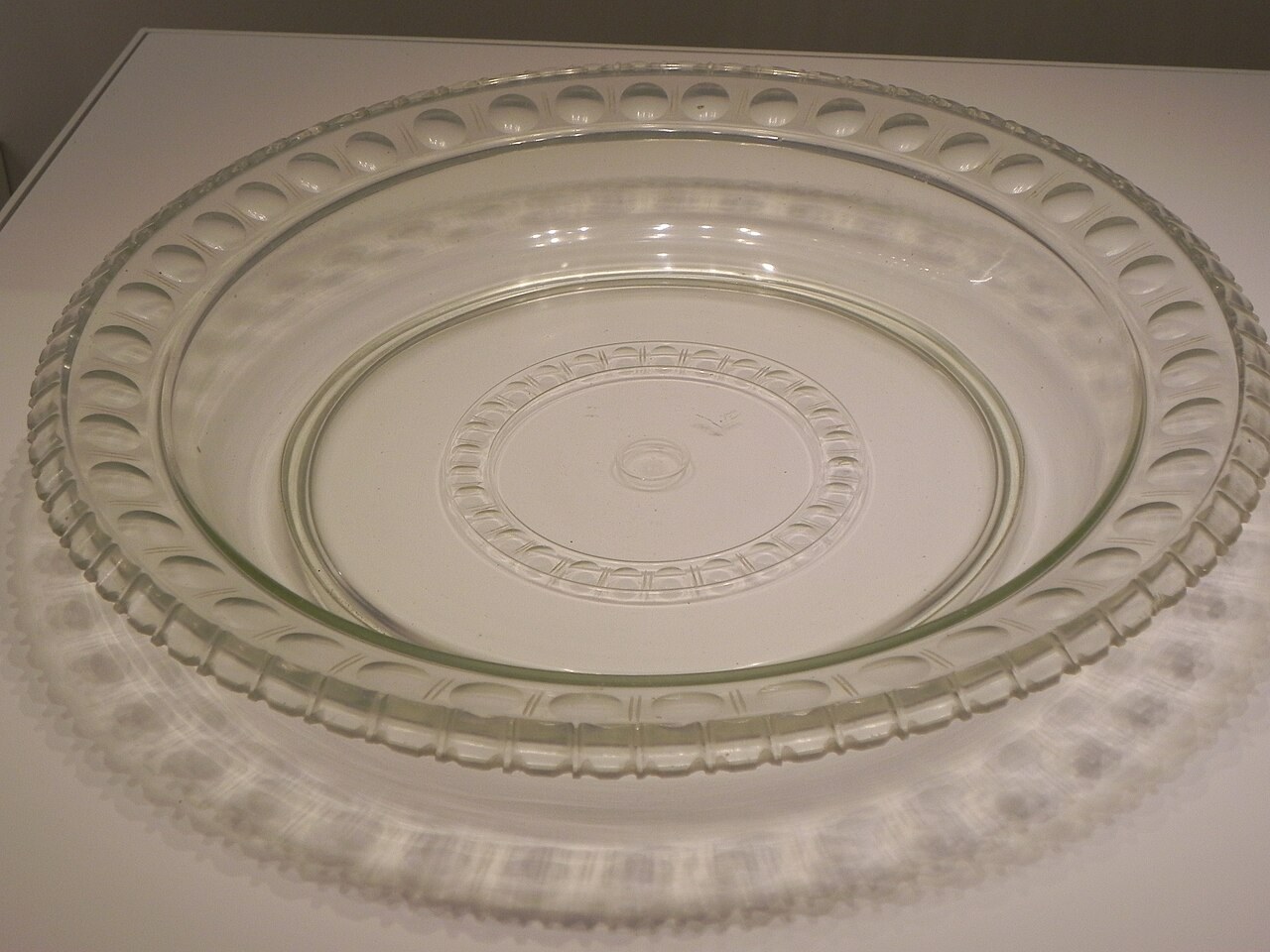 Cave of Letters: Samuel and Saidye Bronfman Archaeology WingDSCN5113; archaeological view, find or museum context connected with the site, Roman period or local archaeological context.
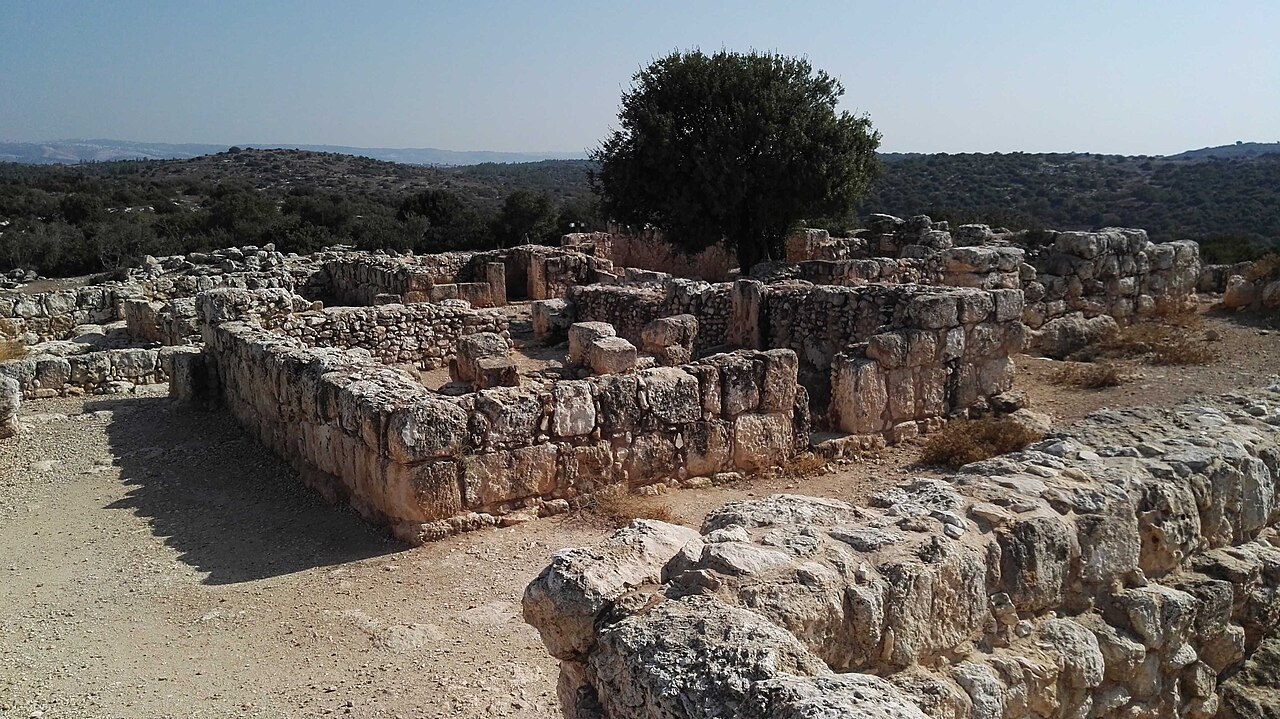 Cave of Letters: Hurvat-Itri-4713; archaeological view, find or museum context connected with the site, Roman period or local archaeological context.
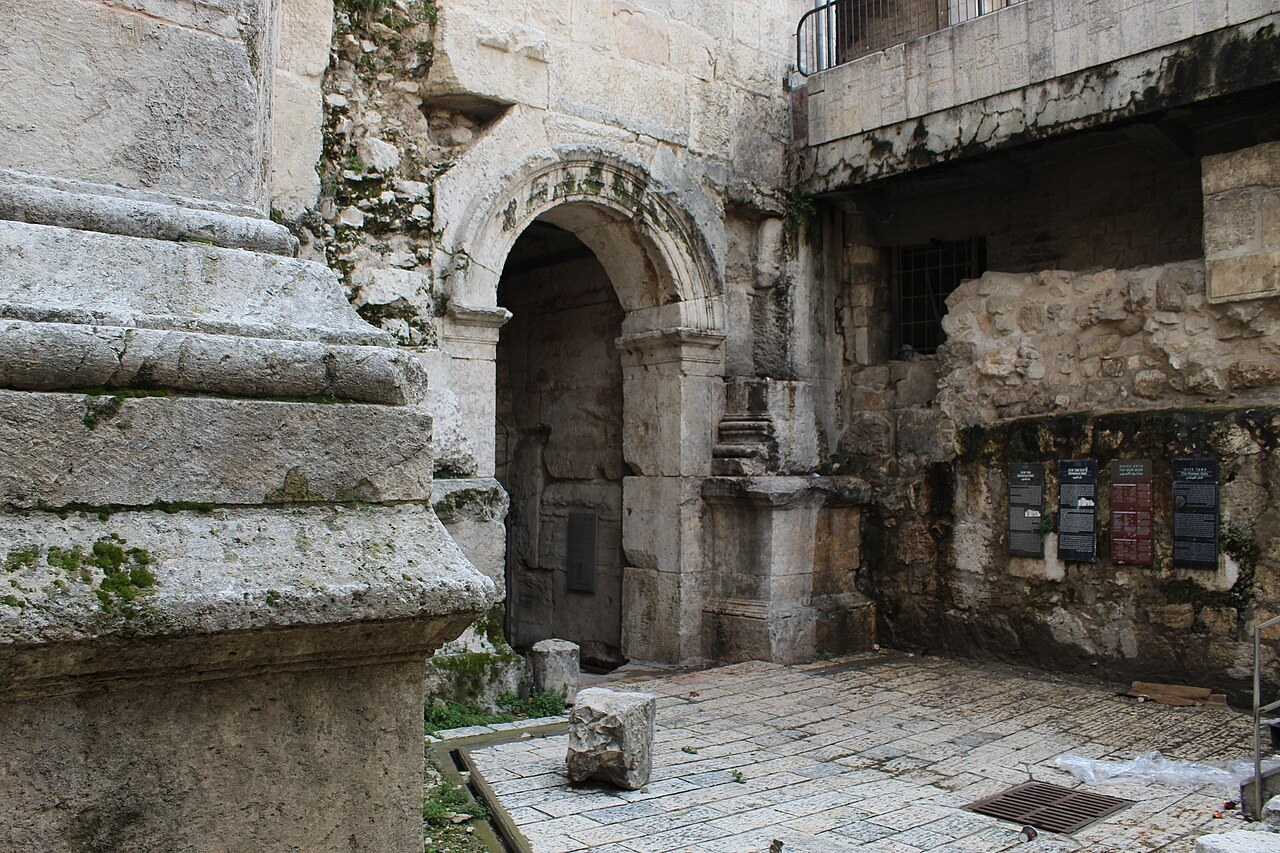 Cave of Letters: Old Gate beneath Damascus Gate; archaeological view, find or museum context connected with the site, Roman period or local archaeological context.
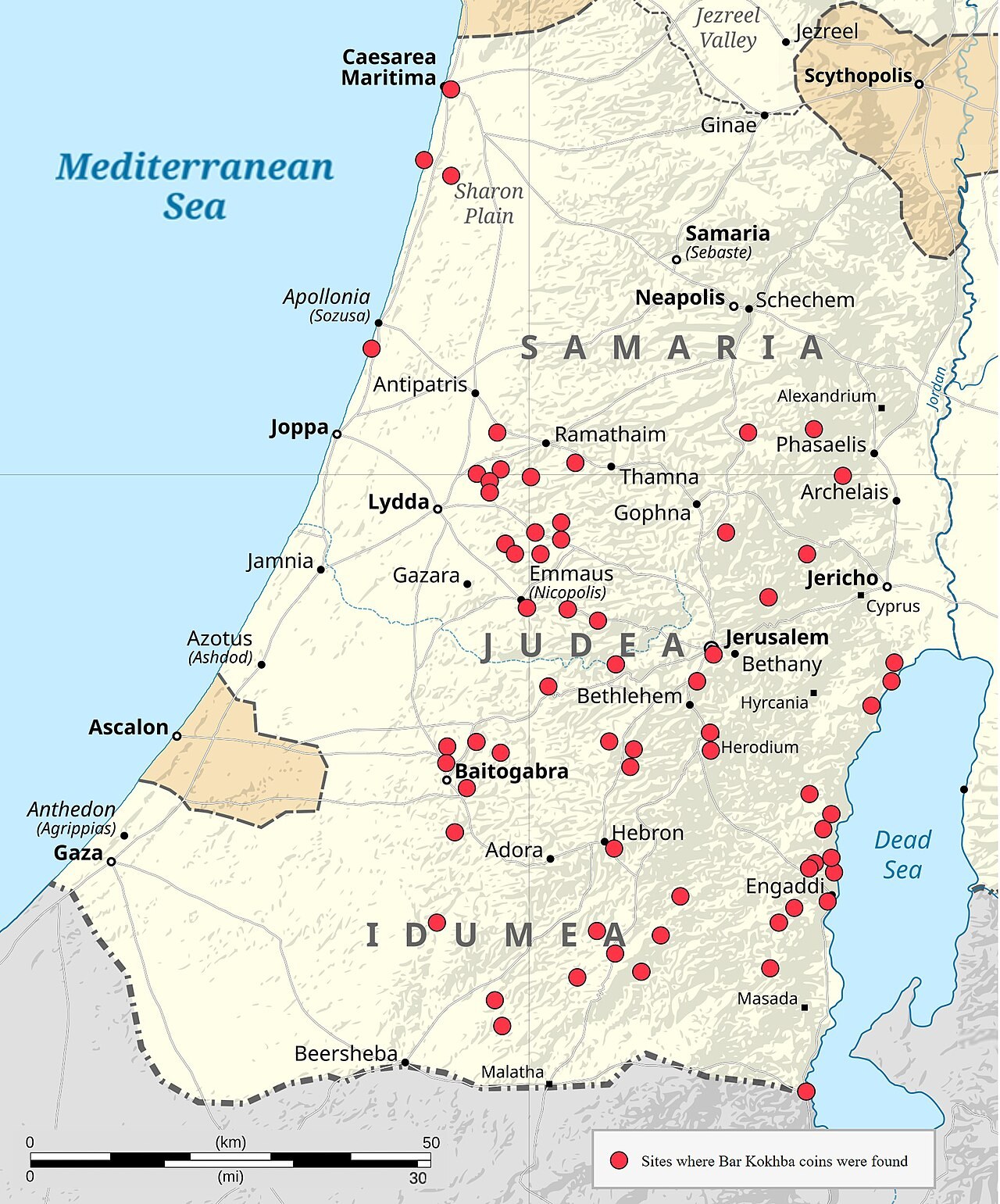 Cave of Letters: Geographic Distribution of Bar Kokhba Revolt Coinage; material-culture object or museum find connected with the site, Roman period or local archaeological context.
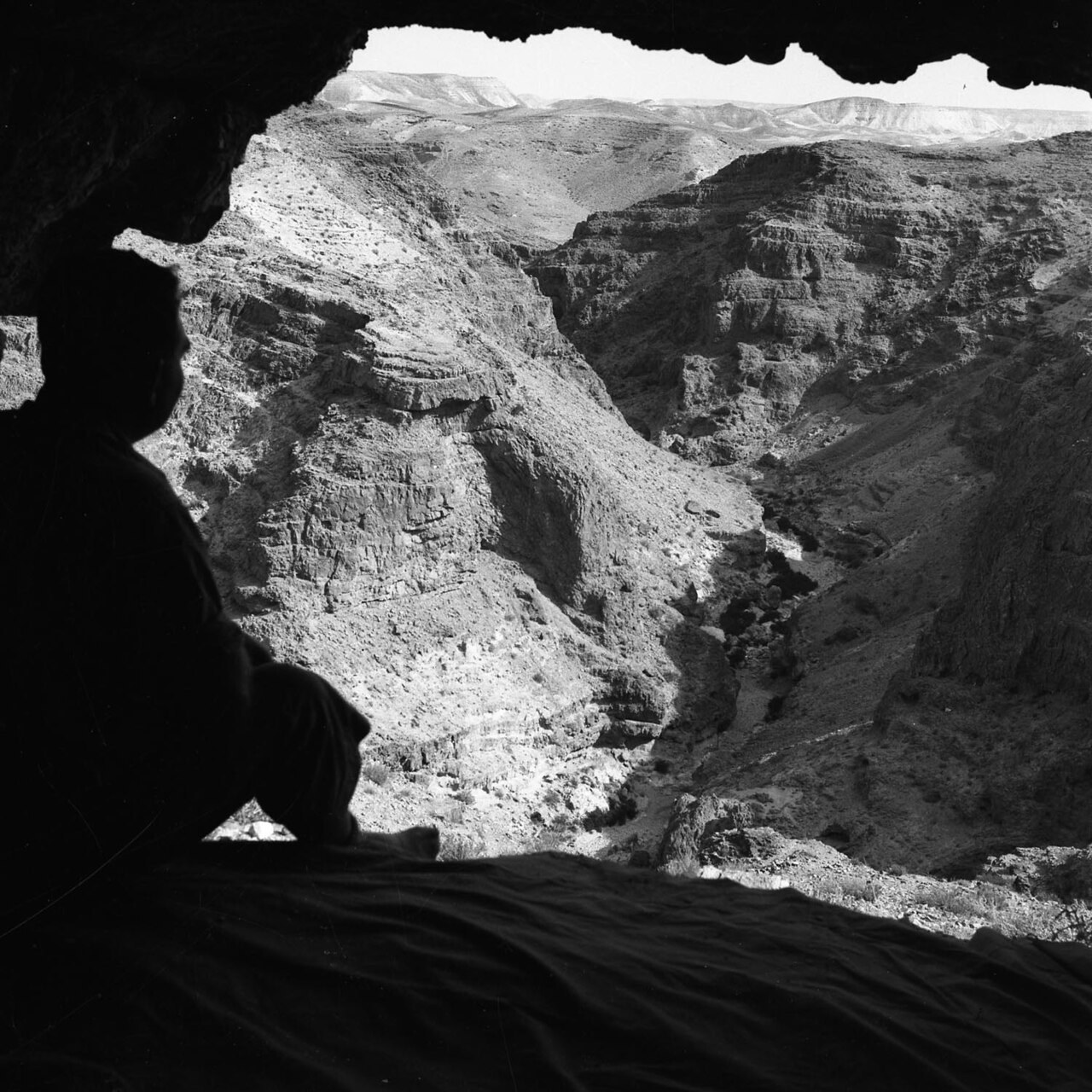 Cave of Letters: Cave of Letters (2); archaeological view, find or museum context connected with the site, Roman period or local archaeological context.
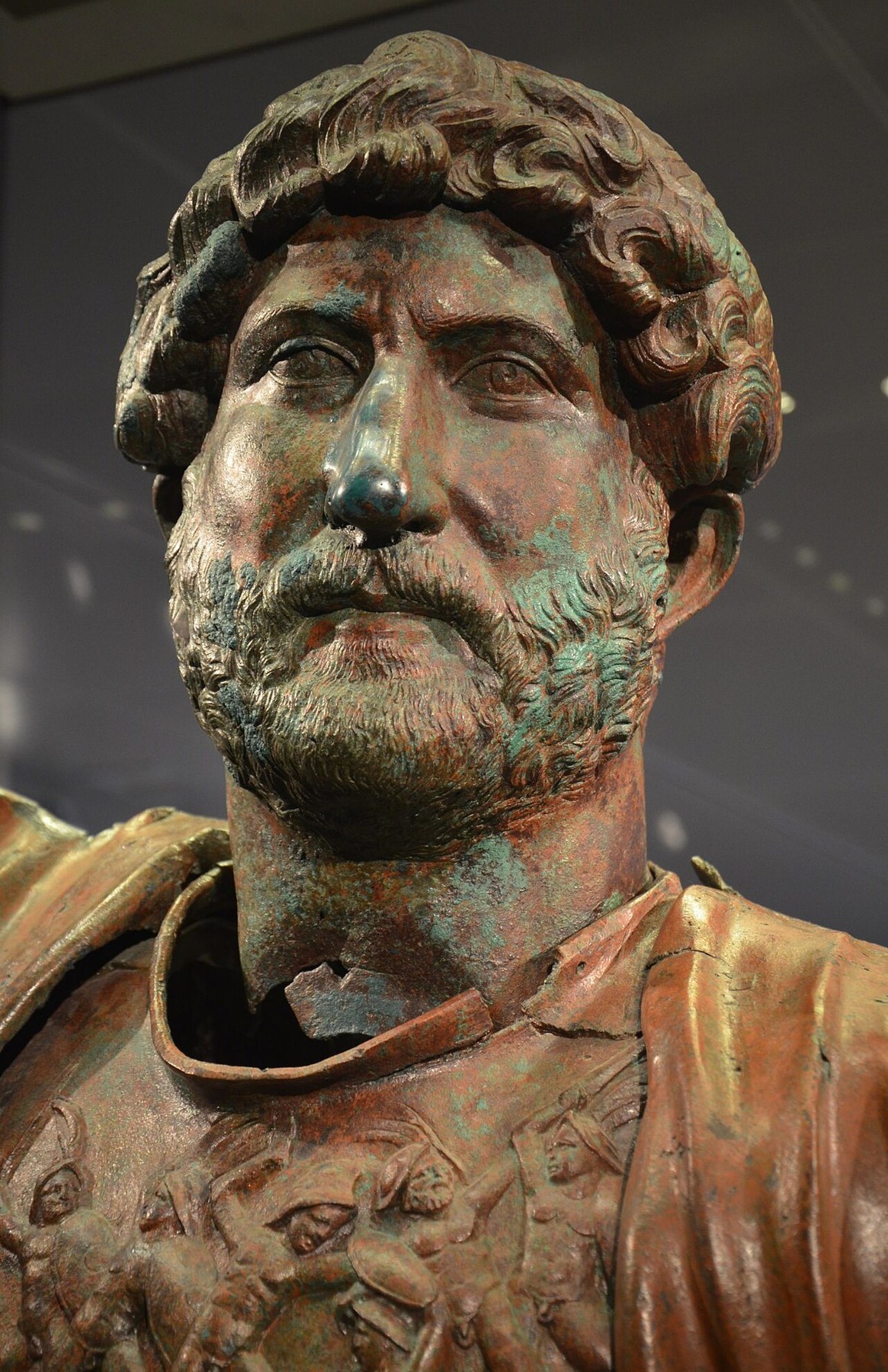 Cave of Letters: Bronze statue of Hadrian, found at the Camp of the Sixth Roman Legion in Tel Shalem, 11...; material-culture object or museum find connected with the site, Roman period or local archaeological context.
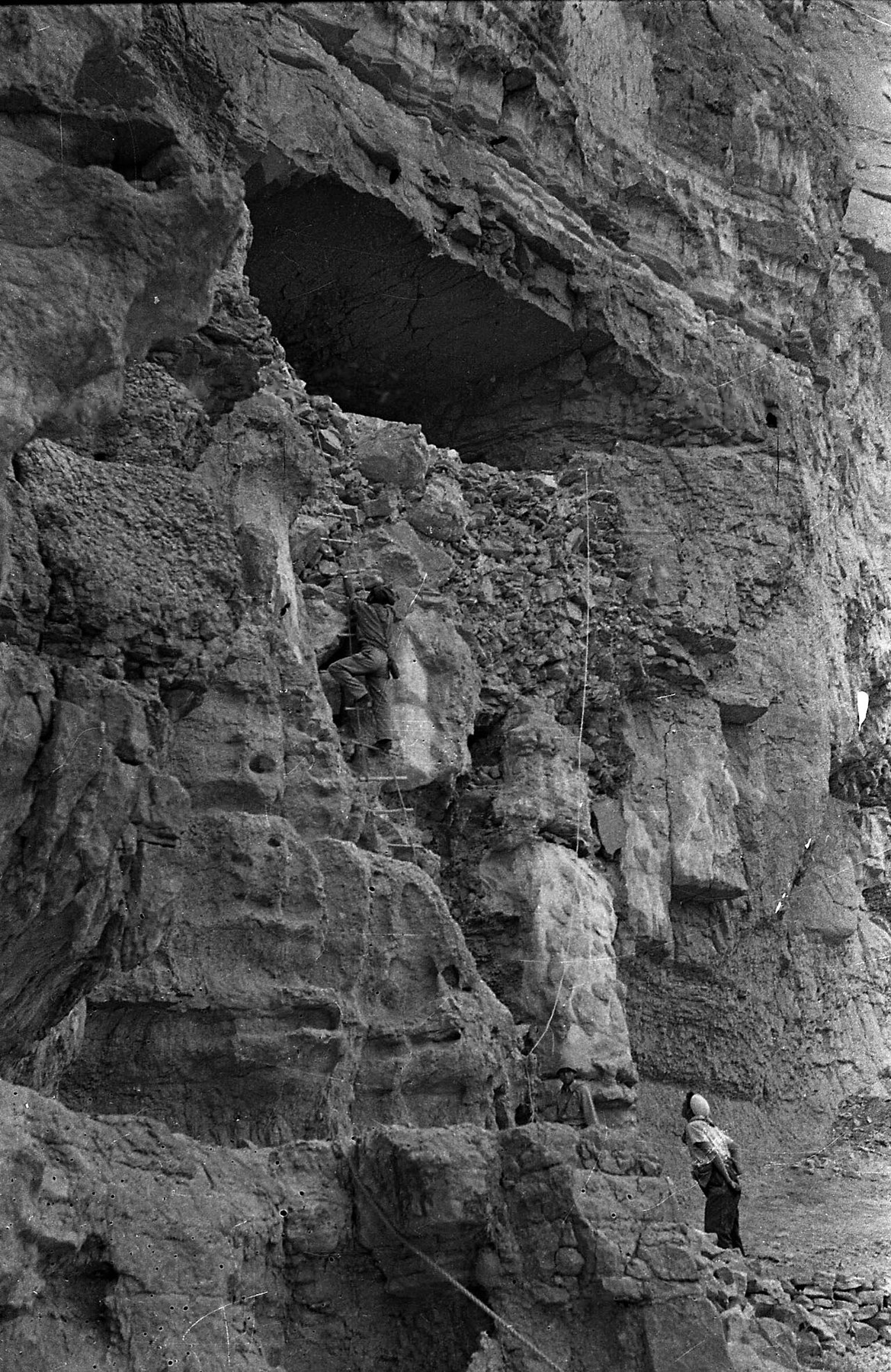 Cave of Letters: Cave of Letters (1); archaeological view, find or museum context connected with the site, Roman period or local archaeological context.
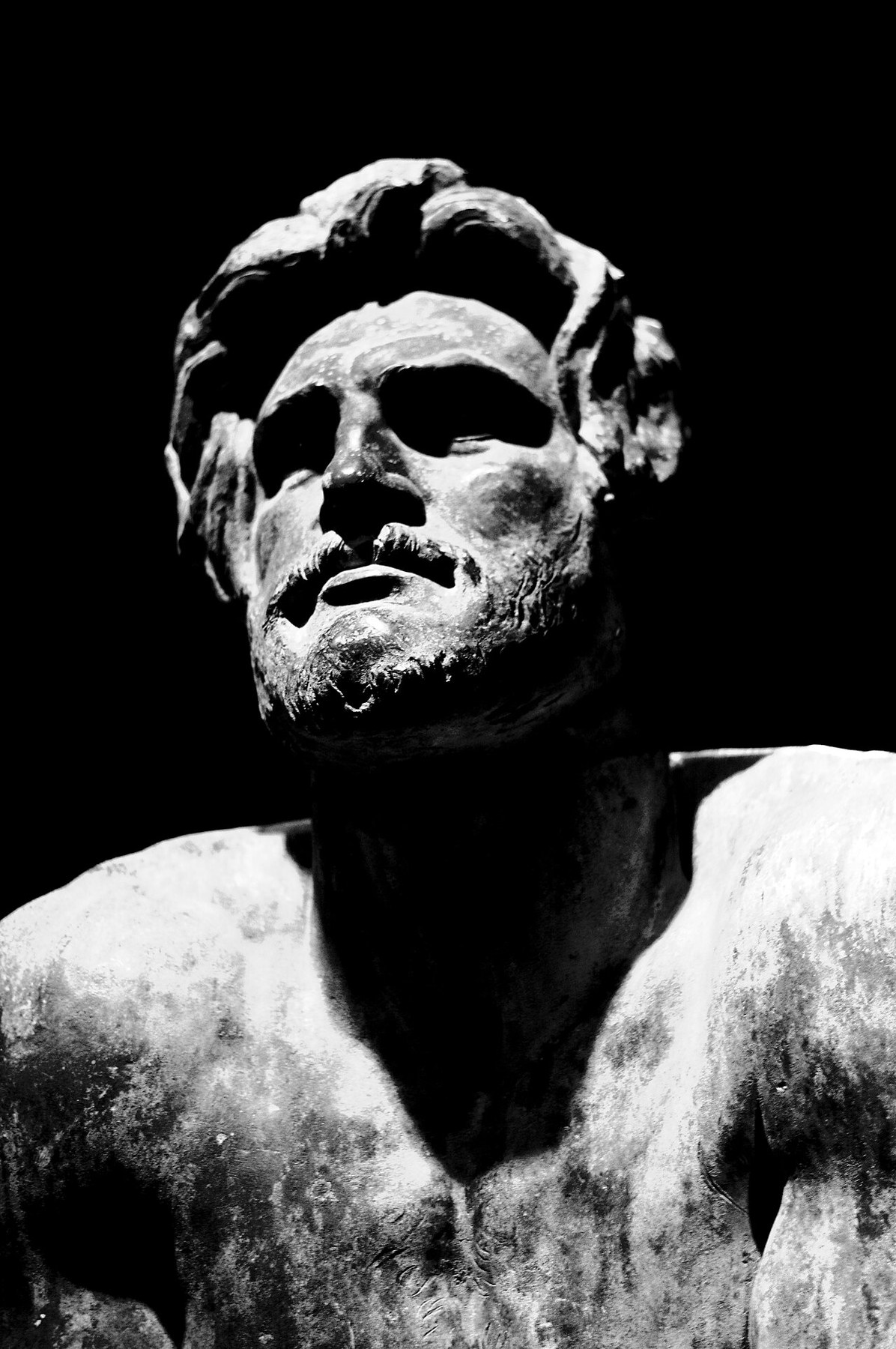 Cave of Letters: ברכוכבא ברונזה 1905; archaeological view, find or museum context connected with the site, Roman period or local archaeological context.
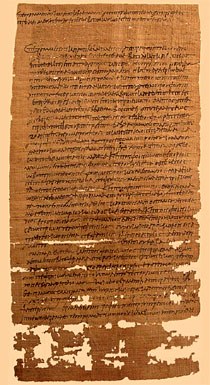 Cave of Letters: BabathaScroll; archaeological view, find or museum context connected with the site, Roman period or local archaeological context.
Interested in Ancient Rome beyond reading? Join Legio X Fretensis or explore our reenactment directions.


