Conimbriga
Conimbriga in Portugal is one of the most important Roman urban sites of Lusitania. It is valuable for houses with mosaics, baths, forum area, late walls, water supply, everyday finds and the strong connection between excavation and museum.
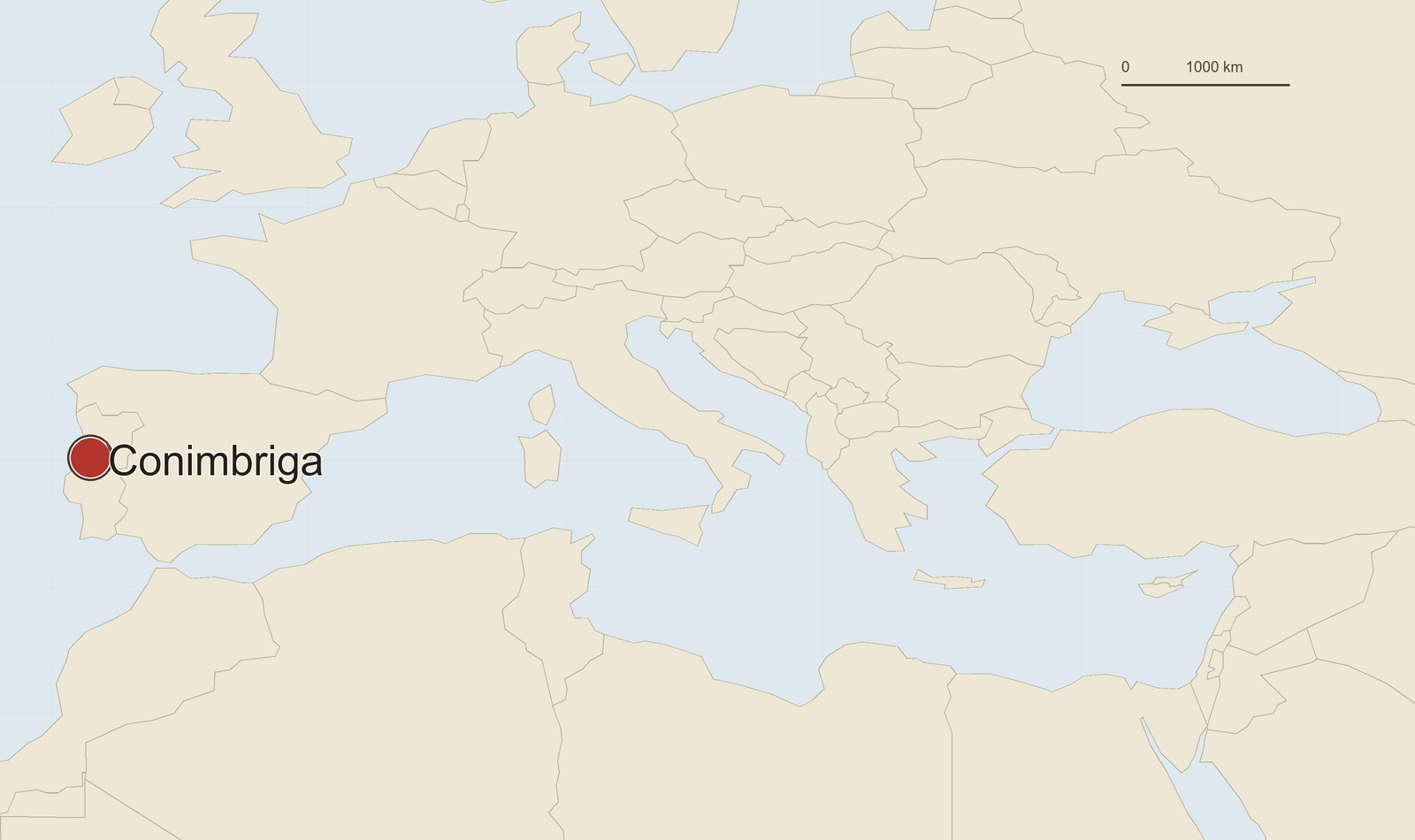 Location map: Conimbriga. The marker shows the ancient site or main archaeological complex.
Archaeological complex
The settlement existed before Roman conquest but became a Roman town with public buildings and wealthy houses in the imperial period. The late defensive wall cutting through earlier quarters is especially important because it shows not only prosperity but the transformation of the town in Late Antiquity.
Conimbriga is important for well-preserved houses, mosaics, baths, late walls and engineering systems. Views of the excavations help show how wealthy houses and public zones changed between the early imperial period and the Late Antique defensive phase.
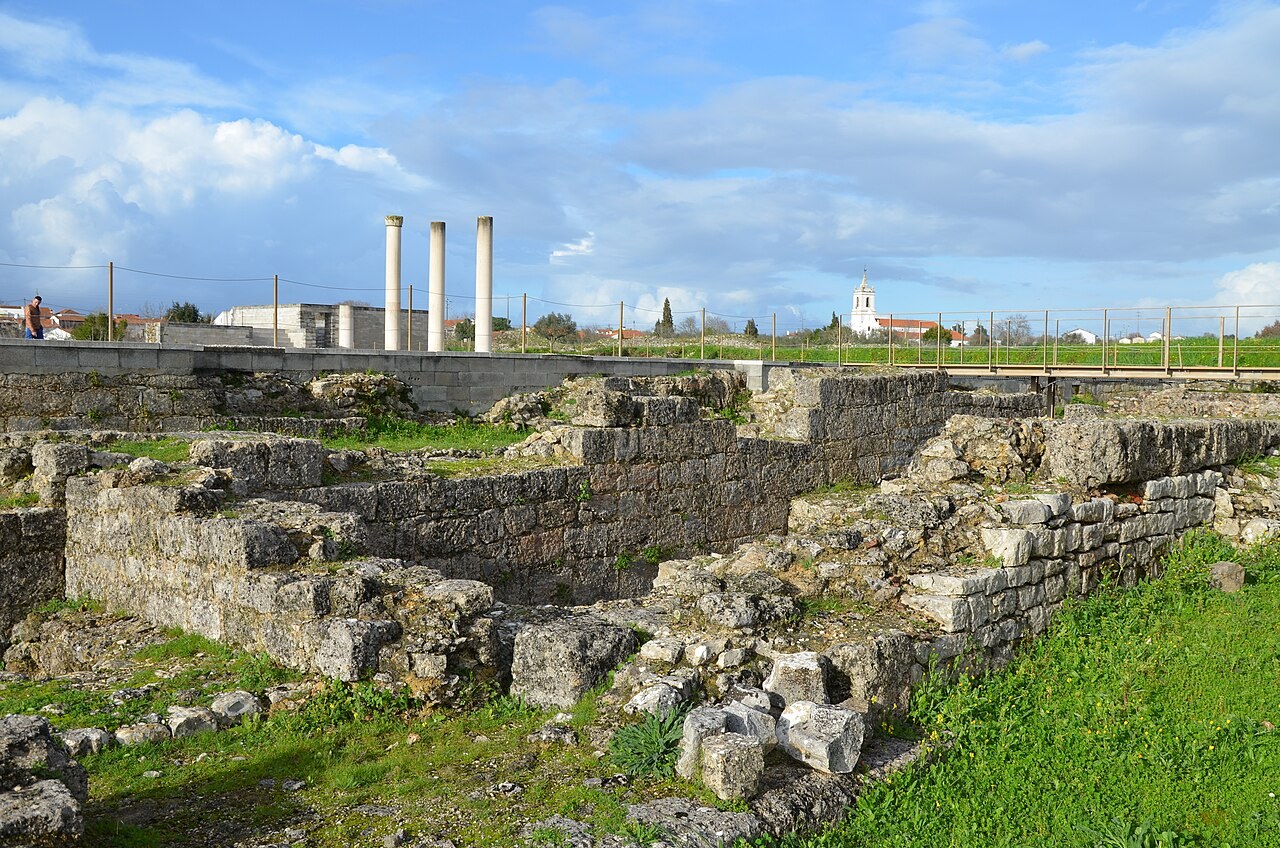 Conimbriga: Conimbriga; general view or excavated sector, Roman period, archaeological site or museum context.
Finds and material setting
Conimbriga provides mosaics, wall painting, pottery, coins, ornaments, tools, water-supply elements and domestic utensils. For reconstructing houses, combinations matter: peristyle, water garden, mosaic, kitchen, bath and small finds together show lifestyle better than a single museum object.
- houses with mosaics, baths, forum sectors and late walls;
- water supply, drainage, domestic pottery, glass and coins;
- evidence for elite houses and daily life;
- transformation into a Late Antique defensive setting.
Interpretation and limits
Conimbriga is especially strong for urban and domestic environments, but it is less suitable as a primary source for the army. Military topics should be connected through provincial administration, roads and late defence rather than through equipment.
Related topics
Literature and sources
- Jorge de Alarcao. Conimbriga. Lisbon, 1988.
- Monographic Museum of Conimbriga: excavation and collection material.
- Studies on Roman Lusitania and domestic mosaics.


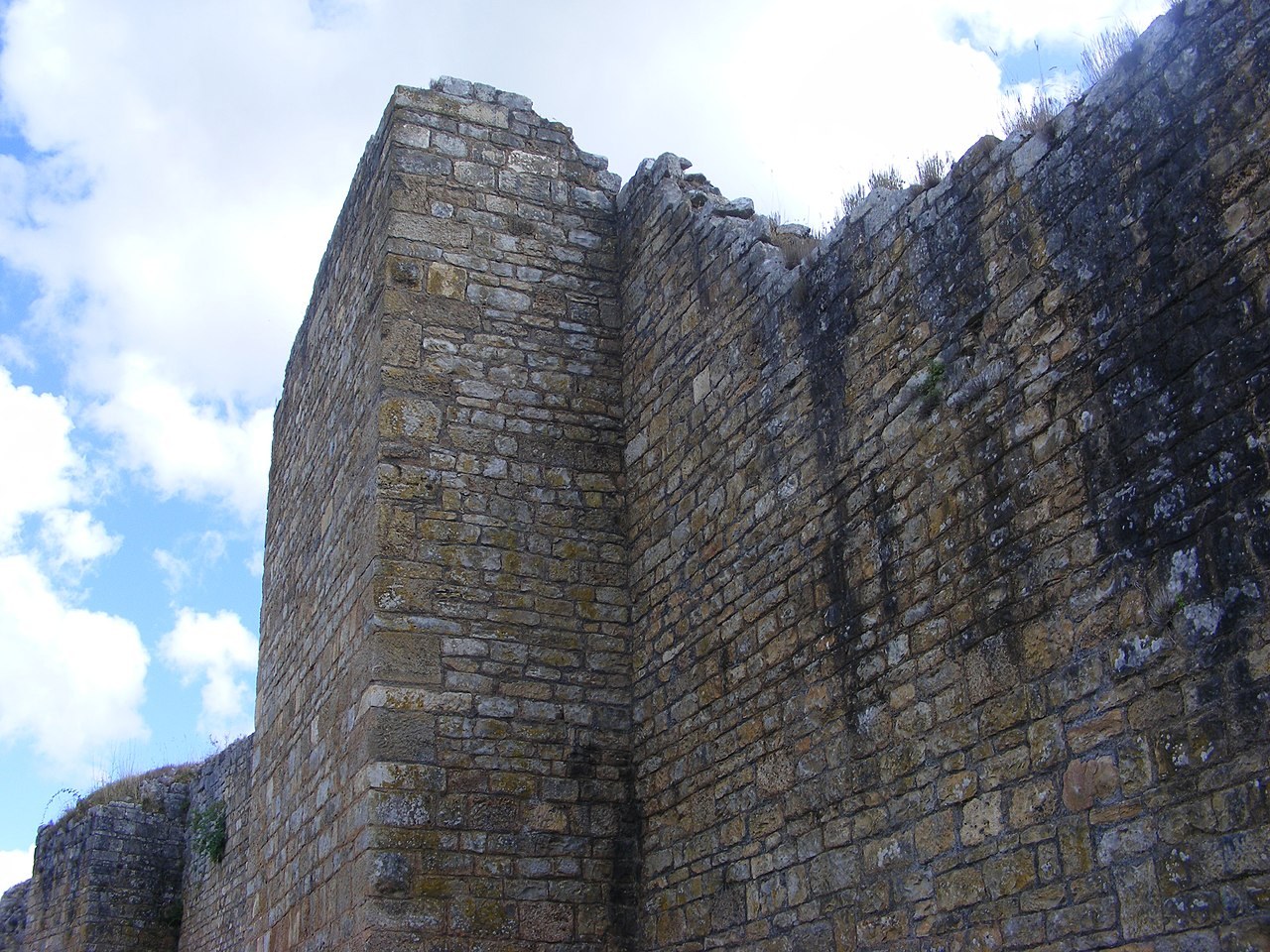 Conimbriga: Ruínas Romanas de Conímbriga 5; visual evidence for the site, Roman period, archaeological site or museum context.
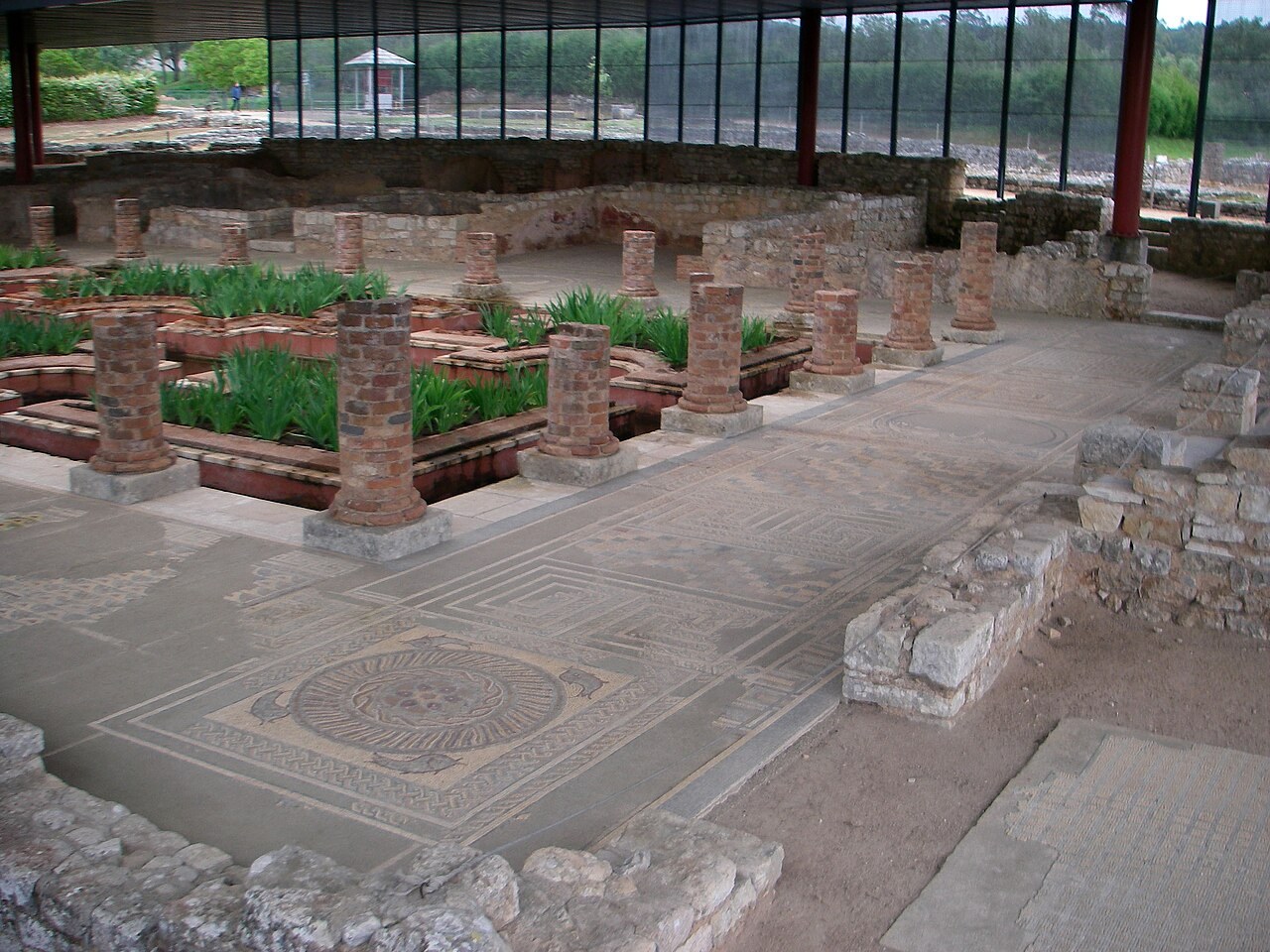 Conimbriga: Ruínas de Conímbriga 66; visual evidence for the site, Roman period, archaeological site or museum context.
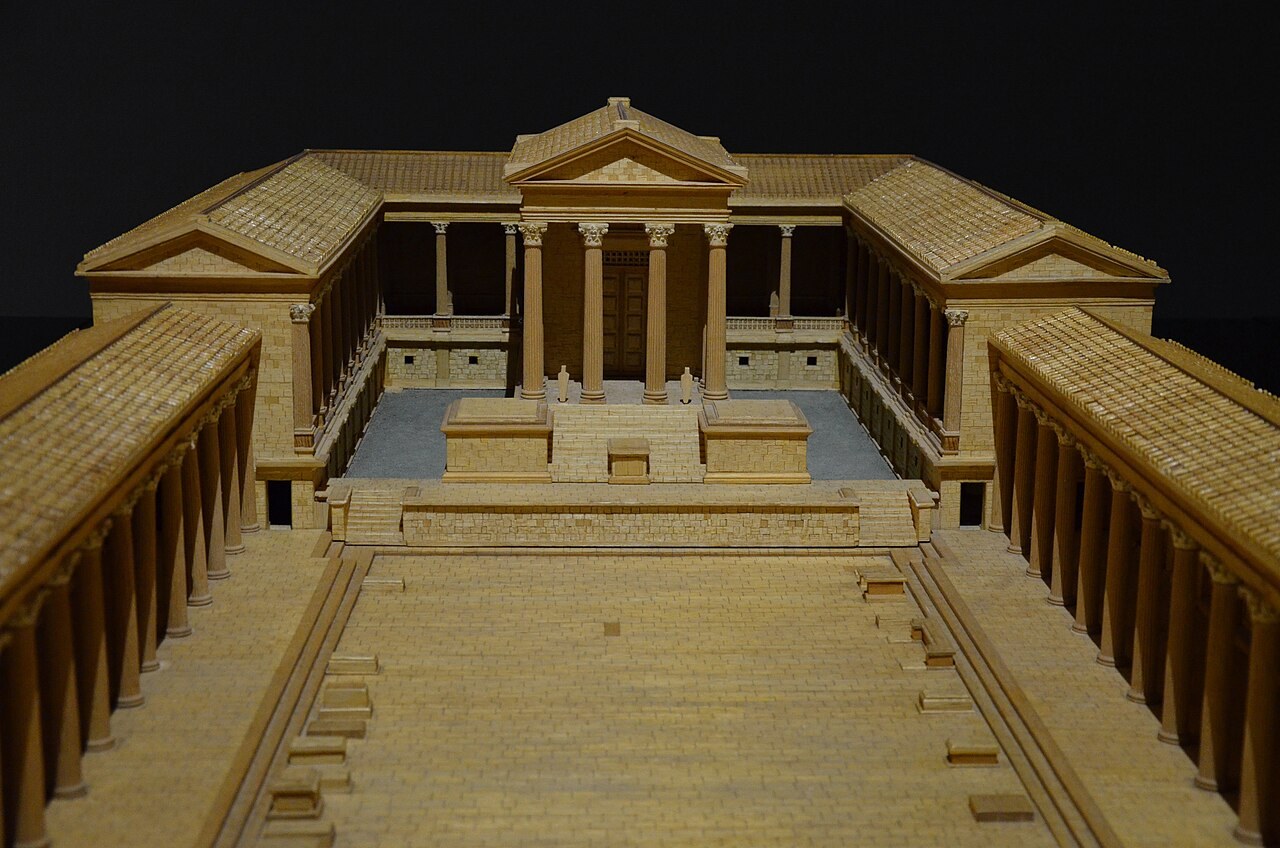 Conimbriga: Conimbriga; visual evidence for the site, Roman period, archaeological site or museum context.
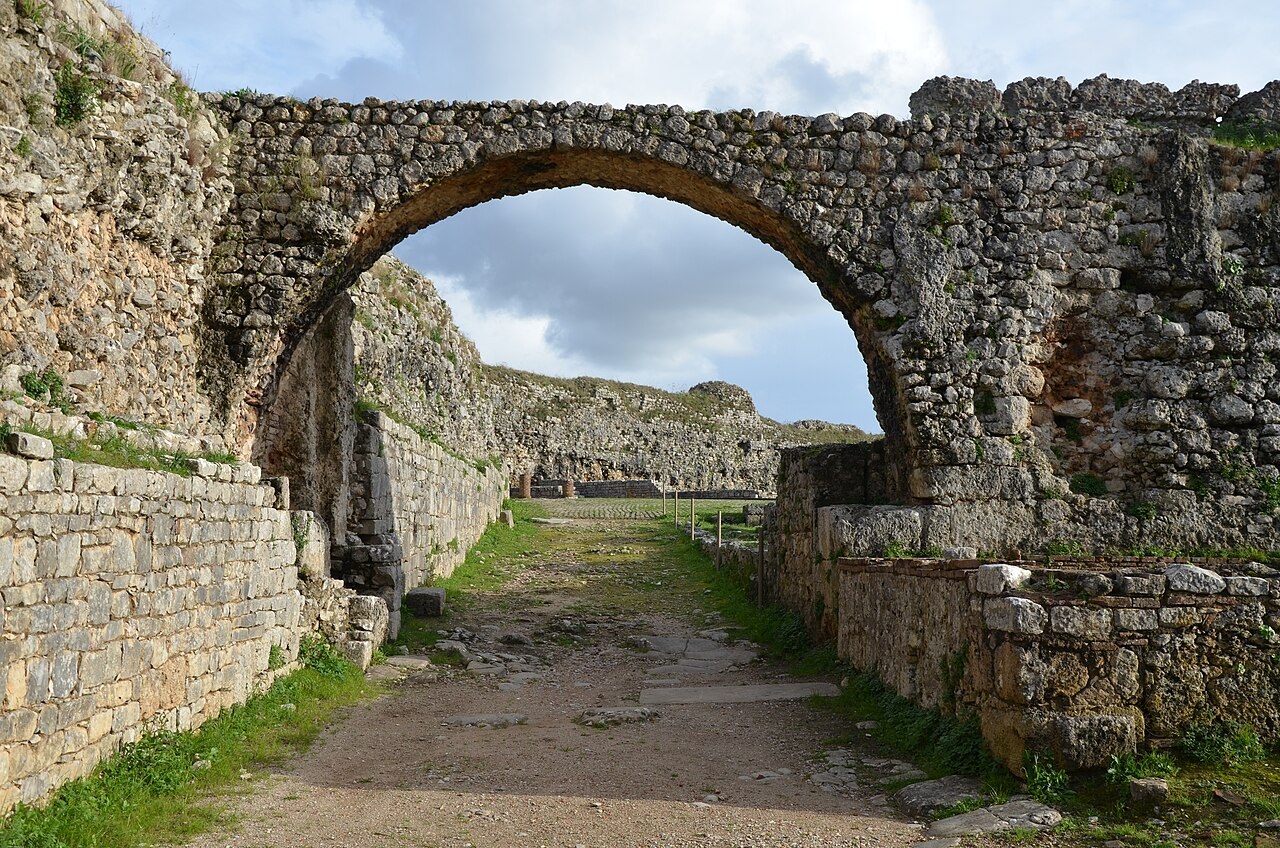 Conimbriga: Conimbriga; visual evidence for the site, Roman period, archaeological site or museum context.
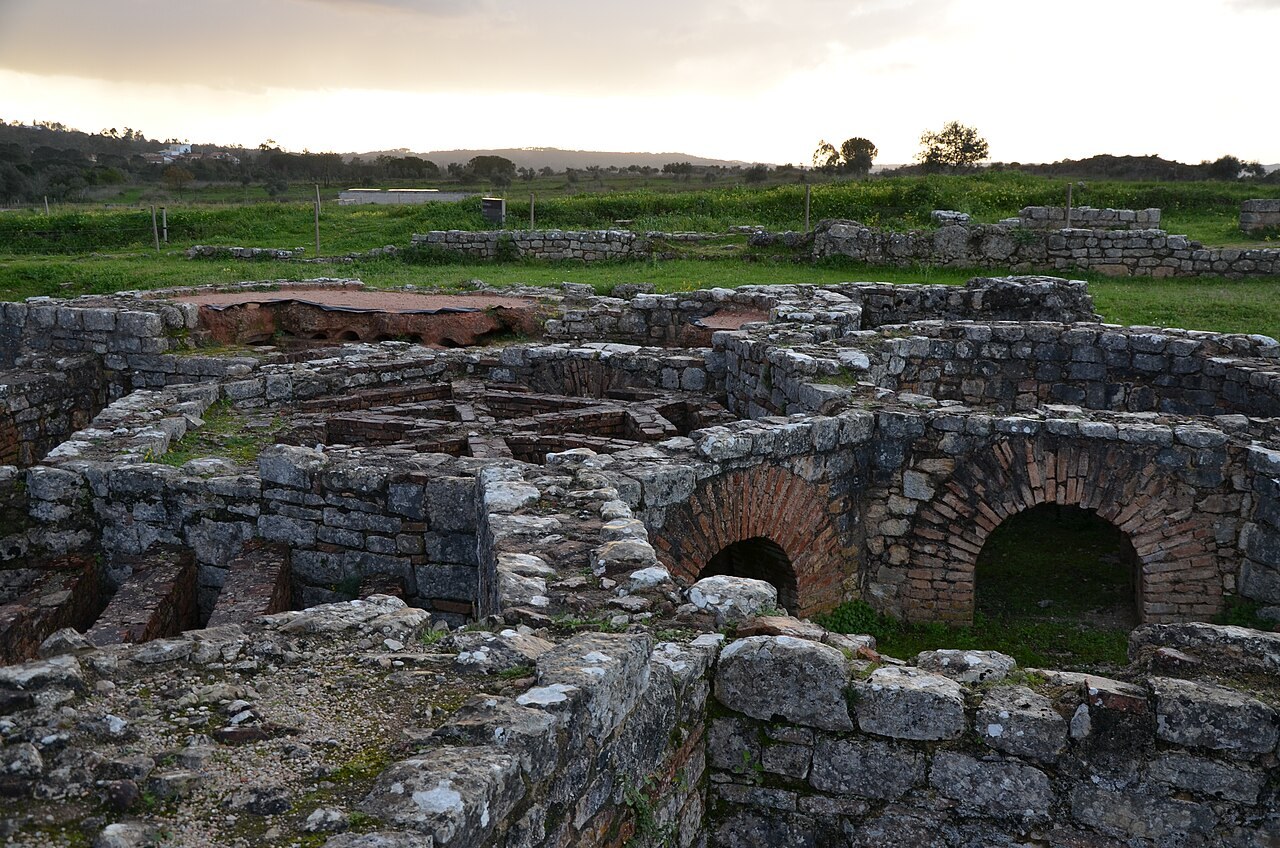 Conimbriga: Conimbriga; visual evidence for the site, Roman period, archaeological site or museum context.
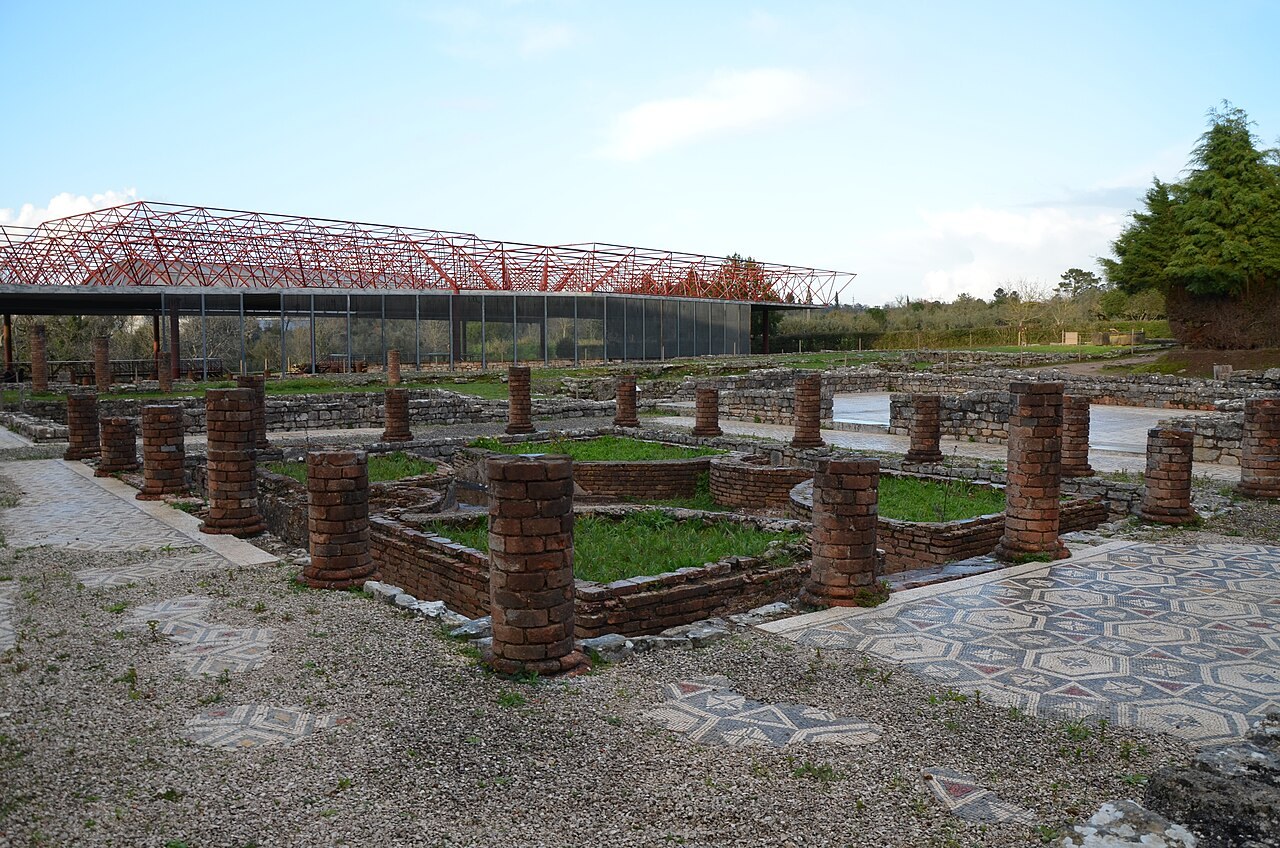 Conimbriga: Conimbriga; visual evidence for the site, Roman period, archaeological site or museum context.
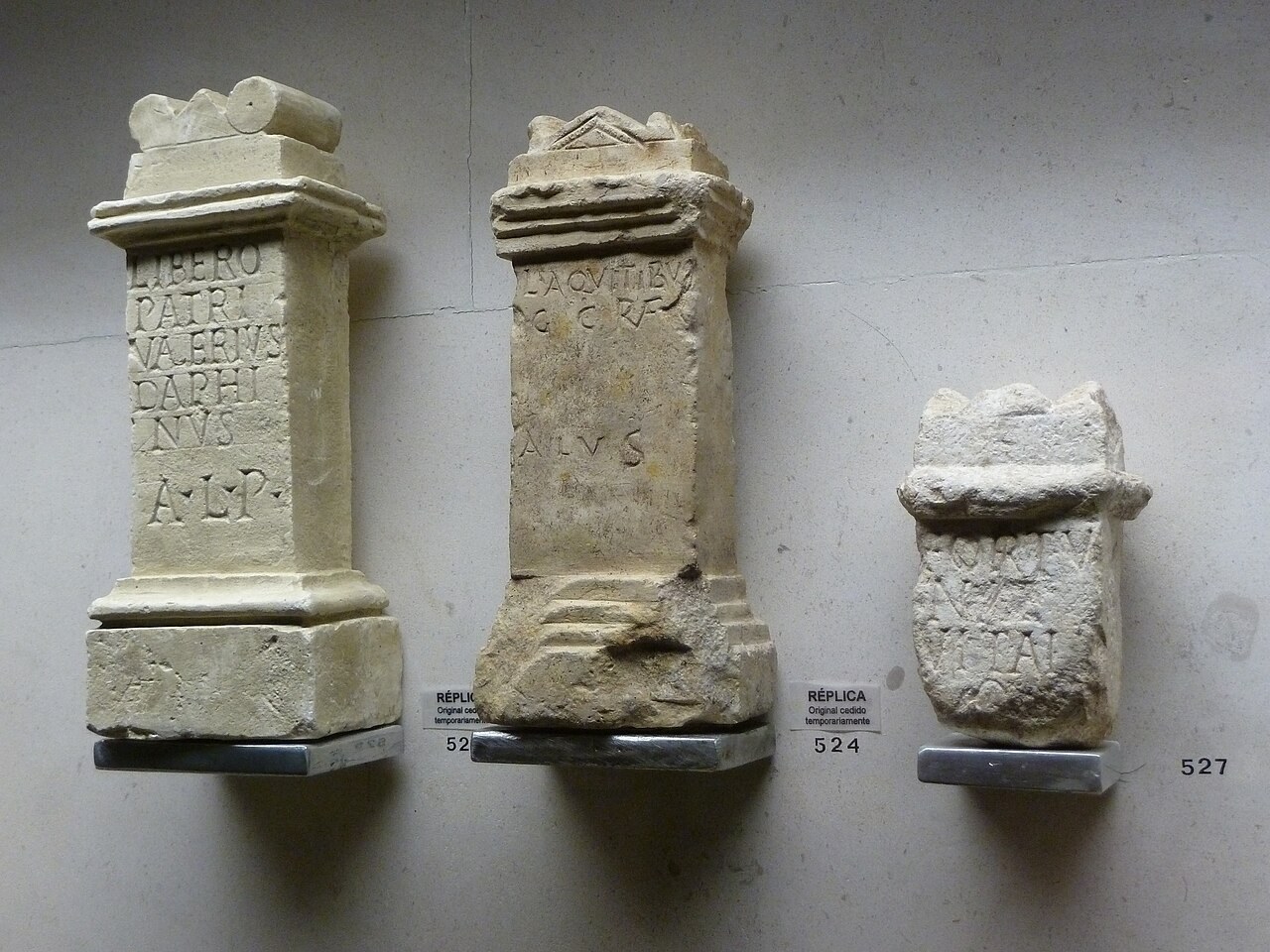 Conimbriga: 20110908 P1080780 Museo Conimbriga; visual evidence for the site, Roman period, archaeological site or museum context.
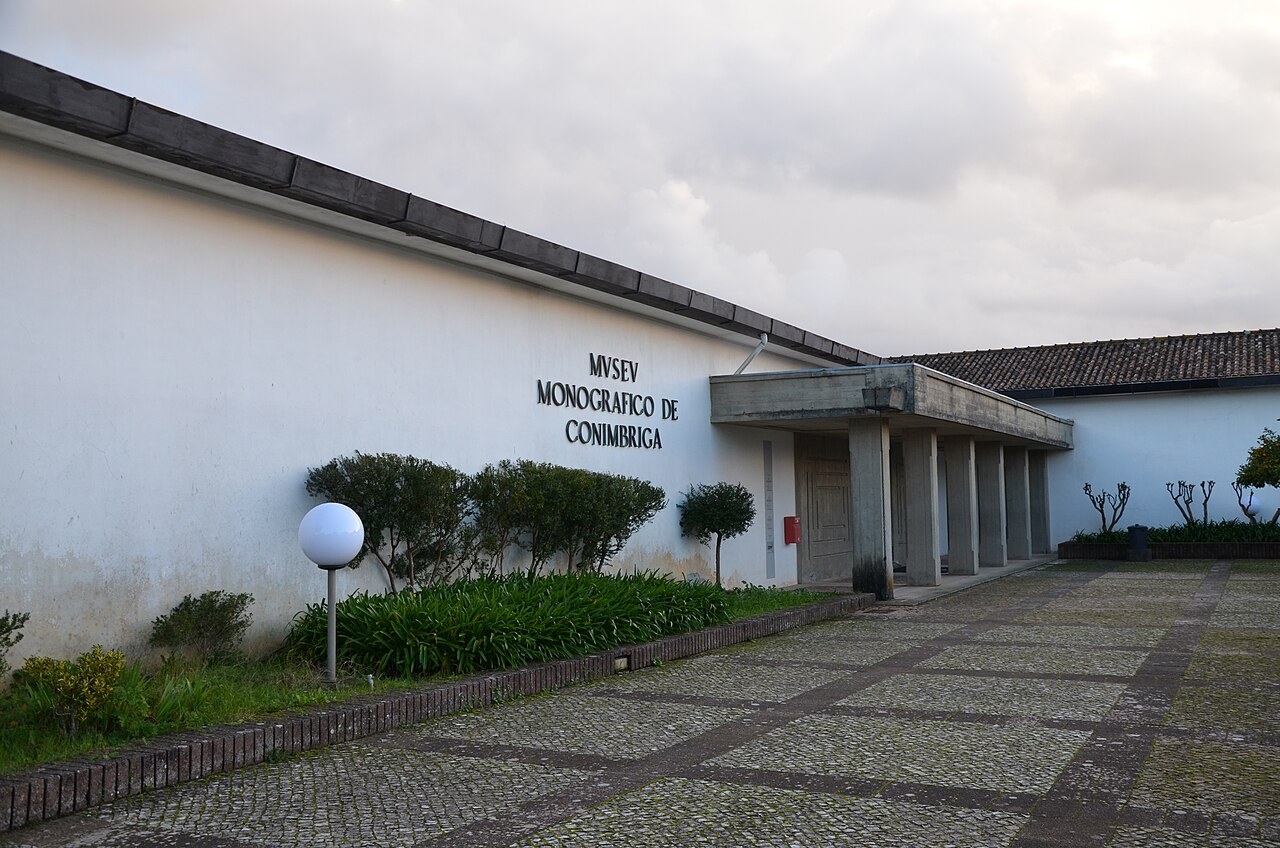 Conimbriga: Conimbriga; archaeological view, find or museum context connected with the site, Roman period or local archaeological context.
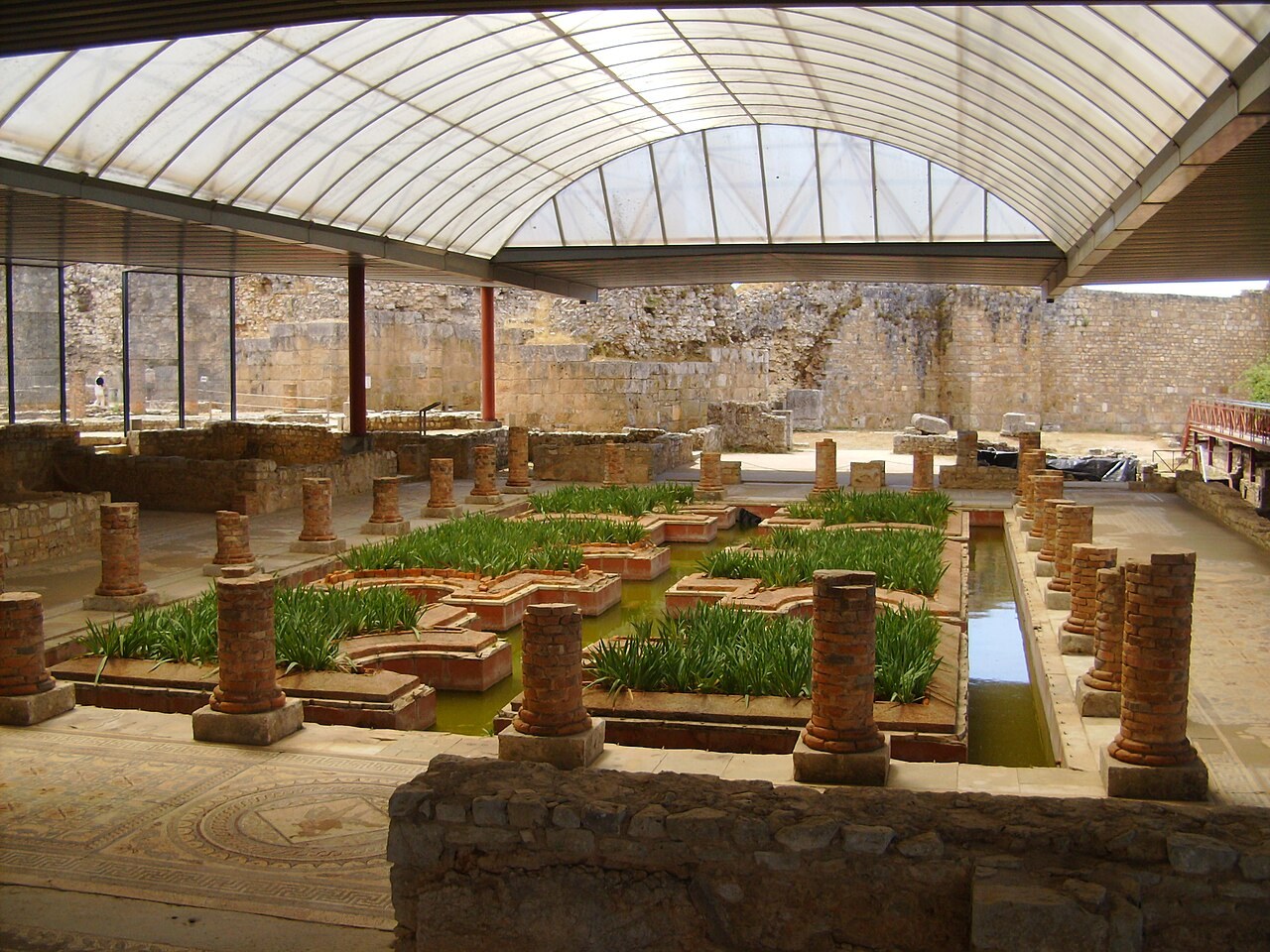 Conimbriga: Conimbriga casa dos repuxos (3); archaeological view, find or museum context connected with the site, Roman period or local archaeological context.
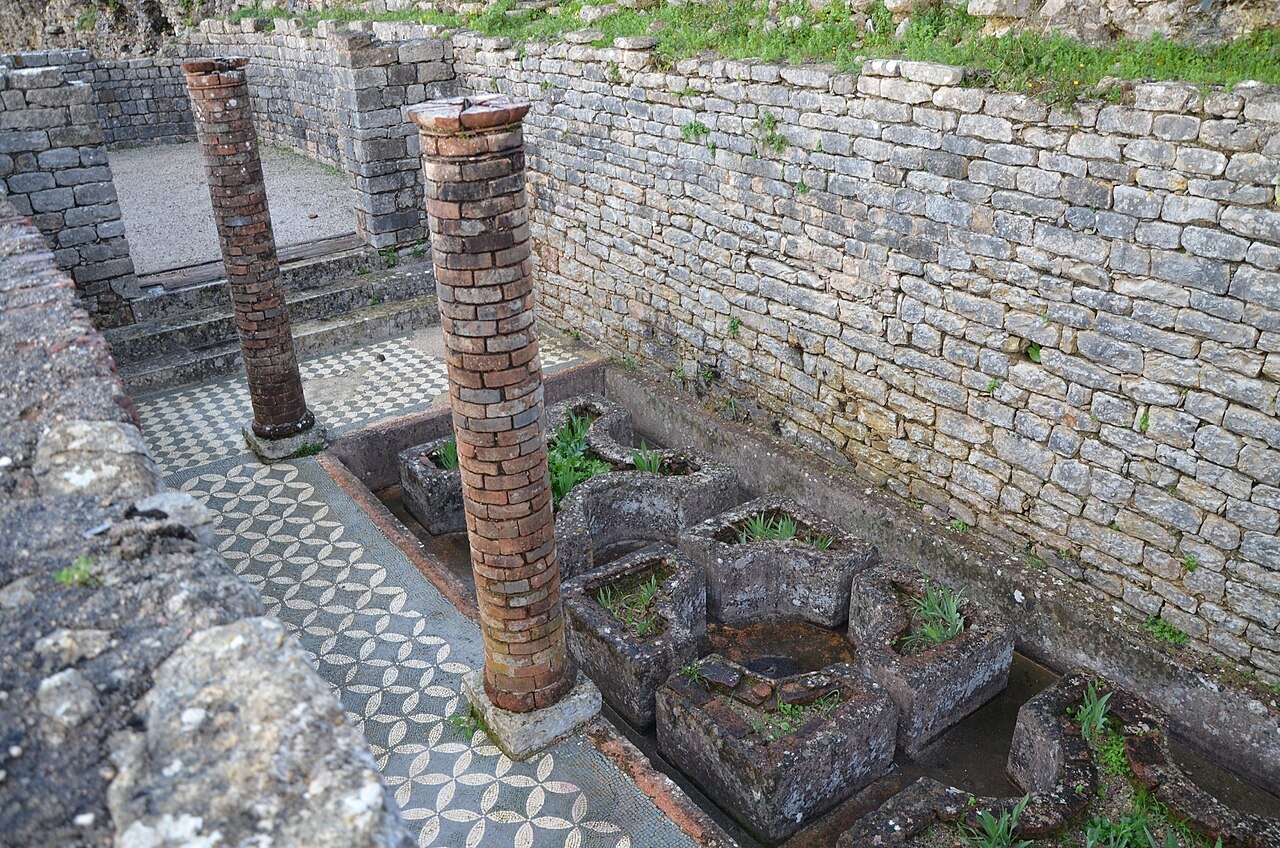 Conimbriga: Conimbriga; archaeological view, find or museum context connected with the site, Roman period or local archaeological context.
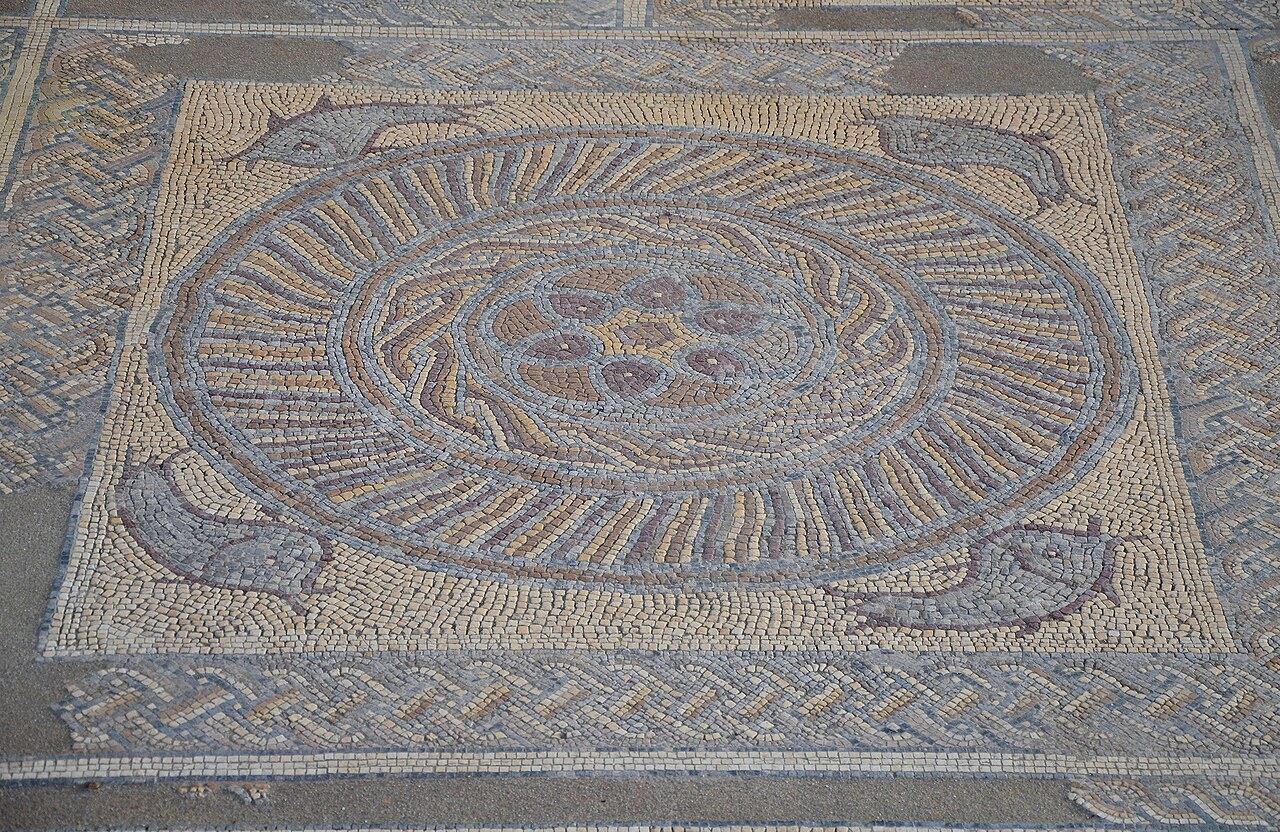 Conimbriga: Mosaic floor in the House of the Fountains with fish, Conimbriga, Lusitania, Portugal; material-culture object or museum find connected with the site, Roman period or local archaeological context.
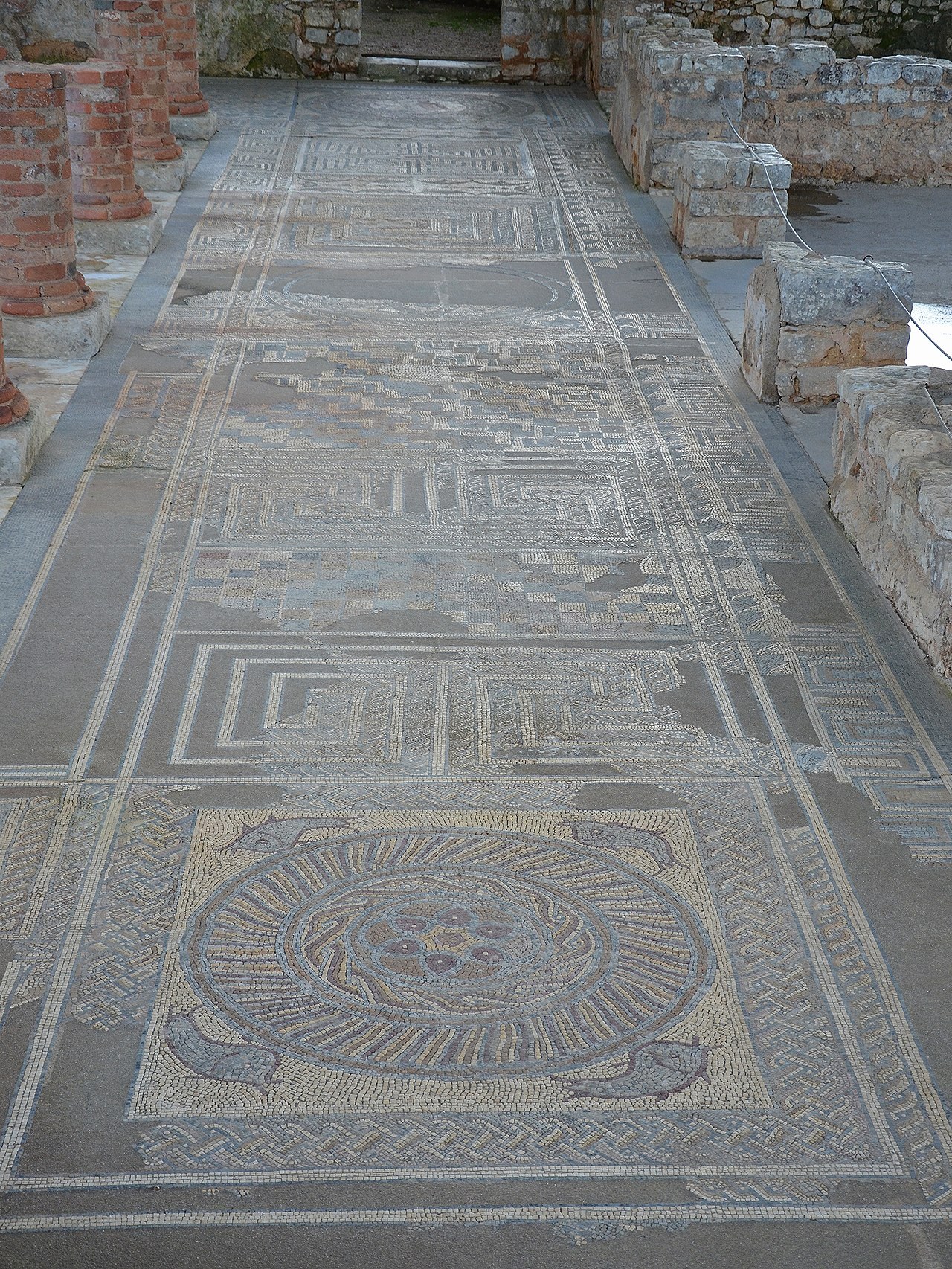 Conimbriga: Mosaic floor in the House of the Fountains with fish, geometric pattern and labyrinths,...; material-culture object or museum find connected with the site, Roman period or local archaeological context.
Interested in Ancient Rome beyond reading? Join Legio X Fretensis or explore our reenactment directions.


