Spartacus
Spartacus (d. 71 BC) was a gladiator and leader of the largest slave revolt in the Roman Republic. His war against Rome is known as the revolt of Spartacus or the Third Servile War. In brief: - status: gladiator, probably Thracian by origin; - event: revolt of 73-71 BC; - enemies: Roman armies, then Crassus and Pompey; - significance: the best-known example of armed slave resistance in antiquity.
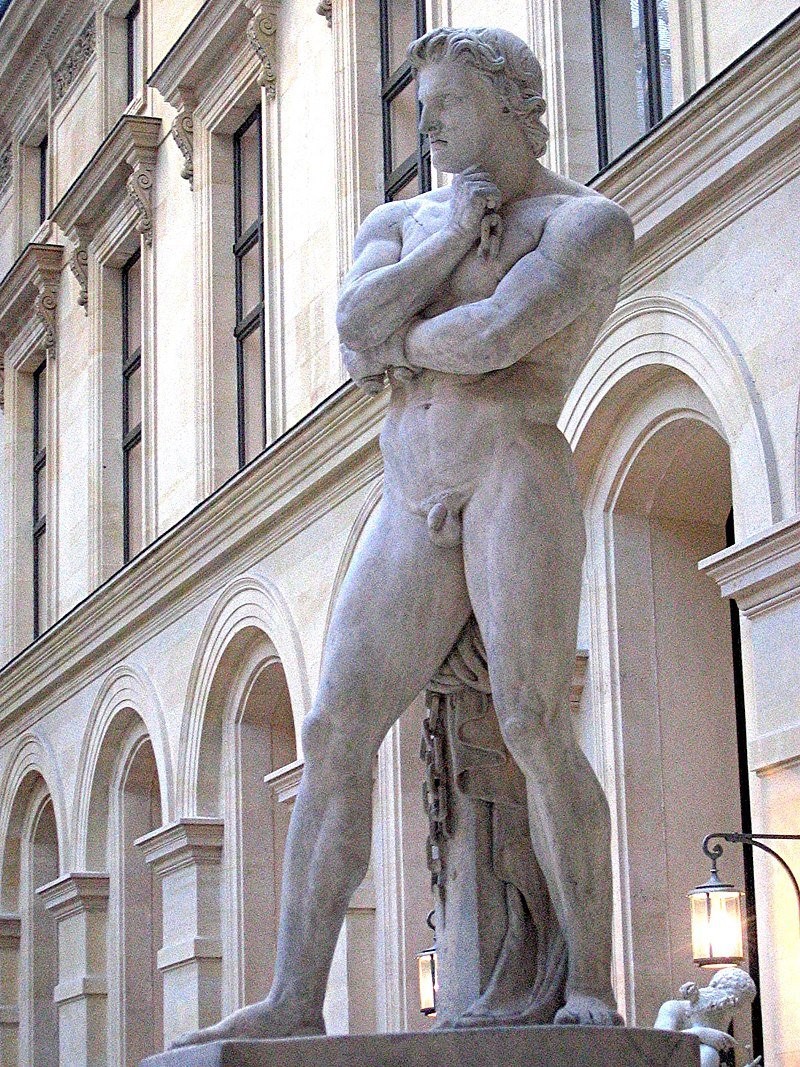 Sculpture of Spartacus by Denis Foyatier,Louvre. Paris. France. 1830
Origin and Gladiatorial School
Ancient sources call Spartacus a Thracian, but details of his early life are unclear. He ended up in a gladiatorial school at Capua, where harsh conditions and the risk of death created grounds for conspiracy. In 73 BC a group of gladiators escaped from the school. A small breakout quickly became a large movement joined by slaves, herdsmen and poor people of southern Italy.
Growth of the Revolt
The first Roman forces underestimated the rebels and were defeated. Spartacus and other leaders used mountain terrain, surprise and mobility. The revolt was not a regular state army. It united people of different origins and aims: some wanted to leave Italy, others sought plunder and continued war.
War with Crassus
When the threat became too serious, command passed to Marcus Licinius Crassus. He restored discipline in the Roman forces and pressed Spartacus' army methodically. Crassus tried to trap the rebels in southern Italy with a fortified line. Spartacus broke through, but the revolt's forces were exhausted and the movement's unity was weakening.
Defeat and Pompey's Role
In 71 BC Spartacus' army was defeated. According to ancient sources, Spartacus died in battle, and thousands of prisoners were crucified along the Appian Way. Gnaeus Pompeius Magnus was returning from Spain and destroyed part of the fugitives. This allowed him to claim a share of the glory, though Crassus had borne the main burden of the war.
Historical Significance
The revolt of Spartacus exposed the Roman economy's dependence on enslaved labor and the danger of large populations excluded from the civic community. It was not, however, a program to abolish slavery in the modern sense. Later memory turned Spartacus into a symbol of struggle for freedom. A historian needs to hold both sides together: the real slave revolt of the first century BC and the powerful image created by later culture.
Related topics
- Great Figures of Antiquity
- Revolt of Spartacus
- Slave Revolt in Sicily
- Slave
- Marcus Licinius Crassus
- Gnaeus Pompeius Magnus
Literature and sources
1. Appian. Civil Wars. 2. Plutarch. Crassus; Pompey. 3. Florus. Epitome. 4. Orosius. History against the Pagans. 5. Sallust. Histories, fragments.
Interested in Ancient Rome beyond reading? Join Legio X Fretensis or explore our reenactment directions.


