Aphrodisias
Aphrodisias in Caria is one of the best archaeological sources for sculpture, the civic cult of Aphrodite and elite culture in Roman Asia Minor. The Sebasteion, stadium, theatre, agoras, temple, baths and evidence for local marble workshops are especially important.
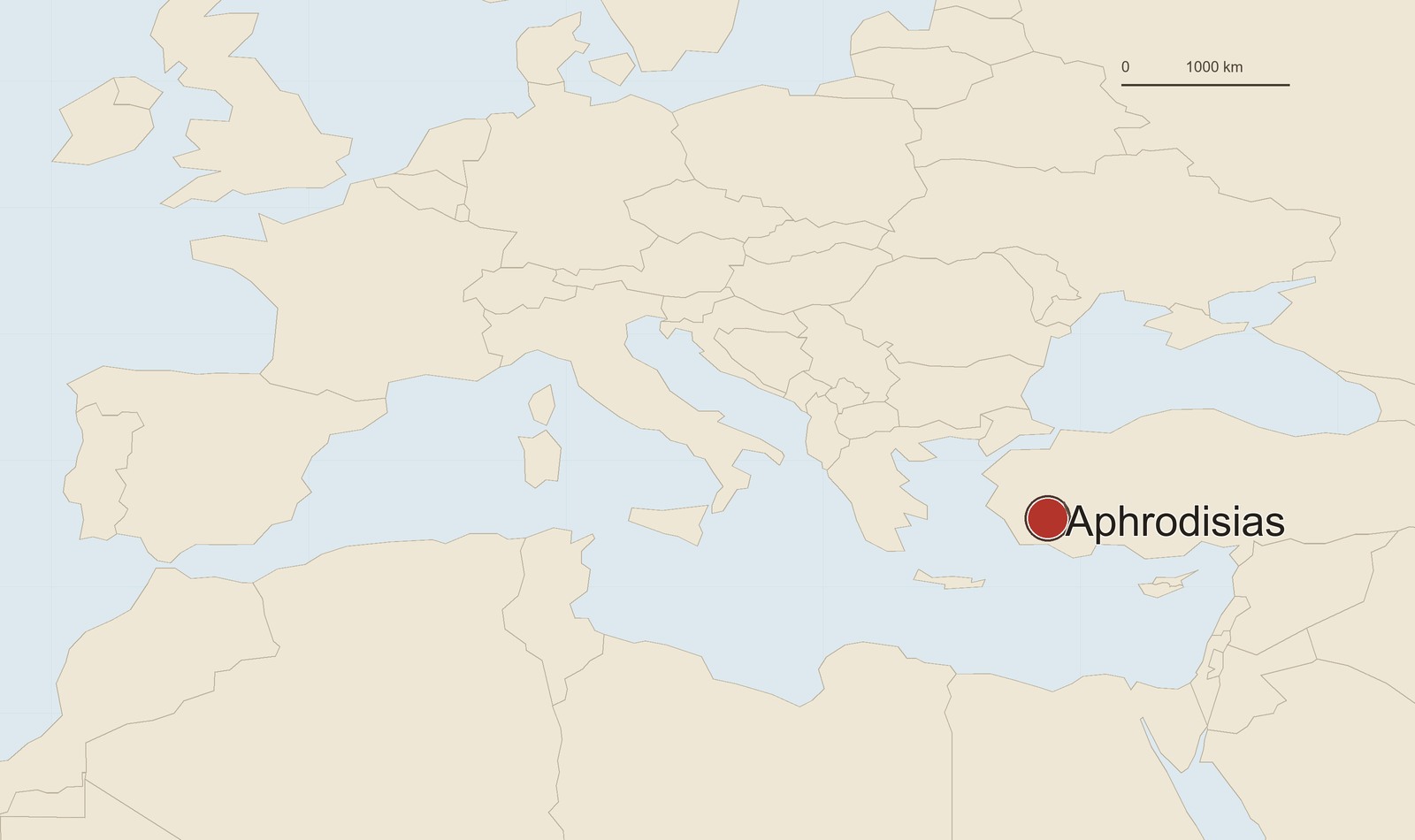 Location map: Aphrodisias. The marker shows the ancient site or main archaeological complex.
Archaeological complex
The city grew around the sanctuary of Aphrodite and gained a special position through loyalty to Rome and the quality of local marble. The Sebasteion, with reliefs of imperial and mythological programmes, makes Aphrodisias a key monument for studying the language of power, images of provinces and Roman-Greek identity.
Aphrodisias stands out for its preserved monumental cityscape and marble sculpture workshops: theatre, stadium, agora, Sebasteion and sculptural finds provide a rare combination of architecture and image production. Excavation views matter for connecting monuments with the local stone-carving tradition.
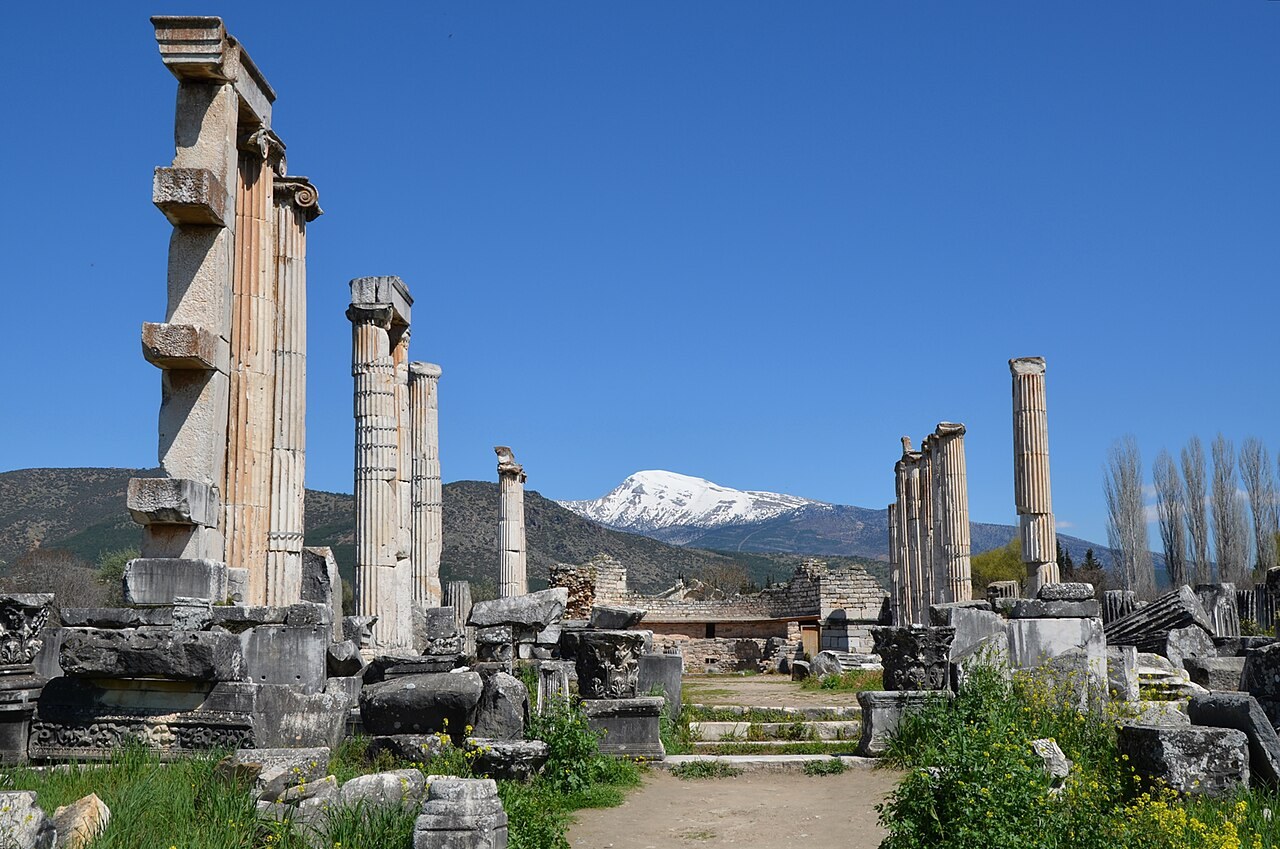 Aphrodisias: The Temple of Aphrodite, built in the Ionic order in stages during the Roman period (fr...; general view or excavated sector, Roman period, archaeological site or museum context.
Finds and material setting
Finds include unfinished and finished sculptures, architectural decoration, inscriptions, portraits, reliefs, coins and workshop material. For reconstructing visual culture, the link between quarry, workshop, civic elite and public space is especially important: images were not decoration only, but political language.
- Sebasteion, theatre, stadium, agora and city gates;
- marble sculpture, portraits, reliefs and workshops;
- inscriptions, decrees, building dedications and local epigraphy;
- urban connection between Aphrodite's cult and imperial power.
Interpretation and limits
Aphrodisias is not a typical military or trade centre. It should be used primarily for sculpture, civic identity, cults and elite self-presentation, while army topics should be drawn from other complexes.
Related topics
Literature and sources
- R. R. R. Smith. Aphrodisias. Istanbul, 2008.
- UNESCO World Heritage: Aphrodisias.
- New York University Aphrodisias Excavations: reports and publications.


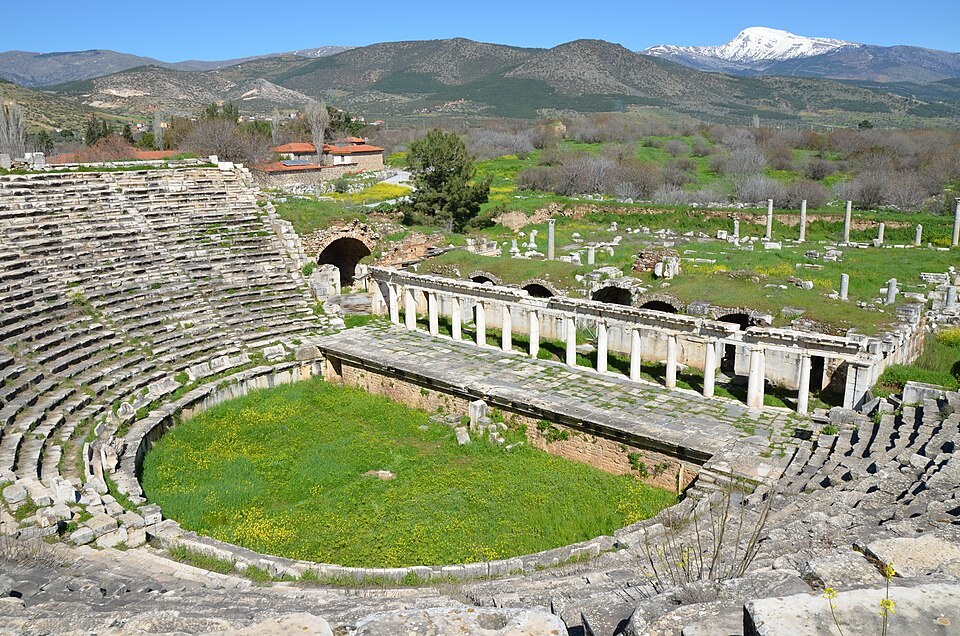 Aphrodisias: The Roman theatre, built in the second half of the 1st century BC on the eastern slope...; visual evidence for the site, Roman period, archaeological site or museum context.
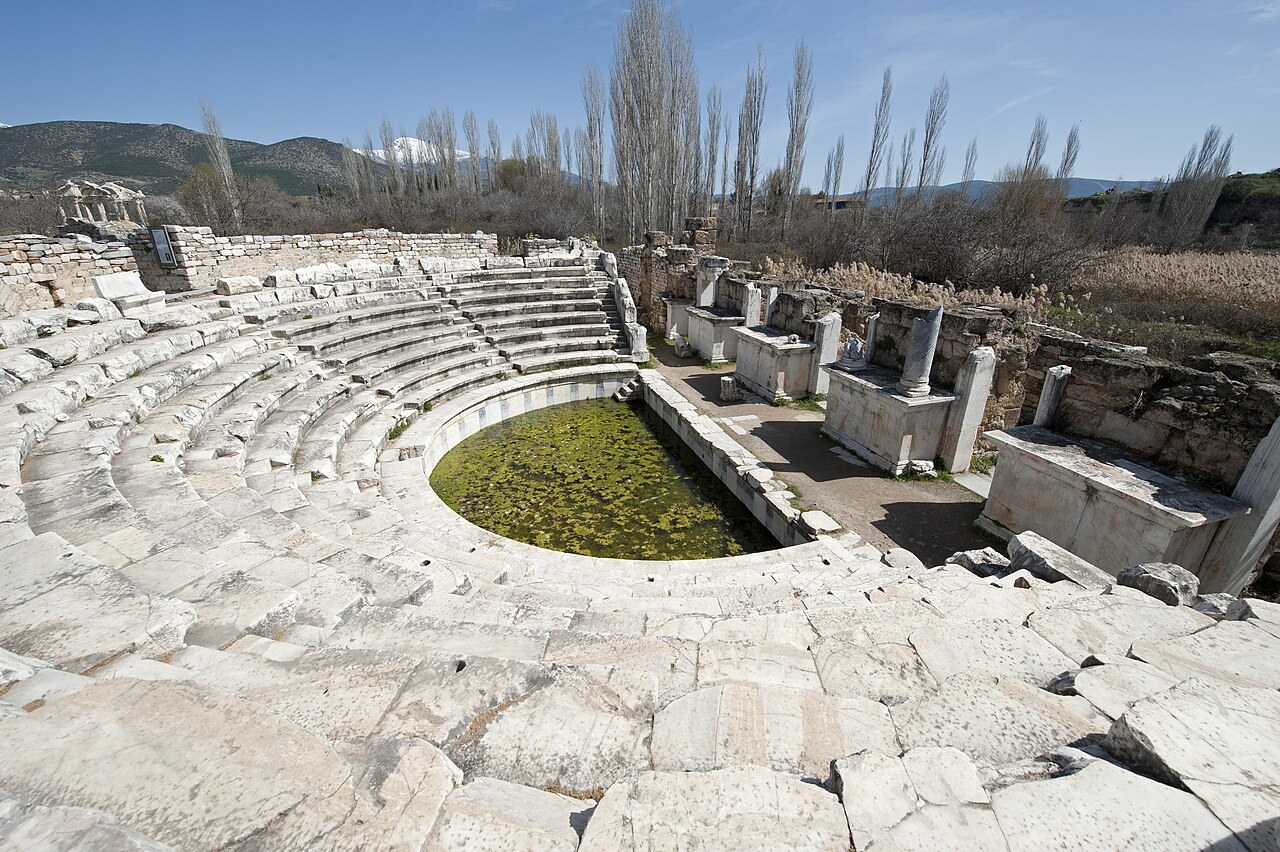 Aphrodisias: Aphrodisias bouleuterion 4519; visual evidence for the site, Roman period, archaeological site or museum context.
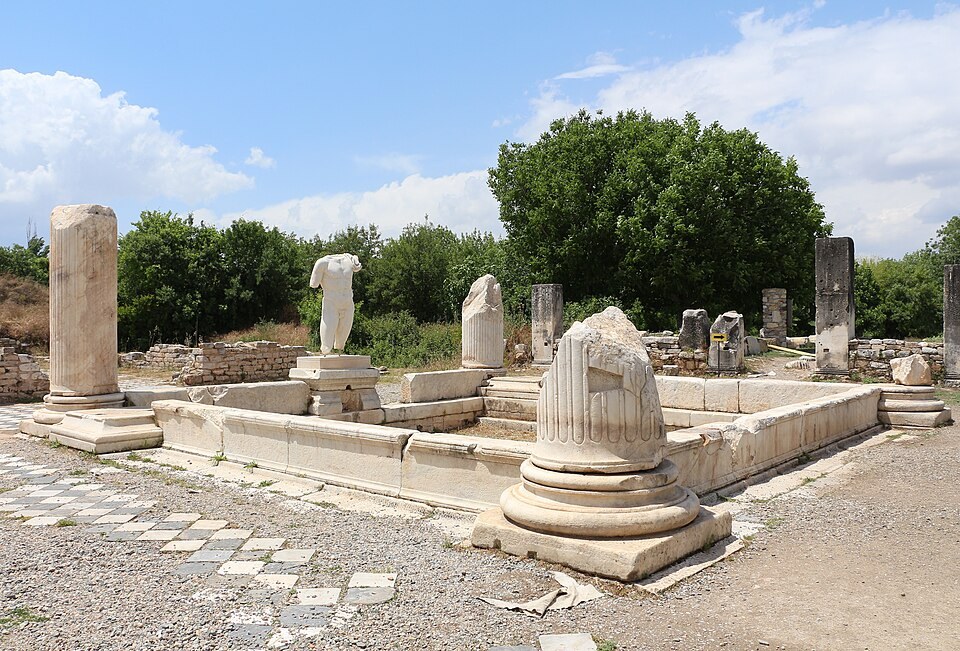 Aphrodisias: Aphrodisias - Baths of Hadrian 01; visual evidence for the site, Roman period, archaeological site or museum context.
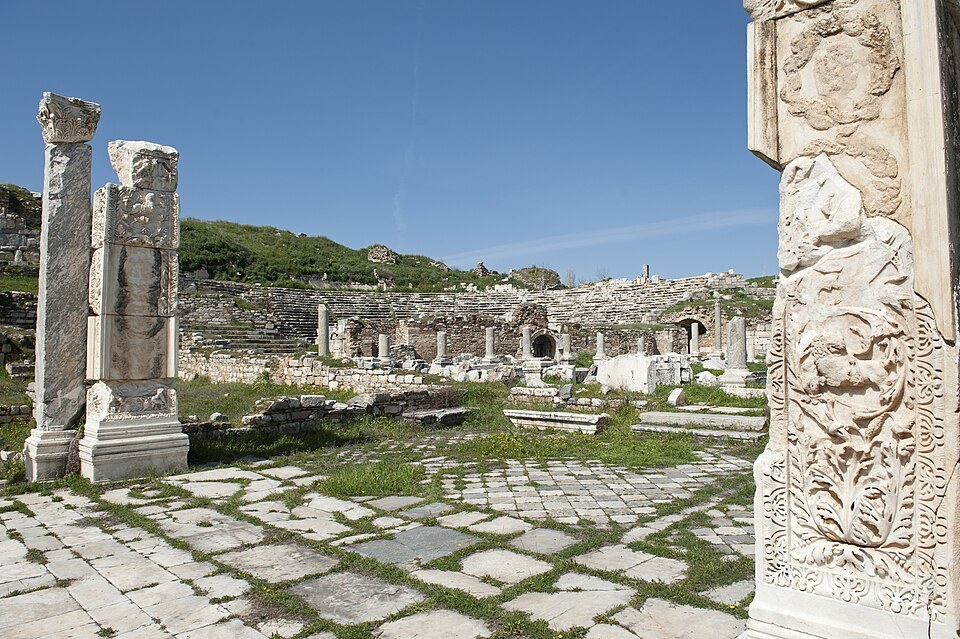 Aphrodisias: Aphrodisias Tetrastoon Theatre fringe 4430; visual evidence for the site, Roman period, archaeological site or museum context.
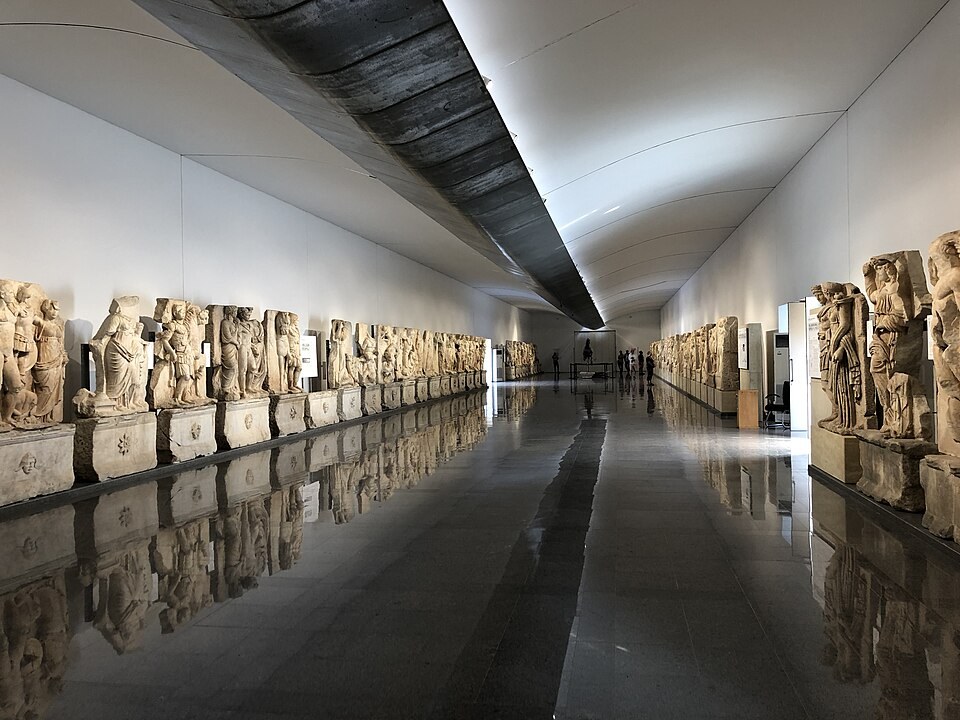 Aphrodisias: Museum of Aphrodisias Sevgi Gönül Hall; visual evidence for the site, Roman period, archaeological site or museum context.
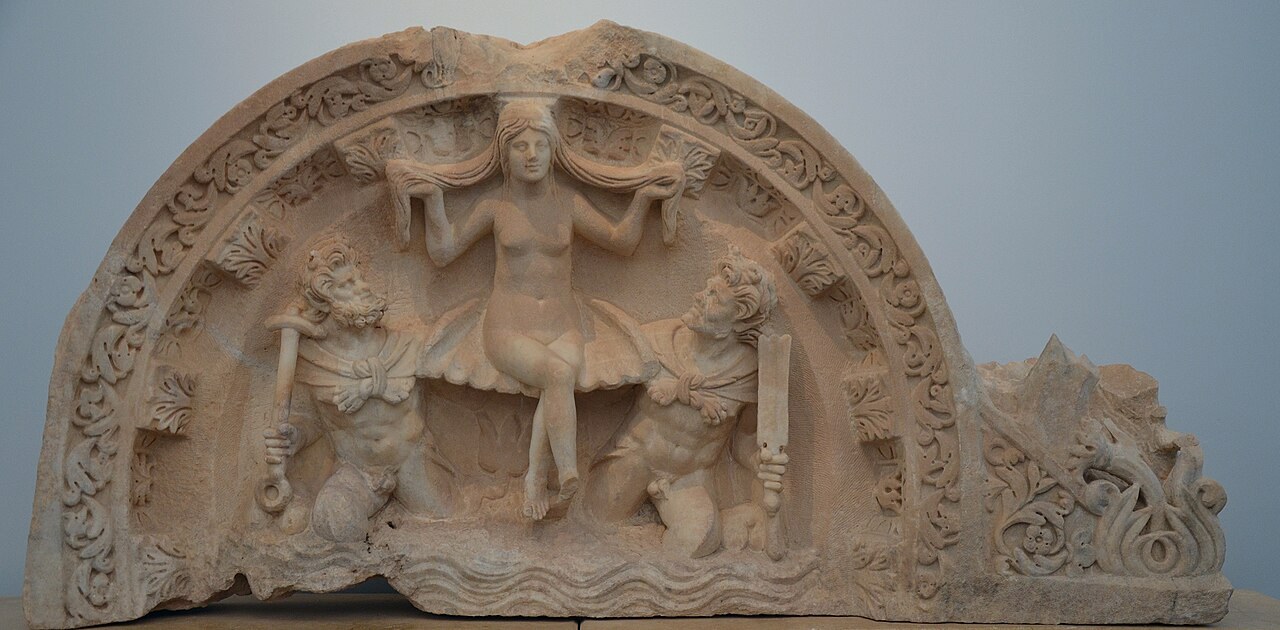 Aphrodisias: Relief depicting the birth of Aphrodite (Aphrodite Anadyomene), Aphrodisias Museum, Turkey; material-culture object or museum find connected with the site, Roman period or local archaeological context.
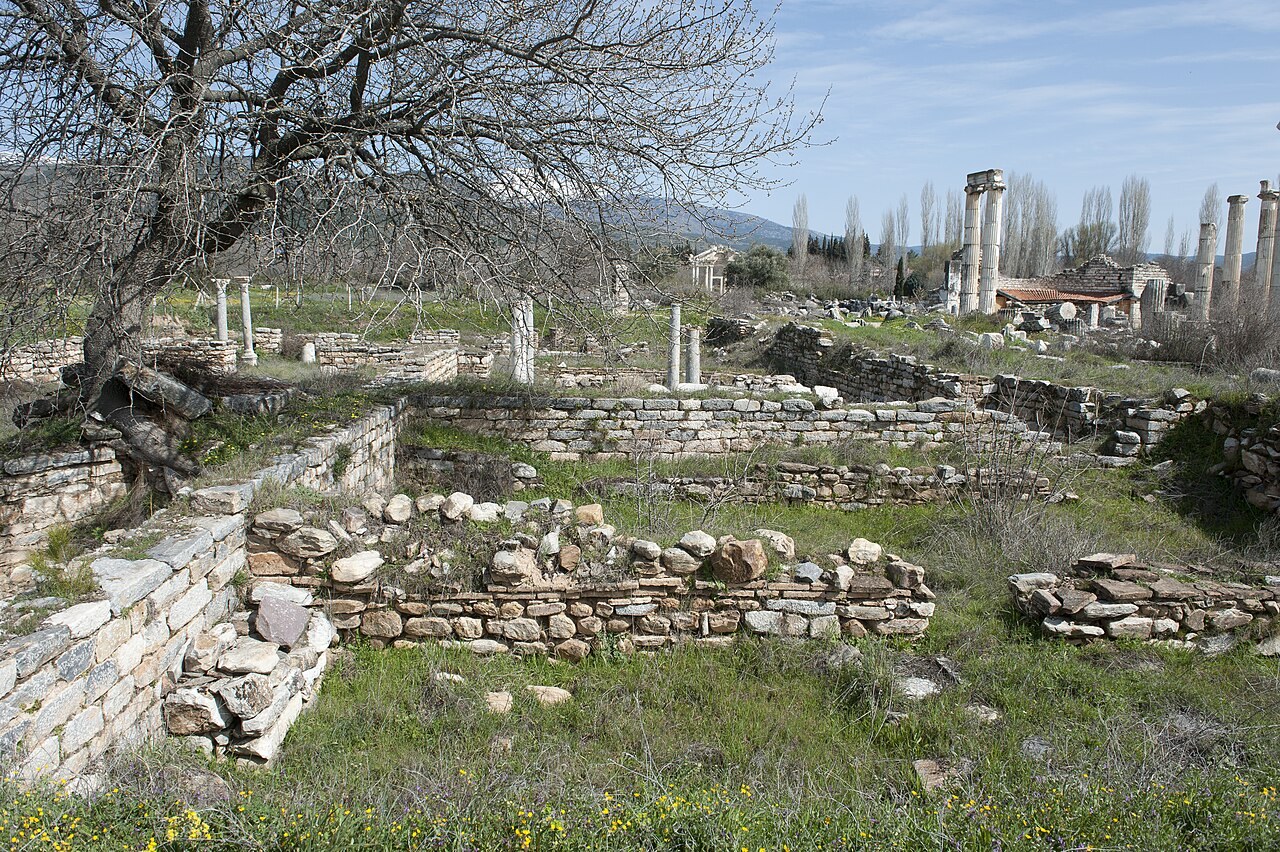 Aphrodisias: Aphrodisias House north of Aphrodite Temple 4551; archaeological view, find or museum context connected with the site, Roman period or local archaeological context.
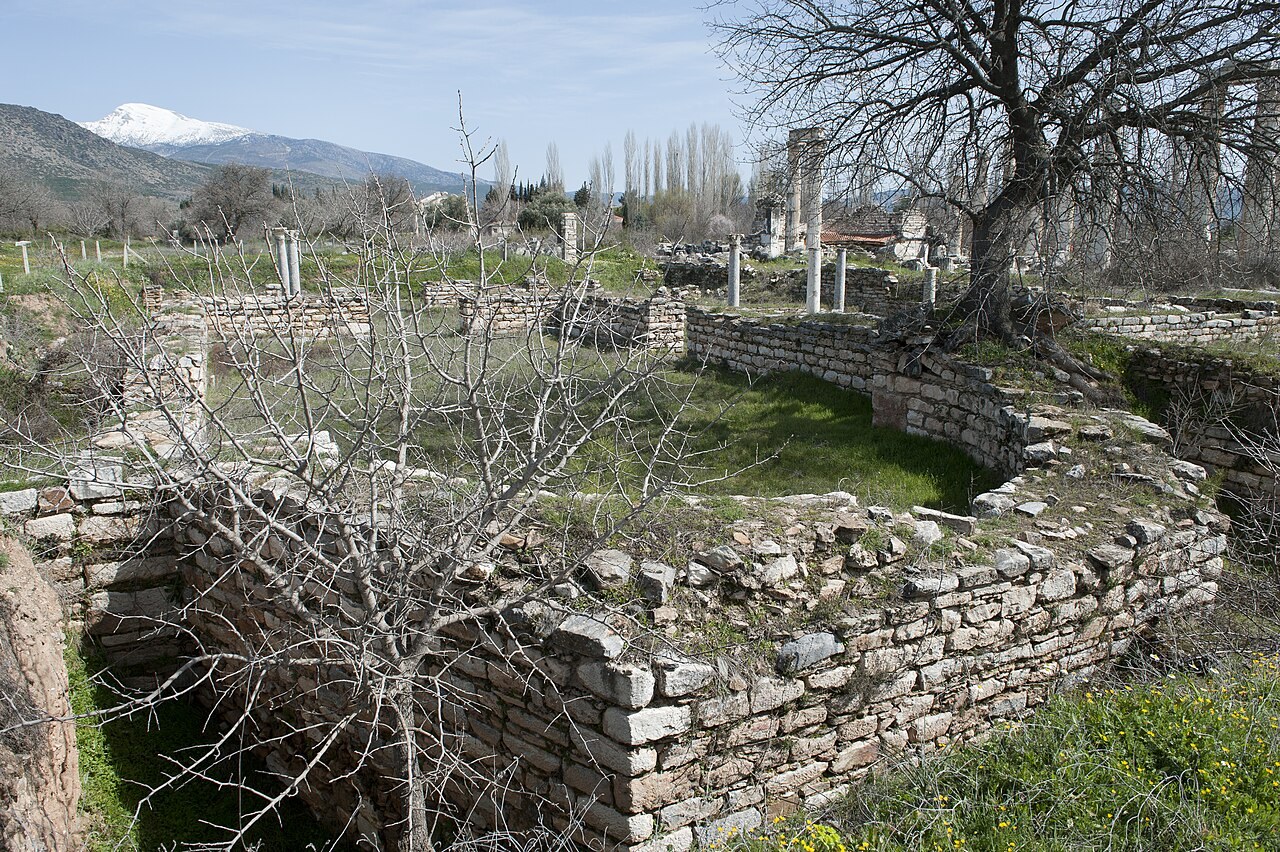 Aphrodisias: Aphrodisias House north of Aphrodite Temple 4552; archaeological view, find or museum context connected with the site, Roman period or local archaeological context.
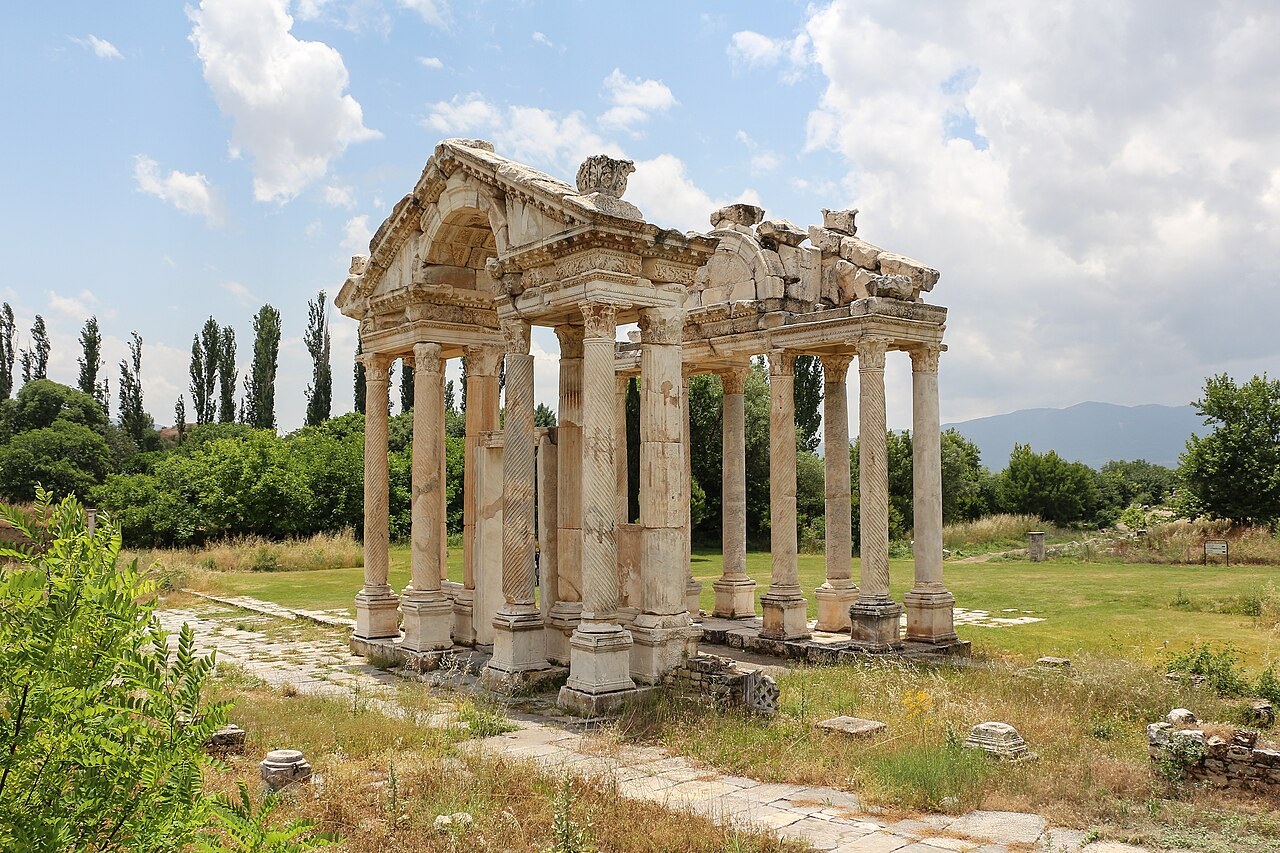 Aphrodisias: Aphrodisias - Tetrapylon 04; archaeological view, find or museum context connected with the site, Roman period or local archaeological context.
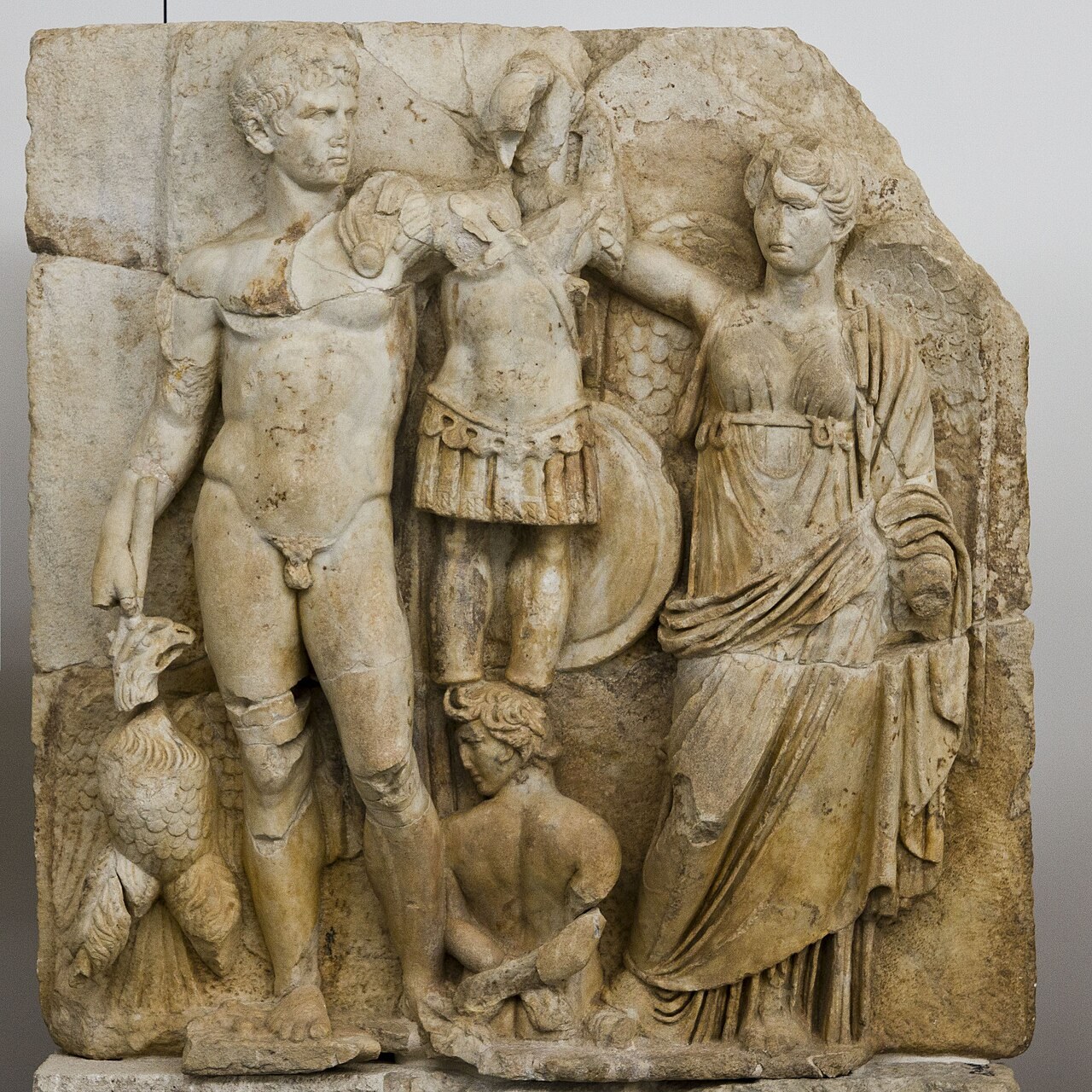 Aphrodisias: Augustus and Victory - Aphrodisias; visual evidence for the site, Roman period, archaeological site or museum context.
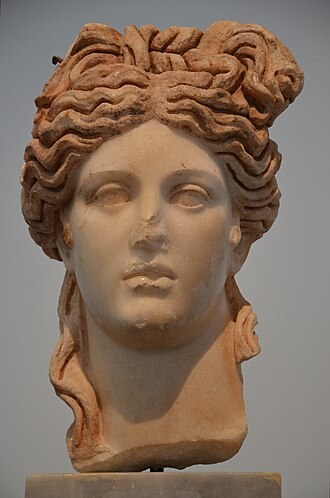 Aphrodisias: Marble head of a goddess, found in the Hadrianic Baths, 2nd century AD, Aphrodisias Museum; visual evidence for the site, Roman period, archaeological site or museum context.
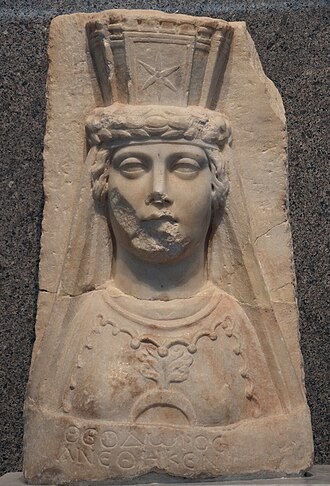 Aphrodisias: Relief image of Aphrodite of Aphrodisias, dedicated by Theodoros, from the theatre, 2nd...; material-culture object or museum find connected with the site, Roman period or local archaeological context.
Interested in Ancient Rome beyond reading? Join Legio X Fretensis or explore our reenactment directions.


