Italica
Italica near Seville was an important Roman centre of Baetica and is traditionally associated with the homeland of Trajan and Hadrian. Archaeologically it is valuable for its large urban plan, amphitheatre, mosaic houses, streets, baths and evidence for the elite environment of Roman Spain.
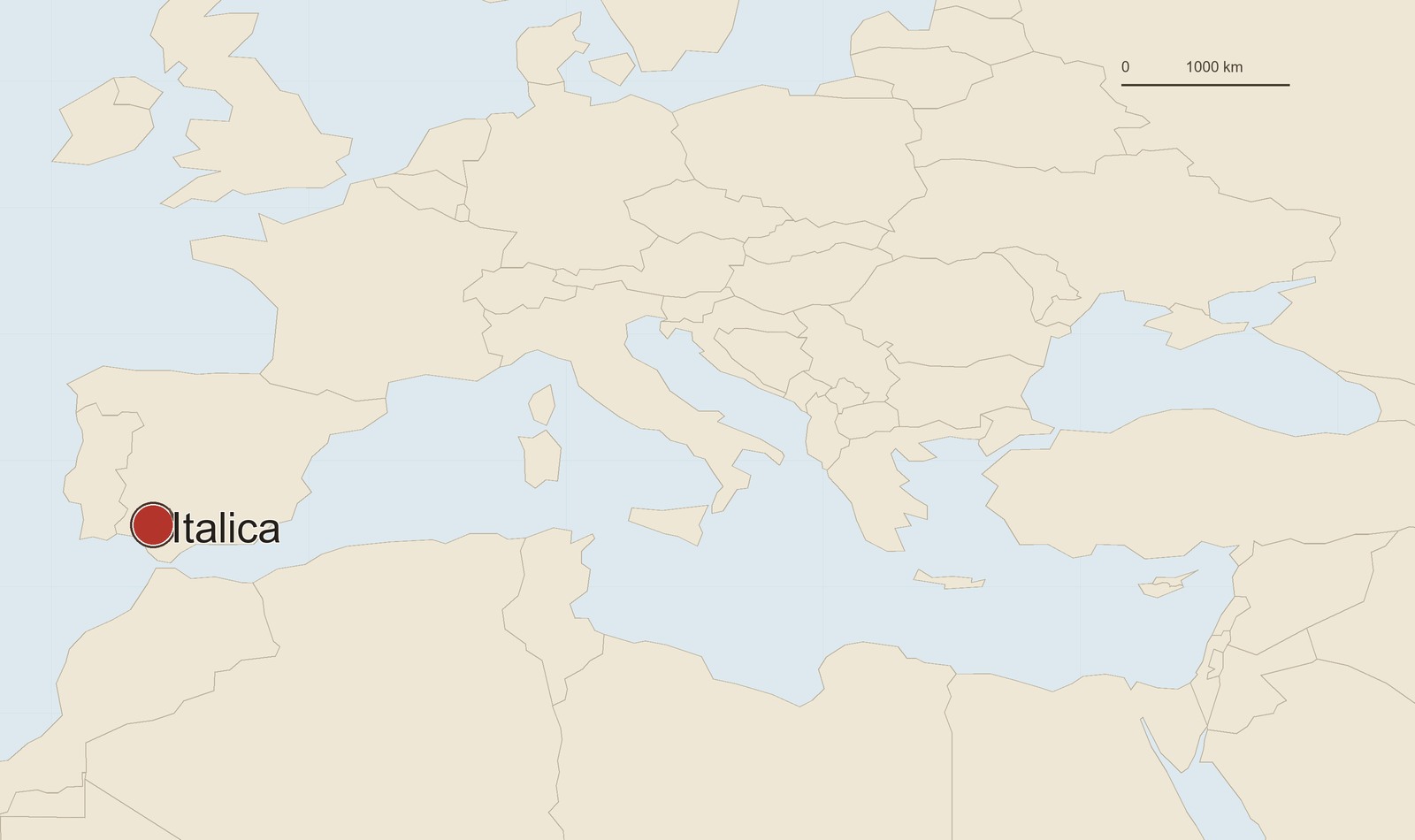 Location map: Italica. The marker shows the ancient site or main archaeological complex.
Archaeological complex
The settlement began after the Second Punic War, and under Hadrian it received the large expansion known as the nova urbs. This later sector is especially legible: wide streets, large houses, mosaic floors, public buildings and amphitheatre show the urban ambition of the local elite.
Italica provides a rare view of a planned urban expansion: wide streets, large houses, mosaics, baths and amphitheatre show the nova urbs as a display of status. Excavation views matter for the scale of houses, the relation between street and residence and the placement of public buildings.
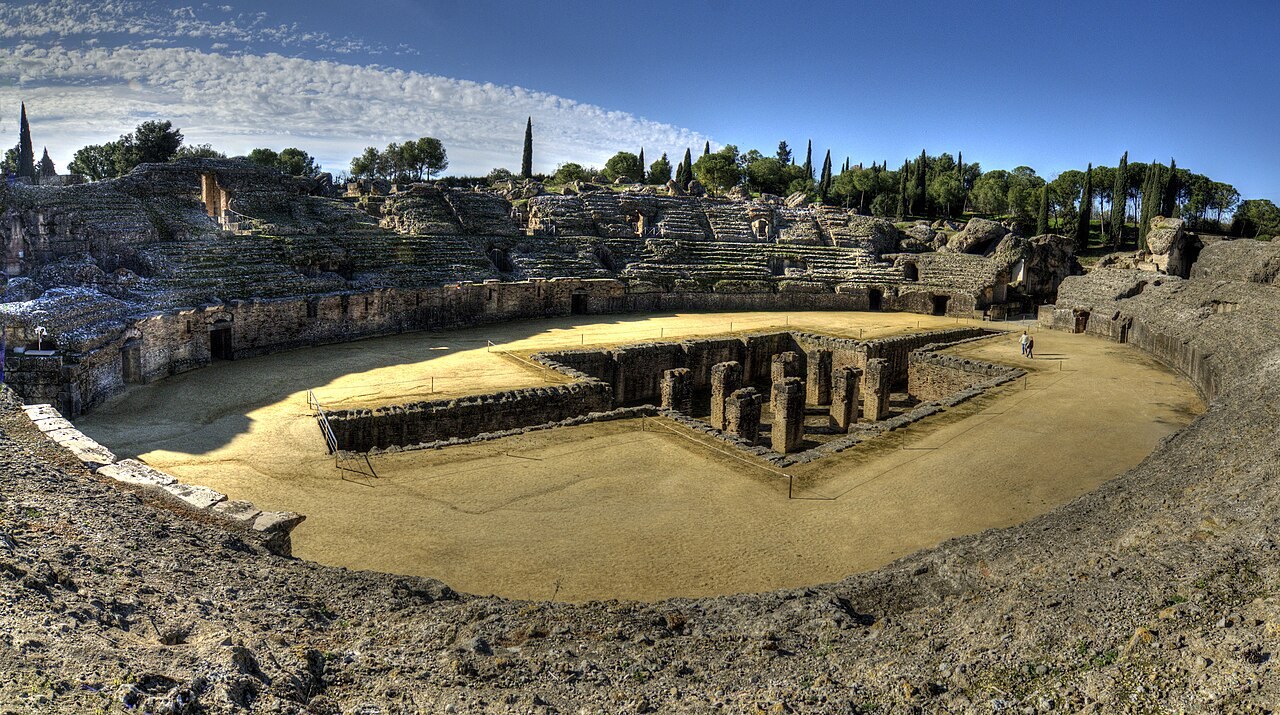 Italica: Anfiteatro de Itálica; general view or excavated sector, Roman period, archaeological site or museum context.
Finds and material setting
Italica provides rich mosaics, statues, architectural decoration, domestic pottery, coins and household material. For reconstruction, the relationship between house, street and status matters: mosaic programmes, room size and house placement show social display in a provincial city.
- plan of the nova urbs, streets, houses and amphitheatre;
- mosaics, statues, baths, domestic pottery and coins;
- evidence for elite urban culture in Baetica;
- distinction between the old settlement and Hadrianic expansion.
Interpretation and limits
The main danger is reading Italica only as a city of emperors. The archaeological evidence matters more than biographical legend: it shows the real urban environment of Baetica, where local elites, municipal institutions and Roman culture existed together.
Related topics
Literature and sources
- Alicia M. Canto. Italica: ciudad romana. Seville, 1985.
- Archaeological Ensemble of Italica: official site material.
- Studies on Roman Baetica and Hadrianic urbanism.


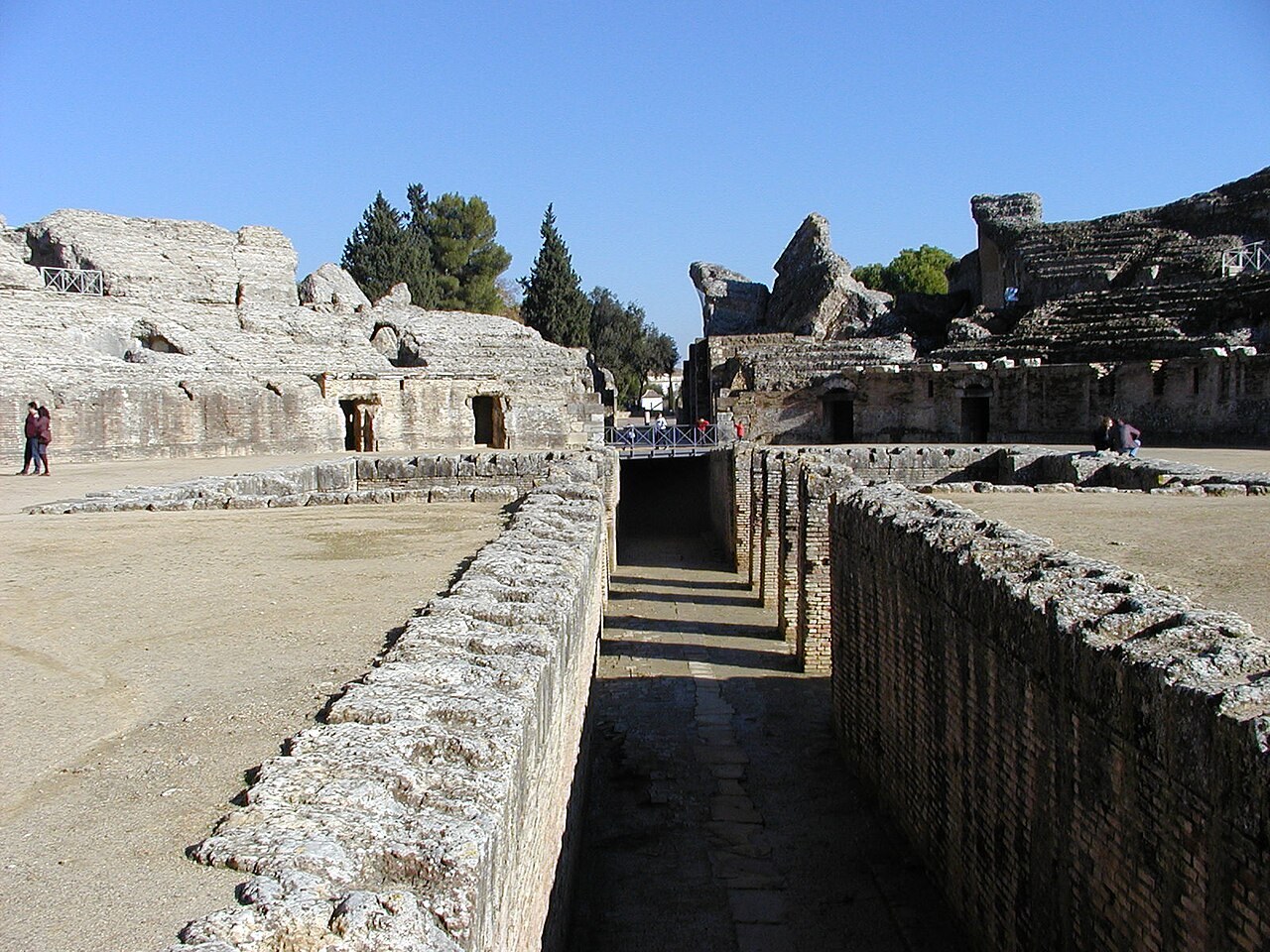 Italica: Amphitheatre Italica, Spain; visual evidence for the site, Roman period, archaeological site or museum context.
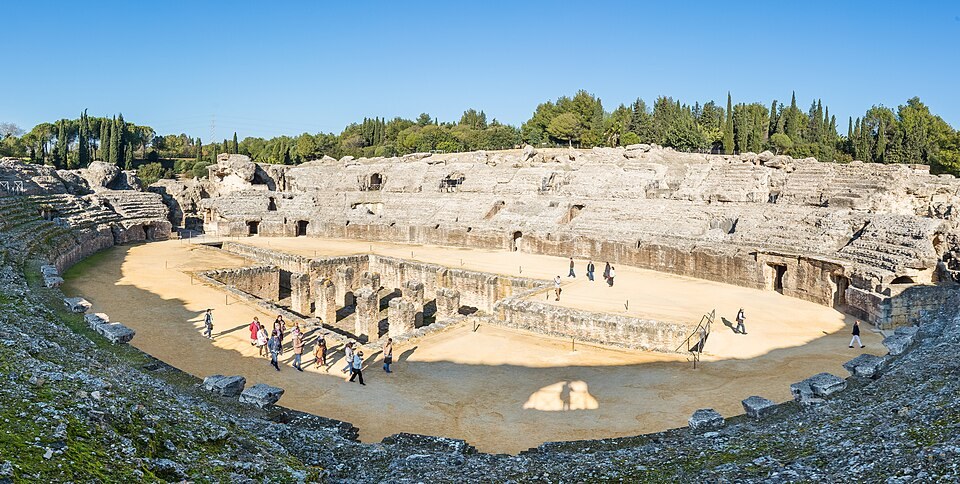 Italica: Anfiteatro de las ruinas romanas de Itálica, Santiponce, Sevilla, España, 2015-12-06, D...; visual evidence for the site, Roman period, archaeological site or museum context.
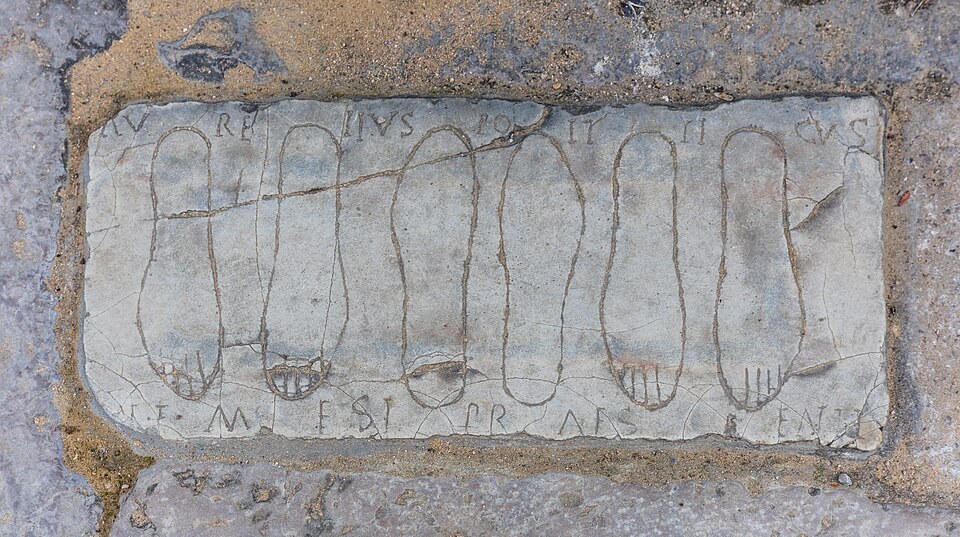 Italica: Anfiteatro de las ruinas romanas de Itálica, Santiponce, Sevilla, España, 2015-12-06, D...; visual evidence for the site, Roman period, archaeological site or museum context.
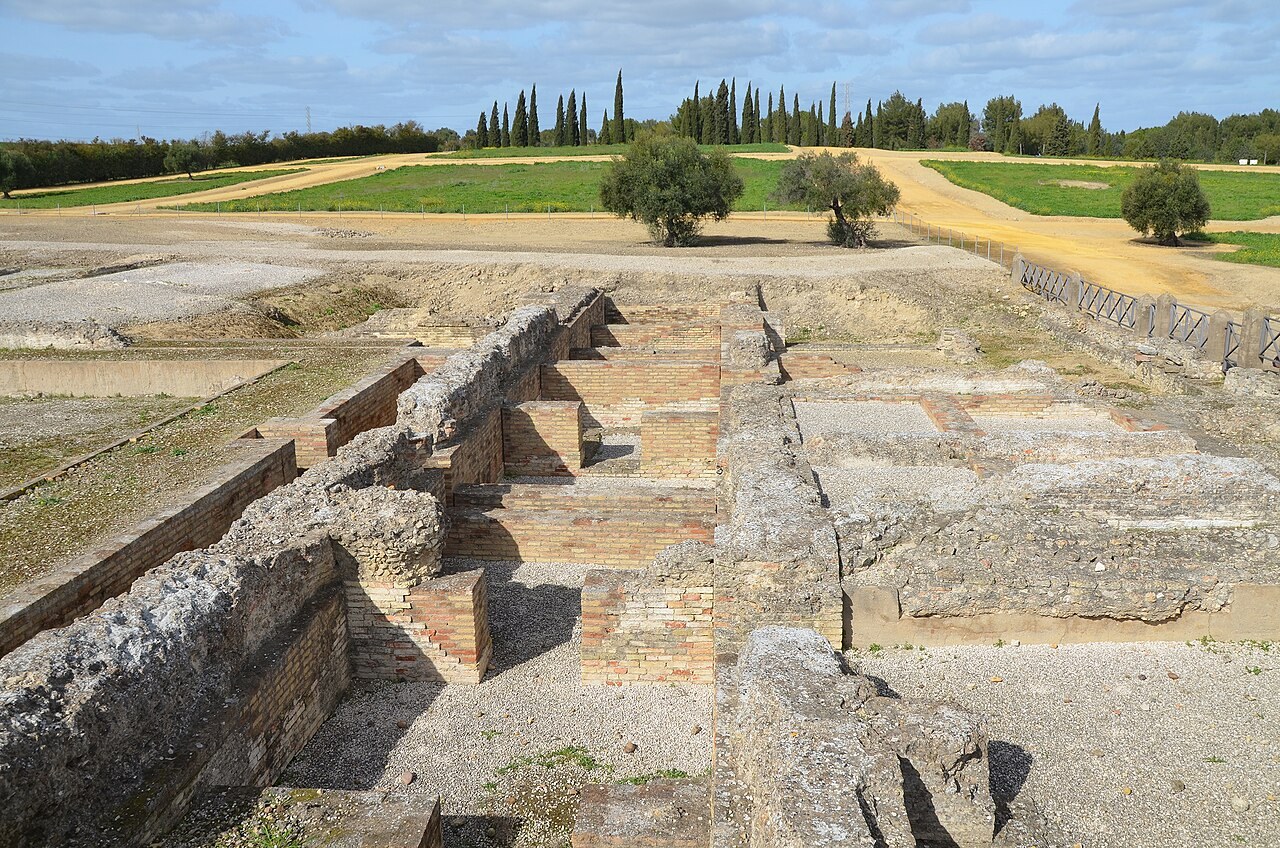 Italica: The Hadrianic Baths, Italica, Spain; visual evidence for the site, Roman period, archaeological site or museum context.
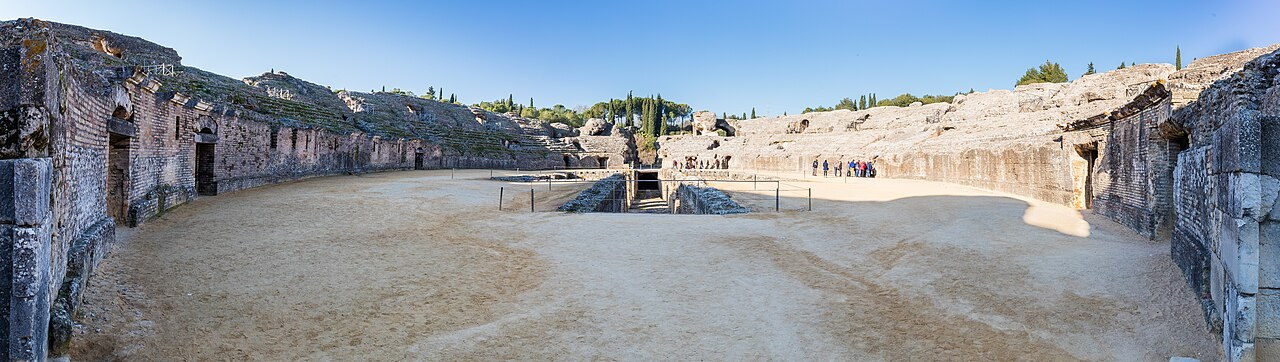 Italica: Anfiteatro de las ruinas romanas de Itálica, Santiponce, Sevilla, España, 2015-12-06, D...; archaeological view, find or museum context connected with the site, Roman period or local archaeological context.
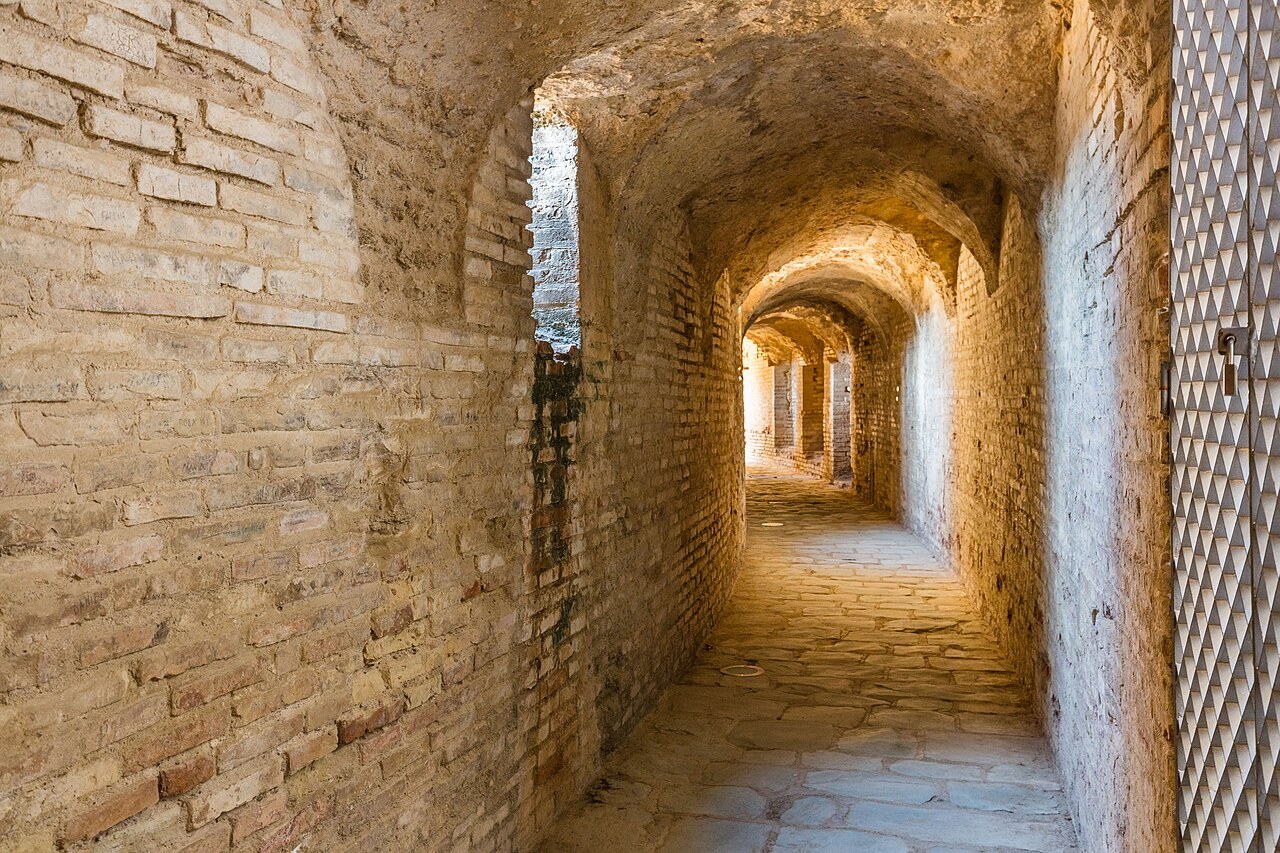 Italica: Anfiteatro de las ruinas romanas de Itálica, Santiponce, Sevilla, España, 2015-12-06, D...; archaeological view, find or museum context connected with the site, Roman period or local archaeological context.
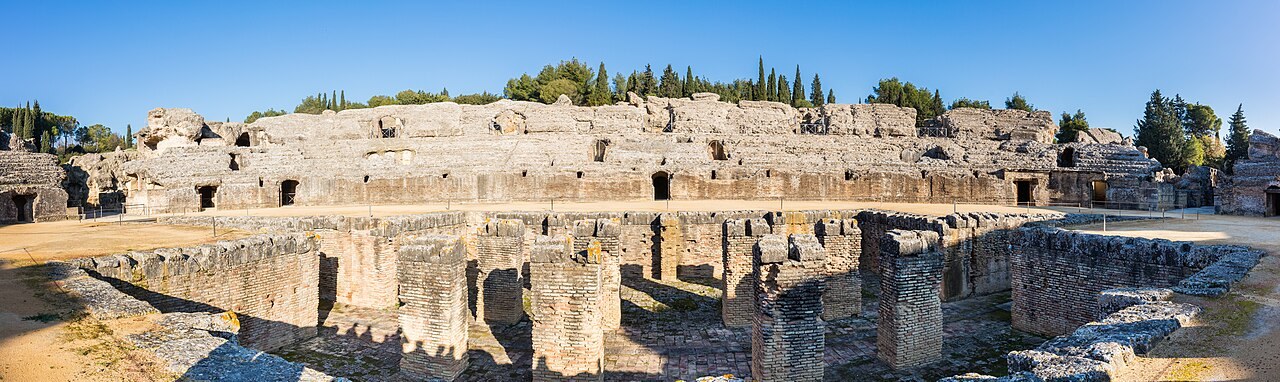 Italica: Anfiteatro de las ruinas romanas de Itálica, Santiponce, Sevilla, España, 2015-12-06, D...; archaeological view, find or museum context connected with the site, Roman period or local archaeological context.
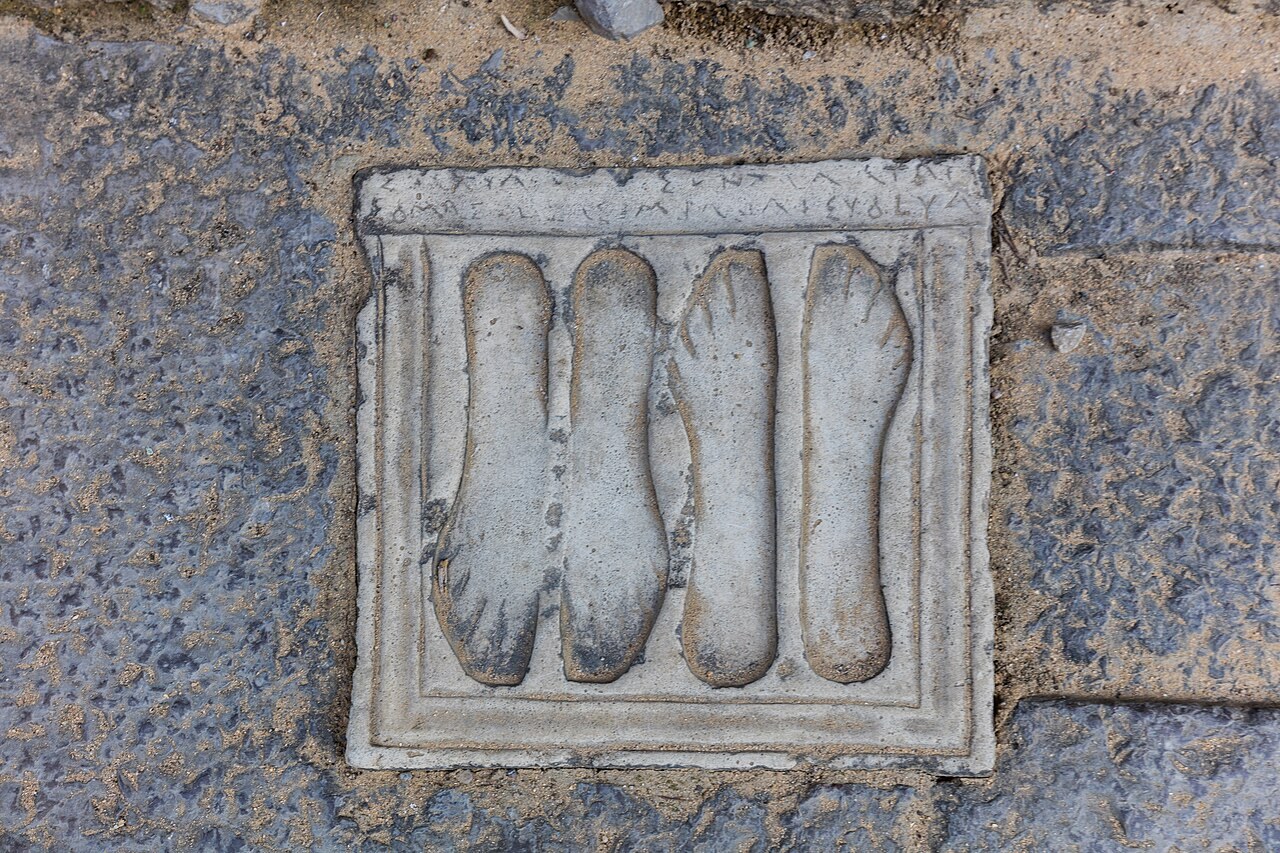 Italica: Anfiteatro de las ruinas romanas de Itálica, Santiponce, Sevilla, España, 2015-12-06, D...; archaeological view, find or museum context connected with the site, Roman period or local archaeological context.
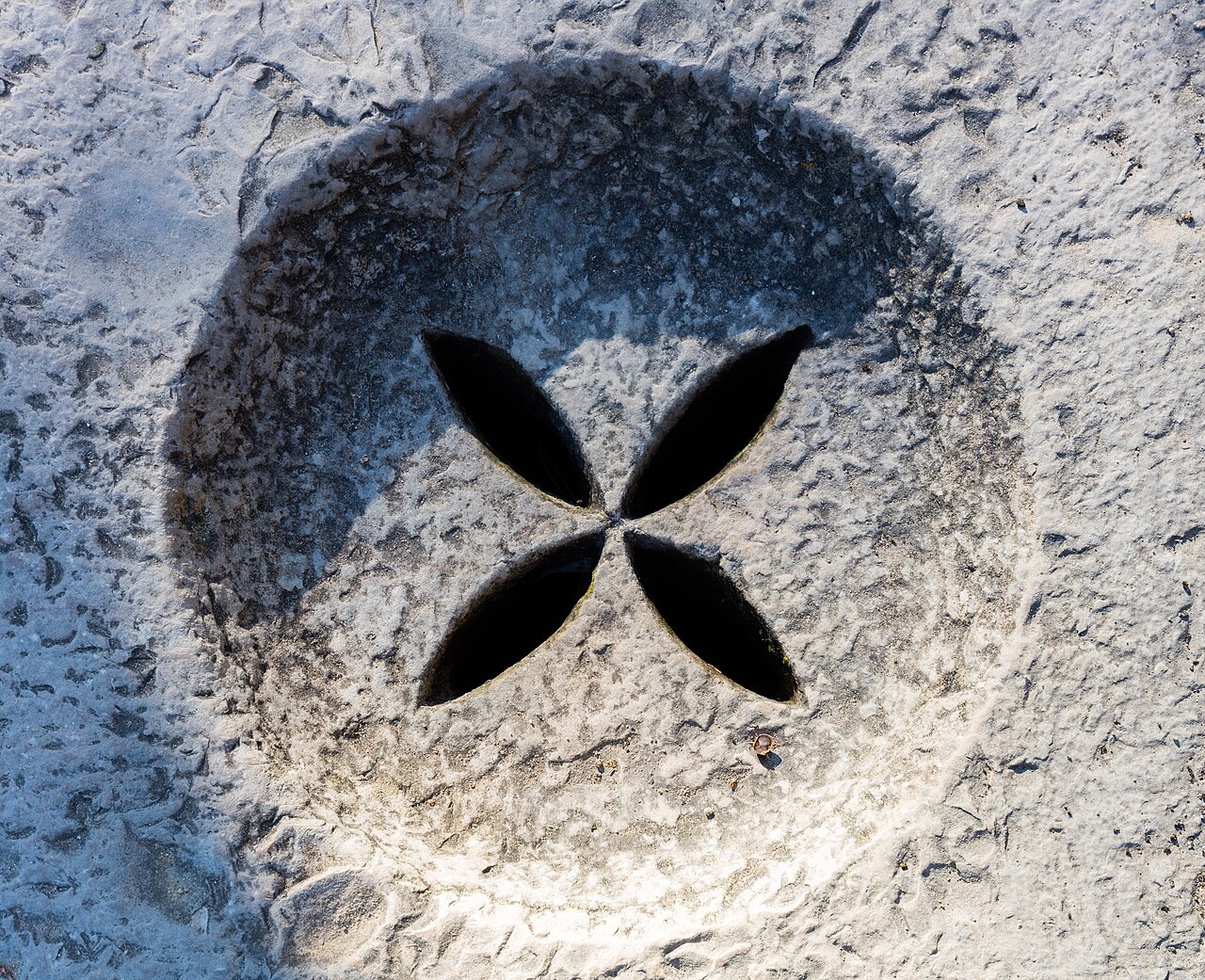 Italica: Anfiteatro de las ruinas romanas de Itálica, Santiponce, Sevilla, España, 2015-12-06, D...; archaeological view, find or museum context connected with the site, Roman period or local archaeological context.
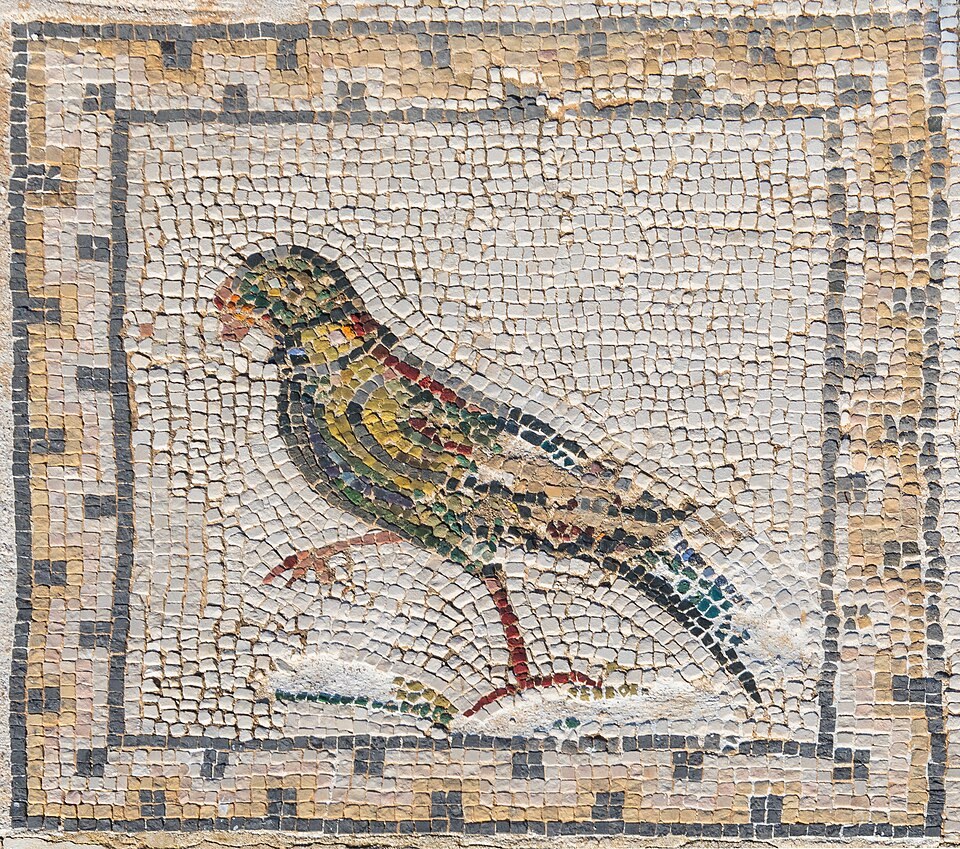 Italica: Mosaico de los Pájaros, ruinas romanas de Itálica, Santiponce, Sevilla, España, 2015-12...; visual evidence for the site, Roman period, archaeological site or museum context.
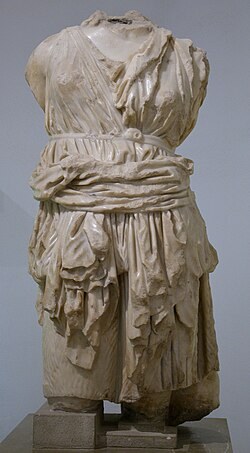 Italica: Torso of the goddess Diana, 2nd century AD, found in Italica, Seville Archaeological Mu...; visual evidence for the site, Roman period, archaeological site or museum context.
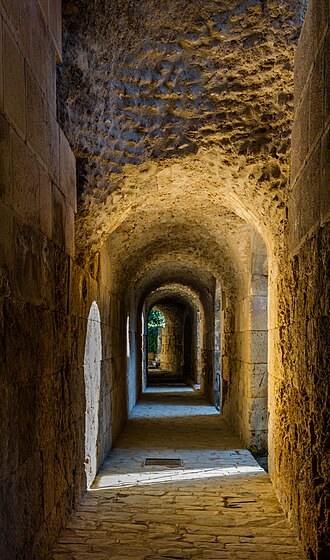 Italica: Anfiteatro de las ruinas romanas de Itálica, Santiponce, Sevilla, España, 2015-12-06, D...; visual evidence for the site, Roman period, archaeological site or museum context.
Interested in Ancient Rome beyond reading? Join Legio X Fretensis or explore our reenactment directions.


