Karanis
Karanis in the Fayum is one of the most important sources for daily life in Roman Egypt. Unlike monumental cities, it is valuable for houses, papyri, textiles, baskets, tools, vessels, cult objects, organic material and objects that usually survive poorly in other provinces.
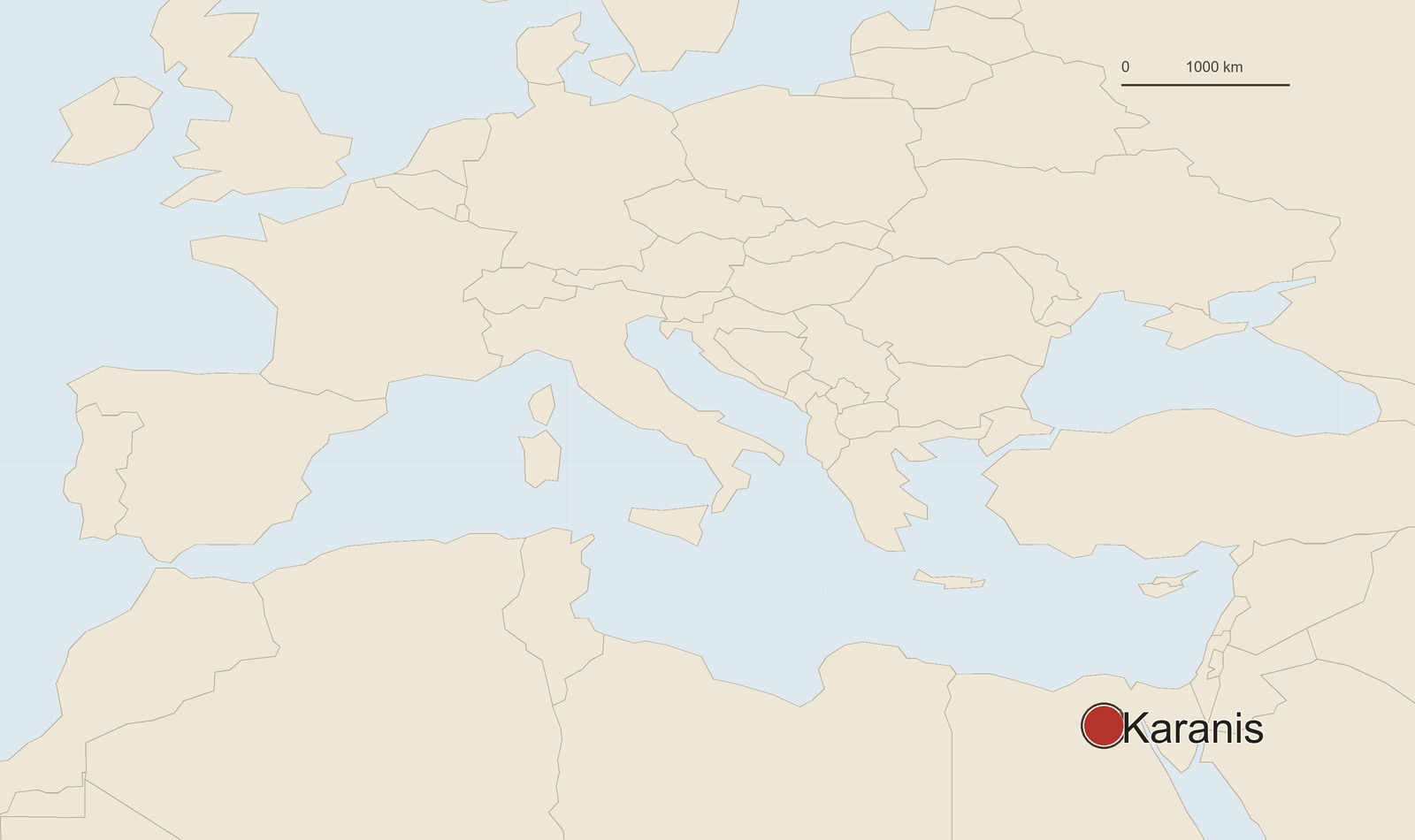 Location map: Karanis. The marker shows the ancient site or main archaeological complex.
Archaeological complex
The settlement existed in Hellenistic and Roman times as a rural-urban centre of the Fayum. Houses, grain spaces, temples, streets, service areas and documents connected with taxes, land, supply and everyday administration are archaeologically important.
Karanis is valuable for the preservation of daily life in an Egyptian settlement: mudbrick houses, service rooms, temples, documents, textiles, pottery and organic material provide evidence rarely preserved in western cities. Excavation views matter for the scale of residential quarters and desert preservation.
 Karanis: Karanis2; general view or excavated sector, Roman period, archaeological site or museum context.
Finds and material setting
Karanis provides rare organic material: textiles, wood, baskets, sandals, ropes, grain, papyri and small domestic objects. For reconstructing clothing, household economy, writing and domestic space, it is one of the best assemblages because objects often come from living contexts rather than display collections alone.
- mudbrick houses, temples, service rooms and rubbish deposits;
- papyri, ostraca, textiles, baskets, wood, pottery and seeds;
- evidence for fiscal, family and economic history;
- desert preservation and University of Michigan excavation records.
Interpretation and limits
Karanis is Egyptian, not an empire-wide template. Its climate and preservation provide exceptional evidence, but clothing, household practice and writing should be compared with other provinces rather than made the norm for all Rome.
Related topics
Literature and sources
- Enoch E. Peterson. Karanis: Topographical and Architectural Report. Ann Arbor, 1933.
- Elaine K. Gazda (ed.). Karanis: An Egyptian Town in Roman Times. Ann Arbor, 1983.
- Kelsey Museum of Archaeology: Karanis collections.


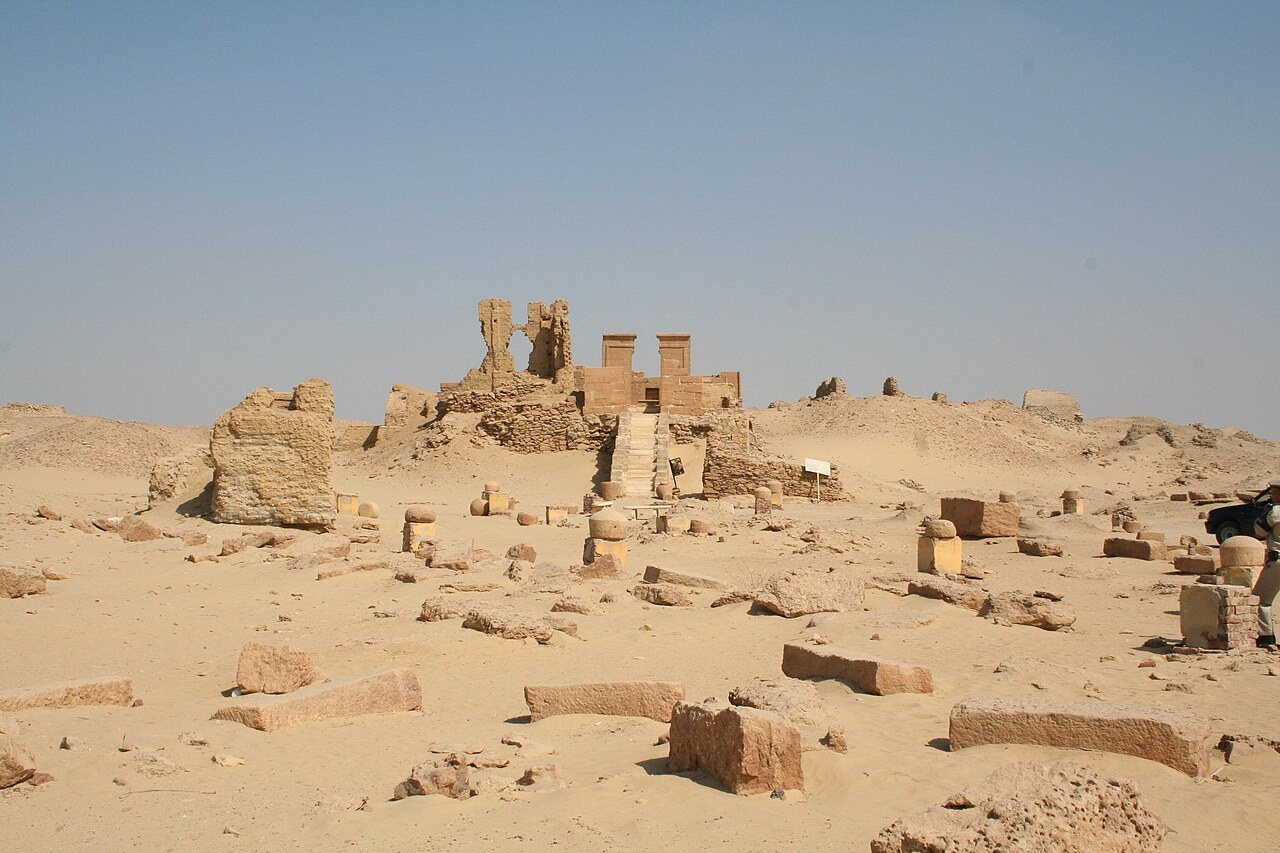 Karanis: Karanis 026; visual evidence for the site, Roman period, archaeological site or museum context.
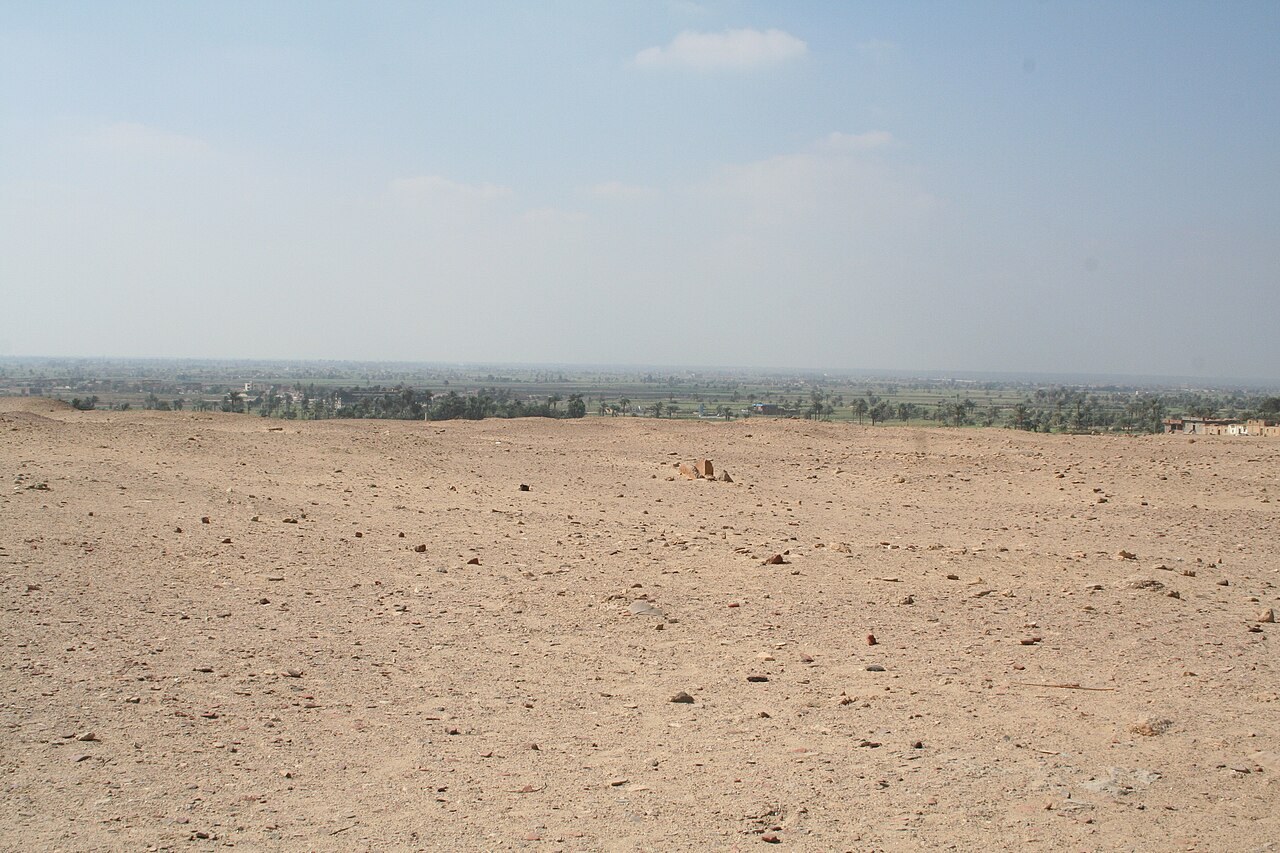 Karanis: Karanis 004; visual evidence for the site, Roman period, archaeological site or museum context.
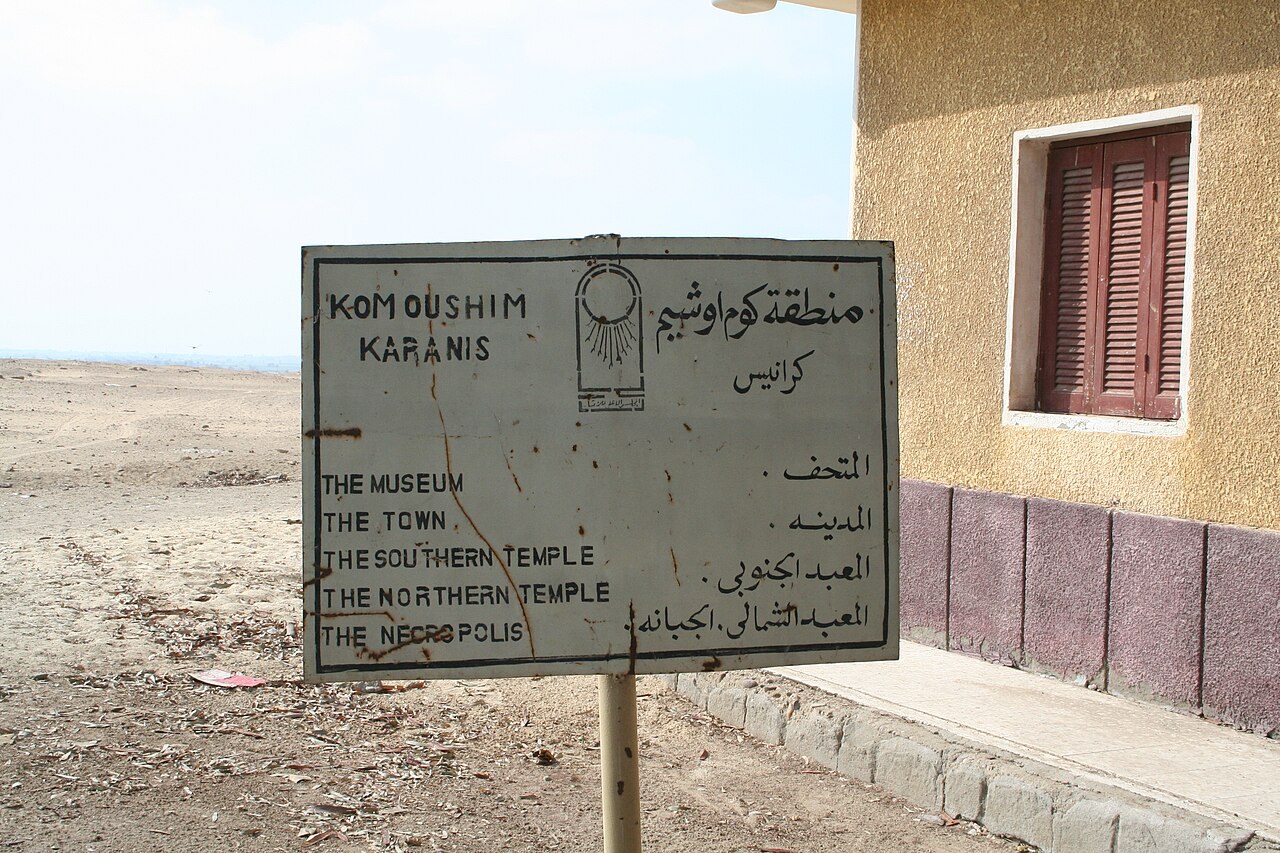 Karanis: Karanis 001; visual evidence for the site, Roman period, archaeological site or museum context.
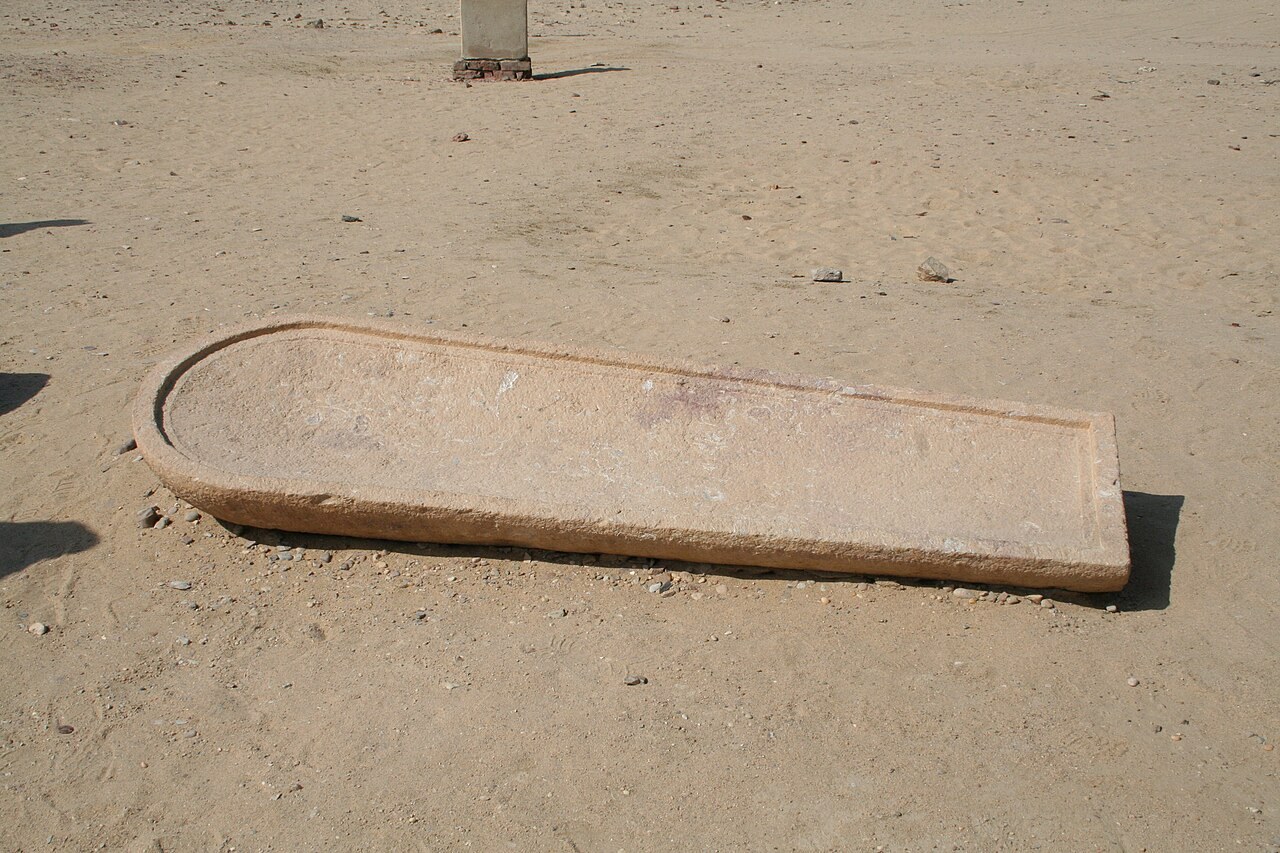 Karanis: Karanis 002; visual evidence for the site, Roman period, archaeological site or museum context.
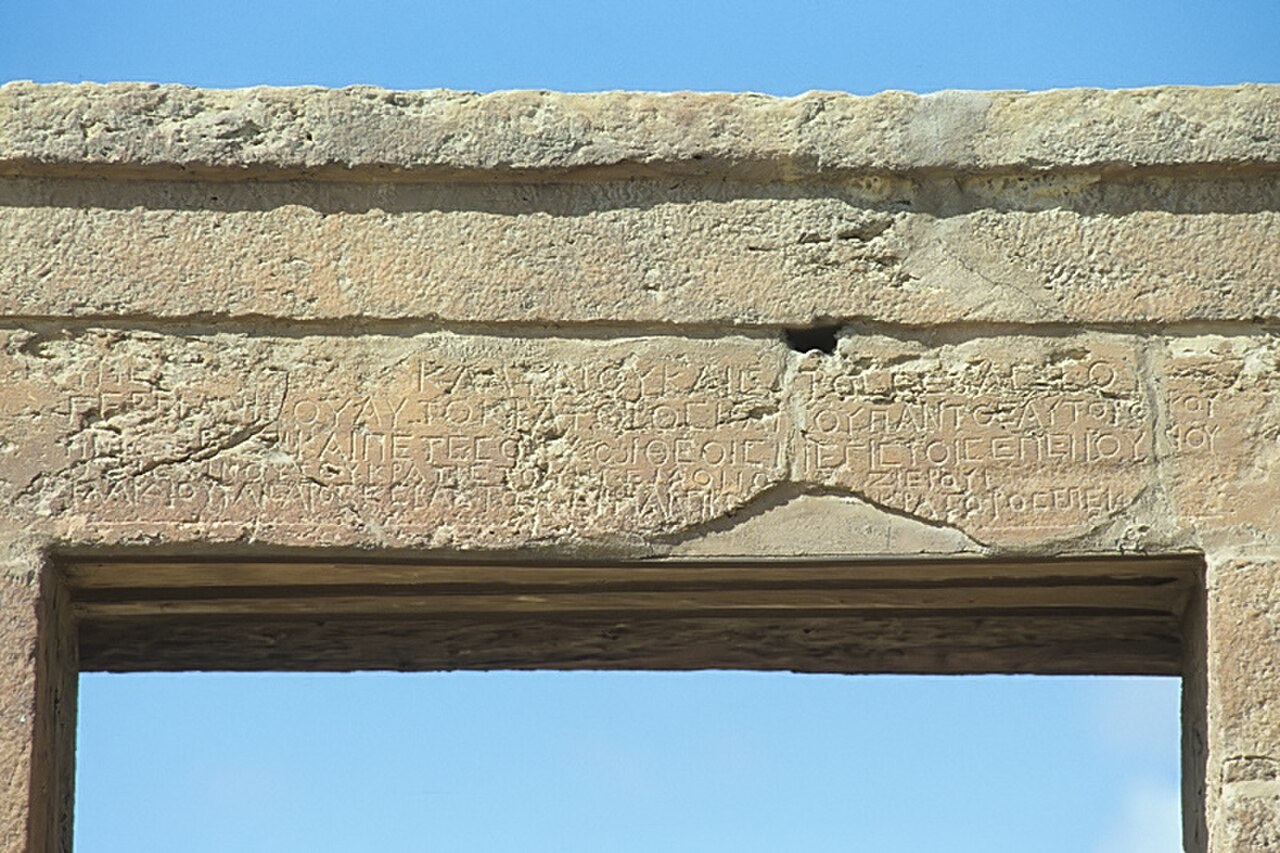 Karanis: KaranisSouthTempleGreekInscr; archaeological view, find or museum context connected with the site, Roman period or local archaeological context.
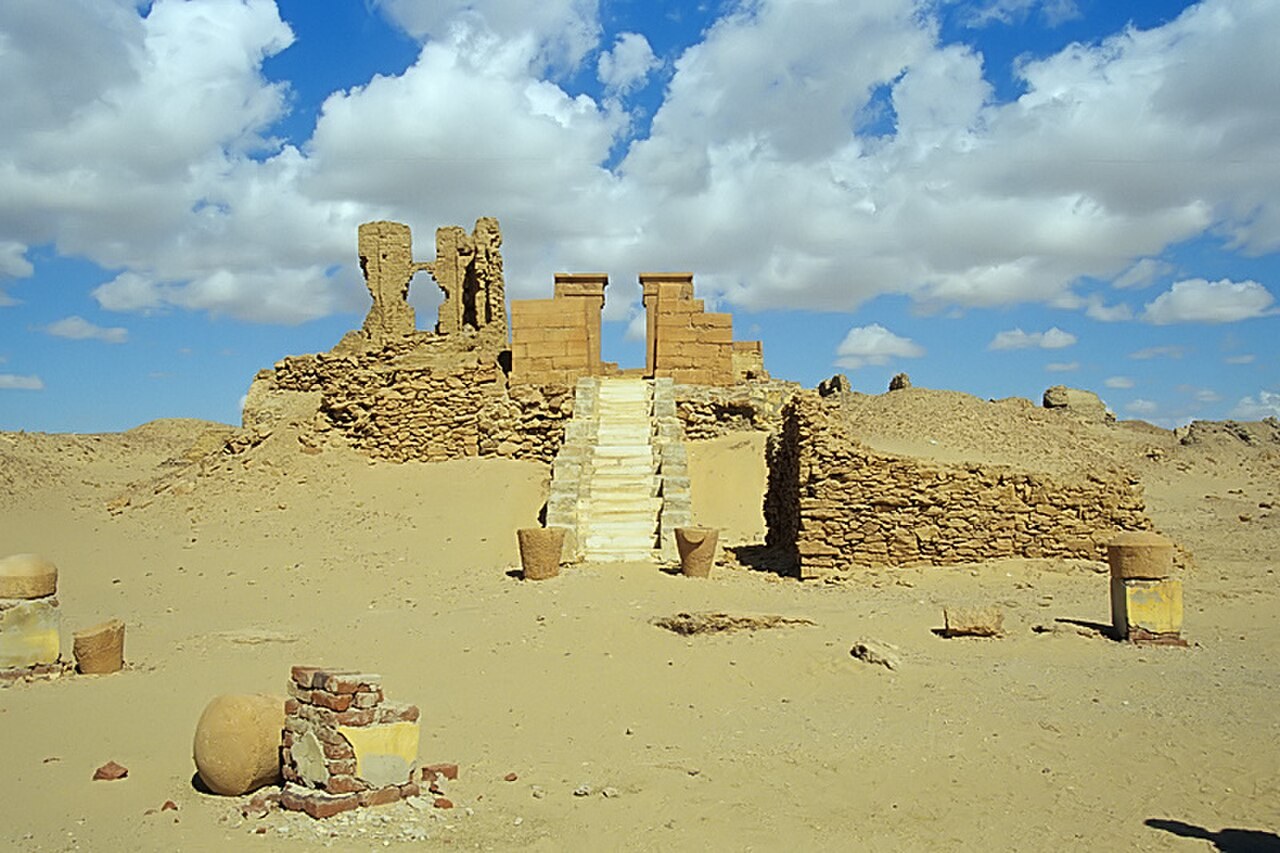 Entrance to the north temple at Karanis.
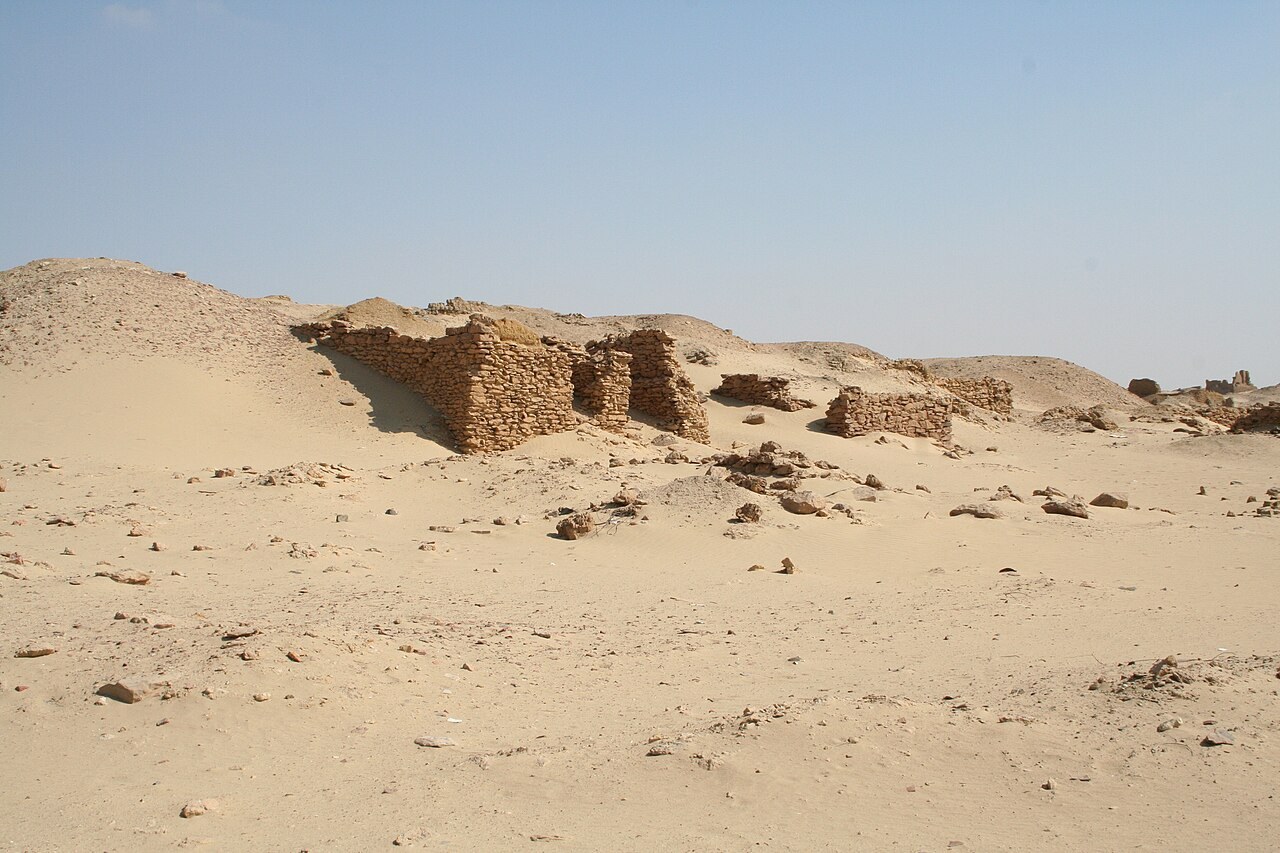 Karanis: Karanis 008; archaeological view, find or museum context connected with the site, Roman period or local archaeological context.
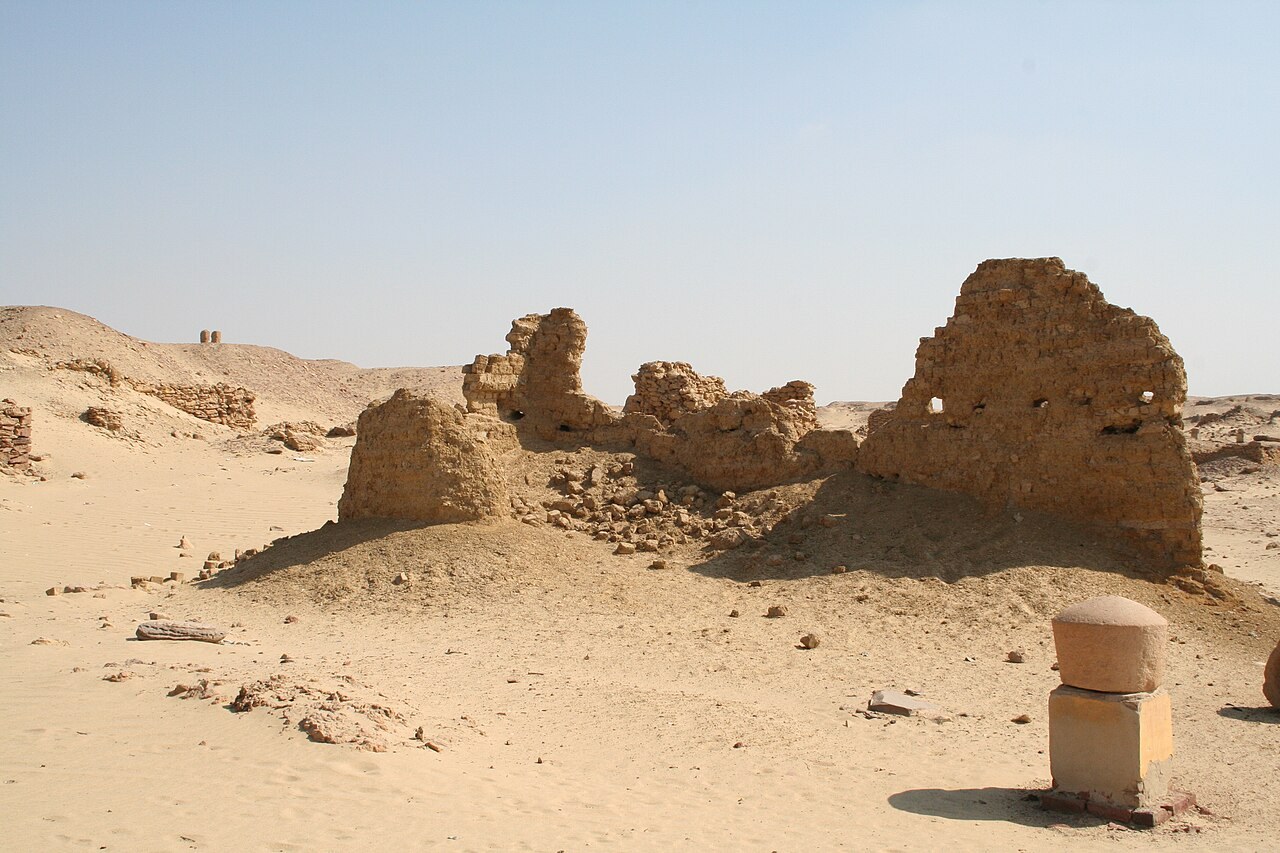 Karanis: Karanis 009; archaeological view, find or museum context connected with the site, Roman period or local archaeological context.
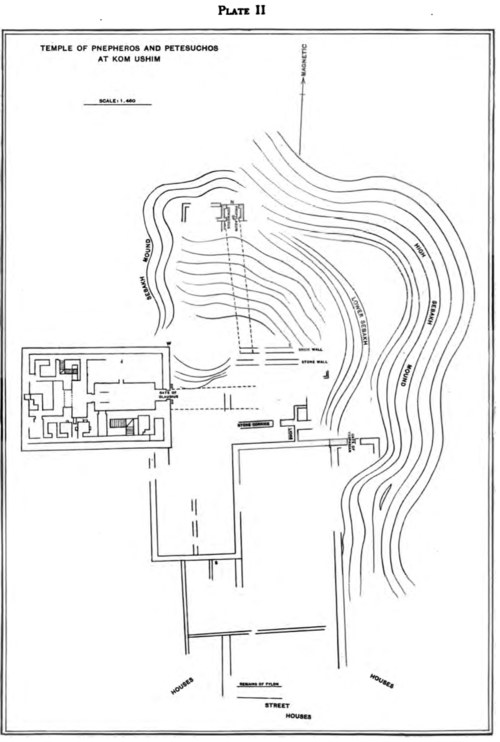
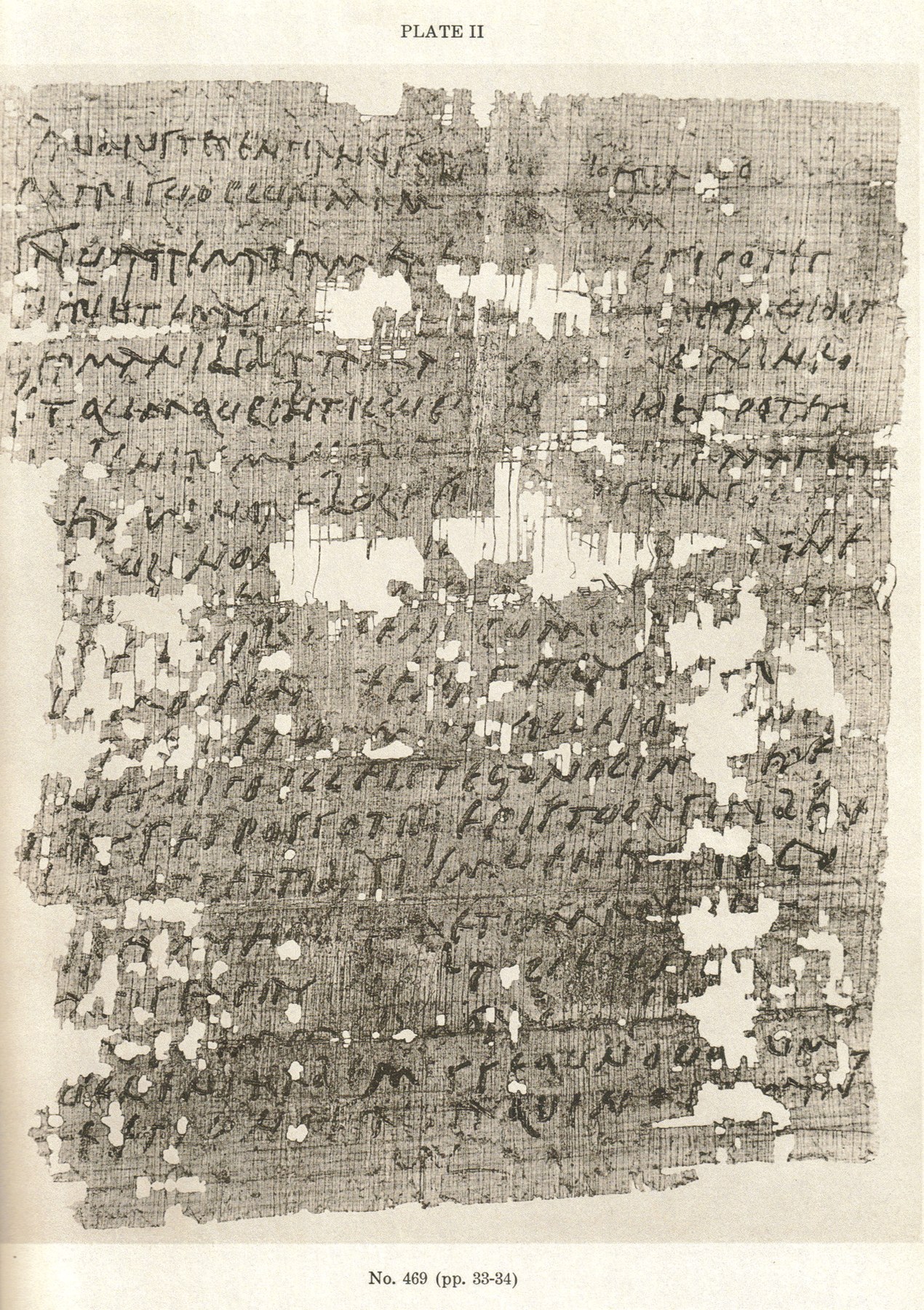 Karanis: PLATE2; visual evidence for the site, Roman period, archaeological site or museum context.
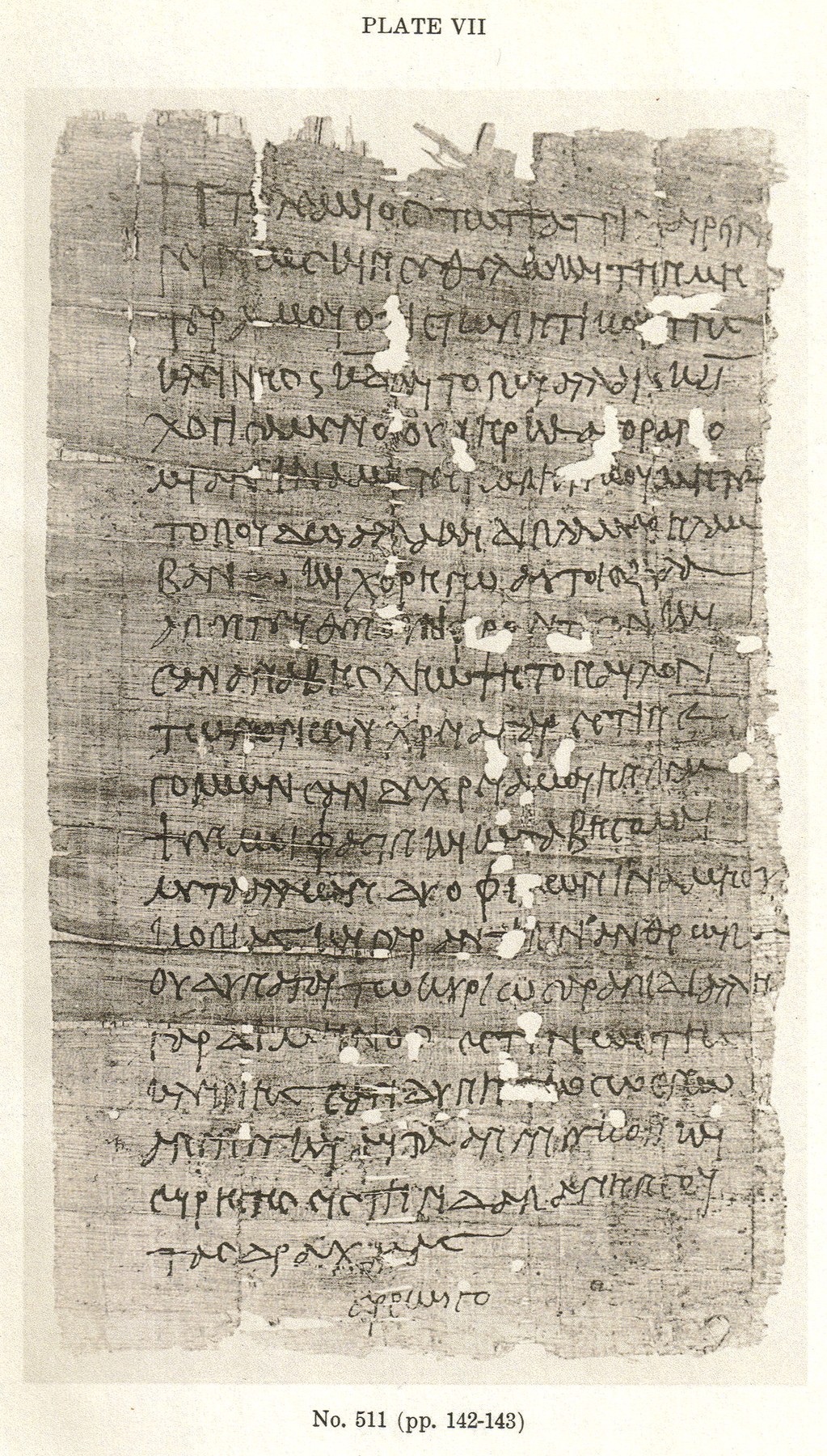 Karanis: PLATE7; visual evidence for the site, Roman period, archaeological site or museum context.
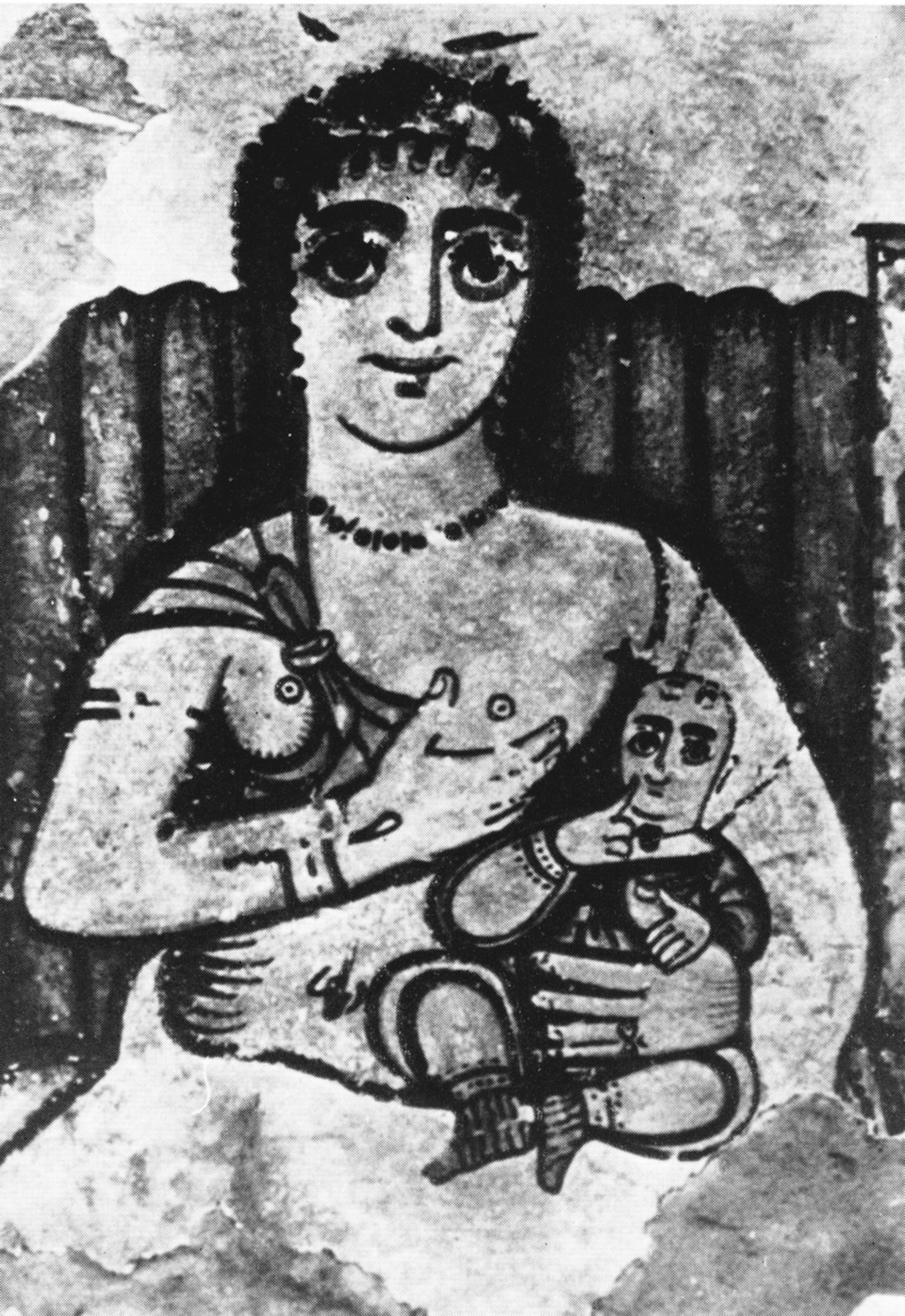 Karanis: Figure-6-Fresco-of-Isis-lactans-at-Karanis-fourth-century-CE-Karanis-Tran-Tam-Tinh; visual evidence for the site, Roman period, archaeological site or museum context.
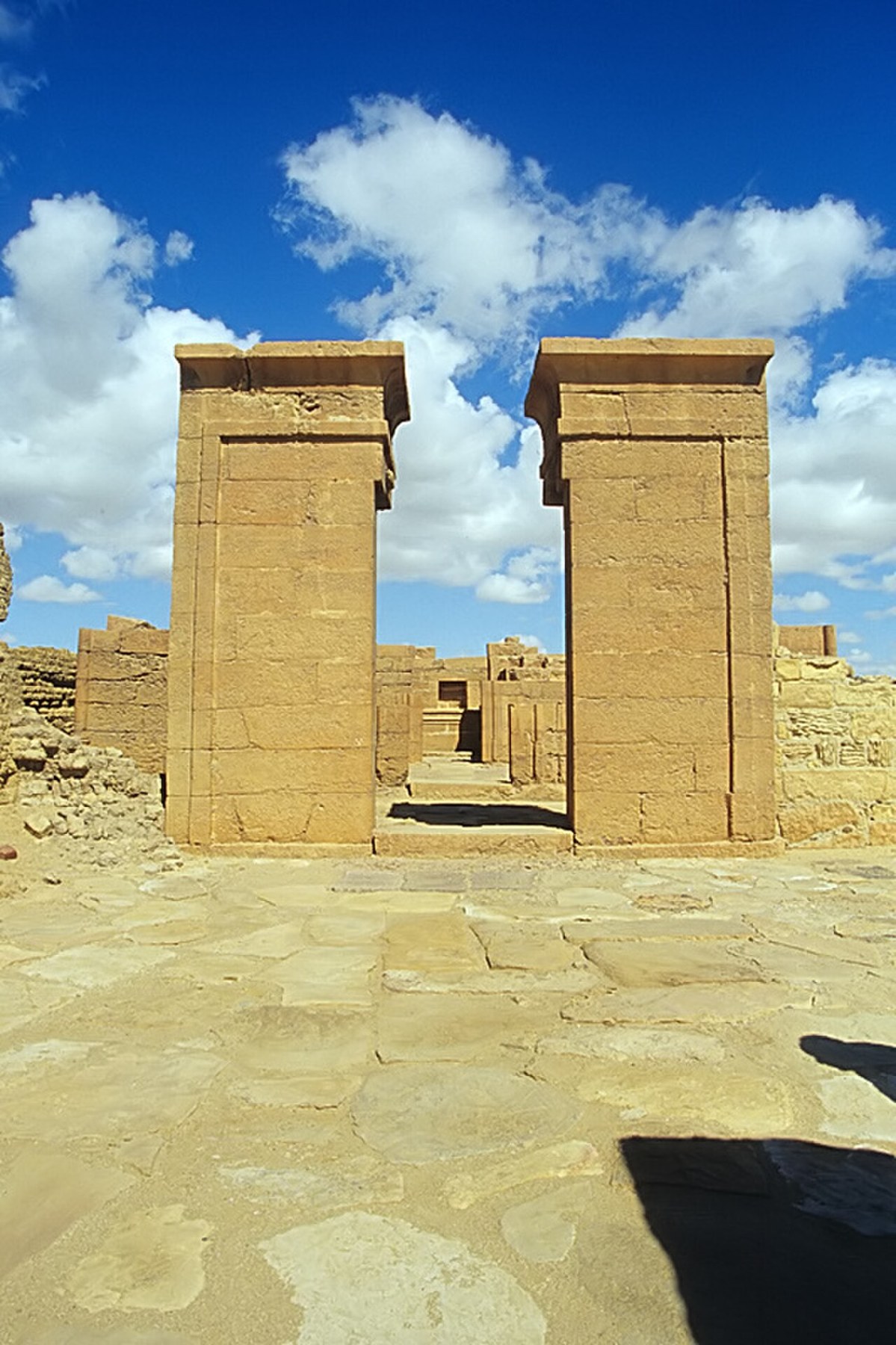 Entrance to the north temple at Karanis.
Interested in Ancient Rome beyond reading? Join Legio X Fretensis or explore our reenactment directions.


