Trier / Augusta Treverorum
Trier, Roman Augusta Treverorum, was one of the major cities of the north-western empire and a late antique imperial residence. Its archaeological value lies in the scale of preserved structures: gates, baths, basilica, amphitheatre, bridge, cemeteries and urban fabric.
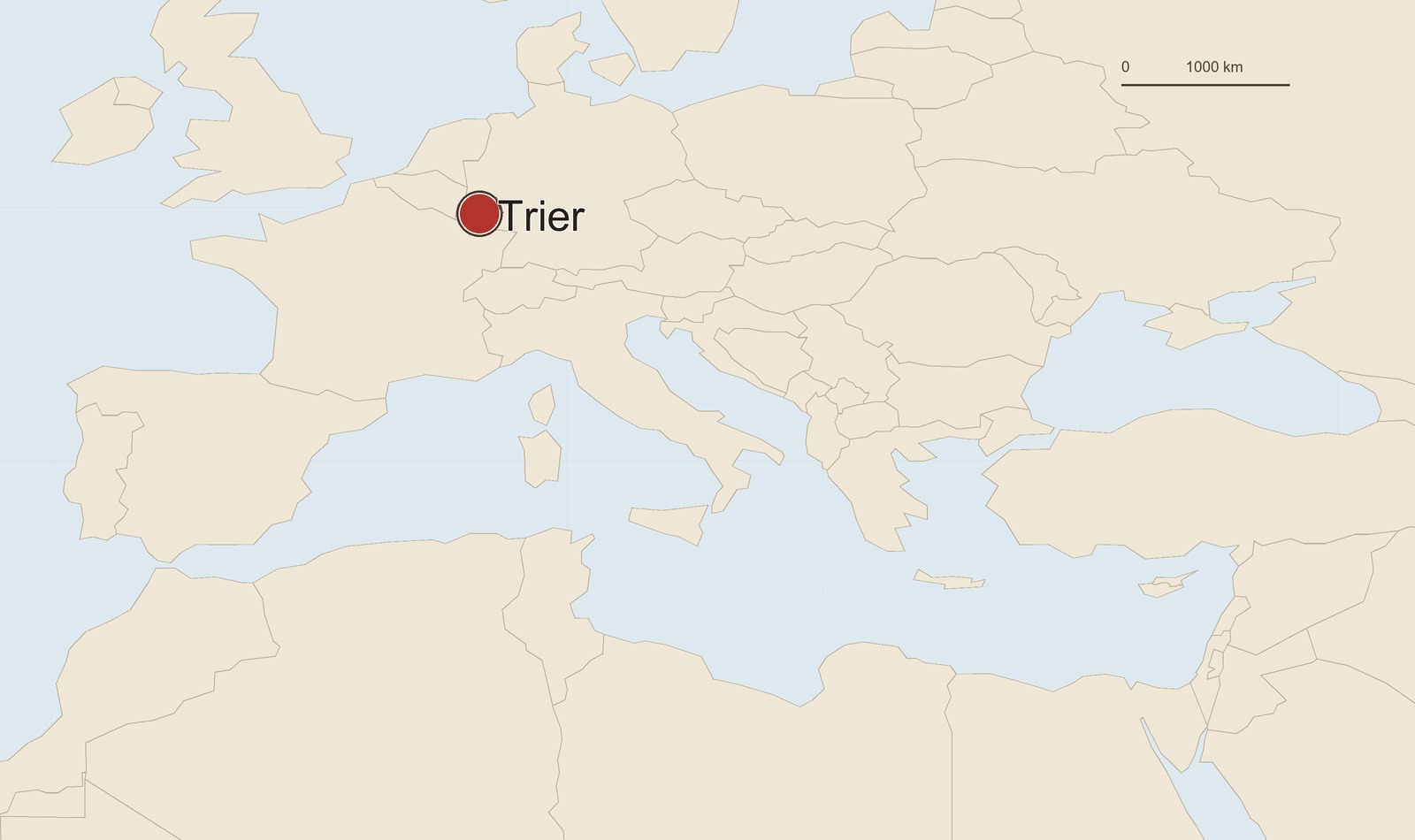 Location map: Trier / Augusta Treverorum. The marker shows the ancient site or main archaeological complex.
Archaeological complex
The city developed in the territory of the Treveri and became an administrative centre, especially important in the third and fourth centuries. Porta Nigra, the Imperial Baths, Barbara Baths, Constantine Basilica, amphitheatre and Roman bridge show capital-level urban infrastructure outside Italy. For the late empire, it is a key complex.
Trier combines urban excavation with major standing monuments: Porta Nigra, imperial baths, basilica, bridges, amphitheatre and subterranean archaeological areas show a Late Roman capital within a modern city. Photographs are needed to distinguish preserved monumental architecture from layers exposed by excavation.
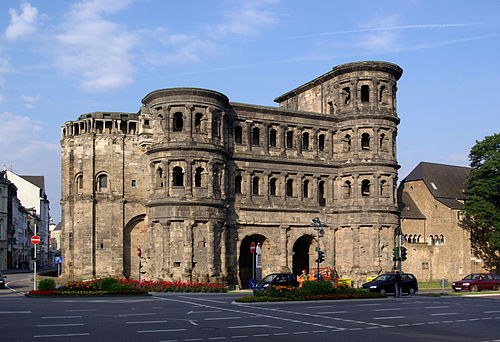 Trier / Augusta Treverorum: Trier Porta Nigra BW 1; general view or excavated sector, Roman period, archaeological site or museum context.
Finds and material setting
Trier's evidence includes architecture, sculpture, coins, inscriptions, glass, pottery, funerary assemblages and traces of crafts. The links between monumental architecture and daily life are especially useful: huge baths and residence buildings stood alongside workshops, houses and cemeteries.
- Porta Nigra, baths, amphitheatre, basilica and bridge infrastructure;
- urban layers beneath the modern city;
- sculpture, inscriptions, coins, funerary monuments and domestic material;
- Late Roman administrative and palace zones.
Interpretation and limits
Trier is above all a late antique centre. If used for early imperial reconstruction, early urban layers must be separated from the Tetrarchic and Constantinian phases, otherwise the city will misleadingly look the same across several centuries.
Related topics
Literature and sources
- Hans-Peter Kuhnen (ed.). Das römische Trier. Stuttgart, 2001.
- UNESCO World Heritage: Roman Monuments, Cathedral of St Peter and Church of Our Lady in Trier.
- Rheinisches Landesmuseum Trier: archaeological collections.


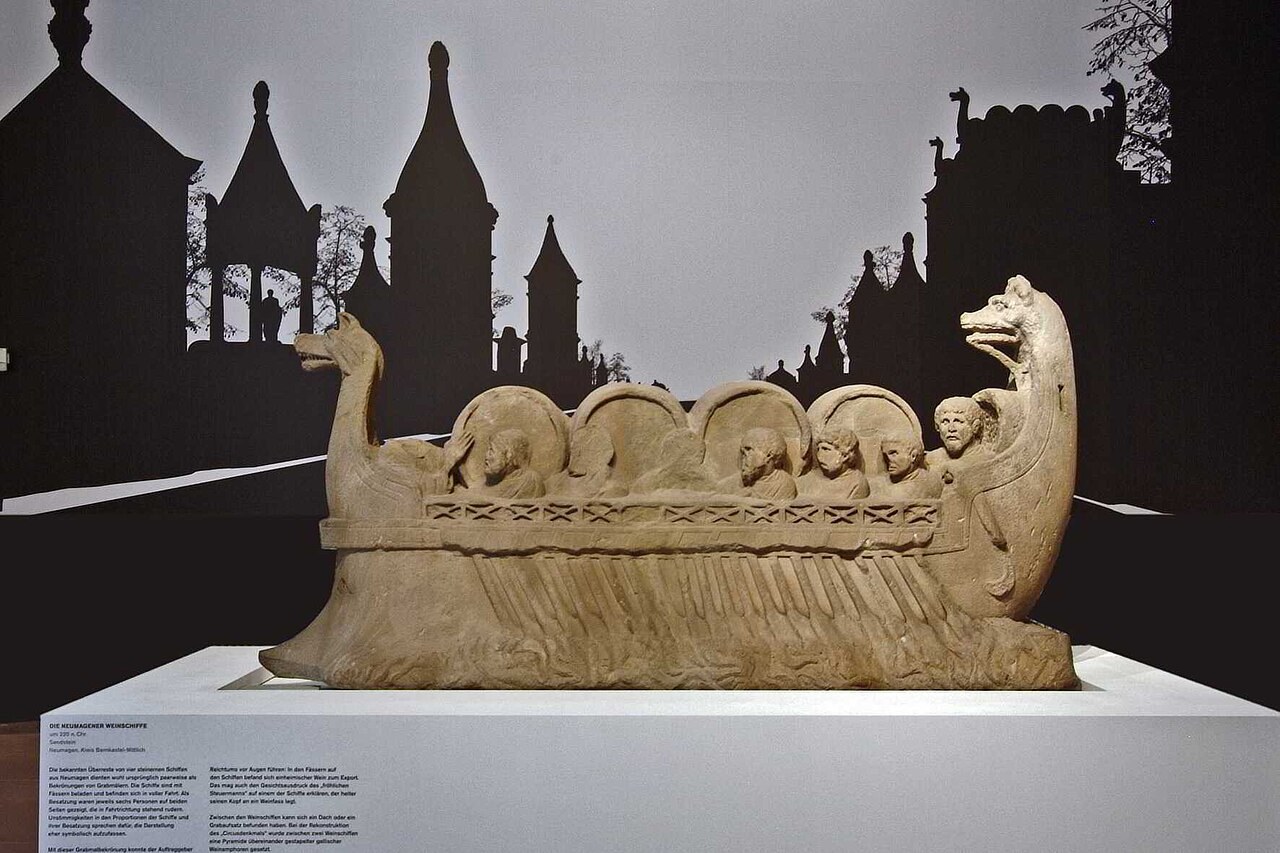 Trier / Augusta Treverorum: Weinschiff Neumagen; visual evidence for the site, Roman period, archaeological site or museum context.
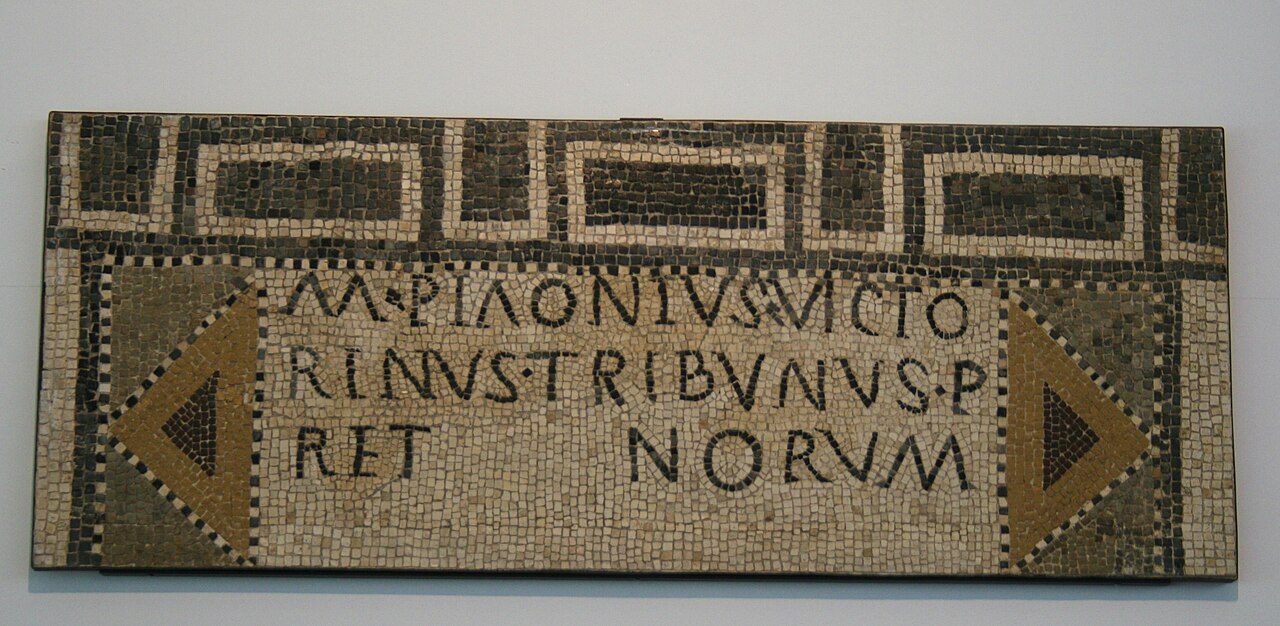 Trier / Augusta Treverorum: Victorinus Mosaik; visual evidence for the site, Roman period, archaeological site or museum context.
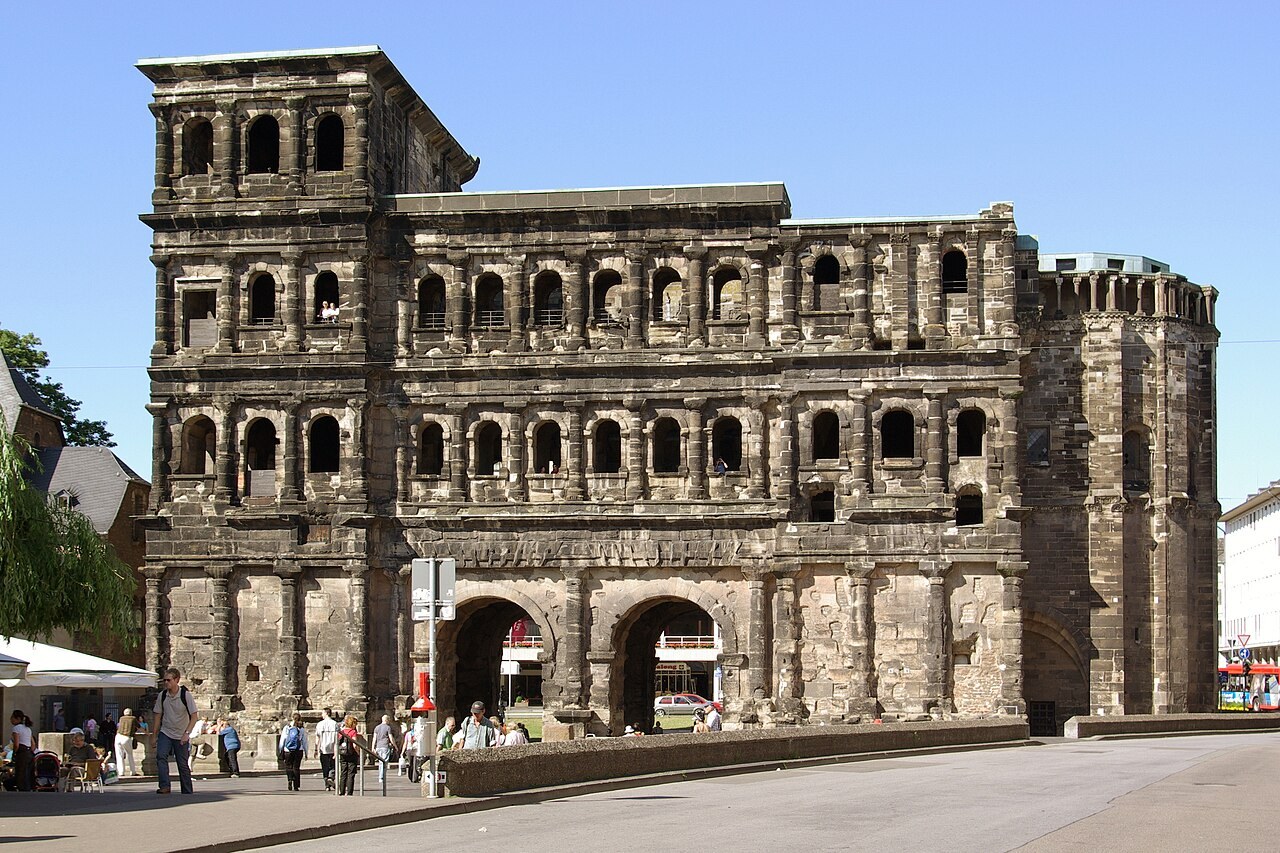 Trier / Augusta Treverorum: Trier Porta Nigra BW 3; visual evidence for the site, Roman period, archaeological site or museum context.
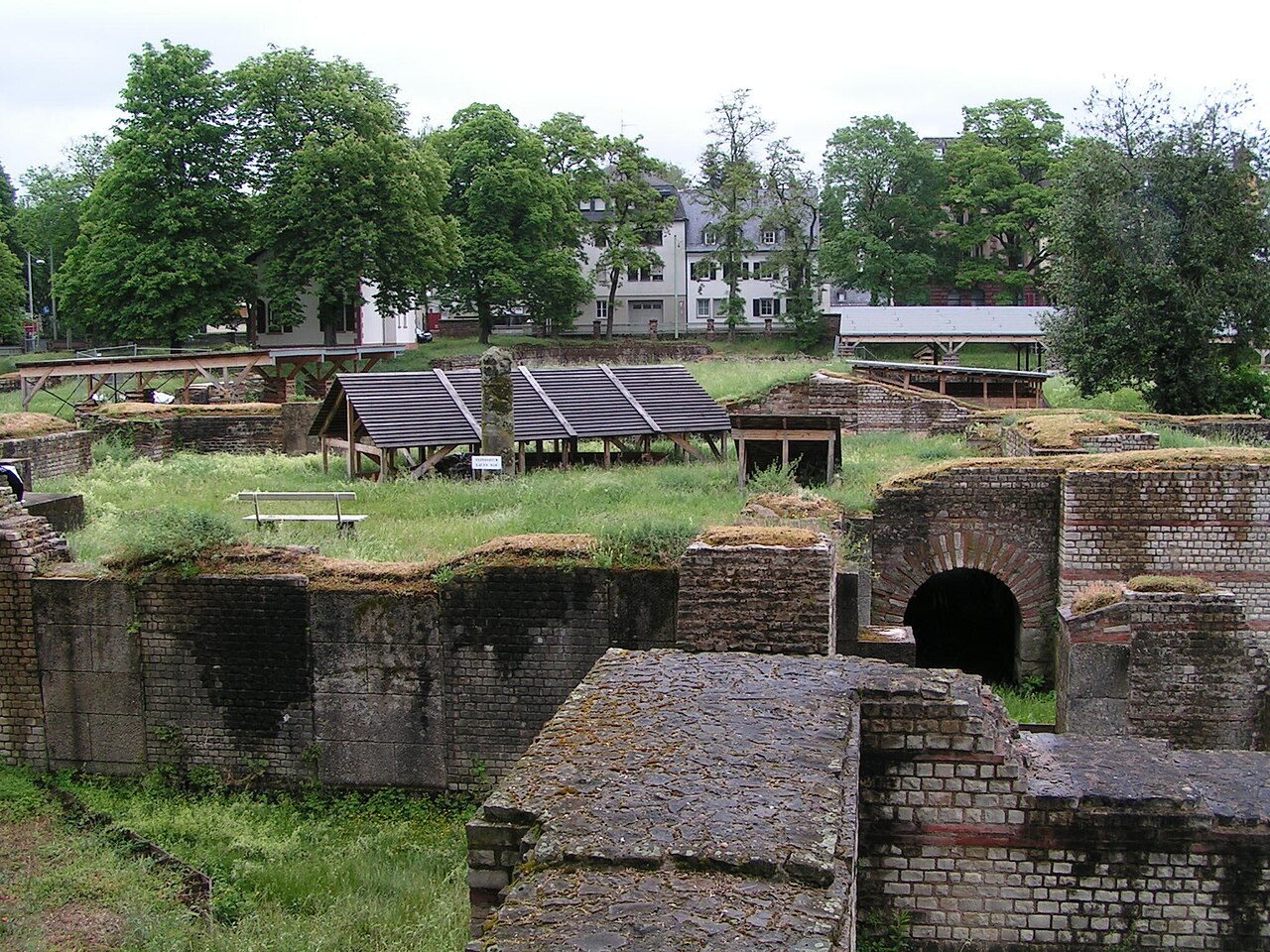 Trier / Augusta Treverorum: Trier Barbarathermen; visual evidence for the site, Roman period, archaeological site or museum context.
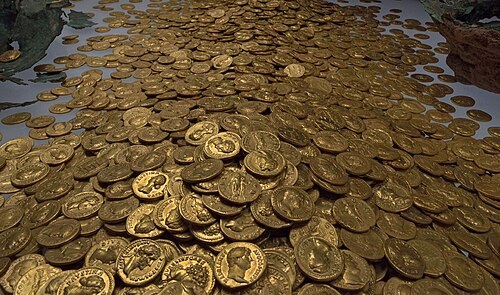 Trier / Augusta Treverorum: Trierer Goldmuenzenschatz; visual evidence for the site, Roman period, archaeological site or museum context.
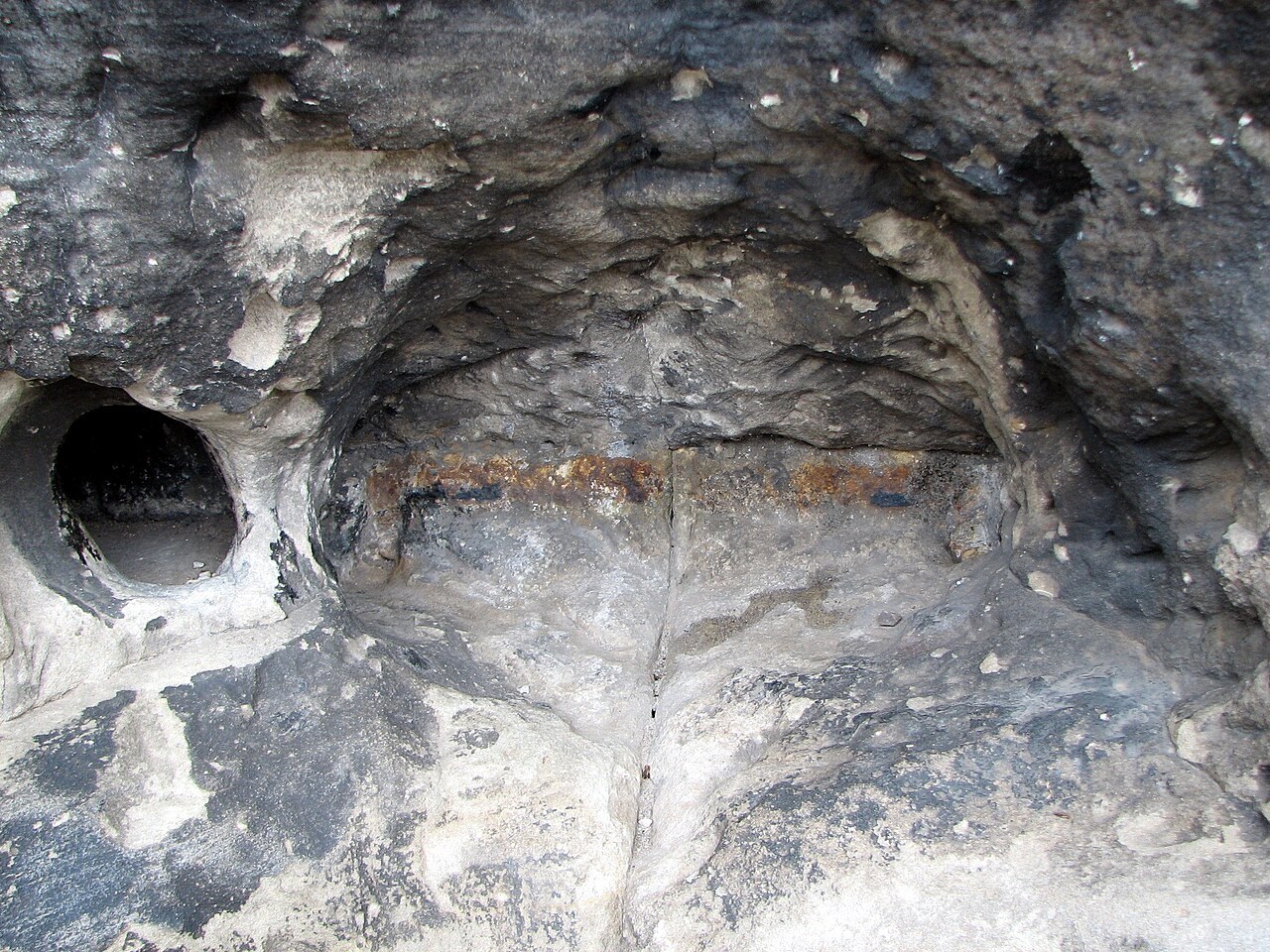 Trier / Augusta Treverorum: Remains of a iron clamp Porta Nigra; material-culture object or museum find connected with the site, Roman period or local archaeological context.
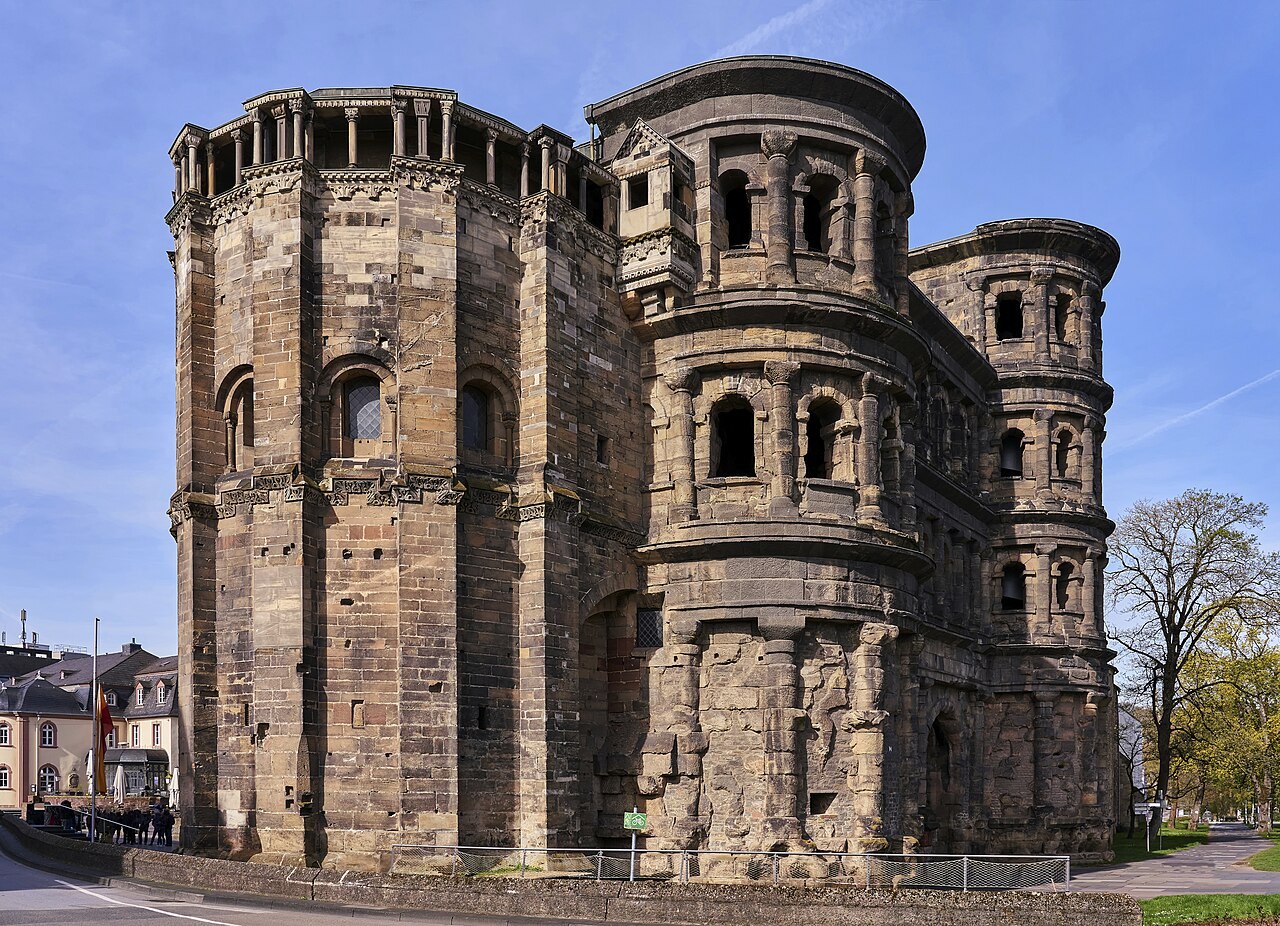 Trier / Augusta Treverorum: Germany Rhineland-Palatinate Trier Porta Nigra seen from ENE; archaeological view, find or museum context connected with the site, Roman period or local archaeological context.
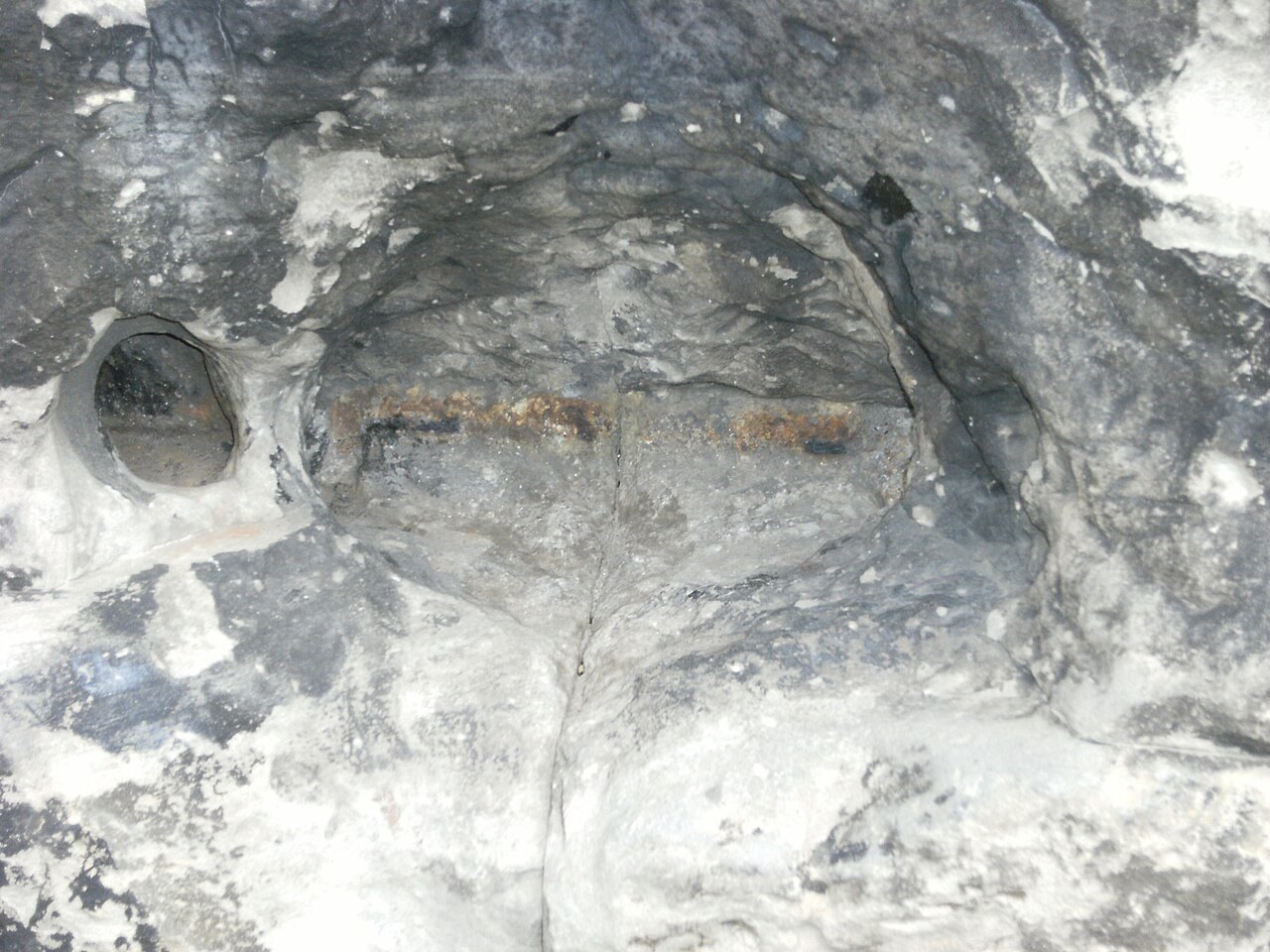 Trier / Augusta Treverorum: Detail wall Porta Nigra 2; archaeological view, find or museum context connected with the site, Roman period or local archaeological context.
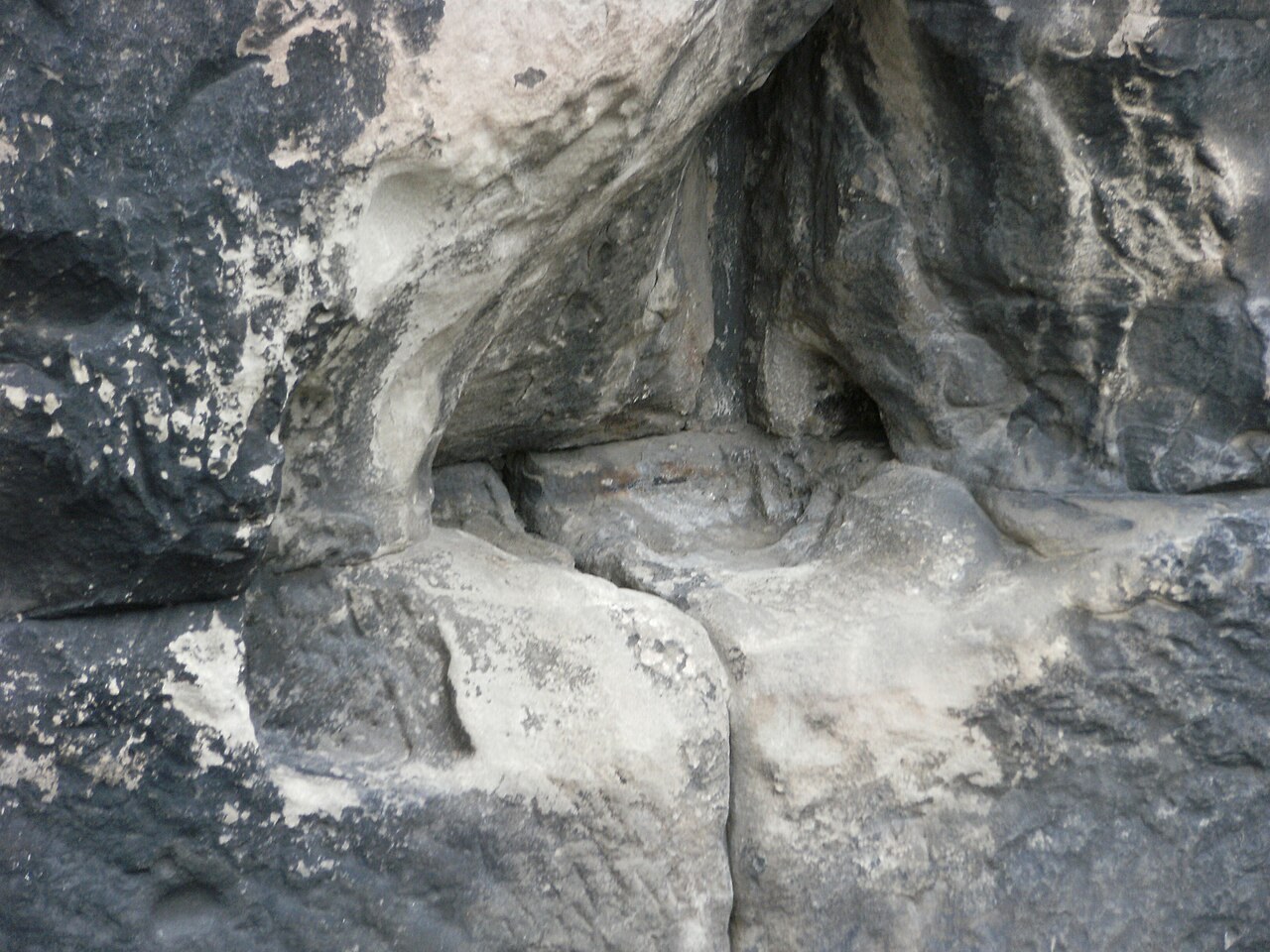 Trier / Augusta Treverorum: Detail wall Porta Nigra; archaeological view, find or museum context connected with the site, Roman period or local archaeological context.
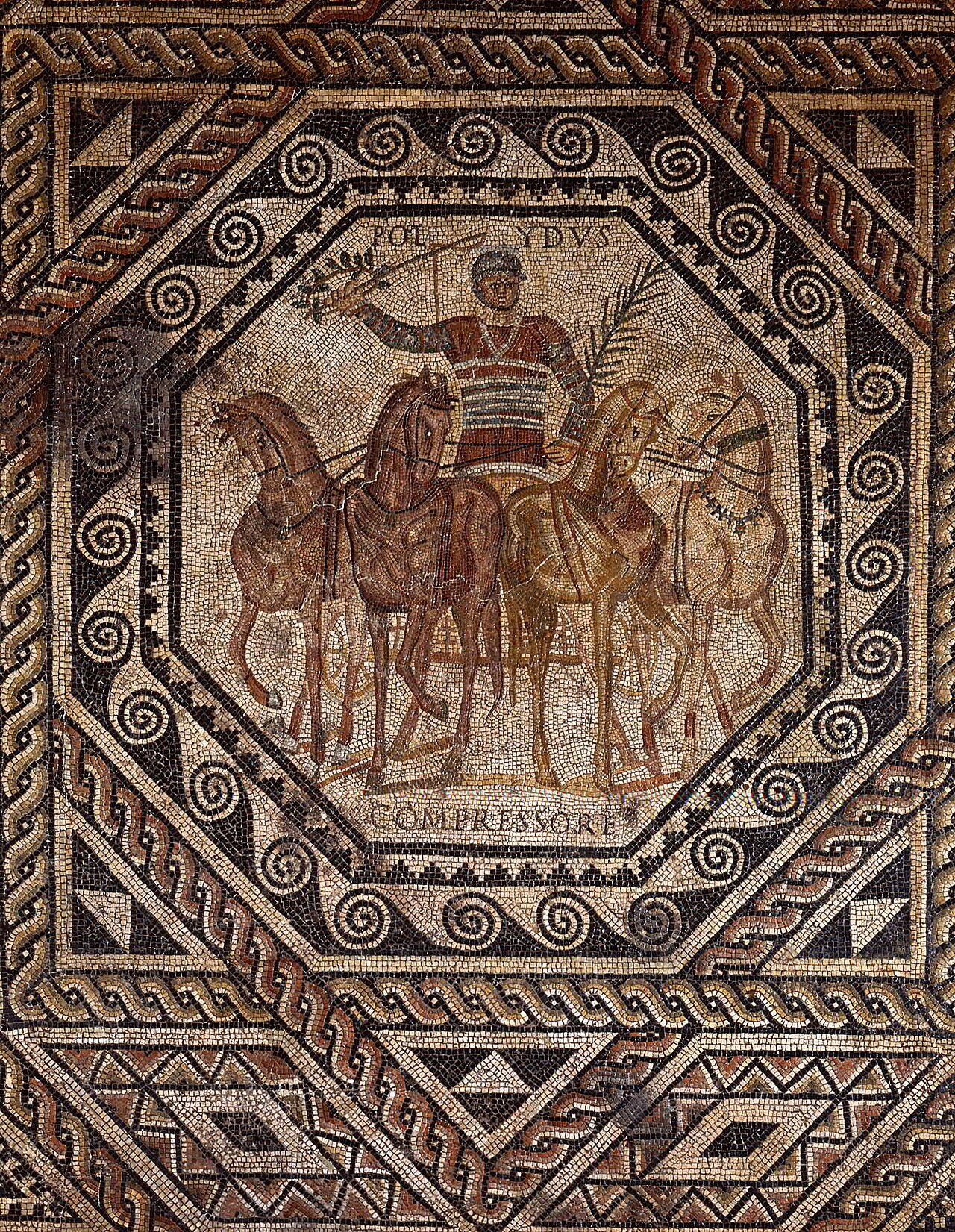 Trier / Augusta Treverorum: Polydus; visual evidence for the site, Roman period, archaeological site or museum context.
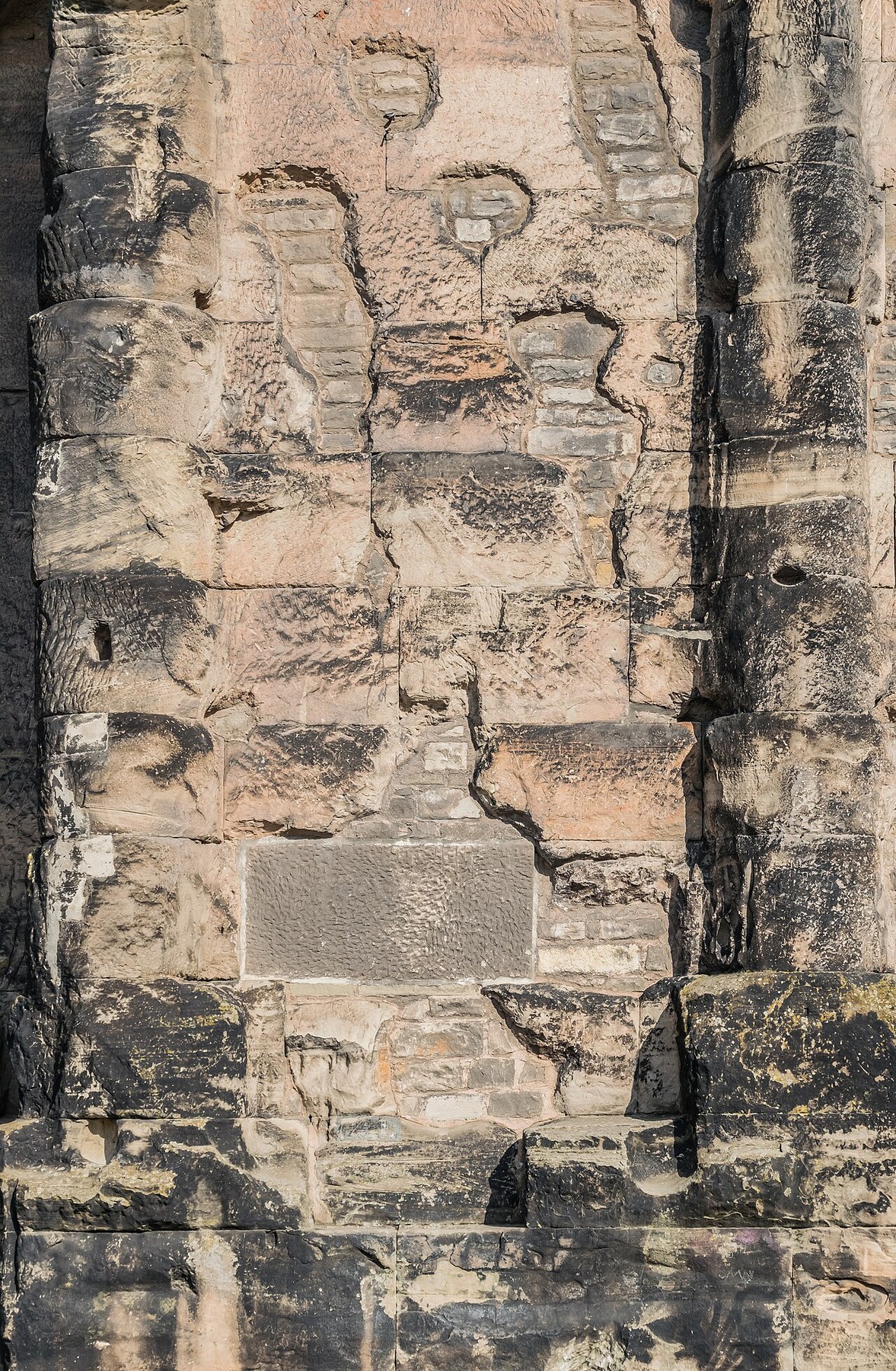 Trier / Augusta Treverorum: Porta Nigra in Trier (4); archaeological view, find or museum context connected with the site, Roman period or local archaeological context.
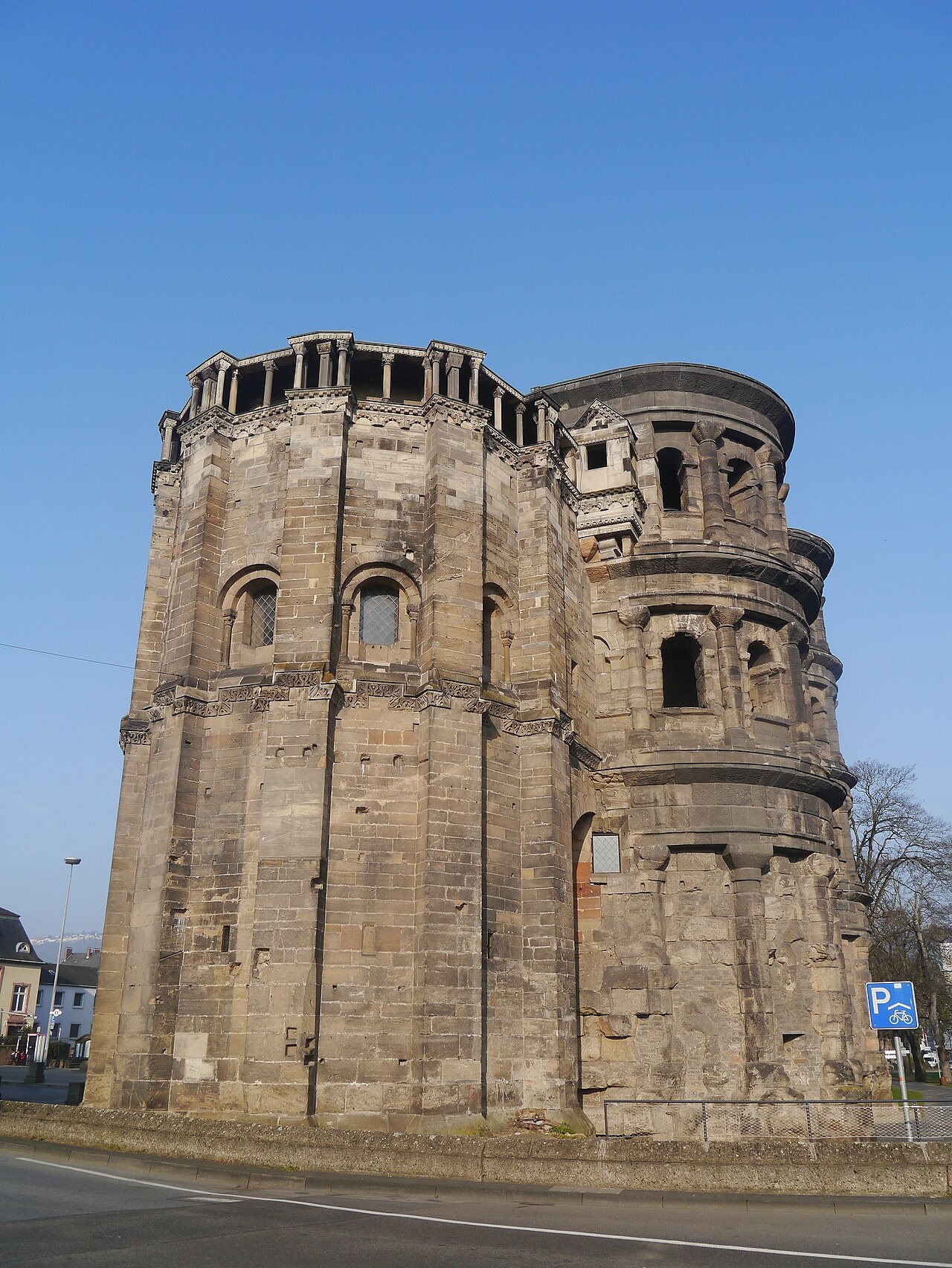 Trier / Augusta Treverorum: Trier Porta Nigra 05; archaeological view, find or museum context connected with the site, Roman period or local archaeological context.
Interested in Ancient Rome beyond reading? Join Legio X Fretensis or explore our reenactment directions.


