Viminacium
Viminacium in Moesia was a legionary base, city and important Danubian centre. Its archaeological importance lies in the military base, amphitheatre, baths, aqueduct, workshops, huge cemeteries, inscriptions and evidence for life on the Danube frontier.
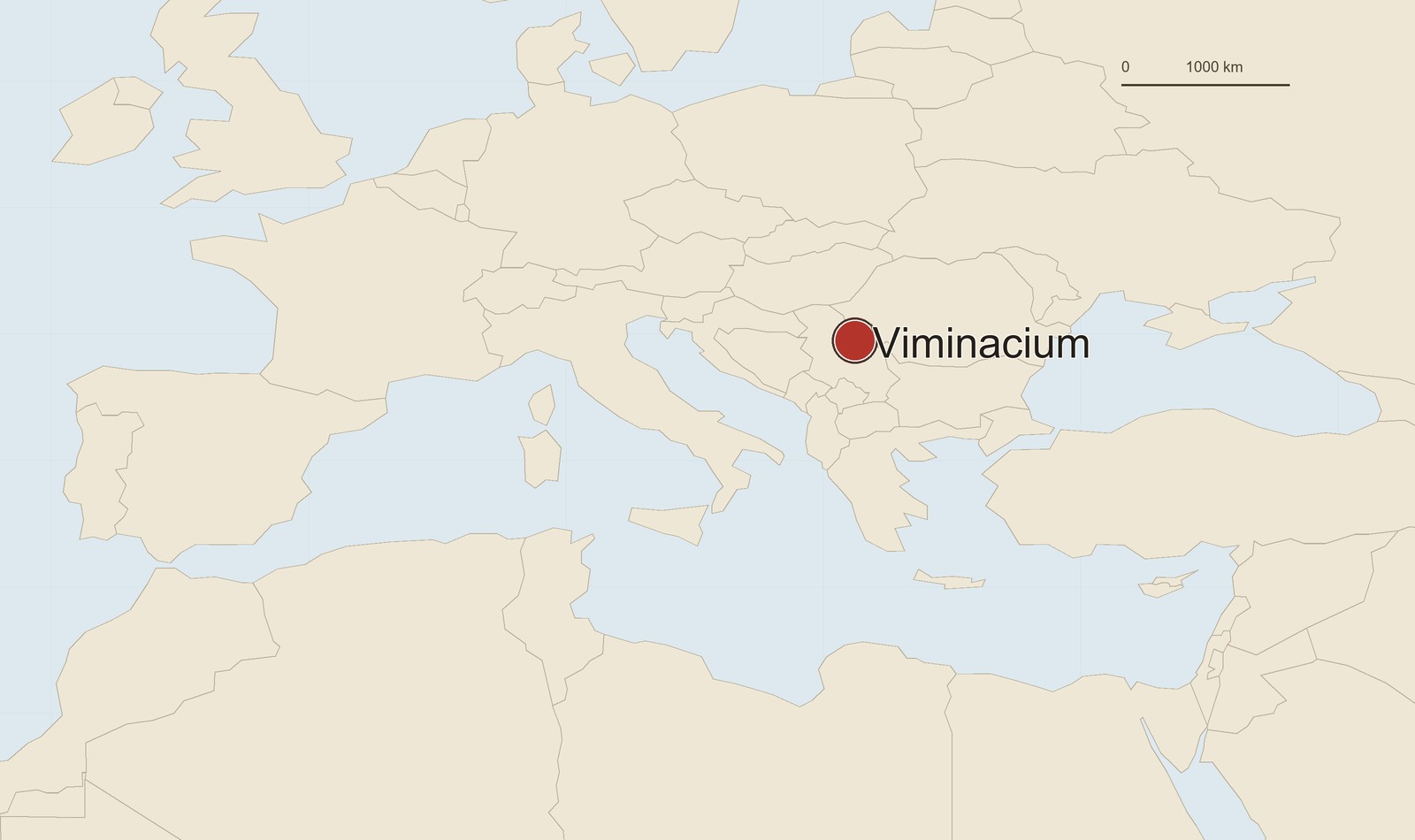 Location map: Viminacium. The marker shows the ancient site or main archaeological complex.
Archaeological complex
The site is associated above all with Legio VII Claudia and the administration of Upper Moesia. The fortress, urban zone, roads, water supply and cemeteries show how a military base became an economic and social centre of the region.
Viminacium combines camp, city, cemeteries, amphitheatre, baths and military infrastructure on the Danube frontier. Excavation photographs help explain how legionary base, civilian settlement and burial zones formed one complex.
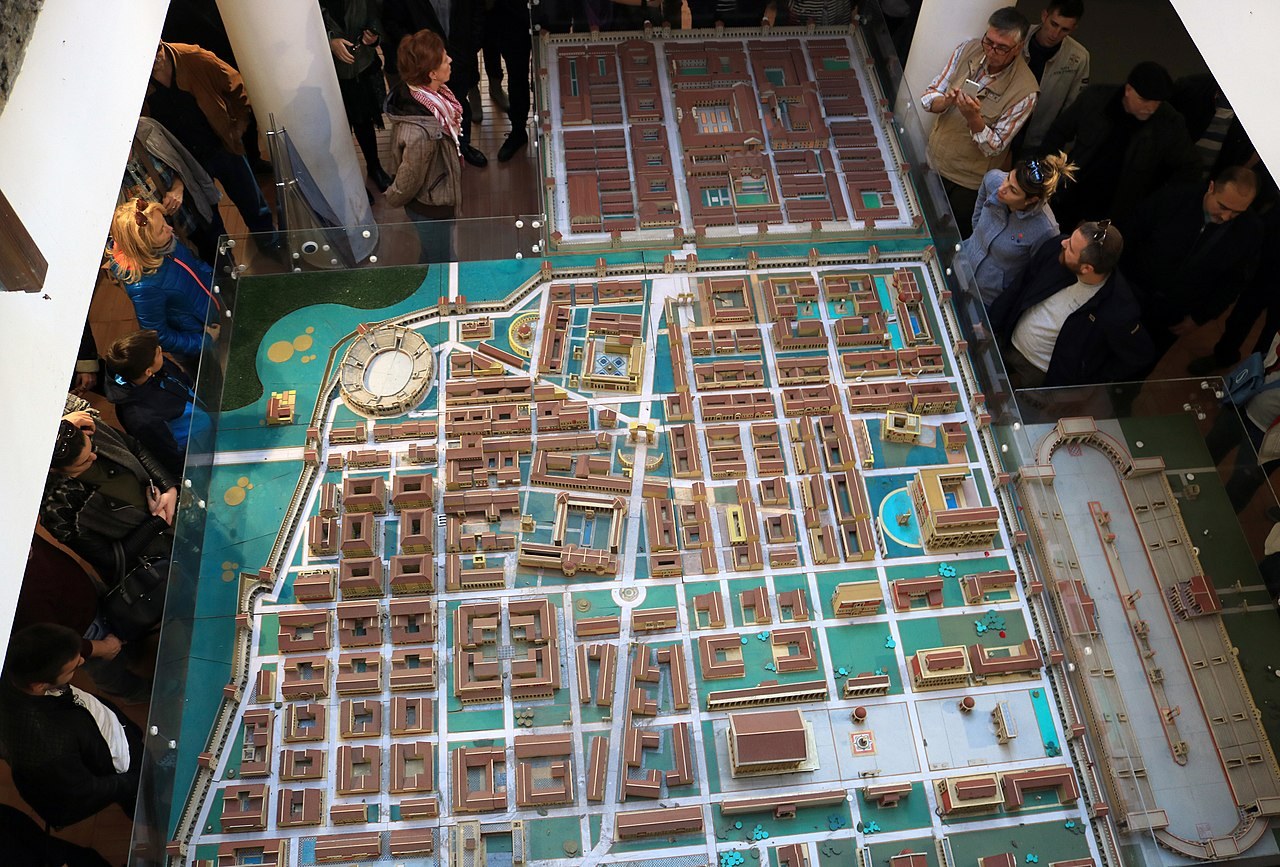 View of the Viminacium archaeological complex.
Finds and material setting
Viminacium provides rich funerary assemblages, tombstones, sarcophagi, tomb frescoes, coins, pottery, glass, military finds and craft traces. The cemeteries are especially important for reconstruction because they show clothing, ornaments, names, statuses, religious formulae and population mixture.
- legionary camp, city, amphitheatre, baths and roads;
- cemeteries, grave goods, inscriptions, pottery and coins;
- military stamps, building material and traces of Danube logistics;
- Late Antique frontier changes.
Interpretation and limits
Viminacium should not be described only as a legionary camp. Its evidence is broader: military, urban, craft and funerary archaeology work together here. That makes the site a strong bridge between the army and provincial society.
Related topics
Literature and sources
- Miroslav Vujovic, Miomir Korac. Viminacium: Roman City and Legionary Fortress. Belgrade, 2014.
- Viminacium Archaeological Park: excavation material.
- Studies on the Danubian limes and Moesia Superior.


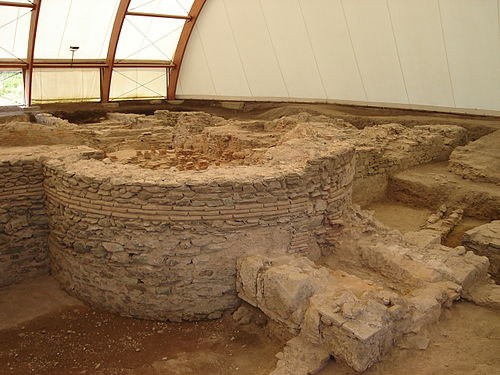 Viminacium: Viminatium; visual evidence for the site, Roman period, archaeological site or museum context.
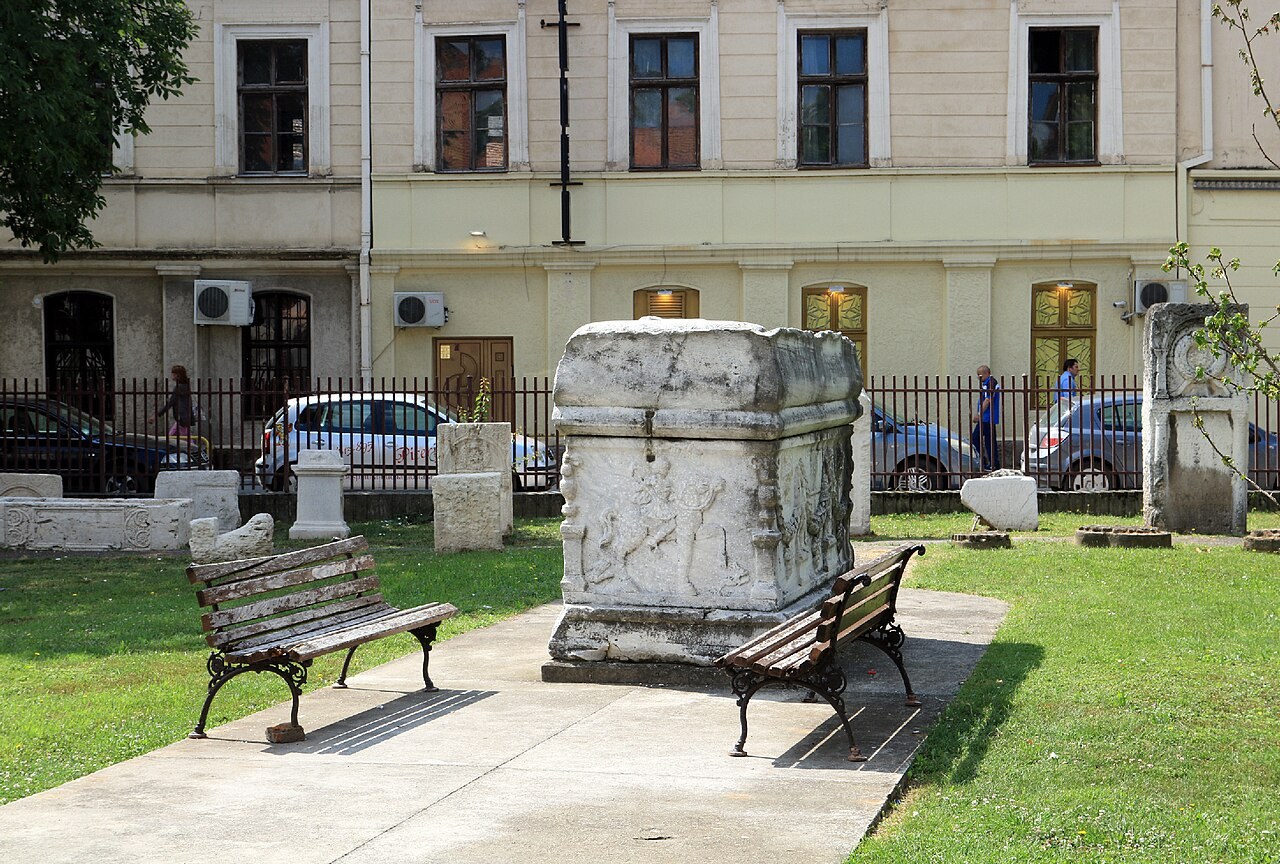 Viminacium: Roman sarcophagus in front of the National museum in Požarevac; visual evidence for the site, Roman period, archaeological site or museum context.
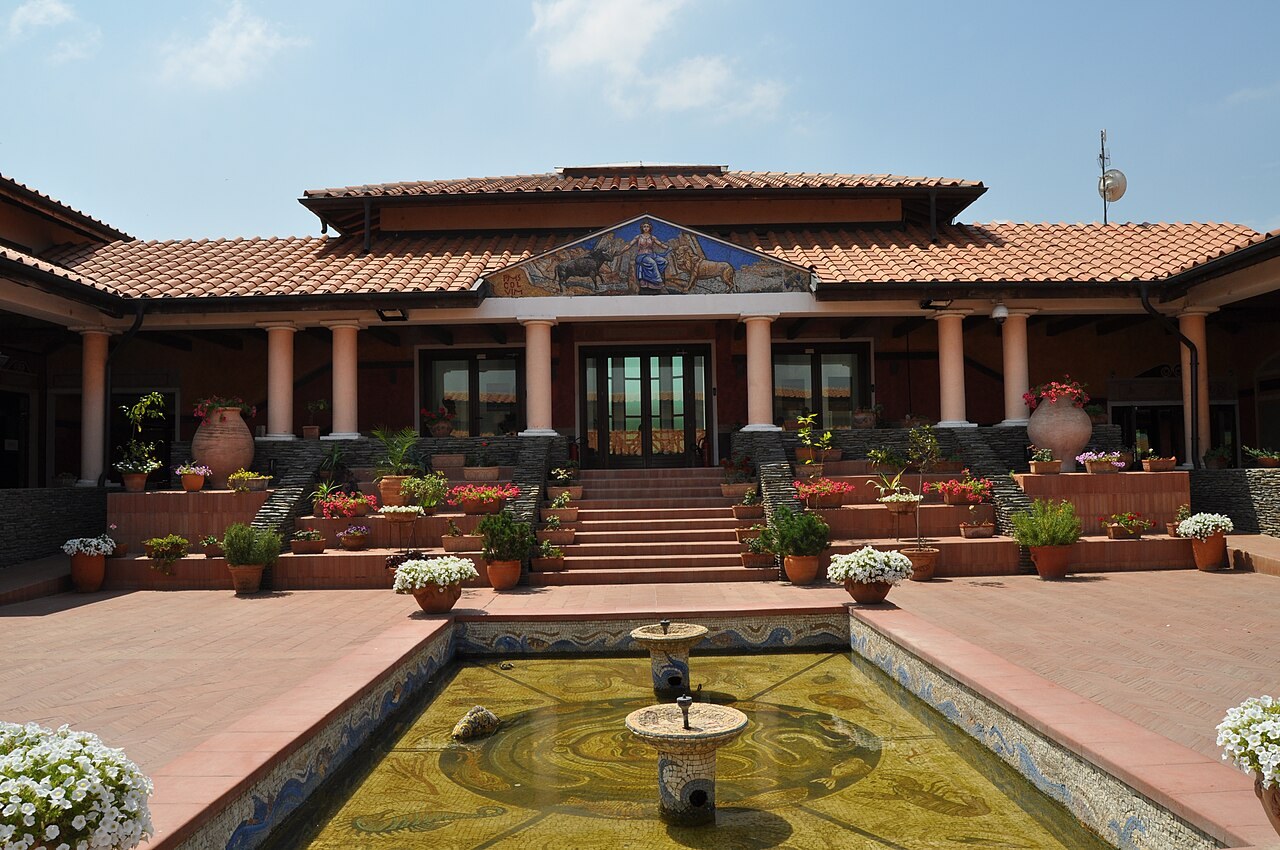 Roman villa at Viminacium, near Kostolac.
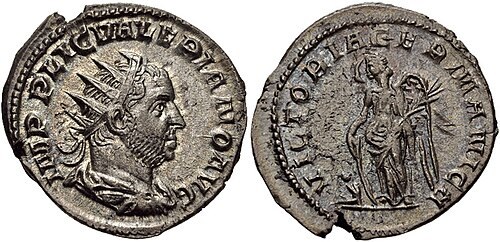 Viminacium: Valerianus antoninianus 253 2250425; visual evidence for the site, Roman period, archaeological site or museum context.
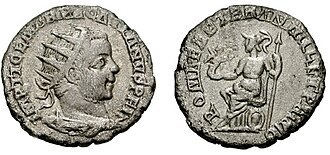 Viminacium: Antoninianus-Pacatianus-1001-RIC 0006cf; visual evidence for the site, Roman period, archaeological site or museum context.
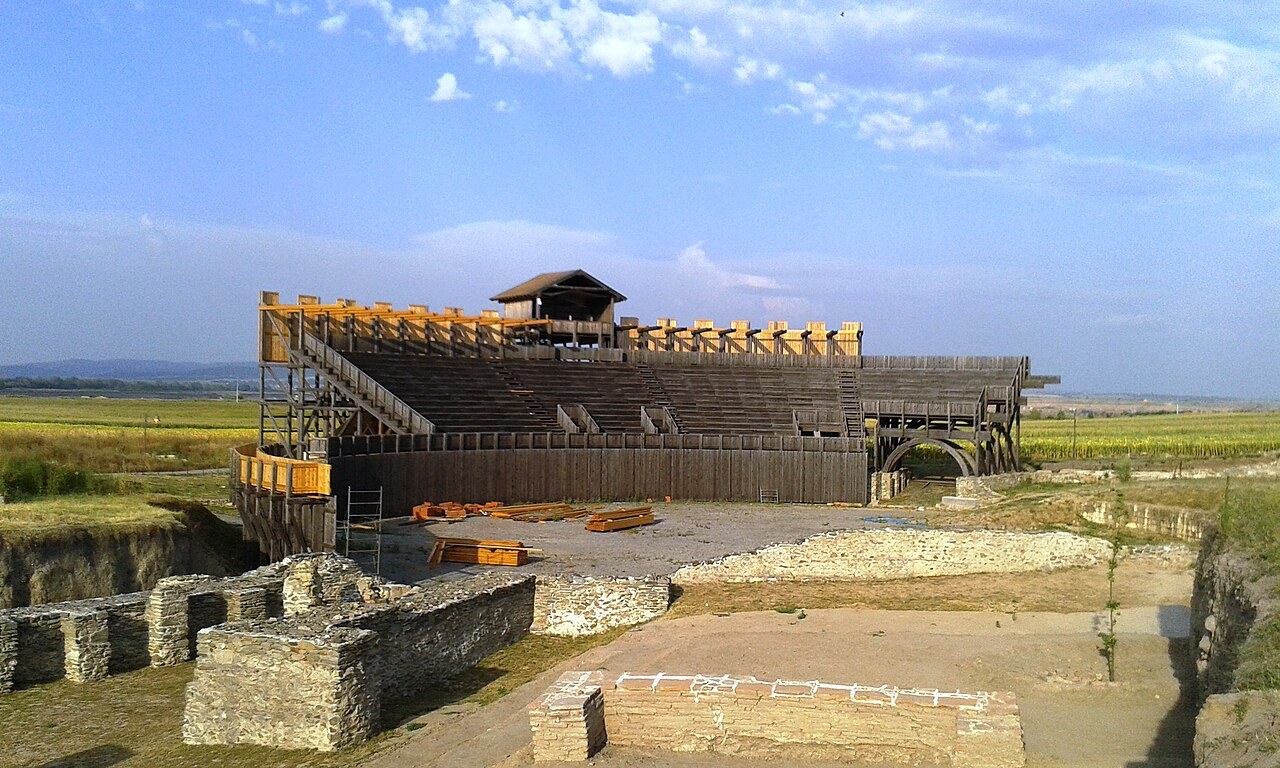 Viminacium: Amfiteatar u Viminacijumu; visual evidence for the site, Roman period, archaeological site or museum context.
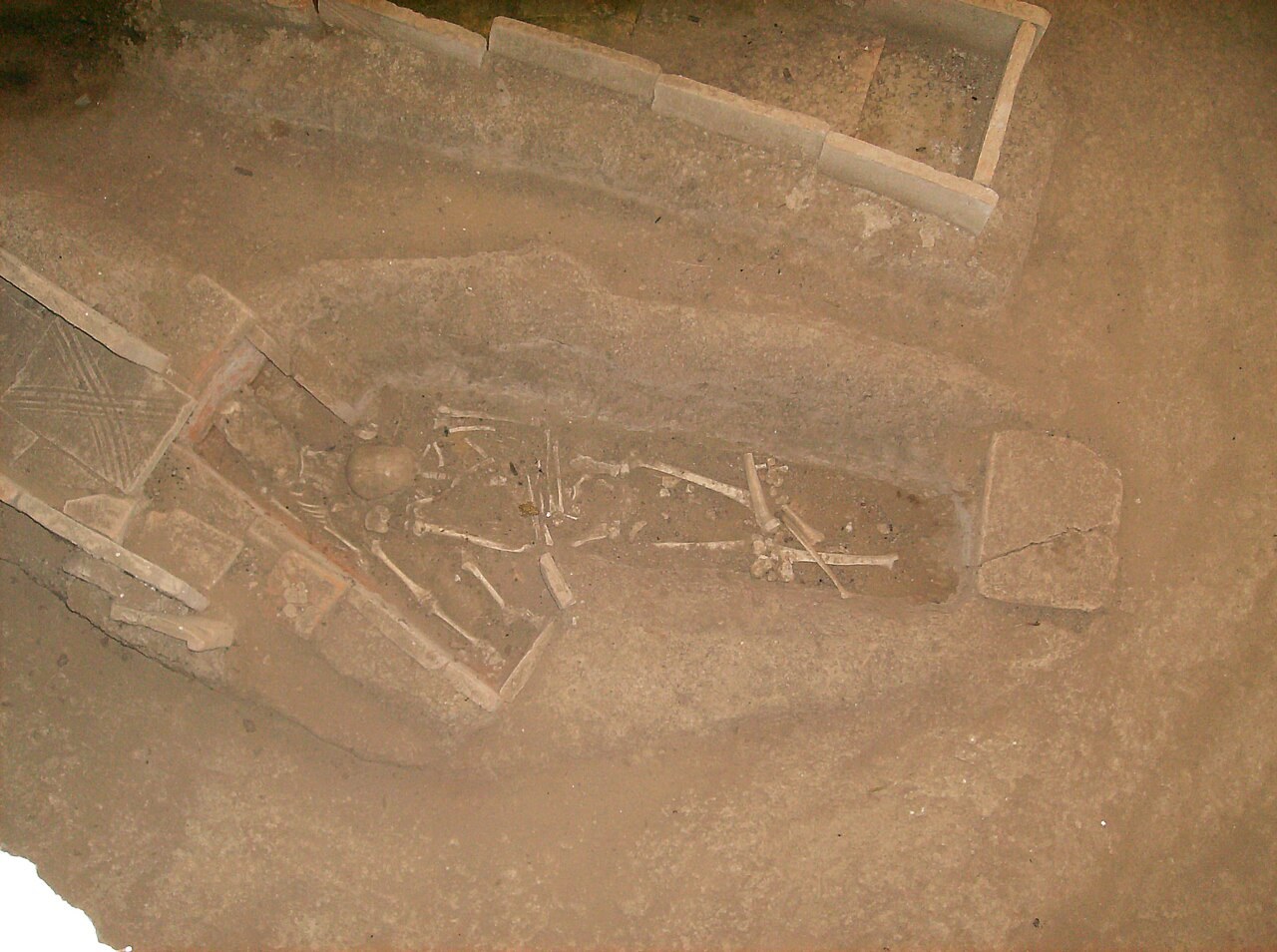 Viminacium: Skelet; visual evidence for the site, Roman period, archaeological site or museum context.
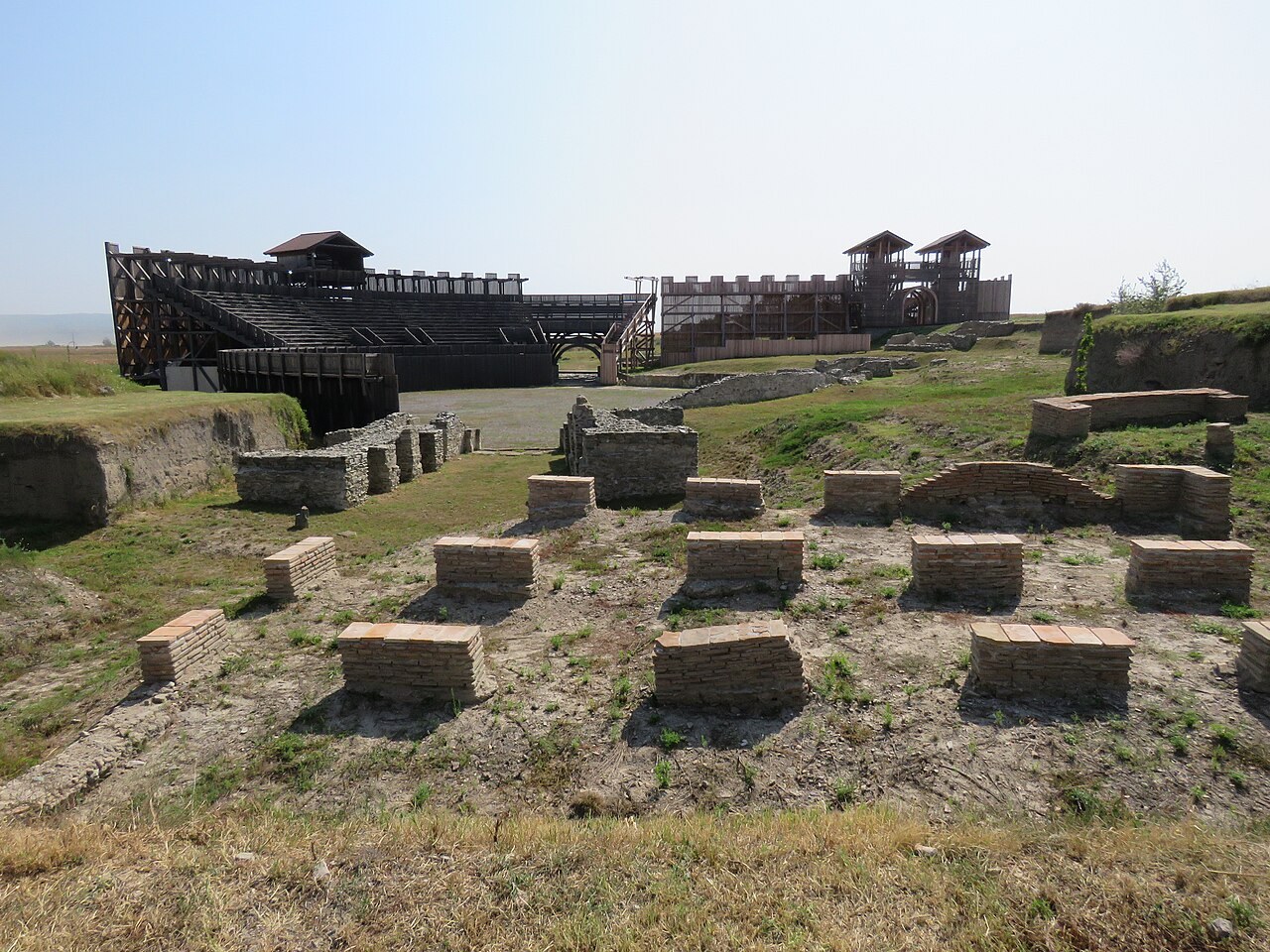 Viminacium: Amphitheater in Viminacium, 2018, 03; archaeological view, find or museum context connected with the site, Roman period or local archaeological context.
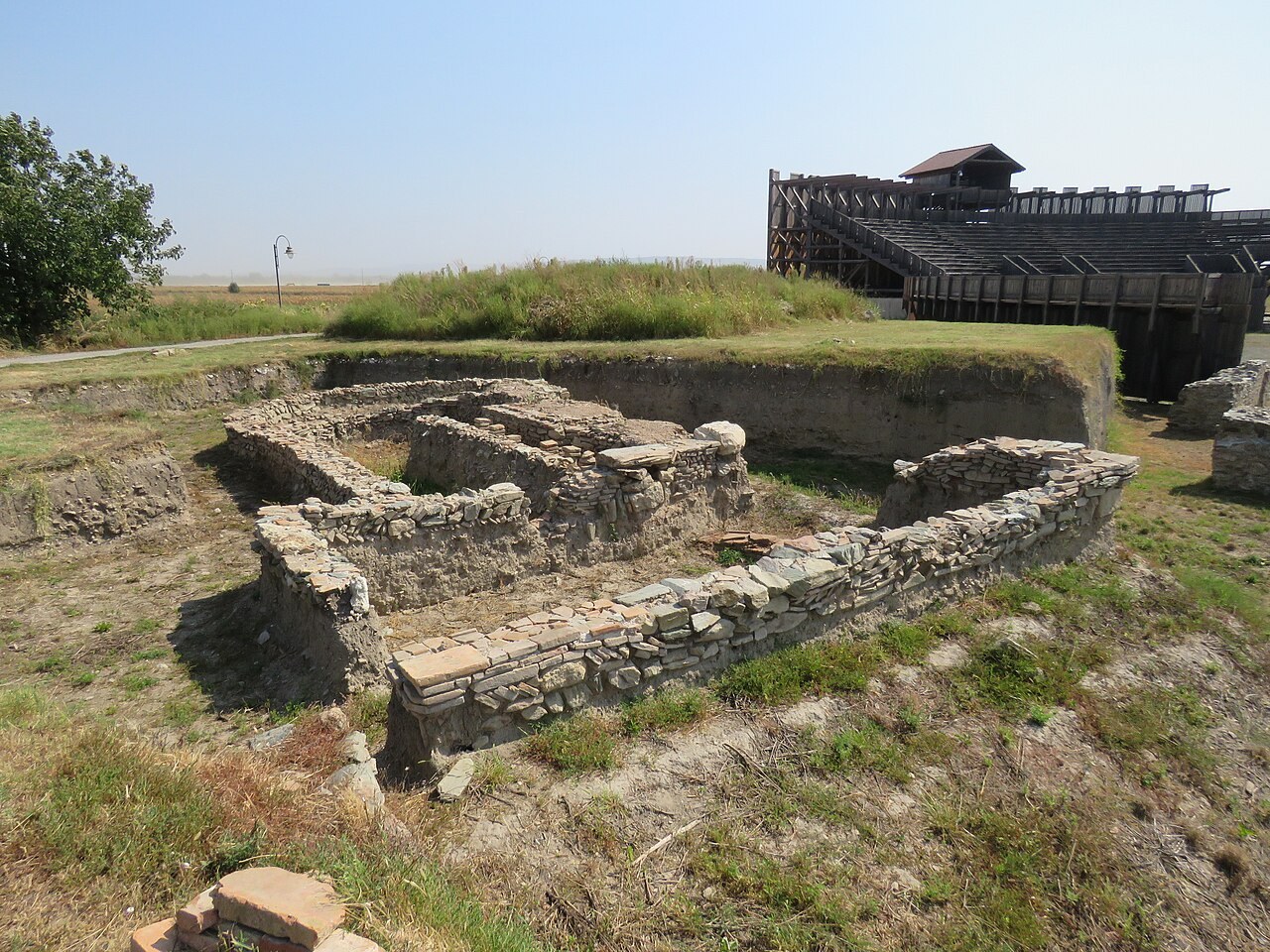 Viminacium: Amphitheater in Viminacium, 2018, 04; archaeological view, find or museum context connected with the site, Roman period or local archaeological context.
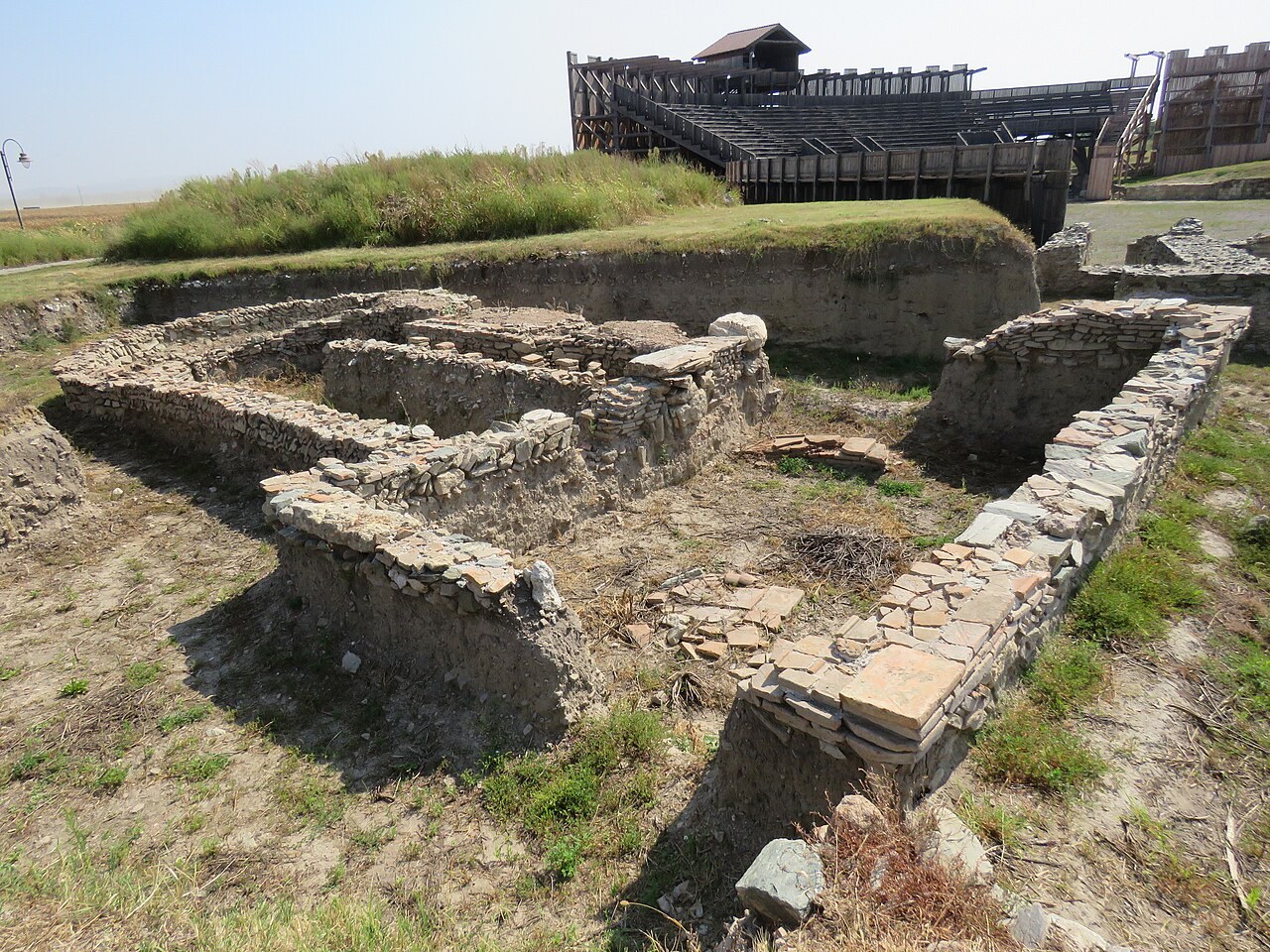 Viminacium: Amphitheater in Viminacium, 2018, 05; archaeological view, find or museum context connected with the site, Roman period or local archaeological context.
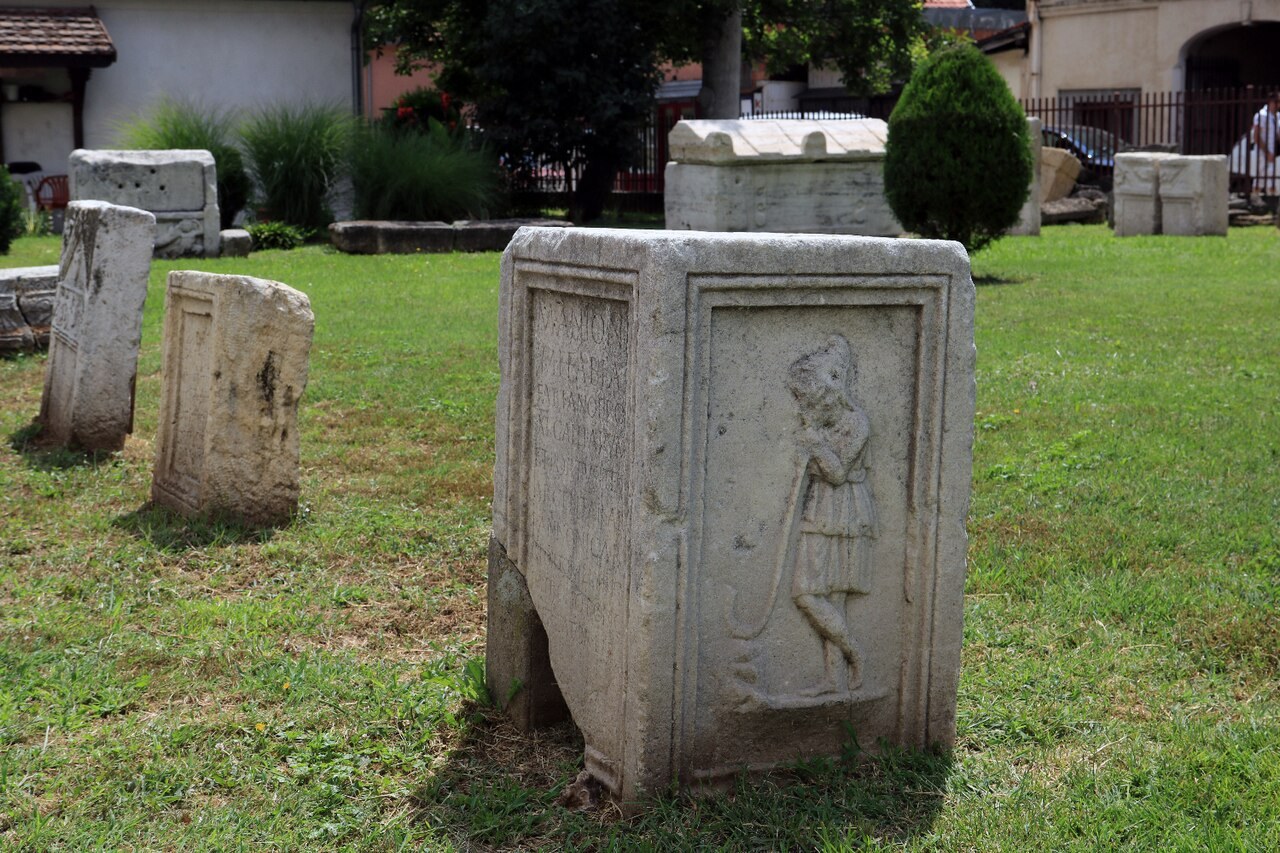 Viminacium: Roman monuments in front of the National Museums in Požarevac; archaeological view, find or museum context connected with the site, Roman period or local archaeological context.
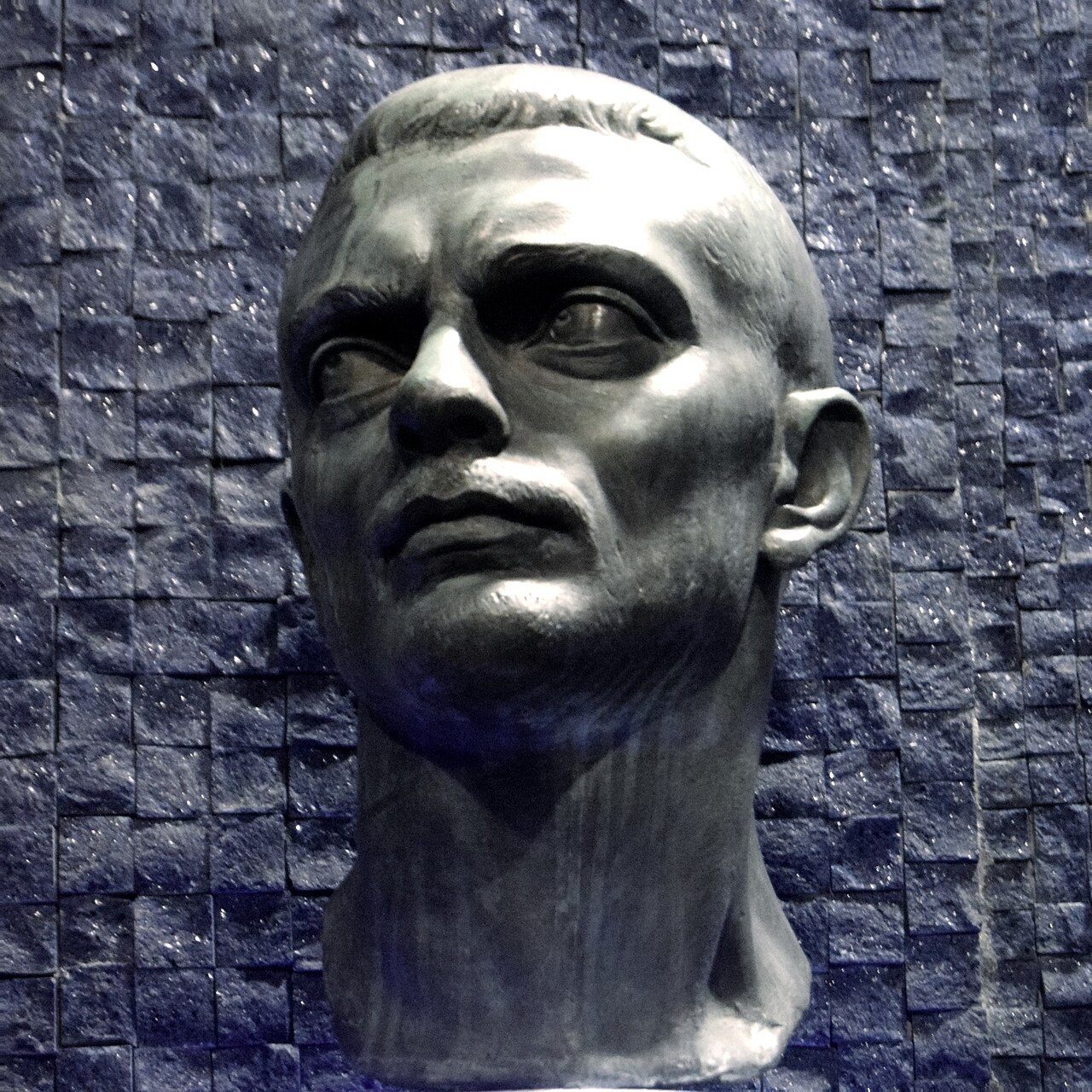 Viminacium: Bronze bust of Maximinus Daia; archaeological view, find or museum context connected with the site, Roman period or local archaeological context.
Interested in Ancient Rome beyond reading? Join Legio X Fretensis or explore our reenactment directions.


