Zeugma
Zeugma on the Euphrates was an important city and frontier node between the Roman and eastern worlds. Archaeologically it is known above all for mosaics, houses, sealings, coins, military context and material connected with the Euphrates crossing.
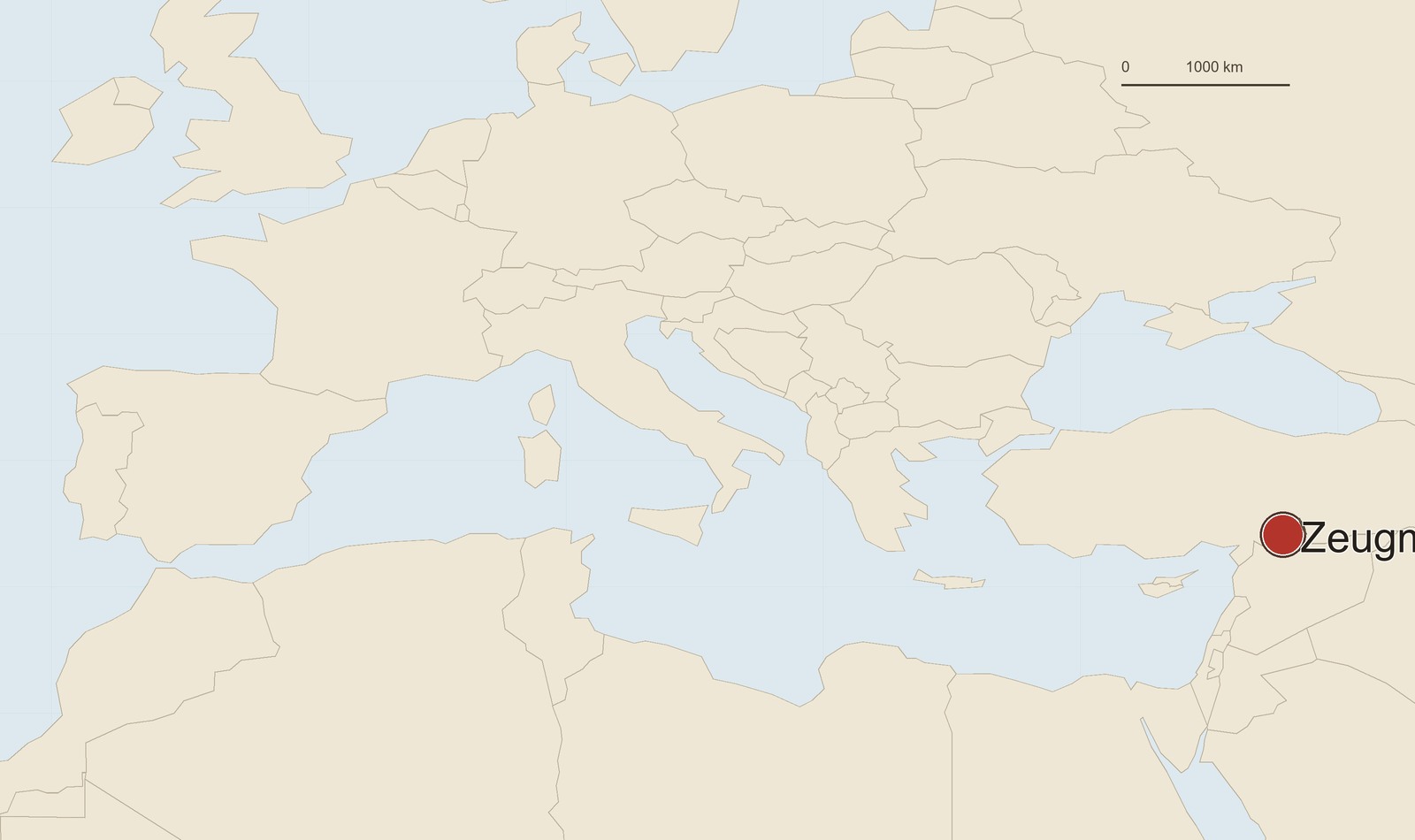 Location map: Zeugma. The marker shows the ancient site or main archaeological complex.
Archaeological complex
The city grew at a strategic crossing and in Roman times was tied to the Syrian frontier. Excavated mosaic houses and finds from administrative contexts show Zeugma as a city of connection: road, river, trade, army and local elite met here.
Zeugma is important as an Euphrates city where excavations and rescue work before flooding revealed houses with mosaics, sealings and archival traces. Visual material shows the urban setting, luxurious interiors and the difficulty of preserving the site.
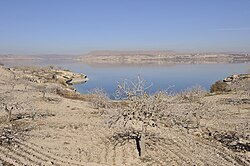 Zeugma: Zeugma dec 2008 7417; general view or excavated sector, Roman period, archaeological site or museum context.
Finds and material setting
The evidence includes mosaic floors, frescoes, sculpture, sealings, coins, pottery, architectural fittings and traces of destruction and rescue excavation. For reconstructing eastern provincial settings, the houses are especially important: they show elite taste, mythological imagery and contacts across the Euphrates.
- houses with mosaics, frescoes and sealings;
- rescue excavations connected with the Birecik reservoir;
- finds showing commercial and administrative links along the Euphrates;
- museum mosaic groups and their extraction context.
Interpretation and limits
The modern state of the evidence is tied to rescue work before part of the area was flooded. Excavated context, museum display and the lost or inaccessible part of the landscape therefore need to be distinguished clearly.
Related topics
Literature and sources
- William Aylward (ed.). Rescue Archaeology at Zeugma. Los Altos, 2013.
- Kutalmis Gorkay. Zeugma excavation publications.
- Gaziantep Zeugma Mosaic Museum catalogues.


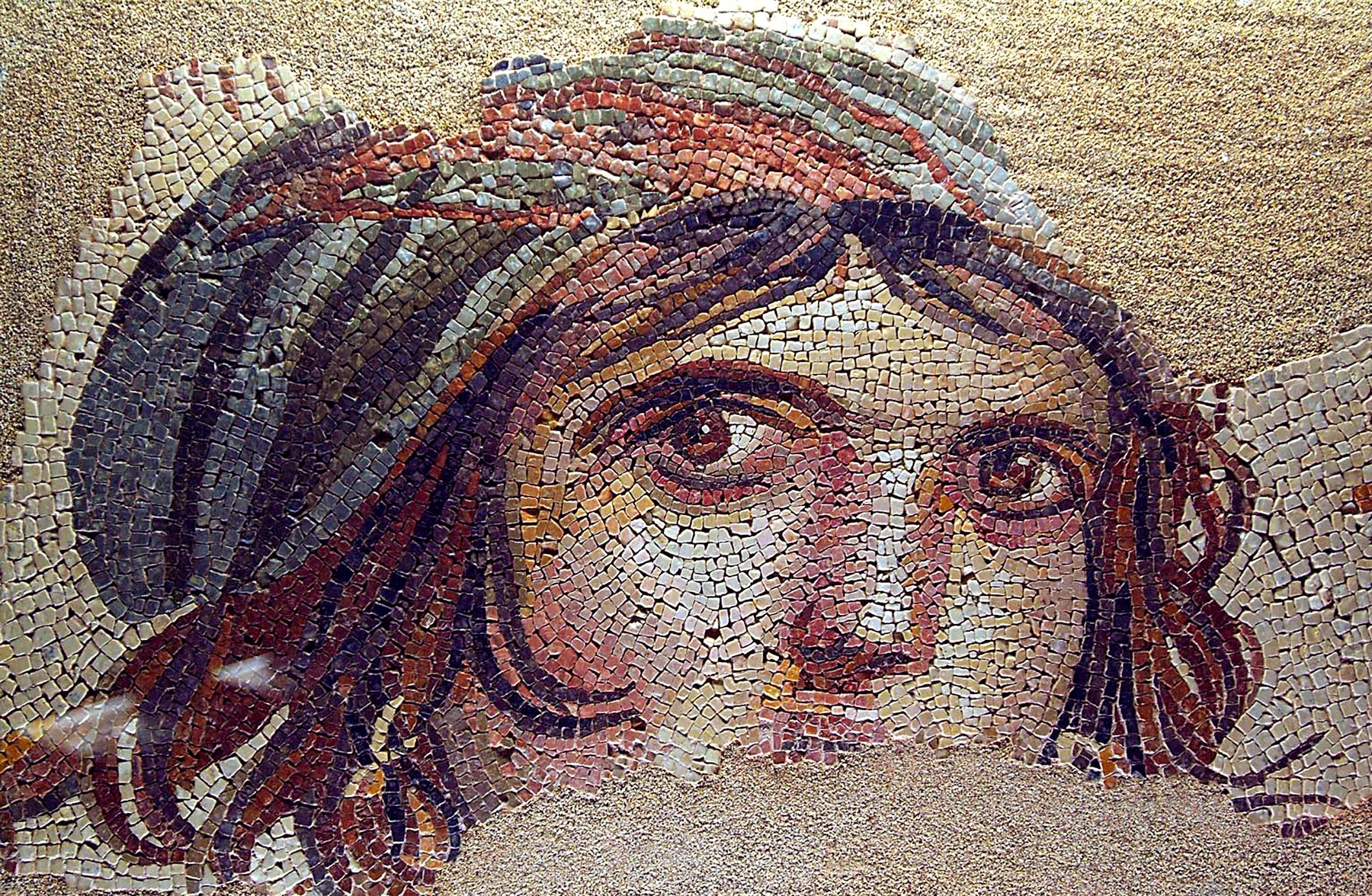 Zeugma: Mosaic of a Gypsy Girl; visual evidence for the site, Roman period, archaeological site or museum context.
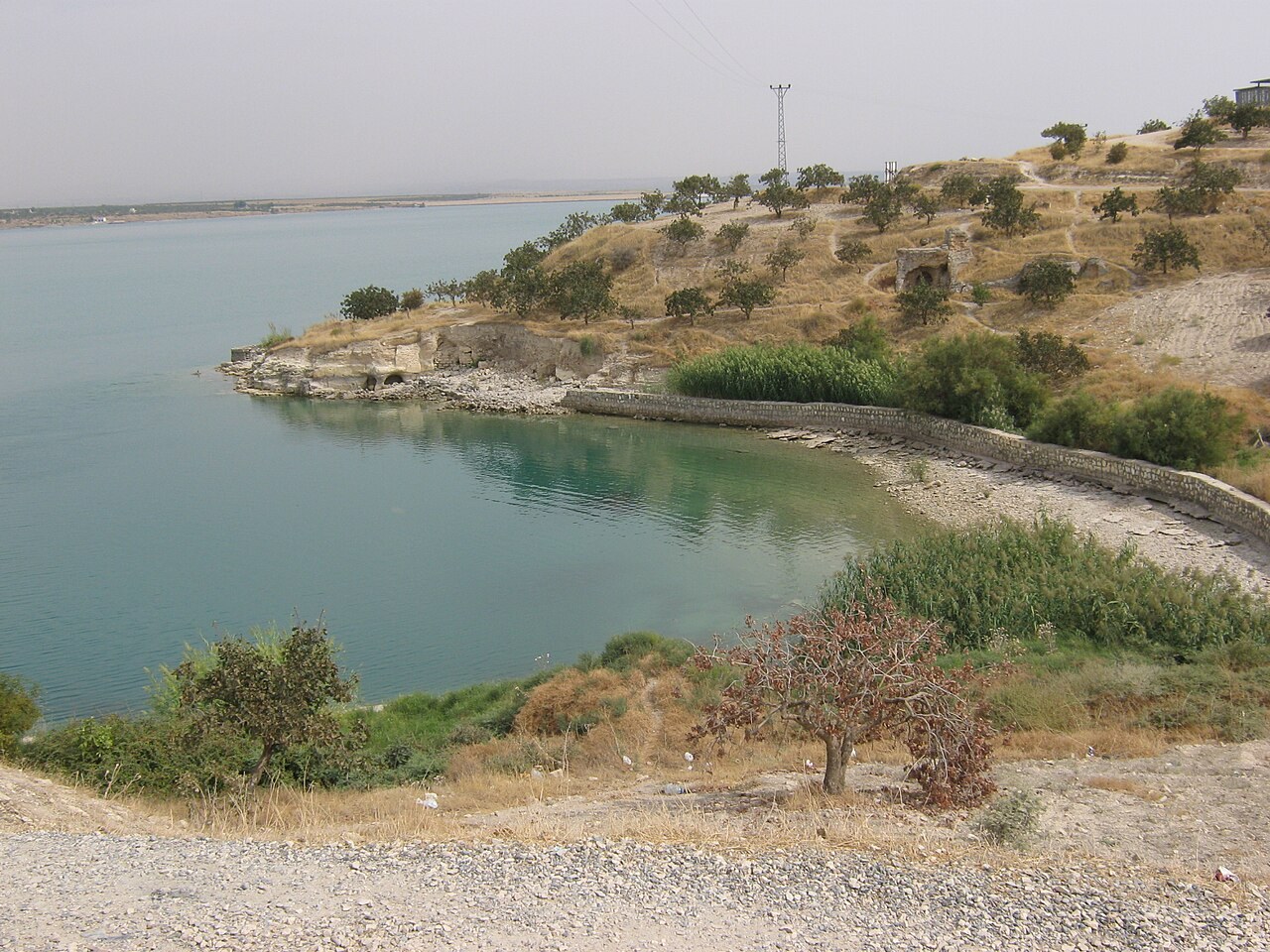 Zeugma: Zeugma; visual evidence for the site, Roman period, archaeological site or museum context.
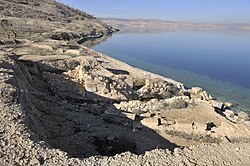 Zeugma: Zeugma dec 2008 7410; visual evidence for the site, Roman period, archaeological site or museum context.
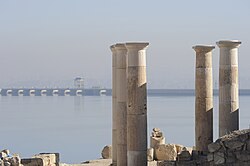 Zeugma: Zeugma dec 2008 7369; visual evidence for the site, Roman period, archaeological site or museum context.
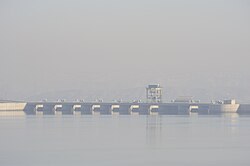 Zeugma: Zeugma dec 2008 7368; visual evidence for the site, Roman period, archaeological site or museum context.
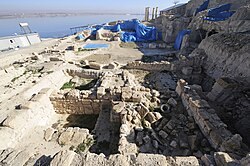 Zeugma: Zeugma dec 2008 7367; visual evidence for the site, Roman period, archaeological site or museum context.
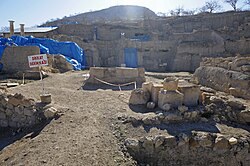 Zeugma: Zeugma dec 2008 7376; visual evidence for the site, Roman period, archaeological site or museum context.
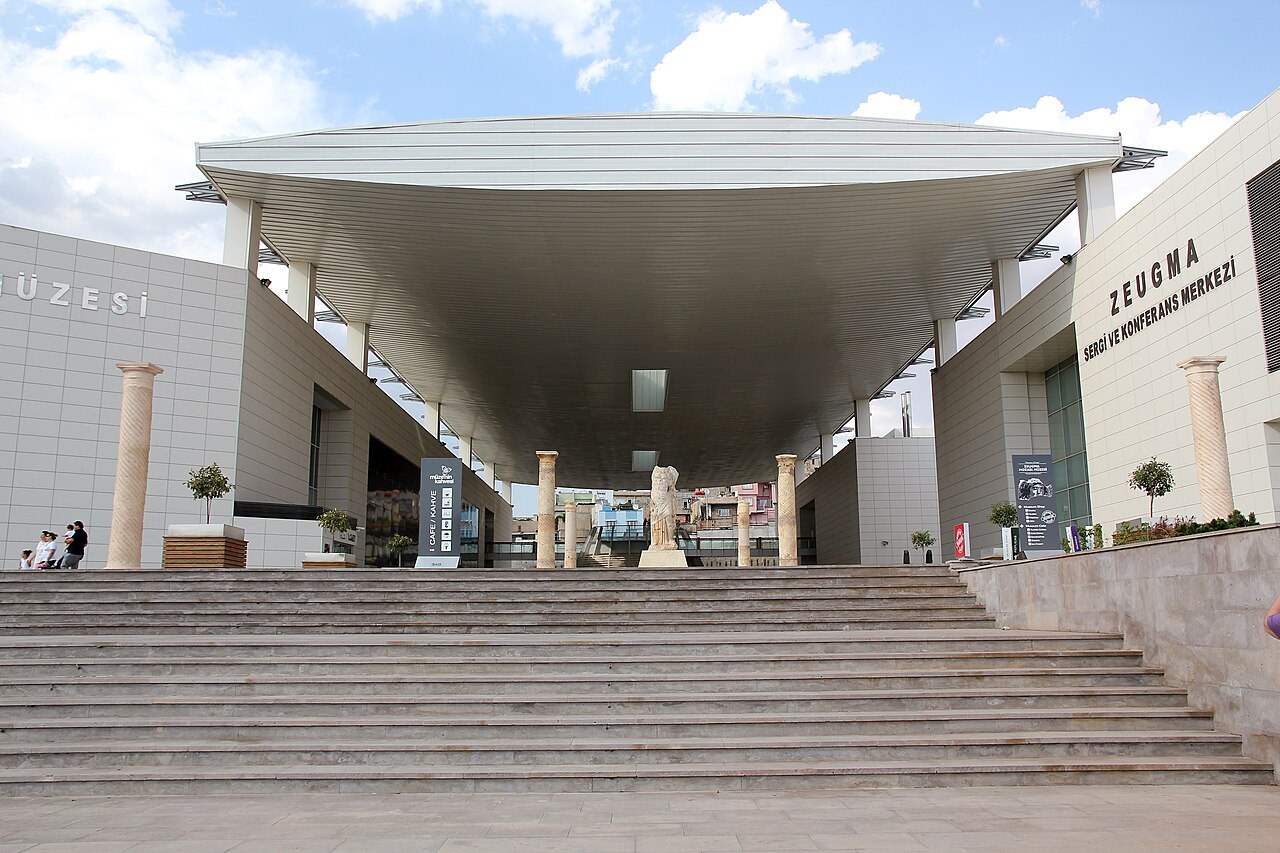 Zeugma: ZeugmaMuseum1; material-culture object or museum find connected with the site, Roman period or local archaeological context.
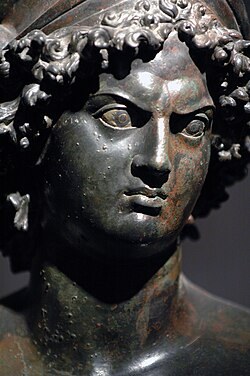 Zeugma: Gaziantep Zeugma Museum Mars statue 4076; material-culture object or museum find connected with the site, Roman period or local archaeological context.
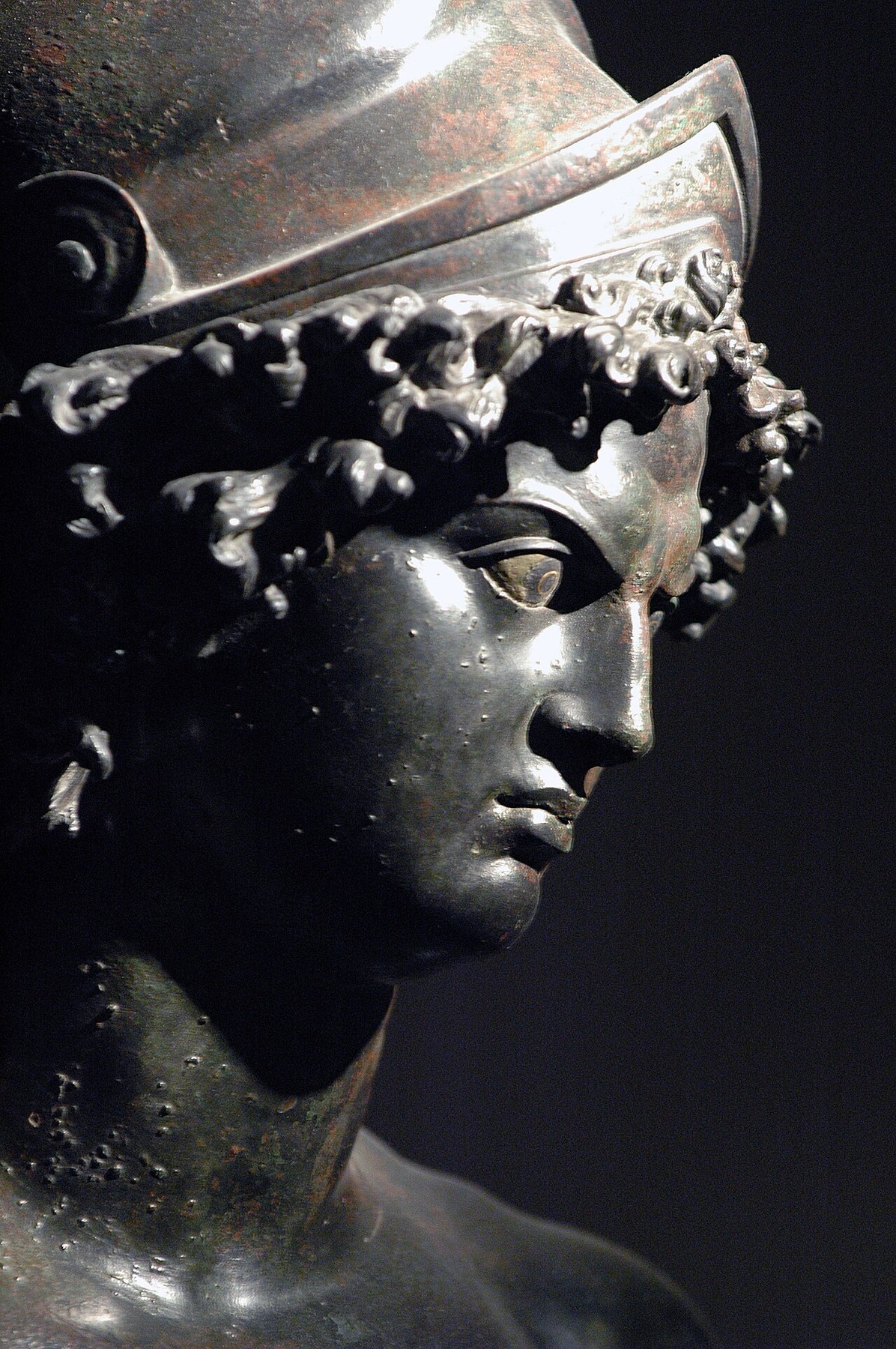 Zeugma: Gaziantep Museum 4080b; material-culture object or museum find connected with the site, Roman period or local archaeological context.
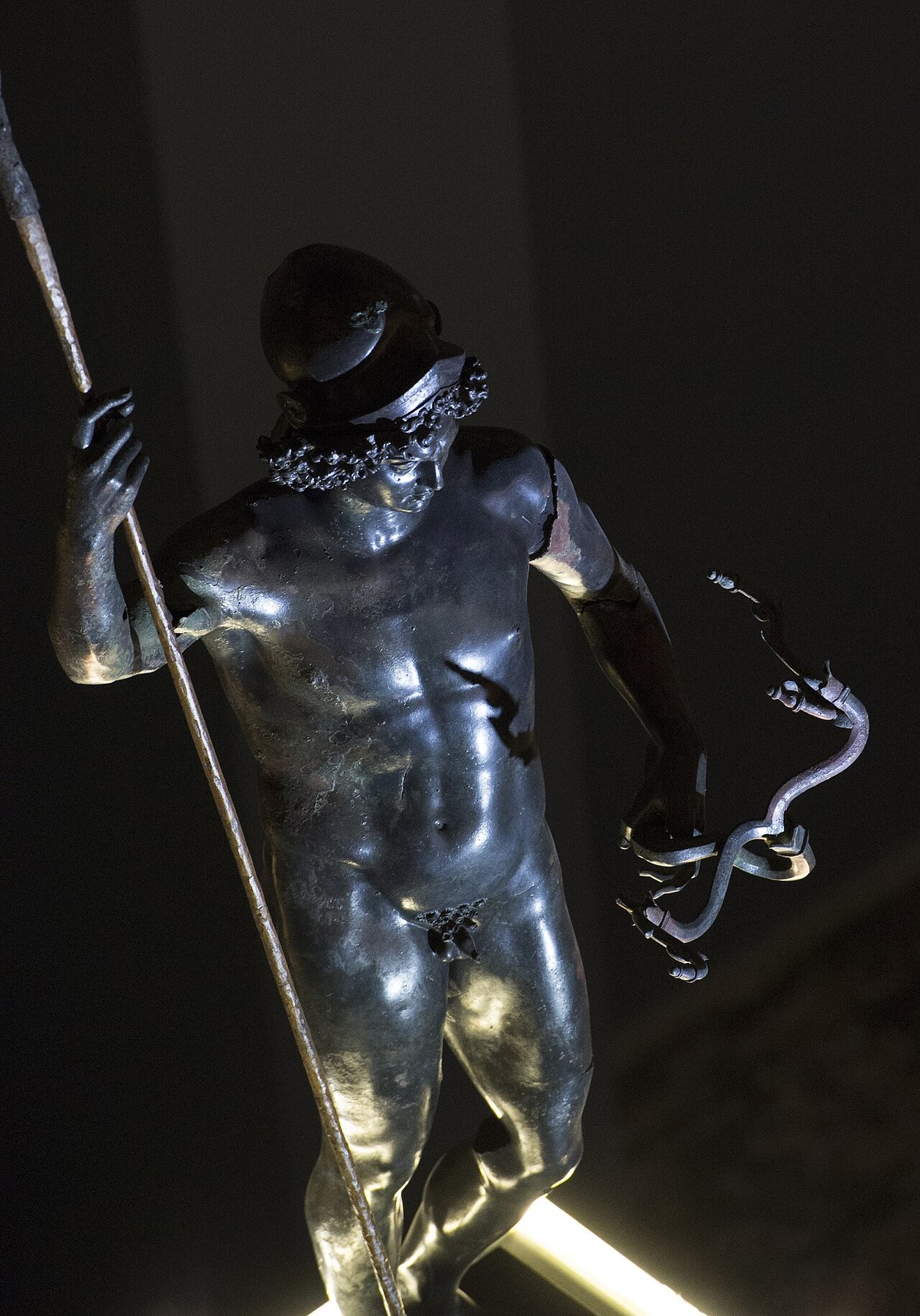 Zeugma: Gaziantep Zeugma Museum september 2014 2594; material-culture object or museum find connected with the site, Roman period or local archaeological context.
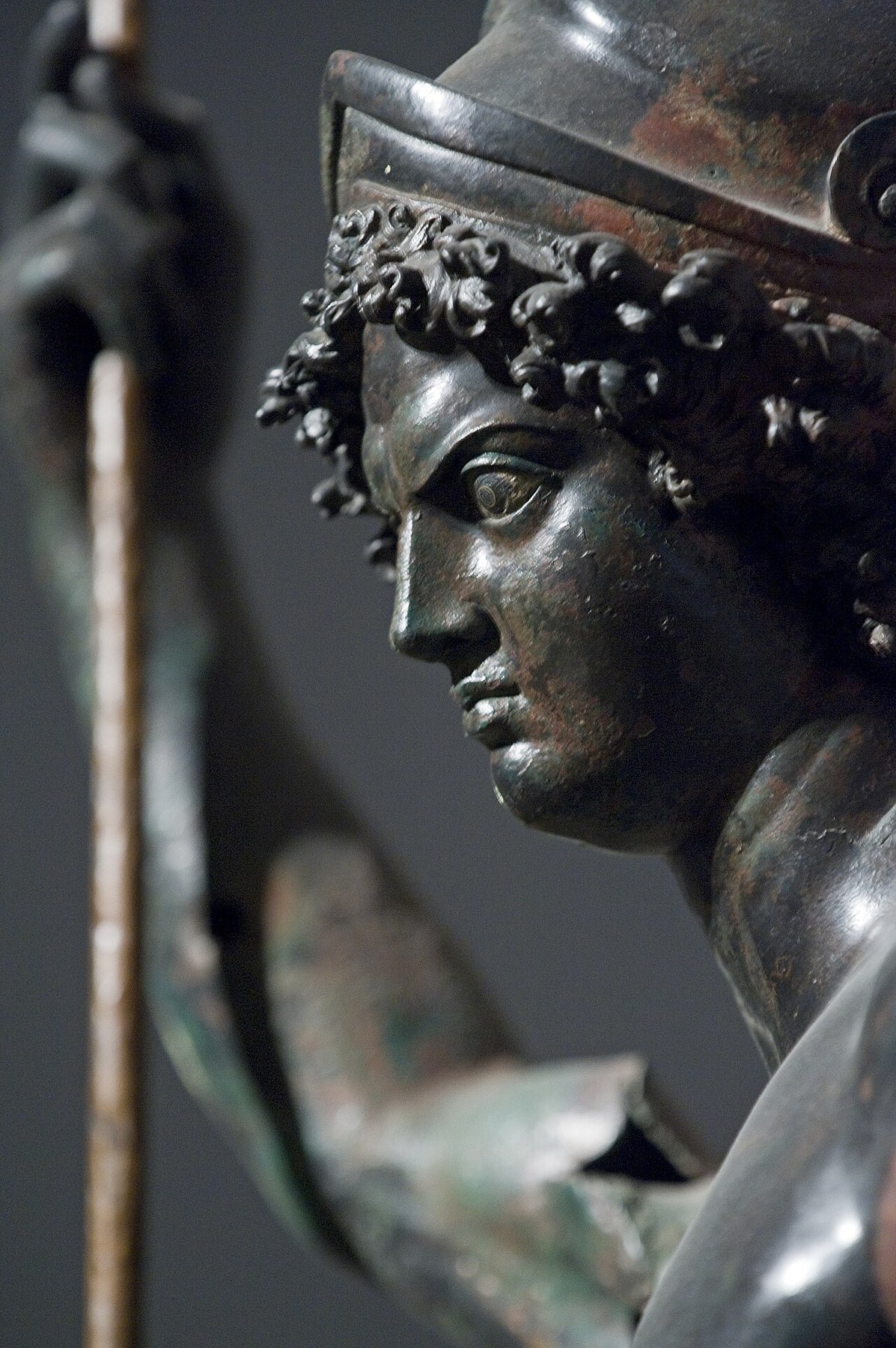 Zeugma: Gaziantep dec 2008 7000; material-culture object or museum find connected with the site, Roman period or local archaeological context.
Interested in Ancient Rome beyond reading? Join Legio X Fretensis or explore our reenactment directions.


