Aquileia
Aquileia was one of the major cities of northern Italy and a node between the Adriatic, the Alps and the Danubian provinces. For Roman archaeology it matters as a harbour, trade, craft, military and early Christian centre with rich epigraphy, mosaics, cemeteries and urban infrastructure.
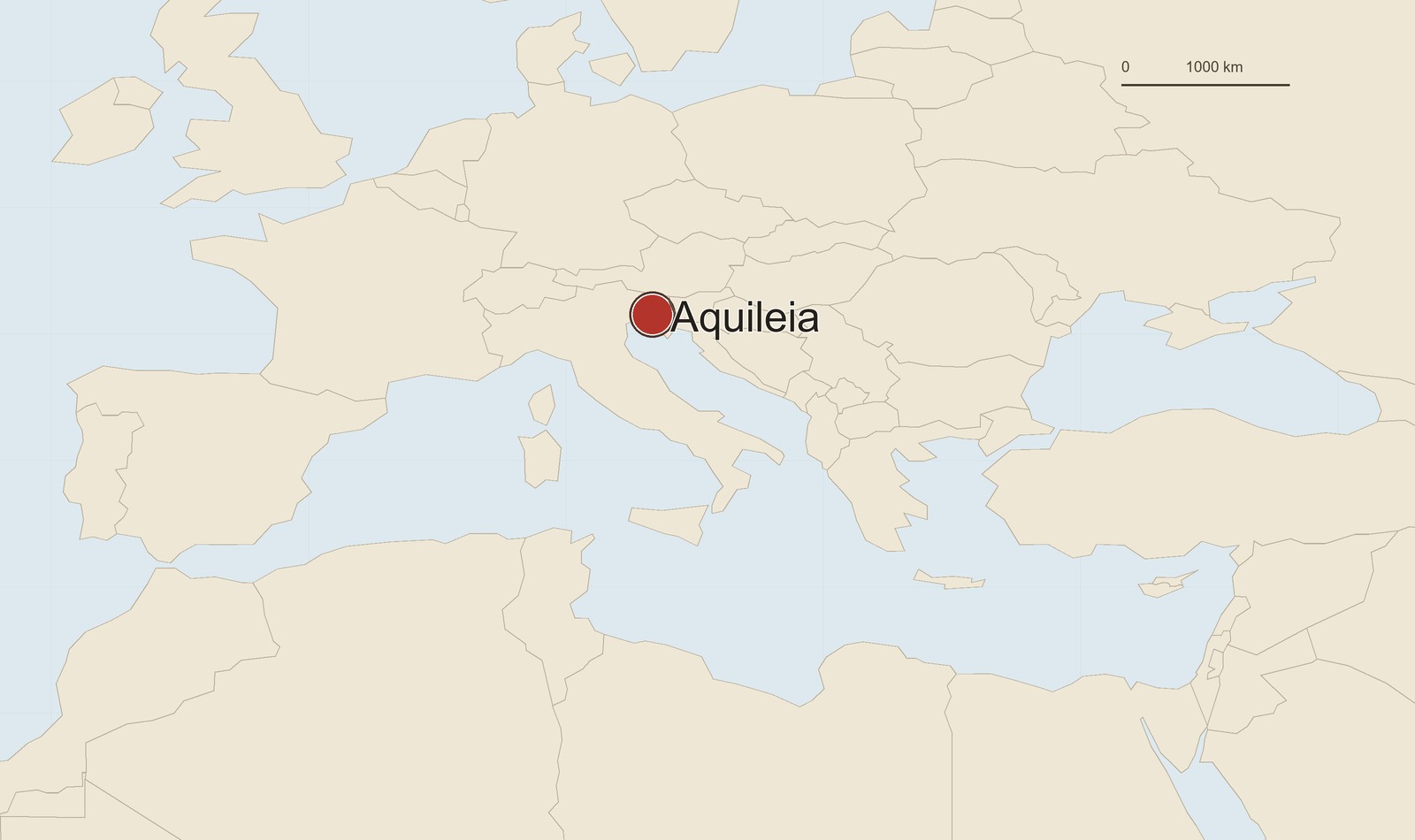 Location map: Aquileia. The marker shows the ancient site or main archaeological complex.
Archaeological complex
The colony was founded in 181 BC and became a base for controlling the north-eastern approaches to Italy. The forum, river port, roads, storage and craft areas, housing, cemeteries and late antique Christian complex are archaeologically important. Aquileia shows a city not on the edge, but at a crossroads of imperial connections.
Aquileia survives not as a single open city but as a series of zones: forum, river harbour, roads, cemeteries, domestic sectors and Late Antique Christian complexes. Views of the excavations are important for linking urban space with the harbour and road network of the northern Adriatic.
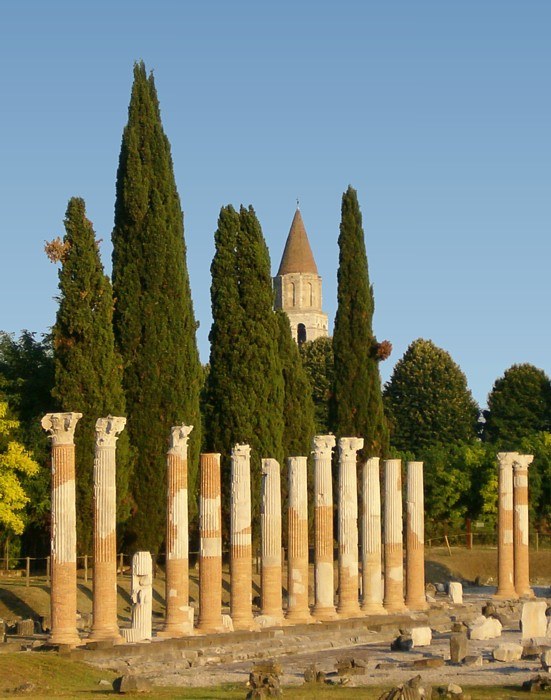 Aquileia: Udine aquileia2; general view or excavated sector, Roman period, archaeological site or museum context.
Finds and material setting
Finds include inscriptions, sarcophagi, glass, amber, coins, mosaics, amphorae, architectural decoration and cemetery material. For reconstructing provincial culture, the city is valuable because it connects Italian tradition, military logistics, northern trade and craft production.
- forum, river harbour, roads and defensive setting;
- mosaics, inscriptions, cemeteries and craft finds;
- trade pottery, amphorae and material for northern Adriatic connections;
- Late Antique basilica complexes.
Interpretation and limits
Aquileia has a long history from Republican colony to late antique centre. The dating of each object is therefore crucial: Republican, early imperial and late Aquileia produce different historical pictures and should not be merged into one generic reconstruction.
Related topics
- Archaeology and museums
- Roman Empire
- Amphorae
- Roman streets
- Roman temples
- Roman Army
- National Archaeological Museum of Aquileia
Literature and sources
- M. Verzár-Bass (ed.). Aquileia romana: vita pubblica e privata. Rome, 1991.
- UNESCO World Heritage: Archaeological Area and the Patriarchal Basilica of Aquileia.
- Fondazione Aquileia: archaeological area and museum notes.


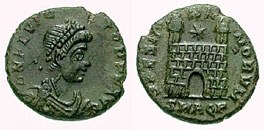 Aquileia: As Flavius Victor- aquileia RIC 055b1; visual evidence for the site, Roman period, archaeological site or museum context.
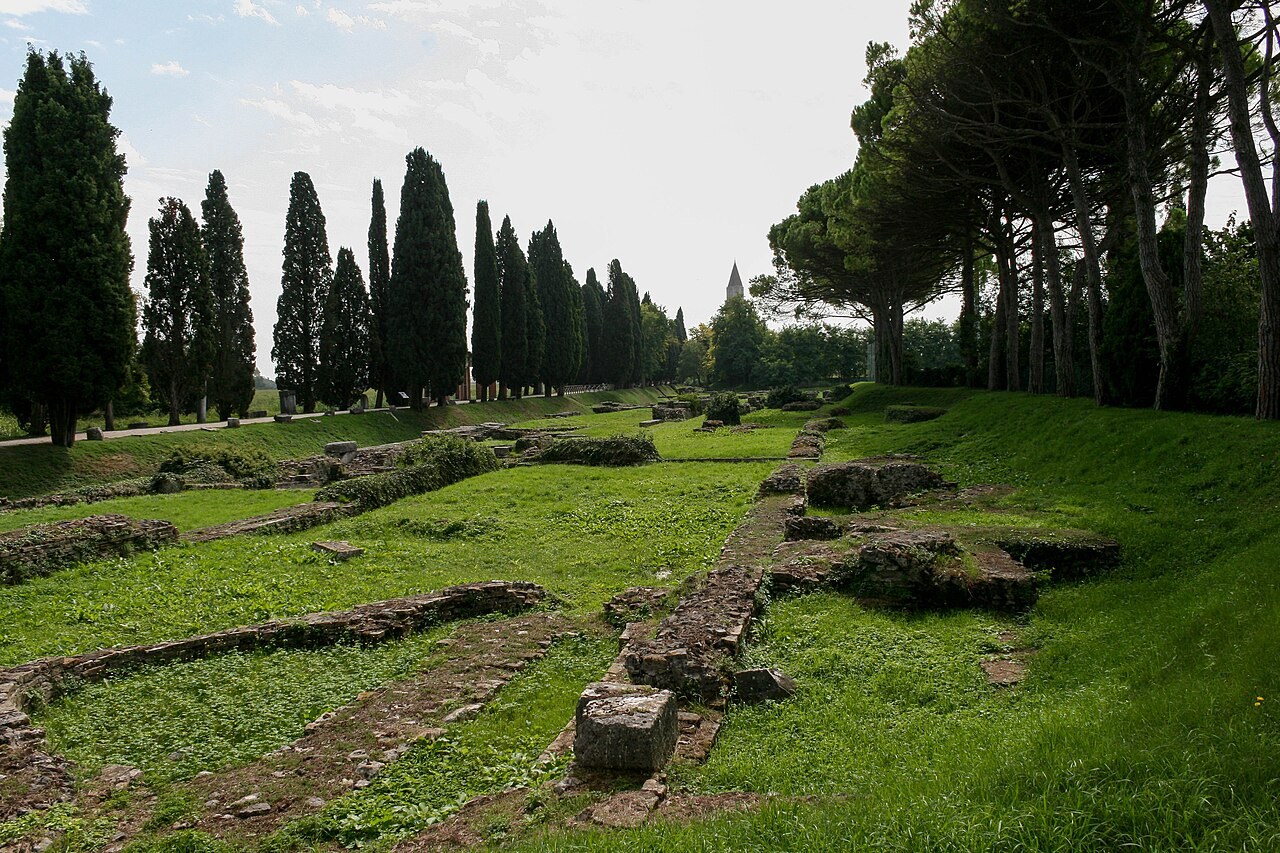 Aquileia: Binnenhafen von Aquileia; visual evidence for the site, Roman period, archaeological site or museum context.
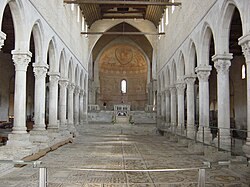 Aquileia: Aquileia, Basilica. Interno - Foto Giovanni Dall'Orto; visual evidence for the site, Roman period, archaeological site or museum context.
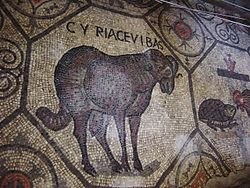 Aquileia: Aquileia, Basilica. Montone Foto Giovanni Dall'Orto; visual evidence for the site, Roman period, archaeological site or museum context.
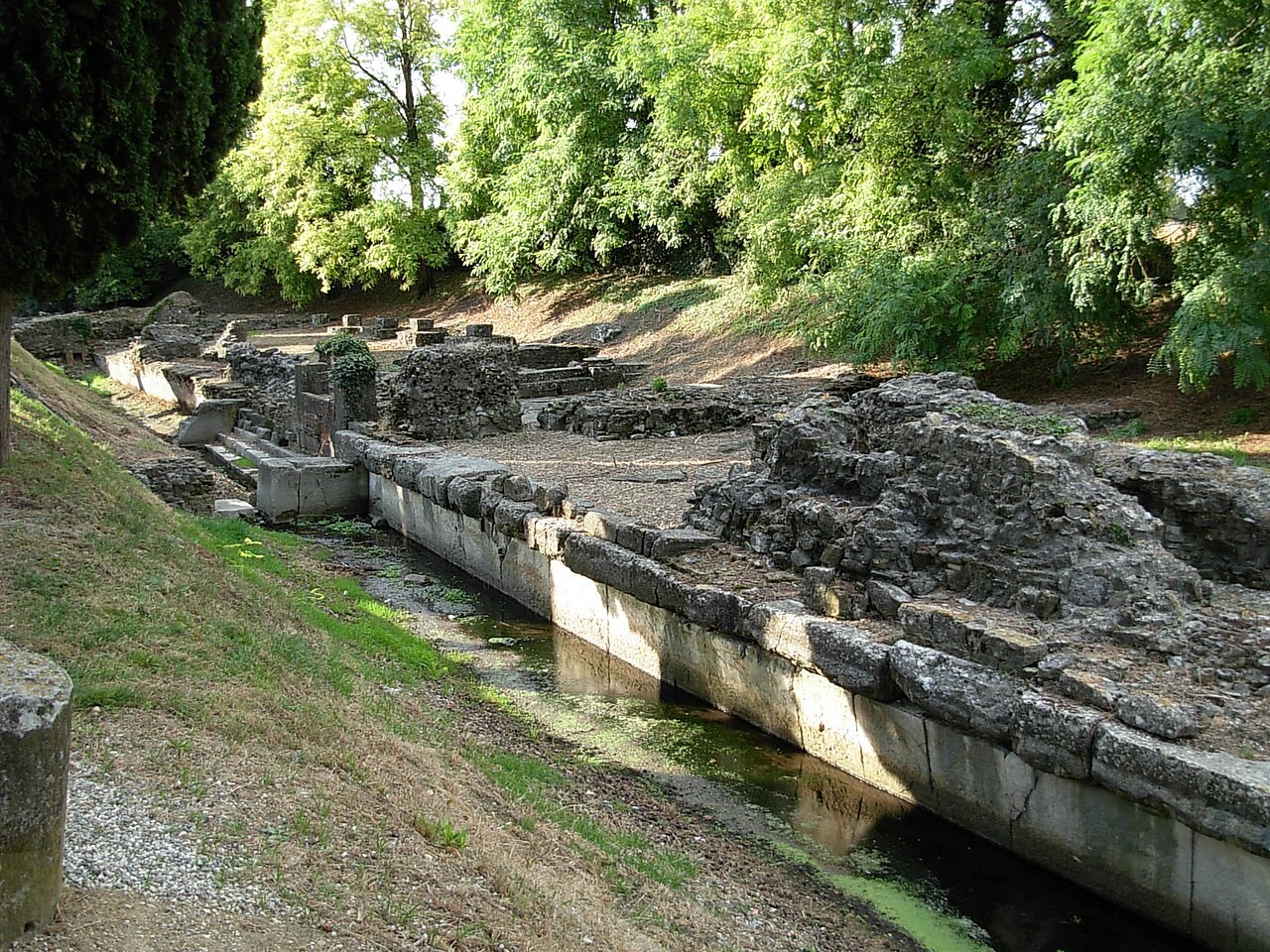 Aquileia: 1 porto fluviale aquileia; visual evidence for the site, Roman period, archaeological site or museum context.
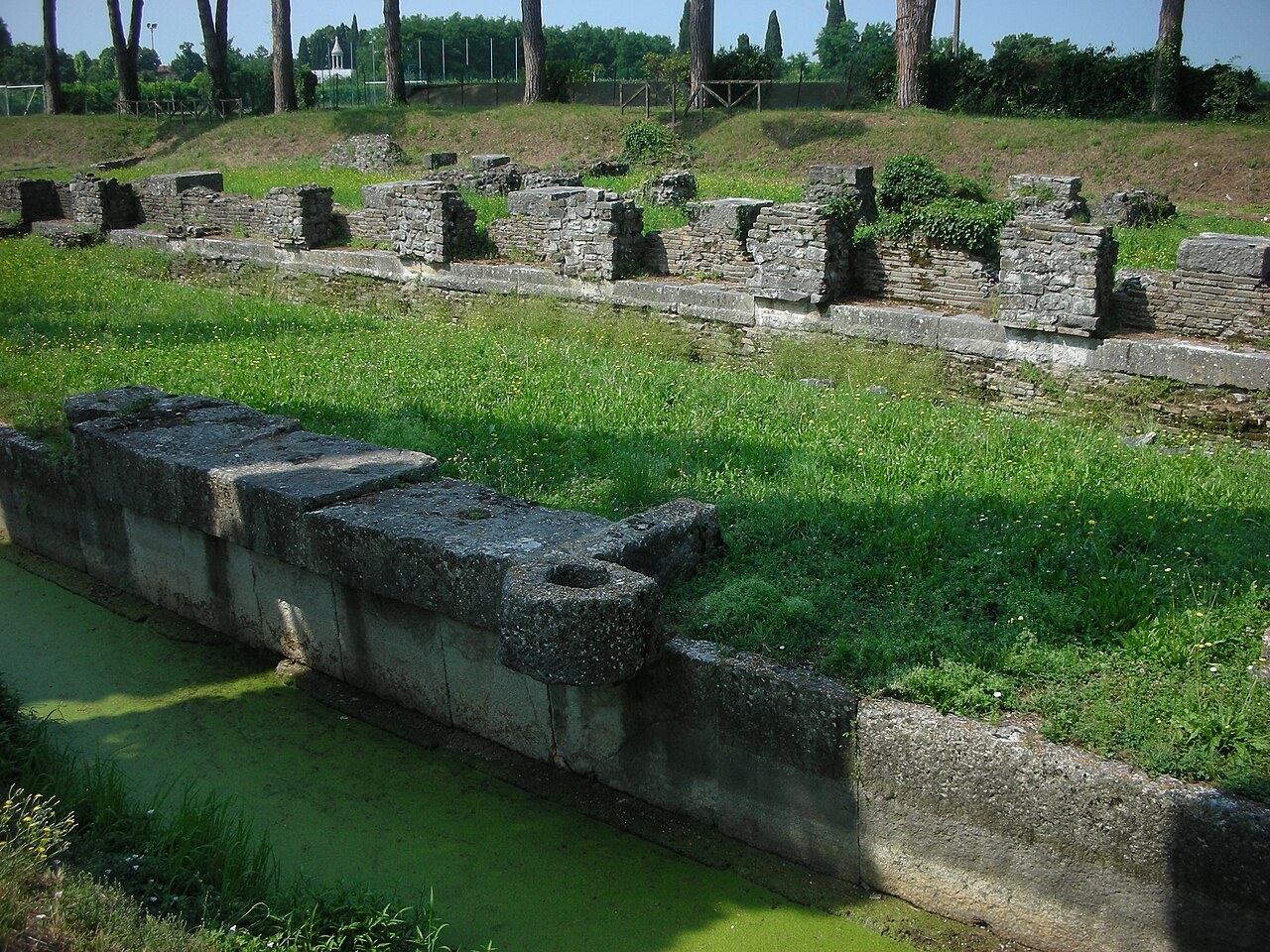 Aquileia: Aquilea quai; archaeological view, find or museum context connected with the site, Roman period or local archaeological context.
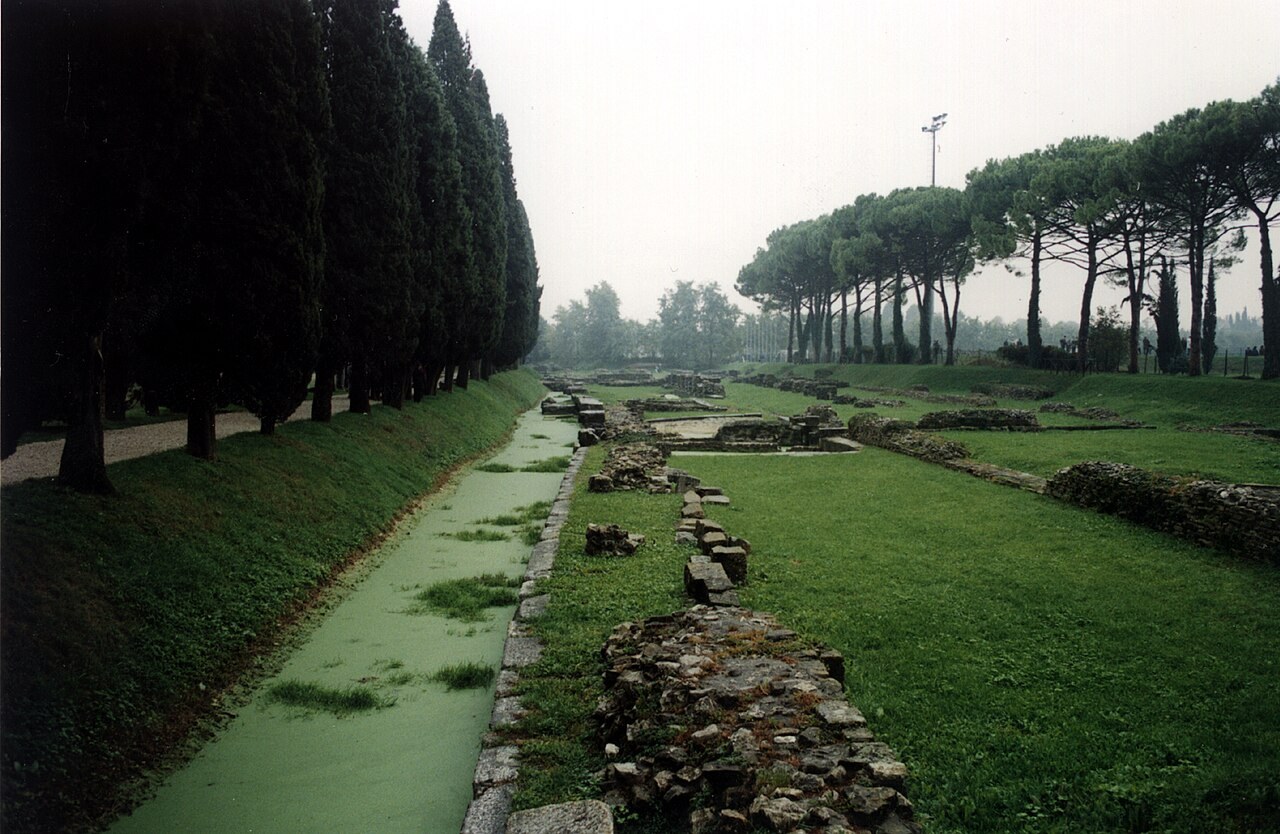 Aquileia: Aquileia; archaeological view, find or museum context connected with the site, Roman period or local archaeological context.
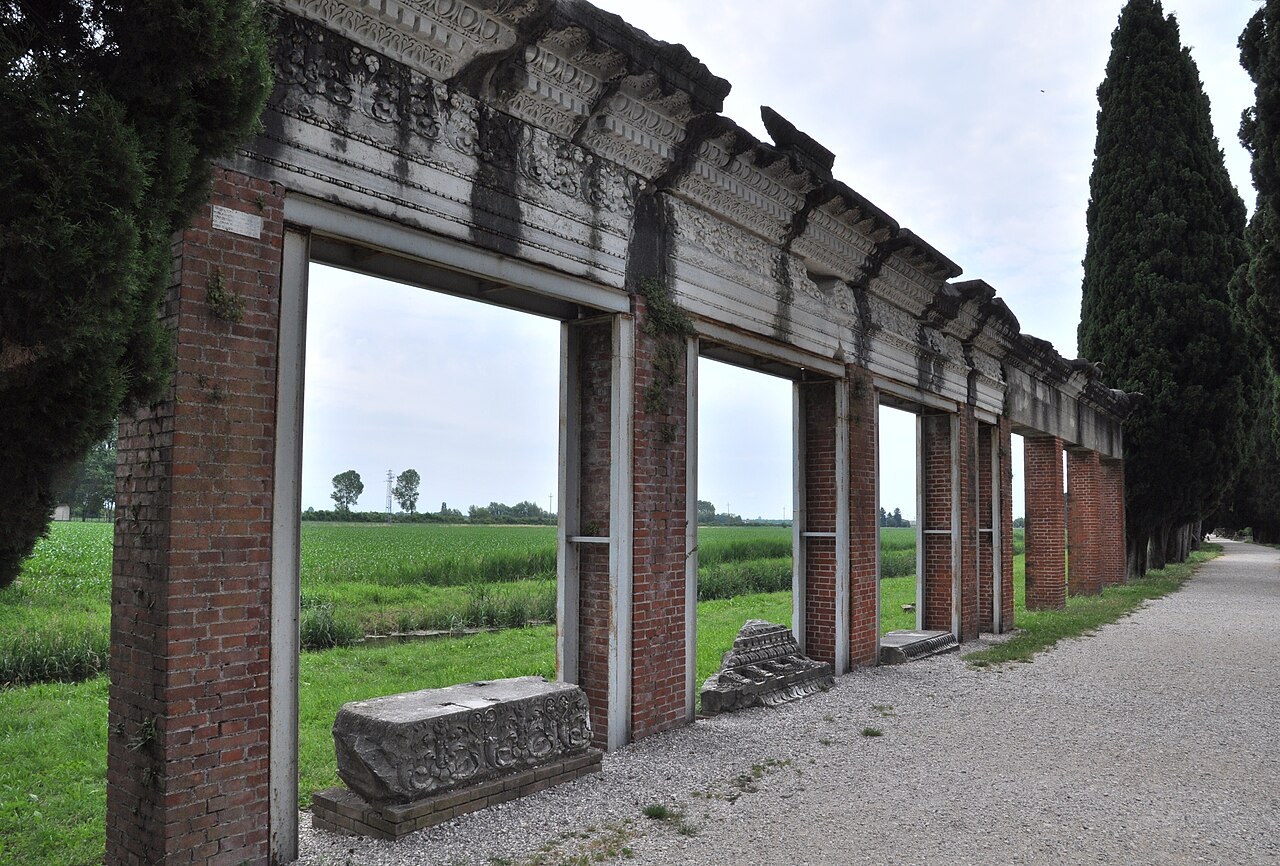 Aquileia: Aquileia.The ruins of the port; archaeological view, find or museum context connected with the site, Roman period or local archaeological context.
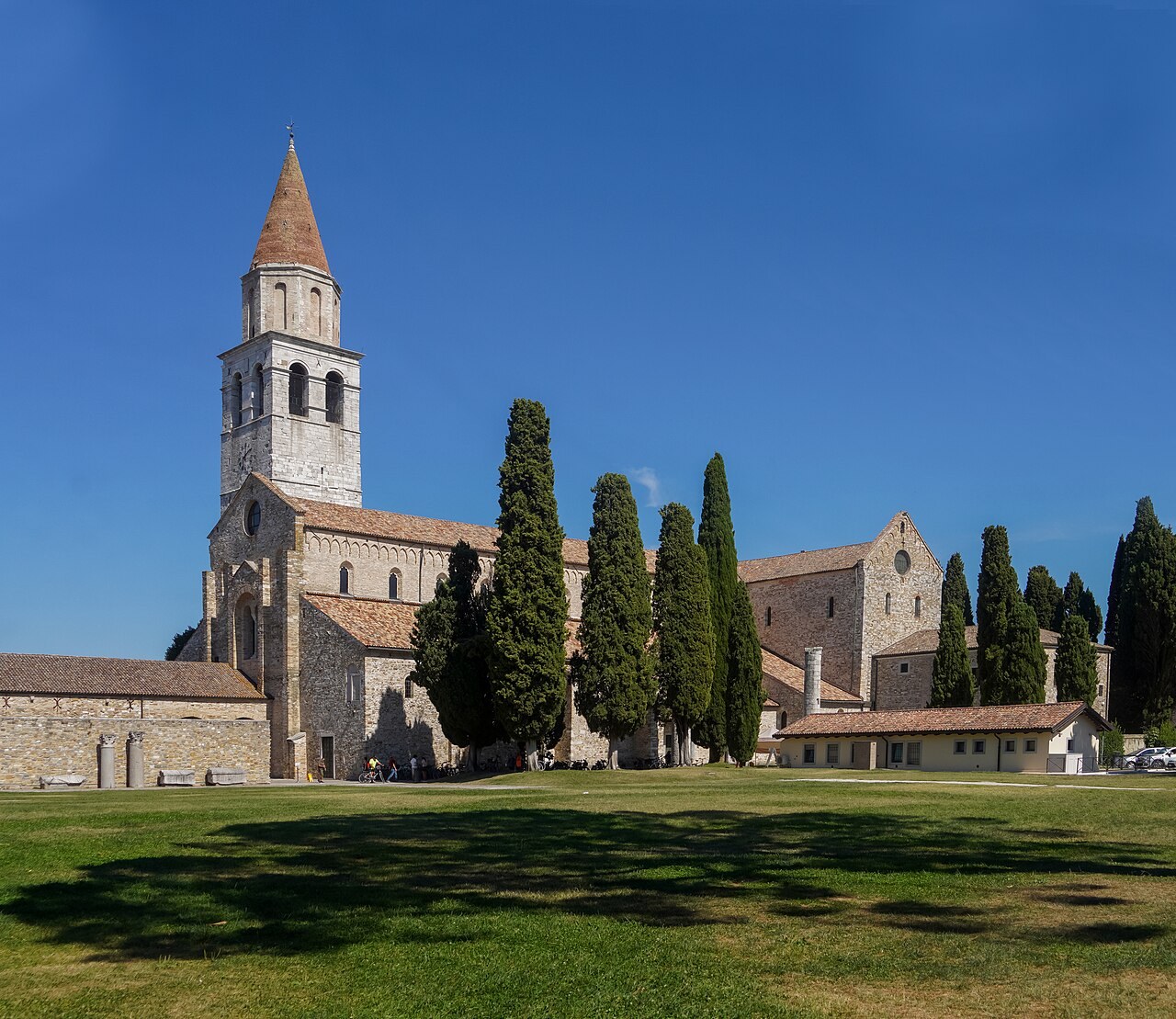 Aquileia: Basilica Patriarcale (Aquileia) - Exterior; visual evidence for the site, Roman period, archaeological site or museum context.
 Aquileia: Aquileia. La passeggiata archeologica. Foto di Giovanni Dall'Orto; visual evidence for the site, Roman period, archaeological site or museum context.
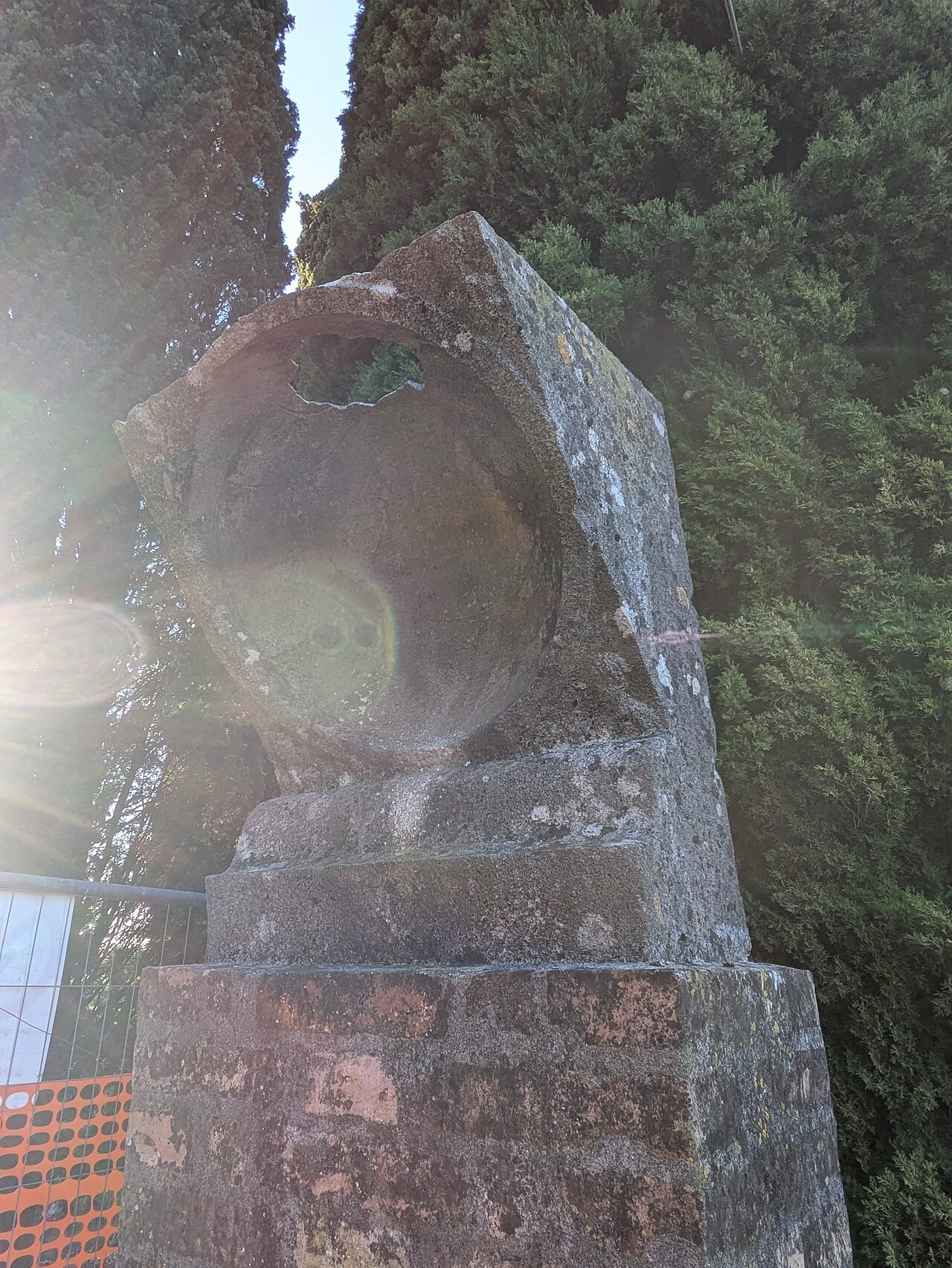 Aquileia: Ancient Roman harbour (Aquileia) - Orologio solare, Hemicyclium 02; archaeological view, find or museum context connected with the site, Roman period or local archaeological context.
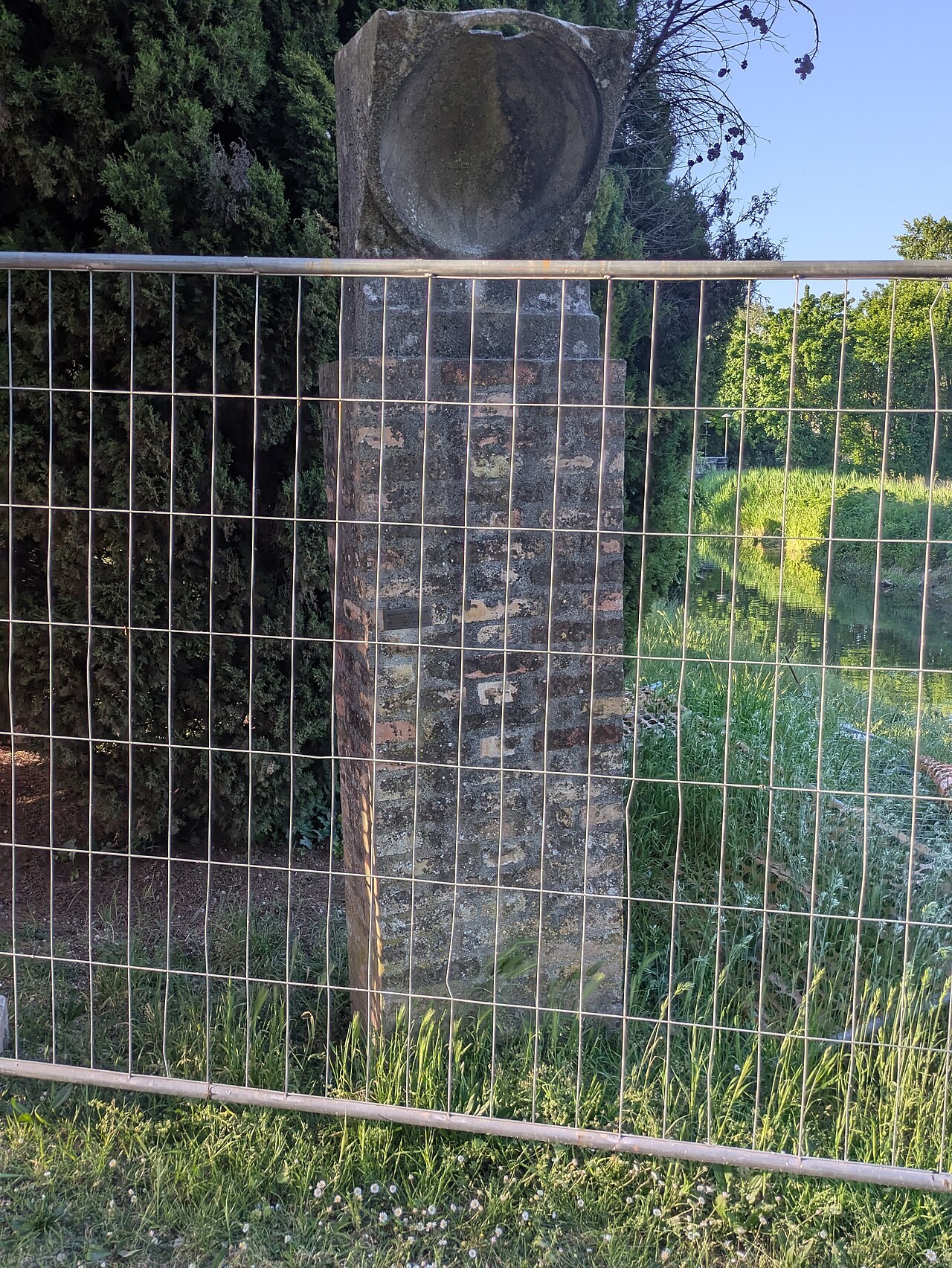 Aquileia: Ancient Roman harbour (Aquileia) - Orologio solare, Hemicyclium 05; archaeological view, find or museum context connected with the site, Roman period or local archaeological context.
Interested in Ancient Rome beyond reading? Join Legio X Fretensis or explore our reenactment directions.


