Augusta Emerita / Merida
Augusta Emerita, modern Merida, was a veterans' colony and capital of Lusitania. It is one of the richest archaeological complexes of Roman Spain: theatre, amphitheatre, circus, bridges, aqueducts, houses, mosaics, temples, roads and cemeteries provide evidence for the city as a whole system.
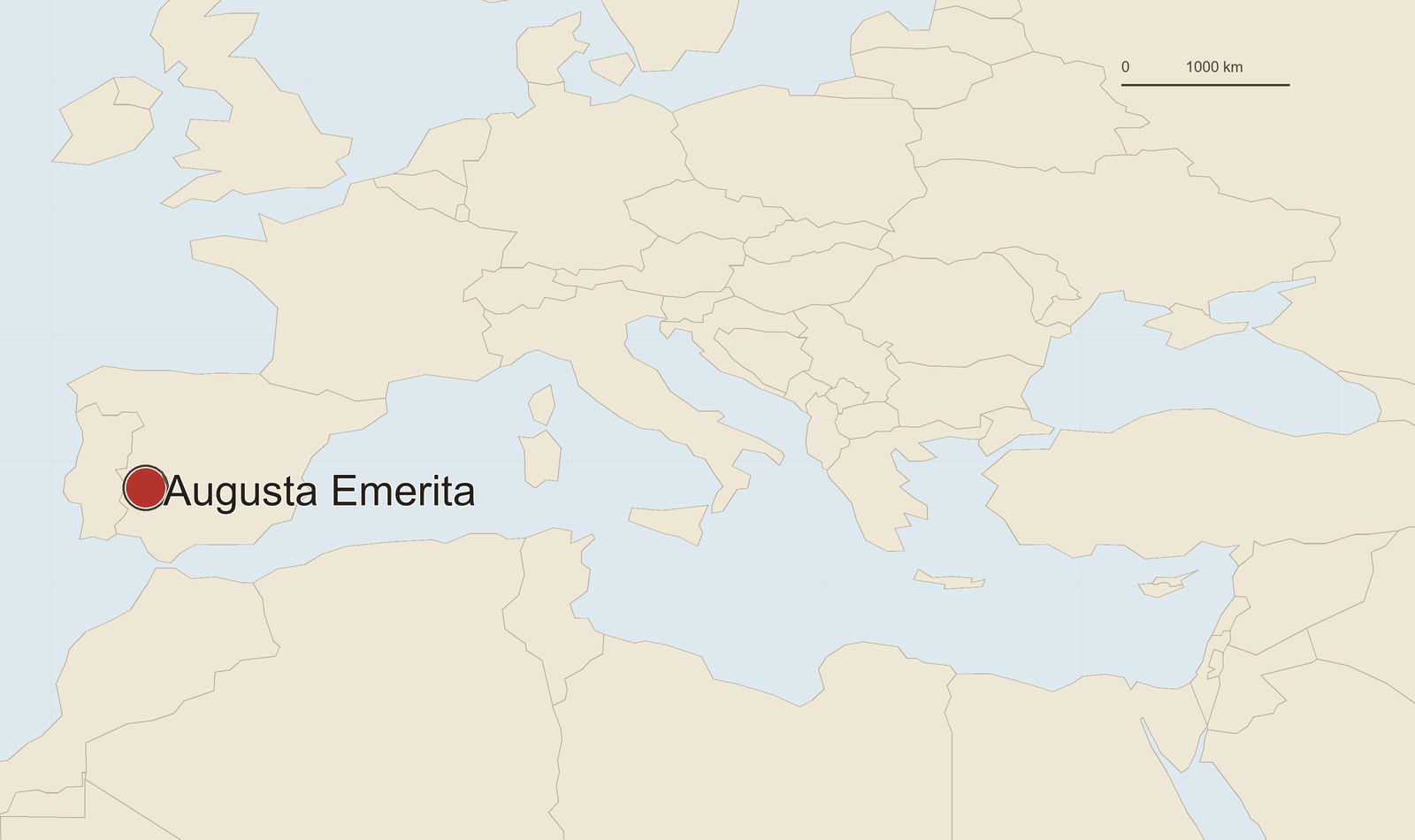 Location map: Augusta Emerita / Merida. The marker shows the ancient site or main archaeological complex.
Archaeological complex
The colony was founded under Augustus for veterans of the Spanish wars. The entertainment buildings, bridge over the Guadiana, aqueducts, forum areas, Temple of Diana, houses and cemeteries are archaeologically important. Merida links veterans, municipal politics, spectacle and water supply.
Merida is especially clear as a monumental urban ensemble: theatre, amphitheatre, circus, bridge, aqueducts, houses and cemeteries preserve different sides of colonial life. Excavation views show not just individual buildings but the scale of public investment in the capital of Lusitania.
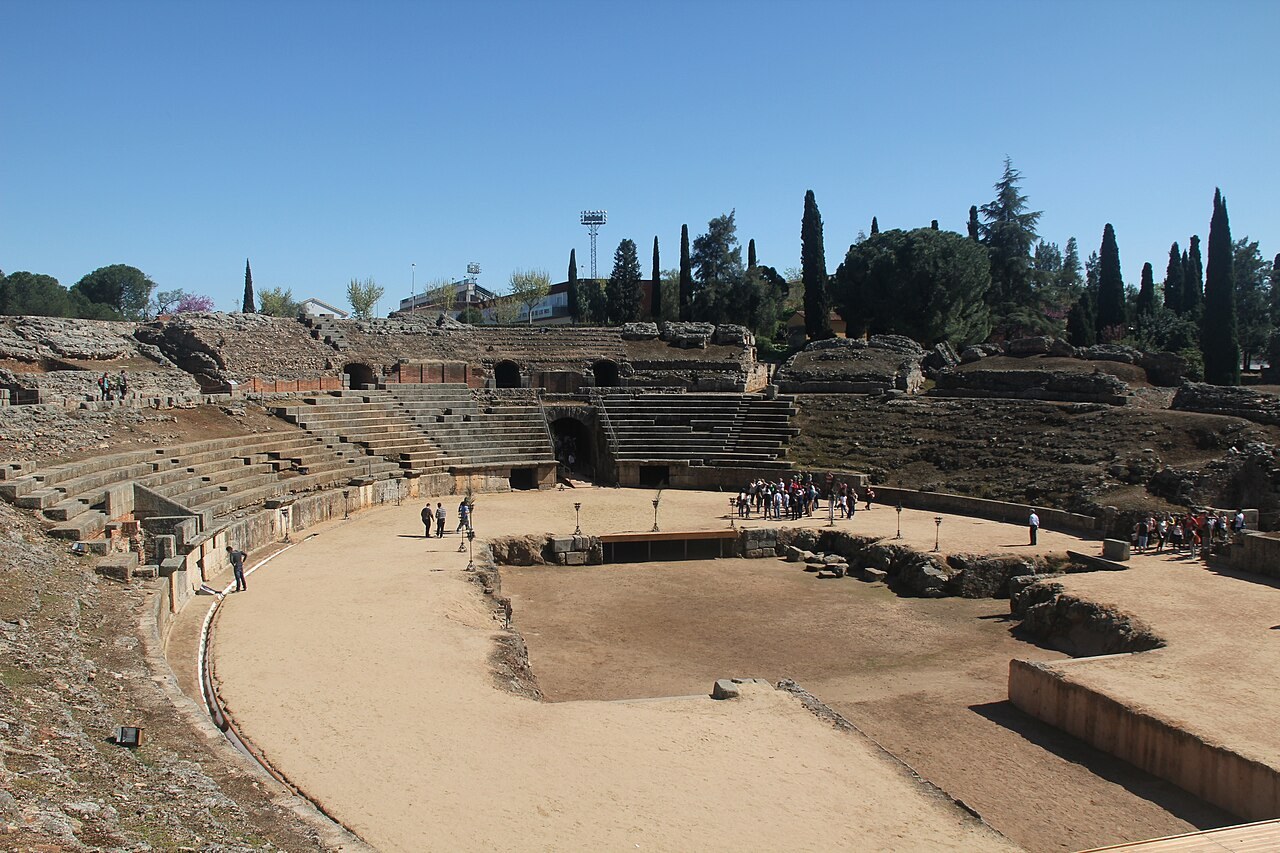 Augusta Emerita / Merida: VR Merida 02-Amphitheatre; general view or excavated sector, Roman period, archaeological site or museum context.
Finds and material setting
Finds include mosaics, sculpture, inscriptions, architectural decoration, domestic pottery, coins, funerary monuments and water-supply material. For reconstructing provincial elites, houses with mosaics and the relationship between public expenditure and social memory are especially useful.
- theatre, amphitheatre, circus, bridge, aqueducts and forum zones;
- mosaics, sculpture, inscriptions, houses and burial complexes;
- water supply and public-building material;
- museum finds connected with the urban elite of Lusitania.
Interpretation and limits
Merida preserves the monumental side of a city well, but its status as colony and provincial capital must be remembered. It is not an average Spanish settlement; rather, it shows the upper level of the Roman urban model in the western empire.
Related topics
- Archaeology and museums
- Roman Empire
- Theatre
- Roman aqueduct
- Roman streets
- Roman temples
- National Museum of Roman Art, Merida
Literature and sources
- Walter Trillmich et al. Hispania Antiqua: Denkmaler der Romerzeit. Mainz, 1993.
- UNESCO World Heritage: Archaeological Ensemble of Merida.
- National Museum of Roman Art, Merida: collection catalogues.


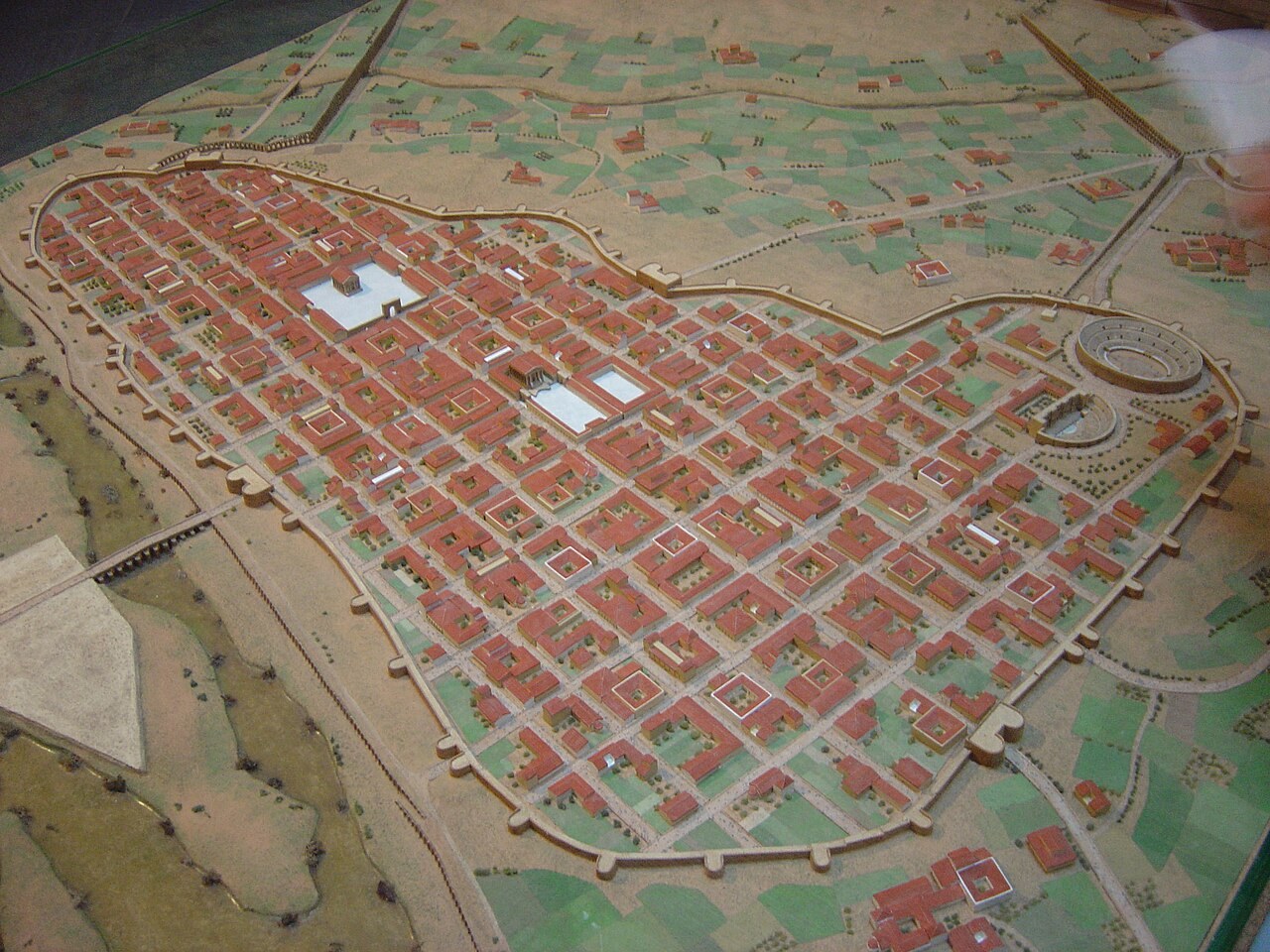 Augusta Emerita / Merida: Maqueta Emerita-Augusta; visual evidence for the site, Roman period, archaeological site or museum context.
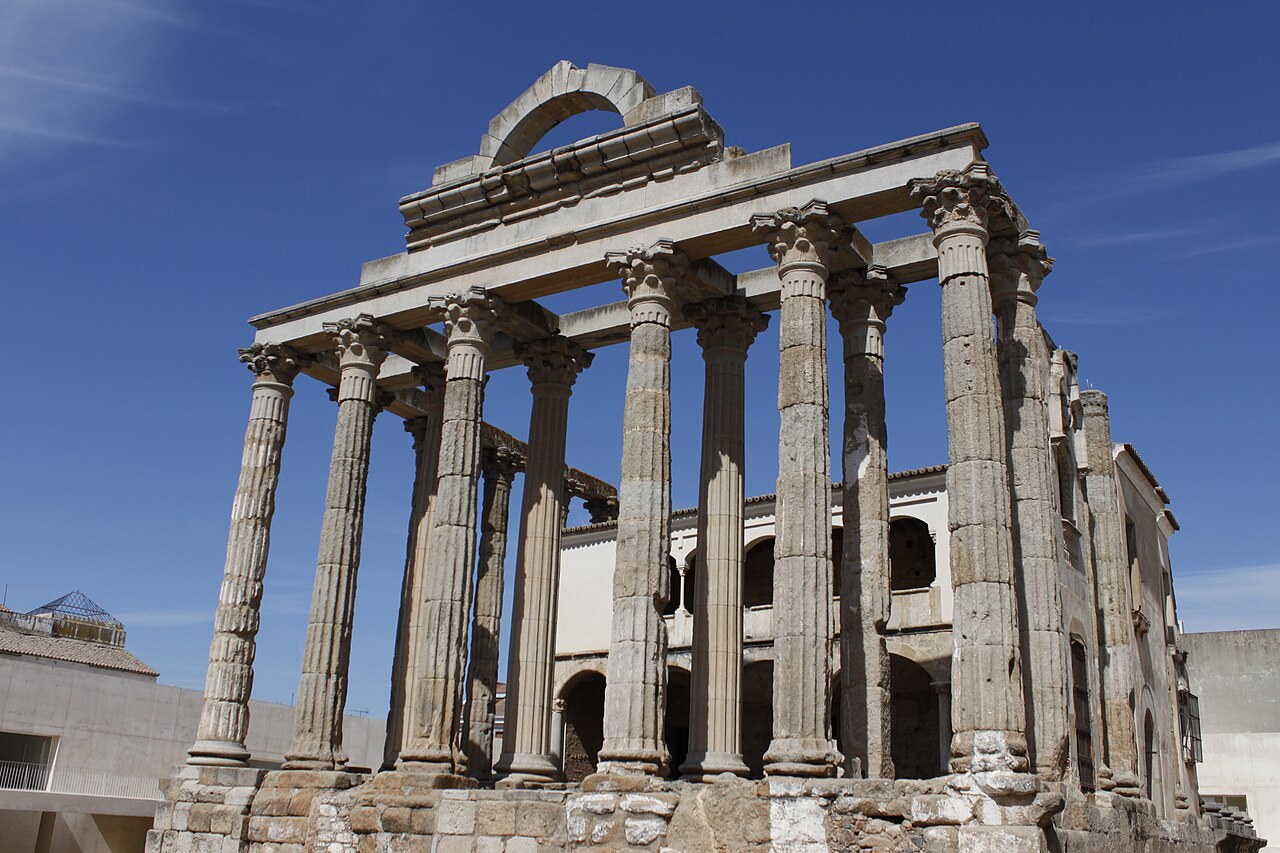 Augusta Emerita / Merida: Templo Romano de Diana, Mérida; visual evidence for the site, Roman period, archaeological site or museum context.
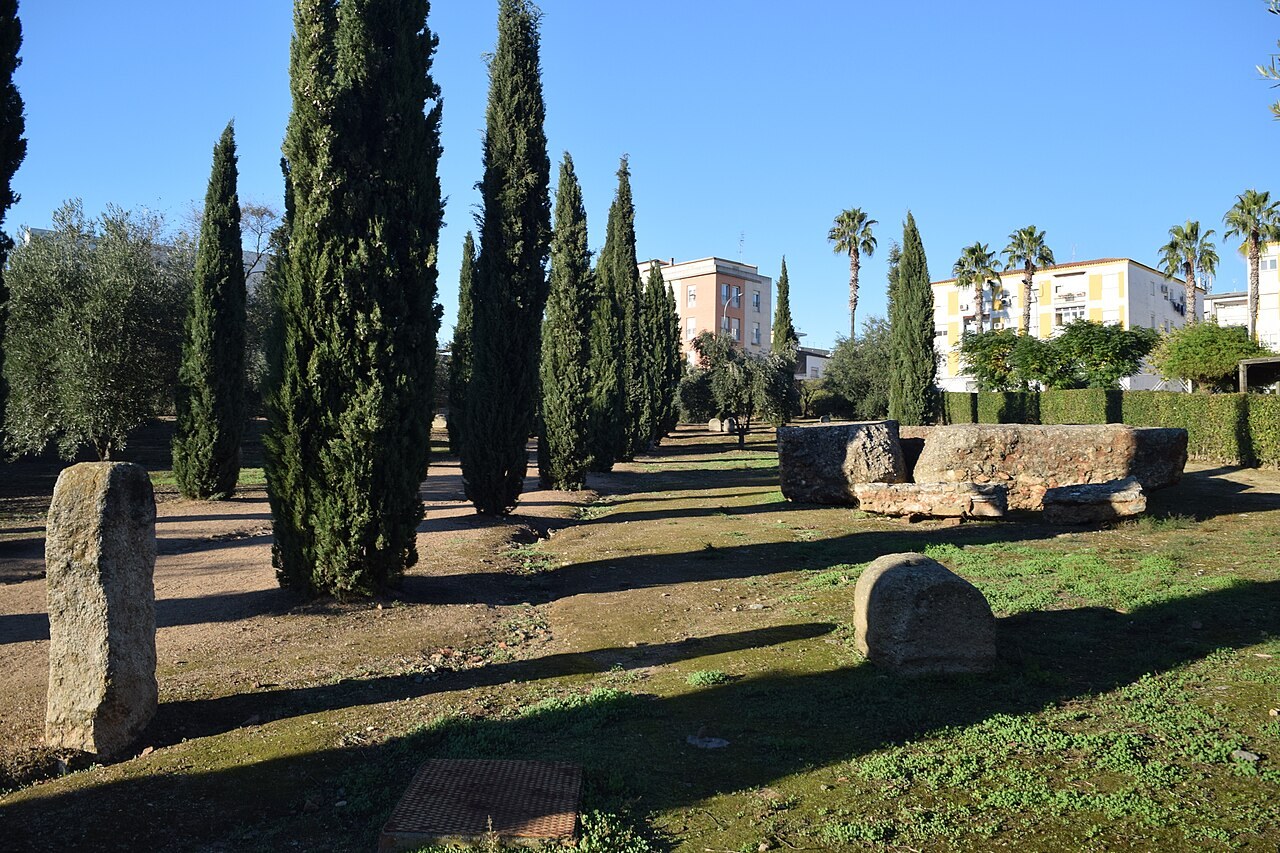 Augusta Emerita / Merida: Columbarios romanos 06; visual evidence for the site, Roman period, archaeological site or museum context.
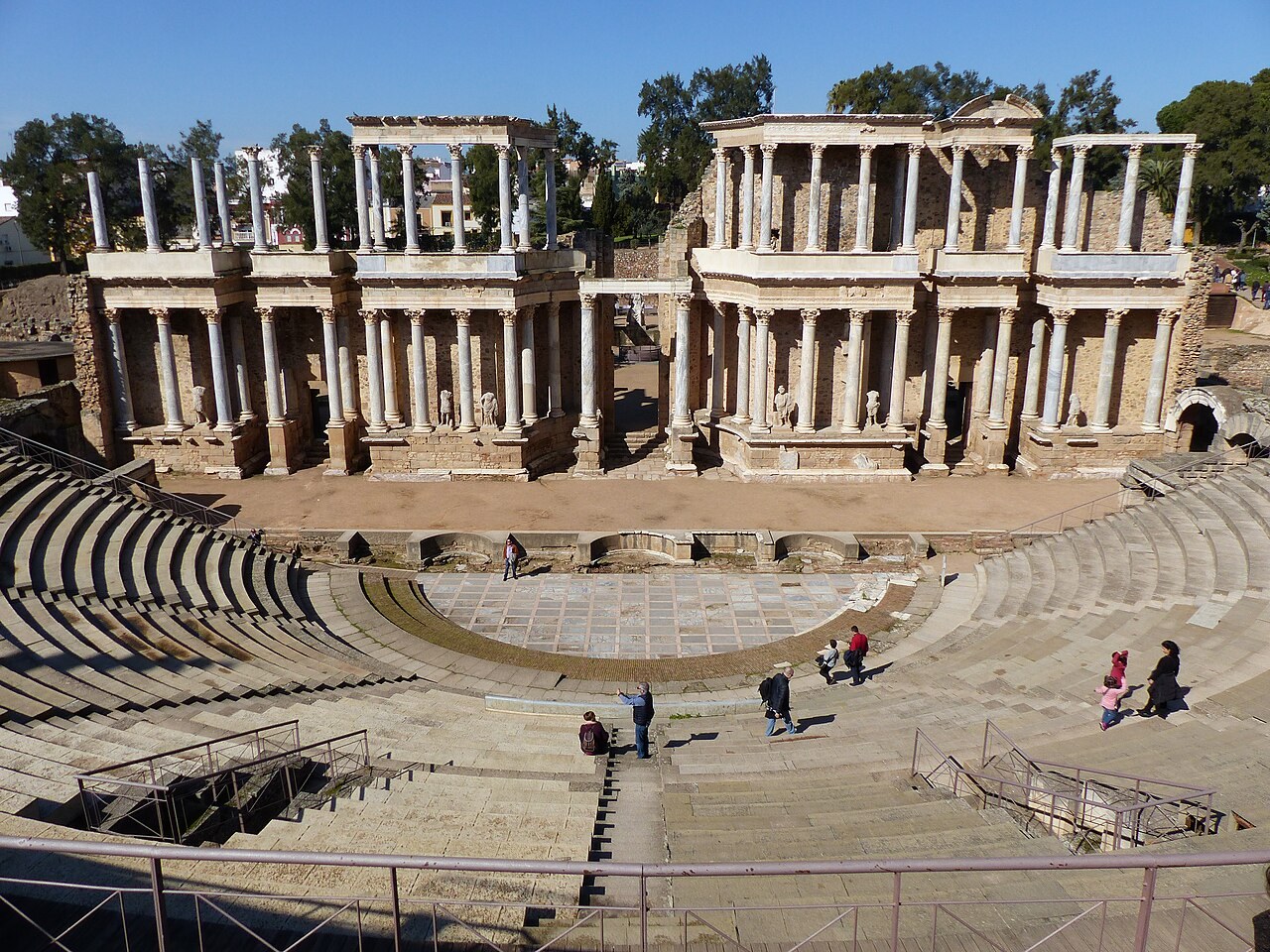 Augusta Emerita / Merida: Teatro de Mérida, España, 2017 18; visual evidence for the site, Roman period, archaeological site or museum context.
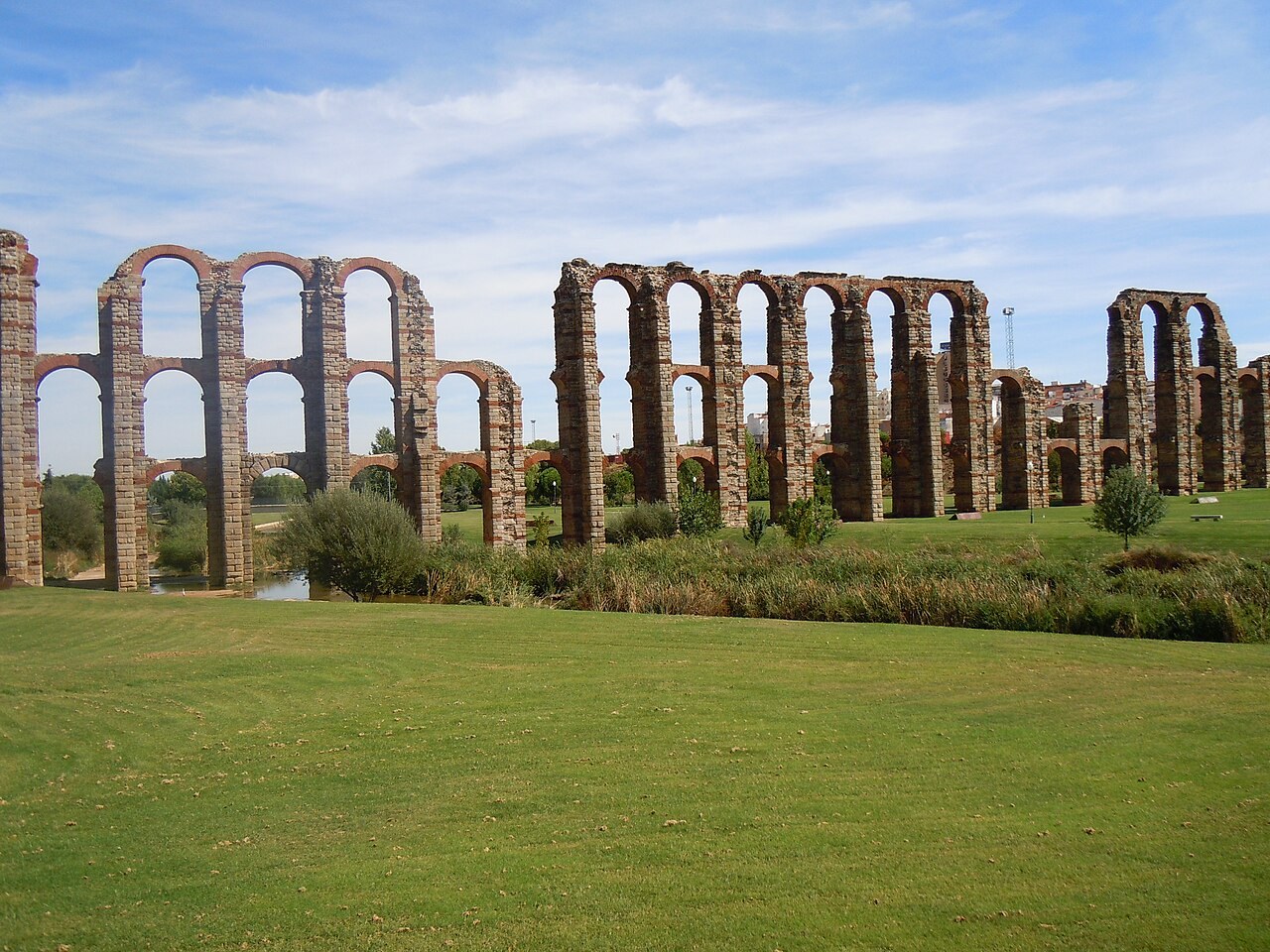 Roman aqueduct in Merida.
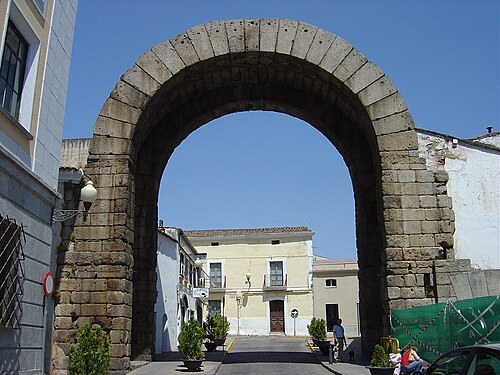 Augusta Emerita / Merida: Merida Arco de Trajano; visual evidence for the site, Roman period, archaeological site or museum context.
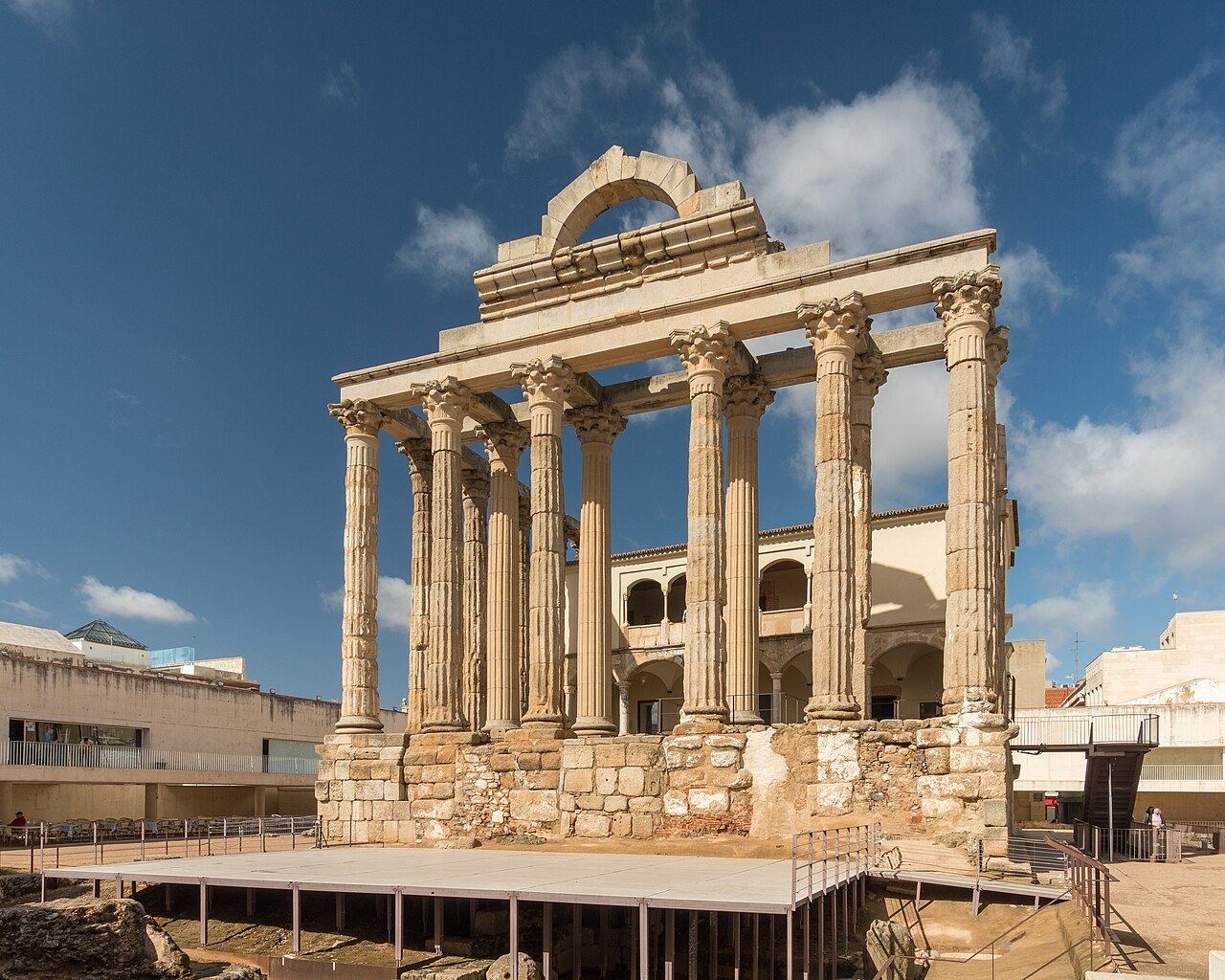 Augusta Emerita / Merida: Temple of Diana in Mérida; archaeological view, find or museum context connected with the site, Roman period or local archaeological context.
 Augusta Emerita / Merida: Spain-Merida-Spain-Merida-Puente Romano-P1170557; archaeological view, find or museum context connected with the site, Roman period or local archaeological context.
 Augusta Emerita / Merida: Spain-Merida-Spain-Merida-Puente Romano-P1250189; archaeological view, find or museum context connected with the site, Roman period or local archaeological context.
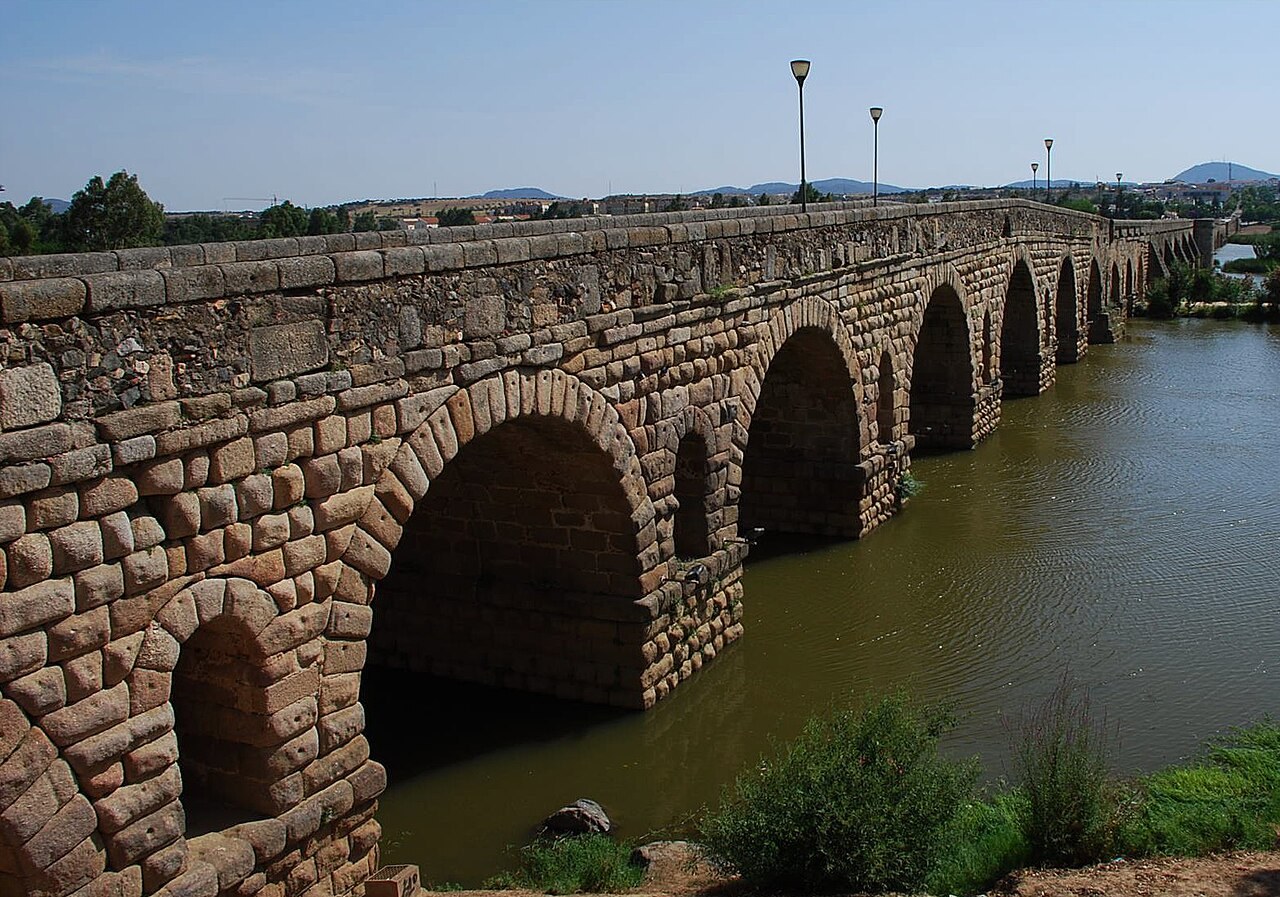 Augusta Emerita / Merida: Mérida - Puente romano sobre el Guadiana - W; archaeological view, find or museum context connected with the site, Roman period or local archaeological context.
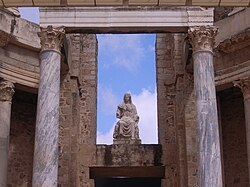 Augusta Emerita / Merida: Ceres Teatro Romano Mérida - panoramio; archaeological view, find or museum context connected with the site, Roman period or local archaeological context.
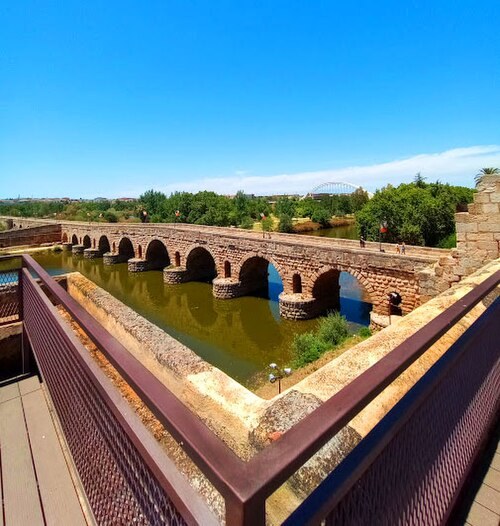 Augusta Emerita / Merida: Puenteromano02-MerEsp; visual evidence for the site, Roman period, archaeological site or museum context.
Interested in Ancient Rome beyond reading? Join Legio X Fretensis or explore our reenactment directions.


