Ephesus
Ephesus was one of the largest cities of Roman Asia Minor and a key source for the eastern urban world of the empire. Its archaeological importance lies in streets, terrace houses, theatre, Library of Celsus, agora, baths, temple areas, inscriptions and a huge body of sculpture.
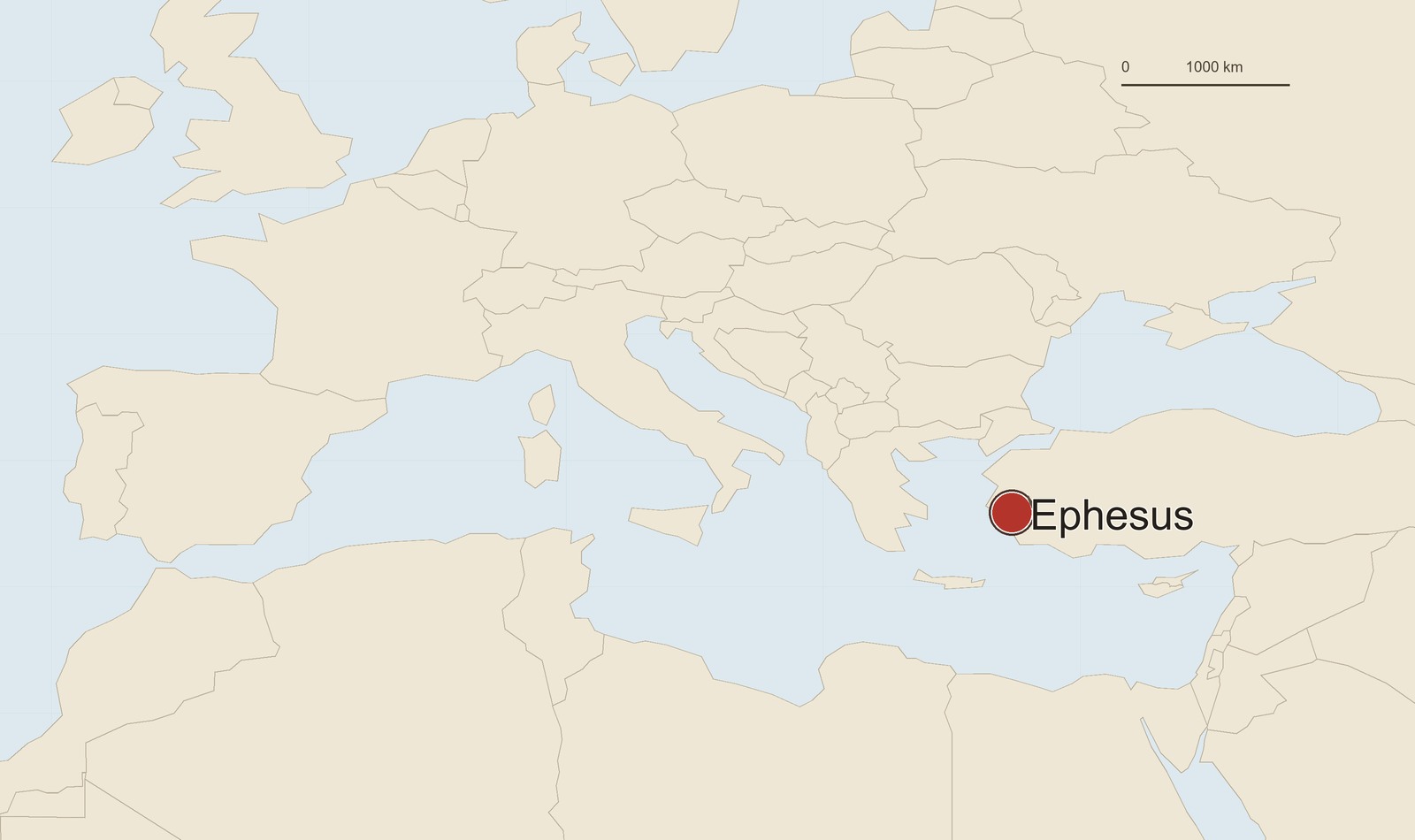 Location map: Ephesus. The marker shows the ancient site or main archaeological complex.
Archaeological complex
Roman Ephesus was a capital and harbour city of the province of Asia, although shoreline and harbour changed through silting. Marble streets, Curetes Street, theatre, agora, library and terrace houses show the city as a setting for processions, trade, elite housing and public memory.
Ephesus is visible as a major eastern city with streets, terrace houses, library, theatre, agora, harbour axis and temple zones. Excavation photographs help distinguish restored facades from stratigraphic evidence in residential quarters and workshops.
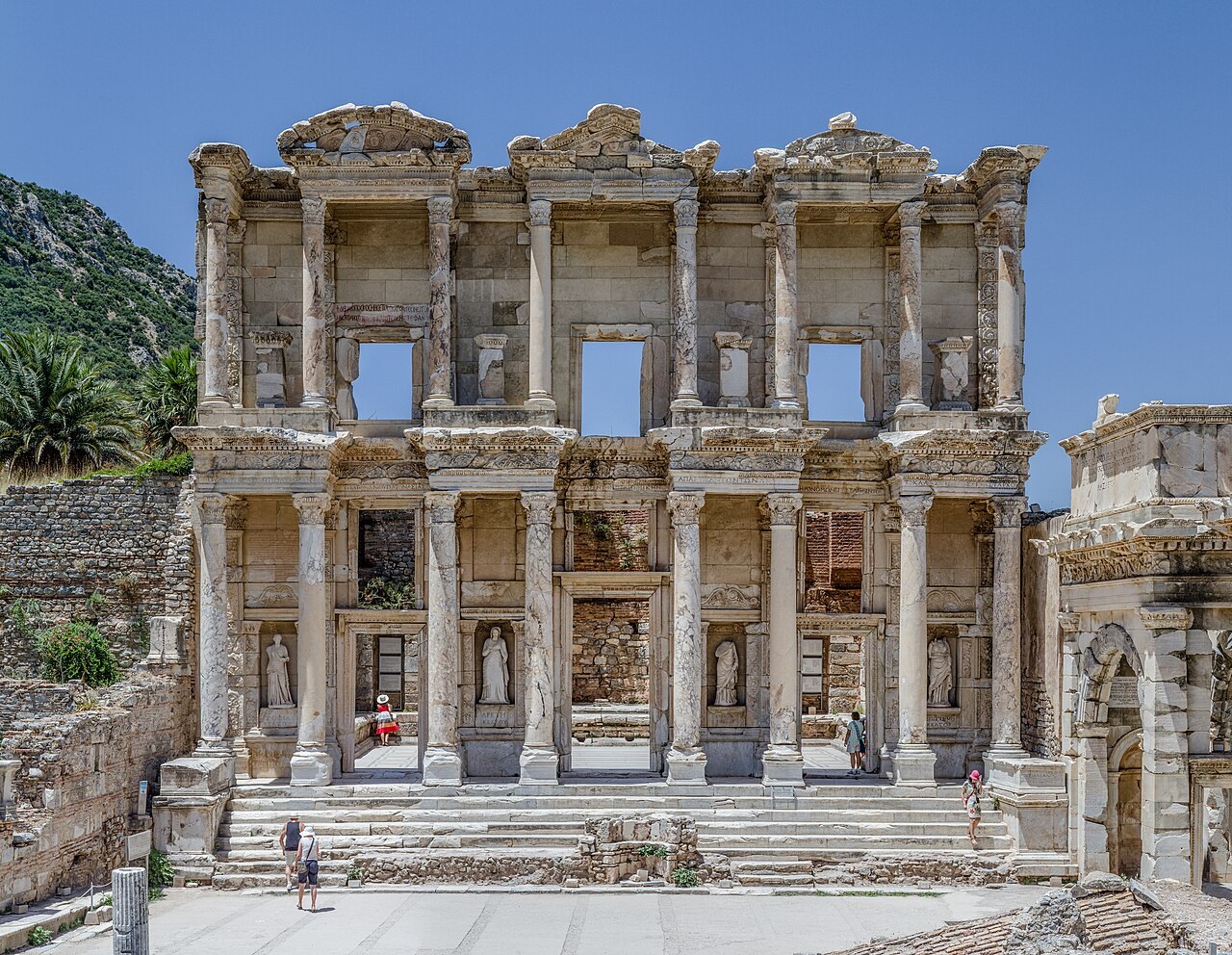 Ephesus: Ephesus Celsus Library Façade; general view or excavated sector, Roman period, archaeological site or museum context.
Finds and material setting
Finds from Ephesus include inscriptions, statues, mosaics, wall painting, domestic utensils, coins, glass, pottery and water-supply traces. The terrace houses are especially important because they provide an elite domestic context in which architecture, images, furniture traces and small finds are tied to specific rooms.
- terrace houses, theatre, library, agora, streets and harbour axis;
- frescoes, mosaics, inscriptions, sculpture, pottery and craft material;
- evidence for the cult of Artemis and imperial cult;
- Late Antique rebuilding and Christian monuments.
Interpretation and limits
The archaeology of Ephesus spans the Hellenistic city, the Roman provincial centre and Late Antique rebuilding. Shoreline change and harbour silting altered its links with the sea. Restored facades, domestic rooms and excavated layers need to be dated separately rather than combined into a static image of the city.
Related topics
Literature and sources
- F. Hueber. Ephesos: Gebaute Geschichte. Mainz, 1997.
- UNESCO World Heritage: Ephesus.
- Austrian Archaeological Institute: Ephesos excavation publications.


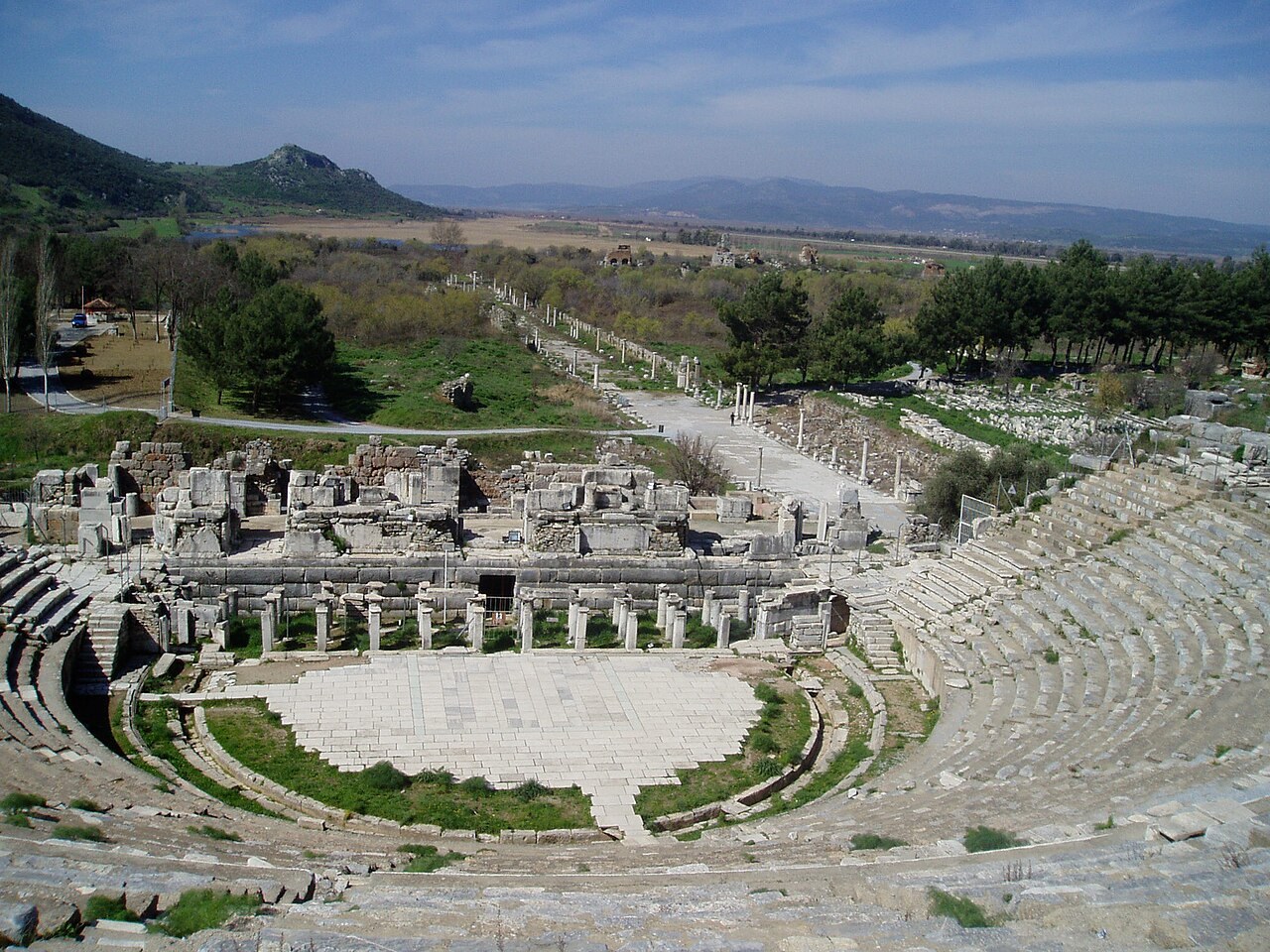 Ephesus: Ephesos amphitheatre; visual evidence for the site, Roman period, archaeological site or museum context.
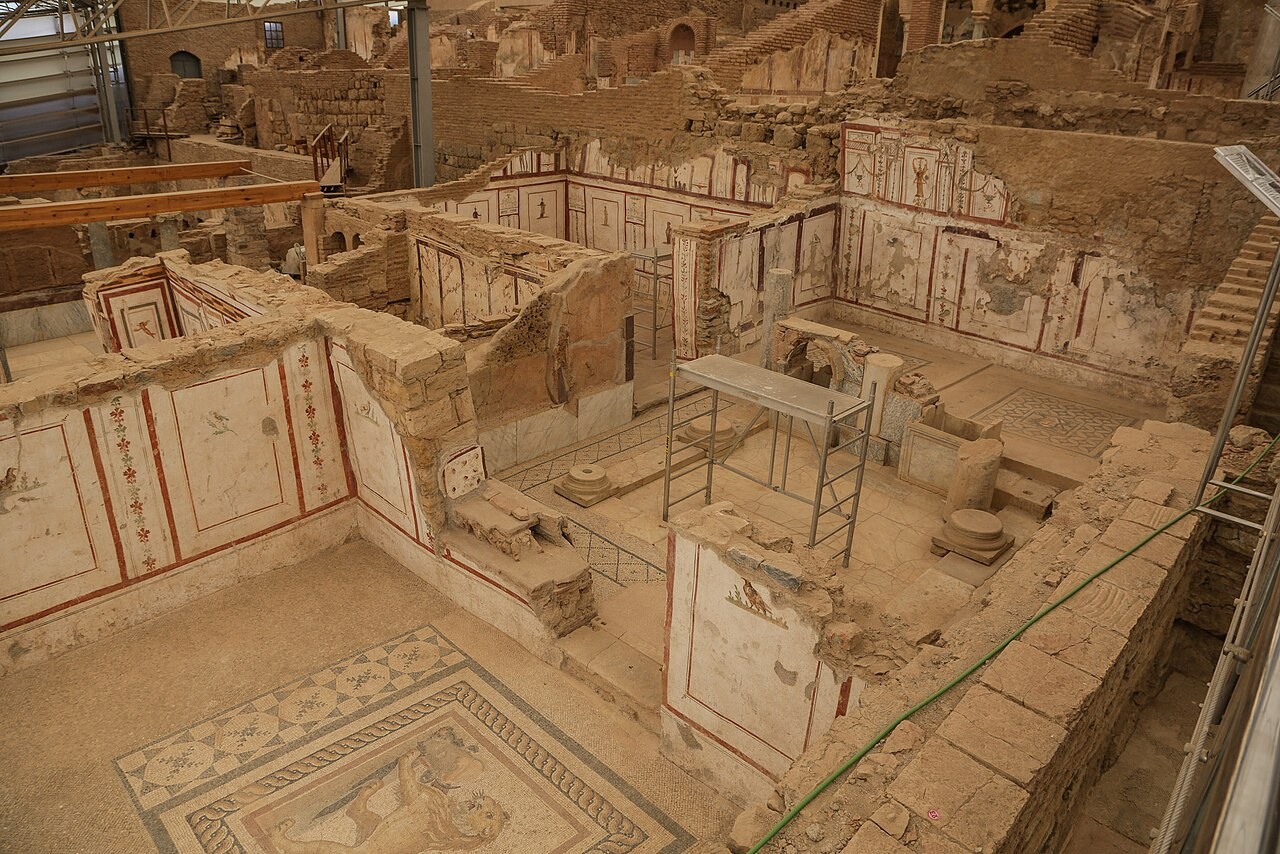 Ephesus: Ephesus Terrace Houses; visual evidence for the site, Roman period, archaeological site or museum context.
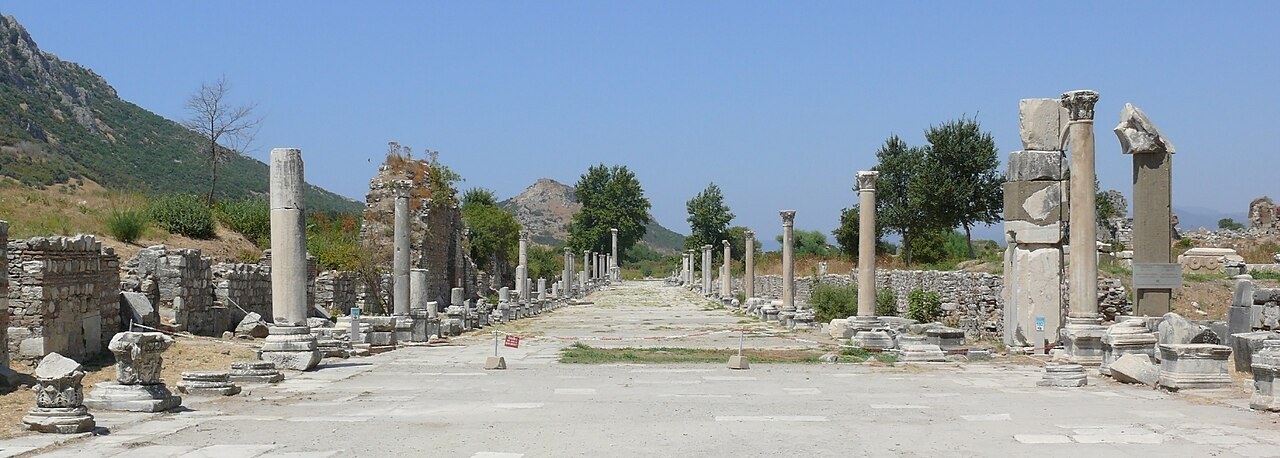 Ephesus: Ephesus street scene; visual evidence for the site, Roman period, archaeological site or museum context.
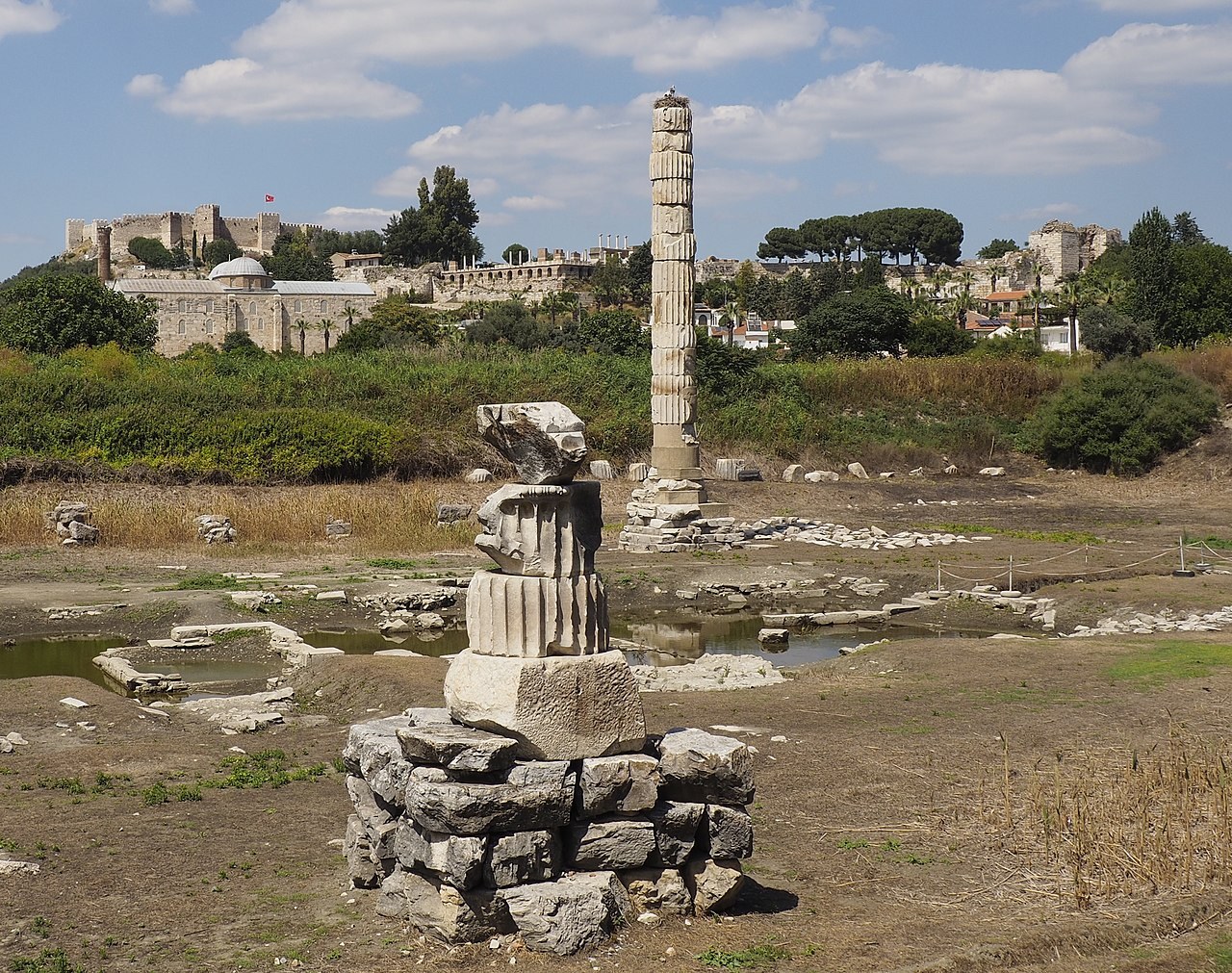 Ephesus: Templo-Artemisa-Efeso-2017; visual evidence for the site, Roman period, archaeological site or museum context.
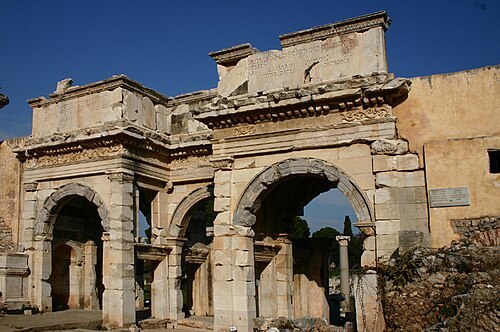 Ephesus: GateOfAugustus; visual evidence for the site, Roman period, archaeological site or museum context.
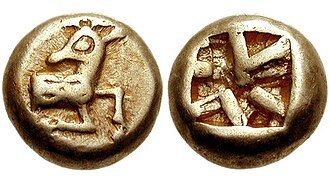 Ephesus: Ephesos 620-600 BC; archaeological view, find or museum context connected with the site, Roman period or local archaeological context.
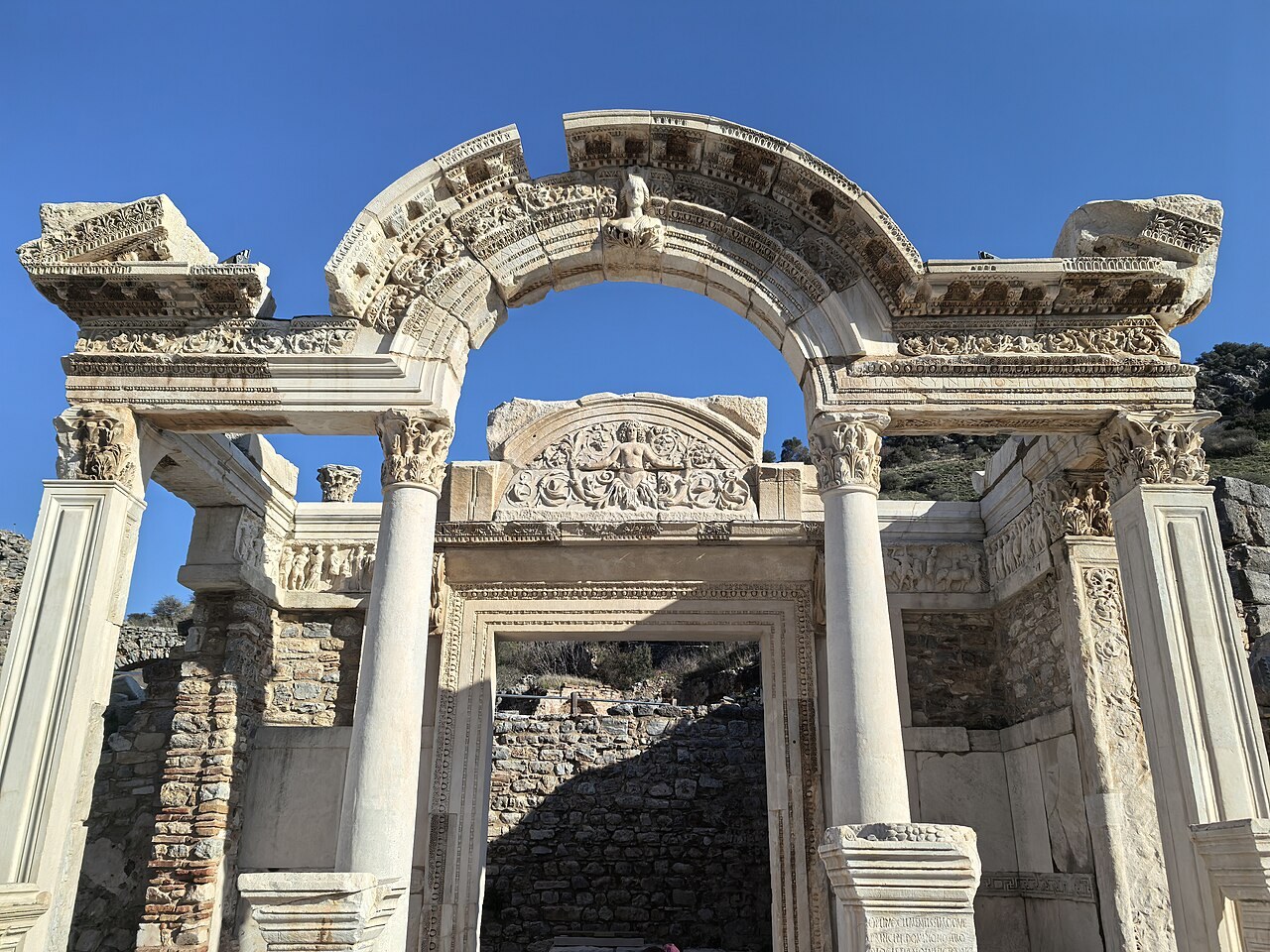 Ephesus: Temple of Hadrian at Ephesus; archaeological view, find or museum context connected with the site, Roman period or local archaeological context.
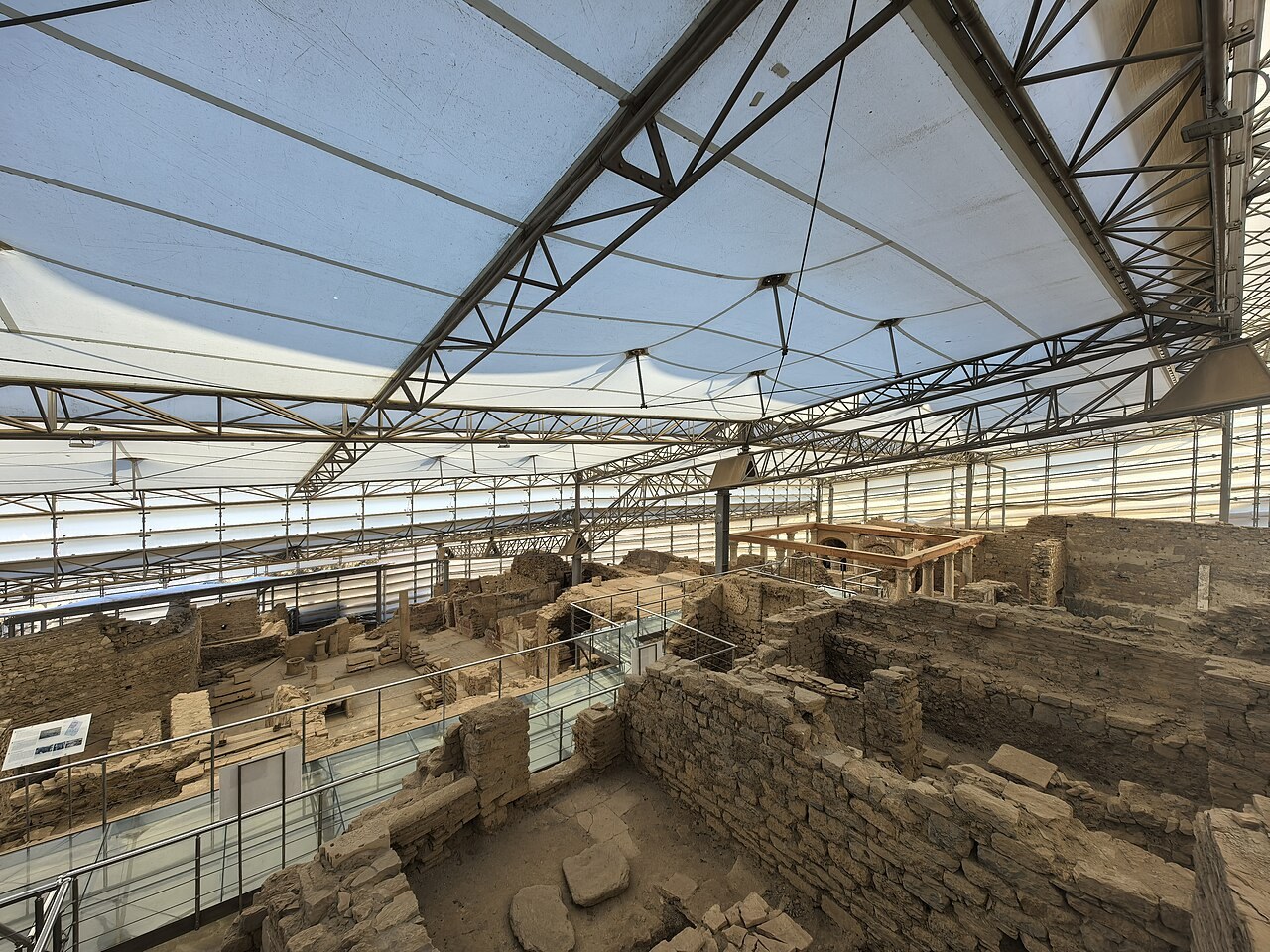 Ephesus: The Terrace House at Ephesus 04; archaeological view, find or museum context connected with the site, Roman period or local archaeological context.
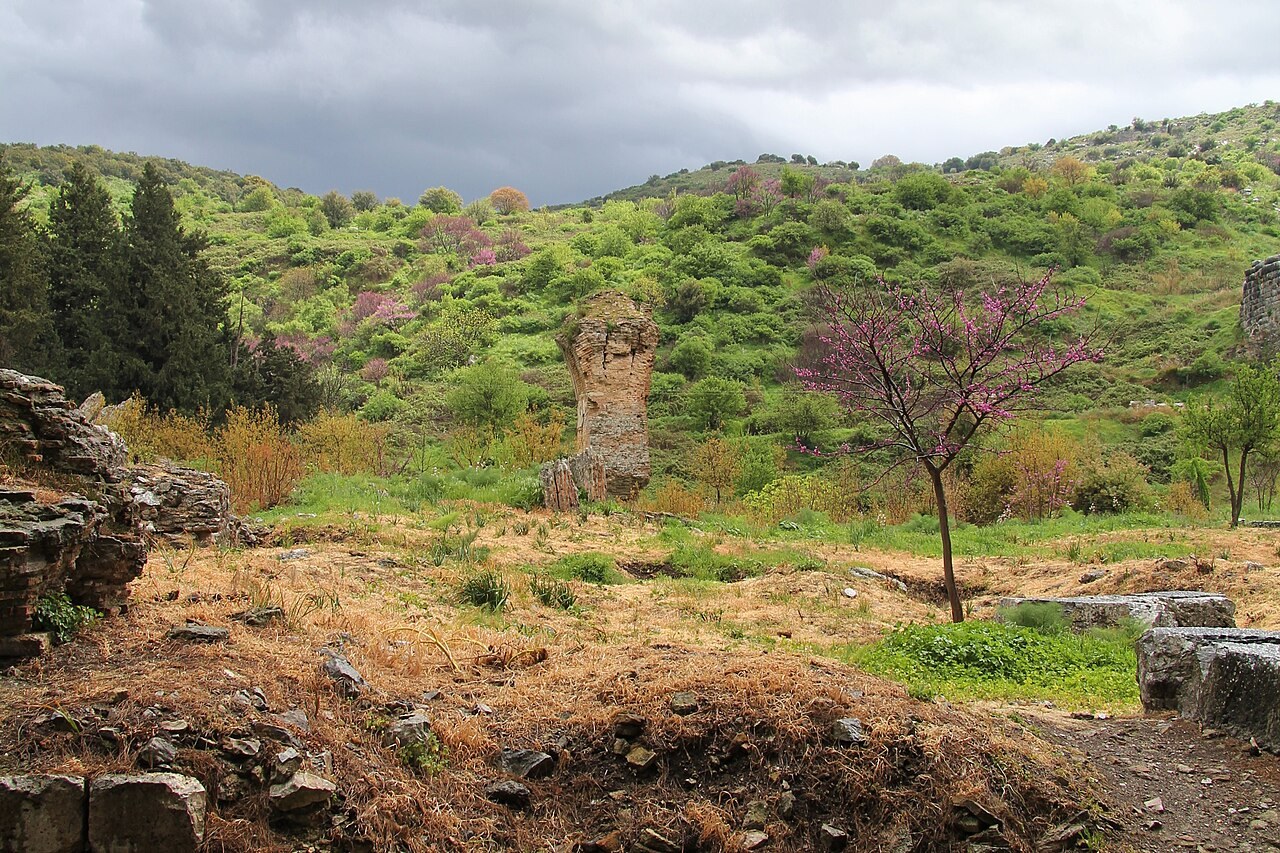 Ephesus: Ephesos 2013-03-26b; archaeological view, find or museum context connected with the site, Roman period or local archaeological context.
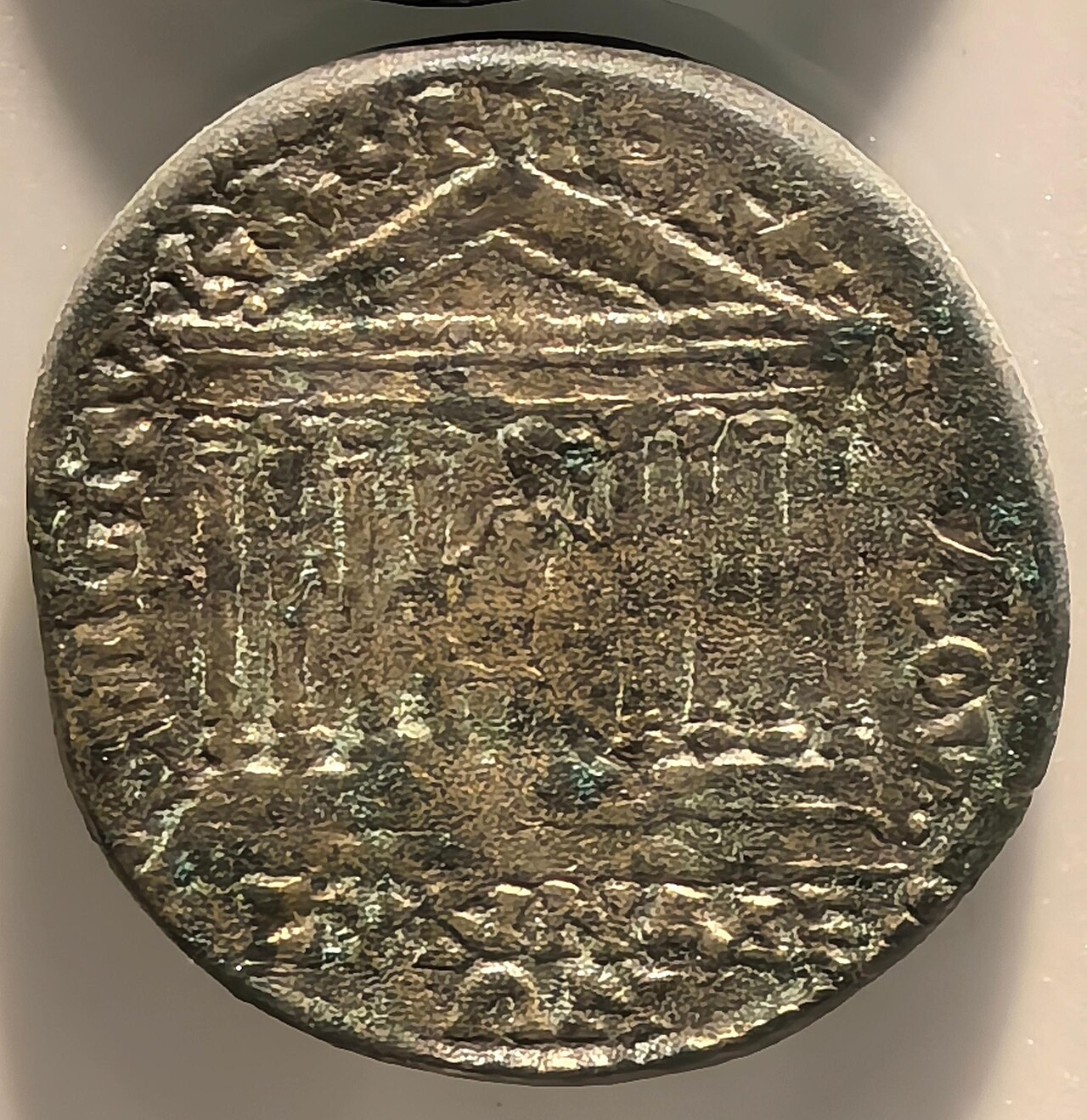 Ephesus: Coin found at Ephesus depicting the Temple of Artemis; visual evidence for the site, Roman period, archaeological site or museum context.
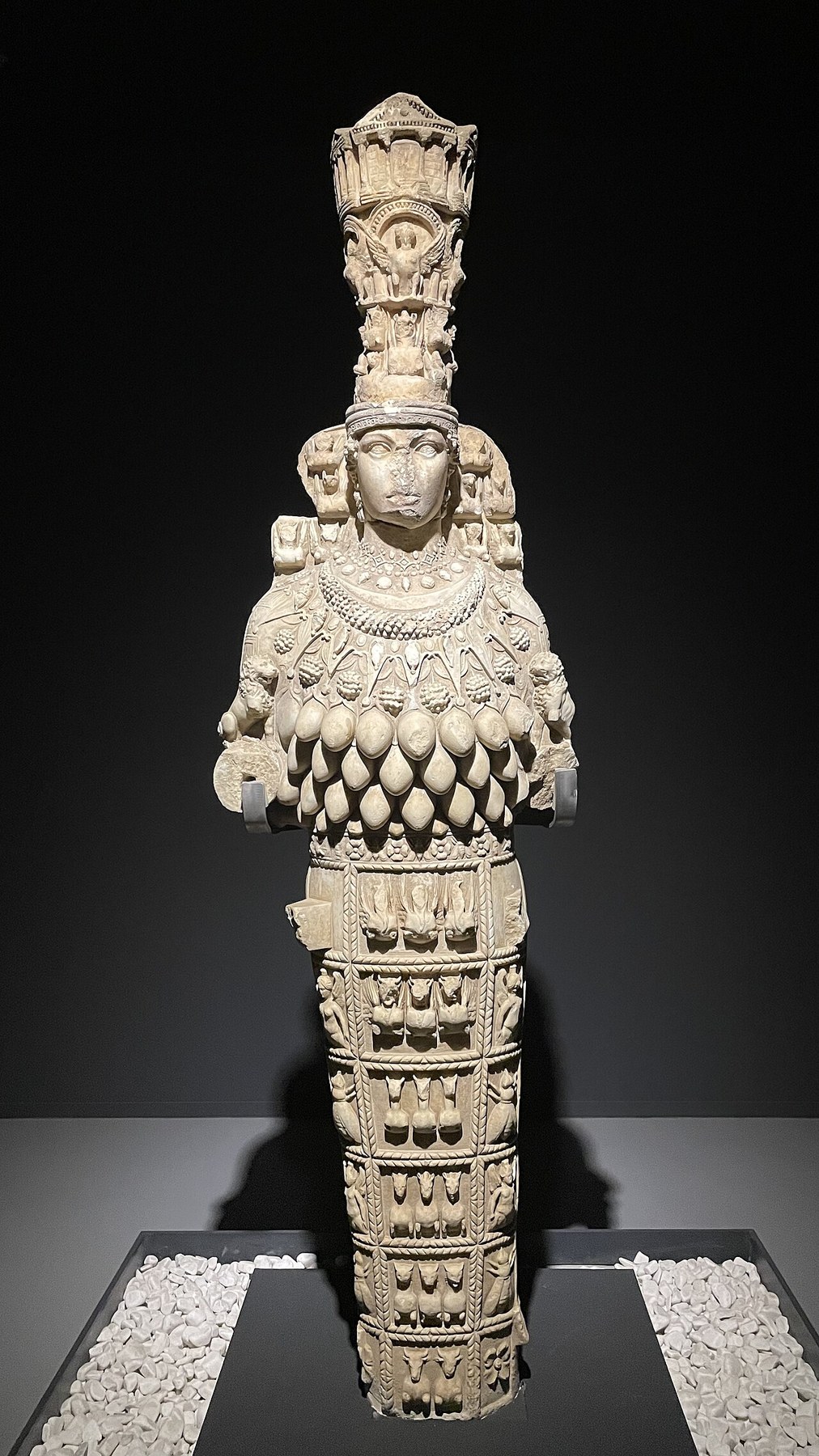 Ephesus: The Statue of Artemis at Ephesus; material-culture object or museum find connected with the site, Roman period or local archaeological context.
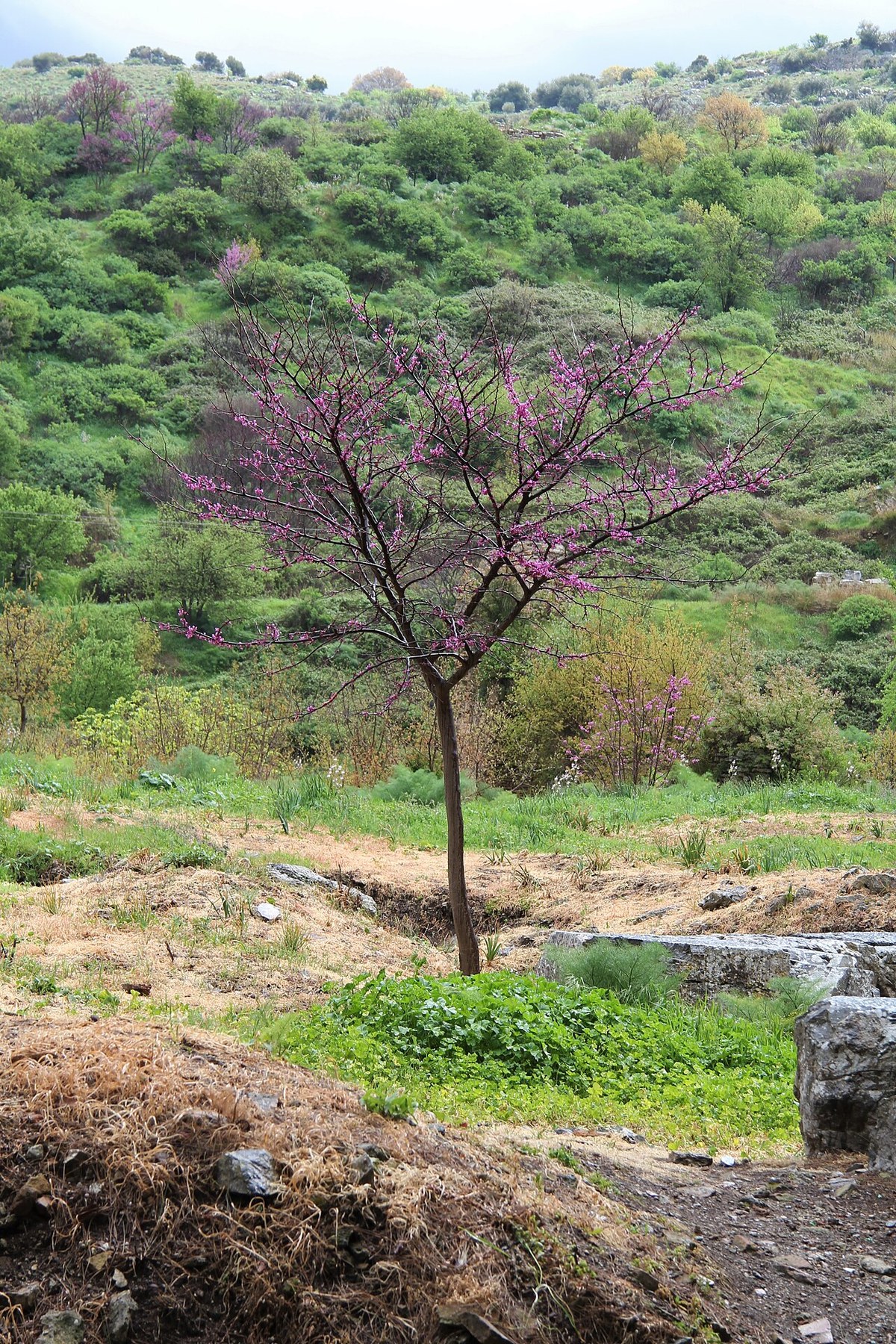 Ephesus: Ephesos 2013-03-26c; archaeological view, find or museum context connected with the site, Roman period or local archaeological context.
Interested in Ancient Rome beyond reading? Join Legio X Fretensis or explore our reenactment directions.


