Leptis Magna
Leptis Magna in Tripolitania is one of the most impressive cities of Roman North Africa and the birthplace of Septimius Severus. Its archaeological value lies in the harbour, fora, Severan basilica, theatre, amphitheatre, market, streets, inscriptions and rich urban decoration.
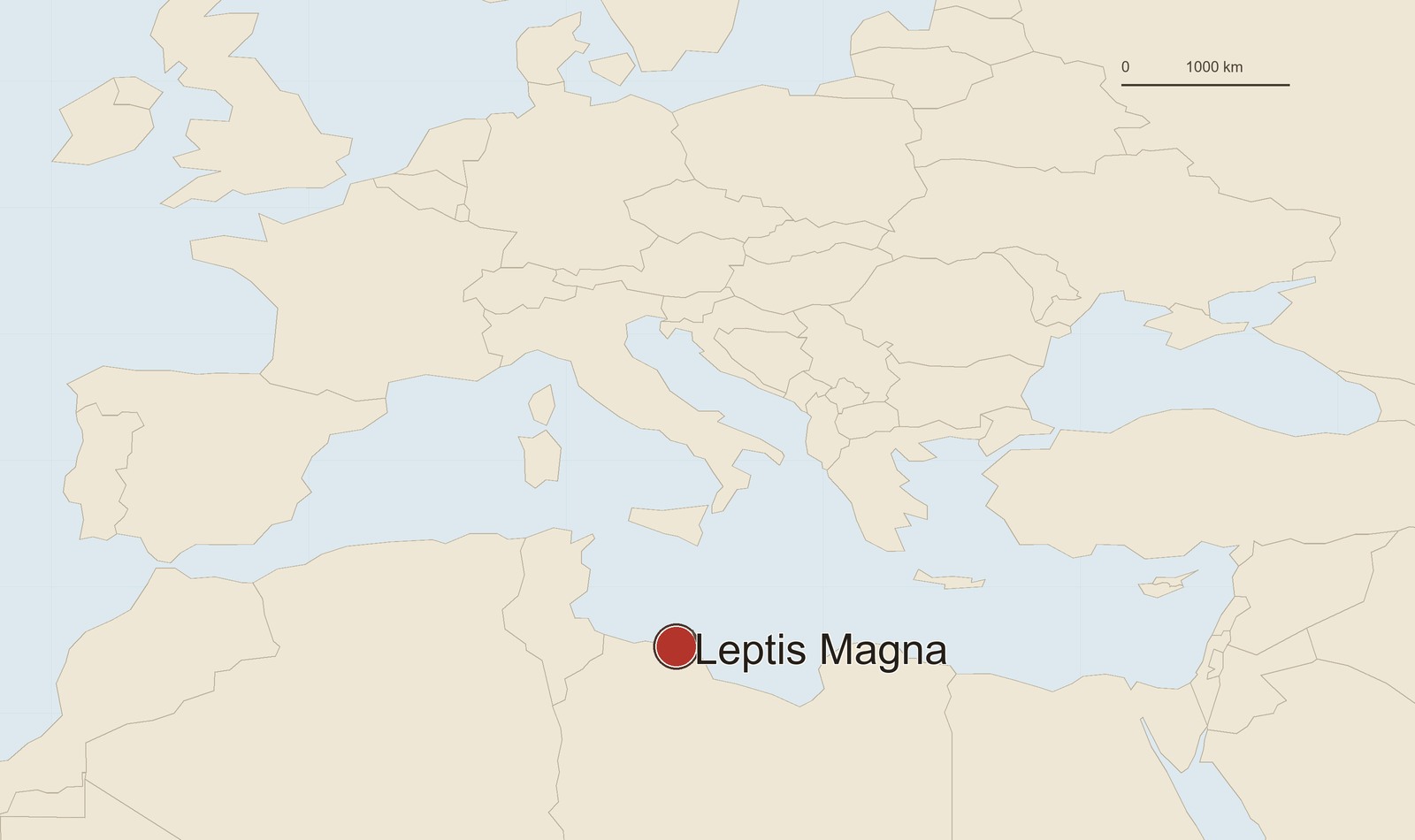 Location map: Leptis Magna. The marker shows the ancient site or main archaeological complex.
Archaeological complex
The city had a Phoenician-Punic past but became a major African centre in Roman times, especially under the Severans. The old forum, new Severan forum, basilica, nymphaeum, colonnaded street, harbour and entertainment buildings show local elite and imperial power reshaping urban form.
Leptis Magna preserves a major North African urban ensemble: Severan forum, basilica, theatre, market, harbour, streets and baths allow the architectural politics of elite and imperial power to be read. General excavation views are especially important for the scale of the stone cityscape.
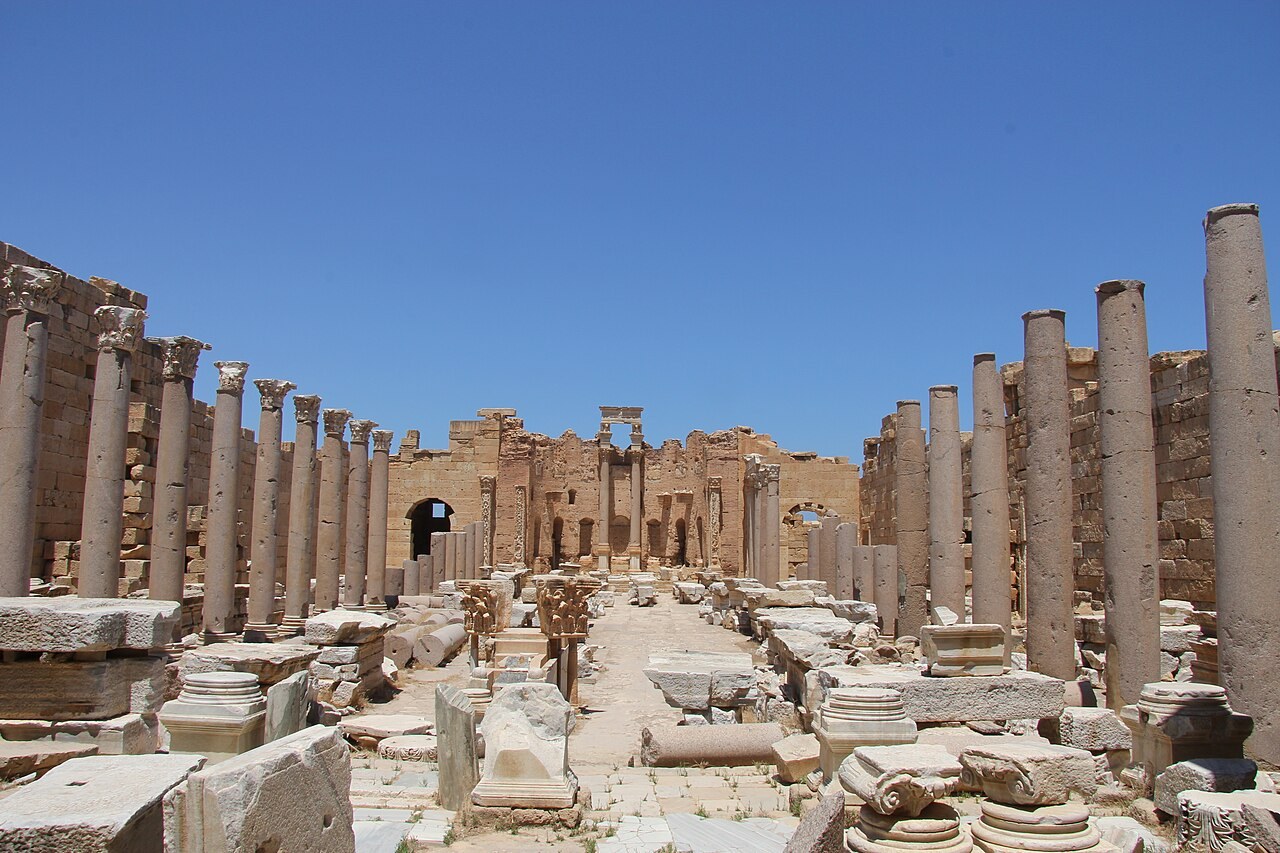 Leptis Magna: Leptis Magna (29); general view or excavated sector, Roman period, archaeological site or museum context.
Finds and material setting
Finds include inscriptions, sculpture, architectural decoration, marble, pottery, coins, trade material and funerary monuments. For reconstructing an African city, the harbour and market matter because they connect monumentality with olive oil, countryside, sea and the wealth of local families.
- Severan forum, basilica, theatre, market, harbour, streets and baths;
- marble decoration, inscriptions, statues, coins and harbour pottery;
- evidence for the North African urban elite;
- later rebuilding, sand preservation and site condition.
Interpretation and limits
Leptis Magna is especially monumental and tied to the Severan building boom. It should not be taken as an average African town, but it is indispensable for understanding the scale provincial urbanism could reach.
Related topics
Literature and sources
- J. B. Ward-Perkins. The Severan Buildings of Lepcis Magna. London, 1993.
- UNESCO World Heritage: Archaeological Site of Leptis Magna.
- Studies on Tripolitania and Roman North Africa.


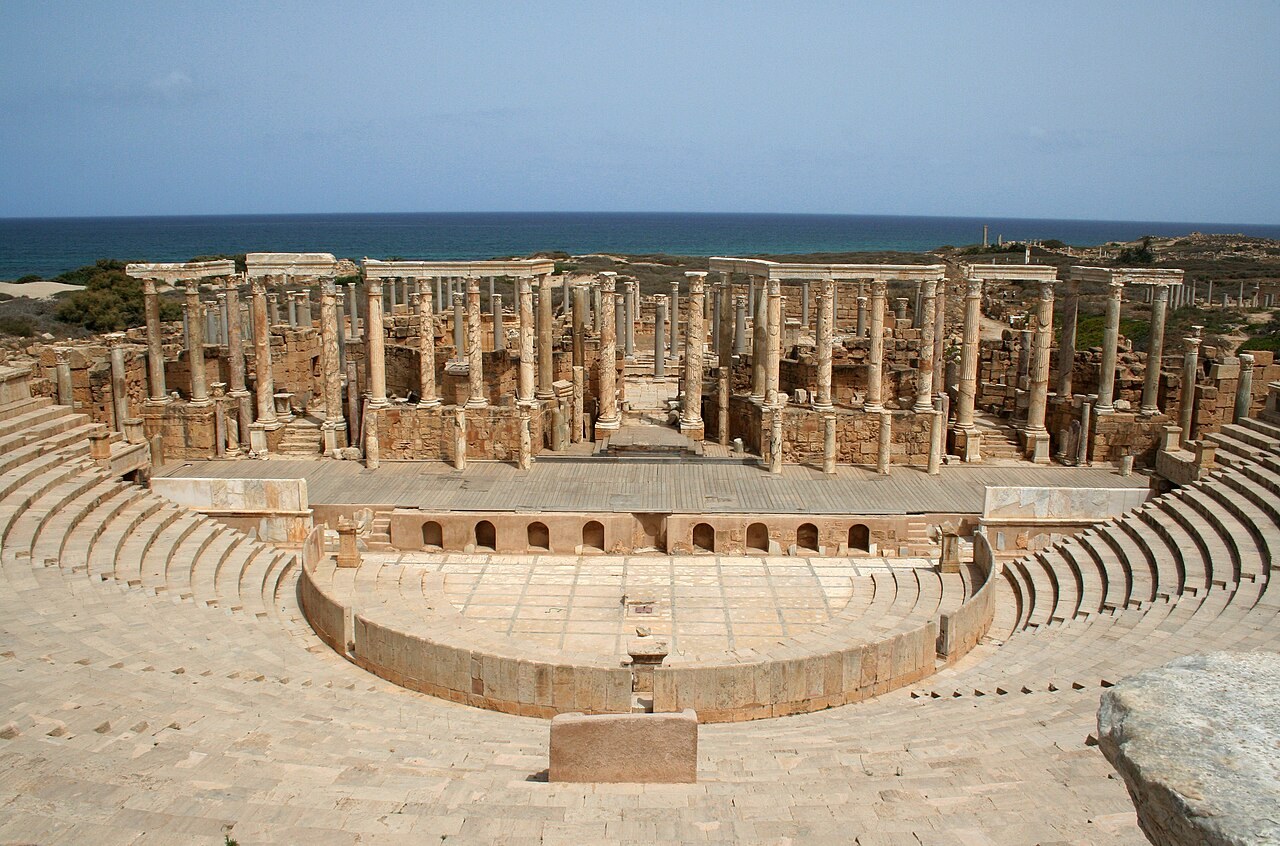 Leptis Magna: Leptis Magna Theatre; visual evidence for the site, Roman period, archaeological site or museum context.
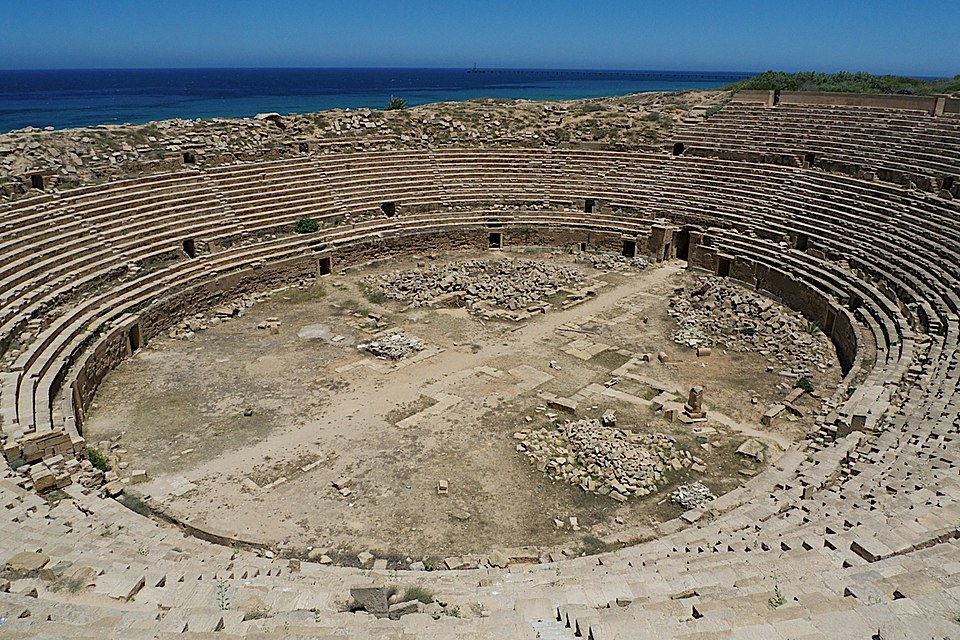 Leptis Magna: Leptis Magna amphitheatre - panoramio; visual evidence for the site, Roman period, archaeological site or museum context.
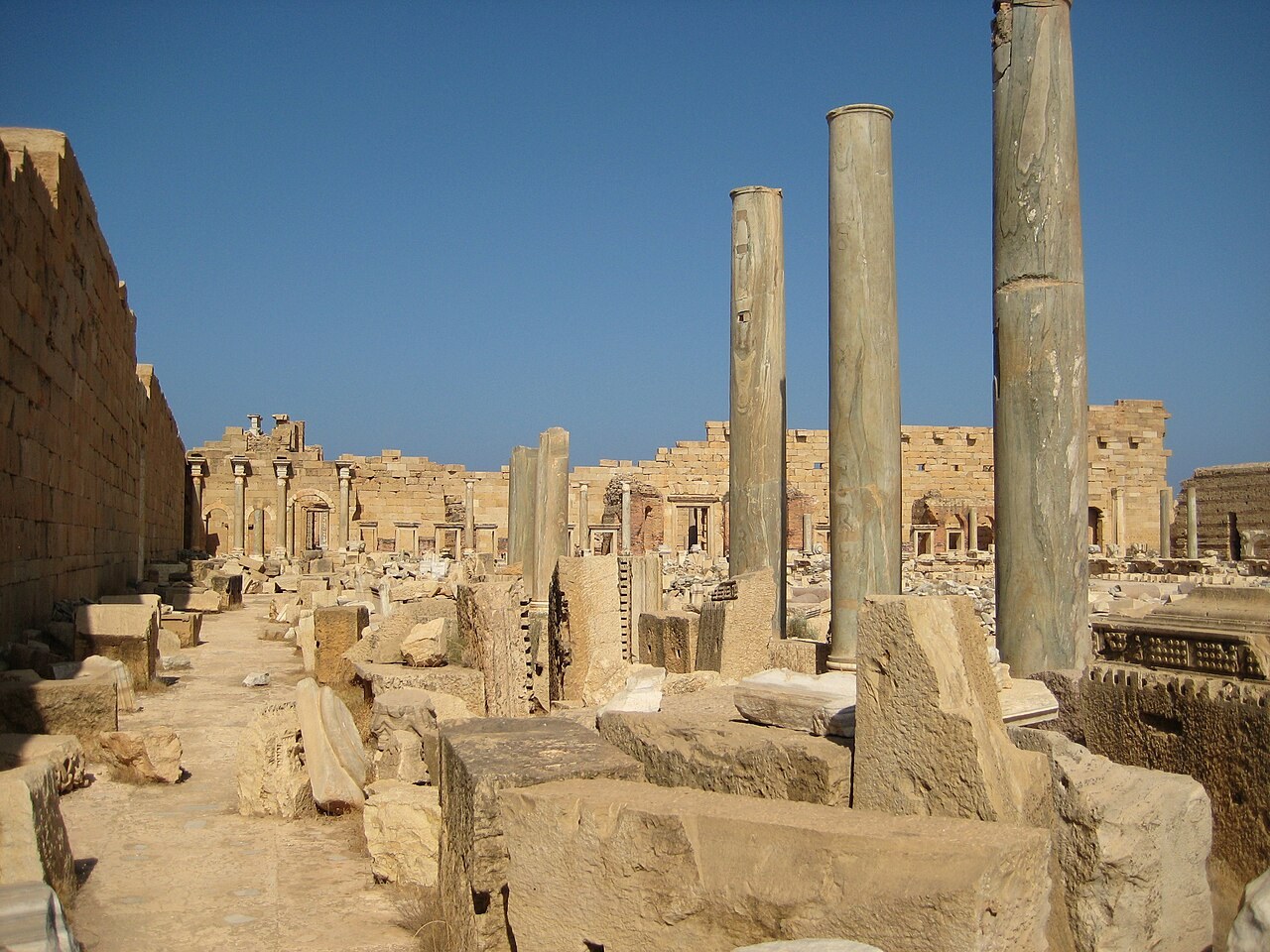 Leptis Magna: Forum leptis magna; visual evidence for the site, Roman period, archaeological site or museum context.
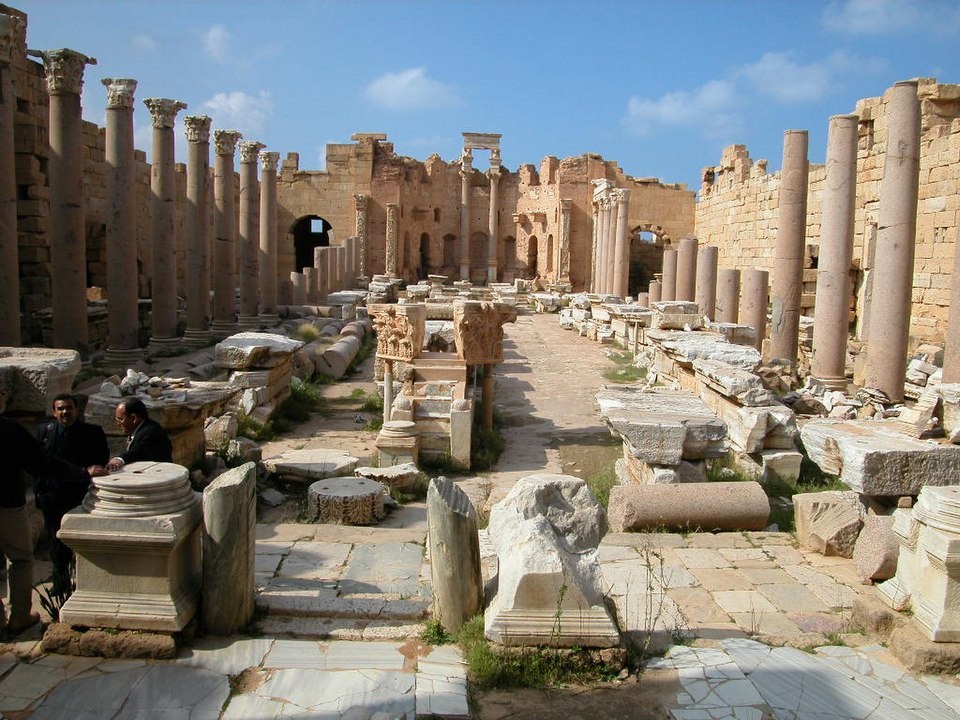 Leptis Magna: Archaeological Site of Leptis Magna-108958; visual evidence for the site, Roman period, archaeological site or museum context.
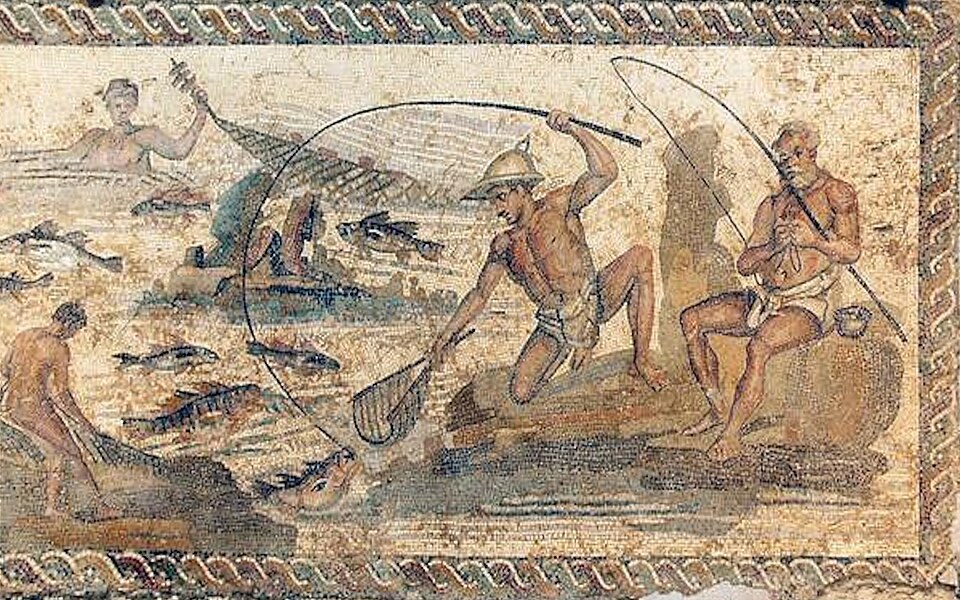 Leptis Magna: Villa of the Nile Mosaic fishermen; visual evidence for the site, Roman period, archaeological site or museum context.
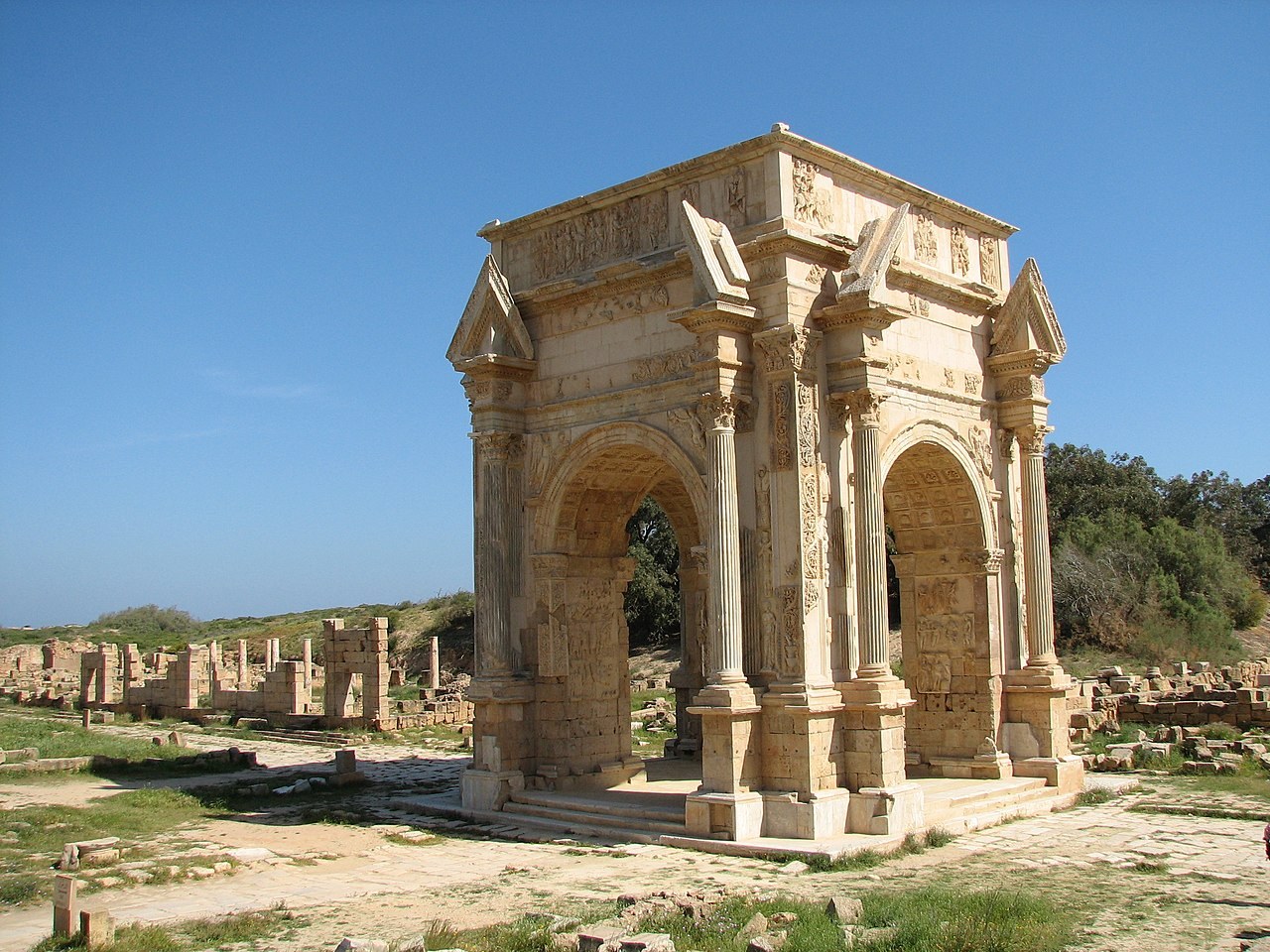 Leptis Magna: Arch of Septimius Severus, Leptis Magna12; visual evidence for the site, Roman period, archaeological site or museum context.
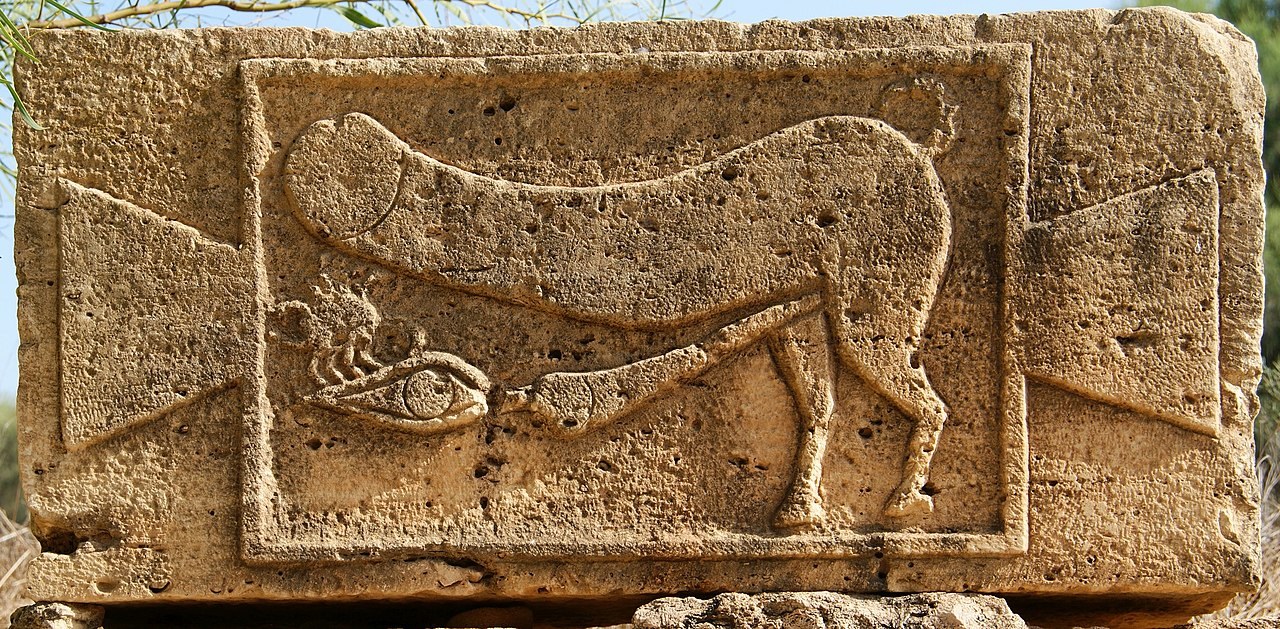 Leptis Magna: Fascinum relief in Leptis Magna; material-culture object or museum find connected with the site, Roman period or local archaeological context.
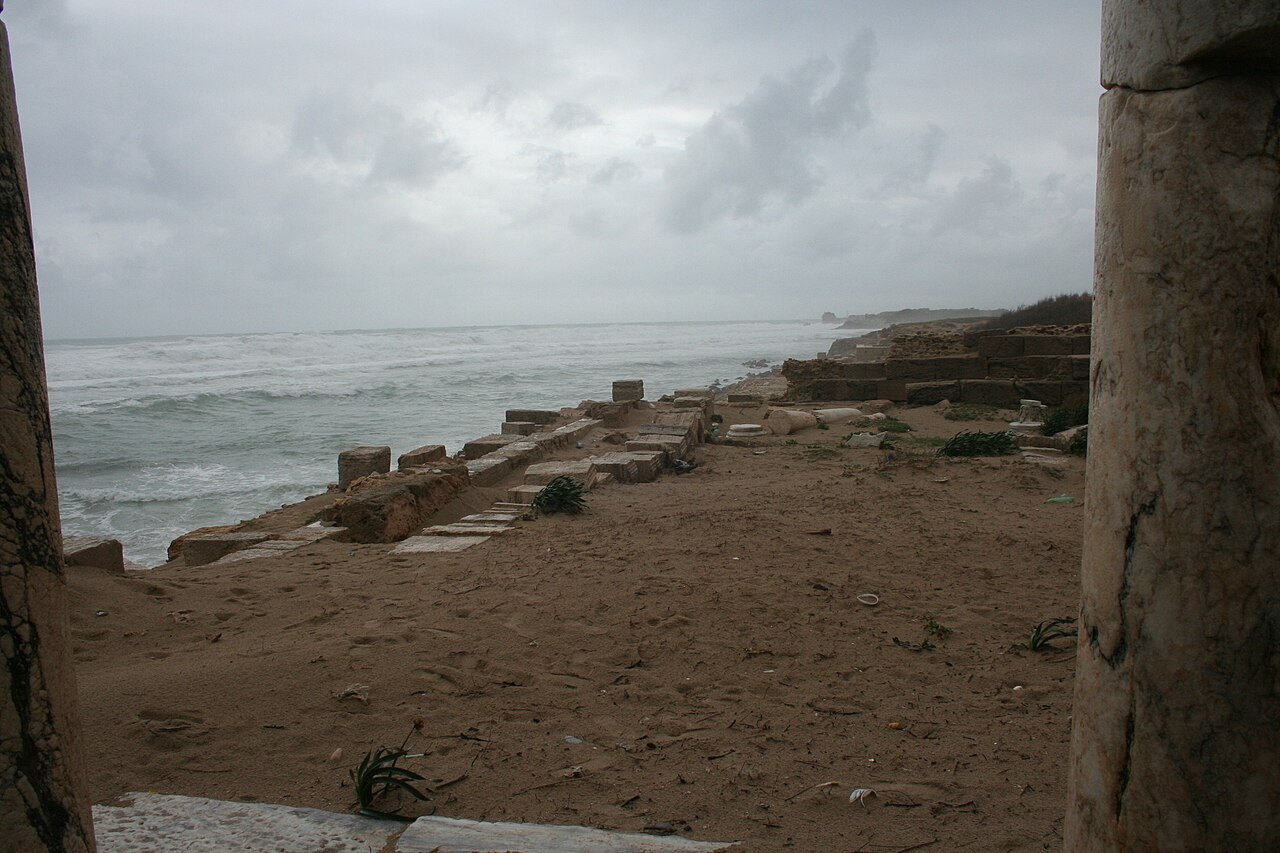 Leptis Magna: 42 Coast at Oriental temple; archaeological view, find or museum context connected with the site, Roman period or local archaeological context.
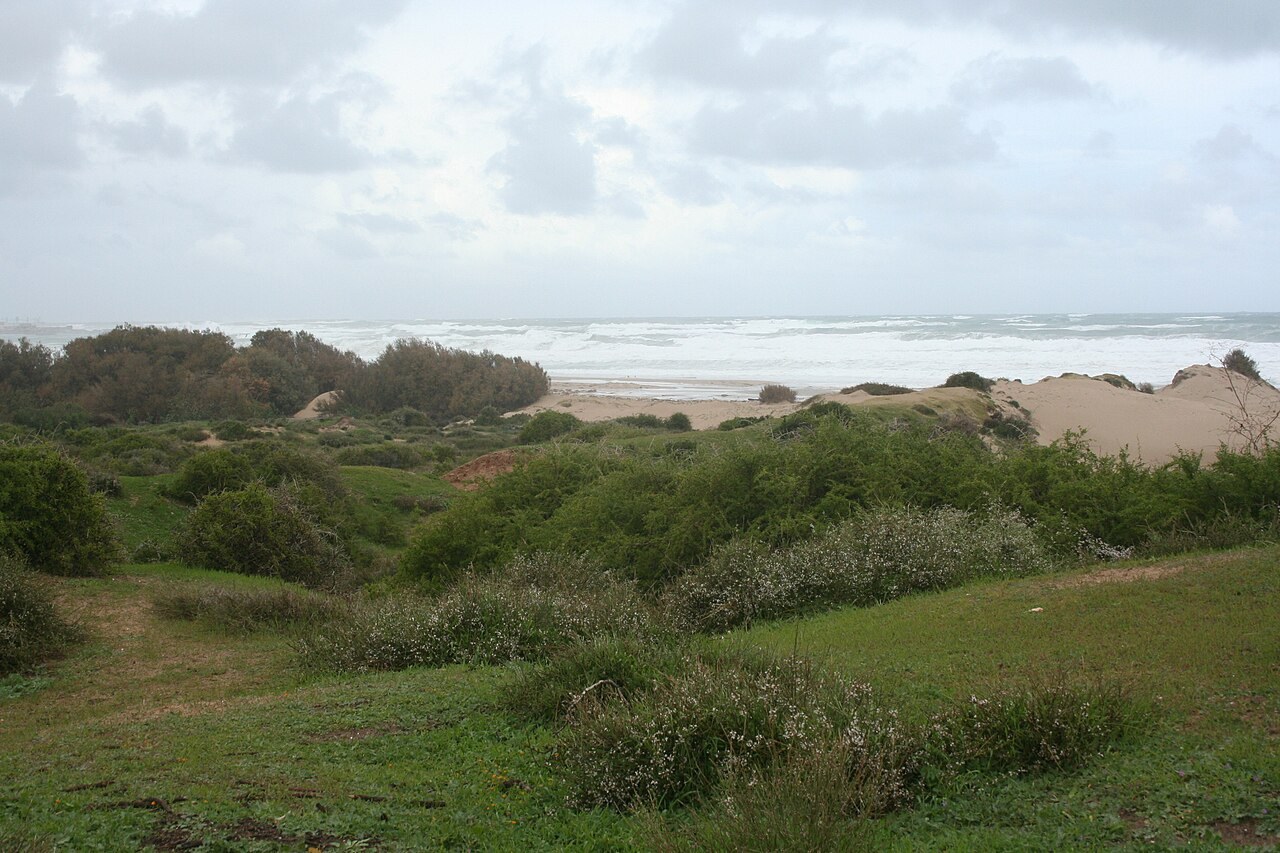 Leptis Magna: 43 Coastline near Hunting Baths; archaeological view, find or museum context connected with the site, Roman period or local archaeological context.
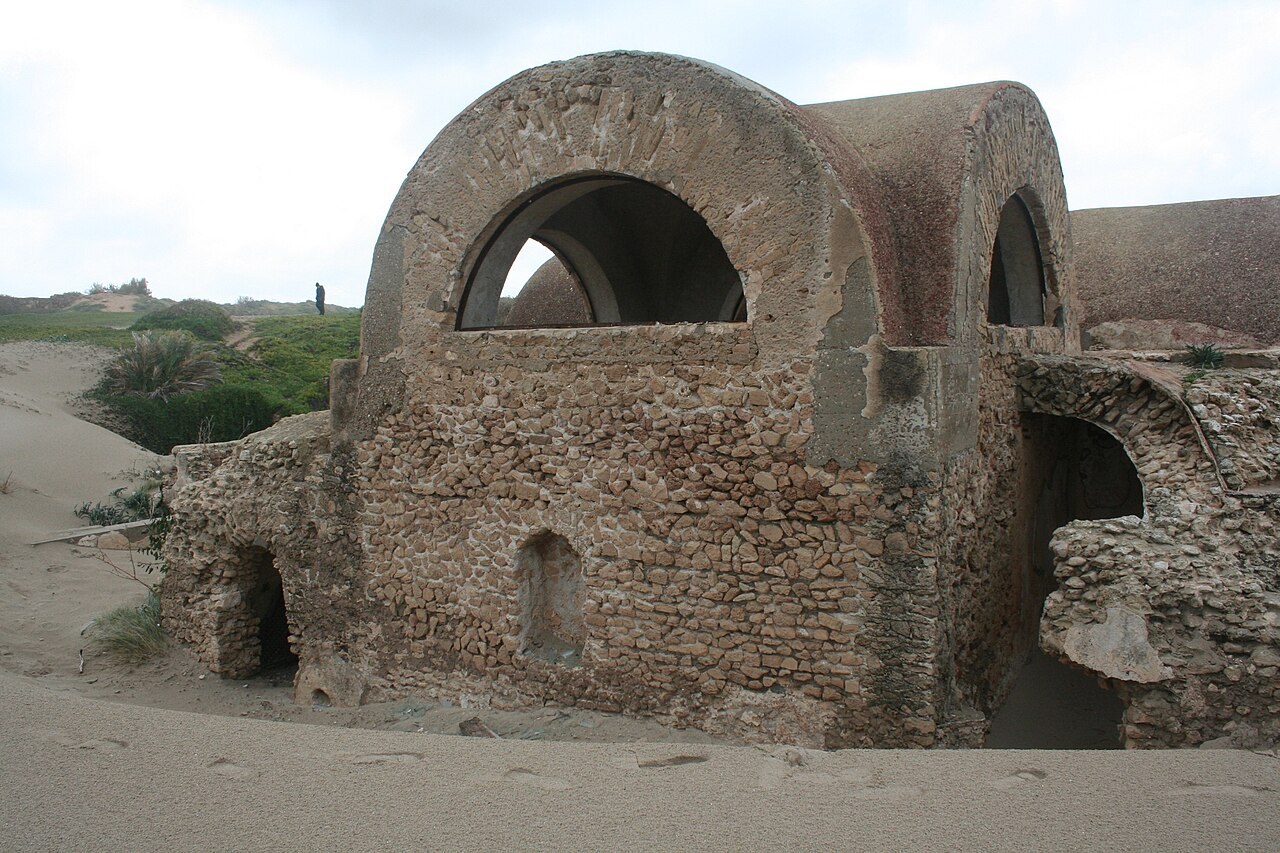 Leptis Magna: 44 Hunting Baths; archaeological view, find or museum context connected with the site, Roman period or local archaeological context.
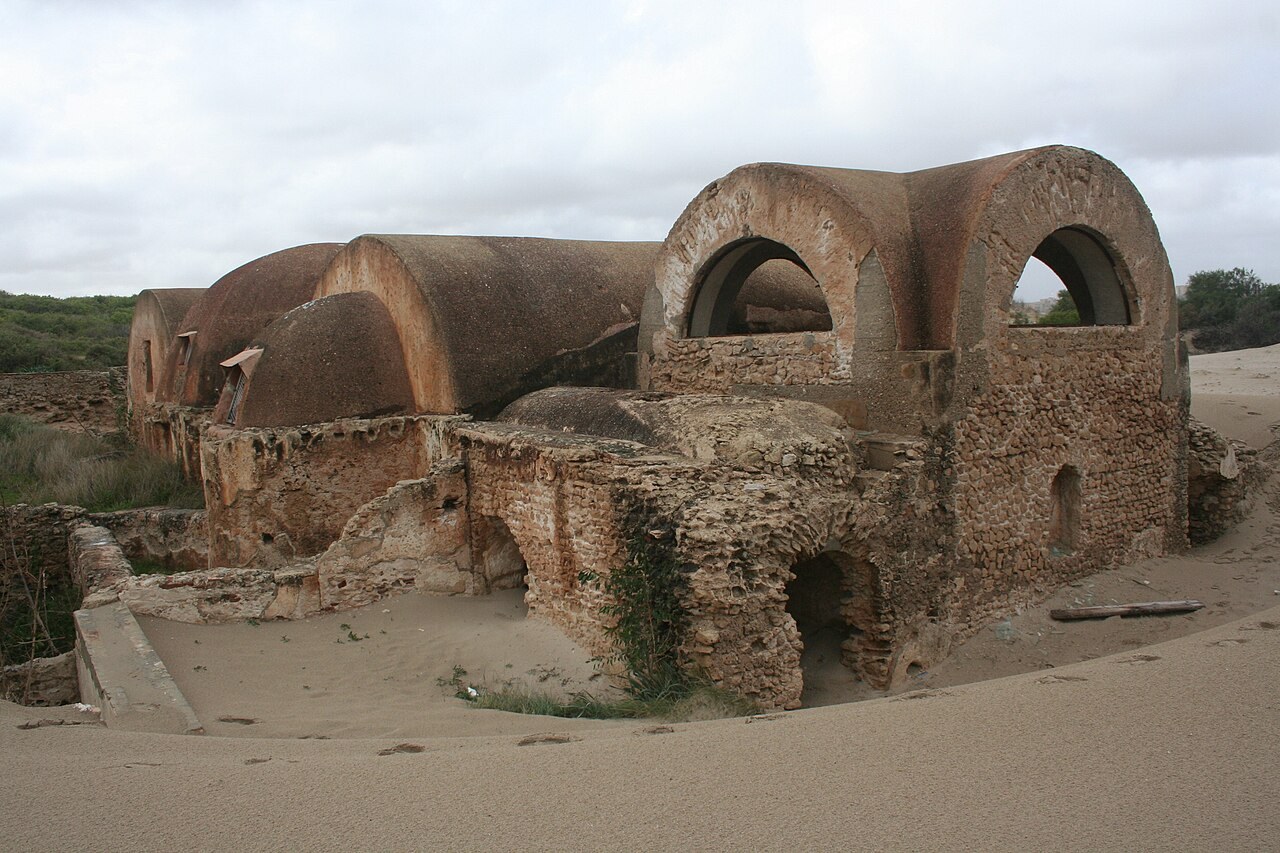 Leptis Magna: 45 Hunting Baths; archaeological view, find or museum context connected with the site, Roman period or local archaeological context.
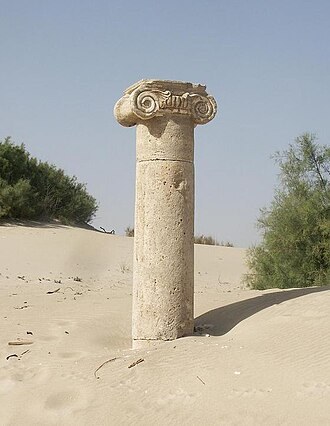 Leptis Magna: Leptis magna pillar; visual evidence for the site, Roman period, archaeological site or museum context.
Interested in Ancient Rome beyond reading? Join Legio X Fretensis or explore our reenactment directions.


