New Kingdom Egypt
New Kingdom Egypt is usually dated to about 1550-1069 BC and covers the Eighteenth to Twentieth Dynasties. It was the age in which Egypt became a major power of the eastern Mediterranean: after the expulsion of the Hyksos, Theban power extended over the country, the southern frontier moved into Nubia, and in western Asia Egypt entered sustained warfare and diplomacy with the kingdoms of the Levant, Mitanni and the Hittites. The state of this age relied on the army, the temple of Amun at Karnak, royal residences, international marriages and developed written diplomacy.
The major rulers of the period include Ahmose I, Hatshepsut, Thutmose III, Amenhotep III, Akhenaten, Tutankhamun, Horemheb, Seti I, Ramesses II and Ramesses III. Their reigns show the range of the New Kingdom: liberation of the country, expeditions, temple building, the Amarna religious reform, restoration of tradition, wars with the Hittites, defence against the Sea Peoples and the gradual weakening of royal authority at the end of the Twentieth Dynasty.
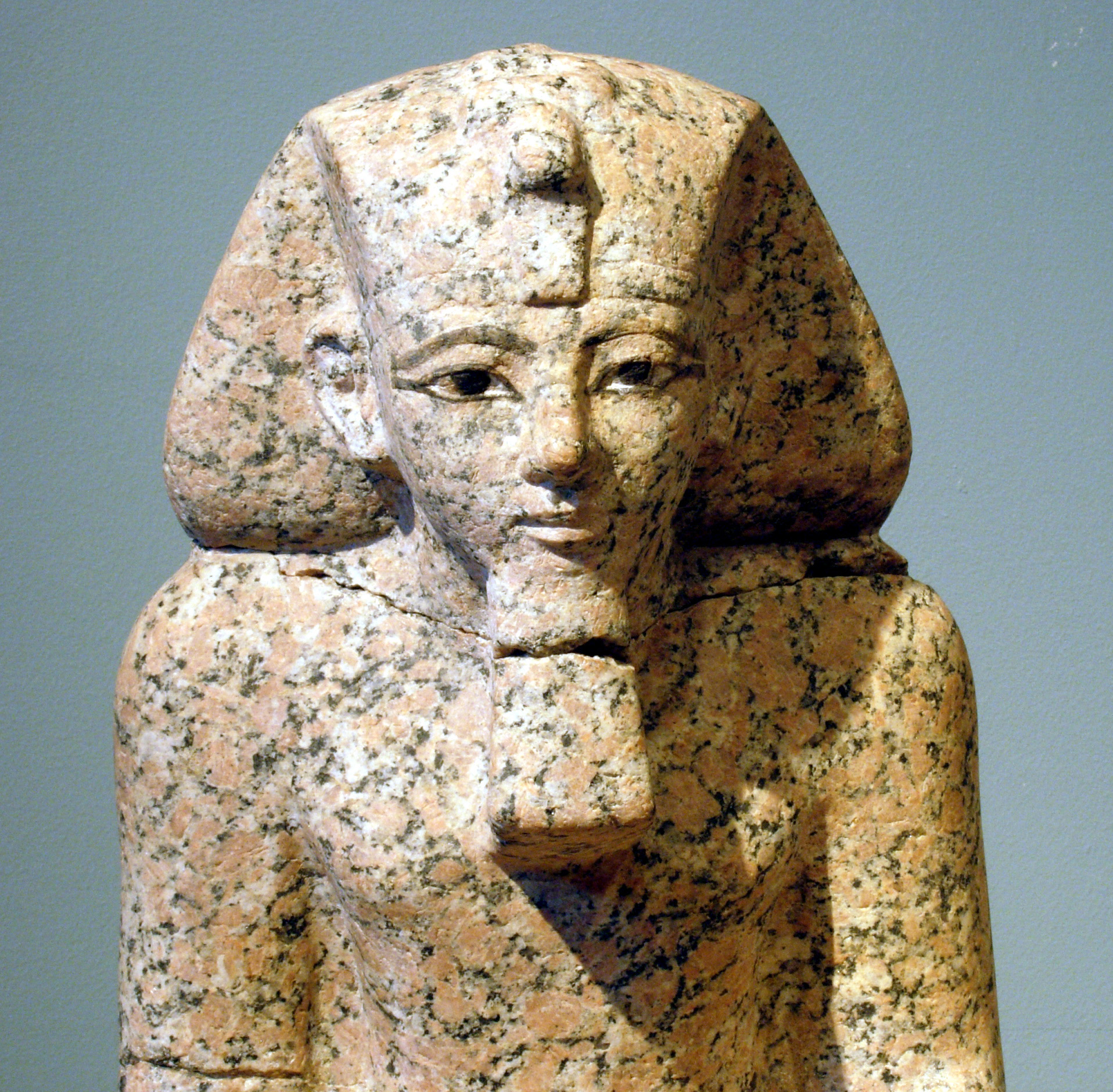 Kneeling statue of Hatshepsut from Deir el-Bahri. Dynasty 18, ca. 1479-1458 BC; Metropolitan Museum of Art.
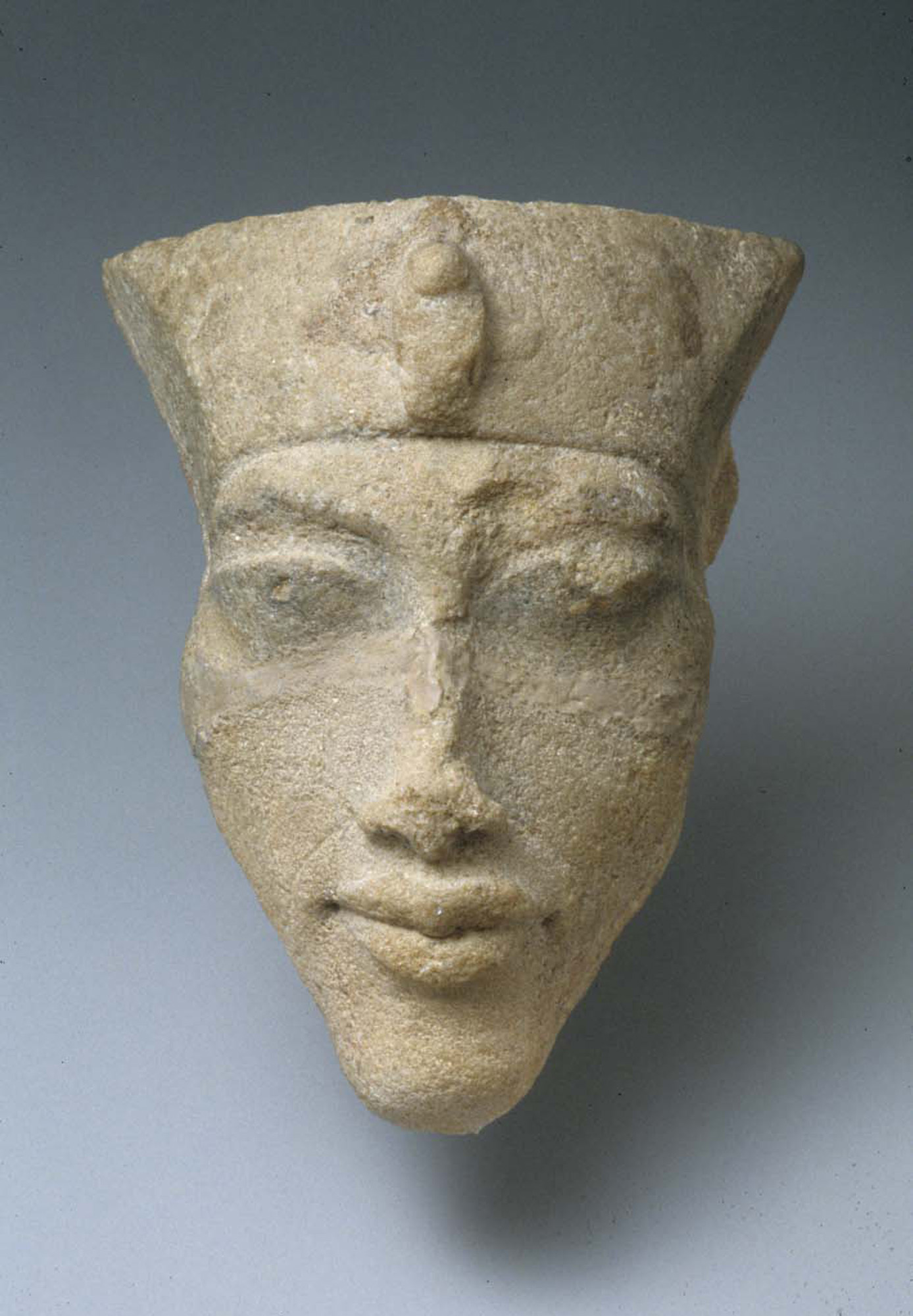 Head of Akhenaten from the workshops of Akhetaten. Amarna Period, ca. 1353-1336 BC; Metropolitan Museum of Art.
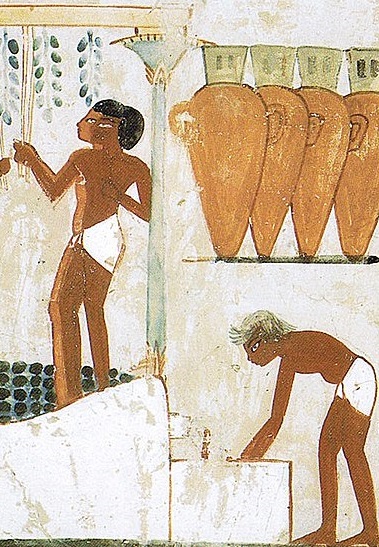 Scene with amphorae from the Theban tomb of Nakht. Dynasty 18, 15th century BC; Metropolitan Museum of Art.
Eighteenth Dynasty: Liberation and Early Empire
The New Kingdom began with the struggle of Theban kings against the Hyksos. Ahmose I took Avaris, drove the Hyksos from the Delta and carried military initiative beyond Egypt. His successors Amenhotep I, Thutmose I and Thutmose II strengthened authority in Nubia and Syria-Palestine, while Thebes and the cult of Amun acquired exceptional importance. Conquest did not create a modern fixed front: Egypt built a network of fortresses, vassal rulers, garrisons, gifts and hostages.
Hatshepsut ruled as a female pharaoh and created one of the most striking images of Eighteenth Dynasty kingship. Her temple at Deir el-Bahri, obelisks at Karnak and scenes of the expedition to Punt show power through building, ritual and controlled wealth. After her death Thutmose III became the dynasty's great military ruler: his campaigns in western Asia, including the battle of Megiddo, fixed Egypt as an empire with interests far beyond Sinai.
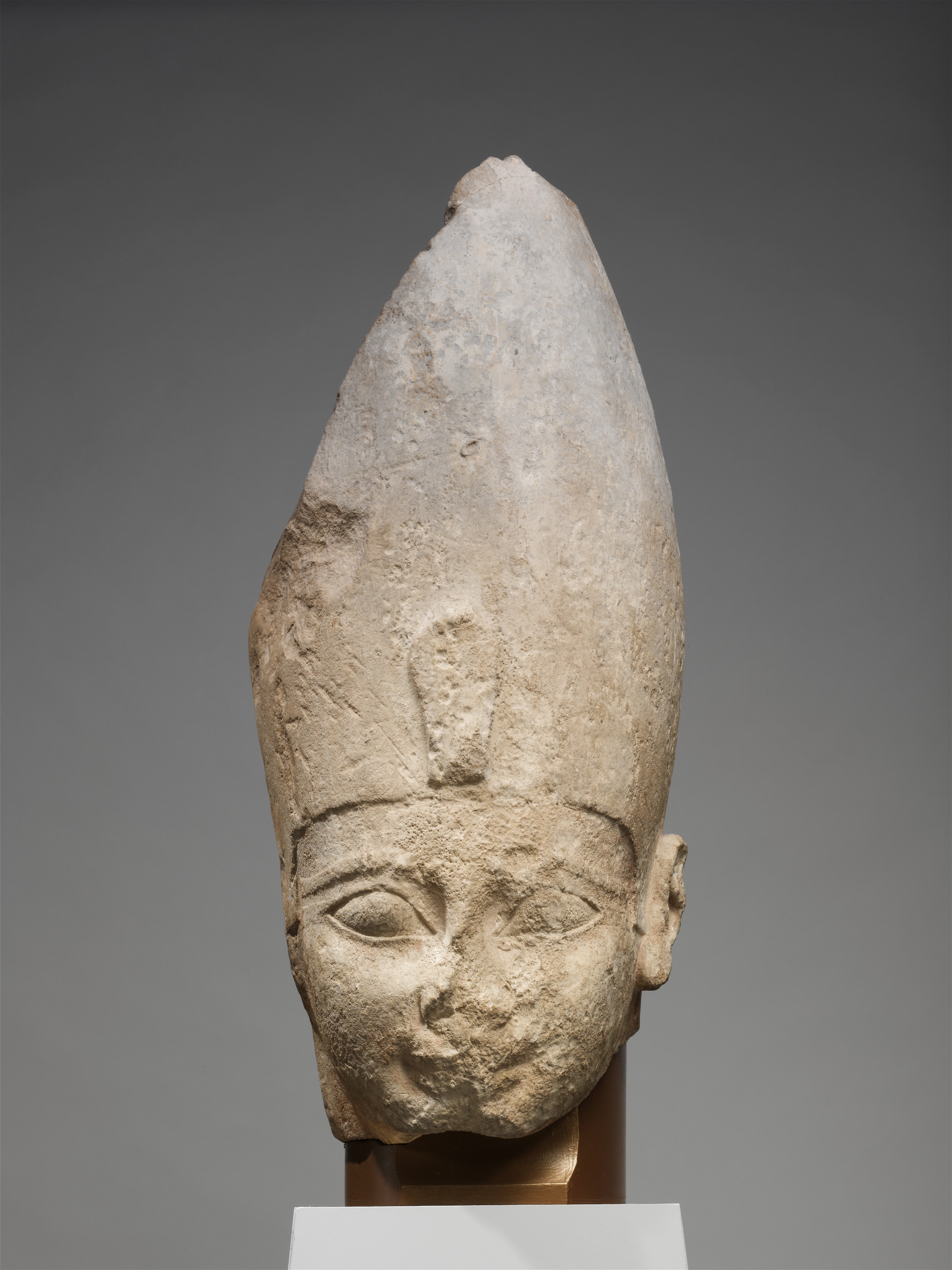 Head of Ahmose I. Dynasty 18, ca. 1550-1525 BC; Metropolitan Museum of Art.
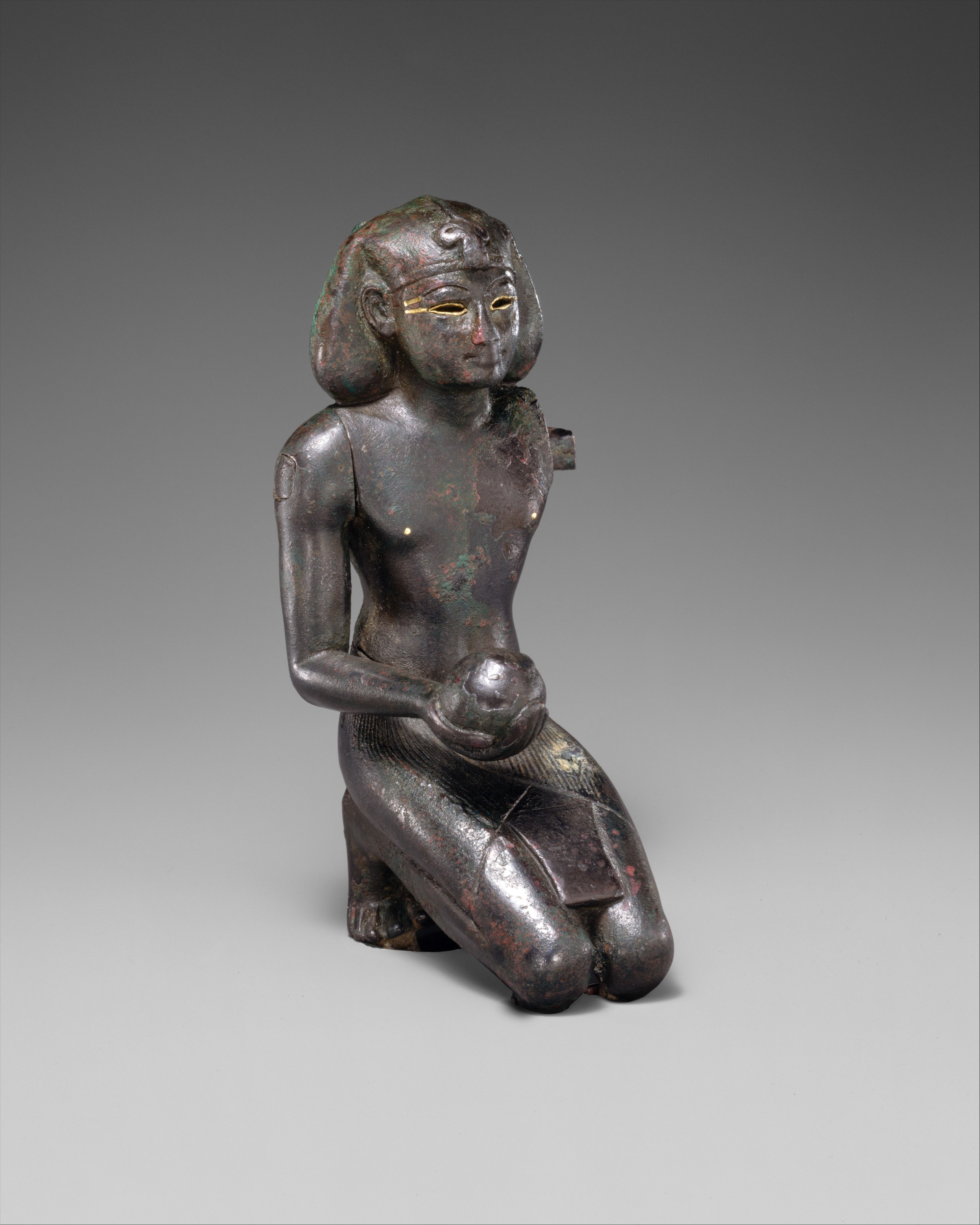 Ritual statuette of Thutmose III. Dynasty 18, ca. 1479-1425 BC; Metropolitan Museum of Art.
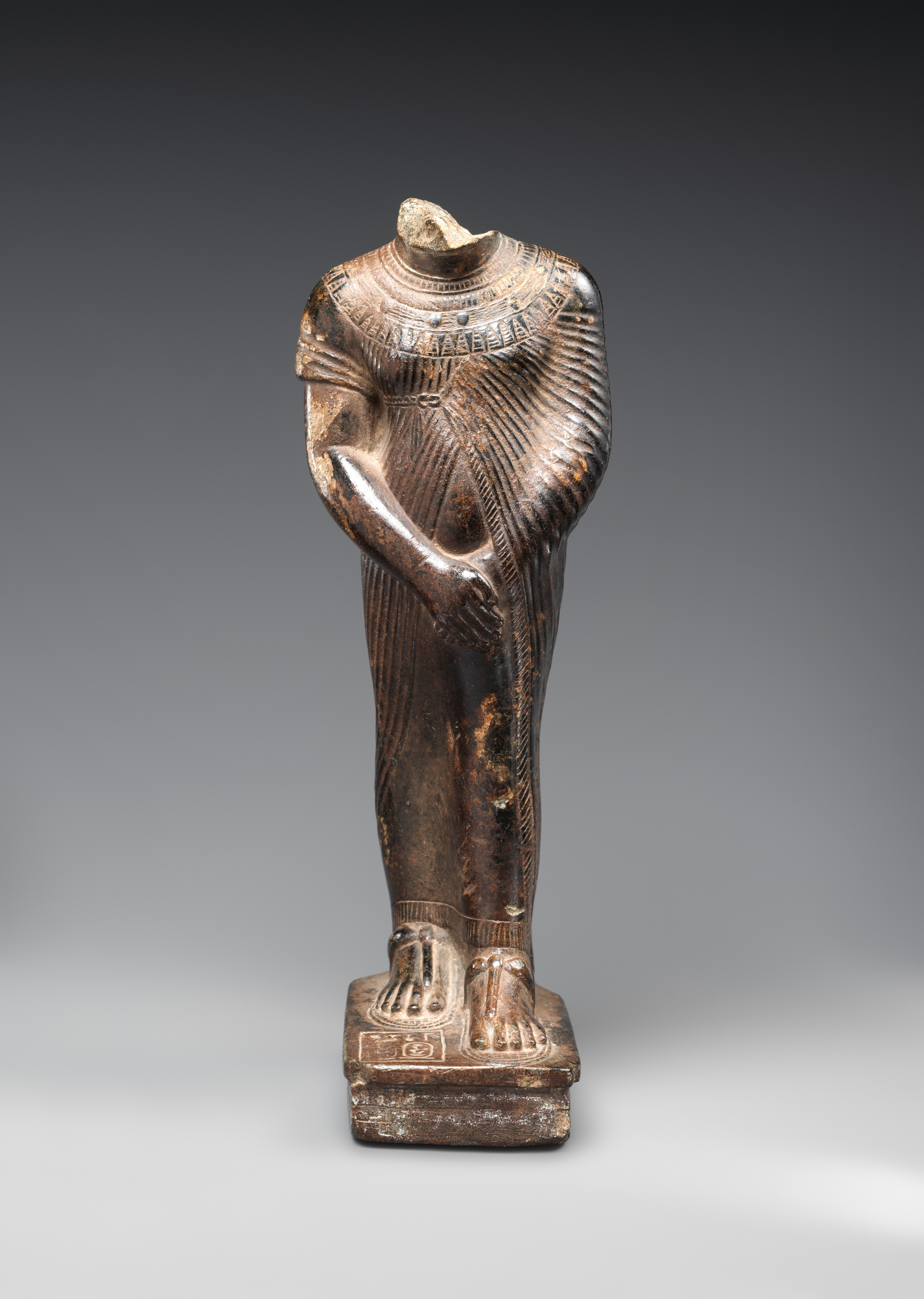 Standing figure of Amenhotep III. Dynasty 18, ca. 1390-1352 BC; Metropolitan Museum of Art.
Army, Chariots and International Politics
In the New Kingdom the Egyptian army became more mobile and professional. War chariots, composite bows, specialized units, fortresses and campaign camps changed the nature of warfare. The king was represented as a warrior smiting enemies, but behind this image stood real organization: recruitment, supplies, stables, chariot workshops, intelligence, scribes and accounting of booty.
After the campaigns of Thutmose III and his successors Egypt controlled not a continuous territory in Asia, but a system of dependent cities and rulers. The Amarna Letters of the fourteenth century BC reveal this diplomatic world: local princes wrote to the pharaoh about wars, gifts, gold, marriages, threats and requests for help. Egypt was part of an international system that included Mitanni, Babylon, Assyria, Alashiya and the Hittite kingdom.
Amenhotep III, Amarna and the Restoration of Tradition
Under Amenhotep III Egypt reached great wealth and diplomatic prestige. His reign is associated with temples, statues, commemorative scarabs, marriages with foreign princesses and active correspondence with the great kings of the Near East. Thebes, Malqata, the Colossi of Memnon and the cult of Amun show royal power as a centre of luxury, ritual and international exchange.
Akhenaten radically changed the religious and political landscape by promoting the cult of the Aten and building a new capital, Akhetaten. Amarna art, hymns to the Aten, the transfer of the court and the restriction of older cults made his reign one of the most debated in Egyptian history. After Akhenaten, Tutankhamun, Ay and Horemheb returned the cult system to traditional forms; Amun again became central, and the memory of Amarna was largely erased from official history.
Nineteenth Dynasty: Seti I, Ramesses II and Kadesh
The Nineteenth Dynasty restored active foreign policy after Amarna. Seti I campaigned in the Levant, built at Abydos and Karnak, and his reliefs created the image of a king restoring order. Ramesses II continued this line and became the most famous Ramesside ruler. His building projects included Pi-Ramesses in the Delta, Abu Simbel, the Ramesseum, Karnak, Luxor and many monuments where the royal name functioned as a sign of power's presence.
The Battle of Kadesh around 1274 BC became the main military event of his reign. Egyptian texts present it as the personal victory of Ramesses II, but comparison with Hittite material shows a more complex picture: the clash did not destroy the Hittite kingdom and led to extended diplomacy. The peace treaty between Egypt and Hatti, followed by a dynastic marriage, became part of a new political reality in which war and diplomacy worked together.
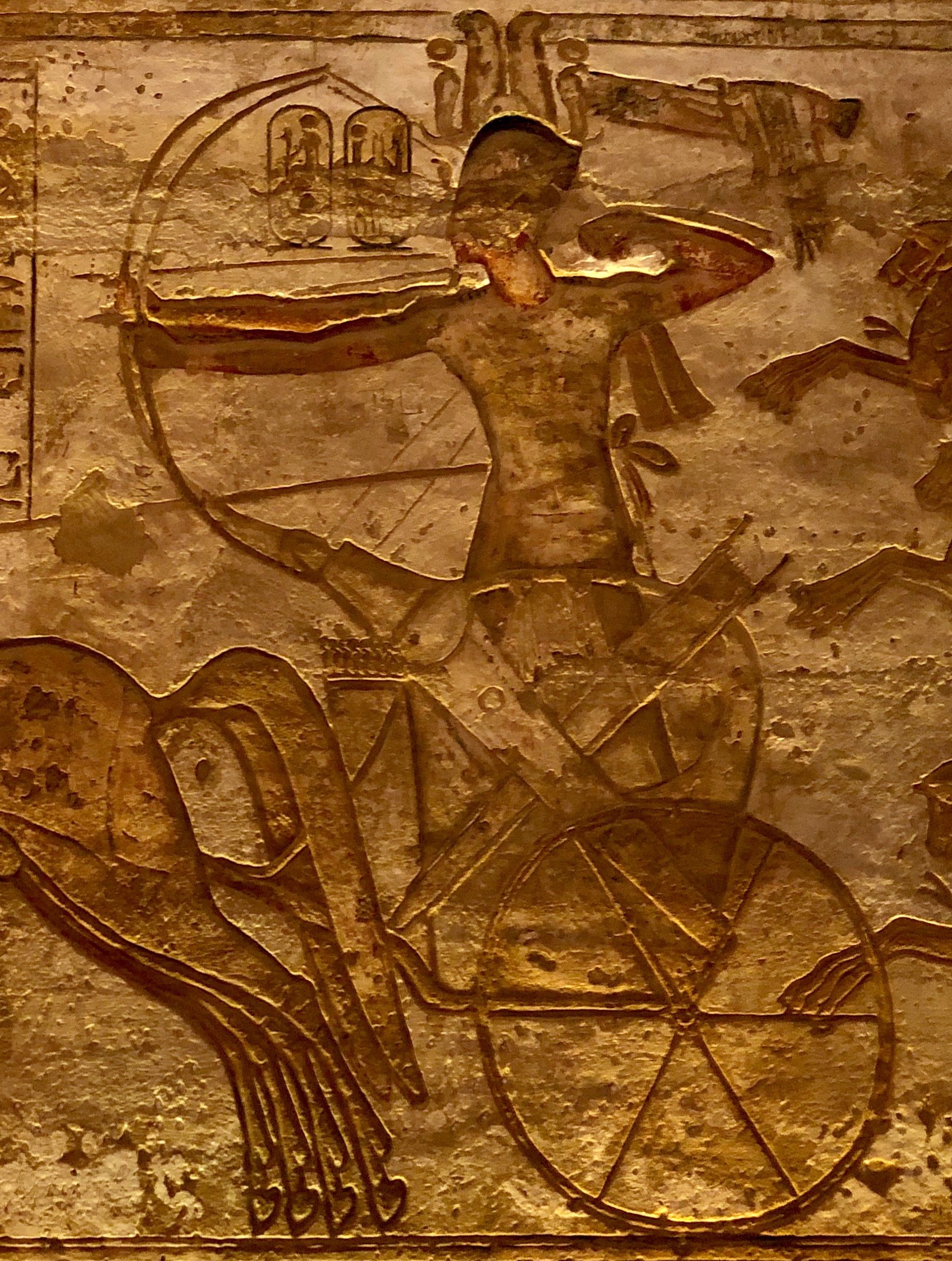 Ramesses II in a chariot in a Battle of Kadesh scene, relief of the Abu Simbel temple.
Twentieth Dynasty and the End of the New Kingdom
In the Twentieth Dynasty the central figure was Ramesses III. His reign is associated with the repulse of Libyan attacks and conflict with the Sea Peoples, which Egyptian reliefs at Medinet Habu present as the rescue of the country from external threat. These images are important, but they cannot be read as simple reports: they combine real military danger with the traditional language of royal victory.
After Ramesses III royal power gradually weakened. Economic problems, the strike of the workers of Deir el-Medina, the rising influence of the priests of Amun, diverging interests between the Delta and Thebes, tomb robberies and frequent changes of kings show that the old system was losing stability. By the late eleventh century BC power was effectively divided between northern rulers and the Theban priesthood. The New Kingdom thus gave way to the Third Intermediate Period.
Chronology of Main Events
- c. 1550 BC
- Ahmose I takes Avaris and completes the expulsion of the Hyksos.
- Early Thutmosids
- strengthening of power in Nubia and the first major campaigns in western Asia.
- Reign of Hatshepsut
- building at Deir el-Bahri, obelisks at Karnak and the expedition to Punt.
- Reign of Thutmose III
- battle of Megiddo and expansion of Egyptian influence in the Levant.
- Reign of Amenhotep III
- diplomatic prosperity, temple projects and wealth of the royal court.
- c. 1353-1336 BC
- reign of Akhenaten, cult of the Aten and the capital Akhetaten.
- After Amarna
- Tutankhamun, Ay and Horemheb restore traditional cults and administrative order.
- c. 1274 BC
- Battle of Kadesh between the forces of Ramesses II and the Hittites.
- 13th century BC
- Egyptian-Hittite peace treaty and diplomatic rapprochement.
- Reign of Ramesses III
- wars with Libyans and the Sea Peoples, construction of Medinet Habu.
- c. 1150-1069 BC
- economic problems, rising power of the Amun priesthood and transition to the Third Intermediate Period.
Archaeological and Written Evidence
The New Kingdom preserves a wide range of sources. Temple reliefs at Karnak, Luxor, Abydos, Abu Simbel and Medinet Habu show royal ideology of war and cult. Theban tombs provide scenes of agriculture, craft, banquets, music, funerary ritual and elite life. The Amarna Letters reveal diplomatic correspondence, while documents from Deir el-Medina show the lives of workers, ration distribution, conflicts and a strike.
The combination of these materials makes the period especially visible. A relief of the king in a chariot shows the official image of victory; a vassal's letter from Canaan shows dependence and local anxiety; the painted tomb of Nakht shows not war but the peaceful ideal of the Theban elite; judicial documents about tomb robberies show the crisis at the end of the period. The New Kingdom is therefore studied not only through great temples, but also through archives, ostraca, tombs and traces of everyday labour.
Related Topics
- Ancient Egypt
- Middle Kingdom Egypt
- War chariots of Ancient Egypt
- Battle of Kadesh
- Temples of Ancient Egypt
- Pharaohs of Ancient Egypt
Literature and sources
- Bryan B. M. The 18th Dynasty before the Amarna Period.
- Murnane W. J. The Road to Kadesh.
- Redford D. B. Akhenaten: The Heretic King.
- Shaw I. The Oxford History of Ancient Egypt.
- Wilkinson T. The Rise and Fall of Ancient Egypt.
- Kemp B. Ancient Egypt: Anatomy of a Civilization.
- Metropolitan Museum of Art: Kneeling statue of Hatshepsut, 23.3.2.
- Metropolitan Museum of Art: Head of Akhenaten, 21.9.17.
Interested in Ancient Rome beyond reading? Join Legio X Fretensis or explore our reenactment directions.


